↩ Accueil

Vue lecture

Forget all the artisanal cheese. French crisps are absolutely depraved | Emma Beddington

A trip to the supermarché this Christmas opened my eyes to crisps flavoured with Flemish stew, salted butter and other flagrant crimes

I spent Christmas in France, which was on its best behaviour: tasteful, twinkling lights, market stalls stacked with exquisitely fresh fruit and vegetables, and enough cheeses to coat the entire Channel Tunnel with arterial plaque, piled platters of glistening shellfish on ice glimpsed through fogged brasserie windows. As I watched a long but orderly queue of well-dressed citizens collecting their artisanal Bûche de Noël (yule log) I thought, disloyally, that my home town of York, which becomes a modern reimagining of Hogarth’s Gin Lane at this time of year with mince-pie flavoured vapes and BuzzBallz, could learn a few lessons.

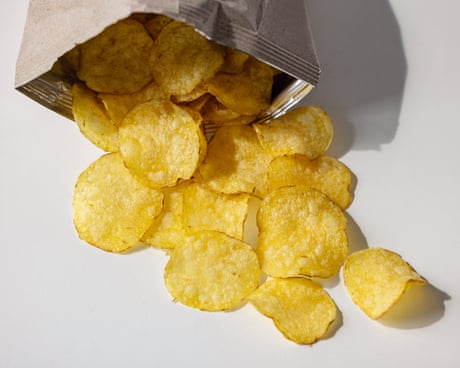
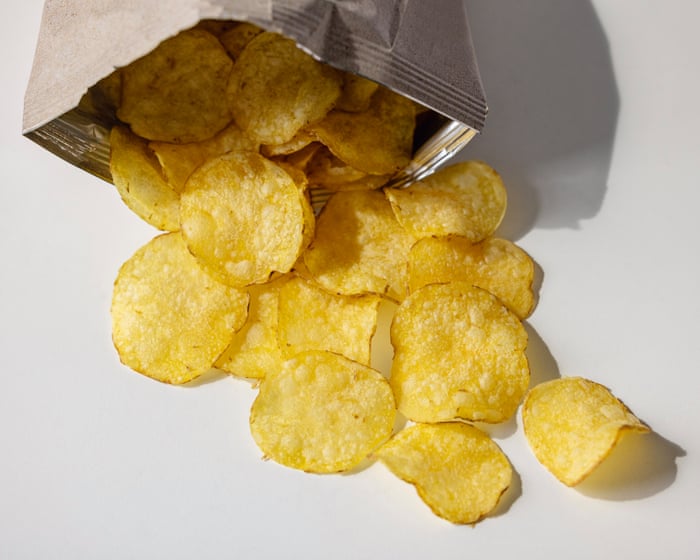
But all this “art de vivre” stuff is just an elegant facade – France is as prey to its basest appetites as the rest of us. Just go into a supermarket and you’ll see. The crisp aisle is an absolute sink of depravity, stacked with the likes of blue cheese, falafel, Flemish stew and salted butter flavours. Who eats butter crisps? It’s like something from one of those American fairs where they deep fry sticks of butter (the comedian Tatty Macleod recently claimed they’re the best crisps she’s ever tasted, but she’s obviously fallen victim to some kind of Breton brainwashing – she grew up in Brittany).

Continue reading...
© Photograph: mrs/Getty Images
© Photograph: mrs/Getty Images
© Photograph: mrs/Getty Images

  •  

Nine scientific breakthroughs I’d like to see in 2026 – from earworms to procrastination | Emma Beddington

There’s nothing more uplifting than hearing about a world-shaking, life-enhancing new development. But science shouldn’t overlook the small stuff, or stop looking for new species of cute, fluffy mammals …

People who greet the new year with hope, ambitious plans and optimised gut microbiomes might be obnoxiously apparent at the moment, but we all know they’re a minority. Most of us lurched into 2026 catastrophically depleted and grey-faced, juggling deep Lemsip dependency with a deeper overdraft and a sense of ever-deepening global geopolitical foreboding. There is, however, one thing that fills me with buoyant optimism now and always: science. I don’t understand it, but I’m delighted it’s out there, making things better.

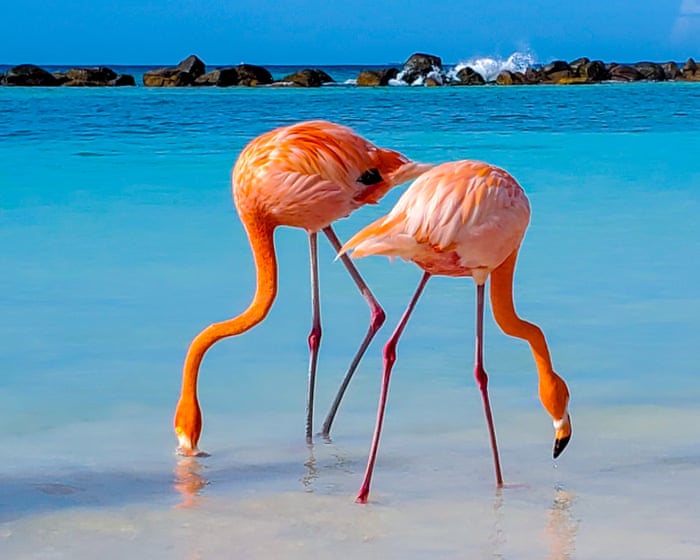
I was booted out of my leaden year-end listlessness by The Atlantic’s list of 55 Facts That Blew Our Minds in 2025. Did you know, for example, that scientists at UC Berkeley created a new colour? (It’s called “olo” and it’s sort of teal.) Or that doctors treated a baby with a rare genetic disorder with custom gene editing? There were more wonders in the Smithsonian’s list of last year’s fascinating scientific discoveries: ichthyosaurs, extinct marine reptiles, had “stealth flippers”, snails can regrow eyes within a month, and “flamingos form tornado-like vortices as they probe for prey”, which is pure poetry (it looks pretty cool too, I watched one do it on YouTube). Still on an animal theme, entomologists discovered a “bone collector” caterpillar that conceals itself in the body parts of its prey (I’m sure he’s lovely when you get to know him). 2025 was also the year science made oyster mushrooms play keyboards (sort of), astronomers discovered more than 100 moons in our solar system and medical researchers created replica womb lining and made astonishing progress towards lab-grown teeth.

Continue reading...

© Photograph: Aviv Joshua/Getty Images/iStockphoto

© Photograph: Aviv Joshua/Getty Images/iStockphoto

© Photograph: Aviv Joshua/Getty Images/iStockphoto

  •  
❌