↩ Accueil

Vue lecture

Epomaker unveils Carbonis gaming mouse, made with solid carbon fibre

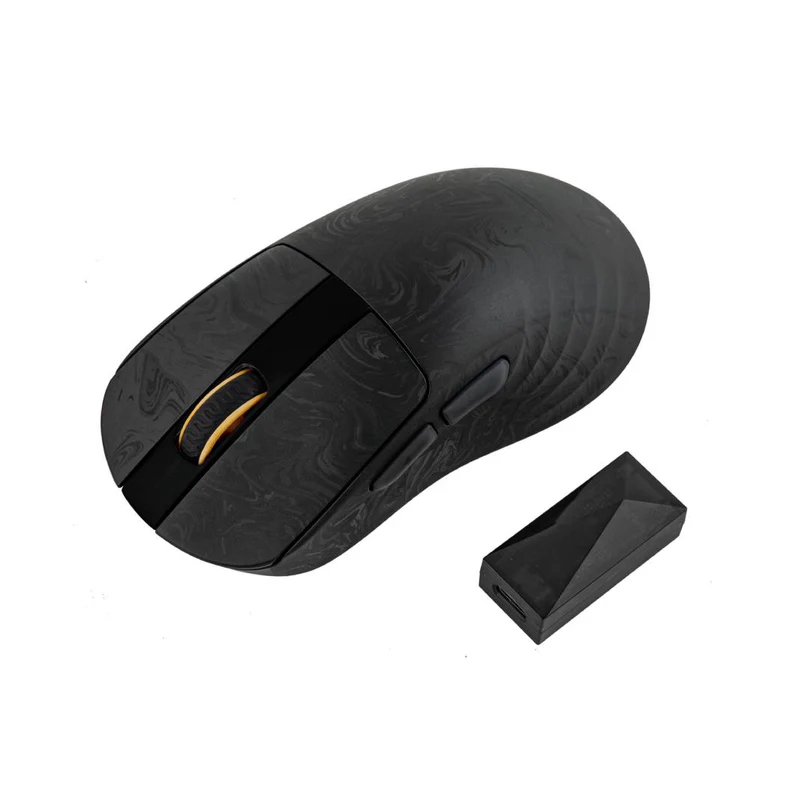
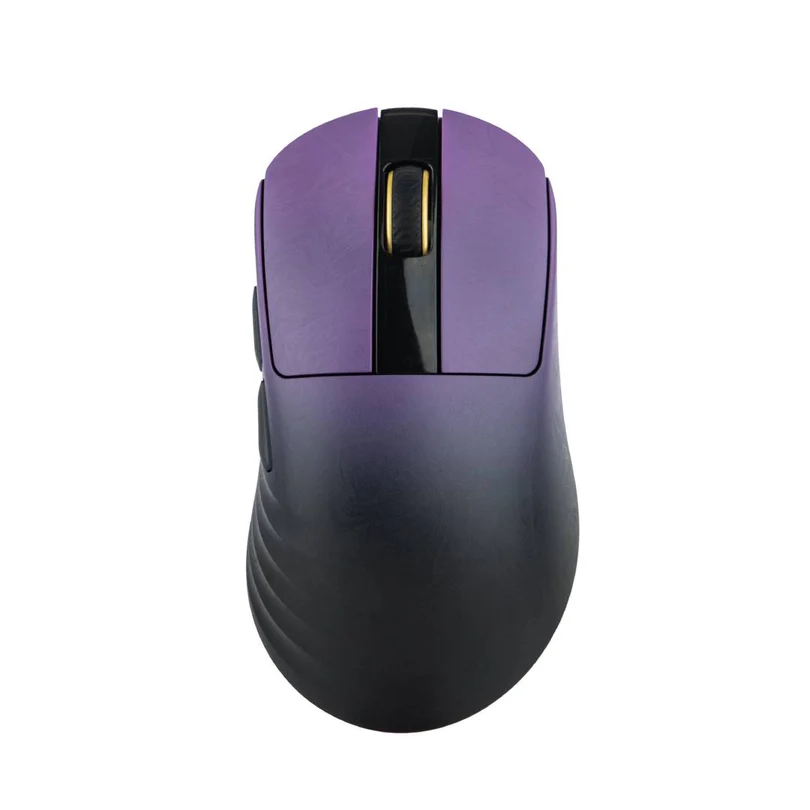
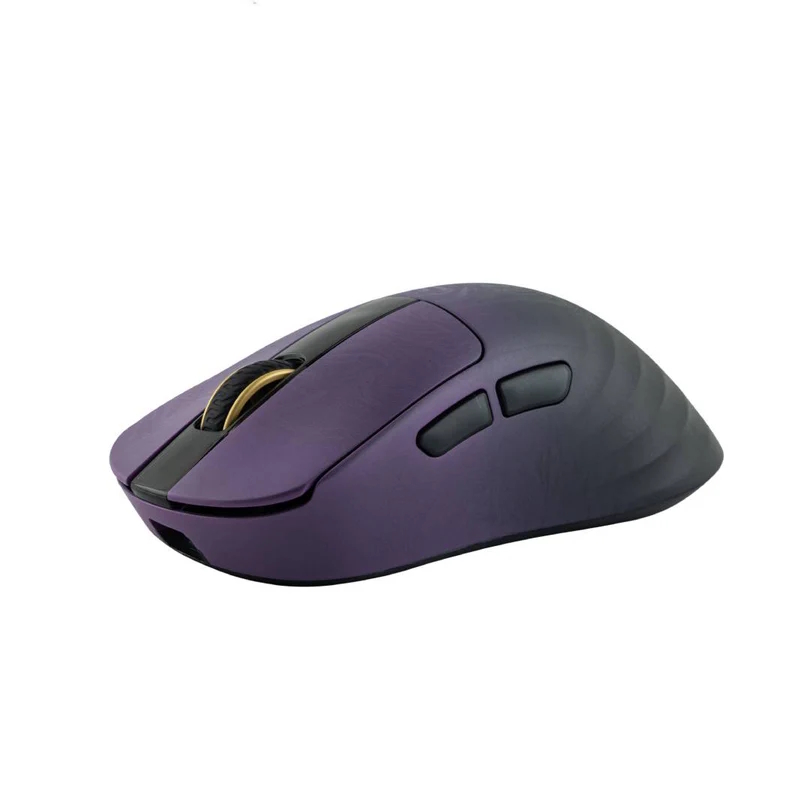
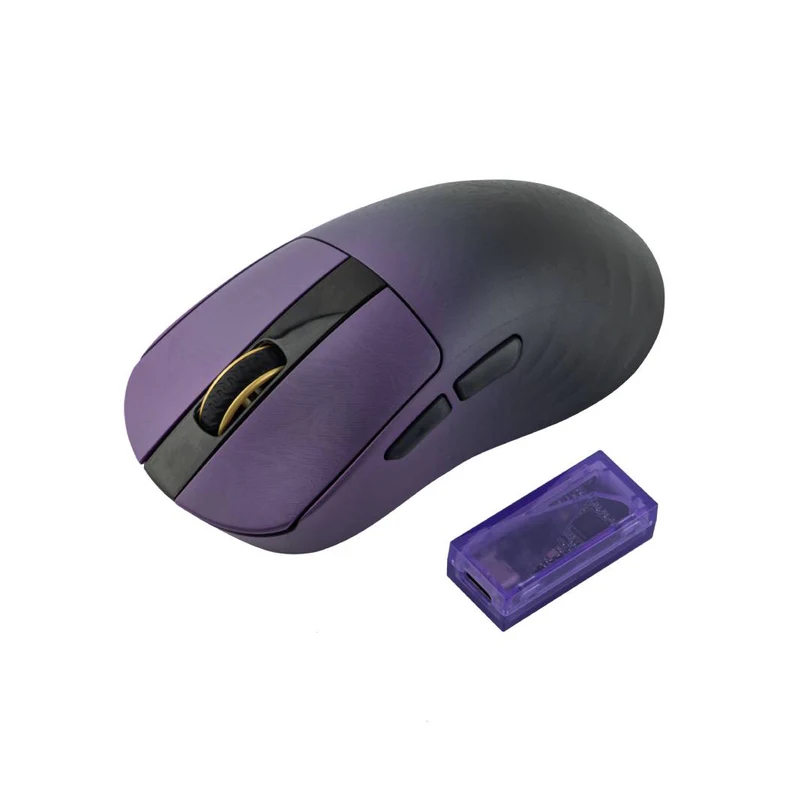
Epomaker is expanding its carbon mouse lineup with the Carbonis, a solid-shell, ergonomic carbon fibre gaming mouse. While its predecessor, the CarbonX, utilised a lattice-style honeycomb frame to save weight, the Carbonis adopts a solid right-handed ergo shape reminiscent of the Razer DeathAdder V4 Pro.

Using carbon fibre, Epomaker aims to deliver a structurally rigid frame that remains lightweight. Under the shell, the Carbonis (via TechPowerUP) is equipped with the flagship PixArt PAW 3950 sensor and the Nordic N54L MCU. This combination supports a native 8000 Hz (8K) polling rate for minimal input latency. Another standout feature is the integrated smart LCD screen on the top of the mouse, which provides real-time feedback on DPI settings, battery life, and current polling rates.
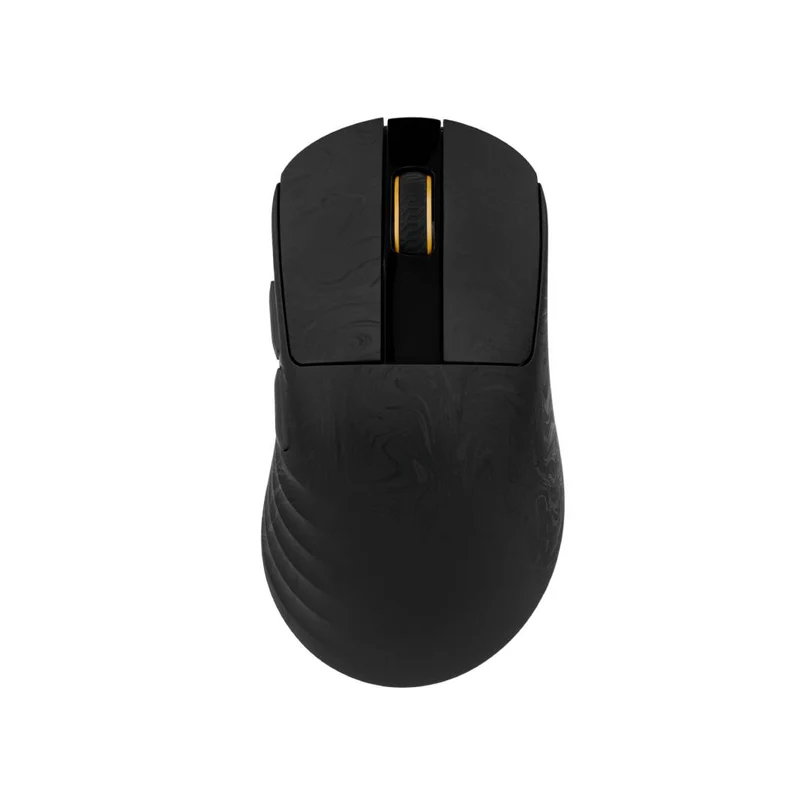

The device uses an online, web-based driver, allowing users to customise settings via a browser without the need for traditional software installations. As for aesthetics, the mouse will be available in two models: a black forged carbon pattern with a matching dongle, and a purple gradient with a transparent purple dongle.

The Carbonis is currently in its final pre-launch phase. Epomaker is offering a $1 early-bird reservation that entitles buyers to a $15 discount when the mouse officially goes on sale later this month. Pricing is yet to be defined.

KitGuru says: Carbon fibre is becoming quite common for enthusiast mice. Most of them are quite pricey, but from what we know about Epomaker, this one will likely be cheaper than its rivals. 

The post Epomaker unveils Carbonis gaming mouse, made with solid carbon fibre first appeared on KitGuru.
  •  

Open Gaming Collective (OGC) formed to unify Linux gaming

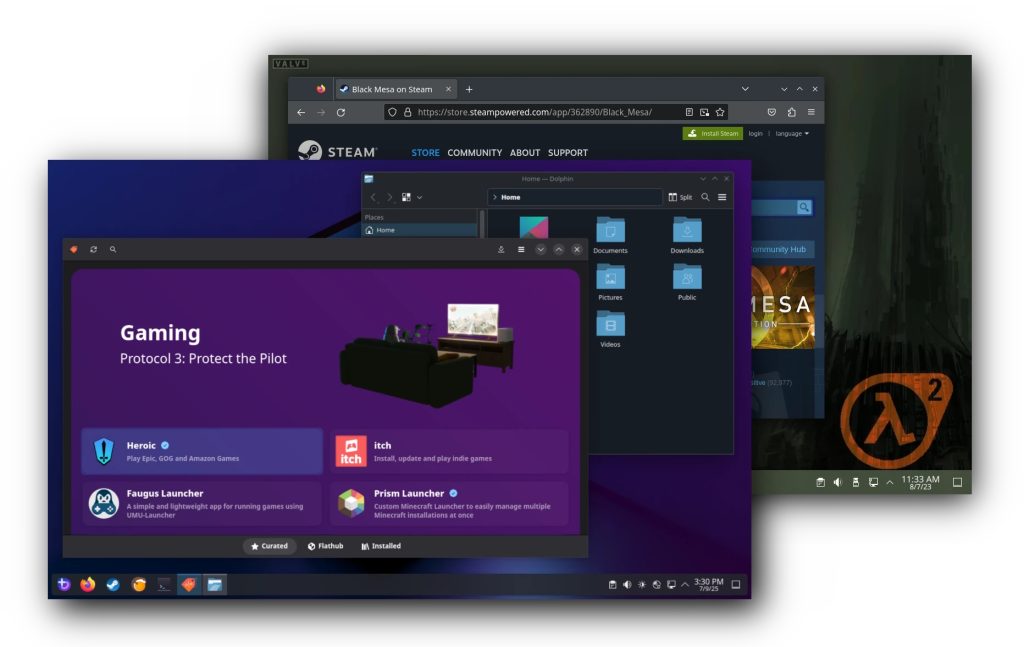
A number of major Linux gaming projects are joining forces to form the Open Gaming Collective. The goal here is to reduce duplicated work across several crucial projects and centralise development efforts for critical components like kernel patches, input frameworks and display compositors. 

The OGC's technical strategy (via GamingOnLinux) centres on an “upstream-first approach”. Rather than maintaining permanent forks or bespoke patches, the group intends to submit all improvements and hardware fixes directly to the source projects (such as the mainline Linux kernel or Mesa). Early deliverables include a shared, gaming-optimised OGC Kernel and a specialised fork of gamescope designed to expand hardware support across a wider range of handhelds and desktop GPUs.

Bazzite, one of the founding members, has already outlined immediate changes resulting from joining the collective. The distribution will phase out its custom Handheld Daemon (HHD) in favour of InputPlumber, a unified input remapper already utilised by SteamOS, ChimeraOS, and Nobara. Additionally, Bazzite will integrate features like RGB and fan control directly into the Steam UI where possible, further bridging the gap between custom Linux distros and the native Steam Deck experience.

Besides Bazzite, other companies and partners include Nobara, ChimeraOS, Playtron, Fyra Labs, PikaOS, ShadowBlip, and Asus Linux.

KitGuru says: The formation of the OGC is an important step for the Linux gaming community. Standardising the kernel and input layers could finally bring the “it just works” stability of SteamOS to the broader Linux desktop world.

The post Open Gaming Collective (OGC) formed to unify Linux gaming first appeared on KitGuru.
  •  

Fanatec and Elgato introduces official Stream Deck plugin for racing sims

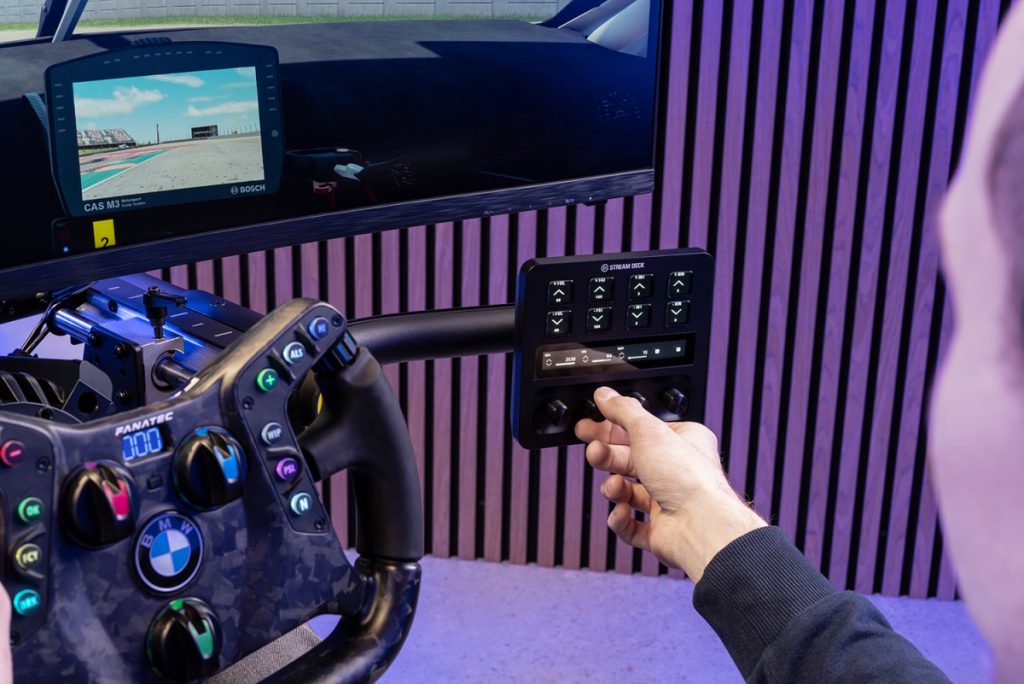
Fanatec has officially released its first-party Stream Deck plugin. Available for free on the Elgato Marketplace, the plugin transforms the Stream Deck into a real-time telemetry display and hardware tuning hub for racing sims.

This collaboration marks one of the first major synergy projects since Fanatec's integration into the Corsair family, leveraging Elgato's software expertise to enhance the racing experience. The plugin supports the entire Stream Deck lineup, with optimised, pre-configured profiles specifically for the Stream Deck XL and the dial-equipped Stream Deck +.

For the first time, racers can use the Stream Deck as a digital “dashboard” to monitor critical race data, including tyre temperatures, fuel levels, track position, and flag warnings. Beyond telemetry, the most powerful feature is direct access to the Fanatec Tuning Menu, which lets drivers use Stream Deck buttons or dials to adjust force feedback strength, brake sensitivity, and other hardware parameters on the fly.

KitGuru says: Are you interested in sim racing setups? If you had or have one, would something like Elgato's Stream Deck with this new plugin be something you would consider adding?

The post Fanatec and Elgato introduces official Stream Deck plugin for racing sims first appeared on KitGuru.
  •  
❌