Connexion
Reality winners: the rise and rise of the ‘verbatim’ movie

From Kaouther Ben Hania’s reconstruction of the killing of a five-year-old Gazan girl in The Voice of Hind Rajab to Ira Sachs use of a taped interview in Peter Hujar’s Day, real-life dialogue is being turned into drama
Alfred Hitchcock, the director behind some of the best films ever, supposedly said that just three essential ingredients are needed to make a great film: “The script, the script and the script.” For a film-maker, it might seem a godsend when a fully formed one lands in your lap. But behind a rising number of films is a simple hack: pinch all your dialogue from real people. An increasing number of film-makers are turning to transcripts and recordings to re-enact episodes on film, with the promise that they are as an exact a facsimile as possible. From Reality (2023), Tina Satter’s true-to-life portrayal of whistleblower Reality Winner, which progresses in real time from harmless small talk to a full-blown FBI grilling, to Radu Jude’s Uppercase Print (2020), in which a rebel teen is given the third degree in Ceaușescu-era Romania, the title-card proclamation “inspired by true events” is being taken to a wholly literal new level.
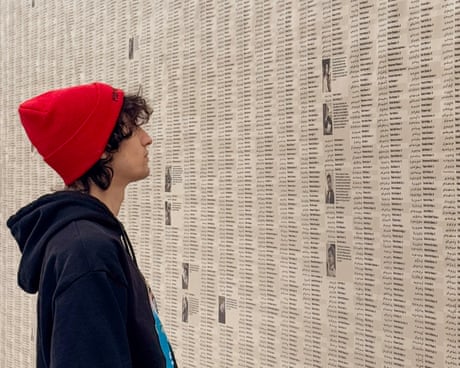
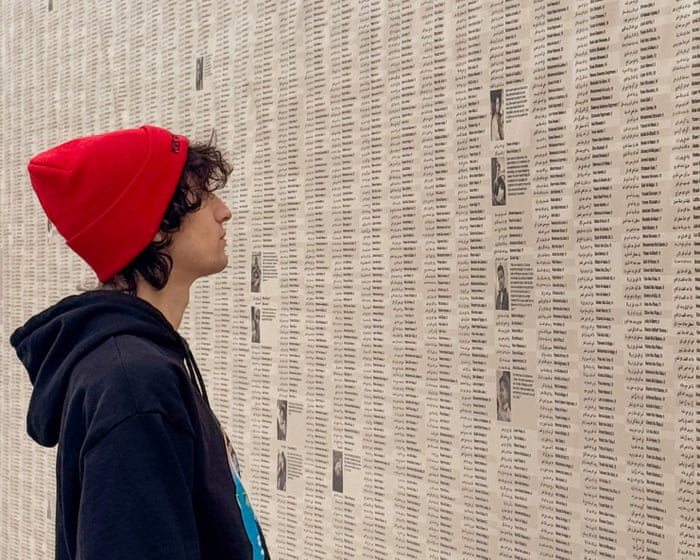
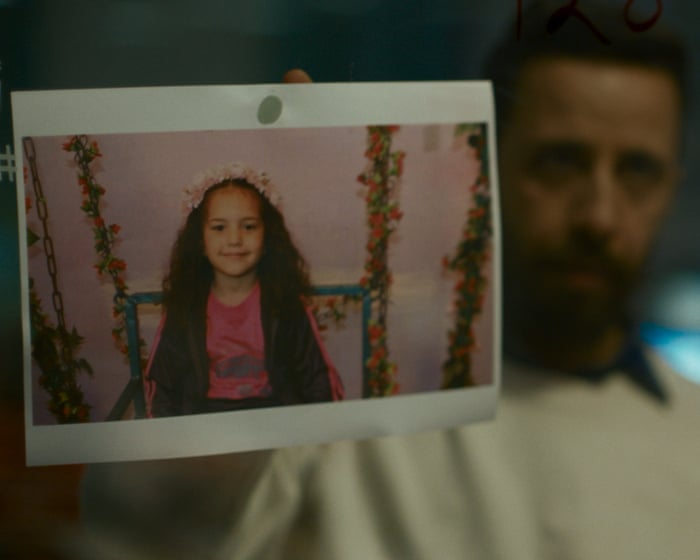
Within the space of a month, two more “verbatim” movies are in UK cinemas. Peter Hujar’s Day, Ira Sachs’ time capsule of 1974 New York and its colourful culturati, is based on candid conversation between Linda Rosenkrantz (Rebecca Hall) and her photographer pal Peter (Ben Whishaw), who would die from an Aids-related illness less than a decade later. Meanwhile, Kaouther Ben Hania’s The Voice of Hind Rajab is set in January 2024 amid the evacuation of Gaza City, revisiting beat for beat an emergency call centre’s attempts to rescue the six-year-old girl of the title to harrowing effect.
Continue reading...
© Photograph: Altitude Films/PA
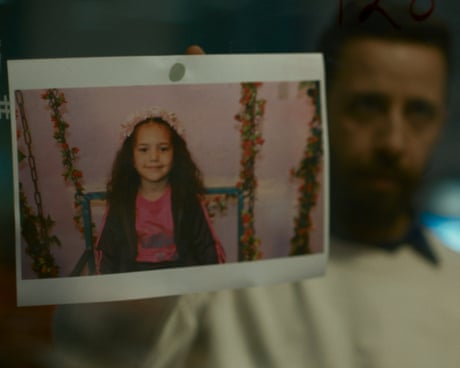
© Photograph: Altitude Films/PA
© Photograph: Altitude Films/PA