Connexion
The Puma by Daniel Wiles review – a visceral tale of cyclical violence

A father and son move to the Patagonian woods – but intensity wanes when a search for home becomes an obsessive quest for revenge
When the protagonist of Daniel Wiles’s debut novel Mercia’s Take, set in a mining community during the industrial revolution, left a bag of gold downstairs unprotected and then went to bed, I actually closed the book, in an attempt to stop the unfolding disaster. After finding this seam of gold, miner Michael dreams that his son will be able to go to school, rather than join the other children who work in the mine, like “blind, bald rodents unearthing themselves in search of scraps of candlelight”. In the novel, which won the 2023 Betty Trask prize, everything closes in on Michael: lungs clog, tunnels collapse, horse-drawn narrowboats are attacked by robbers in the sooty dusk. It’s a vivid reminder of the cost, in bodily suffering, of resource extraction.
The Puma, Wiles’s second novel, is also a serious and intense historical novel about a father with limited resources who attempts to break a cycle of violence. In the early 1950s Bernardo, a more morally ambiguous figure than Michael, has brought his young son James across the Atlantic from England to the house in the Patagonian woods where he himself grew up. James chatters blithely about becoming a footballer, but Bernardo is distracted. He thinks he sees “shadows of his family walking in and out”, reminding him of a childhood in which “his eyes were wide and hurt by the twilight and he was barefooted and emptyhearted”.
Continue reading...
© Photograph: Ondrej Prosicky/Getty Images
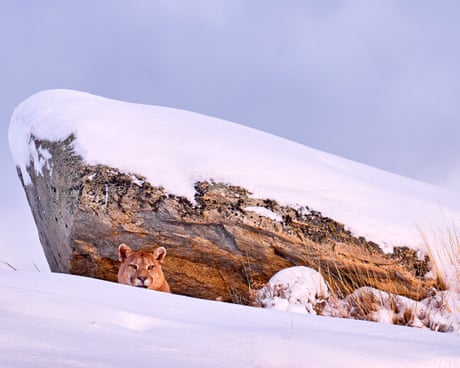
© Photograph: Ondrej Prosicky/Getty Images
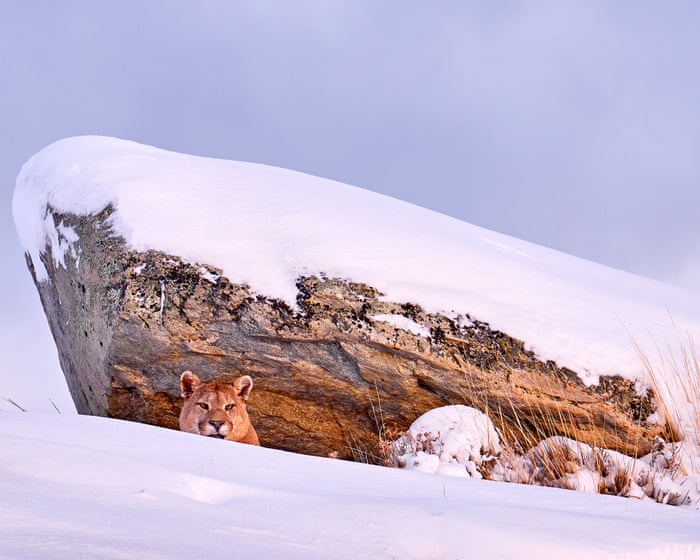
© Photograph: Ondrej Prosicky/Getty Images