↩ Accueil

Vue lecture

Intel is reportedly working on Arc Pro B70 and B65 GPUs

Intel's “Battlemage” generation might expand soon, though the supposed new graphics cards are primarily for professional users. New reports suggest that Intel is about to launch the Arc Pro B70 and Arc Pro B65, targeting a Q1 2026 release. Both cards are claimed to be powered by the BMG-G31 GPU and feature a massive 32GB of GDDR6 memory.

As reported by VideoCardz, while the memory remains identical across both SKUs, the differentiation lies in the core counts. The Arc Pro B70 utilises the full die with 32 Xe2 cores (4096 FP32 cores), while the Arc Pro B65 is a cut-down variant featuring 20 Xe2 cores (2560 FP32 cores), matching the previous-gen B60 in core count but benefiting from the newer architecture.

Below you can find a table with the detailed rumoured specs for these two GPUs:

Arc Pro B70 Arc Pro B65
GPU Architecture Xe2-HPG (Battlemage) Xe2-HPG (Battlemage)
GPU Die BMG-G31 BMG-G31
Xe-Cores 32 20
FP32 Cores 4096 2560
VRAM Capacity 32 GB GDDR6 32 GB GDDR6
Memory Bus 256-bit 256-bit
Target Launch Q1 2026 Q1 2026

The situation for gamers remains much more uncertain. While board partners have the BMG-G31 chips for testing, they are currently restricted to the Pro form factors. Rumours suggest that Intel has placed the consumer gaming variant on hold, possibly due to volatility in the memory market.

KitGuru says: Do you think Intel should launch an Arc B7x0 GPU for the mainstream market?

The post Intel is reportedly working on Arc Pro B70 and B65 GPUs first appeared on KitGuru.
  •  

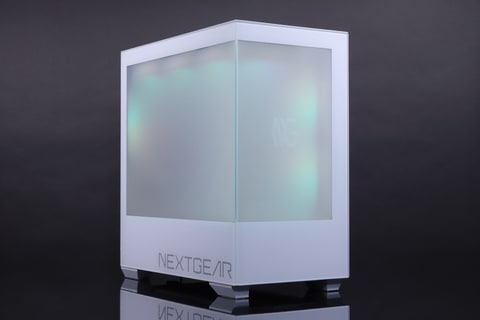
Mouse Computer unveils Nextgear desktop PC with dynamic dimming glass case

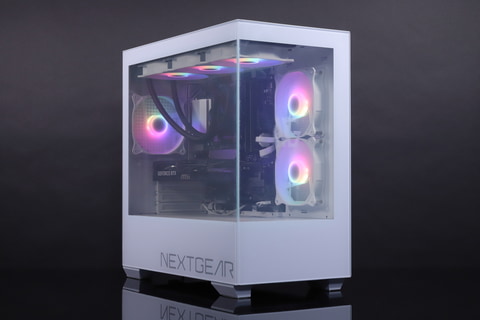
Mouse Computer, a Japanese PC manufacturer, has introduced a unique addition to its NextGear EG-series of gaming desktops. Centred around a unique “Clear Shift” case, featuring dynamic dimming technology on its front and left-side glass panels.

According to PC Watch (via VideoCardz), a single button press on the top I/O panel can transition the glass from a completely transparent “clear mode” to a smoked “stealth mode” that effectively hides the internal components.

The stealth mode serves as a “hide your PC” feature for users who keep their towers on their desks. It allows a build to look like a plain black tower or to eliminate RGB light pollution during nighttime sessions. The switchable glass requires power to function, but when the PC is turned off, the panels automatically default to the opaque stealth mode. To complete the transformation, the case also features a separate LED button to toggle the ARGB fan effects, allowing the system to go from a vibrant showroom display to a muted aesthetic in seconds.

In terms of hardware, the NextGear EG-A7G60 configuration reviewed by PC Watch features an AMD Ryzen 7 5700X paired with an Nvidia GeForce RTX 5060. The system includes 16GB of DDR4-3200 memory and a 1TB NVMe SSD. While these specs target the mid-range market, the premium pricing (starting at over £1050) is probably due to the Clear Shift technology. The lineup is currently a Mouse Computer direct shop exclusive in Japan.

KitGuru says: What do you think of the ‘Clear Shift' case? Would you like to see one of these outside of Japan? 

The post Mouse Computer unveils Nextgear desktop PC with dynamic dimming glass case first appeared on KitGuru.
  •  

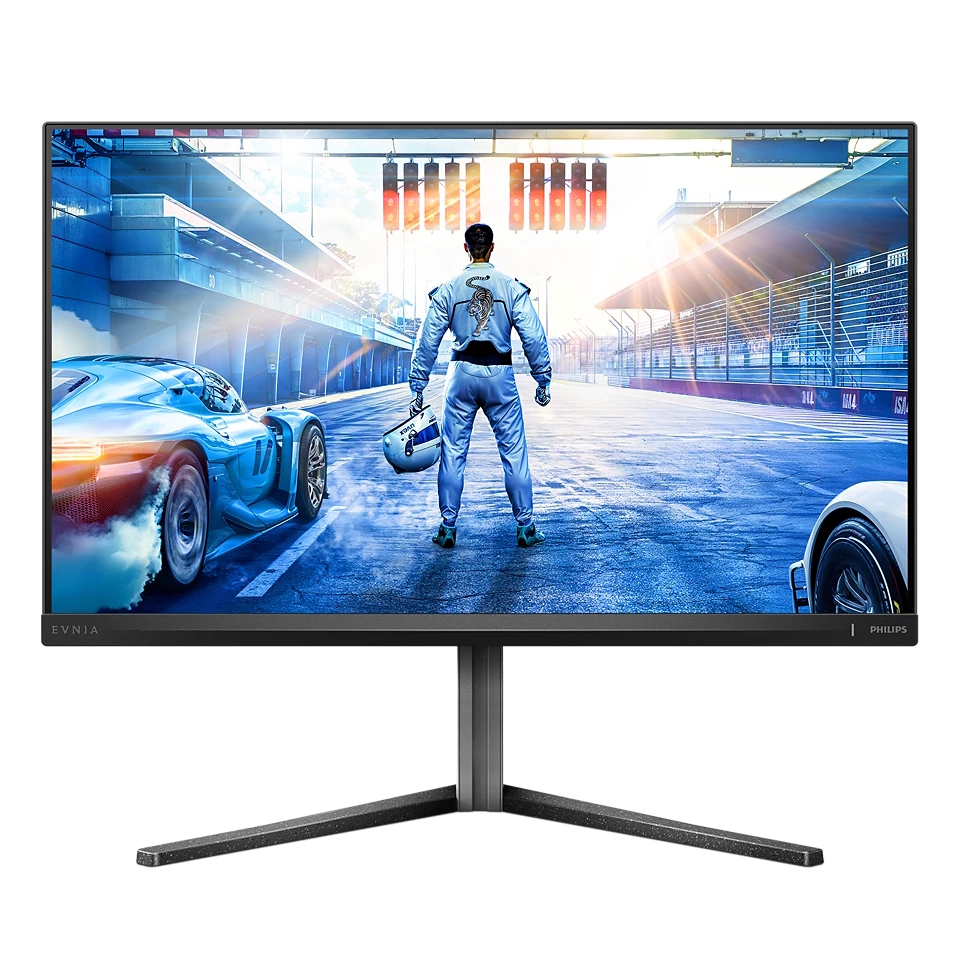
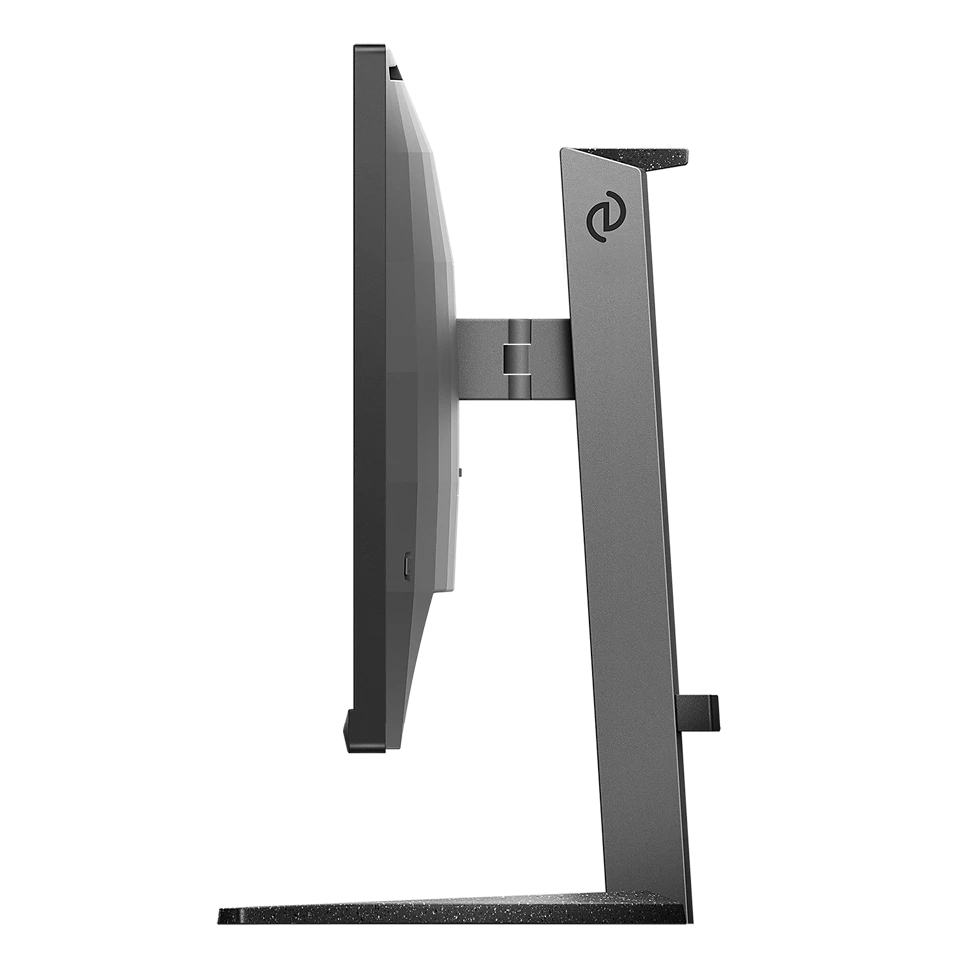
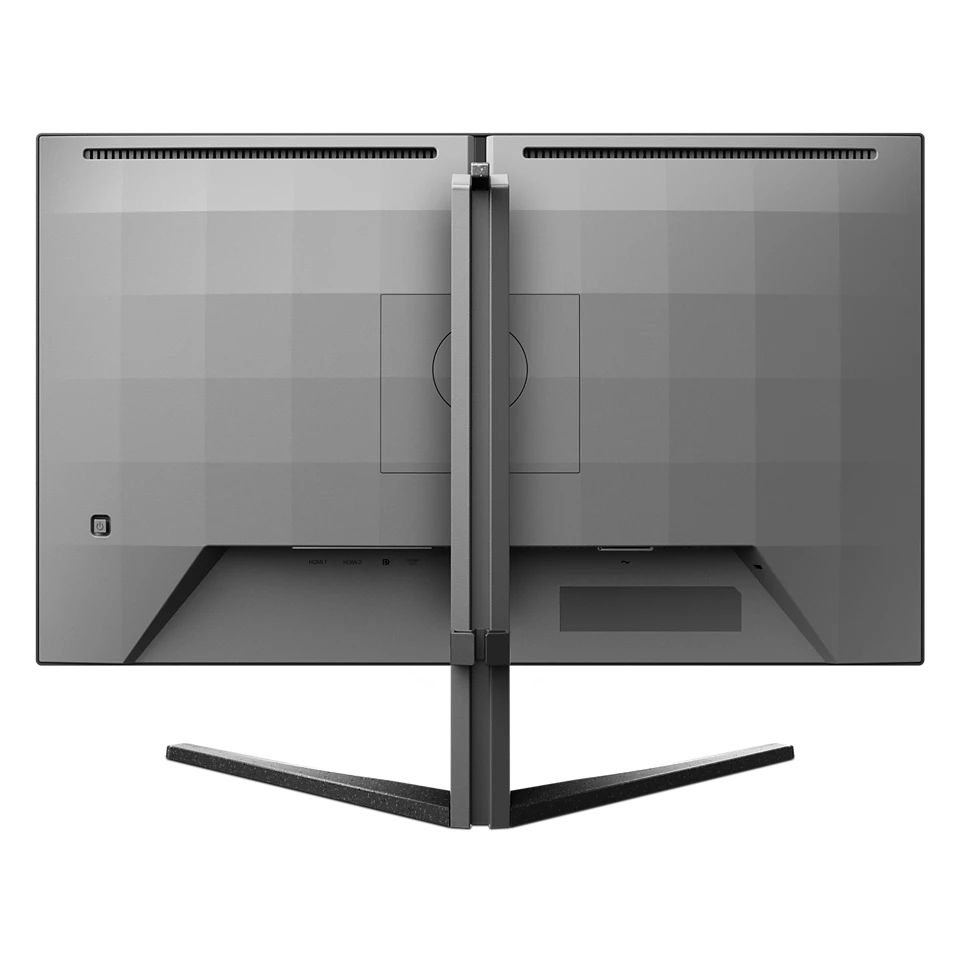
Philips details Evnia 27M2N5500XD with 540Hz and 1000Hz modes

Philips has officially launched the product page for the Evnia 27M2N5500XD, a new monitor that pushes the boundaries of competitive gaming displays. With its dual-mode capability, it runs natively at WQHD (1440p) with a 540Hz refresh rate, but can be toggled to 720p / 1000Hz

According to its spec sheet (via Prad), the display is built on a 27-inch Fast IPS panel with a 1ms G2G response time and a 2000:1 contrast ratio, which is notably higher than that of standard IPS panels. It features 10-bit colour depth (8-bit + FRC) and covers 100% of the sRGB and 96% of the DCI-P3 colour spaces. With a Delta-E < 1, the monitor promises professional-grade colour accuracy right out of the box. For HDR content, it carries the DisplayHDR 400 certification and reaches a peak brightness of 500 nits.

In addition to a low-blue-light mode and flicker-free technology, the monitor also packs gaming-oriented features such as Smart Crosshair, SmartContrast, ShadowBoost, and a built-in zooming tool. It also supports the Evnia Precision Center app, which allows users to customise some of the monitor settings via software.

Connectivity is quite decent, featuring an audio-out jack, two HDMI 2.1 ports and a DisplayPort 2.1 port, offering enough bandwidth for such high refresh rates. Philips has also included Smart MBR Sync, a feature that allows gamers to use motion blur reduction simultaneously with FreeSync anti-tearing technology. The monitor is rounded out with full ergonomic support, including height, tilt, swivel, and pivot adjustments.

Discuss on our Facebook page, HERE.

KitGuru says: Would you be willing to jump onto a 1000Hz monitor even if it means reducing the resolution to 720p?

The post Philips details Evnia 27M2N5500XD with 540Hz and 1000Hz modes first appeared on KitGuru.
  •  
❌