 Connexion
Holocaust remembrance and a tsunami museum: photos of the day – Tuesday

The Guardian’s picture editors select photographs from around the world
Continue reading...
© Composite: Various
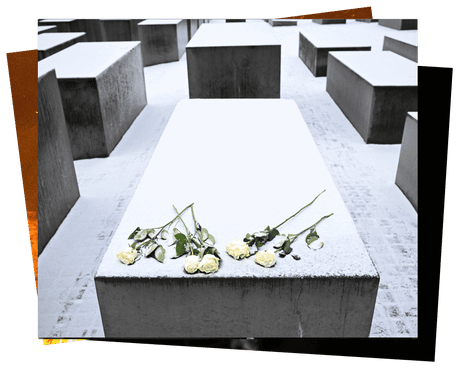
© Composite: Various
© Composite: Various
The Guardian’s picture editors select photographs from around the world
Continue reading...
© Composite: Various
© Composite: Various
© Composite: Various
How best to portray the evil of Stutthof camp witnessed by my grandfather? The Zone of Interest and Twin Peaks could have the answer
When I was nine years old, my grandfather took me to the museum at the former Stutthof concentration camp near Gdansk, in northern Poland. Established by the Nazis in the German-annexed territory of the Free City of Danzig, he had been imprisoned there as a teenager. It was his first visit since the second world war. When we went through the gate, he began to cry, to shout, to reconstruct scenes. The past returned all at once and he fell into a state of trauma. During his imprisonment he had been responsible, among other things, for carrying bodies from the camp infirmary.
Most of the most infamous Nazi death camps have been turned into memorials like Stutthof, in the hope that they can teach something to future generations and avert a repeat of this darkest of chapters in Europe’s history. But it is a fact that few visitors to Auschwitz-Birkenau, Dachau or Stutthof are shaken like my grandfather was. Sites of memory increasingly fail to reach new generations. Visitors learn facts, dates, perpetrators. But knowledge of past crimes does not automatically prevent future ones. Many institutions still teach a reassuring lesson: there were evil people once, they were defeated, we are different. Evil is placed safely in the past. The visitor leaves morally intact.
Continue reading...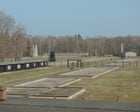
© Photograph: Bartosz Bańka/The Guardian
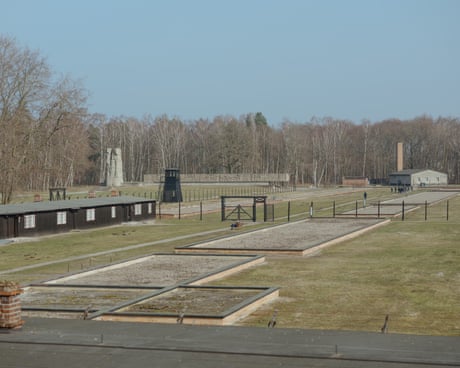
© Photograph: Bartosz Bańka/The Guardian
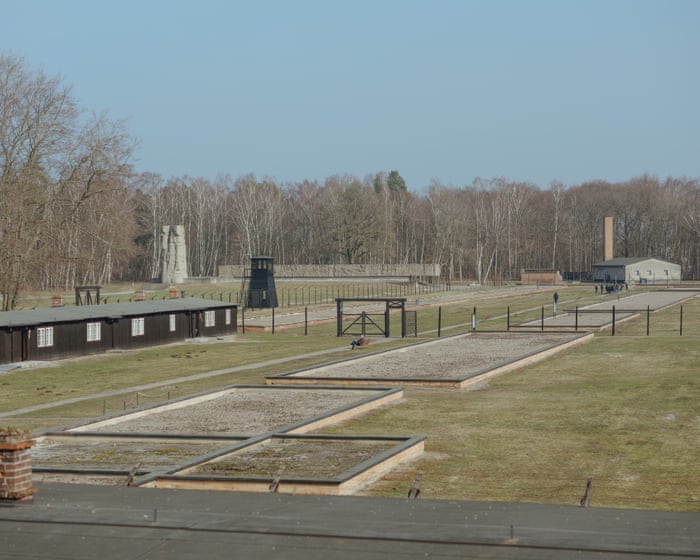
© Photograph: Bartosz Bańka/The Guardian
