↩ Accueil

Vue lecture

The Guardian view on Europe’s payments problem: sovereignty starts at the till | Editorial

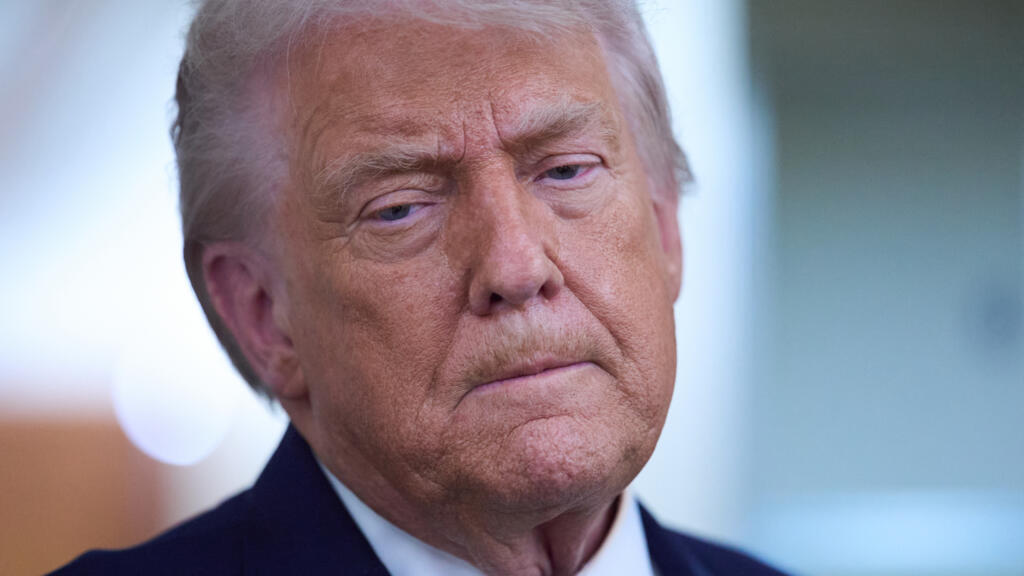
Donald Trump’s leverage over Visa and Mastercard highlights a blind spot in Europe’s ‘independence’ strategy. Emulating India’s response might help

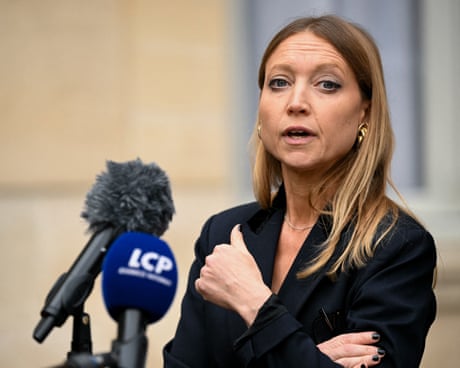
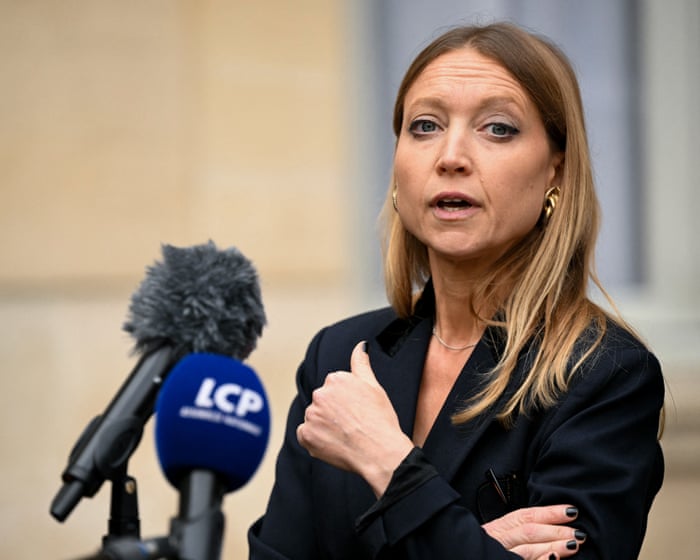
When the centre-left French politician Aurore Lalucq posted a warning last Wednesday that Donald Trump could cut off Europe from international payment systems, the clip went viral. To many, her message made sense. After all, if Mr Trump was prepared to test allies’ boundaries over Greenland, it is not far-fetched to imagine Visa and Mastercard becoming used against a recalcitrant Europe.

The US can turn off payment systems it controls. Russia learned this first-hand after sanctions were rightly applied for its invasion of Ukraine. As up to 60% of Russian retail transactions depended on Visa and Mastercard for authorisation, the ban left many ordinary people stranded without access to funds and unable to buy goods. Under Mr Trump, America’s goal is to “help Europe correct its current trajectory”. Given such talk, Ms Lalucq, who chairs the European parliament’s economic and monetary affairs committee, is not wrong in calling for an “Airbus of European payments” to protect the EU.

Continue reading...

© Photograph: Bertrand Guay/AFP/Getty Images
© Photograph: Bertrand Guay/AFP/Getty Images
© Photograph: Bertrand Guay/AFP/Getty Images
  •  

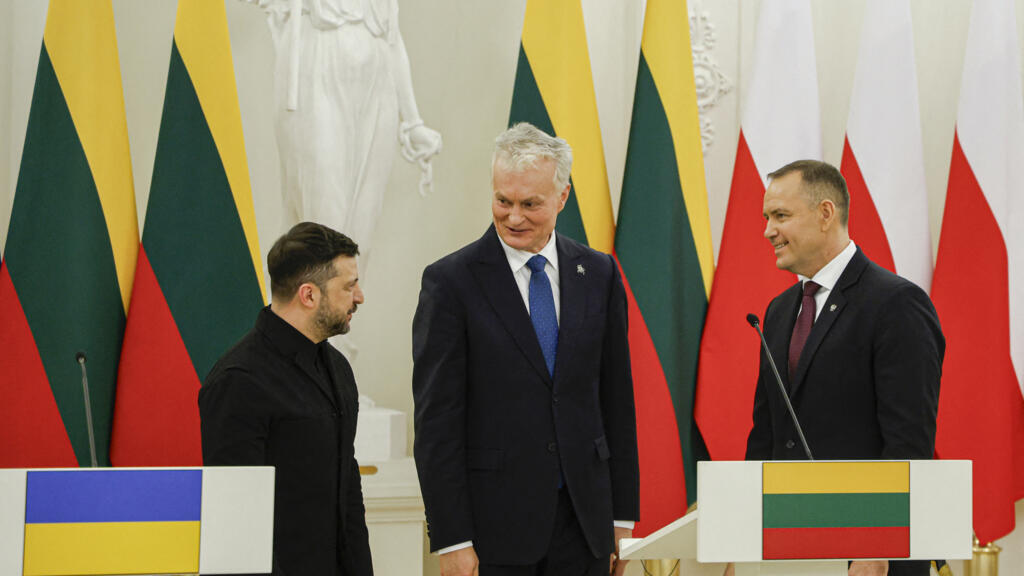
Ukraine: à Vilnius, Zelensky réclame plus de munitions antiaériennes face aux frappes russes

Le président ukrainien Volodymyr Zelensky a de nouveau plaidé dimanche 25 janvier auprès de ses homologues polonais et lituanien à Vilnius pour plus de moyens de défense antiaérienne contre les frappes russes qui ont privé des centaines de milliers d'habitants de Kiev d'électricité et de chauffage au plus fort de l'hiver. 

  •  

Amsterdam prepares to ‘ban the fatbikes’ amid rise in serious accidents

Experts say souped-up e-bikes pose big risk for children aged from 12 to 15, who account for many A&E cases

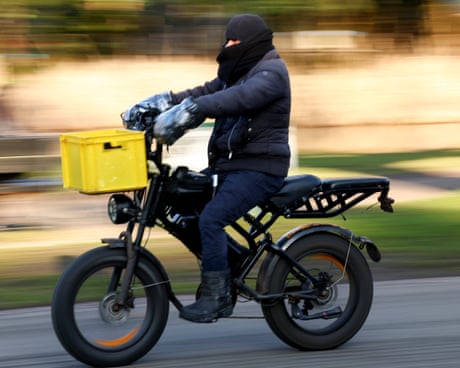
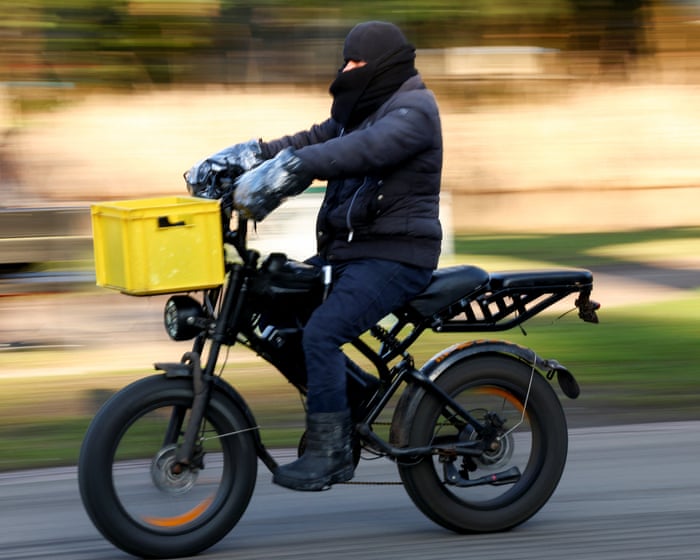
On a busy lunchtime, thick-tyred electric bikes zoom through the leafy lanes of the Vondelpark in Amsterdam. But after a marked rise in accidents – particularly involving children – these vehicles the Dutch call “fatbikes” are to be banned in some parts of the Netherlands.

“It’s nonsense!” said Henk Hendrik Wolthers, 69, from the saddle of his wide-tyred, electric Mate bike. “I drive a car, I ride a motorbike, I’ve had a moped and now I ride a fatbike. This is the quickest means of transport in the city and you should be able to use it.”

Continue reading...

© Photograph: Piroschka Van De Wouw/Reuters

© Photograph: Piroschka Van De Wouw/Reuters

© Photograph: Piroschka Van De Wouw/Reuters

  •  

La «flotte fantôme» russe sous pression occidentale, le capitaine du «Grinch» en garde à vue

✇RFI
Par :RFI
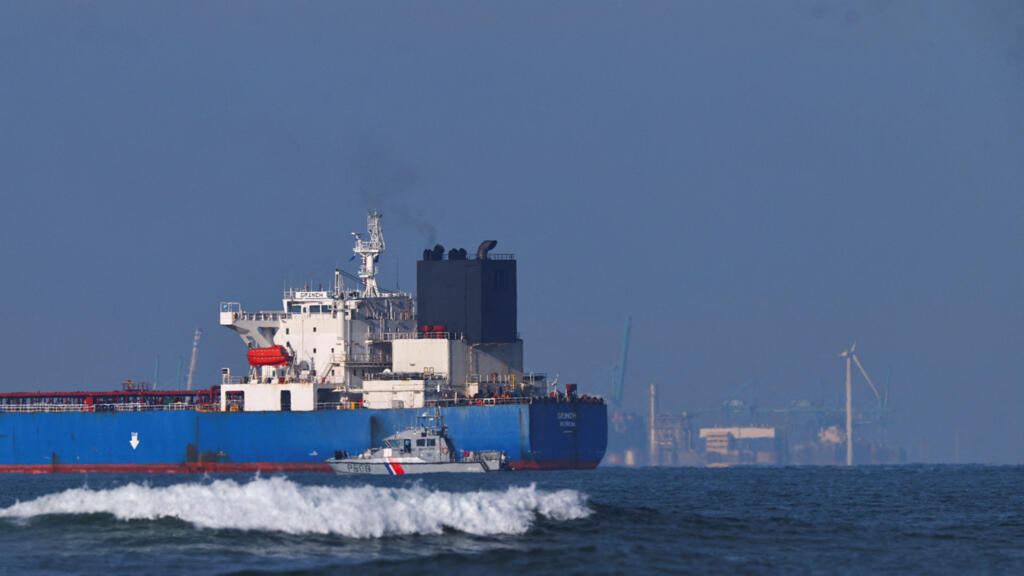
Le pétrolier intercepté le 22 janvier par la marine française en Méditerranée est arrivé sous escorte dans un port près de Marseille et mis « à la disposition de la justice française ». Le « Grinch » est soupçonné de faire partie de la « flotte fantôme » russe permettant à Moscou de vendre son pétrole en contournant les sanctions internationales. Samedi 24 janvier, le capitaine « de nationalité indienne », âgé de 58 ans, du pétrolier a été placé en garde à vue pour « défaut de pavillon », a indiqué dimanche le parquet de Marseille.

  •  

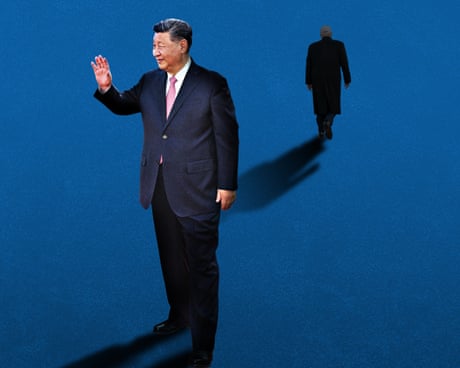
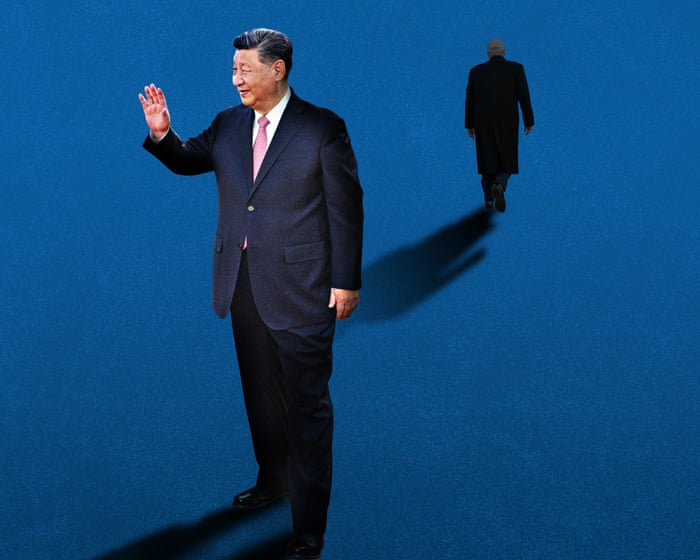
Advantage China: Trump’s tantrums push US allies closer to Beijing

In the search for stability, some western nations are turning to a country that many in Washington see as an existential threat

If geopolitics relies at least in part on bonhomie between global leaders, China made an unexpected play for Ireland’s good graces when the taoiseach visited Beijing this month. Meeting Ireland’s leader, Micheál Martin, in the Great Hall of the People in Beijing, China’s president, Xi Jinping, said a favourite book of his as a teenager was The Gadfly, by the Irish author Ethel Voynich, a novel set in the revolutionary fervour of Italy in the 1840s.

“It was unusual that we ended up discussing The Gadfly and its impact on both of us but there you are,” Martin told reporters in Beijing.

Continue reading...

© Composite: Guardian Design/REX/Shutterstock/Getty Images
© Composite: Guardian Design/REX/Shutterstock/Getty Images
© Composite: Guardian Design/REX/Shutterstock/Getty Images
  •  

How a Year of Trump Changed Britain

Prime Minister Keir Starmer stood firm over Greenland. But his center-left government and the country as a whole have been buffeted by President Trump.

© Doug Mills/The New York Times

President Trump and Prime Minister Keir Starmer at Chequers, near London, in September during Mr. Trump’s state visit to Britain. During the debate over Greenland, Mr. Trump has had sharp words for Mr. Starmer.
  •  

Un jeu de société sur les «Troubles» fait polémique en Irlande du Nord

✇RFI
Par :RFI
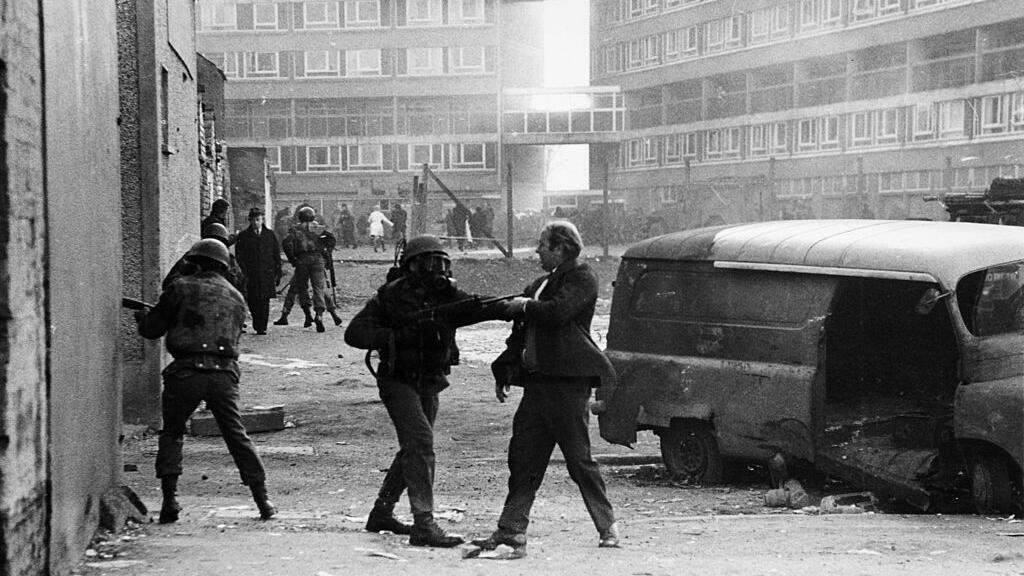
Incarner un combattant de l'IRA, poser des bombes ou un tireur d'élite de l'armée britannique... Un jeu de société sur le conflit en Irlande du Nord dans les années 1960-1970 fait polémique. Une association de victimes dénonce un jeu simpliste et qui minimise leurs souffrances.

  •  

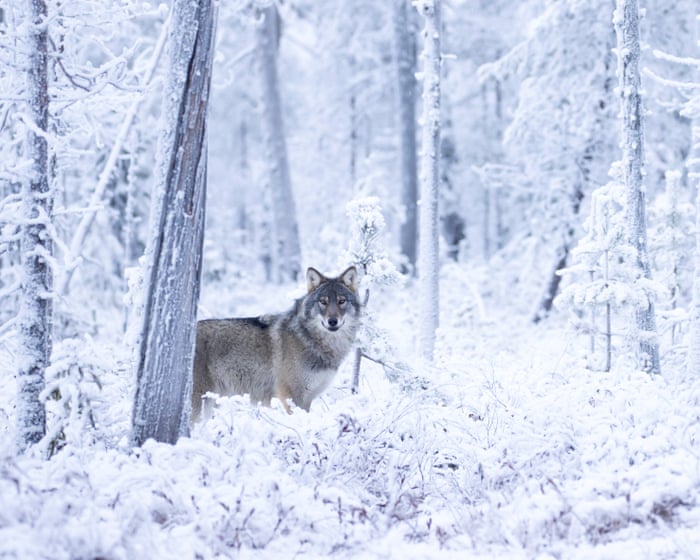
‘We cannot say for sure these wolves come from Russia’: Finns try to fathom cause of record reindeer deaths

Wolves killed more than 2,100 reindeer in Finland last year, and herders are blaming the Ukraine war

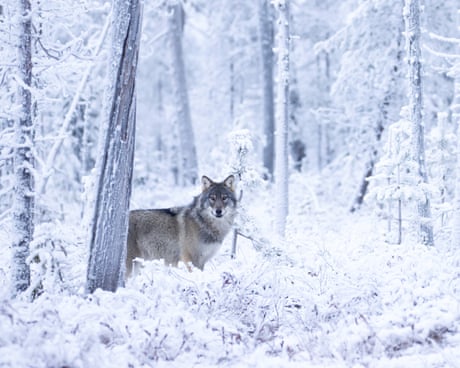
Juha Kujala no longer knows how many reindeer will return to his farm from the forest each December. The 54-year-old herder releases his animals into the wilderness on the 830-mile Finnish-Russian border each spring to grow fat on lichens, grass and mushrooms, just as his ancestors have done for generations.

But since 2022, grisly discoveries of reindeer skeletons on the forest floor have disrupted this ancient way of life. The culprits, according to Kujala: wolves from Russia.

Continue reading...

© Photograph: Danny Green/naturepl.com

© Photograph: Danny Green/naturepl.com

© Photograph: Danny Green/naturepl.com

  •  

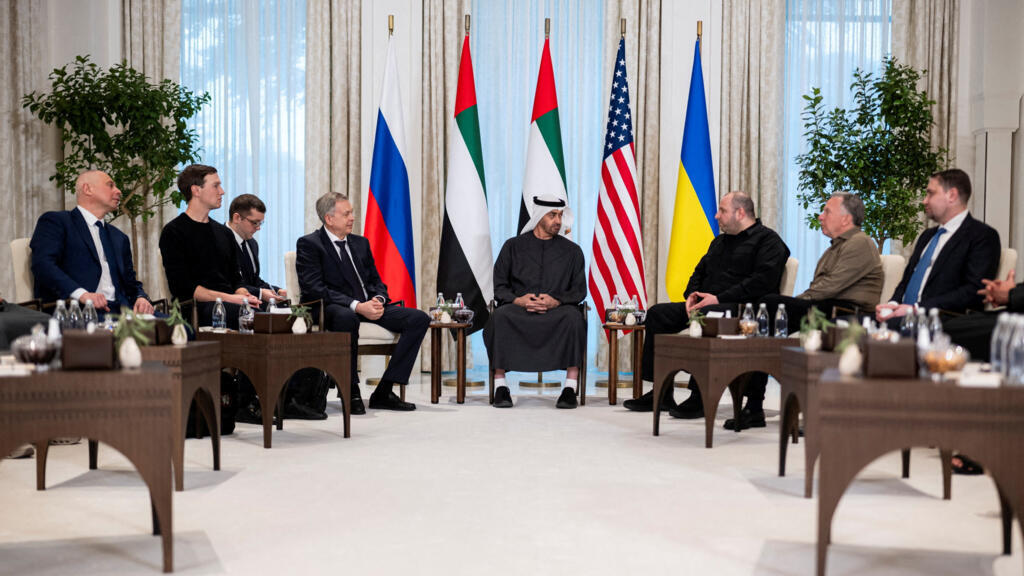
Ukrainiens, Russes et Américains poursuivent les discussions à Abou Dhabi

✇RFI
Par :RFI
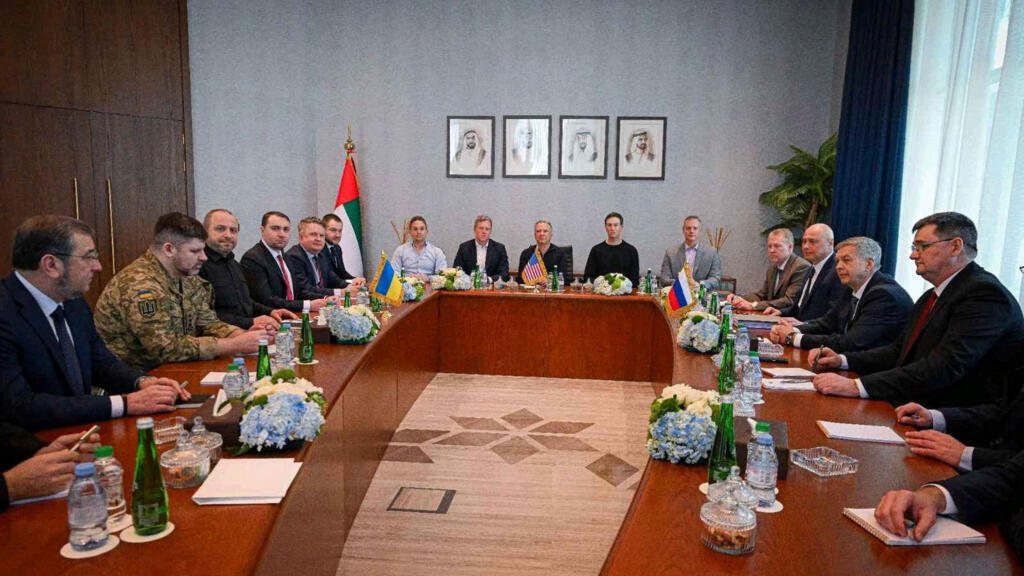
Des négociateurs russes, ukrainiens et américains ont discuté vendredi 23 janvier à Abou Dhabi, pour la première fois sous ce format, des conditions pour mettre fin à quatre années de guerre en Ukraine. Le président ukrainien a toutefois affirmé qu’il était « trop tôt pour tirer des conclusions », alors que Moscou continue d'exiger de Kiev un retrait de ses forces du Donbass. « D’autres réunions sont prévues pour » samedi, a affirmé le négociateur en chef ukrainien.

  •  
❌