Connexion
Why western diplomats are wary of predicting end days for Iran’s regime

Failure to foresee shah’s fall in 1979 was diplomatic disaster, but experts see little indication of mass defections now
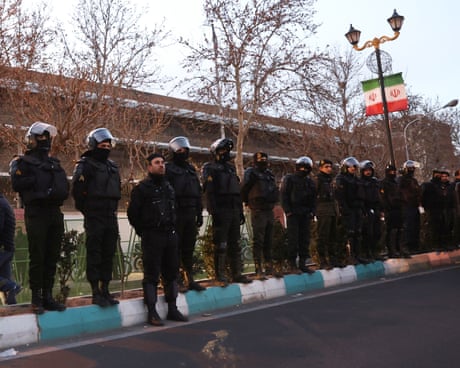
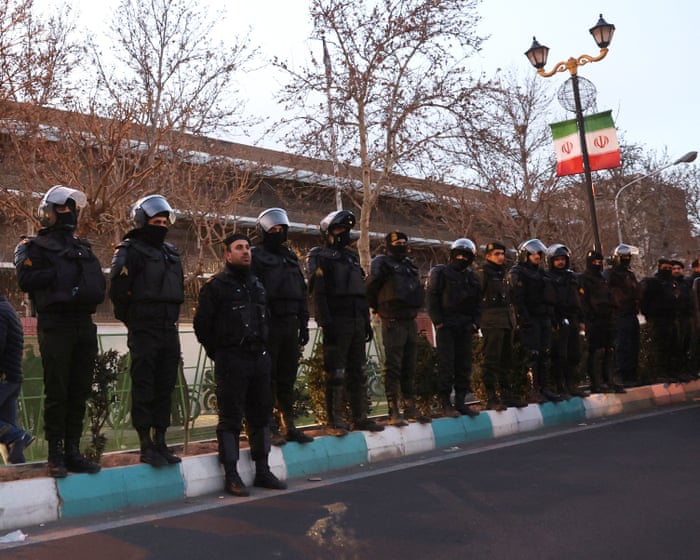
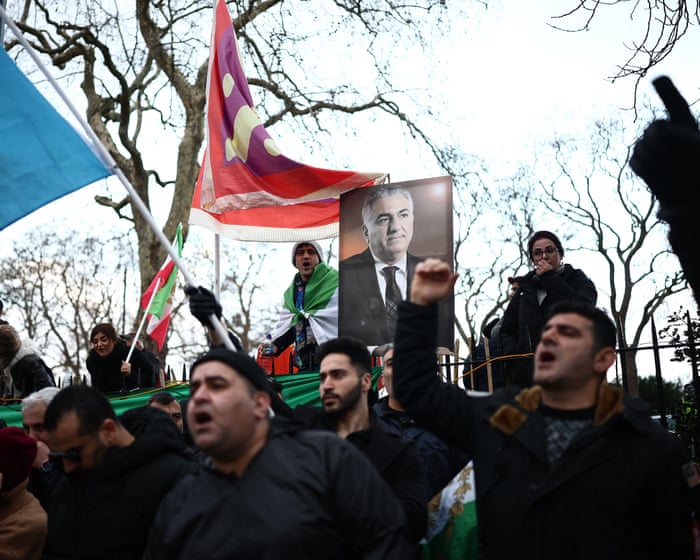
When asked to predict whether fissures are appearing at the top of the Iranian state that may imply Ayatollah Ali Khamenei’s days as supreme leader are numbered, western diplomats adopt a haunted demeanour, perhaps recalling one of western diplomacy’s greatest collective disasters.
Before the fall of the Shah of Iran in January 1979, insouciant diplomats based in Tehran were sending cables to their capitals offering total reassurance that Mohammad Reza Pahlavi’s hold on power was utterly secure. In September 1978, the US Defence Intelligence Agency, for instance, reported that “the shah is expected to remain actively in power over the next 10 years”. A state department report suggested “the shah would not have to stand down until 1985 at the earliest”.
Continue reading...
© Photograph: Henry Nicholls/AFP/Getty Images

© Photograph: Henry Nicholls/AFP/Getty Images
© Photograph: Henry Nicholls/AFP/Getty Images