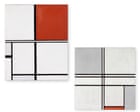
Piet Mondrian found fame, fortune and glory with his grid-like paintings lit with basic colours. But did many of his ideas come from Marlow Moss? Our writer celebrates an extraordinary British talent who died in obscurity
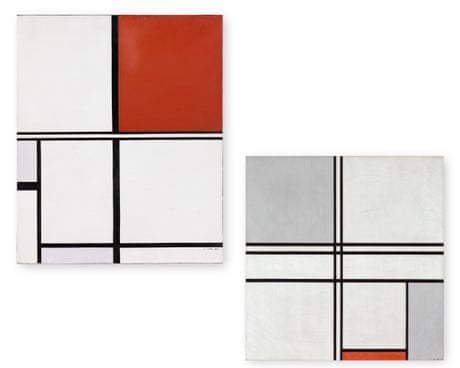
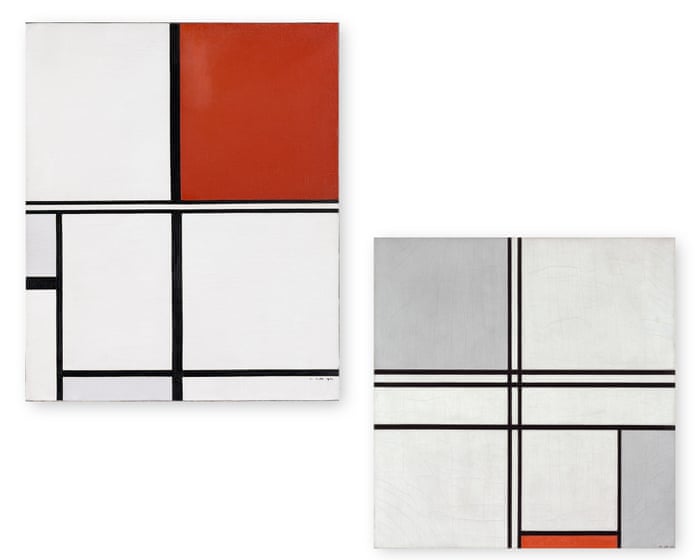
In 1972, the mighty Kunstmuseum in the Hague bought three paintings by a little known British artist called Marlow Moss. The prestigious art gallery was keen to show the enormous influence of Piet Mondrian – the famous Dutch painter acclaimed for his black grids lit with bold blues and brash yellows – on such lowly also-rans as Moss.
Yet, should you visit the Kunstmuseum today, you’ll find the Moss works positioned front and centre, while a similar piece by the great Mondrian, who would later become the toast of New York, is hidden behind a pillar. Why the volte-face? Because it is now widely recognised in the art world that it was as much Moss who influenced Mondrian as the other way round, at least when it came to the double or parallel lines he started using in the 1930s to add tension to his harmonious abstract paintings, one of which hammered last May for $48m.
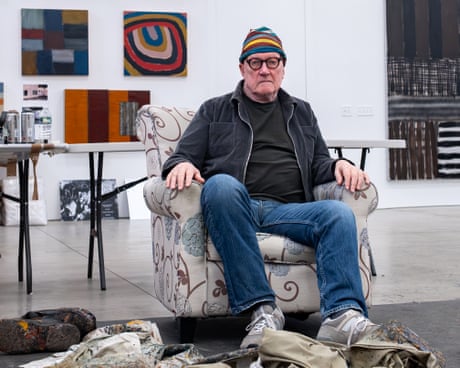
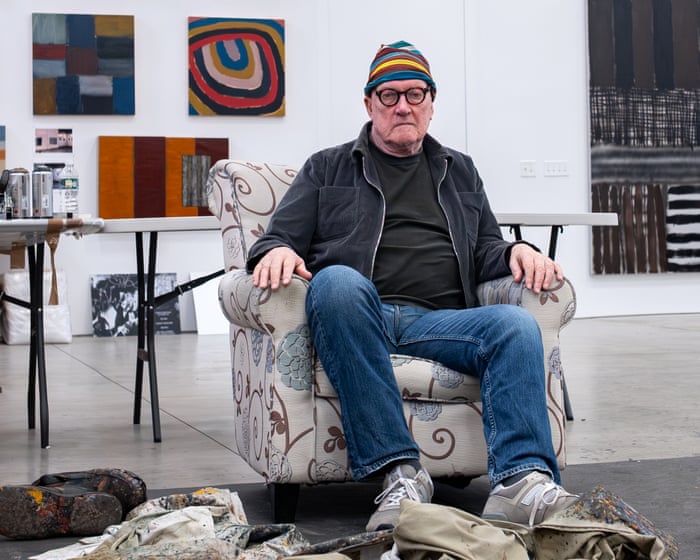
He has survived loss, breakdown and schooling by ‘scary nuns’, but the anguish is still there in his art. As his new show thrills Paris, the US-based, Irish-born artist talks about the pain that drives him
When I ask Sean Scully what an abstract painting has over a figurative one it’s music he reaches for. “You might ask, what’s Miles Davis got over the Beatles? And the answer is: doesn’t have any words in it. And then you could say, what have the Beatles got over John Coltrane? Well, they’ve got words.”
It’s clear which choice he has made. Scully, who paints rectangles and squares and strips of colour abutting and sliding into each other, is an instrumentalist in paint rather than a pop artist. The meaning of his art is something you feel, not something you can easily describe. He has more in common with Davis and Coltrane than with the Beatles. In addition to improvisational brilliance, his new paintings even colour-match with Coltrane’s classic album Blue Train and Davis’s Kind of Blue. For Scully, the greatest living abstract painter, is playing the blues in Paris. In his current exhibition at the city’s Thaddaeus Ropac Gallery, long, textured blue notes as smoky as a sax at midnight alternate and mingle with black and red and brown in a slow, sad, beautiful music that doesn’t need words, art that doesn’t require images.
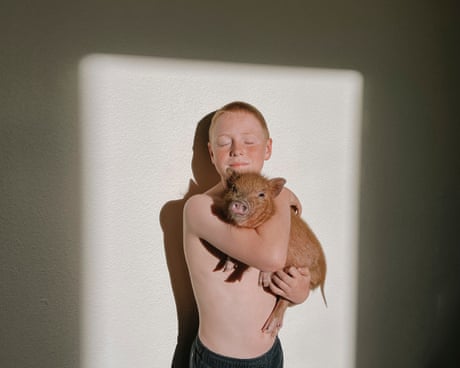
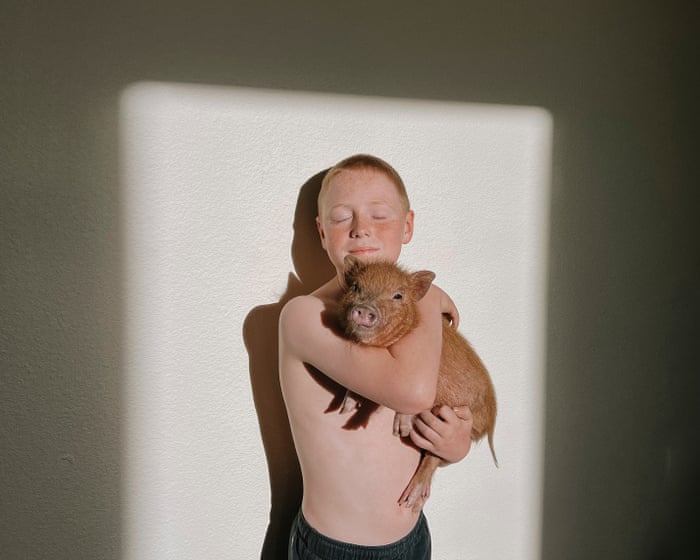
Remote photography didn’t dilute the intimacy of this blissful moment in the Nevada sunshine
Sara Weir’s five children had just woken up and were roaming their home in Nevada when this shot was taken. It was 7am and photographer Kelli Radwanski was after the morning light; Weir had another child on the way and had hired Radwanski to capture their family life. All the kids were feeling playful, ready to show off their talents, silly faces and prize possessions. As the eldest son wandered into the frame, holding his pot-bellied pig, Radwanski captured the moment – while sitting in her office chair in Oregon.
“Remote photography was developed during the pandemic and a handful of us still use it as one of our primary art forms,” Radwanski says. “I used a special app that took over Sara’s phone camera, an iPhone 13, and the day before the shoot she showed me around her home from the phone, so I could seek out light and vignettes that would be compelling in telling their story. We used a tall standing tripod to hold the phone and I had Sara place it where I wanted it to go. It worked beautifully for moving all five of them in and out of scenes. I’ve photographed more than 500 people in 14 countries this way.”
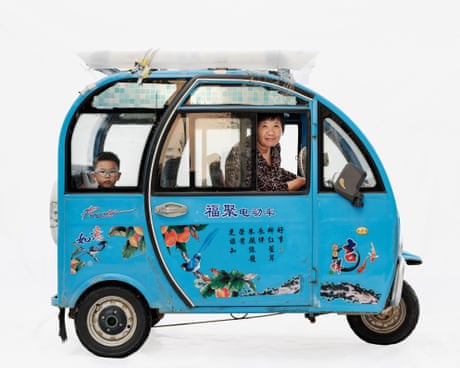
You can tell a lot about someone from the vehicle they drive, as Martin Roemers’ collection of photographs show. Introduction by author William Boyd
In my novels I find that I very rarely write “a car” or “a van” or “a lorry” – I always tend to specify the marque and the model, often with some pedantic precision. Why should this be so? After all, I am a non-driver, someone who claims to be able to drive (I did learn), but who never passed his driving test. And yet, paradoxically, I’m something of a car enthusiast – a sort-of petrol-head, I confess – perhaps a consequence of spending many hours, or maybe that should be years, in the back of minicabs that conveyed me here and there around London. In my long experience of minicab use I’ve found that most conversations with minicab drivers often end up being about cars. I’ve learned a lot.
There is another reason why I like to specify. I have a conviction that the type of car, or vehicle, that you drive is as much an expression of your personality as the clothes you wear or the decor of the home you call your own. Even the blandest of mid-price cars – the Toyota Prius, the Kia Picanto, the Volkswagen Jetta, for example – are making a covert statement about you, the owner. You chose that car – and your choice is surprisingly eloquent.
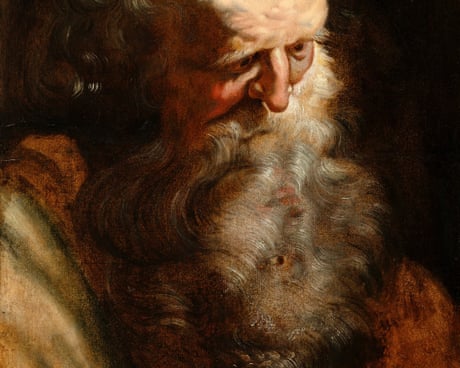
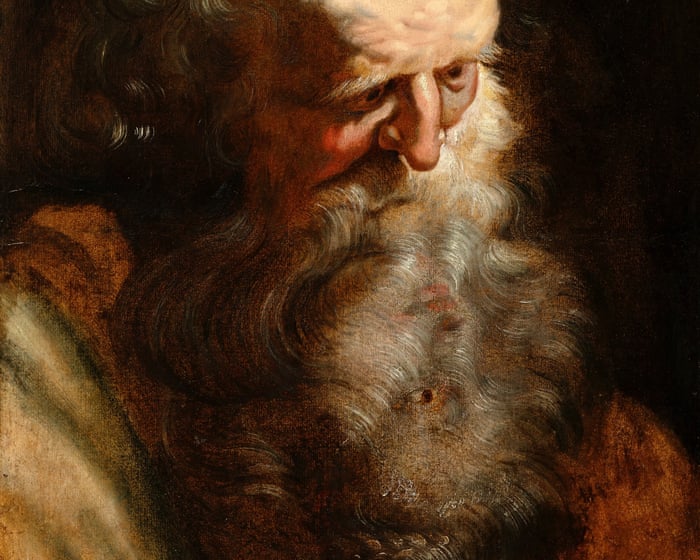
Study of man often featured in works by the Flemish master reveals hidden painting of woman beneath model’s beard
Is it a bald elderly man with a big bushy beard and a wine-addled stare? Or a friendly young woman with flowing locks and a crown of braids?
To Belgian art dealer Klaas Muller, an answer to that question mattered less than the fact that this particular take on the duck-rabbit optical illusion was painted by one Peter Paul Rubens.
It is one of the most tantalising – and entertaining – puzzles in art, stretching from the Louvre to the Loire via, well, Norfolk. And our critic thinks he has just worked it out
Increased security after the recent heist has made the queues at the Louvre even slower, yet on this rainswept, very wintry morning, no one grumbles. After all, the Mona Lisa is waiting inside for all these tourists who have come from the world over. Leonardo da Vinci’s woman – swathed in dark cloth and silk, smiling enigmatically as she sits in front of a landscape of rocks, road and water – draws crowds like no other painting. But if the Mona Lisa can attract such attention fully clothed, what would the queues be like if she was nude?
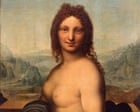
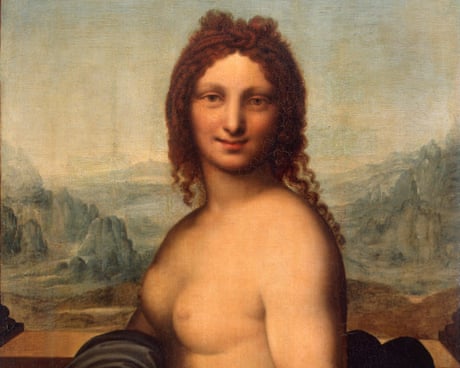
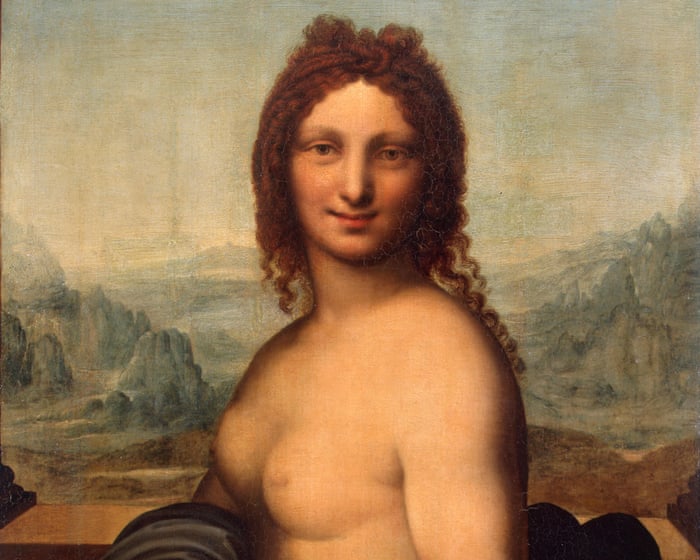
Strangely, this is not just amusing speculation – because in 18th-century Britain, she was. An engraving issued by a publisher called John Boydell gave libertine Georgians the opportunity to hang “Joconda” in their boudoir. It must have been popular because many copies survive. This Mona Lisa sits in a chair with her hands crossed in front of a fading view of distant rock formations. And, like the Mona Lisa in the Louvre, she smiles enigmatically. But there is one key difference. She is naked from the waist up.
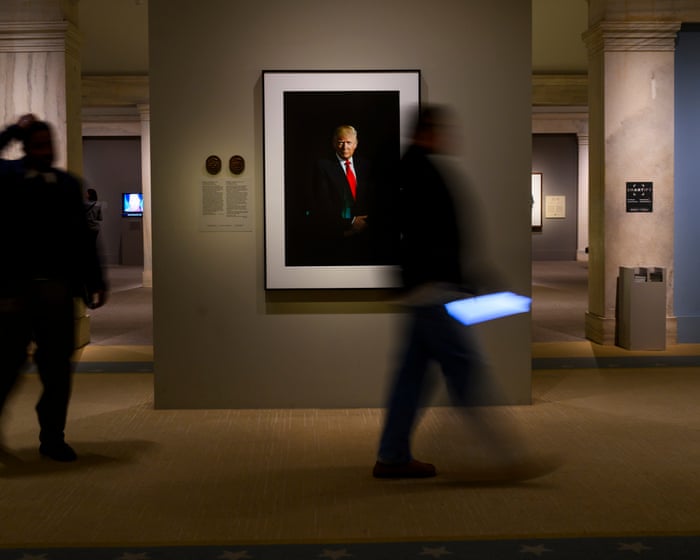
The president has vowed to kill off ‘woke’ in his second term in office, and the venerable cultural institution a few blocks from the White House is in his sights
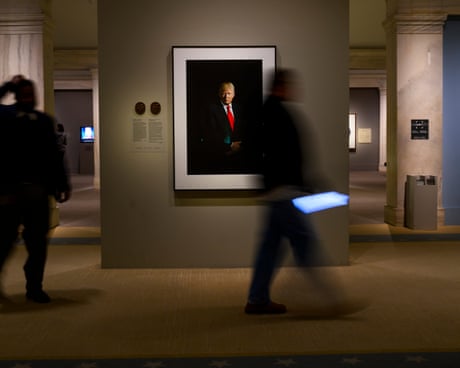
On 30 May last year, Kim Sajet was working in her office in the grandly porticoed National Portrait Gallery in Washington DC. The gallery is one of the most important branches of the Smithsonian Institution, the complex of national museums that, for almost 200 years, has told the story of the nation. The director’s suite, large enough to host a small party, has a grandeur befitting the museum’s role as the keeper of portraits of the United States’ most significant historical figures. Sajet was working beneath the gaze of artworks from the collection, including a striking 1952 painting of Mary Mills, a military-uniformed, African American nurse, and a bronze head of jazz and blues singer Ethel Waters.
It seemed like an ordinary Friday. Until, that is, an anxious colleague came in to tell Sajet that the president of the United States had personally denounced her on social media. “Upon the request and recommendation of many people I am herby [sic] terminating the employment of Kim Sajet as Director of the National Portrait Gallery,” Donald Trump had posted on Truth Social. According to the post, Sajet was “a highly partisan person” and a “strong supporter” of diversity and inclusion programmes, which by an executive order on his inauguration day, 20 January, he had eradicated from federal agencies. “Her replacement will be named shortly,” continued the message. “Thank you for your attention to this matter!”
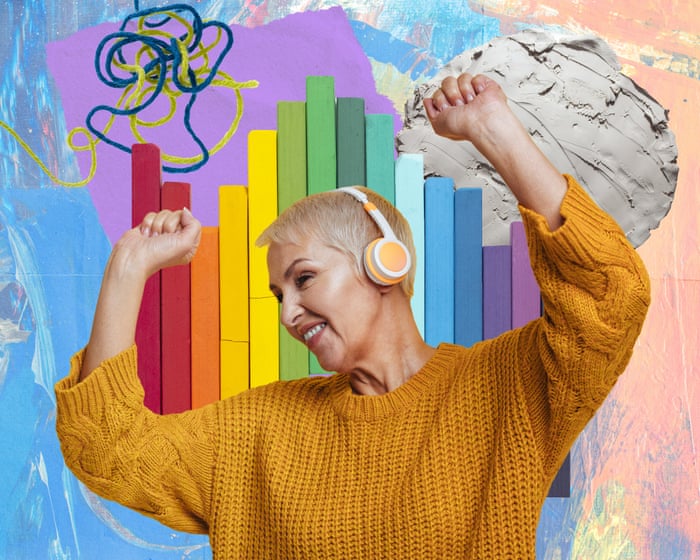
Engaging increativity can reduce depression, improve immunity and delay ageing – all while you’re having fun
For some reason, we have collectively agreed that new year is the time to reinvent ourselves. The problem, for many people, is that we’ve tried all the usual health kicks – running, yoga, meditation, the latest diets – even if we haven’t really enjoyed them, in a bid to improve our minds and bodies. But have any of us given as much thought to creativity? Allow me to suggest that this year be a time to embrace the arts.
Ever since our Paleolithic ancestors began painting caves, carving figurines, dancing and singing, engaging in the arts has been interwoven with health and healing. Look through the early writings of every major medical tradition around the world and you find the arts. What is much newer – and rapidly accelerating over the past two decades – is a blossoming scientific evidence-base identifying and quantifying exactly what the health benefits of the arts are.
 Connexion