 Connexion
« Juste à temps pour que la réalité la rattrape » : le créateur de Black Mirror parle de la suite de la série


Charlie Brooker, le créateur de Black Mirror, vient de confirmer la 8e saison de la série dystopique.

With its cast of thinkers, gamers and artists, this romp across Europe explores our desire to define reality – even as it slips from our intellectual grasp
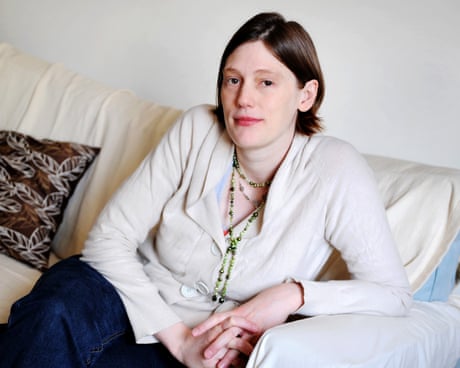
Joanna Kavenna’s two decades as a writer have seen her beat a gorgeously unconventional path through a plethora of subjects and genres, from polar exploration to motherhood to economic inequality, and from travelogue to academic satire to technological dystopia. “I like genre,” Kavenna said in a 2020 interview, “because there’s a narrative and you can kind of work against it, test it.” That being said, her seventh published book, Seven, is a curiously uncategorisable, protean thing: a slim, absurdist novel, but chunky with ideas.
Of all the genres Kavenna has worked within – or, more accurately, vexed the boundaries of – Seven (Or, How to Play a Game Without Rules) is probably closest to an academic satire. We first encounter the novel’s thoroughly anonymised first-person narrator in Oslo in the summer of 2007, where he or she or they are employed as a research assistant to a renowned Icelandic philosopher named Alda Jónsdóttir. Jónsdóttir is described as “eminent, tall, strong and terrifying”, and likes to host dinner parties for her histrionic institutional peers. The hapless narrator’s job is to help facilitate her work in “box philosophy”: “the study of categories, the ways we organise reality into groups and sets […] the ways we end up thinking inside the box, even when we are trying to think outside the box”.
Continue reading...
© Photograph: Linda Nylind/The Guardian
© Photograph: Linda Nylind/The Guardian

© Photograph: Linda Nylind/The Guardian
Complaint against Cécile Desprairies over Nazi collusion novel alleges that ‘resentment permeates the entire work’
The Polish poet Czesław Miłosz is famously credited with the line: “When a writer is born into a family, the family is finished.” In contemporary European literature, a book these days is often the beginning of a familial feud. With thinly disguised autobiographical accounts of family strife undergoing a sustained boom across the continent, it can increasingly lead to family reunions in courtrooms.
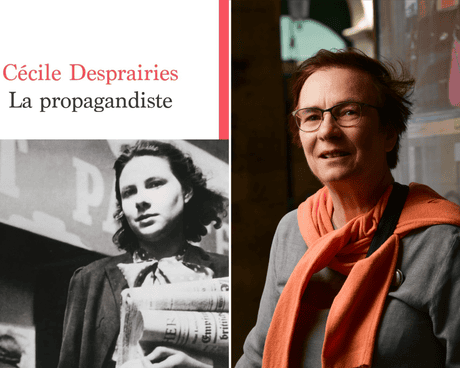
Such was the case with the French historian Cécile Desprairies, who on Wednesday was sued for defamation by her brother and a cousin over the depiction of her late mother and her great-uncle in her 2024 novel La Propagandiste.
Continue reading...
© Composite: pr
© Composite: pr

© Composite: pr
