Free-to-play multiplayer racer Boom Karts VR is out now on Quest, supporting crossplay with the mobile edition.
Originally launched on iOS and Android, free-to-play racing game Boom Karts has now received a VR edition from Finnish developer Zaibatsu Interactive. This arcade racer sees you try to secure the race wins using power-ups while avoiding obstacles and traps, racing friends and sabotaging rivals along the way. Now, it's come to Quest 2, Pro, 3, and 3S.
Featuring ranked leagues and ranked matches, Boom Karts VR also comes with an adventure mode and quests. Cars and characters can be customized alike through both cosmetic items and unlocking additional upgrades. Compared to the mobile edition, the VR edition of Boom Karts contains various new features like playing in a theater mode.
Game-specific friend lists are also available, as is a 'Teams' option that sees your group unlocking rewards, upgrades, and new items to upgrade your kart. One and two-handed control schemes are supported for the Meta Quest's Touch controllers, as are USB controllers.
Transmission: Shortwave, a casual VR delivery driving sim set in a retro-futuristic Great Britain, is now available on Quest.
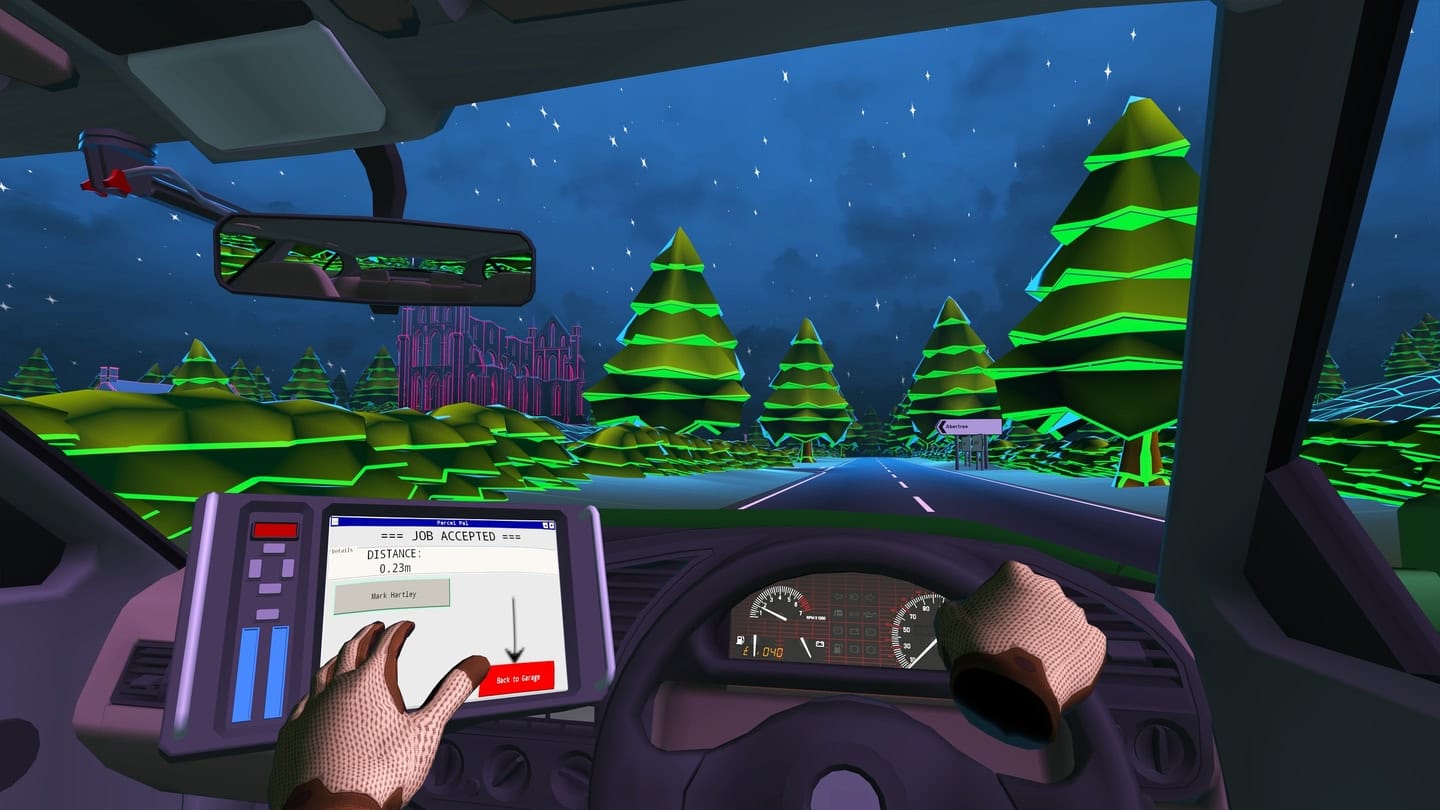
Marking the debut VR game from British indie studio Cardboard Sword, you may recall Transmission: Shortwave recently appeared in the UploadVR Winter Showcase. Taking place in an alternative 1990s Great Britain, you're tasked with delivering parcels across these UK-inspired landscapes at your own pace as a member of ParcelPal.
Detailing this further, Cardboard Sword calls Transmission: Shortwave a reflection of the team's “tongue-in-cheek humour and nostalgia.” Leaning into the retro aesthetic, Transmission: Shortwave comes with an original soundtrack that's inspired by early electronic dance music.
The developer states you can simulate driving “as much or as little” as you'd like, letting you use optional shifters, handbrakes, and turn signals. As you progress across the game, you can customize your courier by gradually unlocking different car models and colors.
Transmission: Shortwave is out now as a Meta Quest exclusive for $4.99.
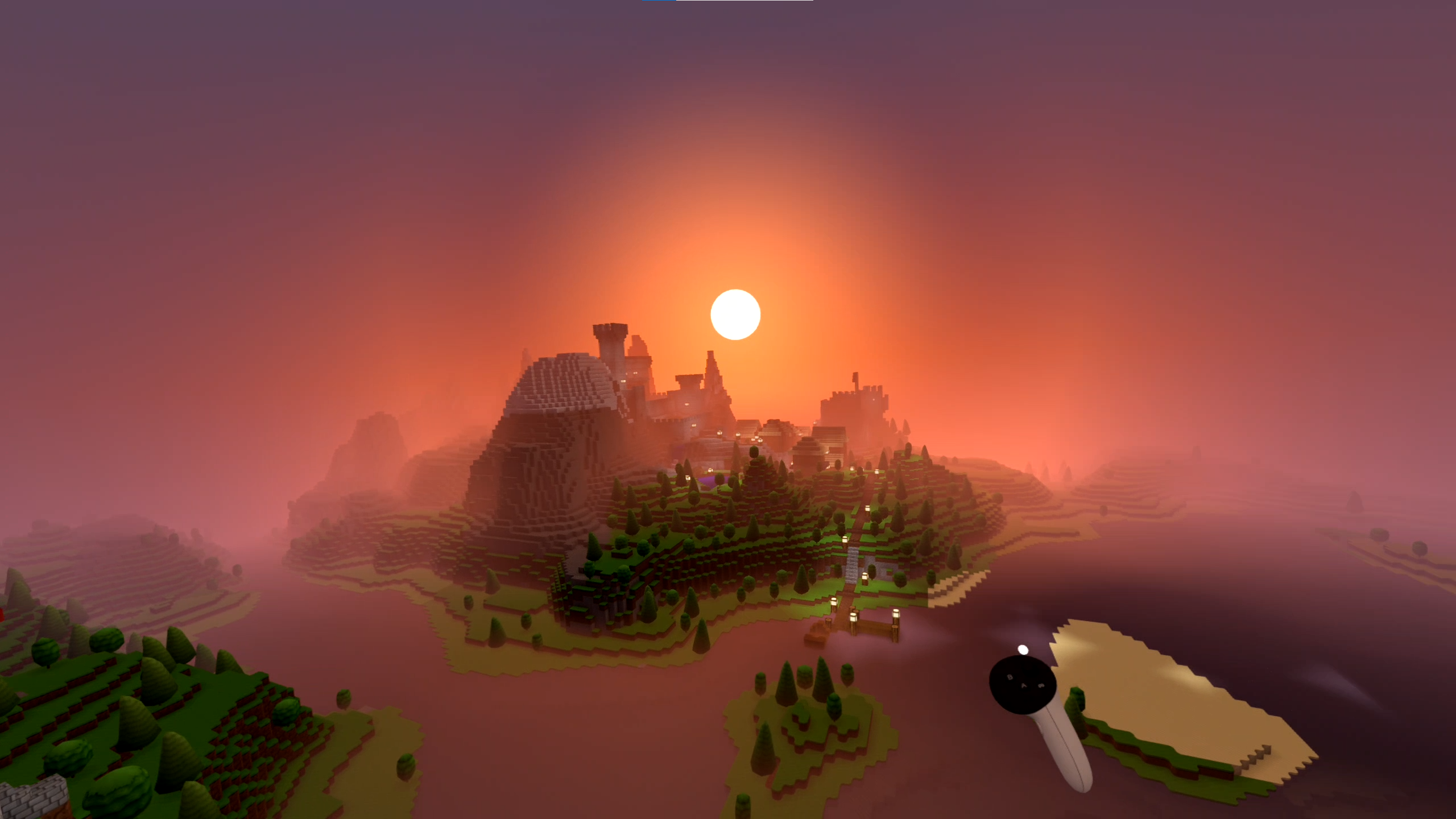
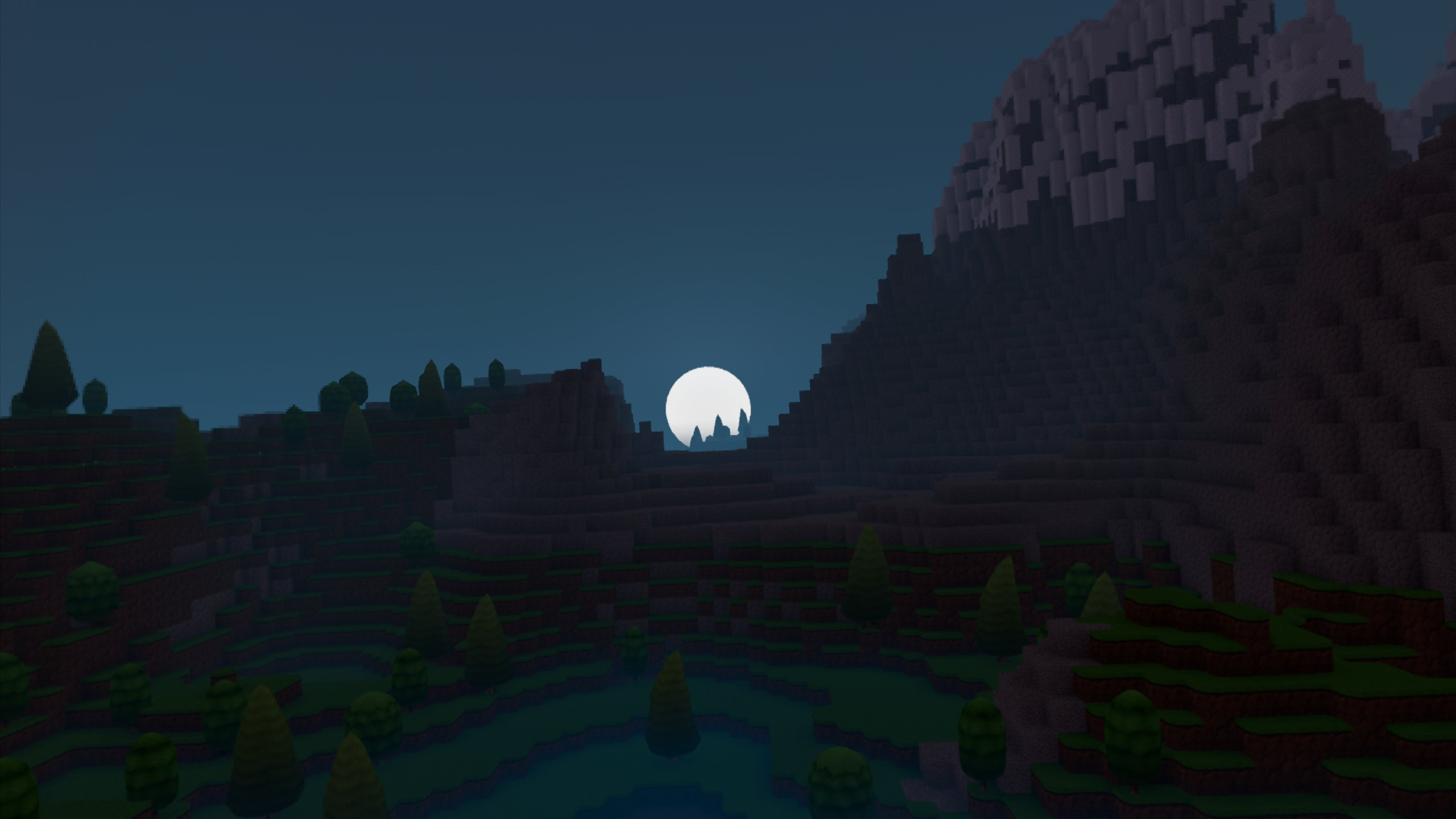
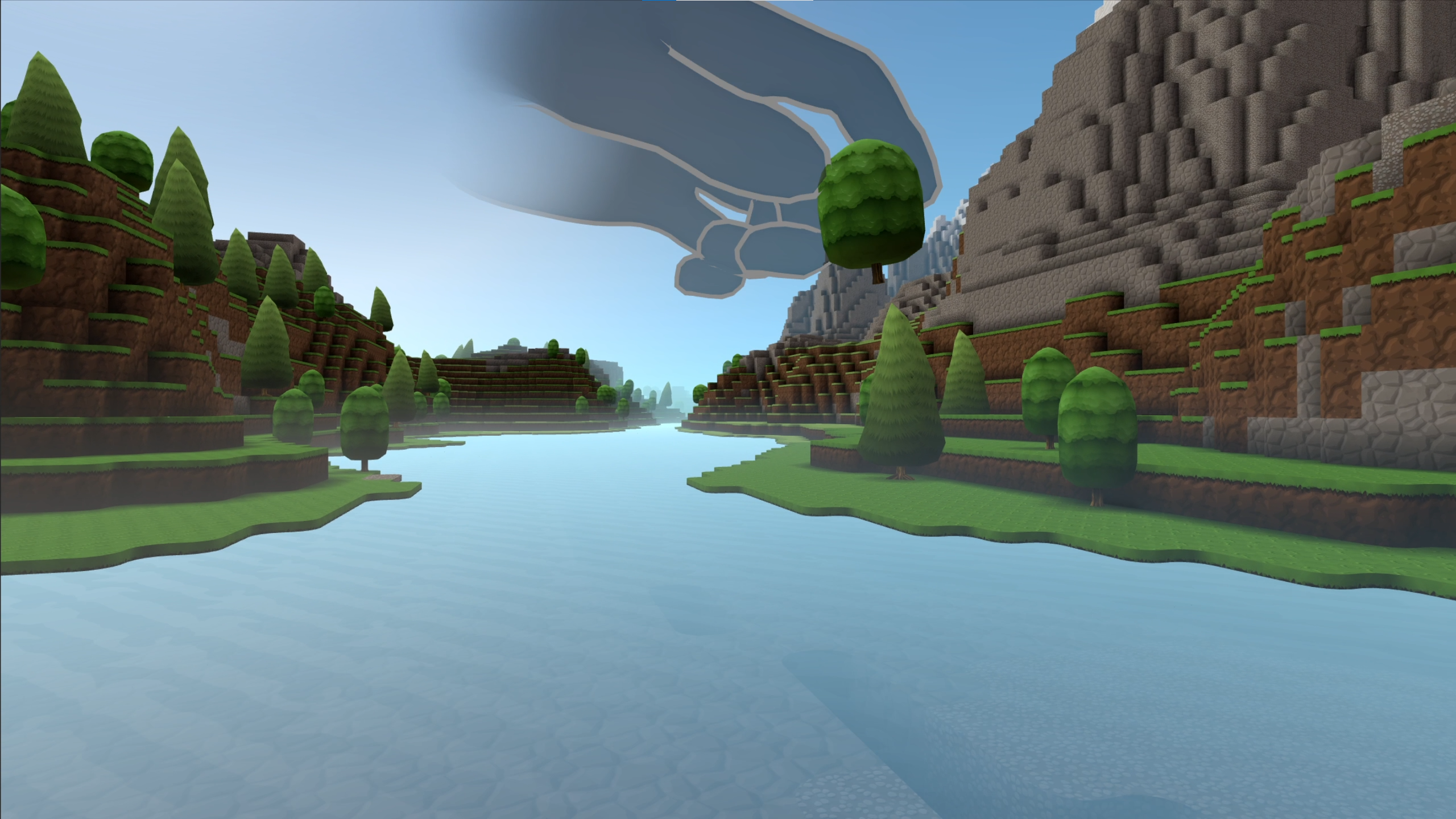
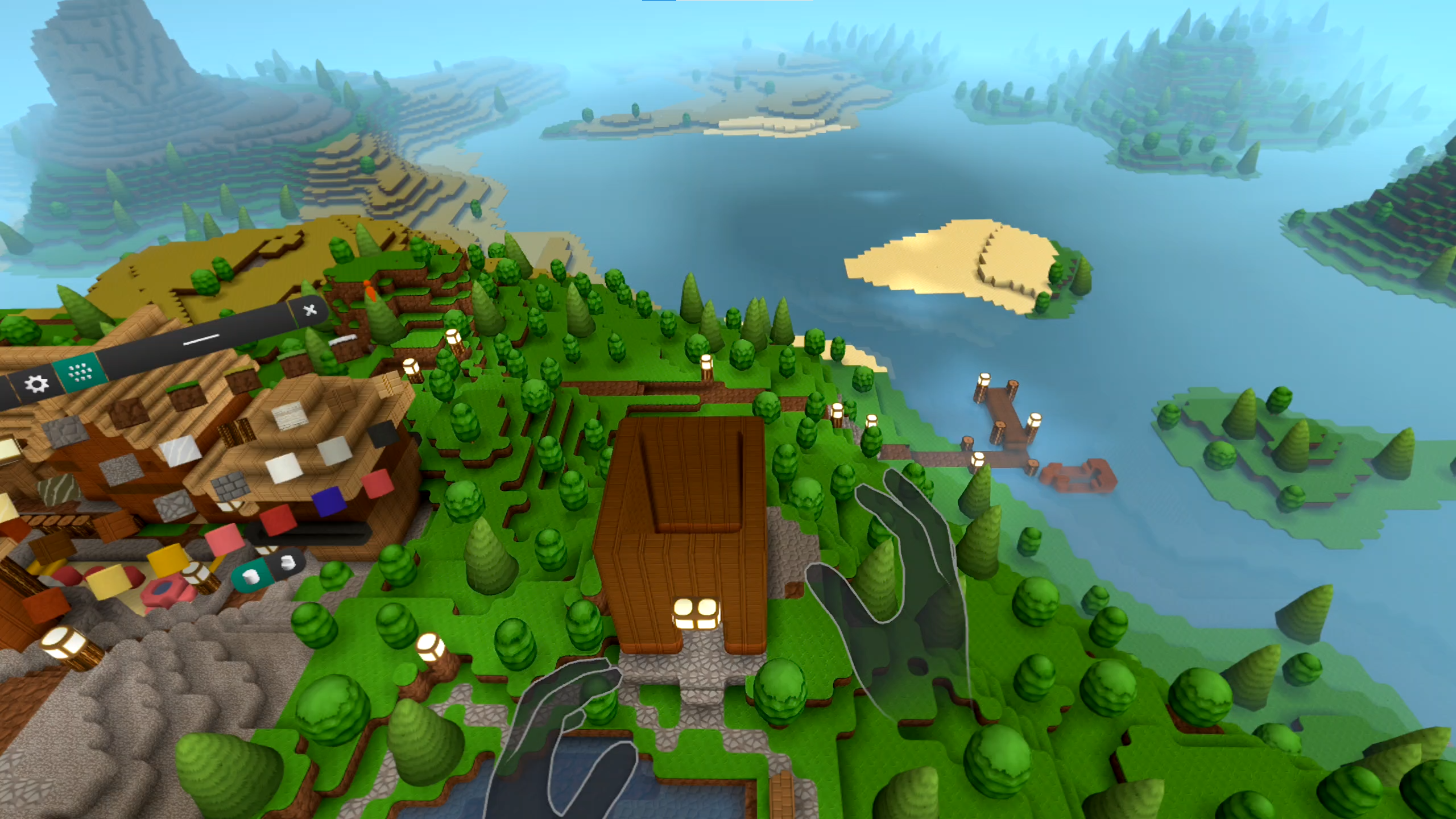
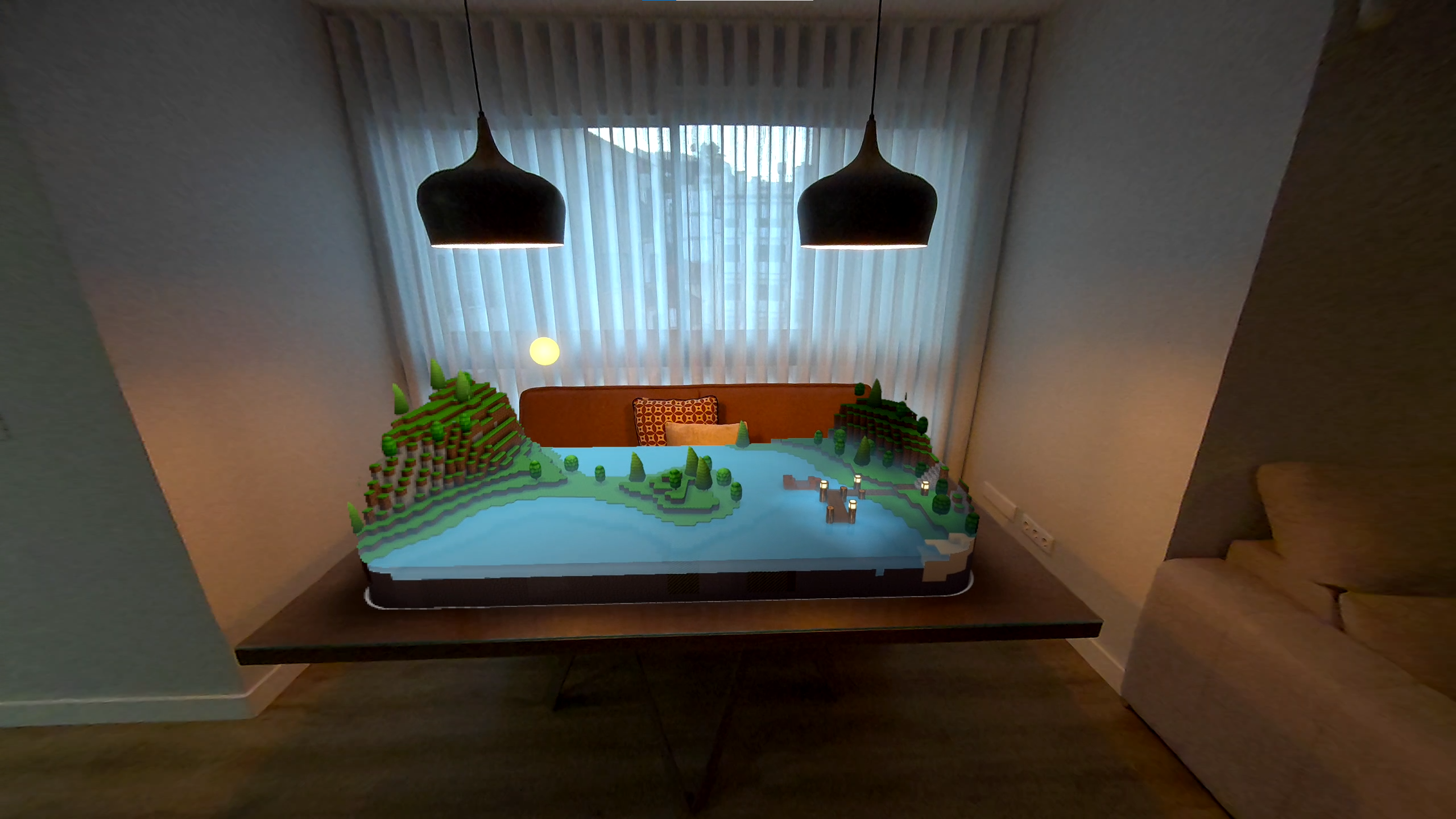
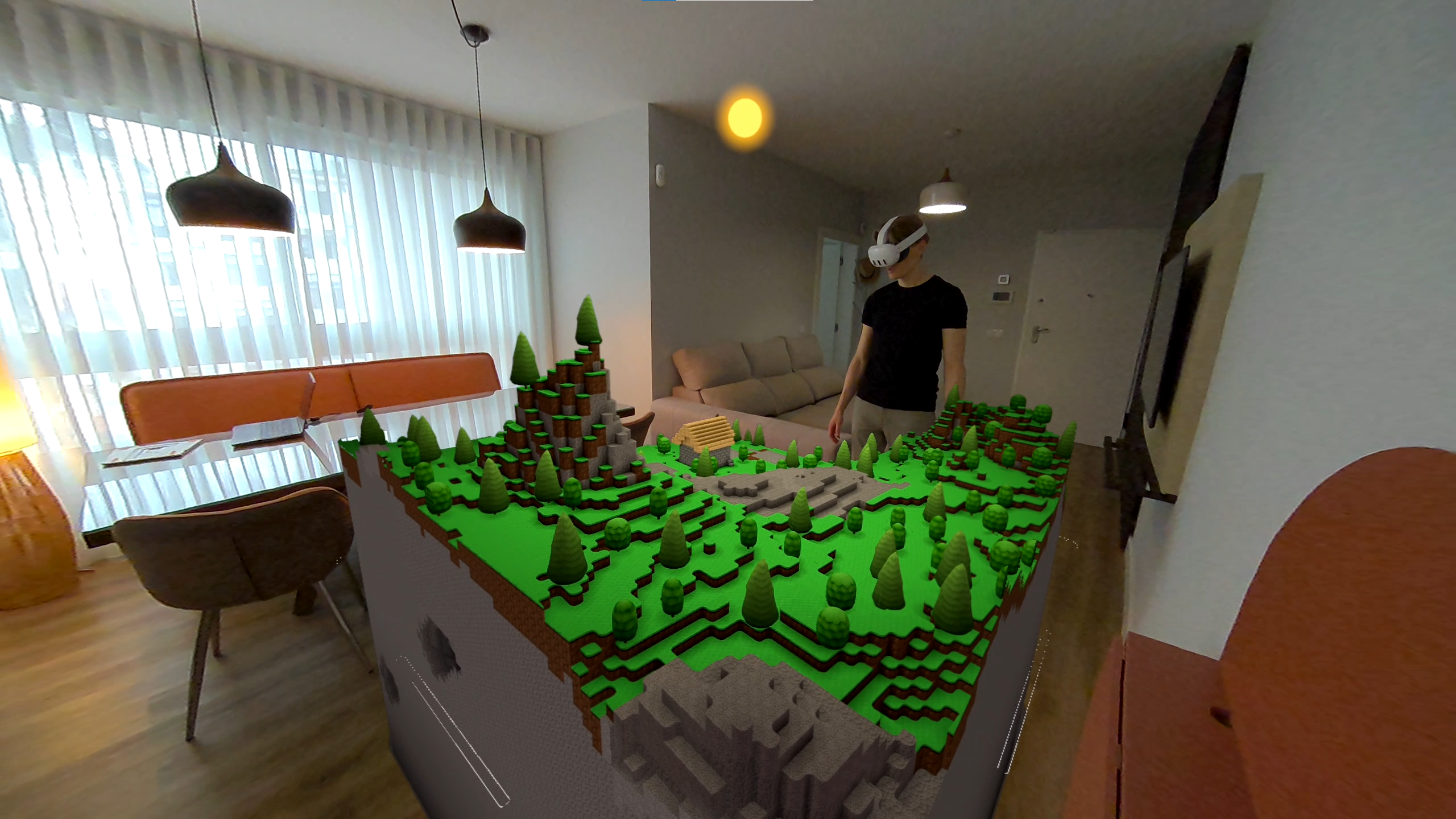
Pocket Lands, a mixed reality sandbox game where you can create miniature worlds, is out now in early access on Quest.
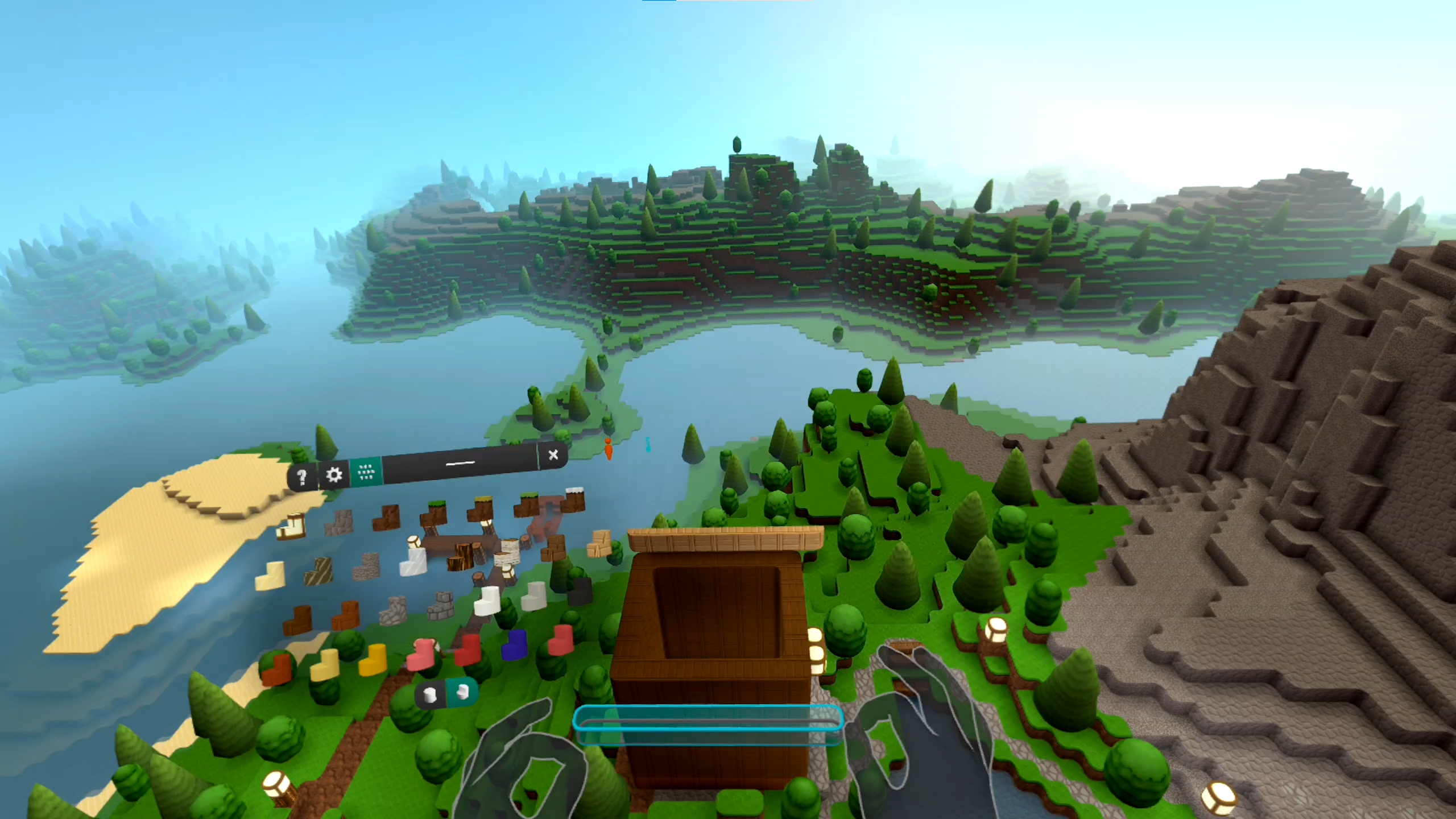
Originally announced at last month's VR Games Showcase, Pocket Lands is a tabletop voxel sandbox game from Thomas van den Berge (Vermillion) through Mountainborn Studios. You can create diorama-like worlds across different biomes in mixed reality with support for both Touch controllers and hand tracking, then explore them in first person with fully immersive VR.
0:00
/1:23
In its current early access release, Pocket Lands features various biomes and the ability to create worlds of different sizes. The game also supports a day and night cycle, empty dioramas for building without distractions, quick construction tools, and a virtual camera to record and share your different builds.
For the full release, Thomas van den Berge previously advised Pocket Lands will launch in “the second half of 2026”. The store page's “coming soon” section lists planned features such as multiplayer, cave systems, underground biomes, new surface biomes, creatures that roam these lands, and more. However, it's unclear if each feature will arrive at full release or across incremental updates.
Pocket Lands is out now in early access on the Meta Quest platform. We'll bring you our full impressions soon.
Update Notice
This story was initially published on December 11, 2025. It was updated on December 13, 2025, with a new trailer.
sujet principal : Les politiques logiciels libres de Grenoble et de Lyon
Label Territoire Numérique Libre : changement de format et résultats de l’édition 2025
Interview de Johan et Hugo, deux étudiants au Master I2L (ingénierie du logiciel libre) à l’université de Calais, par Laurent Costy, vice-président de l’April
Rendez‐vous en direct chaque mardi de 15 h 30 à 17 h sur 93,1 MHz en Île‐de‐France. L’émission est diffusée simultanément sur le site Web de la radio Cause Commune. Vous pouvez nous laisser un message sur le répondeur de la radio : pour réagir à l’un des sujets de l’émission, pour partager un témoignage, vos idées, vos suggestions, vos encouragements ou pour nous poser une question. Le numéro du répondeur : +33 9 72 51 55 46.
Razer expands their Cobra series with the ambidextrous, 62 g Cobra Hyperspeed, featuring Razer's Focus X 26K sensor, Razer's latest Gen-4 optical switches for the main buttons, an optical scroll wheel encoder, full RGB lighting, as well as both 2.4 GHz wireless and Bluetooth connectivity, for up to 170 hours of battery life.
A new stable release of Pop!_OS is out, the first to ship with the Rust-based COSMIC desktop environment by default. I look at what's new in Pop!_OS 24.04 LTS.
Thunderbird 146 has been released, making it easier to add OpenPGP keyservers, improving the security of login data with AES encryption, and fixing a ton of bugs.
Parallèlement aux drivers AMD Software 25.12.1 pour les cartes graphiques Radeon, AMD a également publié une nouvelle version de son pack Chipset Drivers qui contient l'ensemble des pilotes permettant de faire fonctionner de manière optimale les chipsets AMD des séries 600 et 800 ainsi que les proce...
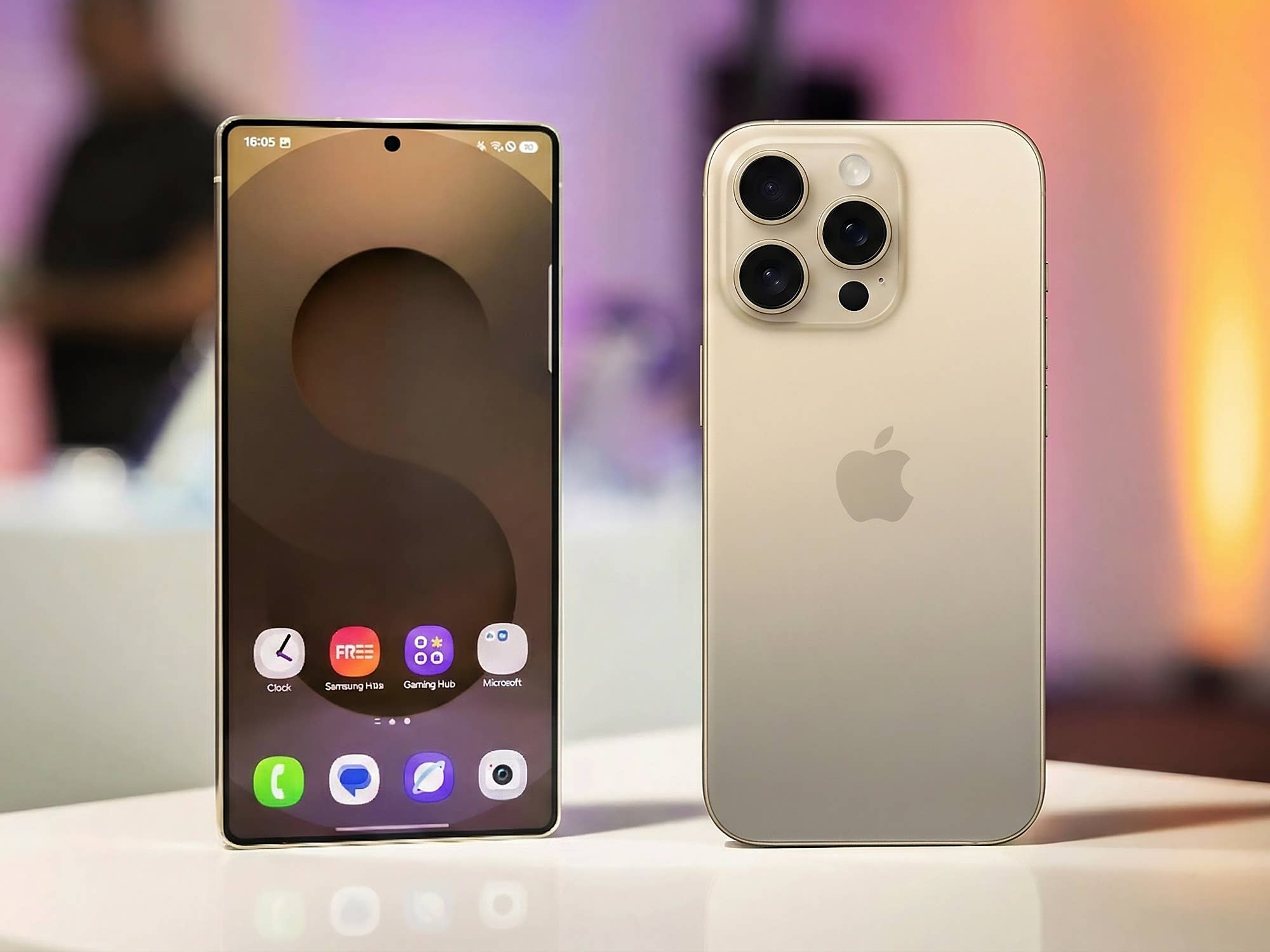
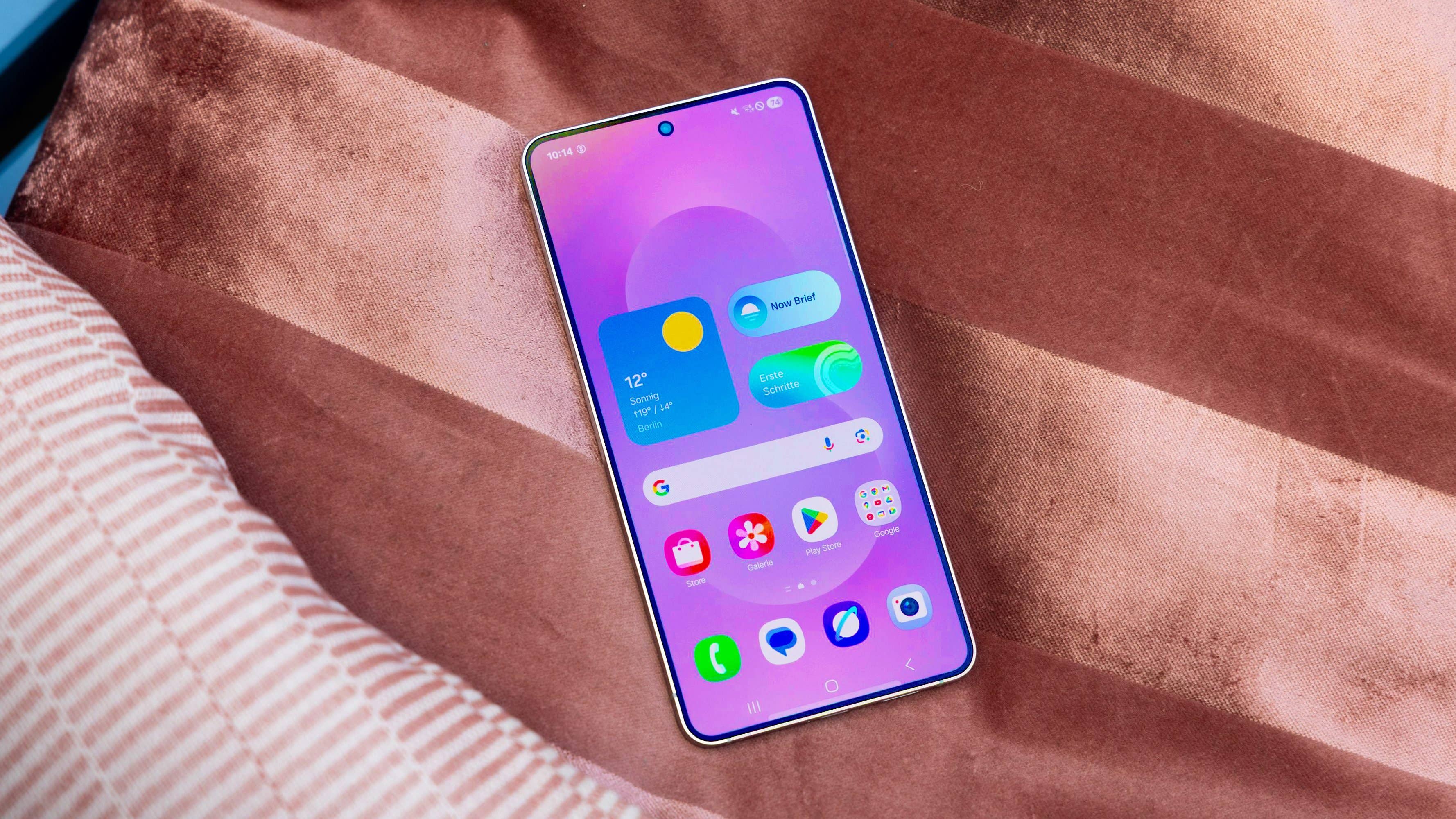
Samsung vient de déployer une mise à jour majeure basée sur Android 16 pour certains smartphones Galaxy. Mais que contient réellement cette surprenante mise à jour de fin d'année ? Voici toutes les fonctionnalités et mises à jour intéressantes que vous pouvez attendre avec impatience.
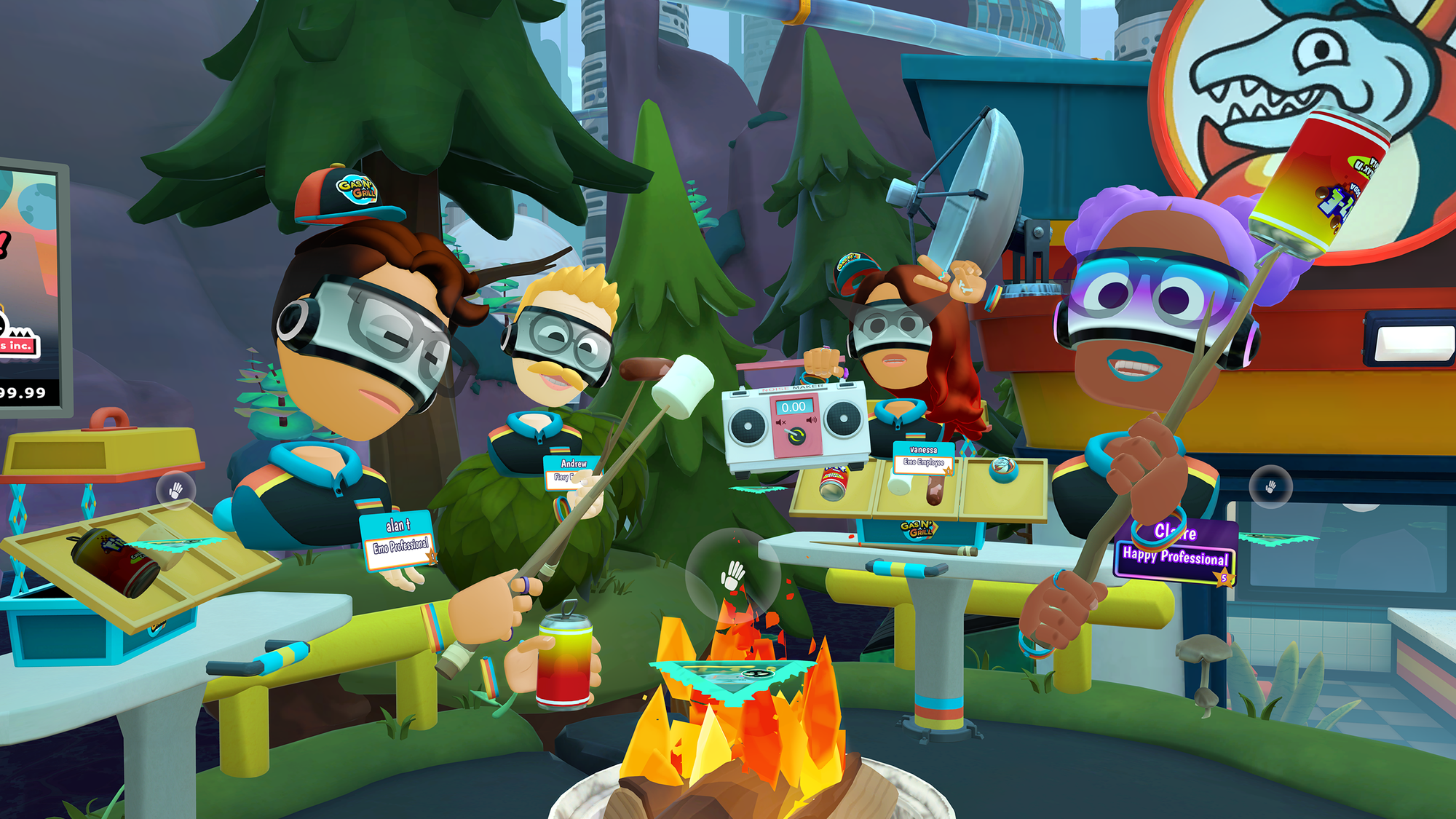
Dimensional Double Shift is out now on Samsung Galaxy XR, coinciding with the game's “largest update ever.”
Previously released on Quest in early access, Dimensional Double Shift is a hand tracking party game where you serve food orders and fix motor vehicles for the locals of each dimension you visit. Following October's New Joysey DLC, it's now available on Samsung Galaxy XR headsets and offers cross-platform multiplayer support with Meta Quest headsets.
Today's Samsung Galaxy XR launch is also joined by Dimensional Double Shift's free Winter Update. Developer Owlchemy Labs confirmed that this includes Solo Practice Experiment, its first single-player mode for the former co-op only experience, which teaches you the game's core systems.
Other new features include rotating weekend Boosters, starting with a limited-time 'Midas Touch' modifier where everything you touch turns to gold. Other Boosters include turning your mouth into a flamethrower, stretching your arms further, and more. Finally, the game's celebrating 'Snow-vertime Fest' from December 18 until January 5, adding a festive hub alongside winter-themed avatar cosmetics and new interactions.
Changes to Ubuntu's telemetry with the new Ubuntu Insights tool include more frequent reporting, more controls and more transparency on what's collected.
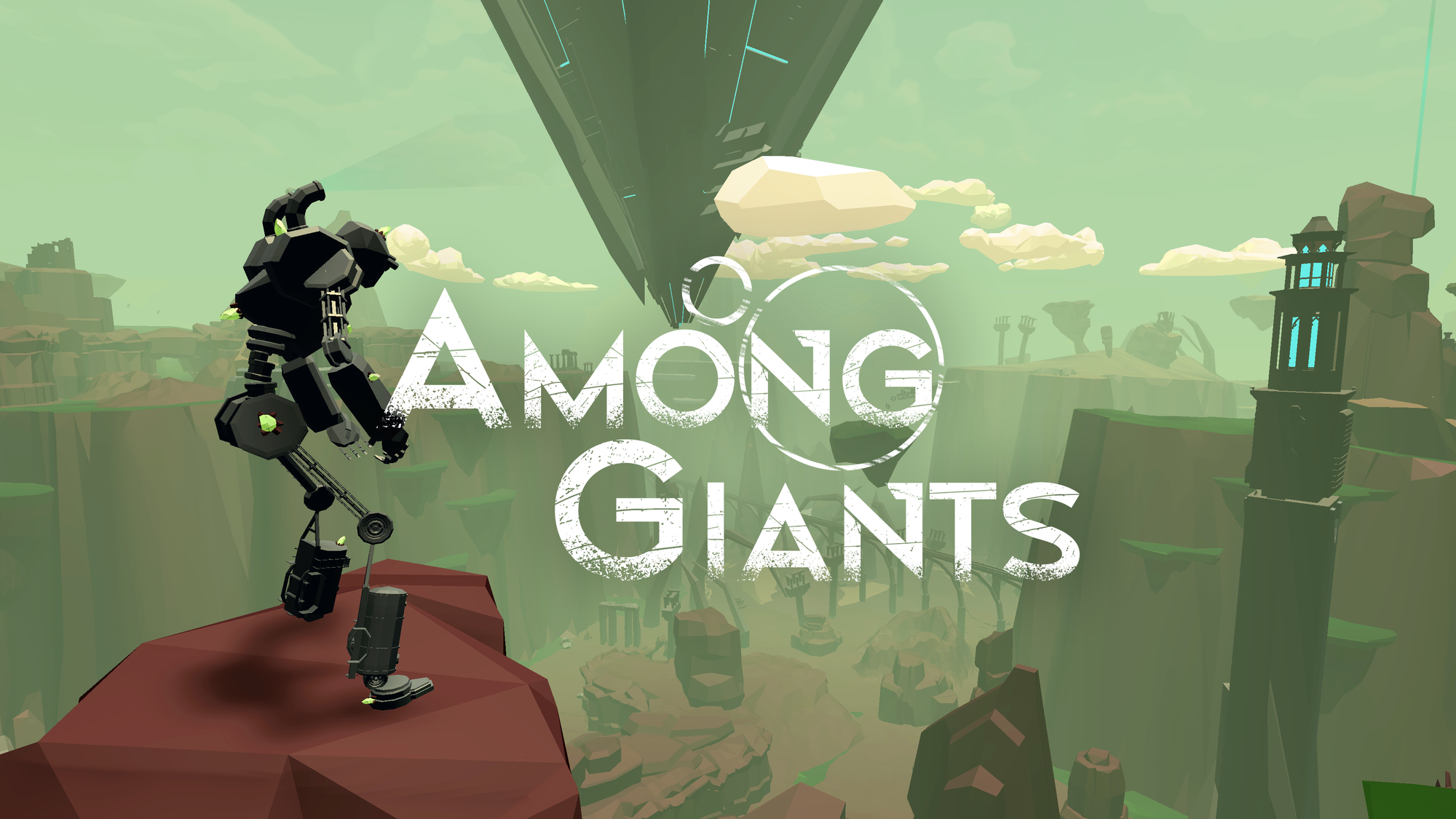
Among Giants is an open world VR adventure from a solo developer that's heading to Quest 3 and 3S next year.
Created by K Monkey Games, Among Giants takes direct inspiration from Shadow of the Colossus and The Legend of Zelda: Breath of the Wild. Playing as Erya across a world filled with ancient giants, you're tasked with exploring the remnants of this lost civilization as you decode its mysterious alien language. Hunting down these giants lets you extract their final memories, as you discover what happened to humanity.
Featuring a 25 km² environment, you're accompanied on this journey by a tiny robot companion called R-011, and a rideable horse you can summon from anywhere using a horn. Over 10 types of enemies are promised, ranging from droids to the “colossal death worm.” Erya comes armed with a bow and arrow, and other non-reloadable weapons can also be found.
Other forms of traversal include gliding through the air, using grappling hooks to navigate cliffs, and swimming underwater. Among Giants also features a dynamic weather system alongside a day and night cycle, where you'll need to carefully navigate heavy rain, blizzards, and scorching deserts alike across this journey.
K Monkey Games informed UploadVR that Among Giants targets a Q1 2026 launch on Quest 3 and 3S. Other platforms are currently unconfirmed, though the Meta Horizon Store presently lists Quest Pro support too.
Physics World is delighted to announce its Top 10 Breakthroughs of the Year for 2025, which includes research in astronomy, antimatter, atomic and molecular physics and more. The Top Ten is the shortlist for the Physics World Breakthrough of the Year, which will be revealed on Thursday 18 December.
Our editorial team has looked back at all the scientific discoveries we have reported on since 1 January and has picked 10 that we think are the most important. In addition to being reported in Physics World in 2025, the breakthroughs must meet the following criteria:
Significant advance in knowledge or understanding
Importance of work for scientific progress and/or development of real-world applications
Of general interest to Physics World readers
Here, then, are the Physics World Top 10 Breakthroughs for 2025, listed in no particular order. You can listen to Physics World editors make the case for each of our nominees in the Physics World Weekly podcast. And, come back next week to discover who has bagged the 2025 Breakthrough of the Year.
Analysing returned samples Tim McCoy (right), curator of meteorites at the Smithsonian’s National Museum of Natural History, and research geologist Cari Corrigan examine scanning electron microscope (SEM) images of a Bennu sample. (Courtesy: James Di Loreto, Smithsonian)
To Tim McCoy, Sara Russell, Danny Glavin, Jason Dworkin, Yoshihiro Furukawa, Ann Nguyen, Scott Sandford, Zack Gainsforth and an international team of collaborators for identifying salt, ammonia, sugar, nitrogen- and oxygen-rich organic materials, and traces of metal-rich supernova dust, in samples returned from the near-Earth asteroid 101955 Bennu. The incredible chemical richness of this asteroid, which NASA’s OSIRIS-REx spacecraft visited in 2020, lends support to the longstanding hypothesis that asteroid impacts could have “seeded” the early Earth with the raw ingredients needed for life to form. The discoveries also enhance our understanding of how Bennu and other objects in the solar system formed out of the disc of material that coalesced around the young Sun.
To Takamasa Momose of the University of British Columbia, Canada, and Susumu Kuma of the RIKEN Atomic, Molecular and Optical Physics Laboratory, Japan for observing superfluidity in a molecule for the first time. Molecular hydrogen is the simplest and lightest of all molecules, and theorists predicted that it would enter a superfluid state at a temperature between 1‒2 K. But this is well below the molecule’s freezing point of 13.8 K, so Momose, Kuma and colleagues first had to develop a way to keep the hydrogen in a liquid state. Once they did that, they then had to work out how to detect the onset of superfluidity. It took them nearly 20 years, but by confining clusters of hydrogen molecules inside helium nanodroplets, embedding a methane molecule within the clusters, and monitoring the methane’s rotation, they were finally able to do it. They now plan to study larger clusters of hydrogen, with the aim of exploring the boundary between classical and quantum behaviour in this system.
To researchers at the University of Southampton and Microsoft Azure Fiber in the UK, for developing a new type of optical fibre that reduces signal loss, boosts bandwidth and promises faster, greener communications. The team, led by Francesco Poletti, achieved this feat by replacing the glass core of a conventional fibre with air and using glass membranes that reflect light at certain frequencies back into the core to trap the light and keep it moving through the fibre’s hollow centre. Their results show that the hollow-core fibres exhibit 35% less attenuation than standard glass fibres – implying that fewer amplifiers would be needed in long cables – and increase transmission speeds by 45%. Microsoft has begun testing the new fibres in real systems, installing segments in its network and sending live traffic through them. These trials open the door to gradual rollout and Poletti suggests that the hollow-core fibres could one day replace existing undersea cables.
PAT pioneers The research team in the proton therapy gantry room. (Courtesy: UO Fisica Sanitaria and UO Protonterapia, APSS, Trento)
To Francesco Fracchiolla and colleagues at the Trento Proton Therapy Centre in Italy for delivering the first clinical treatments using proton arc therapy (PAT). Proton therapy – a precision cancer treatment – is usually performed using pencil-beam scanning to precisely paint the dose onto the tumour. But this approach can be limited by the small number of beam directions deliverable in an acceptable treatment time. PAT overcomes this by moving to an arc trajectory with protons delivered over a large number of beam angles and the potential to optimize the number of energies used for each beam direction. Working with researchers at RaySearch Laboratories in Sweden, the team performed successful dosimetric comparisons with clinical proton therapy plans. Following a feasibility test that confirmed the viability of clinical PAT delivery, the researchers used PAT to treat nine cancer patients. Importantly, all treatments were performed using the centre’s existing proton therapy system and clinical workflow.
To Peter Maurer and David Awschalom at the University of Chicago Pritzker School of Molecular Engineering and colleagues for designing a protein quantum bit (qubit) that can be produced directly inside living cells and used as a magnetic field sensor. While many of today’s quantum sensors are based on nitrogen–vacancy (NV) centres in diamond, they are large and hard to position inside living cells. Instead, the team used fluorescent proteins, which are just 3 nm in diameter and can be produced by cells at a desired location with atomic precision. These proteins possess similar optical and spin properties to those of NV centre-based qubits – namely that they have a metastable triplet state. The researchers used a near-infrared laser pulse to optically address a yellow fluorescent protein and read out its triplet spin state with up to 20% spin contrast. They then genetically modified the protein to be expressed in bacterial cells and measured signals with a contrast of up to 8%. They note that although this performance does not match that of NV quantum sensors, it could enable magnetic resonance measurements directly inside living cells, which NV centres cannot do.
To Guangyu Zhang, Luojun Du and colleagues at the Institute of Physics of the Chinese Academy of Sciences for producing the first 2D sheets of metal. Since the discovery of graphene – a sheet of carbon just one atom thick – in 2004, hundreds of other 2D materials have been fabricated and studied. In most of these, layers of covalently bonded atoms are separated by gaps where neighbouring layers are held together only by weak van der Waals (vdW) interactions, making it relatively easy to “shave off” single layers to make 2D sheets. Many thought that making atomically thin metals, however, would be impossible given that each atom in a metal is strongly bonded to surrounding atoms in all directions. The technique developed by Zhang and Du and colleagues involves heating powders of pure metals between two monolayer-MoS2/sapphire vdW anvils. Once the metal powders are melted into a droplet, the researchers applied a pressure of 200 MPa and continued this “vdW squeezing” until the opposite sides of the anvils cooled to room temperature and 2D sheets of metal were formed. The team produced five atomically thin 2D metals – bismuth, tin, lead, indium and gallium – with the thinnest being around 6.3 Å. The researchers say their work is just the “tip of the iceberg” and now aim to study fundamental physics with the new materials.
Exquisite control Physicist Barbara Latacz at the BASE experiment at CERN. (Courtesy: CERN)
To CERN’s BASE collaboration for being the first to perform coherent spin spectroscopy on a single antiproton – the antimatter counterpart of the proton. Their breakthrough is the most precise measurement yet of the antiproton’s magnetic properties, and could be used to test the Standard Model of particle physics. The experiment begins with the creation of high-energy antiprotons in an accelerator. These must be cooled (slowed down) to cryogenic temperatures without being lost to annihilation. Then, a single antiproton is held in an ultracold electromagnetic trap, where microwave pulses manipulate its spin state. The resulting resonance peak was 16 times narrower than previous measurements, enabling a significant leap in precision. This level of quantum control opens the door to highly sensitive comparisons of the properties of matter (protons) and antimatter (antiprotons). Unexpected differences could point to new physics beyond the Standard Model and may also reveal why there is much more matter than antimatter in the visible universe.
To Richard Allen, director of the Berkeley Seismological Laboratory at the University of California, Berkeley, and Google’s Marc Stogaitis and colleagues for creating a global network of Android smartphones that acts as an earthquake early warning system. Traditional early warning systems use networks of seismic sensors that rapidly detect earthquakes in areas close to the epicentre and issue warnings across the affected region. Building such seismic networks, however, is expensive, and many earthquake-prone regions do not have them. The researchers utilized the accelerometer in millions of phones in 98 countries to create the Android Earthquake Alert (AEA) system. Testing the app between 2021 and 2024 led to the detection of an average of 312 earthquakes a month, with magnitudes ranging from 1.9 to 7.8. For earthquakes of magnitude 4.5 or higher, the system sent “TakeAction” alerts to users, sending them, on average, 60 times per month for an average of 18 million individual alerts per month. The system also delivered lesser “BeAware” alerts to regions expected to experience a shaking intensity of magnitude 3 or 4. The team now aims to produce maps of ground shaking, which could assist the emergency response services following an earthquake.
To Lisa Nortmann at Germany’s University of Göttingen and colleagues for creating the first detailed “weather map” of an exoplanet. The forecast for exoplanet WASP-127b is brutal with winds reaching 33,000 km/hr, which is much faster than winds found anywhere in the Solar System. The WASP-127b is a gas giant located about 520 light–years from Earth and the team used the CRIRES+ instrument on the European Southern Observatory’s Very Large Telescope to observe the exoplanet as it transited across its star in less than 7 h. Spectral analysis of the starlight that filtered through WASP-127b’s atmosphere revealed Doppler shifts caused by supersonic equatorial winds. By analysing the range of Doppler shifts, the team created a rough weather map of WASP-127b, even though they could not resolve light coming from specific locations on the exoplanet. Nortmann and colleagues concluded that the exoplanet’s poles are cooler that the rest of WASP-127b, where temperatures can exceed 1000 °C. Water vapour was detected in the atmosphere, raising the possibility of exotic forms of rain.
To the team led by Yichao Zhang at the University of Maryland and Pinshane Huang of the University of Illinois at Urbana-Champaign for capturing the highest-resolution images ever taken of individual atoms in a material. The team used an electron-microscopy technique called electron ptychography to achieve a resolution of 15 pm, which is about 10 times smaller than the size of an atom. They studied a stack of two atomically-thin layers of tungsten diselenide, which were rotated relative to each other to create a moiré superlattice. These twisted 2D materials are of great interest to physicists because their electronic properties can change dramatically with small changes in rotation angle. The extraordinary resolution of their microscope allowed them to visualize collective vibrations in the material called moiré phasons. These are similar to phonons, but had never been observed directly until now. The team’s observations align with theoretical predictions for moiré phasons. Their microscopy technique should boost our understanding of the role that moiré phasons and other lattice vibrations play in the physics of solids. This could lead to the engineering of new and useful materials.
Physics World‘s coverage of the Breakthrough of the Year is supported by Reports on Progress in Physics, which offers unparalleled visibility for your ground-breaking research.
This episode of the Physics World Weekly podcast features a lively discussion about our Top 10 Breakthroughs of 2025, which include important research in quantum sensing, planetary science, medical physics, 2D materials and more. Physics World editors explain why we have made our selections and look at the broader implications of this impressive body of research.
The top 10 serves as the shortlist for the Physics World Breakthrough of the Year award, the winner of which will be announced on 18 December.
Links to all the nominees, more about their research and the selection criteria can be found here.
Physics World‘s coverage of the Breakthrough of the Year is supported by Reports on Progress in Physics, which offers unparalleled visibility for your ground-breaking research.
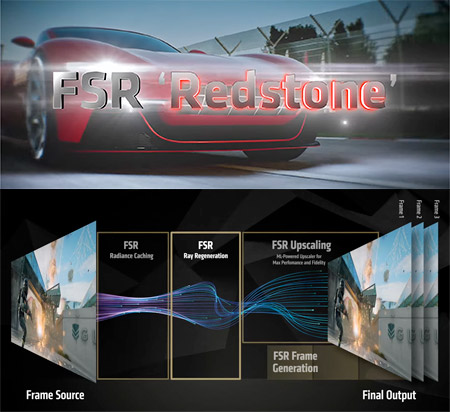
Il y a encore quelques années, AMD publiait chaque année au début du mois de décembre une importante mise à jour de son pilote graphique Radeon Software afin d'ajouter de nouvelles fonctionnalités et/ou d'importants gains de performances. Puis cette tradition s'est un peu perdue au fil du temps avec...
If you’re a microATX fan, then the ASUS ROG Strix B850-G Gaming Wi-Fi should absolutely be on your shortlist. This is especially true if having plenty of M.2 ports is a priority, or if you want to sport a clean white theme while running high-end hardware.
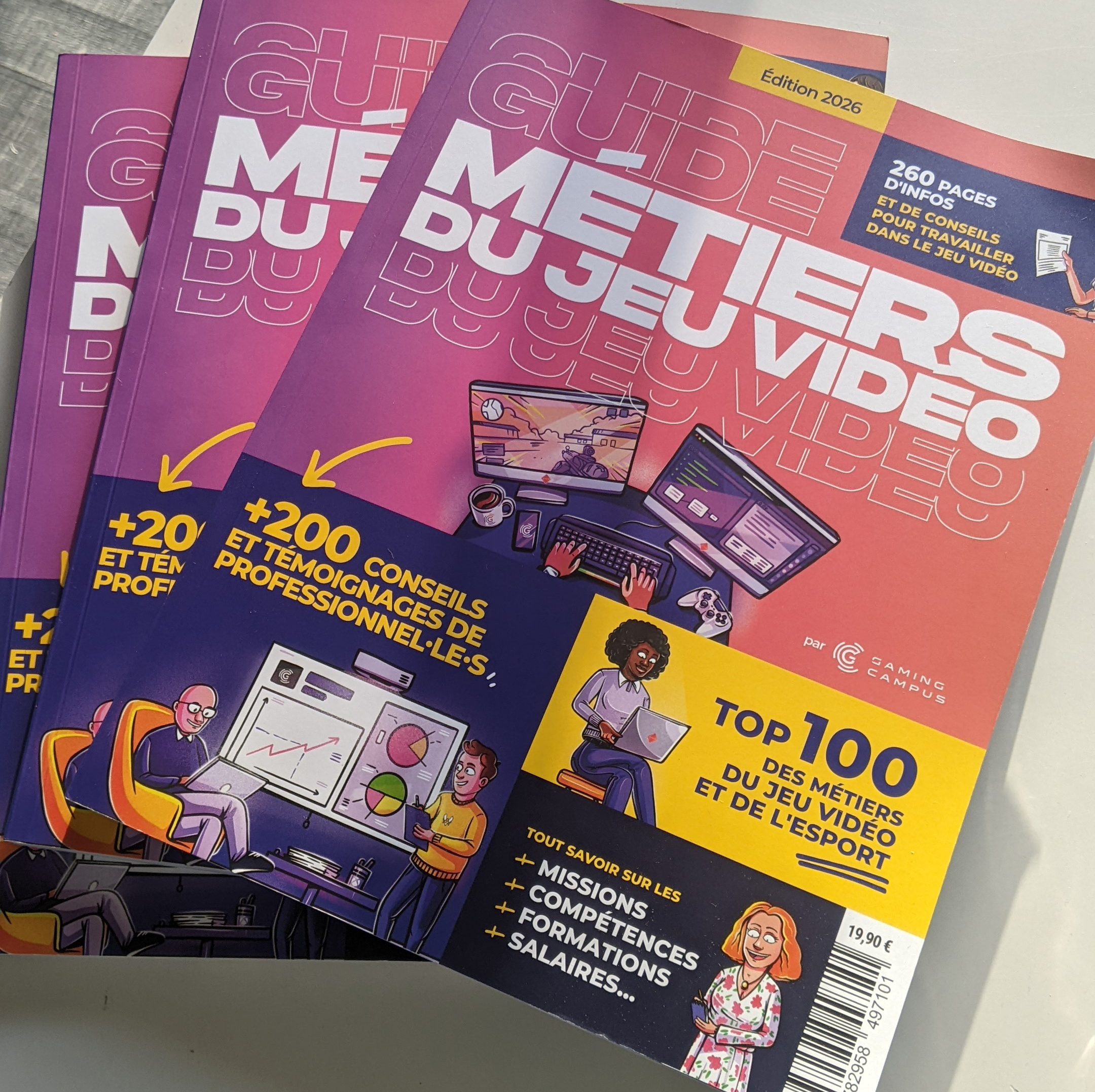
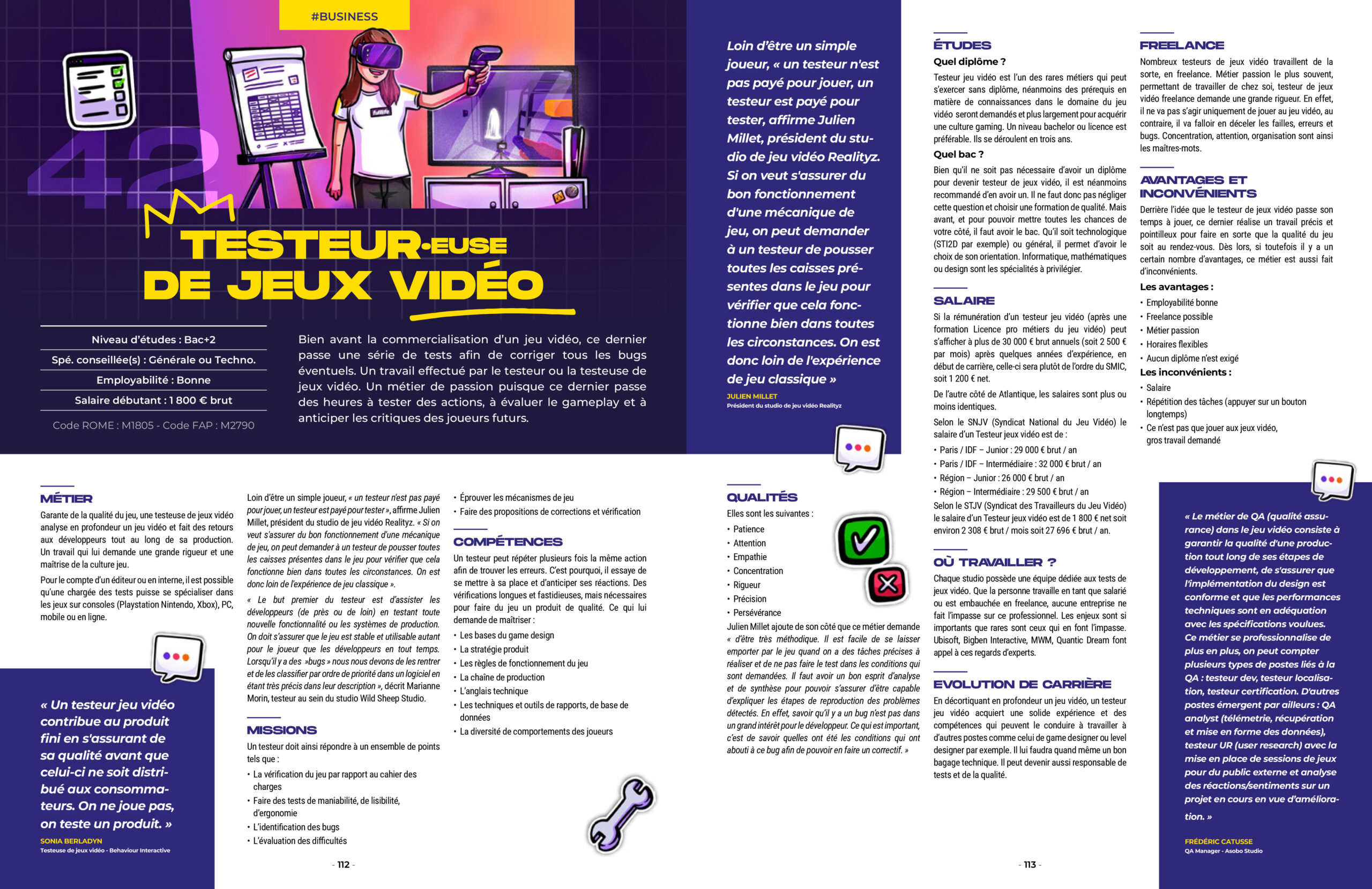
Si l’industrie du jeu vidéo subit quelques secousse ces dernières années, elle reste riche et on peut rester optimiste quand on voit le succès de petits studios français comme Sandfall Interactive et son Clair Obscur Expedition 33. L’industrie des jeux vidéo c’est plein de métiers différents, une chaine créative complète et plein de moyens d’intervenir dans ce monde qui fait rêver plus d’un étudiant…
Comme chaque année, Gaming Campus publie le Guide des métiers du jeu vidéo, un ouvrage papier de plus de 250 pages qui a notamment été ditribué lors de la Paris Games Week et qui reste accessible gratuitement en numérique ici-même.
173 métiers référencés, 200 interview de pros, 35 métiers ajoutés cette année (producer VR, Grooming Artist, Responsable Green IT…), l’ouvrage est ultra complet et très bien mis en page avec des illustrations de Thurb.
Formations, salaires, conseils, évolution… tout y est pour trouver le job de ses rêves qu’il touche l’art, la programmation, le son, le management, la 3D, l’animation, et j’en passe.
L’industrie du jeu vidéo a de beaux jours devant elle, on se doit de rester optimiste et on souhaite courage et motivation aux étudiants qui se lance dans cette voie merveilleuse…
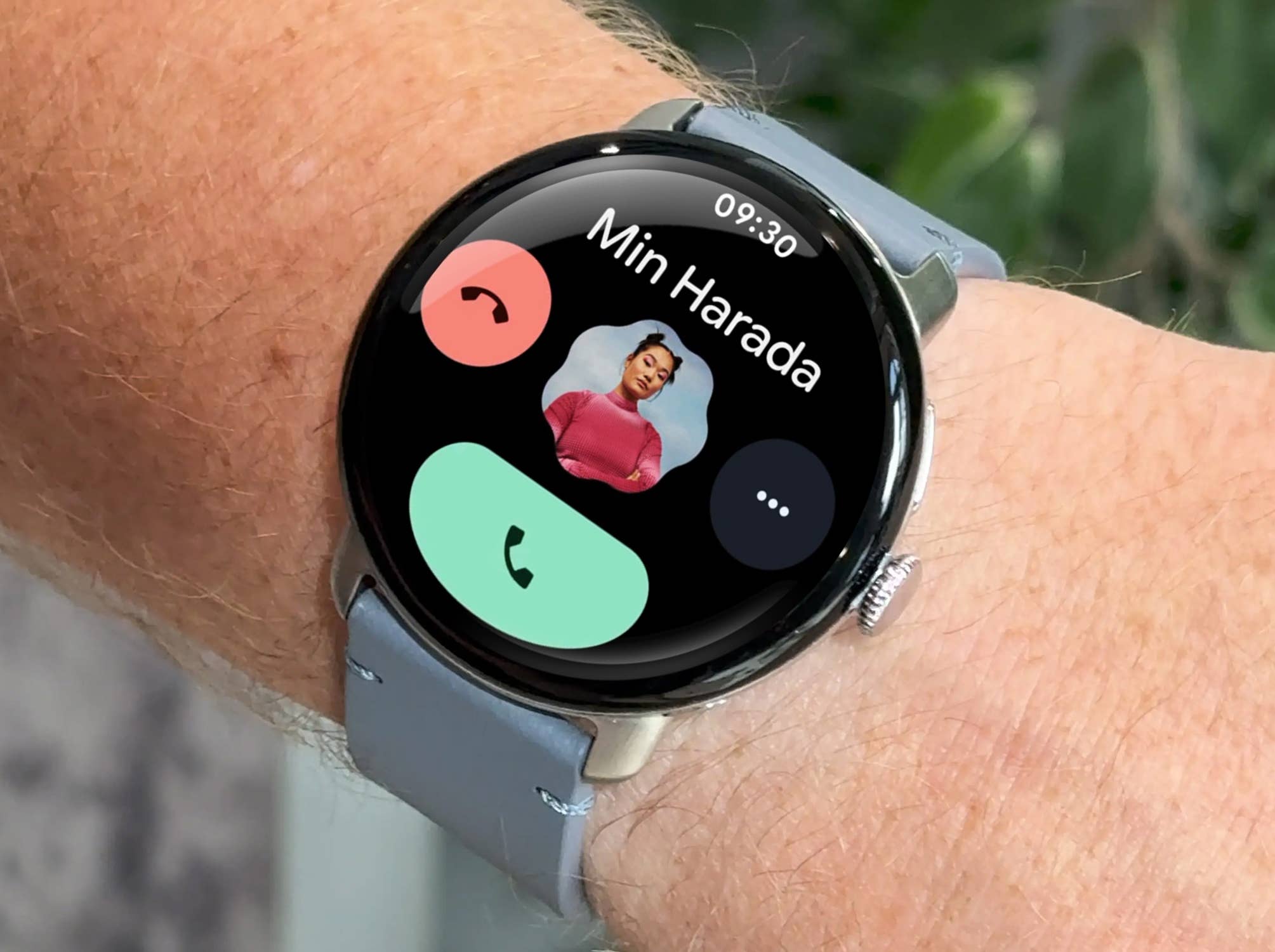
Google déploie une nouvelle mise à jour de Wear OS en décembre, introduisant de nouveaux gestes pratiques et des fonctionnalités plus intelligentes pour ses dernières montres connectées. Au-delà des astuces ajoutées, vous n'avez aucune raison de ne pas installer la mise à jour dès maintenant.
Après l'aventure agricole Everdream Valley, sortie en 2023, le studio Mooneaters est de retour avec un jeu plus ambitieux qui en reprend le concept avec davantage d'activités.
Passer d'un iPhone à un Android a toujours été un casse-tête, mais les deux grandes marques travaillent discrètement sur un correctif. Une nouvelle mise à jour pourrait enfin rendre les transferts de téléphone plus rapides, plus fluides et moins frustrants que jamais.
Après les rogues, les deckbuilders et les bullet heaven, la mode est définitivement aux jeux incrémentaux emportés par le sillon laissé par Balatro. Des jeux de cartes aux jeux d'action variés, les sorties se multiplient.
The Sun regularly produces energetic outbursts of electromagnetic radiation called solar flares. When these flares are accompanied by flows of plasma, they are known as coronal mass ejections (CMEs). Now, astronomers at the Netherlands Institute for Radio Astronomy (ASTRON) have spotted a similar event occurring on a star other than our Sun – the first unambiguous detection of a CME outside our solar system.
Using these tools, the team detected short, intense radio signals from a star located around 40 light-years away from Earth. This star, called StKM 1-1262, is very different from our Sun. At only around half of the Sun’s mass, it is classed as an M-dwarf star. It also rotates 20 times faster and boasts a magnetic field 300 times stronger. Nevertheless, the burst it produced had the same frequency, time and polarization properties as the plasma emission from an event called a solar type II burst that astronomers identify as a fast CME when it comes from the Sun.
“This work opens up a new observational frontier for studying and understanding eruptions and space weather around other stars,” says Henrik Eklund, an ESA research fellow working at the European Space Research and Technology Centre (ESTEC) in Noordwijk, Netherlands, who was not involved in the study. “We’re no longer limited to extrapolating our understanding of the Sun’s CMEs to other stars.”
Implications for life on exoplanets
The high speed of this burst – around 2400 km/s – would be atypical for our own Sun, with only around 1 in every 20 solar CMEs reaching that level. However, the ASTRON team says that M-dwarfs like StKM 1-1262 could emit CMEs of this type as often as once a day.
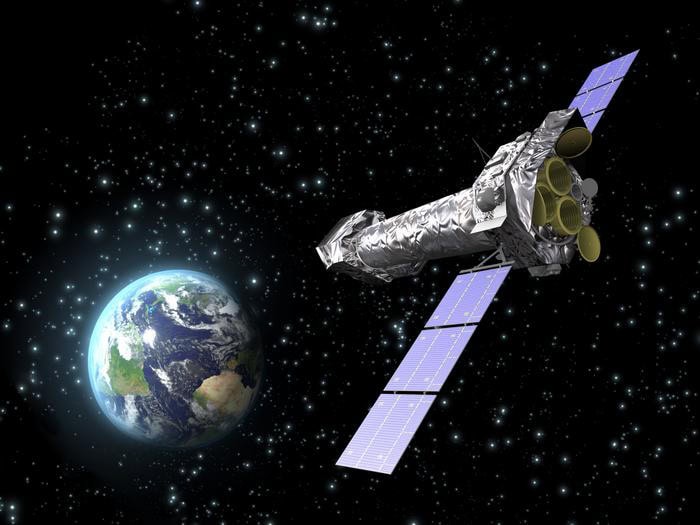
Spotting a distant coronal mass ejection: An artist’s impression of XMM-Newton. (Courtesy: ESA/C Carreau)
According to Eklund, this has implications for extraterrestrial life, as most of the known planets in the Milky Way are thought to orbit stars of this type, and such bursts could be powerful enough to strip their atmospheres. “It seems that intense space weather may be even more extreme around smaller stars – the primary hosts of potentially habitable exoplanets,” he says. “This has important implications for how these planets keep hold of their atmospheres and possibly remain habitable over time.”
Erik Kuulkers, a project scientist at XMM-Newton who was also not directly involved in the study, suggests that this atmosphere-stripping ability could modify the way we hunt for life in stellar systems akin to our Solar System. “A planet’s habitability for life as we know it is defined by its distance from its parent star – whether or not it sits within the star’s ‘habitable zone’, a region where liquid water can exist on the surface of planets with suitable atmospheres,” Kuulkers says. “What if that star was especially active, regularly producing CMEs, however? A planet regularly bombarded by these ejections might lose its atmosphere entirely, leaving behind a barren uninhabitable world, despite its orbit being ‘just right’.
Kuulkers adds that the study’s results also contain lessons for our own Solar System. “Why is there still life on Earth despite the violent material being thrown at us?” he asks. “It is because we are safeguarded by our atmosphere.”
Seeking more data
The ASTRON team’s next step will be to look for more stars like StKM 1-1262, which Kuulkers agrees is a good idea. “The more events we can find, the more we learn about CMEs and their impact on a star’s environment,” he says. Additional observations at other wavelengths “would help”, he adds, “but we have to admit that events like the strong one reported on in this work don’t happen too often, so we also need to be lucky enough to be looking at the right star at the right time.”
For now, the ASTRON researchers, who report their work in Nature, say they have reached the limit of what they can detect with LOFAR. “The next step is to use the next generation Square Kilometre Array, which will let us find many more such stars since it is so much more sensitive,” Callingham tells Physics World.
Les grands amateurs de la version mobile de YouTube, dont je fais partie, mettent régulièrement de côté des vidéos dans la liste À regarder plus tard pour en profiter le moment venu. Cependant,...
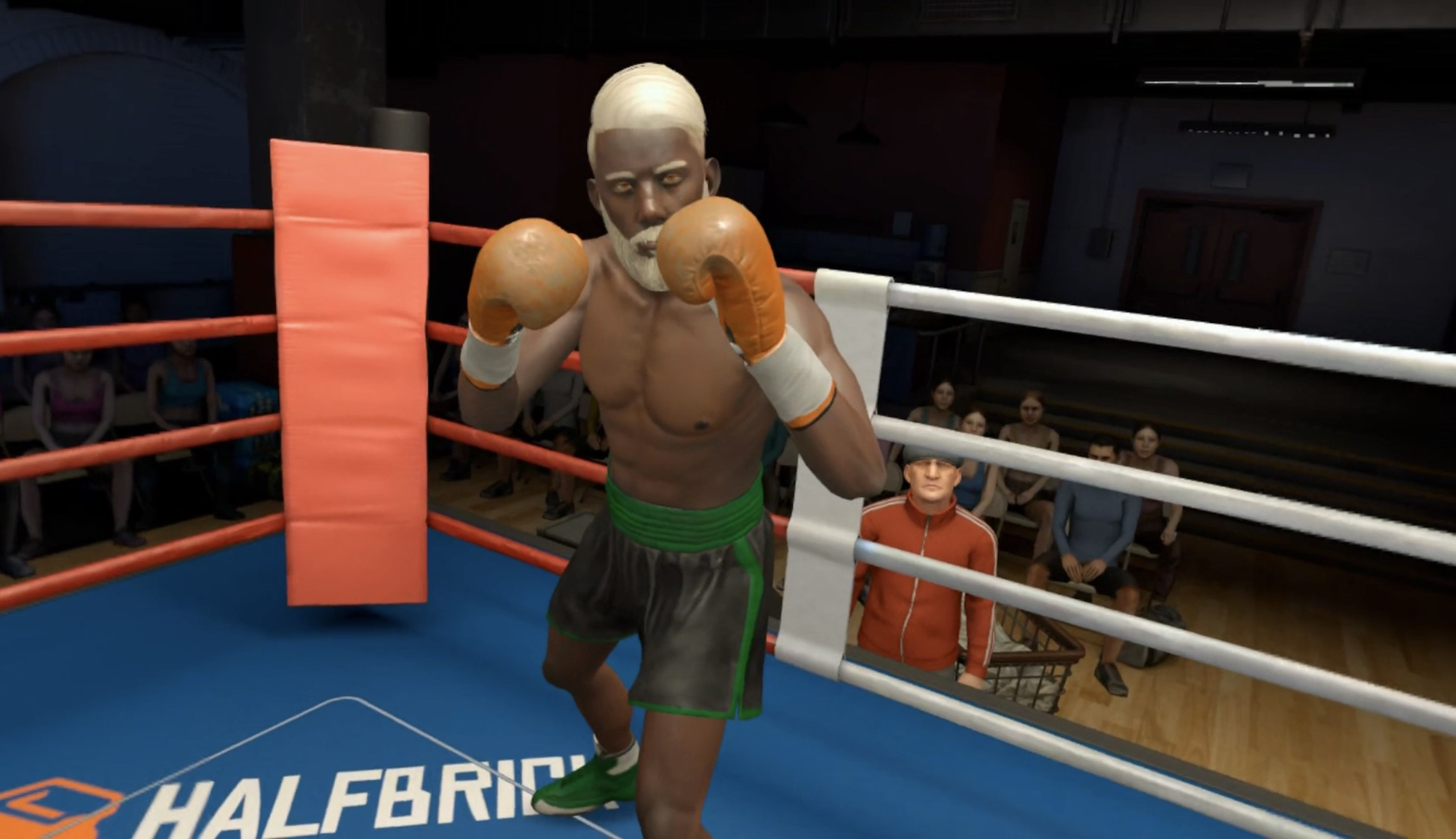
The Thrill of the Fight 2 with career mode is available now on Quest headsets, so I put on my boxing gloves to throw some punches.
As a fan of the original The Thrill of the Fight, I had high hopes for the sequel coming into this, buying The Thrill of the Fight 2 in early access to try its multiplayer mode. I encountered arm-flailing multiplayer matches that saw spam fighters rack up damage, so I put it down and decided to wait for the more fleshed-out full release, which arrived several weeks ago.
The Facts
What is it?: A boxing simulator with training, career, and multiplayer modes. Platforms: Quest (reviewed on Quest 3) Release Date: Out now Developer/Publisher: Halfbrick Studios Price: $19.99
Facing off in career mode
The Thrill of the Fight 2 welcomes you with a main menu presented on a small tablet held in your gloved hands. After it calibrates your height and arm length, you hold a stylus to choose multiplayer, career, or training mode. Training mode practices with a dummy or spars with a bot fighter. There are also settings for customizing your fighter to make them look reasonably unique.
Comfort
The Thrill of the Fight 2 is intended as a standing game that engages your body in physical exertion. That said, there aren't many comfort options to speak of. If you don't have much room in your physical space to play, there is an optional standing mode. Analog stick-based turning can be assigned to either the left or right hand. Health warnings are present when the game starts, and users must agree to those before proceeding to play.
I chose Career mode first and find myself inside a ring for my first fight. Coming from the first Thrill of the Fight, the updated difficulty is an immediate shock. Following on from the previous game, I wasn't expecting the AI to be this intense.
0:00
/0:37
I throw out jabs it sees coming and deftly dodges, infuriating me. I lean in and get called for a foul. Occasionally the bot will clip directly into me while throwing punches and a foul gets called on my behalf instead. The game repeatedly fails to detect how much space I have around me to fight in “roomscale” mode, forcing me to smaller confines for standing mode during fights. This contributed to the problem of stepping outside of bounds while the AI fighter is still sending punches my way. Whenever the fighting gets intense, I can see flashes of my room boundary as the fists fly.
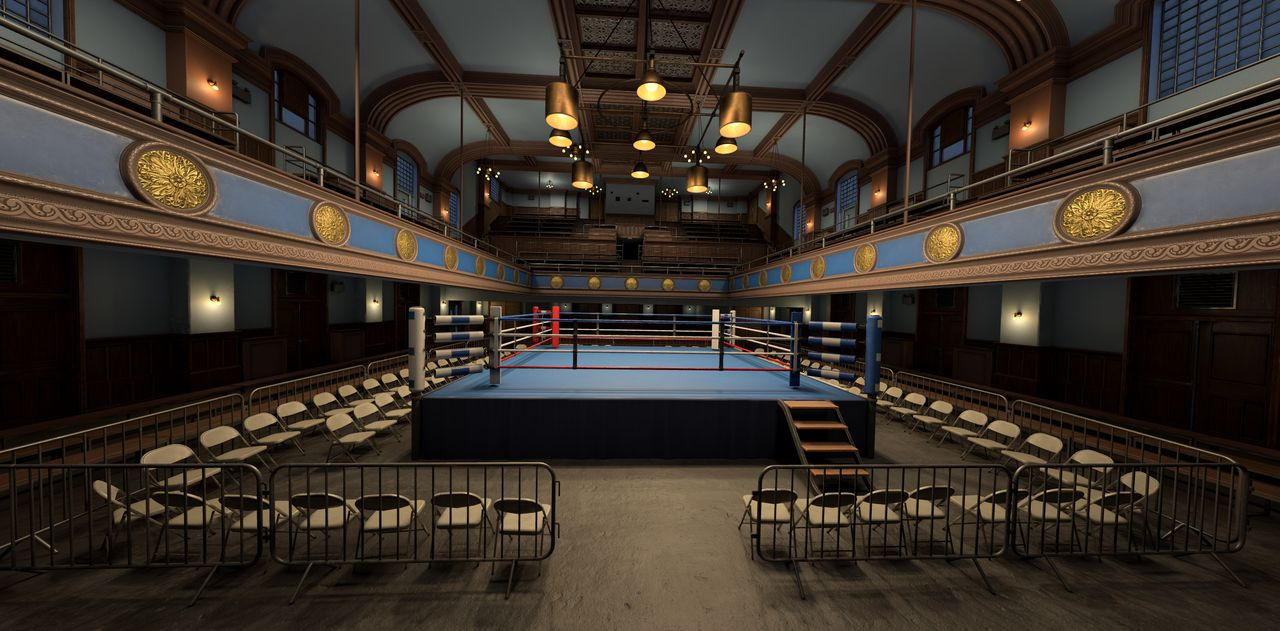
Coach yells directions at you during the fight, and the jeers of the crowd can be heard too. Outside the ring, they realistically move in their seats, craning their necks for a better view. I saw solid performance across each stage with strong immersion throughout.
I backed on up to training mode and tried sparring. Sparring mode provided a better onboarding experience with practice for proper fighting form. Training with a dummy gives instruction via tutorial videos on how to punch with drill exercises to perfect different moves. Still, I can't land punches as well as I want to because of my scores.
0:00
/0:24
Testing the dummy in training mode
The numbers next to the training dummy show how much force is applied to each move you make, including how much “body effort” is included. Body effort is a way for The Thrill of the Fight 2 to grade punches with the aim of stopping players from cheating during matches. The problem is it doesn't record the effort in my punches properly most of the time.
You can see how the camera moves as I swing; I'm not sitting there and flailing my arms. I'm not being sufficiently graded for my efforts, and it cuts into the fun. Difficulty is never a dealbreaker for me, but the system needs a few fixes. Is head movement calculated as part of the attack? How does it impact the sensitivity of the movement detection? Currently, the fighting system feels like pillows – not gloves – have been put on my hands.
At the end of each training session, there are points for attack and defense added to my profile. The numbers for these didn't make much sense; they change depending on the training session type you choose.
Career mode provides a certain amount of fights to win in order to qualify for a tournament. If you miss out, you can skip to the next year to continue training and fighting. Although I'm happy to win after training so much, my desire to keep fighting in career mode eventually evaporated. I opted to switch to multiplayer mode to experience facing off against other players instead.
0:00
/0:42
A good multiplayer fight
Multiplayer is greatly improved in the full release for The Thrill of the Fight 2. You can either fight players to rank on a global list, or you can pick a round of casual sparring. I matched up in a casual round with a player who paused and evaluated where I was throwing punches before he moved in. Within a few swings, I'm knocked out.
Despite the swift loss, I laughed because I'm still having a good time. The other player was sportsmanlike, and we made sure to touch gloves as a sign of respect. While I can't guarantee everyone you face in multiplayer will be as polite, I'm impressed by the game mode improvements. I hope to never meet another flailing toddler in the ring again.
The Thrill of the Fight 2 - Final Verdict
The Thrill of the Fight 2 is a bit of a departure from the first game and might surprise anyone expecting more of the same. You should instead look forward to improving your boxing form and working more seriously toward beating the challenges in this installment. The damage system needs further work to detect when you put your body into a punch, and the bot should not clip into you during fighting.
What's working for this title are beautiful graphics and a great choice in how you choose to play the game. You can spend time in multiplayer exclusively, try to conquer career mode, or enjoy both. My muscles may be sore from playing this sequel, but I'm not complaining there. This game can eventually be an all-timer with some improvements, just like the first installment is.
UploadVR uses a 5-Star rating system for our game reviews – you can read a breakdown of each star rating in our review guidelines.
 Connexion


 A new stable release of Pop!_OS is out, the first to ship with the Rust-based COSMIC desktop environment by default. I look at what's new in Pop!_OS 24.04 LTS.
 Thunderbird 146 has been released, making it easier to add OpenPGP keyservers, improving the security of login data with AES encryption, and fixing a ton of bugs.
 Changes to Ubuntu's telemetry with the new Ubuntu Insights tool include more frequent reporting, more controls and more transparency on what's collected.