 Connexion
Jack Osbourne says Ozzy is appearing in family’s dreams doing the ‘same thing’

Rock icon died in July at the age of 76
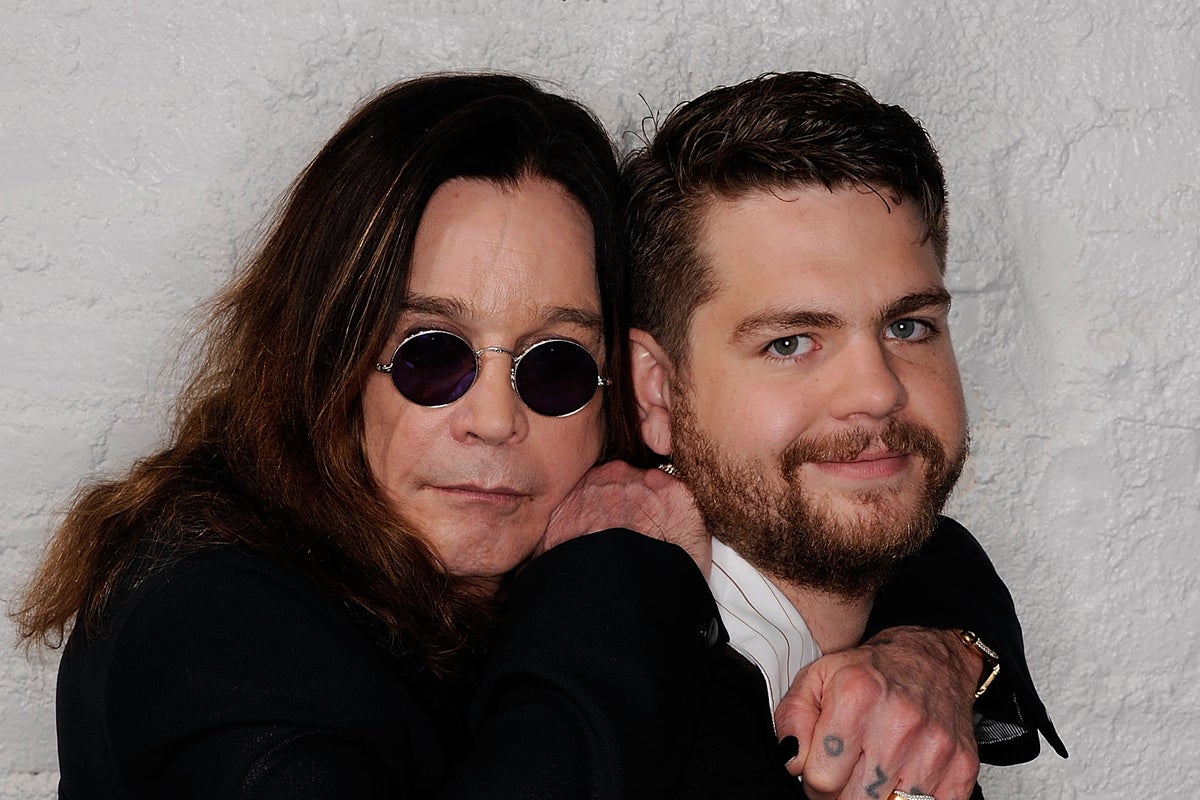
© Larry Busacca/Getty Images for Tribeca Film Festival
Rock icon died in July at the age of 76
© Larry Busacca/Getty Images for Tribeca Film Festival
The artist born Abby-Lynn Keen is preparing to release her excellent new album, ‘Paracosm’, and head out on an arena tour with her big sister RAYE. She speaks with Roisin O’Connor about finding freedom through her imagination, learning to love again, and being a boss when she needs to

© Press

© Gie Knaeps/Getty Images
Rhythm guitarist helped guide the legendary jam band through decades of change and success
Bob Weir, the veteran rock musician who helped guide the legendary band the Grateful Dead through decades of change and success, has died at age 78, according to a statement posted to his verified Instagram account on Friday.
The Instagram statement, posted by his daughter Chloe Weir, said he was surrounded by loved ones when he died. Bob Weir had been diagnosed with cancer in July and “succumbed to underlying lung issues”, the statement said.
Continue reading...
© Photograph: Daniel Cole/Reuters
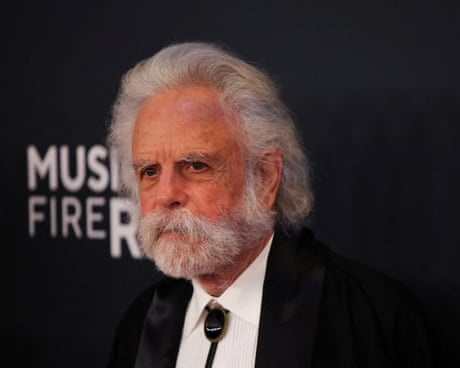
© Photograph: Daniel Cole/Reuters

© Photograph: Daniel Cole/Reuters

© Mark Sullivan/Getty Images


In 2000, Faegheh Atashin was able to leave Iran and perform in Canada, where she discovered that the decades of enforced silence had not erased her influence

© Getty Images
Lawsuit concerns the tracks ‘Solo de Mi’ and ‘EoO’
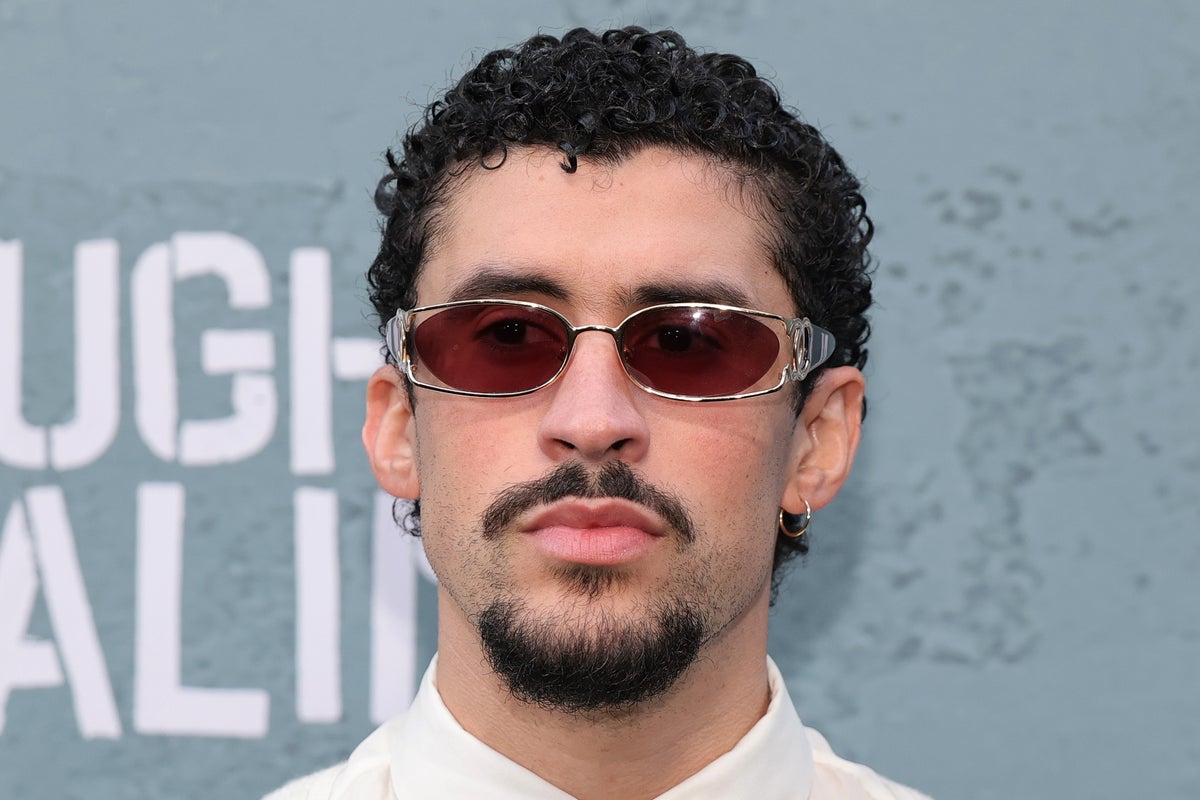
© Getty Images
The pop star added that she does hope to perform in the UK and Australia
.jpg?width=1200&auto=webp&trim=0%2C0%2C0%2C0)
© Alberto E. Rodriguez/Getty Images
I had been a member of the Children of God for two decades, but was growing disillusioned with its controlling behaviour and worrying sexual practices. Then I heard Michael Stipe’s lyrics and was set on a path to freedom
In 1991, I was living in a commune with 200 other people in Japan, as a member of a cult called the Children of God, which preached that the world was going to end in 1993. Everything I did – from where I slept each night, to who I was allowed to sleep with – was decided by the head of my commune. I was encouraged to keep a diary, and then turn it over to the leaders every night, so they could comb through it for signs of dissent. I was only allowed to listen to cult-sanctioned music, and I was only allowed to watch movies with happy endings, because those were the types of films of which the cult’s supreme leader – David Berg – approved. The Sound of Music was one of Berg’s favourite films, so we watched it on repeat.
By the time I was living in Japan, I was in my mid-30s, and I’d been part of the cult for 20 years. I was indoctrinated by a young hippy couple when I was 16, and persuaded to run away from my family and join a sect of the cult near my home town in Canada. I was a lonely teenager and desperately searching for some kind of meaning. Everybody I knew worked in the lumber mill in my small town, and the thought that I was doomed to live that life scared the hell out of me. The first time I visited the commune, everyone hugged me when I walked in, just to say “hello”. It was intoxicating.
But by 1991, after two decades in the cult, my faith was weakening. It was becoming clearer to me that Berg was wrong about the world ending in 1993. A whole series of events that were meant to directly precede the Second Coming hadn’t happened, and Berg – who lived in secrecy and communicated with his followers by written “prophecies” – kept issuing increasingly unconvincing excuses.
I was also becoming more resistant to the way the cult leaders sought to control the most intimate parts of my life. When I joined the cult, it was very sexually conservative. If you wanted to date another member of the community, you had to ask for permission from the leadership. But as the years went by, Berg started preaching a doctrine of sexual freedom, and ordering his members to couple-swap. I had got married to another cult member in the 1980s, and was living with her in a Children of God commune in Japan. Because I resisted couple-swapping I was forcibly separated from my wife as a punishment – and ordered to live in a different commune on my own.
There was also an even darker side to the Children of God that I was trying to shut my eyes to. Berg had released a written decree which permitted adult cult members to have sex with children. I never witnessed any sexual contact with children, and while I did read that decree when it was released in the 1980s, I refused to accept it. Still, it horrified me.
Forcibly separated from my wife, and with Berg’s teachings becoming more twisted, I was in a state of spiritual turmoil. But it was only when I heard REM’s song Losing My Religion that I was pushed to action. Cult members were allowed to own Walkmans, because the Children of God released their own music on cassette, but we were forbidden from listening to “worldly” music. As my will to blindly obey crumbled, I began to secretly tune in to the American armed forces radio station that broadcast in Japan. (Technically, I’d always had the power to covertly listen to music this way, but it’s a sign of how indoctrinated I was that I had never allowed myself to do so before.) One day, Losing My Religion came on, and I remember hearing it for the first time and freezing. I physically stopped walking.

© Illustration: Martin O'Neill/The Guardian

© Illustration: Martin O'Neill/The Guardian

© Illustration: Martin O'Neill/The Guardian
Hoddinott Hall, Cardiff
An imaginatively programmed concert featured Anders Hillborg alongside Sibelius and Shostakovich – with Alban Gerhardt the impeccable soloist in the latter’s second cello concerto
Cadavre Exquis was the game – akin to Consequences – in which surrealist artists such as Yves Tanguy and Joan Miró made separate contributions to a single piece of work without sight of what anyone else had done, to see how a picture might evolve, or just for the hell of it. Anders Hillborg took the principle as inspiration for his composition Exquisite Corpse but, where the surrealists hoped for signs of an unconscious collective sensibility, the emerging components of Hillborg’s piece bear his consciously singular imprint while also incorporating references to composers as disparate as Stravinsky, Ligeti and Sibelius.
In the performance given by the BBC National Orchestra of Wales under their chief conductor Ryan Bancroft, the unfolding layers of sound were never less than brilliantly alive. Hillborg’s instinct for a remarkable range of instrumental colour – delicate tendrils of harmony, monstrously growling bass registers, insistent conga drumming, shrill piccolos – taunted and teased the ear before finally fading into a gentle haze.
Continue reading...
© Photograph: Andy Paradise
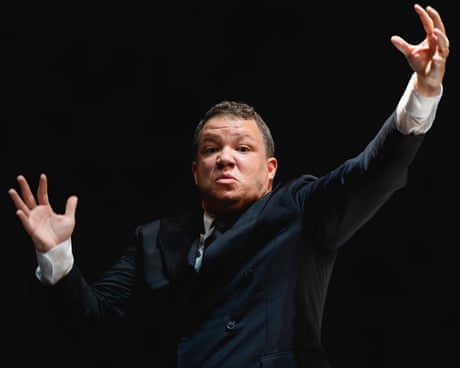
© Photograph: Andy Paradise
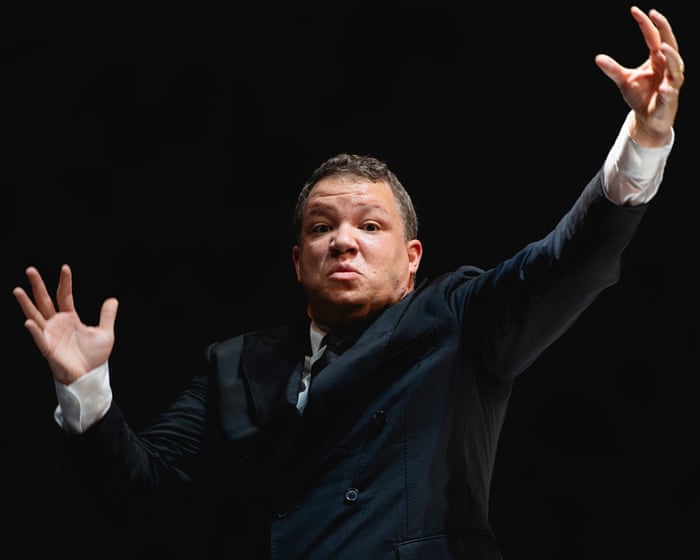
© Photograph: Andy Paradise
Artistic director of US’s national opera also cites ‘shattered’ donor confidence and box office revenue
The Washington National Opera (WNO) announced on Friday it is moving its performances out of the John F Kennedy Center, in what could be one of the most significant departures from the institution since Trump took control of it.
“Today, the Washington National Opera announced its decision to seek an amicable early termination of its affiliation agreement with the Kennedy Center and resume operations as a fully independent nonprofit entity,” the opera said in a statement to the New York Times. A separate website appears to be set up for the opera.
Continue reading...
© Photograph: Andrew Caballero-Reynolds/AFP via Getty Images

© Photograph: Andrew Caballero-Reynolds/AFP via Getty Images

© Photograph: Andrew Caballero-Reynolds/AFP via Getty Images

© Evelyn Hockstein/Reuters
The pop star added that she does hope to perform in the UK and Australia
© Alberto E. Rodriguez/Getty Images
It can make us healthier, happier and live longer. Engaging in culture should be encouraged like good diet and exercise
The second Friday in January has been dubbed “Quitter’s Day”, when we are most likely to give up our new year resolutions. Instead of denying ourselves pleasures, suggests a new batch of books, a more successful route may be adding to them – nourishing our minds and souls by making creativity as much a daily habit as eating vegetables and exercising. Rather than the familiar exhortations to stop drinking, diet, take up yoga or running, there is an overwhelming body of evidence to suggest that joining a choir, going to an art gallery or learning to dance should be added to the new year list.
Art Cure by Daisy Fancourt, professor of psychobiology and epidemiology at University College London, brings together numerous research projects confirming what we have always suspected – art is good for us. It helps us enjoy happier, healthier and longer lives. One study found that people who engaged regularly with the arts had a 31% lower risk of dying at any point during the follow-up period, even when confounding socioeconomic, demographic and health factors were taken into account. Studies also show that visiting museums and attending live music events can make people physiologically younger, and a monthly cultural activity almost halves our chances of depression. As Fancourt argues, if a drug boasted such benefits governments would be pouring billions into it. Instead, funding has been slashed across the culture sector and arts education has been devalued and eroded in the UK.
Do you have an opinion on the issues raised in this article? If you would like to submit a response of up to 300 words by email to be considered for publication in our letters section, please click here.
Continue reading...
© Photograph: Alex Segre/Alamy

© Photograph: Alex Segre/Alamy

© Photograph: Alex Segre/Alamy
Country music star announced split from TikToker in October 2024

© Getty
Controversial singer is preparing to release his first album in six years after a number of delays
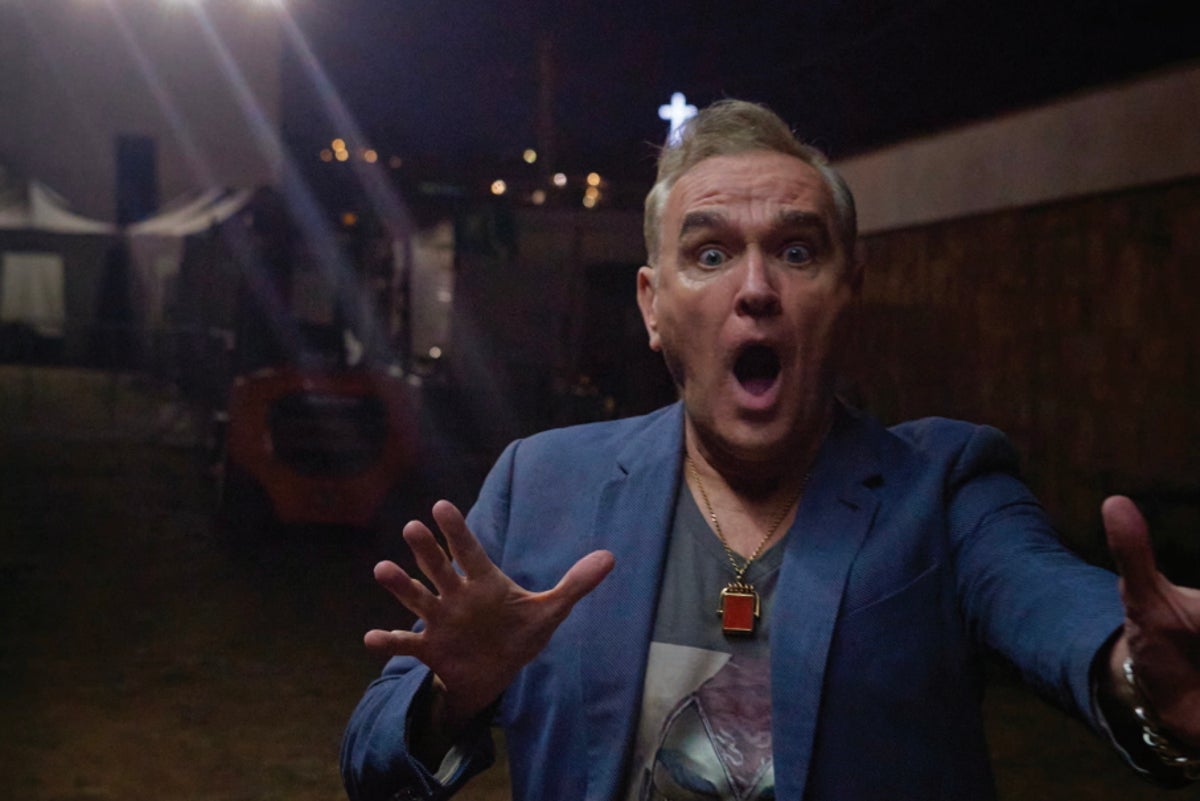
© David Mushegain
Rapper, best known for hits ‘Trap Queen’ and ‘My Way,’ was sentenced to six years in prison in 2023
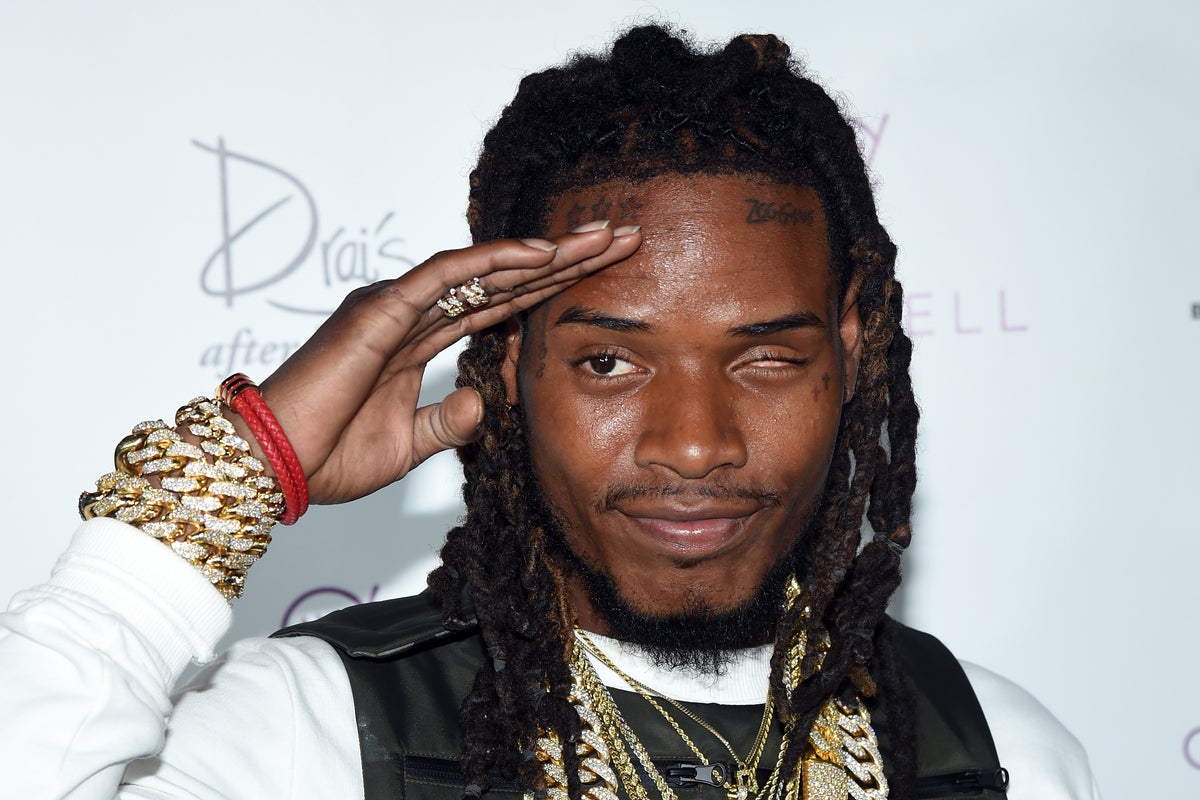
© Getty Images
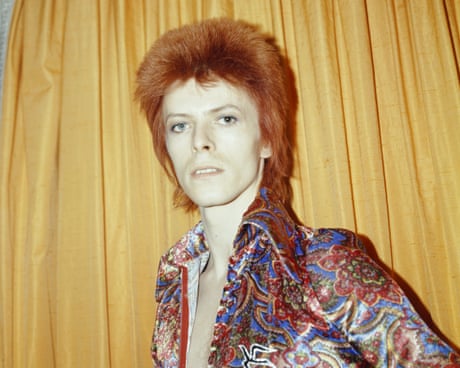
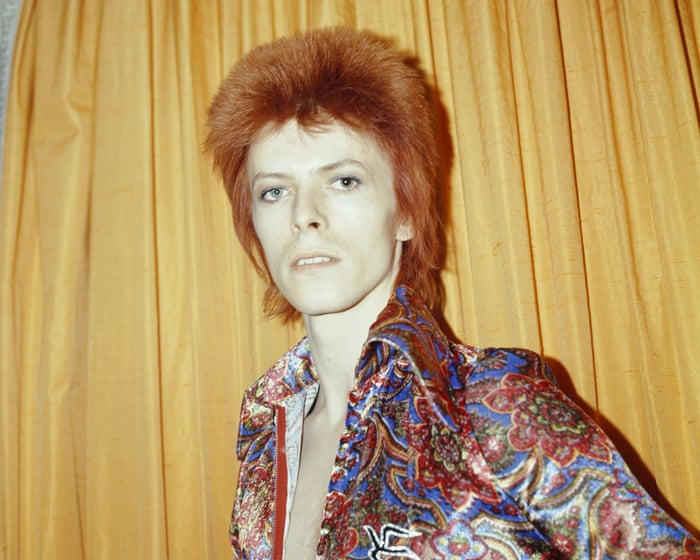
From the V&A to the Stranger Things finale, the pop icon still looms large – but with lower streaming figures than his peers, how many new listeners are discovering his music?
• ‘A perplexing, astonishing finale’: world pays tribute to David Bowie a decade after his death
When David Bowie died on 10 January 2016, such was the scale of media coverage and public mourning that one would have presumed his music would be everywhere for ever, elevated as he was, to misquote Smash Hits, to the position of the People’s Dame. It was briefly – Starman reached No 18, and Space Oddity No 24 – but then it wasn’t.
Each year, Forbes compiles a posthumous celebrity rich list. Bowie appeared in 2016, ranked at No 11 with estimated earnings of $10.5m (£7.8m), and again in 2017, in the same position but with earnings of $9.5m (£7m). This was unsurprising given the enormous spike in interest there is in the immediate aftermath of a superstar’s death. Yet he didn’t appear in the Forbes list again until 2022, when he was at No 3 with earnings of $250m (£195m) – the highest-ranked musician that year – but that was almost all attributable to the sale of his music publishing rights to Warner Chappell.
Continue reading...
© Photograph: Michael Ochs Archives/Getty Images
© Photograph: Michael Ochs Archives/Getty Images
© Photograph: Michael Ochs Archives/Getty Images
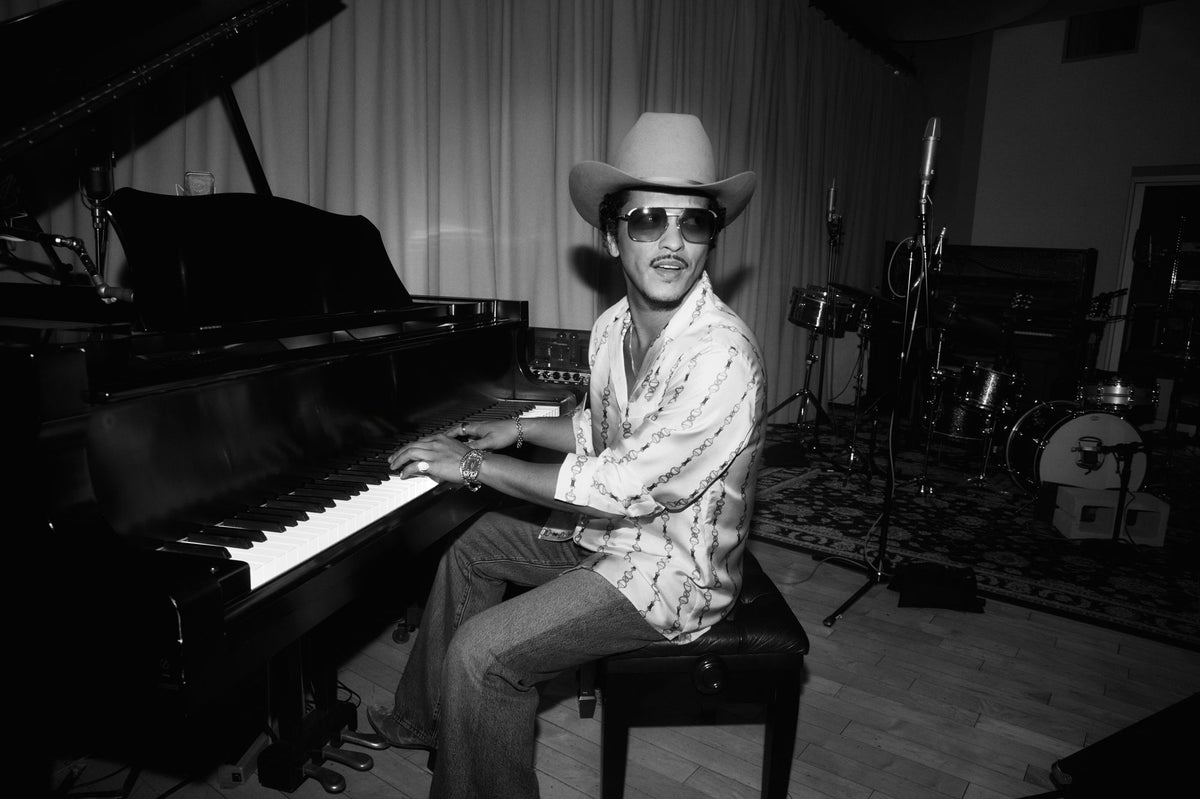
Pop star will embark on a stadium tour in support of new album ‘The Romantic’, including two dates at London’s Wembley Stadium
© John V Esparza
(Self-released)
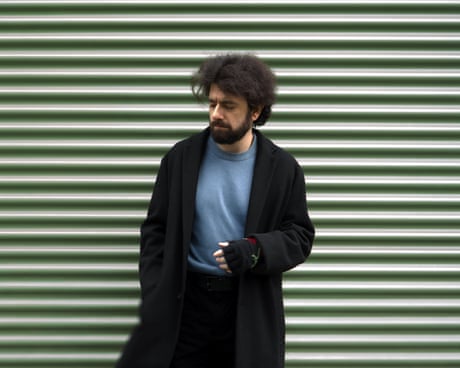
The Beirut-born producer’s masterly second album revels in dark tension to cinematic effect, finding beauty in ruinous sound
Arabic electronic experimentalism is thriving. In recent years, diaspora artists such as Egyptian producer Abdullah Miniawy, singer Nadah El Shazly and Lebanese singer-songwriter Mayssa Jallad have each released records that combine the Arabic musical tradition of maqam and its slippery melodies with granular electronic sound design, rumbling bass and metallic drum programming to create a dramatic new proposition.
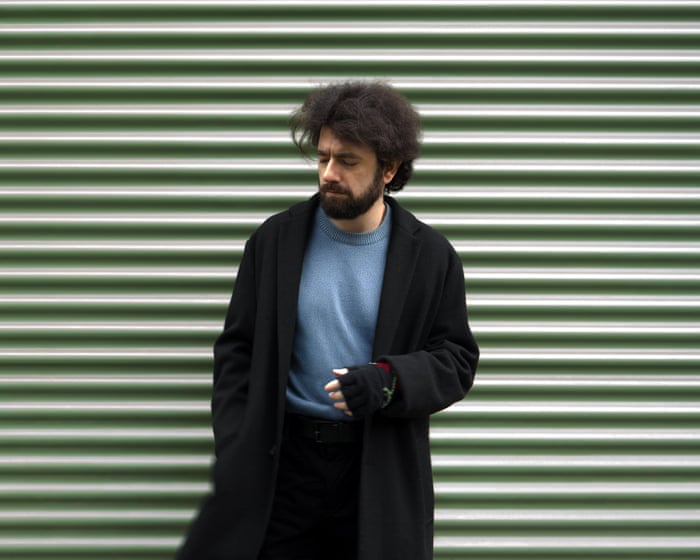
Beirut-born and Amsterdam-based composer Toni Geitani is the latest to contribute to this growing scene with his masterfully produced second album Wahj (“radiance” in Arabic). Working as a visual artist and sound designer, Geitani is well versed in creating imaginative soundscapes for films such as 2024 sci-fi Radius Collapse, as well as referencing the shadowy nocturnal hiss of producers such as Burial on his dabke-sampling 2018 debut album Al Roujoou Ilal Qamar. On Wahj, he harnesses soaring layali vocalisations, reverb-laden drums and analogue synths to leave a cinematic impression.
Continue reading...
© Photograph: Publicity image
© Photograph: Publicity image
© Photograph: Publicity image
(Transgressive)
In Jenny Hollingworth’s first solo venture, her singular songwriting powers shine in swooping vocals and transcendent pop melodies
Over the past decade, 27-year-old Jenny Hollingworth’s musical output has become steadily less strange. As half of Let’s Eat Grandma, the Norwich native started out making freaky synth-folk the arch syrupiness of which chimed with the then-nascent hyperpop scene: I, Gemini, the duo’s 2016 debut, was outsiderish juvenilia of the most thrilling variety. For its follow-up, I’m All Ears, Hollingworth and her bandmate, Rosa Walton, sharpened their songwriting skills while holding tight to their eccentricities; the result was an album of sensational futurist pop. By 2022’s Two Ribbons, they were slipping into slightly more subdued, conventional territory – albeit retaining enough idiosyncratic sonic detailing to maintain their place at the edge.
So it takes a moment to adjust to the overt familiarity of Hollingworth’s first solo venture. Like Two Ribbons, it reflects on grief (she lost her partner in 2019) and the temporary disintegration of her lifelong friendship with Walton, except this time the introspection is set to knowingly nostalgic 1980s new wave. When the choruses don’t sparkle, Quicksand Heart can feel like plodding through the past, but the moment Hollingworth lands on an irresistible melody – see: Every Ounce of Me, whose bittersweet bounce bridges the gap between Olivia Rodrigo and the Waterboys – the effect is transcendent. The record peaks with the archetypally perfect powerpop number Appetite and the genre-bending Do You Still Believe in Me? in which Hollingworth patchworks together breakbeats, vertiginously swooping vocals, squealing hair metal bombast and shoegazey dissonance, reminding us of her singular powers in the process.
Continue reading...
© Photograph: Steve Gullick

© Photograph: Steve Gullick

© Photograph: Steve Gullick
Bray/Vann/Grainger/Schofield
(Chandos)
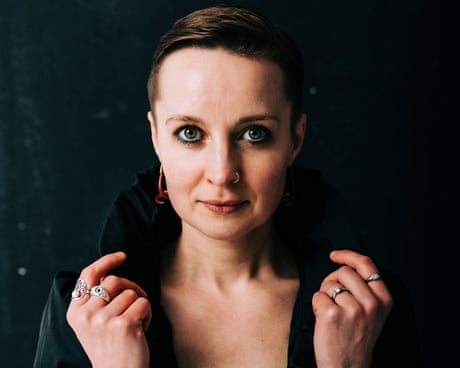
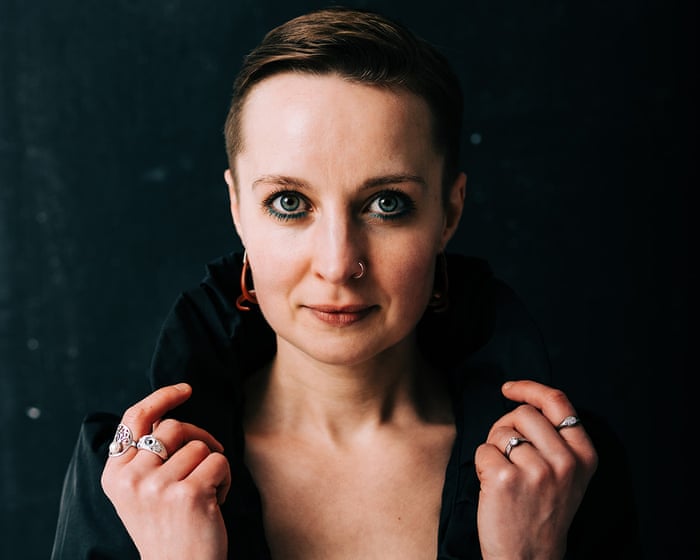
The easy fluency of Bray and pianist William Vann guides us through familiar and less well known Kurt Weill songs with the haunting Youkali as the lodestar on our journey
Youkali, for Kurt Weill, was the land of desires, promised but never to be attained – a strong image for an exiled and itinerant composer. The 1935 song in which he captured the idea, a lilting tango, forms the lodestar of Katie Bray’s voyage through Weill’s chameleonic songwriting career, undertaken alongside the pianist William Vann, accordionist Murray Grainger and double bassist Marianne Schofield, the latter moonlighting from the Hermes Experiment.
First, we hear a haunting, unaccompanied musing on the Youkali melody, then more of these punctuate the programme until we reach the song in full at the end. The journey takes in numbers in German, French and English – some familiar, some not – including a couple of songs written for the Huckleberry Finn musical Weill was working on at the time of his death.
Continue reading...
© Photograph: Tim Dunk
© Photograph: Tim Dunk
© Photograph: Tim Dunk
After overcoming personal tragedy, the 27-year-old, who achieved pop fame while still a teenager, was determined to have fun making music again. She talks to Patrick Smith about conquering stage fright, trauma, and why her friendship with her bandmate is so important

© Steve Gullick
