Beaucoup ont déjà vécu cette expérience désagréable : une bouche fraîchement brossée, un grand verre de jus d’orange au petit-déjeuner, puis une grimace immédiate. Le contraste est brutal, presque choquant. Pourtant, ce phénomène n’a rien d’un mystère gustatif inexplicable. La science du goût apporte une réponse claire et étonnamment logique. Derrière cette aversion soudaine se ... Lire plus
Chaque être humain porte en lui une part biologique héritée bien plus intime qu’un simple patrimoine génétique. Au-delà de l’ADN transmis à la conception, le corps conserve durablement des cellules maternelles vivantes, présentes parfois pendant toute l’existence. Longtemps observé sans véritable explication, ce phénomène intrigue l’immunologie moderne. En principe, le système immunitaire élimine toute cellule ... Lire plus
L’image du marathon comme épreuve extrême pour le cœur alimente les débats depuis des années. Courir plus de quarante kilomètres sollicite intensément l’organisme, au point de faire naître une inquiétude persistante autour d’éventuelles lésions cardiaques. Pourtant, des travaux récents apportent un éclairage rassurant. Une étude de suivi sur dix ans montre que, chez les coureurs ... Lire plus
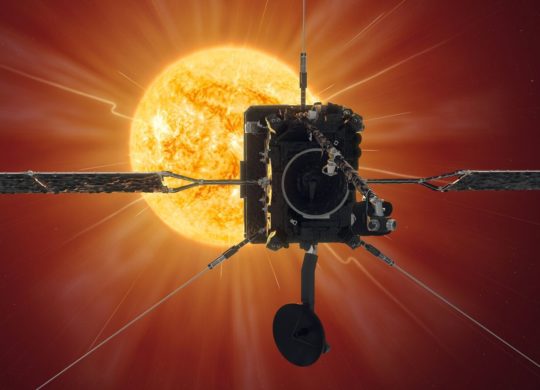
La mission Solar Orbiter marque un peu plus l’histoire de l’observation astronomique. Des scientifiques ont en effet réussi à suivre pendant 94 jours consécutifs une région solaire exceptionnellement active, à l’origine de la plus violente tempête géomagnétique observée depuis plus de vingt ans sur Terre. Une région solaire …
Reflecting a small fraction of incoming sunlight to reduce global heating is not a new idea. It is time to safely experiment
The world is warmingfast – and our options to avoid catastrophic harm are narrowing. 2024 was the first full year more than 1.5C hotter than the 19th-century average. Emissions are still rising, with fossil fuel use expected to hit a new high in 2025. Permanent carbon removal technologies – often cited as a fix – are removing just tens of thousands of tonnes annually, almost nothing relative to the 5-10bn tonnes needed. Cutting emissions and scaling carbon removal remain essential. But they may not be enough.
As suffering grows and ecosystems unravel, more people will ask: is there anything we can do to prevent these harms? The idea of reflecting a small fraction of incoming sunlight to reduce warming is not a new idea. In 1965, Lyndon B Johnson’s science advisers proposed it as the only way to cool the planet. Earth already reflects about 30% of incoming sunlight; raising that fraction slightly – say, to 31% – could strengthen the planet’s natural heat shield. But how?
They can hurt more than broken bones or pancreatitis. But with the right drugs and therapies, relief is possible from this debilitating and often misunderstood condition
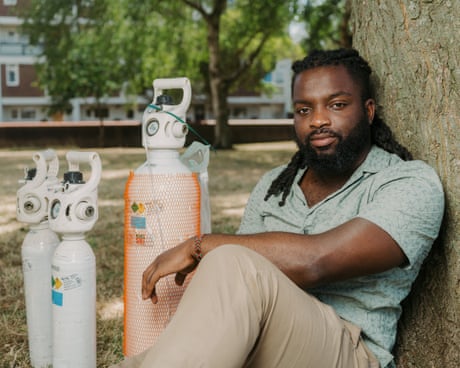
It was a dreary Monday morning in September 2016, and I was working as a teacher, trying to settle a new year 7 class, when a sharp pain bloomed behind my right eye. It was followed by quick jolts, like electric shocks. As each class came and went, the pain eased and then returned with greater intensity. Four times that day I left a teaching assistant with worksheets and ran to the school bathroom to douse my face with cold water. I took ibuprofen, paracetamol, aspirin, but the pain remained unbearable.
The headaches appeared repeatedly that autumn, and again in spring, and soon formed an annual pattern. September and October were the worst, then February and March. I could predict the routine: aura in the shower, early twinges on the train, full-blown agony in class by 9.30am. In late 2019, a GP finally referred me to a neurologist and I was diagnosed with cluster headaches.
Senior insider says ‘limbo’ at the Defence Science and Technology Laboratory has hit morale and disrupted vital research
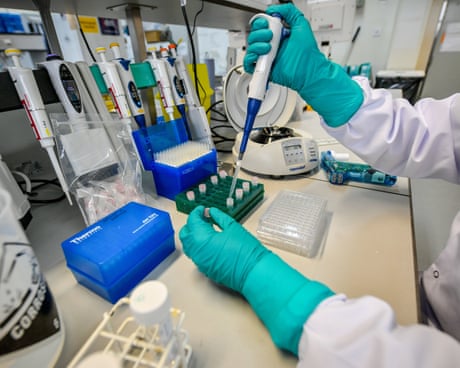
A shake-up of the government’s defence science powerhouse at Porton Down has severely damaged morale and harmed work on critical science that supports national security, a senior whistleblower has told the Guardian.
The whistleblower said they were raising concerns in the public interest that the Defence Science and Technology Laboratory (DSTL), based largely at Porton Down in Wiltshire, had been left in a paralysing limbo because of the changes.
 Connexion