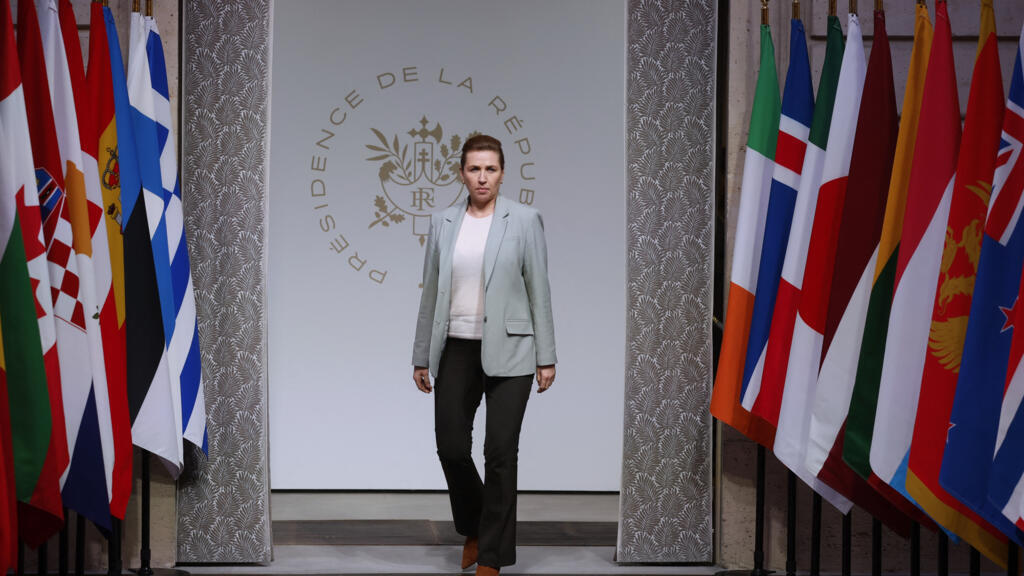
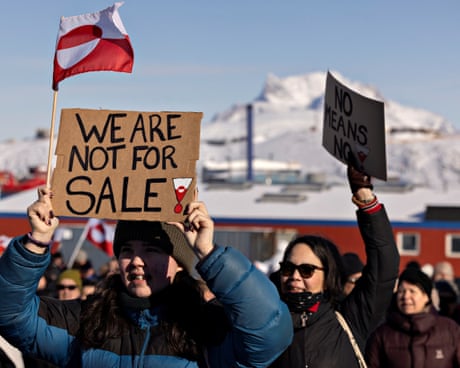
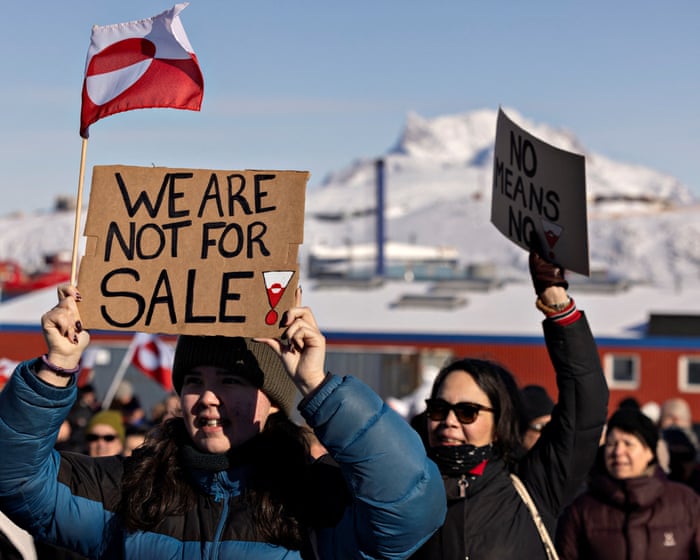
Le Groenland et le Danemark ont demandé à rencontrer rapidement le secrétaire d'État américain Marco Rubio pour discuter des récentes déclarations de Donald Trump sur ses velléités d'annexion du Groenland, a indiqué mardi 6 janvier la ministre des Affaires étrangères groenlandaise. Donald Trump étudie « plusieurs options » y compris « utiliser l'armée », a déclaré mardi sa porte-parole.
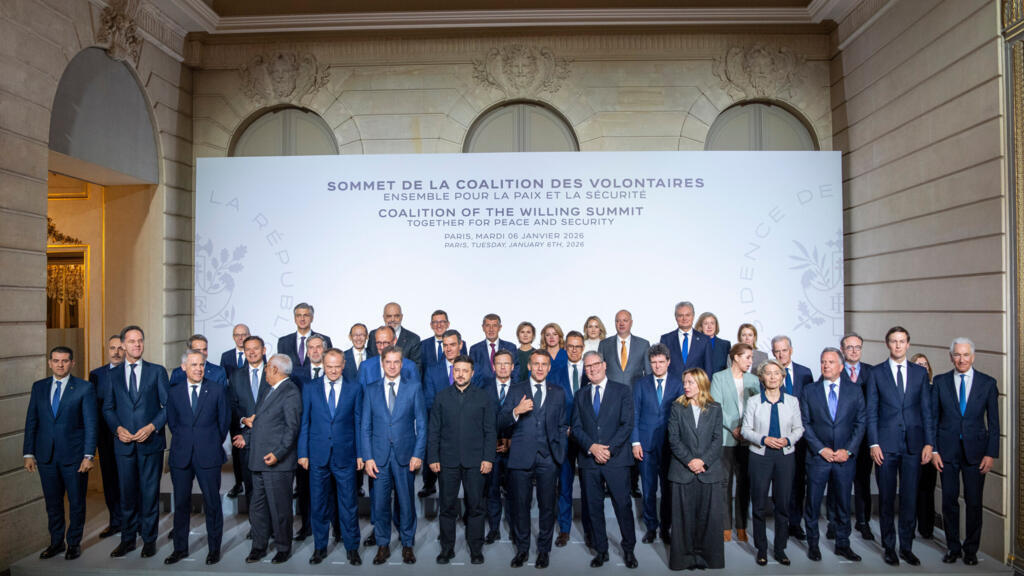
Les 35 pays de la « Coalition des volontaires » ont validé mardi 6 janvier la « déclaration de Paris » détaillant des « garanties de sécurité robustes pour une paix solide et durable » en Ukraine, a annoncé le président français Emmanuel Macron, qui a salué une « convergence opérationnelle » entre ses membres.
Le Groenland et le Danemark ont demandé à rencontrer rapidement le secrétaire d'État américain Marco Rubio pour discuter des récentes déclarations de Donald Trump sur ses velléités d'annexion du Groenland, a indiqué mardi 6 janvier la ministre des Affaires étrangères groenlandaise. Donald Trump étudie « plusieurs options » y compris « utiliser l'armée », a déclaré mardi sa porte-parole.
Les 35 pays de la « Coalition des volontaires » ont validé mardi 6 janvier la « déclaration de Paris » détaillant des « garanties de sécurité robustes pour une paix solide et durable » en Ukraine, a annoncé le président français Emmanuel Macron, qui a salué une « convergence opérationnelle » entre ses membres.
Alors que la France perd son principal allié européen dans sa bataille contre le traité de libre-échange, le gouvernement Lecornu dégaine une mesure protectionniste inédite : bloquer les importations depuis l'Amérique du Sud. Faut-il craindre une pénurie de fruits et légumes ? Réponses.
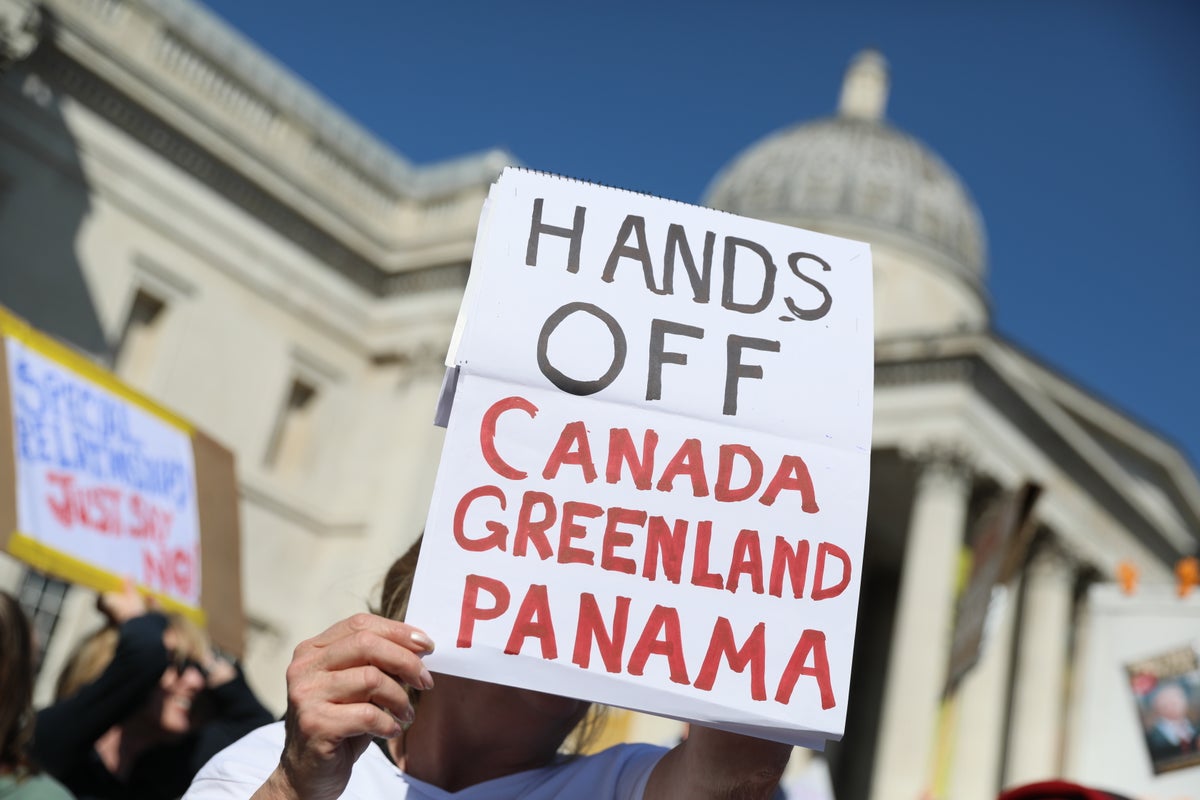
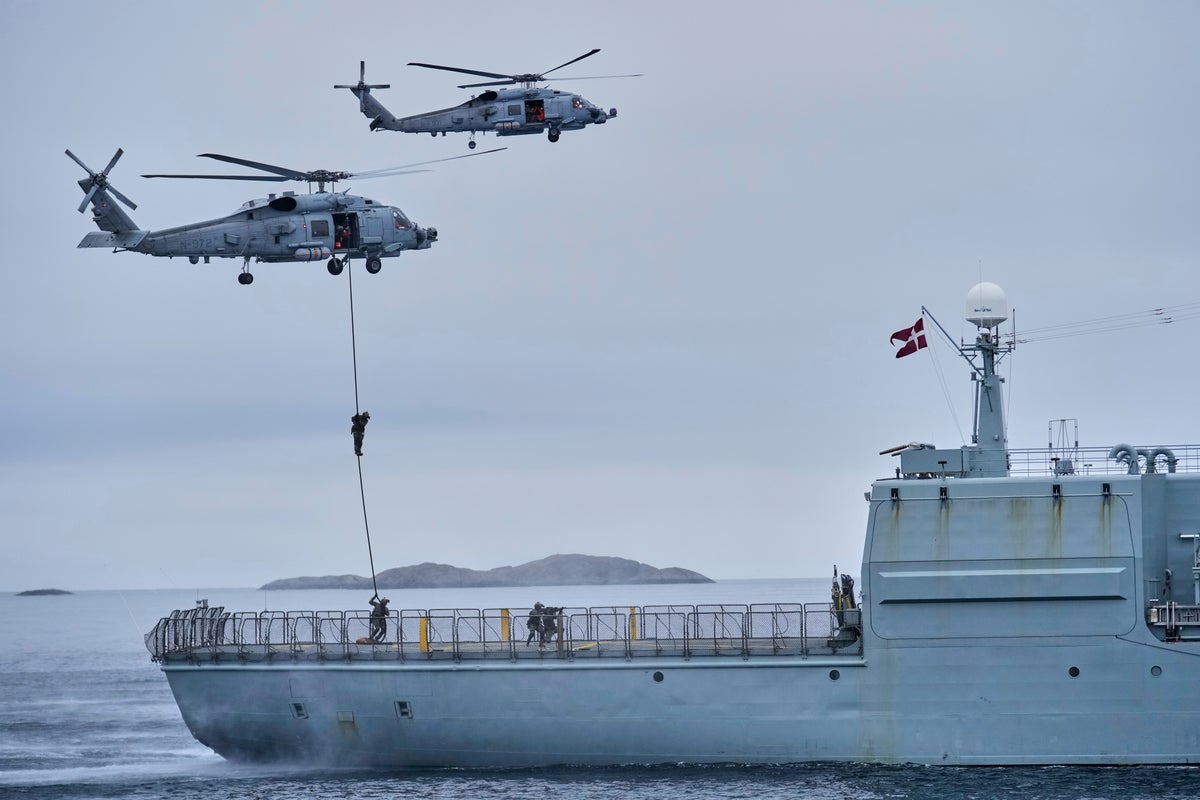
Trump has argued the U.S. needs to control Greenland to ensure the security of the NATO territory in the face of rising threats from China and Russia in the Arctic.
Alors que la France perd son principal allié européen dans sa bataille contre le traité de libre-échange, le gouvernement Lecornu dégaine une mesure protectionniste inédite : bloquer les importations depuis l'Amérique du Sud. Faut-il craindre une pénurie de fruits et légumes ? Réponses.
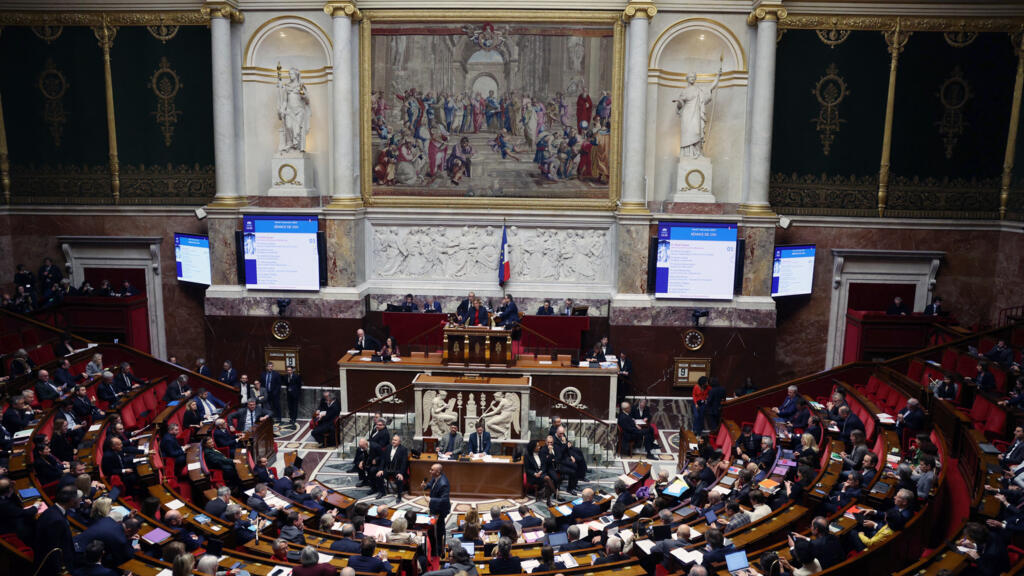
Après l’intervention américaine au Venezuela et l’enlèvement de Nicolas Maduro ce week-end, les déclarations du président Trump sur le Groenland font beaucoup réagir dans la classe politique française. Et sur le sujet, majorité et oppositions sont sur la même ligne : la voix de la France et de l’Union européenne doivent être plus fortes et plus audibles.
Après l’intervention américaine au Venezuela et l’enlèvement de Nicolas Maduro ce week-end, les déclarations du président Trump sur le Groenland font beaucoup réagir dans la classe politique française. Et sur le sujet, majorité et oppositions sont sur la même ligne : la voix de la France et de l’Union européenne doivent être plus fortes et plus audibles.
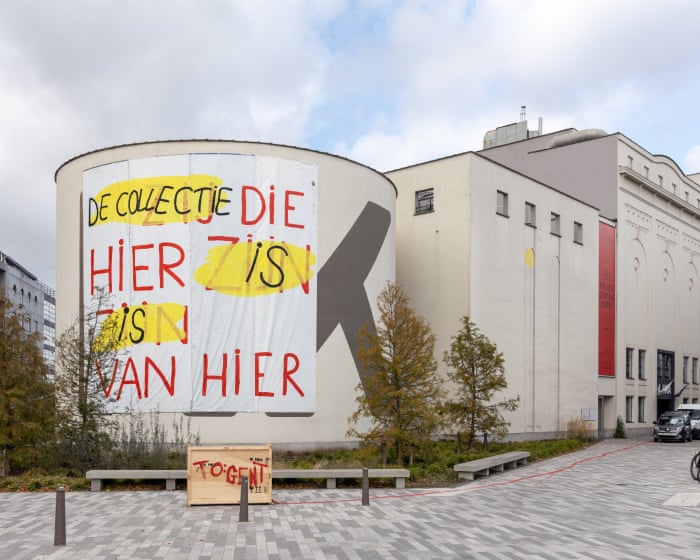
Cost-saving plan to transfer Antwerp museum’s entire collection to another city described as ‘simply insane’
Prominent artists have spoken out against an “arbitrary reshaping” of Belgium’s museum landscape, as the Flanders region seeks to cut public spending by dismantling the country’s oldest contemporary art museum and transplanting its entire collection to another city.
At a press conference in Antwerp on Tuesday, the directors of the city’s Museum of Contemporary Art (M HKA), which was founded in 1985, decried what they called the “flagrant illegalities” of the museum sector shake-up, which is due to be debated in Belgium’s parliament on Friday.
The idea that one Nato country could attack another – a US invasion of Greenland – is so alien that the most famous article in Nato’s founding treaty does not distinguish clearly what would happen if two of its members were at war.
Article 5, the cornerstone of mutual protection, dictates that “an armed attack against one or more” in Europe or North America shall be considered “an attack against them all”. Simple enough if the military threat comes from Russia, but more complicated when it comes from easily the alliance’s most powerful member.
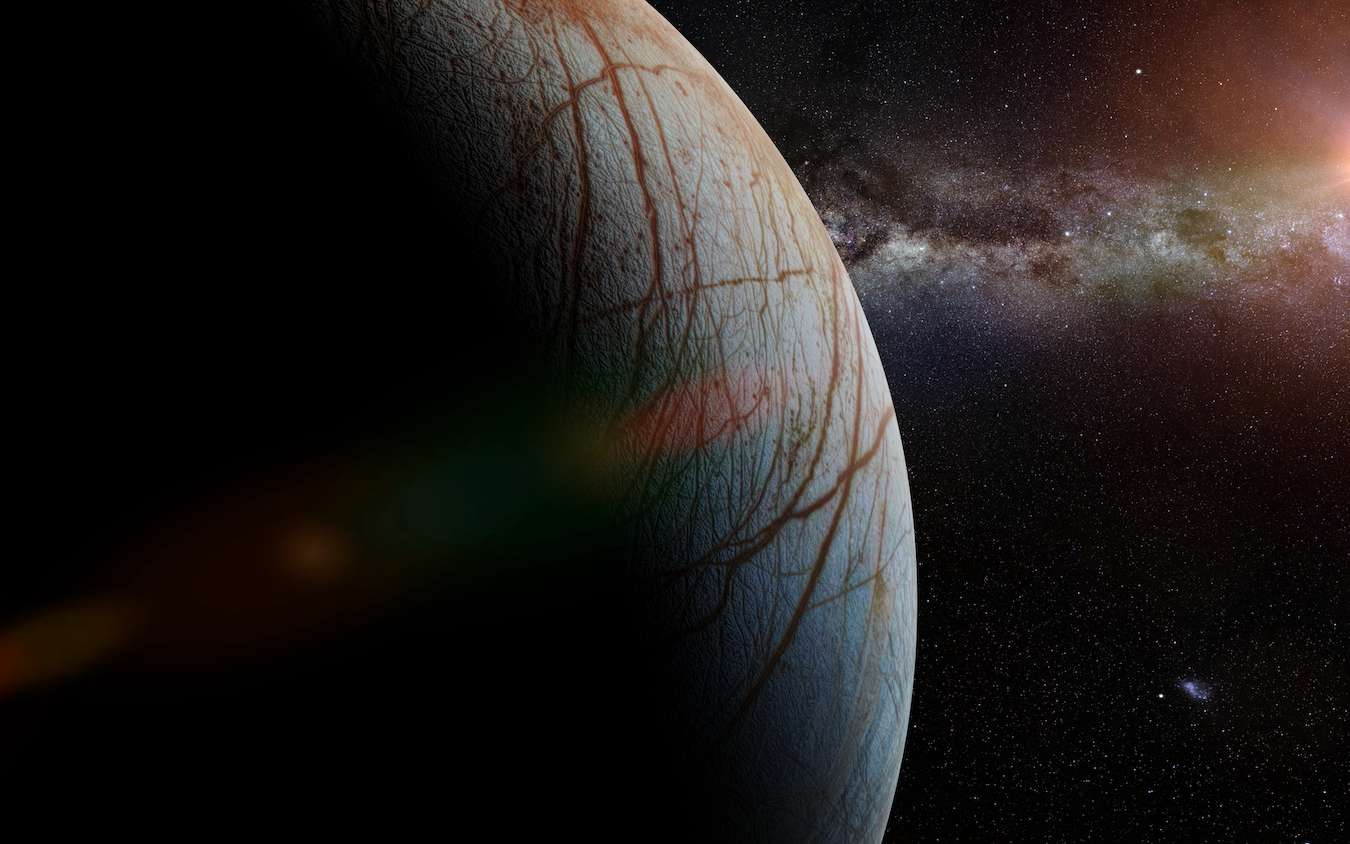
Parmi les corps du Système solaire où l'on peut espérer trouver des formes de vie, Europe fait partie des candidats les plus prometteurs. Malheureusement, cette lune de Jupiter n'aurait aucune activité tectonique, ce qui pourrait empêcher le développement d'une vie extraterrestre.
Parmi les corps du Système solaire où l'on peut espérer trouver des formes de vie, Europe fait partie des candidats les plus prometteurs. Malheureusement, cette lune de Jupiter n'aurait aucune activité tectonique, ce qui pourrait empêcher le développement d'une vie extraterrestre.
The Hungarian director’s films moved slowly like vast gothic aircraft carrier-sized ships across dark seas, giving audiences a feeling of drunkenness and hangover at the same time
The semi-official genre of “slow cinema” has been around for decades: glacial pacing, unhurried and unbroken takes, static shooting positions, characters who appear to be looking – often wordlessly and unsmilingly – at people or things off camera or into the lens itself, mimicking the camera’s own calmly relentless gaze, the immobile silence accumulating into a transcendental simplicity. Robert Bresson, Theo Angelopoulos, Joe Weerasethakul, Lav Diaz, Lisandro Alonso; these are all great slow cinema practitioners. But surely no film-maker ever got the speedometer needle further back to the left than the tragicomic master Béla Tarr; his pace was less than zero, a kind of intense and monolithic slowness, an uber-slowness, in films that moved, often almost infinitesimally, like vast gothic aircraft-carrier-sized ships across dark seas.
Audience reactions were often a kind of delirium or incredulity at just how punishing the anti-pace was, but – given sufficient investment of attention – you found yourself responding with awe, but also laughing along to the macabre dark comedy, the parable and the satire. A Béla Tarr movie gave you drunkenness and hangover at the same time. And people were often to be found getting despairingly drunk in his films.
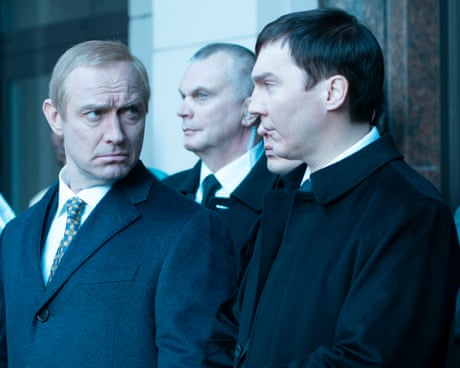
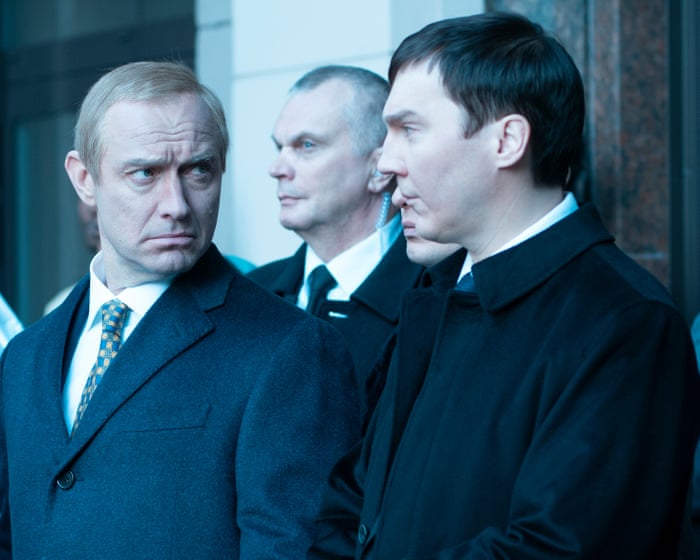
In The Wizard of the Kremlin, Jude Law plays Russia’s president as a cool, reluctant leader, a strategist who got the job because he was young, athletic and a spy. This is a creation far removed from the man himself
Last year, speaking at the Venice film festival premiere of The Wizard of the Kremlin, based on a book about the rise of Vladimir Putin, actor Jude Law said he “didn’t fear any repercussions” over his portrayal of the Russian president. Law may be right, but not for the reason he thinks he is. The film aligns so closely with the mythologised version promoted by the Russian media that, domestically, it reads as a compliment rather than an affront.
The Kremlin and Russia’s pop-culture machine have long collaborated to craft a made-to-measure version of Putin that is far removed from the man himself: a political superhero without age or mistakes, a perfectly calculated strategist, a former spy reframed as a Russian James Bond who always knows more than he reveals.
En Suisse, les autorités de la commune de Crans-Montana ont reconnu, lors d’une conférence de presse mardi 6 janvier, un « manquement » dans les contrôles sécurité du bar Le Constellation, qui a pris feu dans la nuit de la Saint-Sylvestre. Elles disent « regretter amèrement » ces irrégularités, alors que le bilan s’élève actuellement à 40 morts et 116 blessés.
En Suisse, les autorités de la commune de Crans-Montana ont reconnu, lors d’une conférence de presse mardi 6 janvier, un « manquement » dans les contrôles sécurité du bar Le Constellation, qui a pris feu dans la nuit de la Saint-Sylvestre. Elles disent « regretter amèrement » ces irrégularités, alors que le bilan s’élève actuellement à 40 morts et 116 blessés.
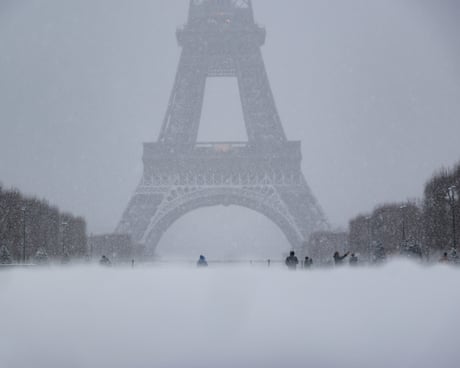
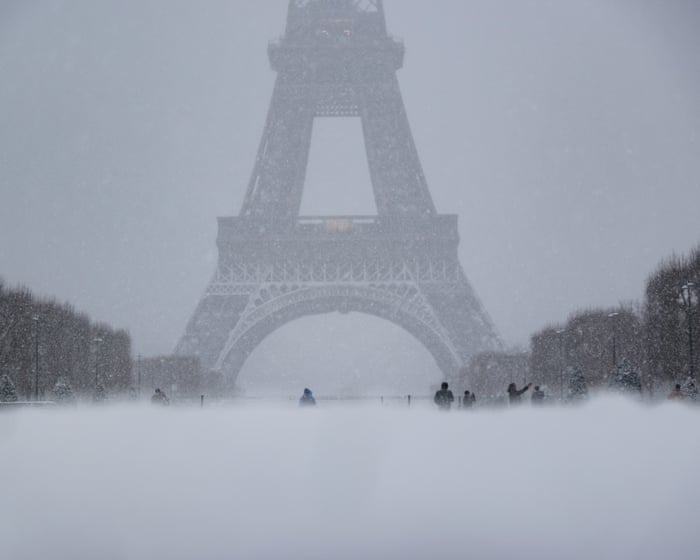
Deaths in France and Bosnia as icy conditions disrupt travel in countries including UK and the Netherlands
Six people have died as snow, ice and freezing temperatures continue to wreak havoc across parts of Europe.
Authorities in the Landes region of south-west France said three people died and 15 were injured in road accidents on Tuesday, while two more were killed in accidents in the Paris area. One driver died in hospital on Monday night after veering into the Marne River and another was killed after a collision with a heavy goods vehicle in the east of the French capital.
 Connexion