↩ Accueil

Vue lecture

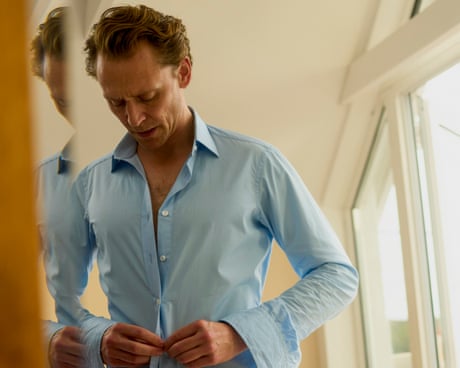
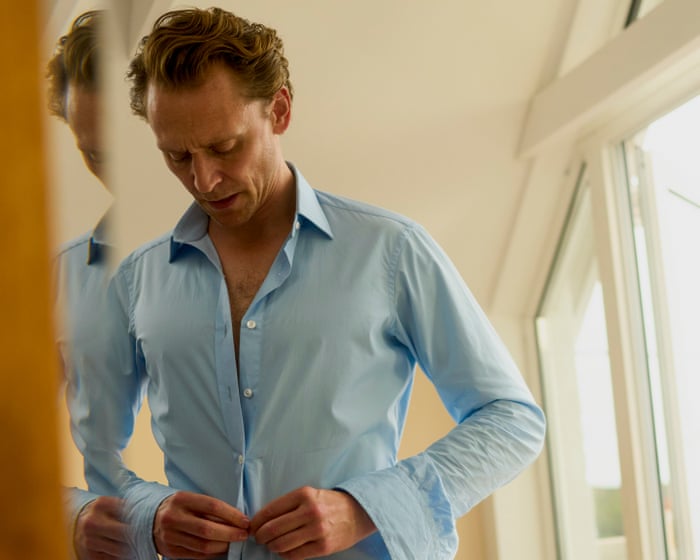
The Night Manager review – no naughty bum-flashing? It’s still a class above all other spy thrillers

The racy espionage blockbuster caused a global frenzy a decade ago – and set an unbelievably high bar. As Tom Hiddleston’s M16 agent Jonathan Pine returns to take down a new supervillain, he just about pulls it off

Finesse was the selling point of The Night Manager when it debuted in 2016. It was a class above other spy thrillers, setting itself among moneyed elites – rotten ones, but elites nonetheless – and furnishing itself with luxury locations. In Tom Hiddleston it had a lead with a reputation that signalled that the often tacky espionage genre was looking to improve itself. Based on a book by John le Carré and airing on the BBC in the dying days of the era when that carried heavyweight global cachet, its pedigree was impeccable.

A large part of the rarefied atmosphere the series created, though, was in being one and done: it swept in, won a ton of awards, then swooshed away, leaving behind a delicate waft of something impossibly exclusive. Lesser shows would have hastily cashed in with an inferior second season, but The Night Manager could not be so vulgar.

Continue reading...
© Photograph: BBC/Ink Factory/Des Willie
© Photograph: BBC/Ink Factory/Des Willie
© Photograph: BBC/Ink Factory/Des Willie
  •  

Wild London review – honestly, telly does not get any better than this

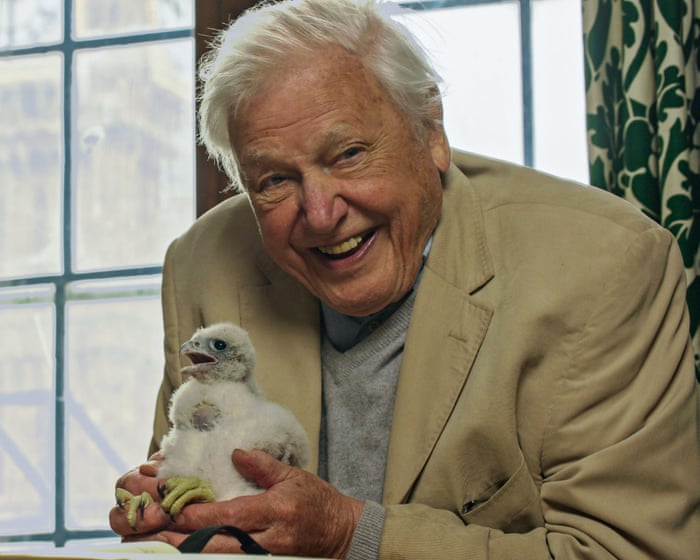
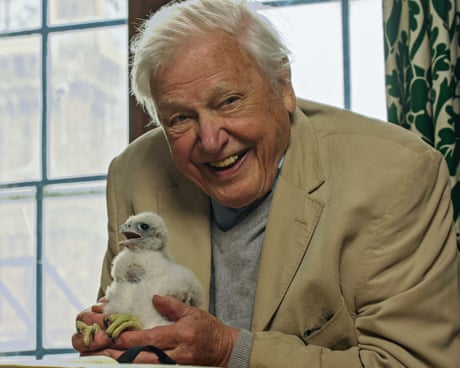
Mischievous and glorious, David Attenborough brings his lifelong sense of wonder to the city’s wildlife, from foxes to peregrine falcons, in this exquisite and endlessly moving special

The journey begins in a row of allotments lodged deep between two north London streets. It’s 8.30pm and David Attenborough – 99 years young, in customary short-sleeved blue shirt and chinos – is on the hunt for Tottenham’s most elusive resident. He gets settled on a camping chair. Waits. Emits a tiny rhapsodic gasp as the creature in question appears. It’s a … fox.

“It’s still a huge thrill to see one suddenly emerging from the bushes,” he whispers to camera of a sight so bog-standard most Londoners wouldn’t bother looking up from their phones. “A totally wild creature!” Attenborough holds out a hand. Murmurs a delighted “hello”. The fox comes within a few inches of the greatest natural historian and broadcaster this country has ever produced, then slinks off into the night. What an encounter! And if you think that’s exhilarating wait until you see his reaction to a pigeon getting on the tube.

Continue reading...

© Photograph: PHOTOGRAPHER:/CREDIT LINE:BBC/Passion Planet Ltd/Gavin Thurston

© Photograph: PHOTOGRAPHER:/CREDIT LINE:BBC/Passion Planet Ltd/Gavin Thurston

© Photograph: PHOTOGRAPHER:/CREDIT LINE:BBC/Passion Planet Ltd/Gavin Thurston

  •  

At the turn of the year, I’m facing a pivot point. Midlife crisis? No thanks | Emma Brockes

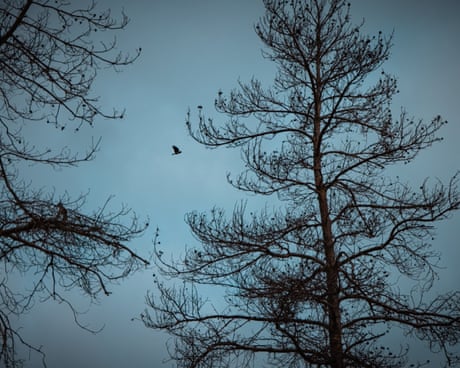
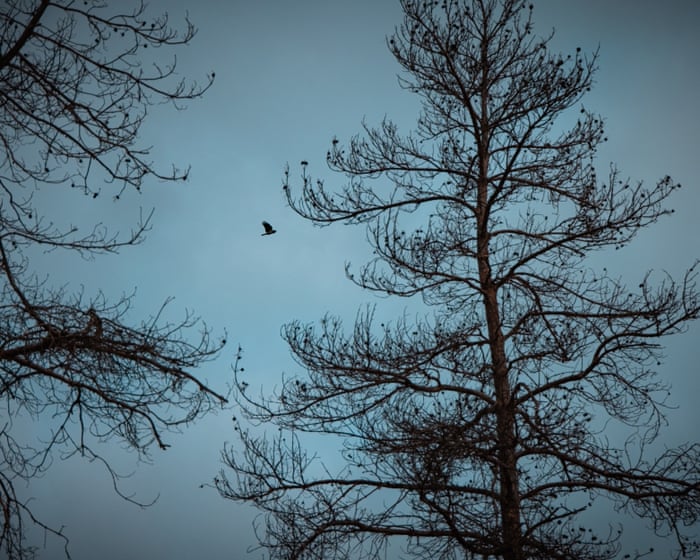
At 50, I find myself in a gazing-up-at-trees phase. What does it all mean? It’s not completely clear – but it’s certainly bothering my kids

According to research undertaken by Stanford Medicine in 2024, adult human beings are subject to two “massive biomolecular shifts” – spikes in ageing, in other words – one at 44 and another at 60, confirming what most of us instinctively know to be true: that we get older in jagged bursts – not with gentle, steady progression. As the new year issues its annual invitation to stocktake, the thing I keep thinking is where we might place the equivalent emotional pivot points, those periods in which, after years of – God willing! – pottering along feeling roughly the same, suddenly, one day, there’s a change.

I bring this up because I seem to be in the middle of one, an inflection point that manifests in the number of times on the walk back from the school drop-off I stop to look at a bird in a tree, or a snail on a wall, or any number of other overwrought visual metaphors that allow me to feel momentarily like I’m inside a poem by Gerard Manley Hopkins. Hard to put one’s finger on what’s going on, but it has to do with the sense of an ending, which, if it’s sad at all, isn’t sad-sad; rather, it occupies that category of sadness I think of as the anticipation of future nostalgia.

Emma Brockes is a Guardian columnist

Continue reading...

© Photograph: Nikoletta Stoyanova/The Guardian

© Photograph: Nikoletta Stoyanova/The Guardian

© Photograph: Nikoletta Stoyanova/The Guardian

  •  

‘Stranger Things’ Has Ended. What Happened in the Series Finale?

There was a lot to tie up after five seasons and nearly 10 years, and the show gave itself another two hours to do it. Here are the major events.

© Netflix

Eleven (Millie Bobby Brown, right, with Linnea Berthelsen) had a very difficult choice to make in the “Stranger Things” series finale.
  •  

He’s Chevy Chase, and He’s Still Like That

The famously prickly comedian found a sympathetic adversary in the director of a CNN documentary about him. Their conversation with a reporter was … spirited.

© Blaise Cepis for The New York Times

“He had looks and talent, and he had a chance,” Zenovich said of Chase, adding, “He made it as much as he could, but I think he turned to drugs and drinking to stop the pain.”
  •  

Run Away review – James Nesbitt and Minnie Driver give us comfort TV at its finest

The twists and turns come thick and fast in this deeply pleasing Harlan Coben thriller, as a father goes in search of his missing daughter. Even a vegan restaurant owner gets in on the act

They come round sooner every time, do they not? I think we’re now the recipients of a new Harlan Coben adaptation every three weeks or so. Who knows what rate will be attained next year? We watch and wait, though possibly in neither case for long.

We are now about a dozen, rating-banking offerings into the bestselling thriller writer’s multi-book deals with Netflix and Amazon. They are generally solid, workmanlike fare that doubtless help fund many passion projects and pay many mortgages along the way. They are comfort TV not just for viewers, but, I suspect, everyone involved.

Continue reading...

© Photograph: Ben Blackall/Netflix

© Photograph: Ben Blackall/Netflix

© Photograph: Ben Blackall/Netflix

  •  

‘The television event of the decade!’ It’s your top TV of 2025

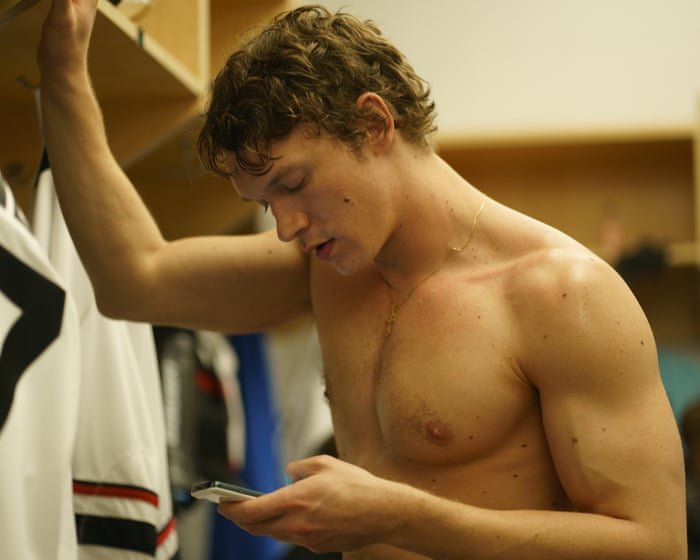
From the phenomenal Vince Gilligan show Pluribus to horny, life-changing ice-hockey drama Heated Rivalry and much more … here are Guardian readers’ shows of the year

(Disney+) It’s embarrassing to say about a product released by the Disney Corporation within the Star Wars brand, but it’s by far the most searing and narratively sound portrayal of the creep of totalitarianism I’ve seen on-screen in years. Airtight character work, pitch-perfect action and the ideal moment to tell an inherently political story about the hope of truth and resistance against an endless barrage of falsehoods and atrocities. Eoin, London

Continue reading...

© Photograph: Sabrina Lantos/HBO Max

© Photograph: Sabrina Lantos/HBO Max

© Photograph: Sabrina Lantos/HBO Max

  •  

Staying in with the old: the best films to watch on New Year’s Eve

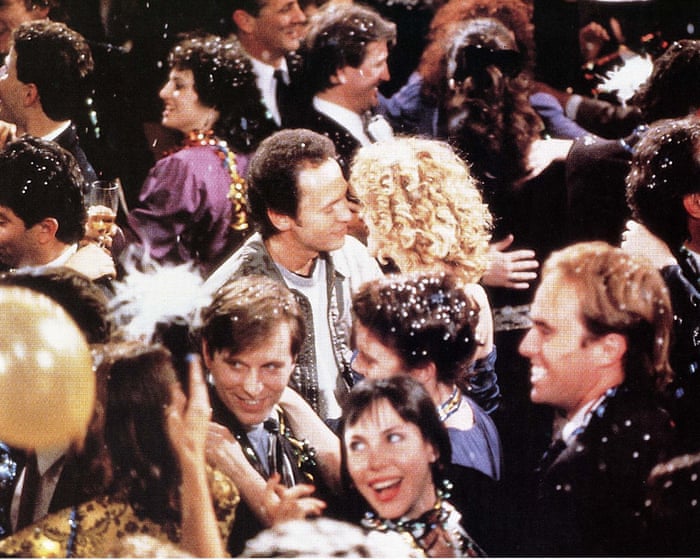
For those not going out to celebrate, you can still party with Harry and Sally, play cards with Jack Lemmon and make merry hell at the Overlook Hotel

At the end of any especially troublesome year it’s always good to revisit The Apartment, Billy Wilder’s brilliantly bleak comedy of office politics and festive bad cheer. It memorably ends on the stroke of midnight as heartsick Fran Kubelik (Shirley MacLaine) abandons a drunken new year’s party to be with hapless, jobless CC Baxter (Jack Lemmon) instead. Is The Apartment suggesting that Kubelik and Baxter then live happily ever after? Probably not, because I’ve never been convinced that these two lovers are going to stay the course. They’re too mismatched and desperate; their wounds are still too fresh. What the ending gives us is the next best thing: a sudden sense of hope and freedom, with everything packed in boxes except for a bottle, two glasses and a deck of cards. Nothing to lose and nowhere to go. “Shut up and deal.” A clean break, a fresh start. Xan Brooks

Continue reading...

© Photograph: RONALD GRANT

© Photograph: RONALD GRANT

© Photograph: RONALD GRANT

  •  

Demon Slayer economics: how the anime juggernaut became a saviour

Once underground art form now props up slumped box office sales and is used by governments to build soft power

An animated drama featuring hordes of carnivorous fiends might not sound like classic box office fodder, but that’s exactly what Demon Slayer: Kimetsu no Yaiba Infinity Castle proved to be in September.

The film set new records for anime – Japanese animated films and series – making more than $70m (£52m) on its opening weekend in the US and £535m so far globally. To put that in context, Ghost in the Shell – an anime classic released in 1995 – made about £2m worldwide.

Continue reading...

© Photograph: ©Koyoharu Gotoge / SHUEISHA, Aniplex, ufotable

© Photograph: ©Koyoharu Gotoge / SHUEISHA, Aniplex, ufotable

© Photograph: ©Koyoharu Gotoge / SHUEISHA, Aniplex, ufotable

  •  

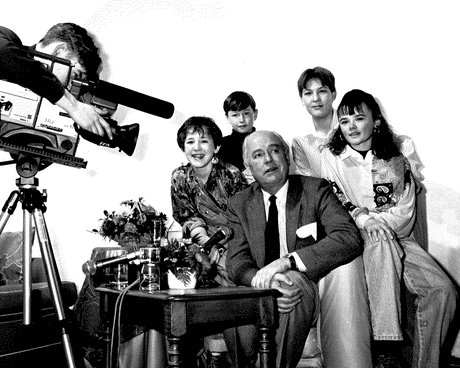
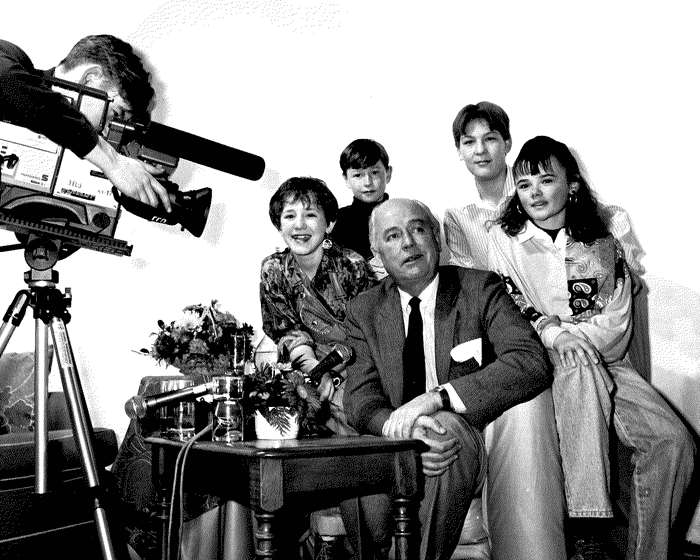
‘Terry Jones tried to eat the studio’s pet goldfish!’ The tiny village TV station that became a 90s smash hit

When the people of Waddington teamed up to broadcast self-written soap operas, horoscopes and magic tricks, little did they know it would be the most successful channel in the world – despite the chaos behind the cameras

‘What a cock-up!” Those were the words that ended the first broadcast on the world’s tiniest TV station. Hours earlier, four young locals had been wrangled into being live presenters at their quiet village Sunday school. Despite dead air and awkward line delivery, it was the poor transmission quality that made the stars – Michelle Hornby (31), Jonathan Brown (27), James Warburton (25) and Deborah Cowking (21) – apologise and cut the inaugural broadcast. But Cowking, not realising they were still on air, slipped past the censors and summed up the evening’s vibe perfectly: chaotic, amateur and unrelentingly British.

This was The Television Village – a first-of-its-kind social experiment from 1990 that had the Lancashire village of Waddington “watch, make and become” television. For a short spell in the early 90s, the Ribble Valley was worth a fortune, as Granada Television shipped £3m worth of cutting-edge TV equipment to the rural hills of north-west England. Hidden cameras were set up in villagers’ living rooms to record viewing habits, day and night. Meanwhile, Channel 4 filmed the entire thing for a six-part documentary series. All of this was to monitor how people would react when the number of channels made the leap from four up to 30 – offering everything from sport, film and even porn, with villagers having access to terrestrial, cable and satellite channels, including from Europe and the US.

Continue reading...

© Photograph: Courtesy George Francis Lee

© Photograph: Courtesy George Francis Lee

© Photograph: Courtesy George Francis Lee

  •