↩ Accueil

Vue lecture

Something gnawed your oak tree? Sink hole in your road? How Zurich’s beaver hotline is reassuring residents

As the number of the semi-aquatic creatures soars so can tensions. But the Swiss have a tried and tested system to calm the neighbours and restore harmony

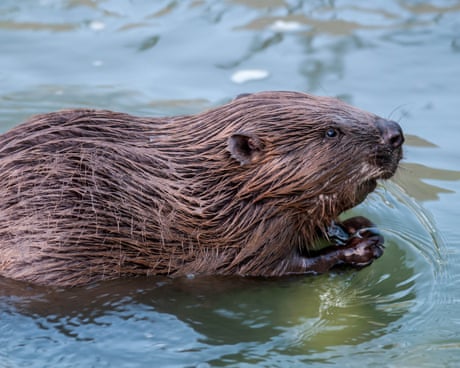
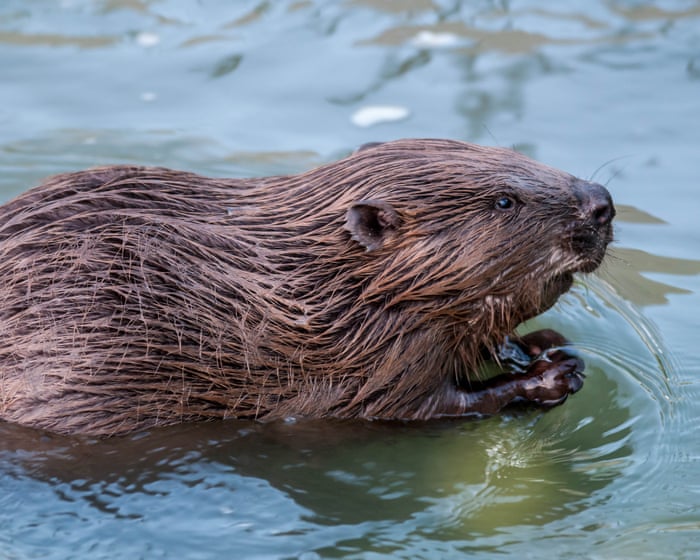
“I hate beavers,” a woman tells the beaver hotline. Forty years ago she planted an oak tree in a small town in southern Zurich – now at the frontier of beaver expansion – and it has just been felled: gnawed by the large, semi-aquatic rodents as they enter their seasonal home-improvement mode.

The caller is one of 10 new people getting in touch each week at this time of year. Beavers, nature’s great engineers, can unleash mayhem during winter as they renovate their lodges and build up their dams. For people, this can mean flooding, sinkholes appearing in roads and trees being felled. A single incident can clock up 70,000 Swiss francs (£65,000) in damages.

Continue reading...
© Photograph: Nationale Biberfachstelle
© Photograph: Nationale Biberfachstelle
© Photograph: Nationale Biberfachstelle
  •  

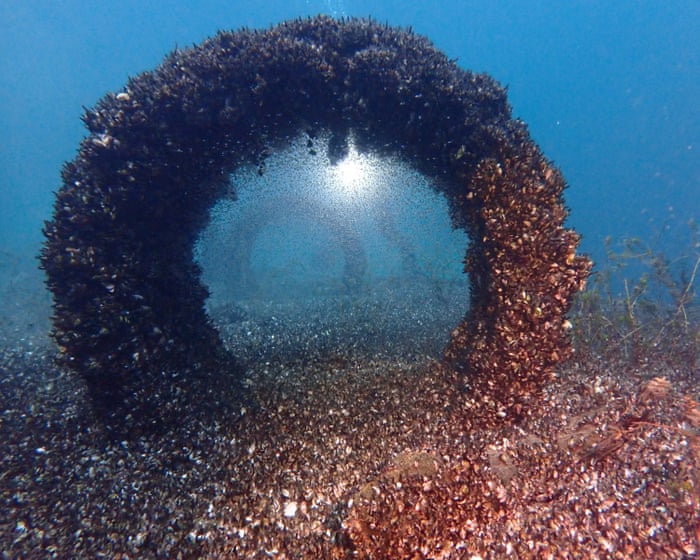
‘It’s an open invasion’: how millions of quagga mussels changed Lake Geneva for ever

The molluscs are decimating food chains in Switzerland, have devastated the Great Lakes in North America, and this week were spotted in Northern Ireland for the first time

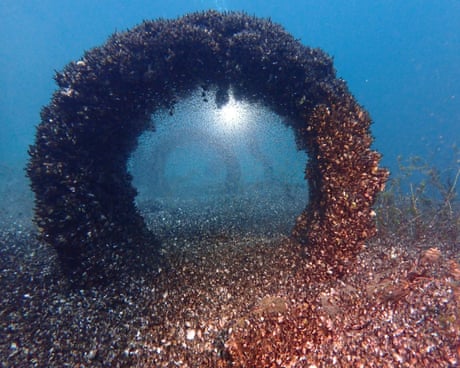
Like cholesterol clogging up an artery, it took just a couple of years for the quagga mussels to infiltrate the 5km (3-mile) highway of pipes under the Swiss Federal Technology Institute of Lausanne (EPFL). By the time anyone realised what was going on, it was too late. The power of some heat exchangers had dropped by a third, blocked with ground-up shells.

The air conditioning faltered, and buildings that should have been less than 24C in the summer heat couldn’t get below 26 to 27C. The invasive mollusc had infiltrated pipes that suck cold water from a depth of 75 metres (250ft) in Lake Geneva to cool buildings. “It’s an open invasion,” says Mathurin Dupanier, utilities operations manager at EPFL.

Mathurin Dupanier indicates the water cooling systems that were blocked by the invasive quagga mussels. Photographs: Phoebe Weston/the Guardian; École Polytechnique Fédérale de Lausanne

Continue reading...

© Photograph: Stephan Jacquet/INRAE

© Photograph: Stephan Jacquet/INRAE

© Photograph: Stephan Jacquet/INRAE

  •