Après un week-end de négociations à Miami autour du plan de paix, l'émissaire russe Kirill Dmitriev doit rendre compte du résultat de ses discussions à Moscou. Depuis la Floride, il a salué le caractère « constructif » des échanges avec la délégation américaine. À Moscou, la diplomatie russe fait état de « lents progrès » dans les négociations avec les États-Unis sur le plan visant à mettre fin à la guerre en Ukraine.
Après un week-end de négociations à Miami autour du plan de paix, l'émissaire russe Kirill Dmitriev doit rendre compte du résultat de ses discussions à Moscou. Depuis la Floride, il a salué le caractère « constructif » des échanges avec la délégation américaine. À Moscou, la diplomatie russe fait état de « lents progrès » dans les négociations avec les États-Unis sur le plan visant à mettre fin à la guerre en Ukraine.
The Danish postal service has announced it will cease deliveries from 30 December after 400 years. Eventually, other countries may go down a similar route
Predictions of the demise of letter writing are not new. The invention of the telegraph and the rise of the postcard were both seen as potential threats to a more leisurely, reflective form of communication. Yet by the close of the 20th century, more letters were being sent than ever, as social correspondence began to be supplemented by a boom in business mail.
From Europe’s most tech-savvy society, however, comes ominous news. As of next week, Denmark’s state-run postal service will end all letter deliveries after doing the rounds for 400 years. Around 1,500 jobs are being cut, and the country’s beloved red letterboxes are being sold off. It will still be possible for Danes to send a card or a love letter to someone far away next Christmas, but only via the shops of a smaller private company or a costly home collection.
Do you have an opinion on the issues raised in this article? If you would like to submit a response of up to 300 words by email to be considered for publication in our letters section, please click here.
La Poste’s websites, apps and banking service affected by a DDoS incident, which is also delaying postal deliveries
The websites and apps of France’s national post office and its banking service have been hit by a suspected cyber-attack, disrupting deliveries and hampering online payments and transfers at the busiest time of the year.
Three days before Christmas, La Poste said on Monday that a distributed denial of service incident, or DDoS, had “rendered its online services inaccessible”. Customer data was safe, it said, but mail distribution, including parcels, had been slowed.
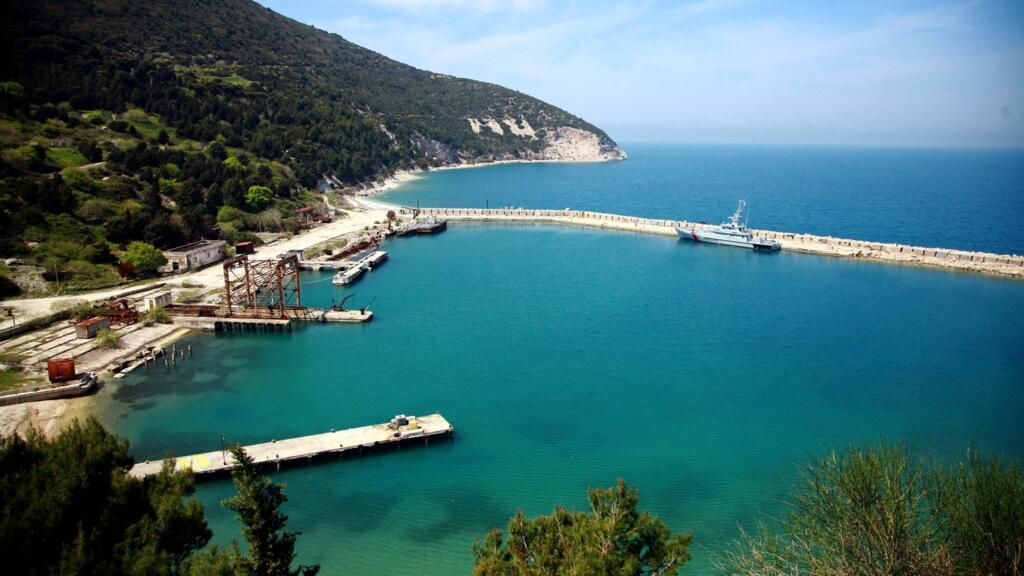
L’appétit immobilier de la famille Trump se tourne désormais vers les Balkans et l’Albanie. La fille aînée du président, Ivanka et son mari Jared Kushner ont le projet d’investir plus d’un milliard d’euros pour transformer l’île militarisée de Sazan en lieu branché pour les ultrariches. Dans ce pays où l’industrie touristique connait une croissance exponentielle, les autorités déroulent le tapis rouge. (Rediffusion)
L’appétit immobilier de la famille Trump se tourne désormais vers les Balkans et l’Albanie. La fille aînée du président, Ivanka et son mari Jared Kushner ont le projet d’investir plus d’un milliard d’euros pour transformer l’île militarisée de Sazan en lieu branché pour les ultrariches. Dans ce pays où l’industrie touristique connait une croissance exponentielle, les autorités déroulent le tapis rouge. (Rediffusion)
Lisbon court rules the posters could incite hatred and tells party leader Andre Ventura to remove them within 24 hours
The leader of Portugal’s far-right Chega party has been ordered to remove street posters attacking the Roma community, after a Lisbon court ruled they were discriminatory and could incite hatred.
Judge Ana Barao said the posters’ wording “attacks an ethnic minority” and she gave Andre Ventura 24 hours to remove them or face a daily fine of €2,500 (£2,200) per poster.
Pour Steve Witkoff, l'envoyé spécial de la Maison Blanche en Ukraine, les dialogues organisés à Miami avec les délégations russes et ukrainiennes ont été «productifs et constructifs » en vue de la paix. Pour le vice-président américain J.D. Vance, en revanche, malgré les progrès, rien n'est encore joué et toutes les issues sont possibles. Sur le terrain, un éventuel cessez-le-feu semble très éloigné. Ces derniers jours, la Russie a multiplié les incursions dans les régions frontalières de Kharkiv et de Soumy, dans des zones dites grises, où ni Moscou, ni Kiev n'ont véritablement le contrôle.
Pour Steve Witkoff, l'envoyé spécial de la Maison Blanche en Ukraine, les dialogues organisés à Miami avec les délégations russes et ukrainiennes ont été «productifs et constructifs » en vue de la paix. Pour le vice-président américain J.D. Vance, en revanche, malgré les progrès, rien n'est encore joué et toutes les issues sont possibles. Sur le terrain, un éventuel cessez-le-feu semble très éloigné. Ces derniers jours, la Russie a multiplié les incursions dans les régions frontalières de Kharkiv et de Soumy, dans des zones dites grises, où ni Moscou, ni Kiev n'ont véritablement le contrôle.
Fanil Sarvarov, général d’état-major de l’armée russe, est mort lundi 22 décembre dans l’explosion de sa voiture dans le sud de Moscou. Les enquêteurs disent étudier plusieurs pistes, dont une implication des services spéciaux ukrainiens, alors que Kiev n’a fait aucun commentaire pour le moment.
Fanil Sarvarov, général d’état-major de l’armée russe, est mort lundi 22 décembre dans l’explosion de sa voiture dans le sud de Moscou. Les enquêteurs disent étudier plusieurs pistes, dont une implication des services spéciaux ukrainiens, alors que Kiev n’a fait aucun commentaire pour le moment.
Le Parti populaire a gagné dimanche 21 décembre les élections régionales en Estrémadure, qui a longtemps été un bastion socialiste. La formation de droite conservatrice n’a pas obtenu la majorité absolue, mais pourra gouverner avec Vox, l’extrême droite, qui a grimpé de 5 points et gagne en influence. De son côté, le Parti socialiste du Premier ministre Pedro Sánchez s’y effondre.
Le Parti populaire a gagné dimanche 21 décembre les élections régionales en Estrémadure, qui a longtemps été un bastion socialiste. La formation de droite conservatrice n’a pas obtenu la majorité absolue, mais pourra gouverner avec Vox, l’extrême droite, qui a grimpé de 5 points et gagne en influence. De son côté, le Parti socialiste du Premier ministre Pedro Sánchez s’y effondre.
Online activity shows the Base, headed by alleged Russian asset Rinaldo Nazzaro, sees US and Ukraine as key centers
Amid high-profile arrests in its Spanish cell, the American-born and designated neo-Nazi terrorist group the Base – once a major preoccupation of FBI counter-terrorism efforts – has all but faded from US headlines. But a flurry of online activities shows the group is still active stateside and considers the US an operational nerve center.
Headed by Rinaldo Nazzaro, an ex-Pentagon contractor turned alleged Russian intelligence asset, the Base has been busy of late pursuing European expansion: besides its heavily armed members in Spain, its Ukrainian wing is linked to multiple acts of terrorism inside of the country and claimed the high-profile July assassination of an intelligence officer in Kyiv.
Move made after first phase of anti-subsidy investigation widely seen as retaliation for bloc’s EV tariffs
China will impose provisional duties of up to 42.7% on certain dairy products imported from the EU from Tuesday after concluding the first phase of an anti-subsidy investigation widely seen as retaliation for the bloc’s electric vehicle tariffs.
The tariffs will range from 21.9% to 42.7% – although most companies will pay about 30% – and target products such as milk and cheese, including protected origin brands such as French roquefort and Italian gorgonzola.
While the country’s capital is loosening regulations, the Catalan city is strengthening social housing. Their outcomes will affect all our futures
In Spain, two cities face the same crisis, but are responding in fundamentally different ways. Over the past decade, the cost of housing in Madrid and Barcelona has soared – with rents rising by about 60% and sale prices by 90% – leaving young people, working families and retired people struggling to stay in their homes or even find one.
Yet, while one city is betting everything on construction and giving free rein to big investors, the other is cautiously trying to steer the housing market towards the public good, despite political and institutional constraints.
Jaime Palomera is a researcher on housing and inequality, author of The Hijacking of Housing, and co-founder of the Barcelona Urban Research Institute (IDRA) and the Tenants’ Union
Six membres du groupe propalestinien sont en grève de la faim depuis 50 jours. Ils réclament leur libération conditionnelle mais le ministère de la Justice refuse de les rencontrer. L'organisation Palestine Action a été interdite par le gouvernement britannique en juillet 2025.
Six membres du groupe propalestinien sont en grève de la faim depuis 50 jours. Ils réclament leur libération conditionnelle mais le ministère de la Justice refuse de les rencontrer. L'organisation Palestine Action a été interdite par le gouvernement britannique en juillet 2025.
Journalists find Swiss government rejected company over fears US intelligence might gain access to sensitive data
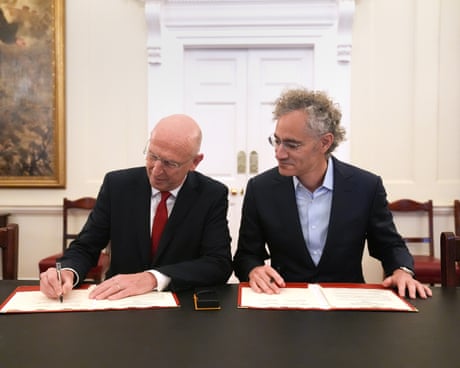
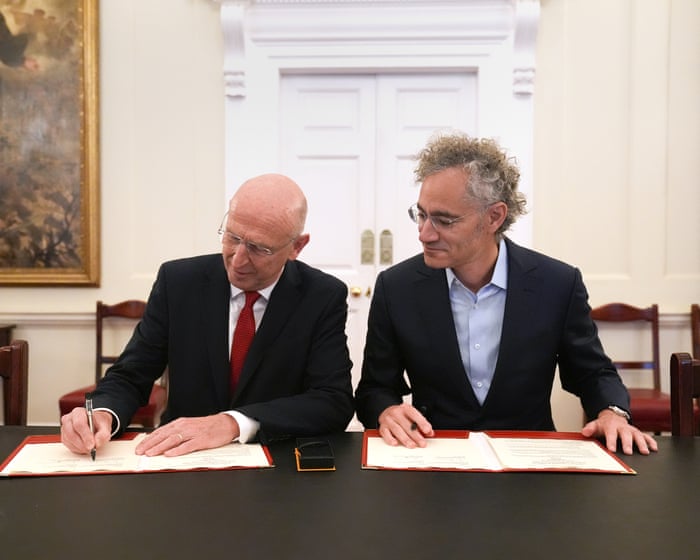
UK MPs have raised concerns about the government’s contracts with Palantir after an investigation published in Switzerland highlighted allegations about the suitability and security of its products.
The investigation by the Zurich-based research collective WAV and the Swiss online magazine Republik details Palantir’s efforts, over the course of seven years, to sell its products to Swiss federal agencies.
 Connexion