↩ Accueil

Vue lecture

From Dr Seuss to All Quiet on the Western Front: 19 books to help you find hope, sense and resistance in difficult times

Writers, activists and politicians on the books they turn to for wisdom and perspective – and to restore their faith in human nature

Australia is mired in grief, anger and division over the horrific act of antisemitic terrorism in Sydney. The attack in Bondi has reverberated internationally, tragically bookending a year that already challenged humanity, hope and the future of the planet.

Indeed as 2025 ends it is defined by yet more abject and ignoble political, economic, technological and environmental derelictions of dire proportions.

Continue reading...
© Photograph: Oleh_Slobodeniuk/Getty Images
© Photograph: Oleh_Slobodeniuk/Getty Images
© Photograph: Oleh_Slobodeniuk/Getty Images


  •  

‘There’s a sense of our freedoms becoming vulnerable’: novelist Alan Hollinghurst

A knighthood, a lifetime achievement award and a hit theatre production of The Line of Beauty… the author on a year of personal success and political change

If there can be a downside to receiving a lifetime achievement award, it can surely only be the hint of closure it evokes. I put this as tactfully as I can to Alan Hollinghurst, this year’s winner of the David Cohen prize, which has previously recognised the contribution to literature of, among others, VS Naipaul, Doris Lessing and Edna O’Brien. It does have “a certain hint of the obituary about it”, he concedes, laughing. “So I’m very much doing what I can to take it as an incentive rather than a reward.”

But there have been plenty of rewards recently. Hollinghurst was knighted in this year’s New Year honours list, a couple of months after the publication of his novel Our Evenings, the story of actor Dave Win’s journey from boarding school to the end of his life, which received rave reviews. In the Guardian, critic Alexandra Harris announced it his finest novel to date, noting that it “forms a deep pattern of connection with its predecessors, while being an entirely distinct and brimming whole”.

Continue reading...

© Photograph: David Vintiner/The Guardian

© Photograph: David Vintiner/The Guardian

© Photograph: David Vintiner/The Guardian

  •  

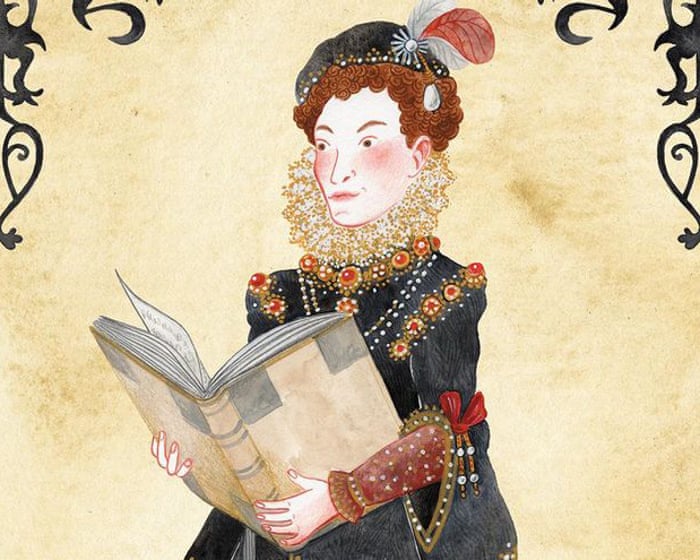
‘From her pen sprang unforgettable females’: 16th-century Spanish author’s knight’s tale given reboot

Beatriz Bernal’s pioneering novel features brave, chivalrous women who ride dragons and her adapter wants his illustrated version to reach young readers

Sixty years before a gaunt and deluded nobleman from La Mancha was overdosing on tales of derring-do, visiting his madness on those around him – and single-handedly rewriting the rules of fiction – the deeds of another heroic knight had already made literary history.

Though completely eclipsed by Don Quixote, Cristalián de España, which was first published in 1545, has a unique claim to fame. Its 800 pages, bristling with swords, sorcerers, dragons and damsels, make up the earliest known work by a female Spanish novelist.

Continue reading...

© Photograph: Anaya

© Photograph: Anaya

© Photograph: Anaya

  •  

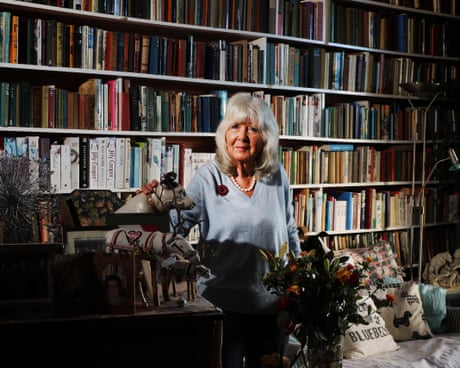
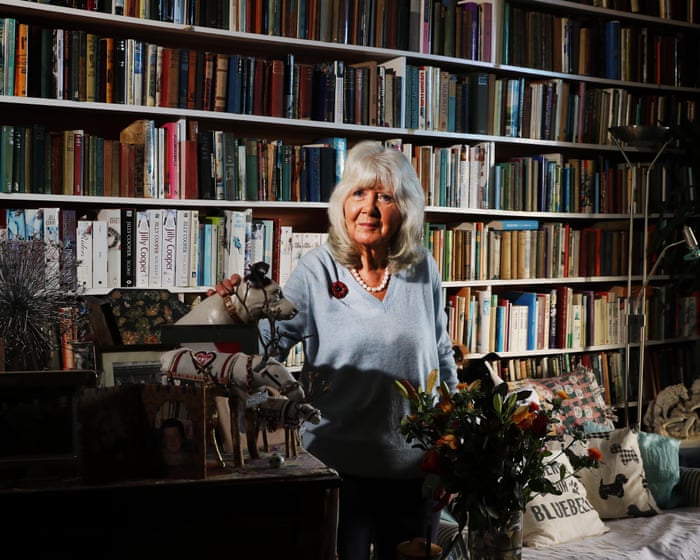
The Guardian view on the rise of romantic fiction: finally getting the respect it deserves

Jilly Cooper, Joanna Trollope and Sophie Kinsella all changed the genre. A new generation of novelists are doing the same and sales are soaring

At last, the perception of popular fiction by women as “silly novels by lady novelists”, as George Eliot sniffily put it back in 1856, is changing. Next year, the British Book Awards will recognise romantic fiction for the first time. The recognition is long overdue.

This welcome news came in the same week as the deaths of two doyennes of the form, Joanna Trollope and, at just 55, Sophie Kinsella, only a couple of months after the loss of national treasure Dame Jilly Cooper. Between them these publishing power houses produced more than 100 books, sold millions of copies, and inspired hit films and TV series, most recently last year’s star-studded adaptation of Cooper’s 1985 Riders.

Continue reading...

© Photograph: Thousand Word Media Ltd/Alamy

© Photograph: Thousand Word Media Ltd/Alamy

© Photograph: Thousand Word Media Ltd/Alamy

  •  

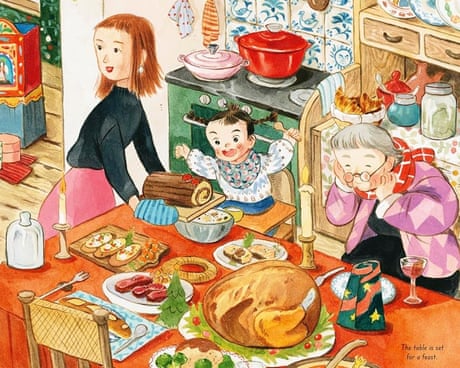
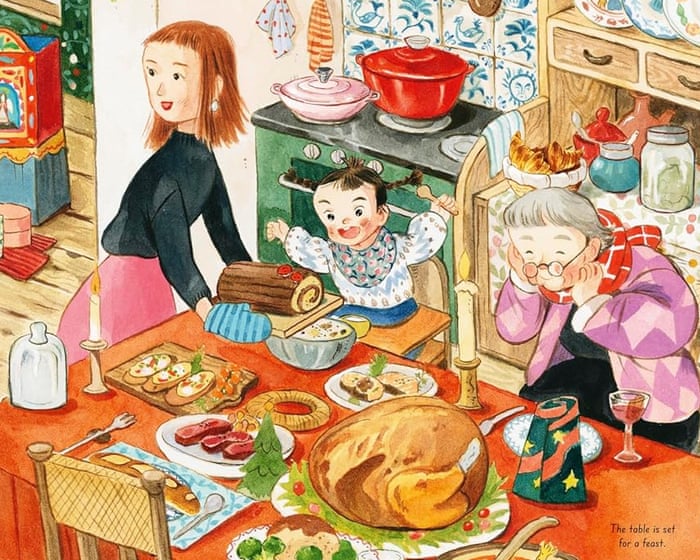
Children and teens roundup – the best new picture books and novels

Anointing a new Santa; a child refugee’s tale; a dangerous journey across frozen wastes; a YA roadtrip romance and more

The Great Christmas Tree Race by Naomi Jones, illustrated by James Jones, Ladybird, £7.99
Star always goes on top of the Christmas tree – until new decoration Sparkle kicks off a race. Who will win: Lights, Bauble, Snowflake or Reindeer? A festive picture-book caper with a child-pleasing twist.

The Boy Who Grew Dragons: A Christmas Delivery by Andy Shepherd, illustrated by Sarah Warburton, Templar, £12.99
Tomas, Lolli and the dragons in Grandad’s garden all love Christmas, but when a baby snow dragon hatches, her icy flurries make present-delivering impossible. Children and dragons team up to find a solution in this charming, funny picture-book introduction to the bestselling 5+ series.

Continue reading...

© Photograph: PR

© Photograph: PR

© Photograph: PR

  •  

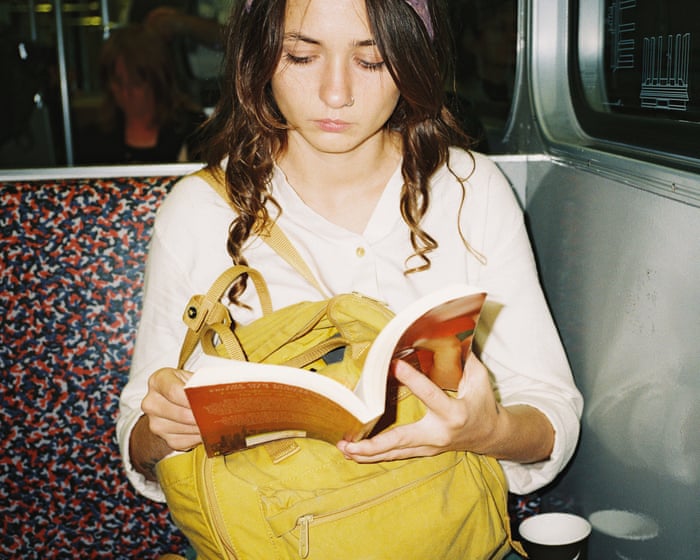
Yael van der Wouden : ‘The Hitchhiker’s Guide to the Galaxy cured my fear of aliens’

The Safekeep author on her secret childhood reading, falling in love with Elizabeth Strout and why she keeps coming back to Zadie Smith

My earliest reading memory
I had a children’s encyclopedia on the shelf above my bed – orange and brown, the cover old flaking plastic – but I retain nothing of what I read. I do remember a book of dirty jokes I was obsessed with at the age of eight. I was convinced it was off limits to me (it wasn’t) and so I waited until my parents were at work to shamefully steal it from the bookshelf. One time, my mother found it under my pillow and I was mortified. I recall her being confused and putting it back with a mumbled “I don’t judge” as she left the room.

My favourite book growing up
That must have been one of Thea Beckman’s novels, most likely Hasse Simonsdochter. Beckman was the author for young adults in 80s and 90s Netherlands.

Continue reading...

© Photograph: Alicia Canter/The Guardian

© Photograph: Alicia Canter/The Guardian

© Photograph: Alicia Canter/The Guardian

  •  

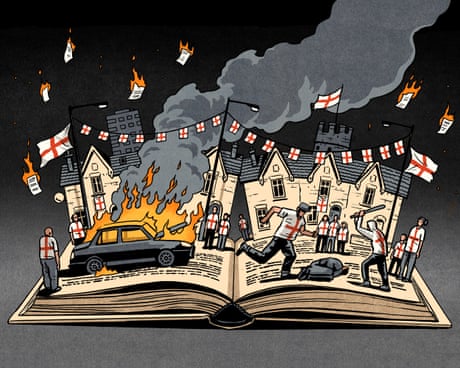
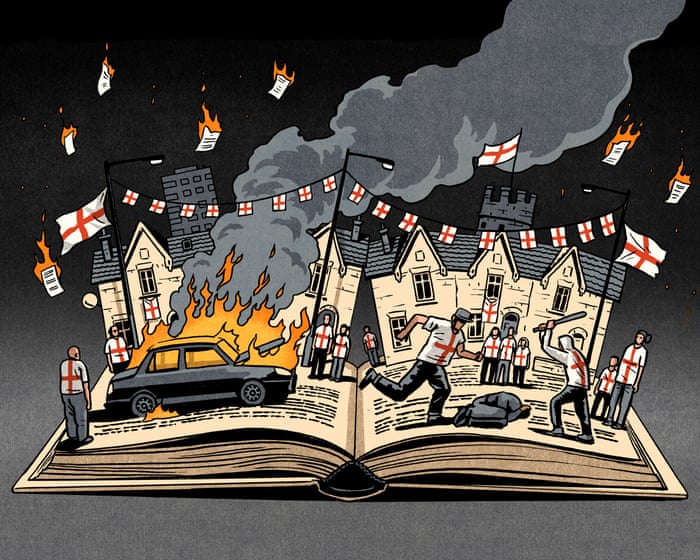
Want to understand the sickness of Britain today? Look no further – a novel explained it all 20 years ago | Aditya Chakrabortty

The racism, the predatory politics, the banality and cruelty: we struggle to make sense of it, but JG Ballard foretold everything we are living through now

An Englishman drives into a new town and can’t see the warning signs. Richard Pearson is visiting Surrey to close down his late father’s home and settle his affairs and, everywhere he looks, the flag of St George is flying “from suburban gardens and filling stations and branch post offices”. How nice, he thinks, how festive.

Soon he learns the truth.

So runs the opening not of a recent piece of journalism, but a novel by JG Ballard, Kingdom Come, which despite being almost 20 years old anticipates today’s Britain with eerie precision. In the mid-2000s, Pearson reads up on his new surroundings, only to find the same headlines that assail us in the mid-2020s: “Every day the local newspaper reported attacks on an asylum hotel, the torching of a Bangladeshi takeaway, injuries to a Kosovan youth thrown over the fence into an industrial estate.”

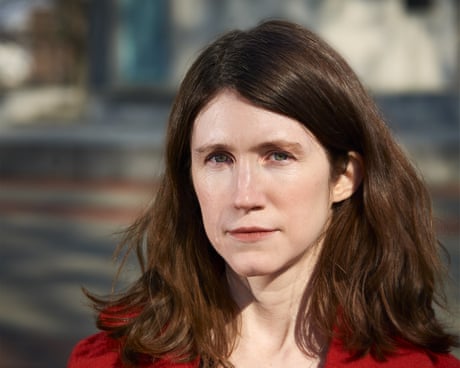
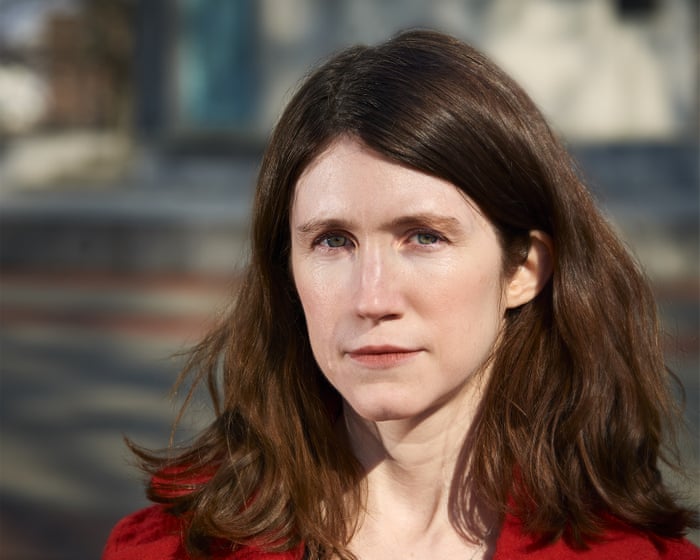
Aditya Chakrabortty is a Guardian columnist

Kingdom Come by JG Ballard (Fourth Estate, £10.99). To support the Guardian, order your copy at guardianbookshop.com. Delivery charges may apply.

Continue reading...

© Illustration: Bill Bragg/The Guardian

© Illustration: Bill Bragg/The Guardian

© Illustration: Bill Bragg/The Guardian

  •  

Freezing Point by Anders Bodelsen review – a prescient classic of cryogenics

This resurrected Danish novel about a man who is ‘frozen down’, awaking in an Orwellian dystopia two decades later, is inventive, funny and all too timely

In the Danish author’s uncannily prescient novel, first published in 1969, the year is 1973 and Bruno works as a fiction editor for a popular weekly magazine; his talent for generating story ideas makes him indispensable to his authors. Invited for dinner at the home of one of them, Bruno finds himself seated next to a woman named Jenny, a struggling ballet dancer with a gloomy aspect and no sense of humour. Bruno is drawn to her nonetheless, and finds himself inventing stories about her. The following day, he is admitted to hospital to undergo tests: a small lump on the side of his neck has raised some concerns. Bruno cannot help feeling the two events are somehow connected.

It comes as little surprise to Bruno when he learns he has cancer. The doctor in charge of his case, Josef Ackerman, offers a choice: he can either undergo the gruelling and fallible radiotherapy currently prescribed for his disease, or he can become a pioneer in a new, radically experimental treatment programme in which patients are “frozen down”, remaining in a state of suspended animation until such time as medical science has advanced sufficiently to offer a cure.

Continue reading...

© Photograph: Piyaphorn Promnonsri/Getty Images
© Photograph: Piyaphorn Promnonsri/Getty Images
© Photograph: Piyaphorn Promnonsri/Getty Images
  •  

Bog Queen by Anna North review – a tale that could dig deeper

This story of a teenage druid whose body is discovered in a peat bog has memorable moments – but its evocation of time and place is unconvincing

Anna North’s fourth book, Bog Queen, is a stranded or braided novel. First “a colony of moss” speaks – or rather, does not speak, but “if such a colony could tell the story of its life”, here’s some of what it might say. Then we have Agnes in 2018, American, tall, awkward, expert in forensic pathology and uncertain about everything else, including much of life in England. And then, in the first person, there is an iron age teenage girl, the druid of her village, riding towards a Roman town with her brother Aesu and friend Crab: “I had been druid for two seasons at that point and everyone said I was doing very well.”

Agnes has a post-doctoral fellowship in Manchester, from which she is summoned to the discovery of a body in a peat bog in Ludlow. The story shadows that of Lindow Man, found by peat harvesters in a bog near Wilmslow in 1984. In this novel, “Ludlow” is a town in which “the steel mill has closed down” leaving nothing but “[a] few shops, a Tesco, a Pizza Express”. It’s “the Gateway to the north” and a bus ride from Manchester. Novelists may of course invent time and place as they see fit, but it’s an odd choice to borrow the location of a bourgeois satellite town of Manchester and give it the name of a pretty medieval market town in the Welsh Marches, with a history that belongs to neither.

Continue reading...

© Photograph: Jenny Zhang

© Photograph: Jenny Zhang

© Photograph: Jenny Zhang

  •  

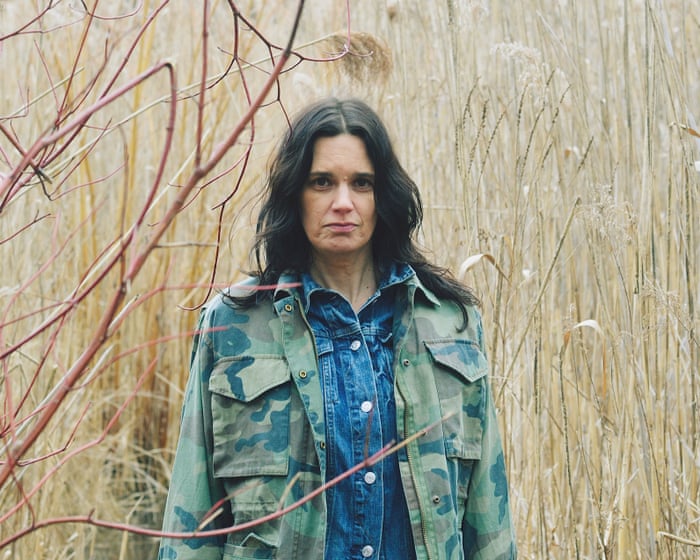
Noopiming: The Cure for White Ladies by Leanne Betasamosake Simpson review – startlingly original

The Indigenous Canadian author brilliantly captures the interdependence of humans and the natural world, in a darkly satirical critique of colonialism

Noopiming, by the Canadian writer-musician Leanne Betasamosake Simpson, means “in the bush” in the language of the Ojibwe people. The title of this startlingly original fiction is an ironic reference to Roughing It in the Bush; or, Forest Life in Canada, an 1852 memoir about “the civilisation of barbarous countries” by Susanna Moodie – Simpson’s eponymous “white lady” – a Briton who settled in the 1830s on the north shore of Lake Ontario, where Simpson’s ancestors resided and she now lives.

That 19th-century settlers’ guidebook went on to be hailed as the origin of Canadian women’s writing; Margaret Atwood adopted the Suffolk-born frontierswoman’s voice in her 1970 poetry collection, The Journals of Susanna Moodie. Though she mentions Moodie’s book only in an afterword, Simpson’s perspective is different. For Moodie, extolling “our copper, silver and plumbago mines” in the extractivist British colony, the “red-skin” was a noble savage, and the “half-caste” a “lying, vicious rogue”. Yet, rather than a riposte to the toxic original, Noopiming – first published in Canada in 2020 and shortlisted for the Dublin Literary award in 2022 – sets about building a world on its own terms. The “cure”, then – the antidote to Moodie’s blinkered vision – is this book.

Continue reading...

© Photograph: Other Stories/ Zahra Siddiqui

© Photograph: Other Stories/ Zahra Siddiqui

© Photograph: Other Stories/ Zahra Siddiqui

  •  

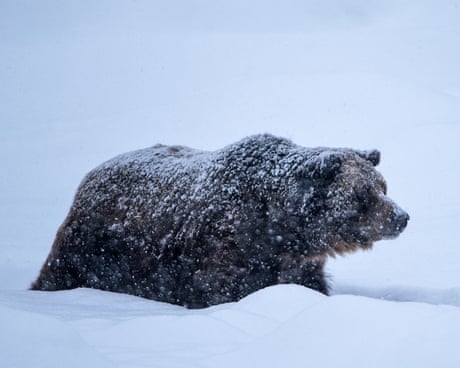
Pulse by Cynan Jones review – short stories that show the vitality of the form

The Welsh author vividly captures the solitude, hard labour, dramas and dangers of rural life

In these six stories of human frailty and responsibility, Welsh writer Cynan Jones explores the imperatives of love and the labour of making and sustaining lives. Each is told with a compelling immediacy and intensity, and with the quality of returning to a memory.

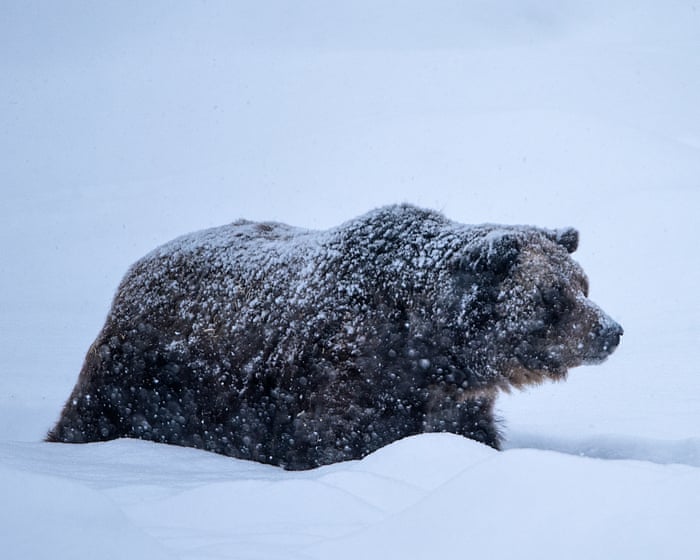
In the story Reindeer a man is seeking a bear, which has been woken by hunger from hibernation and is now raiding livestock from the farms of a small isolated community. “There was no true sunshine. There was no gleam in the snow, but the lateness of the left daylight put a cold faint blue through the slopes.” The story’s world is one in which skill, endurance, even stubbornness might be insufficient to succeed, but are just enough to persist.

Continue reading...

© Photograph: Mark Newman/Getty Images
© Photograph: Mark Newman/Getty Images

© Photograph: Mark Newman/Getty Images

  •