 Connexion
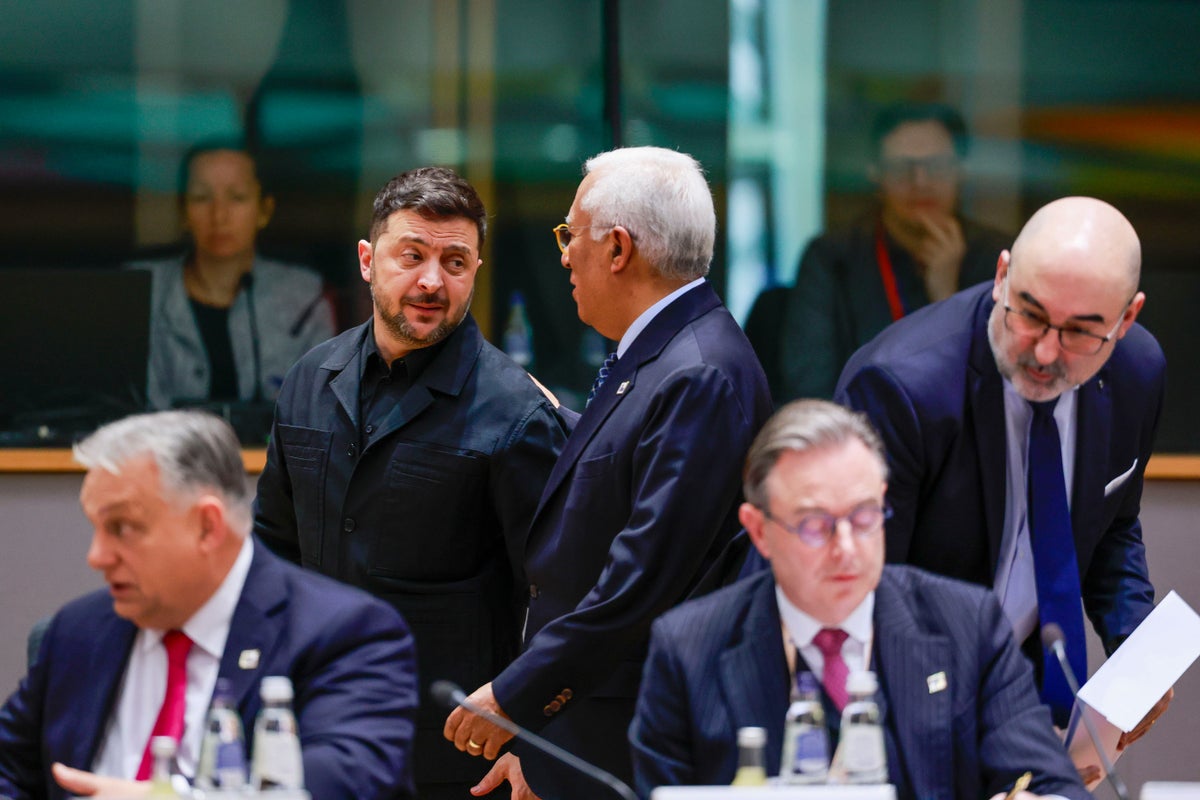
Ukraine-Russia war latest: Zelensky welcomes EU’s €90bn loan to Kyiv but no deal on frozen Russian assets

EU Council president Antonio Costa says loan will cover Ukraine's military and economic needs for next two years
© AP
EU Council president Antonio Costa says loan will cover Ukraine's military and economic needs for next two years
© AP
In the Peloponnese mountains, the usually hardy trees are turning brown even where fires haven’t reached. Experts are raising the alarm on a complex crisis
In the southern Peloponnese, the Greek fir is a towering presence. The deep green, slow-growing conifers have long defined the region’s high-altitude forests, thriving in the mountains and rocky soils. For generations they have been one of the country’s hardier species, unusually capable of withstanding drought, insects and the wildfires that periodically sweep through Mediterranean ecosystems. These Greek forests have lived with fire for as long as anyone can remember.
So when Dimitrios Avtzis, a senior researcher at the Forest Research Institute (FRI) of Elgo-Dimitra, was dispatched to document the aftermath of a spring blaze in the region, nothing about the assignment seemed exceptional. He had walked into countless burnt landscapes, tracking the expected pockets of mortality, as well as the trees that survived their scorching.
Continue reading...
© Photograph: Ugo Mellone

© Photograph: Ugo Mellone

© Photograph: Ugo Mellone

© Andrei Pungovschi/Getty Images

© Linh Pham for The New York Times
Sidelined by Trump, preoccupied with Ukraine and damaged by its immoral stance on Gaza, Europe can still help stabilise its eastern Mediterranean neighbours
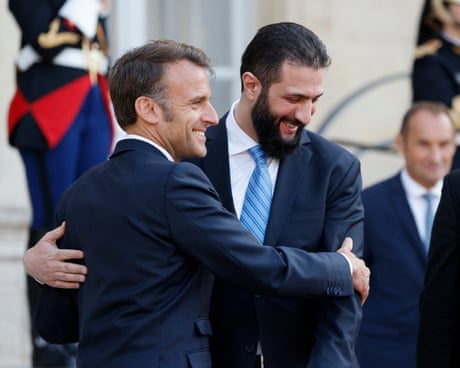
A year after the overthrow of Syria’s dictator, Bashar al-Assad, the former jihadi fighter turned Syrian president Ahmed al-Sharaa addressed the Doha Forum earlier this month, deftly parrying questions about his controversial past and outlining his country’s complex journey toward a participatory, rules-based system. As I listened, it struck me that, while Europe’s role in the Middle East has been severely damaged by its immoral stance on the Gaza war and its self-inflicted exclusion from Iran nuclear diplomacy, Europeans still have a role to play when it comes to its neighbours in the eastern Mediterranean.
Europe’s world has been turned upside down by Washington’s alignment with Moscow in the Ukraine war and the transatlantic rift as the Trump administration treats Europe as an adversary. Another dimension of this upheaval is Europe’s growing irrelevance in the Middle East. Only if Europeans accept that the past is behind them can they hope to regain a constructive independent role in the region.
Nathalie Tocci is a Guardian Europe columnist
Continue reading...
© Photograph: Ludovic Marin/AFP/Getty Images
© Photograph: Ludovic Marin/AFP/Getty Images

© Photograph: Ludovic Marin/AFP/Getty Images
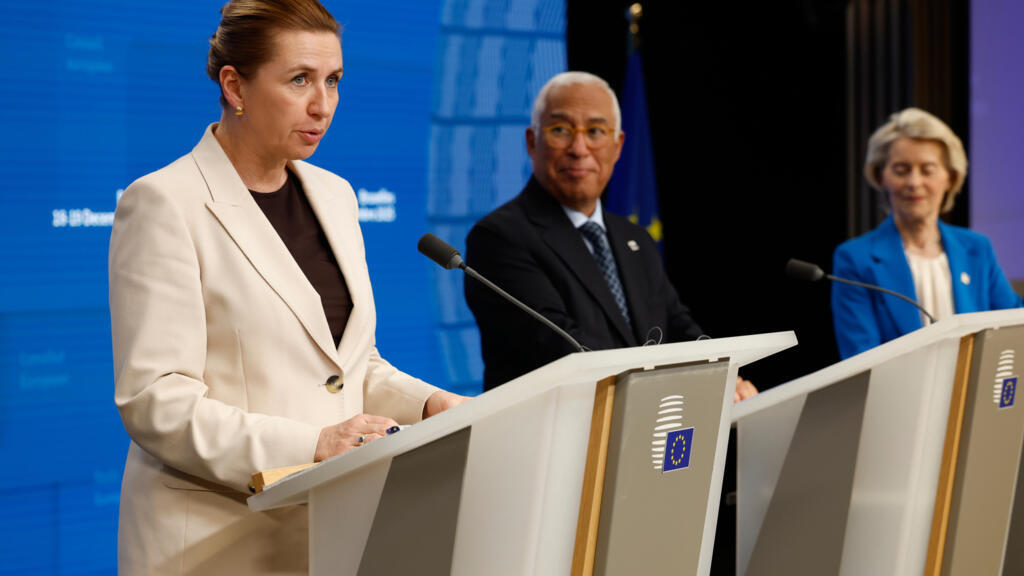
Two-year deal will cover most of Ukraine’s needs, but will be secured against EU borrowing rather than Russian assets
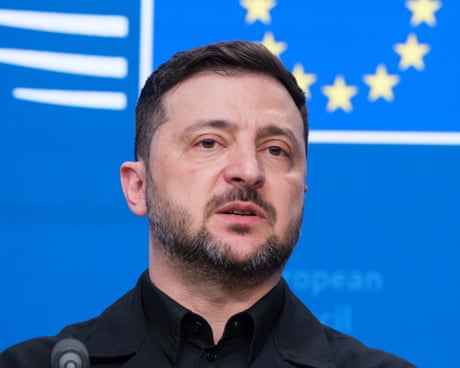
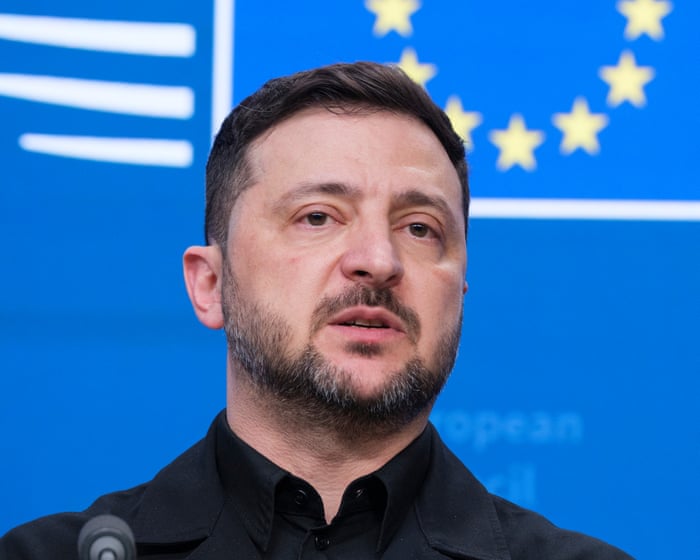
EU leaders have pledged a €90bn loan for Ukraine to meet urgent financial needs, but failed to agree on the preferred option for many of securing that loan against Russia’s frozen assets in the bloc.
After talks ended in the early hours of Friday, the president of the European Council, António Costa, told reporters: “We committed and we delivered.” He said EU leaders had approved a decision to make a €90bn loan to Ukraine for the next two years backed by the EU budget, which Kyiv would repay only once Russia pays reparations.
Continue reading...
© Photograph: Thierry Monasse/Getty Images
© Photograph: Thierry Monasse/Getty Images
© Photograph: Thierry Monasse/Getty Images
Intelligence service says attacks were work of groups connected to Russian state in ‘clear evidence’ of hybrid war
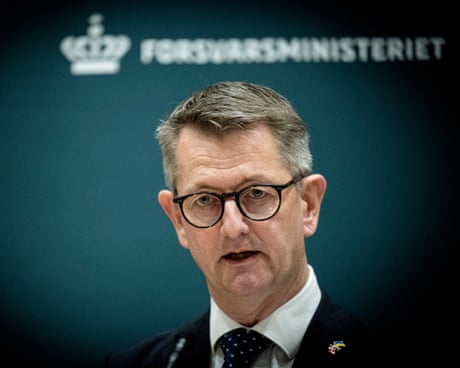
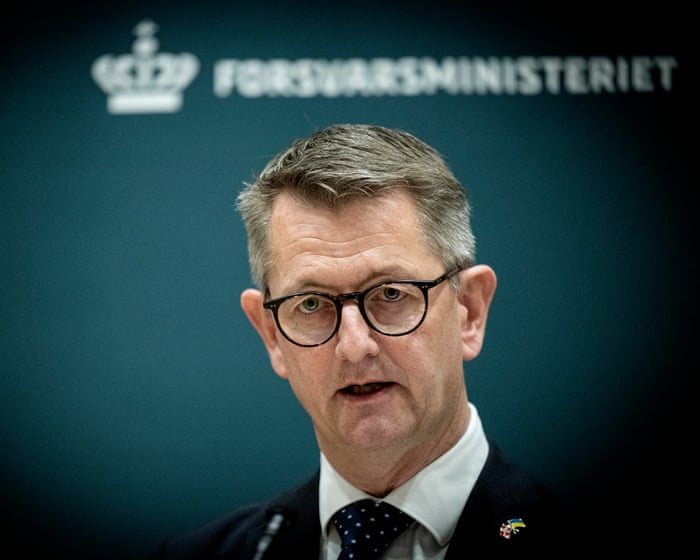
The Danish government has accused Russia of being behind two “destructive and disruptive” cyber-attacks in what it describes as “very clear evidence” of a hybrid war.
The Danish Defence Intelligence Service (DDIS) announced on Thursday that Moscow was behind a cyber-attack on a Danish water utility in 2024 and a series of distributed denial-of-service (DDoS) attacks on Danish websites in the lead-up to the municipal and regional council elections in November.
Continue reading...
© Photograph: Nils Meilvang/Ritzau Scanpix/AFP/Getty Images
© Photograph: Nils Meilvang/Ritzau Scanpix/AFP/Getty Images
© Photograph: Nils Meilvang/Ritzau Scanpix/AFP/Getty Images
The plan to mobilise Russia’s frozen assets is morally compelling and ingenious. The problem is that its enemies will never see it that way
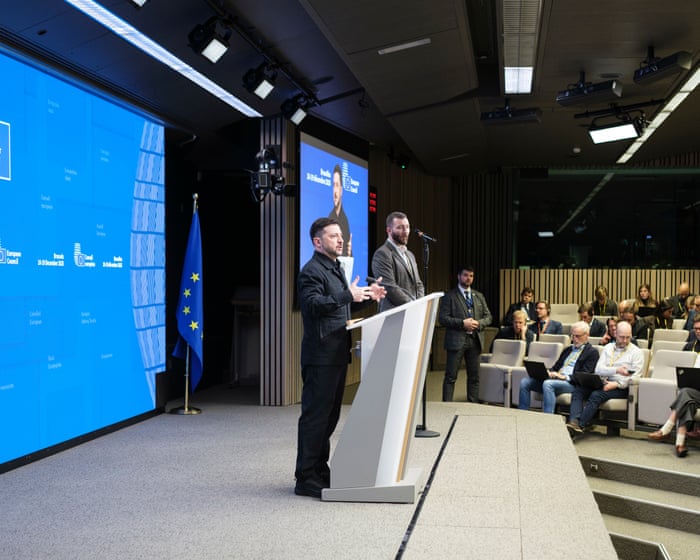
Morally, the decision facing the European Council in Brussels this week has been a no-brainer. Russia invaded Ukraine illegally and unilaterally. Moscow shows no sign of wanting peace. It actively threatens other countries too, including Britain. Ukraine is running out of money. Yet £184bn worth of Russian assets remain frozen in Europe, notably in Belgium. That money should therefore be mobilised to fund Ukraine. To many, this would be the enactment of a clear and present duty, proof positive that Europe can still be a heavy hitter.
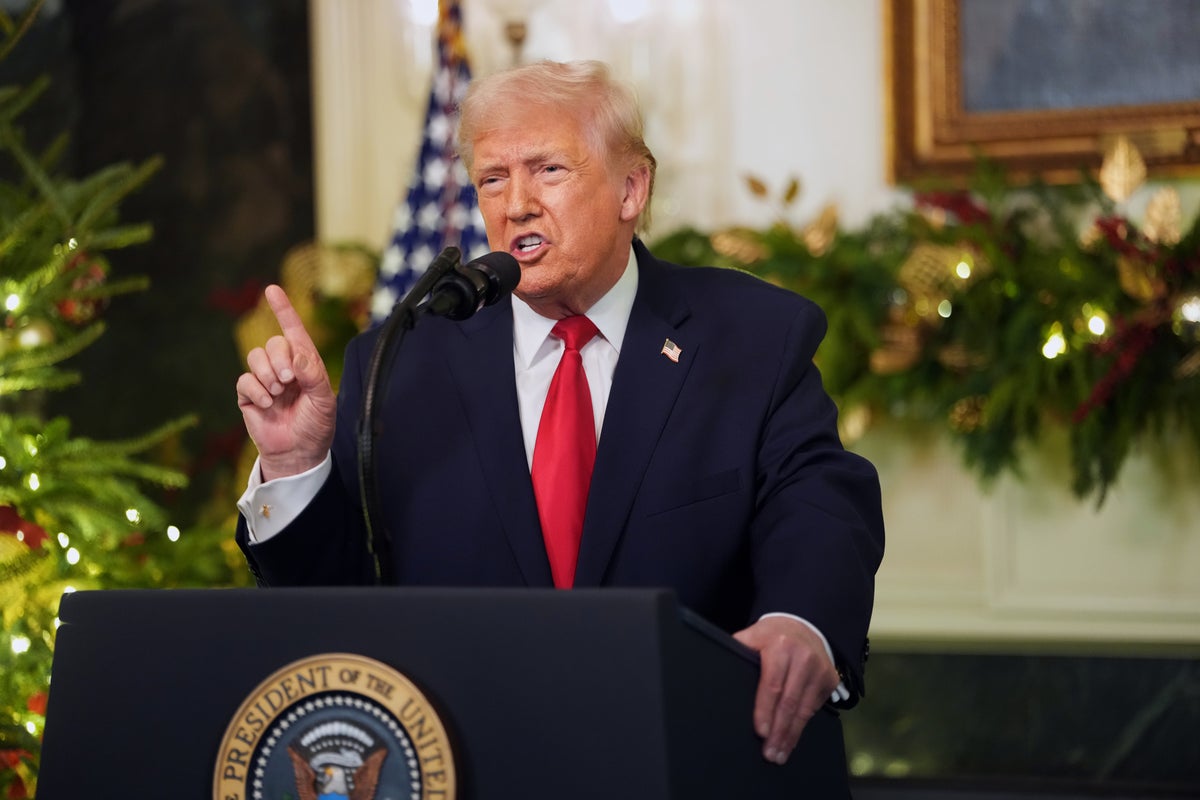
In the messy reaches of the real world, however, things have not been straightforward. Law, economics and politics all managed to insinuate themselves, sometimes venomously, into the intense buildup to Brussels. Reparations can have lethal political consequences. Seizure of assets will undoubtedly face legal challenge. It is also bitterly opposed by Donald Trump, who wants the unfreezing of assets to form a key part of his pro-Russian peace plan. Mr Trump is pressing hard for a quick deal, and US and Russian negotiators are poised to meet again in Miami at the weekend.
Do you have an opinion on the issues raised in this article? If you would like to submit a response of up to 300 words by email to be considered for publication in our letters section, please click here.
Continue reading...
© Photograph: Thierry Monasse/Getty Images

© Photograph: Thierry Monasse/Getty Images
© Photograph: Thierry Monasse/Getty Images
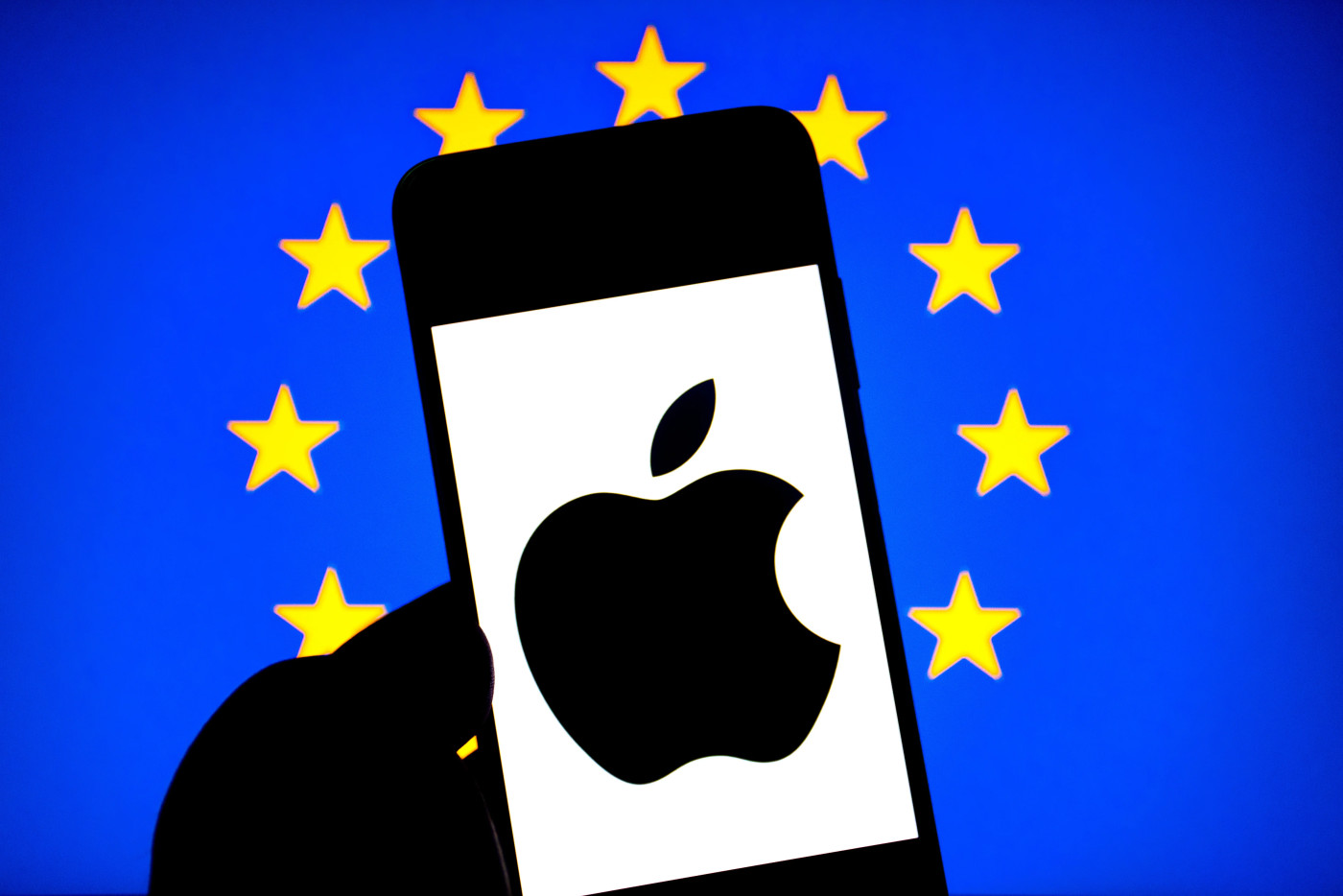
Ce 18 décembre 2025 marque un tournant pour l’iPhone au Japon avec l’entrée en vigueur du Mobile Software Competition Act (MSCA). Cette nouvelle législation impose à Apple et Google une ouverture sans précédent de leurs systèmes d’exploitation : boutiques d’applications tierces, paiements alternatifs, libre choix du navigateur par défaut et réduction des commissions. Contre toute […]
Suivez iPhoneAddict.fr sur Facebook, et suivez-nous sur Twitter
N'oubliez pas de télécharger notre Application gratuite iAddict pour iPhone et iPad (lien App Store)
L’article Apple critique le DMA en Europe et encense les demandes du Japon est apparu en premier sur iPhoneAddict.fr.
Ce 18 décembre 2025 marque un tournant pour l’iPhone au Japon avec l’entrée en vigueur du Mobile Software Competition Act (MSCA). Cette nouvelle législation impose à Apple et Google une ouverture sans précédent de leurs systèmes d’exploitation : boutiques d’applications tierces, paiements alternatifs, libre choix du navigateur par défaut et réduction des commissions. Contre toute […]
Suivez iPhoneAddict.fr sur Facebook, et suivez-nous sur Twitter
N'oubliez pas de télécharger notre Application gratuite iAddict pour iPhone et iPad (lien App Store)
L’article Apple critique le DMA en Europe et encense les demandes du Japon est apparu en premier sur iPhoneAddict.fr.
© ASSOCIATED PRESS
Summit divided on idea of loan secured against Russian assets, as Belgium seeks guarantees if scheme goes wrong
EU leaders are racing to secure a funding deal for Ukraine that has been cast as a choice between “money today or blood tomorrow”, but Belgium continues to oppose a loan secured against Russia’s frozen assets.
At a summit billed as make or break, EU leaders are discussing an unprecedented move to tap some of Russia’s €210bn sovereign assets frozen in the bloc days after the full-scale invasion of 2022.
Continue reading...
© Photograph: Ukrainian Armed Forces/Reuters
© Photograph: Ukrainian Armed Forces/Reuters
© Photograph: Ukrainian Armed Forces/Reuters
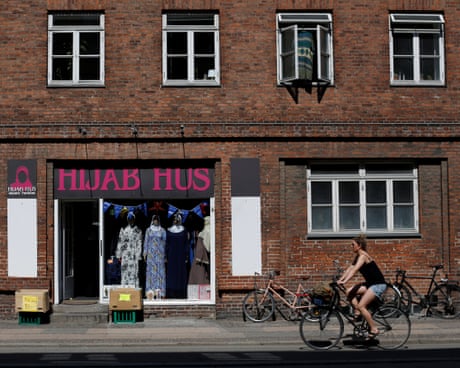
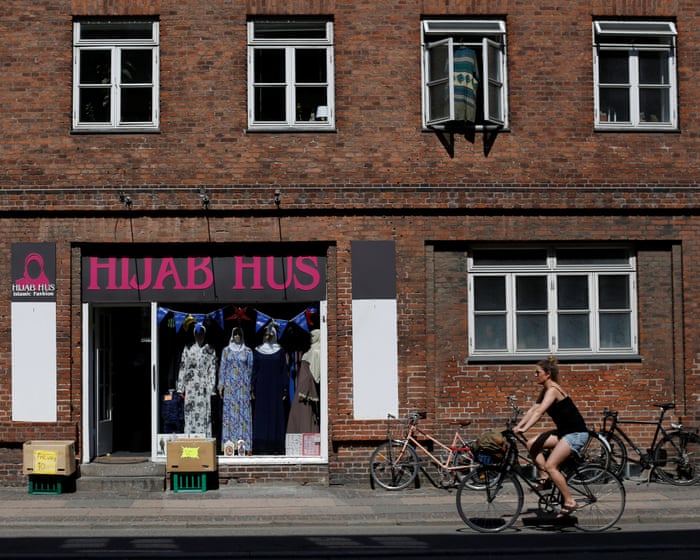
ECJ ruling brings hope to area of city targeted over high percentage of residents with ‘non-western’ backgrounds
Residents of a Copenhagen neighbourhood that became an international symbol of a law in Denmark known as the “ghetto law” have said they are confident they can overturn the legislation in the Danish courts after the top EU court ruled that it may be unlawful.
The controversial law, dating from 2018, allows the state to demolish apartment blocks in areas labelled “parallel societies” by the government, where at least half of residents have a “non-western” background. Formerly, the government referred to these neighbourhoods as “ghettoes”.
Continue reading...
© Photograph: Andrew Kelly/Reuters
© Photograph: Andrew Kelly/Reuters
© Photograph: Andrew Kelly/Reuters



© Belarusian Presidential Press Service
Russia has been accused of repeated incursions into Nato territory by fighter jets and drones in recent months

© Estonian Border Guards
 Depuis plusieurs années, l’Union européenne assume un rôle moteur dans la régulation du numérique, avec des textes qui redessinent les rapports de force entre les plateformes, les États et les utilisateurs. Cette stratégie, pensée pour encadrer les géants technologiques et structurer le marché, suscite toutefois de vives tensions diplomatiques. Le dernier épisode en date concerne […] Depuis plusieurs années, l’Union européenne assume un rôle moteur dans la régulation du numérique, avec des textes qui redessinent les rapports de force entre les plateformes, les États et les utilisateurs. Cette stratégie, pensée pour encadrer les géants technologiques et structurer le marché, suscite toutefois de vives tensions diplomatiques. Le dernier épisode en date concerne […]