↩ Accueil

Vue lecture

La Station Spatiale Internationale est saturée : les huit ports d’amarrage sont occupés (et c’est une première !)

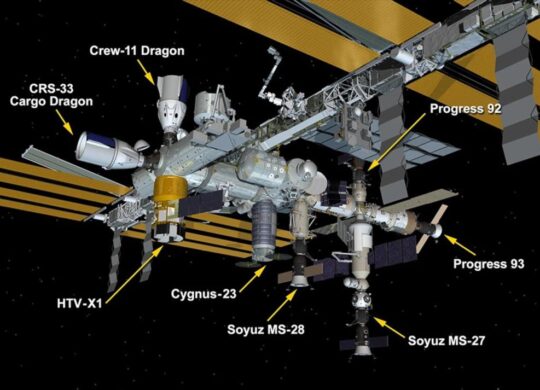
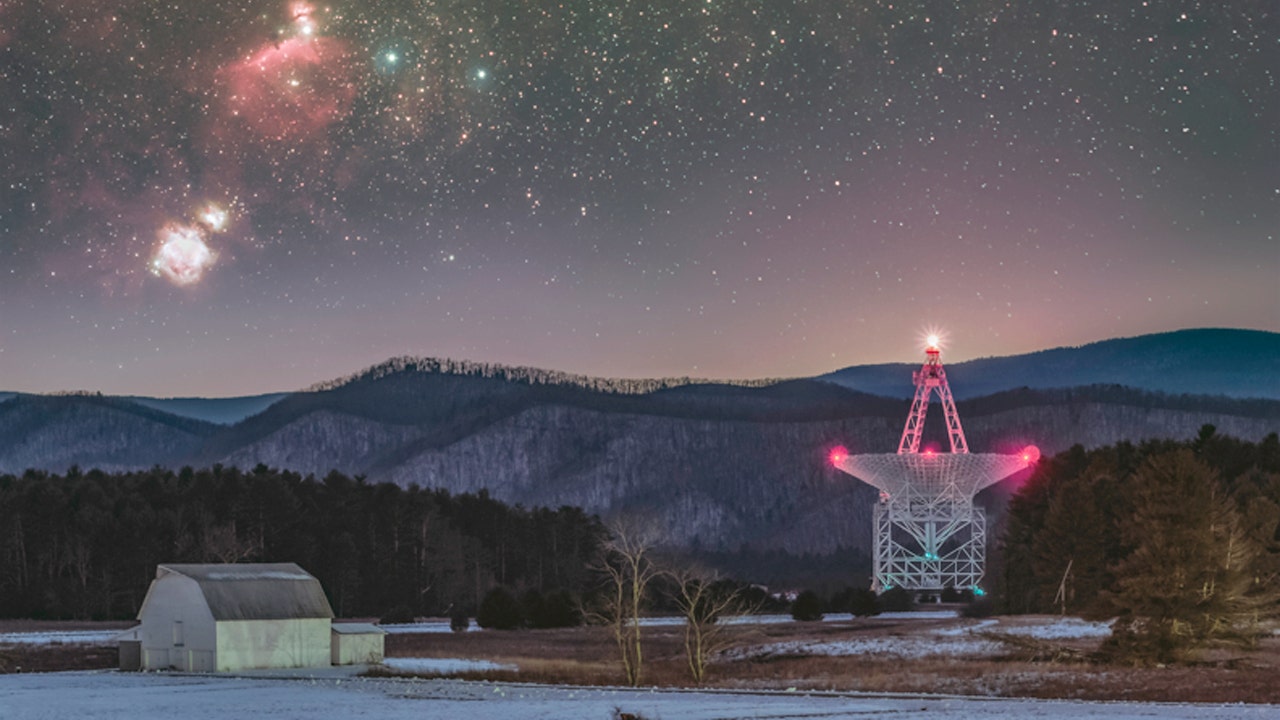
Pour la première fois depuis le début de son exploitation il y a près de 25 ans, la Station spatiale internationale (ISS) affiche une configuration totalement inédite : l’ensemble de ses huit ports d’amarrage est occupé simultanément ! Un scénario jamais observé auparavant, qui est le reflet direct …

Lire la suite

Aimez KultureGeek sur Facebook, et suivez-nous sur Twitter

N'oubliez pas de télécharger notre Application gratuite iAddict pour iPhone et iPad (lien App Store)


L’article La Station Spatiale Internationale est saturée : les huit ports d’amarrage sont occupés (et c’est une première !) est apparu en premier sur KultureGeek.


  •  

La Station Spatiale Internationale est saturée : les huit ports d’amarrage sont occupés (et c’est une première !)

Pour la première fois depuis le début de son exploitation il y a près de 25 ans, la Station spatiale internationale (ISS) affiche une configuration totalement inédite : l’ensemble de ses huit ports d’amarrage est occupé simultanément ! Un scénario jamais observé auparavant, qui est le reflet direct …

Lire la suite

Aimez KultureGeek sur Facebook, et suivez-nous sur Twitter

N'oubliez pas de télécharger notre Application gratuite iAddict pour iPhone et iPad (lien App Store)


L’article La Station Spatiale Internationale est saturée : les huit ports d’amarrage sont occupés (et c’est une première !) est apparu en premier sur KultureGeek.

  •  

Science journal retracts study on safety of Monsanto’s Roundup: ‘serious ethical concerns’

Paper published in 2000 found glyphosate was not harmful, while internal emails later revealed company’s influence

The journal Regulatory Toxicology and Pharmacology has formally retracted a sweeping scientific paper published in 2000 that became a key defense for Monsanto’s claim that Roundup herbicide and its active ingredient glyphosate don’t cause cancer.

Martin van den Berg, the journal’s editor in chief, said in a note accompanying the retraction that he had taken the step because of “serious ethical concerns regarding the independence and accountability of the authors of this article and the academic integrity of the carcinogenicity studies presented”.

The paper, titled Safety Evaluation and Risk Assessment of the Herbicide Roundup and Its Active Ingredient, Glyphosate, for Humans, concluded that Monsanto’s glyphosate-based weed killers posed no health risks to humans – no cancer risks, no reproductive risks, no adverse effects on development of endocrine systems in people or animals.

Continue reading...

© Photograph: Douglas Sacha/Getty Images

© Photograph: Douglas Sacha/Getty Images

© Photograph: Douglas Sacha/Getty Images

  •  

CDC Vaccine Committee Ends Recommendation That All Newborns Receive Hepatitis B Shots

In a step toward Health Secretary Robert F. Kennedy Jr.’s goal of upending vaccine policy, the committee decided to delay the shots for babies of mothers who test negative for the virus, reversing longstanding guidance.

© Alyssa Pointer/Reuters

Dr. Robert Malone, the panel’s vice chair, addressing the meeting of the Advisory Committee on Immunization Practices to discuss childhood vaccine schedule, at the C.D.C. in Atlanta on Friday.
  •  

Des volcans de glace sur la comète 3I/Atlas ?!

Pour cette semaine du 1er décembre : Cette semaine dans Futura Récap : un gisement d'or colossal découvert en Iran, des volcans de glace observés sur la comète 3I/Atlas, nos chats domestiques seraient bien plus jeunes que ce qu'on croyait, le seuil de pollution au-delà duquel faire du sport ne...

  •  

Deux étoiles géantes ont frôlé notre système solaire il y a des millions d’années

Il y a environ 4,5 millions d’années, deux astres massifs ont traversé les parages de notre système solaire lors de leur périple à travers la Voie lactée. Leur passage a peut-être laissé des traces encore décelables aujourd’hui. Des astrophysiciens ont calculé que ces corps célestes, désormais situés entre 400 et 500 années-lumière de la Terre, ... Lire plus

L'article Deux étoiles géantes ont frôlé notre système solaire il y a des millions d’années est apparu en premier sur Fredzone.
  •  

Comment une éruption volcanique aurait déclenché la propagation de la peste noire en Europe

Des chercheurs viennent d’établir un lien surprenant entre un cataclysme volcanique majeur et la diffusion de la peste bubonique à travers l’Europe au XIVe siècle. En recoupant différentes sources scientifiques, l’équipe a reconstitué une microcrise climatique d’origine volcanique qui aurait profondément modifié les circuits commerciaux et les déplacements, créant ainsi les conditions parfaites pour l’arrivée ... Lire plus

L'article Comment une éruption volcanique aurait déclenché la propagation de la peste noire en Europe est apparu en premier sur Fredzone.
  •  

Une bactérie inédite transmise par les tiques inquiète les scientifiques américains

Plusieurs chiens sont décédés aux États-Unis après avoir contracté une infection provoquée par un pathogène jusqu’alors inconnu. Appartenant au même groupe bactérien responsable des « fièvres pourprées », ce micro-organisme fait l’objet d’une surveillance accrue de la part des chercheurs, qui redoutent une transmission potentielle à l’espèce humaine. La famille à laquelle appartient cette bactérie ... Lire plus

L'article Une bactérie inédite transmise par les tiques inquiète les scientifiques américains est apparu en premier sur Fredzone.
  •  

Over a pint in Oxford, we may have stumbled upon the holy grail of agriculture | George Monbiot

I knew that a revolution in our understanding of soil could change the world. Then came a eureka moment – and the birth of the Earth Rover Program

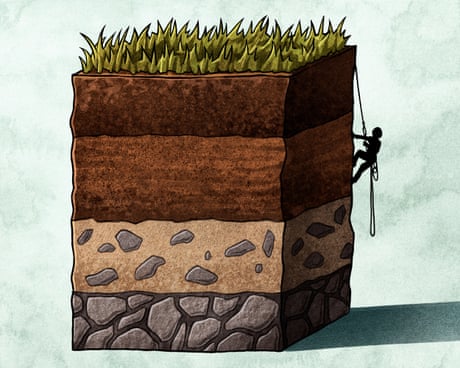
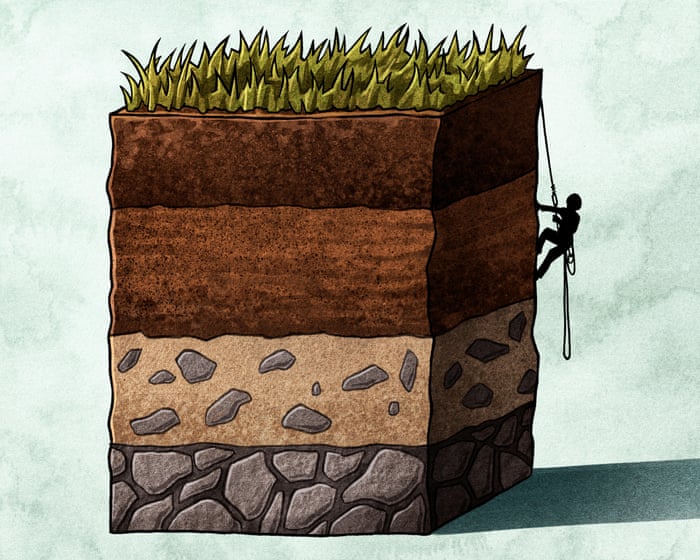
It felt like walking up a mountain during a temperature inversion. You struggle through fog so dense you can scarcely see where you’re going. Suddenly, you break through the top of the cloud, and the world is laid out before you. It was that rare and remarkable thing: a eureka moment.

For the past three years, I’d been struggling with a big and frustrating problem. In researching my book Regenesis, I’d been working closely with Iain Tolhurst (Tolly), a pioneering farmer who had pulled off something extraordinary. Almost everywhere, high-yield farming means major environmental harm, due to the amount of fertiliser, pesticides and (sometimes) irrigation water and deep ploughing required. Most farms with apparently small environmental impacts produce low yields. This, in reality, means high impacts, as more land is needed to produce a given amount of food. But Tolly has found the holy grail of agriculture: high and rising yields with minimal environmental harm.

George Monbiot is a Guardian columnist

Continue reading...

© Illustration: Ben Jennings/The Guardian

© Illustration: Ben Jennings/The Guardian

© Illustration: Ben Jennings/The Guardian

  •  

Quand les coraux deviennent les médecins du climat

Les récifs coralliens ne sont pas seulement des témoins de la crise climatique : ils pourraient bien influencer la manière dont la planète s'en remet. Une nouvelle étude révèle un mécanisme inattendu, où l'effondrement des coraux déclenche un véritable processus de réparation.Bienvenue dans ce...

  •  

A diving prince, sunken treasure and snared by the Titanic: Joe MacInnis on his ‘rip-roaring’ life as an ocean adventurer

At 88, the Canadian reflects on a golden era of underwater discovery and how shipwrecks and the cruel sea are the ‘greatest of all teachers’

Joe MacInnis admits there are simply too many places to begin telling the story of life in the ocean depths. At 88, the famed Canadian undersea explorer, has many decades to draw on. There was the time he and a Russian explorer and deep-water pilot, Anatoly Sagalevich, were snagged by a telephone wire strung from the pilot house of the Titanic, trapping the pair two and a half miles below the surface.

Another might be the moment he and his team stared in disbelief through a porthole window at the Edmund Fitzgerald, the 222-metre (729ft) ship that vanished 50 years ago into the depths of Lake Superior, so quickly that none of the crew could issue a call for help. MacInnis and his team were the first humans to lay eyes on the wreck.

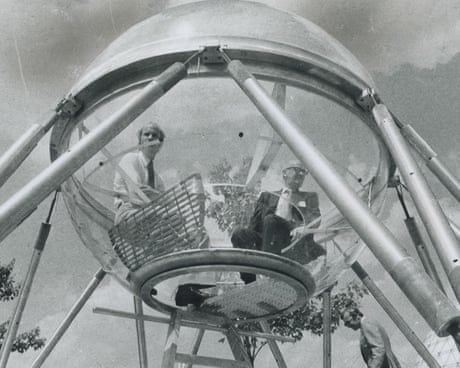
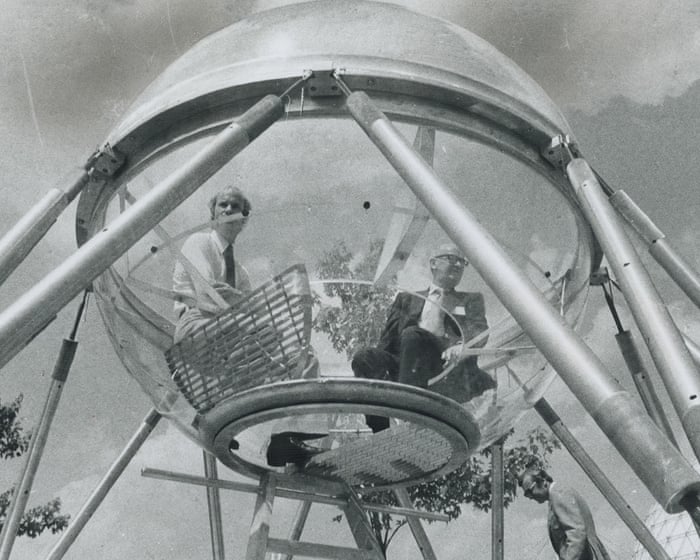
MacInnis diving in Lake Huron, off Tobermory, Canada, in 1969. Photograph: Don Dutton/Toronto Star/Getty Images

Continue reading...

© Photograph: Ron Bull/Toronto Star/Getty Images

© Photograph: Ron Bull/Toronto Star/Getty Images

© Photograph: Ron Bull/Toronto Star/Getty Images

  •  

Un cosmonaute russe écarté d’une mission SpaceX… à cause de soupçons d’espionnage ?

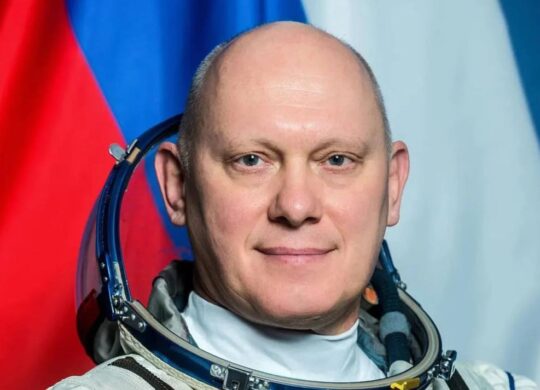
Un nouveau fait troublant vient secouer la coopération spatiale internationale. Le cosmonaute russe Oleg Artemyev a été retiré de la mission Crew-12 de SpaceX qui doit rejoindre la Station spatiale internationale (ISS) au mois de février 2026. Roscosmos a confirmé son remplacement par Andreï Fedyayev, sans fournir d’explication …

Lire la suite

Aimez KultureGeek sur Facebook, et suivez-nous sur Twitter

N'oubliez pas de télécharger notre Application gratuite iAddict pour iPhone et iPad (lien App Store)


L’article Un cosmonaute russe écarté d’une mission SpaceX… à cause de soupçons d’espionnage ? est apparu en premier sur KultureGeek.

  •  

‘Never seen anything like this’: alarm at memo from top US vaccine official

Vinay Prasad memo said at least 10 children had died from Covid vaccination – but offered scant evidence for claim

America’s top vaccines official promised, in a long and argumentative memo to staff on Friday, to revamp vaccine regulation after claiming that at least 10 children died from Covid vaccination – but he offered no evidence for that allegation and scant details on the new approach.

The top-down changes, without input from outside advisers or publication of data, worry experts who fear vaccines such as the flu shot may quickly disappear and that public trust will take a major hit.

Continue reading...

© Photograph: Hannah Beier/Reuters

© Photograph: Hannah Beier/Reuters

© Photograph: Hannah Beier/Reuters

  •  

Vaccine Advisory Panel Again Postpones Vote on Hepatitis B Shot for Newborns

After heated disagreements, the committee members, appointed by Health Secretary Robert F. Kennedy Jr., delayed the vote until Friday morning. It was the third time the vote had been postponed.

© Kristian Thacker for The New York Times

Members of the Advisory Committee on Immunization Practices may decide to end the recommendation that babies get immunized against hepatitis B.
  •