Artist who once draped Barbican in brightly coloured fabric says he is humbled by recognition in ArtReview rankings
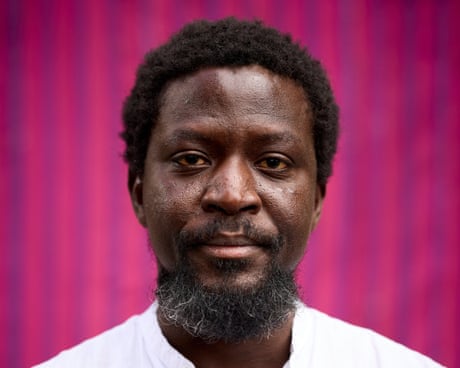
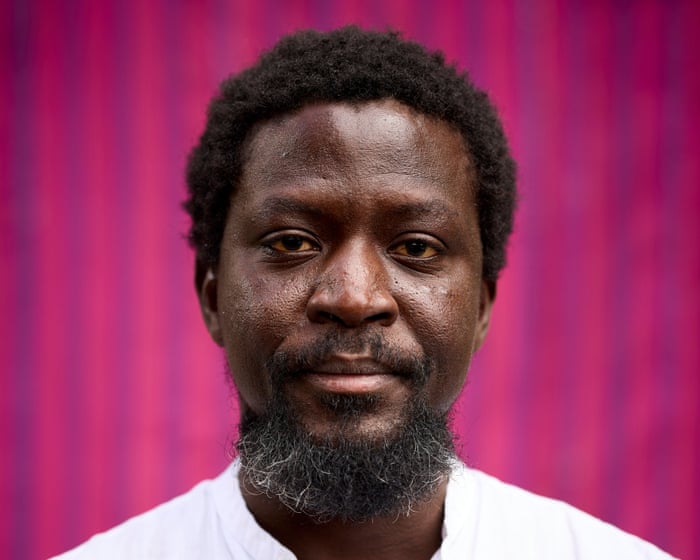
The Ghanaian artist Ibrahim Mahama has become the first African to be named the most influential figure in the art world in ArtReview magazine’s annual power list.
Mahama, whose work often uses found materials including textile remnants, topped the ranking of the contemporary art world’s most influential people and organisations as chosen by a global judging panel.
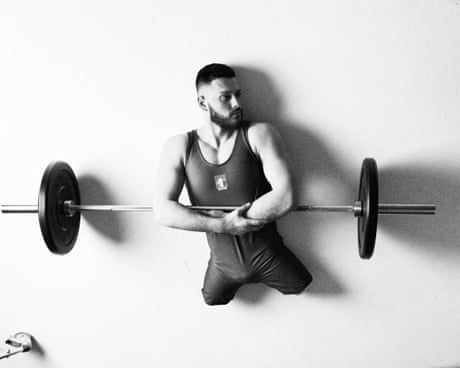
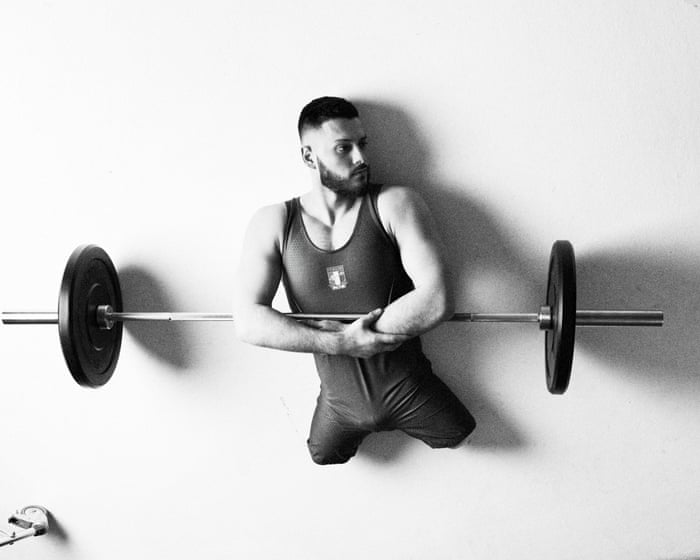
‘When I saw him leaning back on the floor, I said, “Donato, please don’t move!” Then I jumped on a ladder and shot him from above’
This image is part of a series commissioned by the Italian Paralympic Committee. They asked me to photograph the country’s leading athletes before the 2024 Paralympic Games in Paris. I probably covered 30 different people over three days – I’m a quick shooter. I started out photographing on film, which is still my preferred medium. Even when I’m shooting digitally, I’m very selective and take care with every click.
On a logistical level, it was much easier for me to work in a studio, though that was something I don’t usually choose to do. I’m more of an outside photographer: I like to go on location or shoot people in a park.
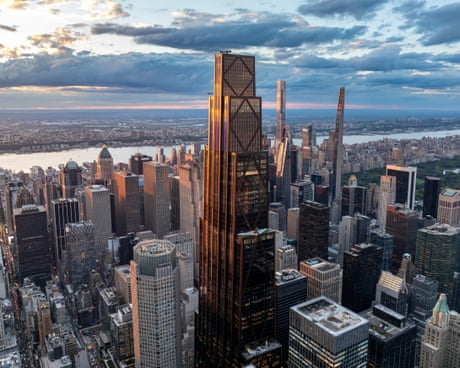
It contains enough steel to go round the world twice – and even has a fake breeze to flutter the stars-and-stripes flag in its lobby. If this colossus is just the first of a new breed of bulky supertalls, is Britain next?
Among the slender needles and elegant spires of the Manhattan skyline, a mountainous lump has reared into view. It galumphs its way up above the others, climbing in bulky steps with the look of several towers strapped together, forming a dark, looming mass. From some angles it forms the silhouette of a hulking bar chart. From others, it glowers like a coffin, ready to swallow the dainty Chrysler building that trembles in its shadow. It is New York’s final boss, a brawny, bronzed behemoth that now lords it over the city with a brutish swagger.
Fittingly, this is the new global headquarters of JP Morgan, the world’s biggest bank. The firm enjoys a market capitalisation of $855bn (£645bn), more than Bank of America, Wells Fargo and Citigroup’s combined, and it looks as if it might have swallowed all three inside its tinted glass envelope. Last year, for the first time, it made more than $1bn a week in profits. Chairman and chief executive Jamie Dimon likes to boast of its “fortress balance sheet”, and he now has an actual fortress to go with it – built at a cost, he revealed at the opening, of around $4bn. He has certainly made his mark. It would be hard to design a more menacing building if you tried.
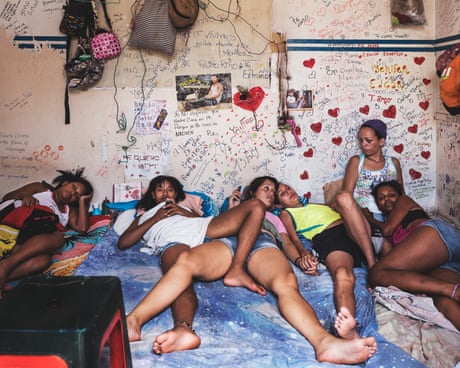
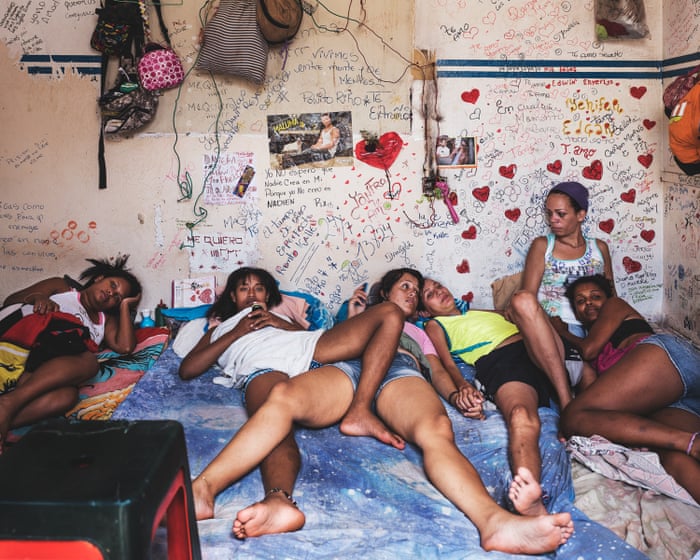
In her portraits from an overcrowded Venezuelan detention centre, Ana María Arévalo Gosen captures the frustration of women desperate for news from their lawyers and families
This photograph was taken inside the Poli-Valencia detention centre, where I began to understand what imprisonment means for women in Venezuela. The room had once been an investigation office, converted into a cell after authorities decided to move the women out of the main area, where they had been held alongside male detainees.
When I returned a year later, the space had been transformed. The women had made it their own, covering the walls with names, phrases and small drawings of hearts, even taping up a poster of the Colombian singer Maluma. What had once been a sterile office now held traces of their presence, their effort to hold on to a sense of identity in a place meant to erase it.
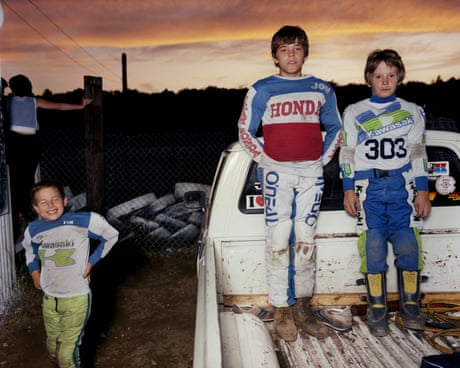
Jack Lueders-Booth has been racing, repairing and photographing motorbikes for decades. His new book captures those people who crave the risk and romance of the road
 Connexion