↩ Accueil

Vue lecture

Scythe launches Kotetsu Mark 4 CPU cooler with upgraded Wonder Tornado fan

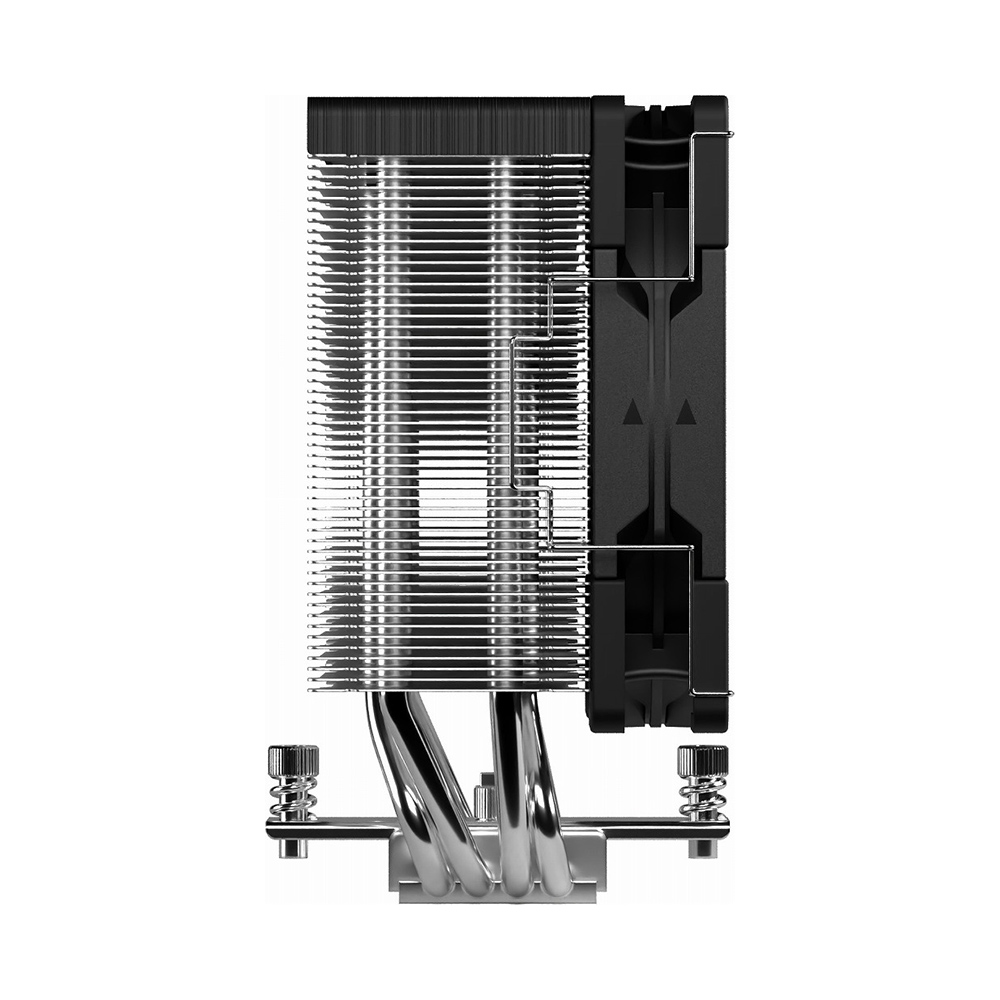
Scythe Japan has officially introduced the Kotetsu Mark 4 (model SCKTT-4000), the latest iteration of its popular entry-level air cooler. Designed to replace the Kotetsu Mark 3, this new model retains the signature single-tower form factor while integrating significant performance upgrades, most notably the transition to the new Wonder Tornado 120 mm PWM fan.

Brought to our attention by ITHome (via TechPowerUP), the new Kotetsu Mark 4 features four 6 mm nickel-plated heatpipes, maintaining the thermal transfer standards of its predecessor. Physically, the Mark 4 is slightly more compact than the Mark 3, measuring 134×155×80 mm compared to the previous 138×154×80 mm, and weighing 771 g, including the fan. The aesthetic has also been refined with a redesigned top cover that offers a cleaner, more premium look for system builders who value attention to detail.
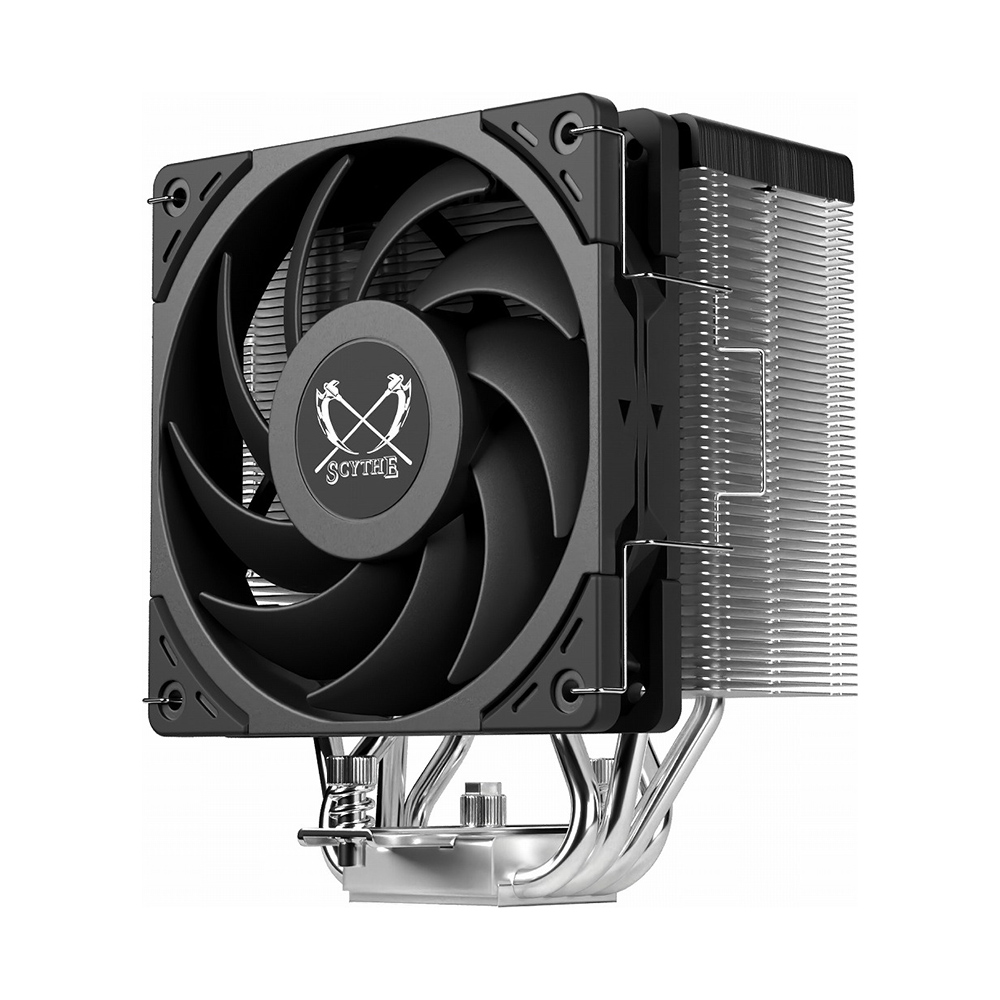
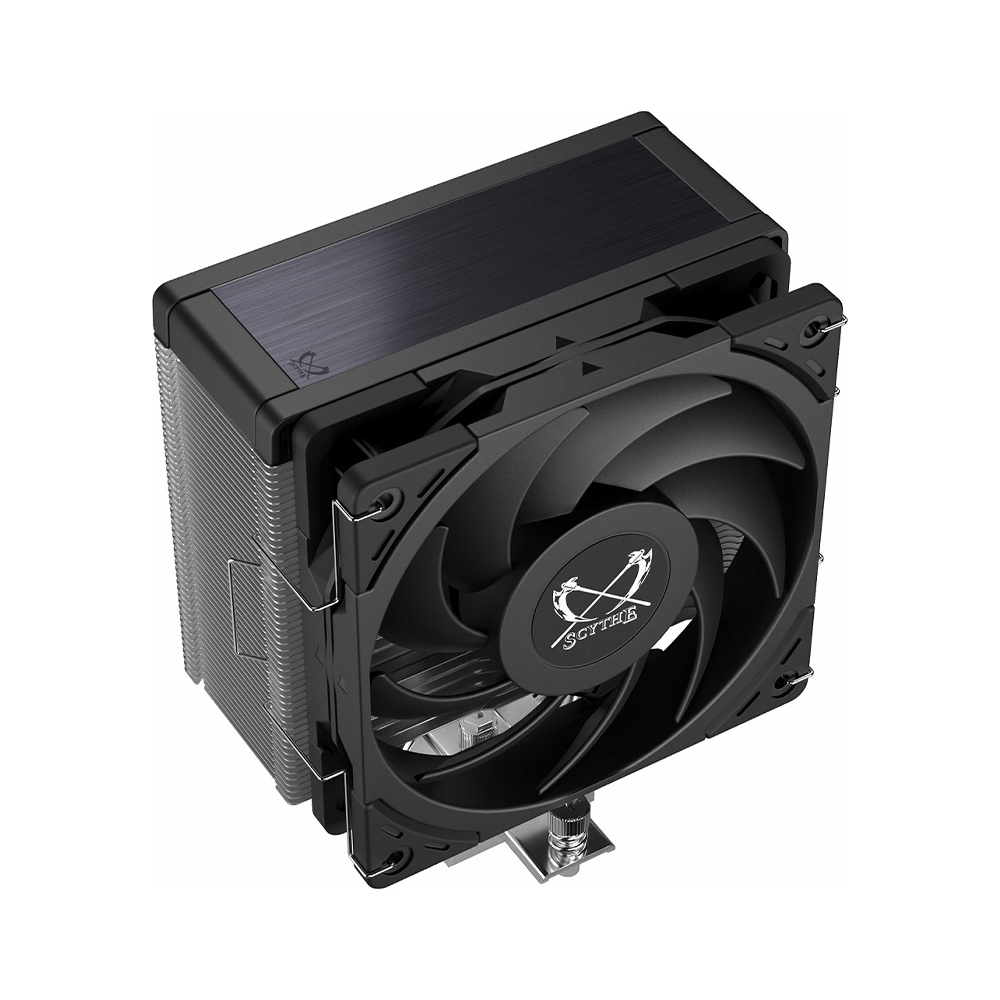
The new fan choice is what drives the performance improvements. Replacing the Kaze Flex II used in the previous generation, the Wonder Tornado 120 mm fan operates between 350 (±200) RPM and 2000 RPM. This configuration delivers a rated airflow of up to 60.29 CFM and a static pressure range of 0.05 to 2.45 mmH₂O. These specifications ensure the cooler is well-equipped to handle modern mainstream processors, even in space-constrained mid-tower cases, with noise levels ranging from 3.0 dBA to 28.88 dBA.

Scythe has ensured broad compatibility for the new unit, supporting AMD's AM4 and AM5 platforms as well as Intel's LGA 1851, 1700, 1200, and 115X sockets. The cooler is currently priced at ¥3,480 (approximately £17) in Japan.

KitGuru says: Although it won't top any performance charts, the Kotetsu Mark 4 could be a solution worth considering for someone building an entry-level system that wants something more than your typical stock cooler.

The post Scythe launches Kotetsu Mark 4 CPU cooler with upgraded Wonder Tornado fan first appeared on KitGuru.
  •  

Creative Assembly officially unveils Total War: Warhammer 40,000

SEGA and Creative Assembly have officially announced Total War: Warhammer 40,000, marking a historic shift for the award-winning strategy franchise as it leaves the fantasy realm for the grim darkness of the 41st Millennium. Revealed at The Game Awards with a cinematic trailer, the upcoming title places players in the Era Indomitus, where they will wage war on a galactic scale. This new entry promises to maintain the series' signature blend of turn-based strategy and massive real-time battles, but expanded to include planetary conquest, fleet management, and apocalyptic weaponry.

At launch, players will be able to command four factions: the Space Marines, the Astra Militarum, the Orks, and the Aeldari. Each faction will feature distinct playstyles and challenges across both campaign and battle modes. The game will include a variety of units ranging from standard battleline infantry and tanks to massive walkers and war engines.

A new feature for the series is deep army customisation. Players will have the freedom to personalize their forces or create entirely new thematic armies. This includes customizing names, color schemes, and heraldry, as well as defining specific traits and tactics for their commanders.

In a first for the franchise, Total War: Warhammer 40,000 will debut on consoles alongside the PC release. The game is confirmed for PlayStation 5 and Xbox Series X|S, bringing the massive scale of Total War battles to console players for the first time. No release date has been set yet.

KitGuru says: Do you like Total War games? What do you think of bringing the game series to the Warhammer 40K universe?

The post Creative Assembly officially unveils Total War: Warhammer 40,000 first appeared on KitGuru.
  •  

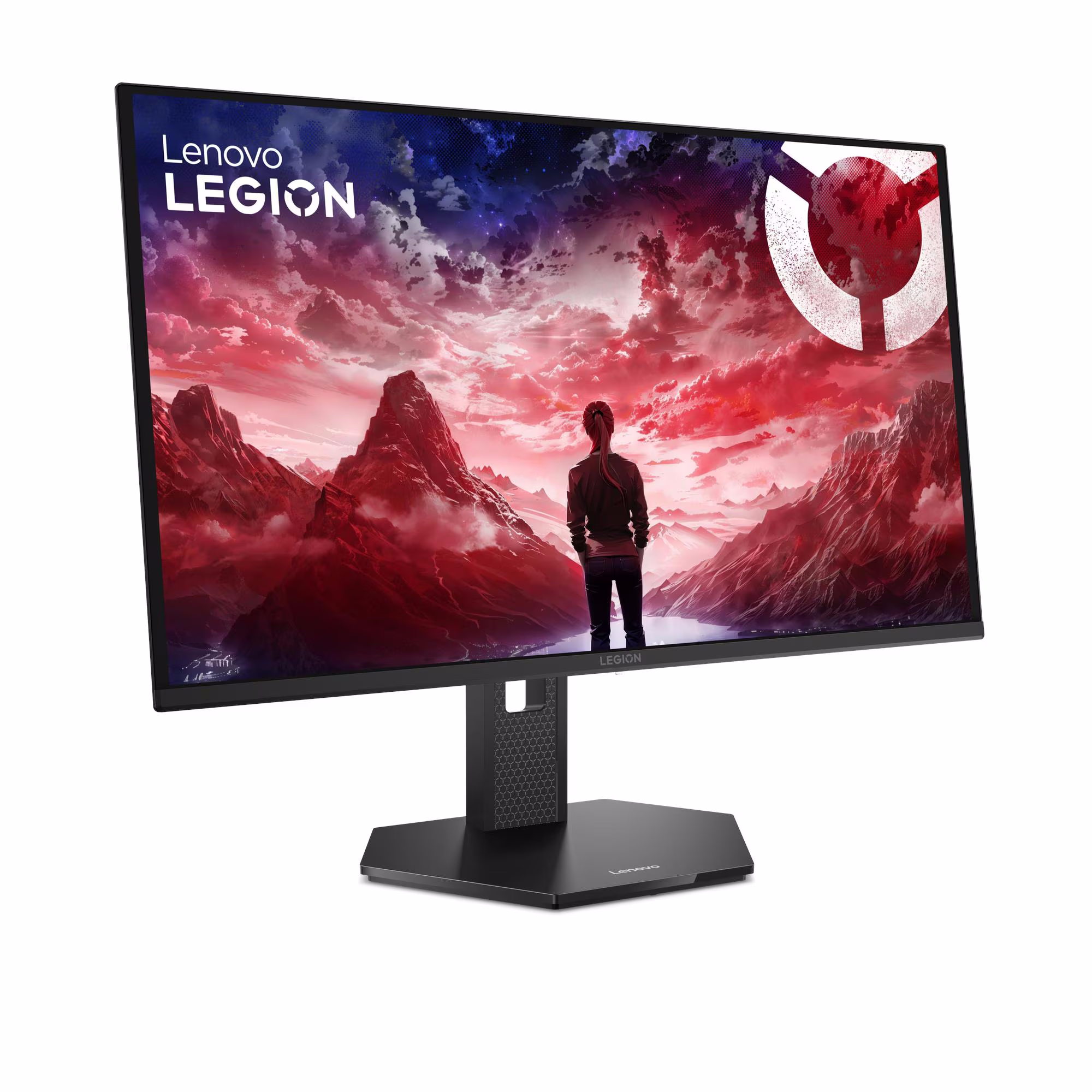
Lenovo lists new Legion 27Q-10 OLED gaming monitor

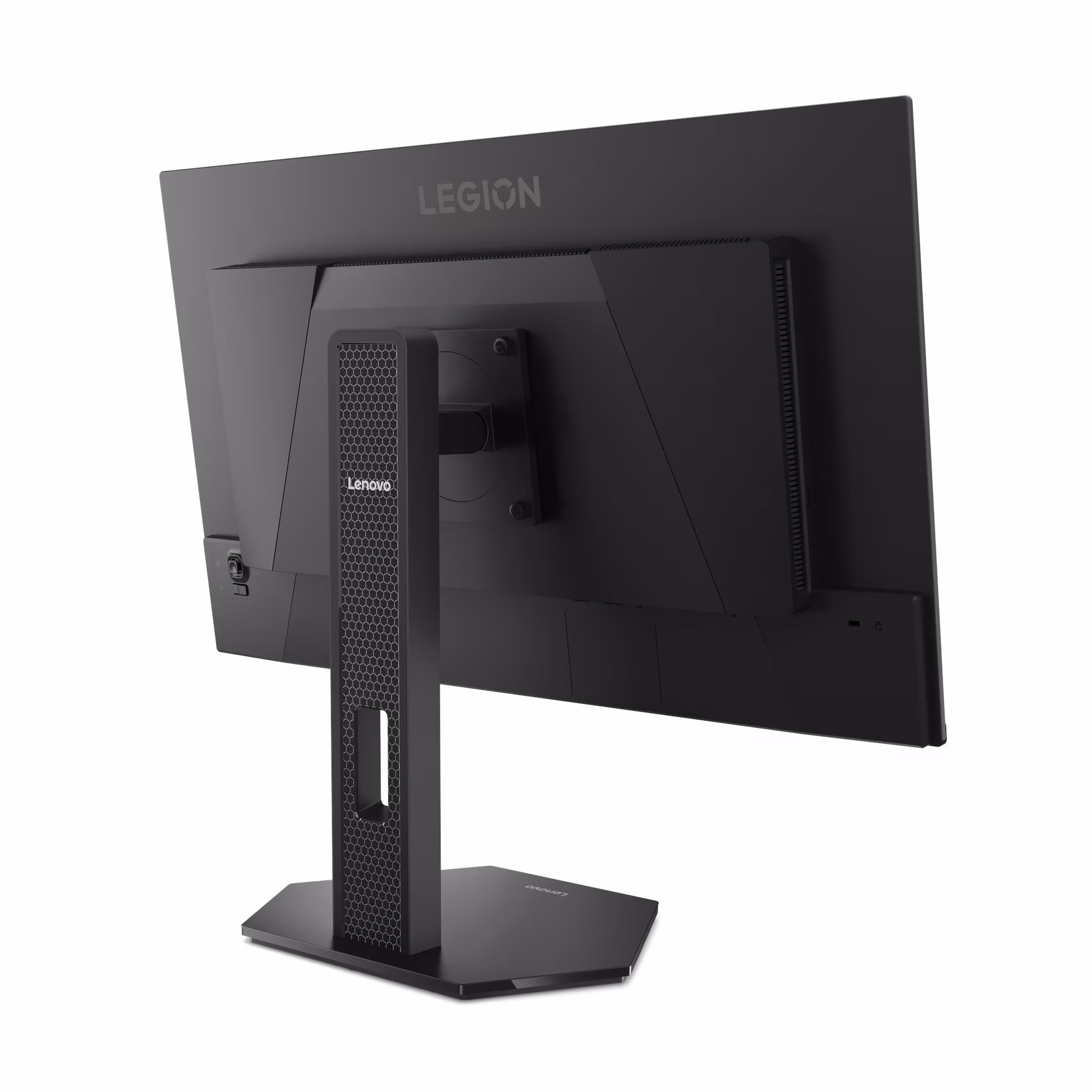
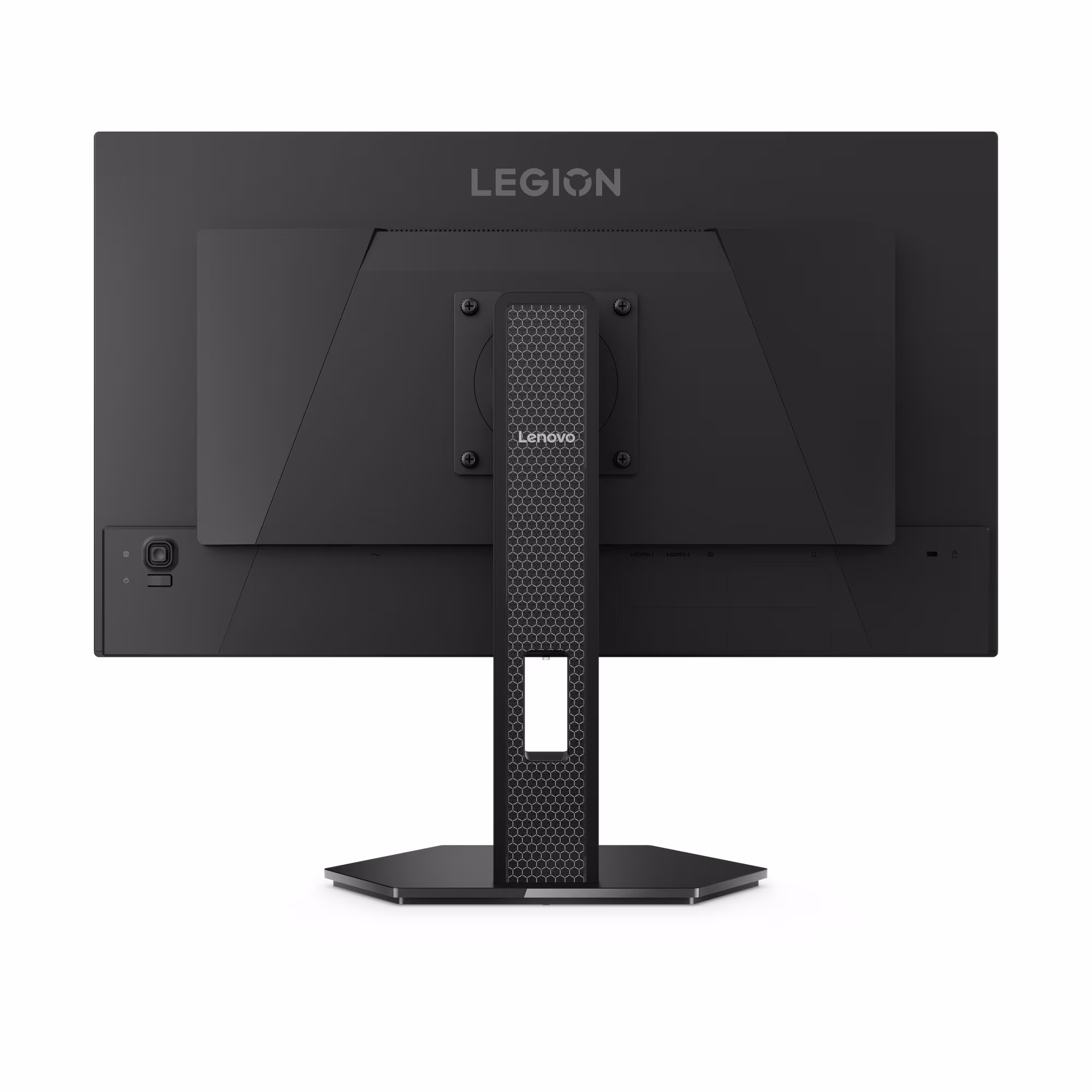
Lenovo has quietly listed a new gaming monitor that will surely cause some confusion due to its naming convention. The new Legion 27Q-10 OLED sits awkwardly between two existing products: the budget-friendly IPS model, named Legion 27Q-10, and the higher-specification Legion Pro 27Q-10. 

This new Legion 27Q-10 OLED (via Prad) monitor features a 26.5-inch QD-OLED panel with QHD resolution and a 240Hz refresh rate, representing a slight step down from the Pro version, which uses a similar panel overclocked to 280Hz. The panel boasts a contrast ratio of 1,500,000:1, 10-bit color depth, and 99% coverage of both DCI-P3 and sRGB color spaces. In terms of motion clarity, the screen has a 0.03ms G2G response time and a VESA ClearMR 13000 certification. FreeSync Premium is included to handle variable refresh rates, ensuring tear-free gameplay, although the monitor lacks official DisplayHDR certification despite supporting HDR10 signals with a peak brightness of 400 nits.

Potential buyers should be aware of a specific connectivity limitation, though. While the monitor includes two HDMI 2.1 ports, they use the older TMDS signaling protocol rather than the full-bandwidth FRL standard. This effectively limits the HDMI bandwidth to HDMI 2.0 speeds, capping the refresh rate at 144 Hz when using an HDMI cable. To unlock the full 240 Hz potential of the display, users must rely on the single DisplayPort 1.4 connection. Additionally, the monitor has a headphone output.

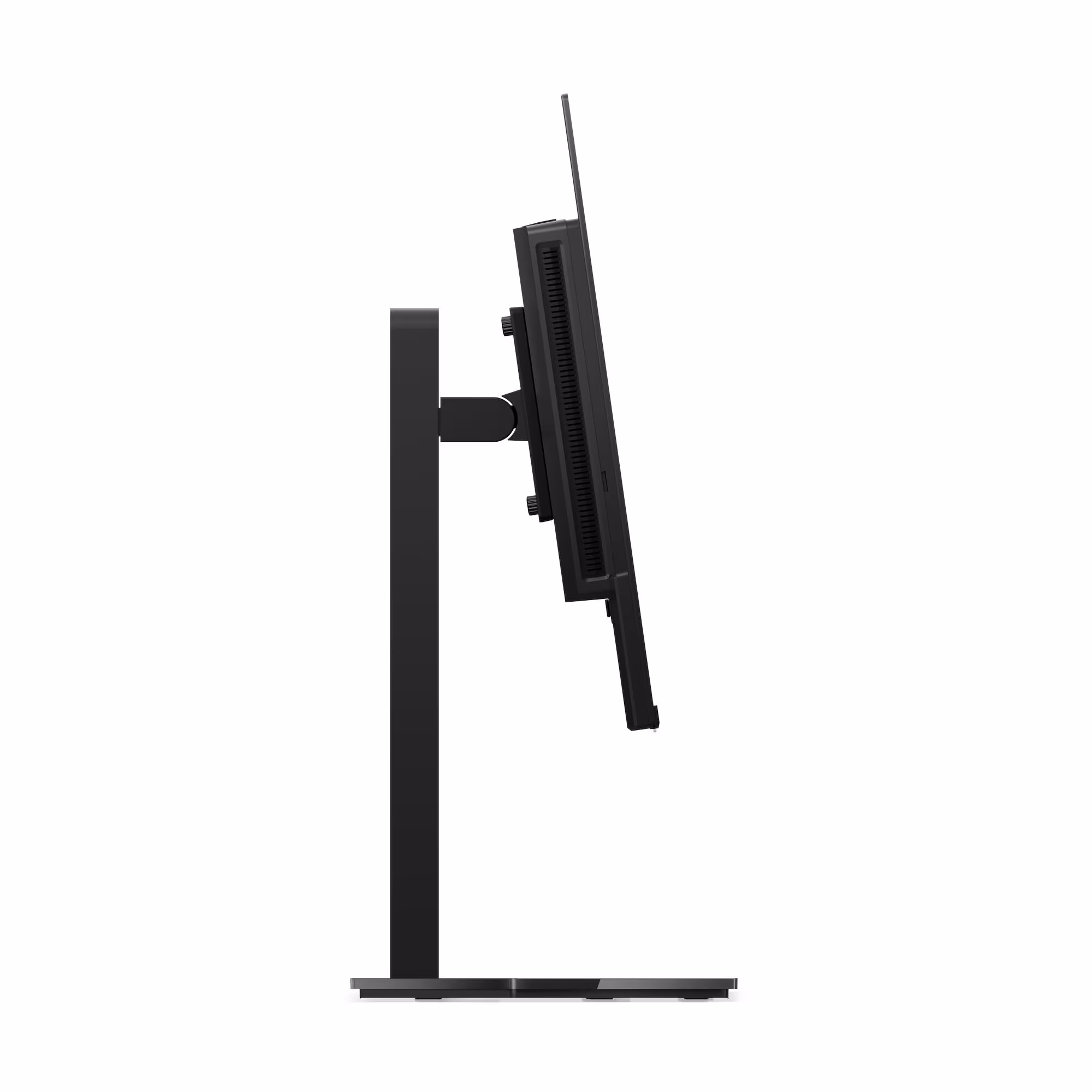
The stand offers solid ergonomic capabilities, with tilt, swivel, pivot, and height adjustment, along with support for standard 100 x 100mm VESA mounts. Lenovo includes a three-year warranty with this monitor. While an official release date for Europe is pending, pricing should be aggressive. This model will sit under the Legion Pro 27Q-10 in the line-up, which currently retailing at £500, so this new model should be a bit cheaper, making it one of the most affordable entry points into OLED gaming.

KitGuru says: How much would you be willing to spend on a monitor with such specs?

The post Lenovo lists new Legion 27Q-10 OLED gaming monitor first appeared on KitGuru.
  •  

Remedy reveals Control Resonant, a reality-warping sequel coming in 2026

Remedy has officially unveiled Control Resonant, the highly anticipated sequel to their award-winning supernatural thriller. Set for a 2026 release, this action-adventure RPG expands the franchise's scope significantly, moving the chaos from the confined corridors of the Oldest House to the open, distorted streets of New York City. The title is being self-published by Remedy with co-financing and production support from Annapurna Pictures.

The narrative shifts perspective to Dylan Faden, the troubled brother of the original protagonist, Jesse Faden. After years of confinement, Dylan is deployed by his former captors to the Federal Bureau of Control to combat a cosmic entity actively rewriting the laws of nature. His mission is both tactical and deeply personal; while fighting through a Manhattan on the brink of paranormal annihilation, he must search for his missing sister and struggle to maintain his humanity against the overwhelming power he wields.

Gameplay represents a significant change for the series, transitioning into a more Devil May Cry-like format. Players will master a deep progression system and wield the Aberrant, a shapeshifting melee weapon that adapts to different combat scenarios. The environment itself acts as both playground and adversary, featuring gravity-defying landscapes and metaphysical zones that reflect Dylan's fractured psyche.

Despite being a sequel, Remedy has designed the game to be accessible to newcomers so that players can jump straight into this adventure without prior knowledge of the first game. The game will launch on PlayStation 5, Xbox Series X|S, PC via Steam and Epic Games Store, and Mac.

KitGuru says: Did you play the original Control? Do you think the gameplay changes will attract more players to this universe?

The post Remedy reveals Control Resonant, a reality-warping sequel coming in 2026 first appeared on KitGuru.
  •  

Clair Obscur: Expedition 33 shatters records with nine wins at The Game Awards 2025

The 2025 edition of The Game Awards has concluded, and the ceremony belonged almost entirely to a single studio. French developer Sandfall Interactive saw its turn-based RPG, Clair Obscur: Expedition 33, sweep most awards it had been nominated for in a manner never before seen in the show's history. Securing the headline Game of the Year trophy was just the cherry on top of a night where the title secured a total of nine awards.

Beyond the top prize, the studio took home hardware for Best Game Direction, Best Narrative, and Best Art Direction. The audio department was similarly celebrated, winning Best Score, while Jennifer English (Maelle) was awarded Best Performance. Given its origins, the title naturally secured both Best Indie Game and Best Debut Indie Game, alongside the Best RPG award. With nine wins from a record-breaking 13 nominations, Clair Obscur: Expedition 33 has surpassed the previous record held by Naughty Dog's The Last of Us Part II, which secured seven awards in 2020.

The sweep was not entirely clean, however. The award for Best Audio Design, which also had Clair Obscur as a nominee, went to Battlefield 6. Additionally, the fan-voted Players' Voice award (in which Clair Obscur was also a nominee) was won by Wuthering Waves. Other winners were Hades 2, which got the Best Action Game award, Final Fantasy Tactics – The Ivalice Chronicles in the Best Sim/Strategy Game category, and Hollow Knight: Silksong in the Best Action/Adventure Game category. The complete list of winners can be found below:

GAME OF THE YEAR

  • Clair Obscur: Expedition 33 (Sandfall Interactive/Kepler Interactive) – Winner
  • Death Stranding 2: On The Beach (Kojima Productions/Sony Interactive Entertainment)
  • Donkey Kong Bananza (Nintendo EPD/Nintendo)
  • Hades II (Supergiant Games)
  • Hollow Knight: Silksong (Team Cherry)
  • Kingdom Come: Deliverance II (Warhorse Studios/Deep Silver)

BEST GAME DIRECTION

  • Clair Obscur: Expedition 33 (Sandfall Interactive/Kepler Interactive) – Winner
  • Death Stranding 2: On The Beach (Kojima Productions/Sony Interactive Entertainment)
  • Ghost of Yōtei (Sucker Punch Productions/Sony Interactive Entertainment)
  • Hades II (Supergiant Games)
  • Split Fiction (Hazelight Studios/EA)

BEST NARRATIVE

  • Clair Obscur: Expedition 33 (Sandfall Interactive/Kepler Interactive) – Winner
  • Death Stranding 2: On The Beach (Kojima Productions/Sony Interactive Entertainment)
  • Ghost of Yōtei (Sucker Punch Productions/Sony Interactive Entertainment)
  • Kingdom Come: Deliverance II (Warhorse Studios/Deep Silver)
  • Silent Hill f (NeoBards Entertainment/KONAMI)

BEST ART DIRECTION

  • Clair Obscur: Expedition 33 (Sandfall Interactive/Kepler Interactive) – Winner
  • Death Stranding 2: On The Beach (Kojima Productions/Sony Interactive Entertainment)
  • Ghost of Yōtei (Sucker Punch Productions/Sony Interactive Entertainment)
  • Hades II (Supergiant Games)
  • Hollow Knight: Silksong (Team Cherry)

BEST SCORE AND MUSIC

  • Christopher Larkin, Hollow Knight: Silksong
  • Darren Korb, Hades II
  • Lorien Testard, Clair Obscur: Expedition 33 – Winner
  • Toma Otowa, Ghost of Yōtei
  • Woodkid and Ludvig Forssell, Death Stranding 2: On The Beach

BEST AUDIO DESIGN

  • Battlefield 6 (Battlefield Studios/EA) – Winner
  • Clair Obscur: Expedition 33 (Sandfall Interactive/Kepler Interactive)
  • Death Stranding 2: On the Beach (Kojima Productions/Sony Interactive Entertainment)
  • Ghost of Yōtei (Sucker Punch Productions/Sony Interactive Entertainment)
  • Silent Hill f (NeoBards Entertainment/KONAMI)

BEST PERFORMANCE

  • Ben Starr, Clair Obscur: Expedition 33
  • Charlie Cox, Clair Obscur: Expedition 33
  • Erika Ishii, Ghost of Yōtei
  • Jennifer English, Clair Obscur: Expedition 33 – Winner
  • Konatsu Kato, Silent Hill f
  • Troy Baker, Indiana Jones and the Great Circle

INNOVATION IN ACCESSIBILITY

  • Assassin's Creed Shadows (Ubisoft)
  • Atomfall (Rebellion)
  • Doom: The Dark Ages (id Software/Bethesda Softworks) – Winner
  • EA Sports FC 26 (EA Canada/EA Romania/EA)
  • South of Midnight (Compulsion Games/Xbox Game Studios)

GAMES FOR IMPACT

  • Consume Me (Jenny Jiao Hsia/AP Thomson/Hexacutable)
  • Despelote (Julián Cordero/Sebastián Valbuena/Panic)
  • Lost Records: Bloom & Rage (Don't Nod Montreal/Don't Nod)
  • South of Midnight (Compulsion Games/Xbox Game Studios) – Winner
  • Wanderstop (Ivy Road/Annapurna Interactive)

BEST ONGOING GAME

  • Final Fantasy XIV (Square Enix)
  • Fortnite (Epic Games)
  • Helldivers 2 (Arrowhead Game Studios/Sony Interactive Entertainment)
  • Marvel Rivals (NetEase Games)
  • No Man's Sky (Hello Games) – Winner

BEST COMMUNITY SUPPORT

  • Baldur's Gate 3 (Larian Studios) – Winner
  • Final Fantasy XIV (Square Enix)
  • Fortnite (Epic Games)
  • Helldivers 2 (Arrowhead Game Studios/Sony Interactive Entertainment)
  • No Man's Sky (Hello Games)

BEST INDEPENDENT GAME

  • Absolum (Guard Crush Games/Supamonks/Dotemu)
  • Ball x Pit (Kenny Sun/Devolver Digital)
  • Blue Prince (Dogubomb/Raw Fury)
  • Clair Obscur: Expedition 33 (Sandfall Interactive/Kepler Interactive) – Winner
  • Hades II (Supergiant Games)
  • Hollow Knight: Silksong (Team Cherry)

BEST DEBUT INDIE GAME

  • Blue Prince (Dogubomb/Raw Fury)
  • Clair Obscur: Expedition 33 (Sandfall Interactive/Kepler Interactive) – Winner
  • Despelote (Julián Cordero/Sebastián Valbuena/Panic)
  • Dispatch (AdHoc Studio)

BEST MOBILE GAME

  • Destiny: Rising (NetEase Games)
  • Persona 5: The Phantom X (Black Wings Game Studio/Sega)
  • Sonic Rumble (Rovio Entertainment/Sega)
  • Umamusume: Pretty Derby (Cygames Inc.) – Winner
  • Wuthering Waves (Kuro Games)

BEST VR/AR GAME

  • Alien: Rogue Incursion (Survios)
  • Arken Age (VitruviusVR)
  • Ghost Town (Fireproof Games)
  • Marvel's Deadpool VR (Twisted Pixel Games/Oculus Studios)
  • The Midnight Walk (MoonHood/Fast Travel Games) – Winner

BEST ACTION GAME

  • Battlefield 6 (Battlefield Studios/EA)
  • Doom: The Dark Ages (id Software/Bethesda Softworks)
  • Hades II (Supergiant Games) – Winner
  • Ninja Gaiden 4 (Platinum Games/Team Ninja/Xbox Game Studios)
  • Shinobi: Art of Vengeance (Lizardcube/Sega)

BEST ACTION/ADVENTURE GAME

  • Death Stranding 2: On the Beach (Kojima Productions/Sony Interactive Entertainment)
  • Ghost of Yōtei (Sucker Punch Productions/Sony Interactive Entertainment)
  • Indiana Jones and the Great Circle (MachineGames/Bethesda Softworks)
  • Hollow Knight: Silksong (Team Cherry) – Winner
  • Split Fiction (Hazelight Studios/EA)

BEST RPG

  • Avowed (Obsidian Entertainment/Xbox Game Studios)
  • Clair Obscur: Expedition 33 (Sandfall Interactive/Kepler Interactive) – Winner
  • Kingdom Come: Deliverance II (Warhorse Studios/Deep Silver)
  • The Outer Worlds 2 (Obsidian Entertainment/Xbox Game Studios)
  • Monster Hunter Wilds (Capcom)

BEST FIGHTING GAME

  • 2XKO (Riot Games)
  • Capcom Fighting Collection 2 (Capcom)
  • Fatal Fury: City of the Wolves (SNK Corporation) – Winner
  • Mortal Kombat: Legacy Kollection (Digital Eclipse/Atari)
  • Virtua Fighter 5 R.E.V.O. World Stage (Ryu Ga Gotoku Studio/Sega)

BEST FAMILY GAME

  • Donkey Kong Bananza (Nintendo EPD/Nintendo) – Winner
  • LEGO Party! (SMG Studio/Fictions)
  • LEGO Voyagers (Light Brick Studios/Annapurna Interactive)
  • Mario Kart World (Nintendo EPD/Nintendo)
  • Sonic Racing: CrossWorlds (Sonic Team/Sega)
  • Split Fiction (Hazelight Studios/EA)

BEST SIM/STRATEGY GAME

  • The Alters (11 Bit Studios)
  • FINAL FANTASY TACTICS – The Ivalice Chronicles (Square Enix) – Winner
  • Jurassic World Evolution 3 (Frontier Developments)
  • Sid Meier's Civilization VII (Firaxis Games/2K)
  • Tempest Rising (Slipgate Ironworks/3D Realms)
  • Two Point Museum (Two Point Studios/Sega)

BEST SPORTS/RACING GAME

  • EA Sports FC 26 (EA Canada/EA Romania/EA)
  • F1 25 (Codemasters/EA)
  • Mario Kart World (Nintendo EPD/Nintendo) – Winner
  • Rematch (Sloclap/Kepler Interactive)
  • Sonic Racing: CrossWorlds (Sonic Team/Sega)

BEST MULTIPLAYER GAME

  • Arc Raiders (Embark Studios) – Winner
  • Battlefield 6 (Electronic Arts)
  • Elden Ring Nightreign (FromSoftware/Bandai Namco Entertainment)
  • Peak (Aggro Crab/Landfall)
  • Split Fiction (Hazelight/EA)

BEST ADAPTATION

  • A Minecraft Movie (Legendary Pictures/Mojang/Warner Bros)
  • Devil May Cry (Studio Mir/Capcom/Netflix)
  • The Last of Us: Season 2 (HBO/PlayStation Productions) – Winner
  • Splinter Cell: Deathwatch (FOST Studio/Ubisoft/Netflix)
  • Until Dawn (Screen Gems/PlayStation Productions)

MOST ANTICIPATED GAME

  • 007 First Light (IO Interactive)
  • Grand Theft Auto VI (Rockstar Games) – Winner
  • Marvel's Wolverine (Insomniac Games/Sony Interactive Entertainment)
  • Resident Evil Requiem (Capcom)
  • The Witcher IV (CD Projekt Red)

PLAYERS' VOICE

  • Clair Obscur: Expedition 33 (Sandfall Interactive/Kepler Interactive)
  • Dispatch (AdHoc Studio)
  • Genshin Impact (miHoYo/HoYoverse)
  • Hollow Knight: Silksong (Team Cherry)
  • Wuthering Waves (Kuro Games) – Winner

CONTENT CREATOR OF THE YEAR

  • Caedrel
  • Kai Cenat
  • MoistCr1TiKaL – Winner
  • Sakura Miko
  • The Burnt Peanut

BEST ESPORTS GAME

  • Counter-Strike 2 (Valve) – Winner
  • DOTA 2 (Valve)
  • League of Legends (Riot)
  • Mobile Legends: Bang Bang (Moonton)
  • Valorant (Riot)

BEST ESPORTS ATHLETE

  • brawk – Brock Somerhalder (Valorant)
  • Chovy – Jeong Ji-hoon (League of Legends) – Winner
  • f0rsakeN – Jason Susanto (Valorant)
  • Kakeru – Kakeru Watanabe (Street Fighter)
  • MenaRD – Saul Leonardo (Street Fighter)
  • Zyw0o – Mathieu Herbaut (Counter-Strike 2)

BEST ESPORTS TEAM

  • Gen.G – League of Legends
  • NRG – Valorant
  • Team Falcons – DOTA 2
  • Team Liquid PH – Mobile Legends: Bang Bang
  • Team Vitality – Counter-Strike 2 – Winner

KitGuru says: Do you agree with the winners? Was Clair Obscur: Expedition 33 a worthy winner of so many awards?

The post Clair Obscur: Expedition 33 shatters records with nine wins at The Game Awards 2025 first appeared on KitGuru.
  •  

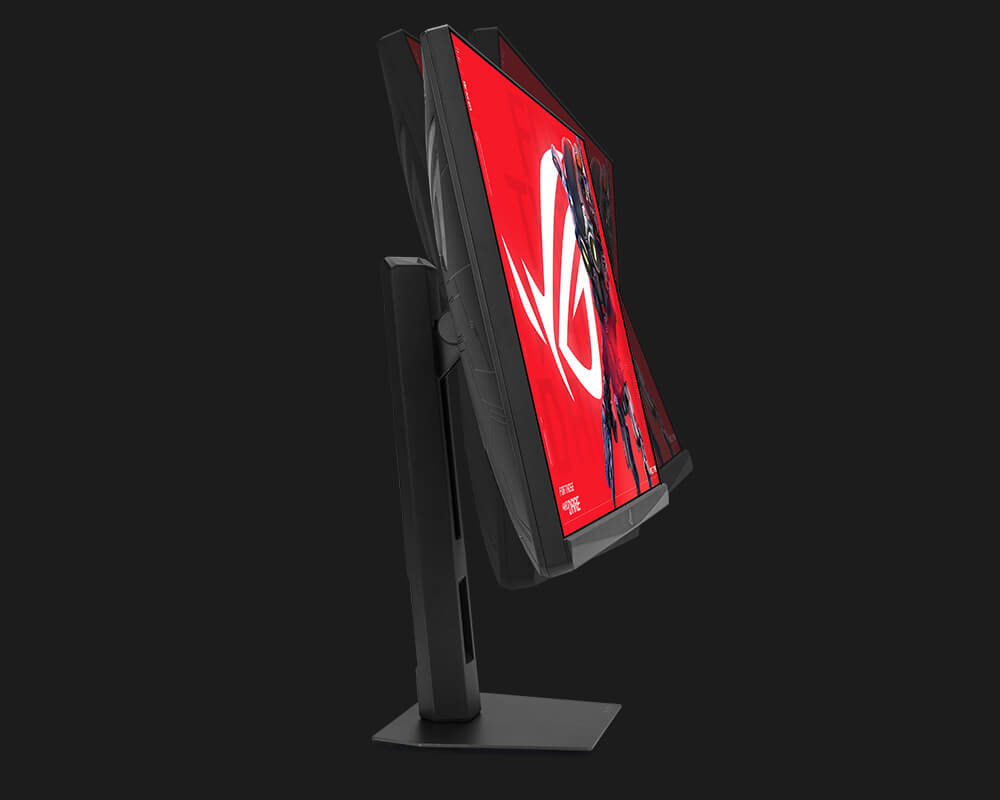
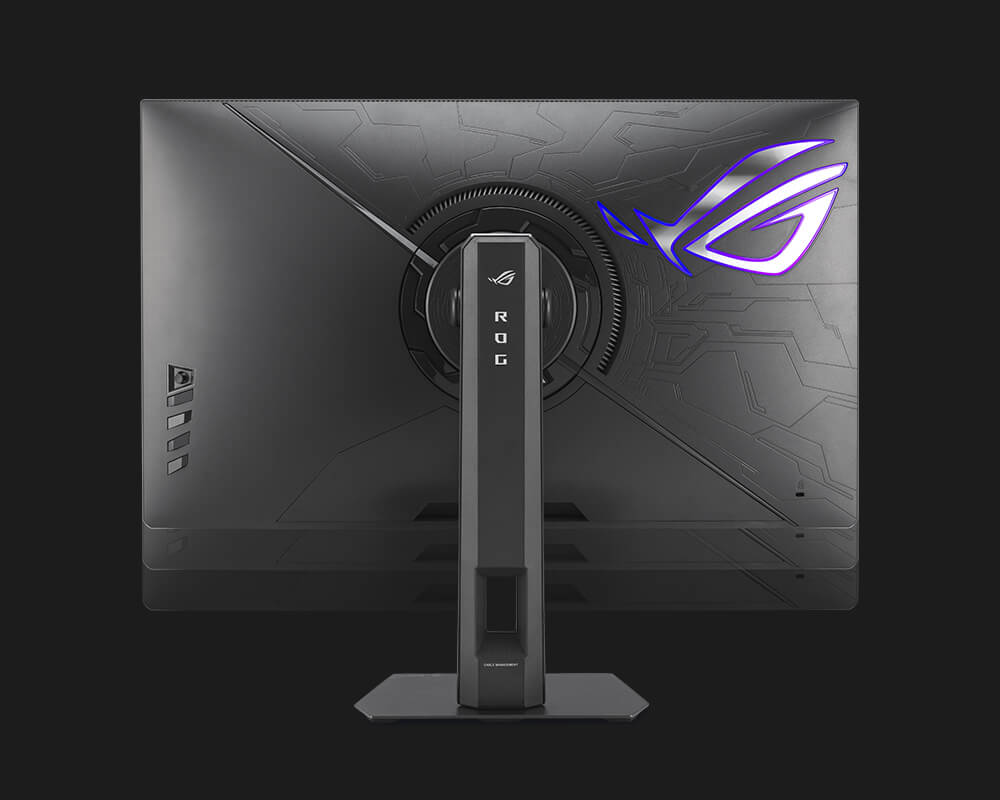
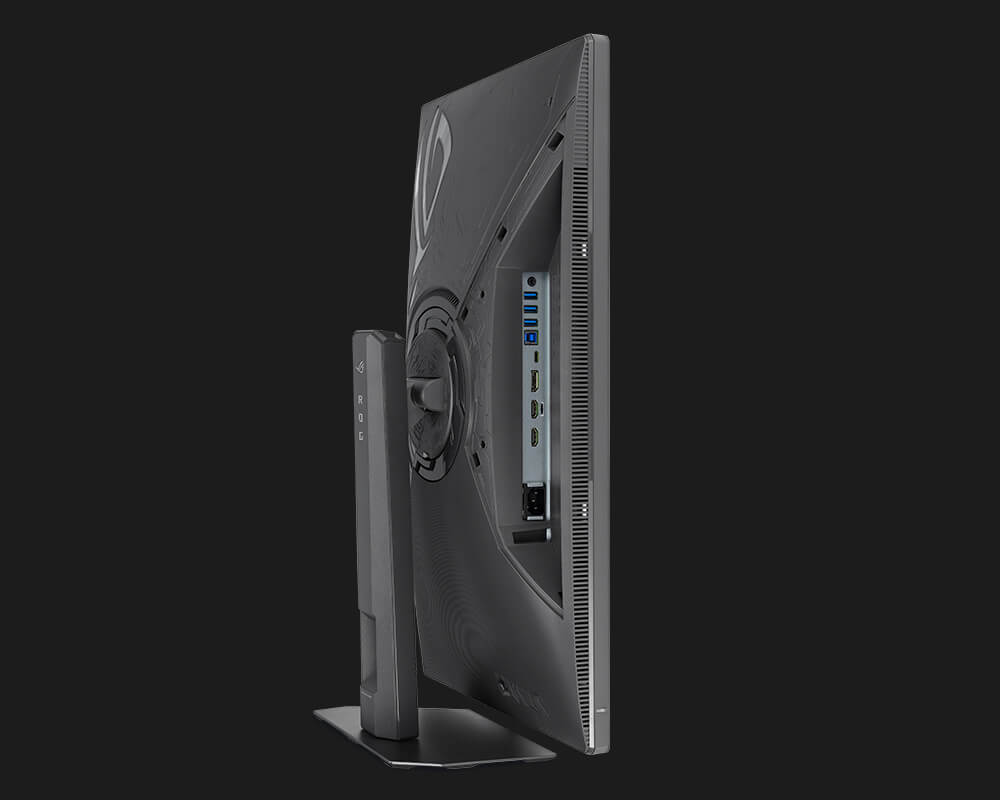
Asus quietly lists 5K 180Hz dual-mode XG27JCG monitor

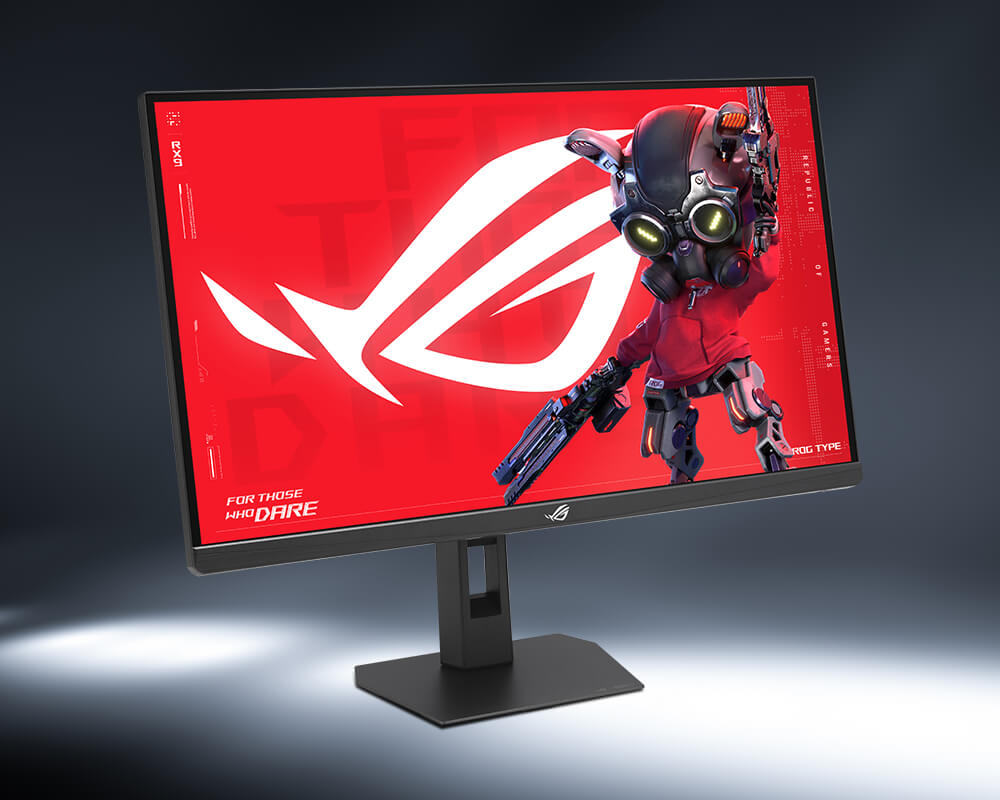
Asus has updated its website with a new high-end display that pushes pixel density to the extreme. The ROG Strix XG27JCG is a 27-inch monitor boasting a massive 5K (5120 x 2880) resolution and a 180Hz refresh rate. Most interestingly, it features a dual-mode function that lets users drop to 1440p to unlock a 330 Hz refresh rate for competitive gaming.

Asus footnotes indicate that to run the ROG Strix XG27JCG at its native 5K 180 Hz, users will strictly require an Nvidia RTX 50-series or AMD RX 7600 (or higher) GPU. This requirement appears to stem from bandwidth limitations; while the RTX 40-series relies on DisplayPort 1.4a, the newer recommended cards support DisplayPort 2.1. It seems Asus has implemented this restriction to ensure stability, as older standards, even with DSC, may struggle with the bandwidth required for 5K at such high refresh rates.

Specification-wise, the XG27JCG uses a Fast IPS panel with a 0.3 ms G2G response time and a 218 PPI density, making individual pixels virtually indistinguishable at normal viewing distances. While it lacks local dimming, it carries an HDR600 certification and 97% DCI-P3 colour coverage. For motion clarity, it supports ELMB 2 and ELMB Sync, allowing backlight strobing to work alongside VRR (G-Sync/FreeSync) to minimise blur.

Other nice features included DisplayWidget Center, various gaming AI features like Dynamic Crosshair (automatically contrasts with the background), Dynamic Shadow Boost (brightens dark areas), and AI Visual (automatically adjusts settings based on the content). Connectivity includes one DisplayPort 1.4, two HDMI 2.1 ports, and USB-C with 15W power delivery. Currently listed in Hong Kong for HKD$6,500 (£625), we expect a formal global debut at CES 2026.

KitGuru says: A 5K resolution at 180 Hz in a 27-inch monitor should be an incredible visual experience. However, to drive such a combination of frequency and resolution, you'll need quite a system.

The post Asus quietly lists 5K 180Hz dual-mode XG27JCG monitor first appeared on KitGuru.
  •  

Corsair updates Xeneon Edge 14.5″ display lineup with purple and white variants

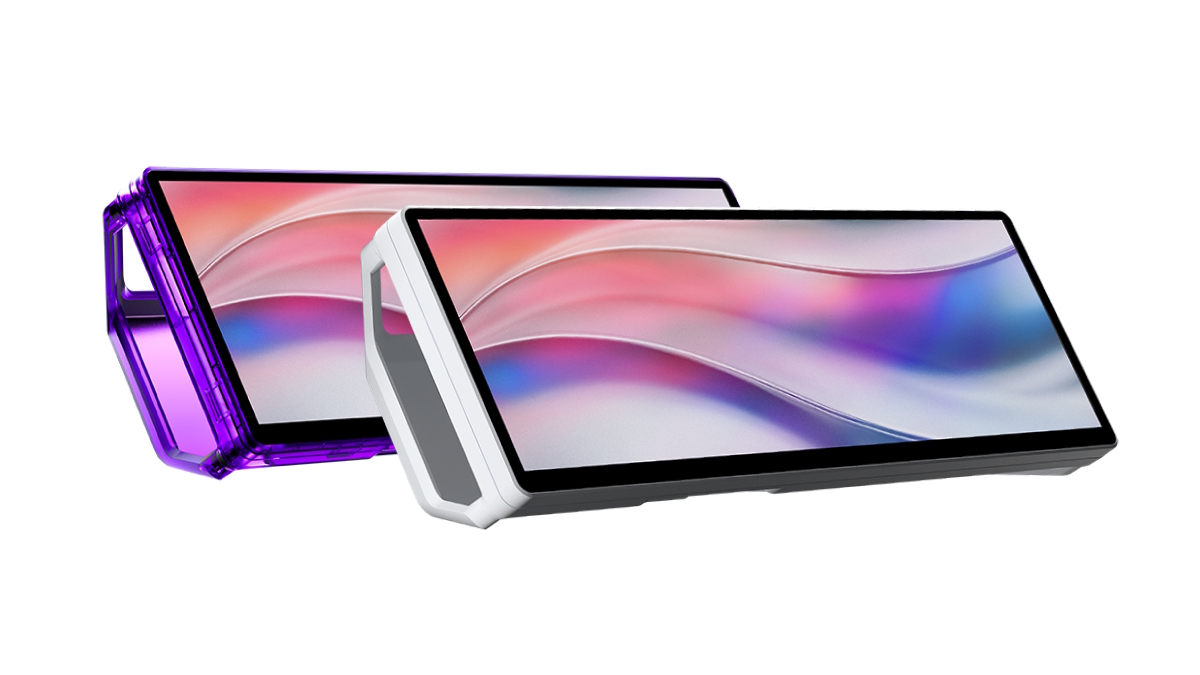
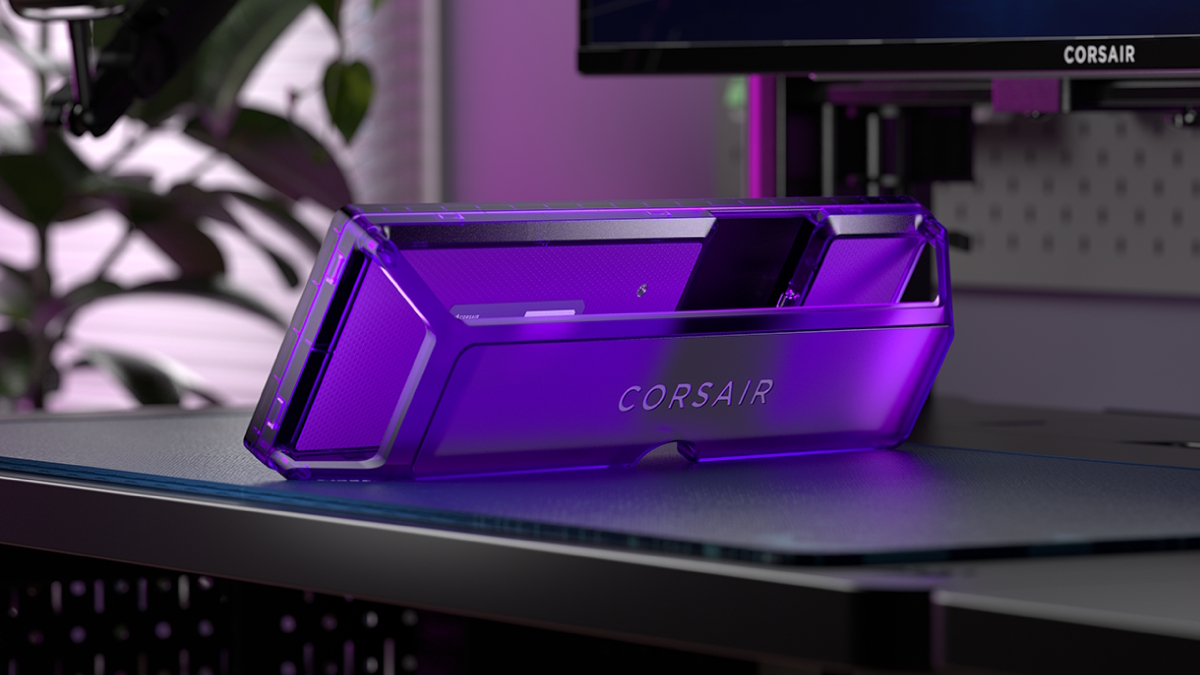
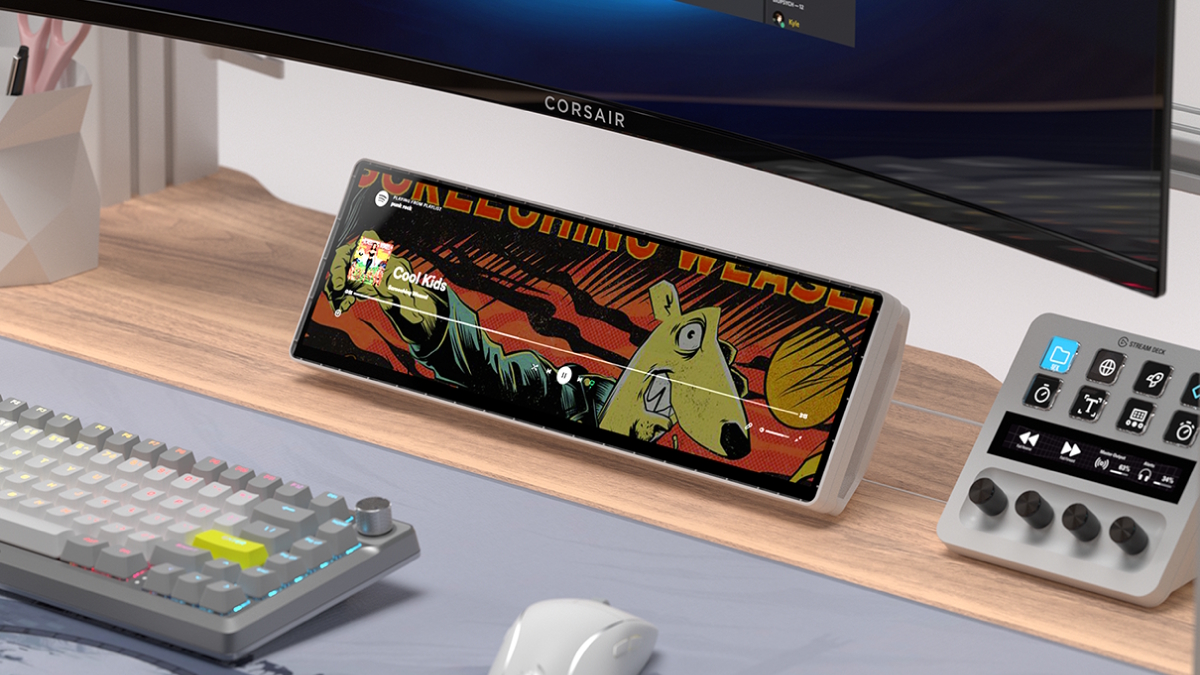
Corsair has expanded the Xeneon Edge 14.5-inch LCD lineup, introducing purple and white options to the previously black-only range. The purple variant sports a translucent casing evoking 90s handheld electronics, while the white model offers a clean alternative for the increasingly common all-white system build. The colour treatment is applied to the included stand as well, ensuring consistency whether the display is placed on a desk or mounted inside a case.

Hardware specifications mirror the original launch, featuring a 2560×720 AHVA panel running at 60 Hz. The panel's viewing angles are pretty wide, as these can be mounted inside the chassis. Moreover, the five-point capacitive multi-touch layer allows direct control over Windows or specific widgets. Through Corsair iCUE and SimHub, the screen functions as a deeply customisable dashboard for system telemetry, virtual stream decks, or racing sim data.

The Xeneon Edge supports standard 360 mm fan mounts for radiator installation, built-in magnets for metal side panels, and dual 1/4-20″ threads for Elgato Multi Mount arms. Video input is provided via an HDMI port or a USB Type-C port with DisplayPort Alt Mode, keeping cabling within a rig manageable.

Coinciding with these new variants, Corsair has updated the product family's warranty to 3 years, backed by a zero-dead-pixel guarantee to reassure buyers. Both new versions are available immediately on Corsair's website for £219.99/$249.90/€259.90, though broad retail availability for the white model is slated for Q1 2026.

KitGuru says: The new colour options come right on time for those planning to upgrade their Frame 4000D RS with an LCD mounting kit.

The post Corsair updates Xeneon Edge 14.5″ display lineup with purple and white variants first appeared on KitGuru.
  •  

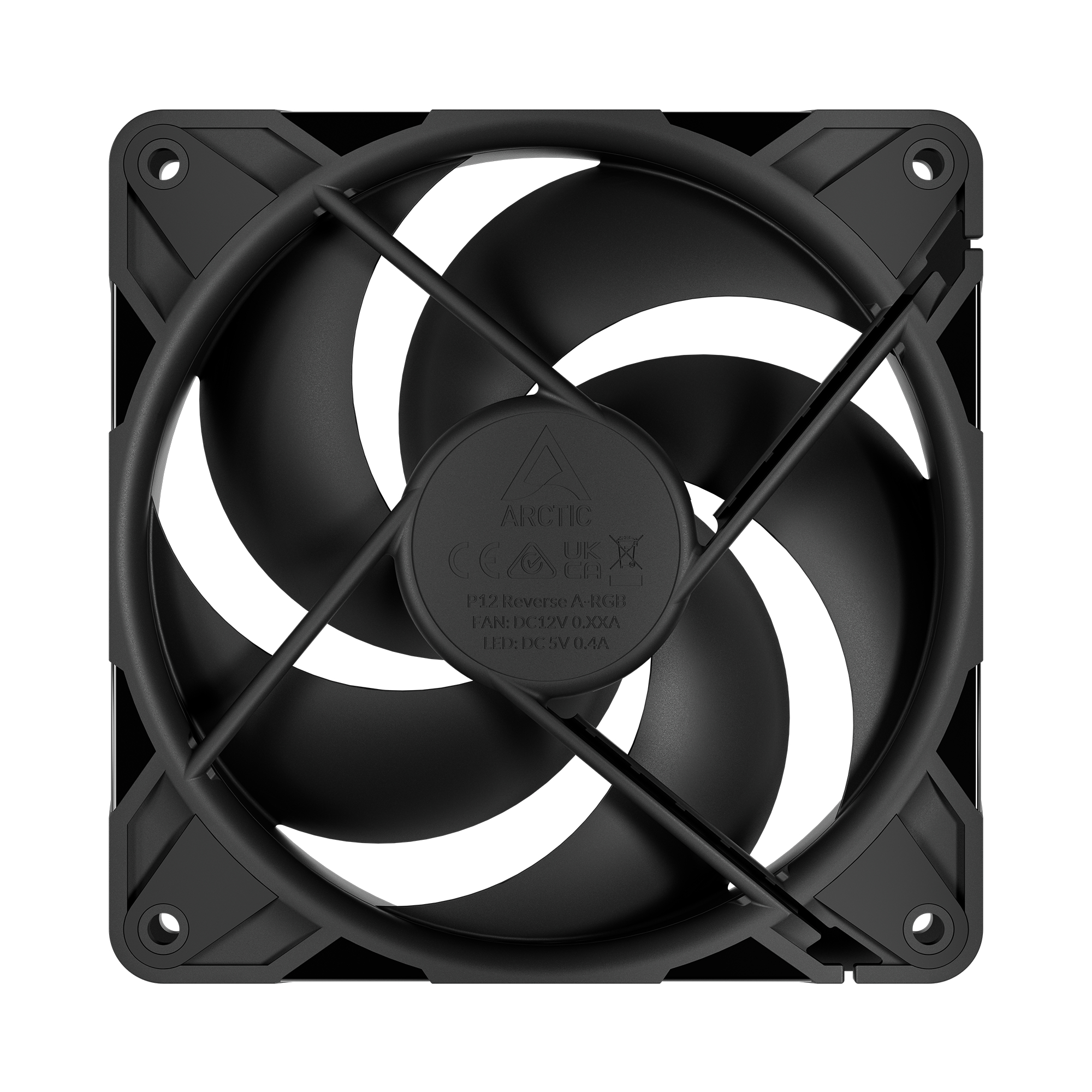
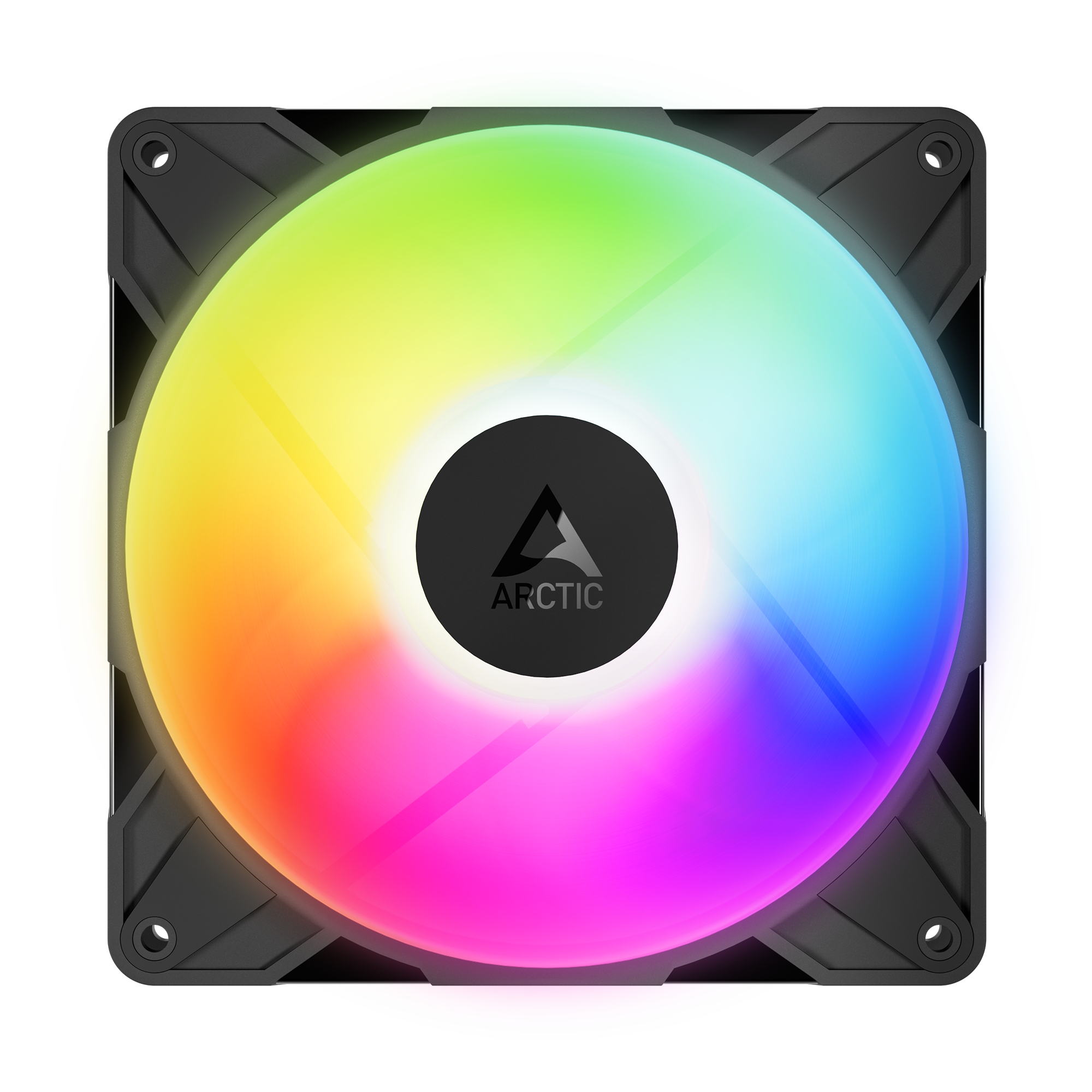
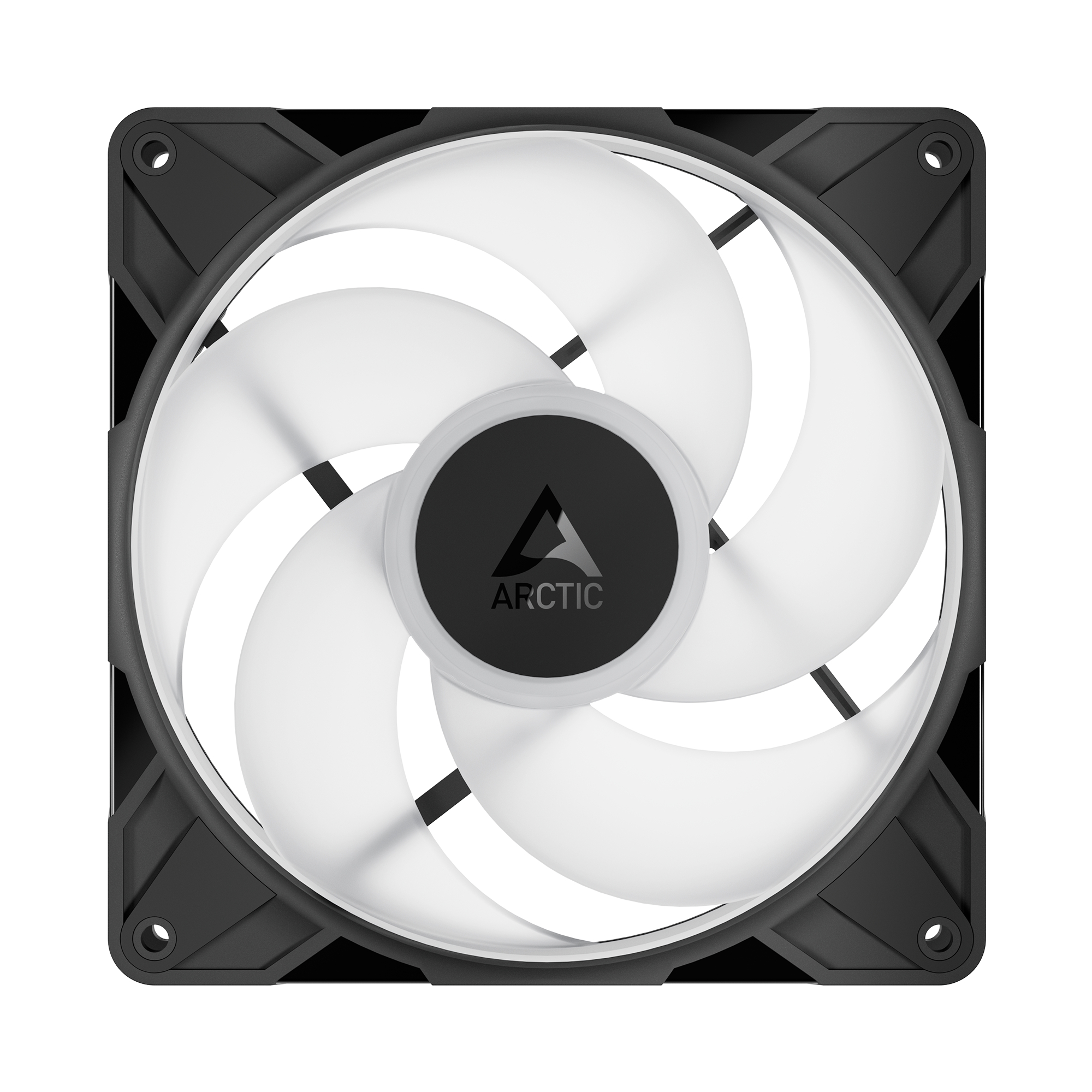
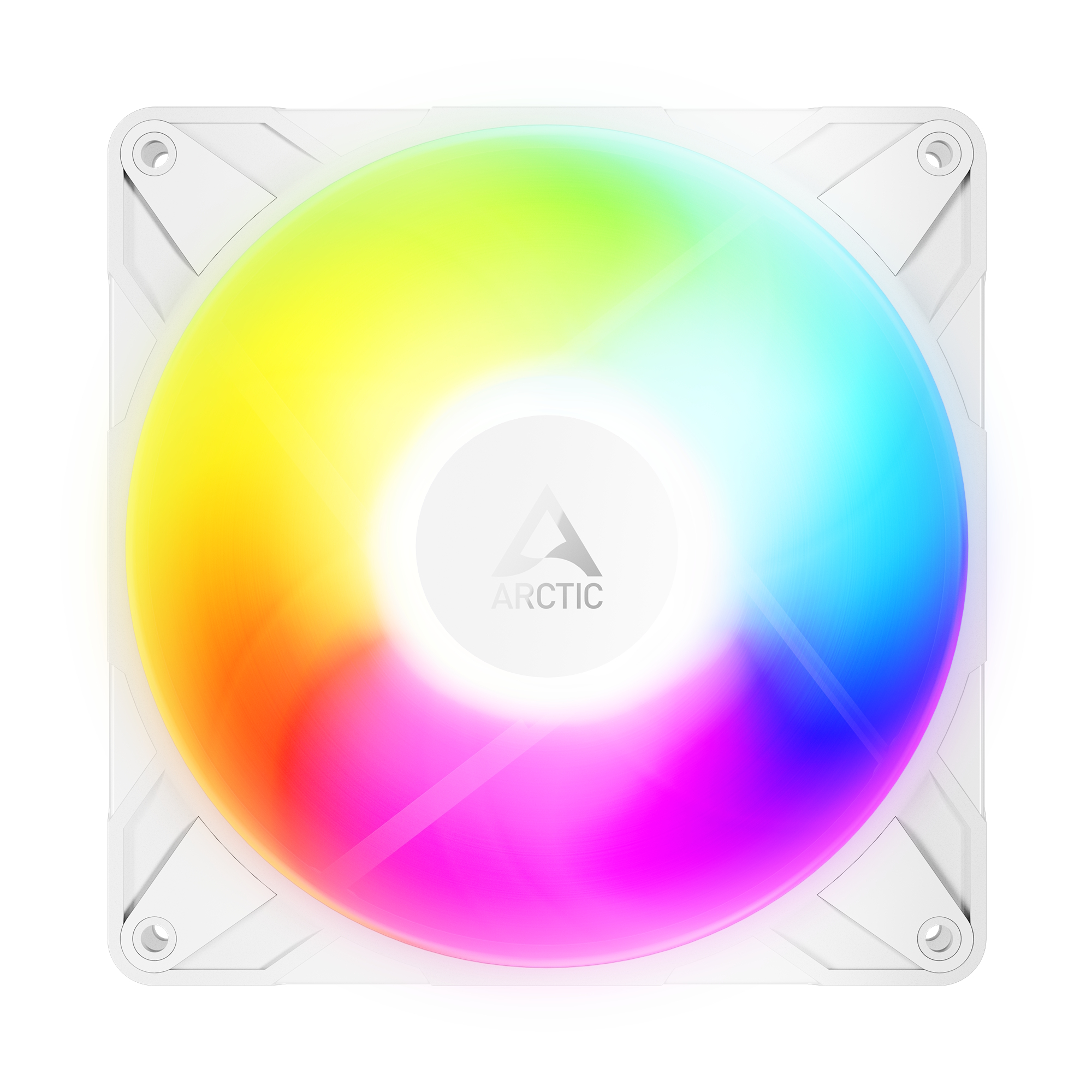
Arctic expands P Pro Reverse series with new 140mm fans

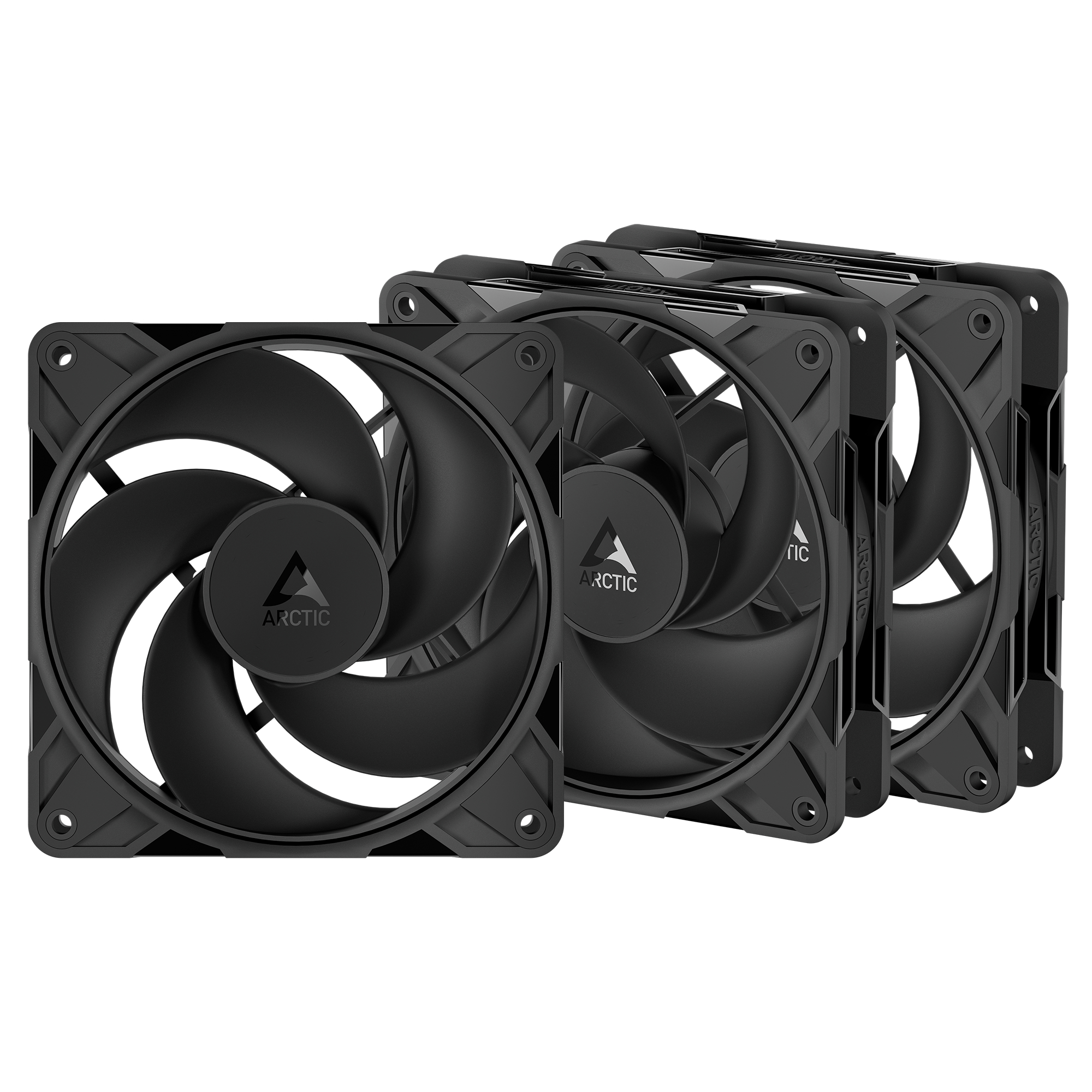
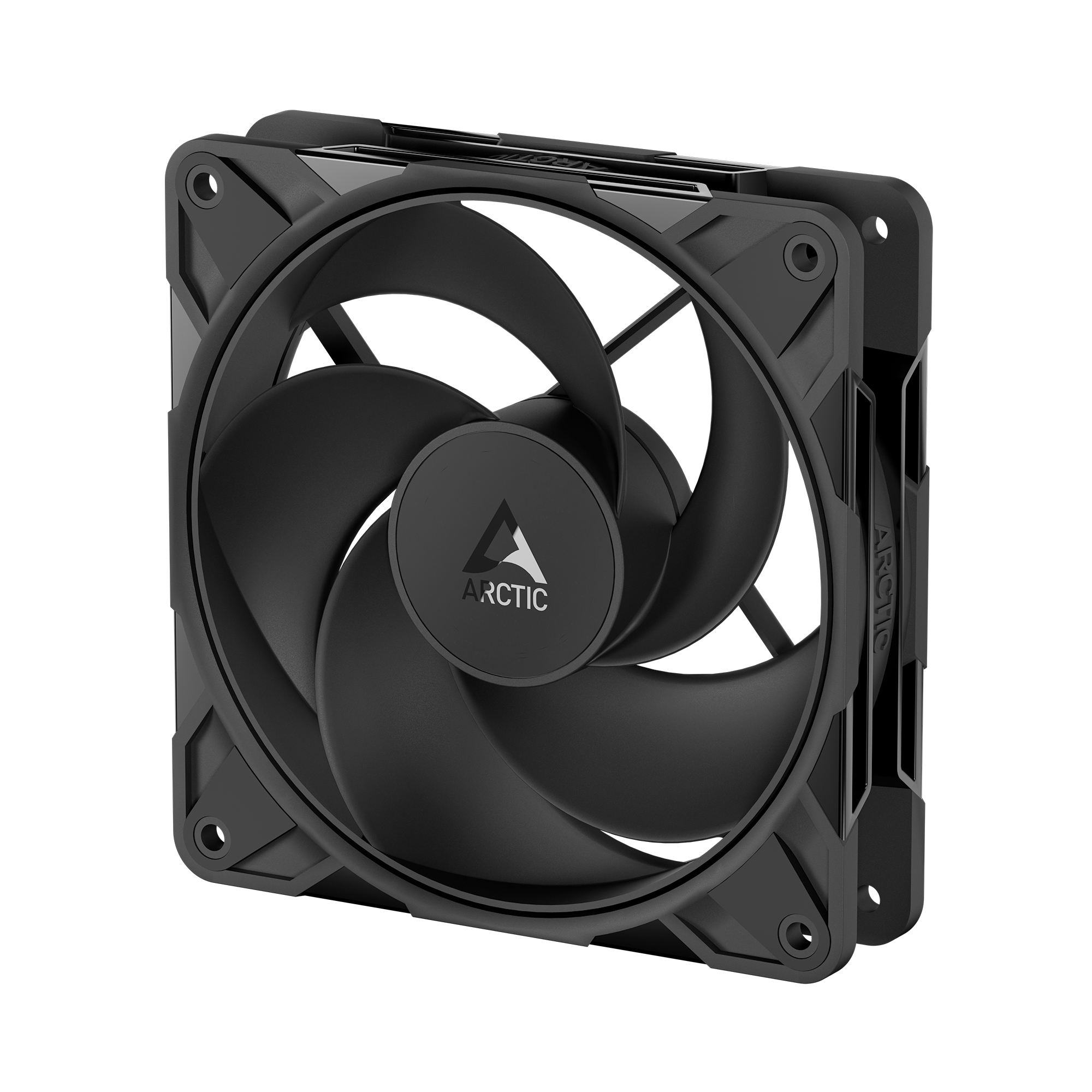
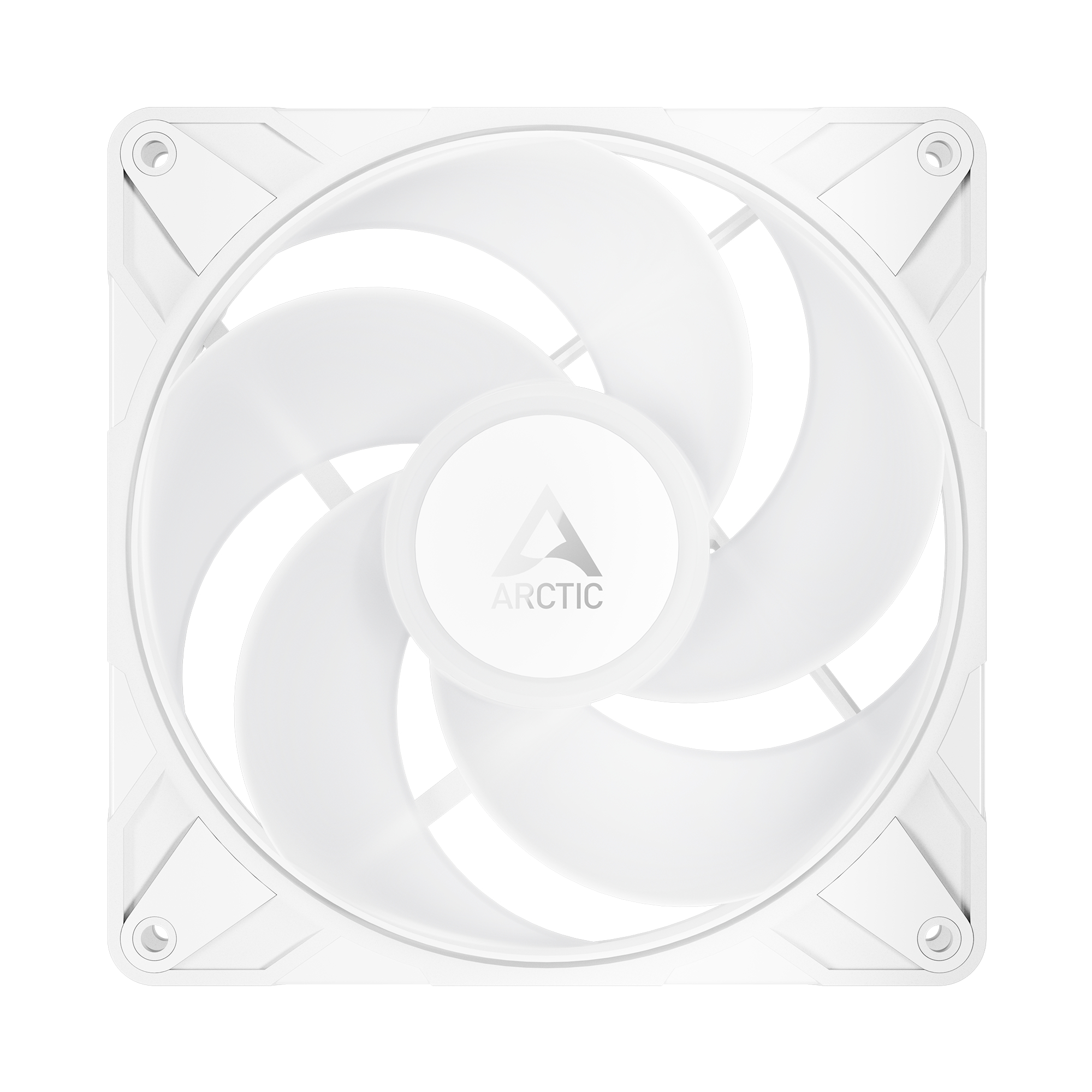
Arctic has officially launched the 140 mm variants of its P Pro Reverse fan series. Previously seen in the Xtender case, these fans are now available as standalone products, specifically engineered for builders who require “pull” airflow configurations without sacrificing aesthetics.

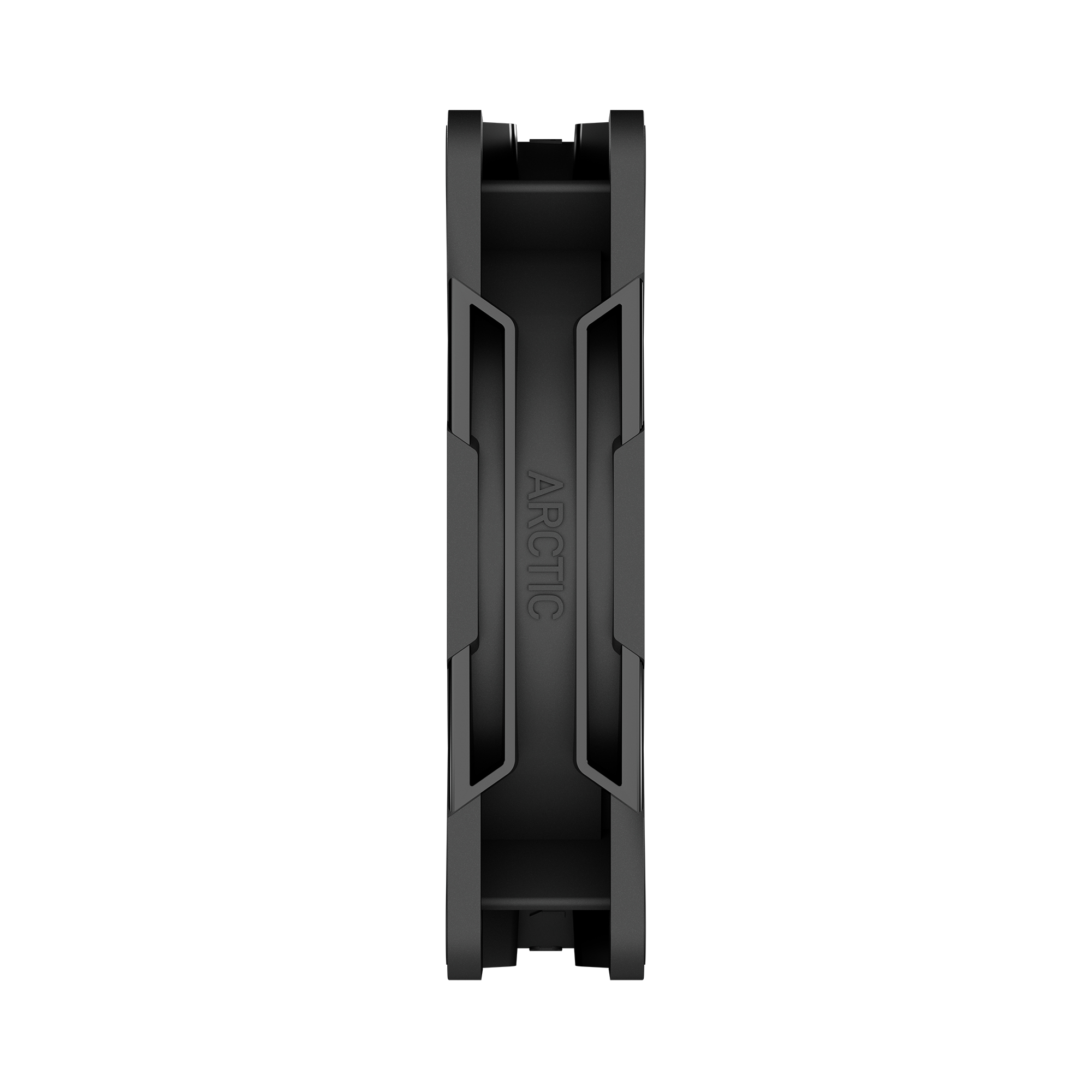
The P14 Pro Reverse series is designed to intake air while displaying the unobstructed “front” face of the fan, making them ideal for bottom- or side-mounted intake positions on a chassis. The design features a flow-optimised structure with a funnel-shaped inlet and teardrop-shaped struts to reduce turbulence and noise. Mechanically, the fans use a fluid-dynamic bearing (FDB) with an extended shaft and automatic balancing to ensure low vibration and longevity.

For lighting enthusiasts, the A-RGB variants feature 12 digitally controllable LEDs, enabling seamless system integration and customisable effects. These fans are now available as a single unit or 3-pack. To celebrate their launch, Arctic is currently running a payback campaign on their website, heavily discounting them (applied on the shopping cart):

  • P14 Pro Reverse:

    • Single unit: €9.49/$10.49 (Standard Price: €16.49/$18.99)

    • 3-Pack: €22.49/$21.99 (Standard Price: €46.99/$54.49)

  • P14 Pro Reverse A-RGB (Black):

    • Single unit: €13.49/$14.99 (Standard Price: €21.49/$24.99)

    • 3-Pack: €32.99/$33.99 (Standard Price: €48.49/$55.99)

  • P14 Pro Reverse A-RGB (White):

    • Single unit: €14.49/$15.49 (Standard Price: €26.49/$30.49)

    • 3-Pack: €34.49/$34.99 (Standard Price: €51.49/$59.99)

KitGuru says: Planning on changing your fans soon? If you plan to, and reverse fans are what you're looking for, the 3-packs in the P Pro Reverse series appears to offer good bang for buck.

The post Arctic expands P Pro Reverse series with new 140mm fans first appeared on KitGuru.
  •  

Microsoft outlines 2026 Windows 11 roadmap focused on gaming performance

Microsoft has revealed its strategic vision for Windows 11 in 2026, positioning the coming year as a period of intense optimisation rather than just feature expansion. In a recent blog post, the company emphasised a commitment to refining the core system behaviours that impact gaming, specifically targeting background workload management, power scheduling, and the graphics stack.

A central pillar of this initiative is enhanced background workload management, designed to reduce system overhead drastically. Microsoft (via Tom's Hardware) highlighted recent data on the Xbox Full Screen Experience (FSE), showing that minimising background processes can reduce RAM utilisation and boost frame rates. By applying similar efficiency principles across the operating system, Microsoft aims to render the OS overhead virtually insignificant during gameplay.

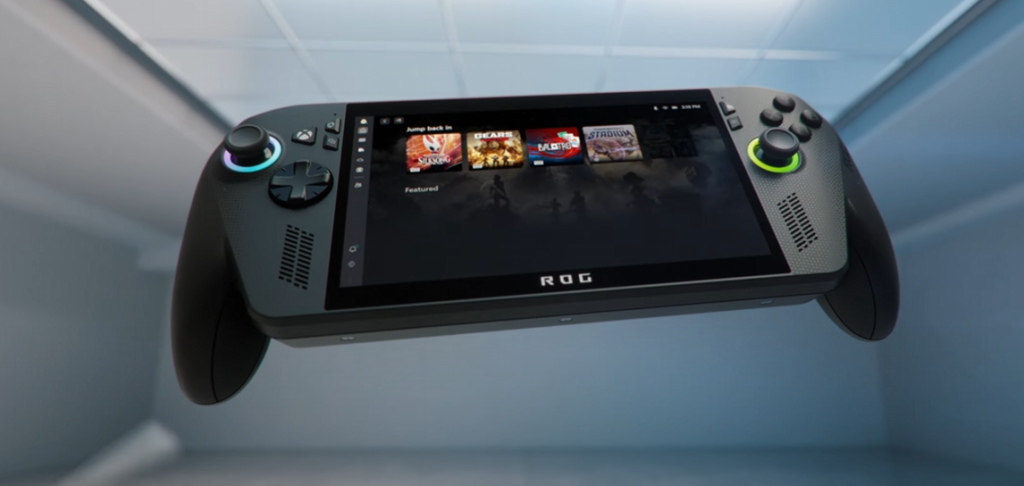
The roadmap also prioritises expanding key technologies such as Advanced Shader Delivery (ASD). This feature, which preloads game shaders during the download phase to prevent stuttering and improve launch times, is being integrated into more hardware ecosystems and digital storefronts, with specific ongoing support for the ROG Xbox Ally family.

Lastly, Microsoft confirmed that its Auto Super Resolution technology will become accessible to all users. This built-in AI upscaling engine enhances DirectX games by rendering them at lower resolutions while maintaining visual sharpness without requiring developer input. Previously exclusive to Snapdragon hardware, a public preview optimising this feature for the AMD Ryzen AI NPU is scheduled for early 2026. Expect to learn more details about these optimisations at the upcoming Game Developers Conference scheduled for March 2026.

KitGuru says: It seems the pressure of SteamOS is already making waves on Windows. When there's competition between providers, the consumer always wins.

The post Microsoft outlines 2026 Windows 11 roadmap focused on gaming performance first appeared on KitGuru.
  •  

Razer revives the iconic Boomslang mouse for 20th Anniversary

Razer has officially unveiled the Boomslang 20th Anniversary Edition, a modern reimagining of the world's first gaming mouse. This limited-run peripheral pays tribute to the device that launched the gaming mouse industry in 1999, updating its classic “snake-head” silhouette with state-of-the-art technology. The release is strictly for collectors, with production limited to just 1,337 units worldwide, a nod to the “leet” (elite) speak prevalent in early gaming culture.

While the new edition retains the Boomslang's signature ambidextrous shape and translucent aesthetic, the internals have been completely overhauled for modern competitive standards. Under the hood, the mouse is equipped with the Razer Focus Pro Gen-2 45K Optical Sensor, offering up to 45,000 DPI with 99.8% resolution accuracy, a massive leap from the original's 2,000 DPI ball-tracking. Performance is further improved by Razer Wireless HyperPolling Technology, which delivers an 8,000 Hz polling rate for near-instant responsiveness. Moreover, the 100-million-click-durable Gen-4 optical switches replace the mechanical switches of the past. Additionally, the bundle includes the Mouse Dock Pro for translucent magnetic wireless charging, preserving the mouse's look.

Razer has also enhanced the exterior with PU leather-wrapped primary buttons, designed to improve grip and add a premium tactile feel. The lighting system has evolved significantly, replacing the simple glow of the original with a 9-zone Razer Chroma RGB system that features customisable underglow compatible with over 300 integrated games. Users can further personalise their experience via Razer Synapse, which also offers macro support and profile management.

To celebrate the launch, Razer is inviting fans to share their memories of the original Boomslang at upcoming community events. Participants will have a chance to win exclusive items, including the unit #1337, which Razer CEO Min-Liang Tan has signed. Availability and pricing for the 1,337 units will be detailed soon.

KitGuru says: Did you own the original Boomslang? How was your experience with it? Would you get the updated model if you had the chance?

The post Razer revives the iconic Boomslang mouse for 20th Anniversary first appeared on KitGuru.
  •  

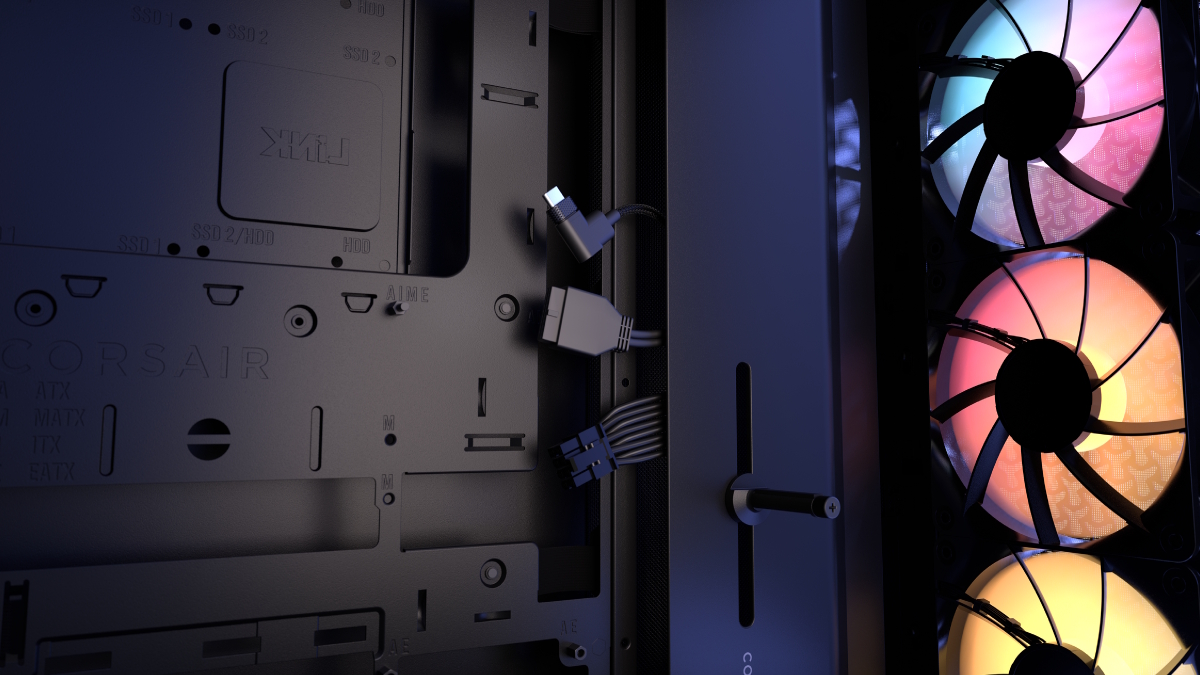
Corsair launches Frame 4000D variant with 14.5″ touchscreen

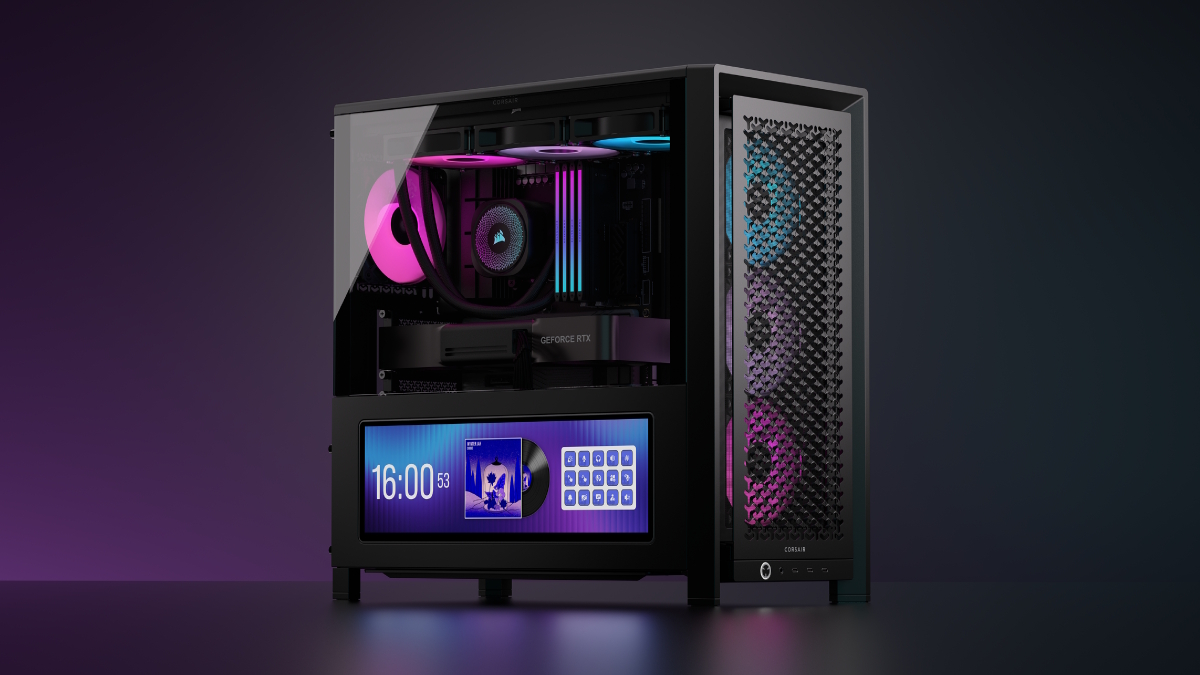
Corsair has introduced the Frame 4000D LCD RS ARGB, a new high-end mid-tower chassis that integrates a fully functional 14.5-inch touchscreen directly into the case structure. Building on the modular design of the Frame series, this updated model combines the utility of a secondary display with significant cooling and structural improvements.

The standout feature is the pre-installed Xeneon Edge display. This 14.5-inch AHVA panel offers a native resolution of 2560×720 and supports five-point multitouch. Designed to function as a secondary Windows display, it connects to the user's GPU via HDMI or DisplayPort over USB-C. The screen is intended for real-time system monitoring via iCUE widgets, displaying chat or music applications, or serving as a dedicated dock for AI tools, allowing users to offload tasks from their main monitor.

Beyond the screen, the case has been refreshed with stronger steel panels and optimised airflow. It ships with four RS120 PWM ARGB fans (three as front intake and one as a rear exhaust) with motherboard-controlled lighting. The interior is highly adaptable, featuring the InfiniRail Fan Mounting System, which supports up to 13 fans in total and dual 360 mm radiators.

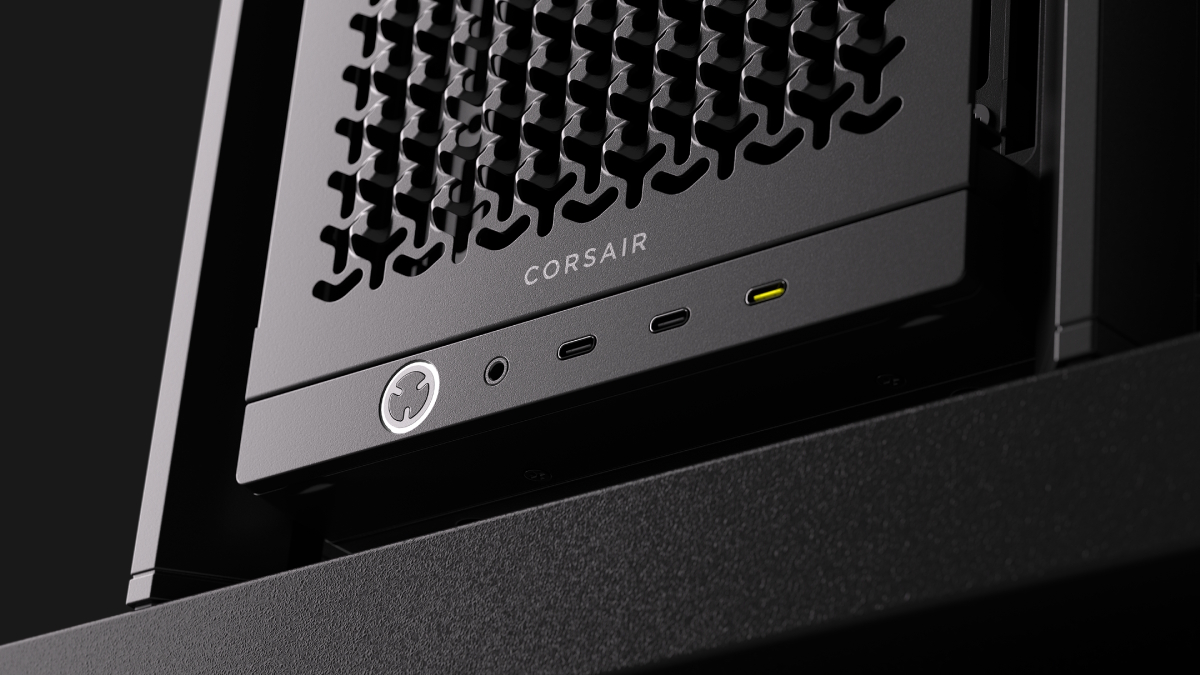
The chassis supports the latest reverse-connector motherboards (such as ASUS BTF and MSI Project Zero) for cable-free aesthetics. It also accommodates large graphics cards up to 430 mm in length, supported by an integrated anti-sag arm. The front I/O has been upgraded to include three USB Type-C ports, one of which supports 20 Gb/s speeds.

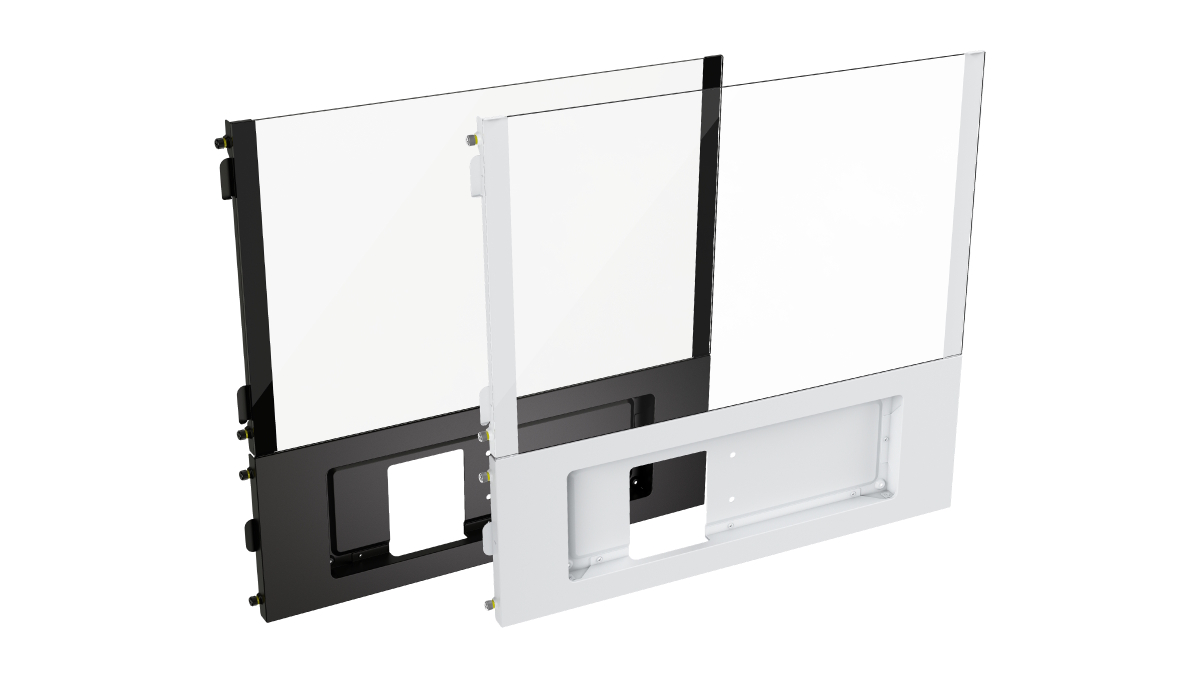
LCD mounting kits for both the Frame 4000D and Frame 5000D series are available for £43.31/$39.99/€51.03 and £54.14/$49.99/€63.79, respectively, allowing users to retrofit their current cases with the necessary glass panel and housing to support the screen. However, users opting for the upgrade kit must purchase the Xeneon Edge display separately for £219.99/$249.99/€259.90. As for the Frame 4000D LCD RS ARGB, it's now available for £299.99/$399.99/€349.90.

KitGuru says: Do you have a Corsair Frame 4000D/5000D? Would you be interested in upgrading it to add an Xeneon Edge display?

The post Corsair launches Frame 4000D variant with 14.5″ touchscreen first appeared on KitGuru.
  •  

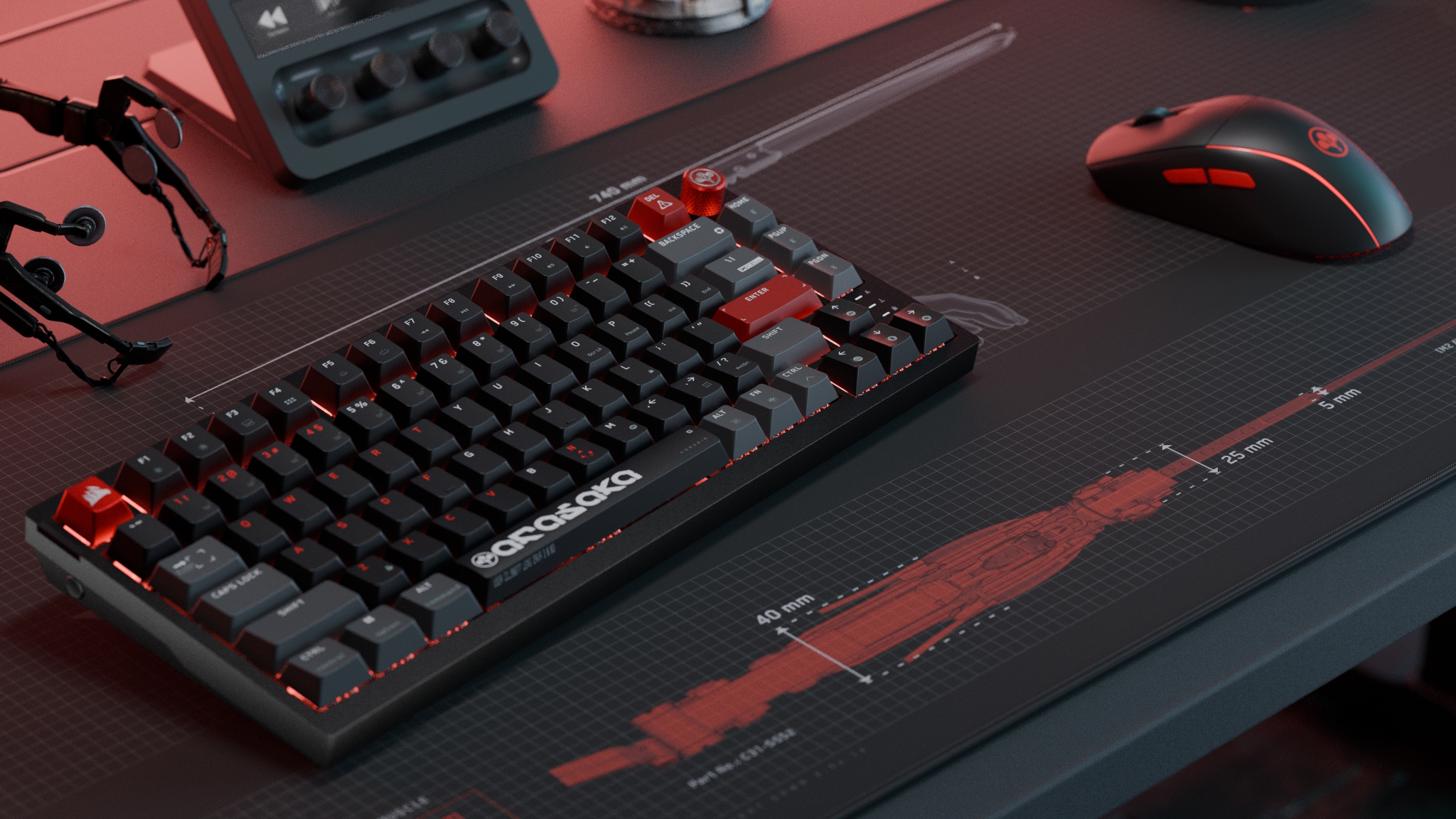
Corsair unveils Arasaka-themed peripheral collection for Cyberpunk 2077’s 5th anniversary

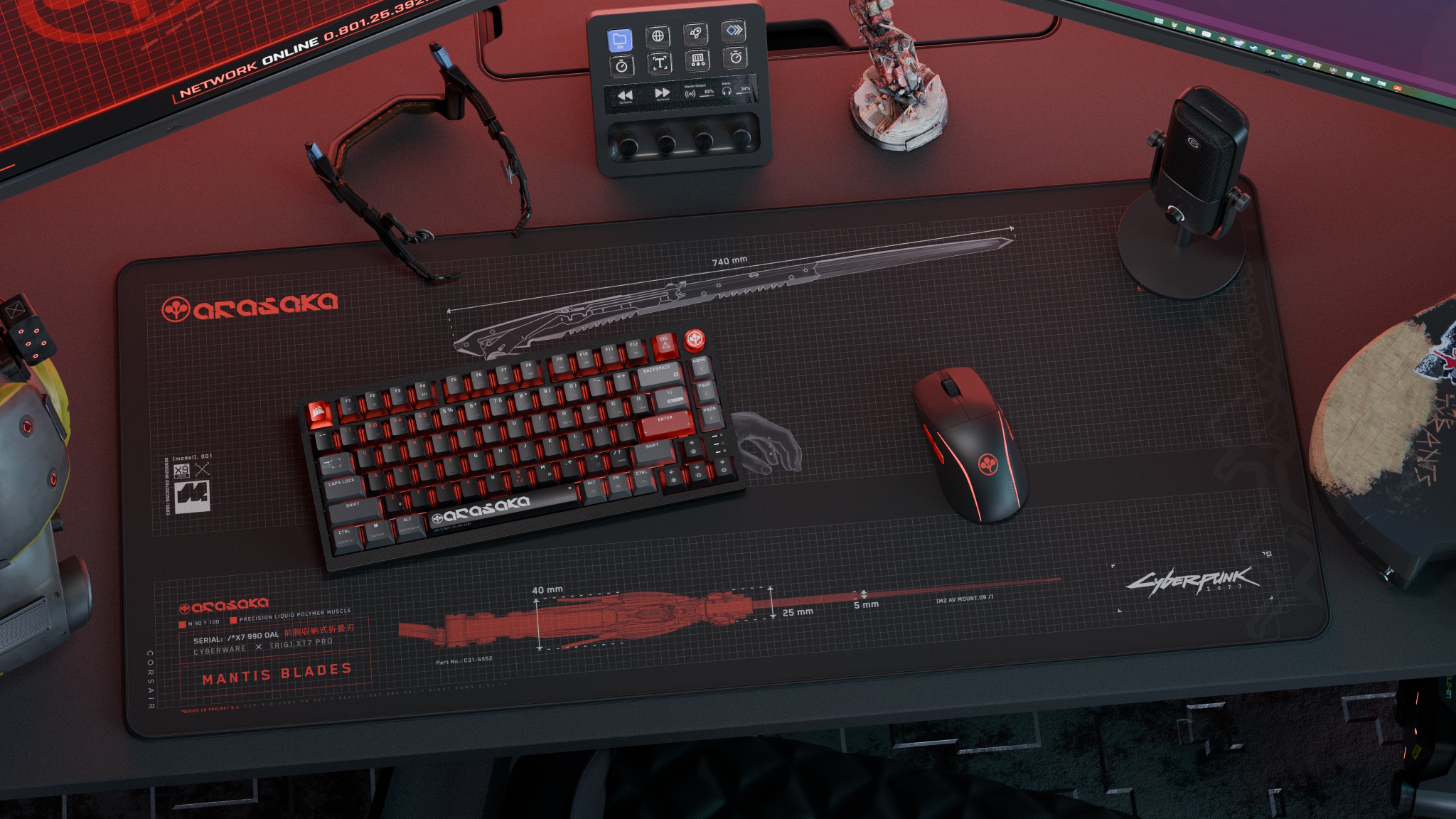
Corsair has announced a new partnership with CD Projekt RED to celebrate the fifth anniversary of Cyberpunk 2077. The collaboration introduces the Corsair x Cyberpunk 2077: Arasaka Edition collection, a limited-edition series of peripherals inspired by the game's megacorporation, Arasaka.

The centrepiece of the lineup is a special-edition K65 Plus Wireless keyboard. This 75% mechanical board comes equipped with Corsair's pre-lubed MLX Red switches and features a custom aesthetic heavy on Arasaka branding. The chassis and keycaps are adorned with the corporation's logos and insignias, including detailing on the rotary dial. It is important to note that this specific model will be available exclusively in the NA layout.

Accompanying the keyboard is a themed version of the M75 Wireless lightweight gaming mouse, which sports the Arasaka three-limbed tree emblem on its shell. Completing the desktop setup is the MM300 2XL anti-fray cloth mouse pad. This extended surface features a technical schematic design of the game's iconic Mantis Blade cyberware, tying the collection together with lore references.

Pre-orders for the limited-edition gear are now open. The collection will be available globally through Corsair's official store and the CD Projekt RED Gear website while stock lasts. The keyboard costs £159.99/€169.99/$169.99, the mouse costs £89.99/€99.99/$99.99, and the mouse pad costs £39.99/€49.99/$49.99. Alternatively, you can buy the mousepad and keyboard bundle for £179.99/€199.99/$199.99 and the three-piece collection for £249.99/€269.99/$269.99.

KitGuru says: Are you a fan of Cyberpunk? Interested in any of the gear Corsair and CDPR worked on?

The post Corsair unveils Arasaka-themed peripheral collection for Cyberpunk 2077’s 5th anniversary first appeared on KitGuru.
  •  

Sharkoon releases nautical-themed Skiller SGK50 S3 Ultimate

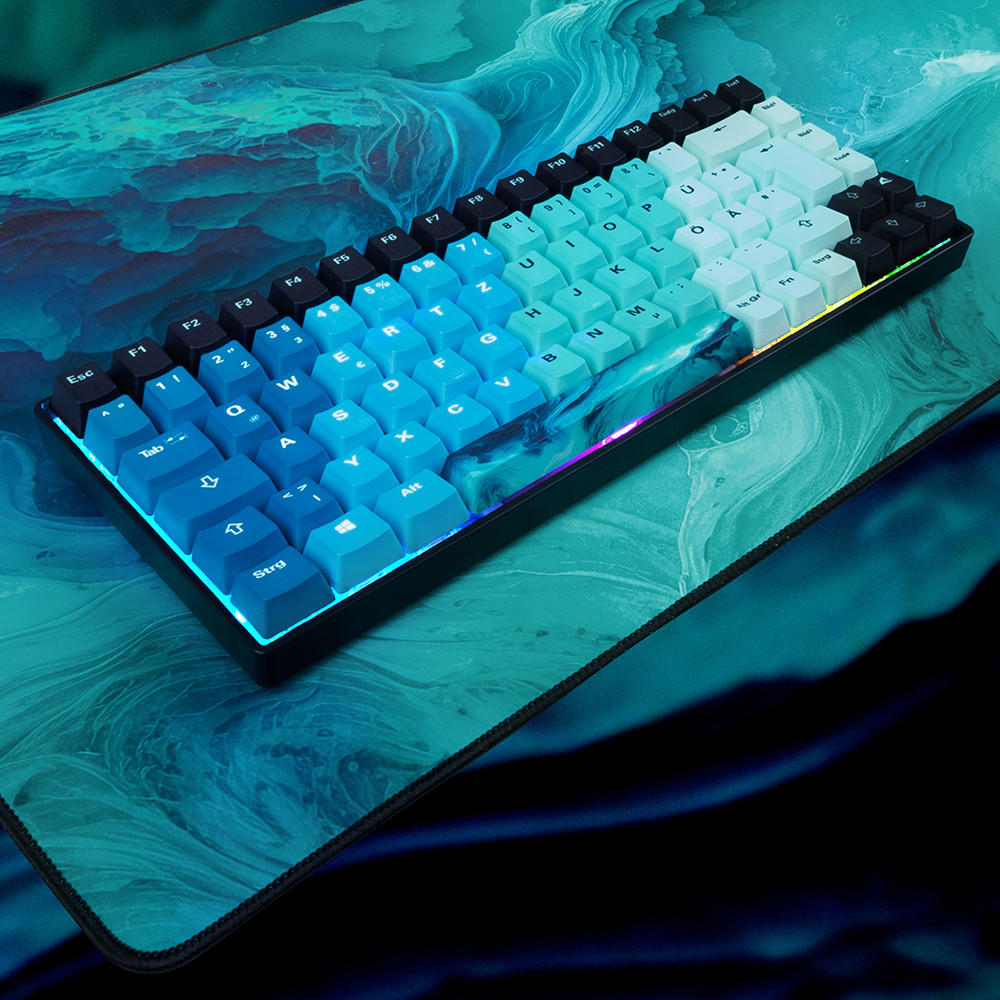
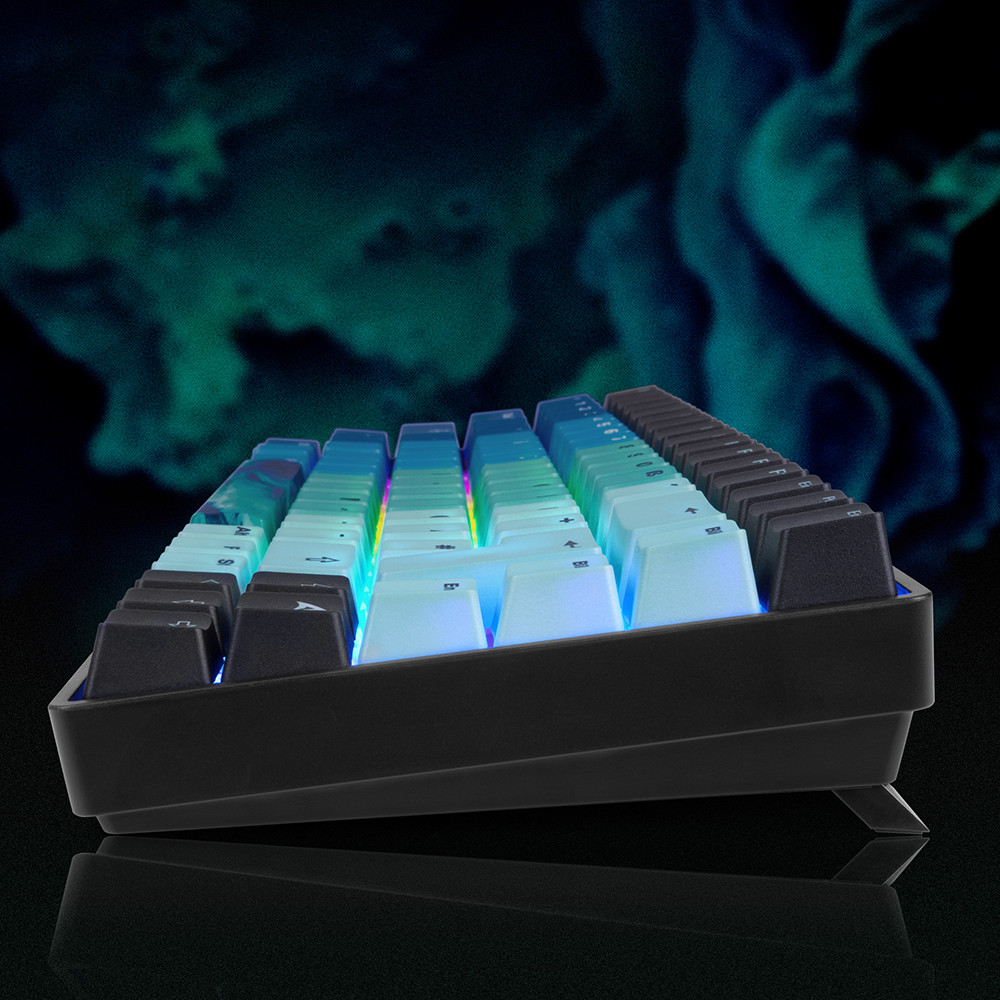
Sharkoon has expanded its mechanical keyboard portfolio with the release of the Skiller SGK50 S3 Ultimate Rev2, a new compact board that embraces a nautical aesthetic. Moving away from standard chassis designs, this latest iteration features an ocean-themed design that extends across its abrasion-resistant, dye-sub PBT keycaps (OEM profile).

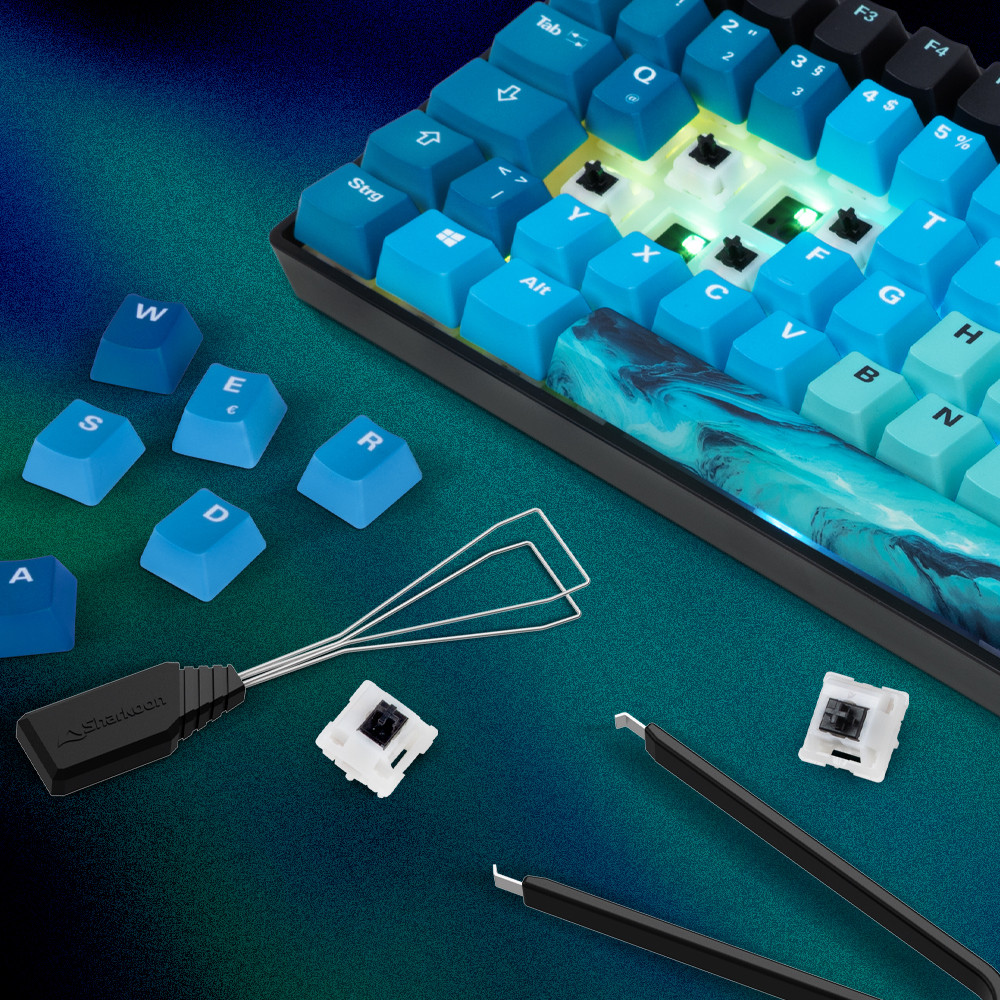
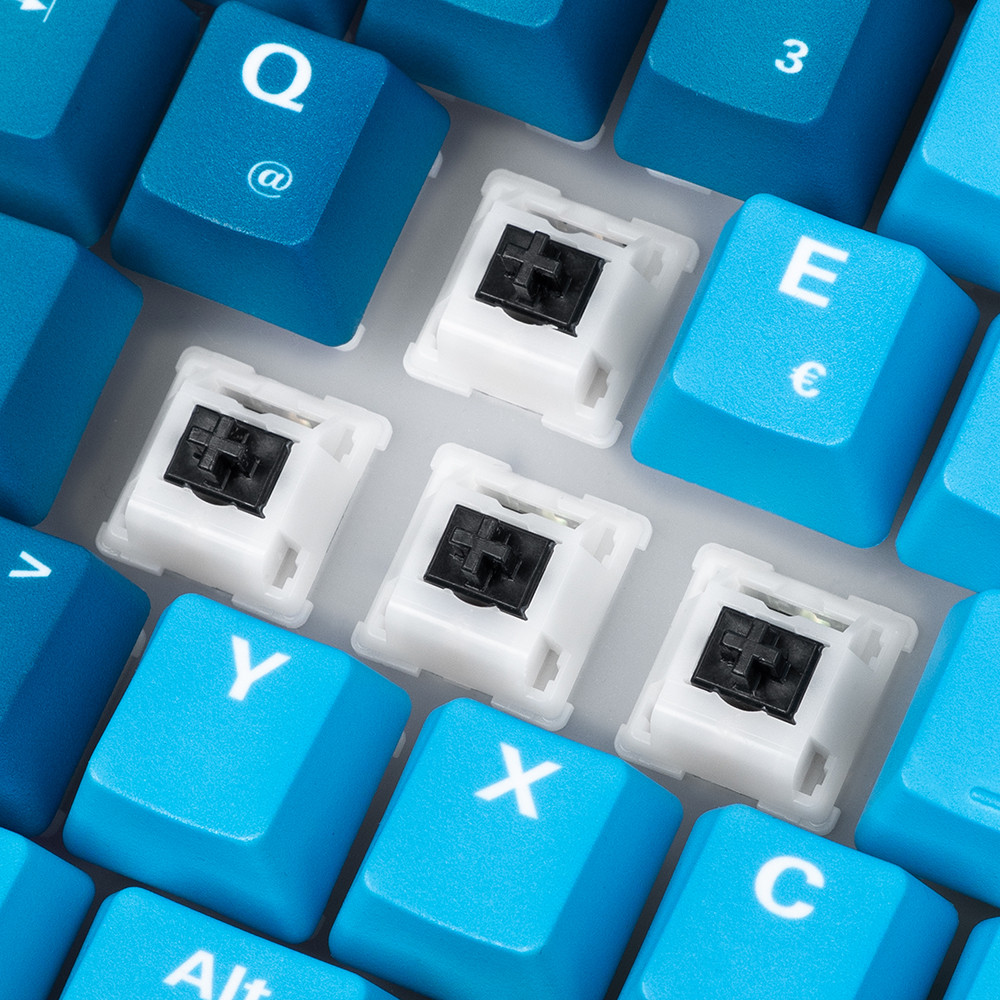
The keyboard uses a 75% layout, a form factor that continues to gain popularity for its ability to save desk space while retaining essential function keys. Under the keycaps, users will find pre-installed Sharkoon linear switches for responsive actuation. However, enthusiasts looking for a specific feel are not locked into the stock configuration, as the board features a hot-swappable PCB that allows easy switch replacement without soldering. Moreover, it features VIA support and RGB backlighting, giving users functional and aesthetic layers of customisation to play with.

After gathering user feedback, Sharkoon has implemented features to improve acoustic performance. The build features a polycarbonate positioning plate rather than a traditional metal one, paired with double-layer silicone dampening and pre-lubed stabilisers. These design choices are intended to reduce unwanted resonance and provide a softer and more refined typing sound. Another nice touch is the two-stage feet.

To complete the desktop aesthetic, Sharkoon has bundled a matching Skiller SGP30 D4 XXL mouse mat with the keyboard, ensuring a cohesive visual theme right out of the box. Additionally, it also includes a switch and a keycap puller. The Sharkoon Skiller SGK50 S3 Ultimate Rev2 is currently available for €99.90.

KitGuru says: Although a bit pricey for a wired keyboard, the inclusion of an XXL mouse pad adds some value to the package.

The post Sharkoon releases nautical-themed Skiller SGK50 S3 Ultimate first appeared on KitGuru.
  •  

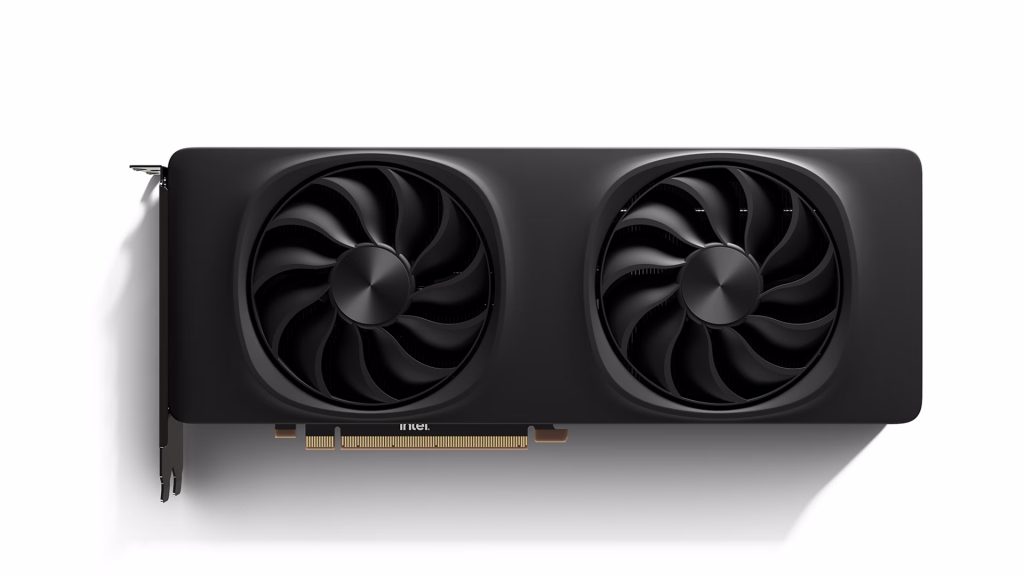
Intel ‘BMG-G31’ Battlemage GPU spotted in software update

Intel has quietly dropped the most concrete evidence yet that its high-end “Battlemage” discrete graphics card is nearing a formal reveal. In a recent update to its VTune Profiler software, the company discreetly added support for the “BMG-G31” SKU, a designation long associated with the upcoming flagship Battlemage GPU. 

Wccftech shared the updated notes that also mention the upcoming Panther Lake processors. This inclusion suggests that the hardware is finalised (or close to) and is likely undergoing validation. The BMG-G31 silicon is widely expected to power the Arc Battlemage B770, a successor to the current Arc A770. According to the most recent reports, this new flagship will feature approximately 32 Xe2 cores paired with 16 GB of GDDR6 memory across a 256-bit interface. The architecture is also set to support a full PCIe 5.0 x16 connection.

Moreover, new shipping manifests shared by @x86deadandback (via VideoCardz) also corroborate the hardware's existence and provide details on its power requirements. These records indicate a thermal design power of 300 W for this GPU, a considerable increase over the 225 W range seen on the previous Alchemist generation. The increased power suggests Intel is pushing the silicon much harder to extract performance.

With the VTune entry co-listing the GPU alongside next-generation Panther Lake CPUs (powered by Xe3), Intel risks launching its Xe2 discrete cards just as its own mobile silicon moves to a newer architecture. However, with the company recently cracking the 1% discrete GPU market share barrier for the first time since Alchemist's debut, maintaining the momentum could be the key to expanding its share. Given the timing, a reveal at CES 2026 seems plausible.

KitGuru says: What kind of performance do you expect from a GPU with the reported specs of the “BMG-G31”?

The post Intel ‘BMG-G31’ Battlemage GPU spotted in software update first appeared on KitGuru.
  •  

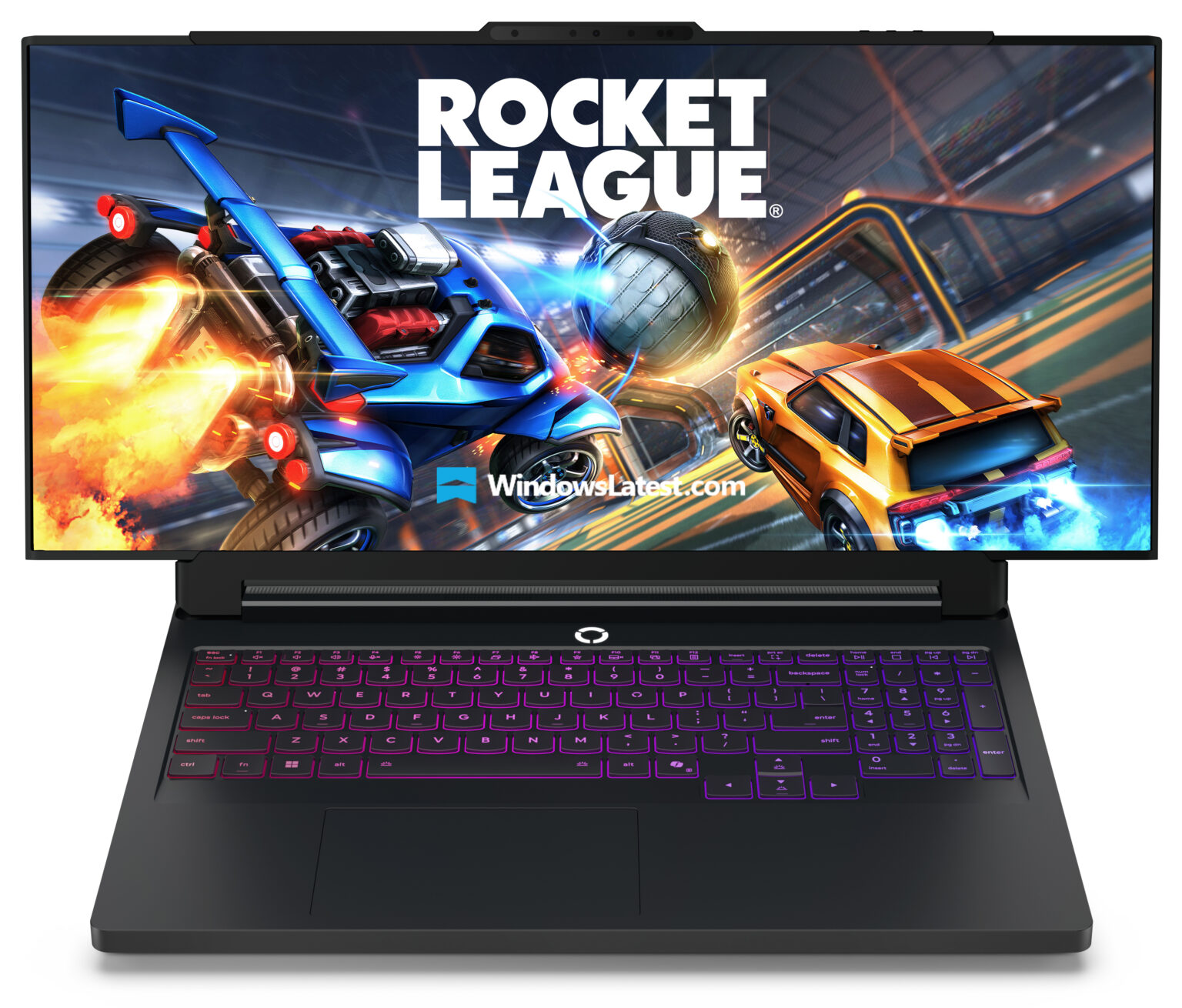
Lenovo is reportedly preparing a Legion Pro laptop with a 21:9 rollable display

Fresh leaks surfacing ahead of CES 2026 suggest that Lenovo is preparing to shake up the form factor of high-end gaming laptops once again. According to a recent report, the company is actively developing the Legion Pro Rollable, a machine that ditches the traditional fixed chassis in favour of a motorised, expanding OLED screen.

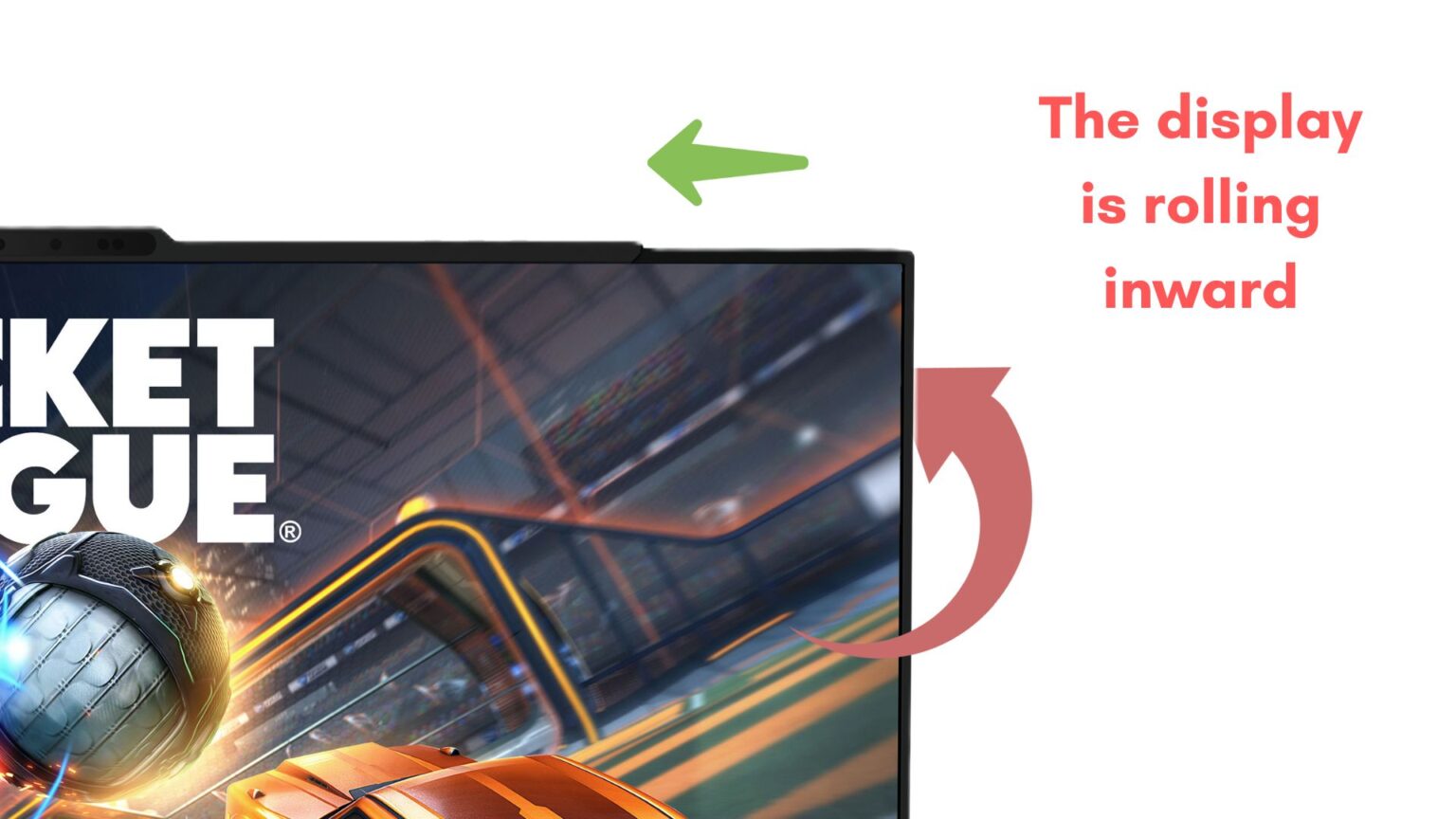
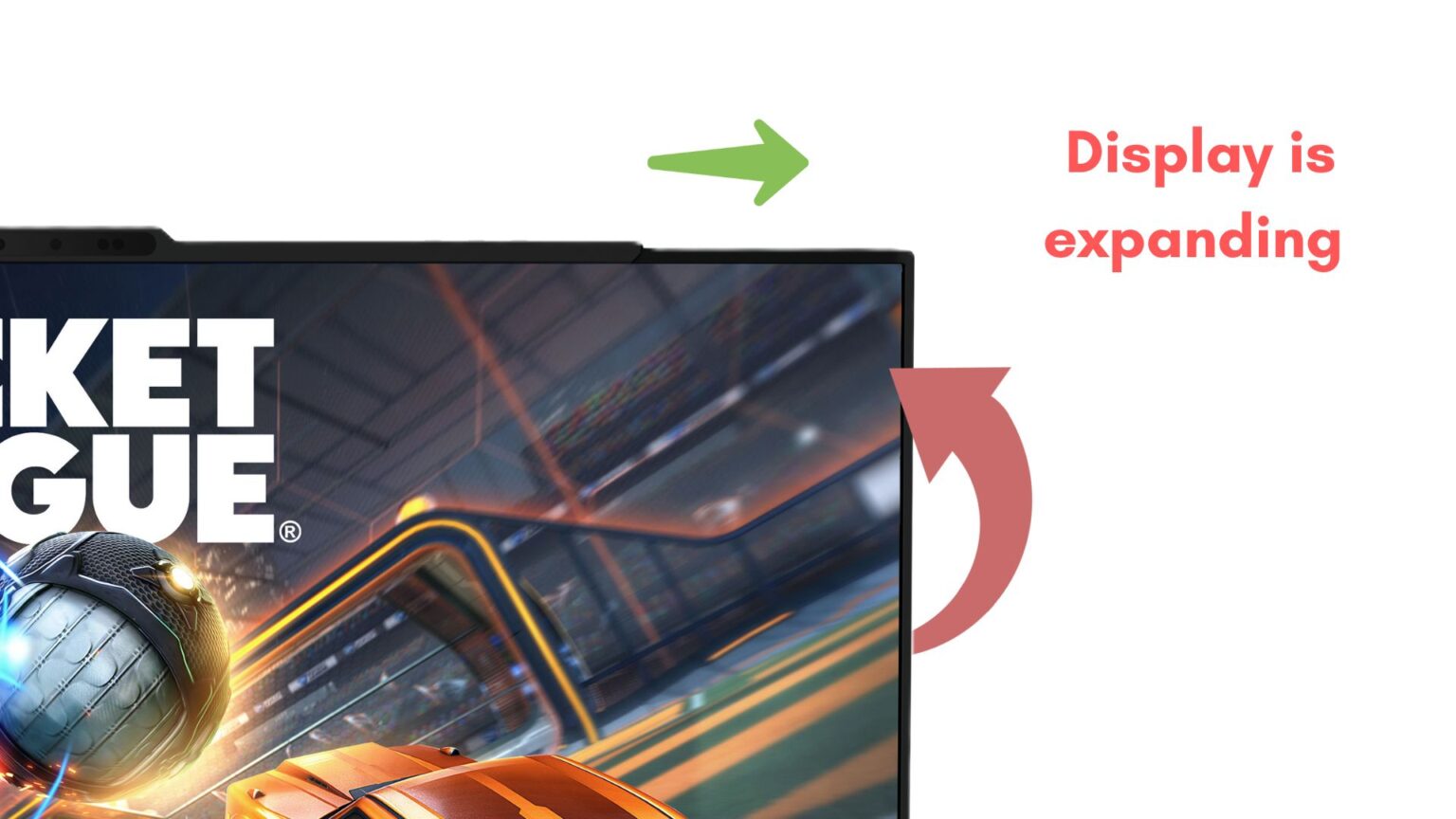
The promotional materials shared by Windows Latest show that the device functions as a standard 16:9 clamshell laptop in its default state. However, it can mechanically extend outward to a 21:9 ratio. Unlike the vertically expanding ThinkBook Plus Gen 6 Rollable that Lenovo shipped previously, this new gaming-focused laptop rolls out horizontally. Small motors drive rails that push the screen outwards to the left and right, transforming the panel, offering the field of view of an ultrawide monitor.

Image credit: Windows Latest

While full technical specifications remain under wraps, the leak points to the inclusion of Intel Core Ultra silicon, probably the upcoming Panther Lake architecture, given the early 2026 timeline. On the graphics side, the Legion branding all but guarantees a discrete Nvidia RTX GPU, almost certainly from the RTX 50-series. The display itself is tipped to be an OLED panel capable of at least 120Hz.

The existence of such a device is less far-fetched than it might appear. Lenovo has already proven it can mass-produce this technology with the ThinkBook Plus Gen 6, which successfully transitioned from a trade show concept to a retail product. Expanding that know-how to a horizontal, gaming-centric layout seems quite feasible for the brand.

KitGuru says: We expect the Legion Pro Rollable to command a significant price premium over other laptops. How much more would you be willing to spend for a rollable display?

The post Lenovo is reportedly preparing a Legion Pro laptop with a 21:9 rollable display first appeared on KitGuru.
  •  

Intel Core Ultra 7 270K Plus CPU surfaces in benchmark leak

Intel's mid-cycle refresh for its desktop Arrow Lake lineup seems to be right around the corner, with the first concrete performance numbers for the unannounced Core Ultra 7 270K Plus appearing on the Geekbench database. This new SKU seems to be a direct replacement for the existing Core Ultra 7 265K, bringing a notable bump in core count and frequency adjustments that aim to refine the platform ahead of the next major architectural shift.

The most significant change revealed by the leaked entry (via Benchleaks) is the processor's core configuration. While the current 265K uses a 20-core layout, the incoming 270K Plus has been upgraded to a 24-core design, comprised of 8 P-cores and 16 E-cores. Adding four extra E-cores aligns the chip more closely with the top-tier Core Ultra 9 in terms of thread count. Beyond the silicon changes, Intel seems to be improving some specifications, with reports suggesting an increase in official memory support from DDR5-6400 to DDR5-7200, alongside a 100 MHz bump to E-core base and turbo frequencies.

The entry shows the chip running on a Gigabyte Z890 Eagle WiFi7 motherboard, with the Core Ultra 7 270K Plus achieving a single-core score of 3,235 and a multi-core score of 21,368. Despite being handicapped by relatively slow DDR5-4800 memory during the test, these numbers represent an uplift of roughly 5.6% in single-threaded tasks and 4.2% in multi-threaded workloads compared to the average scores of the Core Ultra 7 265K. According to the benchmark run, the CPU reached a clock speed of 5.5 GHz.

This refreshed lineup is expected to launch next year on the existing LGA 1851 socket, serving as a drop-in upgrade for current users. By sticking with the “Core Ultra 200” series branding, Intel is signalling that this is an iterative update rather than a new generation.

KitGuru says: Do you think the new Core Ultra 200 Plus series will help Intel regain some of the market share it has been losing in the desktop consumer segment?

The post Intel Core Ultra 7 270K Plus CPU surfaces in benchmark leak first appeared on KitGuru.
  •  

AOC and Philips unveil world’s first 1000Hz dual-mode gaming monitors

TP Vision's two gaming sub-brands, AOC and Philips, have officially introduced the first monitors capable of reaching 1000Hz. Unveiled at an event in China, the AOC AGON Pro AGP277QK and the Philips Evnia 27M2N5500XD share the same underlying display panel technology to achieve this milestone.

According to DisplaySpecifications, the 27-inch panel in both units offers dual-mode functionality similar to what we have seen in recent LG and ASUS offerings, but with significantly higher frequencies. Natively, the screen operates at a QHD resolution with a 500Hz refresh rate. However, for users prioritising pure motion clarity over pixel count, the display can switch to a Full HD resolution to unlock the 1000Hz mode. The panel specifications include VESA DisplayHDR 400 certification and a static contrast ratio of 2000:1. The panel type wasn't specified, but given the specs, it should be an IPS panel.

Image credit: DisplaySpecifications

Beyond raw speed, the Philips model integrates the brand's ComfortView 4.0 and AI-driven light-synchronisation technology. Both monitors are expected to feature fully ergonomic stands, with the Philips model utilising its Smart ErgoBase and the AOC variant likely sporting its signature 4-way adjustable design. Standard gaming features, such as 1ms GTG response times and low-input-lag modes, are available on both units.

While the monitors have made their formal debut in the Chinese market, TPVision has yet to confirm specific release dates or pricing for Western territories.

KitGuru says: There aren't that many PCs out there capable of taking advantage of these monitors. However, if you do have one of these, it seems you won't have to wait long to see what that experience looks like.

The post AOC and Philips unveil world’s first 1000Hz dual-mode gaming monitors first appeared on KitGuru.
  •  

Nvidia GTC 2026 dated for March with Vera Rubin and Feynman AI architectures in focus

Nvidia has officially confirmed the schedule for its next major GPU Technology Conference, with GTC 2026 returning to San Jose on March 15th, 2026. The company has wasted little time in sharing the details on its official website, outlining a four-day event that will once again place its aggressive AI roadmap front and centre.

While the conference kicks off with workshops on the 15th, the headline event will undoubtedly be CEO Jensen Huang's keynote address on March 16th. Given the company's staggering $4.4 trillion market valuation, all eyes are on how the Green Team plans to maintain its momentum.

Unveiled at last year's event alongside Blackwell Ultra and DGX Spark, Vera Rubin is expected to be the primary talking point as Nvidia prepares to ramp up mass production of AI clusters based on the new architecture. Vera Rubin should deliver substantial improvements over Blackwell, featuring TSMC's 3nm process node, HBM4 memory integration, and significant upgrades to the networking stack. Moreover, Jensen Huang is also expected to provide an update on the next-generation Feynman GPU architecture.

Gamers expecting consumer-focused announcements should likely temper their expectations. GTC has increasingly solidified its reputation as an “all-AI” commercial showcase, with GeForce products typically reserved for venues like CES. Instead, attendees can expect a deep dive into the industrial metaverse, updates to the CUDA library, and the latest breakthroughs in robotics.

KitGuru says: What are your expectations for GTC 2026?

The post Nvidia GTC 2026 dated for March with Vera Rubin and Feynman AI architectures in focus first appeared on KitGuru.
  •  

Acer unveils Predator X27UZ1 QD-OLED monitor with 280Hz refresh rate

Acer has quietly expanded its high-end gaming monitor portfolio with the introduction of the Predator X27UZ1, a new 26.5-inch display built around QD-OLED technology. The screen targets competitive gamers, offering a WQHD resolution (2560×1440) and an impressive overclockable refresh rate of up to 280Hz.

According to Prad, the panel specifications align with the high standards expected of modern OLEDs. It features a 0.03ms G2G response time and covers 99% of the DCI-P3 colour gamut with a Delta E of less than 2, ensuring accurate colour reproduction right out of the box. Contrast is rated at 1,500,000:1, while brightness levels are rated at 250 nits for full-screen SDR content and up to 1,000 nits for HDR highlights at a 3% APL. These specs have earned the unit DisplayHDR True Black 400 certification.

Connectivity options include two HDMI 2.1 ports, a single DisplayPort 1.4, and a dedicated headphone output. The included stand offers comprehensive ergonomic adjustments, including 120mm of height travel and tilt, swivel, and pivot functionality. For those preferring aftermarket arms, the chassis supports a 75x75mm VESA mount. Integrated 5-watt stereo speakers are also present for basic audio duties.

The value proposition is slightly complicated due to the warranty terms. While the street price is quite accessible at €450, the monitor ships with a standard two-year guarantee. This is shorter than the three-year burn-in coverage that has become the industry standard for OLED gaming monitors from major competitors, which may give some potential adopters pause regarding long-term panel longevity.

KitGuru says: Given its shorter warranty period, would you still consider Predator X27UZ1 if you were looking for an OLED gaming monitor?

The post Acer unveils Predator X27UZ1 QD-OLED monitor with 280Hz refresh rate first appeared on KitGuru.
  •  

Nvidia continues to phase out Pascal GPUs

Following the release of the 590 driver branch, which formally ended “Game Ready” support for the GTX 900 and 10 series GPUs, Nvidia has been forced to issue a correction regarding its supported hardware list. Initially, the release notes revealed that the Titan GTX and several Pascal-based mobile GPUs were still listed as supported, but that is no longer the case.

Nvidia has since removed all mentions of the MX and Titan GTX GPUs in the list of supported hardware, as noted by VideoCardz. The company has updated its documentation to confirm that all Pascal-based GPUs are indeed moving to legacy status. This correction hits the entry-level laptop segment particularly hard, wiping out almost the entire MX lineup. The only survivor is the MX450, which remains supported solely because it is built on the newer Turing architecture (TU117S), unlike its Pascal-based predecessors.

The transition to the 590 branch also marks the end of an era for the Titan family. With the deprecation of Maxwell, Pascal, and Volta, the support list has been decimated. The Titan X, Titan XP, and Titan V are no longer supported. This leaves the Turing-based Titan RTX as the sole remaining member of the family with active driver support.

Note that, as these GPUs will be moved to legacy, they'll still receive critical security updates via a dedicated branch.

KitGuru says: Do you own a Titan GTX or a mobile MX GPU? Are you planning to upgrade those systems, given they're about to be considered legacy?

The post Nvidia continues to phase out Pascal GPUs first appeared on KitGuru.
  •  

Lian Li launches RS series PSUs with rotating AC outlet and dual-side connectors

Lian Li has introduced the RS Series, a new line of power supplies designed to address the physical constraints often found in compact or dual-chamber PC cases. Available in 1000W and 1200W capacities, the series introduces a unique mechanical feature: a rotating AC inlet.

The rotating inlet found on the RS series allows builders to adjust the orientation of the power cord connection, making it easier to fit the unit into a chassis with limited clearance or unusual mounting brackets. The design's flexibility extends to the modular interface as well, with the RS Series featuring 24-pin motherboard output ports on both the left and right sides of the unit. This dual-port layout ensures the main ATX cable takes the most direct path to the motherboard, regardless of the PSU's orientation, helping declutter the cable management chamber.

Some RS PSUs come with an RS Hub designed to solve the common shortage of internal USB headers in RGB-heavy builds. It provides four USB 2.0 headers capable of supporting up to eight devices. The hub is magnetic and can be placed anywhere in the case or mounted directly onto the PSU. This accessory is included with the 1200W models, but it's also an optional add-on for the 1000W variants.

Under the hood, the units are built using a combination of Japanese capacitors and industrial-grade EPCOS capacitors, which Lian Li claims are smaller yet more durable than traditional components. The platform is rated for high efficiency, carrying 80 Plus Gold, PPLP Gold, and Cybenetics Platinum certifications. Cooling is provided by a 135 mm fluid-dynamic bearing (FDB) fan that supports a Zero RPM mode for silent operation under lighter loads.

The PSUs ship with soft, flat modular cables and magnetic cable ties to further assist with routing. The Lian Li RS Series is available starting December 5th, 2025, in both black and white. The RS1000G Black without a hub is priced at $154.99, while the RS1000G White without a hub is priced at $159.99. If you choose the RS1000G bundled with the RS Hub, the Black version costs $159.99, and the White version is $164.99. Finally, for the RS1200G models, which are available only with the RS Hub, the Black edition is $179.99, and the White edition is $184.99.

KitGuru says: Although a bit pricey, these PSUs' feature set is quite rare in the current market. The only similar alternative is the Corsair RMx Shift, which is priced similarly to these at the same power level.

The post Lian Li launches RS series PSUs with rotating AC outlet and dual-side connectors first appeared on KitGuru.
  •  

Dell and Lenovo reportedly set to raise PC prices due to rising memory costs

Dell is reportedly preparing to increase its system prices by 15-20% as early as mid-December, driven by a dramatic surge in DRAM costs. Lenovo may follow suit, as industry insiders point to the exploding cost of memory as the cause, specifically DDR5, which has seen year-over-year increases of 70%, with some specific components spiking by a massive 170%.

According to Trendforce, Lenovo is already advising customers that current price quotes will expire on January 1st, with significant increases expected in early 2026 due to AI-driven demand and shortages. Other major OEMs, including HP, Samsung, and LG, are also said to be reassessing their 2026 product roadmaps, particularly for AI tablets and PCs.

TrendForce has consequently downgraded its notebook shipment forecast for 2026 from 1.7% growth to 2.4% decline. With memory accounting for a significant chunk of a PC's cost, 2026 is shaping up to be a challenging year for consumers, likely characterised by higher prices, limited availability, and potentially lower-spec products as brands attempt to maintain price points.

KitGuru says: With all these new reports lately, it seems those planning to buy a laptop are better off getting it ASAP or risk paying a considerably higher price.

The post Dell and Lenovo reportedly set to raise PC prices due to rising memory costs first appeared on KitGuru.
  •  

Riot’s fighting game ‘2XKO’ comes to consoles early next year

After years of anticipation since its initial tease as ‘Project L', Riot Games has confirmed that its League of Legends-based tag fighter, 2XKO, will officially launch on PlayStation 5 and Xbox Series X/S in January 2026.

The console debut will coincide with the launch of Season 1 across all platforms, marking a significant milestone for the title, which has been in PC Early Access since October 2025. This simultaneous rollout ensures that the player base remains unified, with Riot confirming cross-platform progression. Console players will not be left behind, as a catch-up mechanism will allow them to earn or unlock content from the PC-exclusive early access period, including champions, skins, and mastery rewards.

Season 1 is set to bring substantial new content, headlined by the arrival of a new champion to the roster. Additionally, Riot is doubling down on the esports ecosystem with the introduction of the “Frame Perfect” skin line. A portion of the proceeds from these skins will go directly to tournament organisers to support prize pools and production costs.

Riot has also unveiled the 2026 Competitive Series, a global circuit developed in partnership with independent event organisers. The series will feature twenty sanctioned events, including five major tournaments. The competitive calendar kicks off almost immediately after launch, with the first event scheduled for January 29th, 2026, at Frosty Faustings.

KitGuru says: Have you already tried 2XKO, or were you waiting for the console release?

The post Riot’s fighting game ‘2XKO’ comes to consoles early next year first appeared on KitGuru.
  •  

First wave of Activision titles land on Ubisoft+ streaming service

Ubisoft has officially begun integrating Activision Blizzard titles into Ubisoft+ Premium, marking the first tangible result of the cloud-streaming rights deal secured in August 2023. The publisher has confirmed that the first batch of games is available to stream starting today, initially launching via an integration with Nvidia GeForce Now.

This expansion is a direct consequence of the agreement made during Microsoft's acquisition of Activision Blizzard, under which Ubisoft secured perpetual cloud-streaming rights to the studio's catalogue. Chris Early, Ubisoft's Senior Vice President of Corporate Partnerships, noted that this move is intended to strengthen the service's content offering and allow the publisher to license these titles to other cloud providers and console makers. While GeForce Now is the first platform to support this integration, Ubisoft has stated that these games will become available via other cloud providers in the future.

The initial lineup of Activision games available to stream includes some of the publisher's biggest hits. Subscribers can now access the standard editions of Call of Duty: Modern Warfare II and Call of Duty: Modern Warfare III, as well as the Crash Bandicoot N. Sane Trilogy, which includes Crash Bandicoot, Cortex Strikes Back, and Warped. Similarly, the Spyro Reignited Trilogy is now available, offering the remastered versions of Spyro the Dragon, Ripto's Rage!, and Year of the Dragon.

Ubisoft has confirmed that this is just the beginning, with more titles from both Activision and Blizzard expected to join the Ubisoft+ Premium catalogue in the coming months.

KitGuru says: Are you subscribed to Ubisoft+ Premium? What other Activision games would you like to see on the platform?

The post First wave of Activision titles land on Ubisoft+ streaming service first appeared on KitGuru.
  •