↩ Accueil

Vue lecture

Apple Tested AirPods in Bright Colors

Apple reportedly tested a version of the first-generation AirPods with bright, iPhone 5c-like colored charging cases.


The images, shared by the Apple leaker and prototype collector known as "Kosutami," claim to show first-generation AirPods prototypes with pink and yellow exterior casings. The interior of the charging case and the earbuds themselves remain white.

They seem close to some of the color options offered for the ‌iPhone‌ 5c, which came in blue, green, pink, yellow and white. Apple has only ever released AirPods in white.

Christmas post Abandoned iPhone 5c colored AirPods 1st gen prototype. #appleinternal pic.twitter.com/Y2wzZTxgLC

— Kosutami (@Kosutami_Ito) December 24, 2025


In 2023, Kosutami shared images of AirPods in pink. Apple apparently developed five different color options for AirPods to approximately match the ‌iPhone‌ 7, but decided not to move forward with the idea.

Some users have sought after AirPods in different color options for several years. While Apple was seemingly only ever considering offering the charging case in different color ways, it is interesting to know that the company got as far as prototyping distinct color options for the device to match various ‌iPhone‌ models. Today, the AirPods Max are the only AirPods to have been offered in different color options.

Kosutami previously shared images of various Apple prototypes, including all-black Vision Pro parts, an earlier version of the MagSafe charging puck, FineWoven Apple Watch bands, a functional AirPower charging mat, an unreleased "Magic Charger" accessory, and more.
Related Roundup: AirPods 4
Buyer's Guide: AirPods (Neutral)
Related Forum: AirPods

This article, "Apple Tested AirPods in Bright Colors" first appeared on MacRumors.com

Discuss this article in our forums
  •  

What You Can (and Can't) Use an Apple Gift Card For

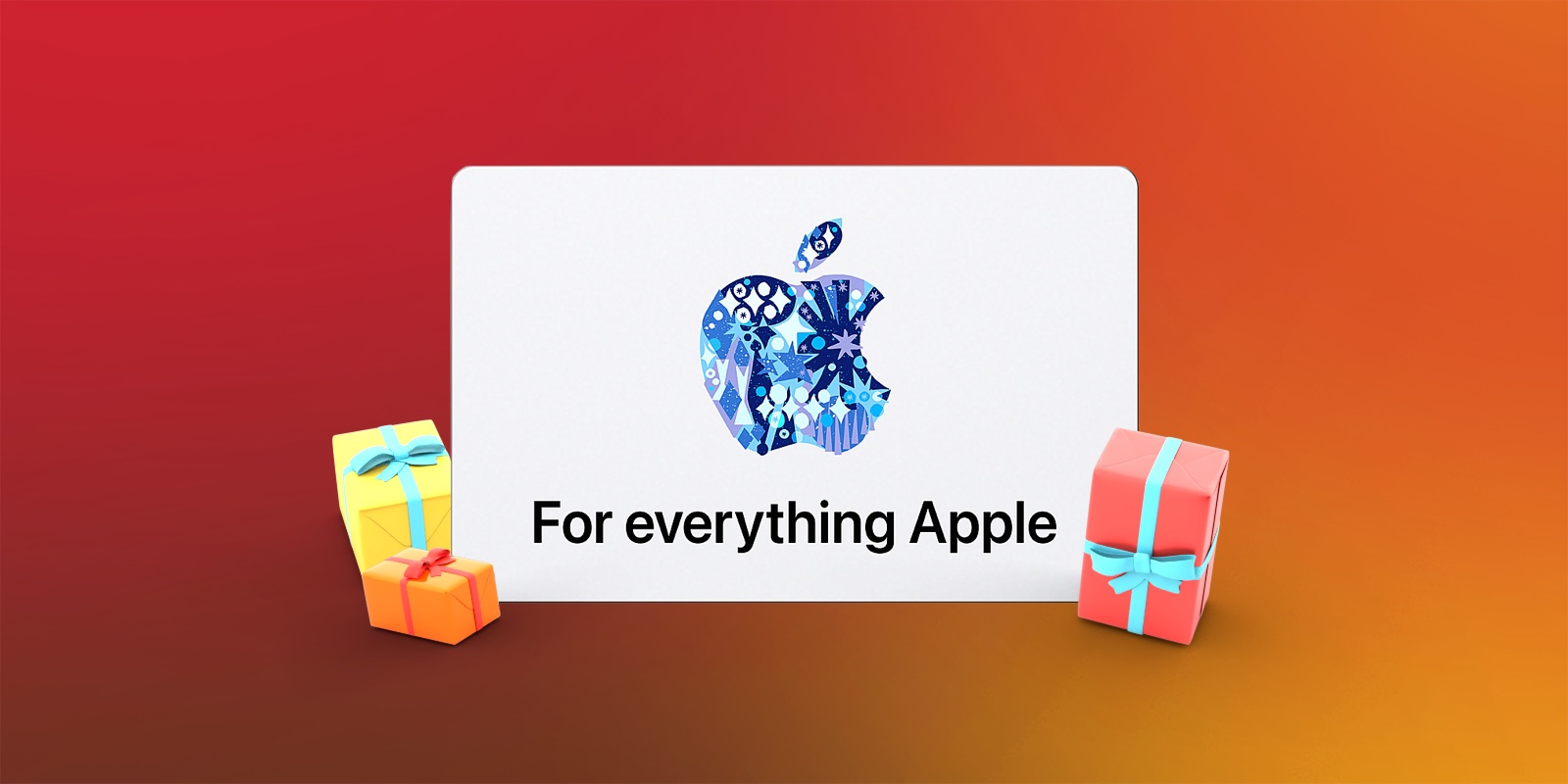
Apple Gift Cards are one of the most common Apple-related gifts given during the holidays, so if you've received one today, here are all of the things you can and cannot use it for.


After redeeming an Apple Gift Card, the value is added to the Apple Account balance and automatically applies at checkout when making eligible purchases. It can be spent on a wide range of Apple products, services, and digital content.

Apple Gift Cards are marketed as a single, flexible balance that works across Apple's ecosystem, but there are clear limits on what they can and cannot be used for once redeemed to an Apple Account.

What Apple Gift Cards Can Be Used For


  • Purchasing Apple hardware and accessories on apple.com, in the Apple Store app, or in an Apple retail store.

  • Using the balance toward Apple hardware when checking out, with any remaining cost paid using another payment method.

  • Buying apps and games on the App Store, including in-app purchases.

  • Paying for digital media, including movies, TV shows, and books through Apple's digital storefronts.

  • Covering subscriptions to Apple services such as Apple Music, Apple TV+, Apple Arcade, and iCloud+ storage, as well as eligible third-party app subscriptions billed through the ‌App Store‌.


What Apple Gift Cards Can't Be Used For


  • Making purchases outside Apple's ecosystem, such as goods or services from non-Apple retailers.

  • Starting certain recurring payments, such as AppleCare+ plans, without an additional credit or debit card on file.

  • Redeeming or using balances across different countries or regions, as gift cards are typically region-locked.

  • Transferring to or purchasing other gift cards.

  • Exchanging for cash or cash equivalents.


While Apple Gift Cards are intentionally designed to be more versatile than older ‌App Store‌ or ‌Apple Store‌–only gift cards, they still come with some limits. For users, the key distinction is that Apple Gift Cards work best for Apple-direct purchases and subscriptions, but they can't replace a traditional payment method for gifting or non-Apple spending.
This article, "What You Can (and Can't) Use an Apple Gift Card For" first appeared on MacRumors.com

Discuss this article in our forums
  •  

Apple CEO Tim Cook Buys $3 Million of Nike Shares

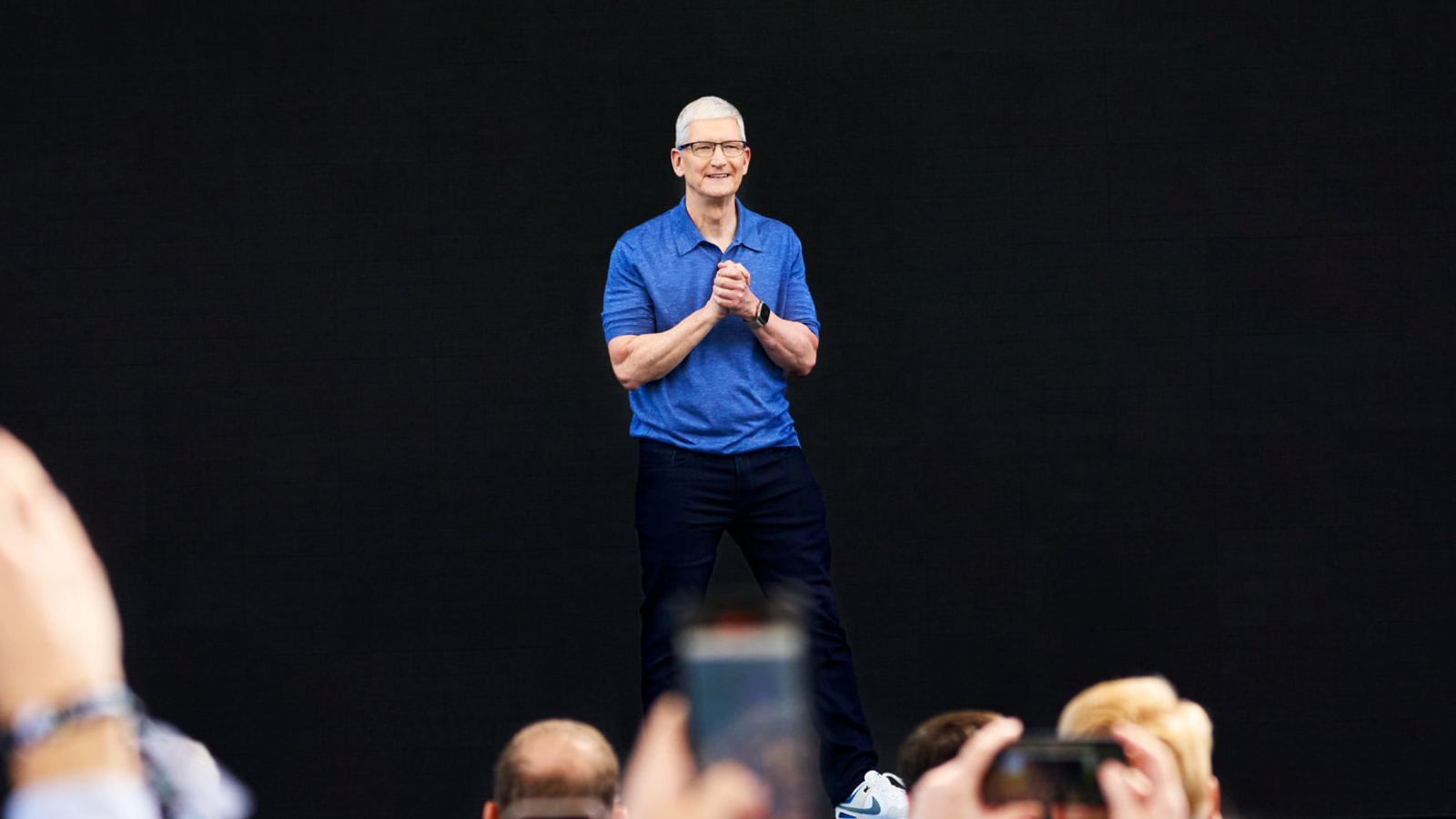
Apple CEO Tim Cook disclosed a roughly $3 million open-market purchase of Nike shares this week (via Reuters).


According to a regulatory filing published yesterday, Cook purchased 50,000 Class B shares of Nike on December 22 at an average price of $58.97 per share, for a total investment of approximately $2.95 million. The filing shows that Cook now holds about 105,000 Nike shares, a position valued at nearly $6 million.

Nike shares rose following the disclosure, gaining between about 2% and 5% in premarket and early regular-session activity, after the stock had fallen sharply in the days following the company's most recent earnings report, which highlighted ongoing challenges in its business, particularly in China. Nike is currently in the early stages of a turnaround effort under CEO Elliott Hill, who returned to the company last year after retiring.

Cook has served on Nike's board of directors since 2005 and is its lead independent director, a role he assumed in 2016 after Nike co-founder Phil Knight stepped down as chairman. In addition to his position at Apple, Cook also chairs Nike's compensation committee, placing him in a central governance role at the apparel maker. The December 22 transaction represents Cook's largest open-market purchase of Nike shares in years and comes at a time when the company is under pressure from investors following a prolonged decline in its stock price.
This article, "Apple CEO Tim Cook Buys $3 Million of Nike Shares" first appeared on MacRumors.com

Discuss this article in our forums

  •  

Apple to Introduce New App Store Fee Structure in Brazil Following Antitrust Settlement

Brazilian regulators have approved a settlement that will require Apple to change how the App Store operates on iPhone in the country, including allowing alternative app stores, expanded payment options, and a defined new fee structure.


In a press release, Brazil's Administrative Council of Economic Defense (CADE), said its court has approved a Term of Commitment to Cease proposed by Apple to resolve an investigation into the company's ‌App Store‌ rules on iOS. The case began in 2022 and examined whether Apple's restrictions on app distribution and payments limited competition in Brazil.

CADE said the investigation focused on Apple's prohibition of third-party app stores on iOS, the requirement that developers use Apple's in-app purchase system for digital goods and subscriptions, and restrictions that prevented developers from informing users about alternative payment options.

Under the settlement, Apple will be required to allow developers in Brazil to link to external payment options and promote offers that take place outside their apps. Developers will also be permitted to offer third-party payment methods within their apps alongside Apple's own in-app purchase system, with CADE requiring that these options be presented next to Apple's payment option.

Apple will also have to allow third-party app stores in Brazil. CADE specified that Apple may still display warnings or informational messages to users, but those messages must be neutral, objective, and limited in scope, and must not introduce extra steps or barriers that make alternative options harder to use.

According to Brazilian technology site Tecnoblog, which said it obtained the details directly from CADE, purchases made through the ‌App Store‌ will remain subject to a 10% or 25% commission under standard terms. Developers who use Apple's payment system would also pay a 5% transaction fee.

If an app directs users to pay outside the app using only static text, with no clickable link or button, Apple will not charge a fee. If the app includes a clickable button or link that sends users to an external website for payment, Apple will charge a 15% fee. Third-party app stores will be subject to a 5% Core Technology Commission.

CADE said Apple will have up to 105 days to implement the required changes once the new rules become binding.
This article, "Apple to Introduce New App Store Fee Structure in Brazil Following Antitrust Settlement" first appeared on MacRumors.com

Discuss this article in our forums
  •  

iPhone Air 2 Could Still Launch Next Year

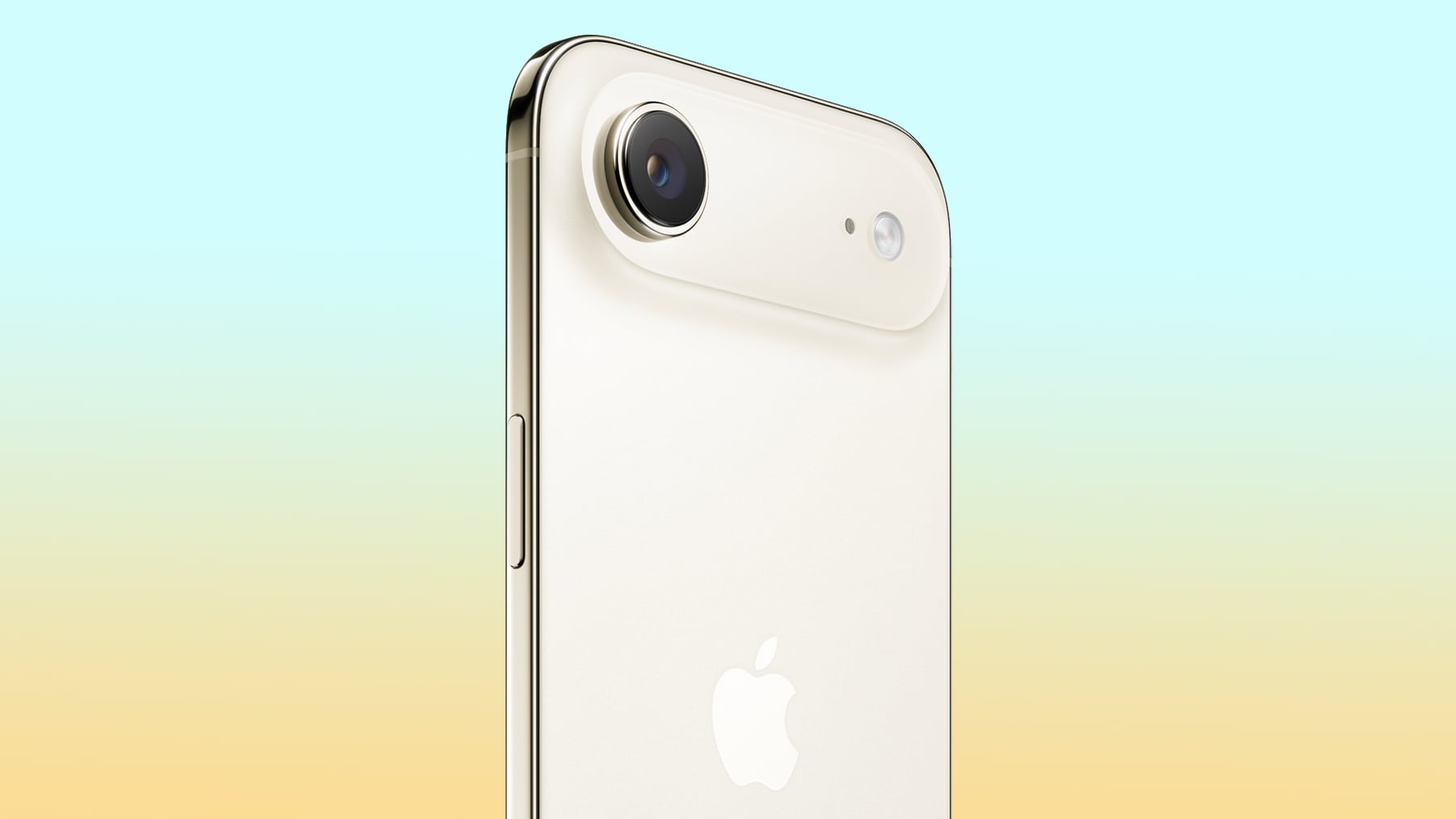
Apple's next-generation iPhone Air could still launch in the fall of 2026, according to the Weibo leaker known as "Fixed Focus Digital."


The leaker claims to have been told by sources that the second-generation ‌iPhone Air‌ will launch in the fall. Meanwhile, the iPhone 17e is said to already be in mass production ahead of unveiling at a spring product launch event.

The rumor comes in contrast to an array of corroborated reports that the second-generation ‌iPhone Air‌ has been delayed until March 2027, where it is expected to launch alongside the standard iPhone 18 and a lower-end ‌iPhone‌ 18e. The second-generation ‌iPhone Air‌ was originally rumored to launch alongside the ‌iPhone 18‌ Pro, ‌iPhone 18‌ Pro Max, and foldable ‌iPhone‌ in the fall of 2026, but poor sales of the debut model apparently led Apple to delay the launch.

The second-generation ‌iPhone Air‌ is rumored to address complaints about the device by adding a second rear camera and lowering its price. A lighter weight, vapor chamber cooling, and a larger battery capacity are also among the rumored new features.

It is still possible that a new ‌iPhone Air‌ could launch in the fall of next year, especially if Apple has expedited development of new features, since this was the original scheduled launch time frame. Nevertheless, it would be surprising if the multitude of rumors indicating a delayed launch were mistaken.
Related Roundup: iPhone Air
Buyer's Guide: iPhone Air (Buy Now)

This article, "iPhone Air 2 Could Still Launch Next Year" first appeared on MacRumors.com

Discuss this article in our forums
  •  

Advanced iPhone 18 Camera Sensor to Be Made in Texas

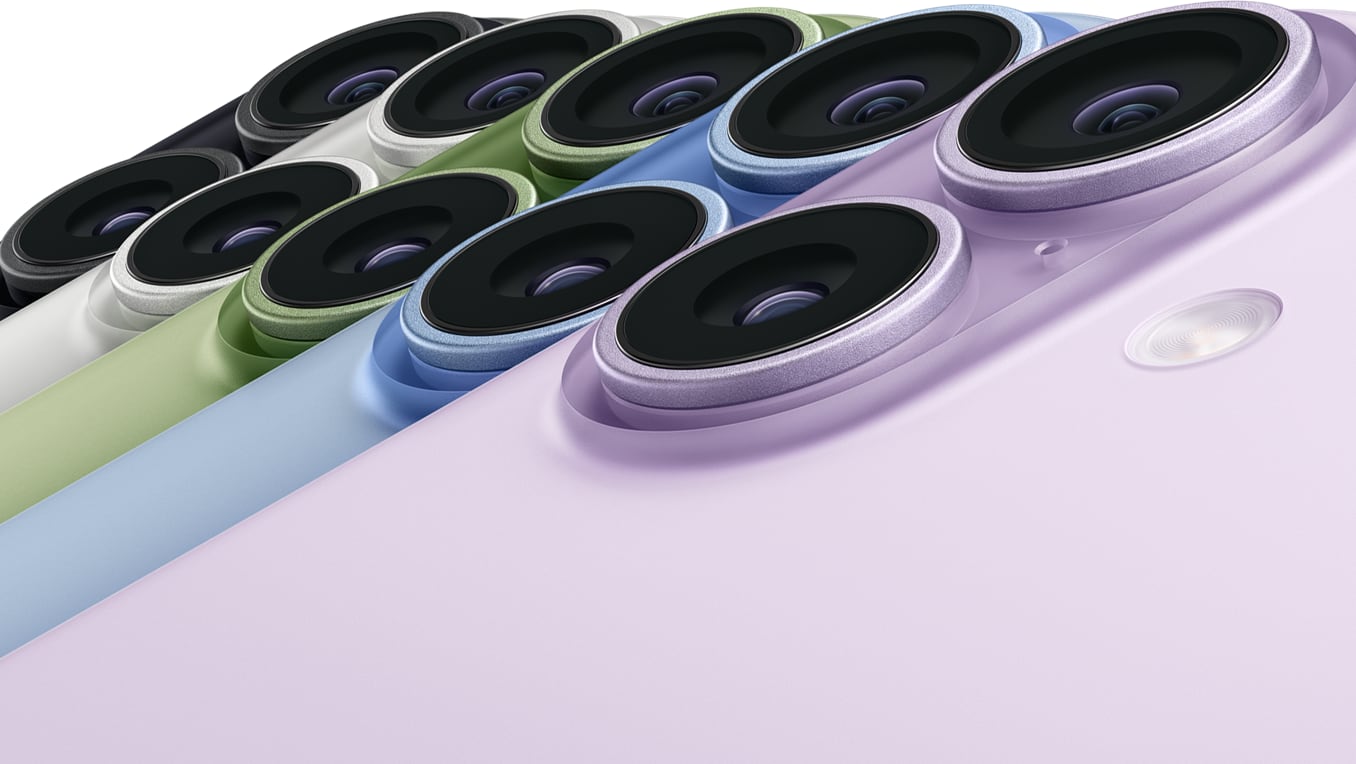
Samsung is preparing to supply Apple with advanced image sensors for the iPhone in Austin, Texas, according to The Elec.


The sensors will reportedly be made by Samsung at its existing facility in Austin. The company is expected to install production equipment for the project in the near future and has posted job listings for mechanical and electrical technicians, engineers, and managers to work on set up.

Samsung is expected to make the ‌iPhone‌'s image sensor with a three-stack design, which enables higher pixel density and improved low-light performance by vertically stacking multiple sensor layers. Stacked sensor architecture also allows for faster readout speeds, reduced power consumption, and higher dynamic range. This manufacturing process has not previously been deployed at a commercial scale.

Earlier this month, Samsung notified the city of council of Austin of its intention to spend $19 billion on its Austin facility. The new image sensor production line is expected to begin operation in March at the earliest.

The new sensor is believed to be destined for the iPhone 18, which is expected to launch in the first half of 2027. Apple reportedly reached a deal with Samsung in August for supply of the component.

This will be the first time Apple will move away from Sony as the sole supplier for ‌‌iPhone‌‌ image sensors and make the component in the United States. Today, Sony is the sole supplier of ‌‌iPhone‌‌ image sensors; they are produced in Japan and delivered via TSMC.
Related Roundup: iPhone 18
Related Forum: iPhone

This article, "Advanced iPhone 18 Camera Sensor to Be Made in Texas" first appeared on MacRumors.com

Discuss this article in our forums
  •  

Apple Clings to Samsung as RAM Prices Soar

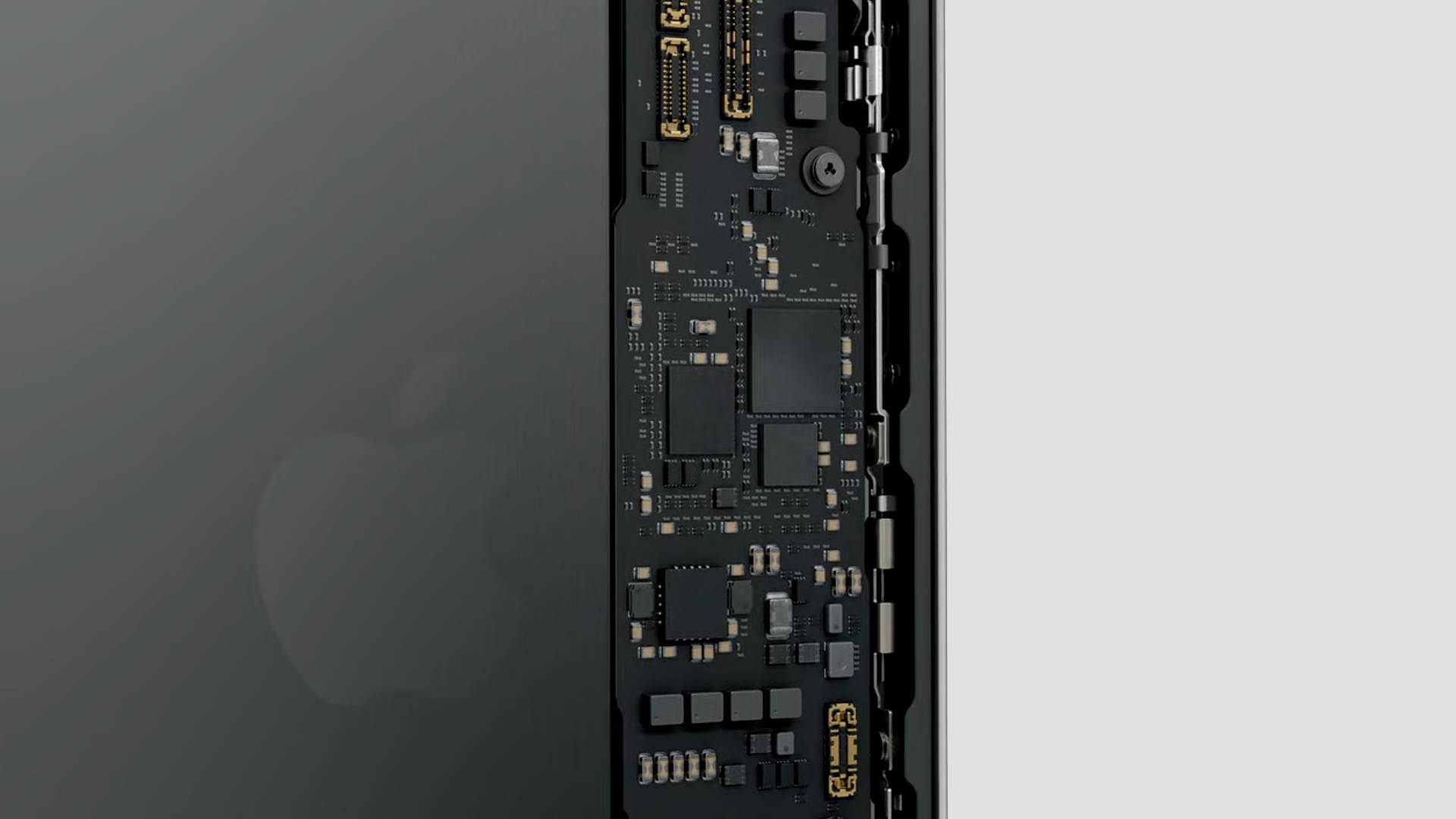
Apple is significantly increasing its reliance on Samsung for iPhone memory as component prices surge, according to The Korea Economic Daily.


Apple is said to be expanding the share of ‌iPhone‌ memory it sources from Samsung due to rapidly rising memory prices. The shift is expected to result in Samsung supplying roughly 60% to 70% of the low-power DRAM used in the iPhone 17, compared with a more even split with SK Hynix in previous generations, with Micron also participating as a smaller supplier.

The change is occurring against a backdrop of tightening supply in the global memory market. The ‌iPhone‌ relies on low-power double data rate memory (LPDDR), which is optimized for energy efficiency and thermal performance in mobile devices. While Samsung, SK Hynix, and Micron all manufacture LPDDR at scale, industry sources report that SK Hynix and Micron have increasingly redirected production capacity toward high-bandwidth memory (HBM), which is in high demand for artificial intelligence accelerators and data center hardware. As a result, their available capacity for mobile-focused LPDDR has become heavily constrained.

By contrast, Samsung has apparently maintained substantial production of general-purpose and mobile DRAM, allowing it to meet Apple's requirement for extremely large and predictable volumes. Samsung is said to be the only company that can meet Apple's conditions in a situation where SK Hynix seems to be focused on HBM.

According to the report, Apple's hardware is particularly sensitive to momentary voltage spikes, which are not well accommodated by its latest chips, including the A19 and A19 Pro. This places additional pressure on memory suppliers to deliver components that perform identically across very large production runs.

The price of a 12GB LPDDR5X module, the likes of which are used in the iPhone Air and iPhone 17 Pro, has risen sharply from around $30 at the beginning of 2025 to roughly $70 today. Apple's scale and long-standing practice of negotiating multi-year supply agreements typically provide some insulation from short-term price volatility, but the magnitude of the increase has made supplier reliability and volume commitments more important. Concentrating a much larger share of orders with Samsung should allow Apple to secure more predictable deliveries and potentially benefit from economies of scale, even as overall component costs rise.
Tag: Samsung

This article, "Apple Clings to Samsung as RAM Prices Soar" first appeared on MacRumors.com

Discuss this article in our forums

  •