 Connexion
How the French fell in love with family-driven memoirs and autofiction | Anne-Laure Pineau

Matriarchs, absent fathers and troubled childhoods: 2025 was the year French literature focused on family
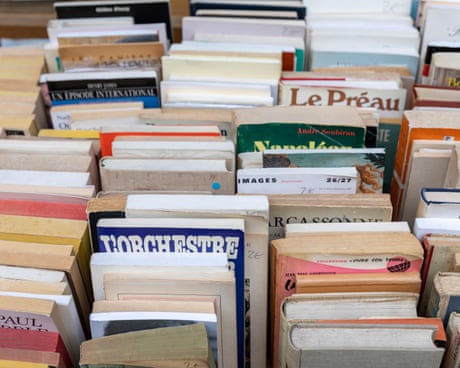
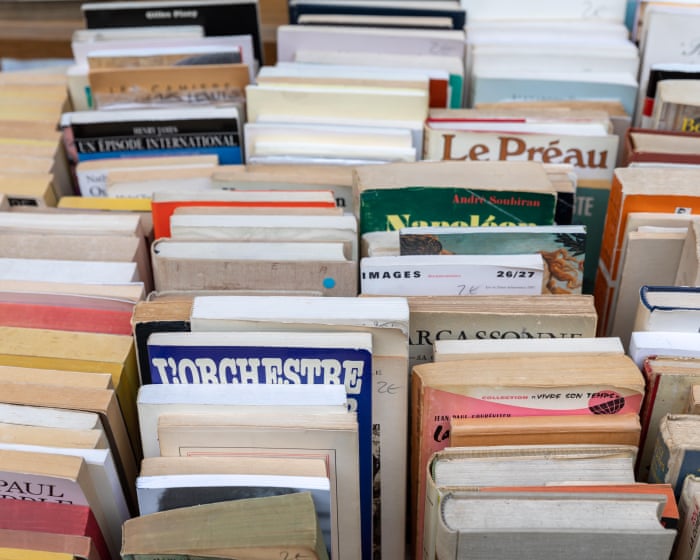
In my neighbourhood bookshop, La Galerne, the shelves are well organised. On the ground floor, there’s a corner for foreign literature and another for French literature, with the latest releases right at the front. For nonfiction and essays, you used to have to go downstairs. But two years ago, they put a new table in front of the French literature corner for feminist essays and memoirs. A prime spot for people to grab a piece of the revolution without thinking about it too much. This change took a wild turn when local genius Annie Ernaux won the Nobel prize in 2022. Where should we put her work: in the crowded space for new French literature or the feminist memoir table?
This dilemma is now a regular question in France. The Anglosphere and other European countries have been wrestling with it over the past two decades, but here the line between fiction and nonfiction has only just begun to vanish in the minds of authors and their editors. Should we put a new table between the two? It would be a perfect spot for great autofiction such as Édouard Louis’s or Christine Angot’s novels. Or deeply personal nonfiction such as Alice Coffin’s Le Génie Lesbien or Adèle Yon’s bestseller Mon vrai nom est Élisabeth – her first novel and a literary quest to reveal the patriarchal violence suffered by the author’s great-grandmother. More than 150,000 copies have been sold since its release in February.
Anne-Laure Pineau is an independent writer based in Le Havre, France
Continue reading...
© Photograph: Thomas Kyhn/Alamy
© Photograph: Thomas Kyhn/Alamy
© Photograph: Thomas Kyhn/Alamy