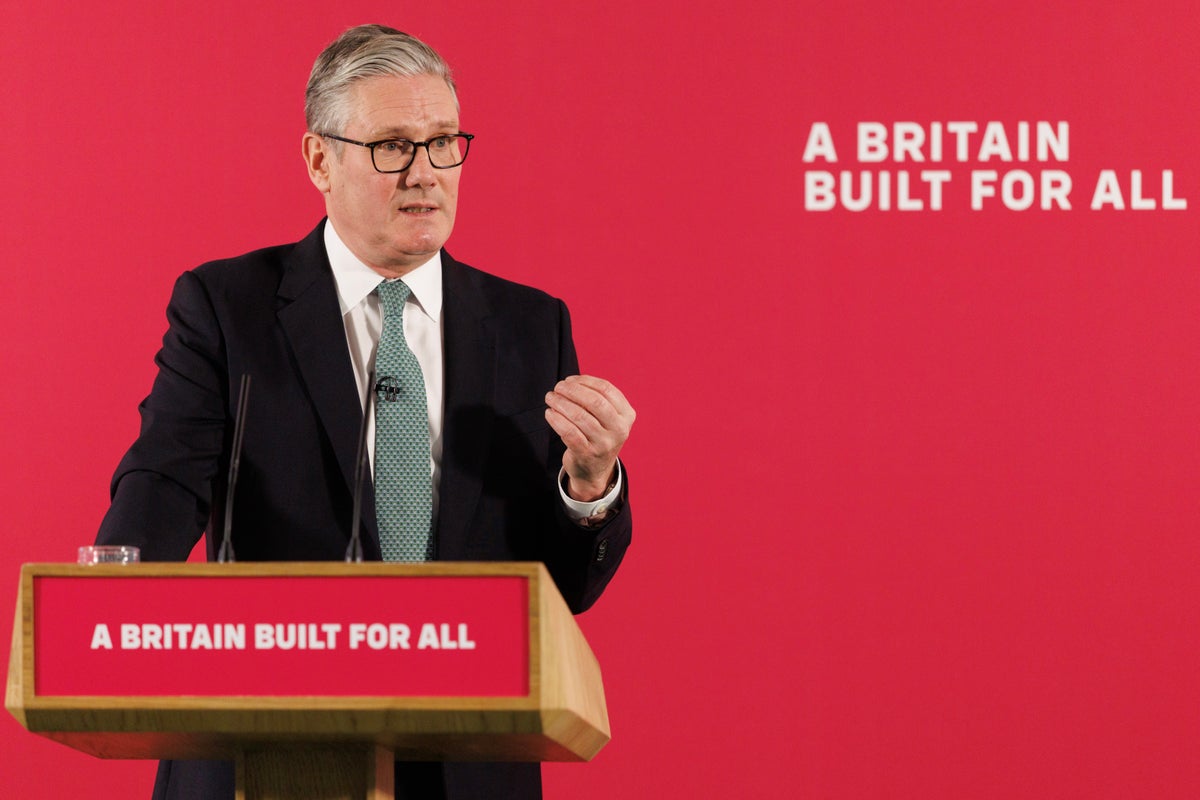
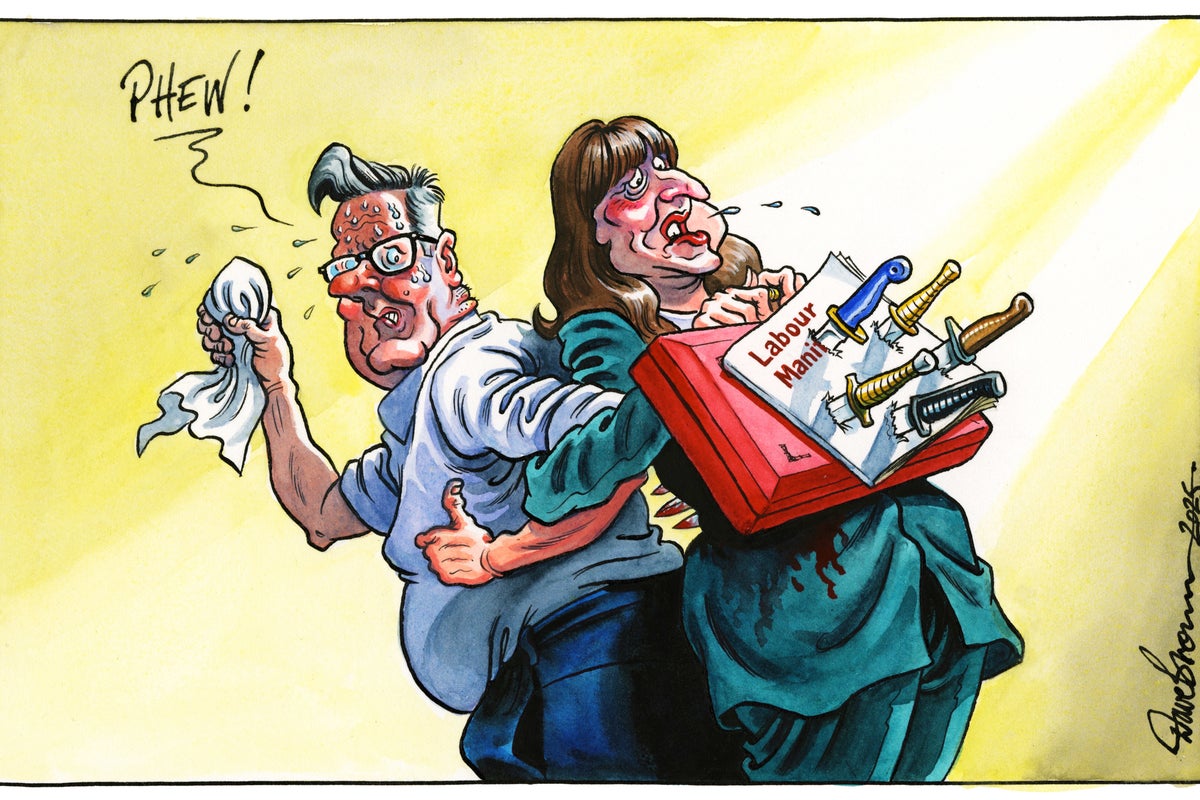
Editorial: Steering the party from the nadir of Corbynism to a landslide majority is Keir Starmer’s greatest achievement – but he now faces his stiffest test in tackling its drift back towards old Labour refuseniks who are hampering pro-growth change
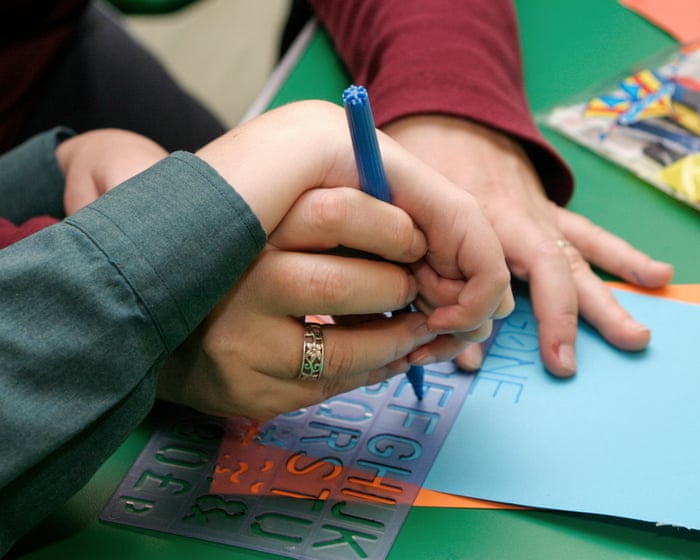
Tory special needs reforms upended council finances, but Labour’s plan to rebuild public provision won’t come cheap if it’s done properly
The crisis over special educational needs and disabilities in England is not just a question of cash. Children and parents spend months and years battling for support to which the law entitles them, schools lack the funding to meet needs, and specialist provision is inadequate. An adversarial system shunts families towards tribunals that councils almost invariably lose.
Tory reforms created obligations for local authorities but did not adequately fund them – allowing ministers to duck responsibility. The result has been financial chaos, with the overall overspend on special educational needs and disabilities (Send) predicted to reach £6.6bn by next March, and keep rising. Taking responsibility for funding away from councils and handing it to the Department for Education is the right move. But the most important questions about Send go beyond accounting. A white paper on reform was postponed in October. Bridget Phillipson, the education secretary, told MPs that she would consult further before deciding on the future of education, health and care plans, which set out entitlements for individual children, and the tribunals where parents can challenge council decisions.
Do you have an opinion on the issues raised in this article? If you would like to submit a response of up to 300 words by email to be considered for publication in our letters section, please click here.
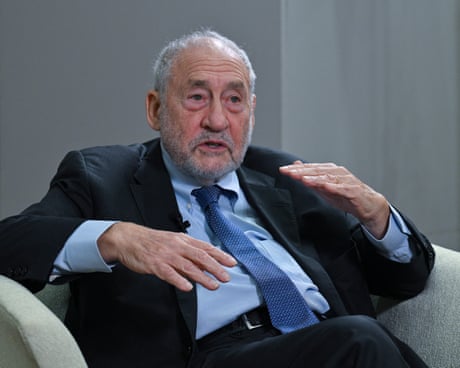
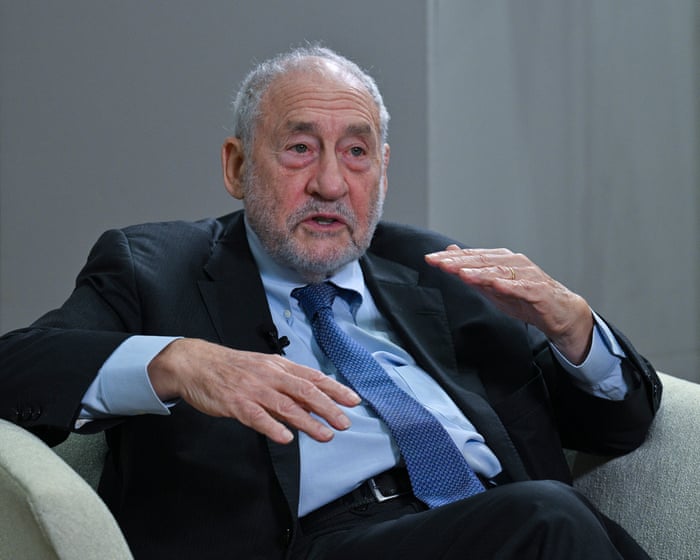
Rising economic division is destabilising nations and eroding accountability. Joseph Stiglitz’s G20 blueprint offers a way toward global economic renewal
When Swiss tycoons handed Donald Trump a gold bar and a Rolex watch – gifts that were followed by a cut in US tariffs – it was no diplomatic nicety. It was a reminder of how concentrated wealth seems to buy access and bend policy. It may, alarmingly, become the norm if the global “inequality emergency” continues. That’s the message of the most recent work by the Nobel laureate Joseph Stiglitz. The economist sees the yawning gap between rich and poor as a human-made crisis which is destroying politics, society and the planet. He’s not wrong.
The problem is no longer confined to a few fragile states. It is a global harm, with 90% of the world’s population living under the World Bank’s definition of “high income inequality”. The US sits just below that threshold and is the most unequal country in the G7, followed by the UK. Prof Stiglitz’s insight is that the current system’s defenders can no longer explain its mounting anomalies. Hence he wants a new framework to replace it. His blueprint for change is contained within the G20’s first-ever inequality report, endorsed by key European, African and middle-income nations.
Do you have an opinion on the issues raised in this article? If you would like to submit a response of up to 300 words by email to be considered for publication in our letters section, please click here.
“The law is clear that service members can disobey illegal orders,” explains Joshua Braver, but with a deep “ambiguity,” as this is a system where “all incentives point toward obedience.”
Editorial: Fiona Hill, a former White House adviser, tells The Independent that the Russian president is manipulating his US counterpart and has no intention of stopping the war on Ukraine
Editorial: Fiona Hill, a former White House adviser, tells The Independent that the Russian president is manipulating his US counterpart and has no intention of stopping the war on Ukraine
Yet while an extension will kick the can down the road for the short term, it’s obvious President Barack Obama’s Affordable Care Act will need a massive overhaul to save it.
Small-property owners are suing New York, city and state, in federal court, aiming to get tens of thousands of their “zombie” apartments back on the market.
Having worked with the CIA in Afghanistan, Lakanwal seems to have entered with his family under a “special immigrant visa” program following Biden’s disastrous bugout.
Enrollment in New York City's regular public schools fell 2% this year, and is sure to keep on dropping — but our political leaders' most likely response will be deep denial.
Heading out of office on a characteristically pathetic note, city Comptroller Brad Lander mounted his high horse to demand city pension funds burn money on a symbolic stand against clmate change.
Editorial: The six-month qualifying period for protection from unfair dismissal is a step in the right direction, which should have been taken long ago – but this dangerous habit of breaking manifesto pledges is compounding a crisis of trust in politics
Russia’s president is only interested in a deal on Moscow’s terms. Equipping Kyiv with the resources to fight on is the quickest route to a just settlement
As Donald Trump’s Thanksgiving Day deadline for a Ukraine peace agreement came and went this week, the Russia expert Mark Galeotti pointed to a telling indicator of how the Kremlin is treating the latest flurry of White House diplomacy. In the government paper Rossiyskaya Gazeta, a foreign policy scholar close to Vladimir Putin’s regime bluntly observed: “As long as hostilities continue, leverage remains. As soon as they cease, Russia finds itself alone (we harbour no illusions) in the face of coordinated political and diplomatic pressure.”
Mr Putin has no interest in a ceasefire followed by talks where Ukraine’s rights as a sovereign nation would be defended and reasserted. He seeks the capitulation and reabsorption of Russia’s neighbour into Moscow’s orbit. Whether that is achieved through battlefield attrition, or through a Trump-backed deal imposed on Ukraine, is a matter of relative indifference. On Thursday, the Russian president reiterated his demand that Ukraine surrender further territory in its east, adding that the alternative would be to lose it through “force of arms”. Once again, he described Volodymyr Zelenskyy’s government as “illegitimate”, and questioned the legally binding nature of any future agreement.
Do you have an opinion on the issues raised in this article? If you would like to submit a response of up to 300 words by email to be considered for publication in our letters section, please click here.
Capturing the changing landscapes of the 18th century, the rivals transformed British art. The climate emergency gives new urgency to their work
JMW Turner appears on £20 notes and gives his name to Britain’s most avant garde contemporary art prize. John Constable’s work adorns countless mugs and jigsaws. Both are emblematic English artists, but in the popular imagination, Turner is perceived as daring and dazzling, Constable as nice but a little bit dull. In a Radio 4 poll to find the nation’s favourite painting, Turner’s The Fighting Temeraire – which even features in the James Bond film Skyfall – won. Constable’s The Hay Wain came second. Born only a year later, Constable was always playing catch-up: Turner became a member of the Royal Academy at 27, while Constable had to wait until he was 52.
To mark the 250th anniversary of their births, Tate Britain is putting on the first major exhibition to display the two titans head to head. Shakespeare and Marlowe, Mozart and Salieri, Van Gogh and Gauguin – creative rivalries are the stuff of biopics. Mike Leigh’s 2014 film shows Turner (Timothy Spall) adding a touch of red to his seascape Helvoetsluys to upstage Constable’s The Opening of Waterloo Bridge at the Royal Academy Summer Exhibition of 1832. Critics delighted in dubbing them “Fire and Water”. The enthralling new Tate show is billed as a battle of rivals, but it also tells another story. Constable’s paintings might not have the exciting steam trains, boats and burning Houses of Parliament of Turner’s, but they were radical too.
Do you have an opinion on the issues raised in this article? If you would like to submit a response of up to 300 words by email to be considered for publication in our letters section, please click here.
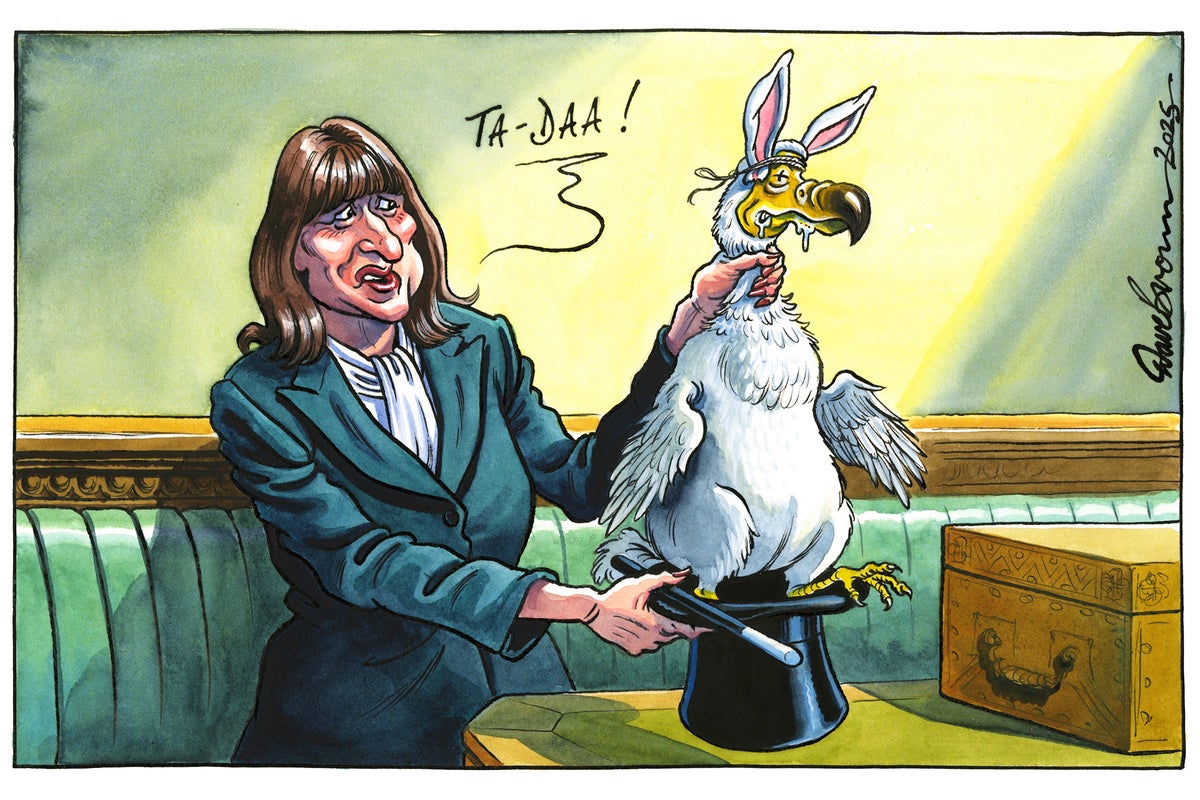
Editorial: Now that the dust has settled on the Budget, it becomes clearer that this government’s priorities are out of line with the national interest, insulting to many and corrosive to the public’s threadbare trust in politicians’ ability to deliver on promises
UN figures show that four-fifths of the global population now live in major settlements. We’re still figuring out how to cope
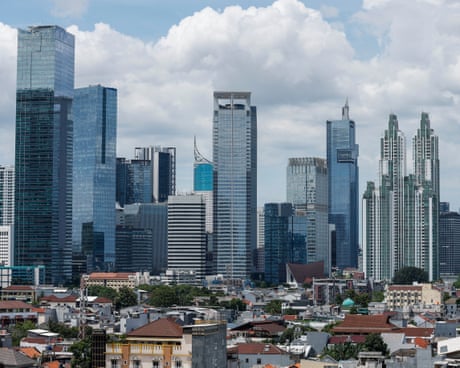
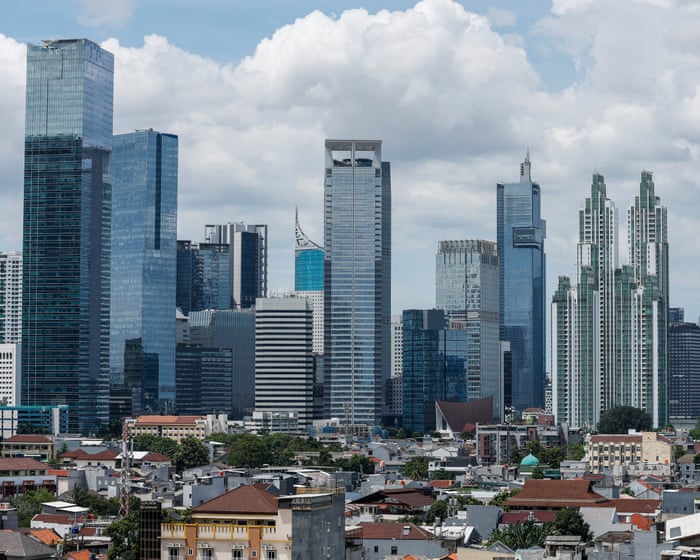
Cities have existed for millennia, but their triumph is remarkably recent. As recently as 1950, only 30% of the world’s population were urban dwellers. This week, a United Nations report suggested that more than 80% of people are now urbanites, with most of those living in cities. London became the first city to reach a million inhabitants in the early 19th century. Now, almost 500 have done so.
Jakarta, with 42 million residents, has just overtaken Tokyo as the most populous of the lot; nine of the 10 largest megacities are in Asia. The UN report revealed the scale of the recent population shift to towns and cities thanks to a new, standardised measure in place of the widely varying national criteria previously used. The urbanisation rate in its 2018 report was just 55%.
Do you have an opinion on the issues raised in this article? If you would like to submit a response of up to 300 words by email to be considered for publication in our letters section, please click here.
Like the final hanger-on at the bar after last call and the pointed flickering of the lights, Cuomo has overstayed his welcome in public life — by a lot.
Fun fact about the New York City Housing Authority: A $2 million graft scam barely touches the surface of its multibillion-dollar dysfunction. The conviction in federal court of 70 NYCHA employees in this bribery and fraud scheme is good news, but the troubles plaguing the city’s massive public housing complex are deep and tangled beyond...
Editorial: Make no mistake, this was a traditional Labour ‘tax and spend’ budget of the kind not seen since before the days of Tony Blair and Gordon Brown – and while it will please the party, for many it will feel like a kick in the teeth
New York's Legislature actually passed a good legal reform, reining in the dirty "legal lending" industry — but before she signs it into law, Gov. Kathy Hochul should push for an amendment to make it even better.
Plan A for a stealth City Council "raise our own pay" gambit failed, thanks to the clear language of the City Charter — so it's on to Plan B, which has the added "advantage" of sandbagging the new mayor in his first week in office.
 Connexion