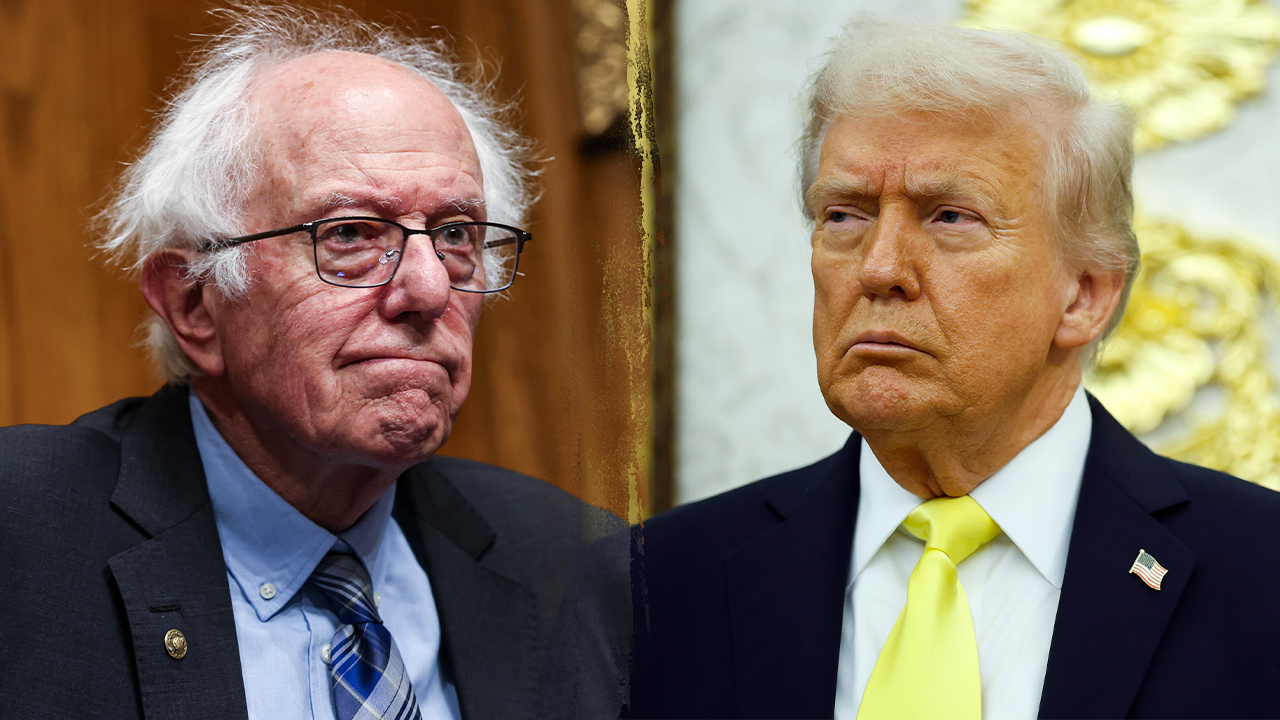
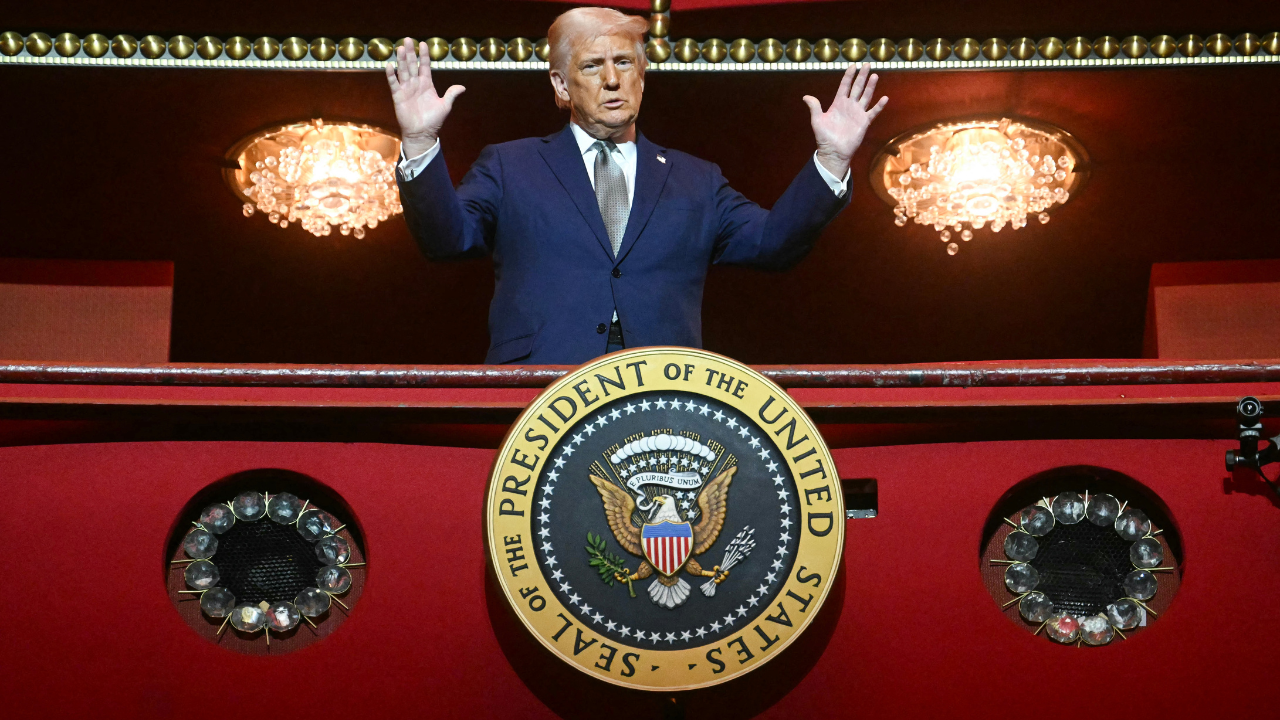
President Trump declared the awards ceremony “virtually unwatchable” and accused Mr. Noah of defamation over a joke he made that appeared to tie the president to Jeffrey Epstein.
Deputy US attorney general says victims ‘want to be made whole’ but that doesn’t mean ‘we can just create evidence’
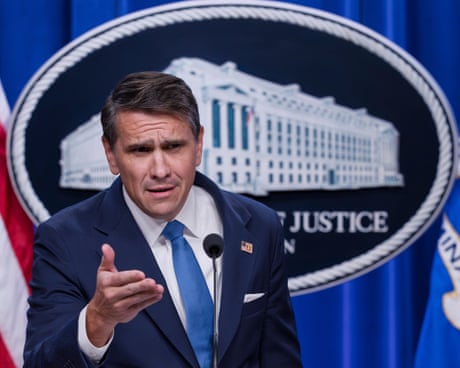
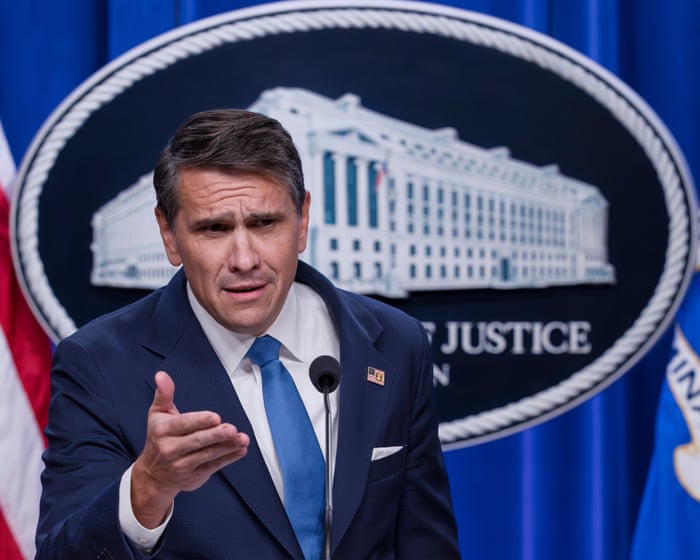
The deputy US attorney general, Todd Blanche, the point person on the Trump administration’s Epstein files release, told ABC News on Sunday that prosecutors’ review of the Jeffrey Epstein-Ghislaine Maxwell sex-trafficking case “is over”.
Separately, in comments to CNN about Epstein, Blanche said that “victims want to be made whole” after surviving the scheme attributed to the late convicted sex offender and which led to a 20-year prison sentence for Maxwell beginning in 2022.
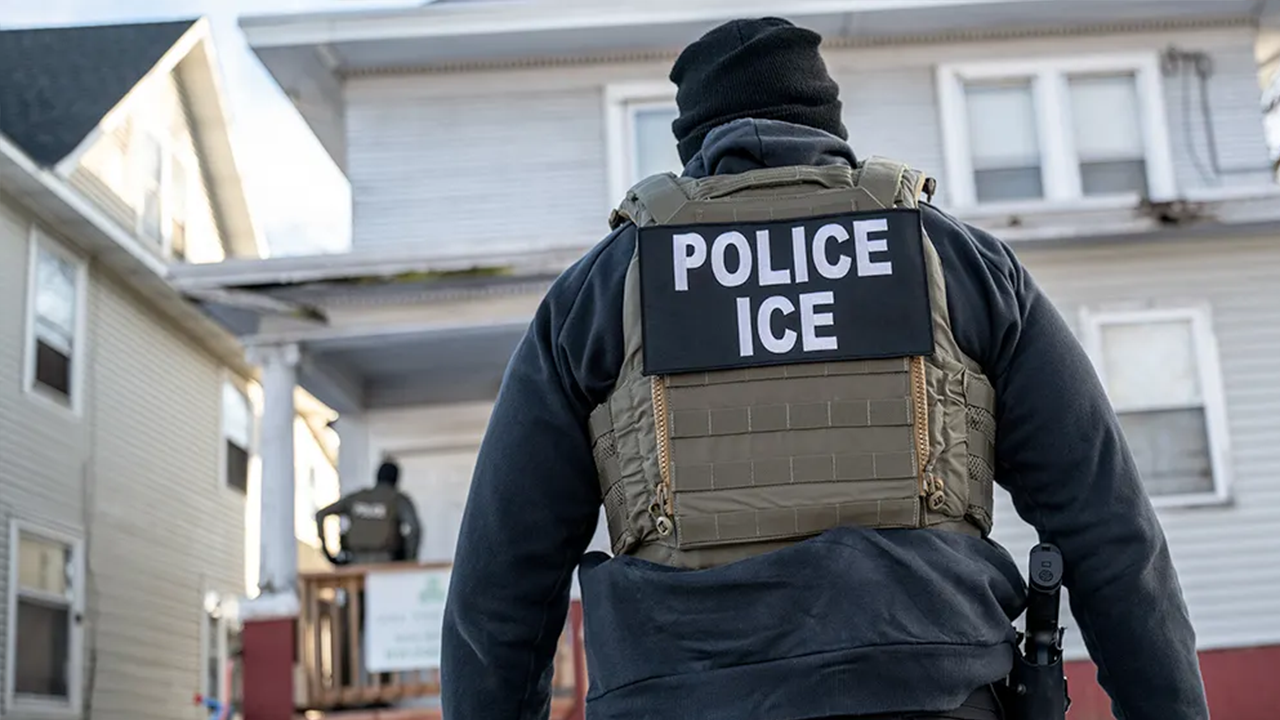
Portland's mayor demanded ICE leave his city after federal agents reportedly deployed tear gas and flash-bang grenades on protesters, including children.
The president and his supporters joining forces to decide what audiences read and see seems straight from a fascism playbook
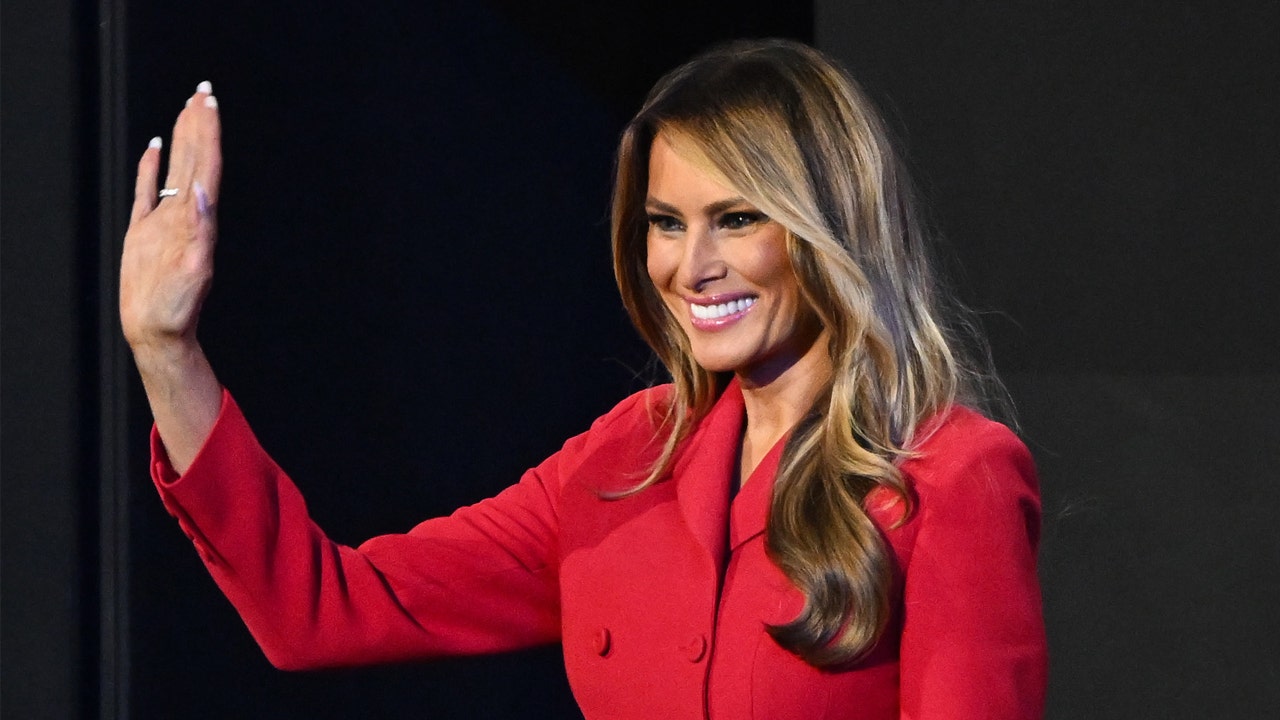
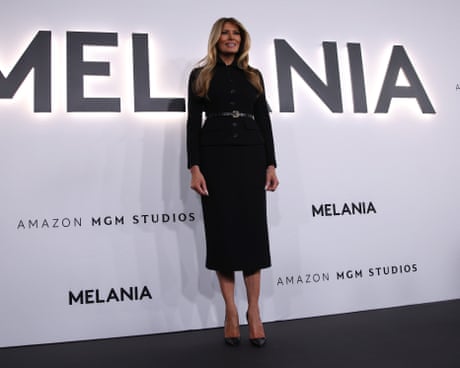
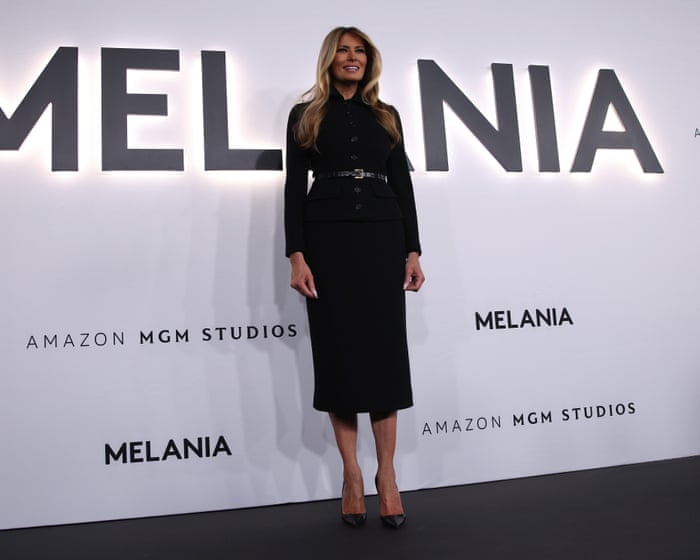
Two events, juxtaposed, tell us a great deal about what is rapidly taking shape in the US. In one, Melania Trump releases a glossy documentary, Melania, an account of her return to the White House. Amazon outbid others to secure the rights to the documentary, spending $75m (£54m) in total, and ticket sales so far suggest that this was, shall we say, not a purely commercial venture.
In the other, the Washington Post is set to cut up to 200 jobs early this month, including the majority of its foreign staff and a sizeable chunk of its newsroom. Both Melania and the Washington Post are backed by Jeff Bezos. His two decisions, to invest in state propaganda and divest from the fourth estate that supposedly holds power to account, reveal much about how capital and authoritarianism join forces to decide what audiences read and see.
President Trump endorsed former critic John Sununu over ally Scott Brown in crucial New Hampshire GOP Senate primary that could determine chamber control.
The "Melania" documentary surprised members of Hollywood's entertainment media after posting the best opening weekend for a documentary in over a decade.
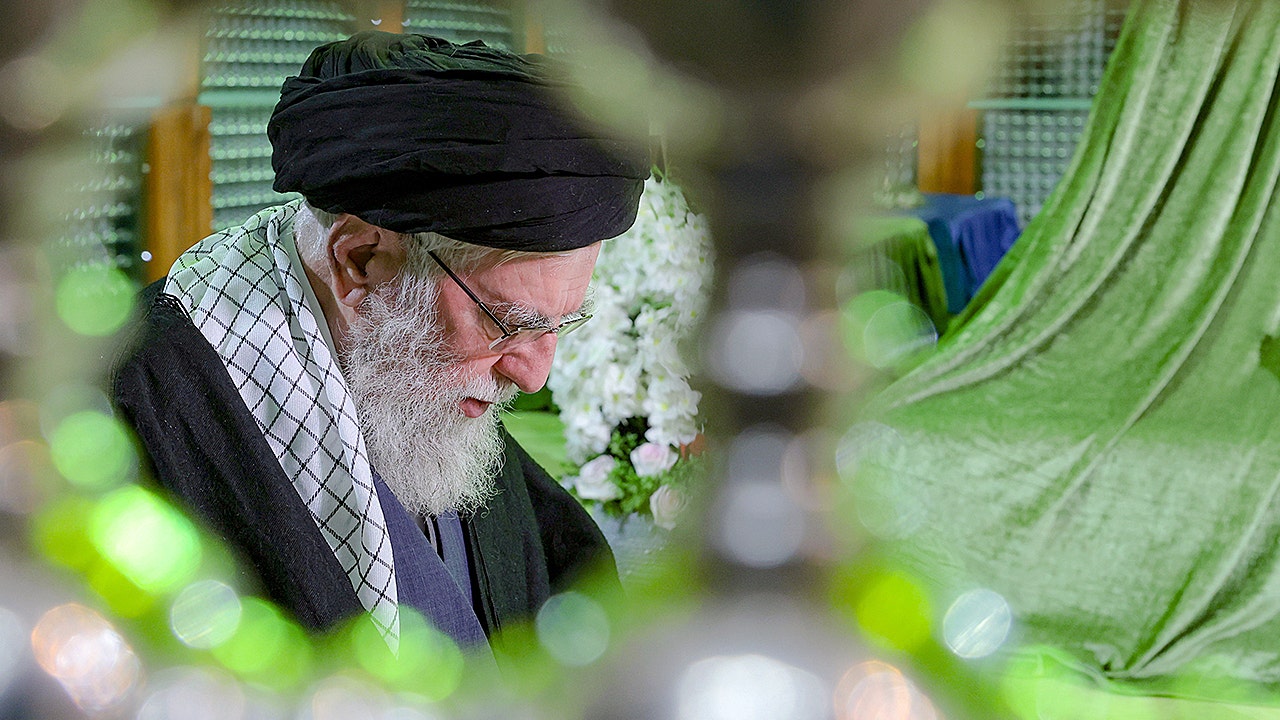
Iranian regime projects strength through staged images of Supreme Leader Ayatollah Ali Khamenei at prayers, a senior official with the National Council of Resistance of Iran said.
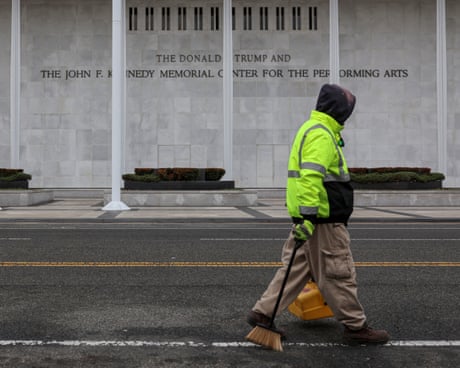
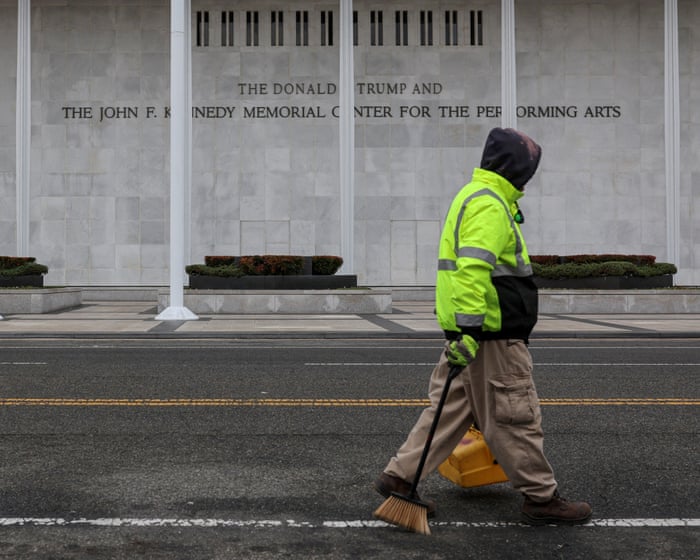
DC arts venue, which has seen wave of canceled events after Trump’s takeover, will start renovations in July
The John F Kennedy Center, a world-class venue for the performing arts in Washington DC, will halt entertainment events for two years starting on 4 July during renovations, Donald Trump posted on Sunday on Truth Social.
The Kennedy Center, which has seen a wave of performers cancel events in recent months as well as the lowest ticket sales in years, has been in turmoil since the president orchestrated a leadership overhaul in the beginning of his term.
President Donald Trump said the Trump Kennedy Center will close on July 4, 2026, in order to carry out a two-year renovation project, promising a grand reopening.
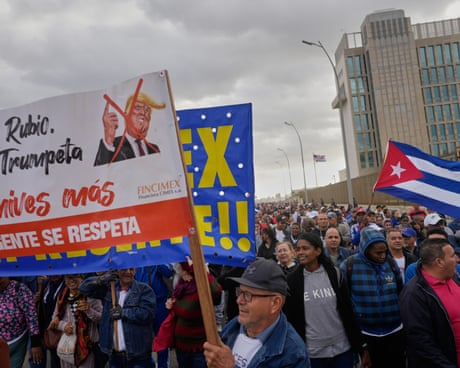
US president announces efforts being made to strike a deal having earlier threatened to stop island importing oil
Washington is negotiating with Havana’s leadership to strike a deal, Donald Trump has said, days after threatening Cuba’s reeling economy with a virtual oil blockade.
“Cuba is a failing nation. It has been for a long time but now it doesn’t have Venezuela to prop it up. So we’re talking to the people from Cuba, the highest people in Cuba, to see what happens,” Trump told reporters at his Mar-a-Lago estate in Palm Beach, Florida on Sunday.
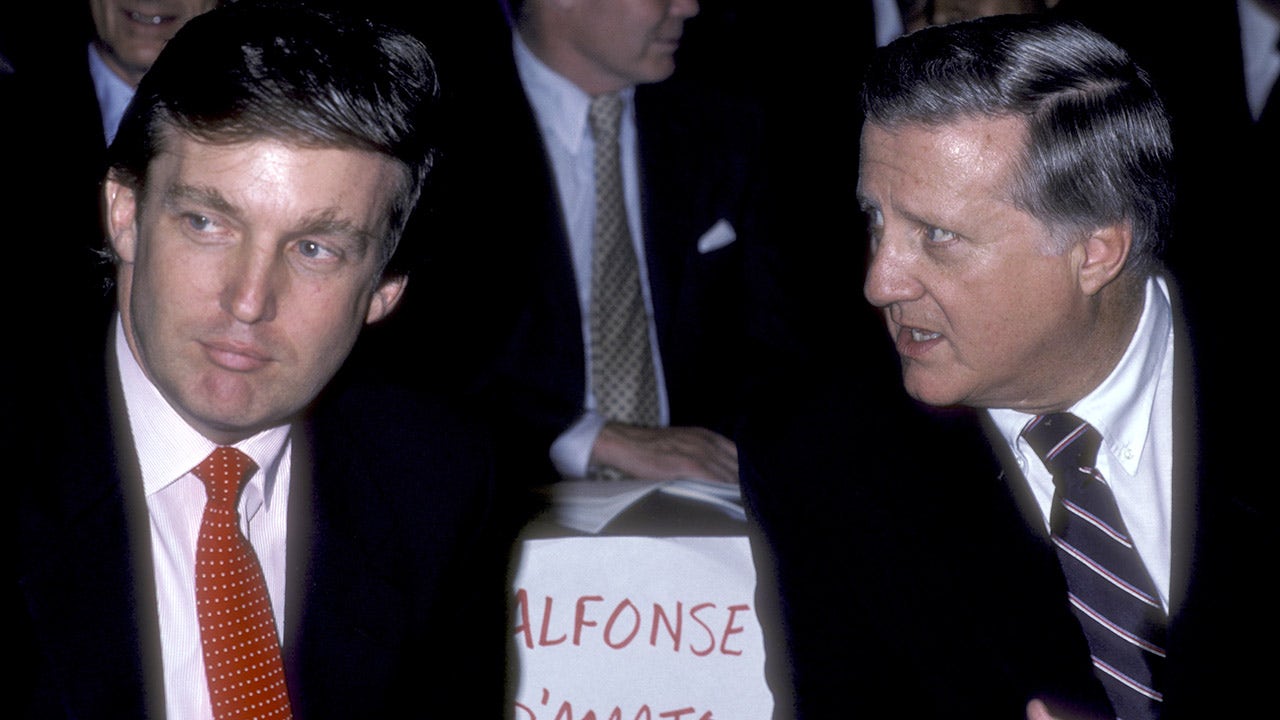
President Donald Trump shared a letter from the deceased New York Yankees team owner George Steinbrenner, urging the real estate mogul to run for office.
The New York Times found more than 5,300 files with references to Mr. Trump and related terms. They include salacious and unverified claims, as well as documents that had already been made public.
Zach Witkoff, left, and Eric Trump, speaking in Dubai in May. Eric Trump signed an agreement with an Emirati-backed investment firm days before his father’s inauguration in January 2025.
A tent provided by the government to provide heat and electricity in Kyiv last month. Russia has devastated Ukraine’s power grid this winter, the coldest in more than a decade.
Trump allies have called for Judge James E. Boasberg to be investigated and impeached after decisions that questioned the administration’s respect for the rule of law.
A top U.S. prosecutor signalled Sunday that authorities would not bring any more charges after the release of millions of new documents related to convicted sex offender Jeffrey Epstein in a case that has drawn in many world-famous names. Read More
House Speaker Mike Johnson voiced confidence that Congress will agree on measures to restrain federal immigration enforcement after a national outcry over the killings of two U.S. citizens in Minnesota. Read More
Melania, however, cost quite more than a typical documentary, at $40m to make and $35m to promote.
Amazon’s Melania Trumpdocumentary has reportedly beaten box office expectations and recorded the strongest start of any documentary in over a decade, taking $7m at the US box office during its lavishly-promoted opening weekend. But it also cost quite more than a typical documentary, at $40m to make and $35m to promote.
And Amazon – which recently cut 16,000 corporate jobs – has been hit with criticism that making the documentary about the first lady, and paying so highly for it, was little more than a ploy to curry favor with her husband, Donald Trump, during his second presidency.
 Connexion