Blockading Venezuela’s oil shipments finally gives teeth to a sanctions regime that dictator Nicolas Maduro has only scoffed at, offering real hope for a peaceful transition of power.
New York's State Energy Planning Board is bowing a little to reality, admitting carbon-based fuels are vital for the foreseeable future and pushing to delay their phase-out.
On Wednesday, Hochul announced that she would sign into law a revised version of the "Medical Aid in Dying" bill that will be introduced to the state Legislature in January.
The European Commission’s proposals to water down a 2035 ban on new petrol and diesel cars will store up major problems for the future
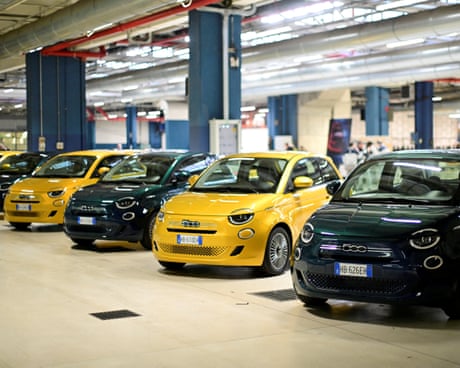
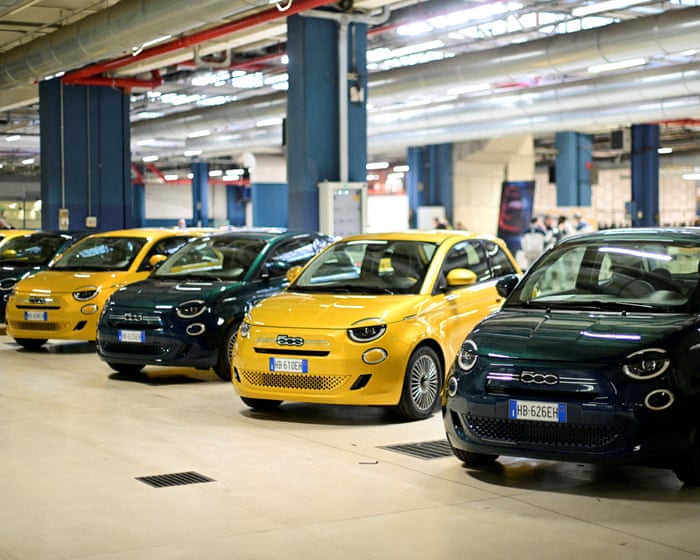
Two years ago, the European Union’s adoption of a 2035 ban on the sale of new petrol and diesel cars was hailed as an act of global leadership, and a declaration of faith in the journey to net zero. That the home of BMW, Renault and Fiat should decisively reverse away from the internal combustion engine was seen as a symbolic moment.
This week, Brussels proposals to water down that ban have sent a very different kind of message. Electric vehicles might be the future. But after intensive lobbying by German and Italian manufacturers, the European Commission has proposed a reprieve for new CO2-emitting cars that would allow them to be sold after the former cut-off date. According to the EU’s industry commissioner, Stéphane Séjourné, this U-turn offers a “lifeline” to an ailing car industry that has struggled to cope with Donald Trump’s trade wars and Chinese competition.
Do you have an opinion on the issues raised in this article? If you would like to submit a response of up to 300 words by email to be considered for publication in our letters section, please click here.
Children under the age of 16 needed protecting and the moral argument wasn’t winning. Government regulation can change the terms of debate
On 10 December, the world watched as Australia enacted the first social media ban for under-16s. Whether it will have the desired effect of improving young people’s lives we are yet to find out. But what the ban has achieved already is clear.
Many politicians, along with academics and philosophers, have noted that self-regulation has not been an effective safeguard against the harms of social media – especially when the bottom line for people like Mark Zuckerberg and Elon Musk depends on keeping eyes on screens. For too long, these companies resisted, decrying censorship and prioritising “free speech” over moderation. The Australian government decided waiting was no longer an option. Thesocial media ban and similar regulation across the world is now dragging tech companies kicking and screaming toward change. That it has taken the force of the law to ensure basic standards – such as robust age verification, teen-friendly user accounts and deactivation where appropriate – are met shows the moral argument alone was not enough.
Do you have an opinion on the issues raised in this article? If you would like to submit a response of up to 300 words by email to be considered for publication in our letters section, please click here.
Editorial: This latest five-day walkout, over yet another double-digit pay demand, coincides with a flu epidemic and adds to already unbearable pressure on the NHS. The BMA is now pushing its luck – which will only help health secretary Wes Streeting to prevail
On his way out of the door, city Comptroller Brad Lander warns of a $10 billion budget hole next year, growing to $13 billion the next — challenges that will surely dent Mayor-elect Zohran Mamdani's freebie-filled socialist agenda.
The US president has repeatedly targeted American media in an attempt to muzzle debate and scrutiny. His attempt to export the bullying must be resisted
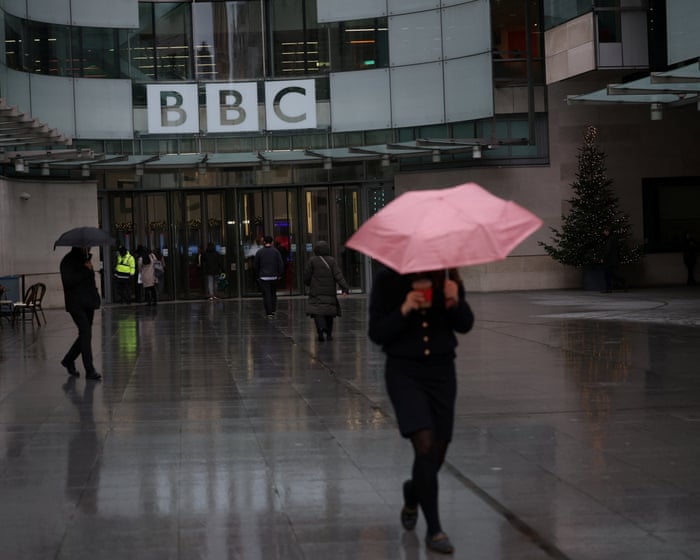
On the day that the government launched a high-stakes consultation to consider fresh ways of funding the BBC in the digital era, the corporation could have done without another difficult news event of its own. Donald Trump’s decision to follow through on threats to sue over the content of a Panorama programme broadcast in October 2024 may not have come as a surprise, given Mr Trump’s litigious record in the United States. But it will add to the general air of beleaguerment at the corporation and further embolden its domestic political enemies.
A terse BBC statement on Tuesday suggested that there would be no backing down in the face of White House bullying. That is the right response to absurd claims of “overwhelming financial and reputational harm” caused to the US president, and a fantastical request for damages amounting to $10bn. The BBC has rightly apologised for the misleading splicing together of separate clips from Mr Trump’s rabble-rousing speech on January 6 2021, prior to the violent storming of the US Capitol. A serious error of judgment was made in that editing process – though the House of Representatives January 6 committee concluded that Trump did use his speech to incite an insurrection. But the claim that a programme not broadcast in the US was part of a malicious plan to defame Mr Trump and subvert the democratic process ahead of last year’s election is utterly specious.
Do you have an opinion on the issues raised in this article? If you would like to submit a response of up to 300 words by email to be considered for publication in our letters section, please click here.
As EU countries face multiple challenges in a new era, they must fight to preserve the continent’s social model. That means a new economic approach
More than a year after the election that handed Donald Trump a decisive comeback victory, the Democratic party has still not released its postmortem analysis. But last week, an influential progressive lobby group published its own. Kamala Harris’s campaign, its authors argued, failed to connect with core constituencies because it did not focus enough on addressing basic economic anxieties. By prioritising the menace to democracy that Maga authoritarianism represented, progressives neglected the bread-and-butter issues that were uppermost in many people’s minds.
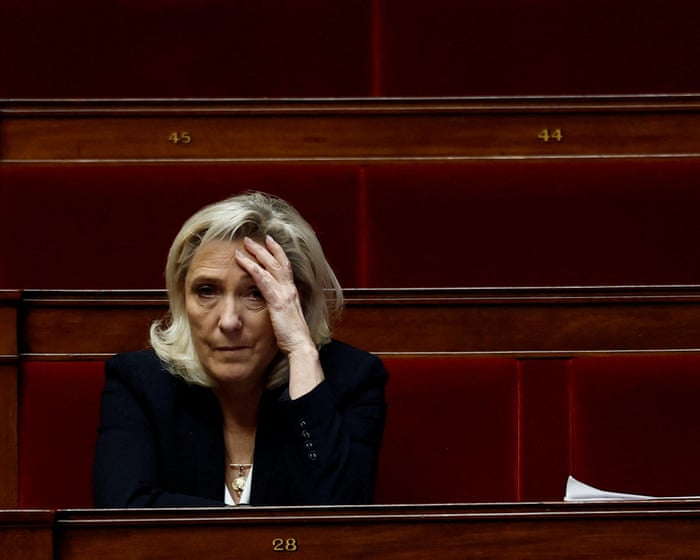
As the EU braces for a tumultuous period of politics between now and the end of the decade, that is a lesson that needs to be fully absorbed in Brussels, Paris and Berlin. The White House, as its recently published national security strategy makes clear, is hopeful that “patriotic” parties in Europe will soon replicate Mr Trump’s success. In the EU’s Franco-German engine room, Marine Le Pen’s National Rally (RN) and Alternative für Deutschland (AfD) lead the polls, backed by large swaths of blue-collar voters. But among mainstream leaders and parties, it is hard to discern a response that is adequate to troubling times.
In the wake of Sunday’s Bondi Beach terror attack on a gathering to celebrate the start of Hanukkah, Australia’s leaders should be facing some very tough questions about their failure to fight antisemitism.
On Dec. 5, Robert F. Kennedy Jr.'s handpicked Advisory Committee on Immunization Practices tossed the universal recommendation for hepatitis B vaccines for infants at birth.
In its rush to force private landlords to sell their buildings to nonprofit outfits, the City Council looks to be favoring a new, even-harder-to-control class of slumlords.
The Southeastern Legal Foundation filed a lawsuit on behalf of four Long Islanders over a New York state guidance that effectively bans dissent on trans issues from school board meetings.
Erika Kirk plainly doesn’t need our help in confronting the conspiracy-mongers and other trolls who exploit her husband’s assassination with no regard to his survivors’ feeling or the truth — but we’re absolutely with her.
Former President Joe Biden claimed that his administration actually lowered the price of "everything" — despite data showing prices rising and real wages falling during his term.
It looks like the days are numbered for the terrorist-infested UN Relief and Works Agency, as UNRWA loses support from major European nations that have long backed it.
 Connexion