Trombone Champ: Unflattened gets an official crossover with indie hit Celeste, adding 10 tracks in a new song pack today.
For the unfamiliar, Celeste is a 2018 flatscreen platformer developed by Maddy Makes Games. Playing as Madeline, you seek to climb Celeste Mountain while a personification of her self-doubt attempts to stop her. It features a soundtrack by composer Lena Raine, this song pack is now officially available in both Trombone Champ and Trombone Champ: Unflattened.
Flatscreen edition trailer
Flat2VR Studios advised that because some included songs originally ran for 10 minutes or more, they have “carefully edited them down for length while keeping the parts that hit.”
You can find the full Celeste Song Pack track list below:
First Steps
Madeline and Theo
Resurrections
Spirit of Hospitality
Scattered and Lost
Starjump
Reflection
Confronting Myself
Heart of the Mountain
Reach for the Summit.
While Unflattened only receives the Celeste Song Pack, the flatscreen version of Trombone Champ gets two additional DLCs today with 14 songs each. One is based on cartoon platformer Pizza Tower, joined by an Undertale + Deltarune pack. It's worth remembering the latter previously received Unflattened DLC in August, though that only contained six songs.
The Celeste Song Pack for Trombone Champ: Unflattened is out now for $7.99 on Quest, PC VR, and PlayStation VR2.
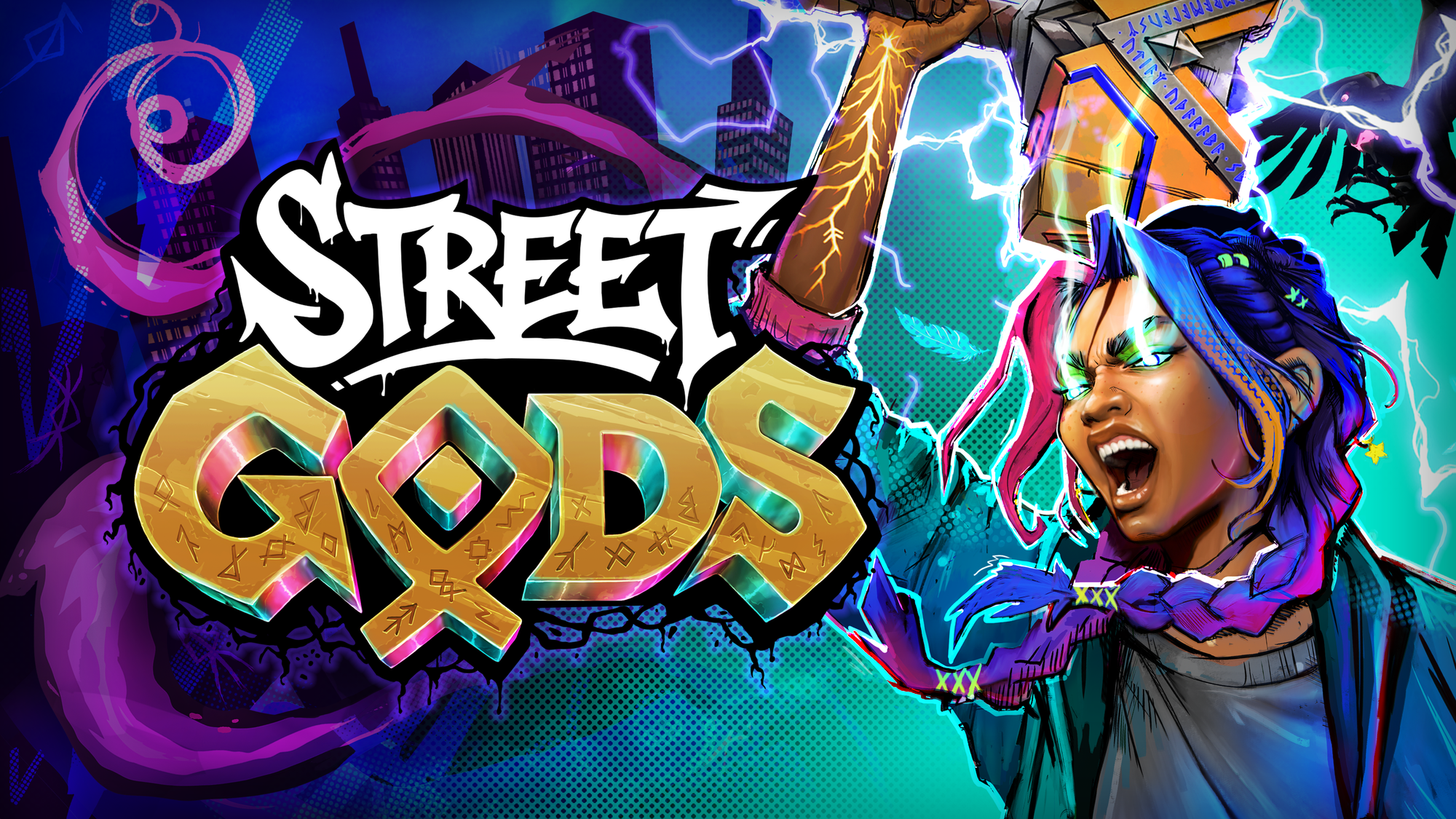
Street Gods, one of two Norse mythology-inspired VR roguelites coming to Meta Quest in December, emphasizes style and power fantasy over any real impactful combat.
Developer Soul Assembly has a long history with combat-heavy VR titles, like the Drop Dead series, Last Stand, Warhammer 40,000: Battle Sister. While it occasionally dabbles in other genres, like working on Just Dance VR, action games are its bread and butter. All the aforementioned games, primarily shooters mind you, received mostly the same critical response. Straightforward, albeit shallow, and fun to play with friends.
The Facts
What is it?: A Norse mythology-based roguelite Platforms: Meta Quest 3/3S (reviewed on Quest 3) Release Date: December 18, 2025 Developer/Publisher: Soul Assembly Price: $19.99
So, given Soul Assembly's history and the genre we're dipping into, the first thing that surprised me in this game is how forward the story is. Most roguelites deliver the setting in a cursory introduction that just sets the table for the carnage that will ensue. Street Gods surprisingly takes its time with a lengthier than expected multi-part tutorial that arguably takes a bit too long with the setup, but in hindsight turns out to be the best part of the game.
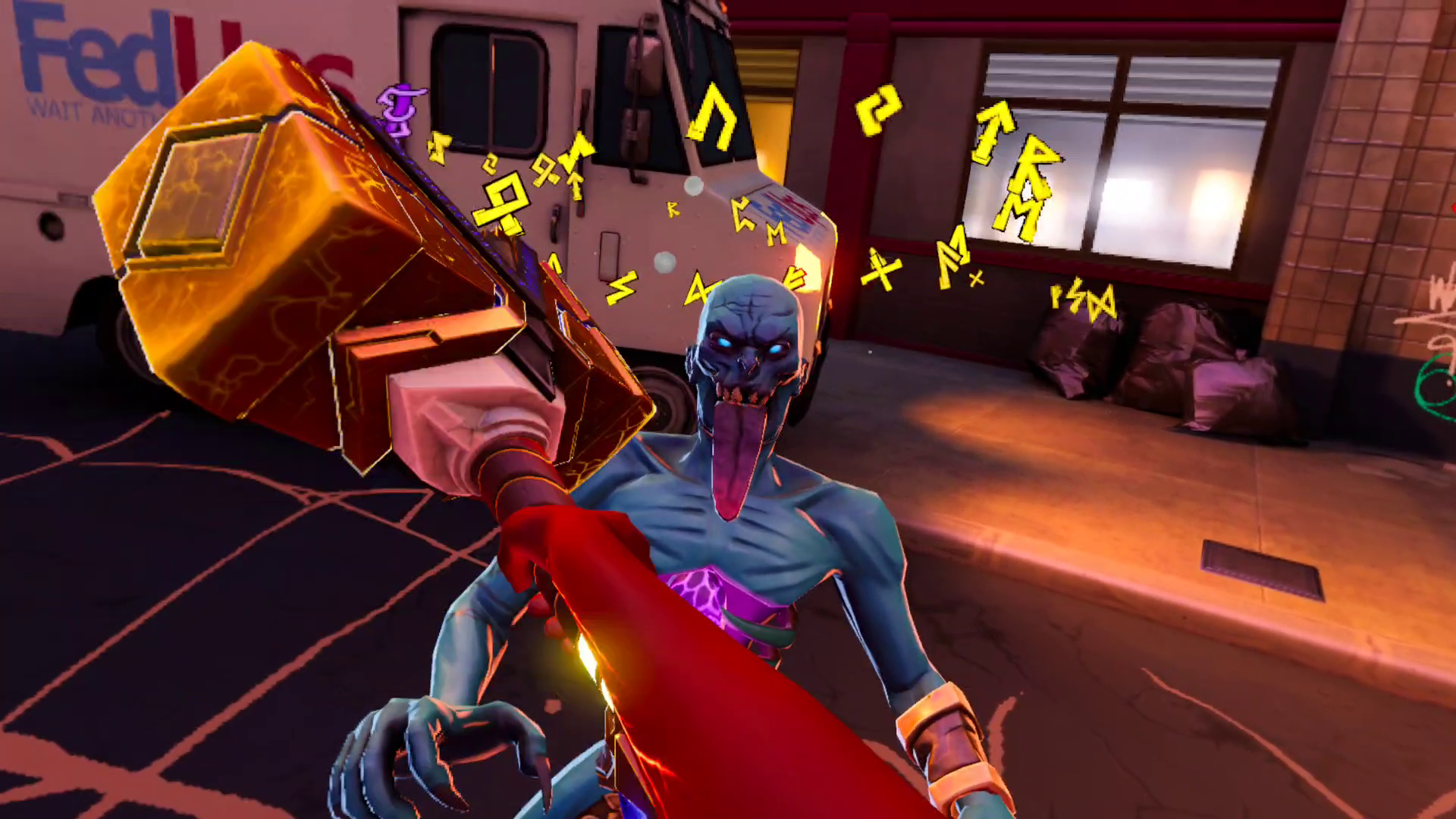
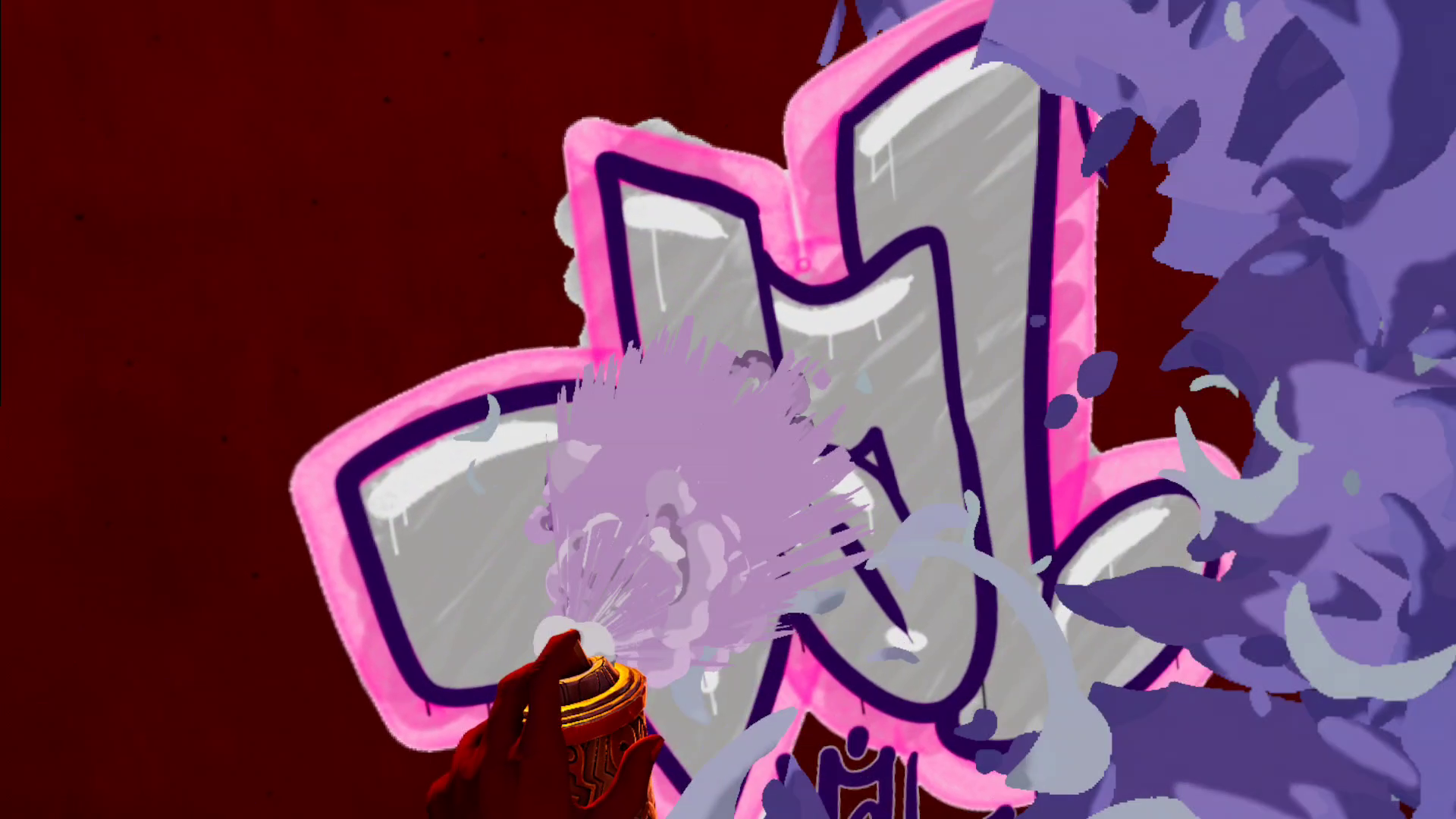
You play as Val, a street-smart graffiti artist who happens upon Mjölnir, the signature weapon of Thor, the Norse God of Thunder. As you approach it, Mjölnir inexplicably begins to speak to you. This voice is Thor himself, entrapped in his own weapon for reasons beyond his own understanding. You pick up the hammer and are immediately attacked by what can only be described as Norse zombies, who look ripped straight out of the Drop Dead universe with different clothes on.
It's here that my primary issue with Street Gods comes up. Thor teaches you how to swing and throw Mjölnir to defeat the undead, but nothing really lands. I realize that when playing VR, you are ostensibly always swinging at air, but most melee-heavy games get around this with a combination of controller haptics, sound effects, and visual cues (sparks, blood, enemy reactions, etc.). There is no real crunch here, no impact, no visceral immersion to the combat. The controller haptics are extremely weak, so when unleashing power attacks like shooting lightning from the hammer, it doesn't feel like much of anything because both the haptics and sound effects are so subdued. The 'clank' sound of the hammer on impact is fine, but not enough. It needs more oomph, to be blunt.
0:00
/0:24
Street Gods early-game combat - Captured by UploadVR on Meta Quest 3
Now, this may be by design, since you are imbued with the power(s) of a God in this game, but the power fantasy here is muted by the lack of physicality. This is a fairly lightweight arcade-like experience with a heavily comic book-inspired aesthetic (more on that later). The arcade feel shines through as you tear through enemies like wet paper with all of your various abilities, but I couldn't shake the combat's lifeless energy.
Having said that, Street Gods makes up for its general lack of substance with all kinds of style. As you quickly unlock new abilities, you'll be tossing enemies around with lightning-powered hammer uppercuts, a golden lasso that can yank foes all over the map, unleashing lightning attacks, and so on. The elongated introduction has a stretch where you are falling through the merging of Earth and Asgard, and that sequence is terrific. The game feels cool to play, but that level of cool can be fleeting depending on your personal tastes. I found myself losing interest about 20 minutes into each of my runs because of combat.
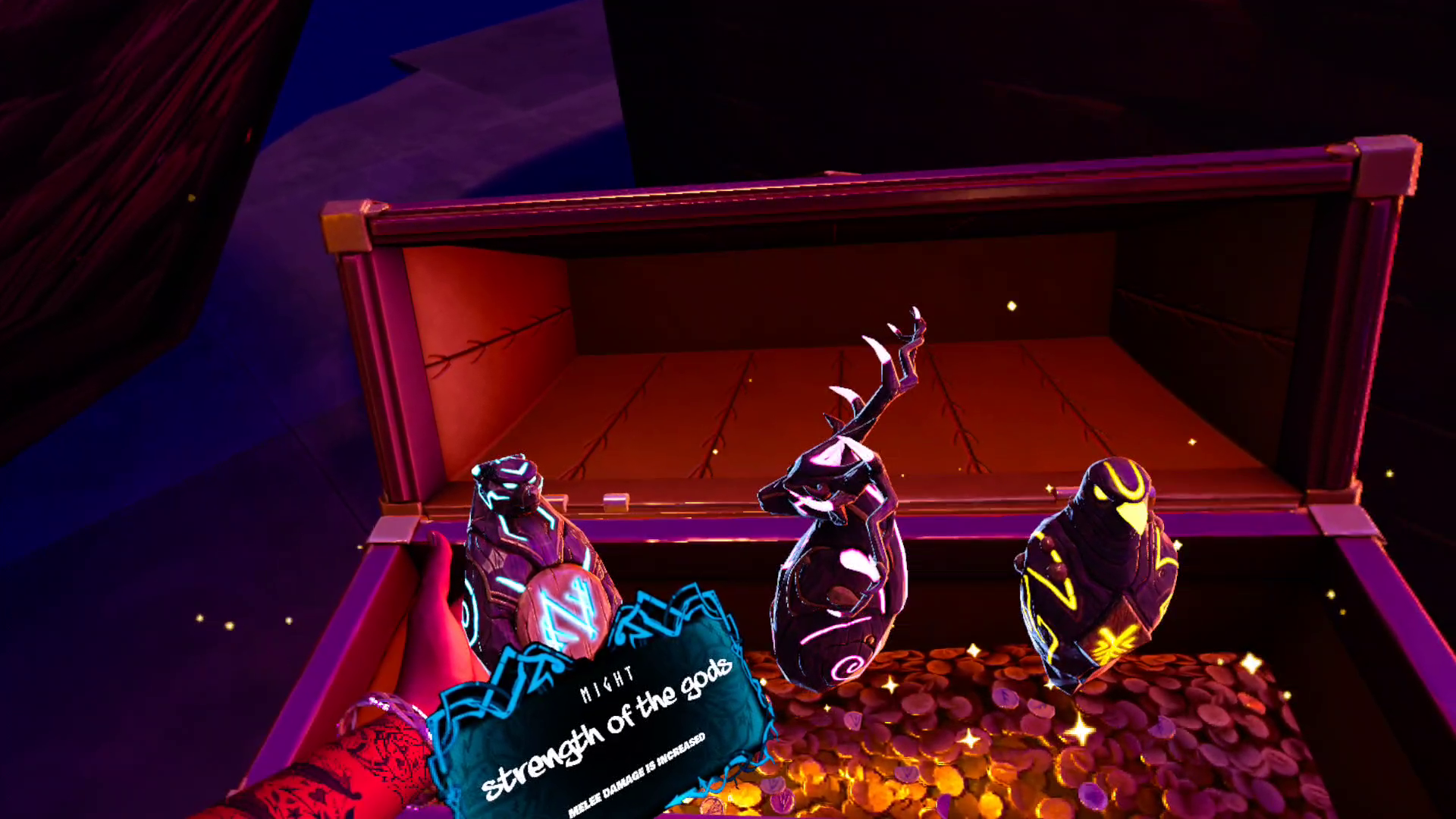
This extends to the power-ups. After dispatching all the enemies in an arena, you are presented with a chest with the standard assortment of power-ups and perks: more health, better defense, increased attack power when health is low, and so on. New abilities are unlocked in an arena that lets you practice before you move forward. Occasionally, a new ability would spawn as a perk, like dropping a bomb behind you when you dash, but they are few and far between. All the tropes are here, but at its core, there's nothing new to veteran roguelite players.
Street Gods screenshots captured by UploadVR
One of the tricky things to get right in a game that plays in power fantasies is balancing said fantasy with a sense of peril. Street Gods falls woefully short here. I never felt any real sense of danger during any of my runs. Enemies can spawn all around you, but maybe owing to the limitations of standalone VR, there are never more than a handful onscreen at any given moment and they go down so easily that you hardly ever get hit.
Even as the game ramps up with a few new enemy variations with area of effect attacks, they're still taken out from range simply by throwing Mjölnir (which eventually gets powered up to hit multiple enemies). Health is dropped in droves by enemies upon death too, so even if you do take damage, it's easily nullified. Compare this to Drop Dead: The Cabin, another Soul Assembly title, where restrictions on map traversal and scarcity of supplies make every run a struggle and that is sorely missed here.
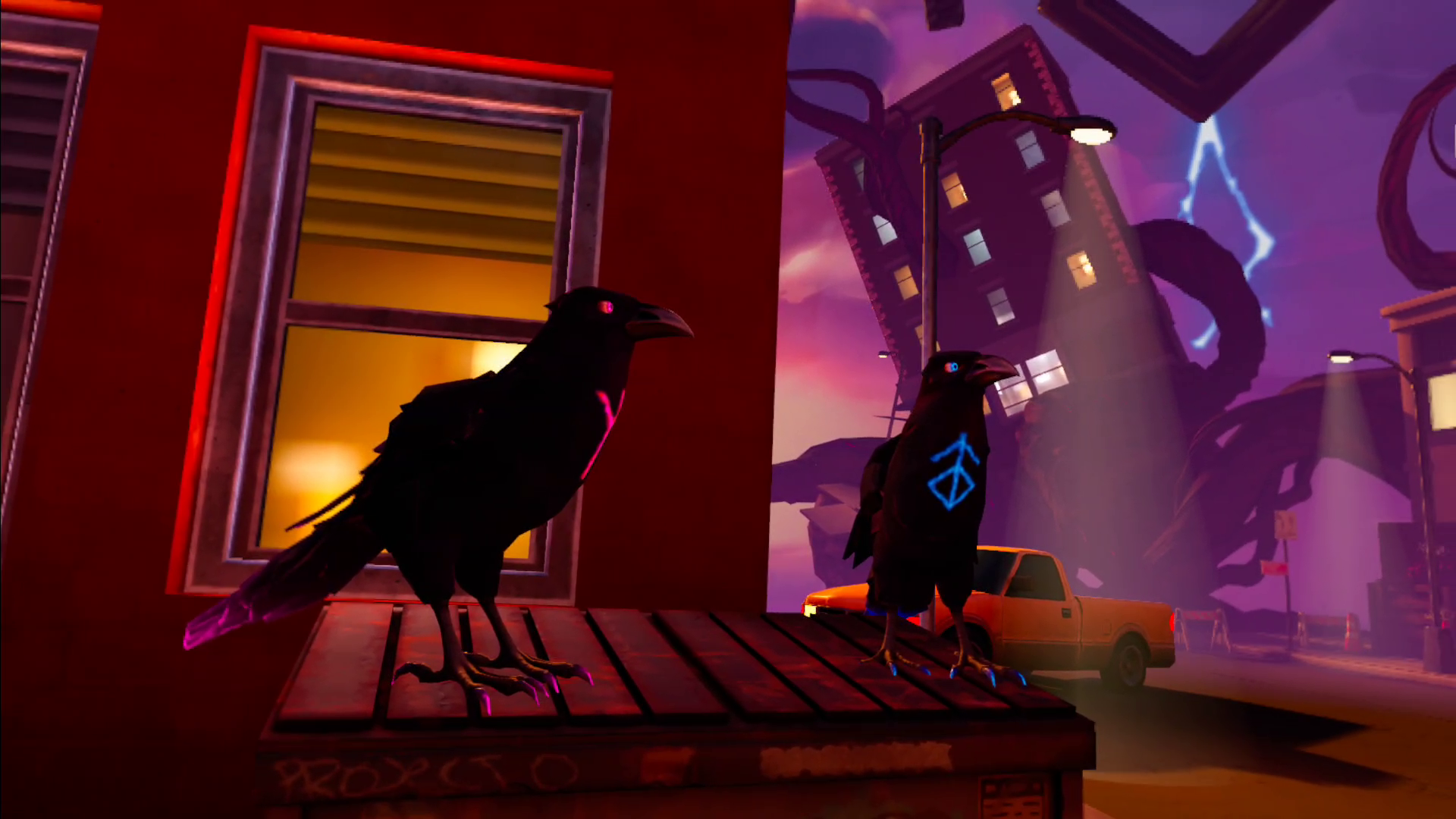
Visually, Street Gods is an interesting study in contrasts. The story of the game is the Norse realms are colliding and merging with Earth (Midgard), so you do battle in city streets with otherworldly vines and giant crystals protruding from them. It looks quite nice, but after the umpteenth time in the same map, even with switching things up with different times of day & weather, it gets old pretty quickly. Most of the maps are quite colorful, except for the snow-covered areas. These are blindingly washed out, so much so that I had to turn down the brightness on my Quest.
0:00
/0:18
Acquiring a new blessing in Street Gods - Captured by UploadVR on Meta Quest 3
Occasionally, between levels, you'll travel to a hub between realms to get some exposition from your talking hammer and a rock with paper drawn eyes and a crown representing Loki. This hub area is the nicest looking part of the game by far. You can also damage the vehicles and dumpsters in each level, but like the enemies, the damage just sort of happens. If you are old enough to recall destroying the car in Street Fighter II, same idea here. Frame A, perfectly fine. Frame B, destroyed. With no animation or motion between the two, other than a plume of fire for vehicles.
As stated earlier, the common enemies look ripped straight from a Drop Dead game, with gangly looking movements and a comic book-esque word pop-up when getting hit, but in motion, they don't look great. If they are far away from you, they visibly move at a lower framerate and this frame drop repeats when you knock them far away. Once you see it, you can't unsee it. Graphically, Street Gods is a mixed bag.
The world of Street Gods doesn't take itself too seriously, choosing to lean on the (hopefully) fun combat and powers to keep the player engaged. The exchanges in the hub area are mostly played for laughs, with the voice actors delivering their lines like the straight man in a goofball comedy. Some of it lands, but most of it doesn't. Val and Thor also quip endlessly during combat, with some of their lines clumsily stacking over each other, and after 2 or 3 runs, I had heard them all and was begging for a mute button. Same with the music, which felt very run-of-the-mill and on a short loop. There is a story here, with hints at Val's backstory and questions as to how and why Thor is imprisoned in his own weapon, but the dialogue and the characters are so ho-hum that it's difficult to get invested.
Comfort
Street Gods uses artificial stick-based movement with no option for teleport movement. Players can choose between snap and smooth turning with speed settings for each, a sitting mode with a height adjustment, and a motion vignette while moving.
Mjölnir, your primary weapon in the game, defaults to your right hand. This can also be changed to your left hand in the settings menu.
Finally, when I was approaching my first boss fight, I entered the portal and the game crashed after 3 minutes of black screen with music playing. When I reloaded, it just dropped me back into more waves, this time in a new element type (snow) that I hadn't seen yet. I had to let myself die and delete my save data to in essence restart the game to get back to the boss fight, which thankfully loaded on the second attempt. Performance was fine to start, but after that crash, I started to see some stuttering and frame drops when a lot of enemies were onscreen.
Hopefully this can be fixed with patches, but having to restart took me out of the game completely. I put it down for some time before jumping back in.
Street Gods - Final Verdict
If you are an action junkie just here to wreck enemies, there are better roguelites available in VR with more engaging combat than Street Gods. Even as a power fantasy, the lack of weapon variety, uninspired enemies, repetitive locations, and power-ups make Street Gods a struggle to hold your attention for long.
UploadVR uses a 5-Star rating system for our game reviews – you can read a breakdown of each star rating in our review guidelines.
Beat Saber gets the Coldplay Music Pack, featuring 12 songs covering the band's wider history.
Out now on Quest and Steam, Beat Saber's Coldplay Music Pack covers the band's wider discography from the last three decades. It features songs such as 'Yellow' from debut album Parachutes, all the way to 'feelslikeimfallinginlove' from 2024's Moon Music. This also adds a new environment that Meta confirmed “draws inspiration from the band’s vibrant live shows, music videos, and album artwork.”
The Coldplay Music Pack comes with all twelve new songs for $14.99, or you can pay $1.99 for individual tracks. Here is the full track list:
A Sky Full of Stars
Adventure of a Lifetime
Clocks
feelslikeimfallinginlove
GOOD FEELiNGS
Something Just Like This
Speed of Sound
Talk
Trouble
Viva La Vida
WE PRAY (ft. Little Simz, Burna Boy, Elyanna, TINI)
Yellow
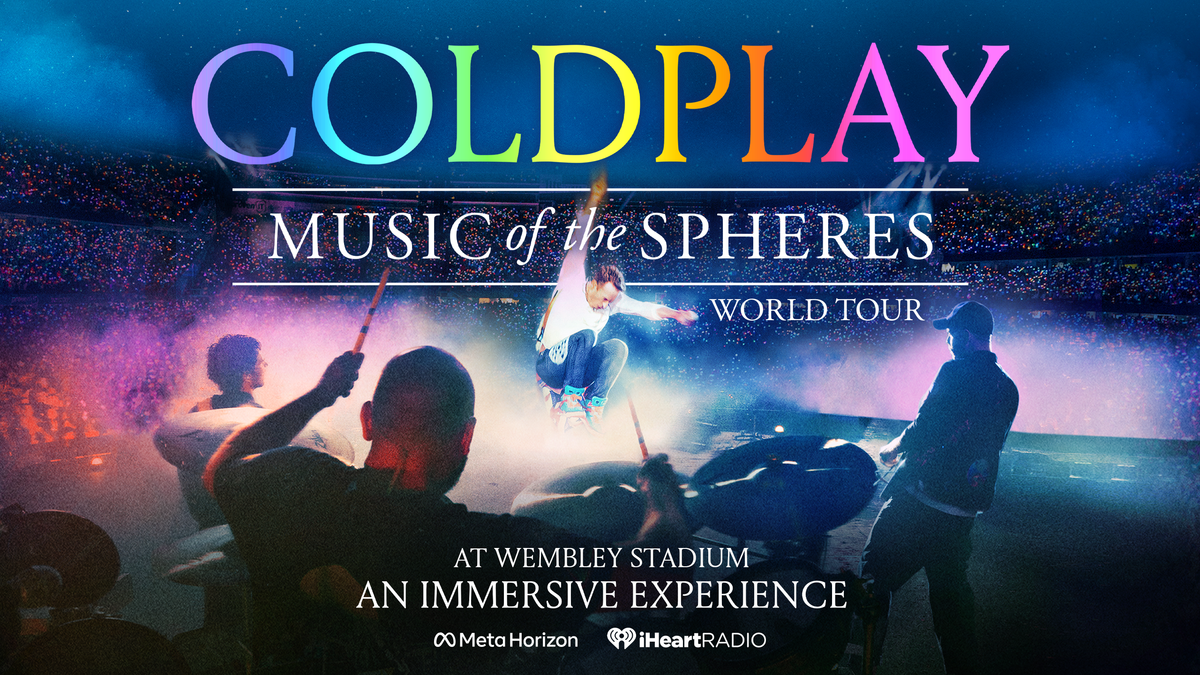
This latest music pack was previously revealed during last week's announcement for a free, upcoming Coldplay concert in Meta Horizon. Meta confirmed it's partnering with iHeartMedia to bring the band's Music of the Spheres concert tour to Meta Horizon, using 180-degree VR. That's based on the band's stint at Wembley Stadium and goes live on December 30.
There's still more to come for the band's collaboration with Meta. Last week also confirmed that Coldplay is returning to fitness app Supernatural in the US and Canada, following its original appearance in 2022. This will introduce three new workouts, and that begins on December 29.
Beat Saber - Coldplay Music Pack is out now on Quest and Steam.
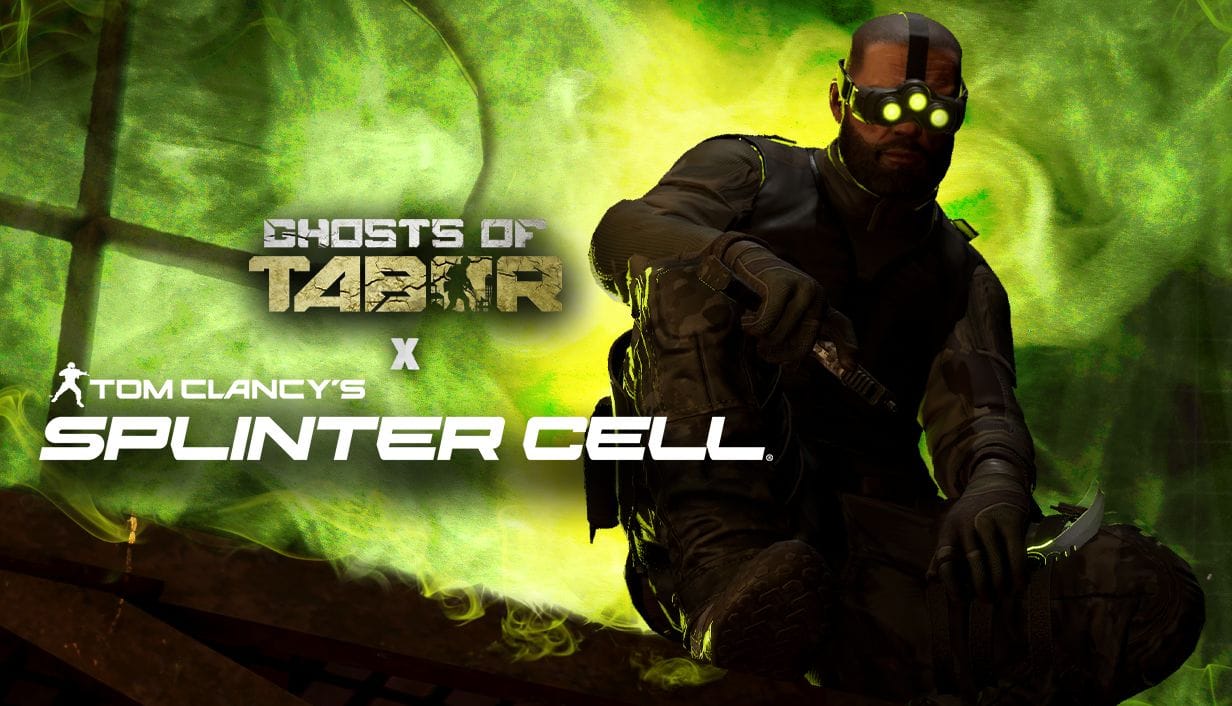
Tom Clancy's Splinter Cell is now inside Ghosts of Tabor through an official DLC crossover.
Combat Waffle Studios CEO Scott Albright confirmed that the latest wipe for Ghosts of Tabor would launch on December 17 alongside a brief teaser introducing the crossover in the Ruff Talk VR Gaming Showcase. Hours after we published this story, that's now gone live as a premium content pack with new Splinter Cell-themed gear.
“This collaboration means more than dropping an iconic character into our game. Splinter Cell defined an entire generation of tactical gameplay, and we are bringing that legacy into VR,” stated Albright in a subsequent LinkedIn post.
Splinter Cell has its own history in virtual reality, too, and you may recall Ubisoft announced VR entries for it and Assassin's Creed at Facebook Connect in 2020. The latter eventually launched as Assassin's Creed Nexus in 2023, though Splinter Cell VR was cancelled in 2022 alongside three other Ubisoft titles. At the time, CEO Yves Guillemot stated that Ubisoft was “adapting [its] organization to current economic uncertainties through cost optimization.”
We're seeing an increasing number of crossovers in Ghosts of Tabor in recent months, timing up October's Terminator: Dark Fate DLC with additional Halloween updates. Last month also saw Combat Waffle team up with Starbreeze for an official PAYDAY collaboration.
Our Glassbreakers review was initially published as an unscored review-in-progress on November 13, 2025. After spending five weeks with the game, this was updated to a full review on December 18 with a score attached. Other adjustments were made to the review regarding its player base, co-op mode, post-launch updates, and conclusion.
“Time is running out!” the voice declares urgently, and I glance up to see 30 seconds left on the clock.
I’m not concerned, though. The game is close but I'm in a strong position. I watch as my opponent pushes his champions down the left lane in a desperate gambit, and I pause to deliberate: do I defend and push the game into overtime, or do I go for the win now? With a single fluid motion, I make my decision, commanding my adorable squad to attack the enemy Glass. It's risky, but what the hell. I’m all in.
Just as I pass the point of no return, I hear the sound of the already weakened Sway Stone breaking and realize that their attack had been a feint. My opponent is now pushing on my central Glass with a big damage advantage. For the first time in the match, I’m in trouble.
With an easy gesture, I put my squad into retreat, though I’m out of position and weakened by their defensive turret. I mount a valiant final attempt to defend my Glass, chaining special attacks to swiftly take down their tank, but it's too little, too late. With seconds left on the clock, a brutal AOE spell finishes off my squad, and my Glass along with it.
But so it goes in Glassbreakers, a game where every decision matters, and it definitely ain’t over until it's over.
The Facts
What is it?: A tabletop strategy battler set in the Moss universe. Platforms: Quest 3, Steam, Apple Vision Pro (Reviewed on Quest 3) Release Date: November 13, 2025 Developer/Publisher: Polyarc Price: $19.99 (Quest, Steam) or Apple Arcade subscription
Mighty Mouse
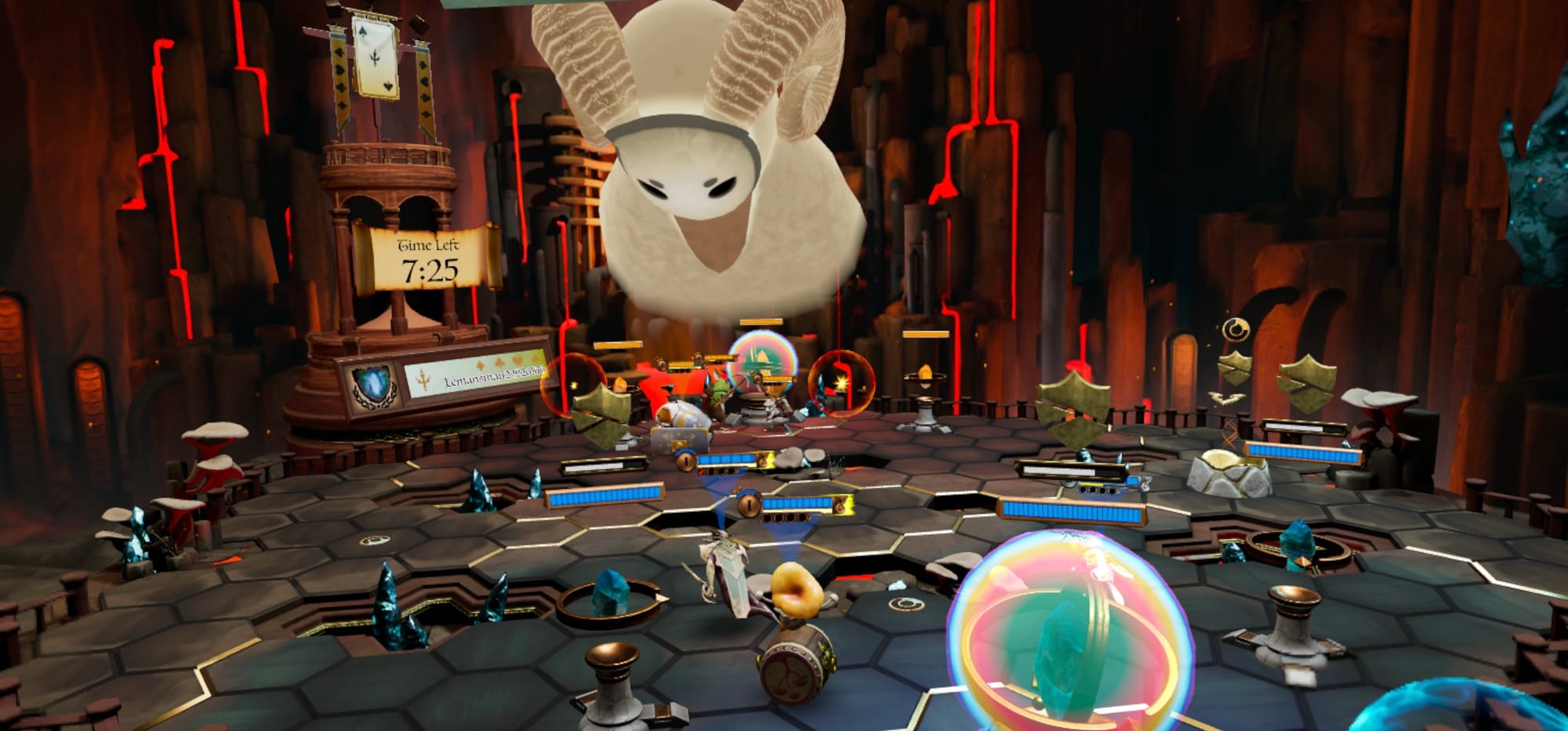
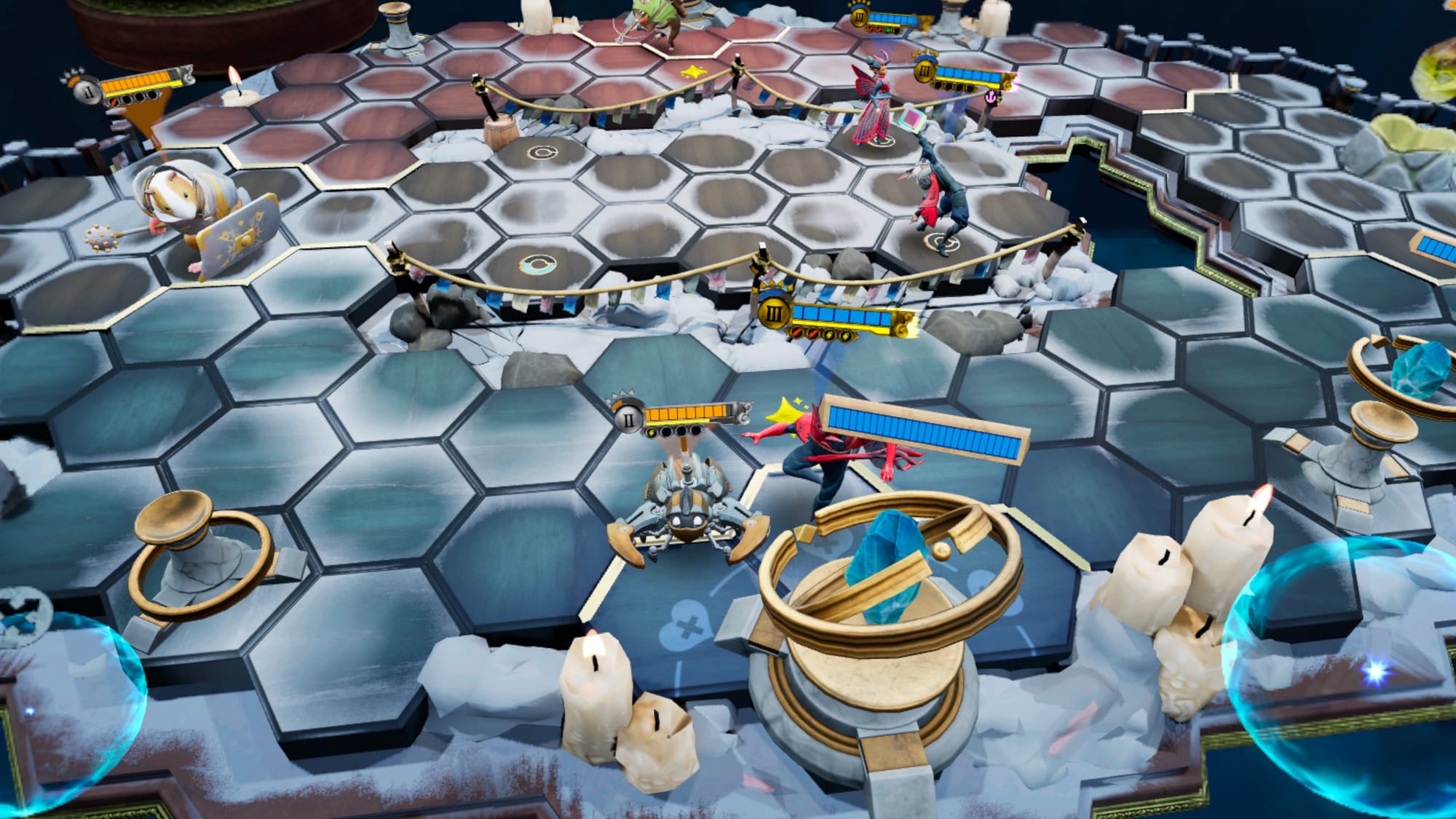
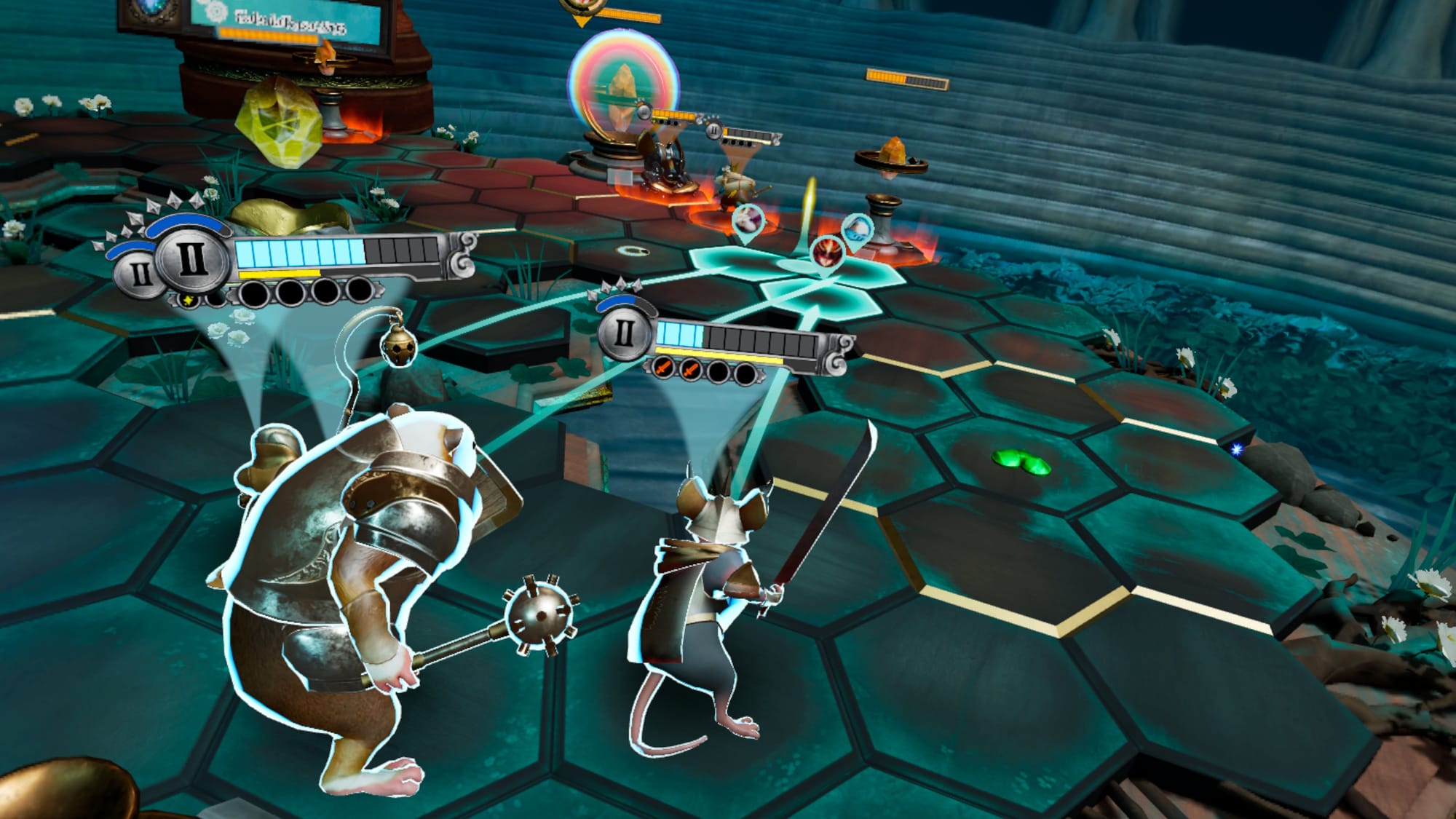
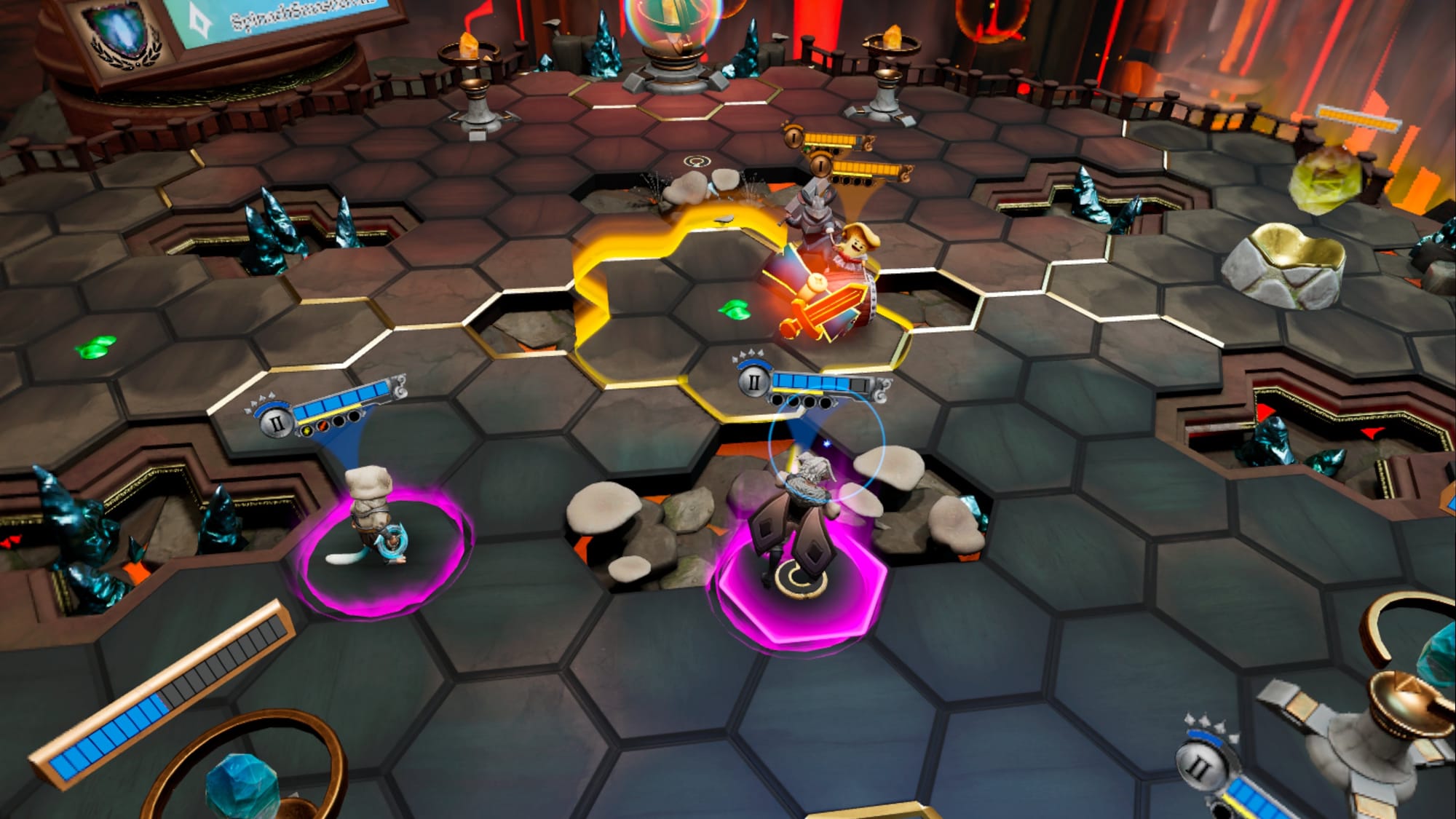
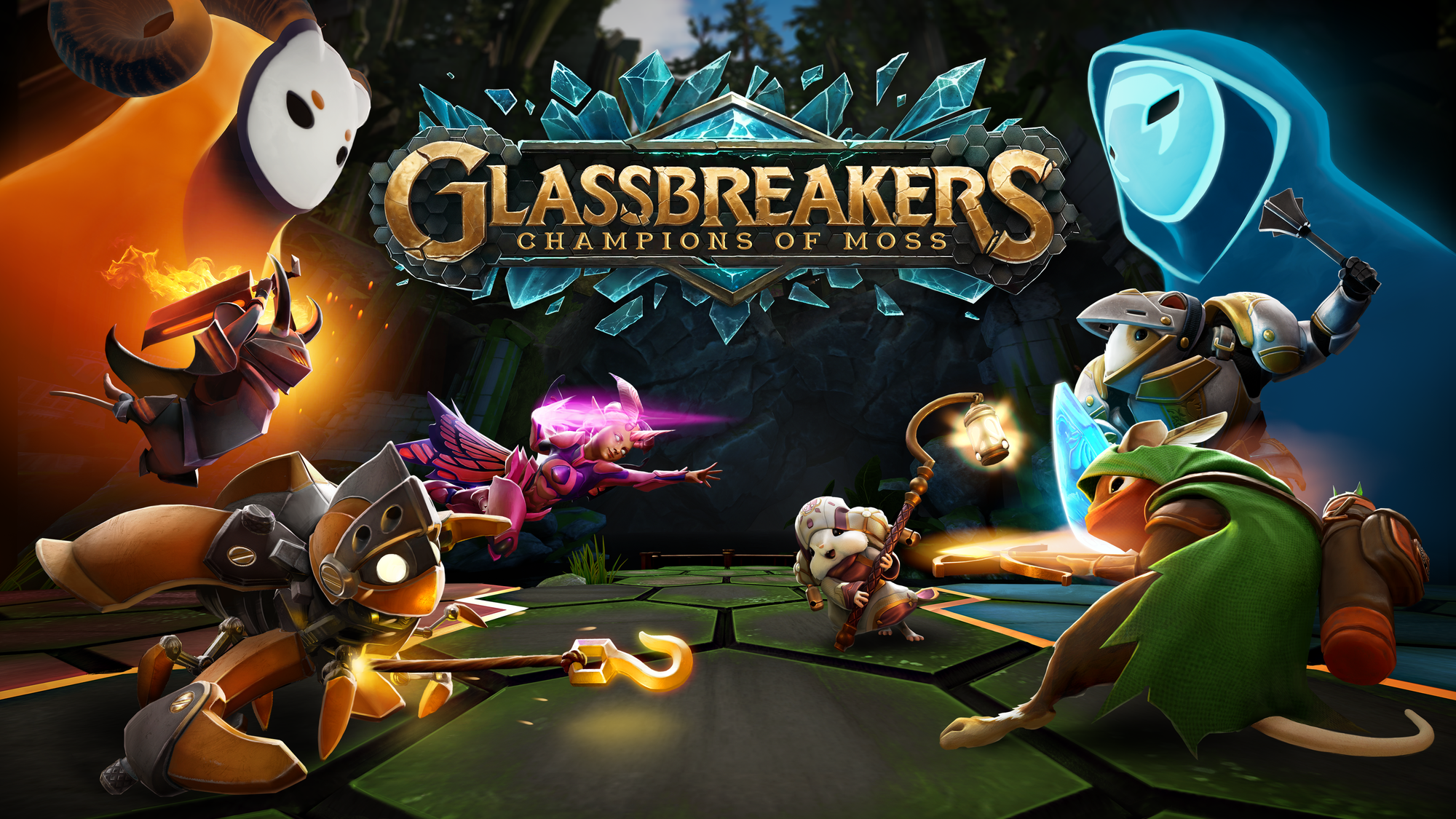
Set in the same charming universe as the Moss series, Glassbreakers takes that world’s tiny woodland heroes and drops them into fast-paced, strategic tabletop battles. Each player commands a team of three champions - small but mighty creatures that range from a crossbow-wielding rat and an armored hamster to a mechanical insect and mischievous sprites. Fans of MOBAs will feel right at home and recognize the archetypes instantly: tanks, healers, damage dealers, support, and control - they’re all here.
The aim in Glassbreakers is simple: shatter your opponent’s ‘Glass’ before they destroy yours. Flanking the main Glass are two smaller ones: defensive turrets, of which at least one must be destroyed before the central base becomes vulnerable. It seems simple enough, deceptively so as with all good strategy games. Every match becomes a delicate ballet of micro-decisions, positioning, timing, and calculated risk.
Glassbreakers is a predominantly online competitive game. However, there are still options available for those who wish to play solo. While there’s no campaign to speak of, players can spar against AI opponents across three difficulty tiers. At first these will provide an ample challenge and ensure that there’s always something to enjoy solo, but experienced players will likely find the challenge dwindles after a few hours.
As with many online games, long-term success will likely depend on community strength and how active the player base is. Unfortunately, after five weeks of play, servers have yet to fill out in the way that many players would hope - but it's still early days. While the player base hasn't filled out enough to guarantee a match at any hour, Glassbreakers has fostered a thriving community of loyal fans arranging games, tournaments (and even a league starting in 2026) via Discord.
There is also a co-op mode where players can team up, splitting control of the three champions between the players. While the concept of co-op sounds great, I personally found the asymmetry of sharing 3 champions between 2 players less than ideal. Glassbreakers also offers cross-platform support and a player base drawn from Quest 3, Steam, and Apple Vision Pro ecosystems.
In The Deep End
At a glance, it might be easy to miss the level of nuance and depth that Glassbreakers offers. The tutorials are well established to show players how to play the game, but what they don’t do as effectively is show you how to play the game well. My first few forays were graceless exercises in repeated, floundering assaults that, understandably, ended in my swift defeat.
With a little perseverance, however, it's one of the most sophisticated and well-balanced strategy games that I’ve ever played, and I’m beyond glad I took the time to delve deeper than that first session.
Once you get the hang of it, Glassbreakers offers a brilliantly layered system that forces players to adapt constantly, shifting between offense and defense, darting between risk and reward. It ebbs and flows in real time, where every decision matters and matches can turn on the tiniest miscalculation.
During the early game, battles tend to be cautious, cat-and-mouse affairs. Each time you knock out an opponent, your champion will level up, activating stronger abilities as they do. Playing recklessly gets you knocked out early on, and you’re handing your rival a power boost. There are also various objective points to compete for that, when captured, let you power up one of your champions. Then there is also the all-important ‘Sway Stone’ to contend with, which temporarily amplifies your damage output against the enemy’s Glass once destroyed.
With all these elements at play, each game of Glass becomes an evolving eight-minute balancing act of risk vs. reward. It’s an intoxicating blend of micro and macro-strategy. There’s always something to think about: who to engage, when to retreat, whether to press an advantage or turtle up and force your opponent’s hand. And because every match is short, defeat never feels punishing; it just makes you want to jump back in and try a new strategy immediately.
Post Launch Updates
Since launch, developers Polyarc have continued to polish and improve the overall Glassbreakers experience, with two patches already released. These updates have focused mainly on improvements to the matchmaking process and providing balancing adjustments to the champions based on player feedback.
Glassbreakers thankfully launched as an extremely polished game, with little need for the urgent fixes that have become commonplace recently. As such, the development time going into the game now seems to be focused on enhancing the player experience and responding to the feedback from the community.
Squad Goals
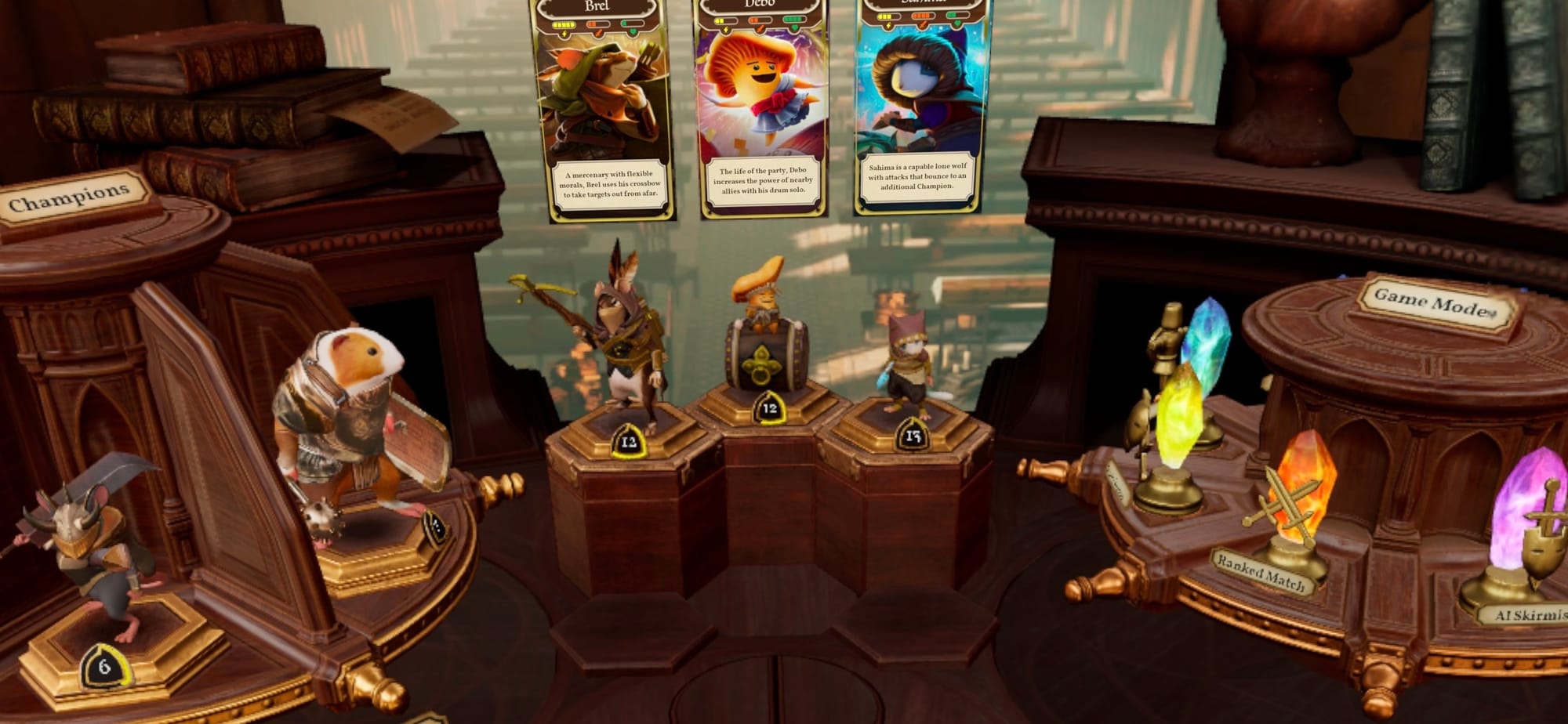
The core of navigating this strategic depth lies in building and executing a cohesive team strategy. Players begin with just three champions, but as you play and level them up, more are unlocked, eventually providing access to a roster of twelve. Each champion has a distinct personality and play style, but it’s the synergies between them that define the real depth here.
One of the game’s greatest strengths lies in how differently it plays depending on your team composition. Two tanks and a healer can form a defensive wall that can grind down your opponent, while a high-risk, high-reward trio of damage dealers can obliterate a careless enemy in seconds. There is an excellent array of viable combinations and play styles for players to concoct, and crafting and trialing these is one of the real joys of playing the game.
Beyond this roster of champions, Glassbreakers also offers four maps that introduce different dynamics, changing the flow of battle and rewarding experimentation and creativity.
The VR Of It All
Most VR tabletop or strategy titles struggle with one key question: why does this need to be in VR?
Glassbreakers answers that question emphatically through its brilliantly tactile control scheme. Rather than relying on traditional gamepad-style commands or complex radial menus, it lets you control your champions using simple, physical gestures that feel instantly natural.
Standing (or seated) above the board, you direct your team by grabbing, reaching, and pointing in space. Want to send all three champions into battle? Reach over your shoulder and pull the trigger to select them all, then bring your hand down to point where you want them to go. Need a quick retreat? Just put your hand over your shoulder and double-tap the trigger, and your team will fall back and converge on your central Glass.
Additionally, using gestures like those in Demeo, you can rotate the entire battlefield around you, raise yourself up to get a better vantage of the action, and then zoom back in to move your champions around the board. It’s almost like handling a living hologram.
What really makes this shine is that it’s just as comfortable for gamers who prefer a couch-style experience. You can play seated, relaxed and still feel deeply engaged. It’s this hybrid design philosophy that makes Glassbreakers so special. Many VR games that rely on minimal movement end up feeling like glorified 2D experiences shoehorned into a headset. But here, Polyarc uses VR’s physicality to enhance the experience, not demand effort from it. The result is a perfect midpoint - a game you can play for hours without fatigue but that still leverages spatial awareness, physical presence, and immersion beautifully.
Here To Slay
Polyarc has always been synonymous with charm and artistry, and Glassbreakers continues that legacy with style to spare.
Each of the twelve champions is meticulously designed, bursting with personality and life. Their animations, gestures, and expressive reactions make them feel like living toys. Just as in Moss, Glassbreakers provides heroes you can’t help but get attached to. Even without a narrative, it retains the storybook magic of the Moss franchise.
Importantly for a game where there is so much to concentrate on at once, Glassbreakers is not only beautiful, but easy to read. Icons and symbols don’t clutter the board. Even in the most hectic of skirmishes, it’s easy to get the right information easily so you can make decisions quickly.
Even the menus and home space (set within the iconic Moss library) exude warmth and polish. Sitting there arranging your team, tweaking their colors and skins, feels intimate and personal.
Comfort
Glassbreakers is a tabletop game with movement controls similar to those found in Demeo. Players can pull themselves around the board or rotate it to gain a better view of the action. With very limited actual movement, Glassbreakers should be a comfortable experience for most players.
Sounds Like A Plan
Audio design in Glassbreakers is as impeccable as its visuals.
Each champion’s voice lines are delightfully characterful - distinct enough to feel alive but used sparingly enough to avoid repetition. The soundscape of the battlefield is filled with satisfying detail: the muted crunch of Glass under attack, the metallic ping of Sahima’s chakram bouncing between your opponents, and the satisfying whoosh as Barnard’s spell lands.
The music sways from warm and inviting to building tension as the fight rages on, setting just the right tone for the world - playful, daring, and triumphant all at once.
Spatial audio cues are particularly well implemented. Take your eye off an area of the board, and you’ll hear enemies flanking you before you see them. Whether it's objectives spawning behind you or your Glass taking hits from across the map, the sound design tells the macro while your eyes are focused on the micro. This attention to directional sound makes every match more immersive and helps maintain focus during fast-paced engagements.
Glassbreakers: Champions Of Moss - Final Verdict
It’s difficult to overstate just how much Glassbreakers gets right. Polyarc has crafted a delightfully polished and truly unique experience - one that blends the strategic depth of classic RTS games and the character class/squad mechanics of a MOBA with the tactile immersion of VR.
Glassbreakers is smart, competitive, and highly addictive and stands as one of the best strategy experiences available in VR - and one of the most charming. Currently, it is a game let down only by the fact that the player base hasn't grown enough to support consistent, frictionless matchmaking. Nonetheless, since its launch I have spent more time in Glassbreakers than all my other games combined - testament to a beautifully balanced and brilliantly designed small-scale masterpiece.
Five weeks on from launch I maintain that Glassbreakers truly deserves a large-scale following. Highly recommended.
UploadVR uses a 5-Star rating system for our game reviews – you can read a breakdown of each star rating in our review guidelines.
Ninja Warrior feels like a fun concept to make the jump into VR, until you consider the practicalities of adapting this experience for the medium. There’s something appealing about translating large-scale obstacle courses into a fitness game of sorts, but these courses featured in the original TV show involve Wipeout-esque feats of acrobatics, strength, and nerve to conquer. Never mind the space necessary to run, jump and dive through them.
Maybe, if you could traverse without using your feet but retaining that sense of athleticism, it could work.
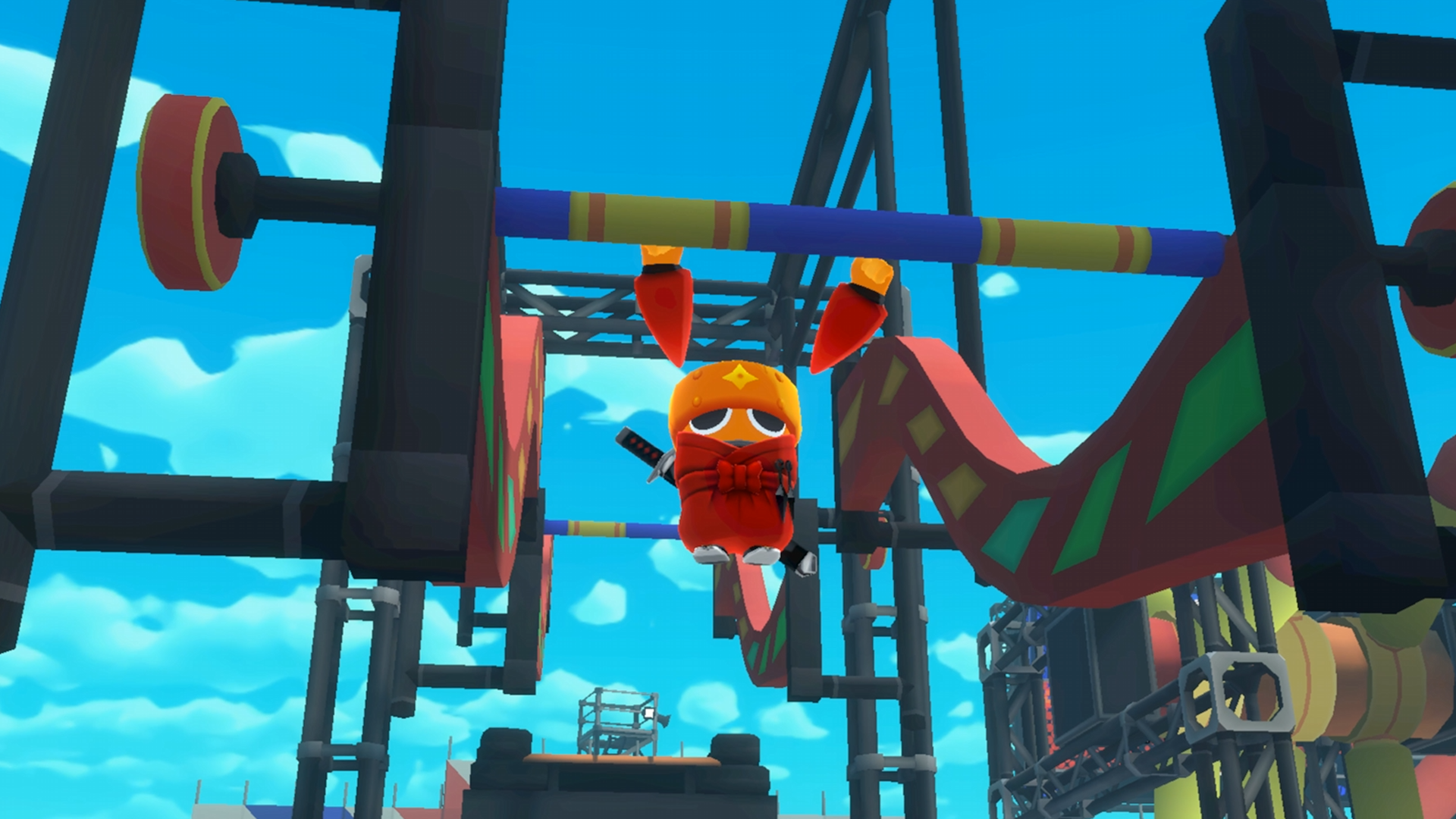
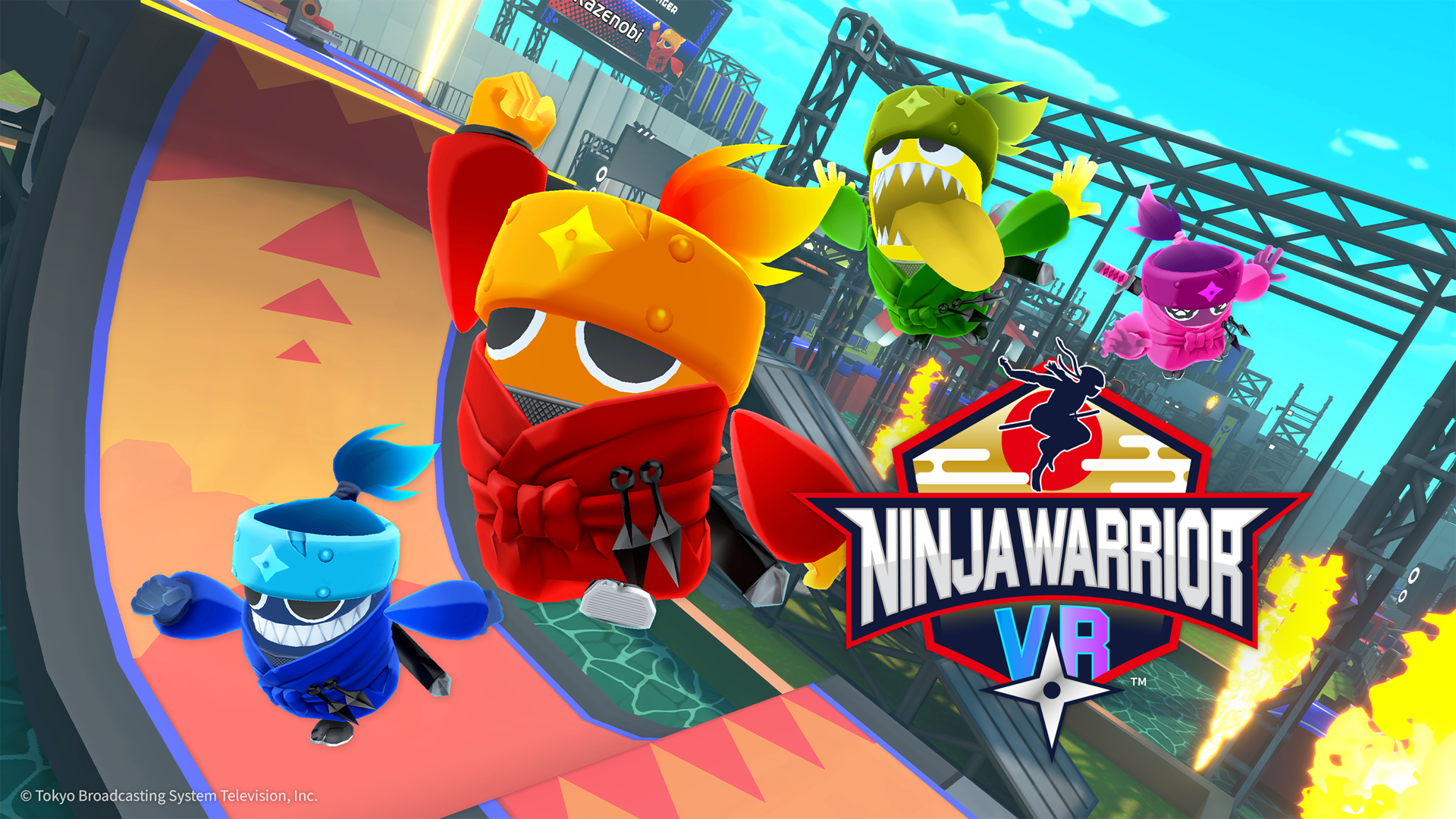
Ninja Warrior VR takes heavy inspiration from titles like Fall Guys in its switch from reality TV to the virtual world, replacing its super-strength competitors with stylized ninja-like characters. The jump also shifts the aesthetics of the experience, and allows the experience to betray your initial expectations in one key aspect, the one thing transforming this into one of the most promising fitness-fueled party titles of 2025. Rather than moving with your feet, you move entirely using your hands.
It seems absurd at first, and certainly it takes some getting used to. While at first you would assume you might run on the spot or use analog sticks to move around each course, everything is controlled using motion controls and your hands. To move forward, you reach your arm forward and physically pull it back toward your chest to pull your character toward wherever you placed it. You can use either hand or both in quick succession to move at speed, but wherever you place that hand, it will remain firmly planted in place until you place down your other hand.
This is the main way you traverse just about every obstacle in the game. Want to jump? Push off from where you are with your hands. You can do this with one or two hands, but you will need to rapidly increase your speed at this task if you want to, say, jump across thin platforms with moving bollards spinning in sequence that will punish you for lurking too long. All against a surprisingly strict time limit that's longer than the real show, but not exactly friendly either.
The only use of buttons on the controller is the grip button for grabbing onto obstacles like hanging bars, such as the famous obstacle from the series that requires players to hang and jump between two sliding metal bars. This requires you to use all your skills to traverse and is quite challenging to overcome, and we’re still only in round 1!
While you could critique the game under these parameters for being too hard - it's also similar locomotion to Gorilla Tag or Orion Drift, which isn't what you'd expect - this arguably works well for Ninja Warrior VR. The reality TV show is a Herculean effort few can successfully beat, and making it too simple risks making it trivial for players when the full game releases.
With the commentators voicing in your ear, there’s still a lot of fun to be had by trying your luck, never mind how amusing it looks from an outsider’s perspective. Provided you’re careful, that is - during my experience, I accidentally punched the demo assistant more than once in the intensity of trying to traverse just this first obstacle course.
To me, though, that’s proof of everything Ninja Warrior VR does well, rather than a negative. You need space to play, and time to get used to moving with your hands. But after overcoming this hurdle you don’t just feel immediately hooked on the thrill of the challenge, you’re resolute and determined to clear these hurdles however possible. It’s tiring, but it’s exciting to overcome a challenge, setting yourself up slowly in just the right spot for a new obstacle, and to overcome it. With a crowd of friends or onlookers, as I had here, the cheers as you overcome that obstacle are both fueling and grin-inducing. It's a true joy, only possible by the rather bold direction the team has taken to bring this game to life.
Ninja Warrior VR is not a one-to-one physical recreation because that’s not feasible. While its cartoon appearance is unusual at first, it’s through this direction that MyDearest has maintained the spirit of the show and created something that could provide hours of entertainment in good company. That's from just the first round of the four-round gauntlet that makes up a typical Ninja Warrior match, and the team has promised future updates to keep expanding the game with more levels over time. If the team can maintain that schedule and the degree of fun found in this demo for repeat matches and new stages, this could become a new party game of choice for having a good time with friends in VR.
Ninja Warrior VR is out today on the Meta Quest platform.
It seems like the teased Horizon OS headsets from Asus ROG and Lenovo won't be shipping after all.
In a statement to Road to VR, Meta says it has "paused the program to focus on building the world-class first-party hardware and software needed to advance the VR market".
“We’re committed to this for the long term and will revisit opportunities for 3rd-party device partnerships as the category evolves”, the statement continues.
The news comes just under 20 months after Meta officially announced that third-party headsets running Quest's operating system, which it branded Horizon OS, were in the works.
At the time, Meta said Asus was working on a "performance gaming headset" under its ROG brand, while Lenovo was working on "a line of headsets" for "productivity, learning, and entertainment".
We heard nothing official about the Asus ROG headset after this point, though a rumor back in January suggested that it would have face and eye tracking and use either QD-LCD panels with local dimming or micro-OLED displays.
Meanwhile, around a year ago at Lenovo Tech World 2024, the company confirmed that it was still working on its Horizon OS headset.
The decision to "pause" the program for third-party Horizon OS headsets may have come alongside the wider cuts to the VR and Horizon Worlds teams at Meta, widely reported by outlets like Bloomberg, The New York Times, The Wall Street Journal, and Business Insider earlier this month.
Shortly after those reports, Meta issued an official statement confirming "shifting some of our investment from Metaverse toward AI glasses and Wearables".
Today's news doesn't mean the end of Horizon OS headsets, though, just that they won't be coming from third parties – at least not any time soon.
Meta's statement mentions building "world-class first-party hardware" for VR, and leaked memos from earlier this month reveal that the company is actively working on at least two Horizon OS products.
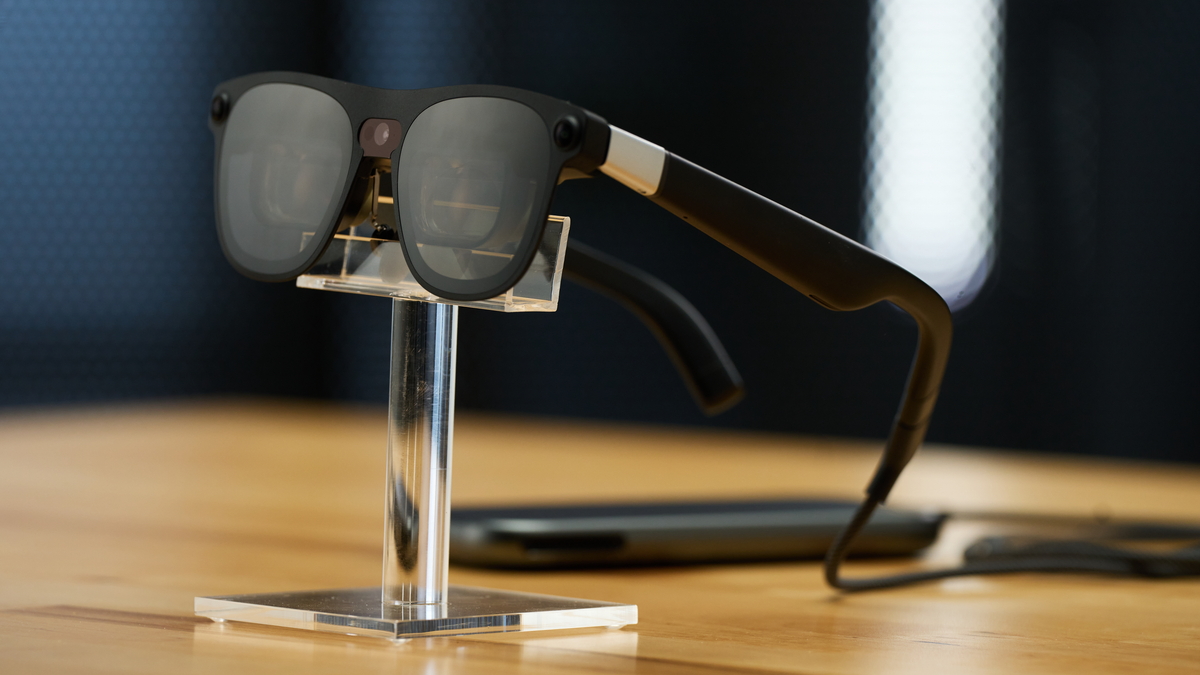
According to those internal memos, Meta plans to launch its rumored ultralight "mixed reality glasses" headset with a tethered compute puck in the first half of 2027, and recently started work on a gaming-focused Quest 4 set to be a "large upgrade" over Quest 3, though at a higher price.
Given this timeline, Quest 3 owners hoping for a direct upgrade within the Horizon OS ecosystem could be waiting another two or three years, meaning Quest 3 would end up being Meta's all-in-one flagship for four or five years without a direct successor. And when that successor does arrive, it's set to have a notably higher price.
Google's Android XR Takes The Stage
The news of the "pause" of the third-party Meta Horizon OS hardware program comes just over a month after Lynx revealed that Google terminated its Android XR deal.
Lynx was one of the three additional companies, after Samsung, that Google said were working on an Android XR device when the operating system was announced late last year, the other two being Xreal and Sony.
When asked about the Lynx termination, Google told UploadVR that it's still working with Xreal and Sony, and last week it and Xreal confirmed that Project Aura is still on track to launch in 2026 as the second Android XR headset.
With Meta's Horizon OS now unavailable for third-party hardware, it seems we can expect any future entrants to the standalone headset market to use Google's Android XR instead – for the foreseeable future at least.
Quest's Hand Tracking 2.4 update significantly improves the Fast Motion Mode, better handling rapid movements like punching and swinging.
Since launching controller-free hand tracking as a software update for the original Oculus Quest experimentally in late 2019 and publicly in early 2020, Meta has continued to improve the feature, gradually bridging much of the tracking quality difference compared to controllers.
Hand Tracking 2.0 in 2022 brought improvements to handling fast movements, occlusion, and touching your hands together.
Hand Tracking 2.1 in early 2023 reduced tracking loss and the time to re-acquire hands after loss, as well as improving the accuracy of prediction for fast motion.
Hand Tracking 2.2 in mid 2023 reduced the latency of hand tracking, with Meta claiming up to 40% reduction in typical usage and up to 75% during fast movement.
Hand Tracking 2.3 last year brought enhanced stability, improved accuracy, and even lower latency.
0:00
/0:22
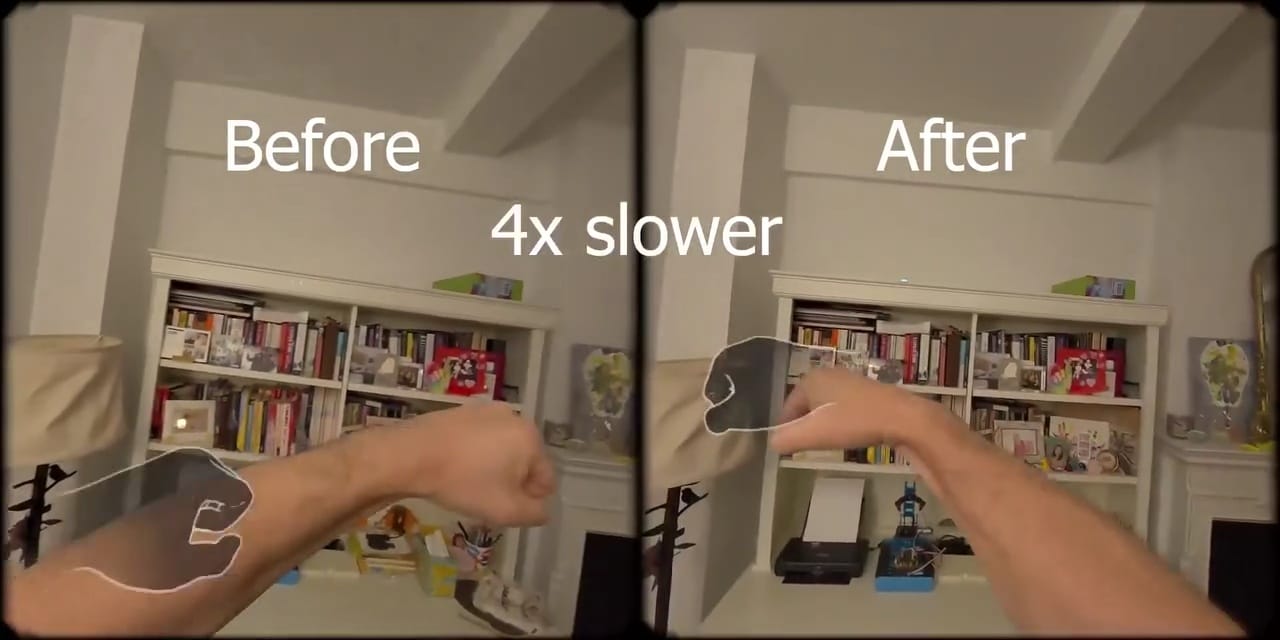
Comparison of Fast Motion Mode with 2.3 (left) and 2.4 (right).
Normally, Quest's hand tracking samples the tracking cameras at 30Hz. Optionally, the developers of apps can enable Fast Motion Mode, which makes the cameras sample at 50Hz or 60Hz, depending on your country's mains electricity frequency, to sync up with artificial lighting.
The higher sampling rate of Fast Motion Mode improves the tracking of fast motions, with the tradeoff of introducing some jitter that can make hand tracking feel slightly less accurate. Fast Motion Mode also requires brighter room lighting on headsets older than Quest 3S, because the camera exposure is lower, bringing less light, so without IR illuminators this will cause the tracking to degrade more.
Fast Motion Mode also cannot be used alongside simultaneous hands and controllers mode, and can only be combined with inside-out body tracking in VR, not passthrough mixed reality. Further, on Quest Pro, Fast Motion Mode can't be used alongside eye tracking or face tracking.
Still, these tradeoffs aside, Fast Motion Mode is ideal for fast-paced immersive games, and that's what Hand Tracking 2.4 is focused on improving.
Meta says that Hand Tracking 2.4 arrived in Horizon OS v83, which started rolling out last month.
According to Meta, Hands 2.4 brings the following improvements to Fast Motion Mode:
Faster Hand Acquisition: "Hands are detected faster when re-entering view. This reduces the 'hand loss' feeling during fast movements."
Advanced Motion Upsampling: "Smooths out rapid gestures so motion appears continuous instead of choppy while minimizing motion artifacts."
Optimized Fast Motion Filters: "Helps eliminate perceived latency between hand tracking and controller input during high-energy interactions."
Again though, keep in mind that Fast Motion Mode is a feature developers need to enable for their apps, so you'll only see this in games that chose to use it.
You should be able to test it out in Meta's free demo app from 2023 called Move Fast, which is designed to showcase how hand tracking can be used for immersive fitness games.
Maestro adds two notable songs from Disney's Pirates of the Caribbean films, joined by other epic sailing songs in the latest DLC.
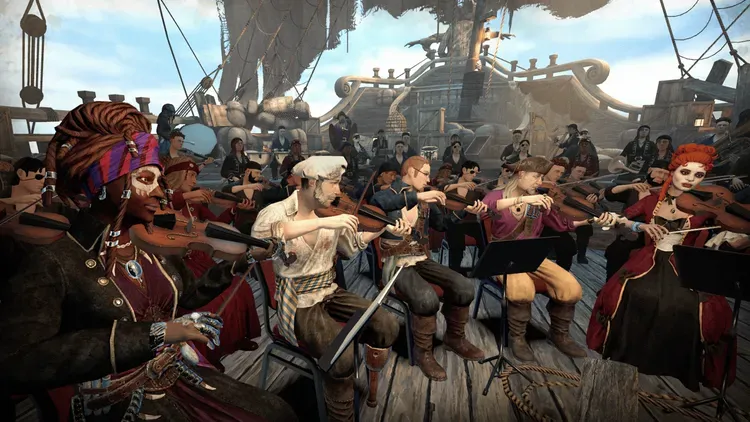
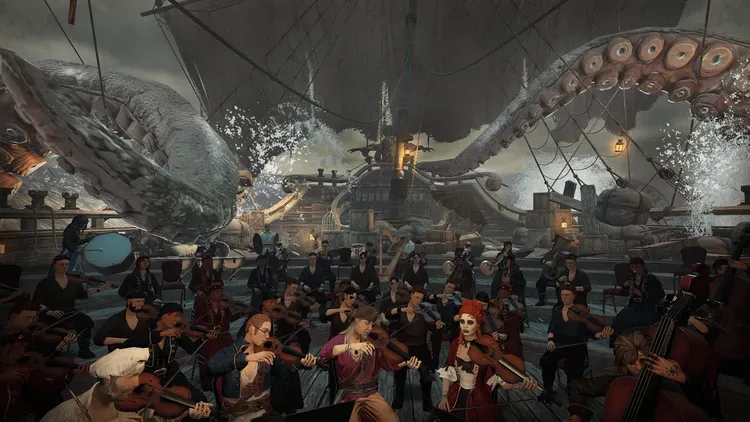
At the heart of the All Aboard! update are two iconic tracks from Pirates of the Caribbean, including Hans Zimmer and Klaus Badelt's instantly recognizable theme, “He's a Pirate,” and Zimmer's “Jack Sparrow.” These rousing pieces are joined by a selection of sea-inspired music, including the shanty “Wellerman,” Rimsky-Korsakov's “The Shipwreck,” and Ralph Vaughan Williams' A Sea Symphony (Overture).
0:00
/1:16
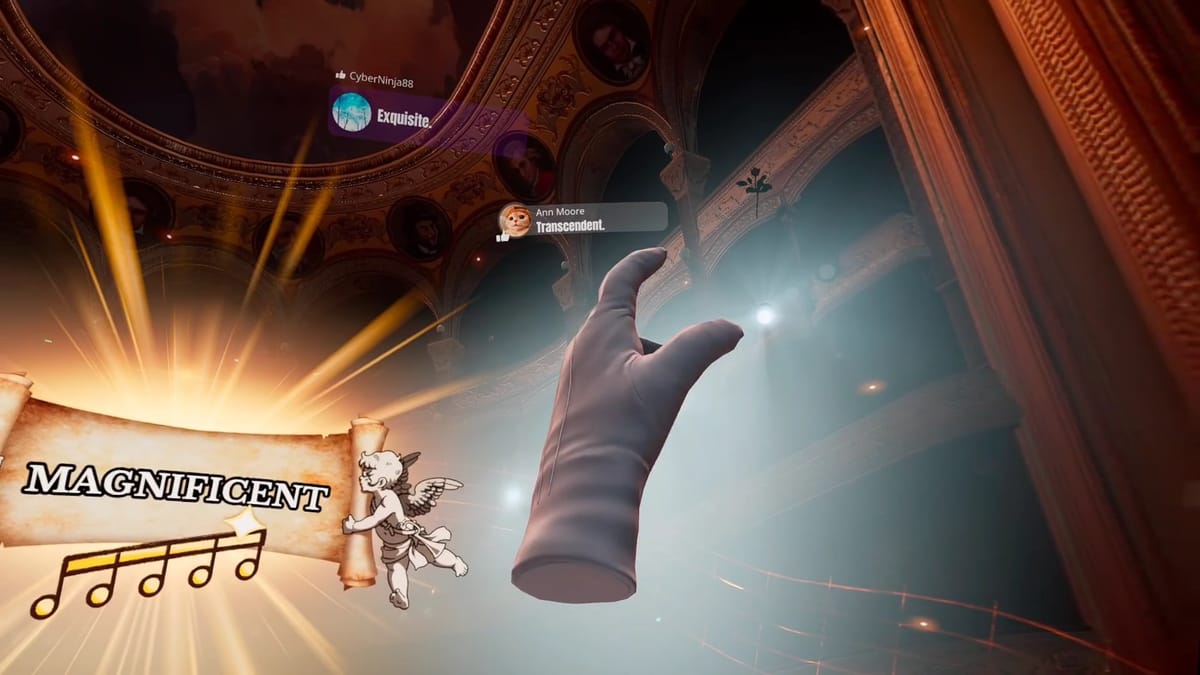
As with earlier Maestro add-ons, such as the Star Wars, Game of Thrones, and Fantasia themed updates previously covered here, the new DLC brings more than just music. All Aboard! adds a new environment to perform in (which includes a kraken and ghost ship) plus new buccaneer-themed costumes for the orchestra. Players can get into the swashbuckling spirit, too, with new accessories and cosmetic items, including a Kraken's Foot baton and The Cap'n gloves.
Our 2024 review of Maestro praised the game's bold use of hand tracking on Quest, and called the experience a “breath of fresh air” compared to other VR rhythm games. That's since arrived across almost every major VR platform, and it's one of the few games that currently supports PlayStation VR2 hand-tracking.
Maestro and the new All Aboard! add-on are available now in the Meta Horizon Store and Steam, while the Pico and PS VR2 release will follow “in the coming days.”
Dawn of Jets gets multiplayer support for the VR aerial combat game, and it's now left early access on Quest.
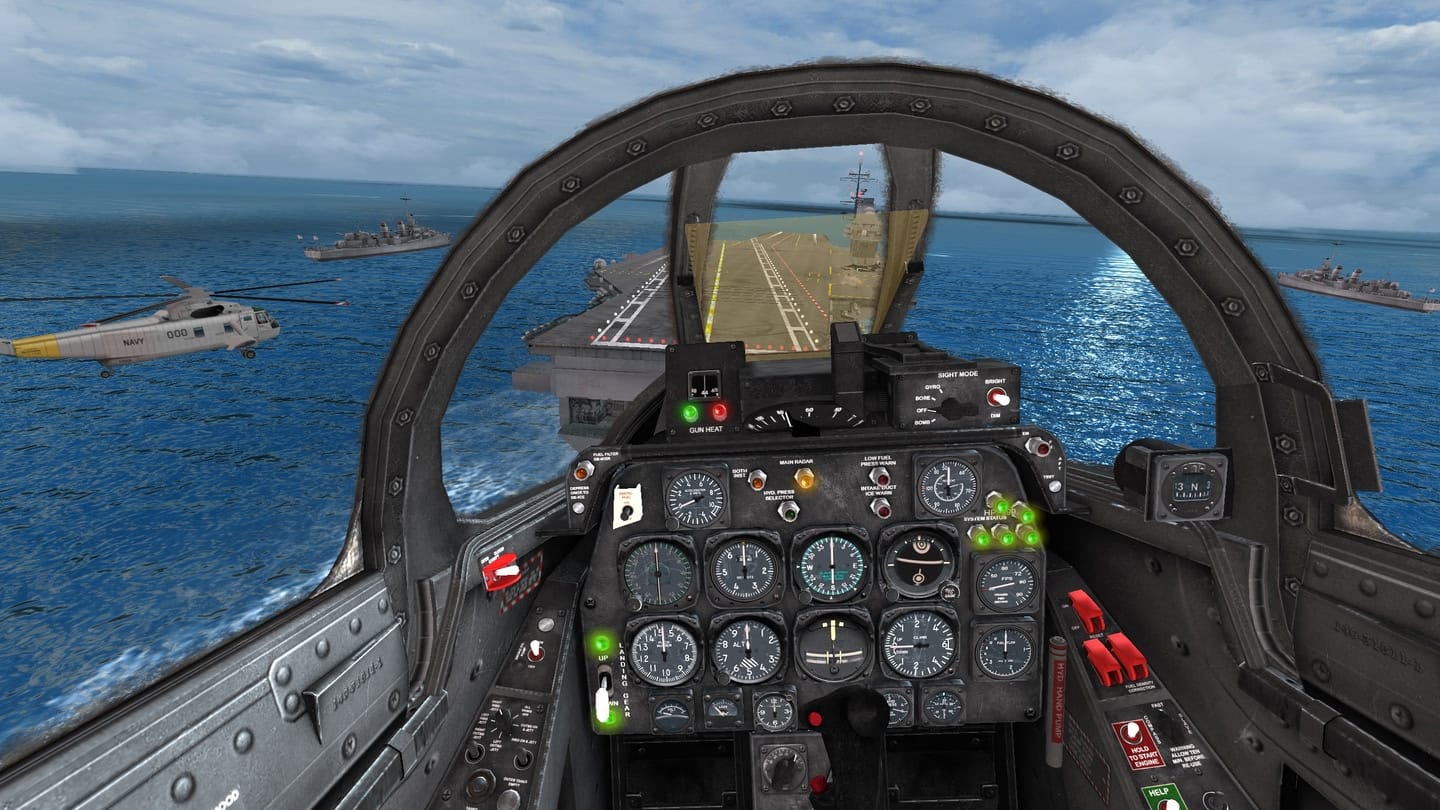
We initially covered eV Interactive's Dawn of Jets following its early access launch. Featuring ten different aircraft with the promise of more to come, this gives you a fully interactive cockpit with the stick, throttle, weapons systems, and more as you go dogfighting across the skies. Now, it's received online multiplayer alongside its full release.
0:00
/1:00
Multiplayer footage
Detailed further in a recent update post, Dawn of Jets' new multiplayer mode supports up to seven other friends in free-flight, deathmatch, and team-based matches. eV Interactive states more modes and missions are coming “in the future,” though a specific release window wasn't mentioned for these.
Multiplayer joins three previously available gameplay modes in Dawn of Jets. These include a Career mode with dozens of missions, alongside different Challenges where you compete for the top of the leaderboards across combat, race, and aviation scenarios. Finally, Flight mode lets you explore this world at a more leisurely pace.
Dawn of Jets is available now on the Meta Quest platform.
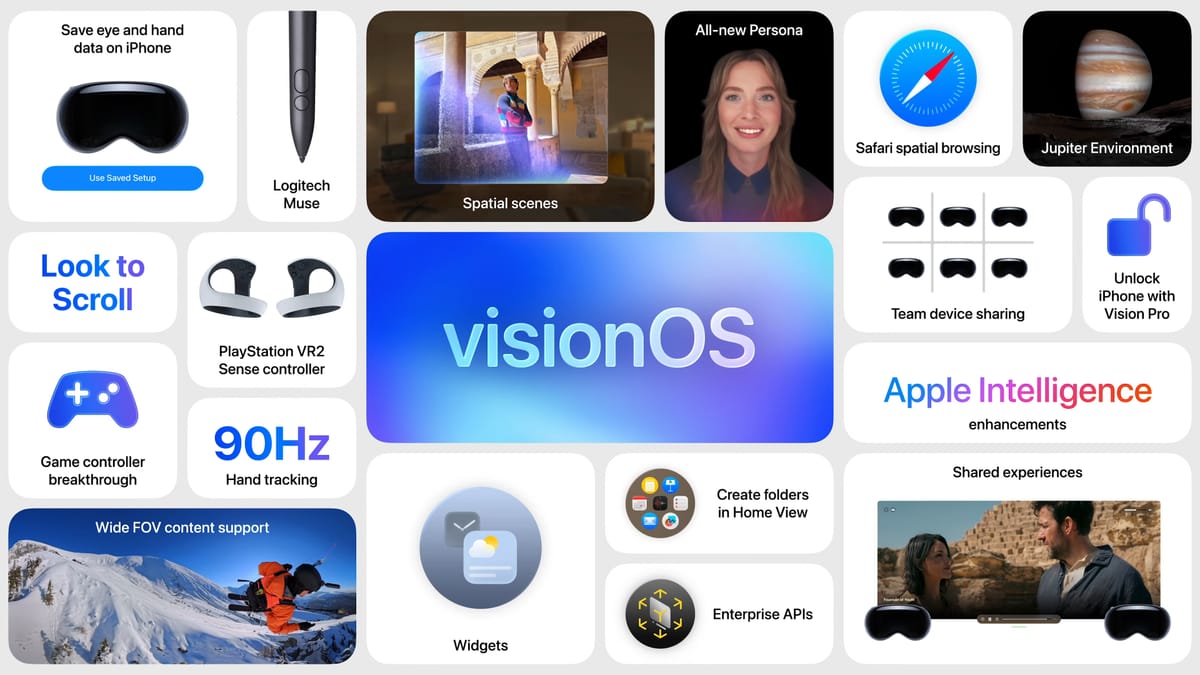
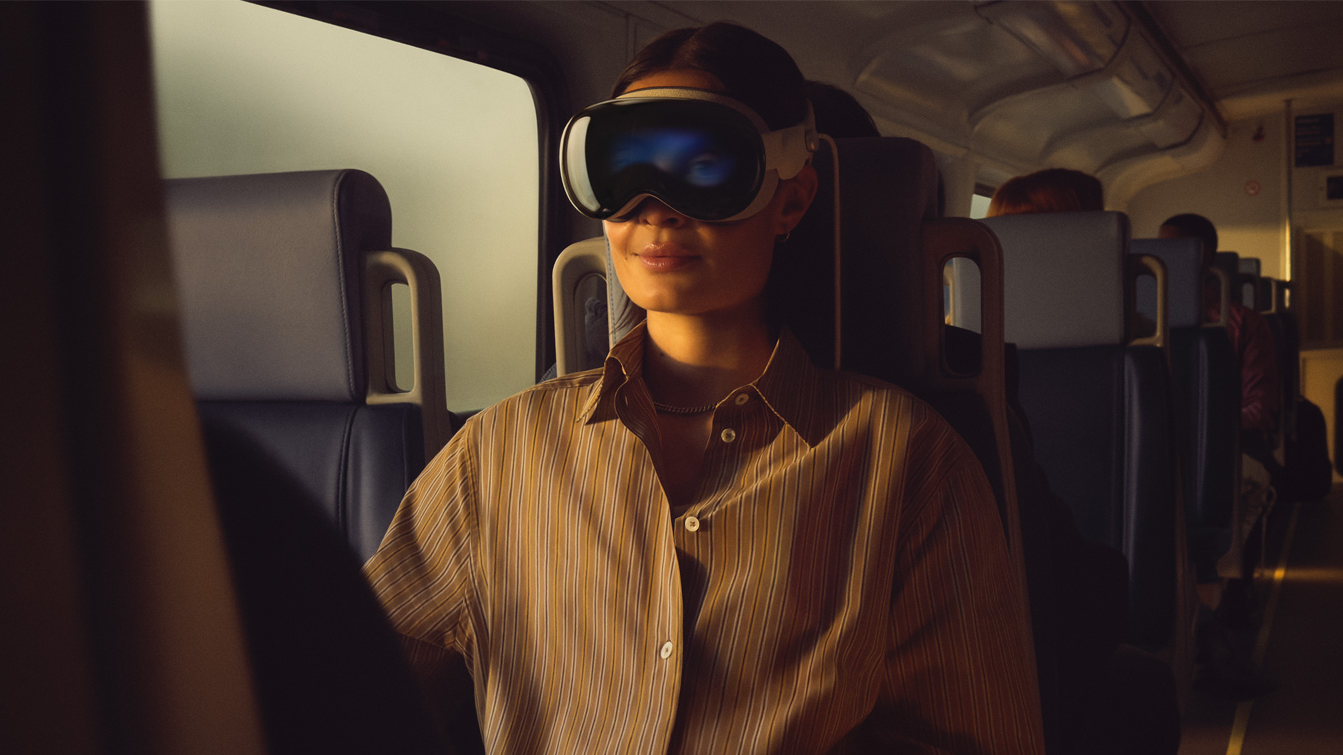
visionOS 26.2 brings official support for using Apple Vision Pro in cars and buses via improved tracking in Travel Mode.
Apple Vision Pro was the first headset to deliver a Travel Mode, meaning a toggle that makes its positional tracking system work while in a moving vehicle, when it launched in early 2024.
Since then, over the years, Meta, Pico, Snap, and Google have followed with their own implementations of Travel Mode for their headsets.
At launch, Apple's Travel Mode was specifically designed for airplanes. With visionOS 2 last year, it was updated to officially support trains. And now with visionOS 26.2, released last week, Apple Vision Pro officially supports cars and buses too.
"Travel Mode lets passengers use Apple Vision Pro on cars and busses in addition to airplanes and train", Apple's release notes read.
I say "officially" because the feature did already work in these scenarios. When picking up Apple Vision Pro in New York at launch, I used its Travel Mode in the back of an Uber. It worked, with some minor jitter.
I'll be sure to try Apple Vision Pro's Travel Mode again next time I'm in a long distance Uber, Waymo, or bus, as I'm curious to see how much improvement the official support brings.
The update arrived on the same week that Google announced and started rolling out a Travel Mode for Android XR on Galaxy XR, which officially only supports planes.
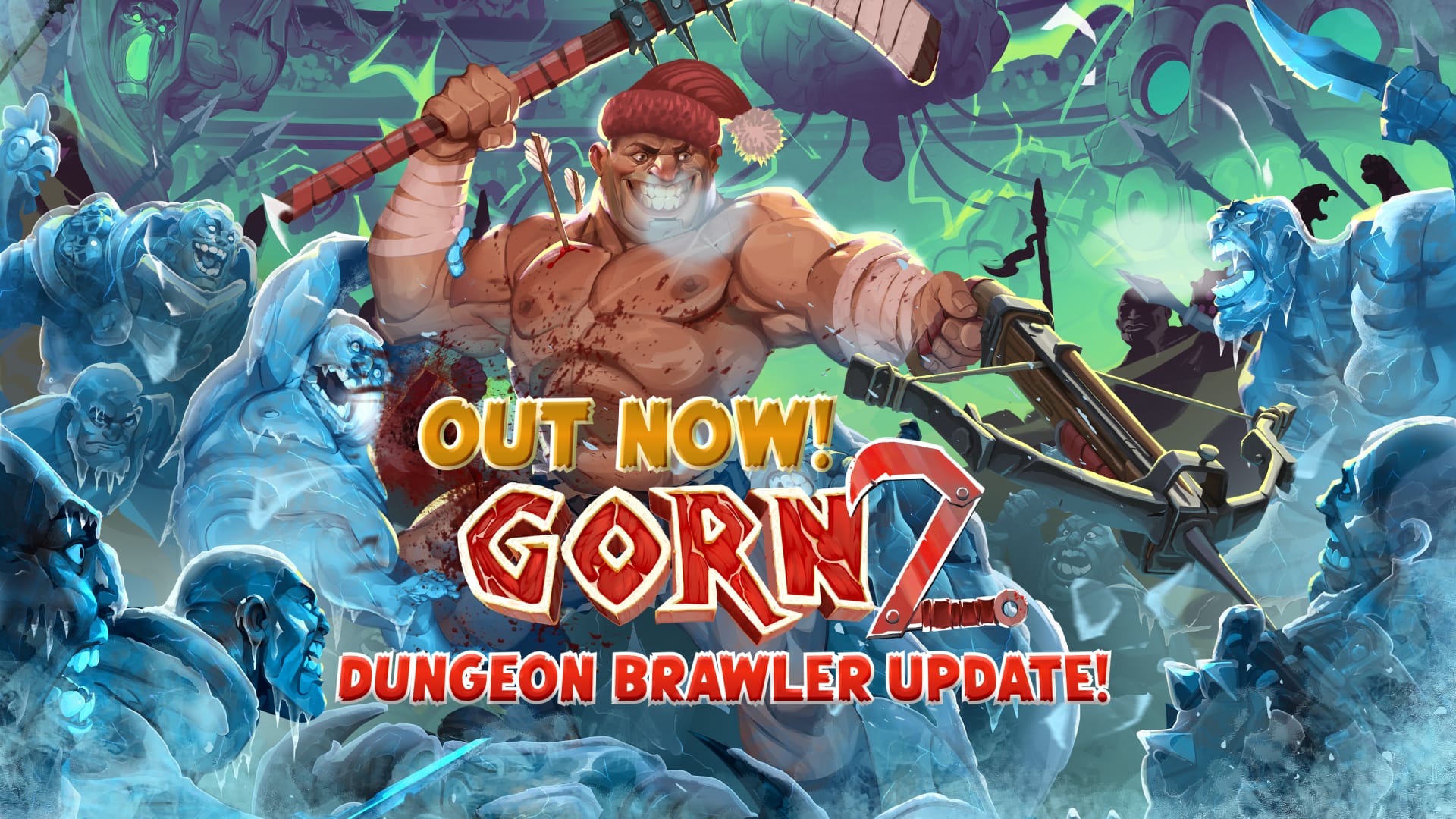
GORN 2 received a new “dungeon brawler” mode in its winter-themed update on Quest, PC VR, and PlayStation VR2.
Now live on all platforms, GORN 2 is the comically over-the-top arena brawler where you battle the five sons of the God of the Afterlife after reaching your untimely demise. While the main campaign puts you into a series of arena fights as you defeat muscular gladiators, publisher Devolver Digital announced it's now received a dungeon crawler mode.
0:00
/0:42
Appropriately known as the 'Dungeon Brawler' update, this also comes with various winter-themed additions like icy floors, new dungeon hazards, and the ability to freeze enemies. New weapons include hockey sticks, icicle swords, ice arrows, pitchforks and more, while developer Cortopia also introduced a jump button to leap over enemies.
New story content is also promised and this dungeon crawler mode features 25 unique rooms, with the studio confirming player and weapon modifiers can be found as you progress. Additional missions are also available for unlocking the dungeon crawler weapons.
This joins a growing list of seasonally themed updates that GORN 2 has received. October's 'Fight of the Living Dead' update celebrated Halloween by letting you fight the undead, also adding a crossbow, scythe, and a Resurrection Spire. That was followed last month by 'Shanksgiving' with its timed-exclusive 'Turkey Hunt' game mode.
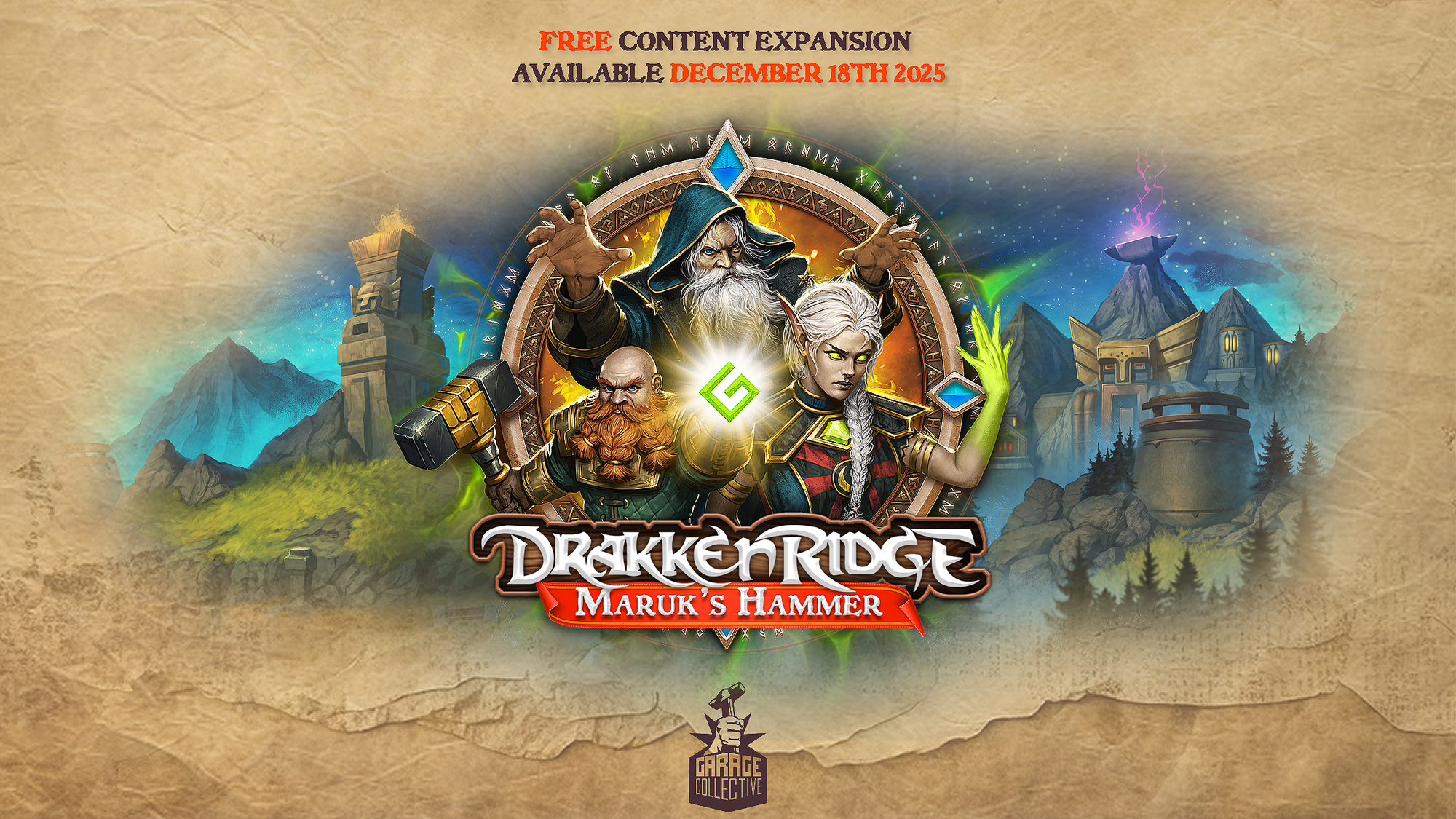
DrakkenRidge gets a free expansion tomorrow on Quest 3 and 3S, adding a new island, new enemies, and more.
Launched in September, DrakkenRidge is a retro-themed VR fantasy adventure that we favorably compared to old-school RuneScape in our impressions. As a Novice of the Mage Order, you're tasked with policing magic use across this land while exploring dungeons and solving puzzles. Now, it's receiving the Maruk's Hammer expansion as a free update.
While the main game sees you exploring five unique islands across the DrakkenRidge archipelago, Maruk's Hammer introduces a distant Dwarven Island that's home to a mythical Forge. With the island under siege from mysterious invaders and an ancient threat, you must fend off this threat to help the Dwarves defend their home and save the Forge.
This occurs over a multistep main quest, with four new side quests also available. You can find two new weapons, such as the talking 'Void Whisper' sword that's possessed by an ancient evil. New elemental arrows can also be crafted, while new enemies in this expansion include a new Dragon, a Frost Howl, Battlemages, and Corrupted Paladins.
It's the biggest update DrakkenRidge has received since its September launch, and Garage Collective previously released fourseparate updates. Patch 1.3 added a new distance grab ability and the option to summon weapons by grabbing from over your shoulder, while last month's Inventory Update delivered a new inventory layout and auto-sorting ability.
DrakkenRidge is out now on Quest 3/3S, while the Maruk's Hammer expansion goes live tomorrow at 10am PT.
Pocket Lands delivers a promising new sandbox for building digital worlds, and it's out now in Early Access on Quest. Read on for our full impressions.
Creative minds always find a way to express their individuality, no matter the means at their disposal. Pen, paintbrush, digital tools. Video games such as Minecraft exploded in popularity through the freedom of shaping its voxel art world, to the point where people created futuristic spaceships, sprawling cities, and medieval towns by hand. If you build it, they will come, so the old quote goes. Pocket Lands aims to deliver a world-building sandbox to allow those with inspiration a new avenue to convey their imagination. It shows signs of a promising future, even if what's here in early access leaves me wanting.
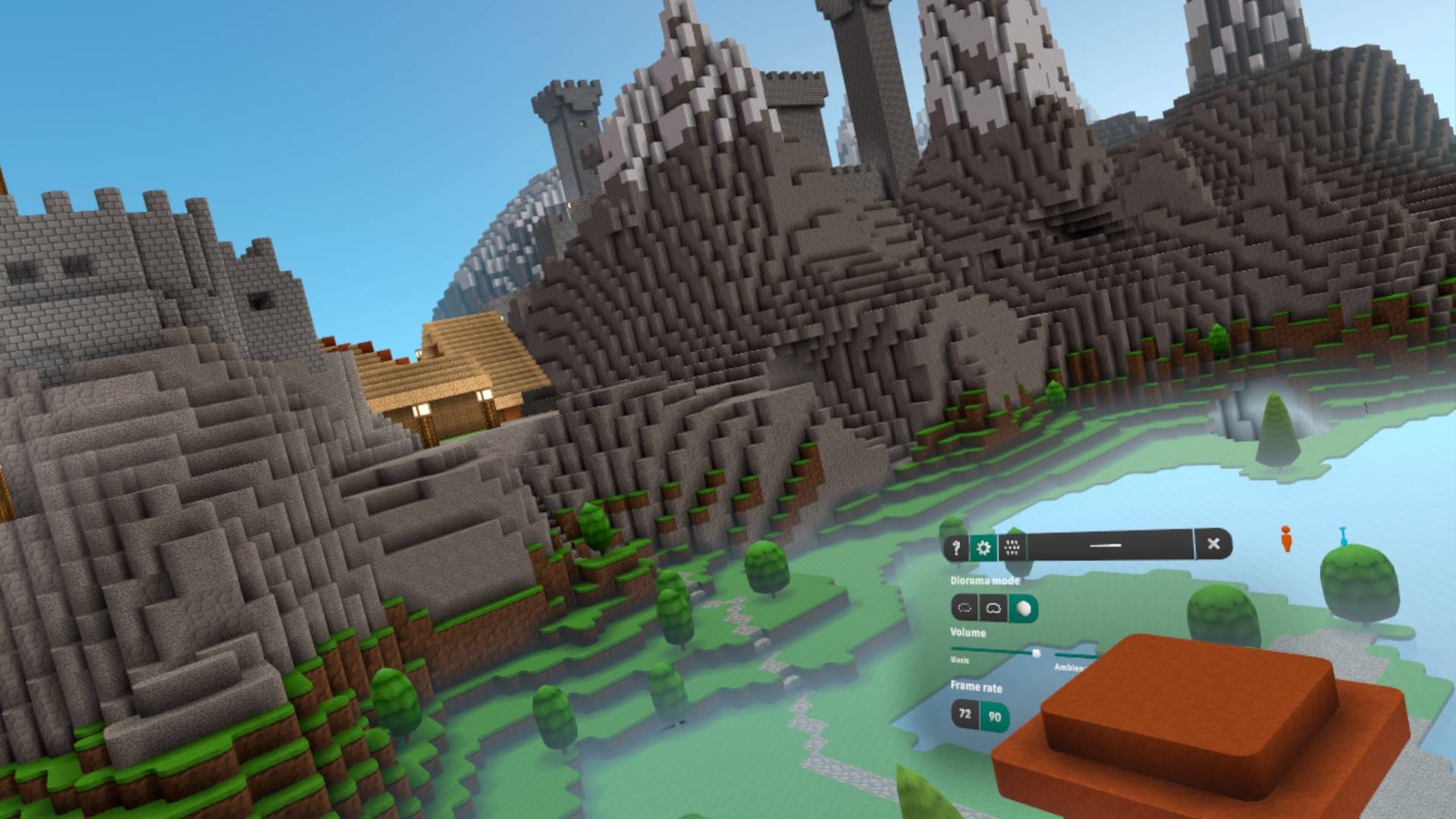
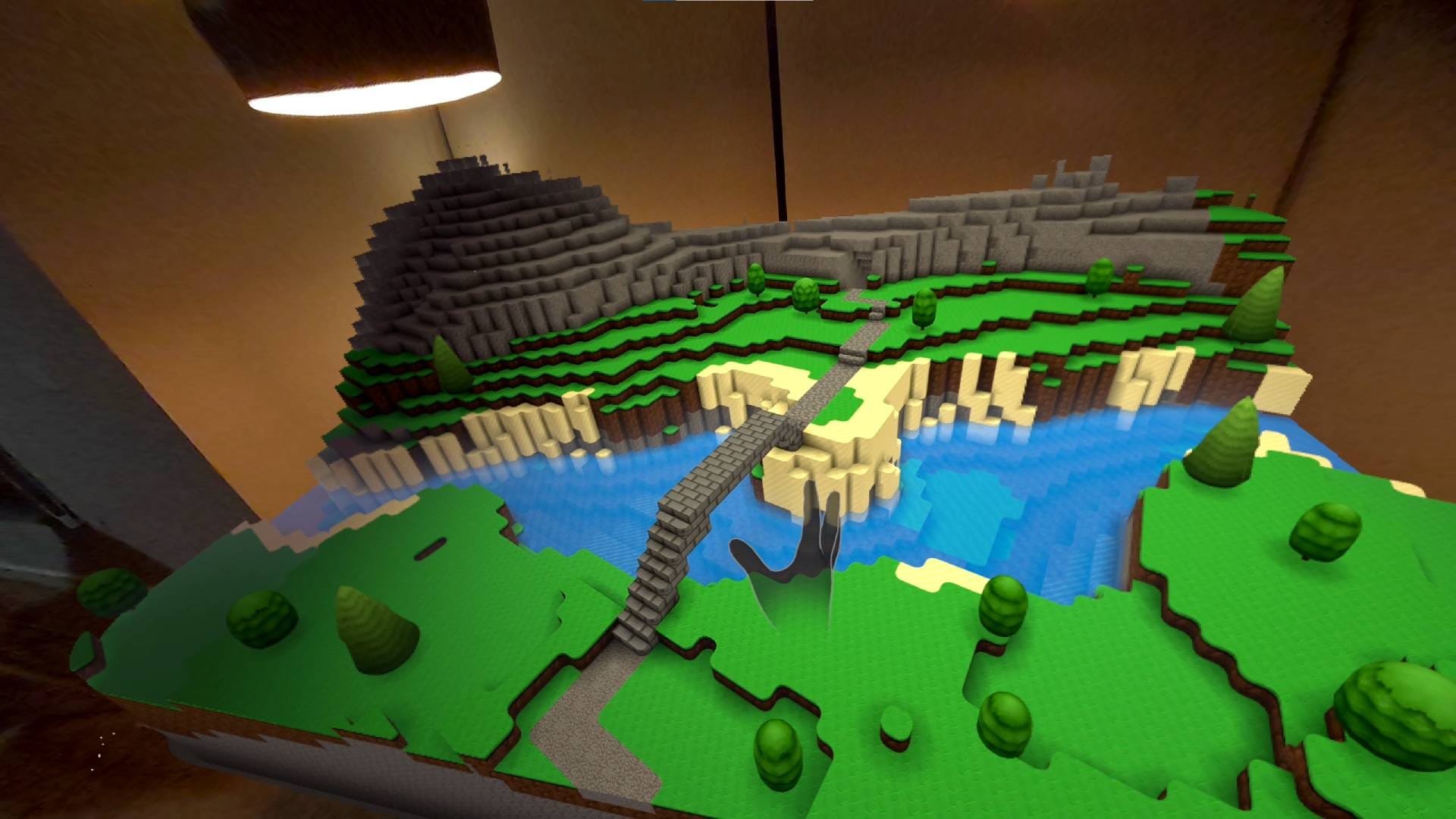
There is a prebuilt landscape that you can start working from.
A full-scale playground to design complex architectural ideas is not a new concept, as previously seen in cyubeVR and RealmCraft among others, yet Pocket Lands stands out for several small but defining features. The first is its flexible way to engage with your blank canvas, as the diorama is viewable from three different perspectives: a resizable island in mixed reality, as that same snippet of the world but with your surroundings covered, or a sprawling fully immersive mode where everything is rendered in the voxel world, even the day-night cycle. Snappy hand tracking or a controller quickly lets you see how expansive your imaginative kingdom is becoming.
Second is the fact that you can drop into your own world at any moment, going from a God-mode perspective to walking around next to your creations. This feeling, especially once laser-focused on more elaborate constructions, is a brilliant addition that inspires awe. That's helped by the ability to jump and, most importantly, fly around the map to look at the environment from another area. This entices you to perhaps add a new tower to your castle, mast to your airship, or neighboring skyscraper to your skyline.
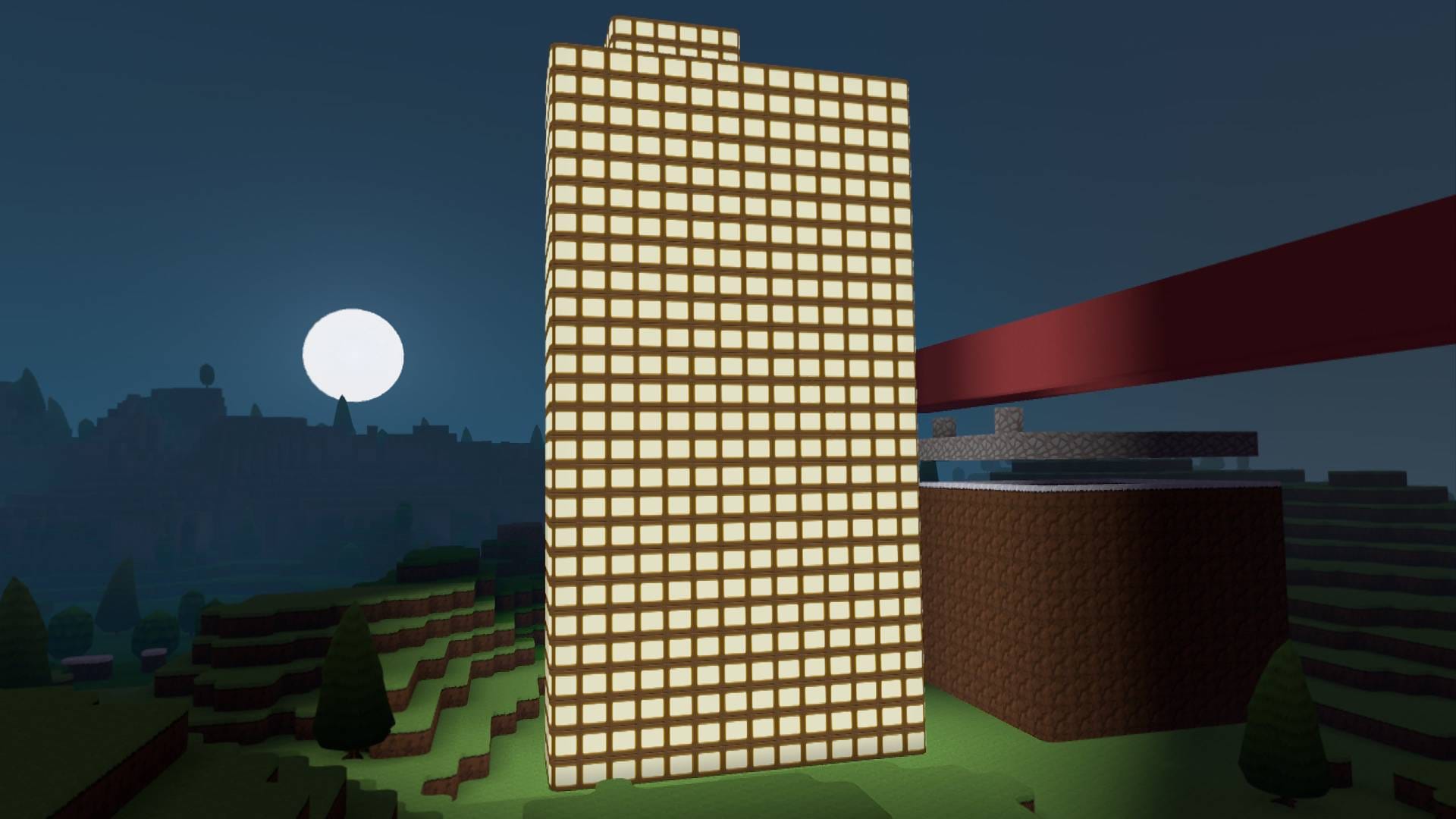
The day-night cycle is quite jaw-dropping when building skyscrapers out of lamps.
Finally, no creative sandbox is complete without accessible building tools. From a quick 17-slide tutorial where Pocket Lands succinctly explains how it all works, the onboarding to pick up and play is as easy as it gets. Making the motion of grabbing a rectangle from two opposite sides lets you spawn a figure as long, wide, or short as you wish. A handy menu with over 25 full and half block types awaits to accommodate every type of building. Concrete, sand, wood, and lampshades are but a few foundations to build unique creations on. The calming music, ranging from medieval Oblivion-esque melodies to soothing piano sounds, instills a relaxing vibe in the creation process.
However, hand tracking feels a little hit or miss right now. There is a nifty feature that by tapping your thumb to your hand, you can “scroll” through the map as you would a smartphone, turning it yellow to signify selection. You can close your fist to move around the map, pinch to move the edges of the mixed reality diorama, or grab blocks and add new ones. But Pocket Lands doesn't always register when I stop making a fist gesture, only to end up on an entirely different side of the map. Or worse, the diorama itself ends up in another area of the room.
While Mountainborn Studios is aware of these false positives, the only current solution is to be gentle with the movements so that they can be properly registered to avoid such nuisances. A bit of comic relief against these issues is the addition of arm-swinging locomotion, which doesn't add much, but it's undoubtedly fun to make that primal motion while exploring. For the avoidance of doubt, artificial stick-based locomotion is also available.
0:00
/0:17
An unexpected but welcome addition.
I wish that I could do more in Pocket Lands right now. Yes, it's a wonderful Early Access release with all the aforementioned details. But I'd love to see more items, block types, and creatures added. Thankfully, the latter is in development, along with new biomes and multiplayer. It's a great playground for creative minds, one that hopes to fill a void after Microsoft abandoned VR support for Minecraft. Here’s hoping that this sturdy foundation builds a lasting legacy.
Pocket Lands is out now in Early Access for the Meta Quest platform.
The Meta Horizon Store's 2025 Holiday Sale discounts blockbuster Quest games for the next three weeks.
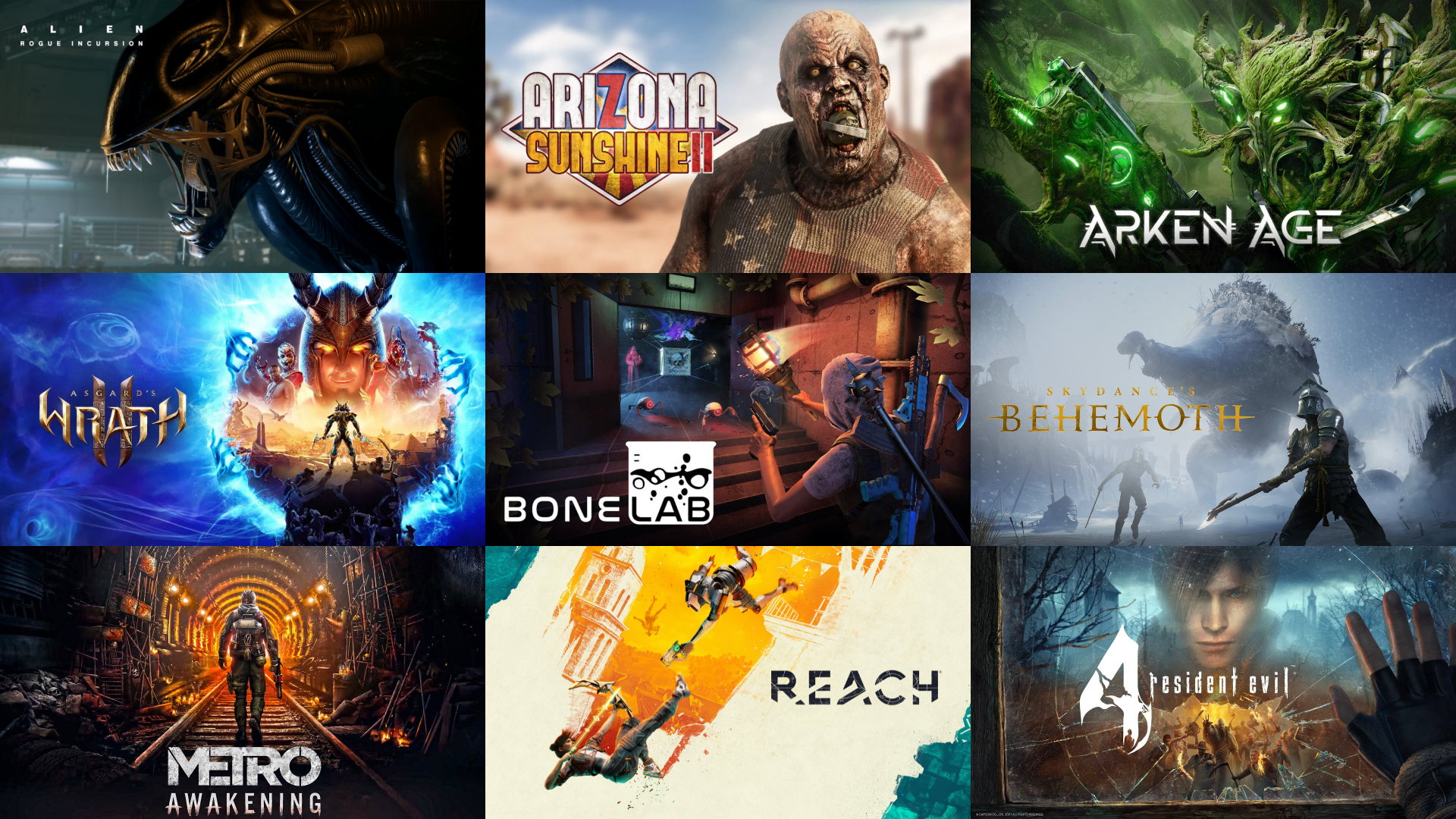
You can currently get the Quest versions of titles like Alien: Rogue Incursion, both Arizona Sunshine games, Asgard's Wrath 2, Skydance's Behemoth, Metro Awakening, Reach, and Resident Evil 4, for between 20% and 65% off.
You'll also find discounts on a range of indie titles, such as Arken Age, Bonelab, Dungeons of Eternity, Eleven Table Tennis, Figmin XR, GOLF+, Into Black, Myst, Pistol Whip, Titan Isles, Walkabout Mini Golf, and VRider SBK.
The sale ends at 11:59pm PT on January 4, just under three weeks from now, giving plenty of time for people receiving a Quest headset as a gift this Christmas to get some of the top titles at a discounted price.
Puzzling Places adds Journey Mode, remastered puzzles, improved hand tracking and more in a free update.
The Realities.io developed VR jigsaw game, known for turning real-world locations into tactile 3D puzzles, is rolling out a large update for the holiday season. Its headline feature is Journey Mode, a new way to play designed to offer a calmer, low-effort experience.
Rather than the game's normal loop, where the player gets all the pieces of a disassembled puzzle at once, Journey Mode begins with a single central piece and offers only a small set of pieces to add at a time. Players then attach pieces to grow the center, allowing the scene to gradually assemble in an almost guided progression.
0:00
/2:18
Today's update also overhauls hand tracking, which Realities.io says has been optimized for sharper responsiveness and more intuitive reactions. Updated tutorials have been added, as well as “natural gestures” like poking puzzle pieces to inspect them, dragging them to switch tabs, and a “throw-back” motion to return pieces to their staging area.
Quality of life updates are also promised. These include the addition of a new in-game menu, an updated start screen with quick-start options, personalized stats, and tailored puzzle pack recommendations. Puzzling Places' library features more legible thumbnails for easier browsing, and puzzle and pack ratings are now visible directly from the storefront.
Lastly, the base game's lineup of puzzles has been refreshed, swapping out older puzzles for community favorites. Four puzzles have been remastered with new animations and effects as well.
Puzzling Places' Holiday Update is available now as a free download on Quest, PS VR2, and Pico. The game is also available on Apple Vision Pro, and coming to Steam at a later date.
On Dec. 21, 2025, Ebenezer Scrooge will be haunted for the last time by disembodied spirits wearing Quest 2 or newer headsets.
Thereafter, the first fully embodied telling of A Christmas Carol by Charles Dickens in consumer VR will play on loop around the holiday each year, replaying the spatially captured performance by Agile Lens.
"One of our white whales we finally achieved this holiday was a method for perfectly recording EVERYTHING that happens during a live show," wrote architect and producer Alex Coulombe over direct message. "Mocap, show cues, audio, even everything the audience does. And we can play it back completely on demand."
Since 2021, Agile Lens has put together the experimental VR telling of A Christmas Carol using the latest cutting edge capture and streaming technologies, including Unreal's MetaHuman avatars. The production, along with other Agile Lens projects like a gigantic holodeck selling real estate in Texas, led the group to develop a tool called "Stage Presence" for the creation of future theatre-based productions in VR.
"We have no plans to shut down the app at this time— after the all-day VR replays on Christmas Eve, likely we’ll leave it as a bit of a museum where you can visit Charles Dickens’s study and see our old “Next Show in…” counter," Coulombe wrote. "Who knows? Maybe someday we’ll find a good reason to bring it out of retirement."
Tickets are free in Quest 2 or newer VR headsets to the final live showings held from Friday to Sunday. The performance stars Ari Tarr as Dickens and Scrooge with Debbie Deer as the ghosts, both of them wearing Quest Pro headsets for face and body capture. You’ll become a ghost yourself during the tellings this weekend, and visible to Scrooge as a disembodied spirit helping him come to terms with his behavior.
"I'm really proud of it. I'm going to miss it a lot. It's been such a joy and such a useful resource to come back to," said Kevin Laibson, who worked as a producer on the production. "You really can't mess up a Christmas Carol – everyone knows it and loves it."
"Likely next year we’ll pick a few dates to trigger some shared VR replays," Coulombe wrote. "The 'live' audience will be there as ghosts of the “present” right alongside the audience ghosts of the “past”— it will all get very meta."
We're extremely curious to see what Agile Lens and their creators do next with theatre in VR and with their Stage Presence tool. There have been some impressive theatrical experiences like The Under Presents and The Tempest and much more made in VR by others, but nothing that's been able to keep a troupe of actors employed continuously.
"VR live theatre is wonderful in terms of accessibility, but it’s still far from the ideal of actual breathing people in the same venue gasping and laughing together," Coulombe wrote. "And so we’d love the chance to combine our mixed reality theatre toolset with our virtual reality theatre toolset for a production that caters to an on-site audience while also inviting participants from around the world to join in. That’s the goal of Stage Presence— a modular toolkit to service a wide range of live XR productions."
Stealth shooter Espire: MR Missions gets a standalone release in early access, and existing Espire 2 owners get it for free.
Revealed last month, Espire: MR Missions expands upon the mixed reality mode previously seen in Espire 2: Stealth Operatives. This comes with 29 different missions that dynamically adapt to your home, taking out guards and navigating traps between 21 small-scale single-room missions and eight large-scale multi-room missions. That's out now for the wider Quest platform.
0:00
/1:30
Detailing its reasons for making this a standalone launch, developer Digital Lode advised that it's “proven very difficult to maintain the MR mode within the larger Espire 2 VR game” as mixed reality technology evolves. The developer also believes that roomscale mixed reality offers a different appeal compared to Espire 2's fully immersive VR missions.
As such, Espire 2: Stealth Operatives will return to being 100% focused on VR and its existing MR support will eventually be removed. Because of this, anyone who bought Espire 2 on Quest before today's launch will receive MR Missions for free, while all future Espire 2 owners will get a discounted rate.
As for its latest additions, the early access release of MR Missions comes with five new missions and a new target shooting game mode. Digital Lode advised that its core 'Espire Spatial Adaptation System' for adapting levels to your space has seen “tonnes of improvements,” while some mechanics have been simplified. There's also a new user interface that's been designed for mixed reality.
Espire: MR Missions is out now in early access on Quest for $8.99. A full release date is unconfirmed, though the studio advised that it's preparing a roadmap of “new missions, modes, features, and content.”
Originally released in early access in 2018, Zero Caliber by XREAL Games is one of VR's older FPS hits that have since appeared on most major VR platforms. This comes with a campaign that supports single player and up to four-player co-op, PvP game modes, and a Zombies mode. Having originally targeted a December 12 launch, it's now arrived on PlayStation VR2 following a brief delay.
We've yet to go hands-on with this new edition, so we're unsure whether this features any PlayStation VR2-specific enhancements at launch. In a social media reply, the studio confirmed that adaptive triggers support would arrive “either in a day-1 or week-1 patch.” We've contacted the studio asking for further details, and we'll update this article if we learn more.
It's the first time we've seen the Zero Caliber series reach PlayStation, and you may recall a port was planned for the original PlayStation VR. The studio later confirmed this was based on the Quest edition, Reloaded, citing “hardware limitations” as to why it couldn't port the PC VR version. This ultimately never materialized, and today's release is based on the PC VR edition.
As for what's next, XREAL Games previously advised it's planning to bring the sequel, Zero Caliber 2, to Sony's headset following October's PC VR remastered launch. However, a specific release window is currently unknown. Elsewhere, the studio released a new Zero Caliber 2 quality of life update on Quest with new weapons, and a Steam update for Remastered is also arriving soon.
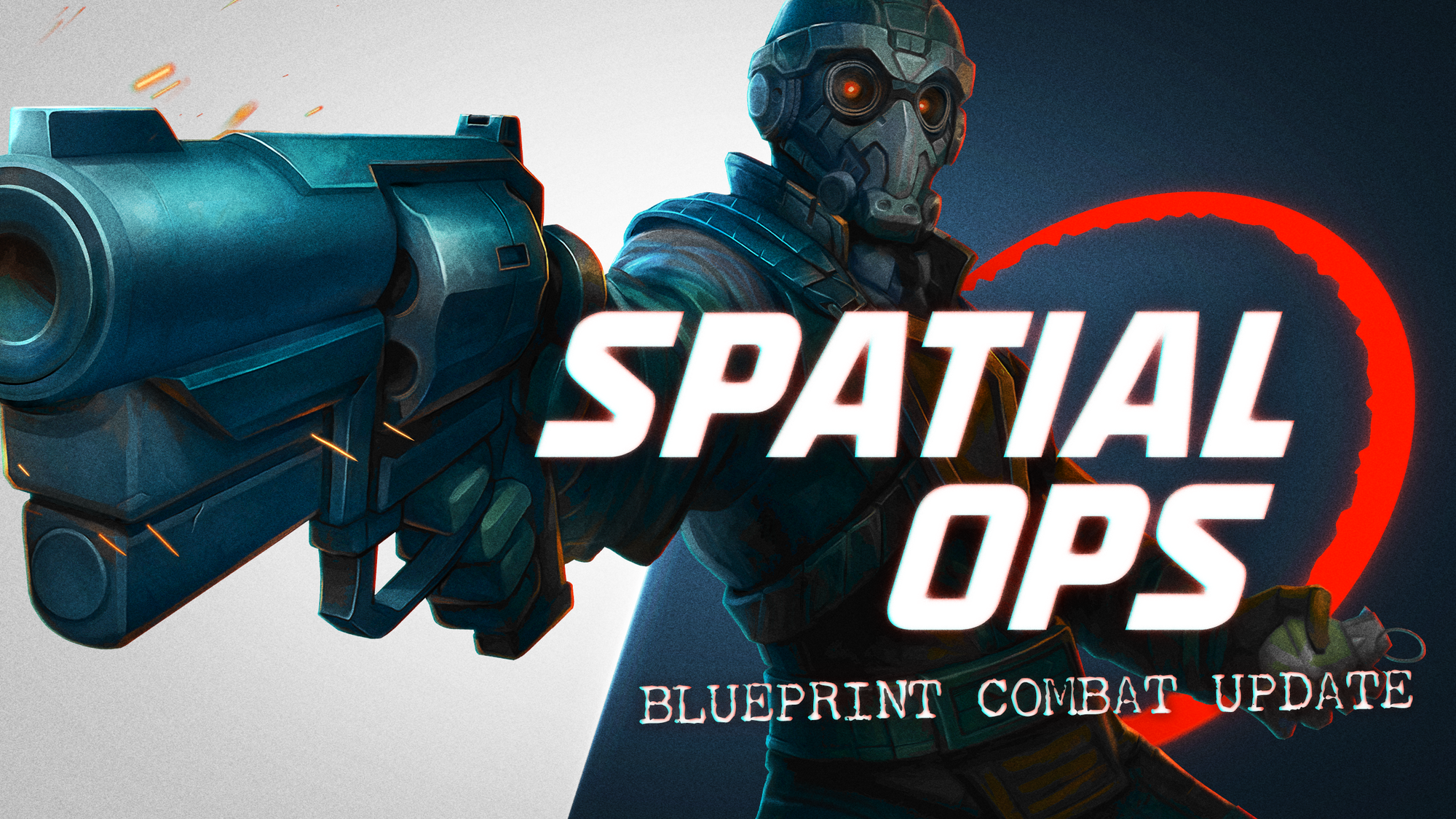
Spatial Ops expands the mixed reality FPS's map creation tools in today's free update on Quest, also adding custom rulesets and a new co-op survival mode.
In the 'Blueprint Combat Update', developer Resolution Games has introduced the ability to edit Spatial Ops maps in real time before beginning a multiplayer match, where everyone can see the changes immediately. This also adds 'Undo' and 'Redo' tools, hazardous damage zones that slowly drain health, floating barriers, and the option to place text in levels to better guide players.
As for other changes, Spatial Ops now features an online map library, the ability to save a host's map, and new map templates. Custom rulesets can now be saved to individual maps, letting you tweak elements like bot difficulty, friendly fire toggles, weapon tuning, armor visibility settings, and more.
It's also getting a co-op survival mode for taking on challenges together with other players. Supporting this is a new 'Enemy Spawner' object to determine where foes appear, alongside a Flashbang weapon. Finally, there's also a new paid DLC called the “Corrupted Technology Theme,” offering unique props for your toolkit.
It's the latest post-launch update since Spatial Ops entered full release last year, and this August saw Resolution Games release the 'Pulse Protocol' update. That introduced bHaptics support for the TactSuit, TactSleeve, and TactVisor, in-game achievement tracking, campaign rebalancing, an extra large map template, and new features for the Quest-exclusive Arena Mode.
Spatial Ops is available now on the Meta Quest platform. While it didn't receive today's update, a 'Campaign Edition' is also on Pico.
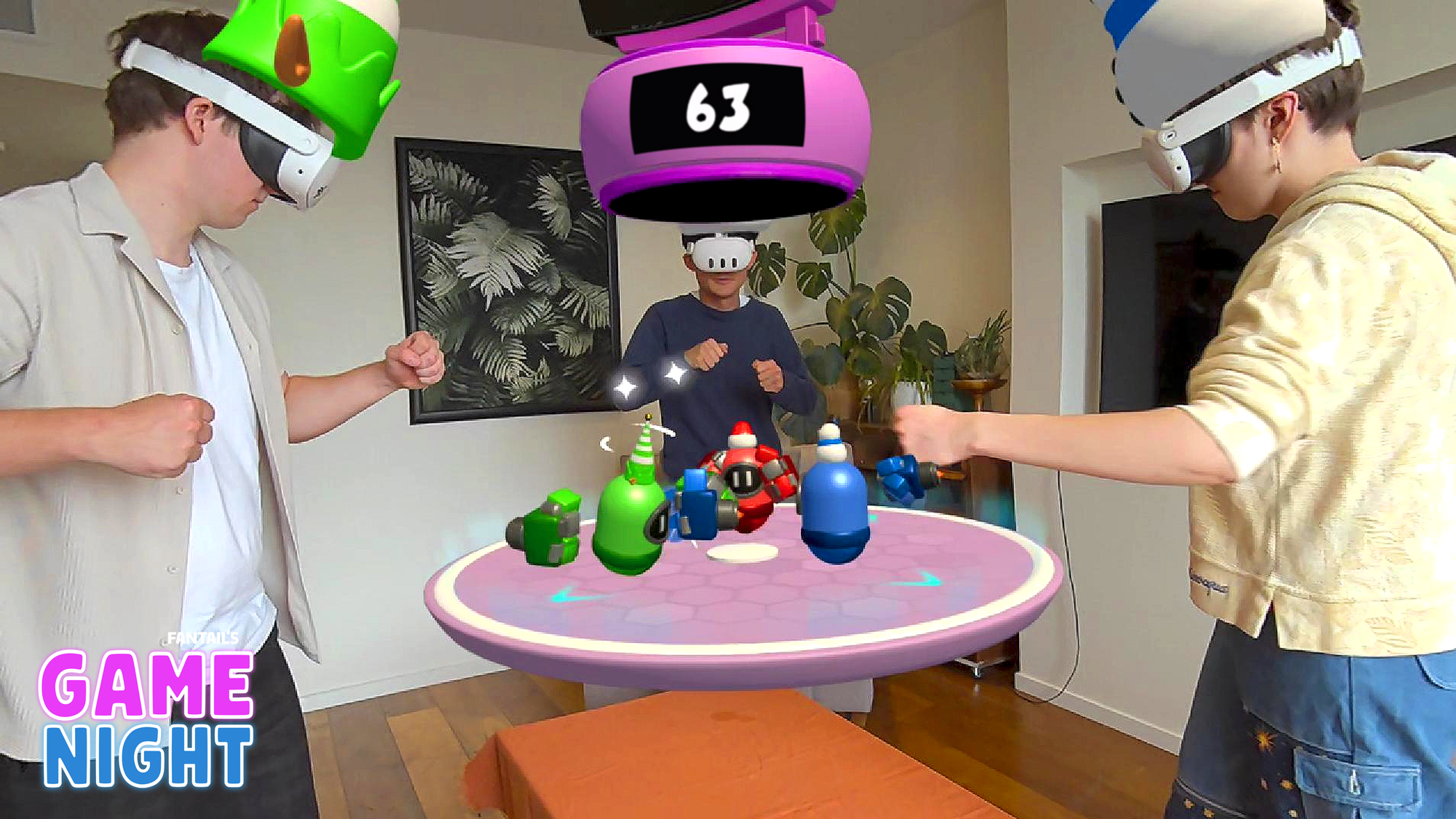
Game Night's new minigame blends Rock ’Em Sock ’Em Robots boxing with Sumo, and it's out now for the co-located mixed reality party title.
Released last year in early access, Game Night by New Zealand studio Fantail Games is a family-friendly roomscale title that's playable solo or with up to four players locally. Joining this minigame collection as a free update, Final Throwdown only uses hand tracking as you directly control the fists of your robot avatar to punch opponents out of your shared arena.
Designed around “short, high-intensity rounds,” Final Throwdown sees you knocking other players out of the ring to score points. Throwing them into hoops earns bonus points, while bosses force you to decide whether to cooperate with your opponents or use the disruption to your advantage. Arena height adapts to the shortest player, which allows for seated play. Fantail also states arm reach is normalized to give adults and children equal advantage.
Final Throwdown marks the seventh minigame so far in Game Night, and the fourth it's received since last year's early access launch. Other featured games include Fishing Frenzy where you scoop up and deliver fish, a match-3 spatial puzzler where you connect matching plushies in a conga line, penguin ice hockey, a Whack-A-Mole game to test reactions, and more.
Game Night is out now in early access on the Meta Quest platform.
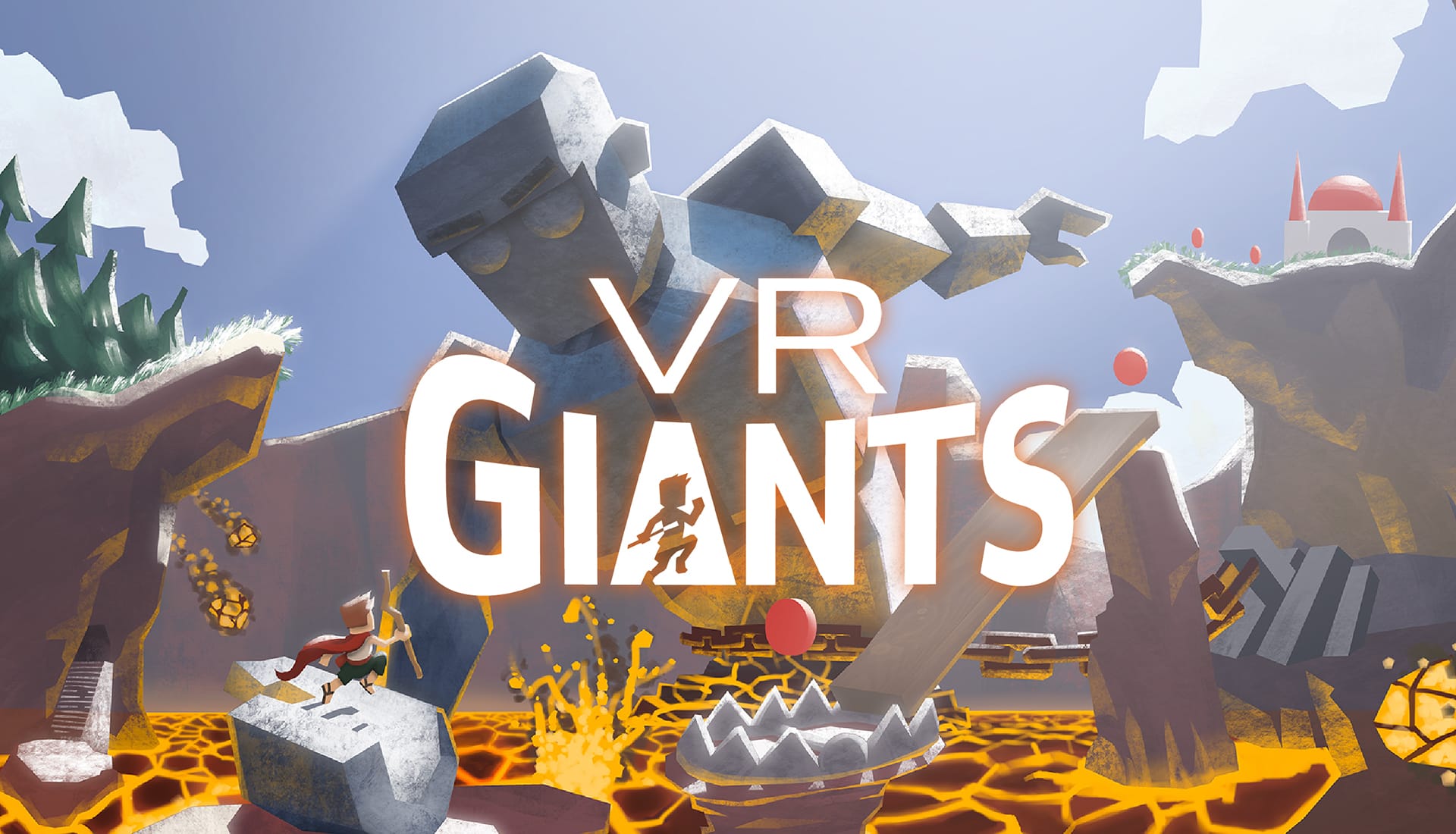
Co-op platformer VR Giants is now available on Quest 3 and 3S, and you can invite a friend to join you at no extra charge.
Originally released in 2023 on Steam, VR Giants by Risa Interactive is an asymmetric platformer where one player controls a giant called Goliath and another controls a human companion called David. Goliath will guide David through various obstacles by lifting him or acting as a shield, solving puzzles and avoiding hazards as a team to get through.
Promising a campaign length of 8 hours, VR Giants features cross-platform multiplayer across Quest and Steam. A 'Free Friend's Pass' system (also on PC) lets you invite someone else to join in as David without both of you buying the game, and that uses a room code system.
It features 23 levels across four biomes: Ice, Desert, Volcano, and Pasture. Each area features new hazards, and Goliath can transform into three different forms to help advance. For example, 'Fire Goliath' gives you a lava form, while 'Temporary Goliath' only appears when the button is held. Unlockable Goliath cosmetics are also included.
Both players use VR headsets with the Quest 3 and 3S edition, which differs from the Steam release since that has one flatscreen player using a gamepad for David. Risa Interactive confirmed the Steam version has also been updated to allow online co-op, which was previously limited to local multiplayer only.
Two additional camera modes can also be chosen for David on Quest 3 and 3S, one of which aims for “maximum immersion in VR.” The other more closely matches the flatscreen setup on Steam by offering a 'Cinema Mode' instead, letting you view his role across a virtual 2D screen.
VR Giants is out now in early access on both PC VR and Quest 3/3S.
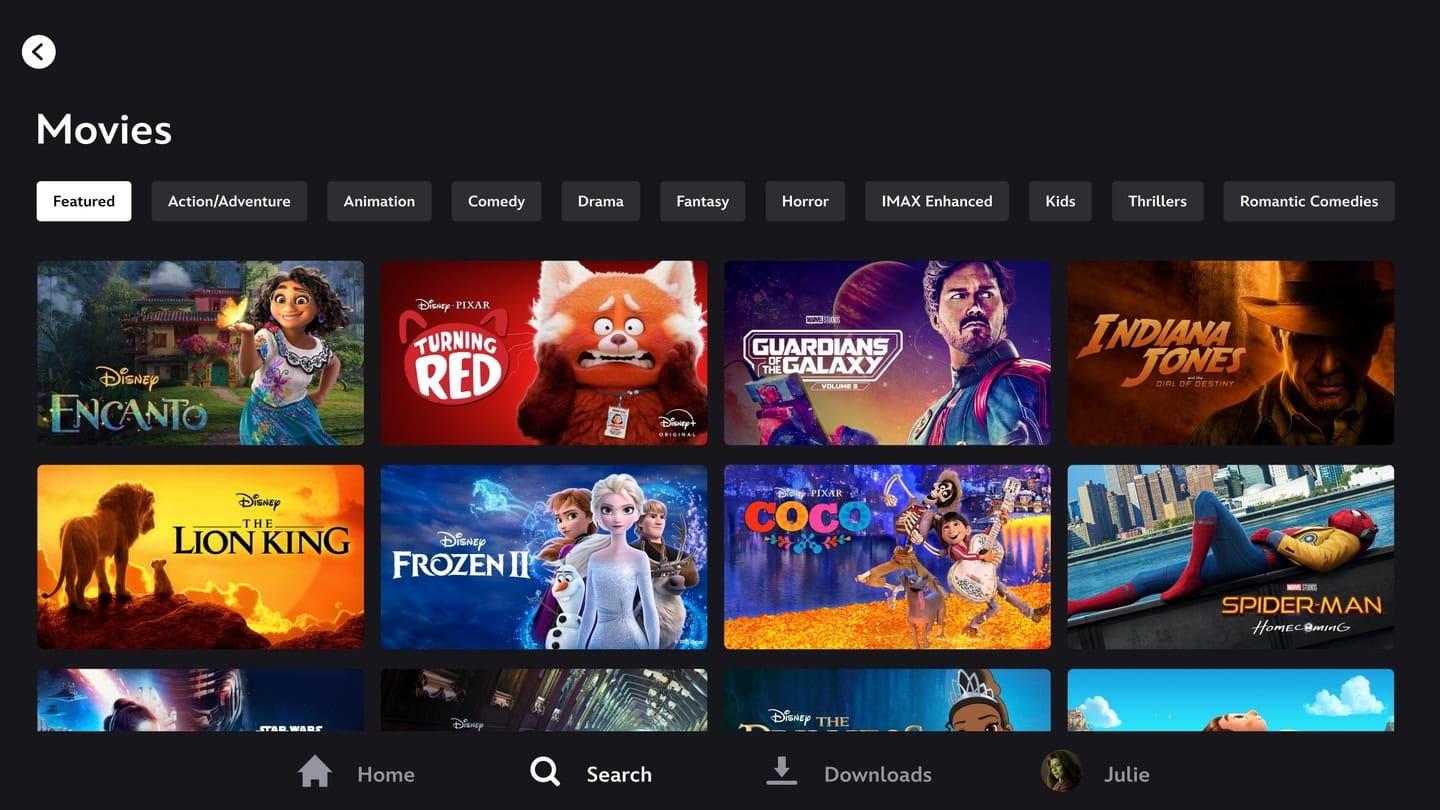
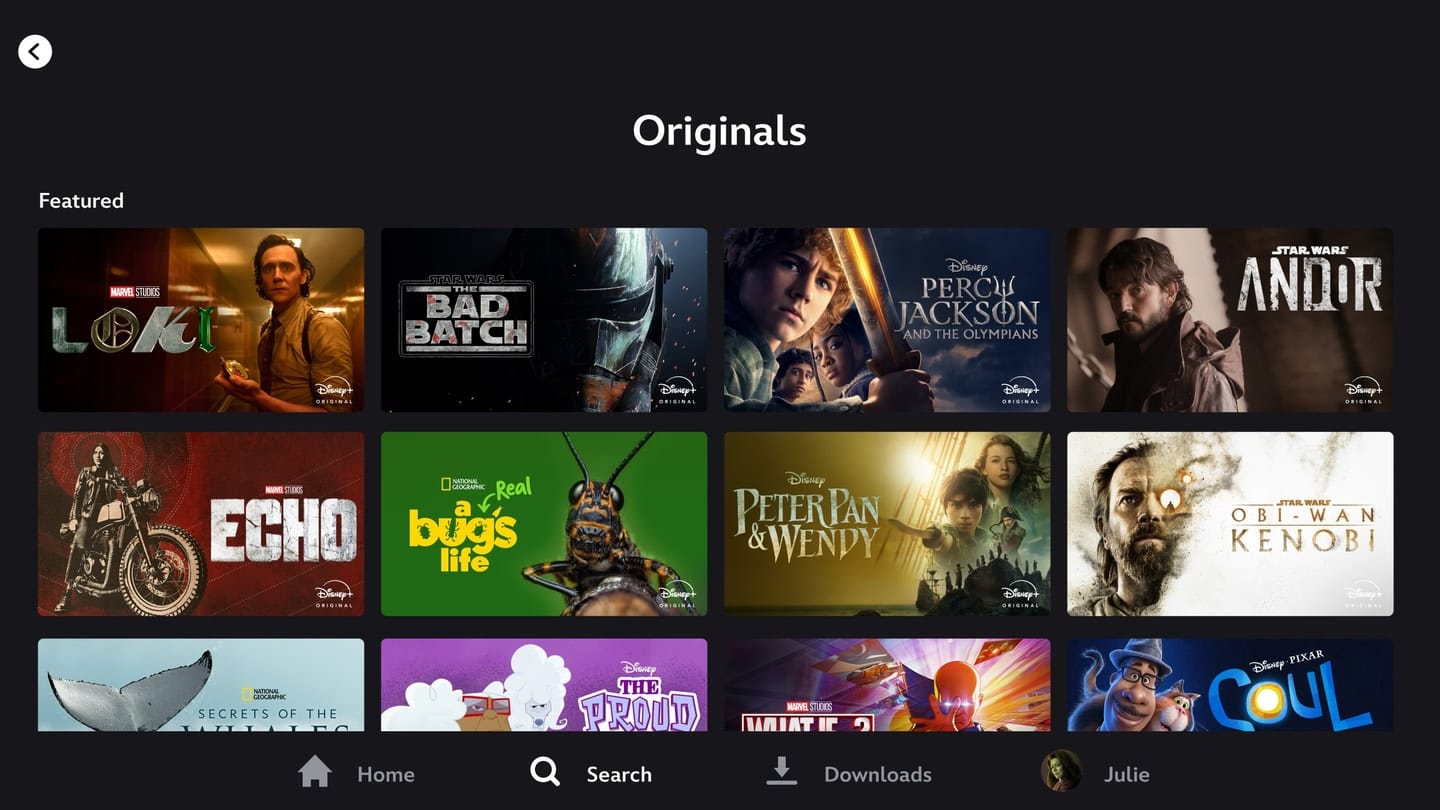
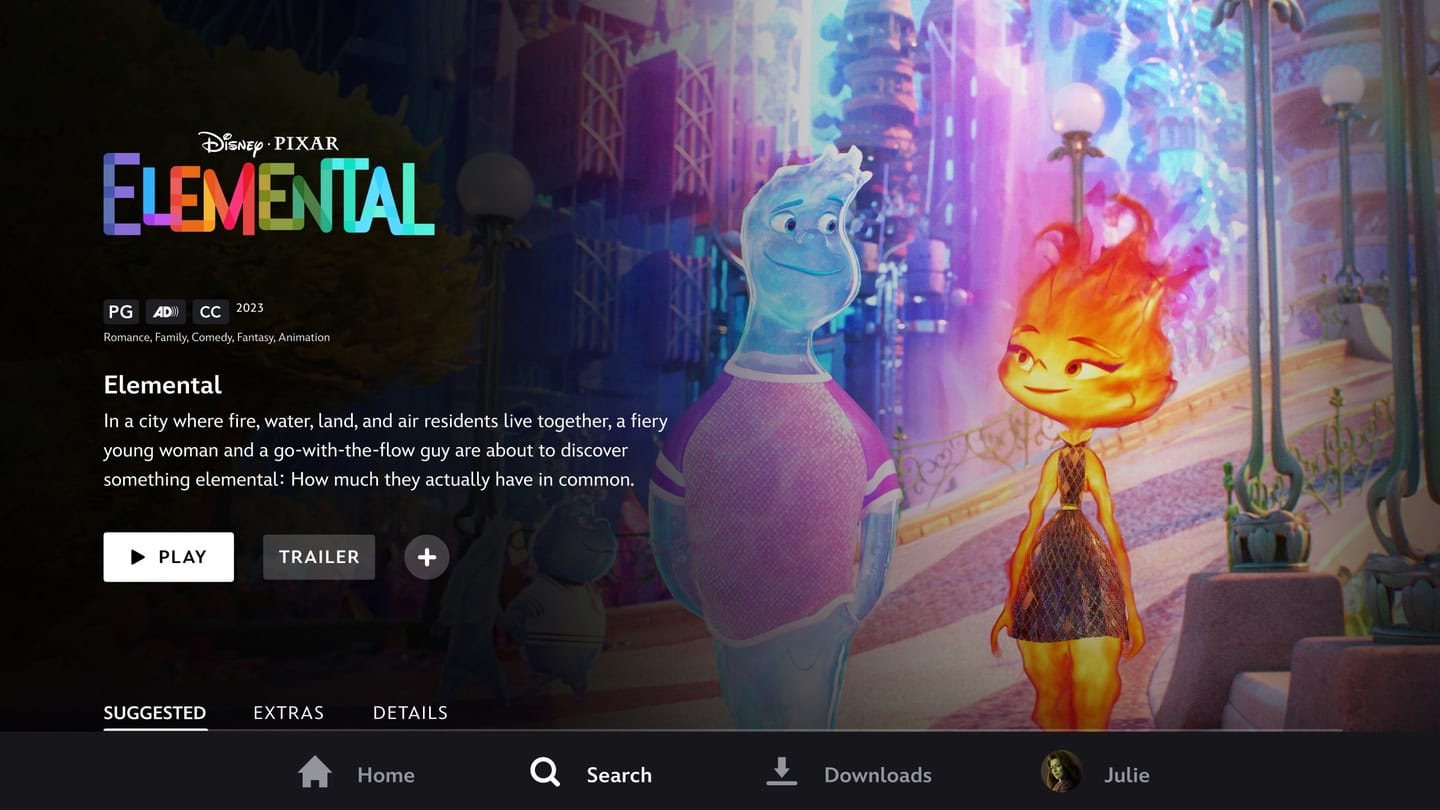
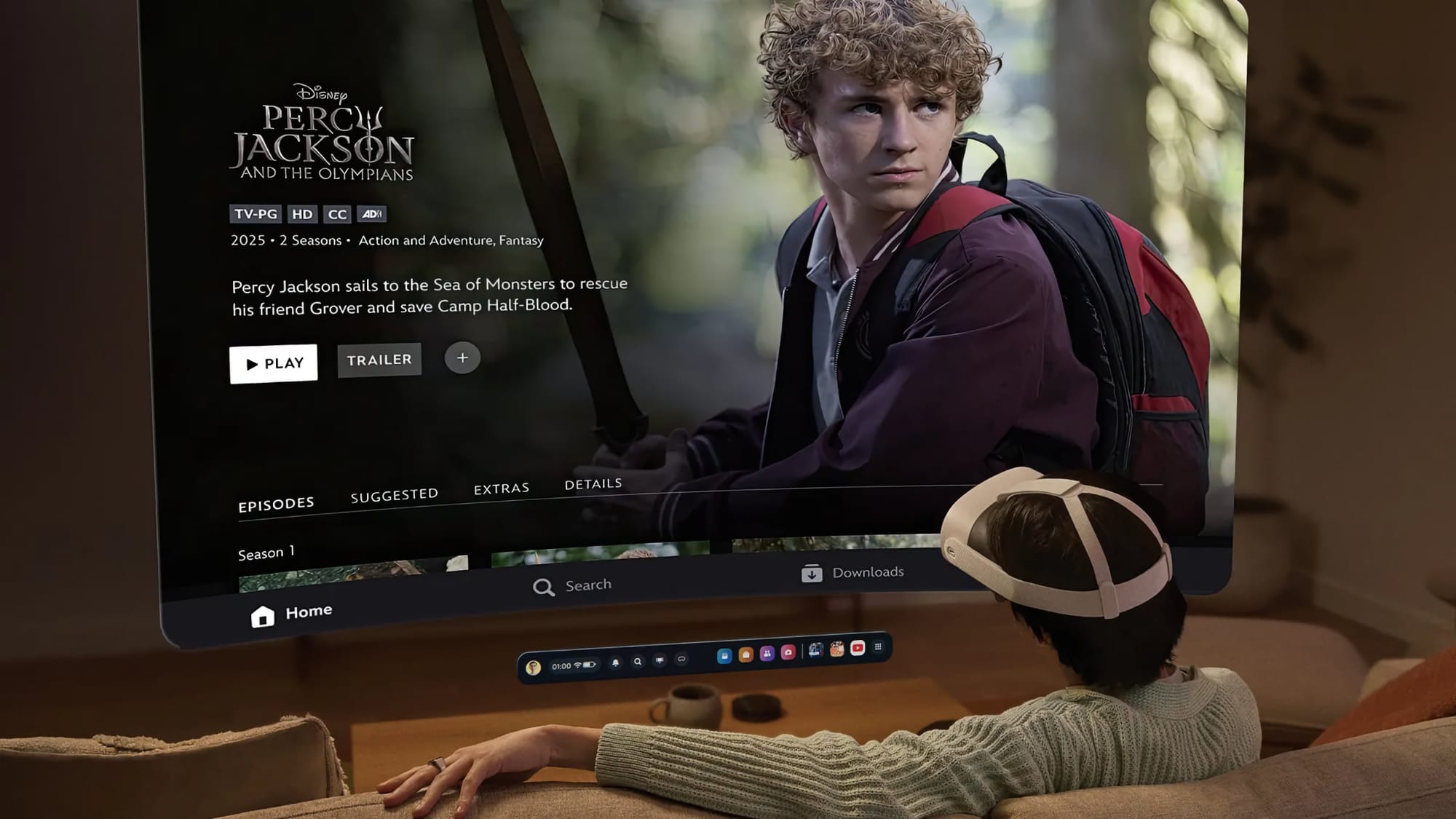
Quest headsets now have an official Disney+ app, with support for downloads and Dolby Atmos immersive audio.
It was already possible to watch Disney+ via the website in the Horizon OS web browser, but this is limited to 720p.
With the official app, Meta says Disney+ streams at up to 4K resolution with Dolby Vision HDR for all subscribers of the service. Quest 3 only has 2K regular LCD panels, so the direct benefits of 4K and HDR over 1080p SDR will be marginal, but the increased bitrate that comes alongside the higher resolution version should be very noticeable on the giant virtual screen, in terms of seeing fewer compression artifacts.
Subscribers of the Disney+ Premium tier also get Dolby Atmos immersive audio in supported titles, a feature added to Horizon OS in v71 last year, as well as the ability to download content for offline viewing. That means you can now bring your Quest on a plane and watch Disney+ movies you've prepared, for example.
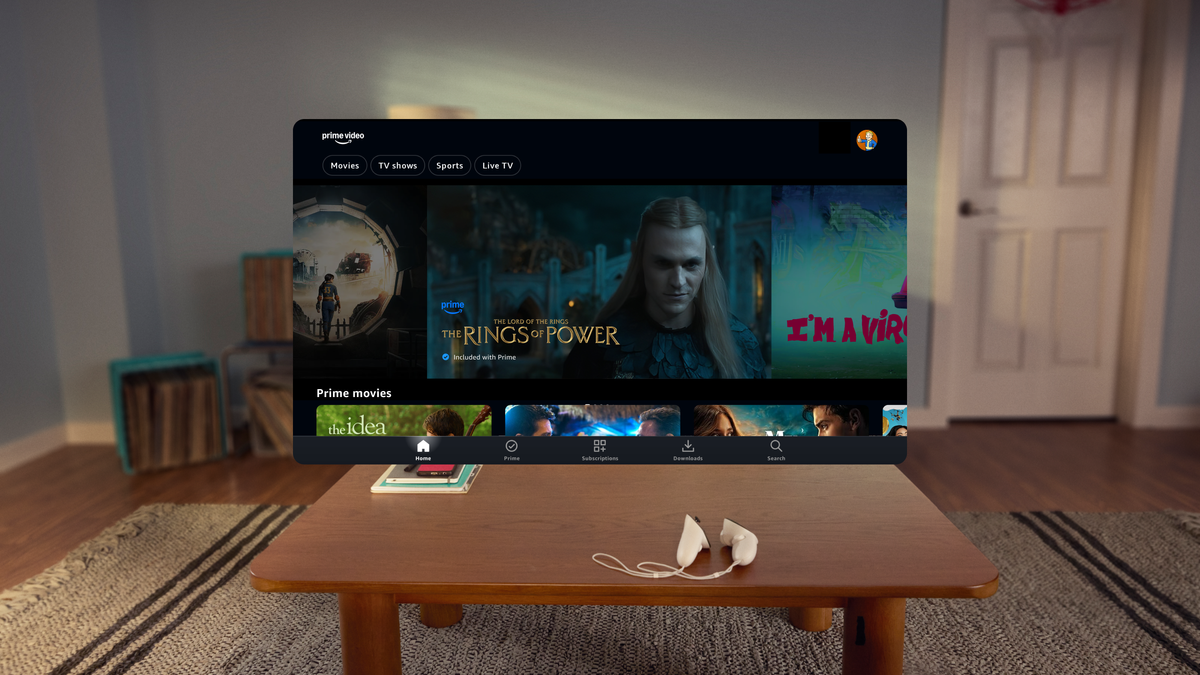
Window screenshots of Disney+ on Quest.
What isn't supported on the Quest Disney+ app that is on the visionOS version, however, is 3D. Despite headsets being the ideal way to watch 3D movies, solving the problems of traditional 3D glasses in cinemas, the Quest app is limited to 2D only. It also lacks the custom 3D environments of the visionOS Disney+ app, such as the Alien: Earth Containment Room.
You can grab Disney+ on the Meta Horizon Store for free, and you'll need a Disney+ subscription, of course. Meta claims that the app is currently only available in the US, but I was able to download and use it in the UK, despite not using a VPN or proxy of any kind.
The only other major streaming platform with an app on Quest's store with download support is Amazon Prime Video, which arrived on Meta's platform alongside the launch of Quest 3S.
Netflix, meanwhile, is available in the web browser at up to 1080p, due to Meta working with the platform last year to implement full DRM support.
Meta's CTO has responded to speculation of VR being "dead" at the company.
After reports from outlets like Bloomberg, The New York Times, The Wall Street Journal, and Business Insider suggested that Meta is "considering" a cut "as high as 30%" for its "metaverse" teams, Meta issued an official statement confirming "shifting some of our investment from Metaverse toward AI glasses and Wearables".
"Within our overall Reality Labs portfolio we are shifting some of our investment from Metaverse toward AI glasses and Wearables given the momentum there," the official statement read. "We aren't planning any broader changes than that."
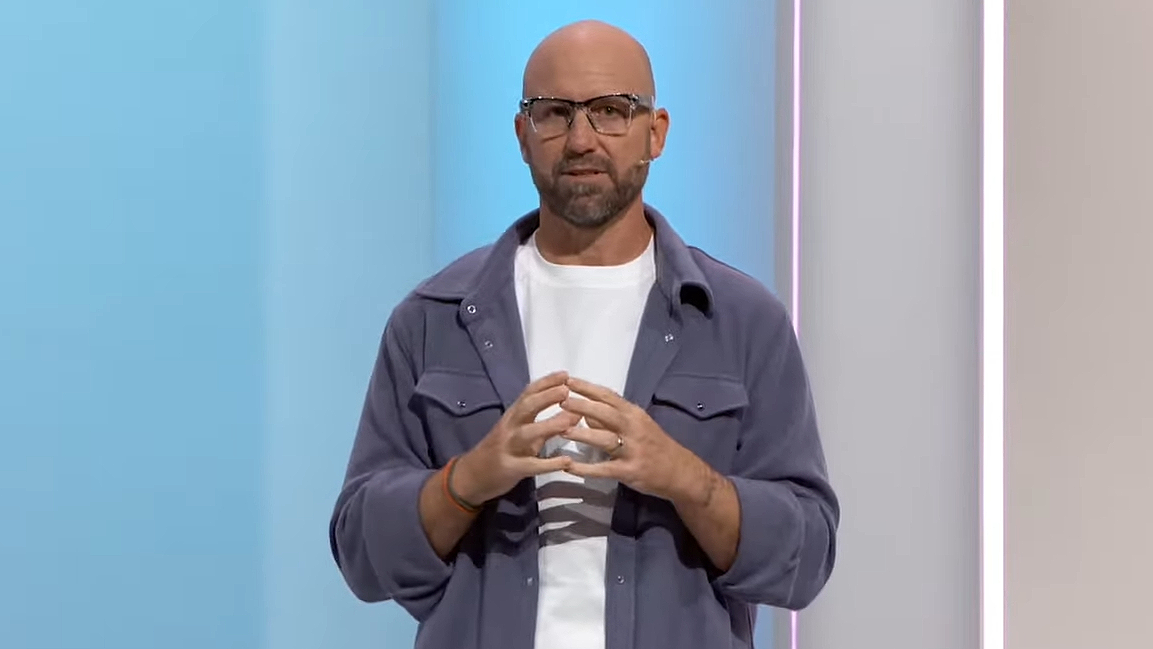
Following this, in an "ask-me-anything" session on his Instagram page, Meta's CTO Andrew Bosworth was asked the question "Is VR dead for Meta now? You seem to have moved on to glasses and AI?".
Here's how Bosworth responded:
0:00
/1:00
Every now and then there's just a narrative that people cannot help writing, and I'll give you the way to know.
First of all, the answer is no: VR is not dead. We're also investing a lot in glasses and AI, and that's the trick.
The way to know if there's a convenient narrative is if it appears zero-sum. Meta is a big company. We can invest in many things. We can invest in VR, glasses, and AI — and by the way, we have been for years.
Every year we go through a budget process, and in that budget process, we ask every team, "Hey, can you do the same work more effectively?" We've got better tools, we've got AI, we've got things. You're trying to right-size it. How big is the market? How fast is it growing? Is that what we expected? If it's slower than we expected, let's make sure our burn rate is lower. If it's faster than expected, let's double down and make sure we take advantage and don't cede it to other people. You're being smart about it, but it's normal stuff.
Bosworth's response doesn't contradict Meta's official confirmation of shifting some investment "from Metaverse toward AI glasses and Wearables", but seems to push back on the framing of a 30% spending cut meaning the company no longer investing in VR at all, suggesting that it can work on VR, glasses, and AI concurrently.
Meta's funding shift from Horizon Worlds and VR to smart glasses comes just over a year after a leaked memo from Bosworth told Reality Labs staff that 2025 will determine whether their projects are "the work of visionaries or a legendary misadventure".
In the memo, Bosworth described 2025 as "the most critical year in my 8 years at Reality Labs", and told staff they "need to drive sales, retention, and engagement across the board but especially in MR". Note that at the time, Meta was using MR to refer to VR too, a nomenclature that it ended earlier this year.
"And Horizon Worlds on mobile absolutely has to break out for our long term plans to have a chance", Bosworth added.
Since then, Reality Labs saw its highest-ever quarterly revenue in Q4 2024 with the launch of Quest 3S, which was the top-selling console on Amazon US for Christmas. But this momentum did not carry through into 2025 at all.
The first two quarters of 2025 saw Quest sales decline year-over-year, revealing that while Quest 3S was a popular stocking stuffer, it simply is not a successful year-round product. While Q3 saw a rebound, Meta explained that this was due to retailers stocking up on Quest 3S for this year's holiday season.
Meanwhile, Meta has continued to push its Horizon Worlds "metaverse" platform with multi-million-dollar creator competitions, especially focused on smartphone-only worlds, as the company hopes to scale the platform from a social VR space to a cross-platform Roblox and Fortnite competitor. But this doesn't seem to have gained much traction.
This relative stagnation in its Quest and Horizon Worlds efforts comes as the company is seeing skyrocketing sales and significant public and investor interest in its smart glasses.
Back in February, in its Q4 2024 earnings call, Meta's partner EssilorLuxottica said that the Ray-Ban Meta glasses had sold 2 million units, and in its Q2 2025 call in July said that sales had more than tripled since last year, performing "exceptionally well".
In its Q2 2025 call in July, the company said that the glasses were performing "exceptionally well" in the market, with sales having more than tripled compared to 2024.
This doesn't mean Meta isn't working on new headsets, though. Leaked memos reveal that it plans to launch its rumored ultralight headset with a tethered compute puck in the first half of 2027, and that it recently started work on a gaming-focused Quest 4 set to be a "large upgrade" over Quest 3, though at a higher price.
 Connexion