↩ Accueil

Vue lecture

CES 2026: GIGABYTE rethinks GPU cooling with Windforce Hyperburst on RTX 5090 Infinity

At CES this week, Gigabyte is showcasing its new RTX 5090 Infinity graphics card, which makes some rather bold changes to traditional GPU cooler design. The radically redesigned Windforce Hyperburst cooler is the star of the show here, moving away from the typical triple-fan shroud we are used to seeing towards a very unique design that we've not ever seen before on a custom-cooled GPU.

Gigabyte is positioning this as a next‑generation thermal solution. The Hyperburst system is paired with GIGABYTE’s first separated PCB layout, a design approach originally pioneered by Nvidia. By splitting the board and opening up the structure, the card enables a Double Flow Through path that pushes air across both sides of the backplate with fewer obstructions. A dedicated Overdrive Fan sits at the centre of the card and only activates under heavy load, injecting an extra column of airflow when temperatures spike.

Aside from the cooler, this GPU is your typical RTX 5090, offering the best performance currently available in a gaming GPU, with full support for the latest features like DLSS 4 and enhanced AI compute capabilities. Unfortunately, we don't have any specific data on how cool the GPU runs, or what clock speeds it achieves out of the box, but we should hear more on that in the coming months.

GIGABYTE has wrapped the new cooler in a circular, die‑cast metal frame with a matching circular heatsink and the company’s RGB Halo lighting. Despite the unconventional design, the card maintains a relatively compact footprint at 33cm long and 14.5cm tall, keeping it compatible with a wide range of cases.

KitGuru Says: What do you think of the new Windforce Hyperburst cooler? Do you think we'll see more of this design for future generation graphics cards?

The post CES 2026: GIGABYTE rethinks GPU cooling with Windforce Hyperburst on RTX 5090 Infinity first appeared on KitGuru.
  •  

CES 2026: ASRock debuts full line-up of AIO liquid coolers

At CES this week, ASRock has introduced a complete next‑generation AIO liquid cooling lineup, expanding its hardware portfolio beyond motherboards and graphics cards. The new range covers high‑end enthusiast systems, workstation platforms, gaming PCs and mainstream builds, with each series targeting a different segment.

At the top of the stack, the Taichi AQUA series offers a dual‑mode top cover that can switch between a magnetic 3.4‑inch LCD display and a transparent window showing coolant flow. The Taichi AQUA 360 LCD uses a dual‑pump design rated for 500W+ TDP, a 38mm radiator, an integrated flow indicator and LCP fans with dual‑ball‑bearing construction and IP54 protection.

The WS series is aimed at workstation platforms such as AMD Ryzen Threadripper (sTR5) and Intel Xeon W (LGA4677). It features a full‑coverage cold plate designed for large workstation CPUs, along with the same dual‑pump 500W+ architecture, 38mm radiator and LCP fans. ASRock positions this series for sustained, high‑load operation.

For gaming systems, the Phantom Gaming 360 LCD combines a 3.4‑inch LCD display with a 32mm radiator and a 3‑phase, 6‑slot pump. A VRM cooling module assists with thermal management around the CPU socket, while high‑output fans and a Halo ARGB frame provide airflow and lighting.

The Steel Legend series focuses on everyday durability, retaining the 3.4‑inch LCD display, 3‑phase pump and VRM cooling module, supported by LCP fans and dual‑ball‑bearing construction for consistent airflow.

For mainstream builders, the Challenger and Pro series emphasise ease of installation and balanced performance. The Challenger models include a 3‑inch smart digital display, pre‑installed fans with hidden cabling, a quick‑release mounting bracket and multifunctional tube clips. The Pro series adds ARGB lighting and uses a tuned fan configuration to balance cooling, noise and aesthetics.

All models include a 6‑year warranty, with ASRock positioning the lineup as part of a broader effort to build a unified ecosystem across its PC hardware products.

KitGuru Says: Would you opt for an ASRock AIO cooler to go with an ASRock motherboard? 

The post CES 2026: ASRock debuts full line-up of AIO liquid coolers first appeared on KitGuru.
  •  

Asus reveals next-gen displays, new gaming peripherals and WiFi 8 devices

Ahead of CES, members of the European Hardware Association, including KitGuru, were invited to Asus HQ to get an early look at upcoming gaming hardware. Here, we take you through Asus ROG's next-generation gaming monitors, as well as new peripherals and WiFi 8 devices. 

Visual output and immersion

ASUS framed its 2026 display line-up as a series of portfolios, rather than a set of isolated products. Gaming and professional are well understood market segments, but there is now increased emphasis on ‘prosumer’ products that bridge the gap.Across all markets, ASUS is clearly trying to address clarity, brightness control and long-term usability.

A key technical change highlighted early in our tour of the company’s new products was the shift to a new RGB stripe pixel layout in next-generation OLED panels. ASUS stressed that this change is central to improving text clarity and colour precision as well as overall image stability, particularly at higher brightness levels. Alongside this, ASUS is using its own BlackShield film-coating technology to improve perceived black levels and reduce glare by up to 40%. Hardness is also increased for 2.5x more scratch resistance. This enhancement for the ROG Swift OLED PG34WCDN certainly adds to the premium look/feel of this screen.

At the gaming end of the spectrum we have the ROG Swift OLED PG27UCWM (Tandem RGB OLED) and PG34WCDN (RGB QD-OLED). ASUS claims higher sustained brightness, improved colour volume (PG27UCWM) & refresh rates designed to match next-generation GPUs, with DisplayPort 2.1a support positioned as an important part of future-proofing.
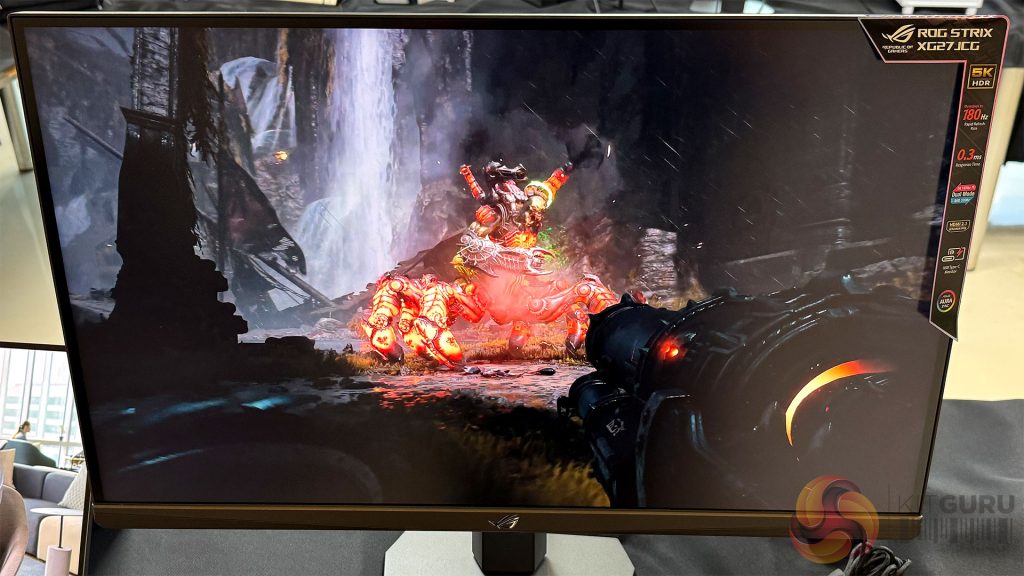
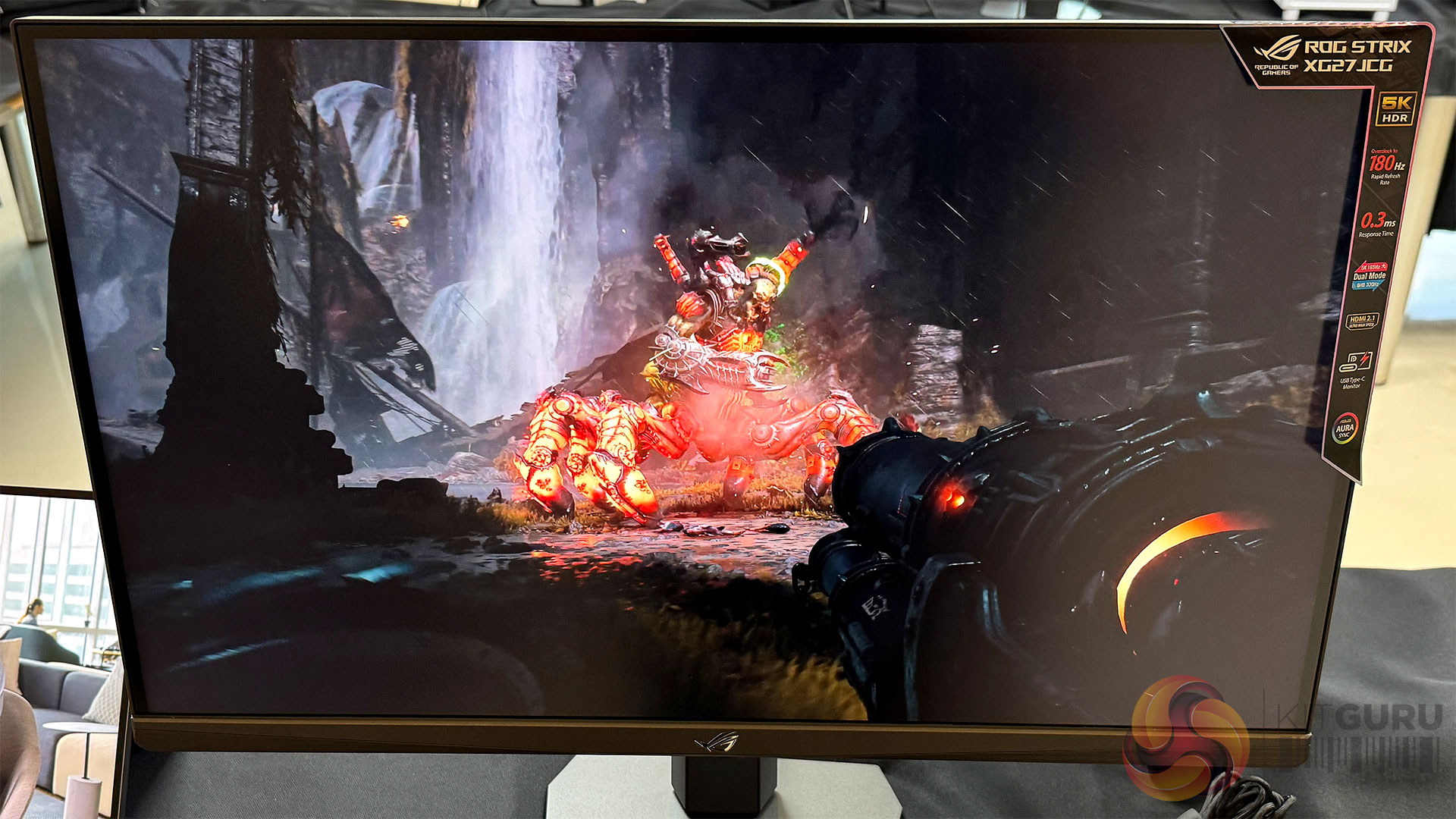
The ROG Strix 5K XG27JCG pushes resolution and refresh rate simultaneously. This 5K screen uses a fast IPS panel with a 0.3ms G2G response and 218 PPI density, guaranteeing that you won’t see any pixels from a normal seated distance. Other nice features included DisplayWidget Center, AI gaming AI features like Dynamic Crosshair, Dynamic Shadow Boost and AI Visual. This screen will initially list close to £699. The Dual Mode feature allows for effortless switching between immersive 5K at 180Hz for cinematic adventures and lightning-fast QHD (2560 x 1440) at 330Hz for peak performance.

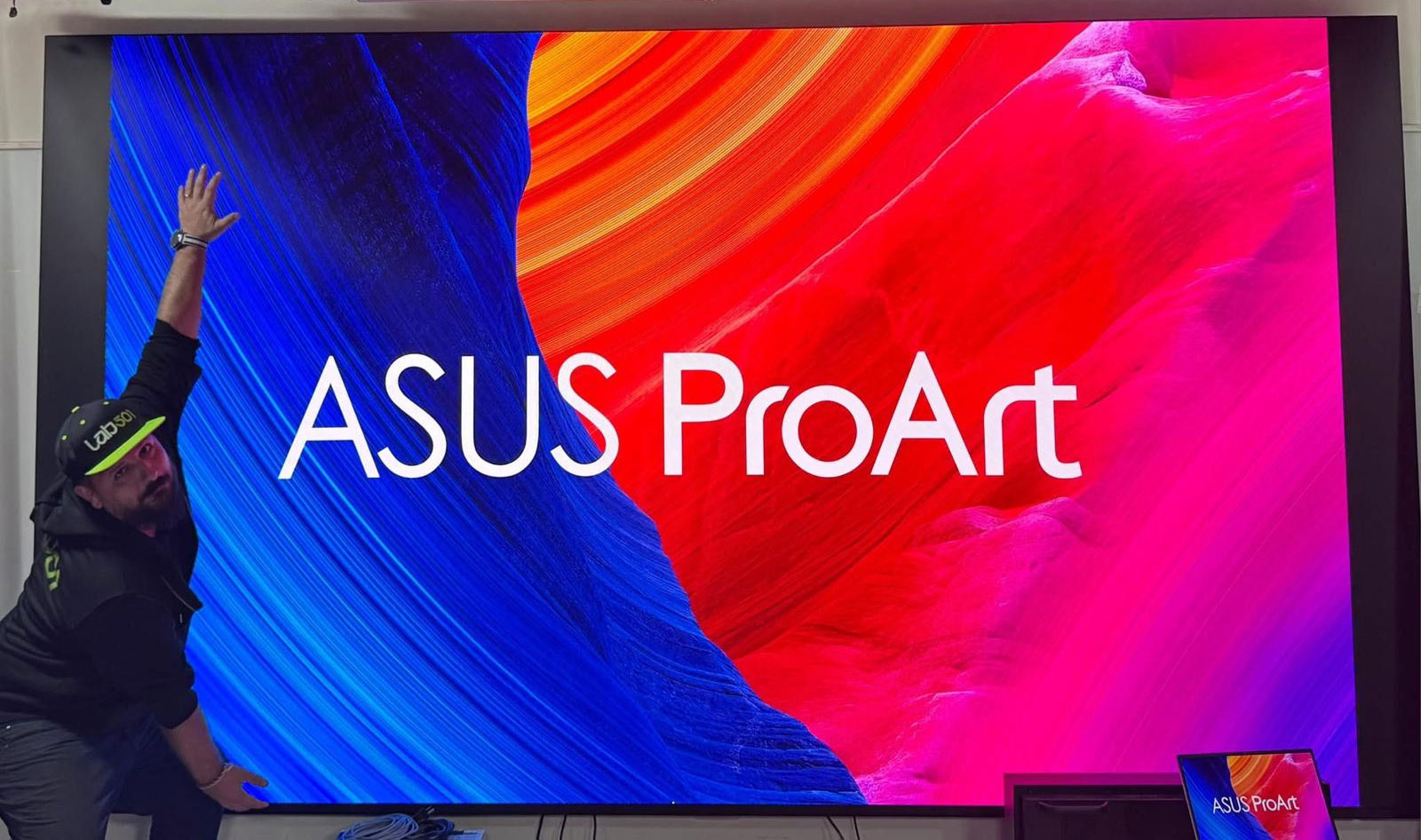
ASUS also presented a timeline of gaming monitor evolution, showing how OLED and high refresh rates have converged over recent years. Extending that timeline further into the future, ASUS demonstrated something very different during the tour – for which we were taken to a secured area on another floor. The product being guarded was the ProArt Cinema PQ09. This is a 162-inch Micro LED display with a 4K 10-bit panel, 0.93mm pixel pitch, 1,200 nits peak brightness, a claimed 1,000,000:1 contrast ratio and 99 percent DCI-P3 coverage with Delta E below 2. To help you get a sense of the true size of this monitor, we enlisted the help  (and wing span) of Tudor from Lab501. With an indicated price of around $160,000, this is obviously not a ‘general consumer product’ right now, and it is unlikely to be appearing in everyday gaming setups any time soon. That said, it serves as a useful reference point for where display technology is heading, and it underlines how much headroom still exists beyond today’s OLED panels.  

ASUS is also continuing to explore alternative ways to experience large-format displays. The ROG XREAL R1 AR gaming glasses aim to deliver a perceived screen size of up to 171” with refresh rates peaking as high as 240Hz. ASUS acknowledges that adoption of wearable displays remains uncertain, but the technical ambition is clear. Certainly if you need a large desktop are on a plane or train, then your traditional LED options will be limited – so the ROG gaming glasses could make sense for certain categories of user.

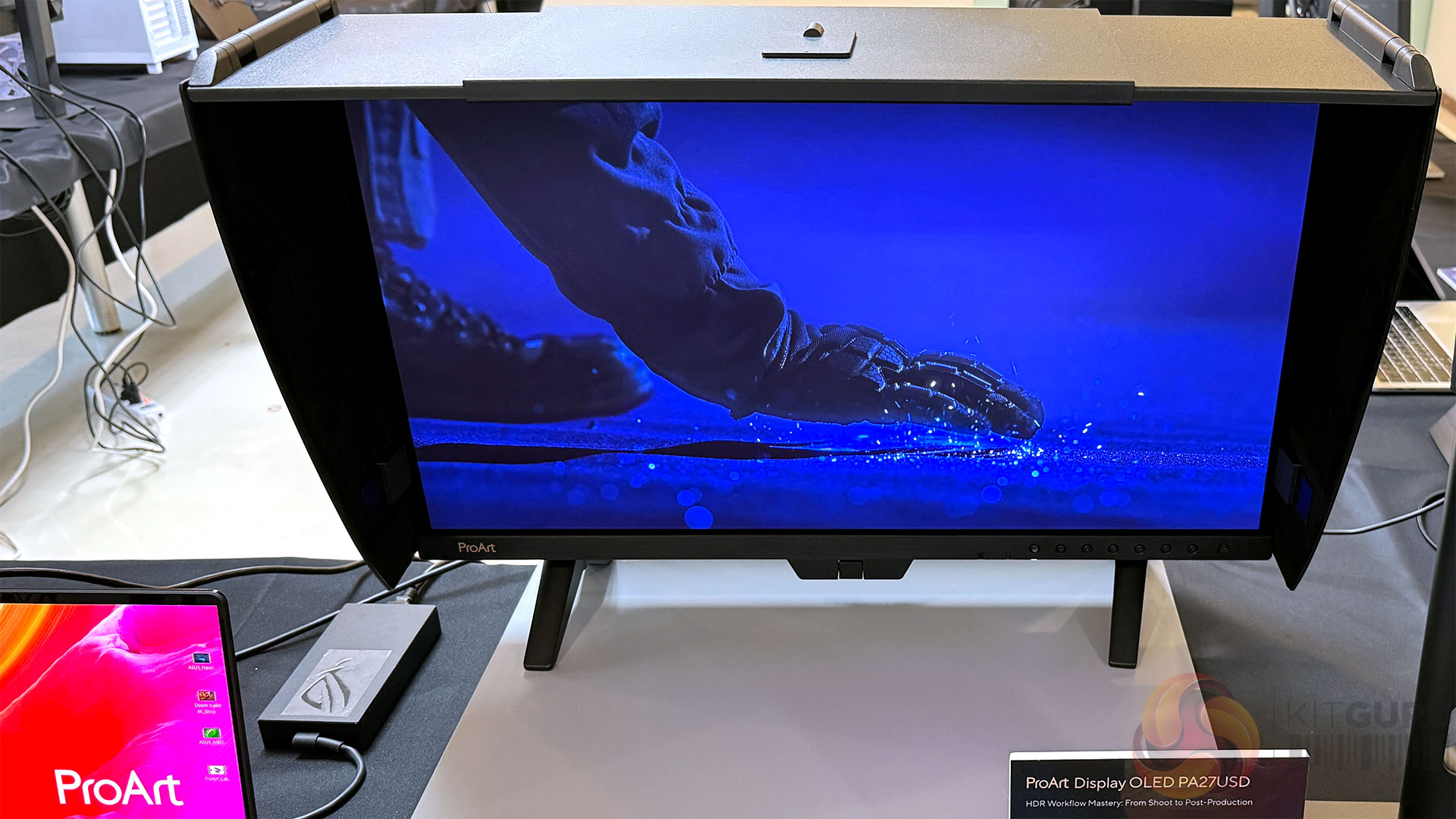
At the professional end of the spectrum, ASUS highlighted a deliberate strategy of pushing flagship ProArt products further upmarket while simultaneously broadening access for creators and prosumers. Displays such as the ProArt Display OLED PA27USD and PA32UCDMR-K are designed for users who have outgrown basic office monitors, but who don’t necessarily operate in full studio environments.

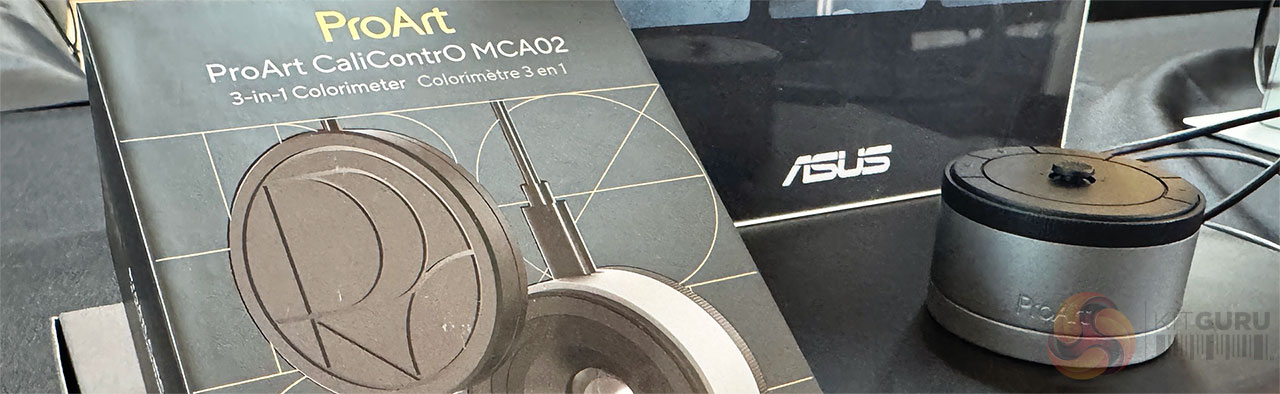
ASUS cited growing demand from content creators and hybrid professionals who need accurate colour, higher brightness and modern connectivity without stepping into prohibitively expensive territory. ASUS insists that its ProArt screens have been targeted at professional creators. As such, thePA32UCDMR-K is Calman Ready with ColourSpace integrated and is supplied with a monitor hood – as well as the latest version of ASUS' Colorimeter, the MCA02.

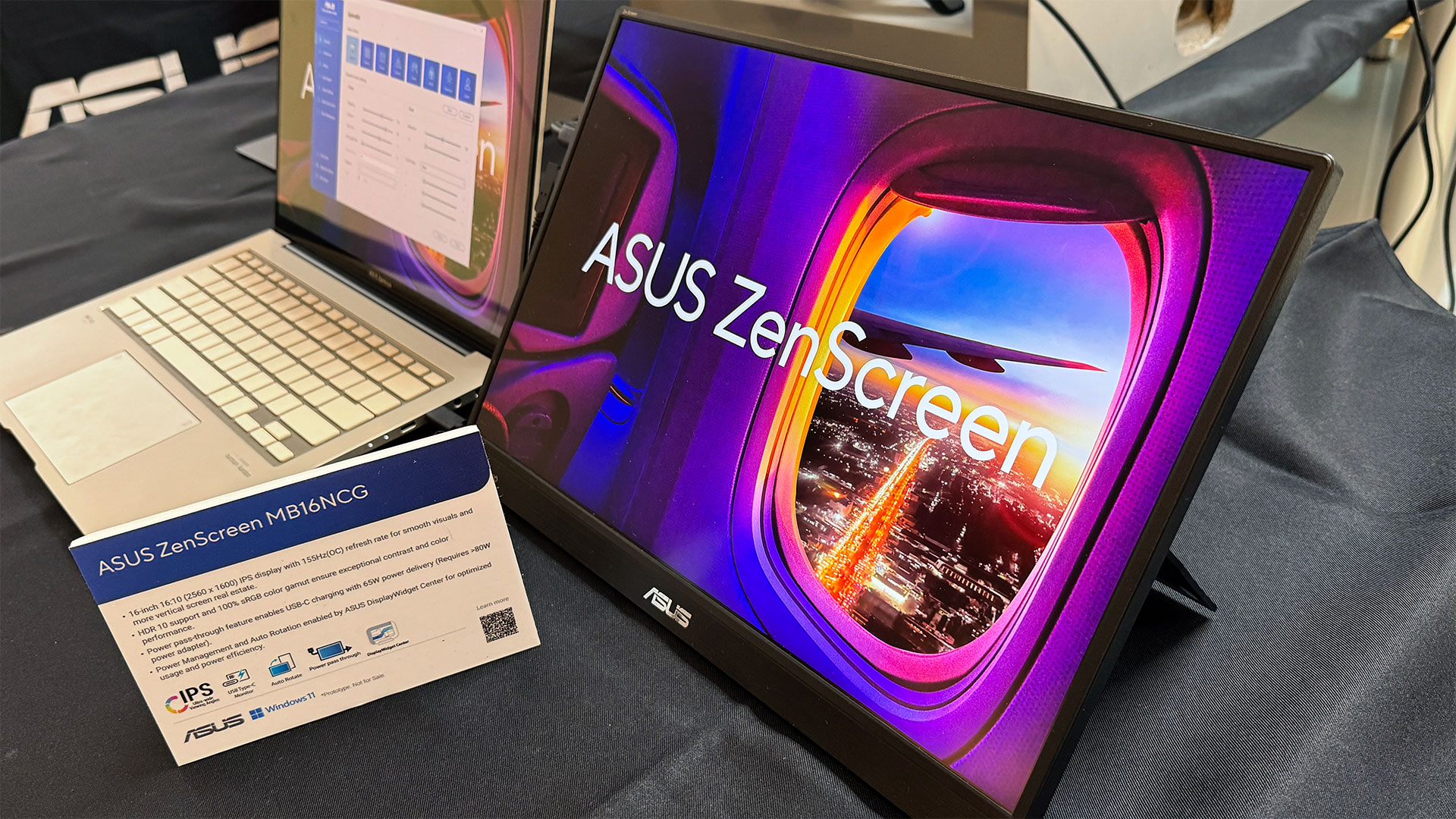
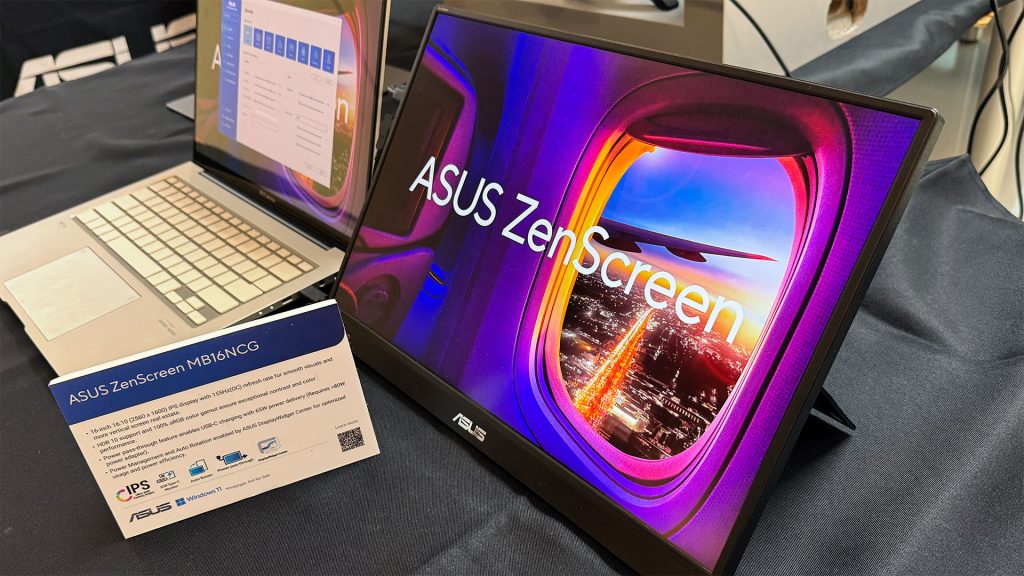
Finally, ASUS briefly covered more consumer-oriented and portable displays, including the ZenScreen OLED MQ16FC and ZenScreen MB16NCG. While these products sit slightly outside KitGuru’s core focus, the USB Type-C connectivity, power pass through, 100% sRGB high refresh rates and sub-1kg weight of 16” (16:10 ratio) models like the MB16NCG, make them genuinely interesting as laptop companions for travel and flexible work setups.
Networking and routers

Networking was presented as one of the most misunderstood performance bottlenecks in modern systems. ASUS was keen to emphasise that WiFi-7 is not obsolete, nor is it a failed standard. In fact, ASUS positions WiFi-7 as very much ‘now’, with meaningful improvements over WiFi-6 when implemented properly.

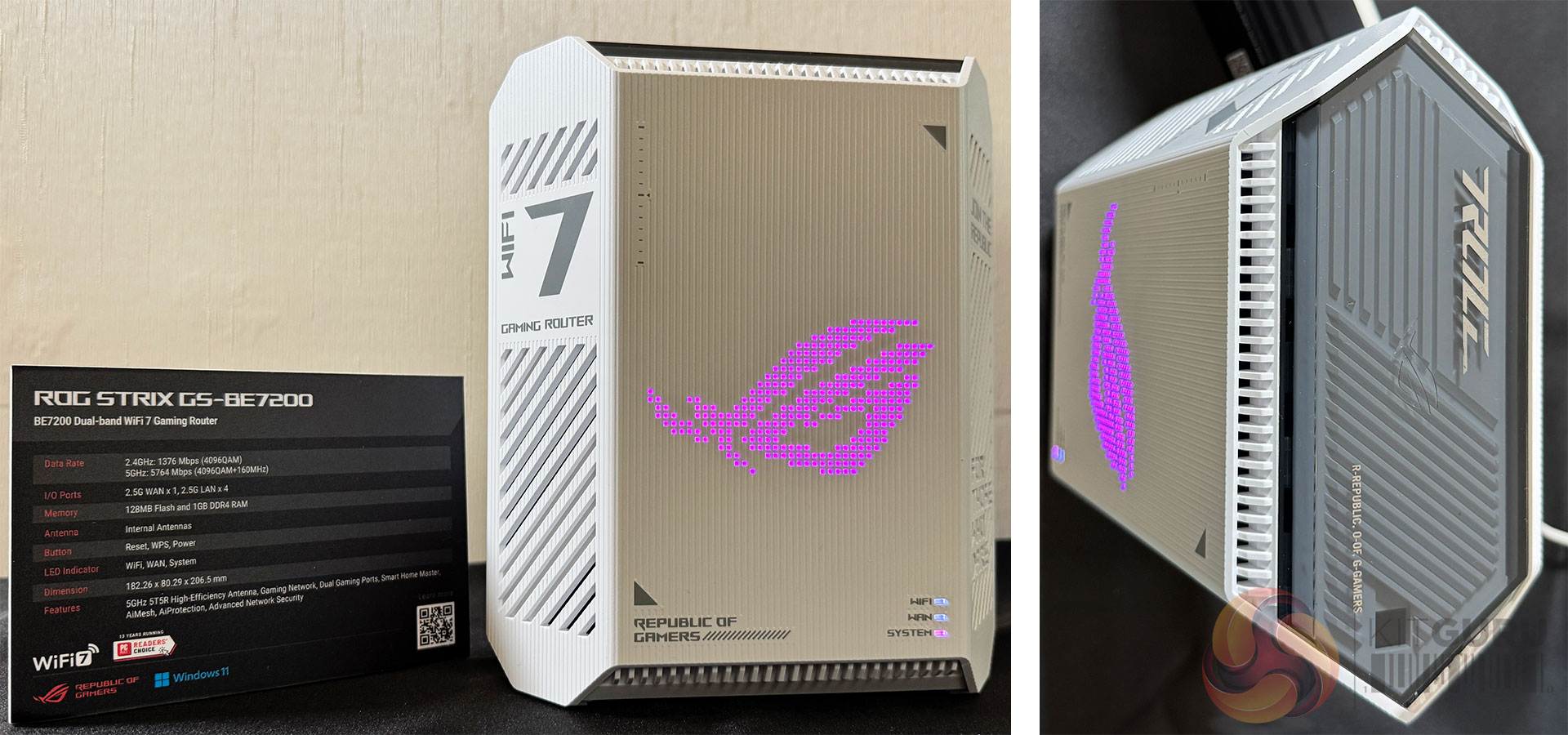
Products such as the ROG Strix GS-BE7200 were used to demonstrate what a well-executed WiFi-7 router can deliver today, including improved 5GHz performance at range, better handling of DFS channels and more consistent throughput in real homes. ASUS claims up to 15 percent better 5GHz performance compared to previous designs (5GHz 4T4R), though as with all such figures, real-world results will depend on environment and client devices.
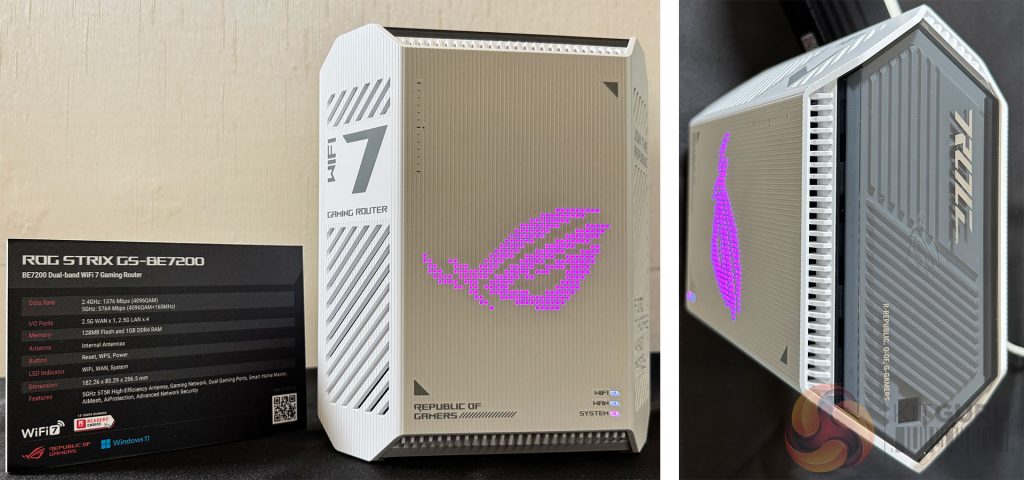
At the same time, ASUS acknowledged that WiFi-7 adoption has been slower than expected. One reason is that many users struggled to see a compelling upgrade path from a strong WiFi-6 router to an average WiFi-7 one, particularly when headline speed increases did not always translate into day-to-day improvements. We’ve certainly found gaps between manufacturer’s claimed maximum speeds and our own real-world testing in 3-floor houses built with bricks.

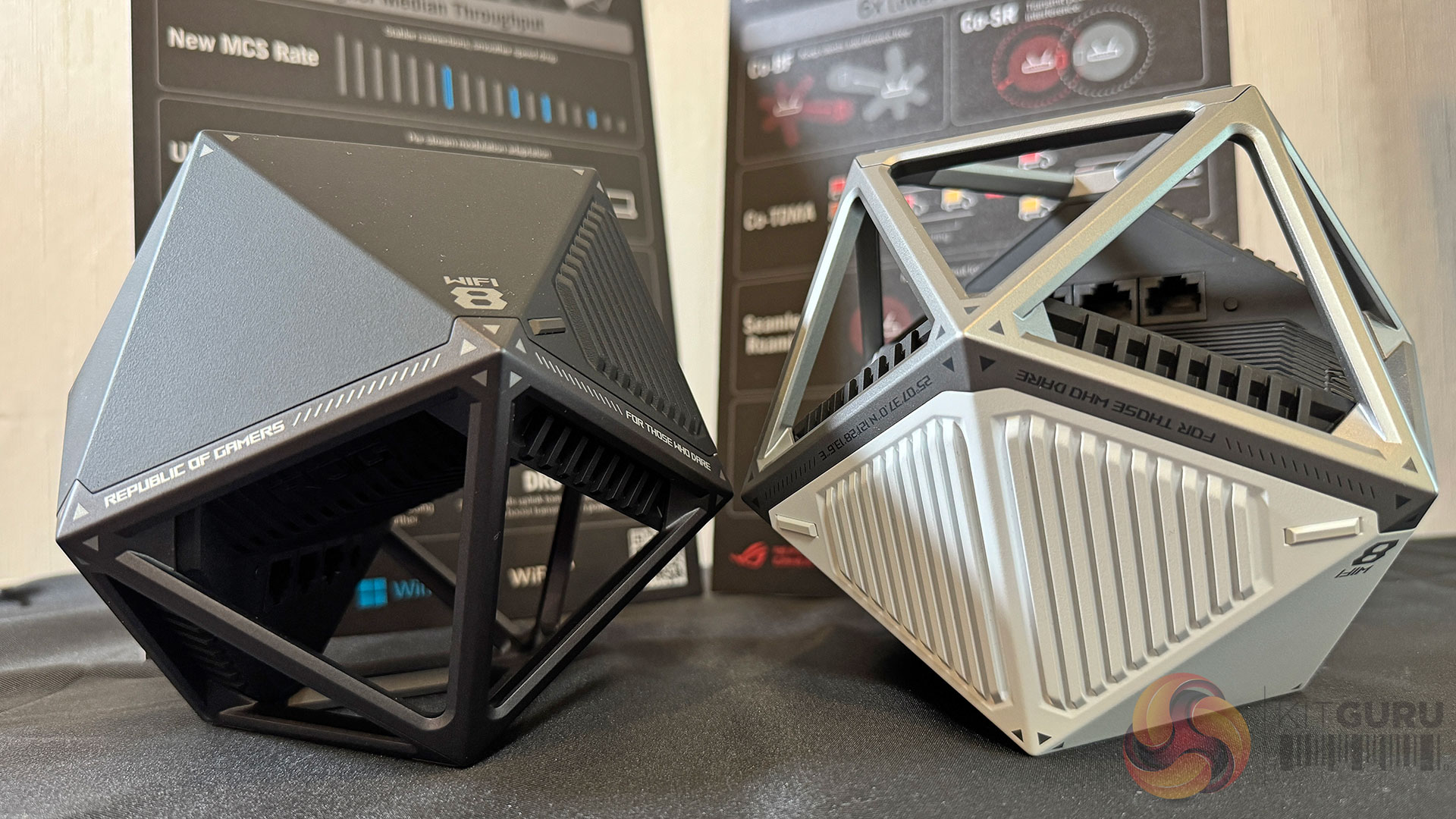
Slides covering WiFi-8 made it clear that ASUS expects early hardware to arrive ahead of 802.11bn standards receiving final ratification. The standard could be finalised around the middle of 2028 – while WiFi-8 hardware could start to ship as early as 2026. Bear in mind that we are talking about WiFi-8 routers and not clients – which will normally follow on a little later. For reference, KitGuru saw its first WiFi-7 dongle at IFA 2025, back in August.

Crucially, ASUS is framing WiFi-8 as a shift in priorities, rather than a simple speed race. Specifically emphasising the move towards aggregate bandwidth, multi-user performance and latency consistency, rather than peak single-device throughput. ASUS claims improvements of up to two times mid-range throughput, two times lower latency, and significantly higher reliability compared to WiFi-7, with a particular focus on more balanced uplink and downlink performance.
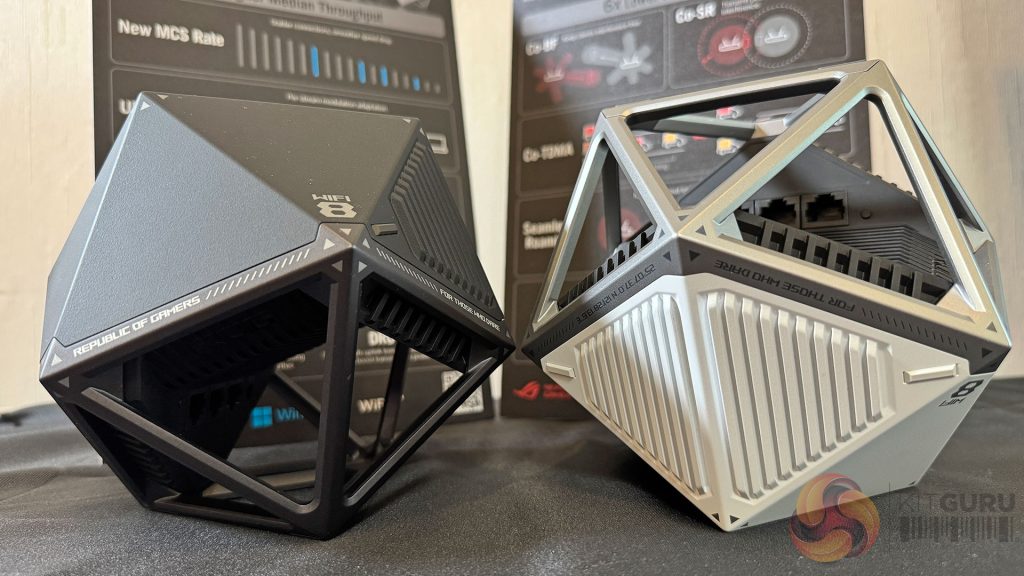
ASUS also leaned into the idea that AI-driven optimisation will increasingly sit at the network layer. Many users intuitively expect AI to make complex systems behave better without manual tuning, and ASUS positions WiFi-8 routers as platforms that can intelligently manage traffic based on device behaviour, workload type, and contention, rather than simply pushing more raw bandwidth.

On this Tech Tour, we got to hold WiFi-8 routers that bear more than a passing resemblance to next-gen TIE Fighters from Star Wars.

Alongside consumer and gaming routers, ASUS highlighted its ProArt Creator networking products, including the ProArt Router PRT-BE5000 and ProArt Switch PQG-U1080. These are positioned as practical solutions for creators and small studios who need reliable wired and wireless performance, multi-gigabit connectivity, and simple management, without stepping into full enterprise networking complexity. Moving to an expensive next-gen router at home will be far harder to justify than installing such devices in a video/creator studio environment.

Gaming peripherals

ASUS’ gaming peripherals presentation focused on refinement rather than reinvention. Across keyboards, mice, and headsets, the emphasis was on precision, consistency, and wireless maturity.

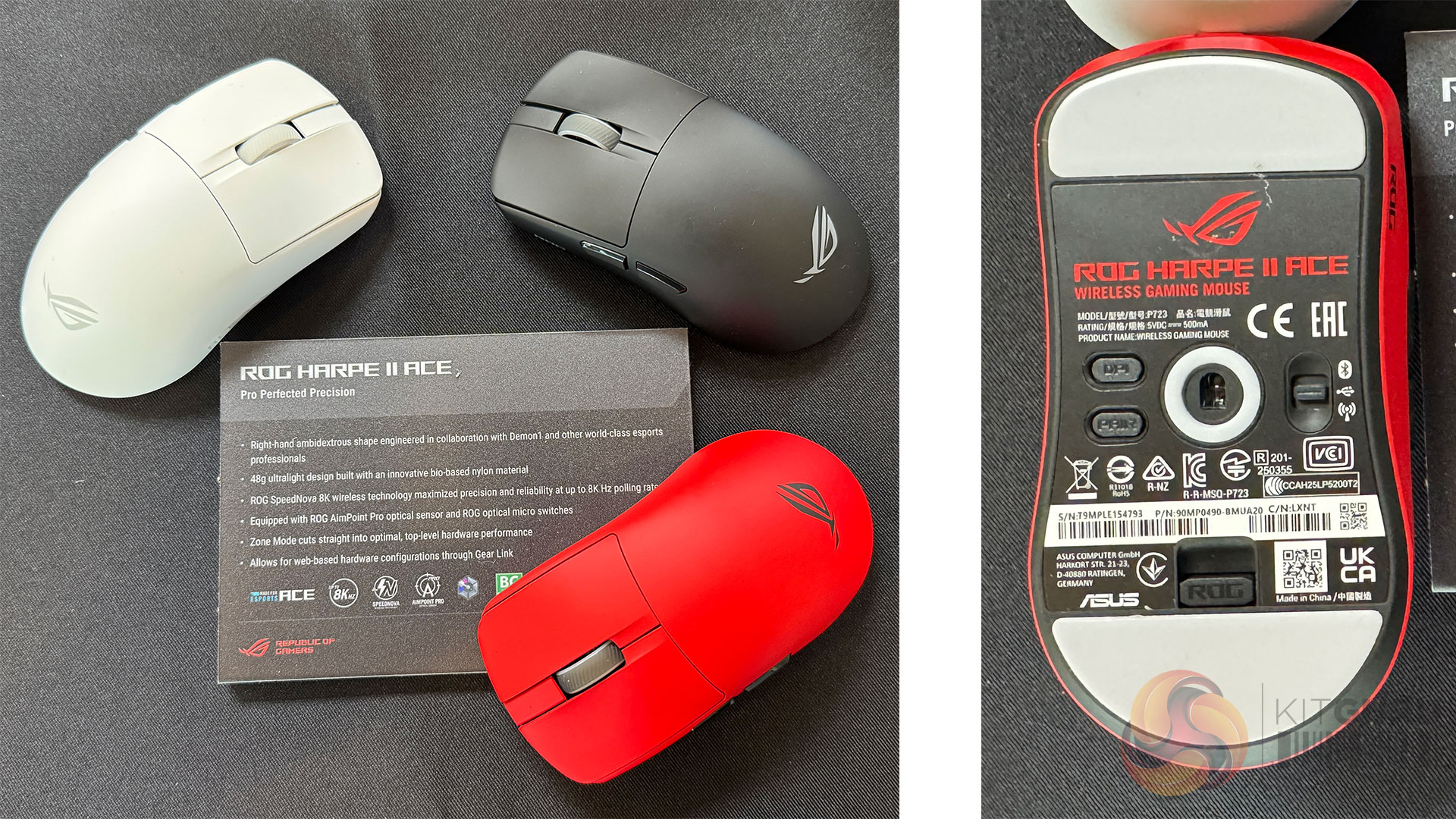
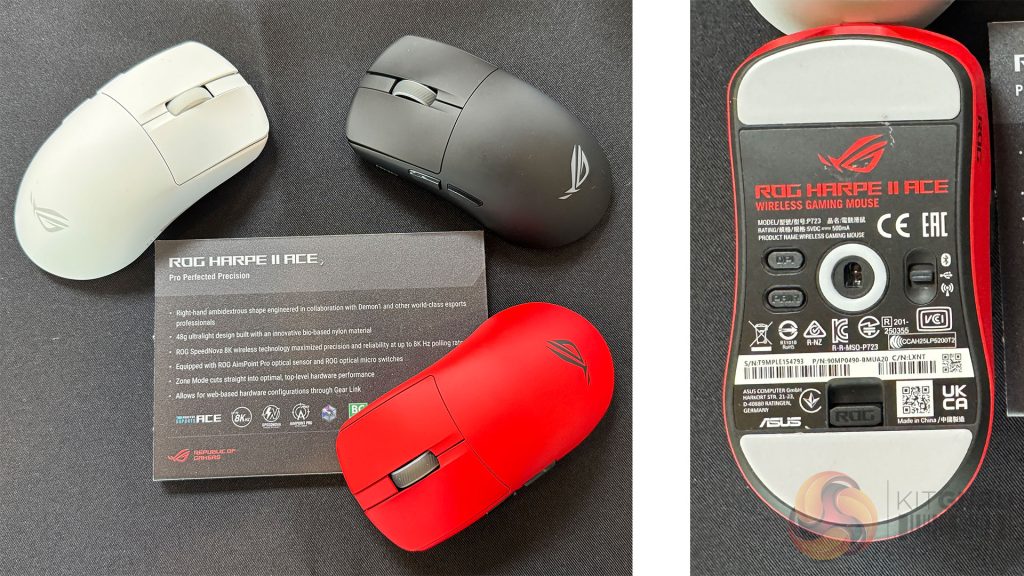
Keyboards such as the ROG Falchion Ace 75 HE, reflect the continued move towards Hall Effect and ROG HFX V2 magnetic switches, with ASUS focusing on actuation consistency and longevity. Similarly, mice like the ROG Harpe II Ace and ROG Keris II Origin build on optical sensors, high polling rates, and shapes informed by esports feedback, where marginal gains are now more about ergonomics and feel than raw specifications. Essentially, physically-lighter mice in cooler colours with faster responses.

Wireless technology is no longer treated as a compromise. ROG’s SpeedNova technology appears across multiple devices, supporting low latency, stable connections, and multi-device setups. In practical terms, wireless input now feels like the default at the high end, rather than an optional convenience. In general, you can choose your own battery life by keeping the RGB disco lights on or off.
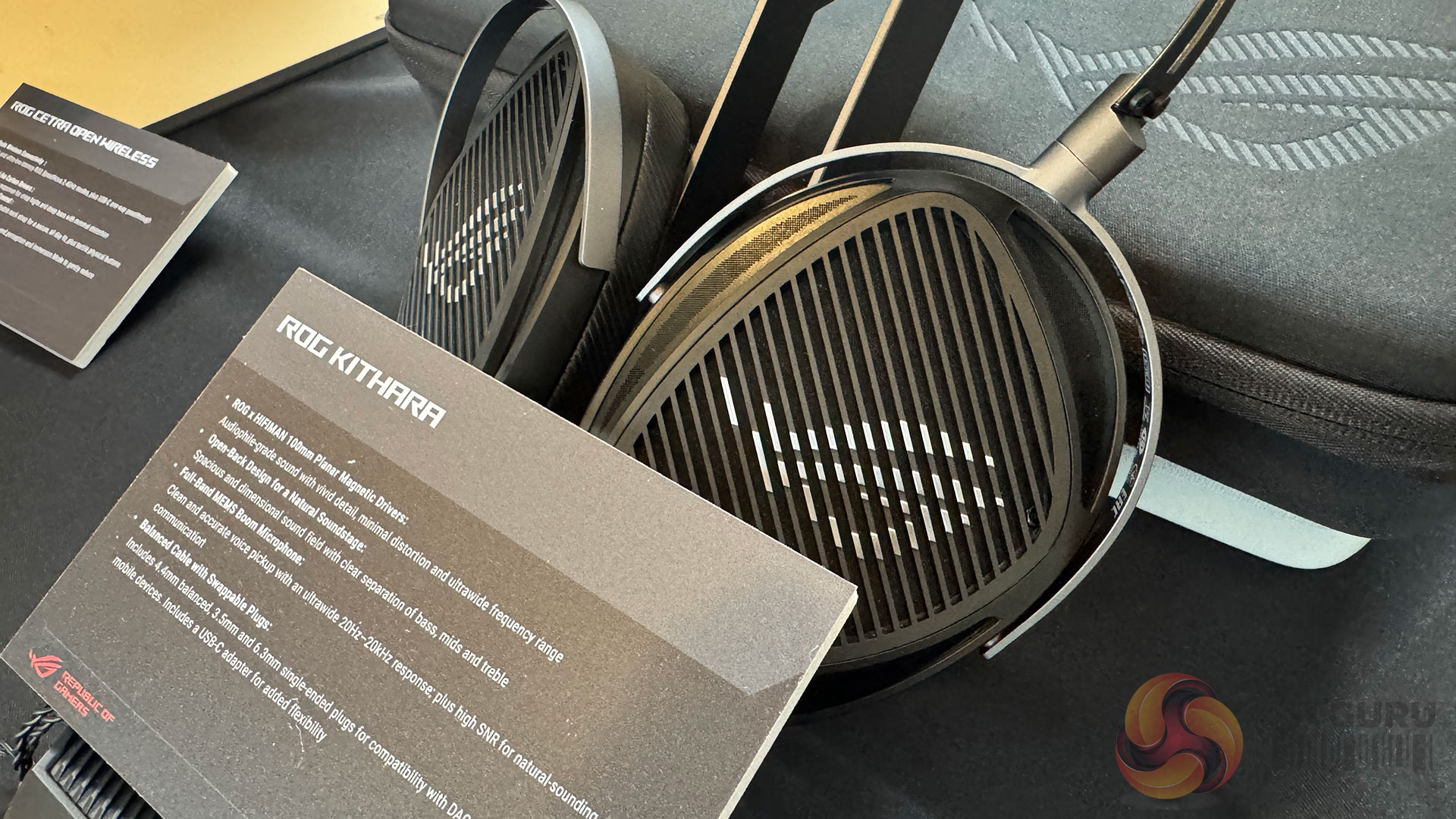
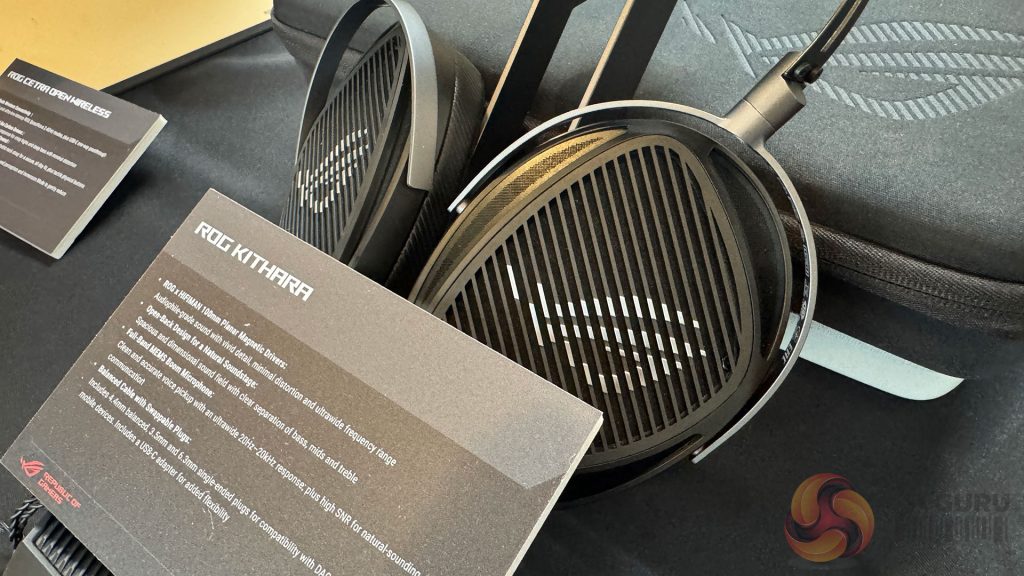
Audio was clearly the centrepiece of the peripherals briefing. The ROG Kithara was positioned as a flagship product, with ASUS indicating an expected price point around $299 at launch. This is not a budget product, but instead aims to deliver high quality audio for those who value mobility as well as audiophile-grade sound. ROG-customised HIFIMAN 100mm planar magnetic drivers deliver lifelike audio with sharp, precise detail. Engineered for competitive play, the Kithara headset features an integrated full-band MEMS microphone for clear in-game communication.

A balanced headphone cable with swappable plugs, along with a USB-C adapter, ensures uncompromised audio fidelity and broad compatibility across a wide range of devices. At this price level, expectations will be high, and independent testing will be essential to determine whether the experience justifies the price.
The KJP series of peripherals was also shown as a design-led extension of the ROG ecosystem, including headset, mouse and mouse pad. While these products are more about aesthetic and brand expression than performance leadership, they sit alongside a broader line-up that remains firmly focused on competitive use.

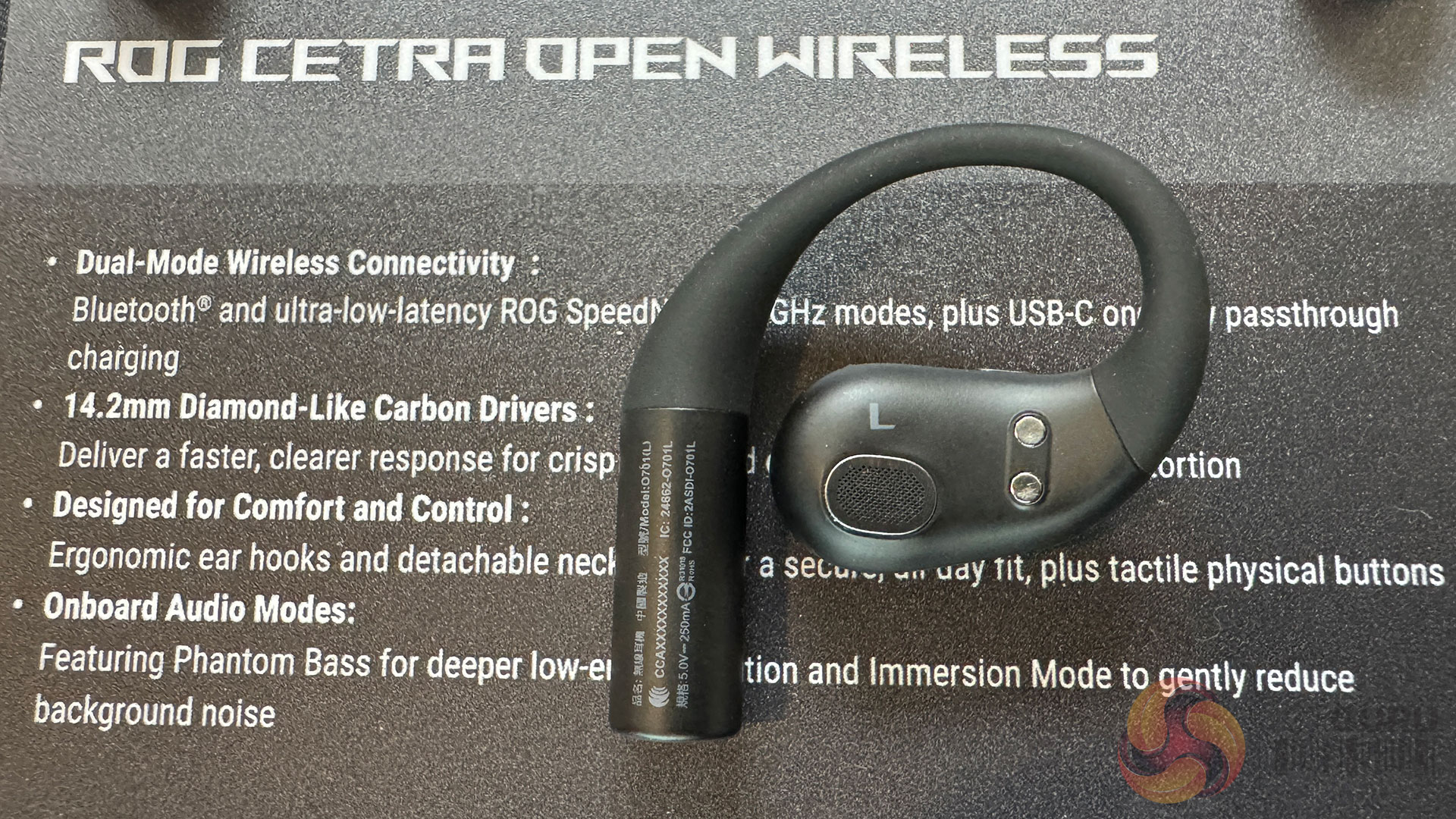
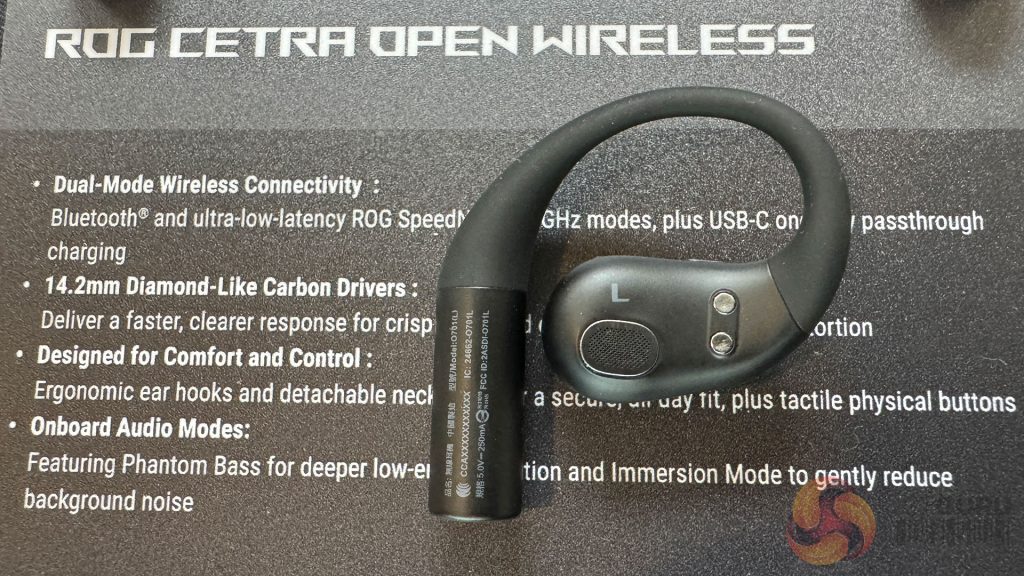
Finally, another neatly-designed audio product comes to market in the form of the ROG Cetra Open Wireless earbuds. In addition to Bluetooth, they offer ultra-low-latency ROG SpeedNova 2.4GHz – as well as USB-C one-way pass-through charging. The 14.2mm diamond-like carbon drivers promise faster, clearer response and, overall, the ‘ergonomic ear hook' design promises comfort should you decide to use them all day. There are tactical/physical buttons to make them easier to adjust – and the Cetra features Phantom Bass for deeper low-end perceived tones – as well as ‘Immersion Mode' to get rid of the noise of the outside world.
Compact compute and NUC systems 

The ASUS NUC and mini PC strategy spans a wide range of use cases, from education and commercial deployments to gaming and AI development. What became clear during the briefing is that not all AI performance figures are created equal. Specifically, there’s a lot of questionable emphasis on TOPS figures at the lower end of the performance scale.

Systems such as the ASUS NUC 16 Pro and ExpertCenter PN55 offer between 55 AI TOPS and 180 platform TOPS of AI performance, depending on configuration. In real-world terms, this level of capability is sufficient for local assistants, transcription, image processing and OS-level features such as Microsoft Copilot+. It could be useful, but it is not transformative compute. At this level, AI performance often feels like a compliance requirement rather than a compelling reason to upgrade, and it is difficult to ignore the influence of platform mandates and co-marketing incentives in shaping these products.

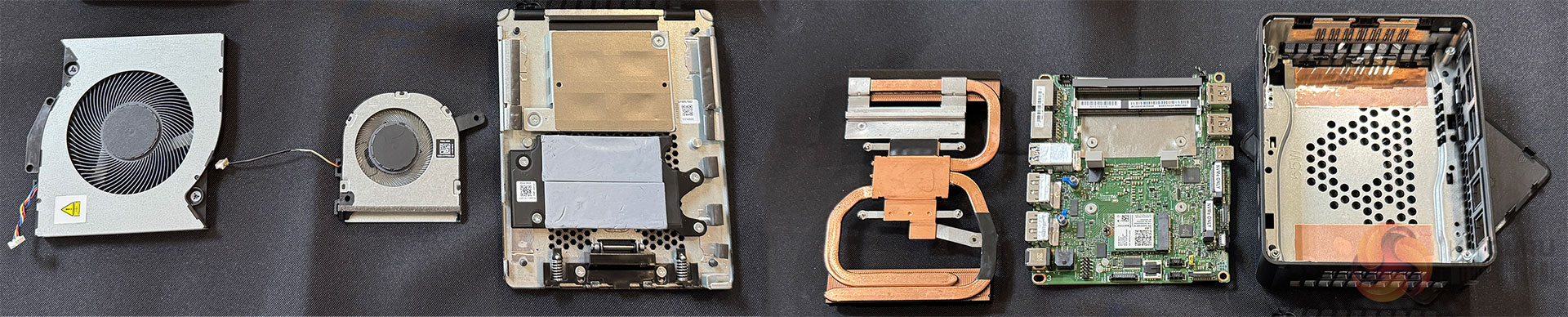
The complexities involved in building modern NUCs is not to be under-estimated. Cooling with longevity, as the components themselves continue to get better, is a challenge. 
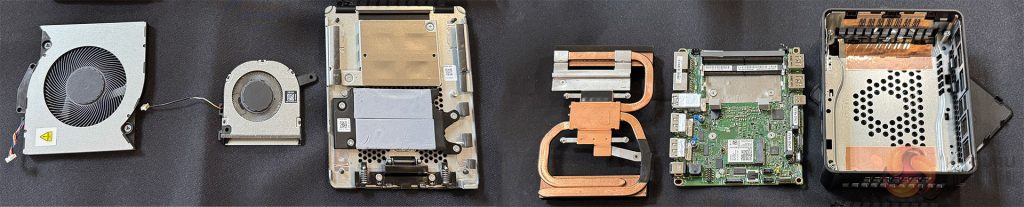
That doesn’t make these systems irrelevant. They could definitely make sense for colleges, offices and edge deployment situations where space, power efficiency, manageability and reliability matter more than raw AI throughput. ASUS’ own categorisation of these devices as ‘Everyday AI’ and ‘Next Level AI’ is accurate, rather than hugely overstated. 

The ROG GR70 is where the compact compute story becomes far more convincing. With CPU options up to the AMD Ryzen 9 9955HX3D processor and an NVIDIA GeForce RTX 5070 Laptop GPU in a 3-litre chassis – this is a serious gaming system rather than a marketing exercise. Here, performance will be judged on frame rates, thermals and acoustics. On paper, the specification suggests a genuinely capable compact gaming machine.

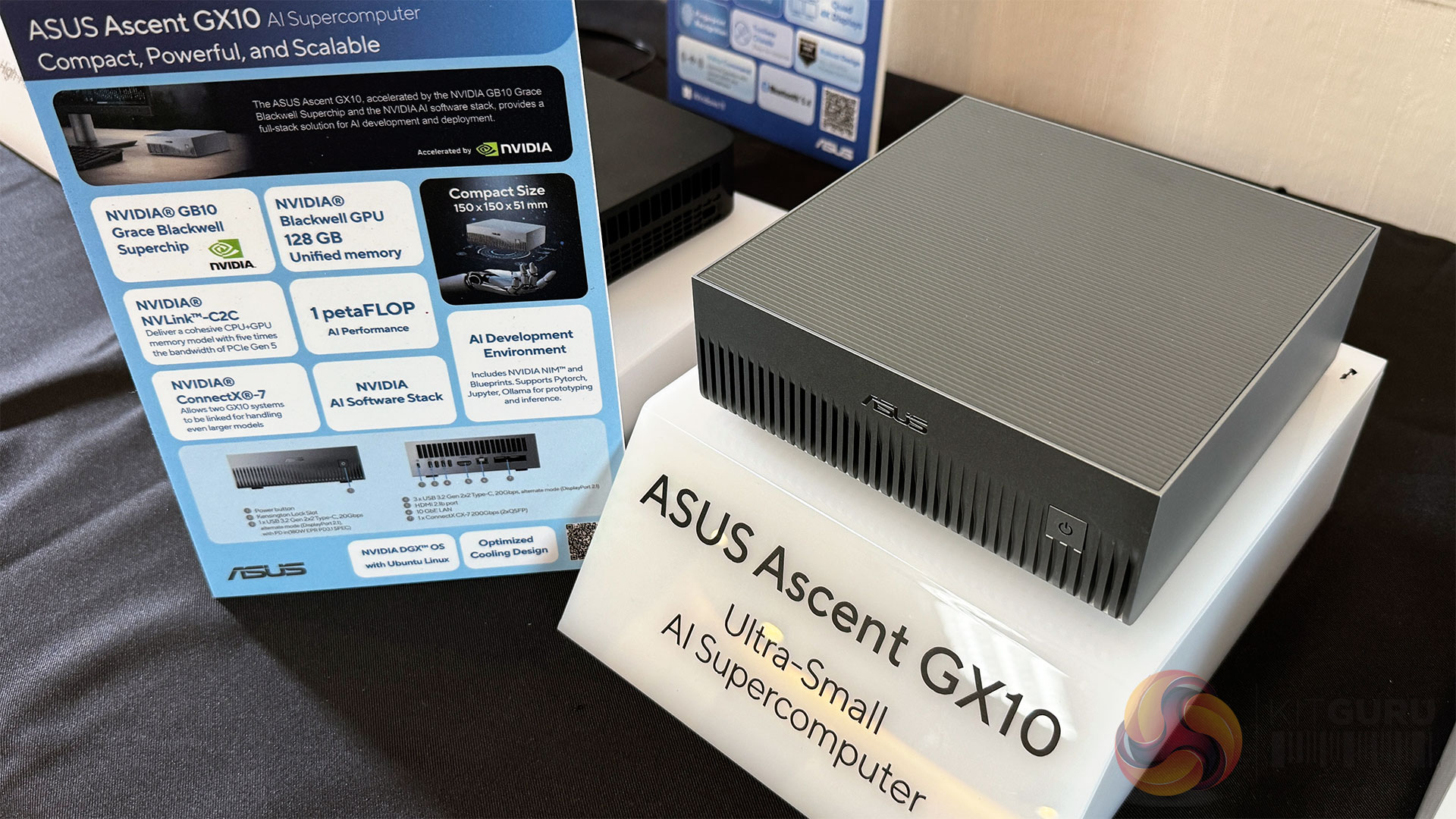
The stand-out product, however, is the ASUS Ascent GX10. With a claimed 1 petaFLOP of AI performance, powered by the NVIDIA GB10 Grace Blackwell Superchip and supported by 128GB of unified memory, this system moves decisively into desktop supercomputer territory.

ASUS claims the GX10 can handle models of up to 200 billion parameters, bringing serious AI development capability into an ultra-compact 150×150×51mm enclosure.
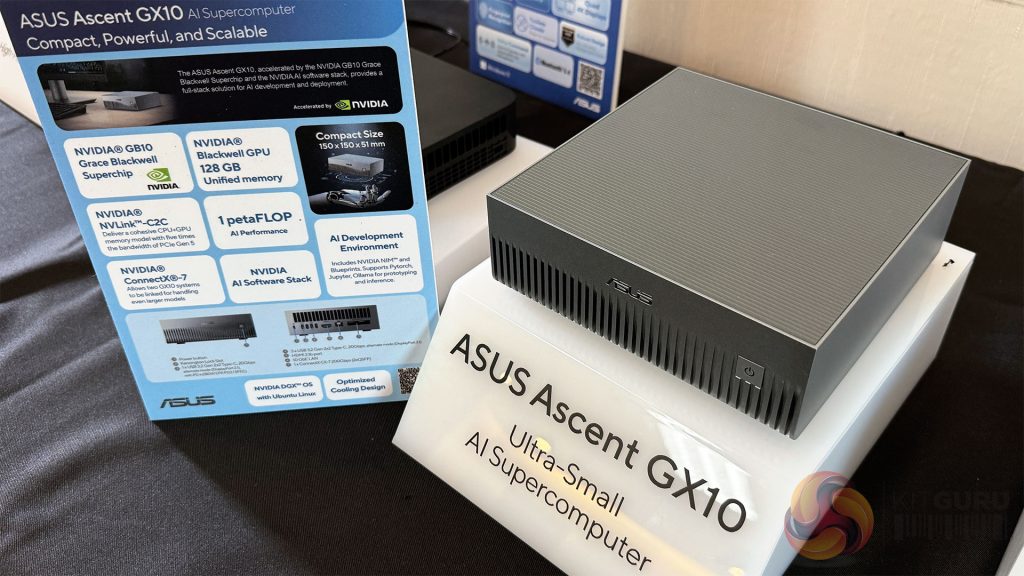
This mirrors the philosophy behind the larger ET900N G3 shown earlier in the tour, but in an even more accessible form. For organisations and developers looking to build, test, and refine AI models locally, offline, or in secure environments, the Ascent GX10 could prove genuinely compelling.

KitGuru says: Across displays, networking, peripherals, and compact systems, the ASUS 2026 portfolio reflects a shift towards experience and integration as the primary differentiators. Many of the performance figures discussed here come directly from ASUS briefings, and KitGuru will be looking to validate those claims through independent testing as products become available.

The post Asus reveals next-gen displays, new gaming peripherals and WiFi 8 devices first appeared on KitGuru.
  •  

CES 2026: Sapphire launches new Edge+ motherboard with embedded Ryzen AI

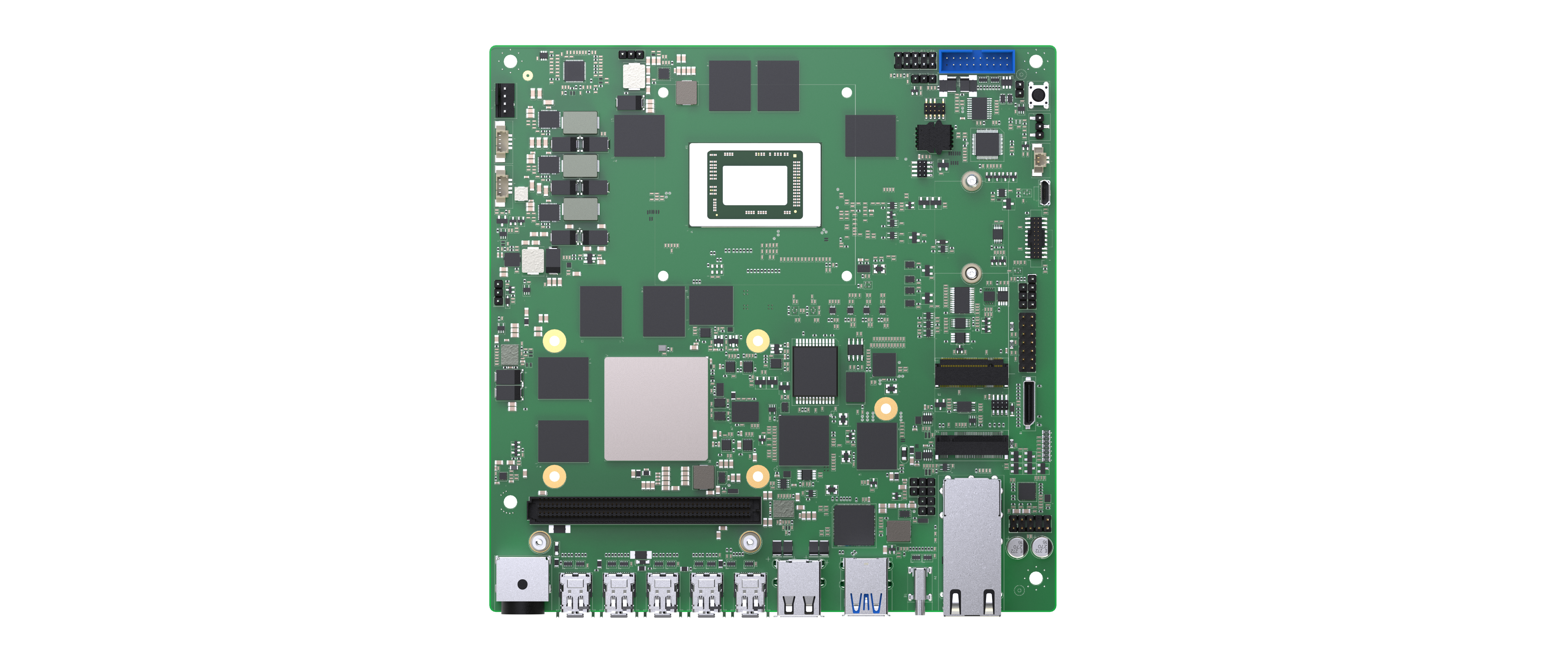
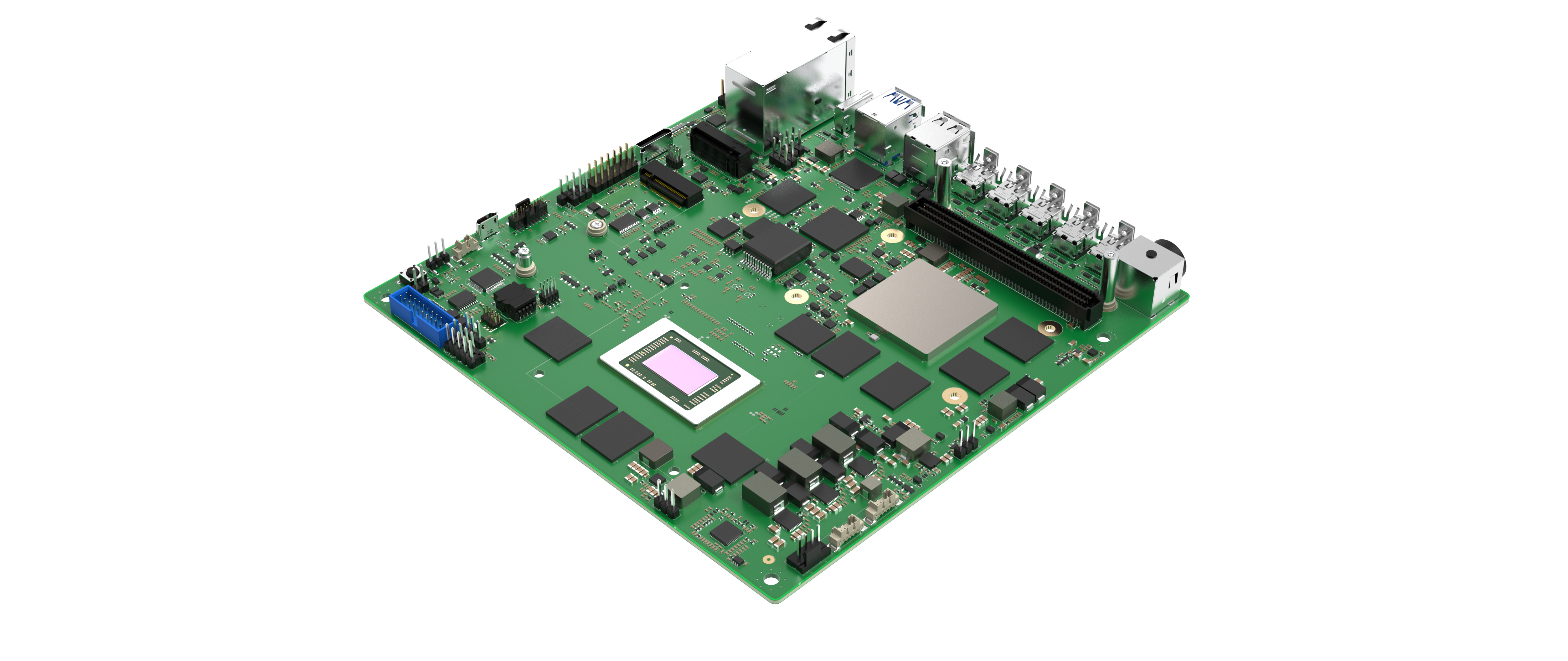
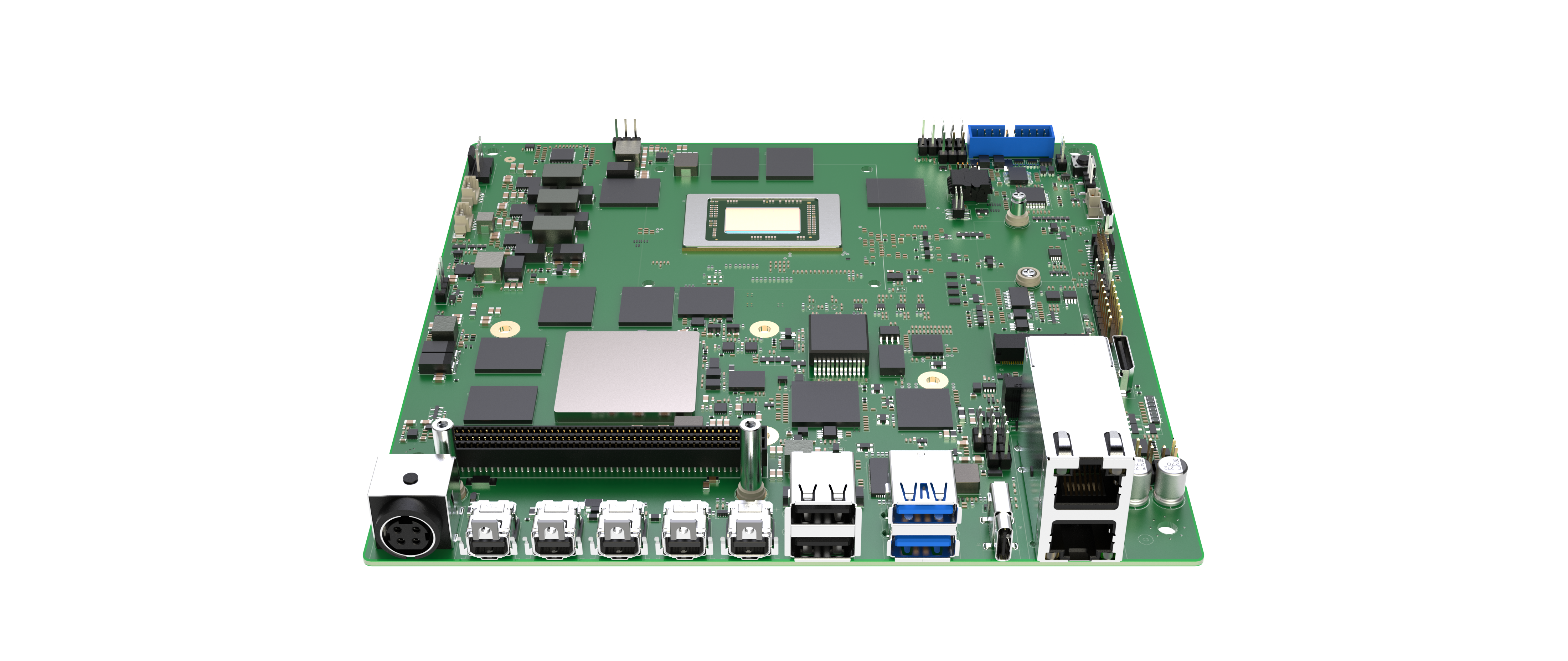
At CES this week, Sapphire has introduced the EDGE+ VPR-7P132, a Mini‑ITX AMD Embedded+ motherboard designed to handle increasingly complex AI workloads at the edge. The board combines AMD’s new Ryzen AI Embedded P132 Series APU with a Versal AI Edge Series Gen 2 adaptive SoC, creating a dual‑processor platform aimed at robotics, machine vision, industrial automation, and other latency‑sensitive deployments.

The design allows workloads to be split across CPU cores, RDNA 3.5 graphics, the XDNA 2 NPU, and the Versal device’s programmable logic and AI engines. The Ryzen AI Embedded processor manages OS, networking, visualisation, and general application tasks, delivering more than 50 TOPS of AI performance and supporting quad‑4K output, high‑speed Ethernet, USB, and NVMe storage. The Versal AI Edge Gen 2 SoC handles deterministic, real‑time functions such as sensor ingress, pre‑processing, and inference, ensuring predictable behaviour when timing is critical.
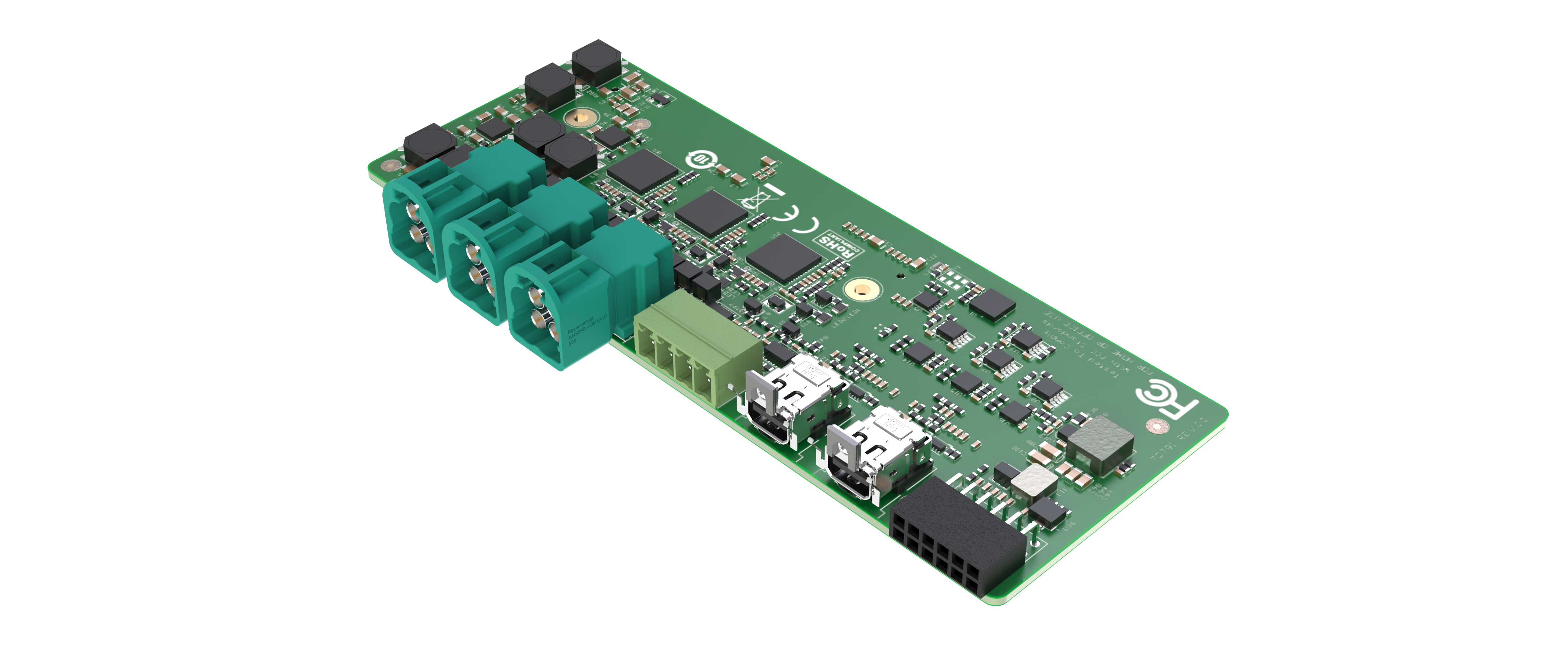
Despite its 170×170mm footprint, the EDGE+ VPR-7P132 includes five display outputs, dual 10Gb Ethernet, USB4, multiple USB and audio interfaces, and PCIe Gen4 expansion via M.2 and OCuLink. An optional I/O daughterboard expands support further with three Quad GMSL2 C/D‑PHY interfaces for up to 12 cameras, two CAN‑FD ports, and additional mini DisplayPort outputs tied directly to the Versal subsystem.
The platform is built for continuous operation, with LPDDR5 support, onboard UFS storage, TPM 2.0, and compatibility with Ubuntu, Yocto Linux, QNX, and VxWorks. SAPPHIRE positions the board as a scalable solution for developers building edge systems that need both high‑performance application processing and deterministic AI acceleration.
KitGuru Says: This isn't necessarily something that will be of interest to the gamers in our audience, but those in IT and enterprise looking to integrate AI throughout their workflows will want to keep an eye on the work Sapphire is doing in the AI Mini PC space.
The post CES 2026: Sapphire launches new Edge+ motherboard with embedded Ryzen AI first appeared on KitGuru.
  •  

Far Cry 3 seemingly next in line to receive 60fps current-gen patch

Ubisoft has been one of the better publishers when it comes to updating their back-catalogue of games for current-gen hardware, with multiple Assassin’s Creed titles; Far Cry entries and most recently The Division 1 all getting 60fps patches on PS5 and Series X|S. It appears as though more such updates are in the works, with Ubisoft teasing that the iconic Far Cry 3 could be next in line.

Responding to one Twitter user who wrote: “Far Cry 3 classic edition and Blood Dragon 60fps update when? Please tell me soon!” the official Far Cry page posted a meme featuring the known ‘smug stickman’ – suggesting that such an update is in the works.

As mentioned, Ubisoft have released a ton of performance patches for various last-gen titles, including but not limited to: Far Cry 4; Far Cry 5; Assassin’s Creed Syndicate; AC: Origins; Odyssey and The Division 1. As such it is unsurprising that one of the most iconic titles ‘Far Cry 3’ would be seeing a similar treatment.

Far Cry 3 60fps

All that being said, as with pretty much all previous 60fps updates, expect little else in the way of enhancements. This means that Far Cry 3 on PS5 will likely still operate at 1440p albeit at 60fps instead of 30. Unfortunately, don’t expect any major changes otherwise – meaning it will still likely feature a rather narrow field of view (among other last-gen compromises).

Still, having as many last-gen titles as possible updated to offer 60fps at the very least is welcome to see. Hopefully we get a formal announcement soon.

KitGuru says: What do you think of Ubisoft’s ongoing support for last-gen titles? Would you like to see more games get native current-gen enhancements instead? Or is 60fps enough of an improvement? Let us know down below.

The post Far Cry 3 seemingly next in line to receive 60fps current-gen patch first appeared on KitGuru.
  •  

CES 2026: be quiet! announces its first LCD-equipped AIO cooler, Dark Rock 6 and more

be quiet! is kicking off CES 2026 with a major refresh across its cooling, PSU, and peripheral lines — including its first products to feature integrated LCD displays. The company’s showcase spans new AIO and air coolers, high‑wattage power supplies, and a pair of ultra‑light gaming mice.

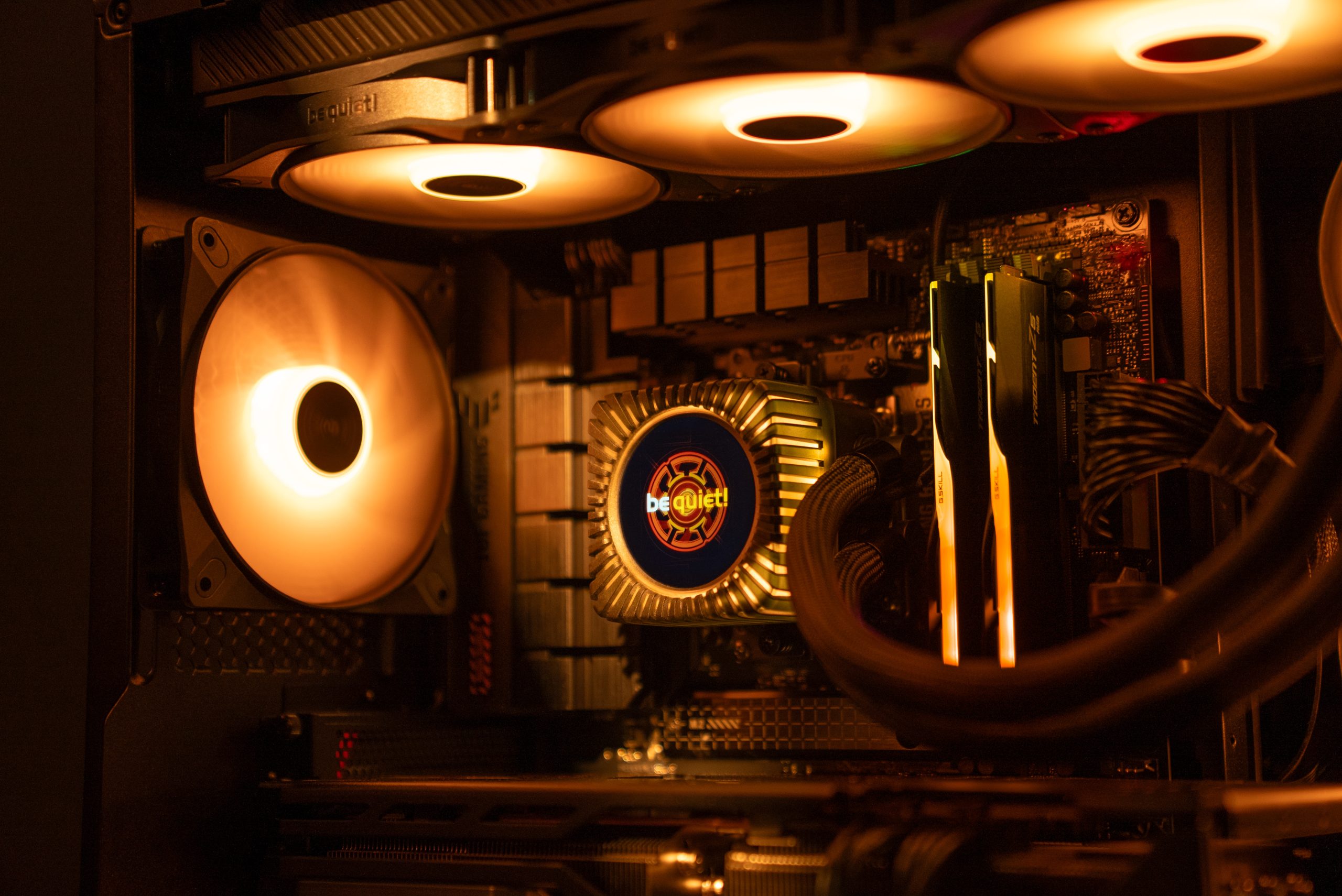
The headline announcement is the Light Loop IO LCD, an AIO liquid cooler built for high‑end and overclocked systems. It features a 2.1‑inch IPS display capable of showing system telemetry, images, videos, or custom presets, all at 500 nits of brightness. Cooling is handled by a redesigned pump, a new jet‑plate and cold‑plate assembly, and three daisy‑chained Light Wings LX PWM fans. Full control is available through the updated IO Center software, including ARGB effects and a new Screen Sync mode. The cooler will ship in 360mm and 240mm sizes, in both black and white.

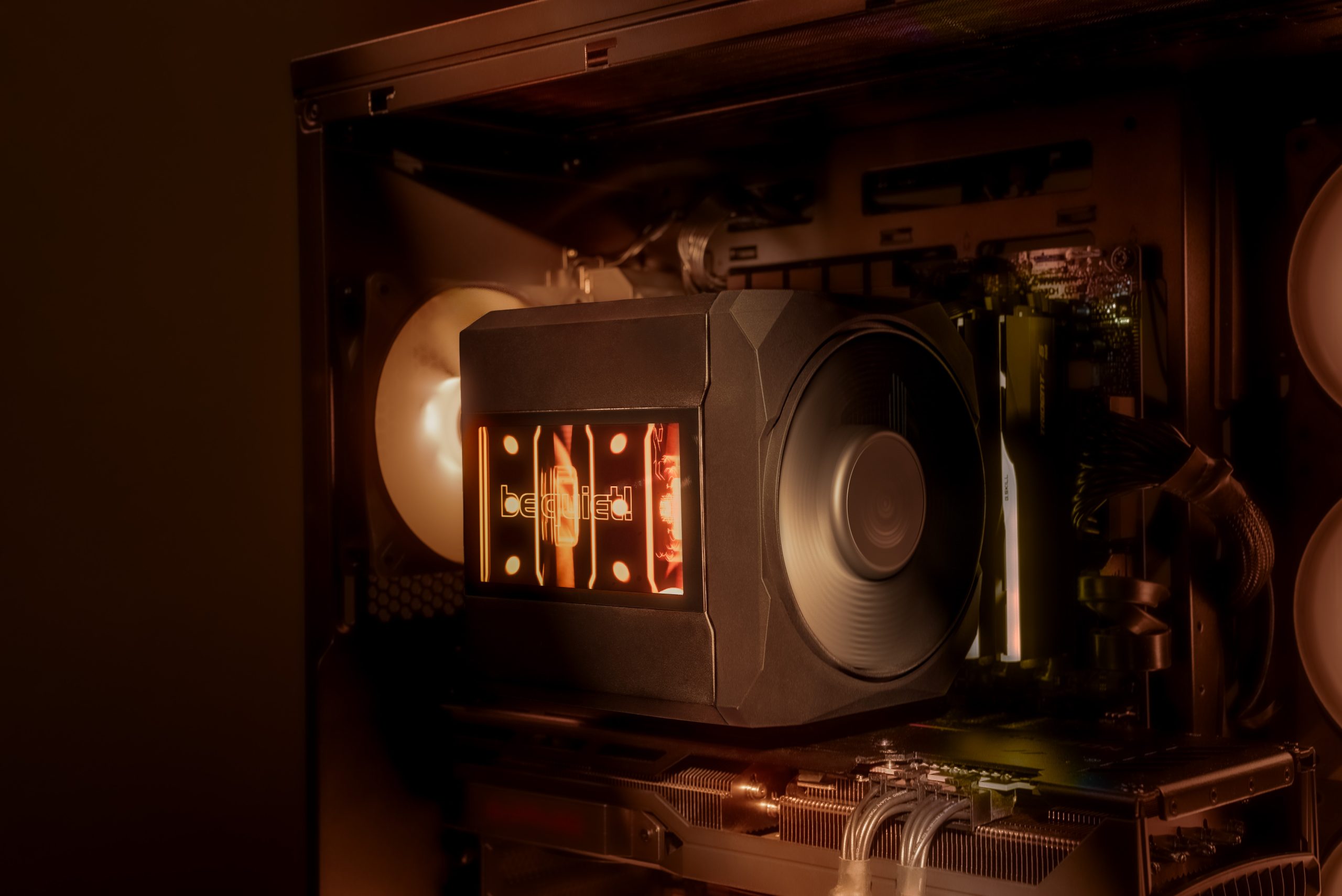
Alongside the AIO, be quiet! is expanding its flagship air‑cooling line with the Dark Rock 6 and Dark Rock Pro 6. The Pro model uses seven heat pipes and dual Silent Wings PWM fans to handle heavily overclocked CPUs, while the standard Dark Rock 6 offers a more compact six‑pipe design with a 135mm fan. Both coolers support semi‑passive operation for silent idle workloads. An early prototype of the Dark Rock Pro 6 IO LCD was also shown, adding a 4.5‑inch IPS display with the same customisation options as the Light Loop IO LCD.

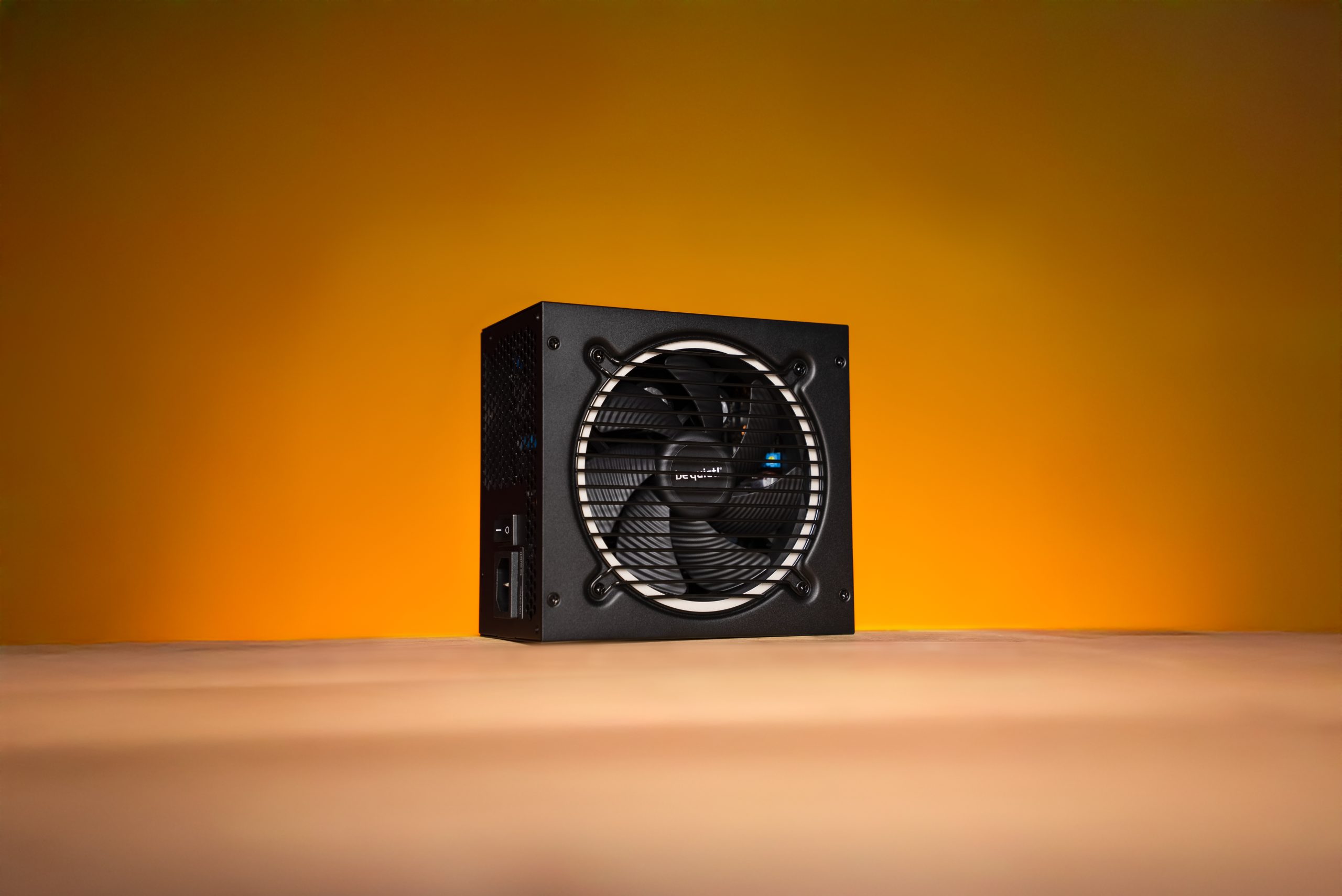
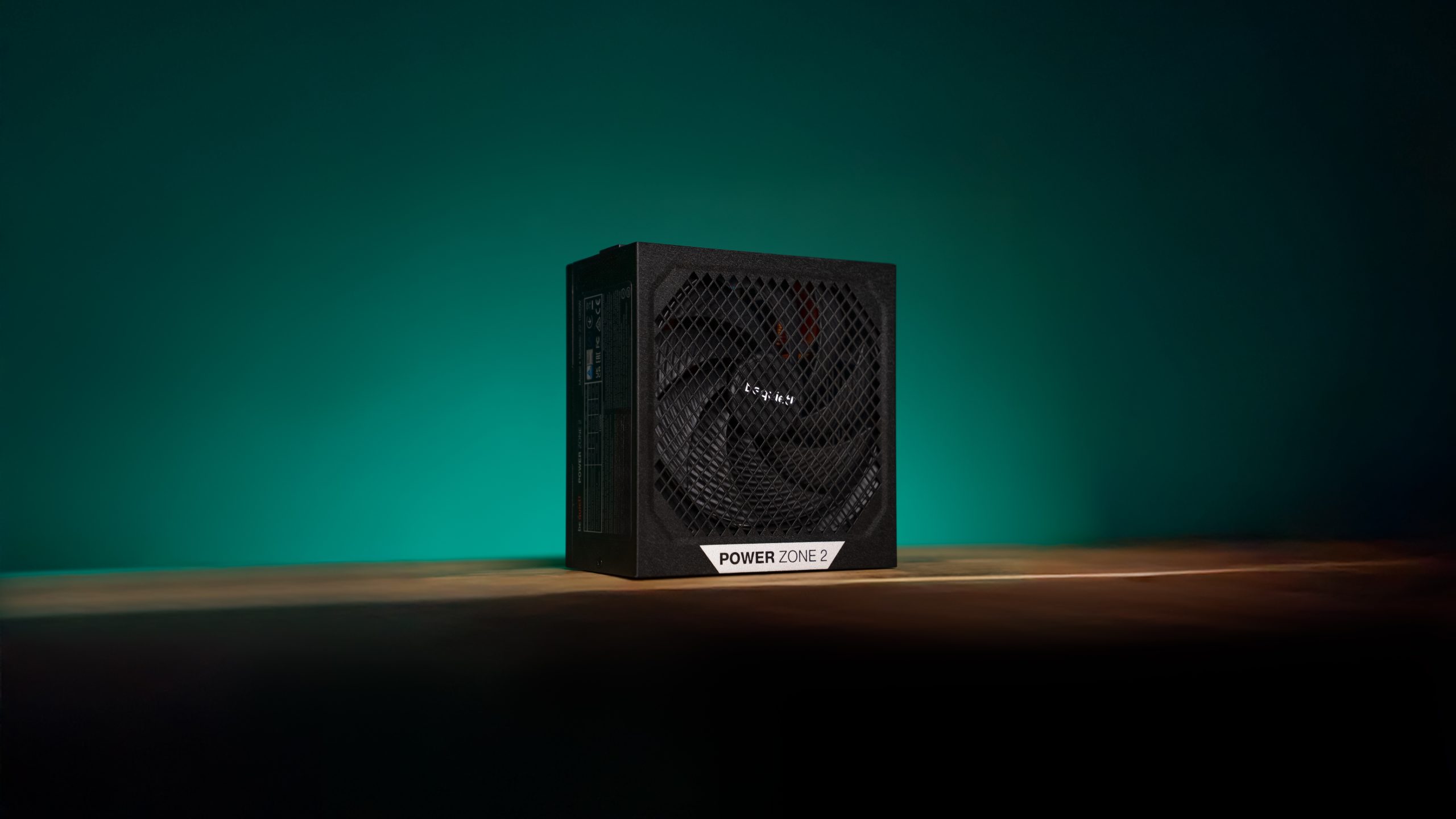
For power delivery, the company is introducing 1200W versions of its Power Zone 2 and Pure Power 13 M PSUs. The former targets high‑end builds with 80 PLUS Platinum efficiency, Cybenetics Platinum certification, and full ATX 3.1/PCIe 5.1 support. The Pure Power 13 M 1200W offers 80 PLUS Gold efficiency and semi‑passive cooling, with both units capable of handling extreme power excursions.

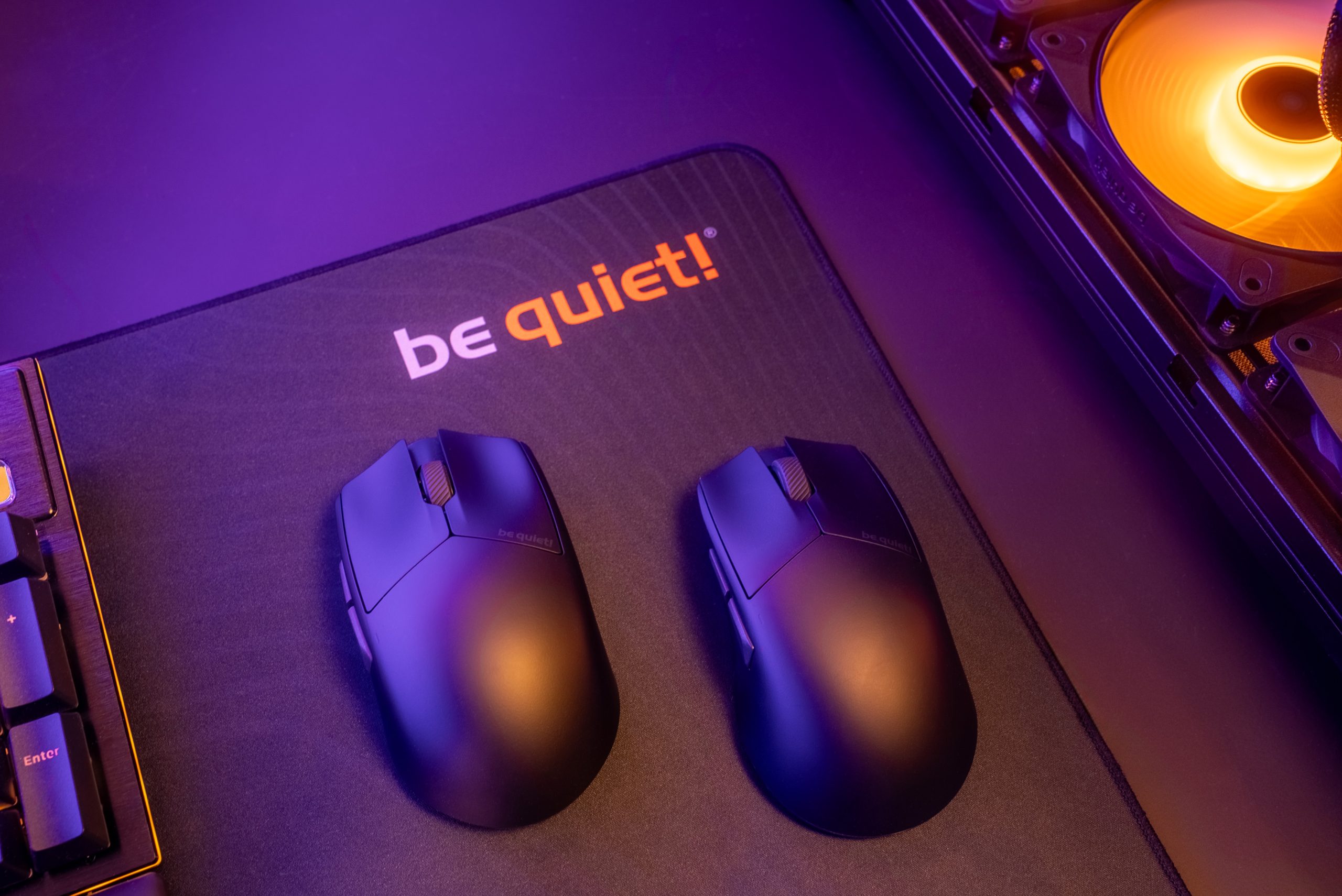
Rounding out the lineup are the Dark Perk Ergo and Dark Perk Sym gaming mice — 55g wireless models with 8,000Hz polling, a 32,000 DPI PixArt sensor, optical switches, and up to 110 hours of battery life.

KitGuru Says: Will you be keeping your eye out for any of be quiet!'s new gear in the coming months?

The post CES 2026: be quiet! announces its first LCD-equipped AIO cooler, Dark Rock 6 and more first appeared on KitGuru.
  •  

8BitDo announces unique ‘FlipPad’ vertical smartphone controller

8BitDo has amassed a strong reputation over the past few years for their high quality 3rd party controllers, with an emphasis on offering throwback designs and colour schemes to systems of old. In an interesting addition to their line-up of accessories, the hardware maker has now unveiled the FlipPad: A new, unique mobile controller built specifically for vertical gaming.

Making the announcement via a brief teaser video on Twitter, the official 8BitDo account officially unveiled the FlipPad “a flip-style gamepad designed for mobile gaming.”

Said to be arriving some time this Summer, the unique vertically-aligned controller attaches to your phone using USB-C for minimal latency. After connecting the controller, the faceplate / button pad then flips to cover the lower 3rd of your phone screen.

Up until now, only one other controller maker has attempted to create such a product, with the Hyperkin Smart Boy originally being announced as an April Fool’s joke – though it was ultimately turned into a real product.

Given the fact that many earlier handhelds were designed as vertical systems, the 8BitDo FlipPad will serve as a great way to play emulated titles on your smartphone without the need for a relatively chunky telescopic accessory. Hopefully the buttons themselves feel satisfying to use.

KitGuru says: What do you think of the 8BitDo FlipPad? Could it inspire a new wave of vertical controllers? How much do you think it’ll cost? Let us know down below.

The post 8BitDo announces unique ‘FlipPad’ vertical smartphone controller first appeared on KitGuru.
  •  

CES 2026: Cooler Master launches new cases, PSUs and cooling solutions

Cooler Master is using CES 2026 to show the new entries to its enthusiast stack, bringing back some of its most iconic sub‑brands. The manufacturer's showcase in Las Vegas this week focuses on the “FreeForm 2.0” design philosophy, a modular approach that spans everything from the massive new Cosmos Alpha flagship to PSUs equipped with proactive GPU protection.

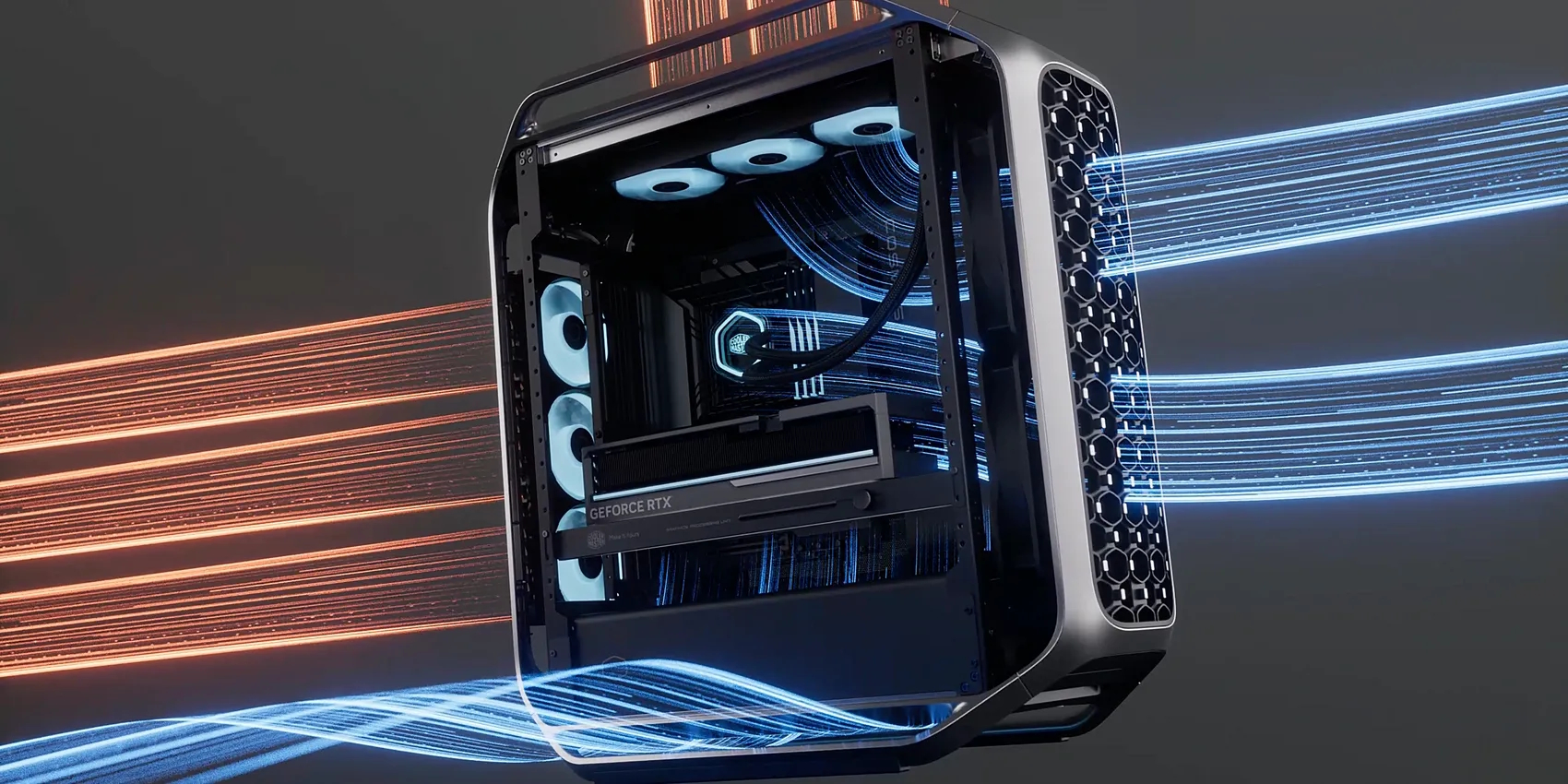
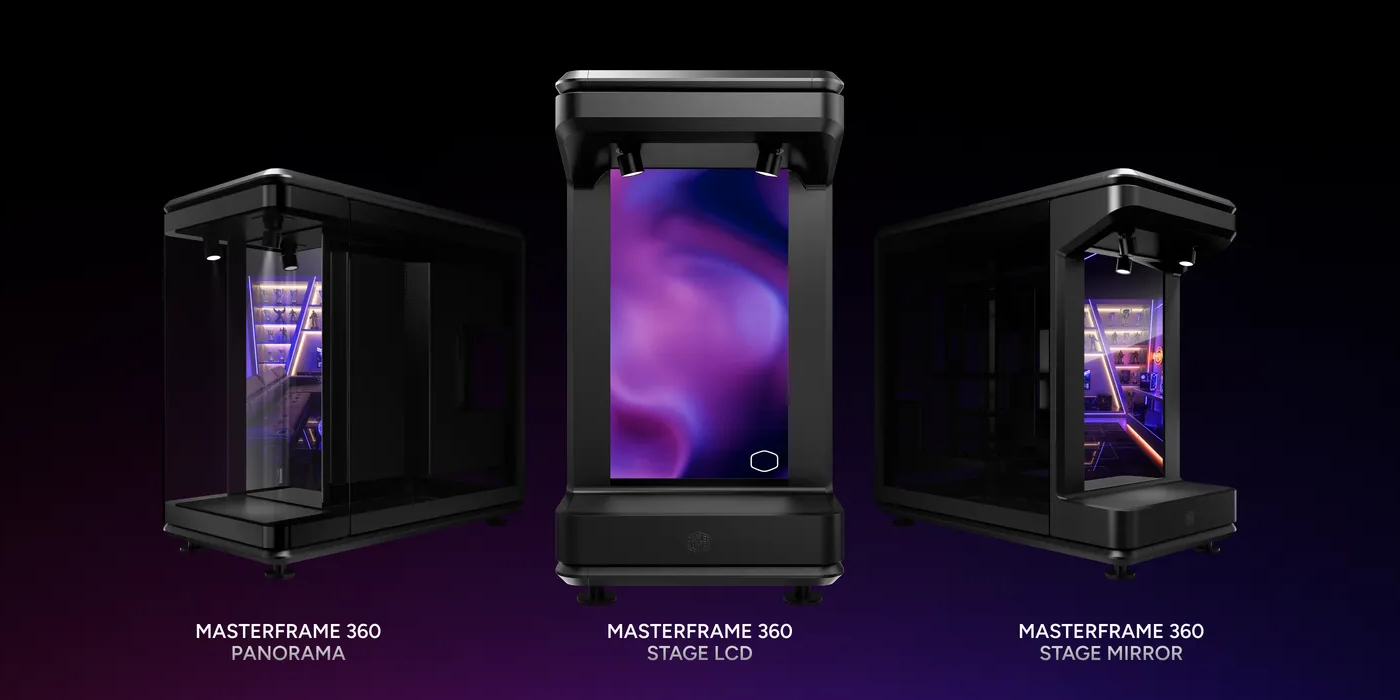
The centrepiece of the case lineup is the Cosmos Alpha, a full‑tower that serves as the spiritual successor to the C700 series. This new revision emphasises internal modularity through a sliding motherboard tray, allowing builders to shift the system’s position to prioritise either radiator clearance or increase the size of the cable‑management chamber. The chassis arrives with two extra‑thick 200x38mm fans pre‑installed and supports up to 420mm radiators. Alongside the flagship, the MasterFrame 360 series offers an open‑frame showcase designed for collectors. Available in Panorama, Stage Mirror, and Stage LCD variants, the latter includes a 15.6‑inch 1080p display at the front for personalised animations or telemetry.

For cooling, we have the return of the V8 series with the V8 ACE. This high‑end air cooler uses Cooler Master’s 3DHP technology, which integrates a 3D vapour chamber directly with the heat‑pipe structure to eliminate traditional thermal bottlenecks at the CPU contact point. On the liquid‑cooling side, the Core Nex Digital 240 and Core Nex LCD 360 make their debut, featuring a refined dual‑chamber pump design. Alongside these AIOs, Cooler Master is introducing the MasterFan A series, which features an aluminium construction, and the MasterFan M ARGB series, offering a more balanced approach to durability, acoustics, and visuals.

Perhaps the most practical advancement for modern builders is found in the MWE Gold V4 PSU series. These units introduce GPU Shield, a hardware‑level protection system integrated into the 12V‑2×6 power delivery standard. Unlike traditional passive cables, GPU Shield actively monitors the connection for abnormal thermal or electrical conditions, providing real‑time alerts and intervening before a “melting” scenario can occur.

To round out the ecosystem, Cooler Master also unveiled the Master Meter, a standalone digital tachometer, and the Master Vision 12.3‑inch external display for dedicated system monitoring.

KitGuru says: Interested in any of Cooler Master's new PC parts?

The post CES 2026: Cooler Master launches new cases, PSUs and cooling solutions first appeared on KitGuru.
  •  

CES 2026: Gigabyte refreshes 800-series motherboard lineup with four new models

Gigabyte has used CES 2026 to showcase a specialised lineup of motherboards designed to squeeze every last frame out of AMD's Ryzen 9000 Series X3D processors. Leading the charge is the X870E Aorus Xtreme X3D AI Top, a flagship board focused on high‑frequency memory stability and aggressive thermal management for the latest 3D V‑Cache silicon.

The new X870E Aorus Xtreme X3D AI Top is Gigabyte's first AMD 800‑series motherboard to officially support DDR5‑9000+ memory speeds. Achieving these frequencies on the AM5 platform requires specific conditions, so Gigabyte has implemented “AI‑Trace” technology to optimise PCB routing and a 24+2+2‑phase VRM to ensure power delivery remains ripple‑free under load. To prevent thermal throttling during high‑speed memory operation, the board includes the DDR Wind Blade Xtreme solution, which allegedly reduces module temperatures by up to 9°C.

Complementing the memory cooling is a suite of thermal “Xtreme” features. The CPU Thermal Matrix is designed to more efficiently pull heat away from the socket area, dropping VRM and DDR temperatures by a claimed 8.5°C. For storage enthusiasts, the M.2 Thermal Guard Xtreme provides a large surface area for primary Gen5 SSDs, which the company states can lower drive temperatures by up to 22°C.

On the software side, Gigabyte is debuting X3D Turbo Mode 2.0. While the initial version of Turbo Mode was a simple BIOS toggle to park a CCD or disable Simultaneous Multithreading (SMT), the 2.0 revision uses an AI‑trained model to adapt these parameters in real time. By disabling SMT and focusing resources on the primary CCD during gaming, Gigabyte claims up to 25% performance gains in specific CPU‑bound scenarios. Unlike a static overclock, this mode is designed to be a “one‑click” optimisation that balances hardware power without requiring manual voltage tuning.

Beyond raw performance, Gigabyte is also catering to aesthetic and “clean build” trends. The X870E Aero X3D Wood breaks from the traditional gamer aesthetic by incorporating genuine wood‑grain textures and leather accents on the heatsinks. Meanwhile, the Project Stealth initiative is expanding with the X870 and B850 Aorus Stealth models. These boards utilise a reverse‑connector layout, moving all power and data headers to the back of the PCB to allow for a virtually cable‑free interior when paired with a compatible chassis.

KitGuru says: While DDR5-9000 is an impressive claim for the AM5 platform, it's the combination of the AI-driven Turbo Mode 2.0 and the proactive “Wind Blade” cooling that makes the new Aorus Xtreme motherboard a true high-end product.

The post CES 2026: Gigabyte refreshes 800-series motherboard lineup with four new models first appeared on KitGuru.
  •  

CES 2026: Thermaltake unveils new Retro series cases, coolers and peripherals

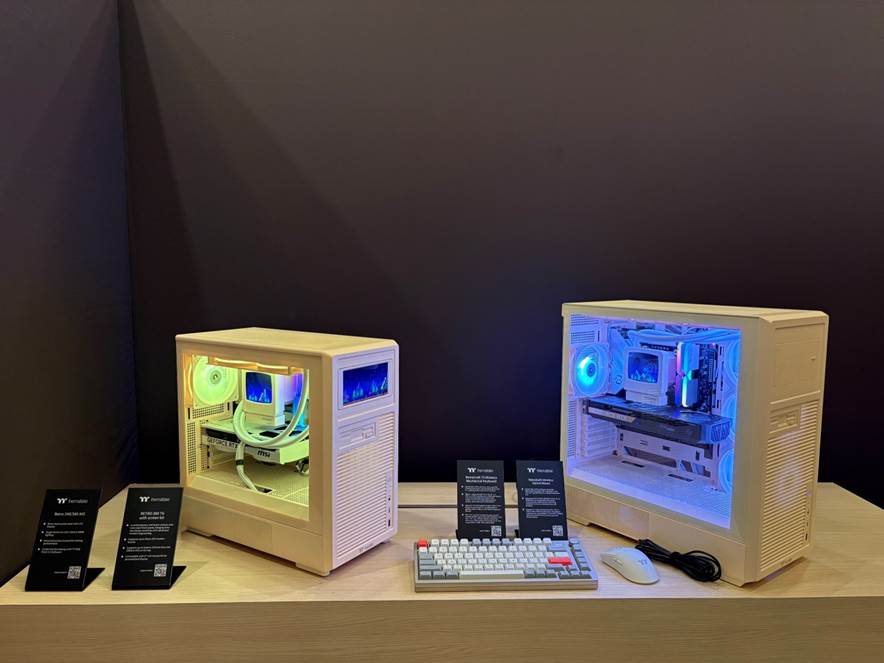
Thermaltake is bringing the 90s back with a new range of ‘Retro’ series hardware at CES 2026. There are two new retro‑inspired PC cases, but with all the conveniences of modern designs, including the option to add a digital display exactly where you’d expect a disc drive to sit. To complement the cases, Thermaltake also has retro‑style peripherals and liquid coolers in the lineup.

Thermaltake introduced two cases designed to accommodate different build scales while maintaining that classic workstation vibe. The Retro 260 TG channels the look of a classic desktop into a modern mATX form factor. Despite its nostalgic exterior, the internals are entirely up to date, including support for hidden‑connector motherboards that route cable management behind the tray. Cooling is surprisingly robust for a compact unit, with space for up to nine 120mm fans and a 280mm top‑mounted radiator. It also fully supports Thermaltake’s 6‑inch LCD screen kit.

For those requiring more internal volume, the Retro 360 TG mid‑tower scales up the design, drawing inspiration from early‑90s workstations. This larger chassis supports ATX hidden‑connector motherboards and offers significant airflow potential, accommodating up to twelve 120mm fans. Water‑cooling support is also strong, with room for 360mm radiators on both the top and the side. Like its smaller sibling, the 360 TG includes high‑speed I/O, featuring USB 3.2 Gen 2 Type‑C and dual USB 3.0 ports.

Also part of the series is the Retro Ultra ARGB Sync AIO liquid cooler, available in 240mm and 360mm variants. It bridges the gap between old and new with a unique pump‑head design: a 3.6‑inch TFT LCD styled to resemble a miniature vintage CRT monitor. Using the TT RGB PLUS 3.0 software, users can display animations, screensavers, or real‑time temperature readings. Technically, the cooler is more than just a visual gimmick, as it uses Thermaltake’s new single‑frame fan design, which simplifies cable management and provides consistent static pressure across the radiator. Maintenance is also improved via a new four‑screw fan‑removal system, making dust cleaning or fan swaps much faster than with traditional mounting methods.

KitGuru says: Do you like the new trend of reviving the retro look of 80s and 90s PCs? Are you planning on getting some of these for a future build or upgrade?

The post CES 2026: Thermaltake unveils new Retro series cases, coolers and peripherals first appeared on KitGuru.
  •  

Hi-Fi Rush to get a physical release with pre-orders going live next week

Hi-Fi Rush has had an interesting life. Developed by Tango Gameworks and published by Microsoft following their acquisition of ZeniMax Media (aka Bethesda), the rhythm-focused action title received high praise across the board and was reportedly a success on all fronts according to Xbox. Unfortunately, Tango Gameworks would later be shut down – though it was thankfully revived by KRAFTON. Now under a new label, a physical release for Hi-Fi Rush has been officially announced.

Making the official announcement, physical media specialists Limited Run Games have revealed that they are releasing a disc version of Hi-Fi Rush.

Available for PS5/Xbox in 3 different variants, the Rhythm (standard) Edition includes the base game alongside all Digital Deluxe Edition content. The Smidge Edition meanwhile offers you a physical version of the game alongside a 3-disc soundtrack with developer notes; a special edition box and a bunch of in-game bonuses.

Last but certainly not least, the Project Armstrong Edition includes all of the above plus:

  • A hardcover art book
  • Glow in the dark pin
  • Certificate of authenticity
  • 6 inch guitar replica
  • 8 inch 808 cat plush
  • Chai’s Project Armstrong pass
  • An even bigger collector’s box
Hi-Fi Physical

All three versions of Hi-Fi Rush will be available to pre-order from the 16th of January until the 1st of March, with the Rhythm Edition costing you $39.99; the Smidge Edition going for $69.99 and the Project Armstrong Edition setting you back a whole $174.99.

Given the behind-the-scenes drama surrounding Tango Gameworks and Microsoft, it makes some sense that this physical release has taken quite a while to come to fruition. Still, for those who want a disc version of one of Tango Gameworks’ best titles, it is finally happening.

KitGuru says: What did you think of Hi-Fi Rush? Is the physical version arriving too late? What do you think of each edition’s contents? Let us know down below.

The post Hi-Fi Rush to get a physical release with pre-orders going live next week first appeared on KitGuru.
  •  

“Creator-led” New Game+ Showcase announced, featuring no “paid placements”

While Geoff Keighley’s Game Awards and Summer Game Fest showcases have easily become two of the biggest events for video game announcements, they’ve also garnered some controversy due to the prices required in order to appear in either event, leaving many smaller studios out of luck. Fortunately, a creator-led event has now been announced, with the New Game+ Showcase emphasising its lack of any paid advertisements.

Releasing a hype trailer in the lead up to the event, the New Game+ Showcase is set to go live on the 8th of January and will feature a total of 45 games, including the likes of Crimson Desert; Aphelion; and many more.

The New Game+ Showcase is a creator-led event “designed to put authentic excitement back at the center of game reveals.”

Featuring no paid advertisements, the showcase is focused on giving “developers and publishers a stage where their game isn’t competing for attention with dozens of sponsored slots, but instead stands out in front of communities that want to discover it.”

Created by known public figures Luke Stephens; Luality; Jake Lucky; IamRob; Blue Thunder and HUN2R, this new showcase offers plenty of strong potential – assuming it’s done correctly.

Fortunately we won’t have to wait long to find out, with the New Game+ Showcase officially going live in just a couple days on the 8th of January at 9PM UK time.

KitGuru says: What do you think of this latest showcase? Are you excited? Are there too many video game showcases at this point, or does Keighley need some extra competition? Let us know your thoughts down below.

The post “Creator-led” New Game+ Showcase announced, featuring no “paid placements” first appeared on KitGuru.
  •  

CES 2026: MSI showcases RTX 5090 Lightning Z, MAX motherboards and more

We visited MSI at CES this week to get an early look at a huge range of new technology. The star of the show is the new RTX 5090 Lightning Z, a limited edition graphics card with world-beating overclocking potential. We also take a good look at MSI's new MEG PC, based around the flagship Maestro 900R chassis, alongside new peripherals, OLED monitors and more. 

Watch via YouTube below:

Timestamps:
00:00 MEG PC Build / Maestro 900R
00:33 X870E Unify X Max / Coreliquid E15 360
00:48 Motherboard Kit
01:17 Screens / features and other hardware
02:06 New Motherboards
02:17 New ‘professional’ monitors
02:48 Supercomputer / AI Edge
03:29 ‘White’ Components
03:49 Pro Max White 271UPXW12G
04:11 Pro Max 24
04:51 Power Supplies and alert software
06:06 Limited Edition 5090 GPU
07:40 Storage
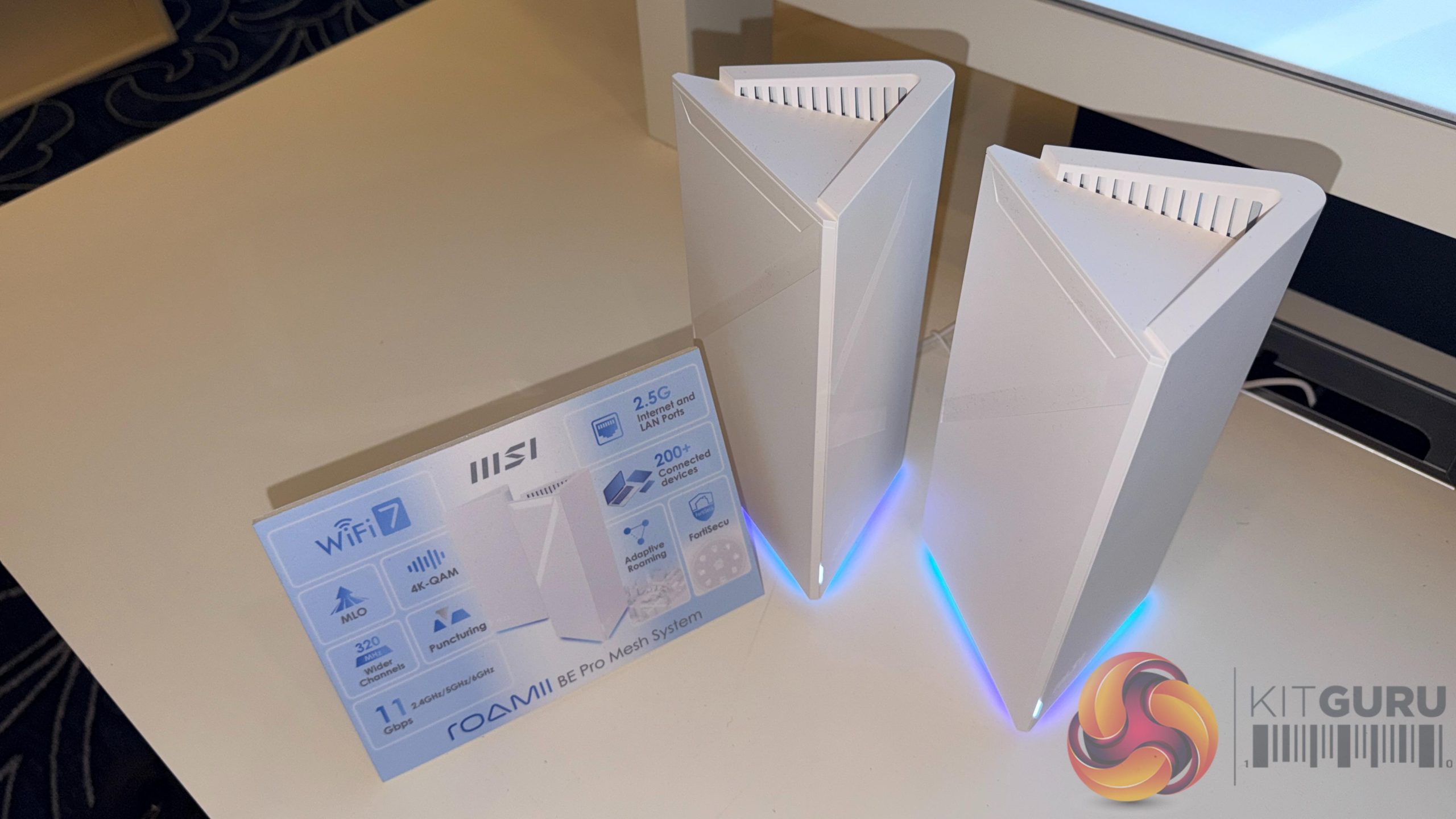
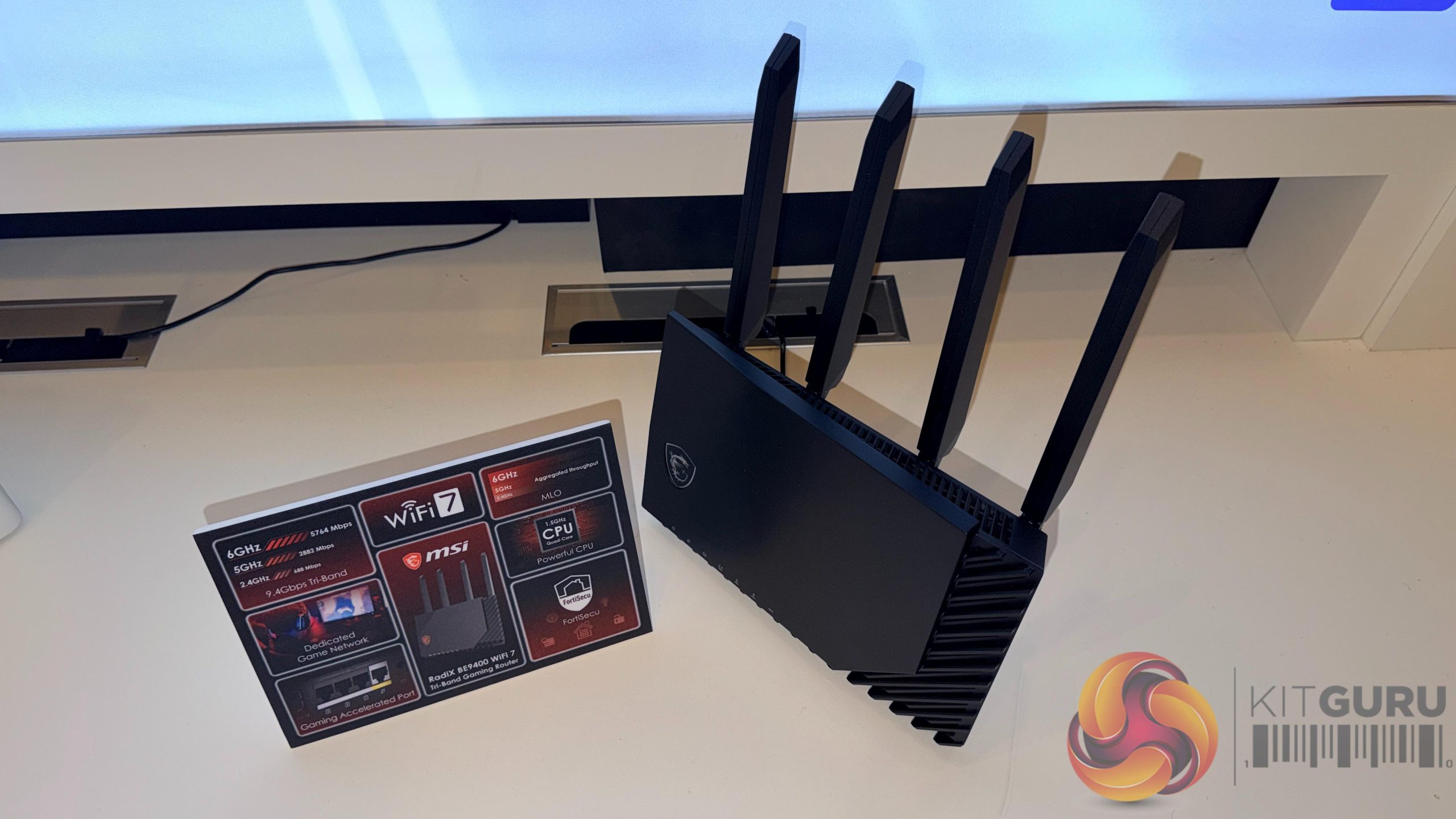
08:15 RadiX BE9400 & Roam II BE Pro Mesh
08:46 New Peripherals

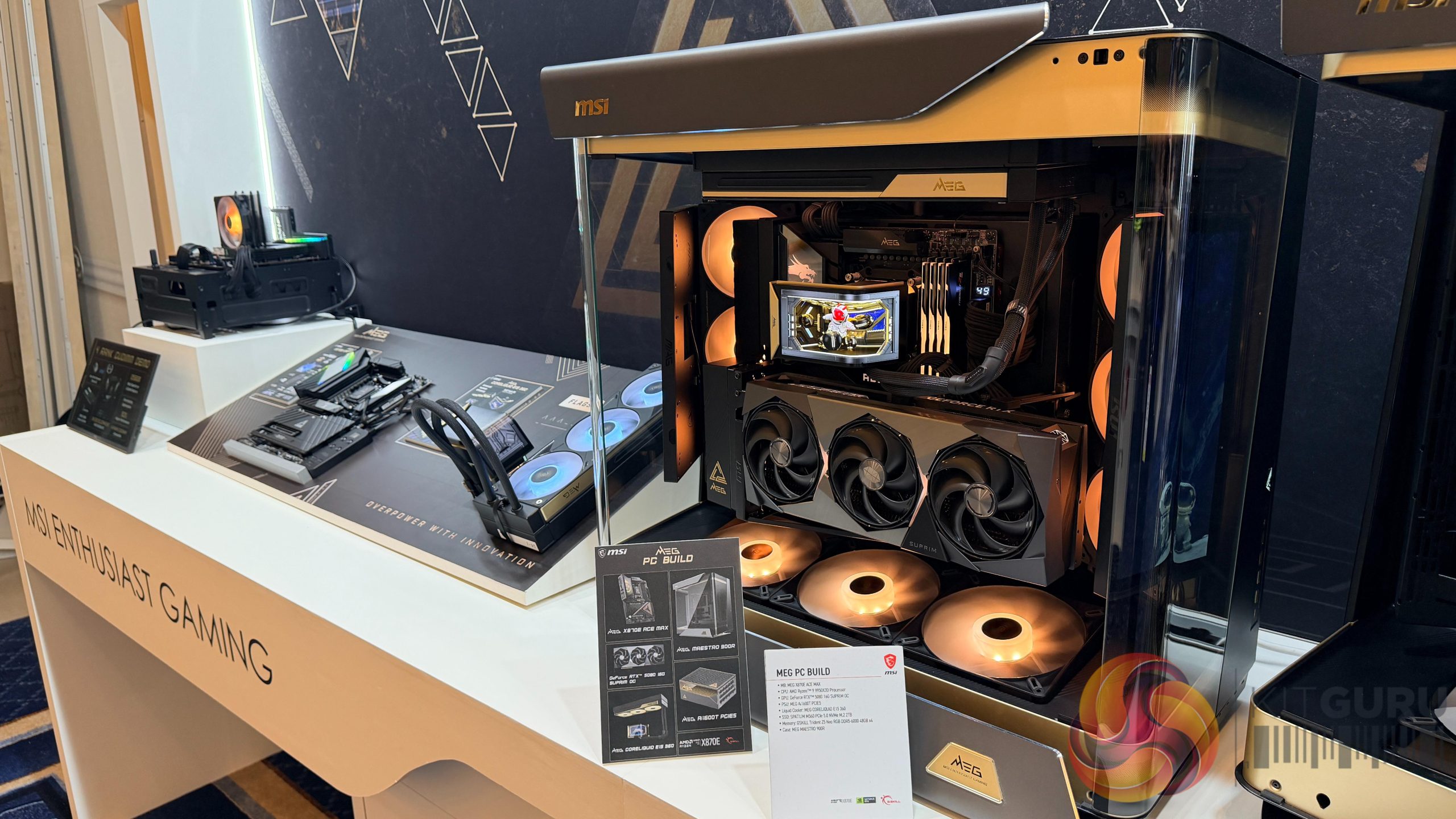
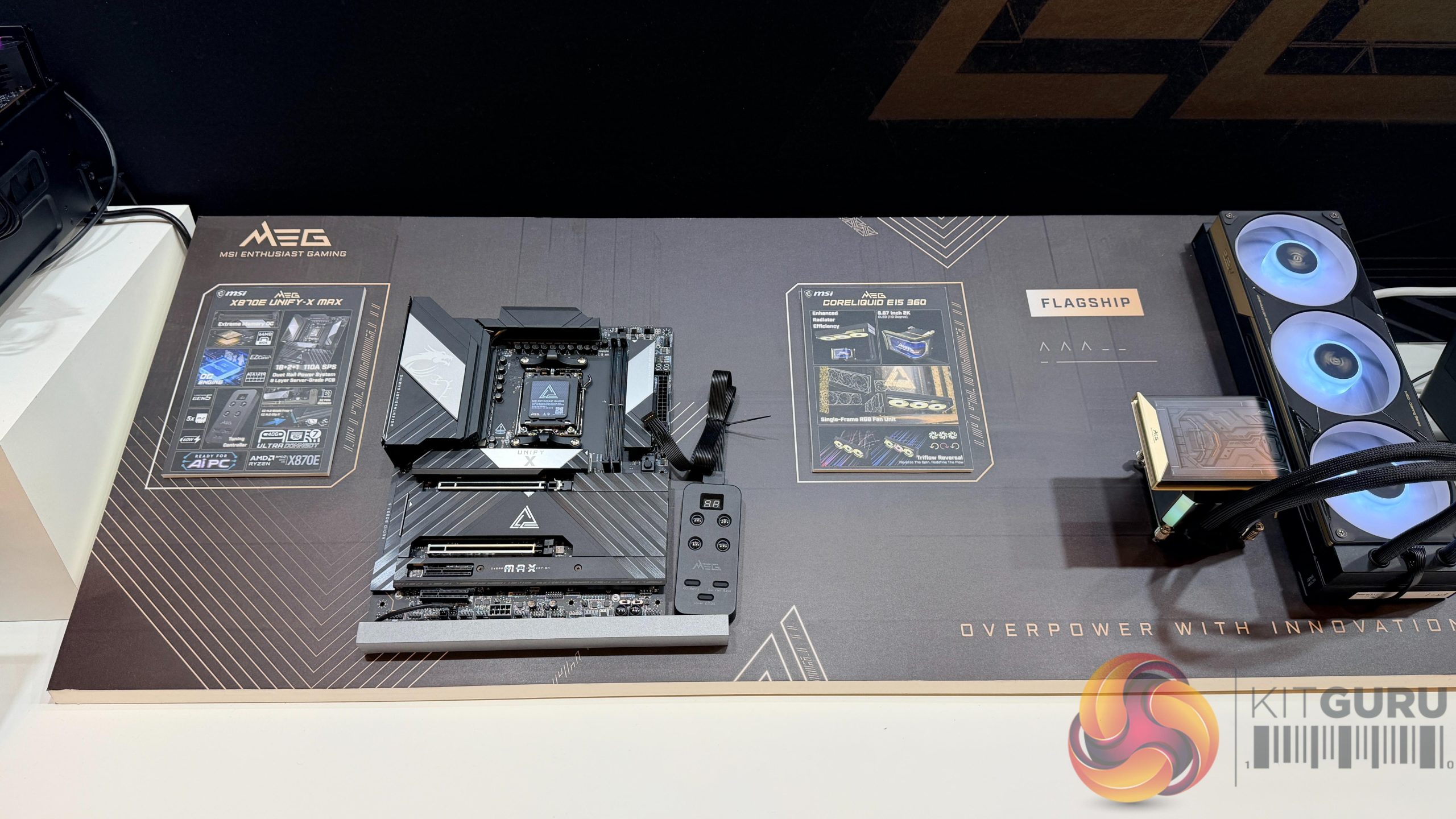
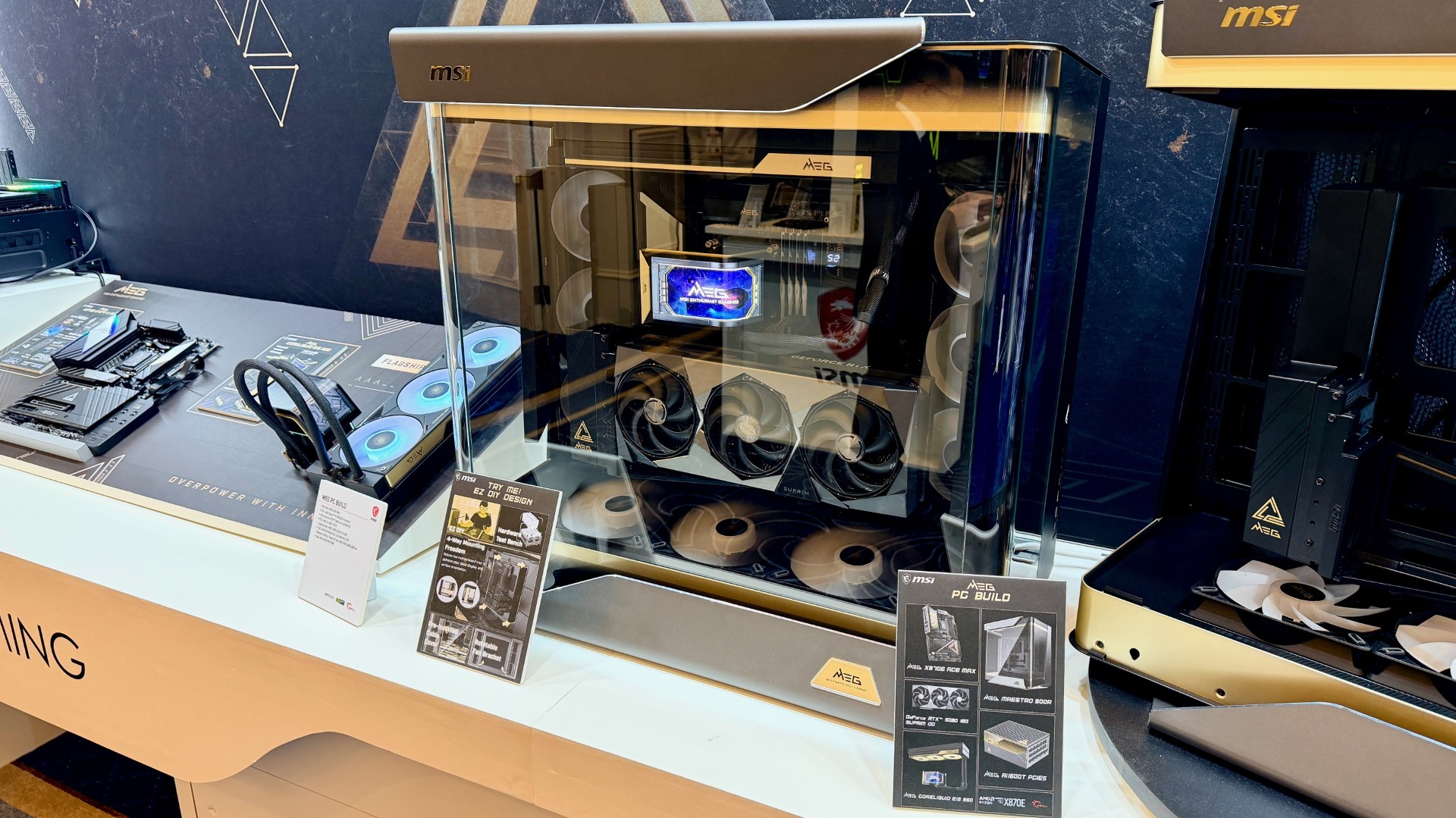
Aside from the new Maestro 900R chassis, the MEG system also utilises the new X870E Unify MAX motherboard, and a CoreLiquid E15 360mm AIO liquid cooler. The chassis allows you to rotate the motherboard by 90 degrees in all directions, and supports horizontal and vertical GPU mounting, giving you numerous ways to set up the internal layout of the system. You can also remove the central mount entirely to use as a dedicated test bench if the situation calls for it. To enhance visual appeal, there are multiple integrated displays as well, including one large one at the chassis front panel, and another inside the case, so you can monitor system stats or display custom graphics. It is unclear when the MEG PC will become available via retail channels but we should hear more on that front later in the year. In the display version here at CES, the only non-MSI component that can be seen is the RAM, which in this instance is a set of G.Skill Trident Z5 Neo RGB memory.

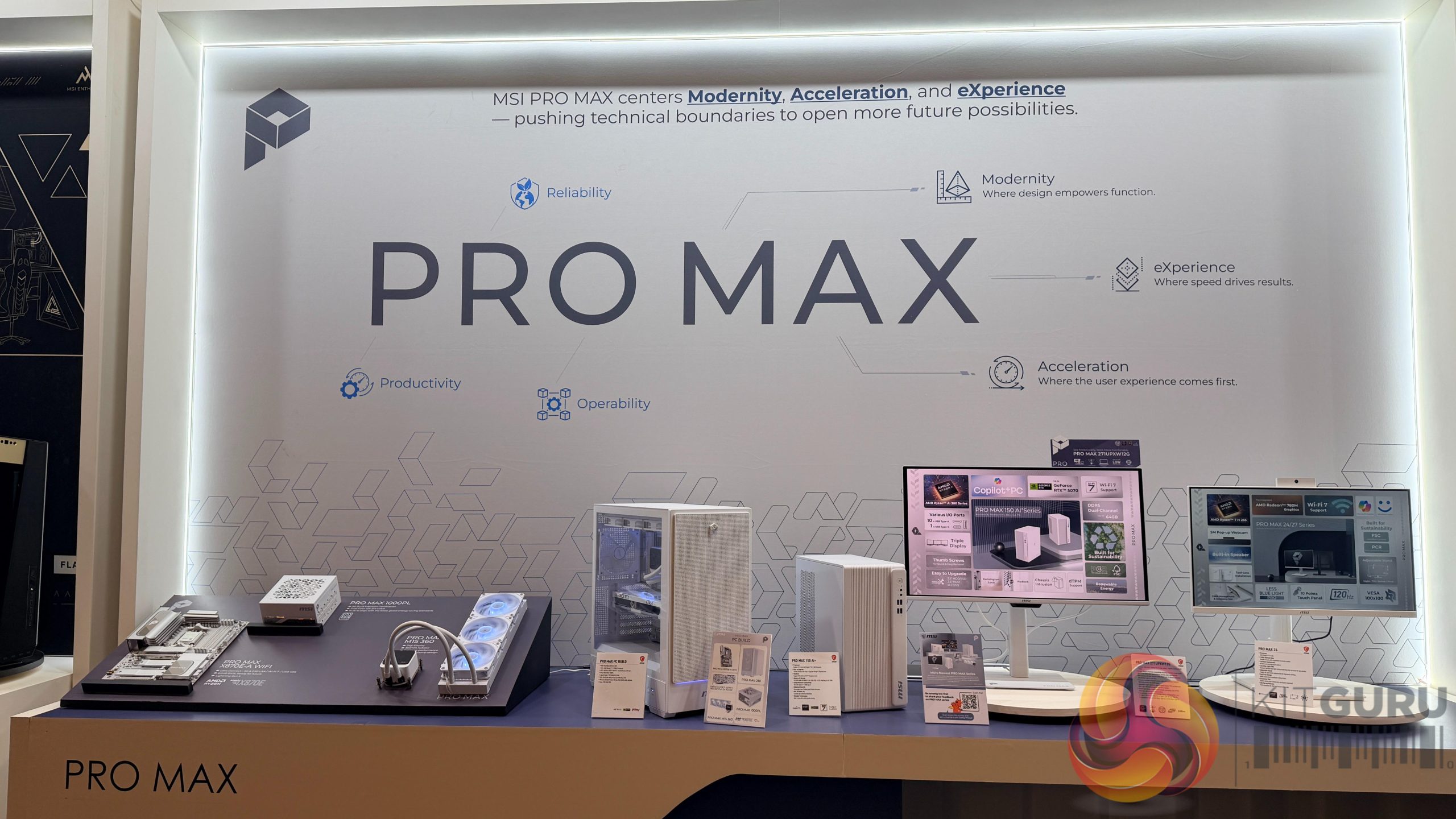
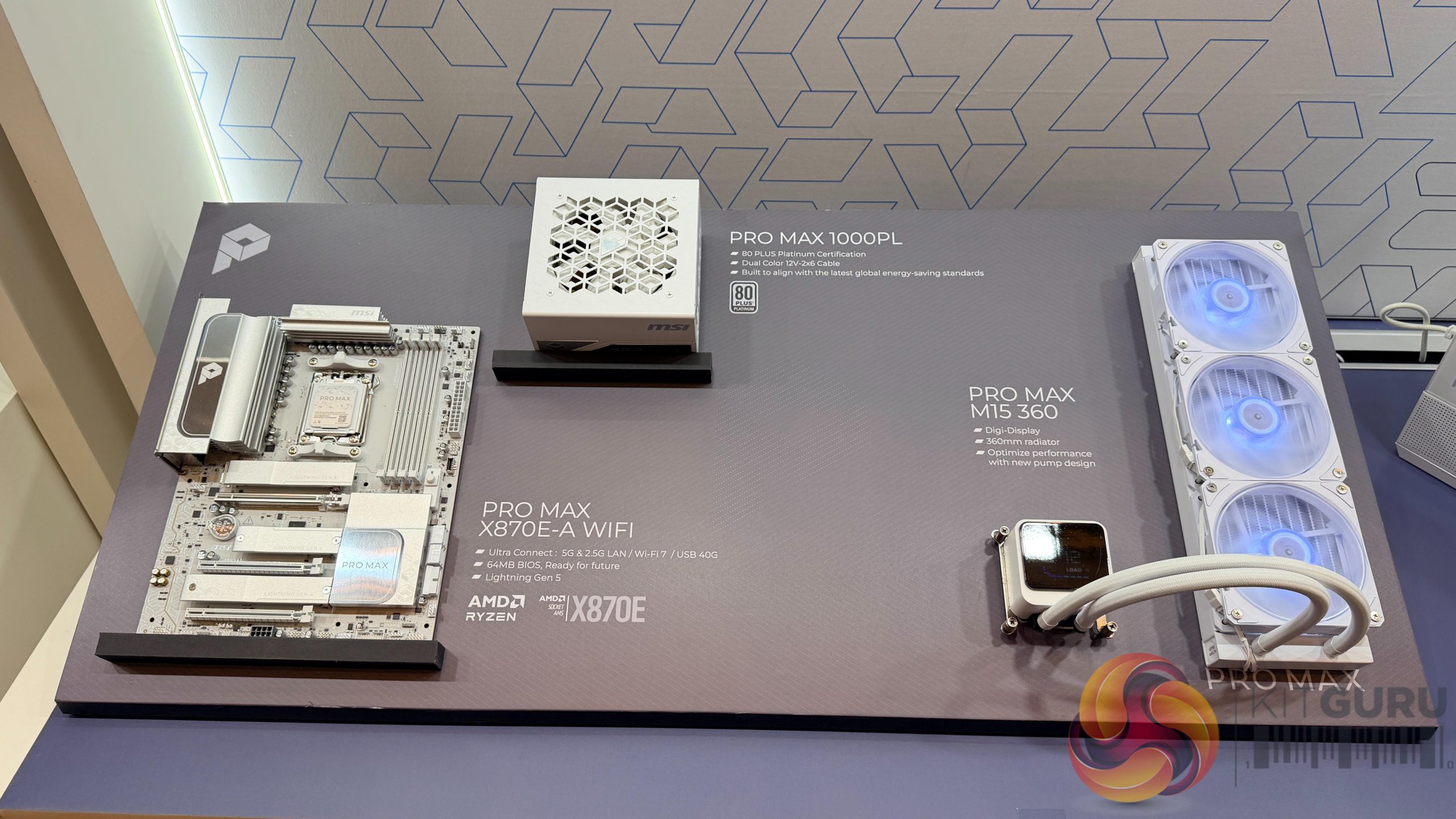
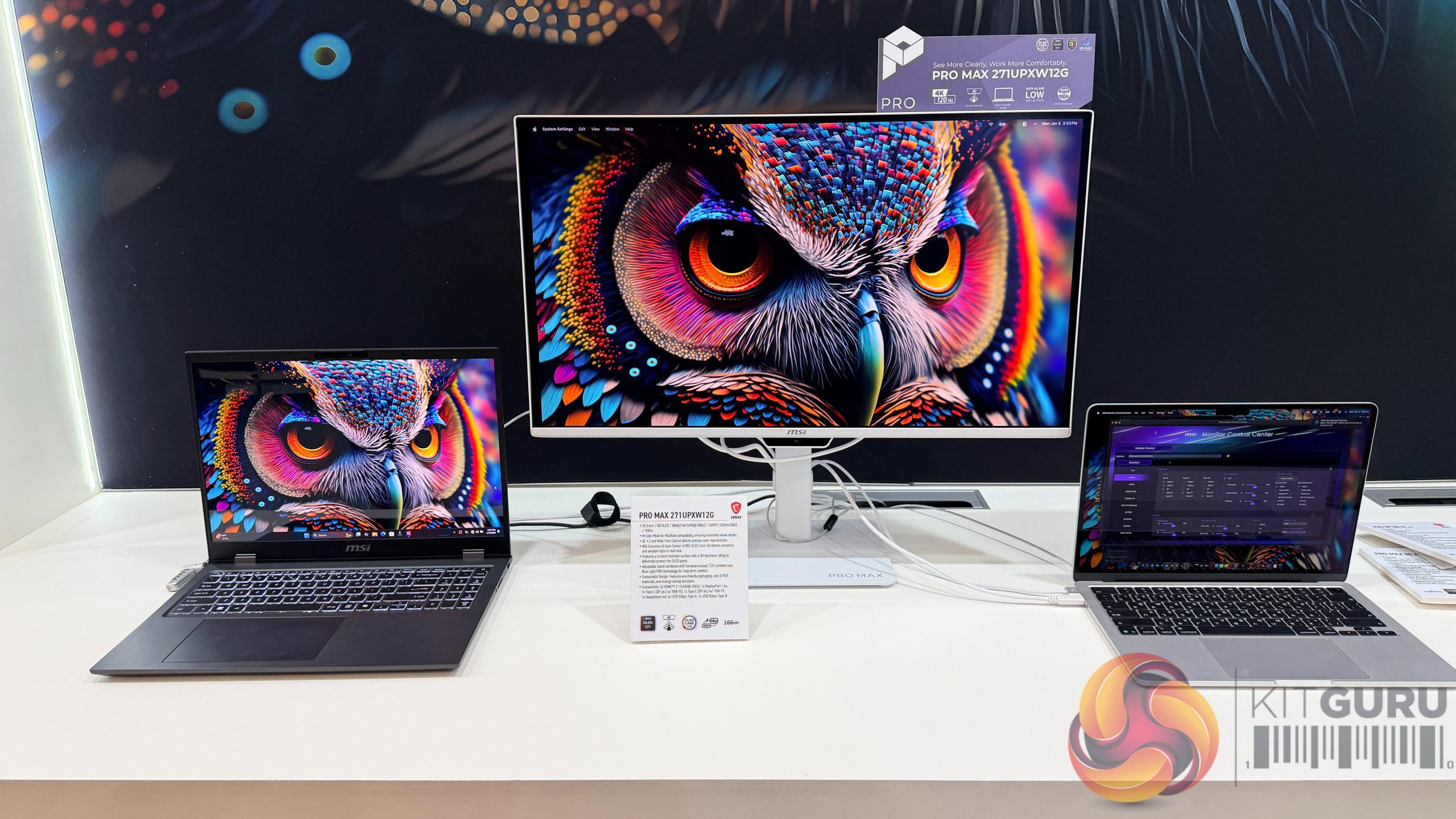
On the display front, MSI is showcasing both new gaming and professional monitors this week. On the professional side, MSI has a new PRO MAX monitor using Gen 4 QD-OLED panel with anti-glare and low-glare coating, complete with a KVM switch for those who rely on multiple devices, making this an ideal monitor choice for a home office set-up for editing. There are also new OLED displays hitting the gaming market, with new Gen 5 QD-OLED panels and a special new coating that increases surface hardness to reduce scratches, and a new sub-pixel structure that reduces text fringing, addressing one of the very few complaints early adopters had with QD-OLED monitors. We actually already have a review of one of these MSI Gen 5 QD-OLED monitors live, so you can see our in-depth analysis of the new QD-OLED panel already.

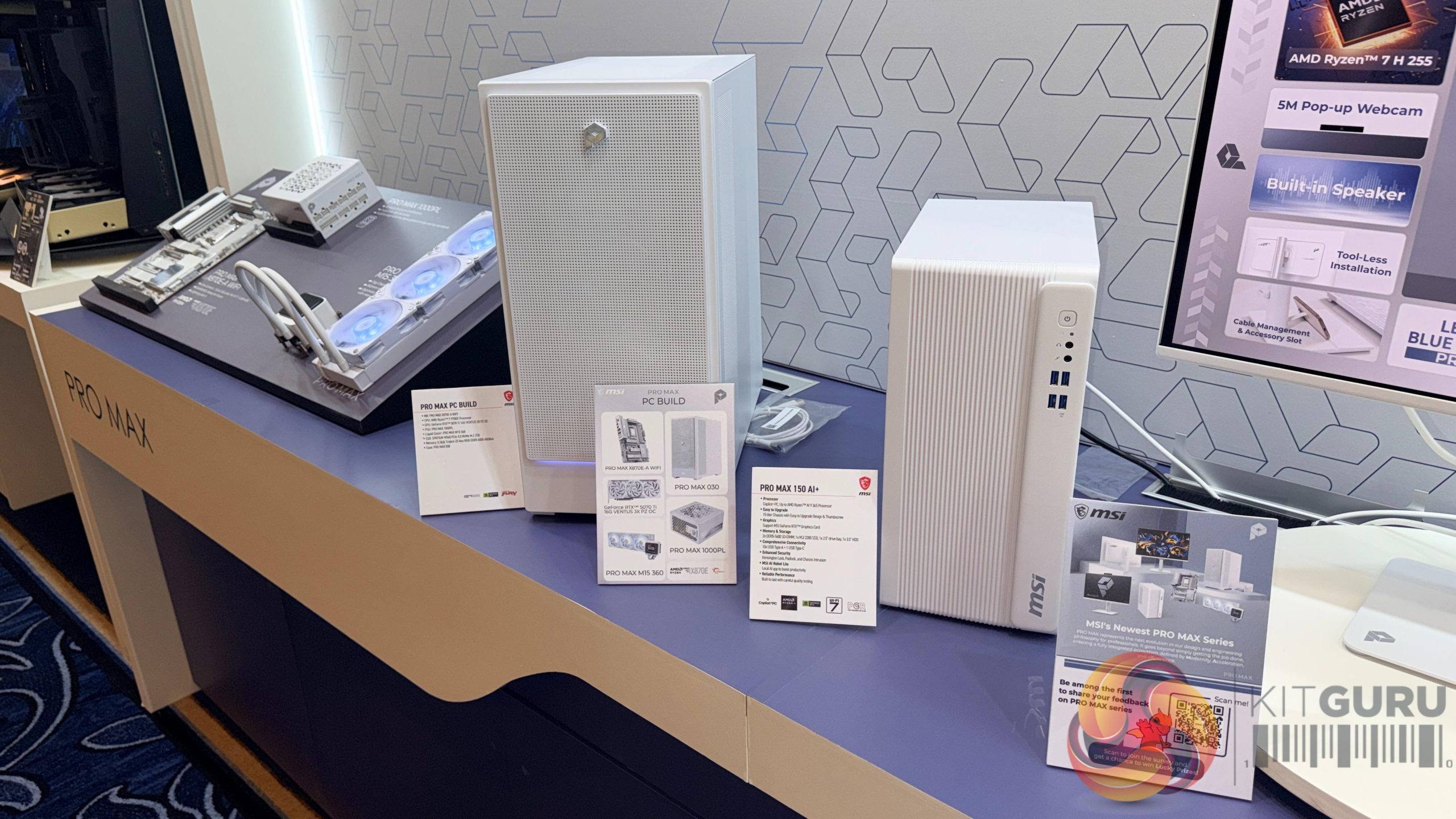
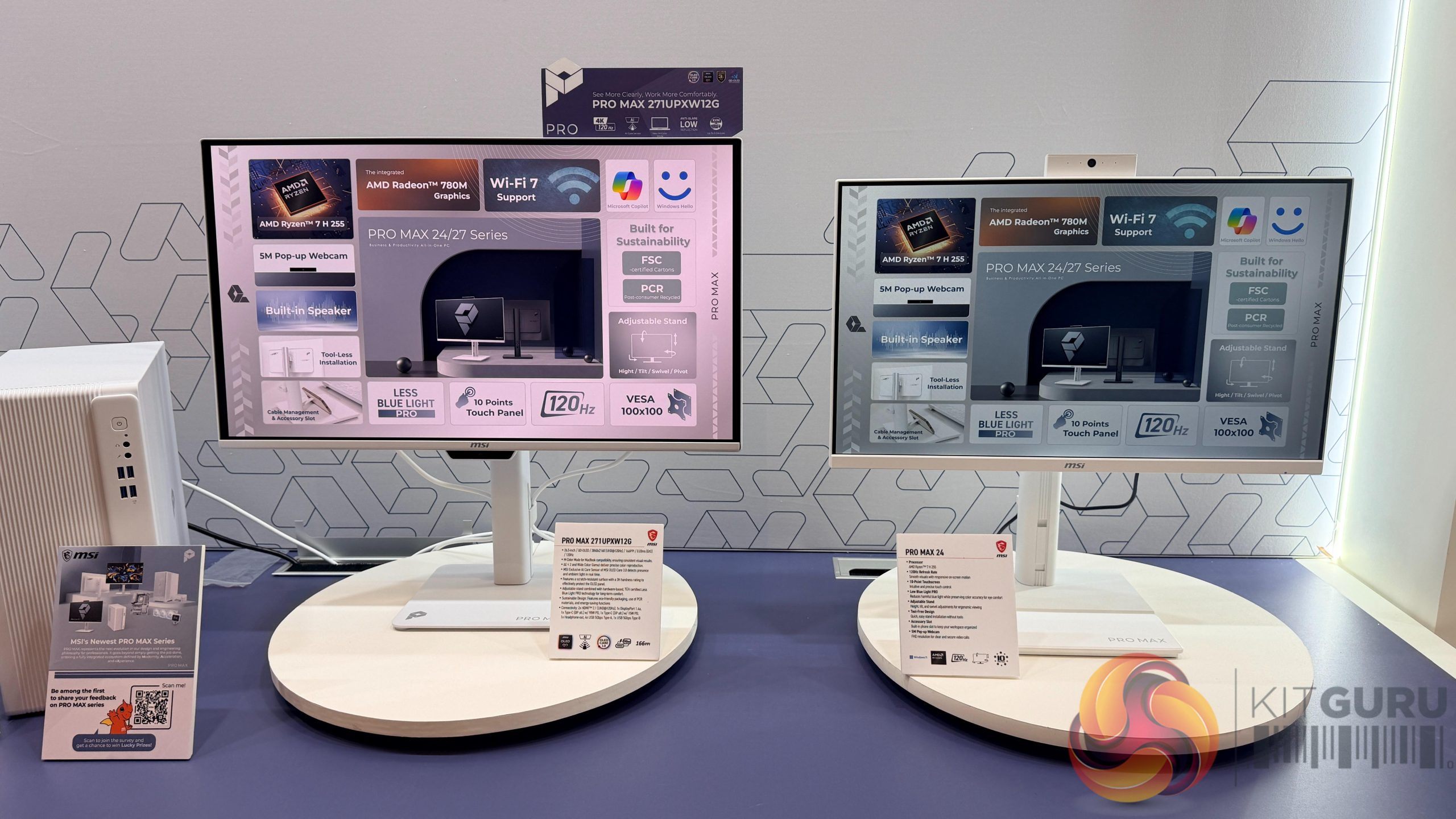
If you like the Pro Max monitor but don’t have much space, MSI also has a 24‑inch version. The difference is that this one is a complete all‑in‑one system, featuring its own integrated motherboard, CPU and integrated graphics. There’s a pop‑up camera on top, and a cable‑management hole underneath so wires can disappear neatly. It’s still a 120Hz panel, well‑balanced in colour and very flat in appearance.

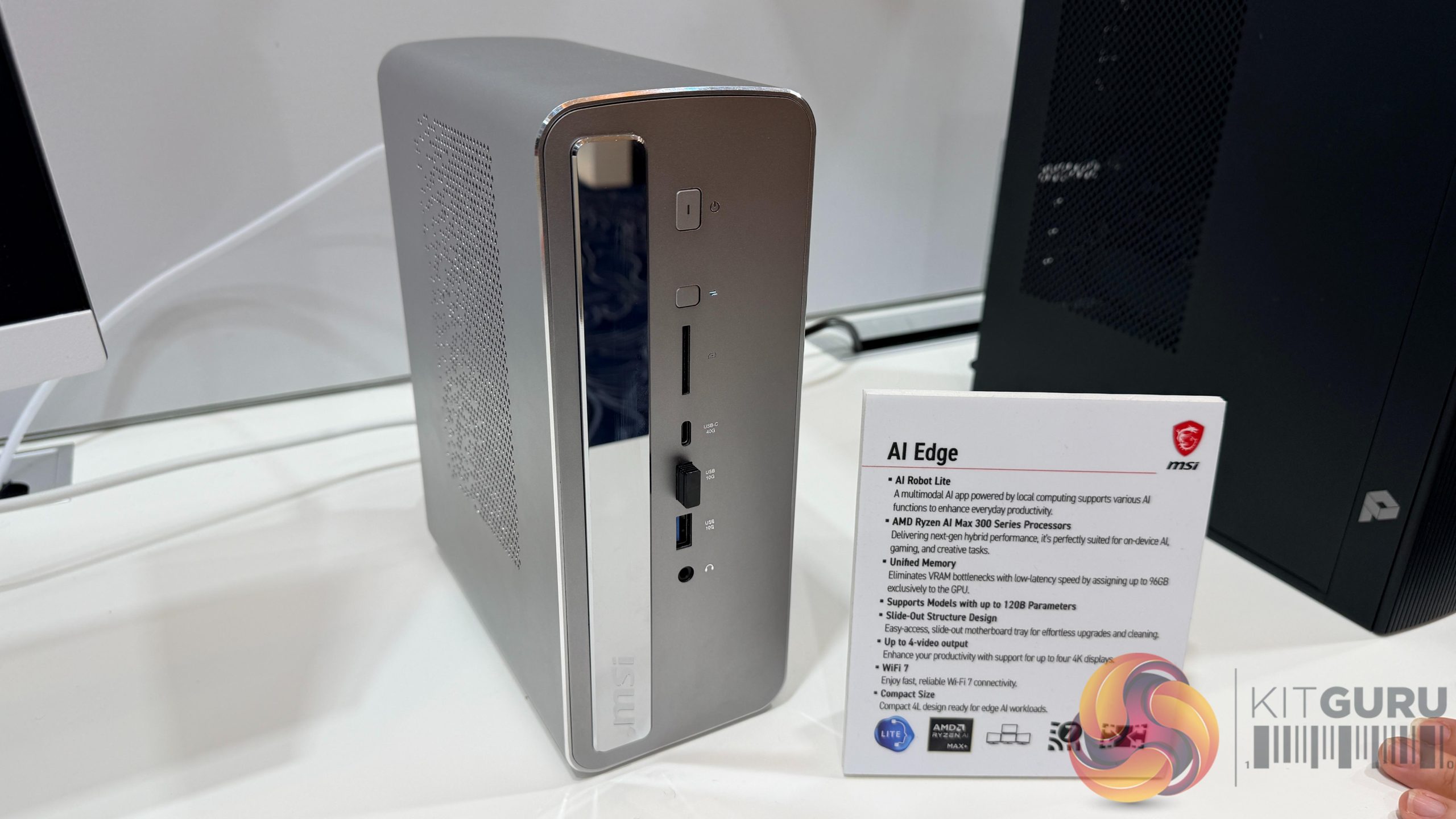
In the realm of desktop supercomputers, MSI is showing a localised AI supercomputer based on the NVIDIA DGX Spark platform, allowing you to create and run AI agents locally and upload them to the cloud when needed. The AI Edge is a slightly different concept product from MSI, likely to appear in a more complete form around Computex. For now, it’s a Windows‑bootable box that can emulate the AI environments needed to create solutions, and everything built on it will remain fully compatible with cloud‑based AI hosting platforms.

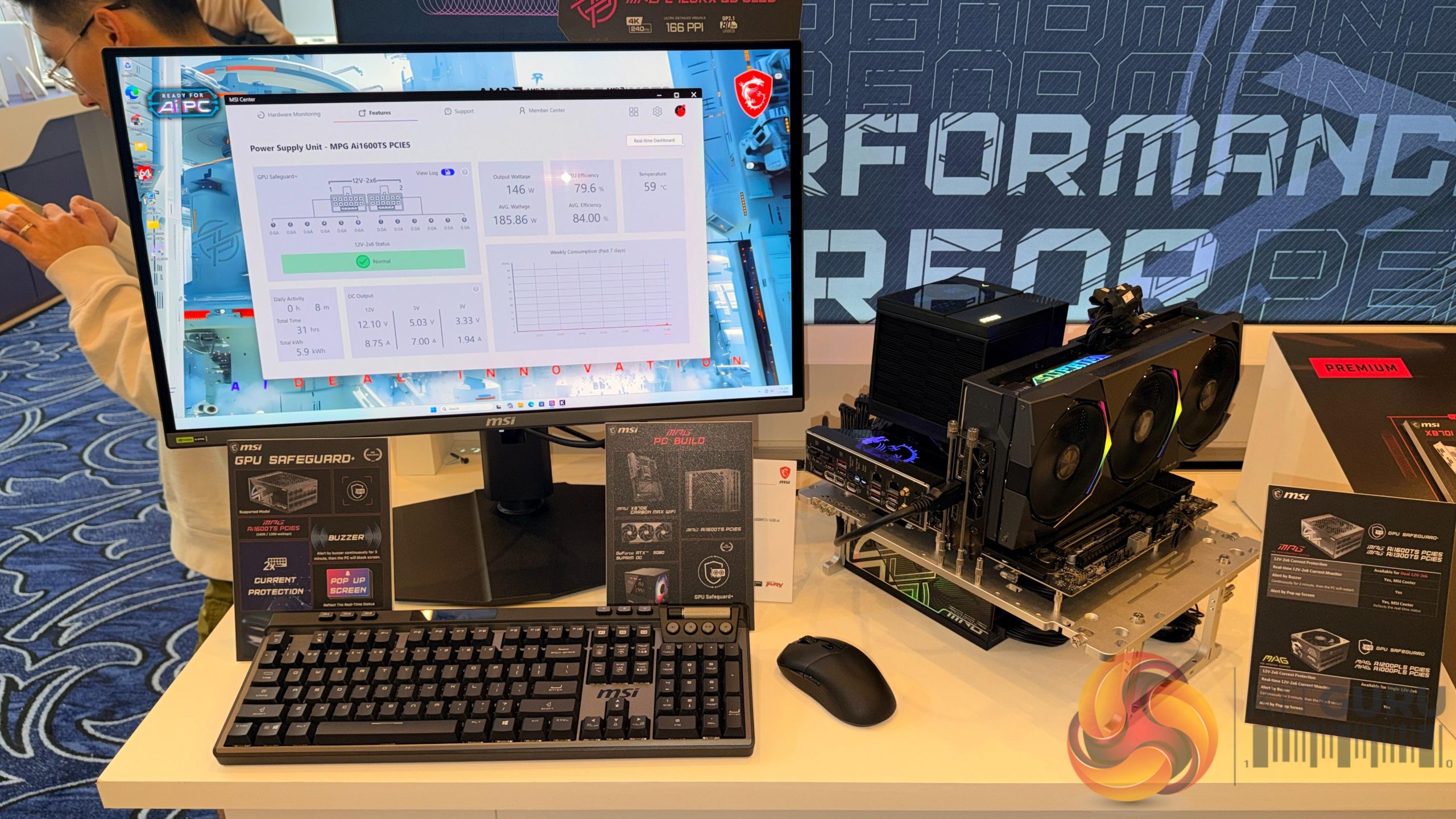
MSI also has a new range of power supplies coming. They look stylish from the outside, but something less obvious is the USB port on the back. To demonstrate what can be done with this connector, MSI has rigged up a large RTX 5090 with breaker points on each cable. On a nearby screen, you can see a live demonstration — for example, cable number two drawing 0.6 amps. When one of the assistants creates a fault, the current drops to zero, and the system triggers both an audible and on‑screen alert. In real‑world use, this would happen within seconds. The idea is that you power everything down for at least three minutes, check the generated log file, fix the issue, and then the system will return to normal.

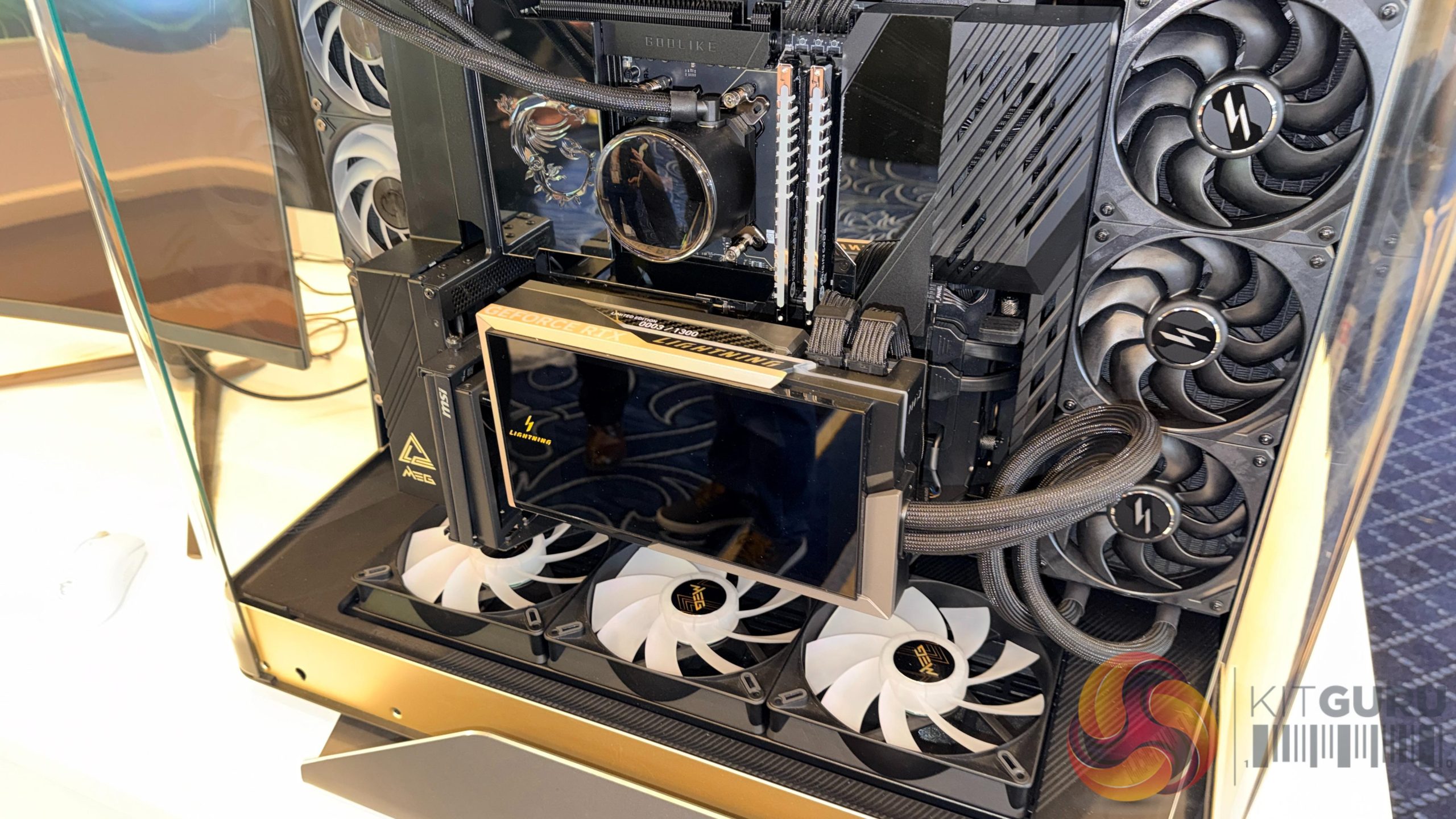
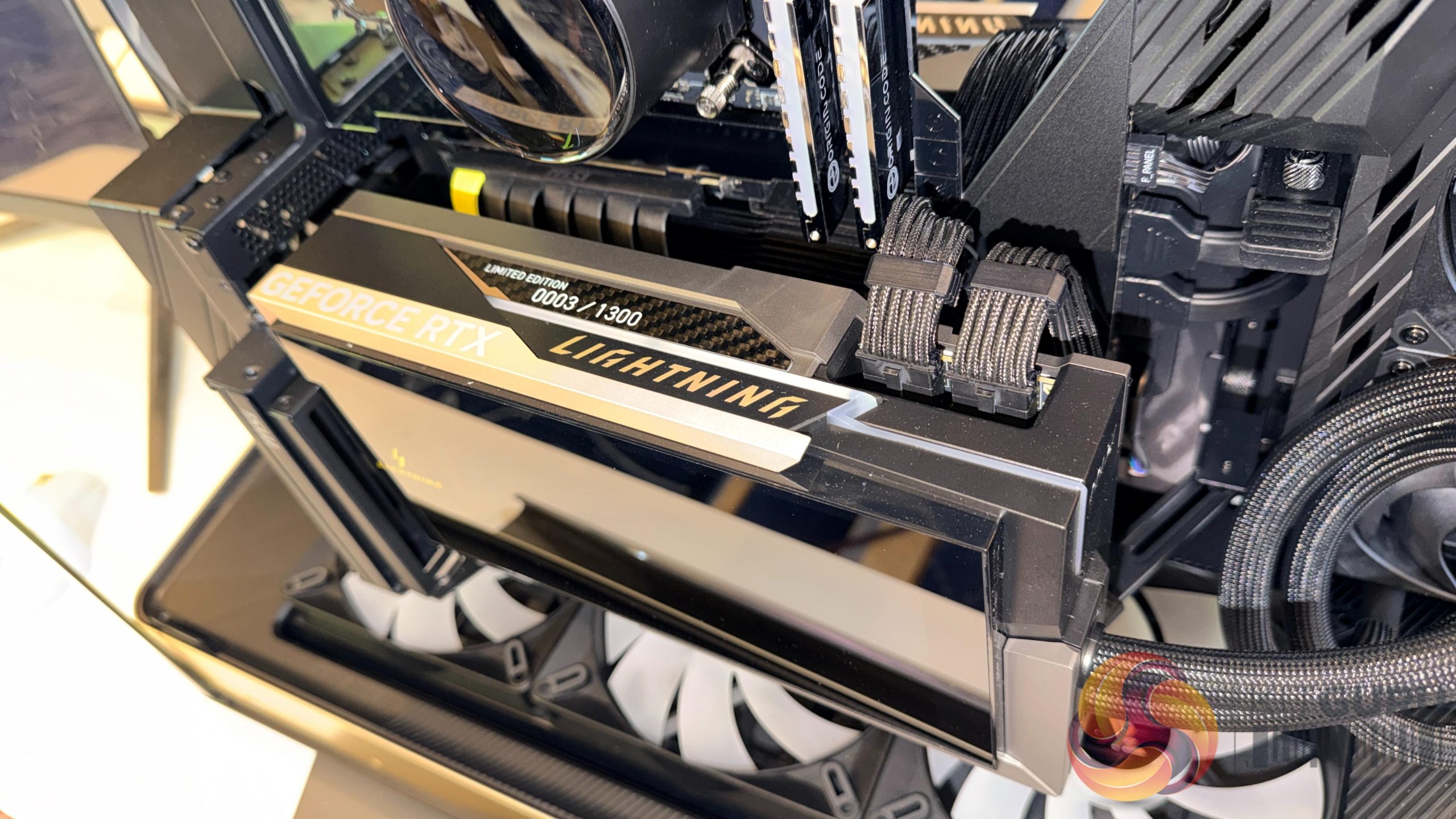
Earlier we saw the MEG system, but while the booth was being set up, something else appeared – a new MSI Lightning graphics card. The MSI Lightning has long been a favourite amongst serious overclockers and this new model has already been used to set several world records, as we reported HERE. This will be a very expensive GPU, as it is intended to be a halo product, offering the very best speeds and overclocking potential that money can buy. Only 1300 units will be made, with availability starting in February.

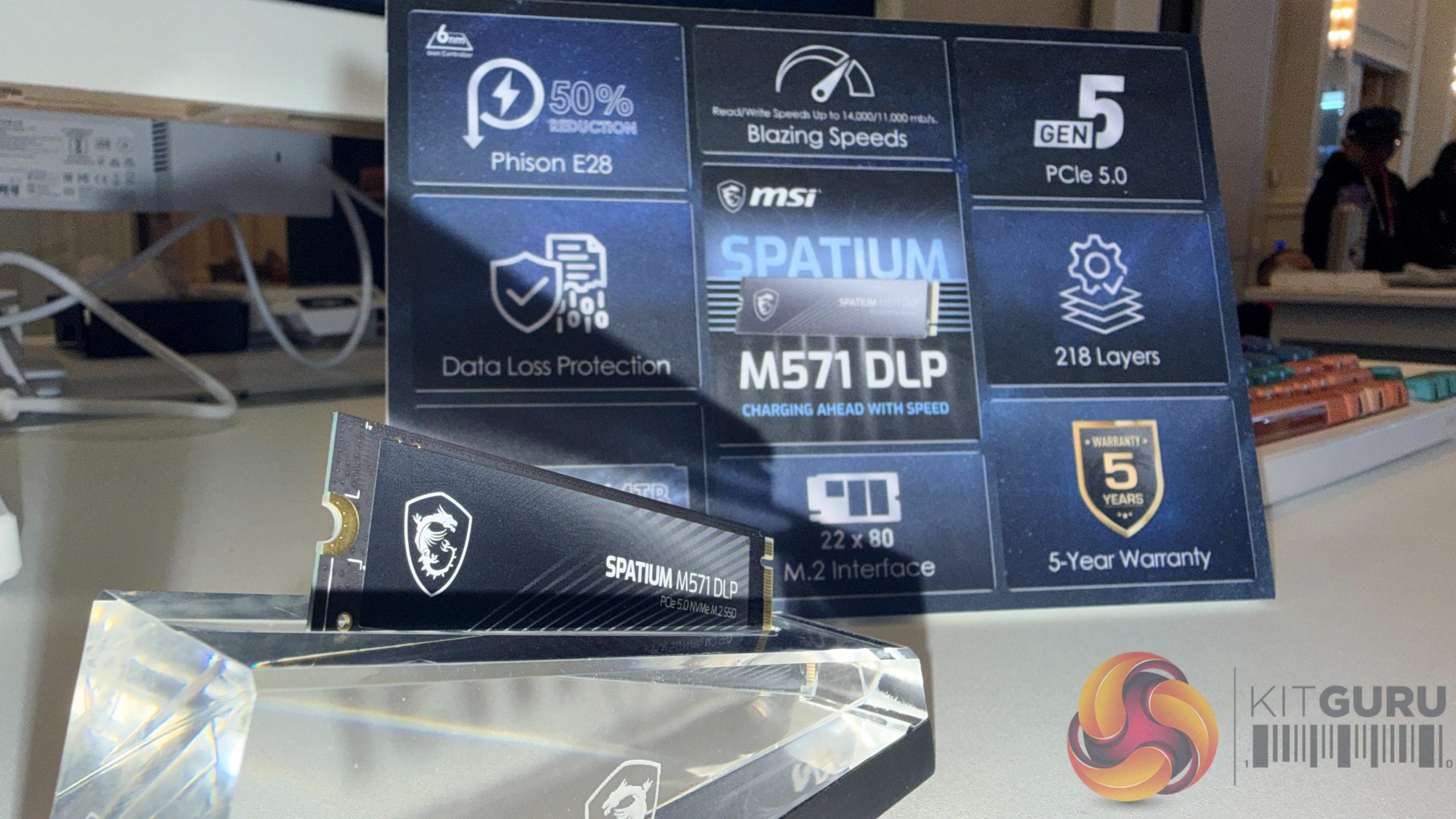
On the storage side, MSI has the Spatium N571 DLP. The stand is enormous for such a small product, but the SSD itself is a blazing‑fast Gen 5 model using a new TSMC 6nm controller. It includes enterprise‑grade technology MSI calls DLP, which is short for Data Loss Protection. This feature safeguards data during sudden power loss, so if severe weather suddenly hits and you end up with a power cut, your data should be safe when power returns.

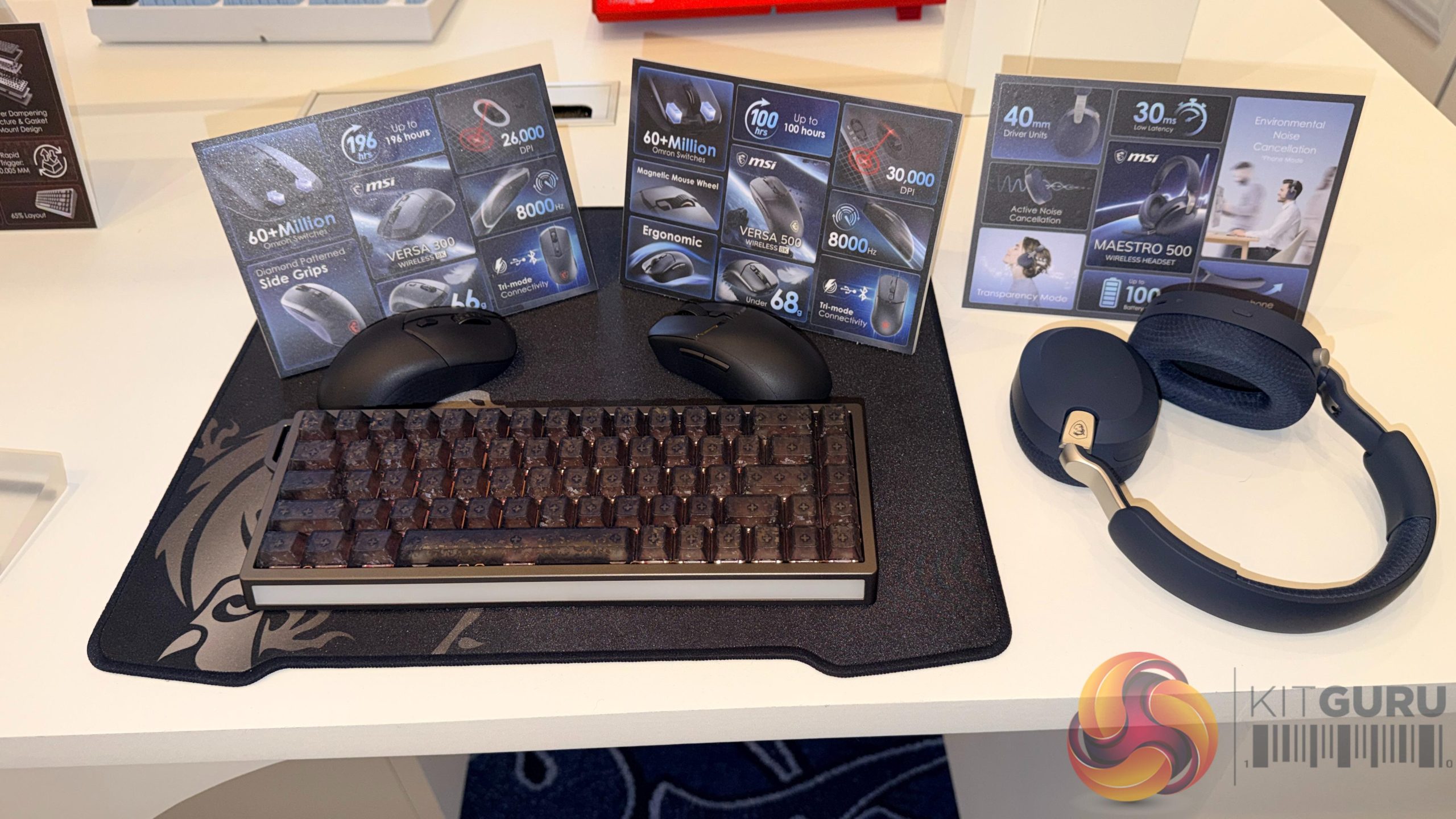
MSI has also expanded its gaming peripherals. The new 60% Strike 700 wireless keyboard is an 8K HE model using magnetic switches, allowing extremely fine control over actuation down to 0.005mm. It’s expected around Q2. There is also a new Maestro 500 wireless headset, which we found to be very lightweight and comfortable. The headset should offer up to 100 hours of battery life without noise cancellation, and close to 60 hours with it enabled.

KitGuru Says: What do you think of MSI's new product line-up for CES? Is there anything here that you'll be looking to get your hands on in the coming months?

The post CES 2026: MSI showcases RTX 5090 Lightning Z, MAX motherboards and more first appeared on KitGuru.
  •  

CES 2026: Nvidia announces DLSS 4.5, G-Sync Pulsar and more

Nvidia is kicking off CES with some announcements of its own. The biggest announcement is DLSS 4.5, which will introduce a higher-quality transformer model for upscaling, along with the first wave of G-Sync Pulsar capable displays for higher levels of motion clarity. 

Nvidia already has some major DLSS-supported titles lined up for 2026, including the likes of Resident Evil Requiem, Pragmata, Phantom Blade Zero and 007 First Light. On top of this, Nvidia is also ushering in the latest major DLSS update, bringing us up to version 4.5.

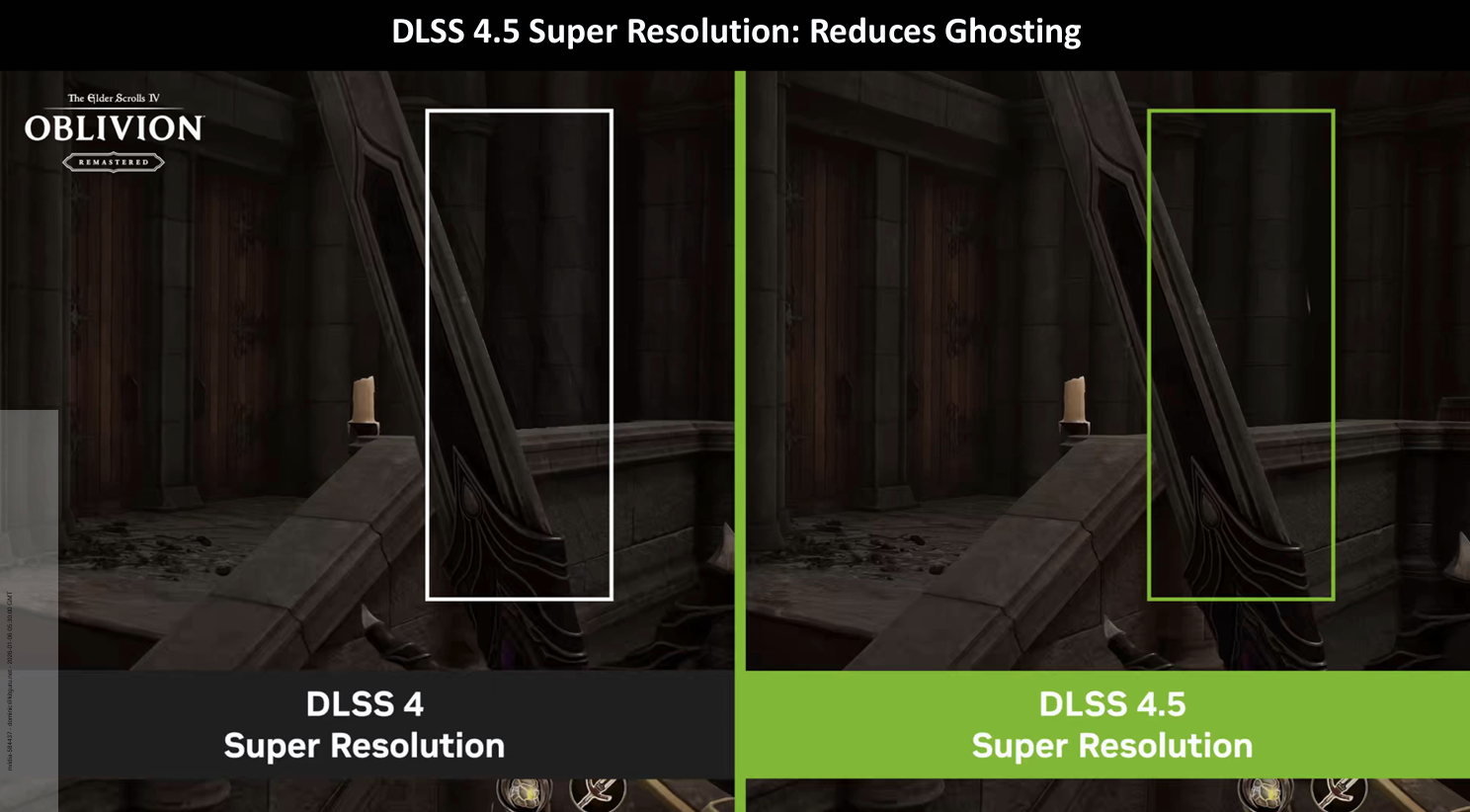
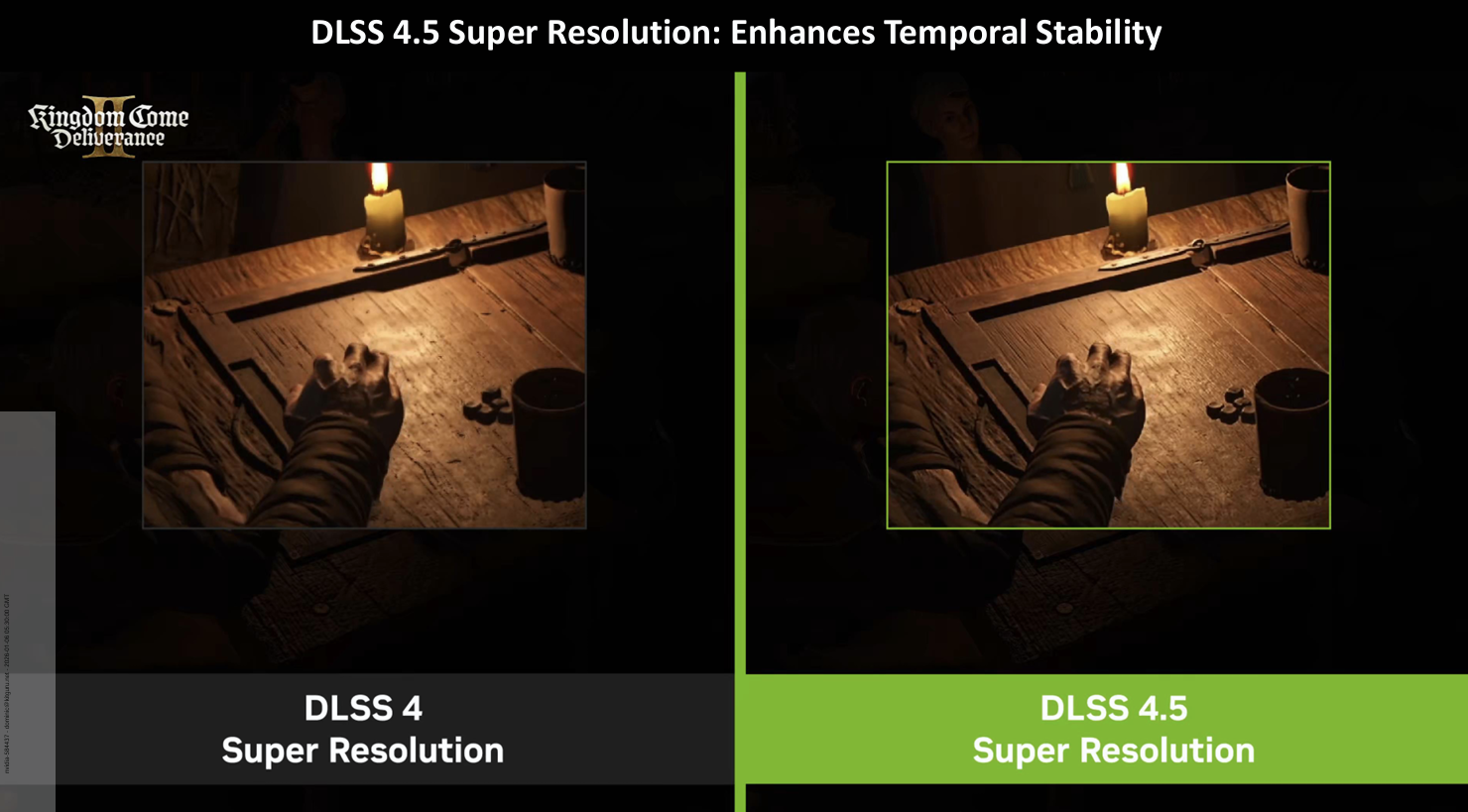
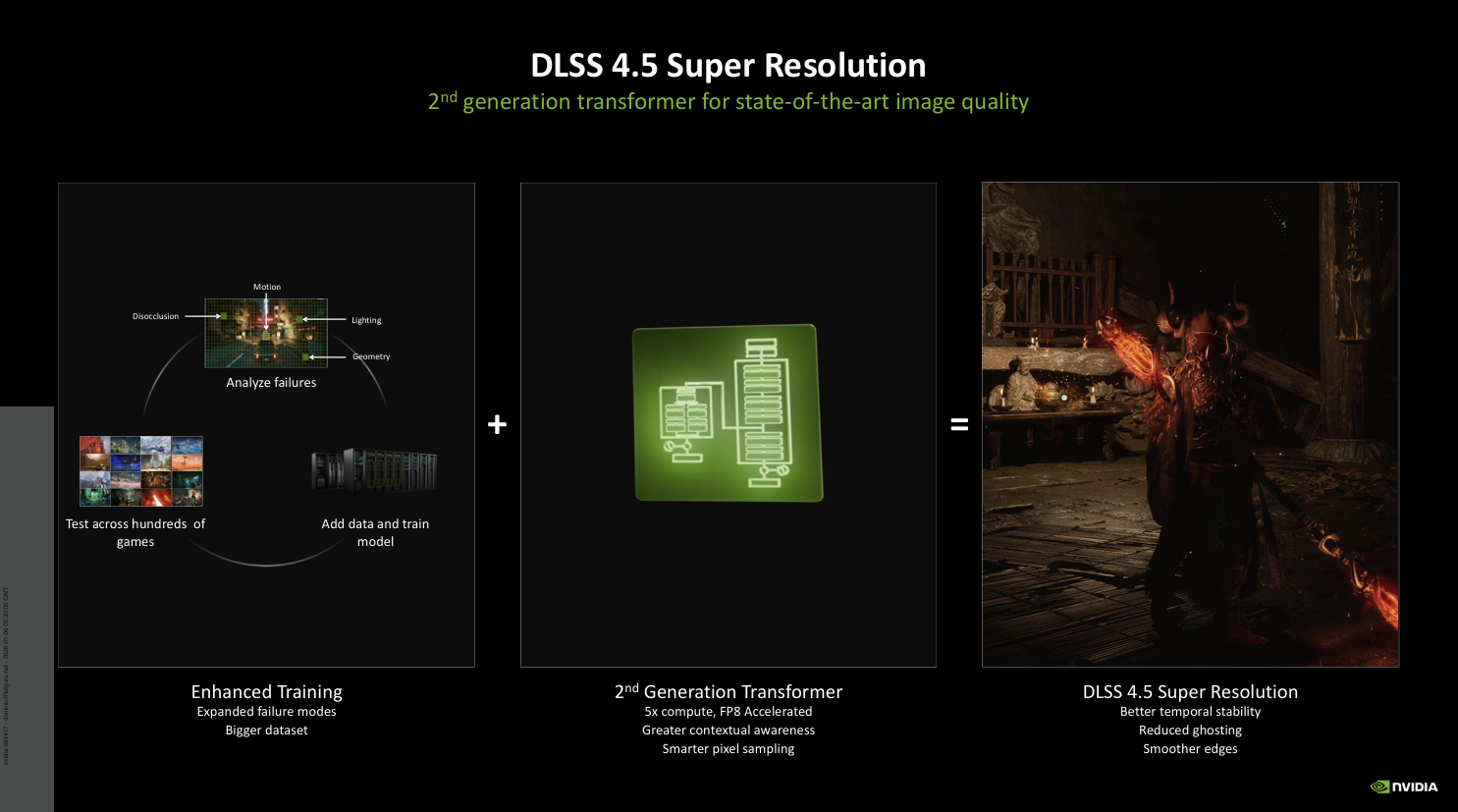
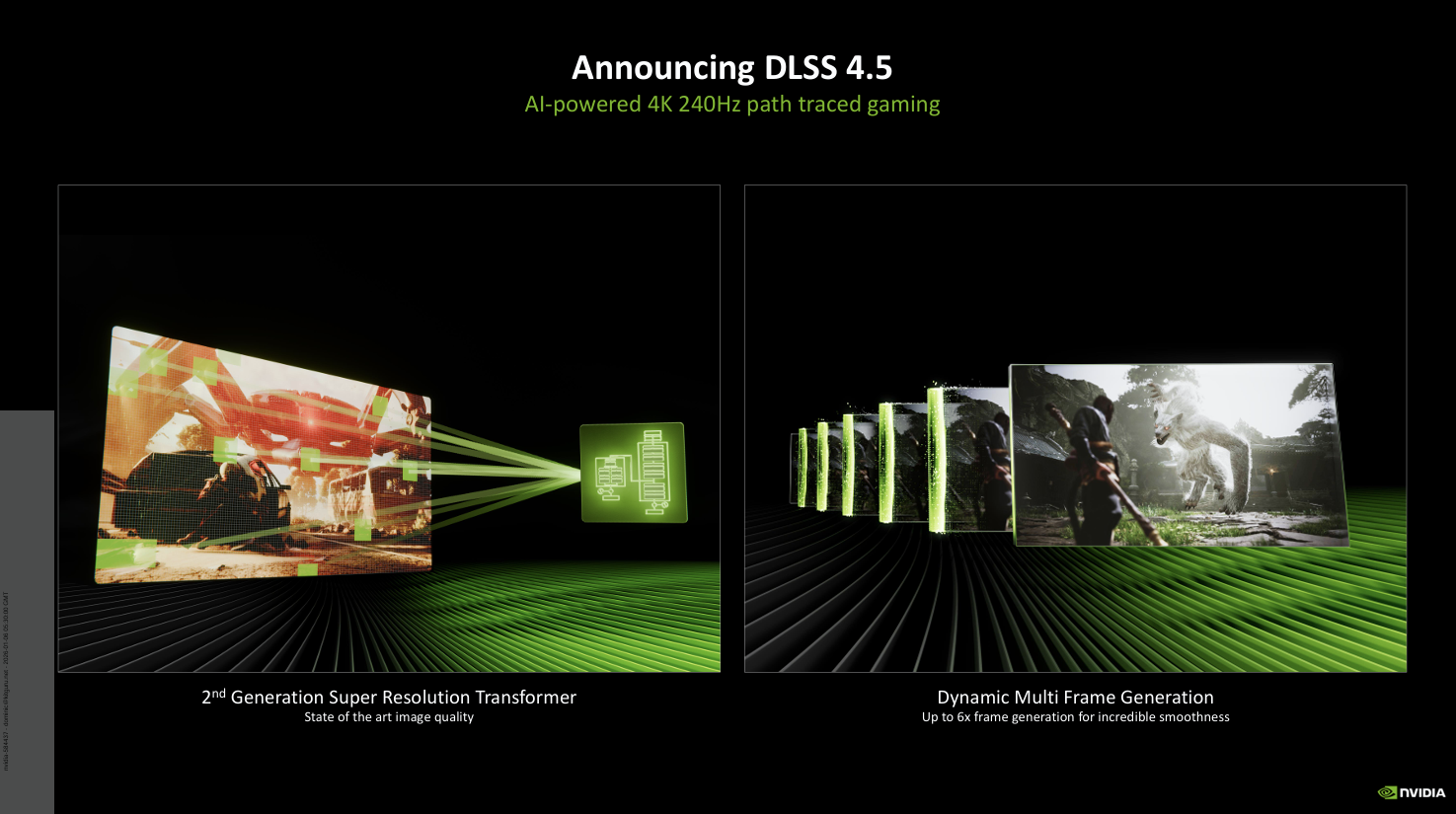
DLSS 4.5 features Nvidia's second-generation Super Resolution Transformer, which brings a number of improvements like greater contextual awareness and smarter pixel sampling, enabling better visuals while upscaling. Games like Kingdom Come Deliverance 2, Oblivion Remastered and Indiana Jones will support the update. In the slides below you can see some of the comparisons Nvidia has shared:

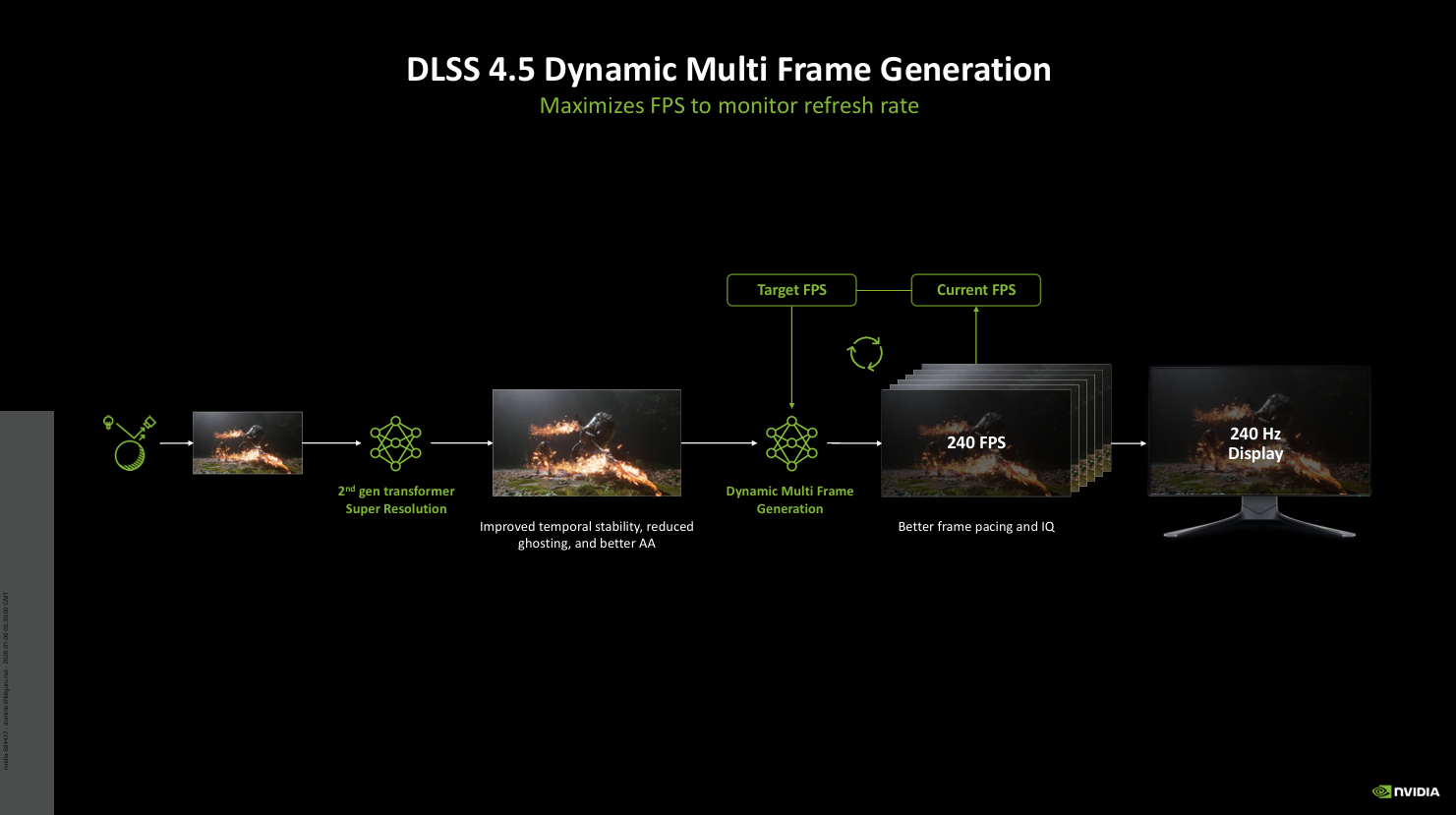
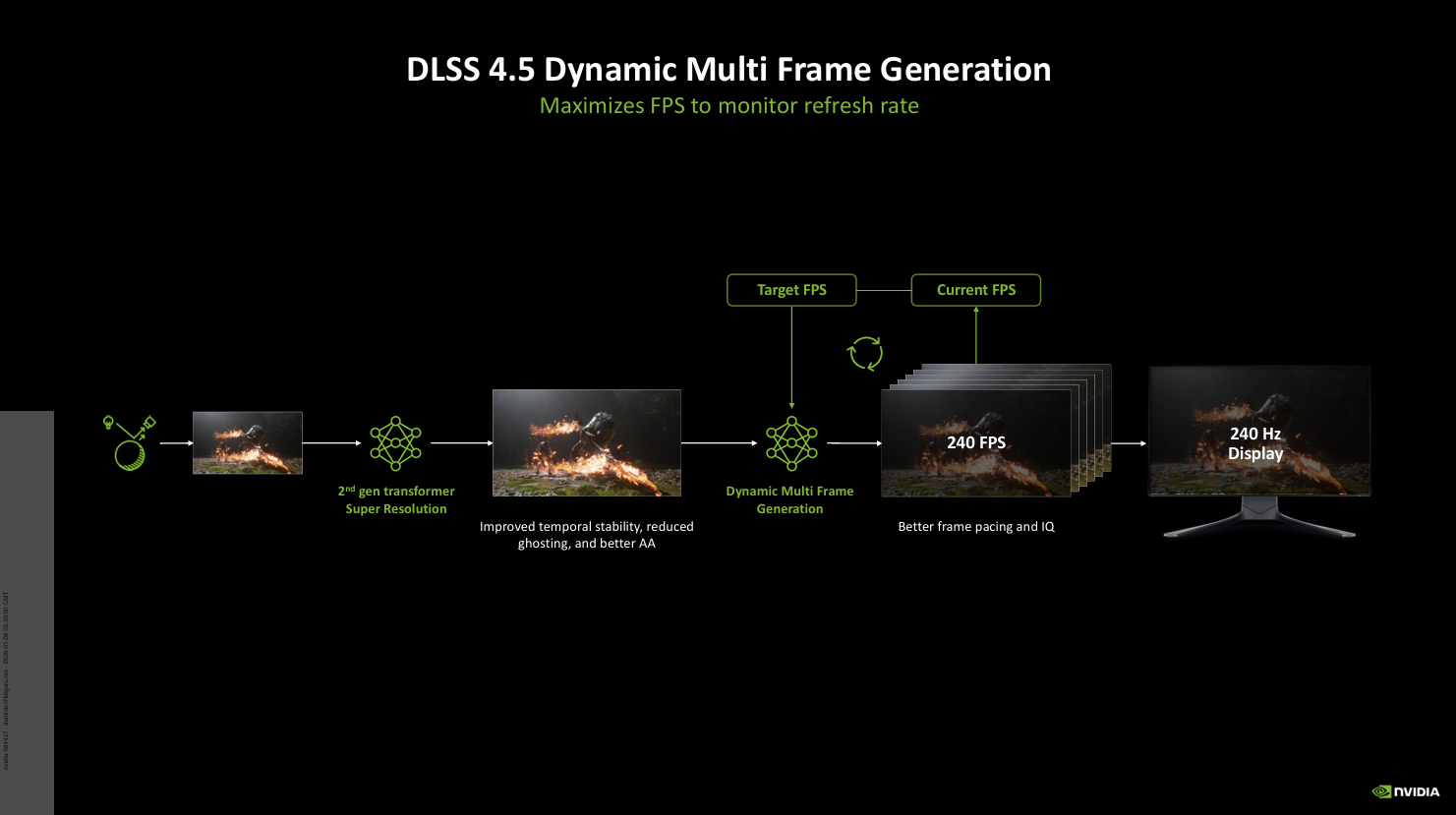
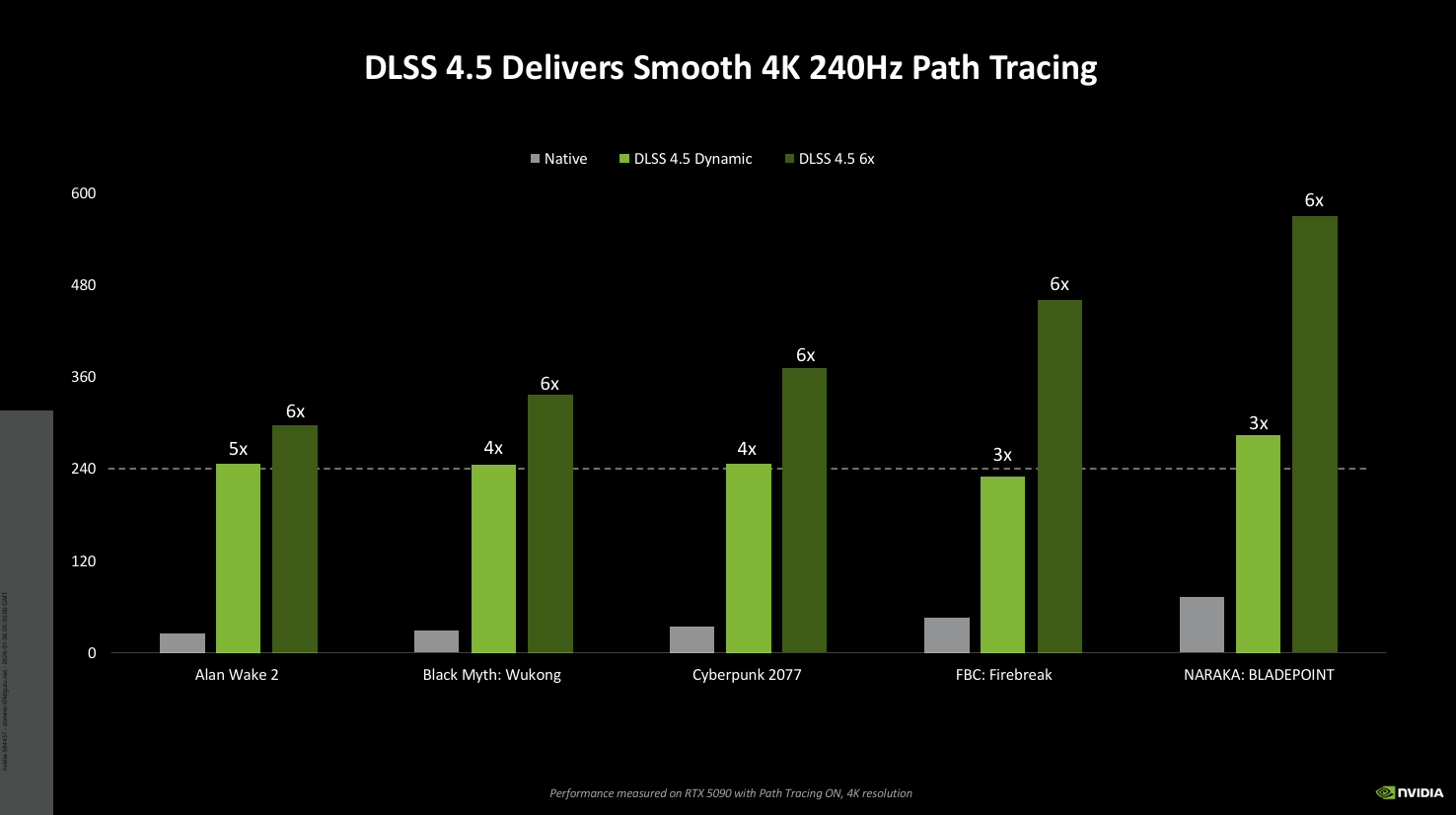
On top of the new transformer model, Nvidia is also bringing updates to Frame Generation. With DLSS 3, Nvidia released Frame Gen 2x, the standard version available on RTX 40 and RTX 50 series GPUs. Then with DLSS 4, Nvidia introduced 3x and 4x modes, exclusively available with RTX 50 series graphics cards. Now, the bar is raising again and Nvidia is set to roll out Frame Generation 6x. With this level of Frame Generation, gamers will be able to max out the refresh rates of 240Hz and 360Hz gaming monitors, which are becoming more prevalent each year, particularly at the moment with the growing adoption of OLED displays.

In the slide above you can see some of the results in games like Cyberpunk 2077 and Black Myth Wukong, showing that with 6x Frame Generation enabled, the RTX 5090 can provide 360Hz gameplay in very demanding titles, even with Path Tracing enabled. Nvidia says it has also made improvements to frame pacing and image quality, so it will be interesting to put that all to the test in the coming months while also measuring for added latency in the higher modes.

While the new DLSS Transformer model for upscaling will be available for all RTX GPU users, the new Multi-Frame Generation updates are exclusive to RTX 50 series GPUs and newer.

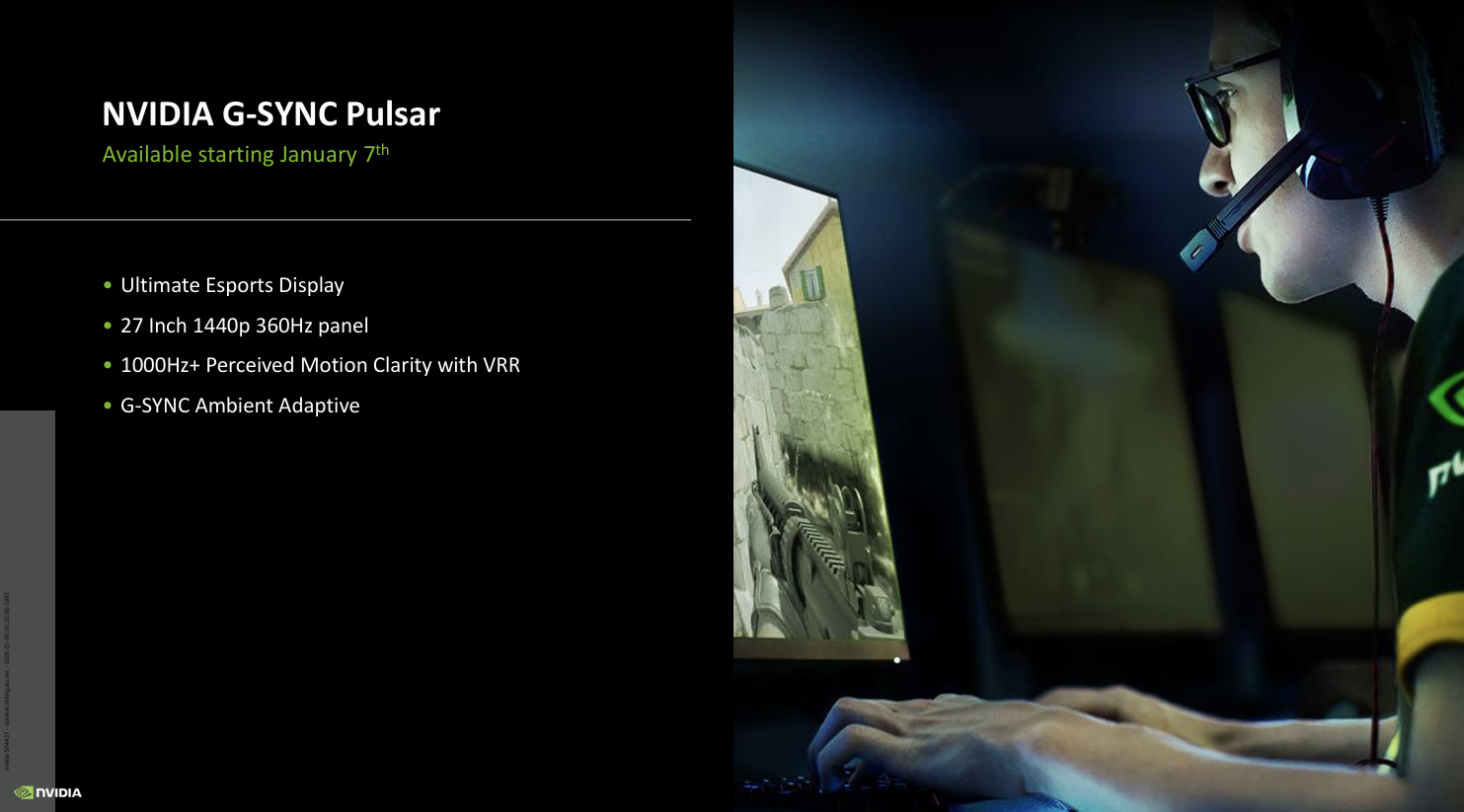
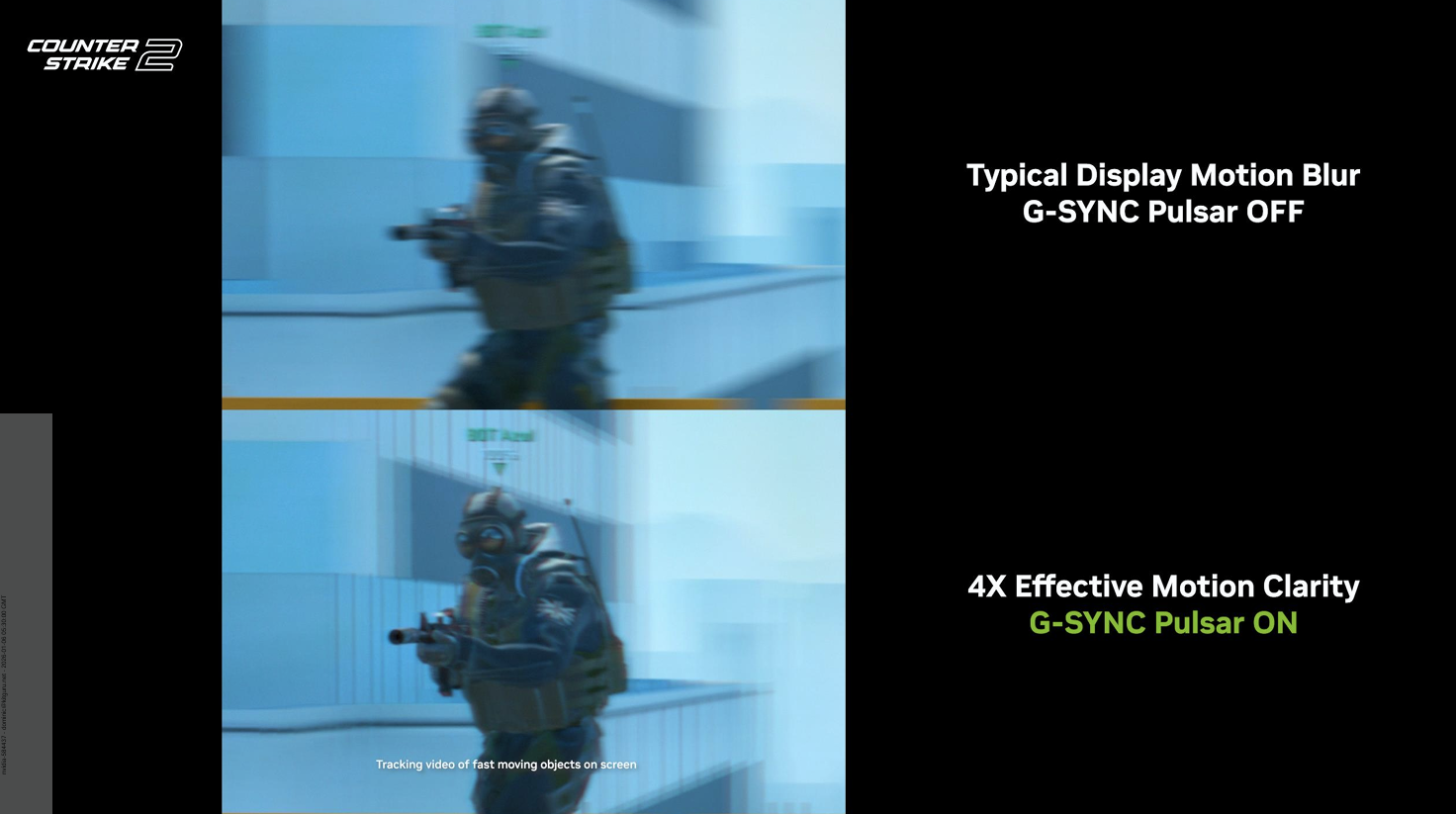
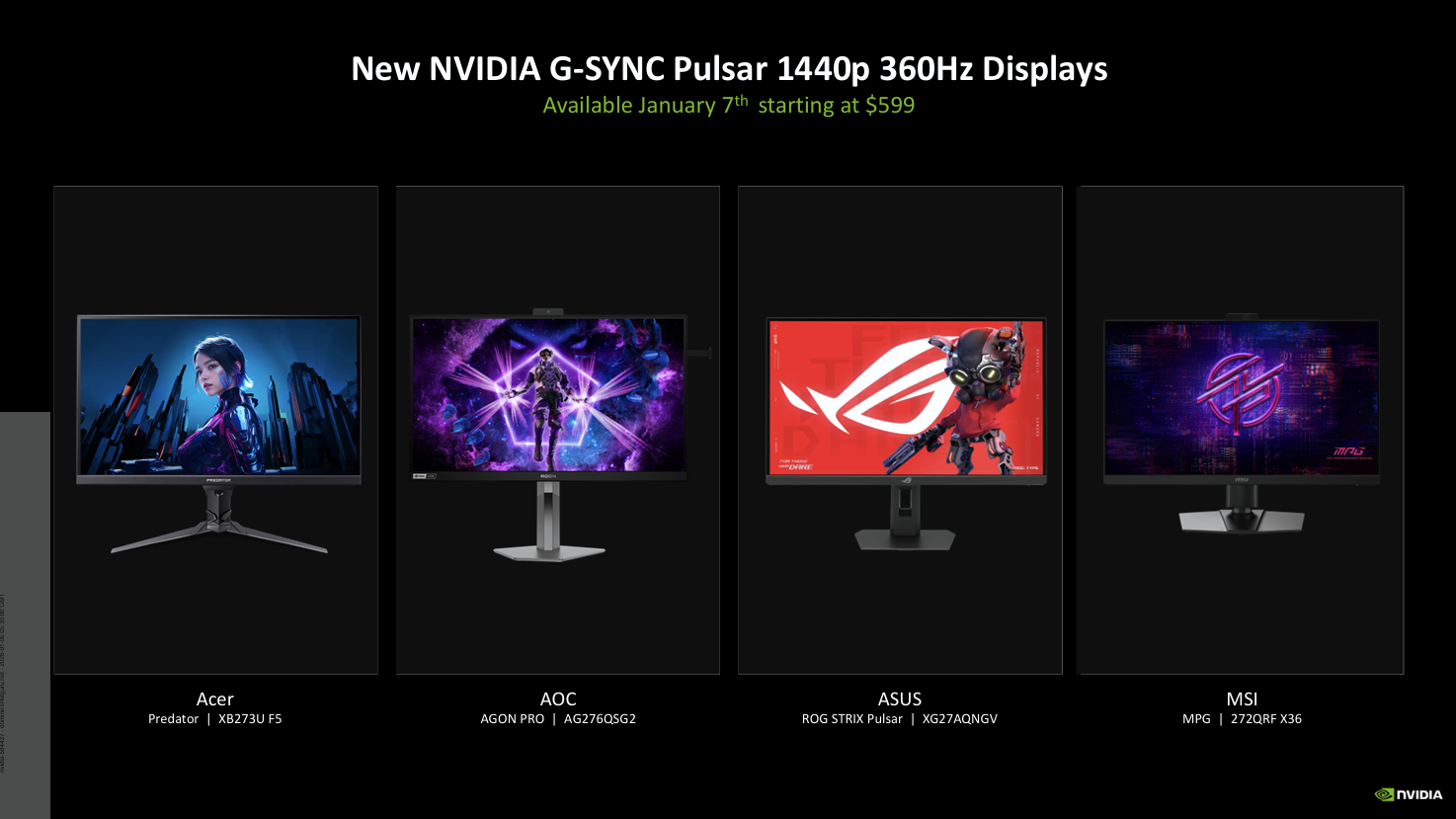
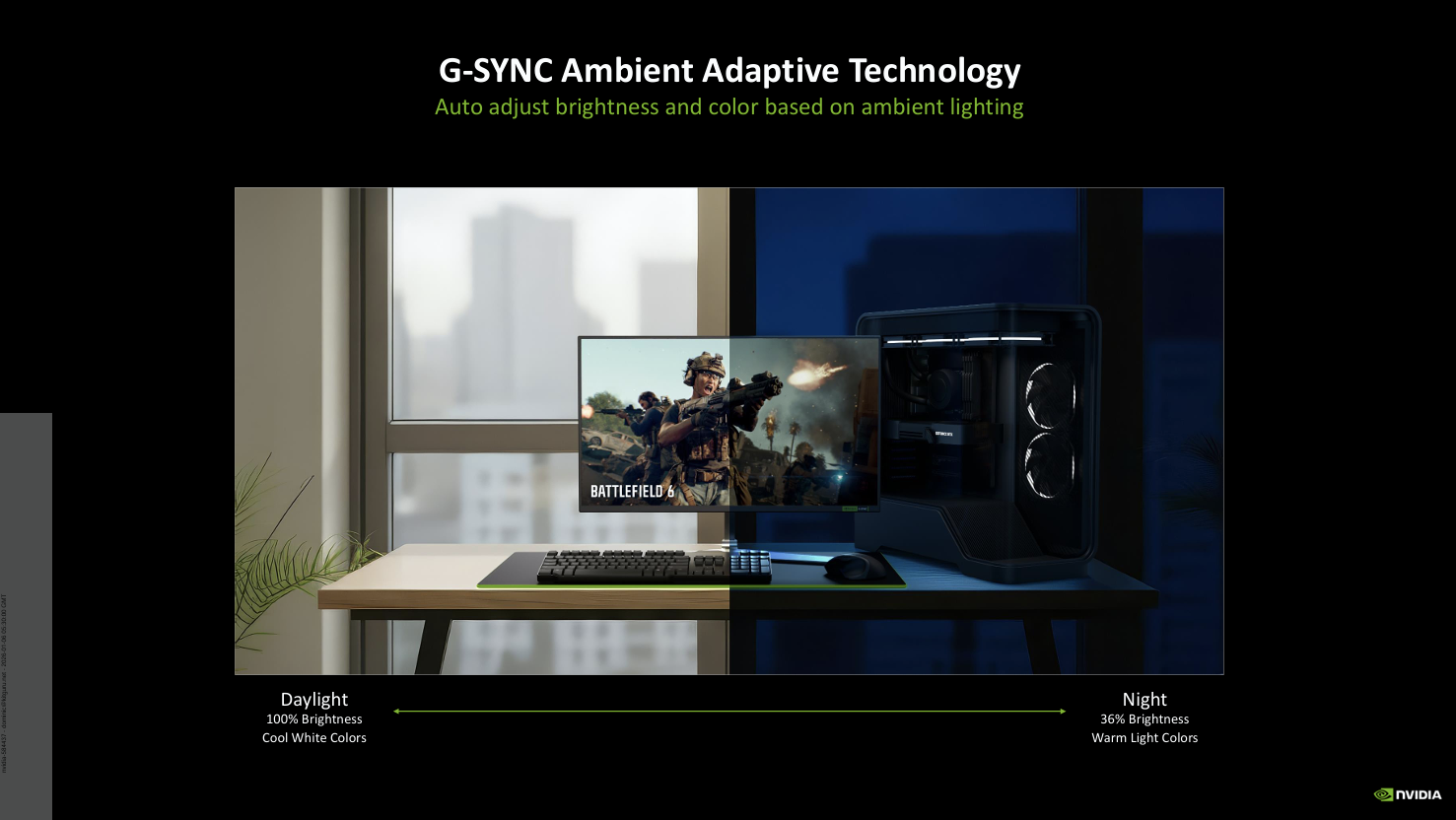
Sticking to gaming, Nvidia is also launching G-Sync Pulsar on January 7th. New displays equipped with this technology will feature QHD resolutions, up to 360Hz refresh rates and offer the equivalent motion clarity to a 1000Hz display with VRR. Nvidia is also introducing G-Sync Ambient Adaptive Technology, enabling the display to dynamically shift brightness based on lighting conditions and the time of day, so you can avoid eye-strain during late-night gaming.

G-Sync Pulsar displays from the likes of Asus, MSI, AOC and Acer will be hitting the market in early 2026, with prices starting at $599.

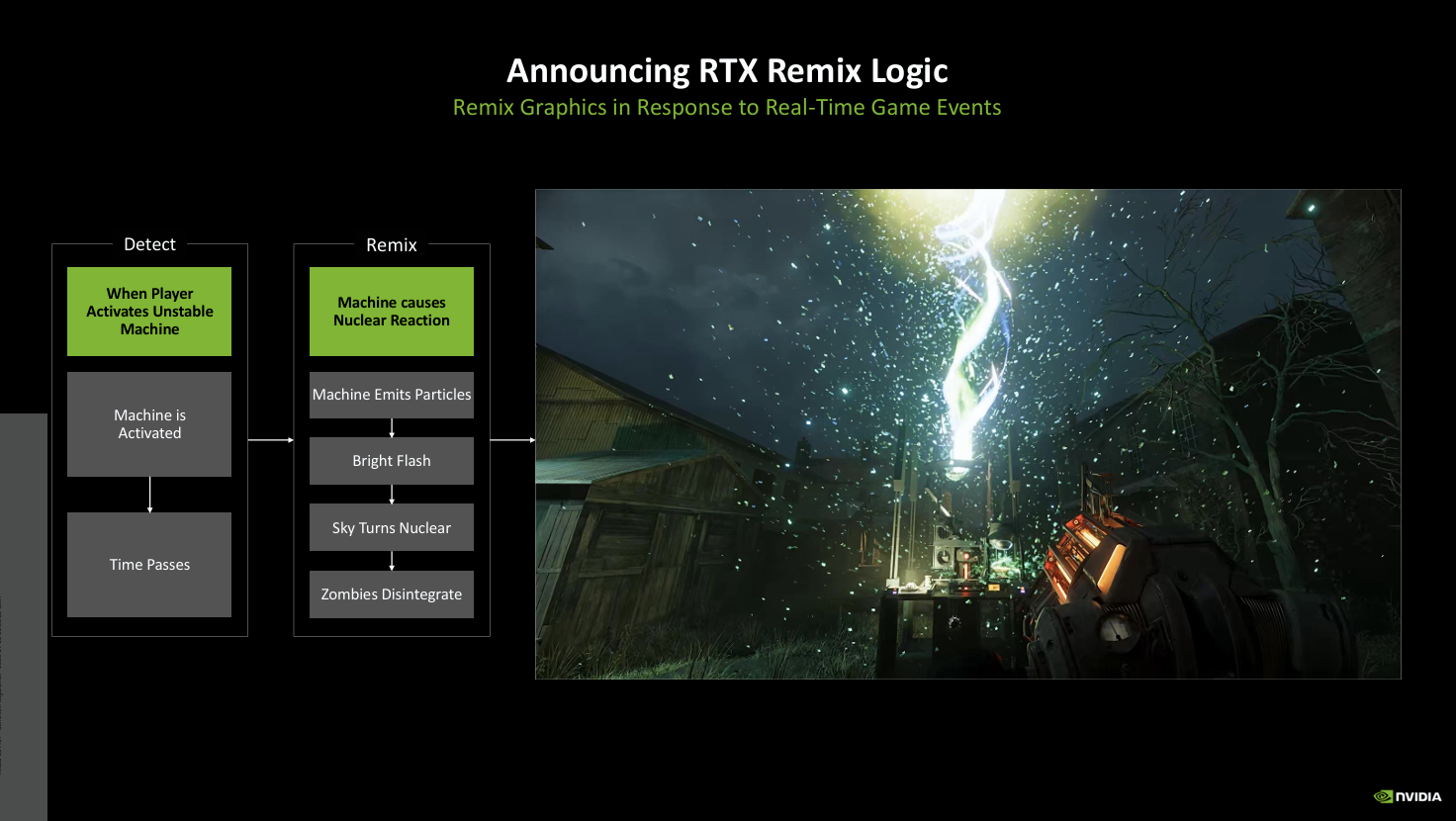
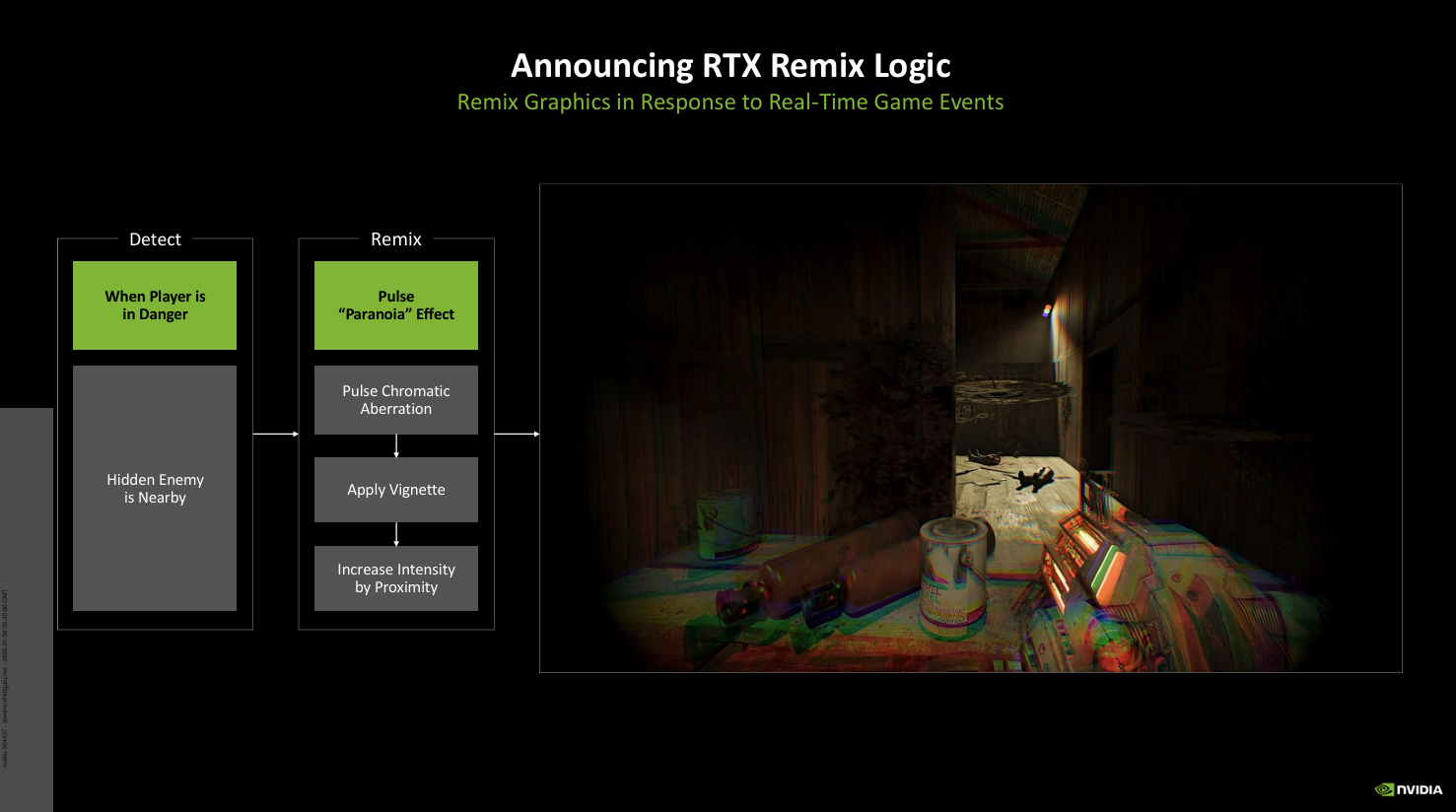
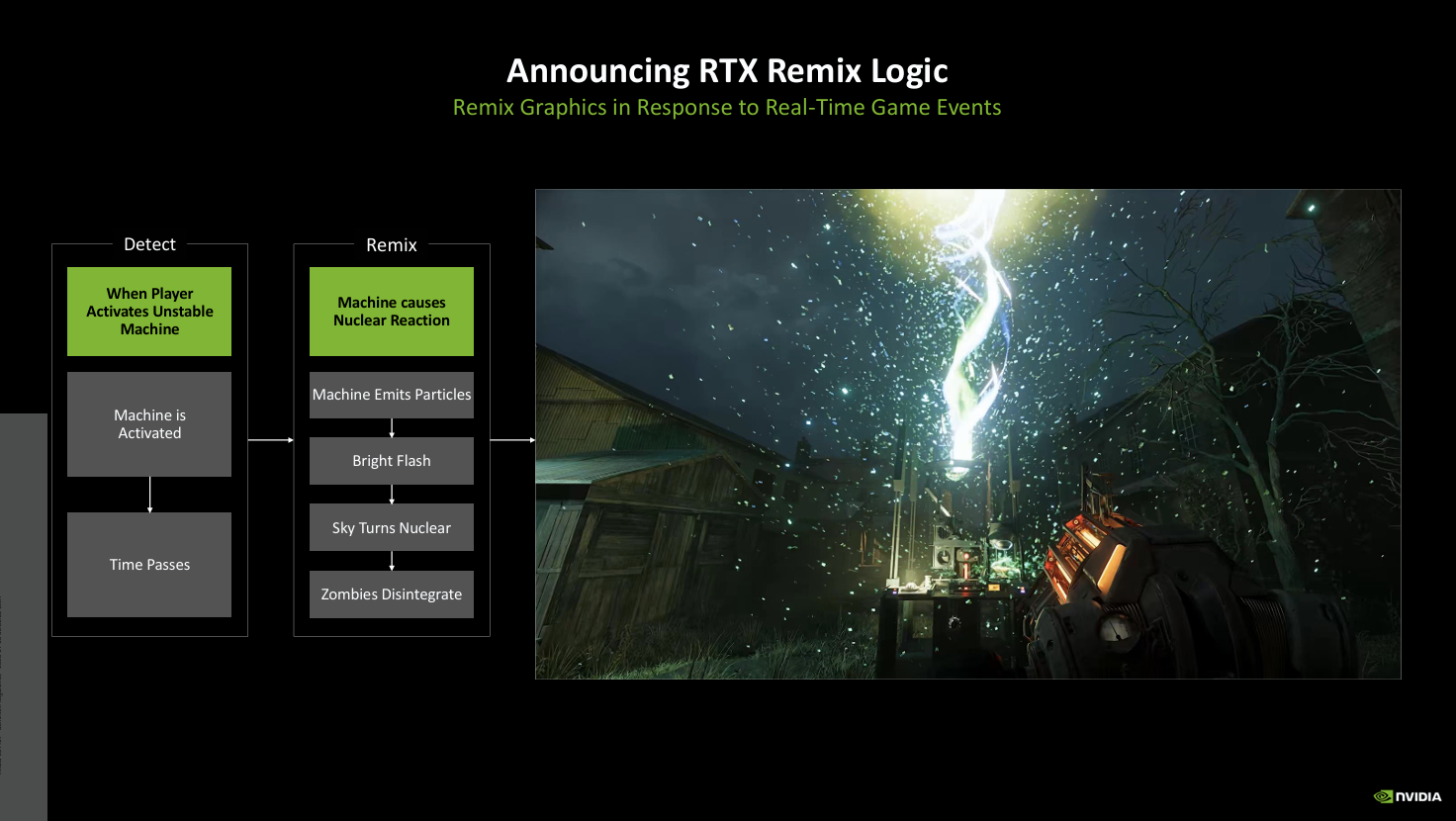
The RTX Remix modding project is also seeing some love at CES this week. RTX Remix Logic will allow modders to inject newly remixed graphical effects like particles in response to real-time game events, such as activating a machine in Half-Life 2, or adding in chromatic aberration in response to the player being in danger from a hidden enemy, creating a visual sense of paranoia.

The Nvidia ACE AI suite is also being showcased with new potential use-cases. For instance, the ACE Small Language Model could be used to greatly enhance the Advisor in Total War: Pharoah, giving the player more relevant tips while building up a prospering civilisation and army.

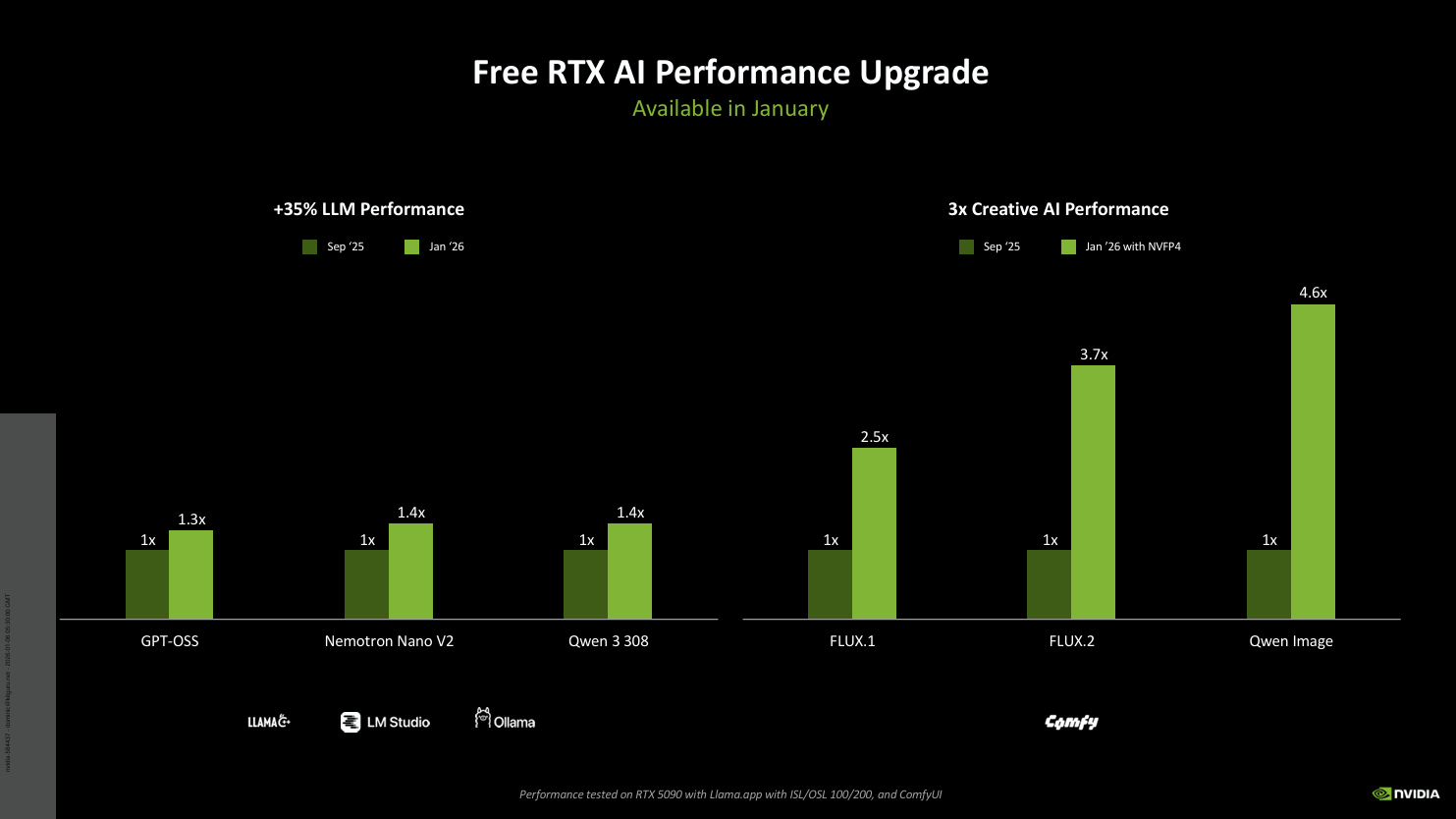
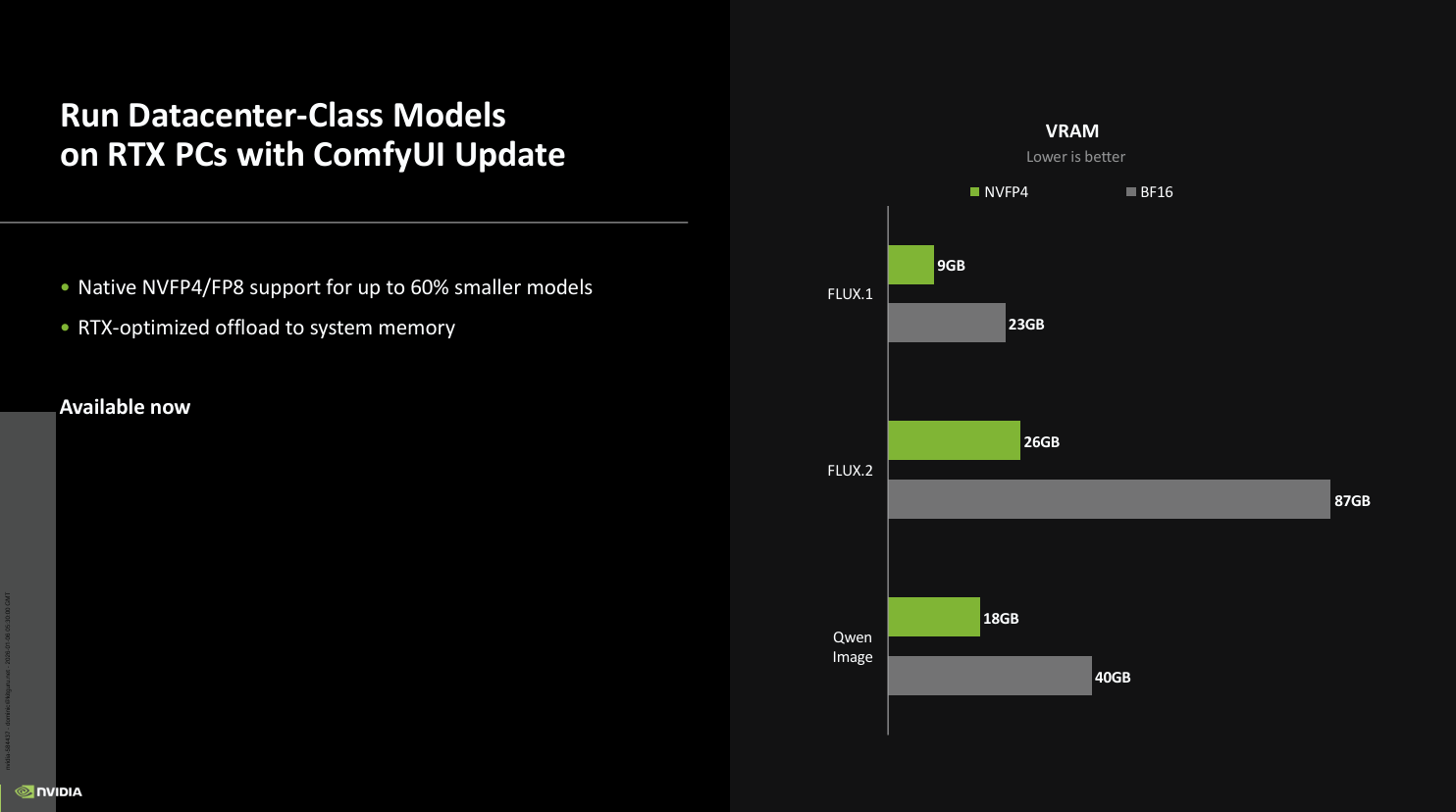
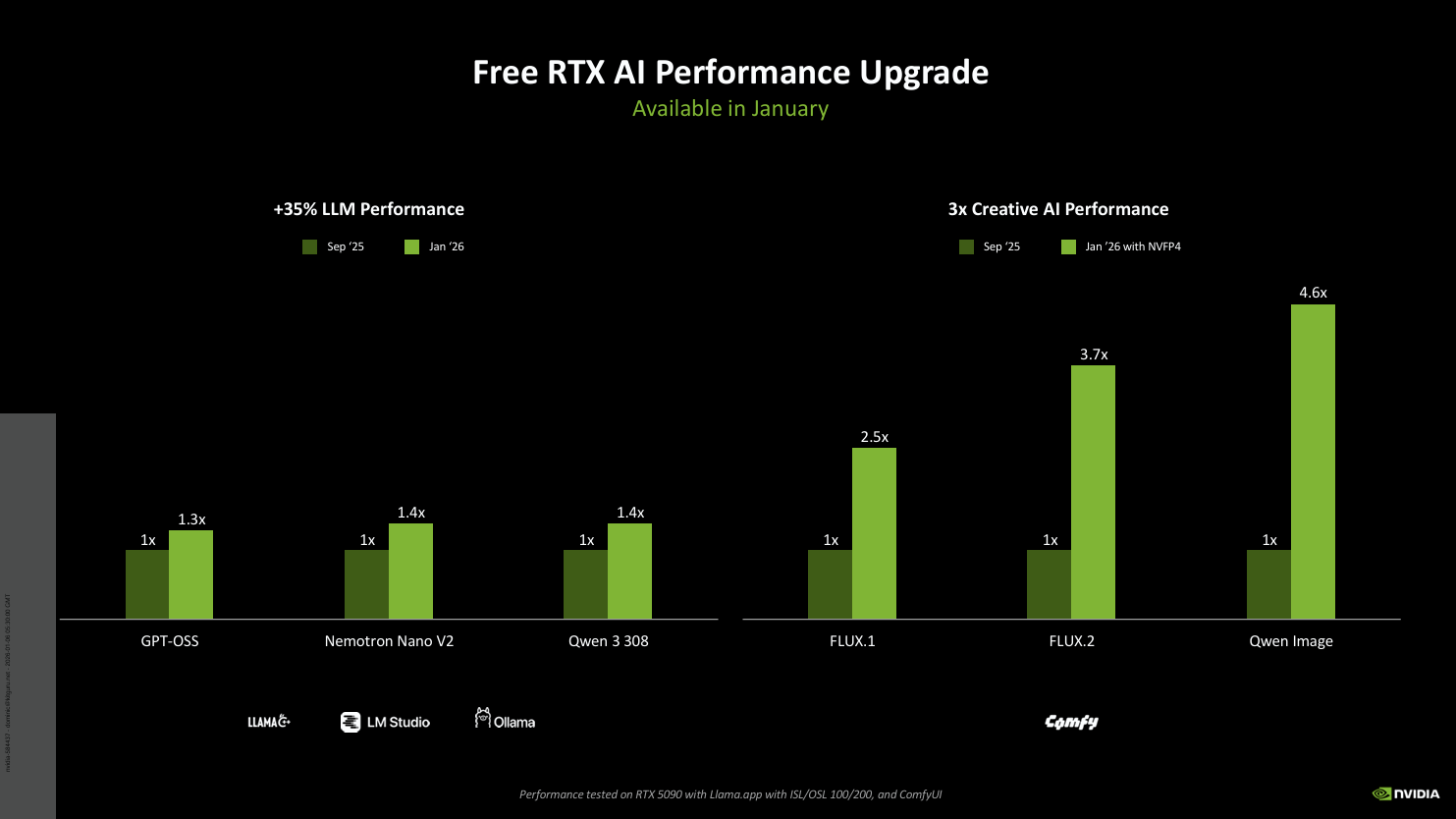
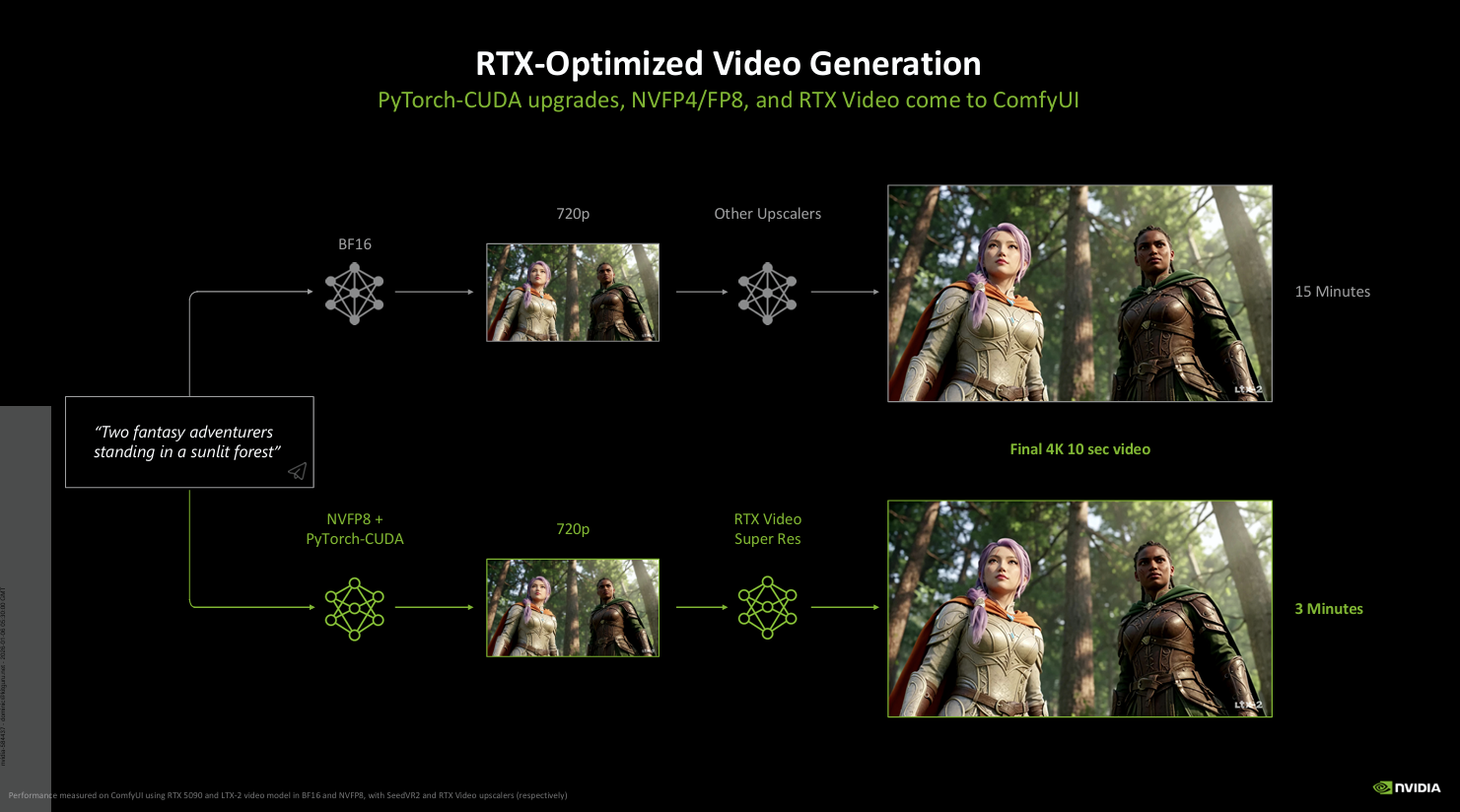
In keeping with the AI theme, Nvidia is also bringing new optimisations to make RTX GPUs more capable when running local AI projects. On an RTX 5090, tools like GPT-OSS, FLUX.1 and FLUX.2 will see performance upgrades. An upcoming ComfyUI update will also enable new optimisations to reduce VRAM usage. Nvidia is also bringing updates to enable private AI video search capabilities and Super Res for generated videos, allowing creators to make crisp 4K videos in seconds.

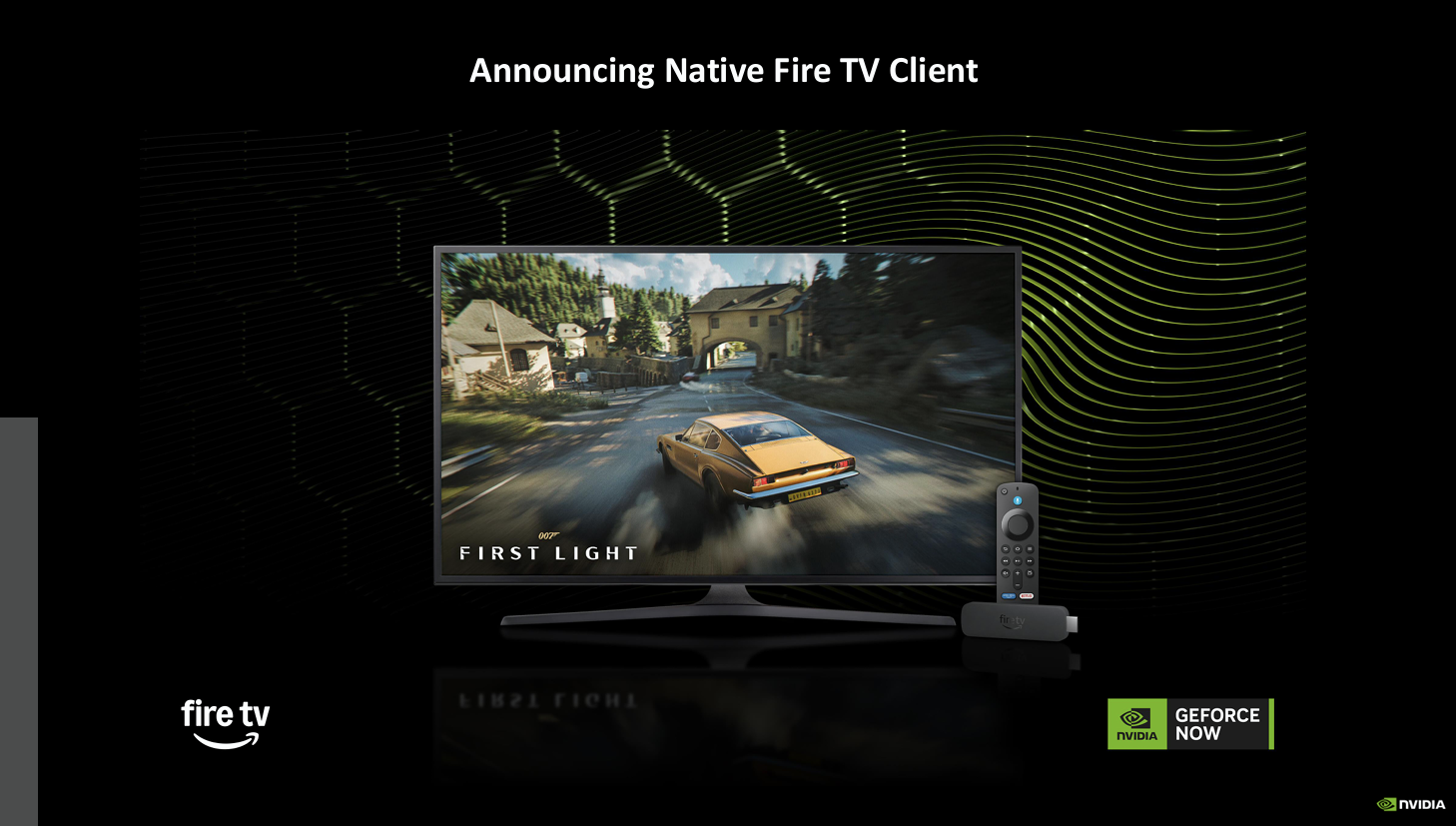
The final few announcements pertain to GeForce Now, Nvidia's cloud gaming service. Last year, the GeForce Now Ultimate servers were upgraded around the world to house RTX 5080 graphics cards. Now, Nvidia is rolling out native GeForce Now clients for more devices, including Linux-based PCs and Amazon Fire TV devices. Peripheral support is also expanding, so you can now move beyond a simple game controller to racing wheels and flight sticks for supported racing and flight sims. In the coming months, major titles like Resident Evil Requiem, 007 First Light and Active Matter will be available to stream day-one through GeForce Now.

KitGuru Says: What do you make of Nvidia's CES announcements this year? 

The post CES 2026: Nvidia announces DLSS 4.5, G-Sync Pulsar and more first appeared on KitGuru.
  •  

CES 2026: AMD reveals new Ryzen CPUs for laptops and desktops

CES 2026 has officially begun and AMD is rolling out a number of new products to mark the occasion. As expected, AMD's primary focus is now shifting towards AI performance, although there are gaming-related product launches to look forward to as well.

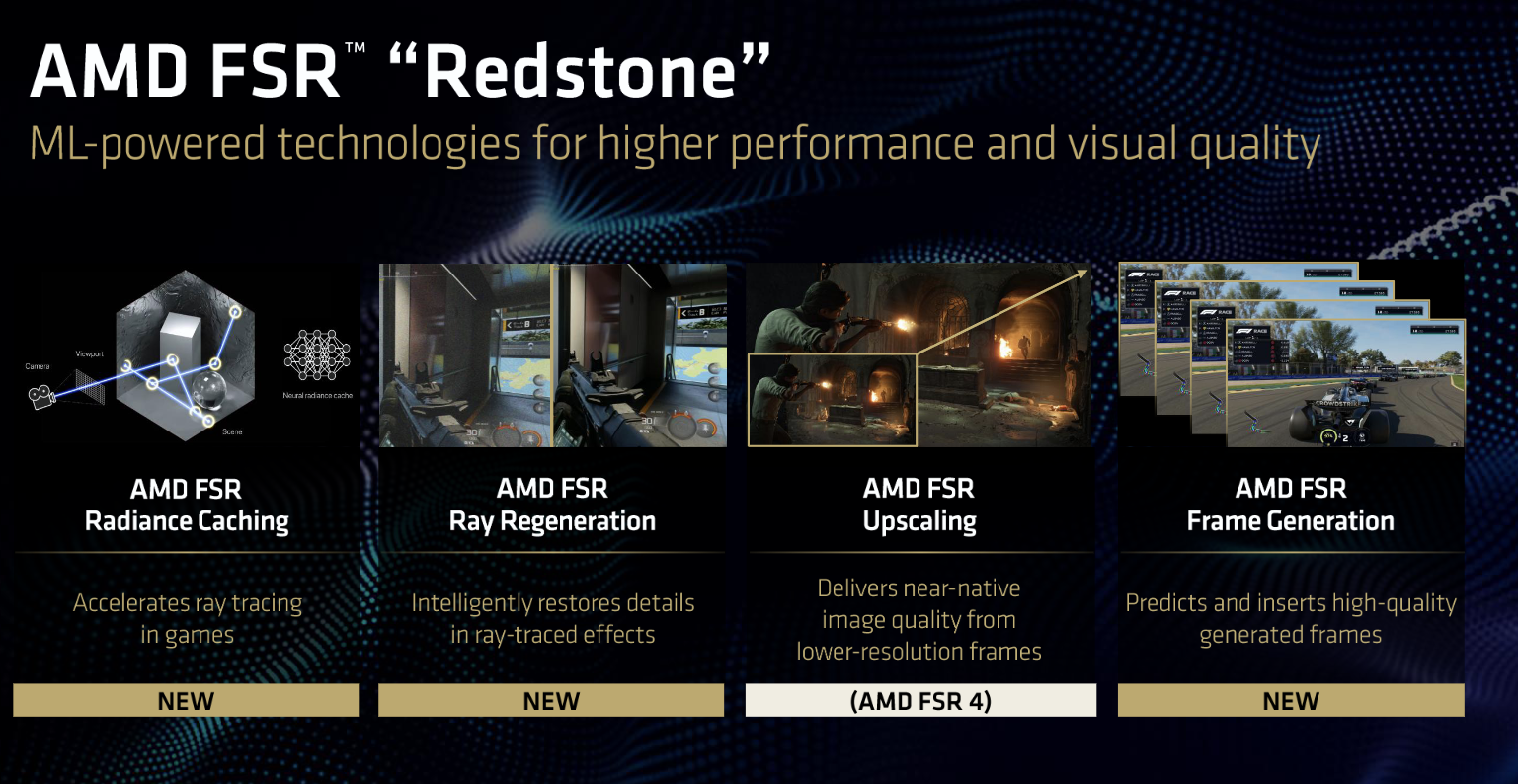
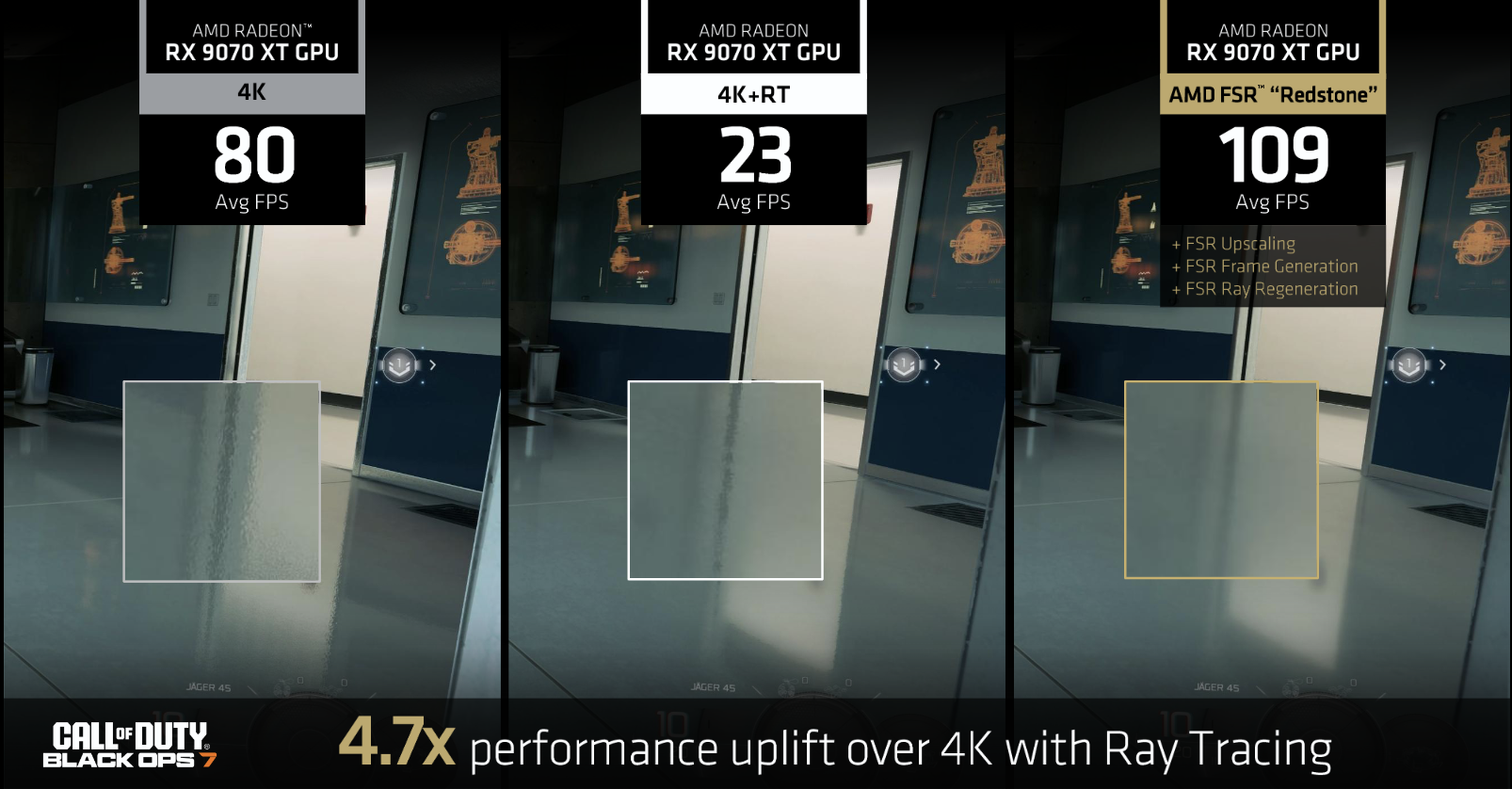
According to AMD's data, over 80 percent of the PC market will utilise NPUs by 2029. Currently, AMD has over 250 Ryzen AI PC models in circulation from various OEMs. Some of this AI-centric focus will benefit gamers, thanks to technologies like FSR 4 (Redstone), which is the new ML-enabled version of the FSR upscaler, enabling greater visual and performance gains on Radeon RX 9000 series graphics cards and newer. According to AMD, FSR Redstone can improve performance by up to 4.7x at 4K resolution with ray tracing enabled. A number of big 2025 titles have already been upgraded with this new version, including The Elder Scrolls IV: Oblivion Remastered, Silent Hill 2, Mafia: The Old Country and of course, Call of Duty: Black Ops 7.

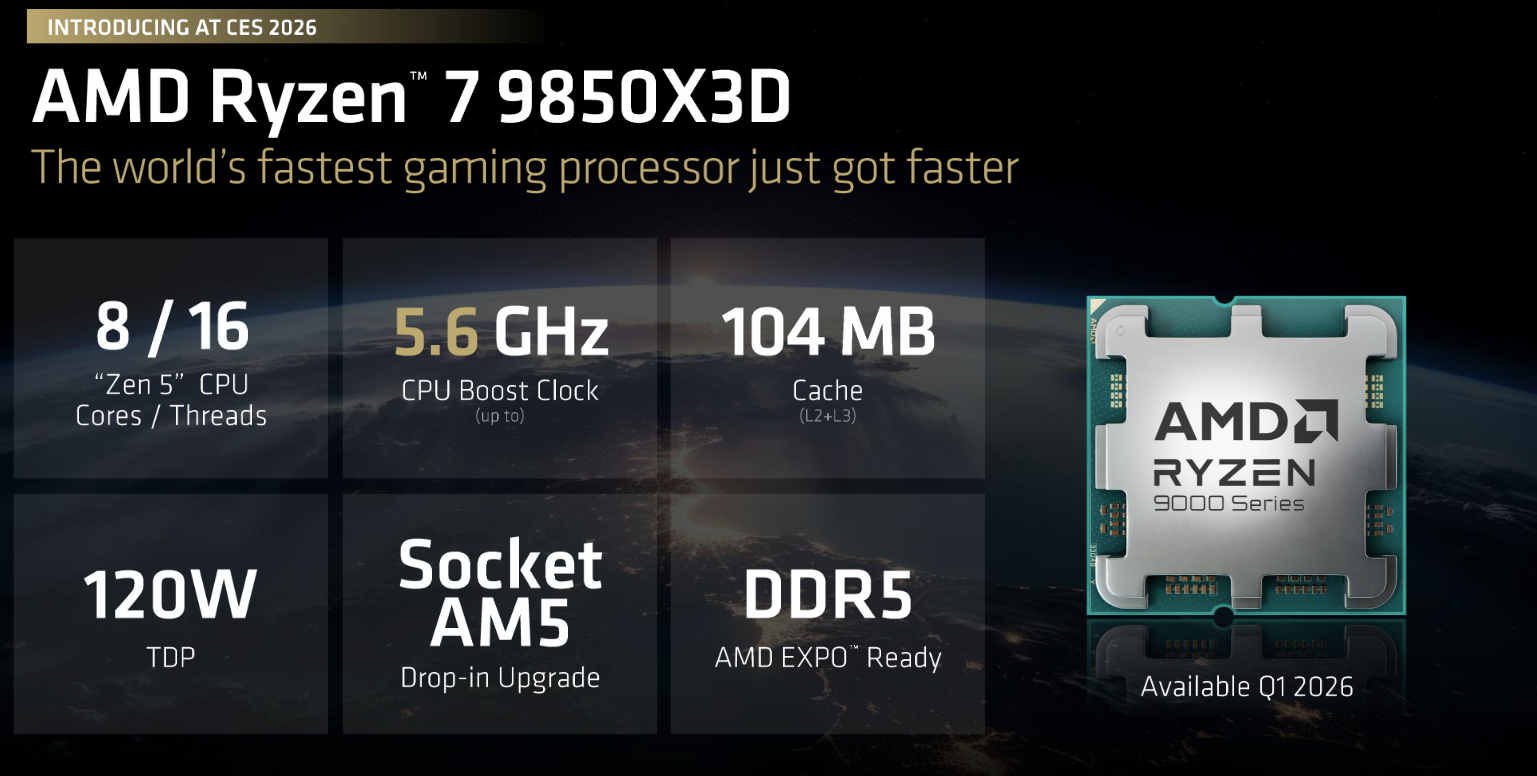
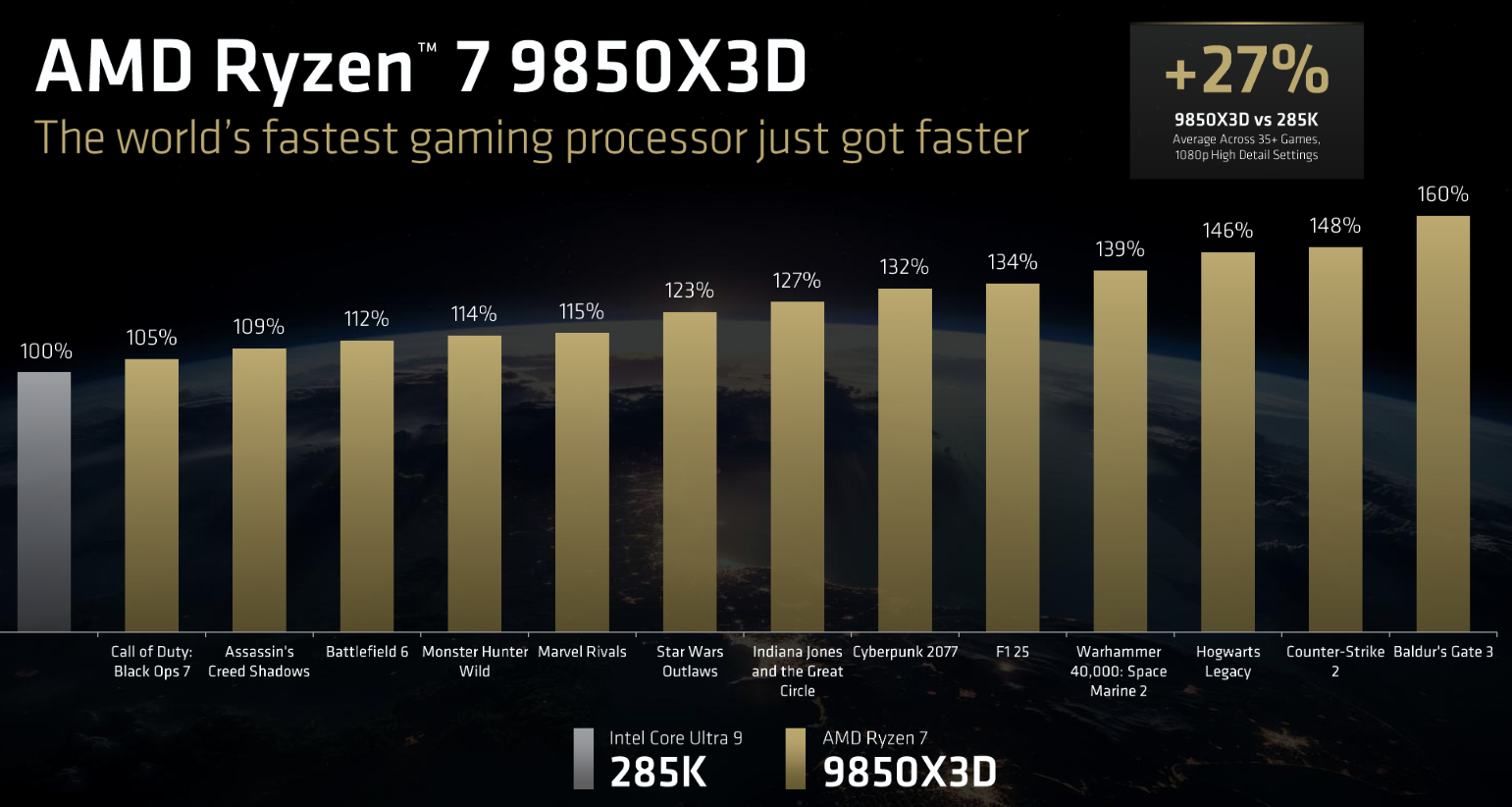
On the desktop PC front, AMD is unveiling its new Ryzen 7 9850X3D CPU today. This chip packs an 8C/16T Zen 5 CPU configuration, along with a massive 104MB of cache. It is a step above the previous 9800X3D, with a higher 5.6GHz boost clock speed. According to AMD, this chip offers as much as 60% more performance compared to the Intel Core Ultra 9 285K desktop processor in games like Baldur's Gate 3. This chip will soon be at the heart of Alienware's flagship Area 51 gaming PC, and many other OEMs are also expected to adopt it, alongside the chip's release to the DIY market.

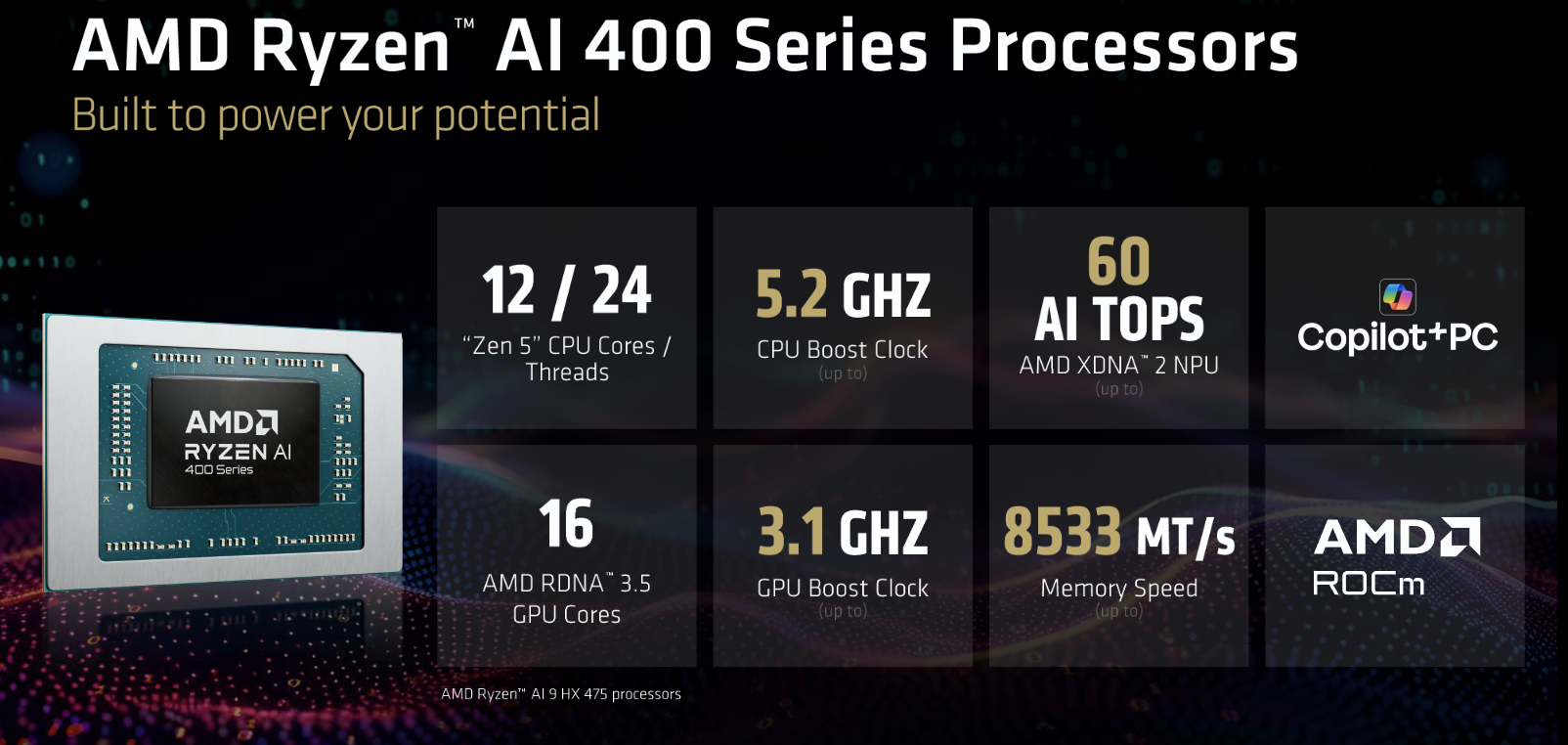
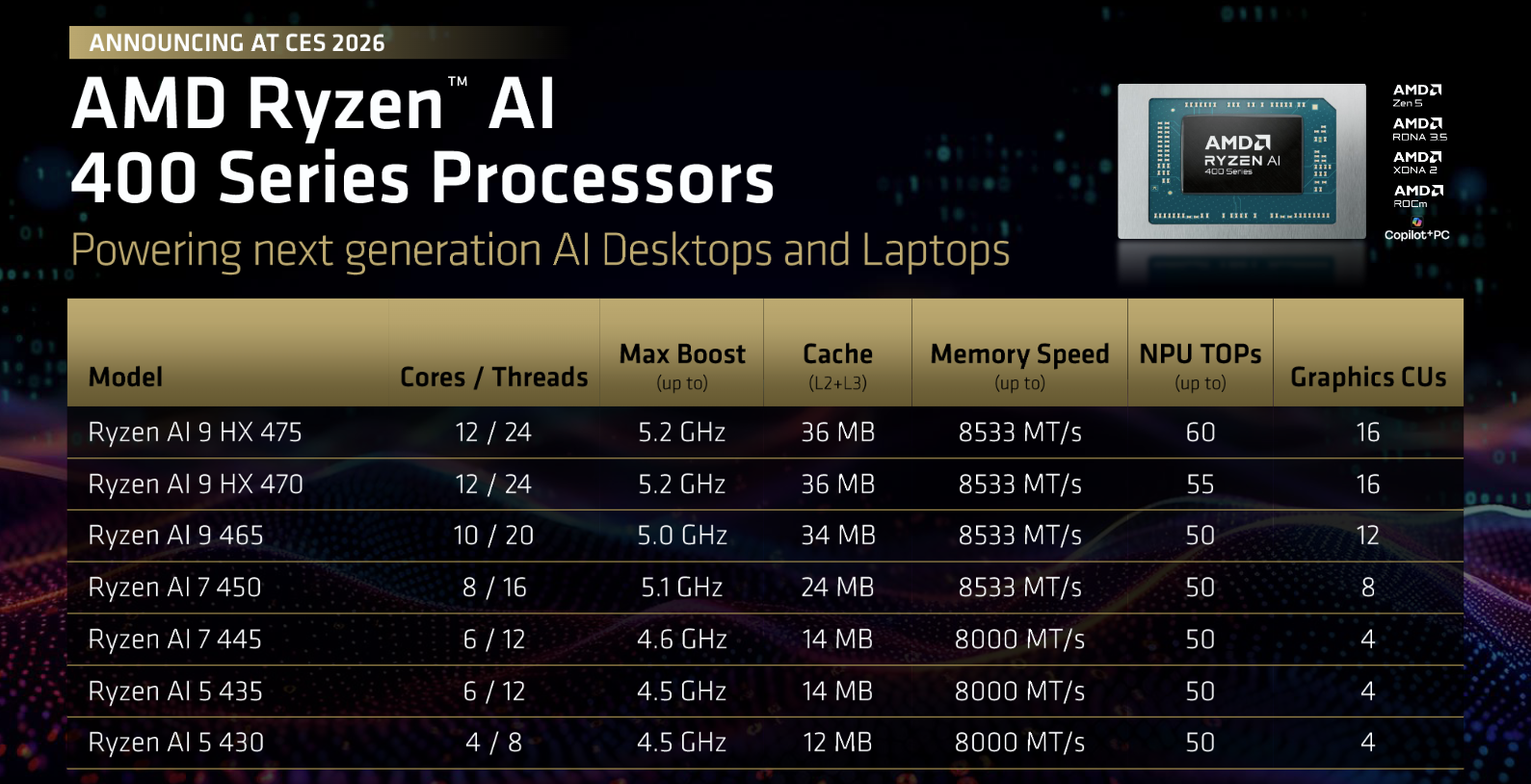
On the laptop side of things, AMD also has the new Ryzen AI 400 series processors. These CPUs aim to bring AMD into a leadership position for full stack CPU, GPU + NPU performance. These CPUs will offer up to 12C/24T with Zen 5 architecture, up to 5.2GHz boost clock and 60 AI TOPS via the XDNA 2 NPU, a 1.2X increase over the previous generation. For the integrated GPU, you'll get up to 16 RDNA 3.5 GPU cores.

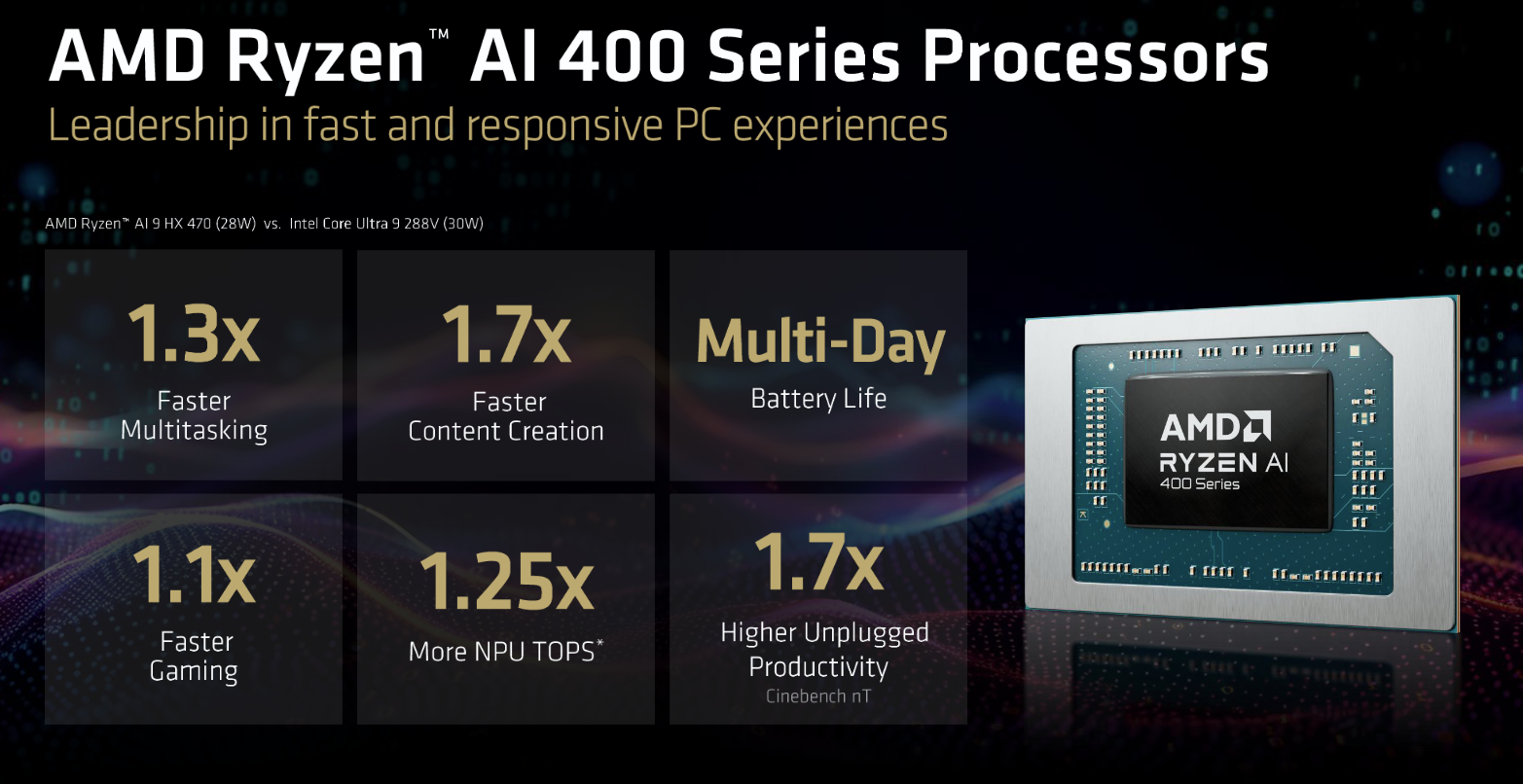
In content creation applications, AMD claims these chips will offer up to 1.7x more performance, as well as a 1.3x boost in multi-tasking. The big addition the line-up here is the Ryzen AI 9 HX 475, which will offer the highest possible specification, but there are also new Ryzen AI 7 and Ryzen AI 5 SKUs on the way as well. OEMs like Acer, Asus, Dell, HP, Lenovo, MSI, Gigabyte and more will offer laptops (or potentially mini PCs) using Ryzen AI 400 series processors in 2026.

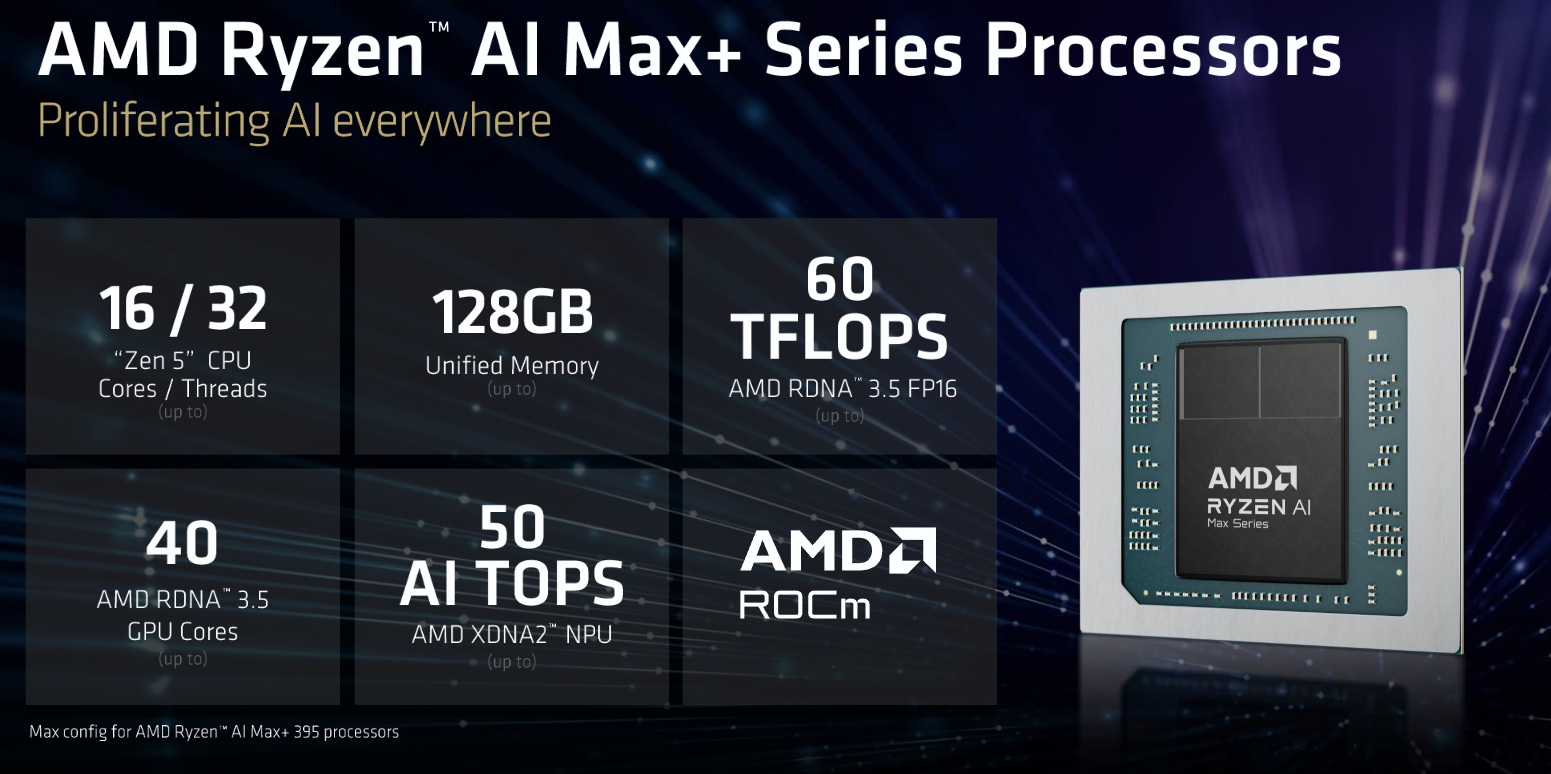
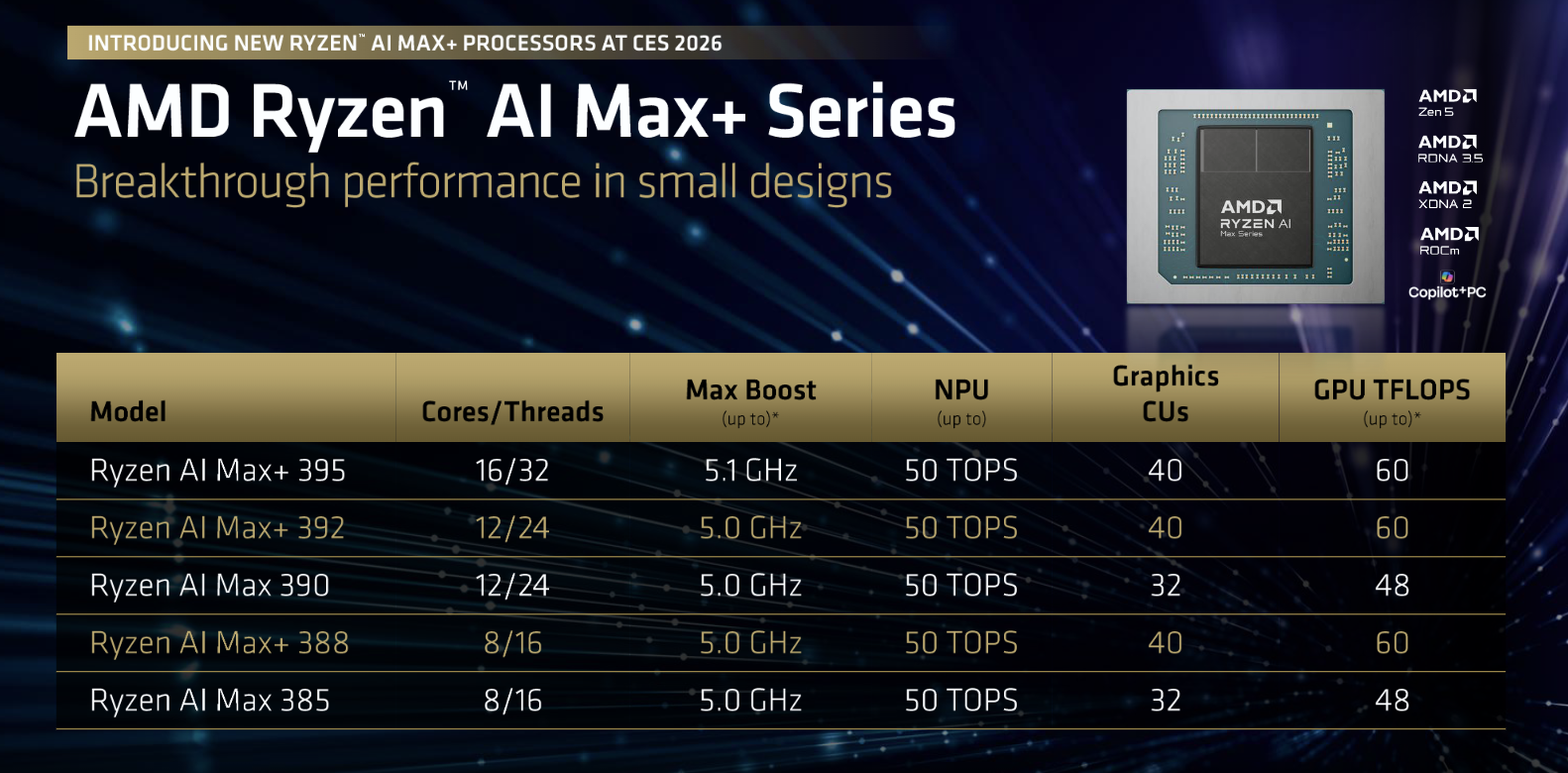
Ryzen AI Max CPUs will offer performance for AAA gaming, as well as perf needed for ‘workstation-level creation'. Systems will support up to 128GB of unified memory for AI powerhouse systems. Ryzen AI Max+ CPUs will offer up to 16C/32T, 40 RDNA 3.5 GPU cores and up to 60TOPS AI perf with XDNA 2 NPU.

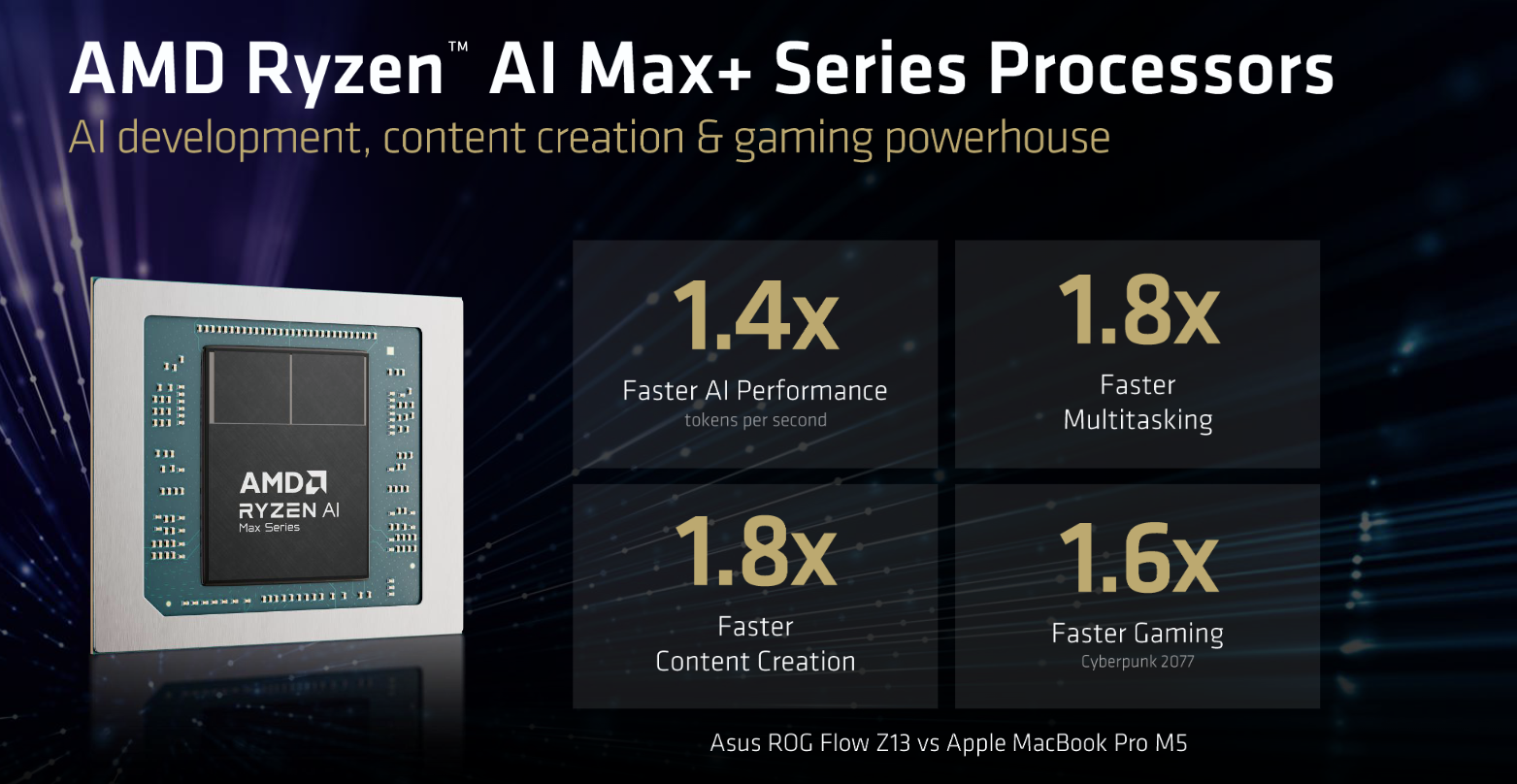
Against a MacBook Pro M5, the new Ryzen AI Max CPUs offer up to 1.4x better AI performance, up to 1.8x better content creation performance and up to 1.6x better in gaming. The Ryzen AI Max+ 392 and 388 CPUs are new to the line-up, launching in Q1 2026.

KitGuru Says: As is often the case, AMD is using CES to focus primarily on its laptop segment, with minor updates on the desktop CPU and GPU side. We should get more news on what's next for AMD in the desktop segment later in the year, likely around Computex time. 

The post CES 2026: AMD reveals new Ryzen CPUs for laptops and desktops first appeared on KitGuru.
  •  

CES 2026: HP unites OMEN and HyperX gaming brands for future gaming products

It’s been several years since HP acquired HyperX from Kingston. During that time, HP has operated its own gaming brand, OMEN, alongside HyperX. Now, the company is consolidating the two, with OMEN products rebranded under HyperX to unify its gaming portfolio across PCs, displays, peripherals, and software.

Leading the CES 2026 lineup is the HyperX OMEN MAX 16, which HP claims is the world’s most powerful gaming laptop with fully internal cooling. It supports up to 300W platform power, next-gen Intel Core Ultra 200HX and AMD Ryzen AI processors, and NVIDIA GeForce RTX 5090 Laptop GPU. The system features a redesigned Tempest Cooling Pro setup, a high-polling rate keyboard, and a 240Hz OLED display.

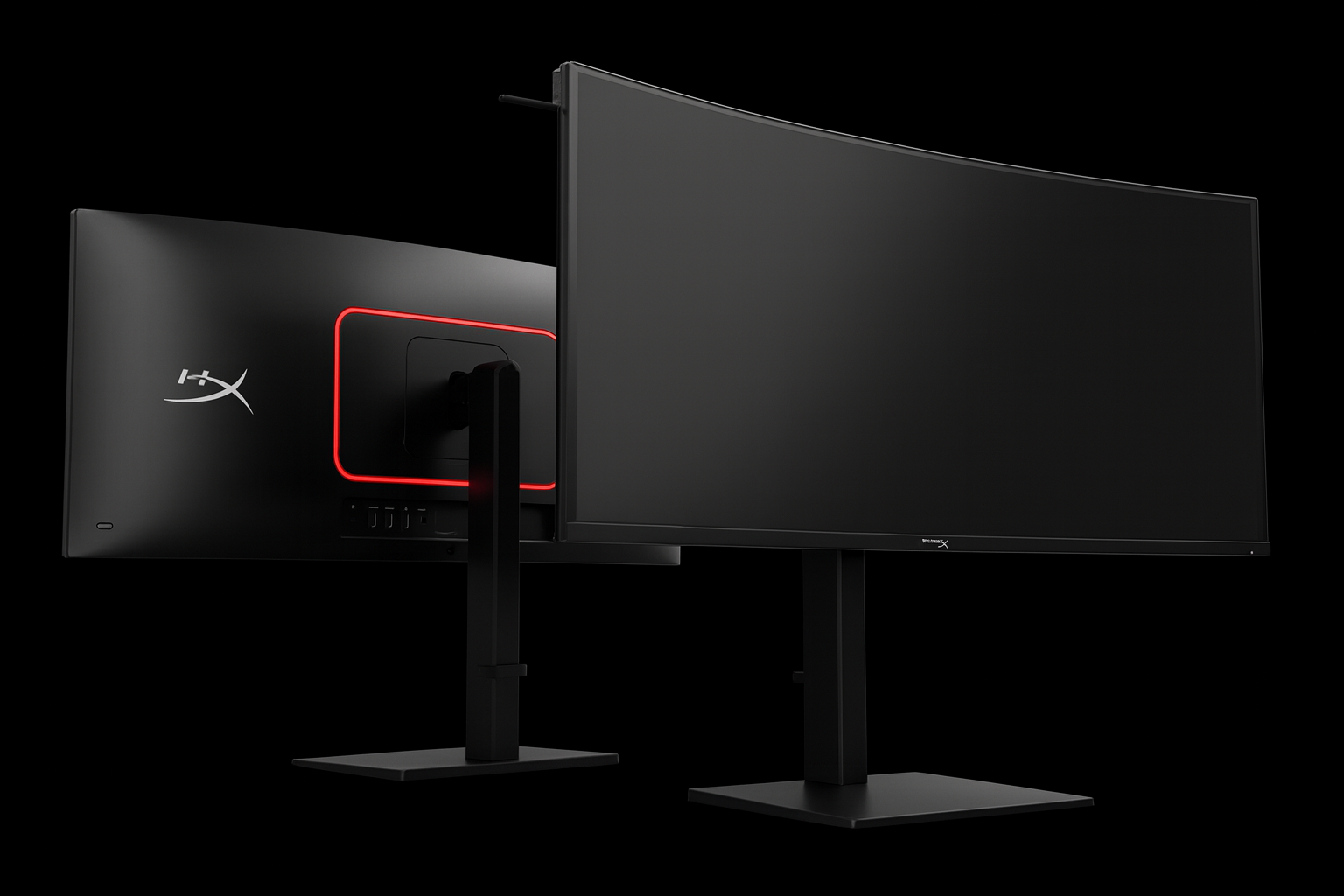
Also debuting is the HyperX OMEN OLED 34, a 34-inch QD-OLED monitor with 360Hz refresh rate, 0.03ms response time, and professional-grade color accuracy via HyperX ProLuma. It includes USB-C power delivery, a built-in KVM switch, and burn-in protection.

HP’s first Xbox-licensed arcade controller, the HyperX Clutch Tachi, features magnetic switches, customizable inputs, and support for 3D-printed mods. Finally, HP previewed a prototype EEG headset co-developed with Neurable, designed to interpret brain activity and help players improve focus and accuracy using AI and neurotechnology.

All products are expected to launch in Spring 2026, with pricing to be announced closer to availability.

KitGuru Says: Future HP gaming products will now carry HyperX OMEN branding, bringing the two sub-brands together, which should simplify things for consumers when shopping for new laptops or pre-built PCs. 

The post CES 2026: HP unites OMEN and HyperX gaming brands for future gaming products first appeared on KitGuru.
  •  

CES 2026: HP launches new OmniBook and OmniStudio PCs

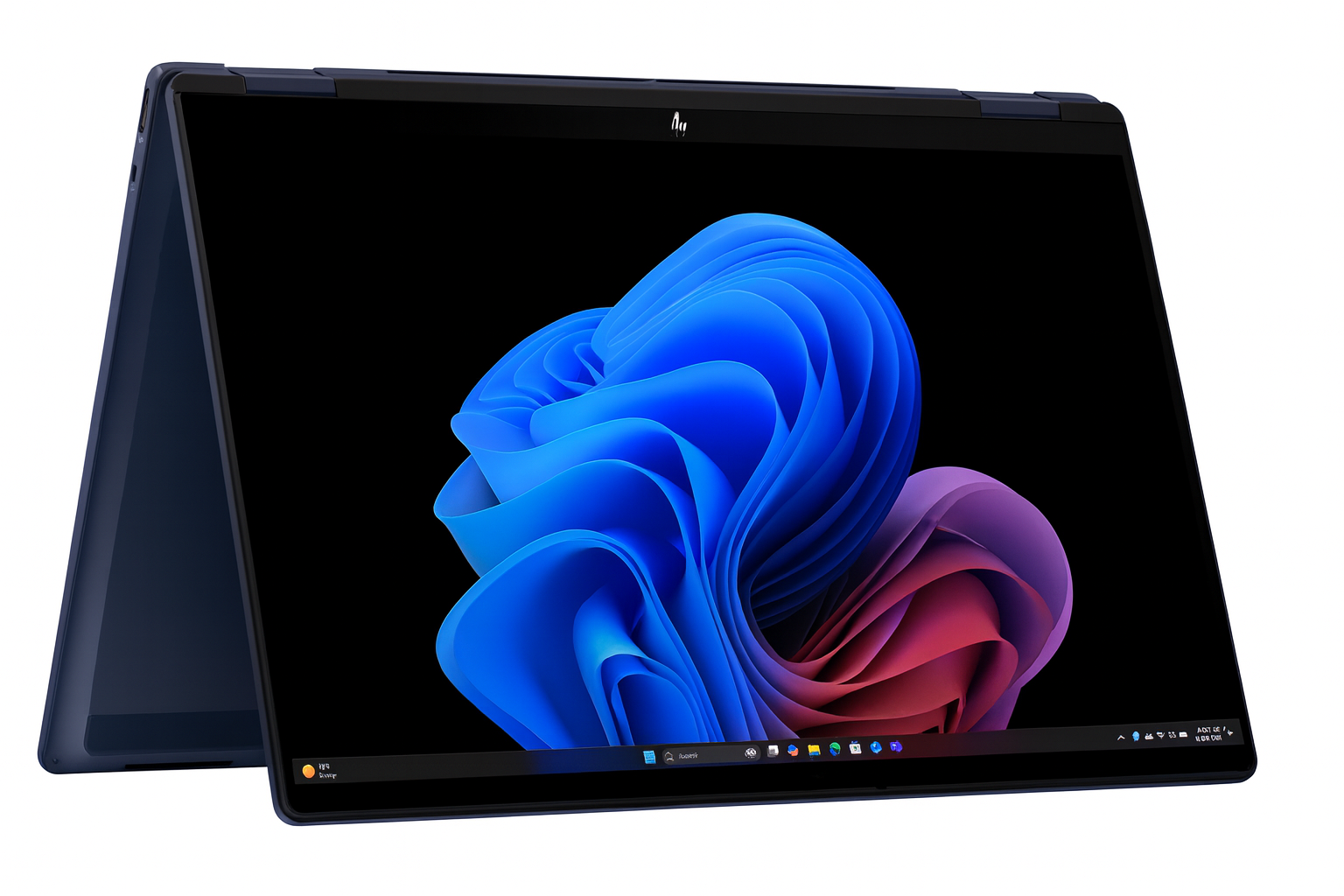
HP used CES 2026 to roll out a major refresh of its consumer PC portfolio, led by the OmniBook Ultra 14 — a flagship model the company claims is the world’s first consumer notebook offering up to 85 TOPS of NPU performance when configured with an HP‑exclusive Snapdragon X2 Elite variant.

The system also comes in Intel Core Ultra form for users prioritising GPU‑heavy AI workloads. Both versions include a 3K OLED display, a redesigned chassis that HP says is 52% lighter than the previous generation, and MIL‑STD‑810 durability testing. A new posture‑detection feature rounds out the updates.

The company is also pushing Snapdragon X2 and OLED displays across the wider OmniBook range, including a refreshed 16‑inch model in the OmniBook 3 Series that HP claims can reach up to 45 hours of battery life.

Beyond laptops, HP introduced the OmniStudio X 27, an all‑in‑one PC aimed at creators and home‑office users. It features what HP calls the world’s first Neo:LED AIO display with dual 100% colour coverage, plus next‑gen Intel Core Ultra processors and optional GeForce RTX 5050 graphics. Thunderbolt Share support allows users to control both a laptop and the AIO with a single keyboard and mouse, while Surface View enables easy sharing of sketches or notes during video calls.

HP is also overhauling its full OmniBook lineup across four series:

  • OmniBook X Series – Targeted at freelancers and power users, this line emphasises portability and premium design while offering next‑gen AMD, Intel, and Snapdragon options. These models are positioned as the most flexible in the range, balancing performance and mobility.
  • OmniBook 7 Series – Aimed at professionals who rely on video calls and hybrid‑work tools, these systems include Windows Studio Effects and Poly Studio‑tuned audio for clearer conferencing. They sit as HP’s mainstream productivity tier.
  • OmniBook 5 Series – Designed for families, students, and everyday users, the 5 Series brings OLED displays, slim aluminium builds, and responsive AI performance to mid‑range price points.
  • OmniBook 3 Series – The entry tier focuses on value while still supporting AI‑accelerated workloads, with a wide range of sizes and processor choices across AMD, Intel, and Qualcomm.

HP also updated its Chromebook Plus lineup, including new x360 14 and 14‑inch clamshell models with 2K displays and Google’s latest AI tools. Standard Chromebook models have also been refreshed with improved durability and better Android integration.

All new Windows 11 consumer PCs will ship with HP’s Digital Passport hub, plus two new software additions: Omni+ for cross‑platform password management and HP TV+ for free streaming content.

KitGuru Says: Are you planning on picking up a new laptop this year? Does CoPilot+ certification weigh into your purchase decision at all? 

The post CES 2026: HP launches new OmniBook and OmniStudio PCs first appeared on KitGuru.
  •  

CES 2026: MSI unveils MEG system, AMD MAX motherboards and more

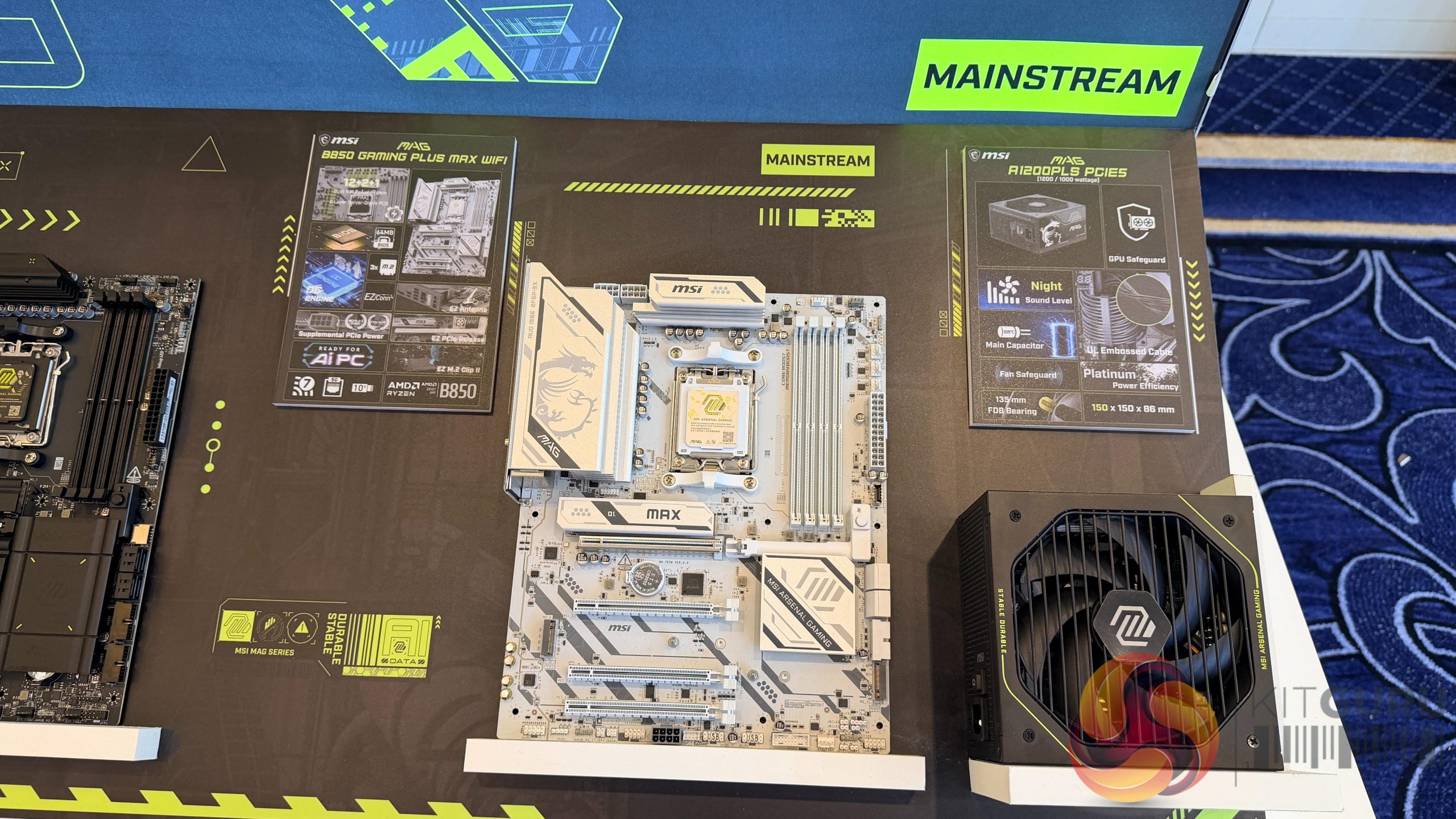
One of the clearest messages from our pre-CES briefing at MSI’s Taipei HQ, is that the company is no longer thinking solely in terms of isolated components. For 2026, the focus is on complete platforms, where motherboard, power delivery, cooling and chassis are designed and engineered as a single system. This is most evident in the MEG range, supported by the introduction of Safeguard+ at the PSU level and a substantially revised AMD MAX motherboard strategy built around X870E.

Rather than chasing peak benchmark numbers in isolation, MSI appears to be targeting stability under sustained load, predictable behaviour when pushed outside default limits and fewer failure points – as next-gen GPUs and CPUs continue to draw more power and operate closer to their electrical limits.

The MEG system: building around the extreme user

MEG, short for MSI Enthusiast Gaming, sits at the top of MSI’s desktop stack. What’s different with this generation is how tightly the individual MEG components are designed to work together, rather than simply sharing branding.

At the centre of the MEG system is the X870E ACE MAX motherboard. It uses an 18+2+1 phase power design with 110A smart power stages, mounted on a high-layer, server-grade PCB with 2oz copper. This is not unusual in isolation, but the way MSI builds around it feels more deliberate than before.

Power delivery and overclocking control
The defining feature across MAX boards is the built-in OC Engine, which decouples base clock control from the rest of the system. Instead of raising BCLK and dragging memory, PCIe and NVMe controllers out of specification, the OC Engine allows fine-grained CPU base clock adjustment while keeping other subsystems within tolerance.

For enthusiasts, the benefit should be more than just theoretical. It looks to enable measurable gains on modern Ryzen CPUs without destabilising storage or I/O (which has traditionally been the limiting factor for BCLK-based tuning). MSI also supports this with the Direct OC Jumper, allowing real-time base clock adjustment from within the operating system, rather than repeated BIOS reboots.

This is paired with a 64MB BIOS ROM across MAX boards, doubling previous capacity. In practice, this allows MSI to retain full CPU support tables, richer firmware features and a less constrained UI, while maintaining forward compatibility as future Ryzen CPUs are introduced.

Thermal design as part of the platform

Thermal management is another area where MSI is treating the motherboard as part of a wider system rather than a standalone product. The Frozr Guard cooling architecture combines wavy-fin heatsinks, cross heat-pipes, high-conductivity thermal pads and full-length metal backplates.

Importantly, this is not just about MOSFET cooling. PCIe 5.0 storage controllers can generate significant heat under sustained transfer loads, and MSI treats M.2 thermals as a first-class concern, with double-sided shield designs and tool-free installation that encourages users to use them correctly.

The cooling strategy extends beyond passive hardware. Frozr AI Cooling and the Cooling Wizard integrate fan curves, thermal zones and workload behaviour – allowing the board to respond dynamically rather than relying on static profiles.

MEG beyond the motherboard: chassis, cooling and power
MSI’s intent to treat MEG as a system becomes clearer when looking at the surrounding components.

MEG Maestro 900R chassis
The Maestro 900R is MSI’s largest and most flexible case to date. It supports E-ATX motherboards, graphics cards up to 400mm long and multiple radiator configurations, with capacity for up to four radiators or 14 fans.

The defining feature is the rotatable and removable motherboard tray. This allows traditional, inverted or showcase layouts, and even converts the chassis into a standalone test bench. While this will appeal to modders and extreme builders, it also reflects a more practical consideration: Airflow optimisation around increasingly large GPUs.

Vertical GPU mounting, dual-GPU configurations and complex liquid loops should all be accommodated without forcing compromises elsewhere in the system.

MEG CoreLiquid E15 360

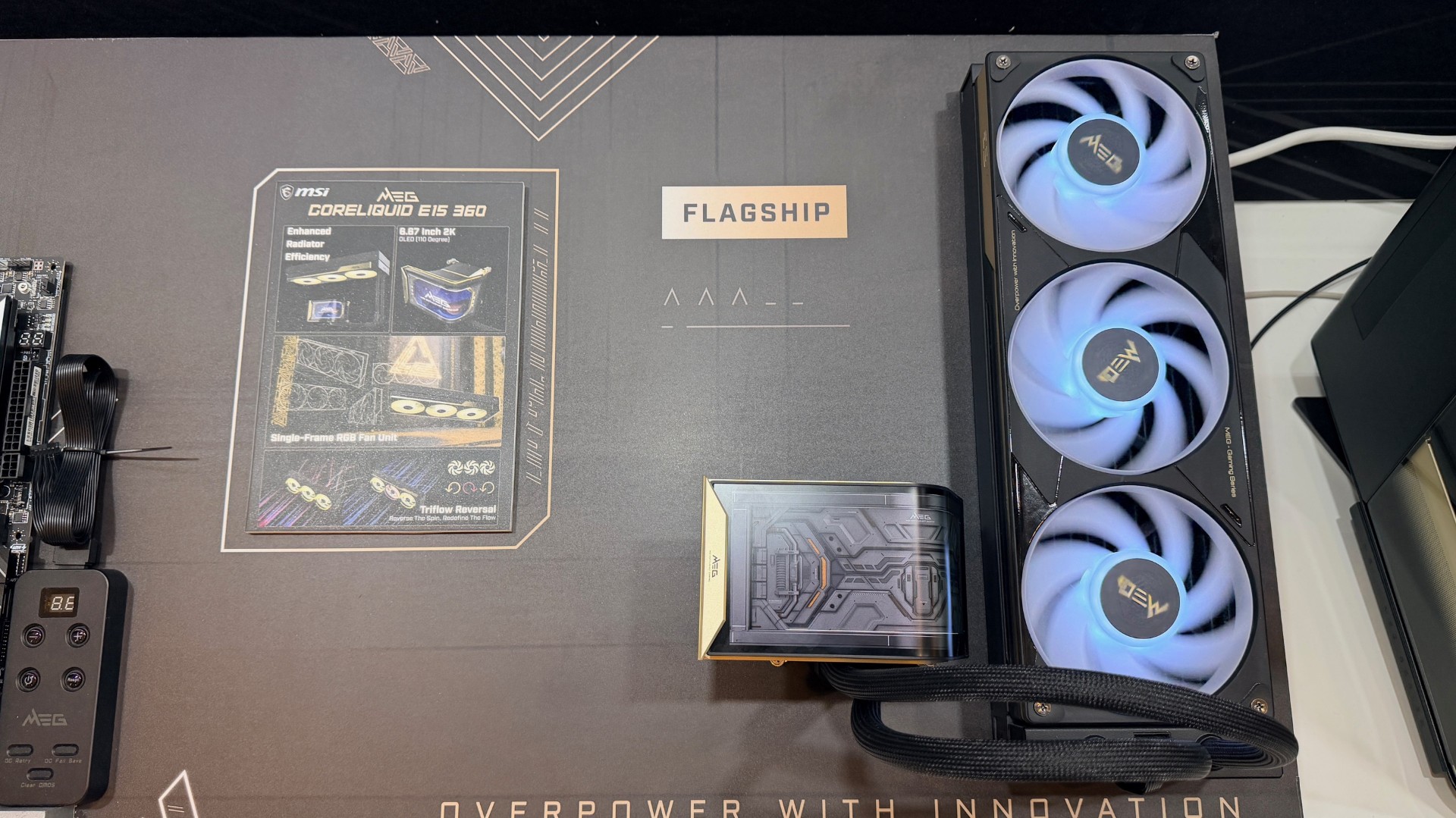
Cooling is handled at the top end by the MEG CoreLiquid E15 360. Beyond the obvious headline feature (which is a curved 6.67-inch OLED display with 2K resolution), the more interesting detail is the fan and cabling architecture.

The three radiator fans use alternating rotation directions to reduce turbulence and improve airflow consistency. All power, control and RGB signalling is routed through a single JAF_2 connector, significantly reducing cable clutter and potential installation errors.

The OLED display is configurable for system telemetry or custom visuals, but it also reinforces MSI’s broader move towards integrated system monitoring rather than relying on third-party tools.

MEG Ai1600T PCIE5 power supply
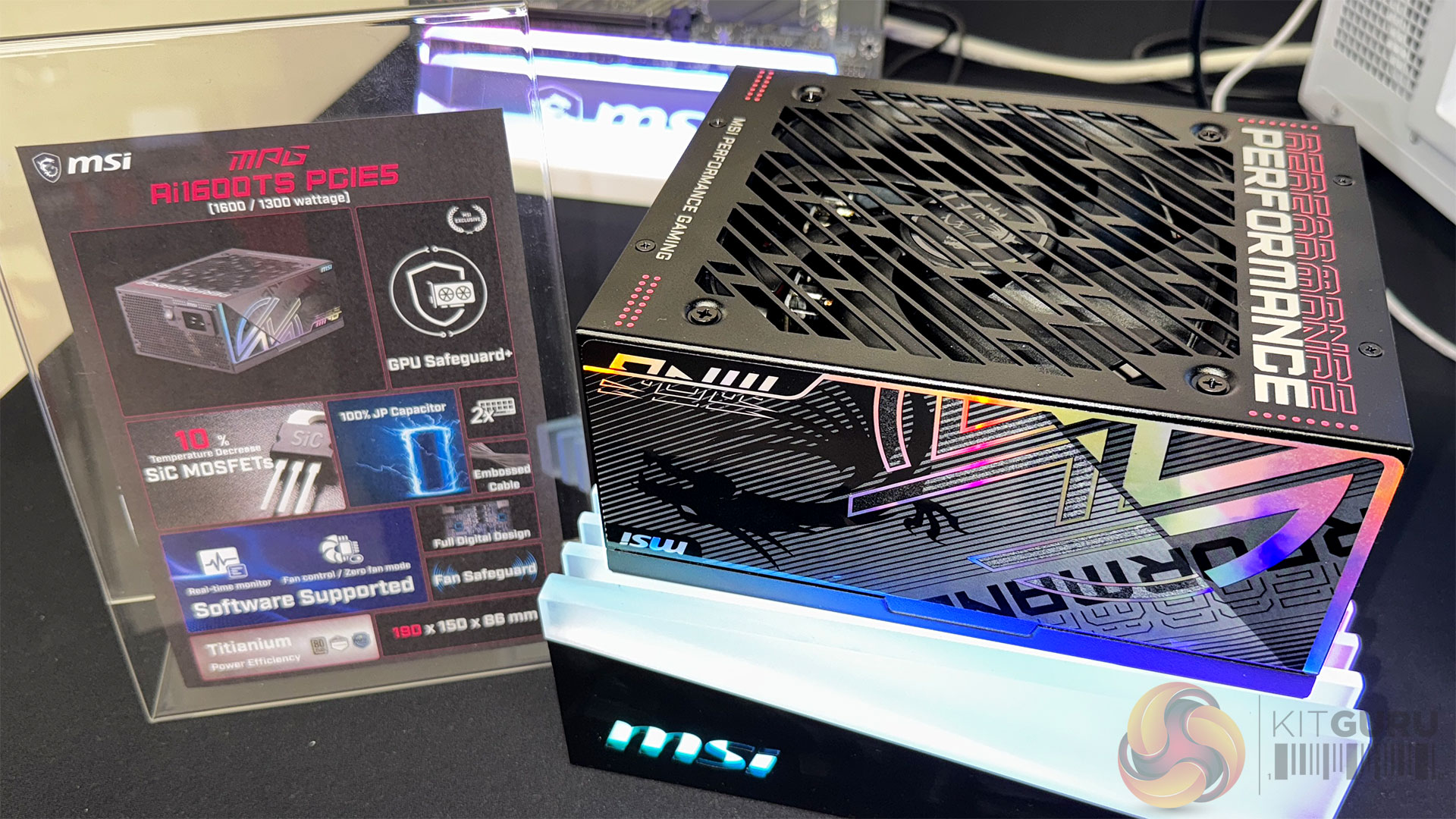
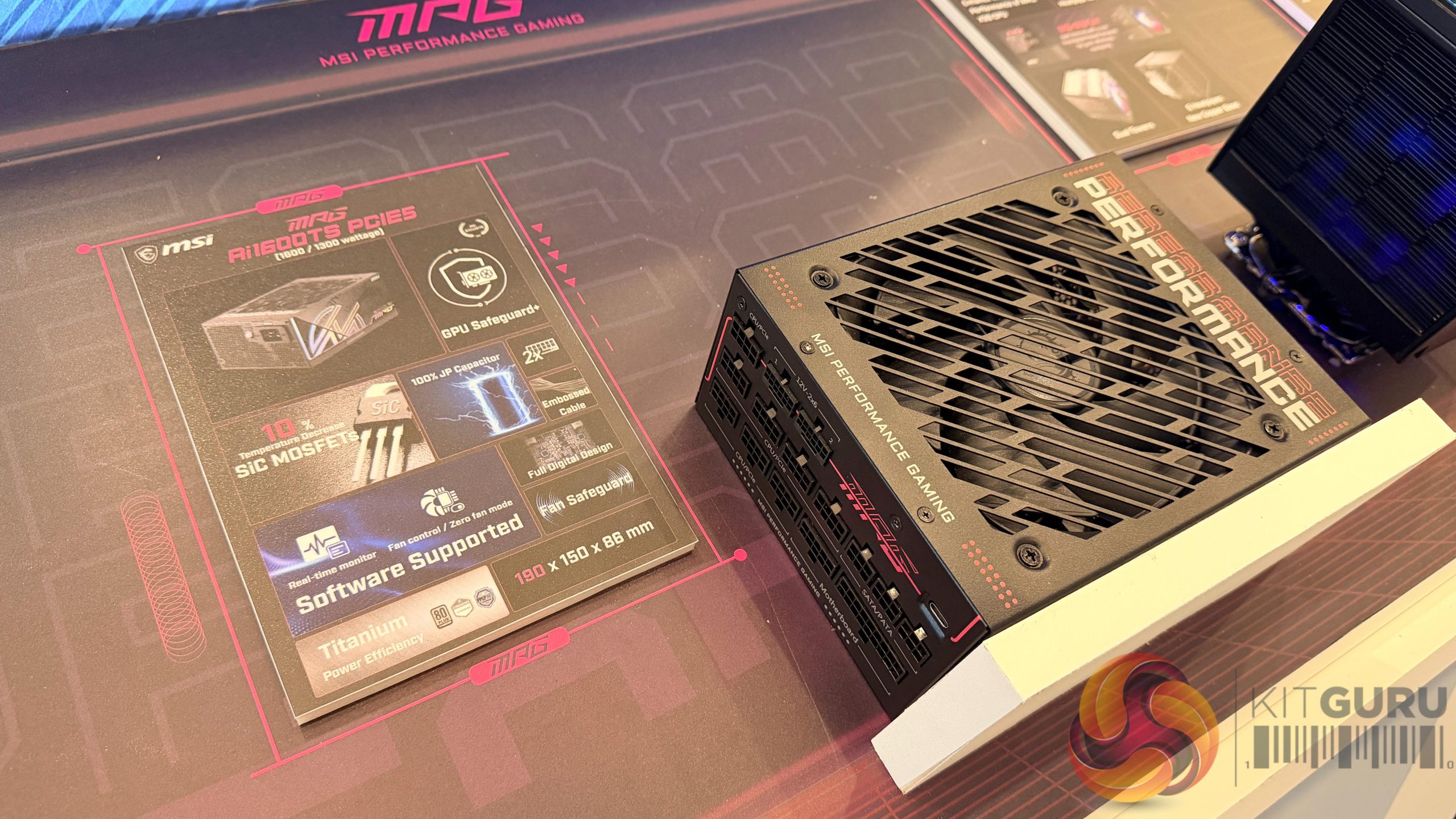
At the base of the system sits the MEG Ai1600T PCIE5 PSU. Rated for up to 1,600W with 80 Plus Titanium efficiency, it uses a fully digital design with SiC MOSFETs, reducing operating temperatures by around 10 percent compared to conventional silicon solutions.

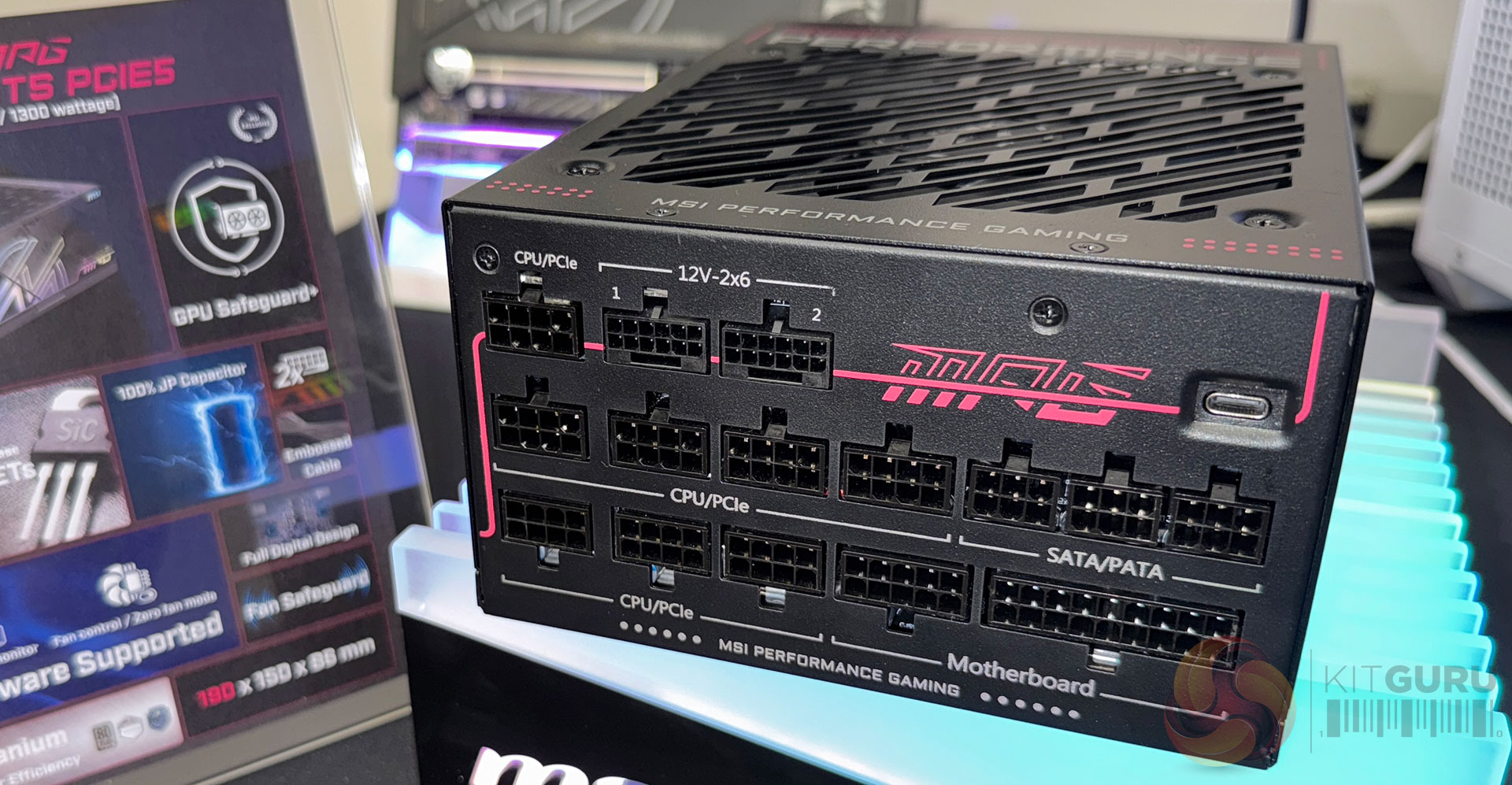
It provides dual 12V-2×6 connectors for flagship GPUs, which is increasingly relevant as single-card power budgets continue to climb. However, raw capacity is not the most important story here. That comes with Safeguard+ that is available on MPG Ai1600TS / Ai1300TS PCIE5, but not on the MEG Ai1600T PCIE5.

Safeguard+: Looking to address a real-world failure point
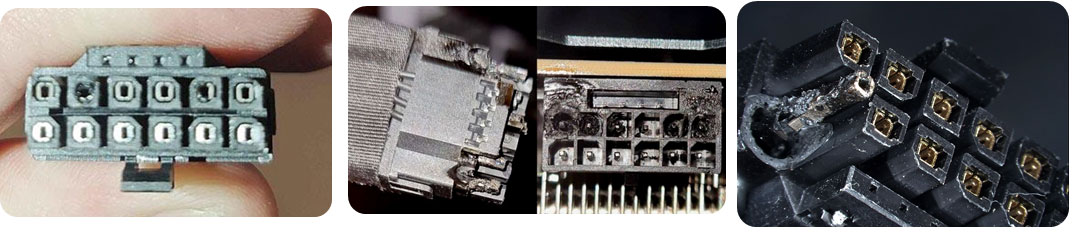
The move to the 12V-2×6 connector has solved some problems and created others. While it simplifies cabling and supports higher power delivery, it has also exposed systems to failures caused by poor seating, uneven current distribution and sudden overcurrent events. Safeguard+ is MSI’s attempt to deal with this ‘at the PSU level’, rather than leaving it to the GPU or the user.

According to MSI, there continue to be power coupling issues across the industry – when connecting major-draw graphic cards and power supplies. They were careful to point out that if you only connect your GPU once, then it's likely to be fine – but if you (re)connect on a regular basis – then there is potential for problems.

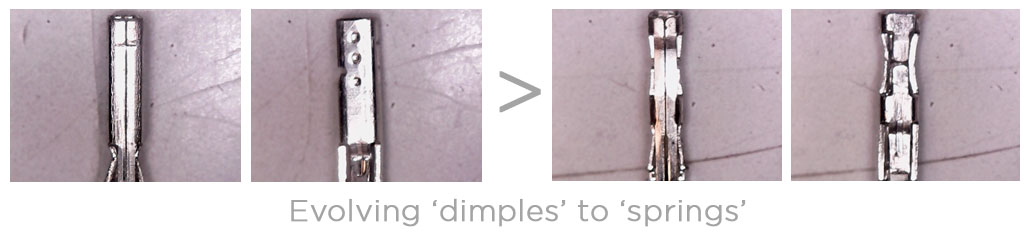
By changing connection mechanisms and other improvements, MSI believes that it can make high-wattage connections much safer. But the immovation doesn't stop with the physical PSUs themselves. Enter Safeguard+.

How Safeguard+ works
Safeguard+ uses an onboard microcontroller to monitor current across individual pins on the 12V-2×6 connector in real time. If it detects current imbalance or an instant overcurrent condition, the system moves through a defined protection sequence.

First, the user is alerted via a physical buzzer and an on-screen notification through MSI Center. If the issue is not resolved, the system disables video output while continuing to sound the alert, forcing user intervention before damage can occur.

This is not a soft warning system. It is designed to interrupt operation before heat or electrical stress causes permanent damage to the PSU, GPU or connector itself. We question whether an audio alarm is the best way forward, but at least it’s hard to ignore.

Software integration and logging
Through MSI Center, users can monitor real-time current delivery, PSU efficiency, temperatures and fan behaviour. Logs can be reviewed over time, making it easier to diagnose intermittent issues or confirm that a system is operating as expected under load.

Safeguard+ is implemented differently depending on PSU tier. MPG Ai1600TS and Ai1300TS models support dual 12V-2×6 monitoring with full software integration, while MAG-series units support single-connector protection with hardware alerts only.

Fan Safeguard
Alongside GPU-focused protection, MSI has implemented Fan Safeguard across new MPG and MAG PSUs. If the PSU fan fails to follow its expected rotation profile, whether due to dust build-up or disconnection, the PSU shuts down to prevent overheating. This is a simple feature, but it addresses a common long-term failure mode that is often ignored until damage has already occurred.

MAX series motherboards for AMD Ryzen: preparing for what comes next
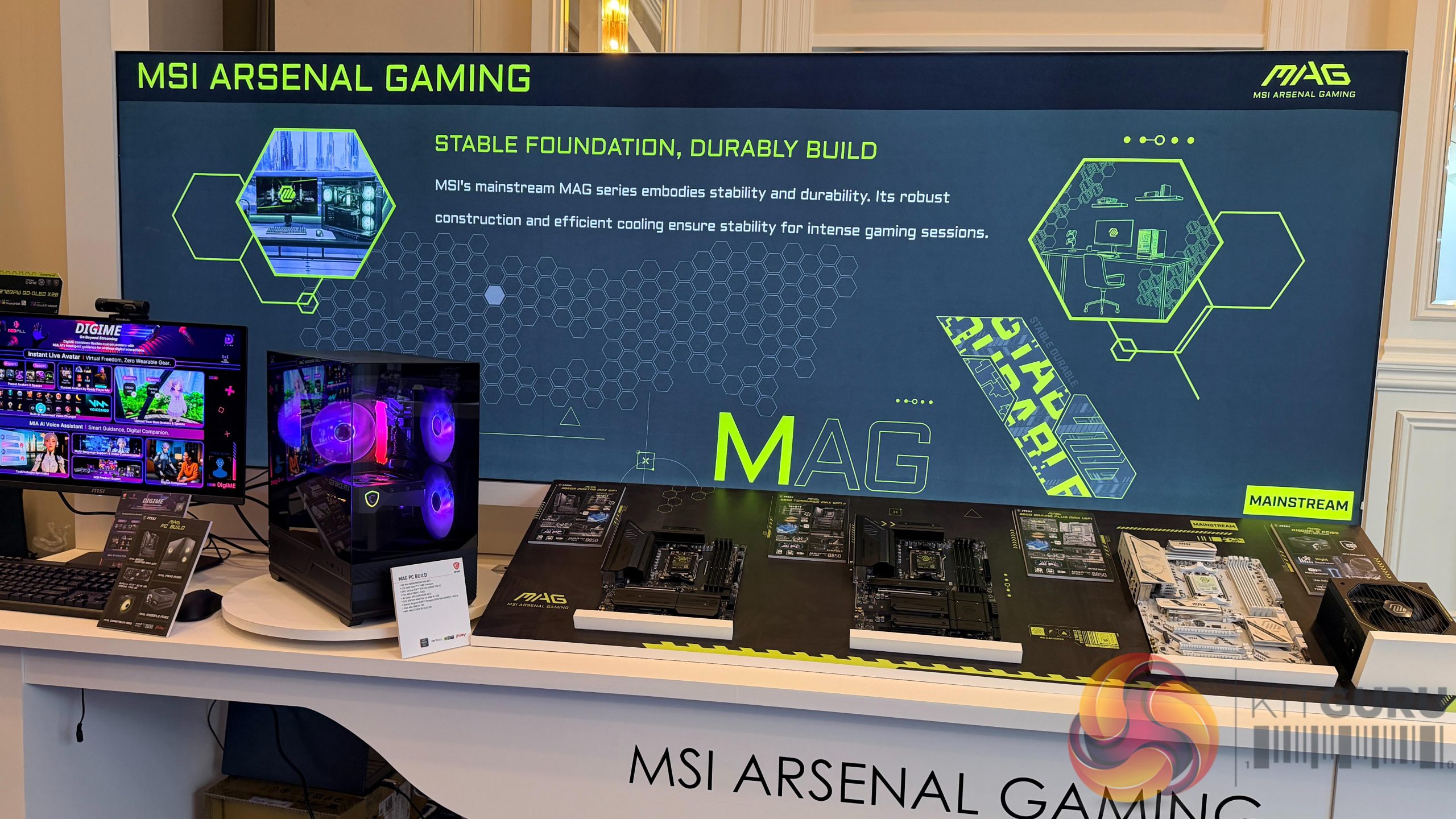
The third pillar of MSI’s strategy is the MAX motherboard range, built around AMD’s X870E chipset. MAX is not a cosmetic refresh. It is a structural upgrade designed to extend platform relevance as CPU, memory and I/O demands increase. There will also be new B850 models on show at CES from MSI.

Power and memory headroom
MAX boards scale up to 24 power phases with 110A stages on flagship models, with memory support officially extending beyond DDR5-10000 on compatible kits. While not every user will reach these limits, the headroom matters for stability at more modest settings.

MSI has also paid attention to PCB design, using higher layer counts and server-grade materials on upper-tier boards. This improves signal integrity for both memory and PCIe 5.0 devices, which is increasingly important as data rates climb.

Lane allocation and PCIe 5.0
One of the quieter but more meaningful improvements is how MSI handles PCIe lane bifurcation. On MAX boards, the GPU x16 slot and dual PCIe 5.0 M.2 slots can operate independently, avoiding bandwidth sharing that can limit performance in real-world workloads.

On boards like the MEG X870E GODLIKE X Edition, MSI goes further, supporting up to five onboard M.2 drives plus additional Gen5 storage via the included Xpander-Z card.

Connectivity and I/O
MAX boards standardise features that were previously reserved for select models. USB4, Wi-Fi 7 with full 320MHz channel support, and up to 10Gb Ethernet are now consistent across much of the range.

Front-panel USB-C charging is also enhanced, with up to 60W power delivery on higher-end boards, monitored in real time through the BIOS and software.

EZ DIY, taken seriously
MSI’s EZ DIY approach is not new, but on MAX boards it feels more comprehensive. Tool-free M.2 installation, PCIe slot release mechanisms, pre-installed I/O shields and consolidated cabling via EZ Conn and EZ Link designs all reduce friction during assembly and maintenance.

These are not headline features, but they matter when dealing with large, heavy GPUs and dense internal layouts.

In practical terms, we were told that a well configured system built on an MSI Max motherboard for Ryzen, could give you 5% to 15% additional in-game performance.

Across MEG, Safeguard+ and AMD MAX, MSI’s direction appears clear. The company is engineering for systems that are pushed hard, run for long periods and carry real financial risk when something goes wrong.

Rather than relying on user discipline or aftermarket solutions, MSI is building protection, monitoring and control into the platform itself. That does not make these systems simpler, but it does make them more predictable, which is arguably more valuable at this end of the market.

For enthusiasts, overclockers and professionals running high-end hardware at the edge of specification, that shift may prove more important than another incremental performance headline.

KitGuru says: In the DIY PC space, consumers are used to mixing up components from different vendors and throwing them all together in one system. As companies like MSI start to fill out their own ‘ecosystems' more, it becomes more tempting to buy more of your components from one place, as they've been designed to work well together. 

The post CES 2026: MSI unveils MEG system, AMD MAX motherboards and more first appeared on KitGuru.
  •  

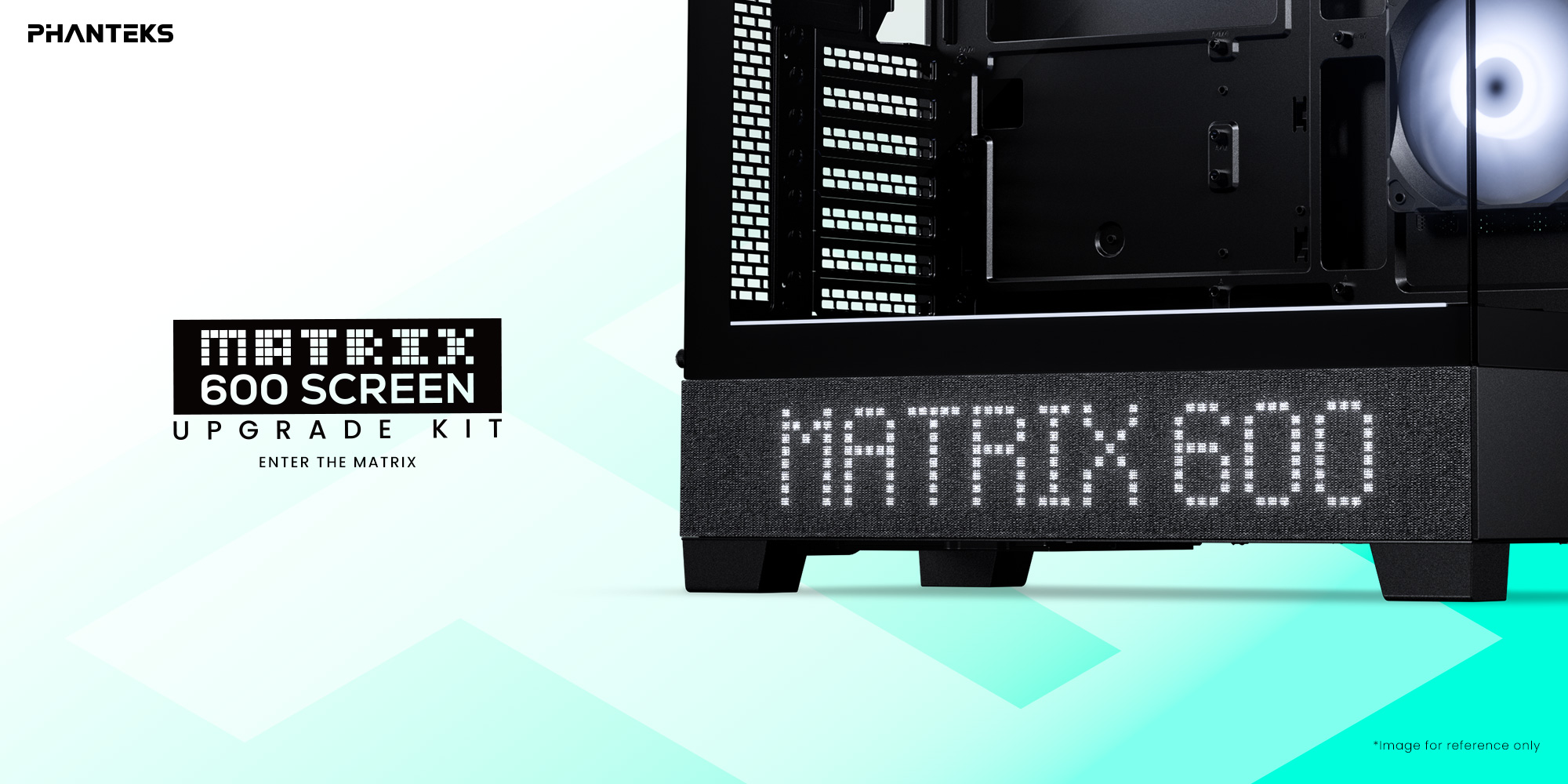
CES 2026: Phanteks debuts new Evolv and XT View Matrix cases

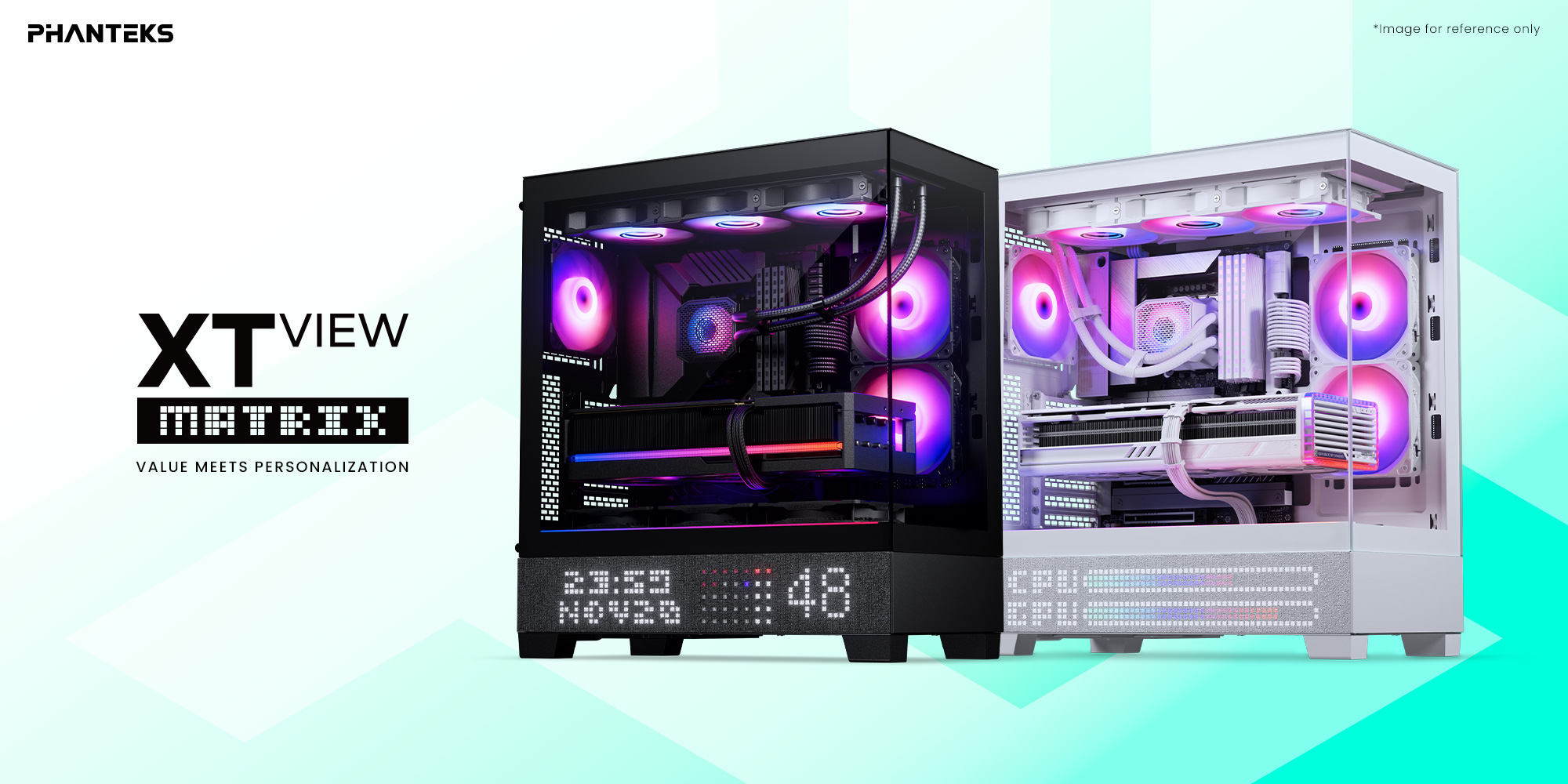
Phanteks has several new products to show off at CES this week, including new Evolv and XT View Matrix PC cases, and upgrade kits for those looking to add an LED Matrix display to their current Phanteks chassis. Here, we break it all down, along with pricing and launch dates. 

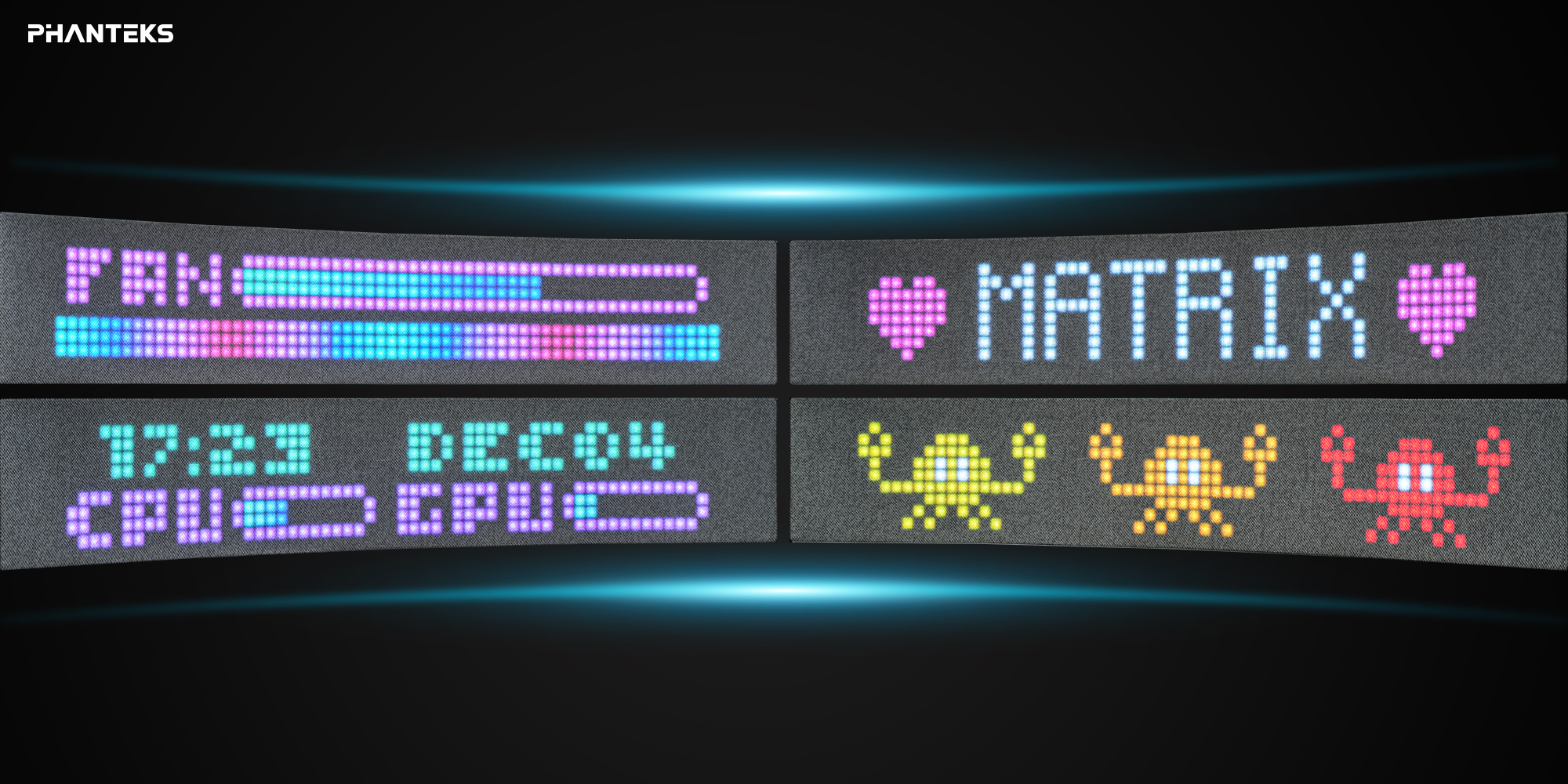
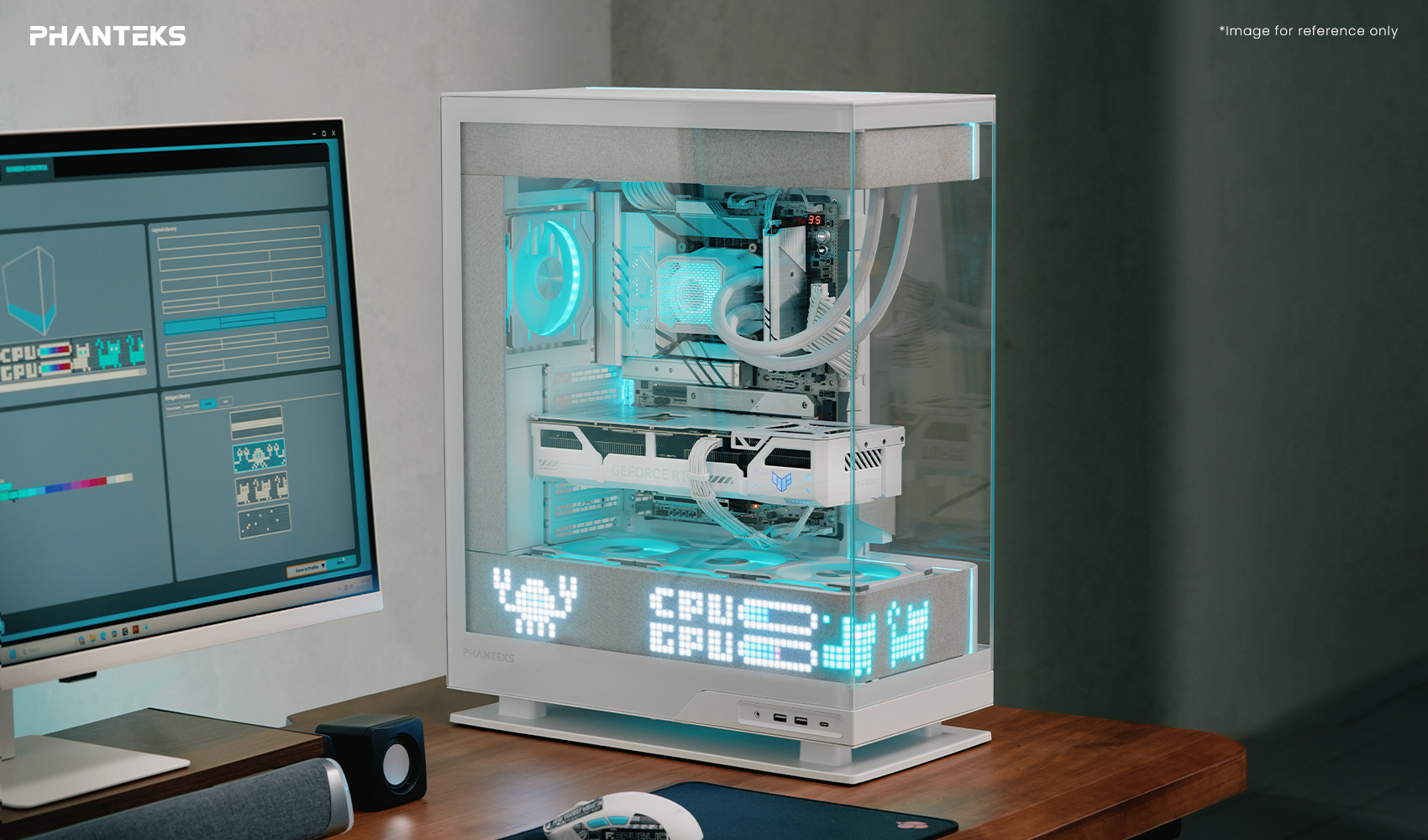
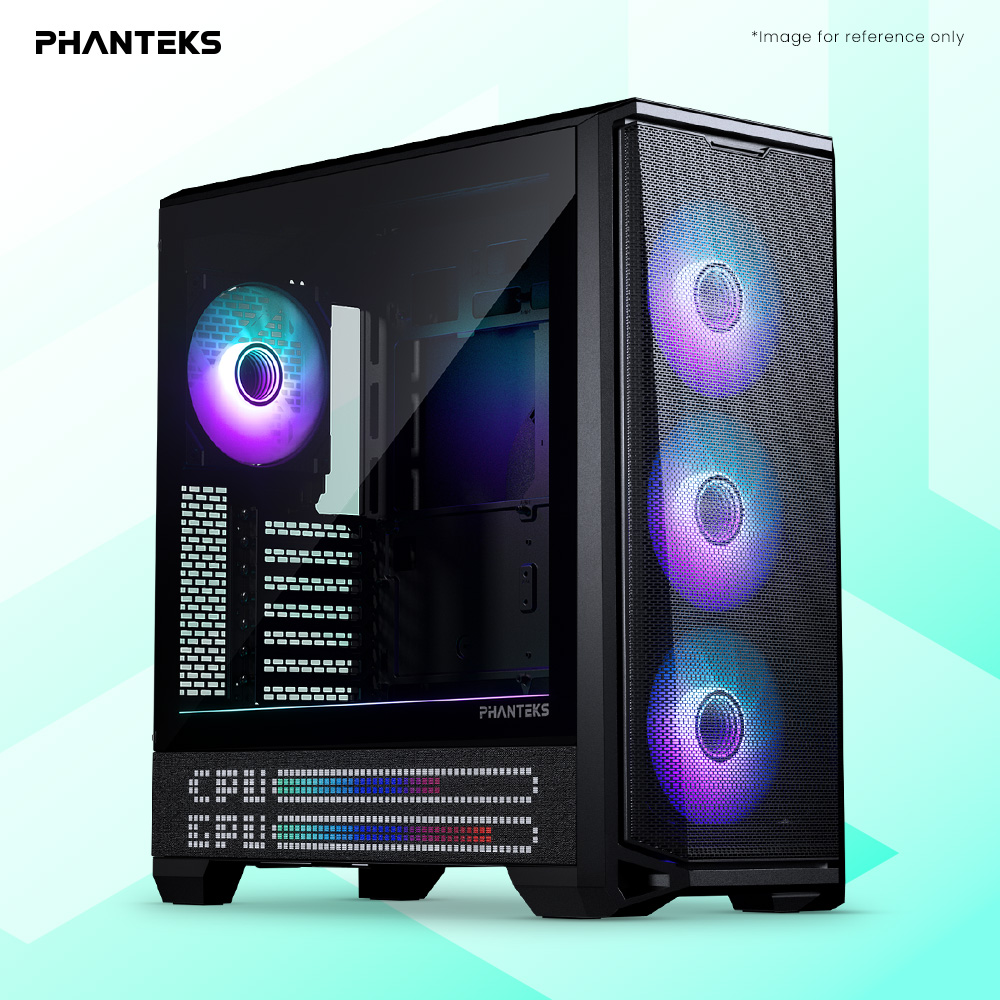
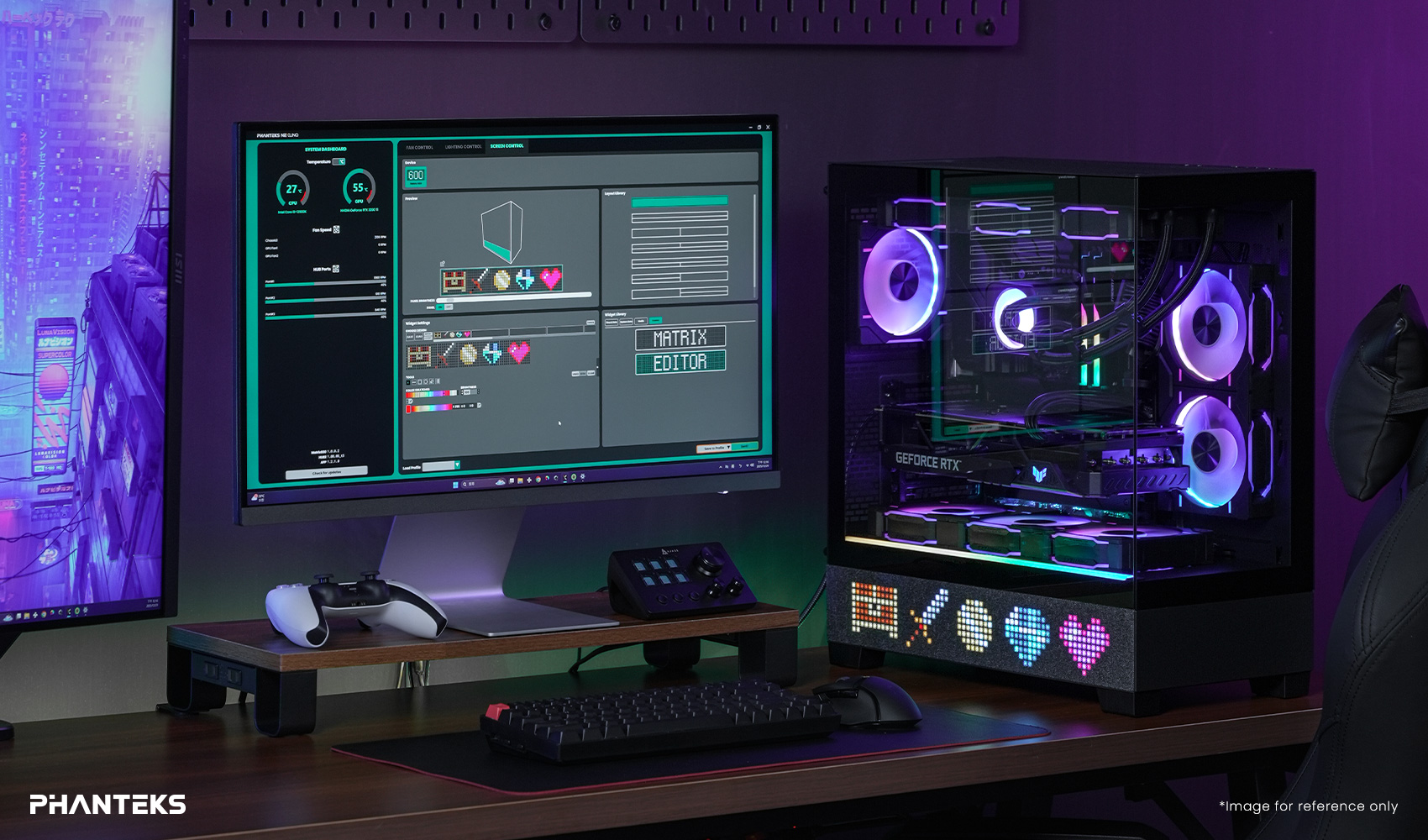
The flagship Evolv X2 Matrix features a 900‑LED display behind a soft fabric and glass front panel, offering ambient illumination and customizable visuals. It includes vertical airflow, support for rear‑connector ATX boards, and integrated D‑RGB accents.

The XT View Matrix brings similar functionality to a mid‑range chassis, with a 600‑LED side panel display, support for large GPUs, nine fan positions, and three included D‑RGB fans. For existing builds, the Matrix‑600 Upgrade Kit adds display functionality to compatible cases like the XT View and G400A. It includes a 600‑LED array behind UV‑resistant fabric and supports full customization via Nexlinq.

All Matrix products are available starting January 5, 2026. Launch pricing includes:

  • Evolv X2 Matrix: $199.99 / €199.90 / £179.90
  • XT View Matrix: $119.99 / €119.90 / £104.90
  • Matrix‑600 Upgrade Kit: $49.99 / €49.90 / £43.90

A limited launch promotion includes a free Nexlinq Hub with Evolv X2 Matrix purchases, redeemable via Phanteks or authorised retailers.

KitGuru Says: Are you planning a new PC build this year? Will you be opting for a new Phanteks case for it? 

The post CES 2026: Phanteks debuts new Evolv and XT View Matrix cases first appeared on KitGuru.
  •  

Hollow Knight: Silksong secures Game of the Year at the 2025 Steam awards

Valve has revealed the winners of the 2025 Steam Awards. Unlike the heavily produced ceremonies that rely on a mix of critics and developers, the Steam Awards remain entirely community-driven, with millions voting to decide which titles best represent each category. This year’s crowning achievement belongs to Hollow Knight: Silksong, which not only took home the Game of the Year award but also secured a second trophy for the Best Game You Suck At category.

The difference in player sentiment is most evident when comparing Steam Awards 2025 results to the accolades handed out at The Game Awards 2025. While Clair Obscur: Expedition 33 was the undisputed juggernaut of the December festival, sweeping nine categories including the primary GOTY title, it saw a much more modest reception from the Steam public, as the title only won the Best Soundtrack.

In the more niche categories, the community demonstrated a distinct sense of irony. The Sit Back and Relax Award was handed to RV There Yet?, a co-op driving game that many players find anything but relaxing.. Other notable victories included Hades II for Best Game on Steam Deck and Baldur's Gate 3, which continues its run by winning the Labor of Love award for Larian Studios. The detailed list of nominees and winners can be found below:

Game of the Year Award

  • Winner: Hollow Knight: Silksong
  • Dispatch
  • Clair Obscur: Expedition 33
  • Kingdom Come: Deliverance II
  • ARC Raiders

VR Game of the Year Award

  • Winner: The Midnight Walk
  • F1 25
  • Pavlov
  • Le Mans Ultimate
  • Emissary Zero

Labor of Love Award

  • Winner: Baldur’s Gate 3
  • Dota 2
  • No Man’s Sky
  • Rust
  • Helldivers 2

Best Game on Steam Deck Award

  • Winner: Hades II
  • Digimon Story Time Stranger
  • Ball x Pit
  • CloverPit
  • Deep Rock Galactic: Survivor

Better With Friends Award

  • Winner: Peak
  • Schedule I
  • Battlefield 6
  • R.E.P.O.
  • Split Fiction

Outstanding Visual Style Award

  • Winner: Silent Hill f
  • Final Fantasy VII Rebirth
  • ENA: Dream BBQ
  • My Little Puppy
  • DOOM: The Dark Ages

Most Innovative Gameplay Award

  • Winner: ARC Raiders
  • Escape From Duckov
  • Europa Universalis V
  • Mage Arena
  • Blue Prince

Best Game You Suck at Award

  • Winner: Hollow Knight: Silksong
  • Where Winds Meet
  • Marvel Rivals
  • Elden Ring Nightreign
  • Path of Exile 2

Best Soundtrack Award

  • Winner: Clair Obscur: Expedition 33
  • Tokyo Xtreme Racer
  • Rift of the NecroDancer
  • Deltarune
  • Marvel’s Spider-Man 2

Outstanding Story-Rich Game Award

  • Winner: Dispatch
  • Dying Light: The Beast
  • No, I’m Not a Human
  • The Last of Us Part II Remastered
  • Kingdom Come: Deliverance II

Sit Back and Relax Award

  • Winner: RV There Yet?
  • PowerWash Simulator 2
  • Chill with You : Lo-Fi Story
  • Megabonk
  • Slime Rancher 2

KitGuru says: Did you vote for the Steam Awards 2025? Do you agree with the winners?

The post Hollow Knight: Silksong secures Game of the Year at the 2025 Steam awards first appeared on KitGuru.
  •  

Asus ROG unveils trio of OLED monitors ahead of CES 2026

Asus has officially launched its CES 2026 campaign with a trio of ROG gaming monitors that address a major issue with OLED technology: text clarity. By adopting the latest sub-pixel architectures from both LG Display and Samsung Display, the new ROG Swift and Strix models promise to deliver a native RGB-stripe experience that eliminates the fringing issues that have historically plagued OLED panels on the desktop.

Starting with the ROG Swift OLED PG27UCWM, this 27-inch display uses LG Display's 4th Gen Tandem WOLED panel at a native 4K resolution, swapping the traditional white-subpixel (RGWB) layout for an RGB-stripe arrangement. Combined with a 166 PPI, this shift is designed to produce the sharpest text rendering ever seen on a 27-inch OLED, making it suitable for gaming and productivity. The monitor also features a dual-mode toggle that lets users choose between native 4K at 240 Hz and 1080p at 480 Hz.

On the ultrawide front, the ROG Swift OLED PG34WCDN serves as a showcase for Samsung Display's 5th-Gen QD-OLED technology. It introduces a new “V-stripe” vertical-pixel structure that replaces the triangular sub-pixel matrix used in previous generations. This structural change is paired with a new BlackShield Film coating, which Asus claims deepens black levels by 40% in bright rooms and significantly reduces the characteristic purple tint of QD-OLED panels. The 34-inch curved display features a 360 Hz refresh rate, a 1800R curvature, and a peak HDR brightness of 1,300 nits, thanks to the new EL 3.0 material stack.

For those looking for the same visual improvements in a slightly more accessible package, Asus is also launching the ROG Strix OLED XG34WCDMS. This model utilises the same V-stripe QD-OLED panel and BlackShield coating as its flagship sibling but scales the refresh rate back to a respectable 280 Hz. It maintains the 1300-nit peak brightness and 1800R curvature.

Connectivity across the new lineup is quite good, with the PG27UCWM and PG34WCDN both featuring DisplayPort 2.1 (UHBR20) for maximum uncompressed bandwidth. USB-C with 90W Power Delivery is standard on the Swift models, while all three units include the latest ROG OLED Care Pro suite and a Neo Proximity Sensor to mitigate burn-in risks.

KitGuru says: The move to an RGB-stripe layout is the “holy grail” for many who use their OLED monitor for both work and play. By offering these monitors with the latest OLED tech, Asus is making a very strong case for OLED as a primary, no-compromise desktop solution in 2026.

The post Asus ROG unveils trio of OLED monitors ahead of CES 2026 first appeared on KitGuru.
  •  

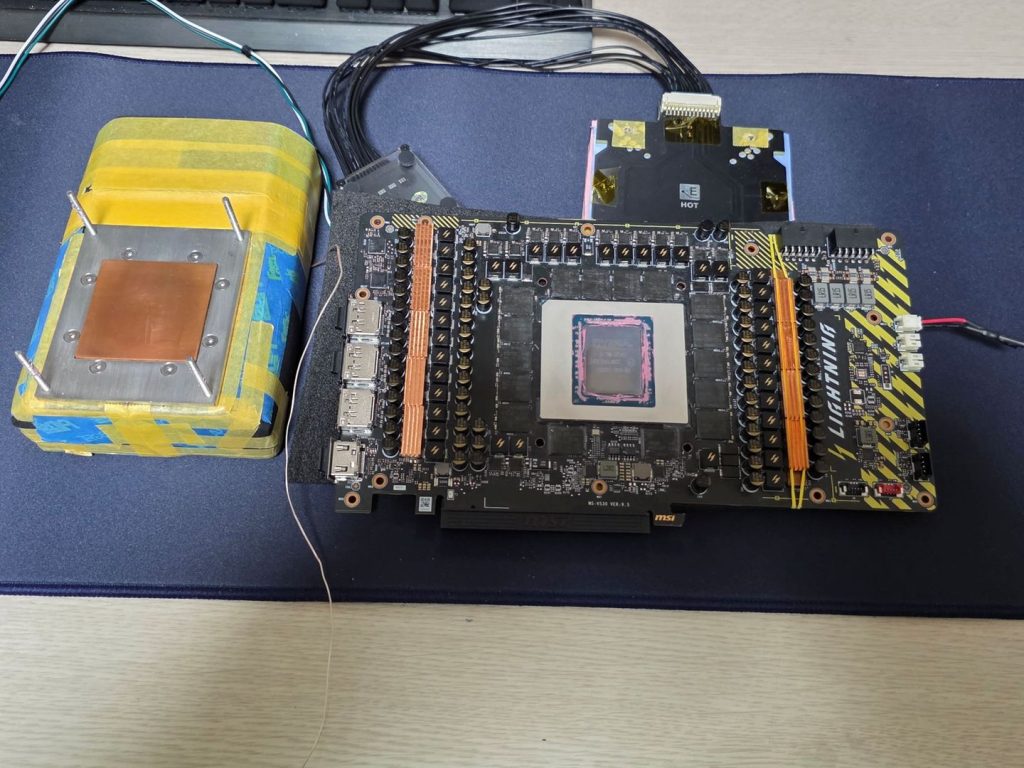
Unreleased MSI RTX 5090 Lightning GPU revealed in benchmark submissions

The high-end graphics card market is bracing for a literal storm as MSI prepares to resurrect its legendary Lightning brand at CES 2026. While the company hasn't confirmed it officially just yet, a series of calculated “weather forecast” teasers on social media predict thunder and lightning for the first day of CES. On top of that, a number of record-breaking benchmark submissions have also been unearthed, pointing to an RTX 5090 Lightning announcement. 

Various overclockers have shared the results of their work on HWBot (via Wccftech), where the MSI RTX 5090 Lightning was explicitly named in submissions from TSAIK, Lucky_n00b, and littleboy. TSAIK seems to have been the most successful, setting new world records for GPUPI v3.3 1B (1-core), 3DMark Port Royal, 3DMark Time Spy GPU, 3DMark Wild Life Extreme, 3DMark Speed Way, and Geekbench 6 Compute. During these runs, the overclocker also set the world record for RTX 5090 GPU frequency at 3,742 MHz. Lucky_n00b and littleboy were also reasonably competent, with the former getting the world record for Geekbench 5 Compute and the latter for 3DMark Solar Bay and Solar Bay Extreme.

Image credit: HWBot (littleboy)

The GPU itself appears to be an absolute behemoth designed for extreme scenarios. Leaked images and early technical data point to a massive 40-phase VRAM power delivery system. Perhaps most telling of its power requirements is the presence of dual 12V-2×6 power connectors, a configuration that doubles the potential power input compared to standard enthusiast cards.

Furthermore, Lucky_n00b has shared what appears to be the maximum power limit in the BIOS for the MSI GeForce RTX 5090 Lightning graphics card, which can reach 2500W. The overclocker also stated that the sample he received didn't include a proper cooling solution. Instead, he got the “OCER” version, which consists of a bare PCB and a test heatsink.

MSI has not used the Lightning moniker for a flagship Nvidia card since the RTX 2080 Ti Lightning Z in 2019. By bringing it back to the Blackwell architecture, MSI is signalling a return to the over-the-top engineering that defined the GTX 1080 Ti and Radeon R9 290X Lightning eras. For the average consumer, these records serve as a demonstration of silicon potential rather than out-of-the-box performance. However, for those with the budget to reach the absolute ceiling of the RTX 5090, the Lightning is positioning itself as the new benchmark to beat.

KitGuru says: The return of the Lightning brand marks MSI's first real “halo” card since the 20-series. With a 40-phase VRM and dual 12V-2×6 connectors, the new Lightning card is clearly not intended for the average gamer but rather for extreme overclocking in a lab.

The post Unreleased MSI RTX 5090 Lightning GPU revealed in benchmark submissions first appeared on KitGuru.
  •  

Bloober Team trademarks ‘Onyx: The Dark Grip’ following recent teaser

Starting off as a mid-tier developer, Bloober Team have gone from strength-to-strength with each successive release – culminating in the successful launches of Silent Hill 2 Remake in 2024 and new IP Cronos: The New Dawn last year. While some of Bloober’s future projects have been confirmed, it appears as though the studio is working on another new IP known as ‘Onyx: The Dark Grip’.

As discovered by Reddit user ‘Solid-Entertainer-39’, a European trademark was recently published for the name Onyx: The Dark Grip by Bloober Team.

Though the title was first registered all the way back in 2024, it wasn’t until now that the trademark had been officially published and publicised.

Bloober Onyx

As mentioned, Bloober Team have worked on quite a few different projects in recent years, with multiple more confirmed to be in development – including a remake of Silent Hill 1 and an original title in development for the Nintendo Switch.

Additionally, Bloober Team began teasing something a couple days back, launching a website which included a seemingly random string of letters (RemosdNeulSerorehsoOvamCeyerd) alongside a timer counting down to the 14th of February 2026.

Whether these two things are related, we will have to wait and see – but it seems like more than a simple coincidence.

Discuss on our Facebook page HERE.

KitGuru says: What do you think of the name Onyx: The Dark Grip? Could this be the previously-announced Nintendo exclusive or do you think it's a 3rd project? Let us know down below.

The post Bloober Team trademarks ‘Onyx: The Dark Grip’ following recent teaser first appeared on KitGuru.
  •  

2025 was “comfortably the worst year on record” for Xbox in the UK as PS5 sales also fell

With 2025 officially behind us, we’ve started to get some more concrete details on exactly how the video games industry performed over the past 12 months. According to analysts, Xbox had “comfortably the worst year on record” in the UK last year with sales dropping by a substantial 39%.

Taking to Twitter, known industry insider/analyst Christopher Dring shared some data regarding the performance of the video games industry in the UK throughout 2025, revealing that:

“Sales of Xbox consoles were down 39% in the UK during 2025, making it comfortably the worst year on record for Xbox consoles.”

Considering the fact that Xbox was already struggling somewhat to sell units when compared to PlayStation, such a massive drop is even more notable.

Xbox 2025

That’s not to say that PlayStation had a record-breaking year however, with Dring confirming that sales of the PS5 in the UK throughout 2025 were down 12% when compared to 2024. Of course, the PS5 has consistently sold a high volume of systems each year and so such a drop is expected half a decade into the console’s lifecycle.

Still, with rumours claiming that the ongoing RAM issues could lead to a delay in next-gen consoles, it will be interesting to see how both PS5 and Xbox sales continue to shift with each passing year.

Discuss on our Facebook page HERE.

KitGuru says: Was 2025 a good year for PlayStation? What about Xbox? Can Microsoft recover from its downward spiral? Let us know down below.

The post 2025 was “comfortably the worst year on record” for Xbox in the UK as PS5 sales also fell first appeared on KitGuru.
  •  
❌