 Connexion
Spain is rightly proud of its high-speed trains. But pride alone doesn’t ensure safety | María Ramírez

The Sánchez government is under fire after two crashes. But politicians of all stripes have prioritised opening new lines over maintaining existing ones
Spain has the most extensive high-speed rail network in Europe and the second-largest in the world after China. A source of immense national pride, the train system has grown and become more affordable thanks to a boom in rail passengers and competition among train companies. Every few minutes, a train departs from Madrid for Barcelona and vice versa, linking the country’s two most populous cities. This 600km journey takes less than three hours for an average fare of €65.
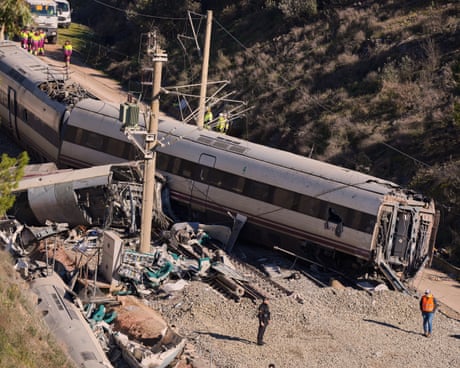
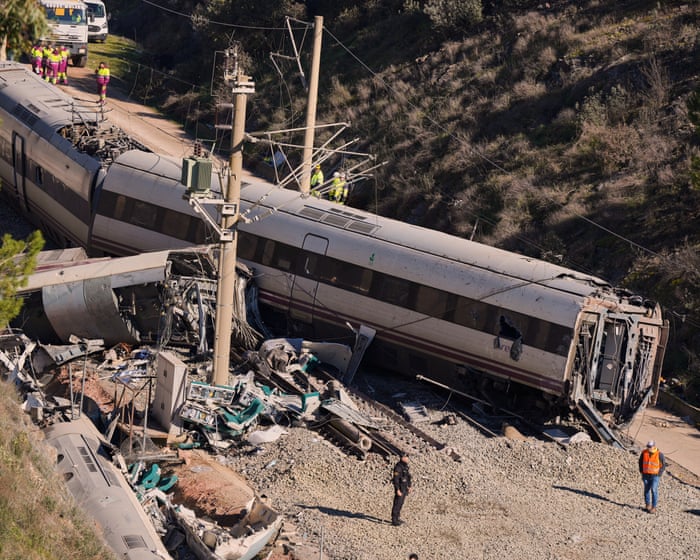
Thirty-four years after the first high-speed train between Madrid and Seville, the network now connects more than 50 cities in Spain. Along with being a badge of pride for the country, it even commands a rare political consensus. At least that was the case until this month’s calamities. In the first accident, one train derailed and collided with another near the town of Adamuz in Andalucía, killing 45 people and leaving dozens more injured. A second accident in Catalonia, caused by the collapse of a wall in bad weather, killed the driver of a commuter train in Barcelona. The local network, which has suffered delays and malfunctions for years, was completely halted for days as a result.
María Ramírez is a journalist and deputy managing editor of elDiario.es, a news outlet in Spain
Continue reading...
© Photograph: Manu Fernández/AP
© Photograph: Manu Fernández/AP
© Photograph: Manu Fernández/AP
