 Connexion
Why you should embrace rejection

From building resilience to boosting artistic creativity, there are unexpected benefits to being rebuffed
Rejection hurts. Whether in a professional, social or romantic setting, there is a particularly painful sting to the discovery that one has been judged undesirable in some way. If you have ever experienced proper rejection – and that would be most of us – it may stand out in your mind for a long time, like a boulder lodged in the landscape of memory.
And it can hurt literally. The late anthropologist Helen Fisher, who studied human behaviour in the context of romantic love, showed that rejection and physical injury have much in common. In 2010 she led a study of people who had been recently rejected romantically. Functional MRI scans of their brains revealed that areas associated with distress and physical pain were more active. The passage of time did seem to reduce the pain response for Fisher’s participants, but for some people rejection can resonate for months or years. This overlap in the brain’s response to what we think of as physical and mental pain isn’t limited to romance. Social psychologist Naomi Eisenberger scanned the brains of people who were socially excluded from a ballgame in an experiment. Her results showed that “social pain is analogous in its neurocognitive function to physical pain, alerting us when we have sustained injury to our social connections”.
Continue reading...
© Illustration: Elia Barbieri/The Guardian
© Illustration: Elia Barbieri/The Guardian
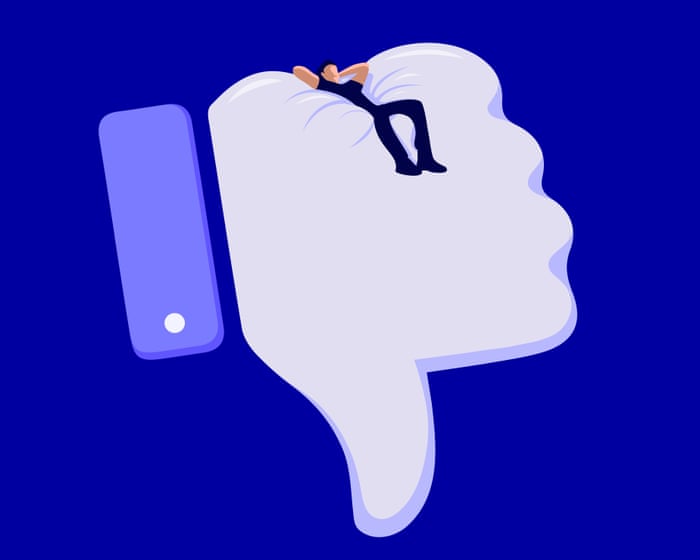
© Illustration: Elia Barbieri/The Guardian
