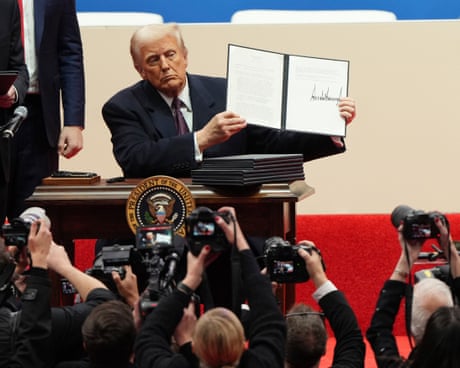
It has been a year dominated by Donald Trump. It has not yet even been 12 full months since his return to the White House in January but already the changes he has wrought – both in the US and around the world – seemed scarcely conceivable in 2024. Katharine Viner, the Guardian’s editor-in-chief, tells Annie Kelly what it has looked like from the editor’s chair: from the deployment of the national guard on American streets, to the humiliation of Volodymyr Zelenskyy in the Oval Office, to the erosion of the rules that once governed peace and war.
In the UK, she describes a Labour government failing to tell its story and missing chance after chance to tackle the rise of Reform and the far right. ‘Politics is about timing,’ she says of the government’s notable silence over the summer, ‘and I think a lot of those opportunities were missed.’ It has not been a year without hope, from the unexpected success of leftwing figures such as Zohran Mamdani and Zack Polanski, to the Guardian’s decisive victories in court defending its reporting, in a case described as a landmark ruling for #MeToo journalism. Support the Guardian today: theguardian.com/todayinfocuspod
This is our last episode of 2025. Thank you to everyone who has listened and watched this year. We will return with new episodes on 5 January 2026.
Inspired by Talk Talk’s Spirit of Eden and the quivering soundscapes of early Bon Iver, Tomorrow Held is the beautiful second album by fiddler Owen Spafford and guitarist Louis Campbell, their first on Peter Gabriel’s Real World Records. Mingling traditional tunes with influences from minimalism, post-rock and jazz, they shift moods exquisitely: from the reflectiveness of 26, a track in which drumbeats echo in the distance like heartbeats, to the trip-hop-like grooves of All Your Tiny Bones and the feverish panic of the full-throttle final track, Four.
Shroud-chewers, lip-smackers and suckers populate this fascinating study of ‘the unquiet dead’ across the centuries
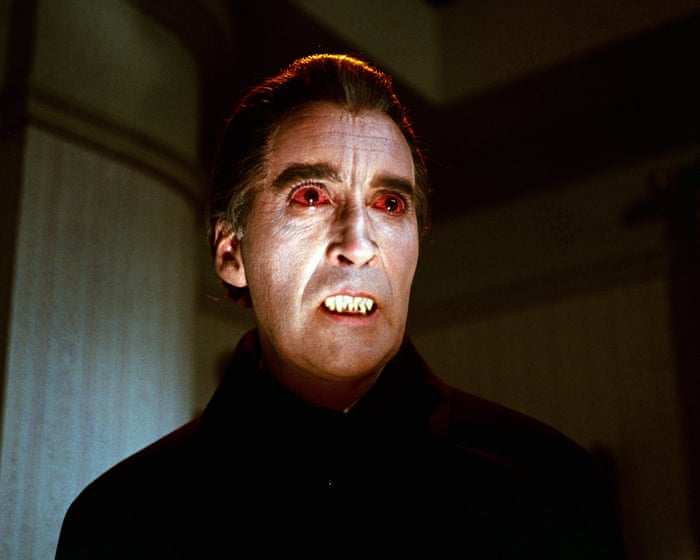
The word “vampire” first appears in English in sensational accounts of a revenant panic in Serbia in the early 18th century. One case in 1725 concerned a recently deceased peasant farmer, Peter Blagojević, who rose from the grave, visited his wife to demand his shoes, and then murdered nine people in the night. When his body was disinterred, his mouth was found full of fresh blood. The villagers staked the corpse and then burned it. In 1745, the clergyman John Swinton published an anonymous pamphlet, The Travels of Three English Gentlemen, from Venice to Hamburgh, in which it is written: “These Vampyres are supposed to be the Bodies of deceased Persons, animated by evil Spirits, which come out of the Graves, in the Night-time, suck the Blood of many of the Living, and thereby destroy them.” And so a modern myth was born.
But it is not so modern, or exclusively European, as this extraordinary survey shows. Instead, the author, a historian and archeologist, argues that belief in the unquiet dead is found in many cultures and periods, where it can lay dormant for centuries before erupting in an “epidemic”, as in Serbia. Where there is no written source, John Blair makes persuasive use of archeological finds in which bodies are found to have been decapitated or nailed down. In 16th-century Poland, a buried woman “had a sickle placed upright across her throat and a padlock on the big toe of her left foot”. Someone, our author infers reasonably, wanted to keep these people in their coffins.
Instead of seeing etiquette as a set of categorical rules, we should recognise that poor form can actually have good consequences
Many people are out there labouring under the impression that lateness is always terribly rude. I am here to tell you this is totally wrong. There are situations when, yes, it is rude. There are situations when it basically doesn’t matter. But there are also situations when being late is actually the height of good manners and decorum.
If you are invited to dinner, especially by a person who you can sense is an inexperienced cook or host, you should endeavour to be late. By at least 10 minutes I would say. But, honestly, if your host is a 25-year-old who has sent you a message saying, “I’m going to try making this :)” and then attached a picture of an elaborate recipe with two separate kinds of molasses, then I would say half an hour is probably best.
Rachel Connolly is the author of the novel Lazy City
‘Explosive device’ was triggered when police approached a suspicious person, say officials
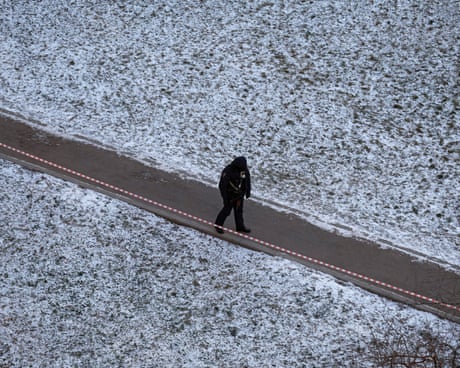
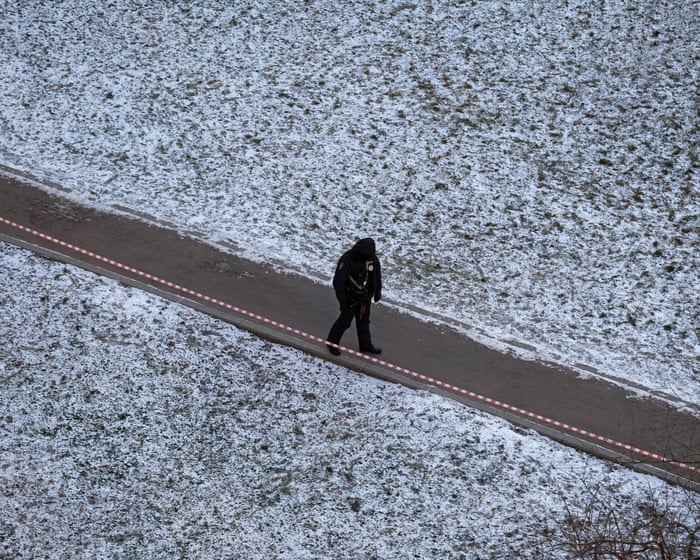
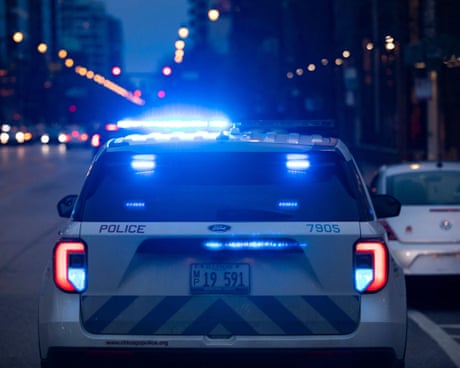
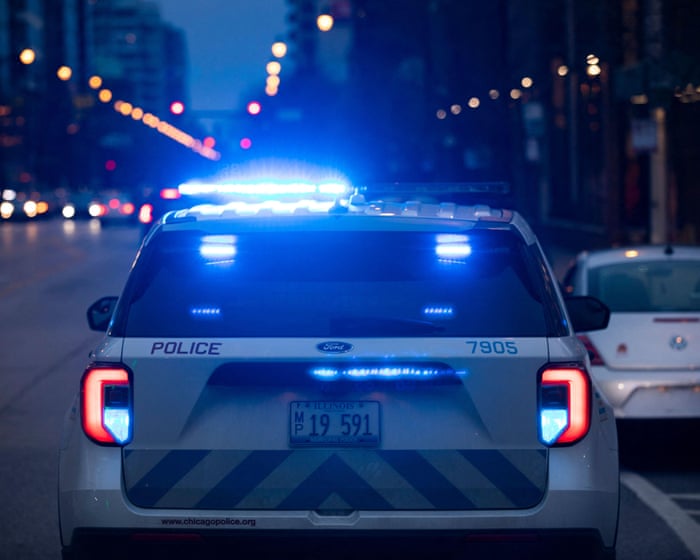
Two traffic police officers and a third person have been killed in a car explosion in Moscow, Russia’s Investigative Committee, which probes major crimes, said early on Wednesday.
The committee said in a statement “an explosive device was triggered” when the officers approached a “suspicious person” near their police vehicle on Yeletskaya Street in the south of the capital.
He stole our hearts in The Celebrity Traitors – then it all went wrong. The actor and comedian opens up
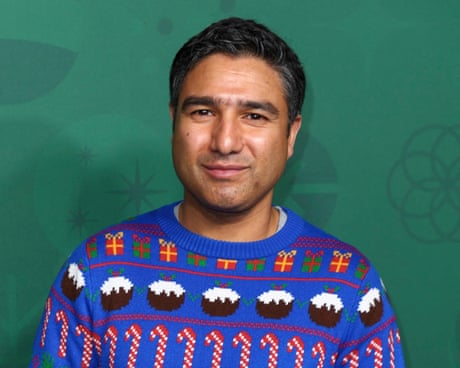
When I catch up with Nick Mohammed, he is on the set of War, a new HBO series. Full of legal eagles, tech-bro hot shots and ugly divorces, it’s a punchy, slick enterprise, nothing at all like The Celebrity Traitors – except for the high drama, unbearable tension and the fact that Mohammed is reunited with Celia Imrie. Traitors was filmed in April and May and this started in September, so they both knew exactly what had happened in the castle, but were still in their chamber of deadly secrecy. Mainly, Mohammed was happy just to kick about with Imrie again. “She’s wonderful,” he says. “Everything you think she might be, she absolutely is – she’s just brilliant.”
Which brings us to the root of the problem, the answer to the question: “What the hell happened, Nick?” Spoiler alert: we intend to talk about exactly what went down in the most infuriating Traitors final since, well, the last non-celebrity Traitors. If Joe Marler had had his way, he and Nick would have sauntered to victory, Alan Carr’s magisterial fibbing finally unmasked. Instead, Nick’s niggling doubts brought down the ship.
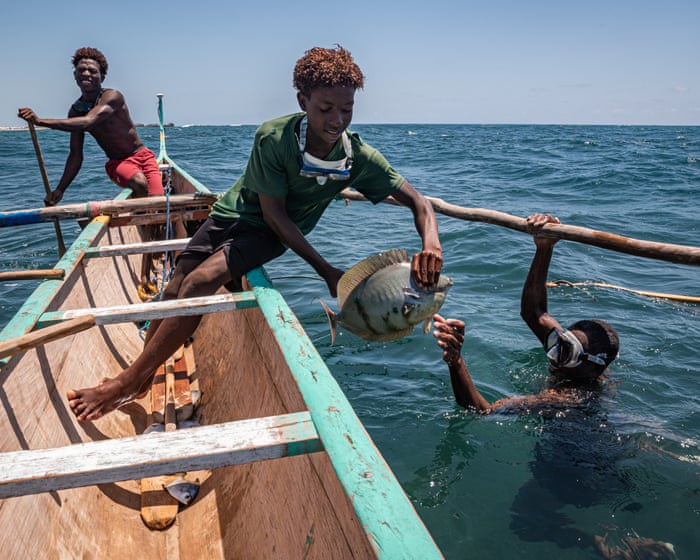
Seaweed has become a key cash crop as climate change and industrial trawling test the resilient culture of the semi-nomadic Vezo people
Along Madagascar’s south-west coast, the Vezo people, who have fished the Mozambique Channel for countless generations, are defined by a way of life sustained by the sea. Yet climate change and industrial exploitation are pushing this ocean-based culture to its limits.
Coastal villages around Toliara, a city in southern Madagascar, host tens of thousands of the semi-nomadic Vezopeople, who make a living from small-scale fishing on the ocean. For centuries, they have launched pirogues, small boats carved from single tree trunks, every day into the turquoise shallows to catch tuna, barracuda and grouper.
A boat near lines of seaweed, which has become a main source of income for Ambatomilo village as warmer seas, bleached reefs and erratic weather accelerate the decline of local fish populations
Reports that Stanislav Orlov was killed by Moscow security services highlights careful managing of non-state power
Beneath the frescoed ceilings and golden icons of Moscow’s Cathedral of Christ the Saviour, hundreds of men packed tightly into the lower hall as priests intoned prayers for the dead. Dressed in dark winter jackets, the mourners on Monday filled one of Russia’s most sacred spaces – a church usually reserved for moments of state ritual and national commemoration. Later, near his grave, the crowd lit bright flares and shouted: “One for all, and all for one.”
They had gathered to bid farewell to Stanislav Orlov, better known by his callsign “Spaniard”, the founder of the far-right Española unit – a formation of football hooligans and neo-Nazi volunteers who fought as a paramilitary force on Russia’s side in Ukraine.
With the far-right party ahead in the polls, I discovered that a novel set during the rise of the Nazis provides a timely warning
In 1932, the Berlin-born writer Gabriele Tergit set out to memorialise what she saw as a disappearing world: the lives and fates of the city’s Jews. By 1945, after fleeing the Nazis first to Czechoslovakia, then Palestine, then Britain, Tergit had finished her novel, but it took until 1951 for The Effingers to be published. Even then, only a few German booksellers wanted it in their shops. It was too strange a piece of work for a German public that had watched, if not participated, in the Holocaust.
Though overlooked at the time, it has been rediscovered as a classic in Germany, and has now been published in English for the first time. It is a chronicle of three affluent Jewish families in Berlin between 1878 and 1942, with an epilogue set in 1948, based on Tergit’s return visit to her destroyed city. Tergit understood how dangerous the Nazis were. She was a court reporter and covered Adolf Hitler and Joseph Goebbels on trial in the 1920s – this also made her a target, and she fled Berlin after narrowly escaping an SA (“Brownshirts”) raid in March 1933.
In Portishead, a dusty box of forgotten files led Jo Smith and her team to a criminal who had escaped justice for more than half a century. This was the longest-running cold case to be solved in the UK, and possibly the world
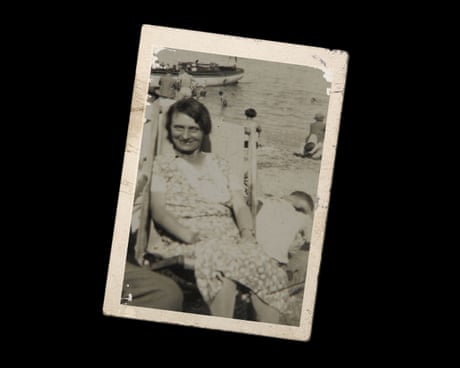
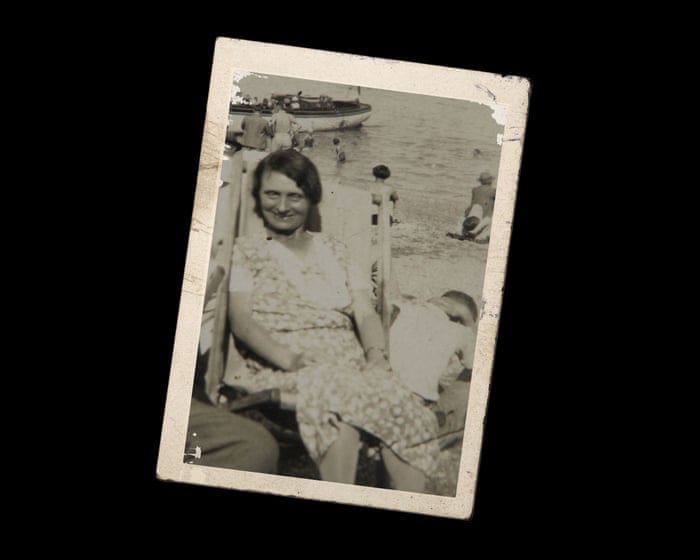
In June 2023, Jo Smith, a major crime review officer for Avon and Somerset police, was asked by her sergeant to “take a look at the Louisa Dunne case”. Louisa Dunne was a 75-year-old woman who had been raped and murdered in her Bristol home in June 1967. She was a mother of two, a grandmother, a woman whose first husband had been a leading trade unionist, and whose home had once been a hub of political activity. By 1967, she was living alone, twice widowed but still a well-known figure in her Easton neighbourhood.
There were no witnesses to her murder, and the police investigation unearthed little to go on apart from a palm print on a rear window. Police knocked on 8,000 doors and took 19,000 palm prints, but no match was found. The case stayed unsolved.
It was 2020, and I hired a gazebo and heaters so we could have a festive feast with my mum in the garden. What could possibly go wrong?
We called it “diffmas”, because it was going to be a different kind of Christmas. Our son was five, so we were trying to package it appealingly for him. But we might have done that anyway, given the kind of year we’d had – and by “we” I don’t just mean my family, I mean the world.
It was 2020. When the then prime minister, Boris Johnson, had announced, in March, that we “must stay at home”, it left my mum, who had lived on her own since my dad died in 2012, completely alone, like many people, for months on end. Her work had involved travelling all over the country, having meetings, organising events, networking. Then, in lockdown, everything stopped. She was Zooming with the best of them, but it was clearly extremely difficult.
From the Super Bowl to UFC cards to the US Open to the Ryder Cup, the US president has turned sport into his own personal stage. There’s more to come
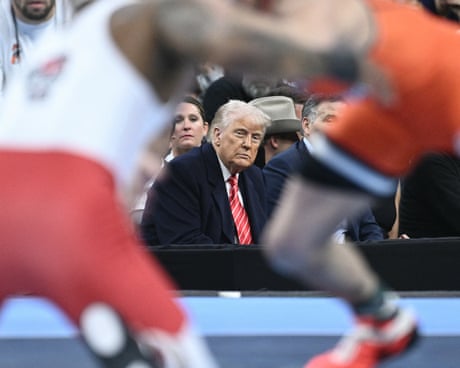
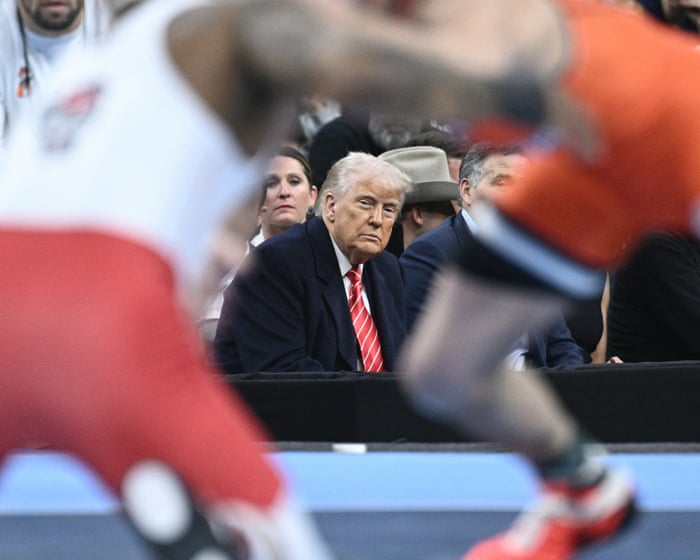
Considering he’s the self-declared hardest working president to ever hold the office, Donald Trump has spent a remarkable amount of the past year on down time. In 2025, he loomed over sports like no American politician before him, his visits to stadiums and arenas and golf courses and race tracks so frequent they began to feel like part of the job. But if Trump’s presence on the sporting scene has seemed hard to escape, gird yourselves for 2026, when the American presidency no longer merely intersects with sport but threatens to subsume it. The World Cup is on the way, the Olympics are right behind it, a UFC card is coming to the White House lawn (not a joke) and the commander-in-chief’s well-documented fondness for jumbotrons is becoming less of a habit than a dependency.
Trump’s grand tour sportif began less than three weeks after his second inauguration, when he become the first sitting president to attend the Super Bowl. One week later he was at the Daytona 500, where Air Force One buzzed the speedway on arrival before his armored limousine, “The Beast”, paced the field for a couple of ceremonial laps.
The Guardian’s editor-in-chief Katharine Viner looks back on the biggest news stories of 2025
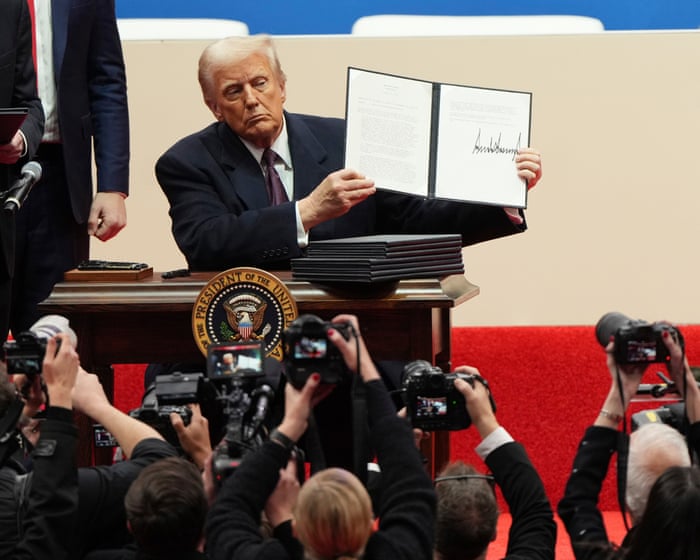
It has been a year dominated by Donald Trump. It has not yet even been 12 full months since his return to the White House in January but already the changes he has wrought – in the US and around the world – would have seemed scarcely conceivable in 2024.
Katharine Viner, the Guardian’s editor-in-chief, tells Annie Kelly what it has looked like from the editor’s chair: from the deployment of the National Guard on American streets, to the humiliation of Volodymyr Zelenskyy in the Oval Office, to the erosion of the rules that once governed peace and war.
Threats and hate speech against Muslim Australians have surged in the wake of the Bondi beach attack, with one mosque receiving dozens of offensive phone calls and reports of people being targeted in the street.
As Australia’s Jewish community deals with trauma from the attack that killed 15 people at a Hanukah event, religious leaders say societal and political divisions has led to other groups being targeted by hatred.
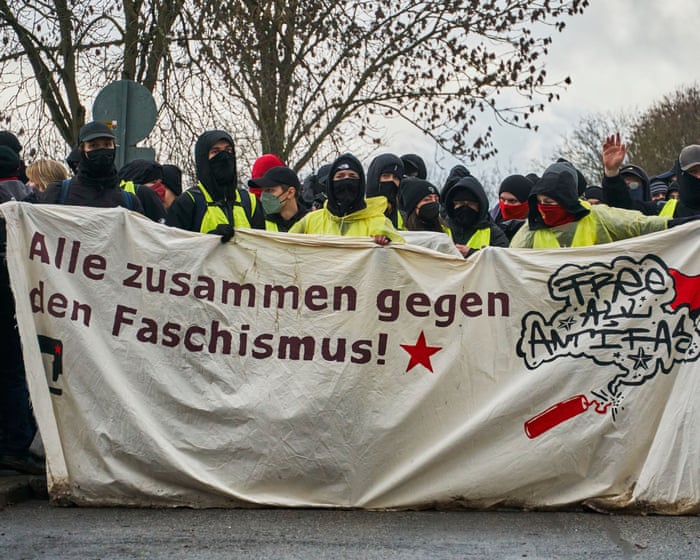
The federal government has cancelled the visa of a British man charged with displaying prohibited Nazi symbols, after police seized swords bearing “swastika symbology” from his Queensland home last month.
Federal police announced earlier this month that a 43-year-old United Kingdom citizen living in Queensland had been charged with three counts of allegedly displaying prohibited Nazi symbols, and one count of using a carriage service to menace, harass or cause offence.
This time of year is stressful enough – but at least we don’t have to deal with seasonal depression on top of it all
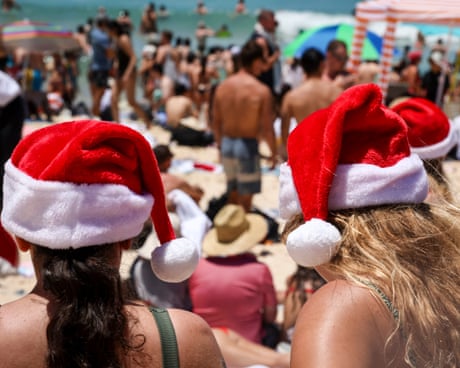
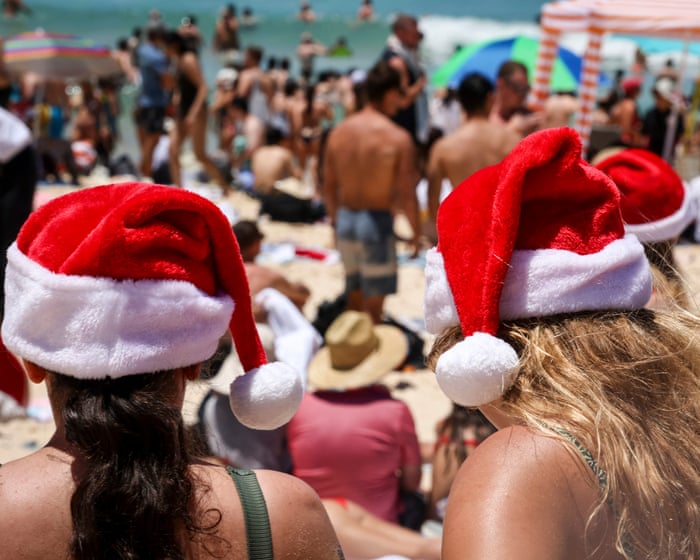
If we have learned anything from the influx of holiday movies, mass-produced decorations, Mariah Carey and the smorgasbord of other jingle bell-infused songs that Big Northern Hemisphere has embedded into our lives, it’s that the cultural zeitgeist has determined that Christmas is a holiday best served cold. Whatever!
The bigwigs in the top of the equator might have convinced the world of such, but that’s only because they lack the innate knowledge that us southern hemisphere folk know all too well: a warm Christmas is simply superior. This time of year is stressful enough – regardless of temperature – but hey, at least we don’t have to deal with seasonal depression on top of it all.
Known as Tea Tyme, Tynesha McCarty-Wroten arrested over 3 November death of Darren Lucas in Zion, Illinois
The social media creator who allegedly hit and killed a pedestrian as she hosted a livestream while simultaneously driving through a Chicago suburb has been arrested, according to authorities.
Known best to her online followers as Tea Tyme, Tynesha McCarty-Wroten was arrested Tuesday for her role in the 3 November death of 59-year-old Darren Lucas, said Lt Paul Kehrli of the Zion, Illinois, police department.
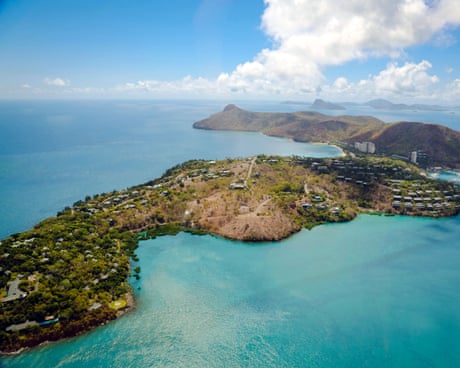
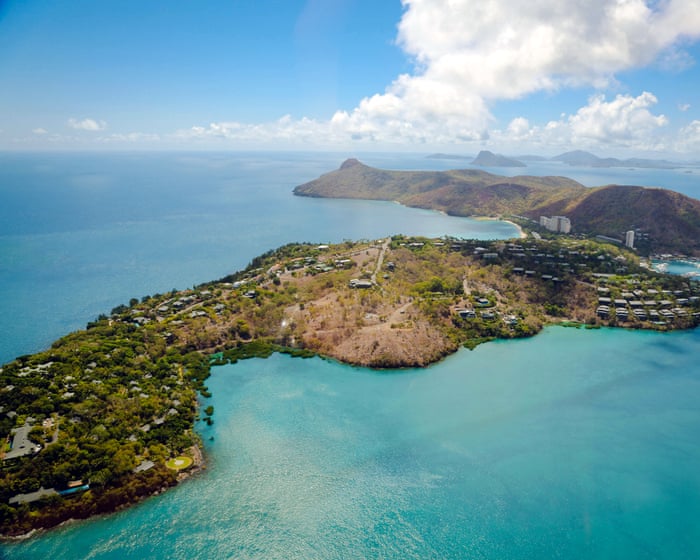
Hamilton Island, a popular tropical holiday destination on the Great Barrier Reef, has been sold to a US private equity firm, reportedly for $1.2bn.
New York-headquartered Blackstone – which owns the casino-hotel chain Crown Resorts – released a statement on Tuesday night announcing it had entered into an agreement to acquire the Hamilton Island resort from the Oatley family, subject to customary regulatory approvals.
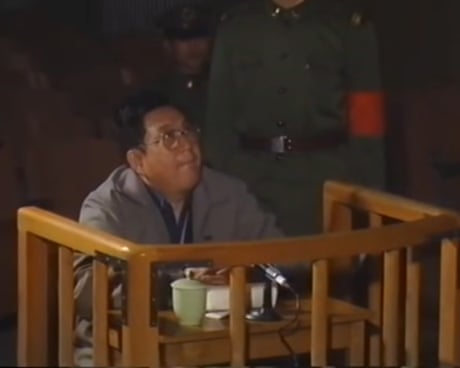
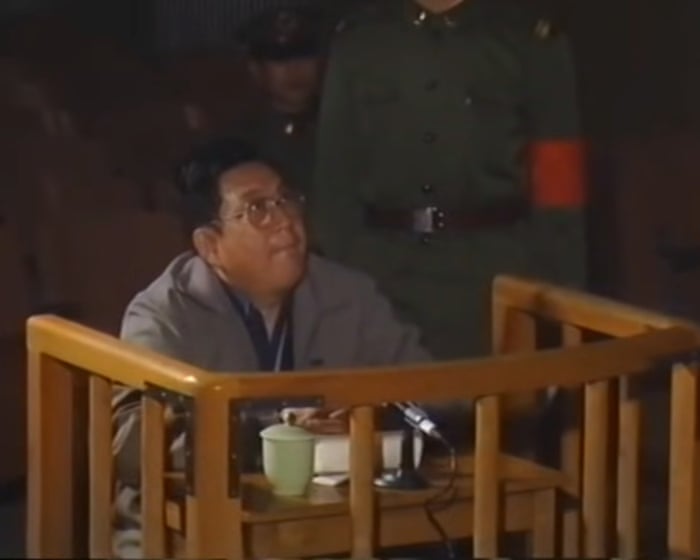
Video shows Gen Xu Qinxian explaining why he refused to deploy troops to crush 1989 student-led demonstrations
Rare footage of a People’s Liberation Army (PLA) general who defied orders to lead his troops into Tiananmen Square and crush the 1989 student protesters has been leaked online, offering a highly unusual glimpse into the upper echelons of the military at one of the most fraught moments in modern Chinese history.
General Xu Qinxian’s refusal to take his troops from the PLA’s prestigious 38th Group Army, a unit based on the outskirts of Beijing, into the capital has been the stuff of Tiananmen lore for decades.
State department accuses group of pressuring tech firms to censor or suppress American viewpoints through regulation of disinformation
The state department has barred five Europeans from the US, accusing them of leading efforts to pressure tech firms to censor or suppress American viewpoints, in the latest attack on European regulations that target hate speech and misinformation.
Secretary of state Marco Rubio said the five people targeted with visa bans – who include former European Commissioner Thierry Breton – have led “organized efforts to coerce American platforms to censor, demonetize, and suppress American viewpoints they oppose.”
Norwegian biathlete found dead in hotel room in Italy
Bakken, 27, was 13th in this season’s overall standings
Norwegian biathlete Sivert Guttorm Bakken has been found dead in his hotel room in Lavaze, Italy. The Norwegian Biathlon Association said the cause of the 27-year-old’s death was unknown.
The International Biathlon Union, the sport’s governing body, said the athlete’s death had been confirmed by Italian authorities.
Pontiff calls for ‘day of peace’ on Christmas Day; two Moscow police injured in suspected explosion near site of general’s killing. What we know on day 1,400
Pope Leo XIV has called for a global truce on Christmas Day, expressing “great sadness” that “apparently Russia rejected a request” for one. “I am renewing my request to all people of good will to respect a day of peace – at least on the feast of the birth of our saviour,” Leo told reporters at his residence near Rome on Tuesday. Russia has repeatedly rejected calls for a ceasefire in its war on Ukraine, saying that would only give a military advantage to Kyiv. The pope said: “Among the things that cause me great sadness is the fact that Russia has apparently rejected a request for a truce.” Referring to conflicts in general, Leo said: “I hope they will listen and there will be 24 hours of peace in the whole world.”
Two police officers were injured in an “incident” in Moscow near where a senior Russian general was killed this week, authorities said on Wednesday, with local media reporting that an explosion occurred. Russia’s Investigative Committee, which probes major crimes, said it was “establishing the circumstances of an incident in southern Moscow that injured two traffic police officers”, adding that “medical and explosive examinations” were being carried out. The area was cordoned off and had a large police presence, according to images broadcast on Russian television, which quoted witnesses describing an explosion that occurred at around 1.30am local time. Lt Gen Fanil Sarvarov was killed on Monday when a bomb exploded under his car in southern Moscow, Russian investigators said, adding they were looking at possible involvement by Ukrainian special services.
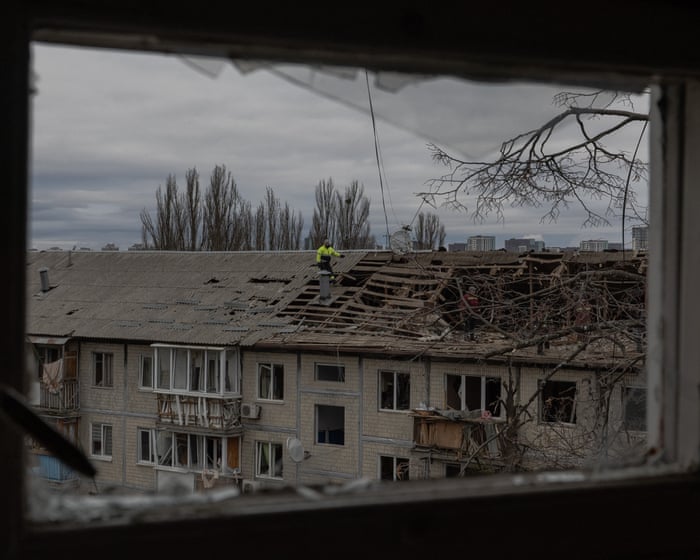
A massive Russian drone and missile attack on Ukraine has killed three people and cut power to several Ukrainian regions two days before Christmas and as the country enters a period of very cold weather, report Shaun Walker and Pjotr Sauer. Russia sent more than 650 drones and more than 30 missiles into Ukraine in the attack, which began overnight and continued into Tuesday morning, local officials said. At least three people were killed, including a four-year-old child. Poland scrambled fighter jets to protect its airspace during the strike, the country’s army said. Ukrainian president Volodymyr Zelenskyy said on Telegram: “A strike before Christmas, when people want to be with their families, at home, in safety … Putin cannot accept the fact that we must stop killing.”
Ukraine struck Russian oil and gas infrastructure, hitting a petrochemical plant in southern Russia’s Stavropol region. Regional governor Vladimir Vladimirov said a fire had engulfed the industrial area, while footage on Russian media channels showed towering flames there.
The attacks came after weekend talks in Miami involving Donald Trump’s envoy Steve Witkoff and Russian and Ukrainian representatives in separate meetings, which Witkoff called “constructive” but that showed no apparent breakthroughs. Zelenskyy said he was briefed on the state of the talks on Tuesday and that “several draft documents have now been prepared”, including an outline for ending the war, options for Ukraine’s future security guarantees and plans for the country’s postwar reconstruction.
Ukraine pulled out troops from a town in the east after fierce battles, the military said on Tuesday. Kyiv had to withdraw the forces from Siversk, a town in the embattled Donetsk region on the way to two last strongholds held by Ukraine. Russia announced the capture of Siversk almost two weeks ago. The Ukrainian army said that “to preserve the lives of our soldiers and the combat capability of our units, Ukrainian defenders have withdrawn from the settlement” of Siversk, adding that fighting was still ongoing on the outskirts.
A Russian strike could collapse the internal radiation shelter at the defunct Chernobyl nuclear power station in Ukraine, the plant’s director has said. Sergiy Tarakanov told Agence France-Presse that fully restoring the shelter could take three to four years and warned that another Russian strike could cause the inner shell to collapse. “If a missile or drone hits it directly, or even falls somewhere nearby – for example, an Iskander [short-range ballistic missile], God forbid – it will cause a mini-earthquake in the area,” he said in an interview conducted last week. “No one can guarantee that the shelter facility will remain standing after that. That is the main threat.”
 Connexion