While 2015’s The Witcher 3: Wild Hunt is beloved by many for a plethora of reasons, one of the game’ shining hallmarks is its excellent DLC, with the Blood and Wine expansion in particular considered by many to be worth the price of a full game on its own. Following surprise rumours in recent weeks stating that The Witcher 3 is set to get a 3rd expansion over a decade on from launch, additional insiders have corroborated the claims.
Following the surprise report from analysts ‘Noble Securities’ claiming that The Witcher 3 will be getting a 3rd expansion in the lead-up to the in-development Witcher 4, additional sources have corroborated the rumours.
Alongside IGN Poland, the publication PPE.PL (who have leaked unannounced projects in the past) confirmed the unexpected rumours, writing (as translated): “Our own sources tipped us off about a new Wild Hunt project a year ago. In the first half of 2025, we were explicitly told that The Witcher 3 would receive massive new content that fans “’will absolutely love.’”
Though PPE did not have any further details on exactly what this project will entail, it seems clear that a 3rd Witcher 3 expansion is in the works. Though purely speculation, it’s possible that as with Cyberpunk’s recent updates, this Witcher DLC could be being developed by an external studio.
With whispers suggesting that a release could be as soon as this year, here’s to hoping we won’t have to wait long to find out.
KitGuru says: Are you surprised that The Witcher 3 is said to be getting more content? Have you played the game since its ray-tracing update? Let us know down below.
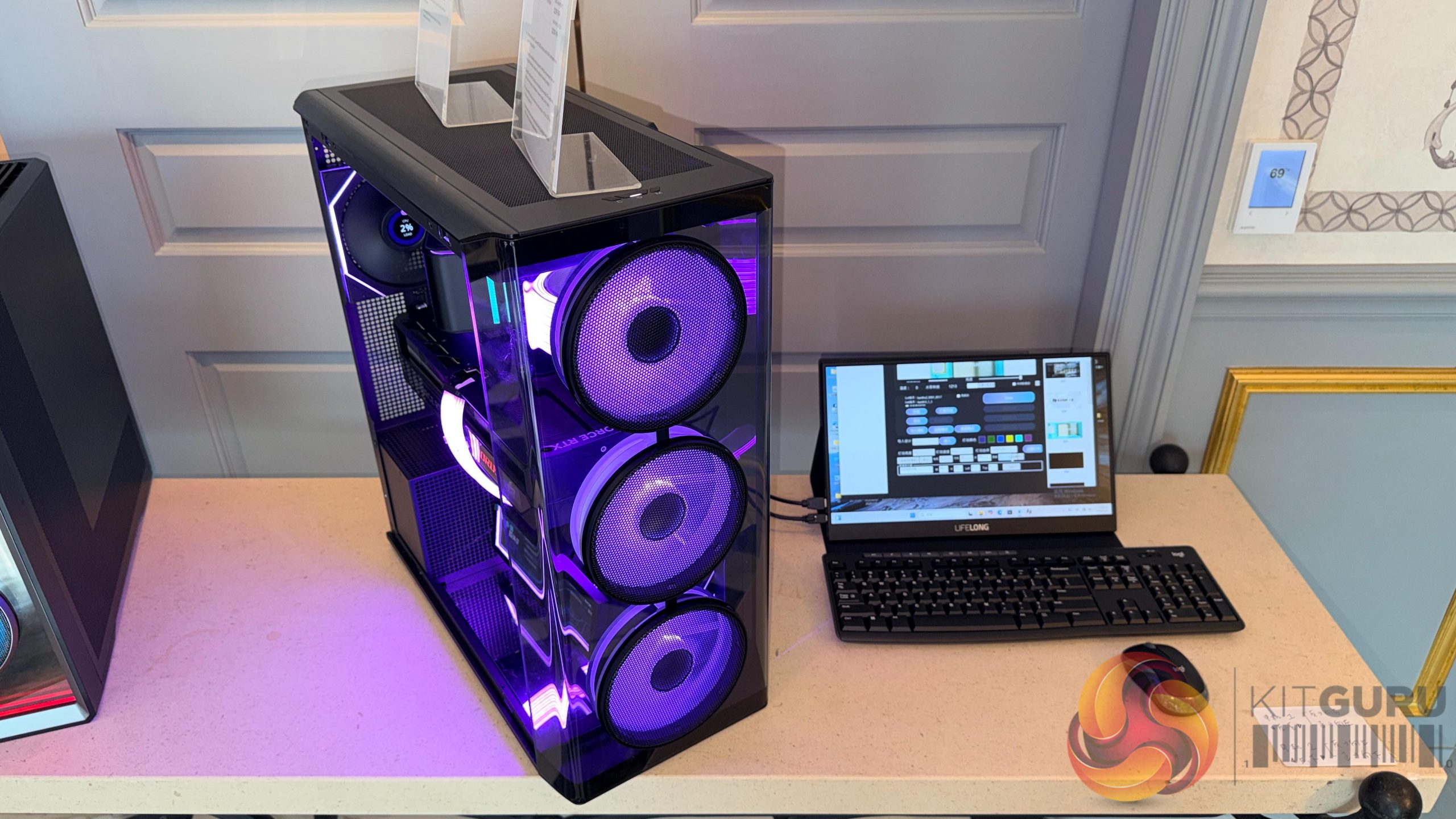
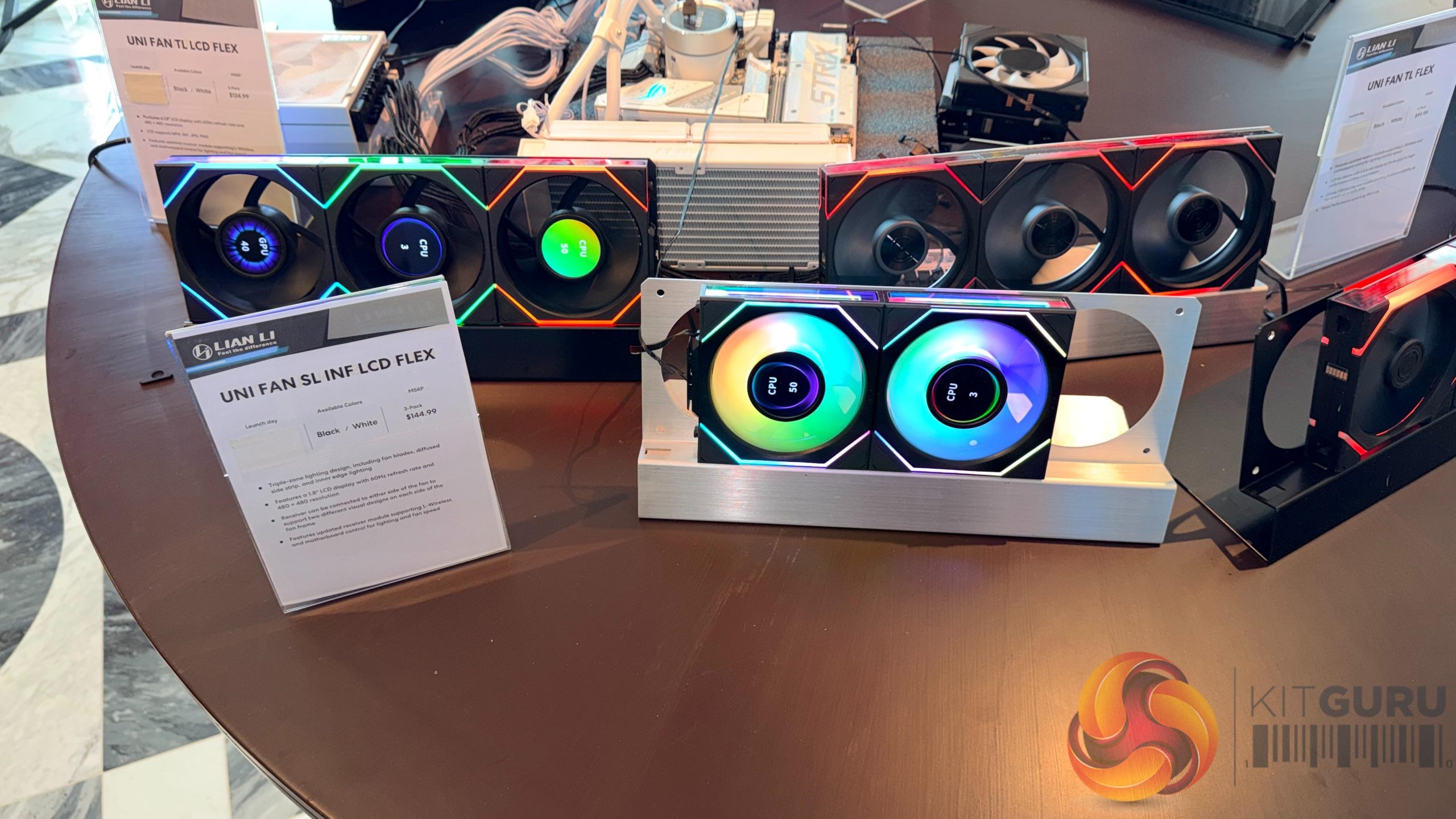
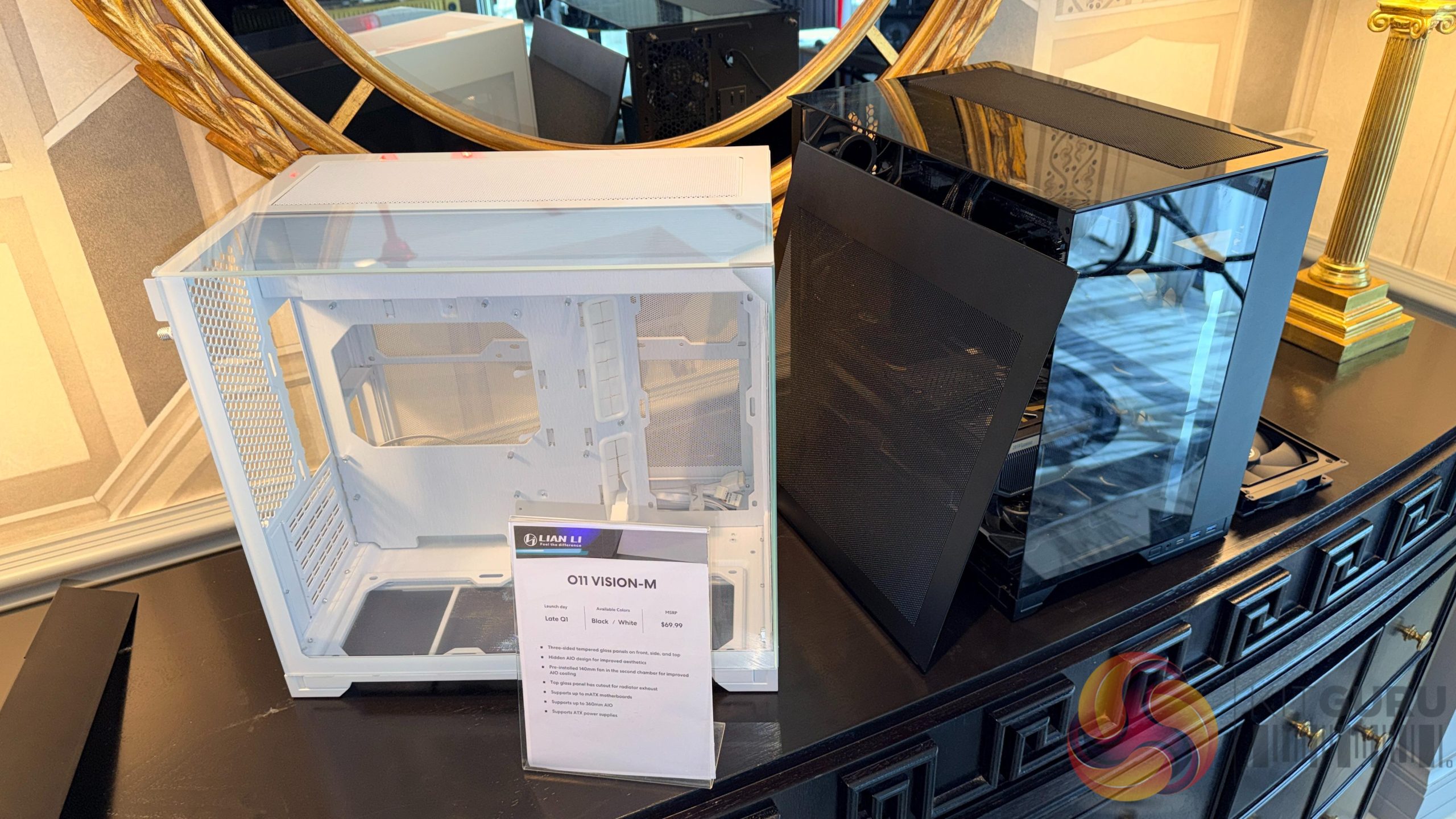
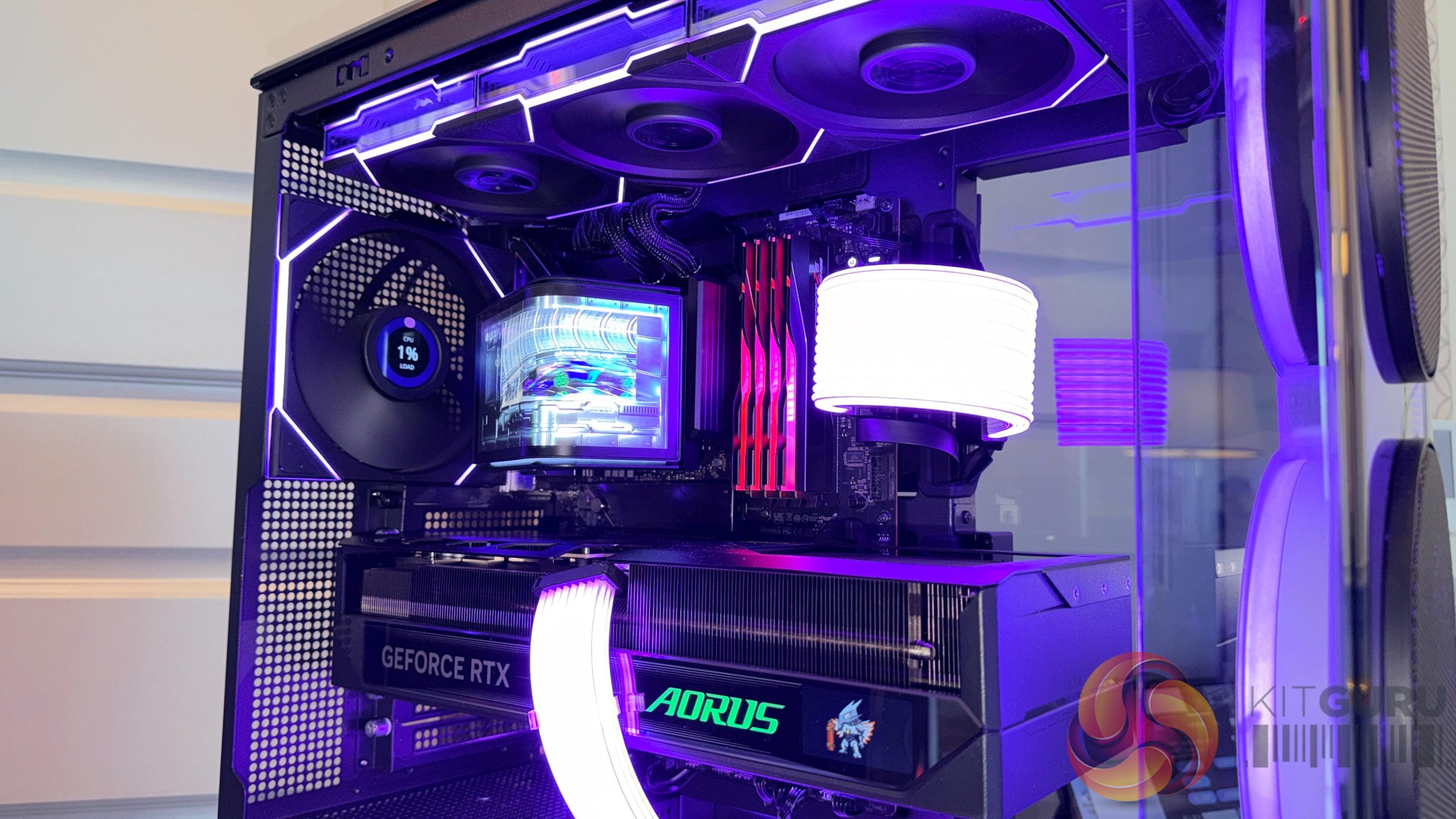
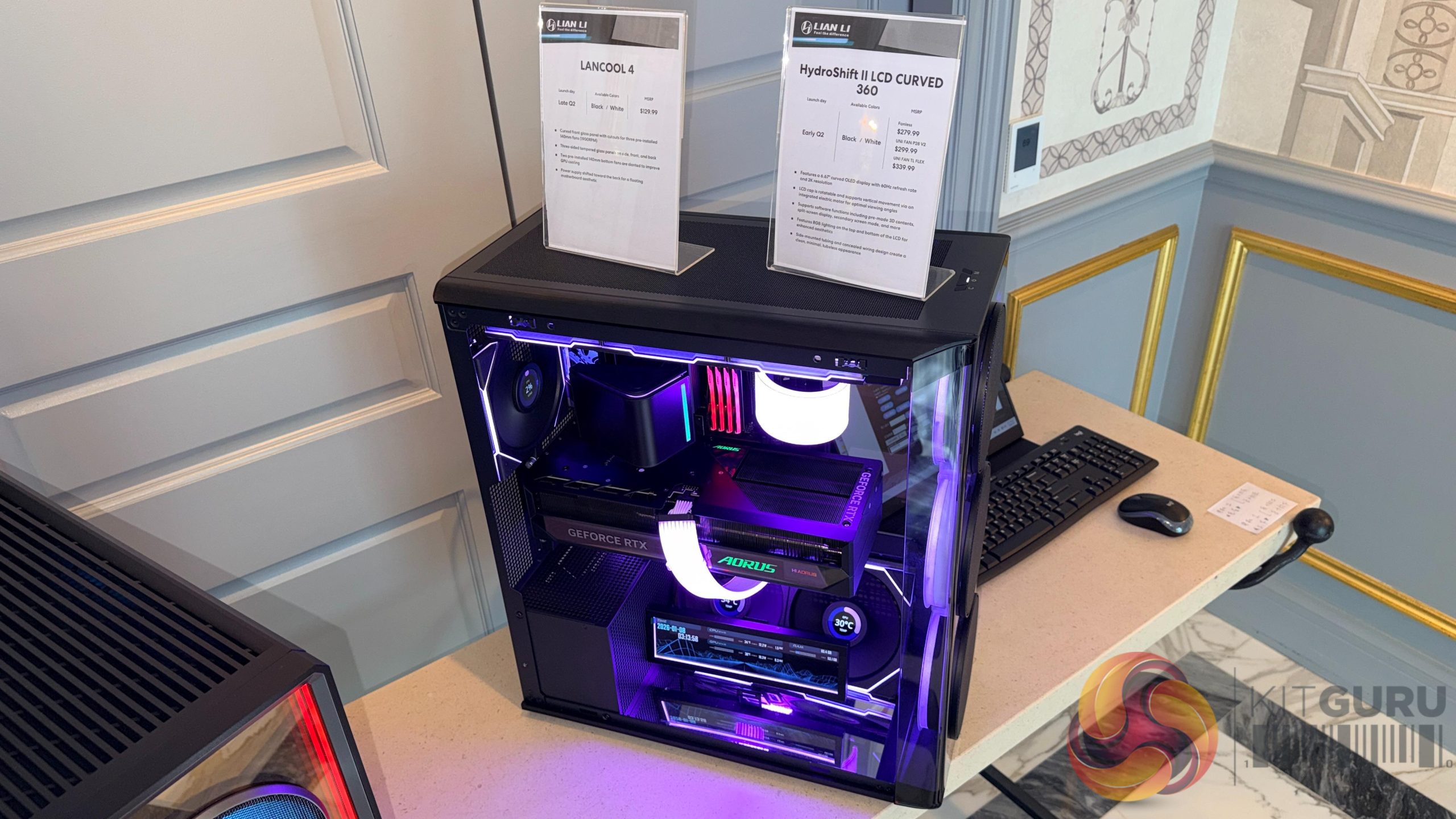
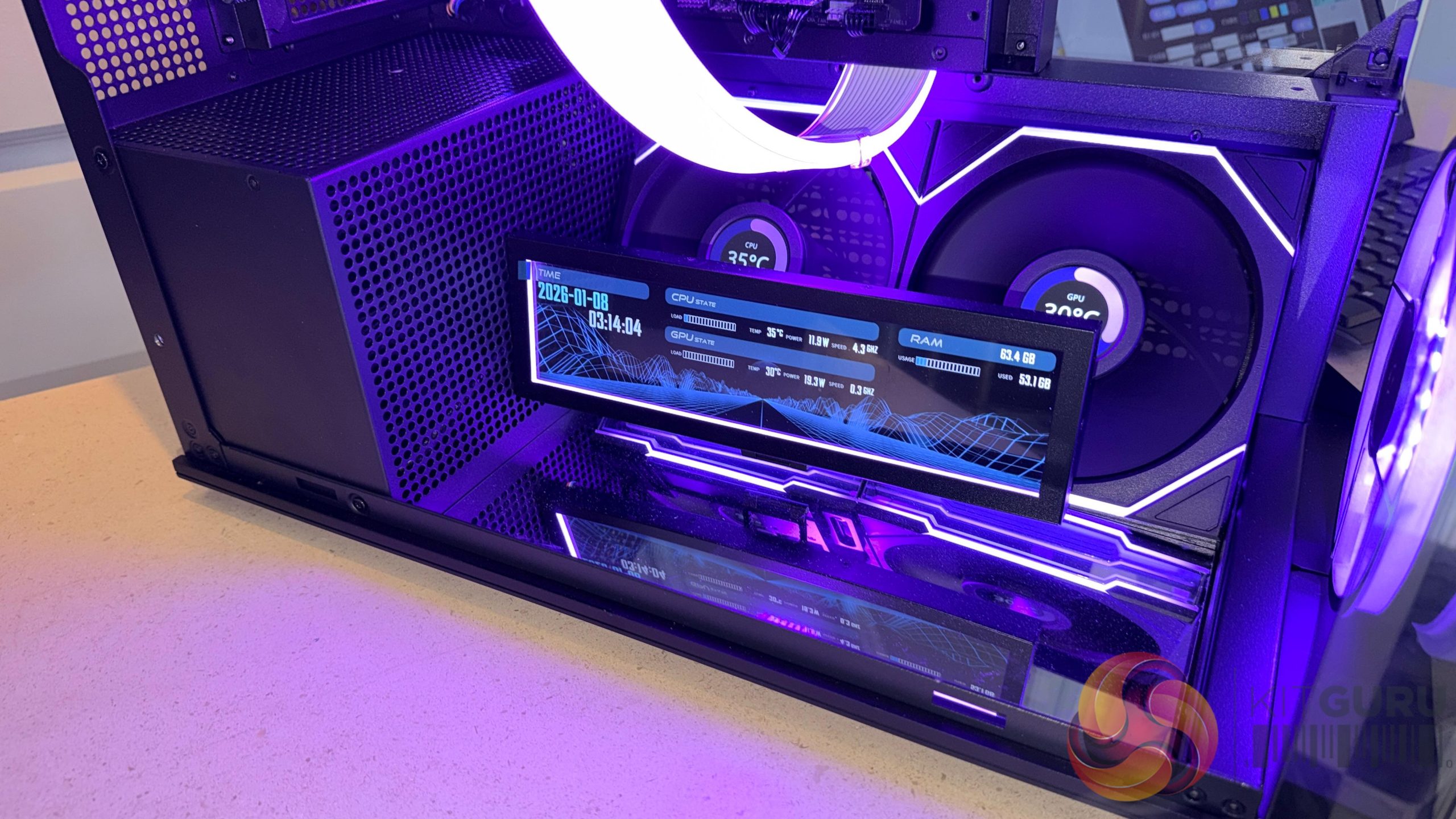
Lian Li brought a broad selection of new hardware to CES this year, expanding several of its most recognisable product lines with updated cases, cooling hardware and even desks. In our latest video, we break it all down and give you a first-hand look.
Watch via YouTube below:
Timestamps:
00:00 DK 07 Wood
01:27 DK B
02:43 Vector V 150 / SLC 360 LCD AIO
04:37 LanCool 4 – with Lian Li Boss Jameson
08:18 Flex fans updates
08:44 011 Vision M
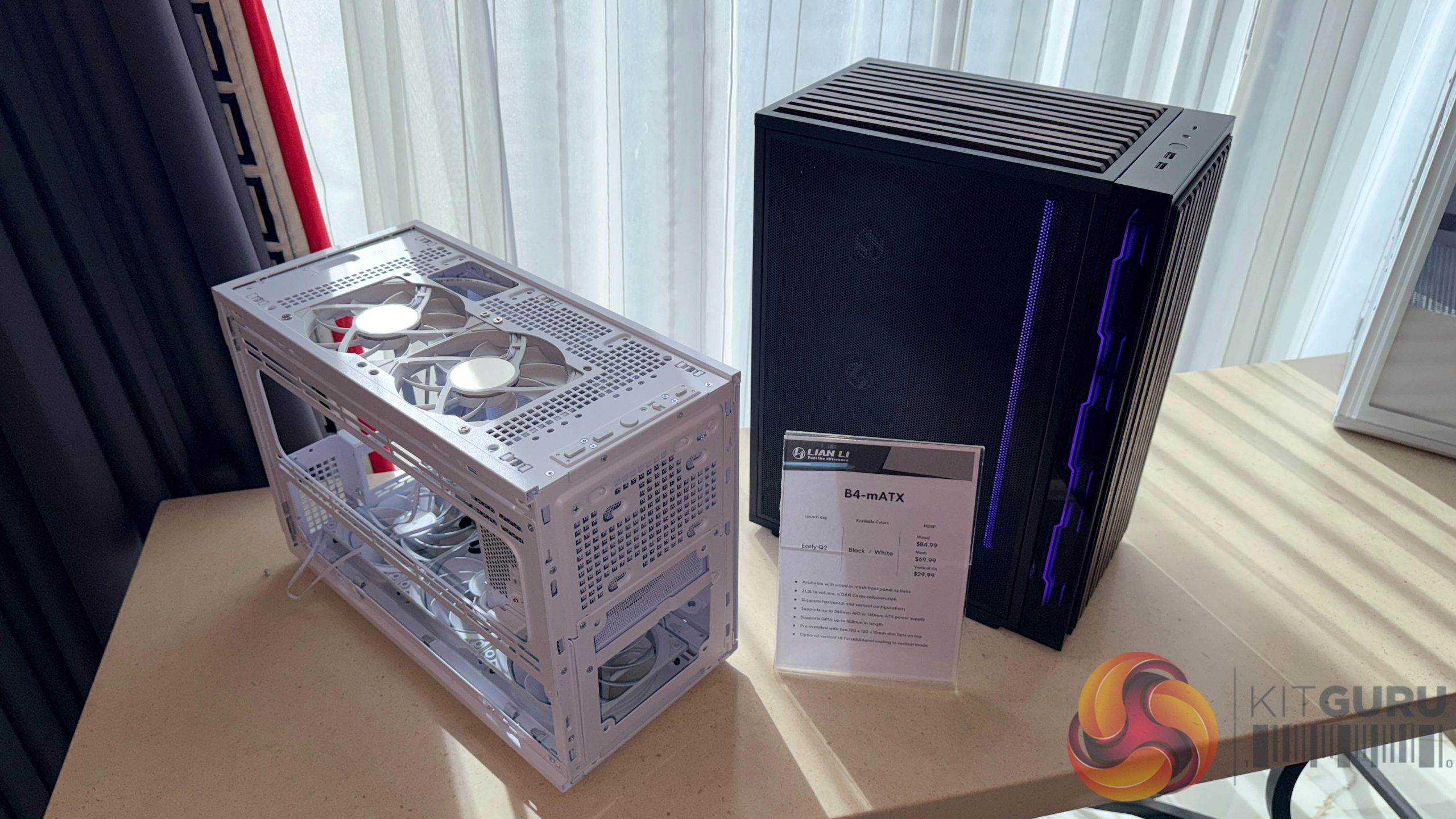
10:16 B4-mATX Chassis
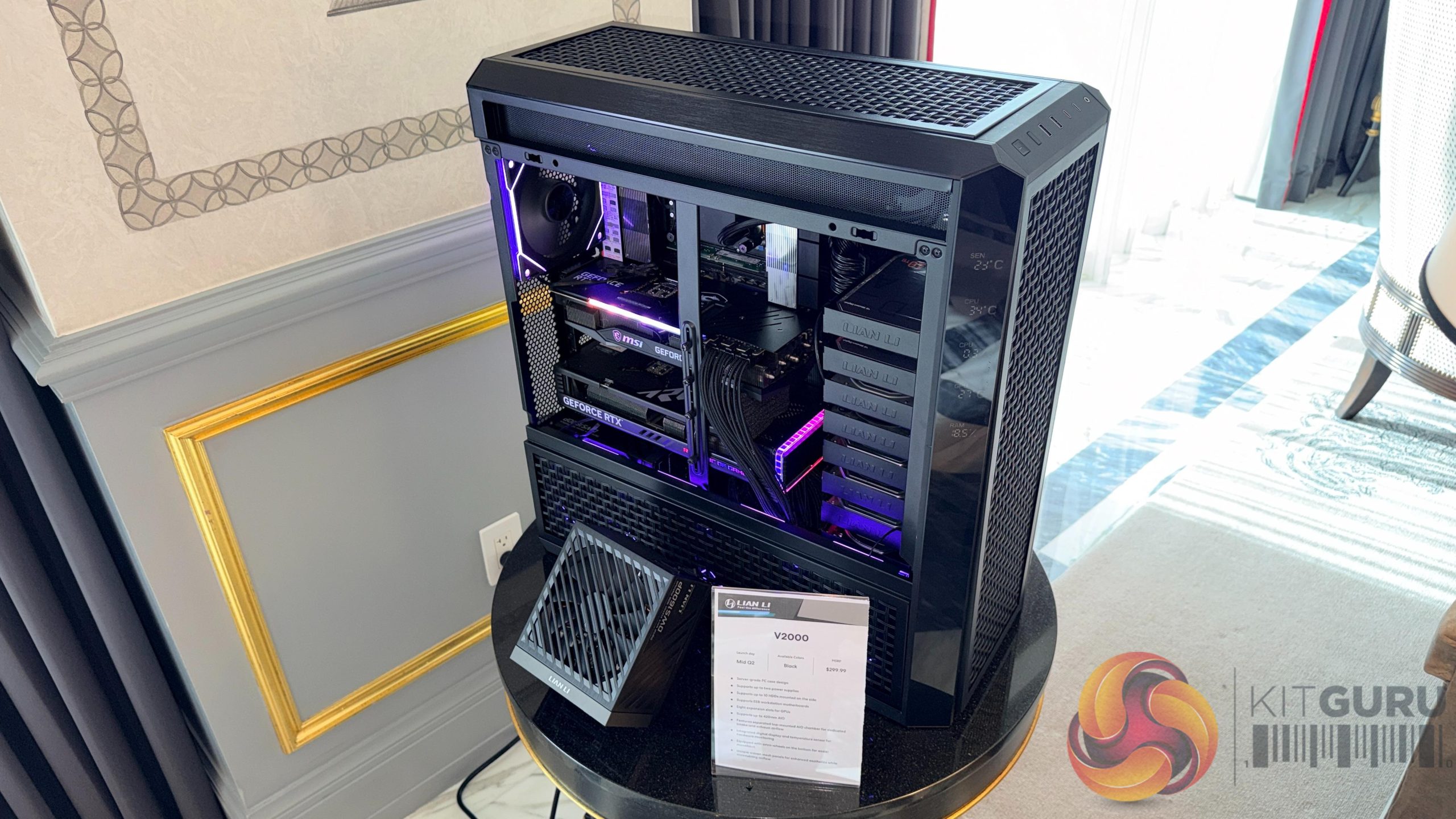
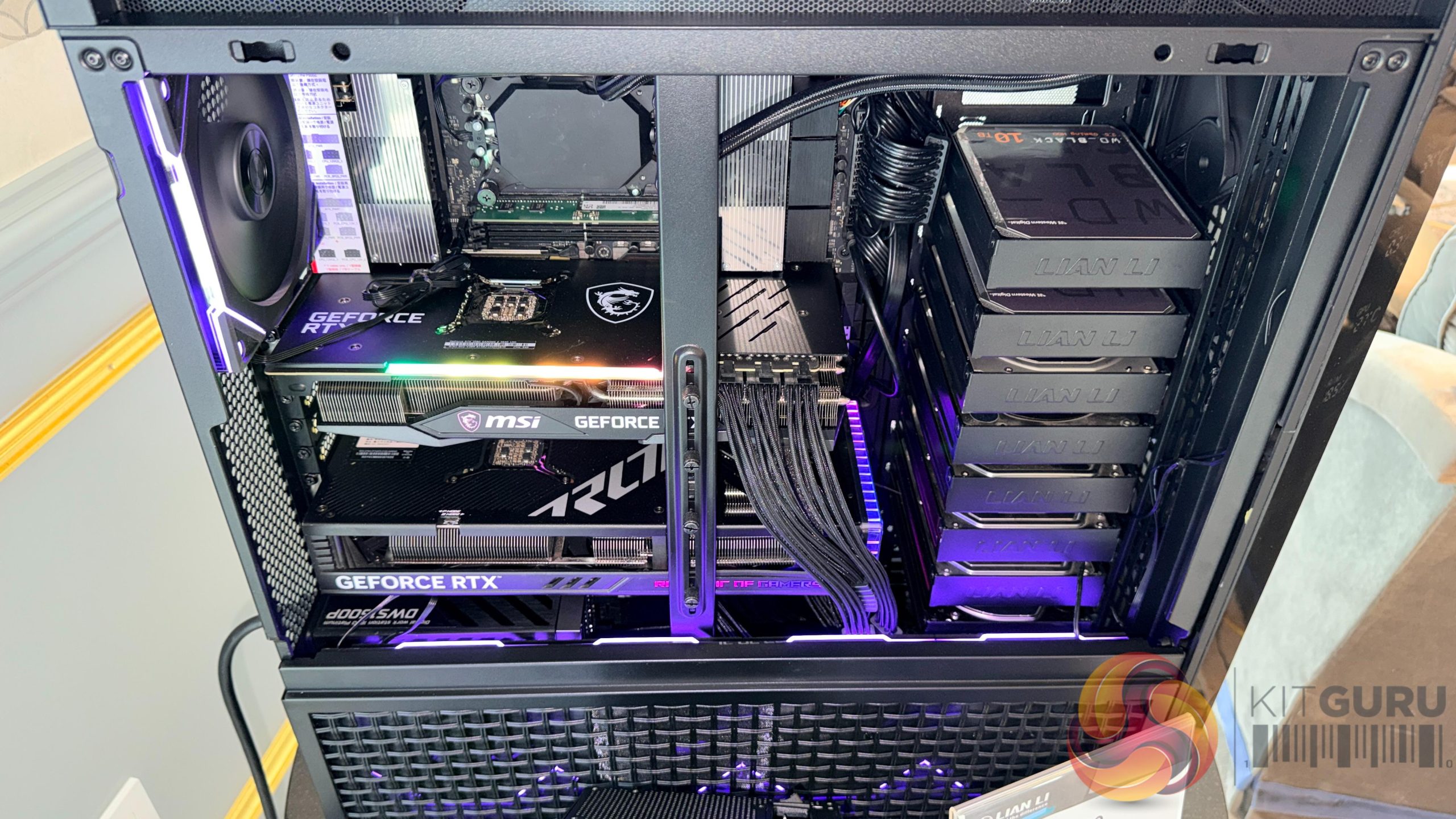
14:08 V2000
On the case side, Lian Li showcased new additions across its LANCOOL, O11 and Vector families. The LANCOOL 4, which was announced shortly before the event, appeared in its final form with the curved front panel and triple‑fan intake layout. The O11 Vision M also made a physical debut, presenting a wider internal layout and a revised chamber structure aimed at improving component clearance and airflow. Lian Li also displayed the Vector V150, a compact chassis with a hybrid mesh‑and‑glass front panel.
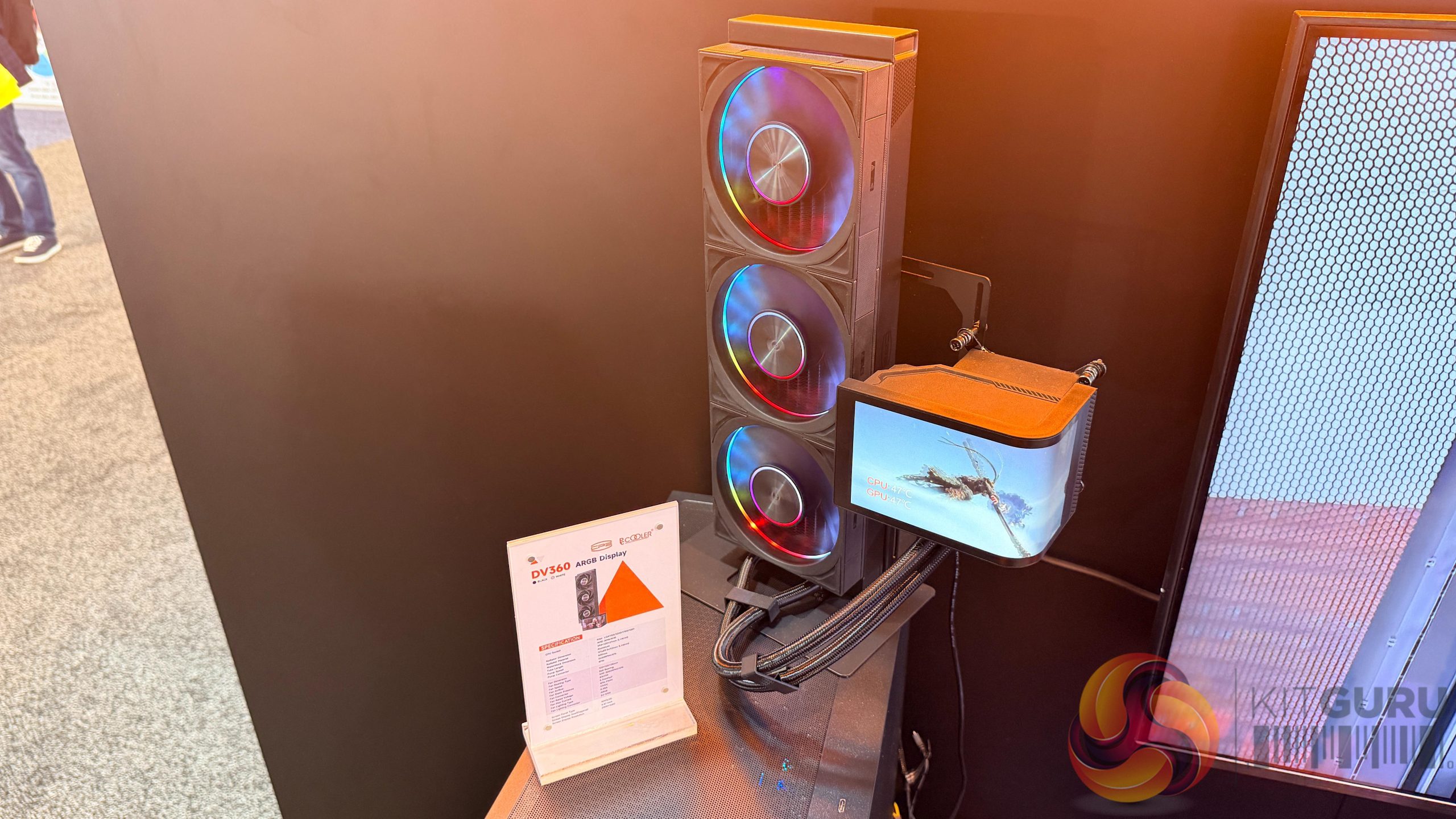
Cooling hardware was another major part of the booth, with new UniFan models drawing significant attention. Lian Li demonstrated its latest FLEX‑series fans, including versions equipped with LCD hubs and updated interlocking mechanisms designed to simplify cable management. These new models build on the UniFan concept with more flexible configurations and expanded visual options, giving builders additional ways to customise both airflow and aesthetics. The company also displayed the HydroShift II LCD CURVED 360 AIO, featuring a movable curved display integrated into the pump housing — a notable evolution of the HydroShift concept that was previewed late last year.
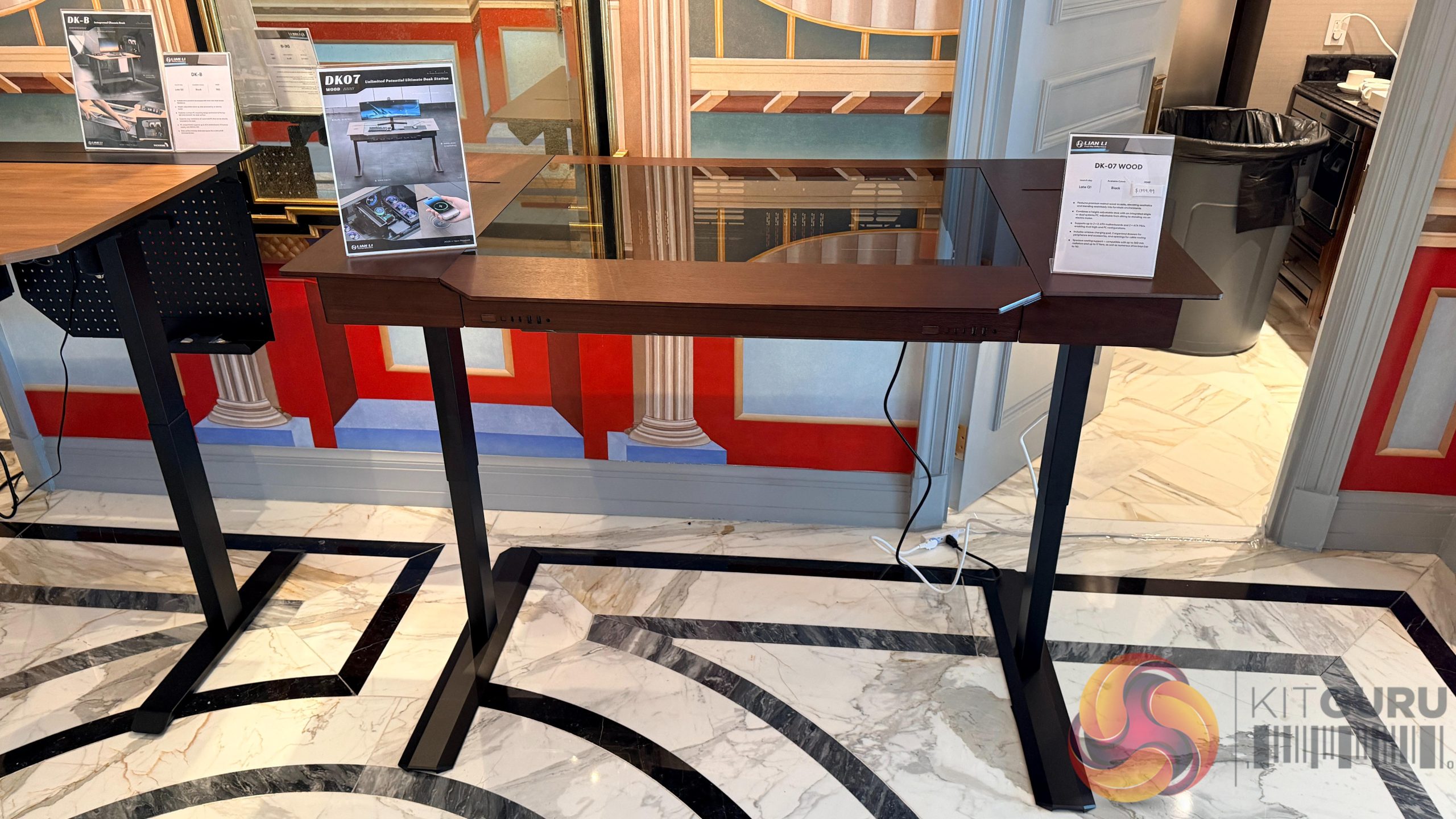
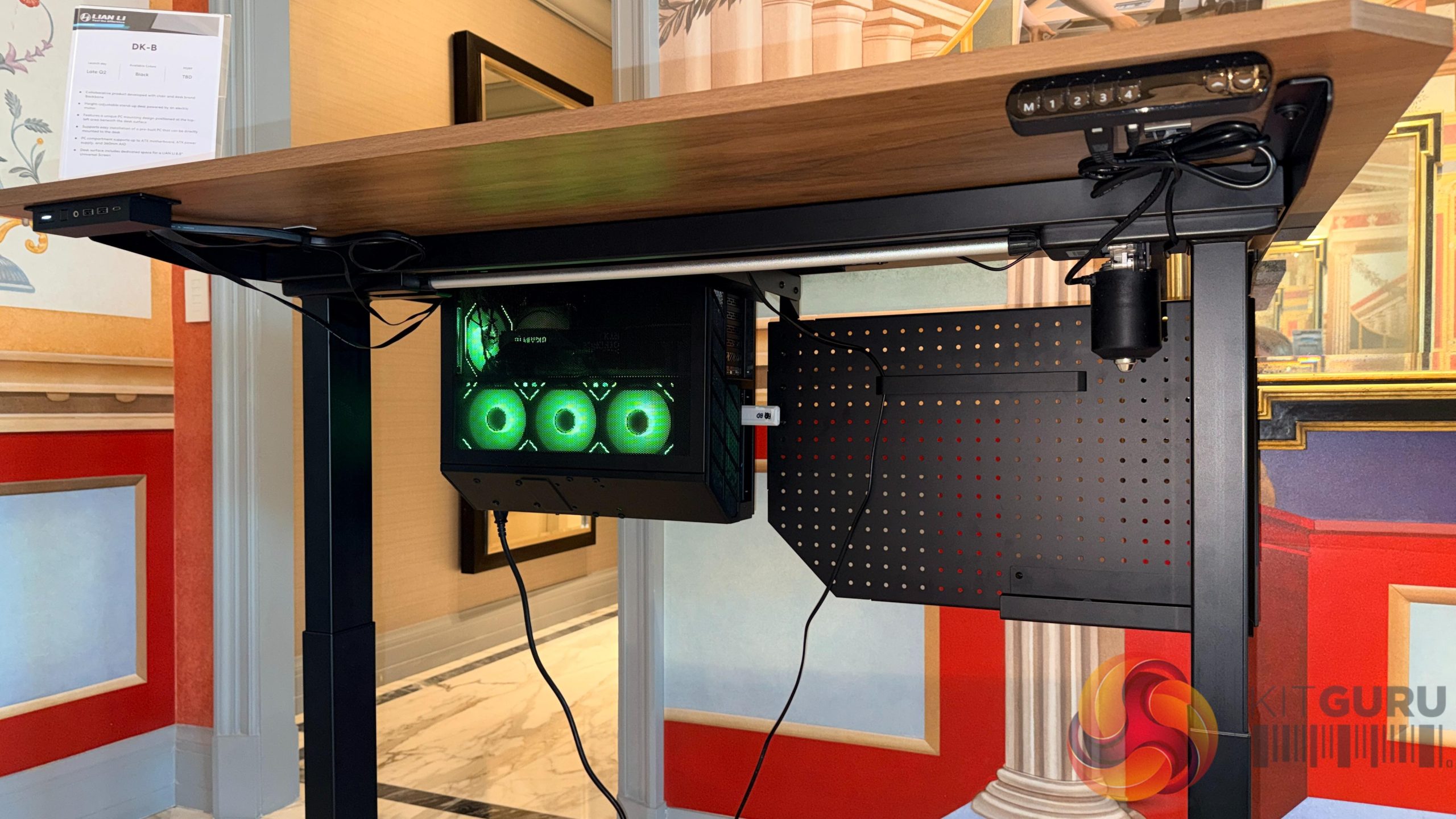
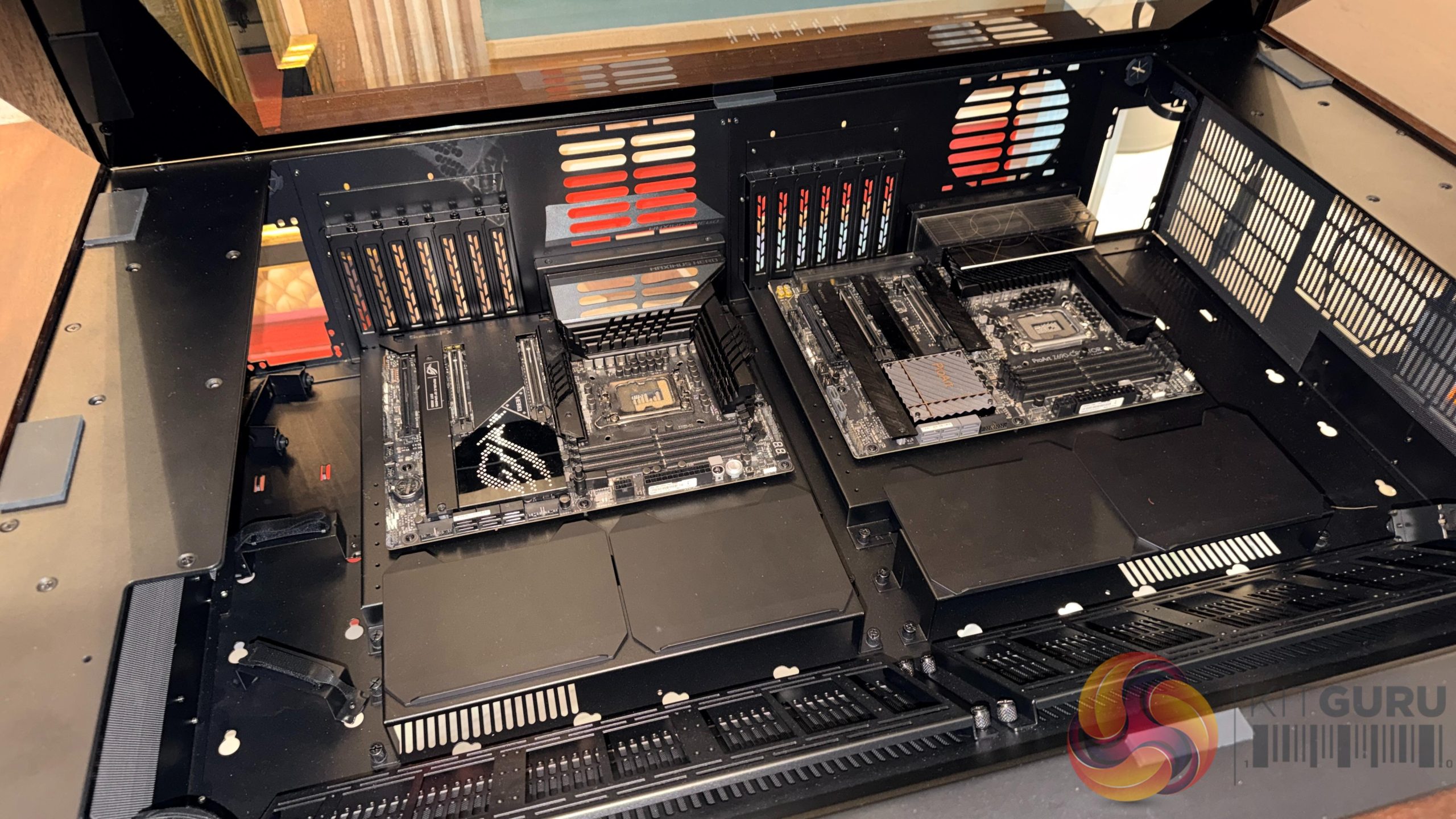
Lian Li’s desk‑style chassis also returned in updated form. The DK‑07 Wood and DK‑B models were shown with revised layouts, including sliding or retractable system compartments and integrated display elements.
KitGuru Says: What did you think of Lian Li's line-up for CES this year?
Obsidian Entertainment is perhaps one of the busiest studios under Microsoft, with the Fallout: New Vegas maker having worked on 6 different games since being purchased by the console maker back in 2018. Despite having just released Avowed; Grounded 2 (in Early Access) and The Outer Worlds 2 last year, Obsidian is reportedly working on 4 different unannounced projects right now.
In a report by known Xbox insider Jez Corden discussing the future of Microsoft’s console throughout 2026 and beyond, the leaker claimed that Obsidian Entertainment is currently working on “four new projects, some big some small.”
While they are unlikely to match that output in 2026, its possible we could see two projects from the team between now and December – one of which being a tiny Pentiment-styled affair and the other perhaps being the recently rumoured Fallout: New Vegas remaster (though that is likely being handled by an external studio).
Regardless, it is exciting to see that Obsidian has plenty more currently cooking in the oven. While none of their recent releases have managed to reach the heights of New Vegas, it is nice to have a team which can produce solid products at a consistent rate.
KitGuru says: What do you think of Obsidian post-Microsoft? Will they ever be able to surpass Fallout: New Vegas? What do you think these 4 projects are? Let us know down below.
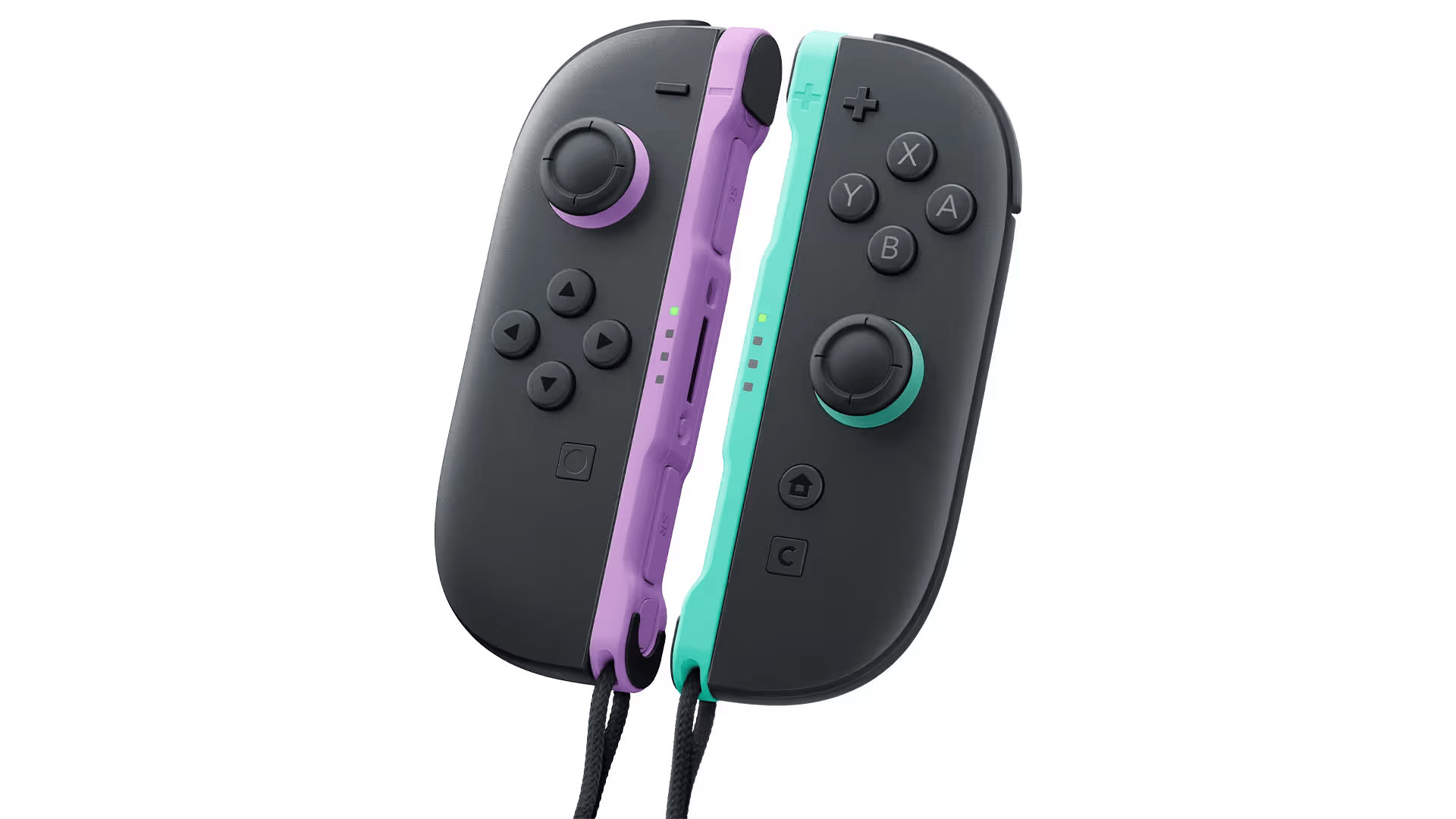
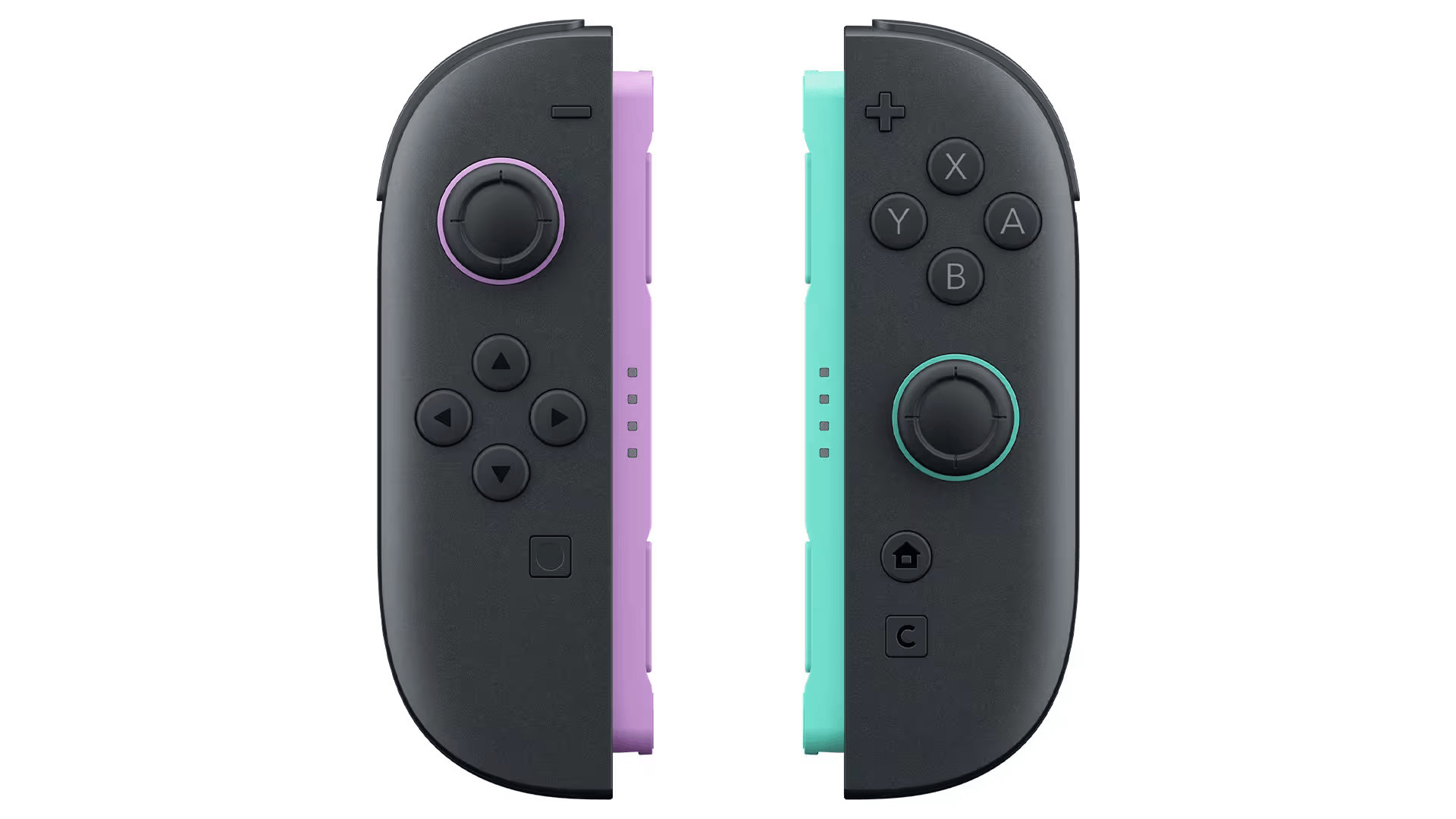
Nintendo made a killing with the Switch’s Joy-Cons, not only due to their tendency to drift leading fans to purchase additional units, but also thanks to the console maker’s release of countless different controller colours allowing a degree of customisation when playing in handheld. Nintendo appears to be continuing the practice with Switch 2 – though with admittedly much duller offerings so far.
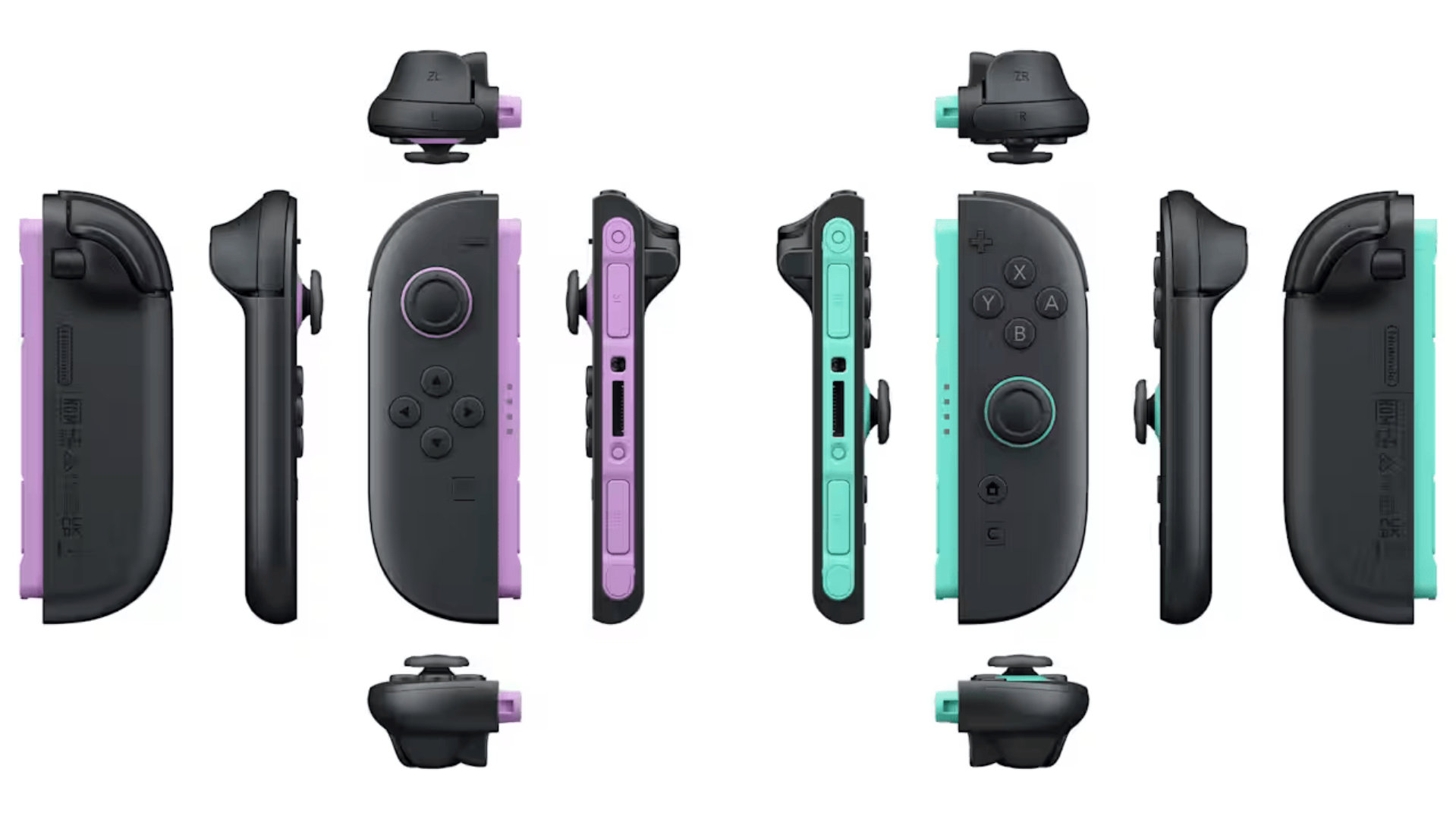
As shared to their Nintendo Today news app, the console maker officially unveiled their first new set of Joy-Con 2 colours for the Switch 2.
Unfortunately, as with the base Joy-Cons, the colours are limited to the dome under the thumbsticks and the magnetic rail – meaning the colours will be hardly noticeable when in handheld.
In addition, these Joy-Cons will not match the Switch 2’s siderail colours as they were based on the original Red and Blue – though this too is hardly noticeable (for the better this time).
Regardless, having more colour options is welcome to see, even if the current crop do little to make the console look different. Hopefully future releases include more all-encompassing colouring.
KitGuru says: What do you think of these new Joy-Cons? Has Nintendo kept things too low-key with the Switch 2? Will we get more vibrant options in the future? Let us know your thoughts down below.
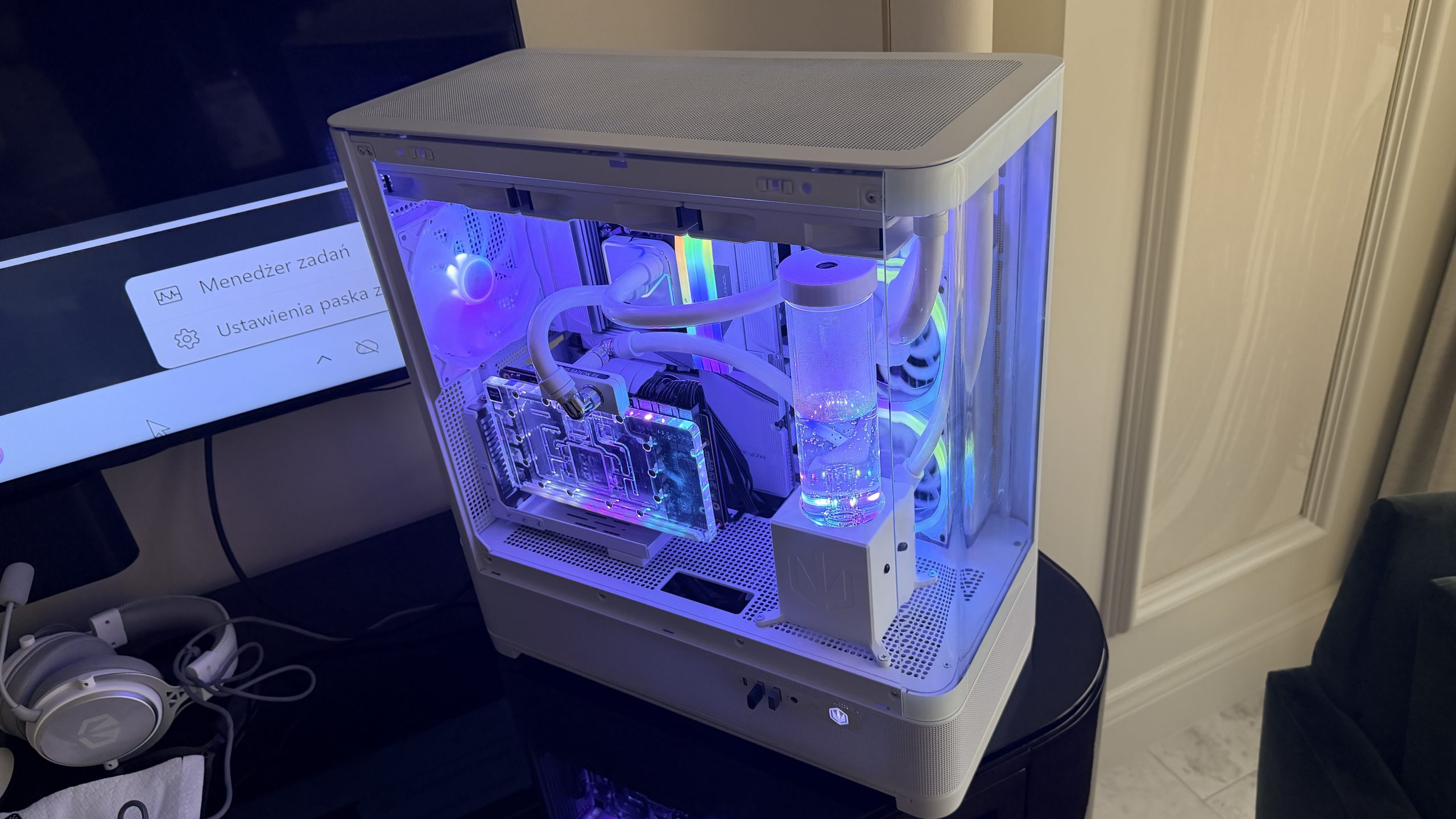
At CES this week, we stopped by the Endorfy booth to get a look at new peripherals hitting the market early this year, including new keyboards and mice, a new PC chassis and more.
Watch via YouTube below:
Timestamps:
00:00 New Keyboards and Mice
01:33 Aquarius 8000 Case
02:09 Viro Infras Wireless and Viro Wireless
03:00 Solum 2 Pro and Solum 2 Mics
03:48 Power Supplies
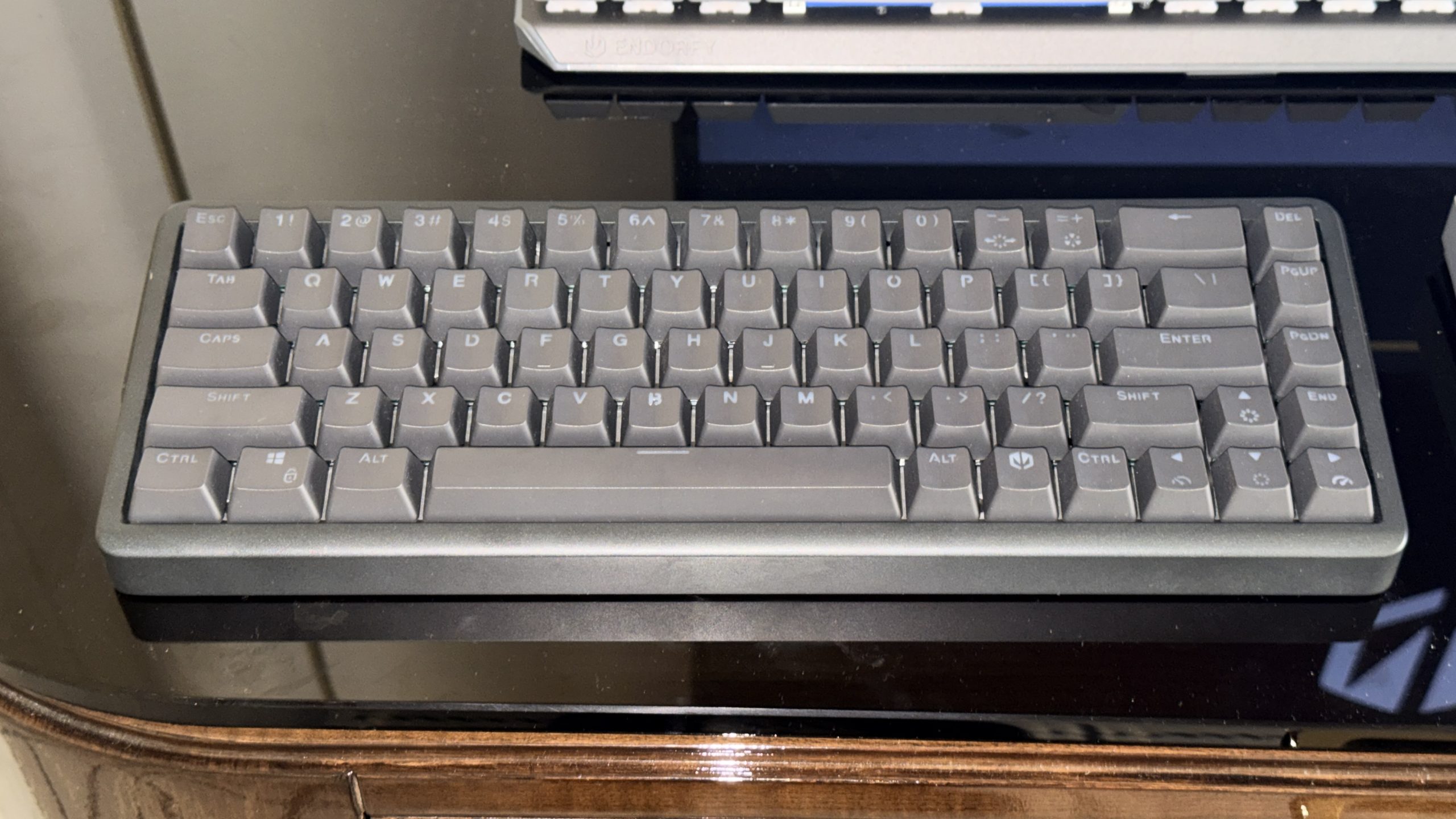
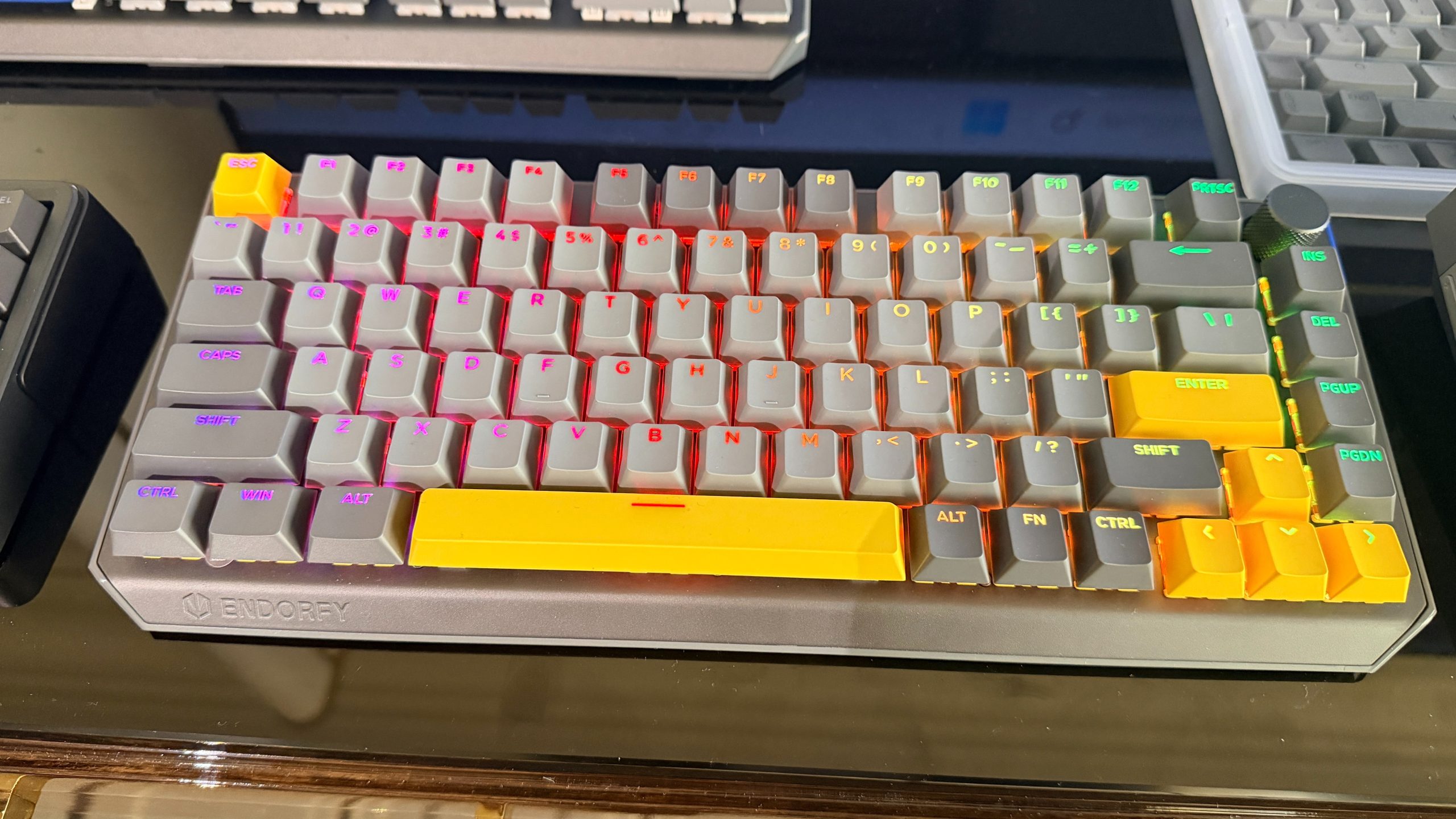
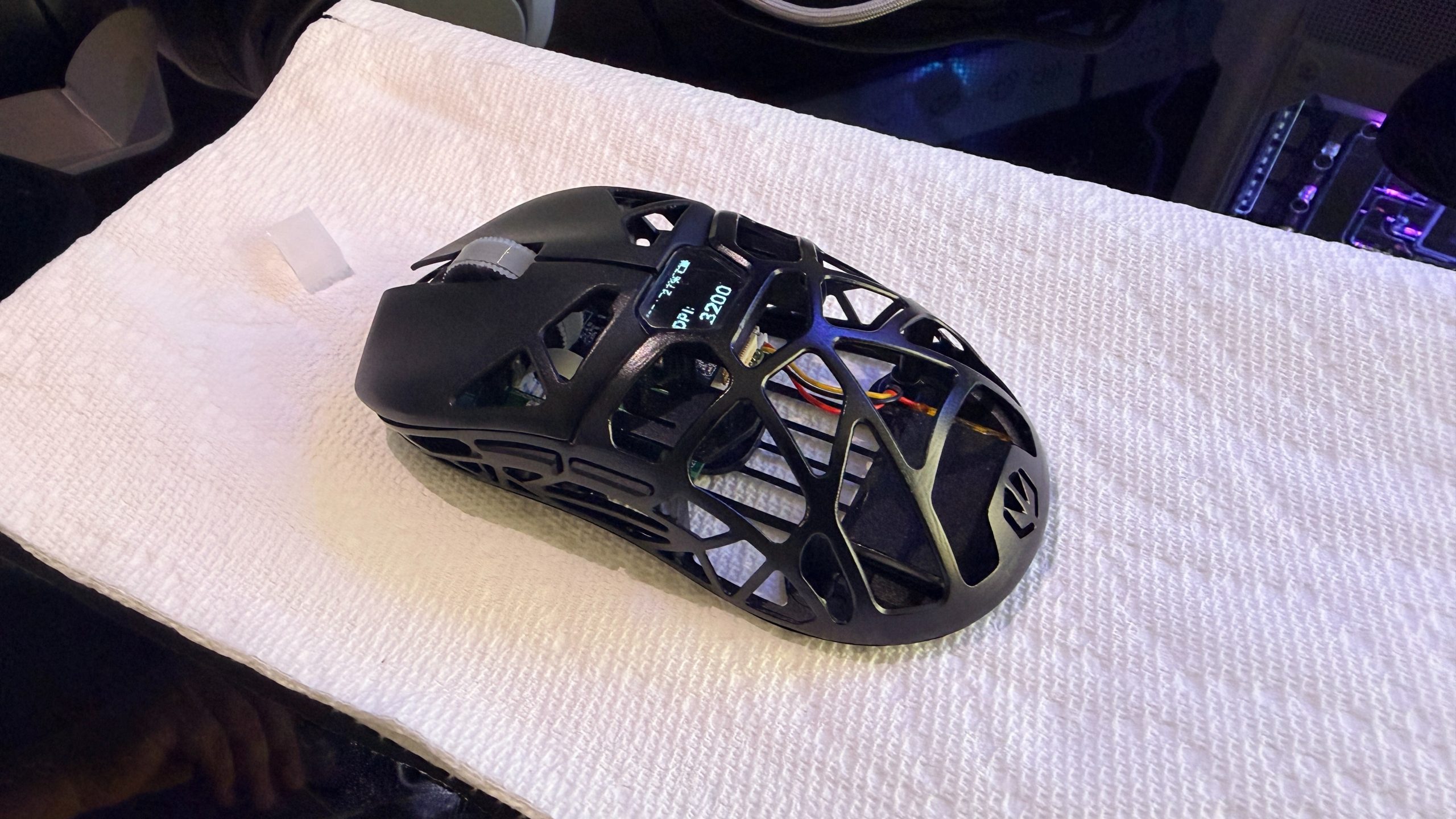
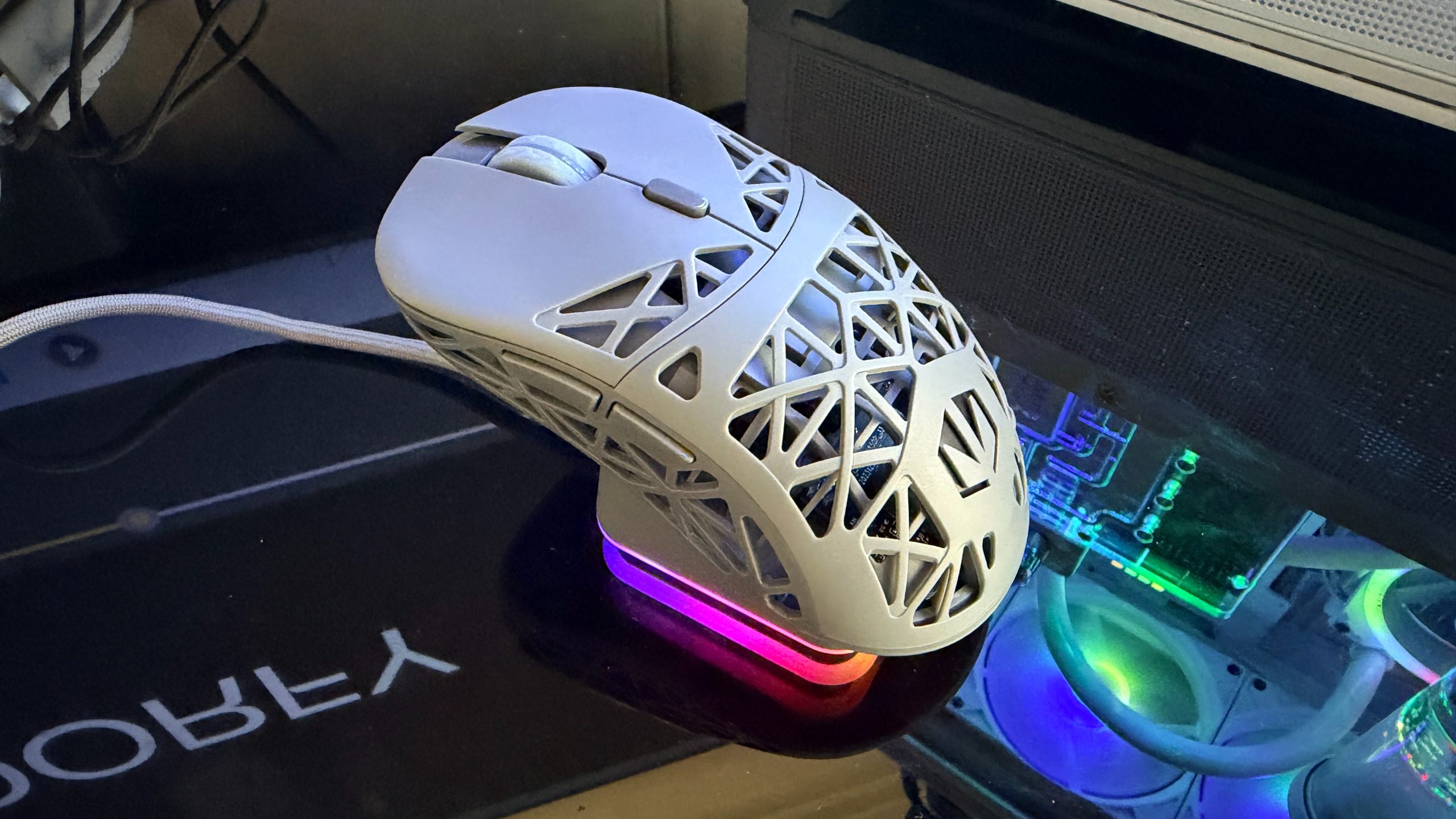
If you’ve used Endorfy keyboards before and felt the RGB wasn’t quite bright enough, the upcoming Thock V2 addresses that with brighter LEDs, along with magnetic switches for even faster response times and greater control over actuation points, making it an ideal choice for gaming desks around the world. Endorfy is also expanding its mouse range with new LIV mice, with a new grey colour option hitting the market. A new LIV mouse built with magnesium alloy is also coming out, which sheds weight even further while retaining rigidity, despite all of the cut-outs across the mouse shell to keep weight to a minimum.
Another product Endorfy is showing is the Aquarius 8000. The “8000” refers to the height class, and a smaller 6000 model is also on the way. The case ships with ARGB fans and supports Project Zero‑style back‑to‑front builds. This chassis also addresses the airflow complaints of previous ‘fishtank' style cases by putting mesh vents all along the bottom of the case, with more perforations along the back panel and roof. Availability is expected toward the end of Q1, with pricing around €139.
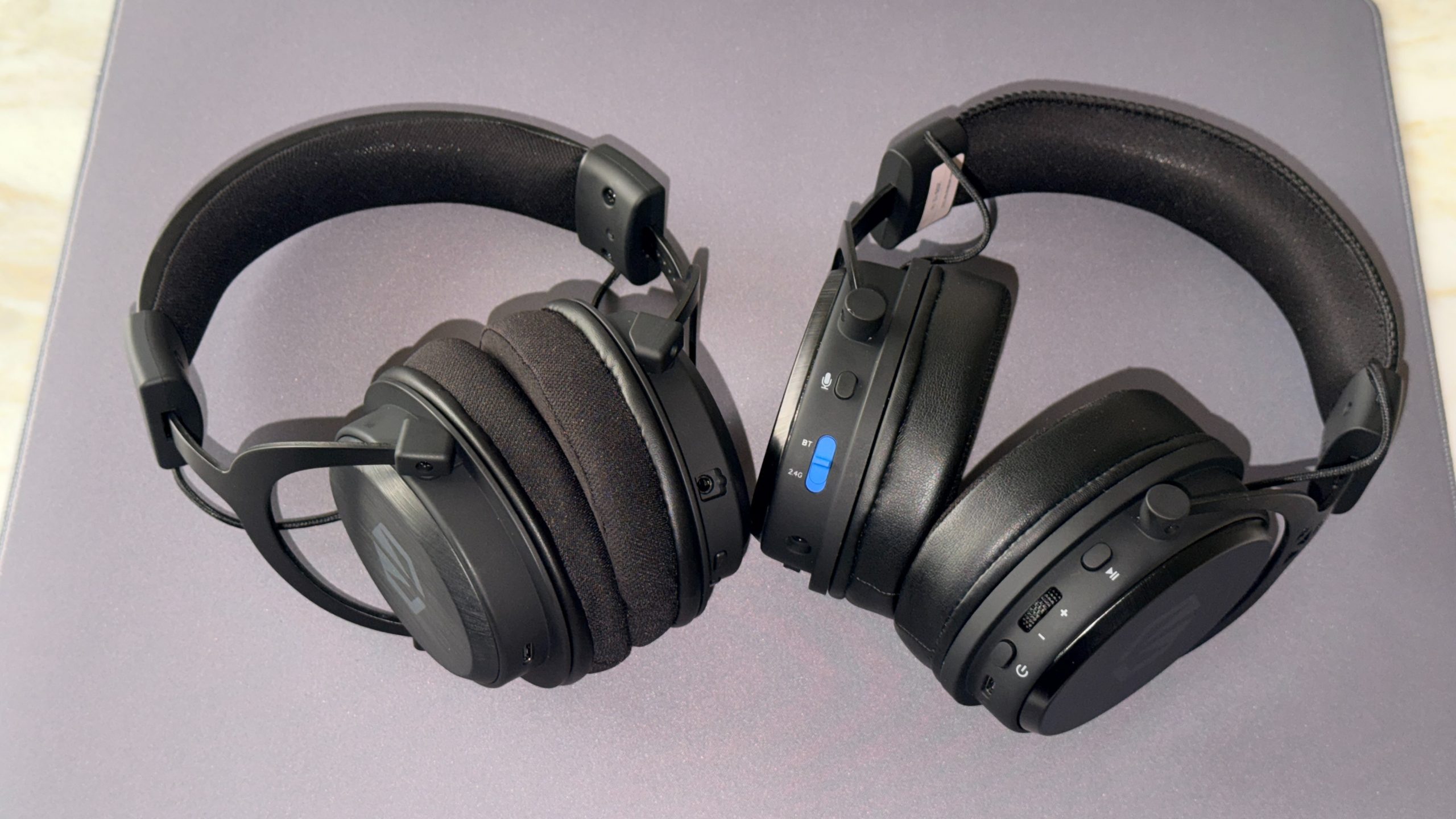
Endorfy also has two new wireless Viro headsets. One of the models we saw on show has a battery life of around 24 hours, which is pretty strong and more than enough to get you through a day of gaming. However, the second headset pushes for a 120-hour battery life, which could potentially get you through many gaming sessions over the course of a week without needing to reach for a charging cable. We expect to see these headsets again later in Q1 once they are ready to hit retail.
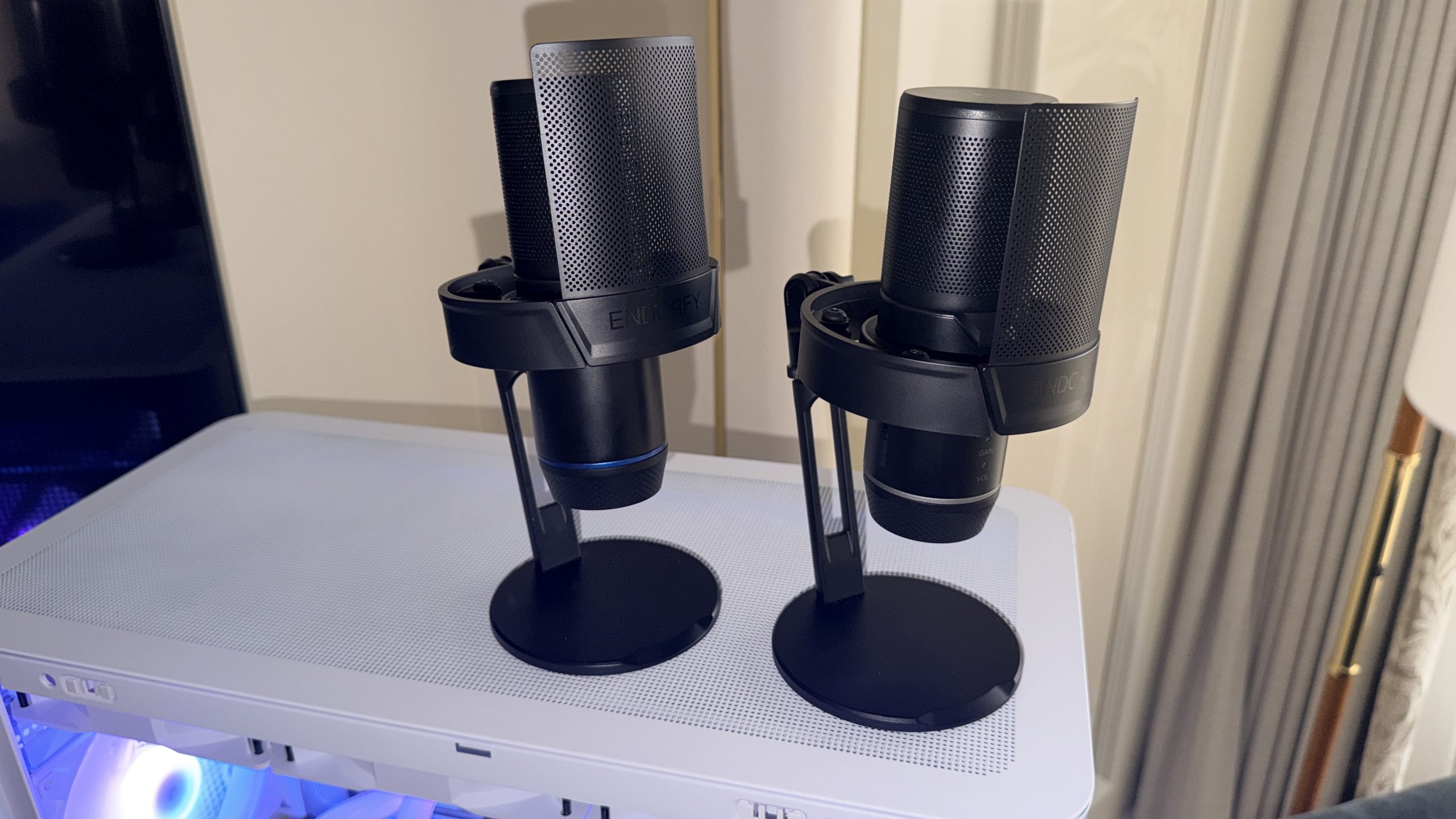
Endorfy has a wide range of Solum branded microphones on the market but this year, we are getting the Solum 2 and the Solum 2 Pro. These are standalone microphones, featuring a twist dial at the base that switches between volume and gain, so you'll be able to make adjustments on the fly without diving into any software. These are expected to enter full production soon, with availability between March and April. Pricing is around €99 for the Pro, €85 for the standard model, and roughly €70 for the entry‑level ‘Core' version. USB and 3.5mm connectivity is provided on the rear.
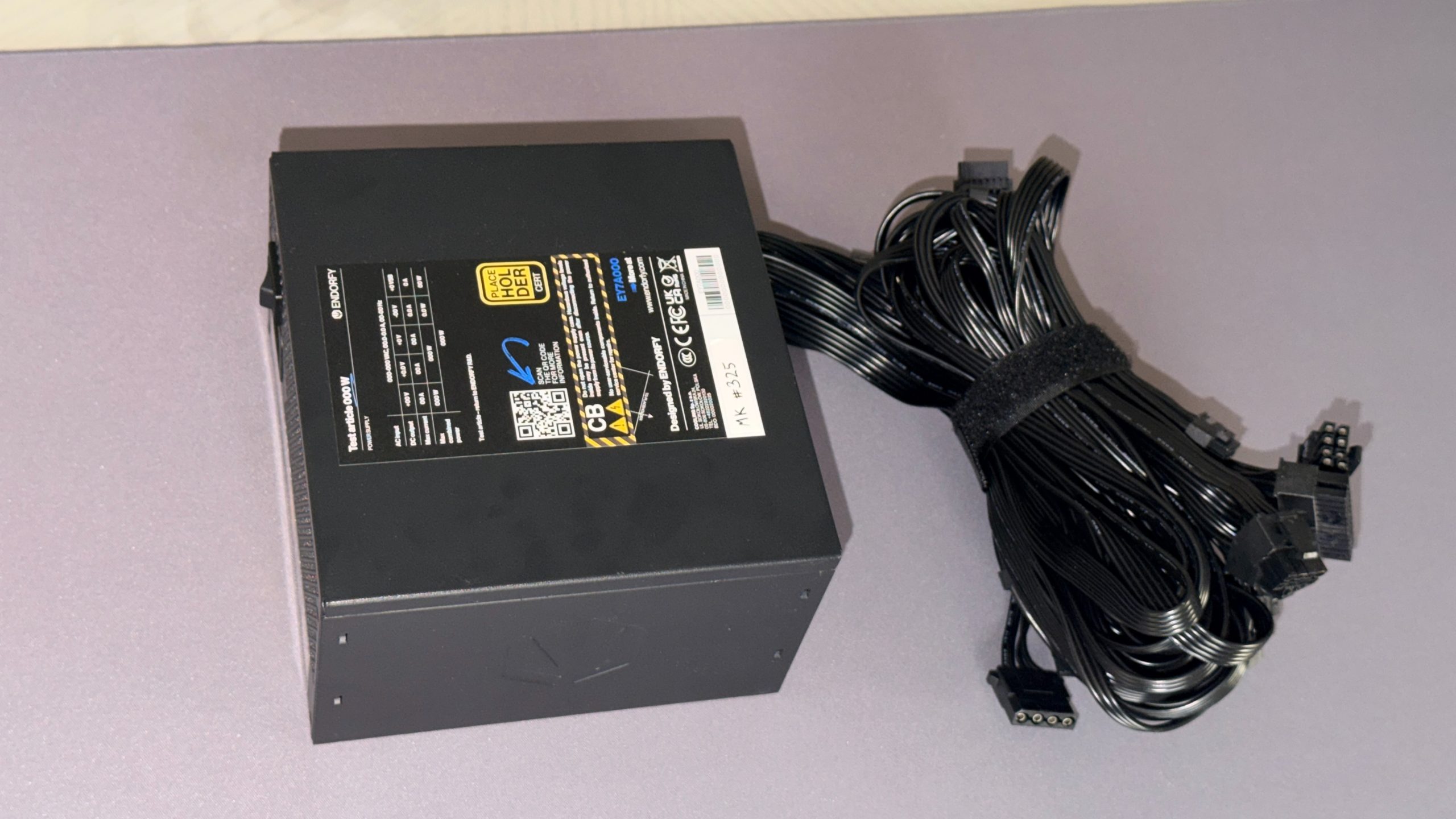
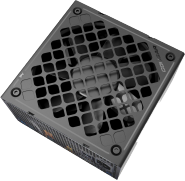
Finally, Endorfy has new Supremo Gold PSUs hitting the market, offering fully modular cabling at decent price points to make them more accessible to PC builders on tighter budgets.
KitGuru Says: We look forward to getting a more in-depth look at Endorfy's new peripherals and hardware in the coming months.
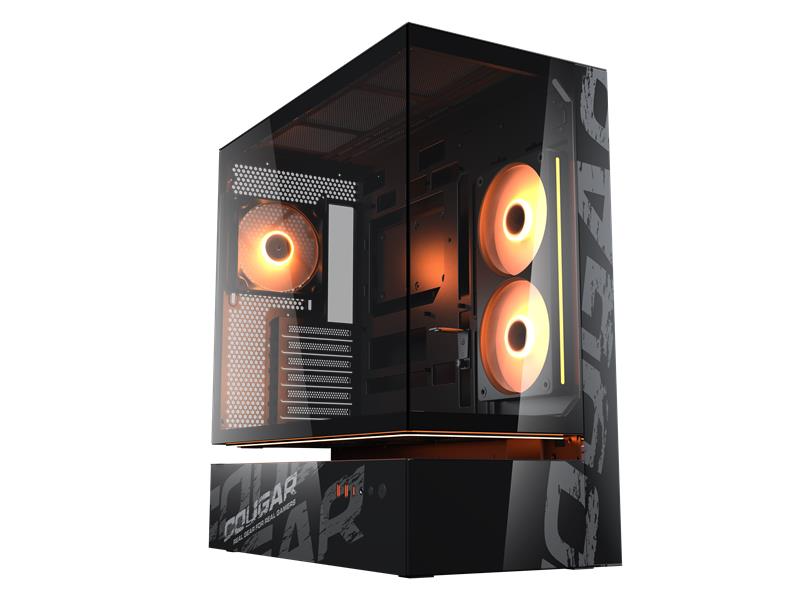
COUGAR has outlined its 2026 lineup at CES, presenting a range of new PC cases, power supplies and an updated ergonomic gaming chair.
The new case lineup includes the CFV235‑G, a special‑edition variant of the CFV235 series featuring a full glass front panel and graffiti‑style branding. It retains the Central Floating Ventilation structure, a suspended partition between the PSU and main chamber that converts unused internal space into an active intake path, with glass side panels maintaining a panoramic view of the system. The MX600 Max continues the series’ airflow‑focused design, using square perforations and a refined dual‑curve airflow ramp to direct air from its front‑mounted 200mm ARGB PWM fans. A modular I/O panel allows flexible case orientation, and a detachable top cover simplifies installation.
The Duoair supports both mesh‑front and glass‑front configurations, with the PSU compartment moved to the front to create a recessed intake channel feeding angled bottom fans, enabling support for GPUs up to 410mm and shipping with dual 140mm ARGB PWM fans. Rounding out the cases, the FV130 adopts a compact dual‑chamber layout with the PSU relocated to the secondary chamber, opening space for an angled bottom fan intended to eliminate dead‑air pockets while still supporting 410mm GPUs and reverse‑connector motherboards.
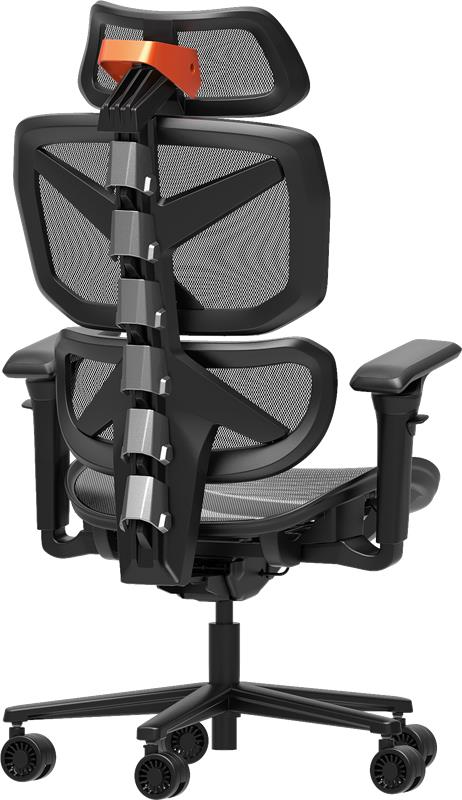
COUGAR is also updating its gaming chair lineup with the Terminator Air, which introduces a mechanical Dynamic Adaptive Support system built around the company’s “Second Spine” design. The chair adjusts its alignment automatically as the user shifts posture, with manual controls for backrest height and seat depth, weight‑balanced tilt control and 3D rotating armrests.
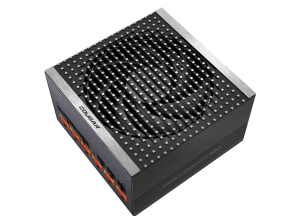
The power‑supply range expands with three updated series. The Polar V2 line (1200/1000/850) is fully modular and 80 PLUS Platinum certified, exceeding ATX3.1 requirements with a 300% power‑excursion tolerance for dual‑GPU systems. It uses Japanese capacitors, eight protection circuits and a 130mm FDB fan inside a 150mm chassis. The PV series (1200/1000/850) also carries 80 PLUS Platinum certification with up to 92% efficiency, native PCIe 5.1 support and Japanese capacitors cooled by a 140mm FDB fan. The GQ series (850/750) targets compact builds with an 80 PLUS Gold rating, up to 90% efficiency, ATX3.1 compliance and native PCIe 5.1 support, built in a 140mm‑deep form factor and cooled by a 120mm rifle‑bearing fan.
KitGuru Says: The new Cougar chair looks particularly nice.
An eyewear breakthrough by an Amazon-backed Finnish startup, IXI, is promising to end the era of clunky bifocals and the "head-tilt" struggle of progressive lenses, replacing them with a pair of glasses that focus as naturally as the human eye.
Revealed in its latest prototype at CES 2026, the IXI autofocusing glasses specifically target
NVIDIA announced some cool tech at the Consumer Electronics Show this week, including upgrades to both its GeForce NOW cloud gaming service and DLSS upscaling with DLSS 4.5 bringing Dynamic Multi-Frame Generation and a newer transformer model. There was other stuff by NVIDIA as well, though no mention of a GeForce RTX 50 Super series refresh.
Meta is rolling out the Conversation Focus feature to the Early Access program of its smart glasses in the US & Canada.
Announced at Connect 2025 back in September, Conversation Focus is an accessibility feature that amplifies the voice of the person in front of you.
It's the result of more than six years of research into “perceptual superpowers” at Meta. Unlike the hearing aid feature of devices like Apple's AirPods Pro 2, Meta's Conversation Focus is designed to be highly directional, amplifying only the voice directly in front of you.
0:00
/0:53
Conversation Focus on Meta smart glasses.
Conversation Focus is available in Early Access on Ray-Ban Meta and Oakley Meta HSTN glasses in the US and Canada.
To join the Early Access program, visit this URL in the US or Canada.
Once your glasses have the feature, you can activate it at any time using “Hey Meta, start conversation focus,” or (perhaps more practically) you can assign it as the long-press action for the touchpad on the side of the glasses.
Acer is gearing up to launch several gaming handhelds under its Nitro banner, including a supersized Nitro Blaze 11 with a 10.95-inch IPS display and detachable controllers. Or is it? All of the handhelds Acer previously announced were a no-show at CES this week, raising the question of whether they've been delayed or outright canceled. So,
At the tail-end of last year, Microsoft casually confirmed that they would be hosting another edition of their annual Xbox Developer Direct this January. With January 2026 here, the console maker has now made the announcement official – confirming that Fable, Forza Horizon 6 and more will be shown off.
Making the announcement via their Xbox Wire blog, Editor-in-Chief Joe Skrebels officially confirmed the premiere date for their 2026 Developer Direct, writing: “2026 is going to be an incredible year for Xbox players – you might even call it a… fabled year. To celebrate, we’re kicking it off with the fourth installment of our Developer_Direct broadcast on January 22, bringing you news, new gameplay, and insights directly from the incredible teams working on titles coming this year.”
As with previous Directs, Microsoft is choosing to focus on a select number of titles, with this year’s headliners being:
Fable
Forza Horizon 6
Beast of Reincarnation
Playground Games’ Forza Horizon 6 was previously announced to be present at this event and so its inclusion is not too shocking. That said, the fact that we will get to see more Fable is somewhat of a surprise given that it too is being developed at Playground Games (albeit by a different team).
For the uninitiated, Beast of Reincarnation is an impressive-looking action-RPG from GameFreak – the studio behind the Pokemon series. Looking unlike anything else the team has worked on previously, Beast of Reincarnation showcases what Game Freak is capable of, and so it will be highly interesting to learn more about this somewhat mysterious project.
Though only 3 titles were officially confirmed for the showcase, just like last year it seems a surprise game is planned to be shown off, with insider Shinobi602 stating “There's a ‘secret' fourth game.”
Regardless of whether there is a secret game or not, it will be exciting to learn more about Forza Horizon 6, Fable and Beast of Reincarnation in just a couple weeks’ time. The Xbox Developer Direct will go live on the 22nd of January at 6PM GMT.
KitGuru says: Are you looking forward to the Developer Direct? What did you think of previous years’ showings? What do you think this secret 4th game will be? Let us know down below.
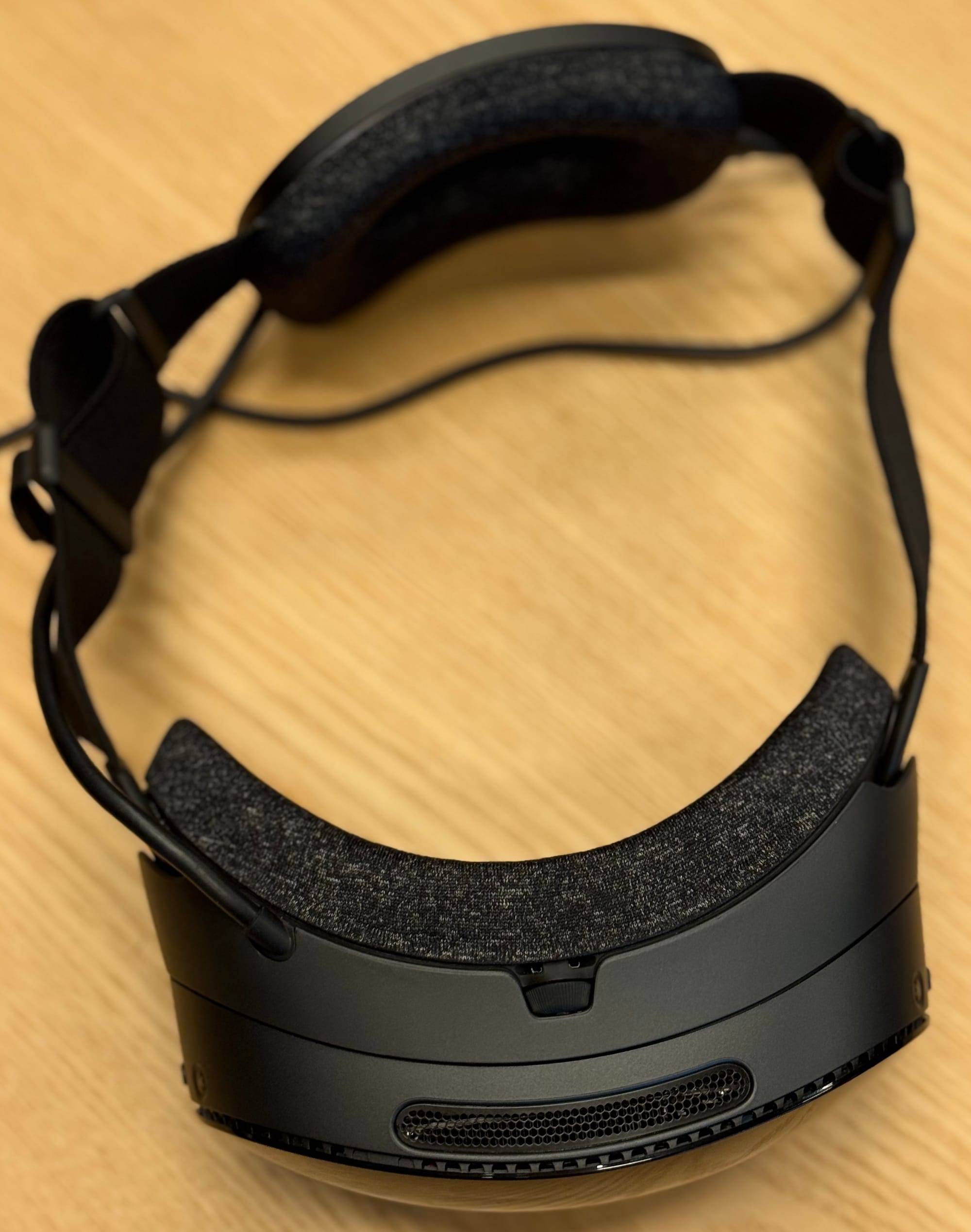
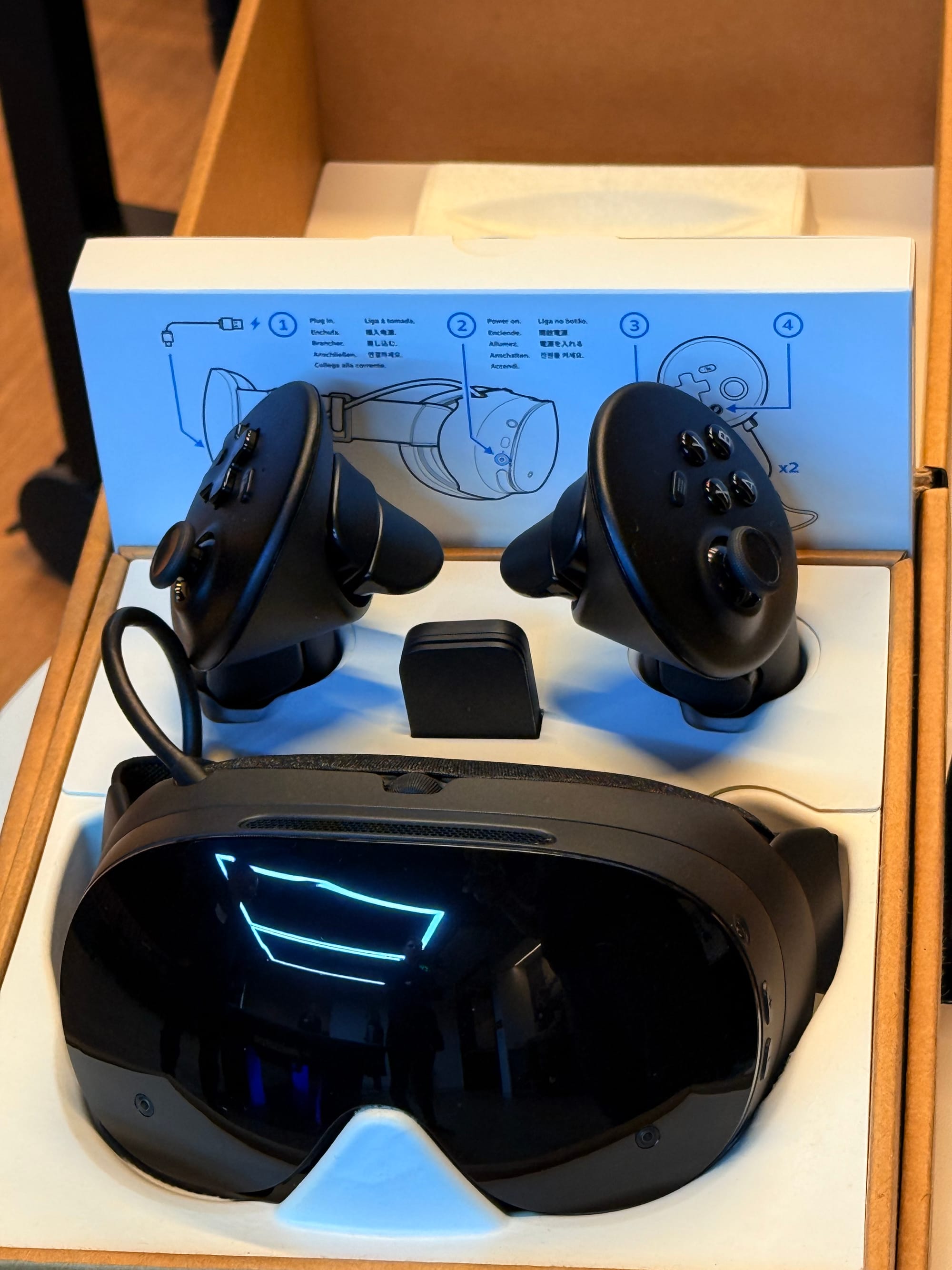
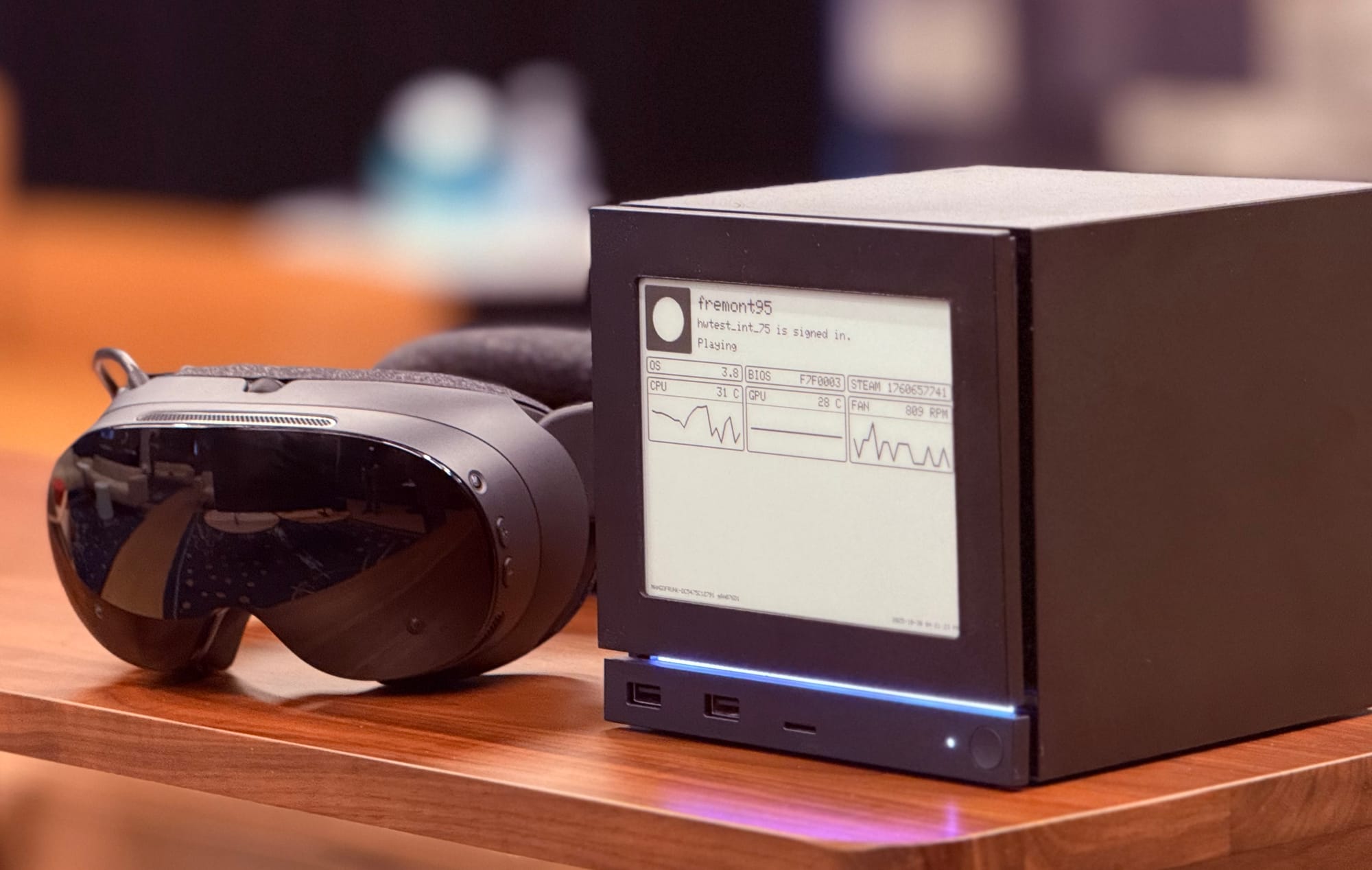
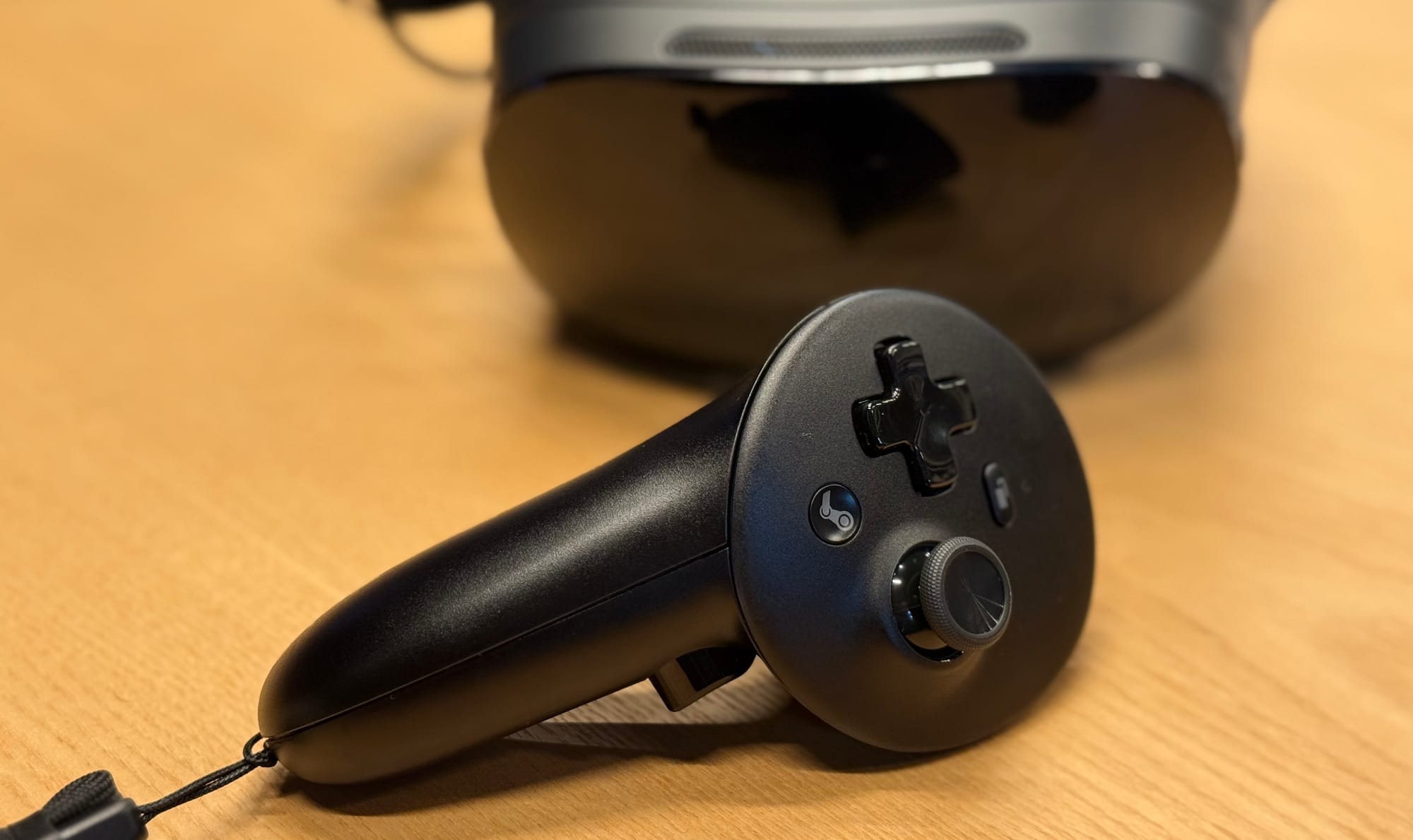
My final moments at Valve headquarters for the reveal of Steam Frame last year were spent snapping the photos you see sprinkled throughout this article.
Right before that, overwhelmed by my desire to spend more time in Valve's upcoming headset, I uttered my final question to their engineers.
Can you explain to "an idiot who doesn't understand how the Internet works what the difference is between Flatpaks and APKs?"
"It's pretty much the same thing," a Valve representative answered. "Flatpak is for the Linux desktop. APK is for Android, but it's similar. It's a package that contains everything you need to run, that's gonna run in a sandbox that you can uninstall later. So it's an application package."
I quickly recapped for the Valve VR team my formative experience with Windows circa 1995 or 1996. I was granted access to a Windows PC my dad brought home from work and shown a games folder full of a bunch of fun and simple 2D games to play. I also was shown how to get into DOS, and what command to type to launch games like Doom. Soon I was looking up cheat codes online and I quickly filled up the storage inside the PC with more games to play. One day, to make more space, I simply dragged the game files to the recycle bin and hit empty.
I can't remember the exact sequence of events that followed but I remember a lot of crying accompanying intense fear of my father's return from work at 5 p.m. The actions of a 10-year-old adding and deleting games left our family PC, meant just for business and school, bootable only in safe mode.
"We have those two tiers on Steam Deck. People that want to go set the OS to read/write mode and change system files, they can do that. But for folks that are just distributing apps that are prepackaged between themselves – the flatpak distribution format, which is similar to the sandbox we run games in, is pretty safe. Like it guarantees that if you remove it, your system is in the same state [as] before you installed it. So it really aims to provide an initial way to engage with a device that is more like an appliance..."
Thirty years have passed since my first direct interactions with the Internet and personal computers. As a father now in the 2020s, I found myself over Christmas break explaining to my teenager the difference between a Mac and a Steam Deck, and why some games they love run on one system and not the other. Our conversation revealed a spectrum of openness in computing with different amounts of power for physics and graphics. Some developers haven't been paid to do the work to put a particular game on a specific system and make it run really well there.
I got that part across just fine. What I had trouble conveying is why openness and offline computing matter. I want an appliance that's both hard to break and easy to use, and I want a playground for everyone at least as big as the one I had to explore in 1995.
I believe Valve is trying to make that happen in SteamOS with Linux.
Openness & Offline Computing Make Playgrounds For Discovery
A kid's first computer is often an Internet-connected device like iPhone, iPad, Android, or a school-issued Chromebook, with all of them requiring an online account to operate. Caregivers prepare those accounts for the children and, over the last few years, platform companies providing online services have worked steadily to enable more stuff for kids and teens to do on these managed accounts.
After a very short time with the Steam Frame on my head I kicked off my shoes, reclined comfortably on a couch, and started searching the open Web using a browser in the Linux desktop with my voice. I have no idea what account was logged into the headset and it didn't matter – I was doing whatever I wanted inside SteamOS and Linux.
I didn't have time to try it at their offices, but the moment Valve sends out review units I'm going to click play on a great number of games in Steam loaded up on a 2 terabyte microSD card to see how they run.
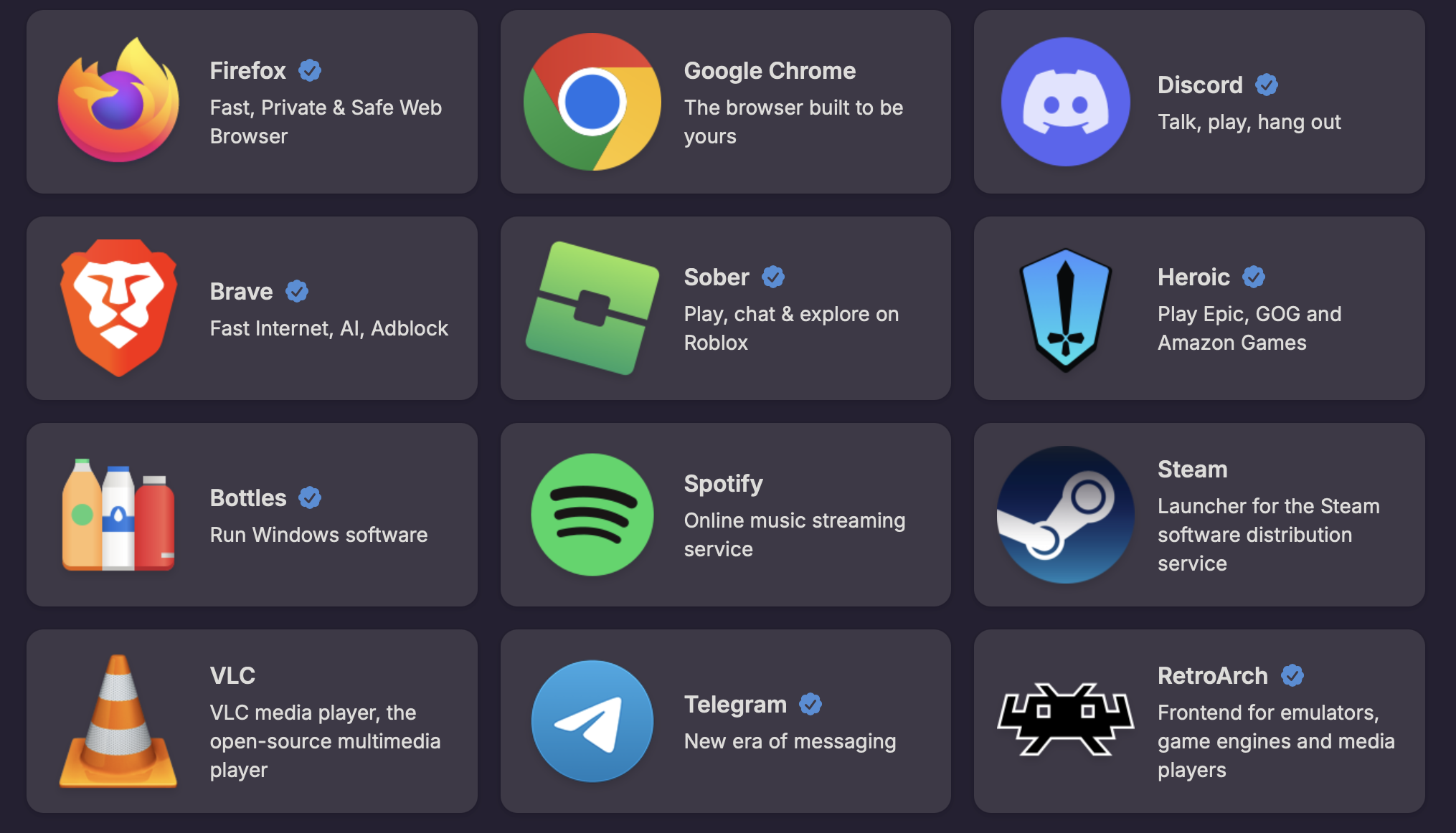
As I create a mental picture of how much space I have to play inside Steam Frame in standalone, and before I connect the headset to another PC for what Valve itself describes as a streaming-first device, I'm going to open the Linux desktop and see what mischief I can manage. I'm looking to install apps like VLC for watching videos and Discord for chatting with friends, RetroArch for playing classic games, and Spotify for streaming music. That's a lot I expect to find right out of the box in Flathub, described as the "Linux App Store".
Popular apps on Flathub in January 2026.
The key takeaway here is that I expect to install more stuff to the Steam Frame headset using Linux directly on day one than I did in four days with Android XR. And I expect to be able to install a lot more to the headset overall than I have been able to in years of ownership of Vision Pro or Quest. Am I going to install my own operating system? Probably not. But am I going to personally screw up my installation of Linux so bad the system is going to need to restore me to factory settings? After this many years messing with computers, that's probably my goal and I'm going to enjoy doing it.
Decades after my incident in 1990s Windows, as I was explaining what Mac and Steam Deck can do for a teenager, I found myself overwhelming them. My effort to make personal computing seem less daunting than it was for my forefathers was not going well. I told my eldest that if they break a Steam Deck by installing too many games and modding the system with software, I would be impressed.
Back in 2019, Facebook set up a call with me to discuss their "console-like curation strategy" for the Quest ecosystem, and today leadership at Meta has abandoned that strategy entirely for a policy of openness, as a great many developers struggle for sales inside of an ecosystem flush now with low quality projects. Meta seems to have meant for Horizon Worlds to be the floor of the Quest ecosystem, but requiring a Meta account and giving developers a cut of subscriptions is not providing stable footing to keep developers afloat, nor must-have reasons to put on a headset.
Now consider the game Valve is playing in comparison to that and the space their engineers are making for experimentation. Valve funded faceless developers worldwide to work on a series of key open source projects for the last decade forming the basis of SteamOS all trying to make it easier to play games with computers.
"A lot of what you're experiencing here when you wear that and play a game is gonna be powered by a ton of the open source work we've been doing for the last decade or so, just ranging from SteamOS itself, which has elements dating all the way from the first version of SteamOS in 2013," a Valve representative explained. "The way we're running desktop games in this, the way we're doing things like the graphics driver, it's all open source. Proton is all open source. That's been hundreds of people for a decade working on that stuff. And of course, SteamOS is based on Arch Linux. The desktop here is powered by Plasma, so it's KDE Plasma, which is one of the major two desktops available on Linux. For the better part of a decade, we've been actually working directly with Plasma developers and funding them so they can improve the desktop with just gaming use cases in mind."
"If folks on an experience that's more curated and more closed off are having a good experience, that's fine. But in general, we see people that are trying to experience a variety of games in different ways. There's a bunch of stuff that they might wanna do that we haven't thought of," the Valve representative said. "And what we always observe is that there's a ton of value that is usually distributed laterally in the community, where users between themselves will share stuff that will make the experience better. And that is only possible in an open platform. We don't want all the value in a platform like that to be flowing up and down through us, and for us to be determining what's a good experience or not on behalf of all those users that might have different opinions and different aspirations. So it's really important for us to keep that open because it creates those kinds of effects that eventually leads to a better experience. Also anyone that's using this stuff can also go and contribute patches and develop on it. And so we're excited to be able to have stuff get even better because people now want to contribute to it."
"In fact, a lot of the developers that are working on open source have started because they were users and they just want to improve a specific aspect and they go deep into it. The lines between user and developer has always been very blurry for us. We've always come from a world where some of our most popular game properties actually started out as mods. And modding on PC was always like a strong thing that we were always trying to support. Because so many good concepts and new game genres, free to play, MOBAs, all that stuff came through mods, initially, right? If you look at the history of video games–different genres, different ways to experience games, different peripherals–a lot of it came from PC because PC was an open platform where different companies could innovate in different ways, but also users could mod. And people that created closed off platforms based on some of those concepts, they're gonna take some of those concepts and kind of freeze them in time. And then PC's gonna keep moving forward because it's open and we have all this value. And we are just applying PC to VR, so it's nothing new for us. We've always applied PC to VR. Some folks have opted to like branch it off in different directions, but I think we're just doing the same thing as we've always been doing."
There is something special about the 1TB version of the Samsung 9100 Pro, for contrary to your expectations it tends to run faster on an ASUS ROG Crosshair X870E APEX than it…
Over the last couple of years display technology has been fun to follow as it is continually evolving. QD-OLEDs have become more robust and less fuzzy, refresh rates have soared and coatings,…
PNY has something special for anyone who wants to build a SFF gaming PC, the RTX 5080 Slim, RTX 5070 Ti Slim and the RTX 5070 Slim. All three are two slot…
Intel officially launched its Core Ultra 3 series of mobile processors dubbed "Panther Lake" at CES 2026. The new chips build upon Lunar Lake and Arrow Lake-H to deliver scalable chips that…
In addition to refreshing the existing Alienware Area-51 and Aurora lineup set to land in Q1 2026, Dell teased two additional gaming laptops that will see the Alienware brand expand to…
At CES 2026, NVIDIA finally revealed its long-awaited lineup of first-generation G-SYNC Pulsar monitors—and one of them is the MSI MPG 272QRF X36. Like the other new monitors revealed at NVIDIA's conference, the MSI MPG 272QRF X36 is a 27-inch Rapid IPS monitor in 2560×1440 resolution, with full G-SYNC support up to 360 Hz. Where things get
Accessory maker Logitech provides users with an extensive suite of software to manage and customize its lineup of popular mice and innovative keyboards. Unfortunately, the company failed to maintain a necessary certificate on the macOS versions of these apps, leaving users in a lurch as their hardware no longer worked as intended. Thankfully,
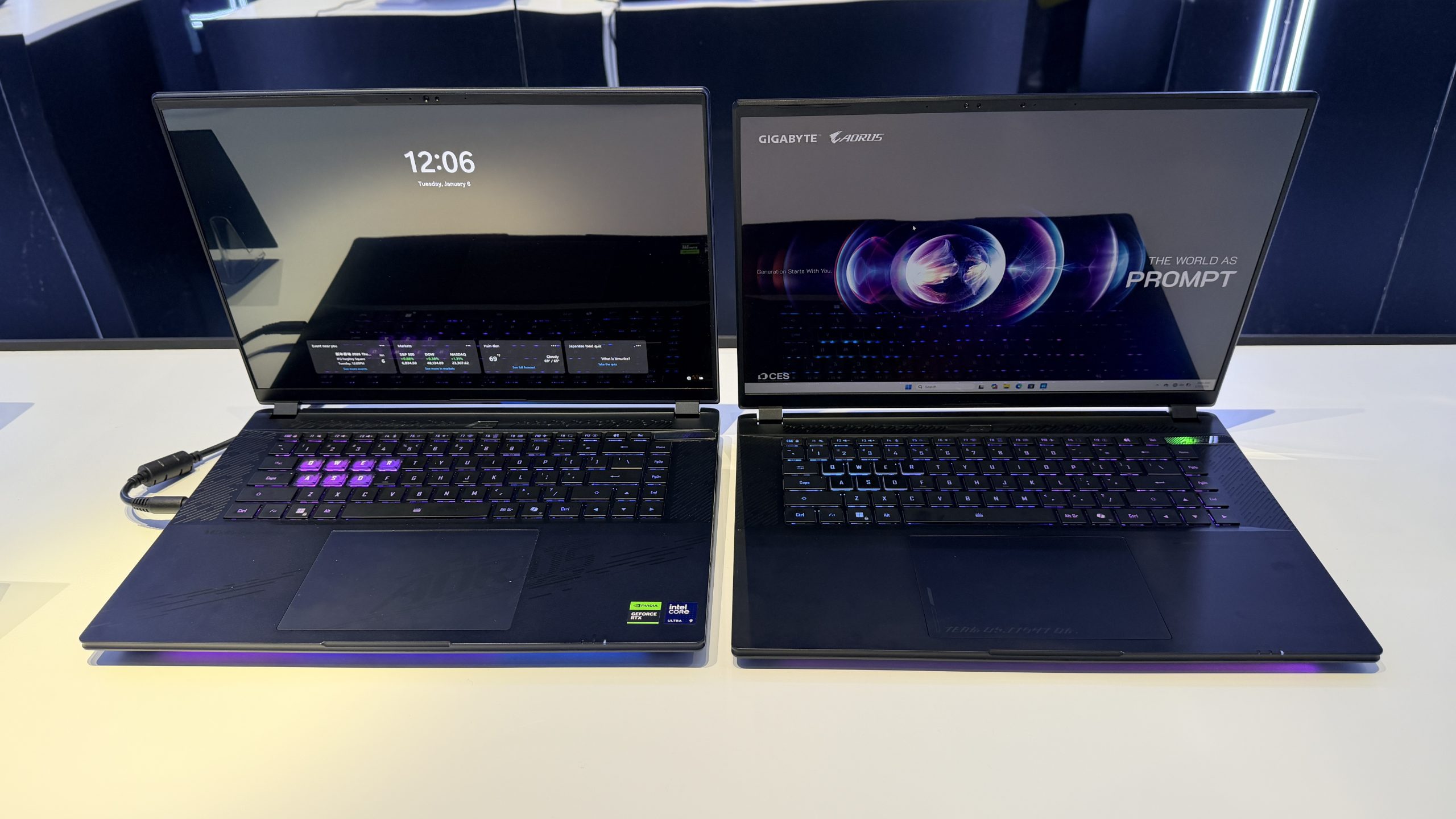
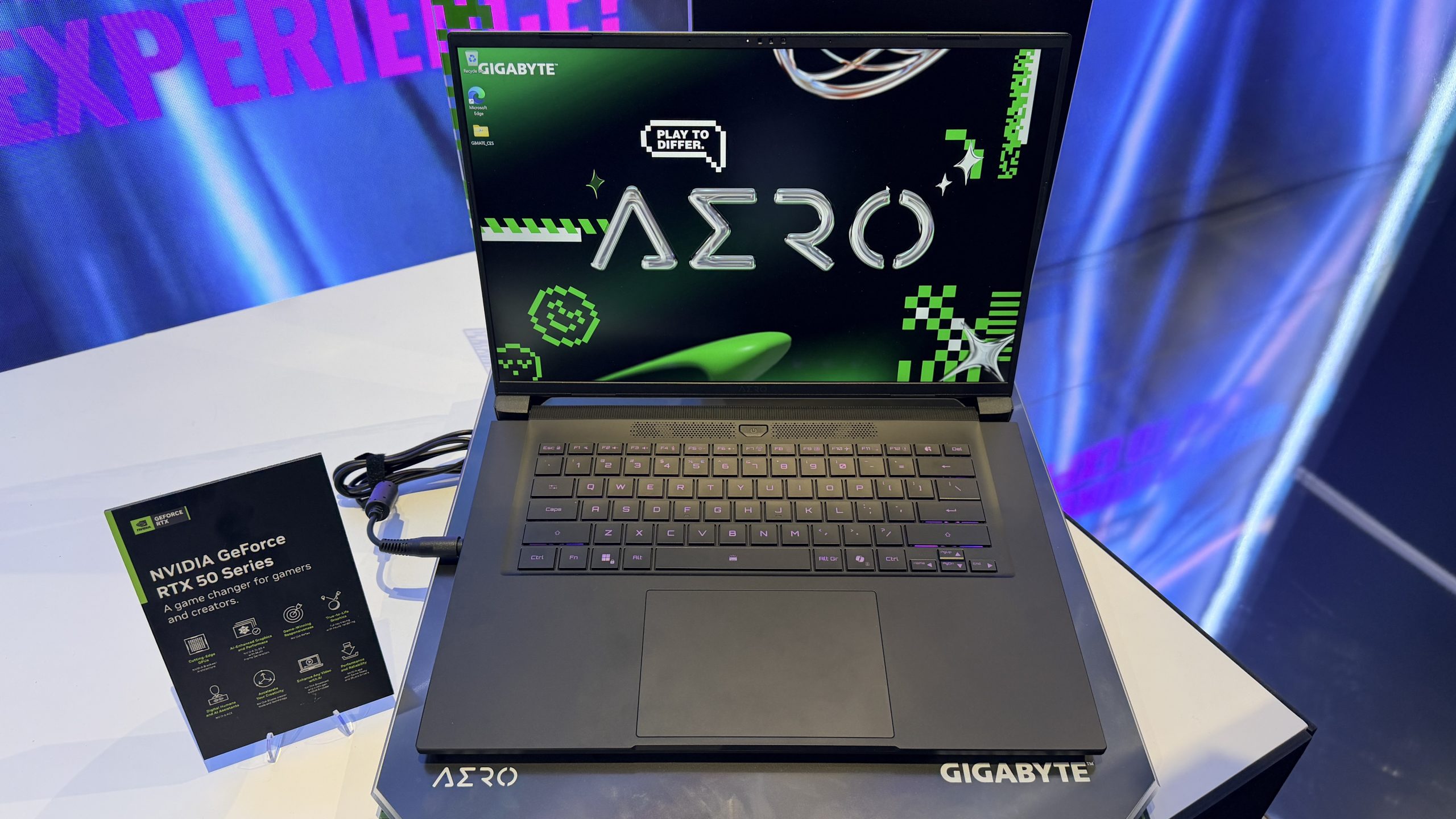
Gigabyte is finishing up its CES announcements this week with the reveal of several new laptop models. The new models house the latest Ryzen CPUs and RTX graphics, with new AI features designed to make hardware and software management easier.
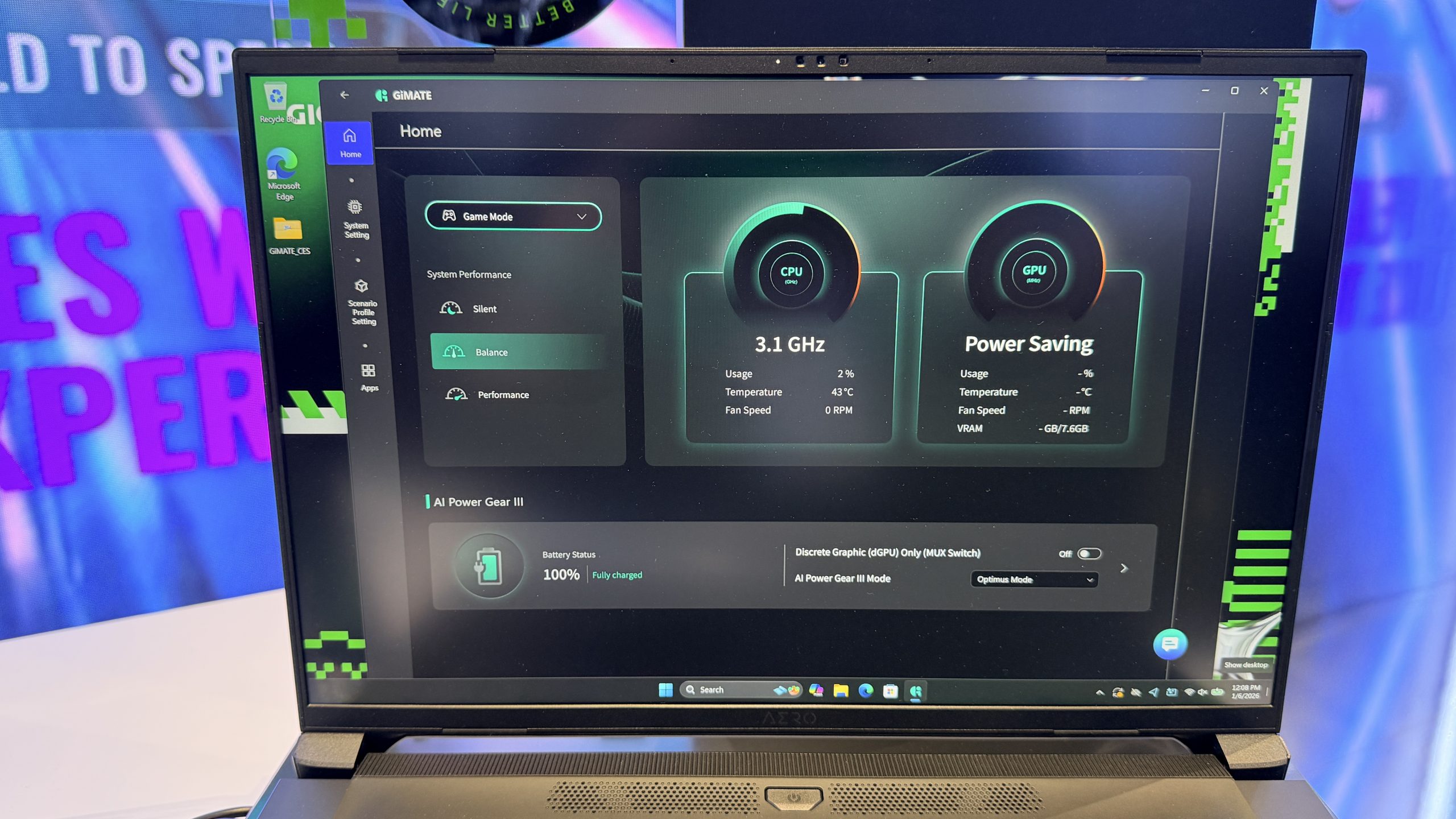
The updated GiMATE interface consolidates real‑time system information, voice‑driven controls and hardware management into a single interface aimed at simplifying navigation and day‑to‑day adjustments. The GiMATE ecosystem is also being expanded. AI Power Gear III now supports direct MUX switching between Discrete Mode and MSHybrid, while offering several automated power profiles: Auto Mode disables the GPU on battery to extend runtime, Optimus Mode targets balanced performance and Eco Mode prioritises maximum power saving. GiMATE Creator adds support for Qwen‑Image for English and Chinese visual‑generation prompts, and GiMATE Coder introduces natural‑language code generation, correction and optimisation.
Moving on to the new laptops themselves, there are three models to look at, headlined by the Aorus Master 16. This laptop is positioned as the flagship for 2026, pairing AMD’s Ryzen 9 9955HX3D with an RTX 5090 Laptop GPU inside a 19mm chassis, a notable reduction in thickness compared to the previous generation. The system uses the company’s WINDFORCE Infinity EX cooling design, combining a vapor chamber with an asymmetric Frost Fan layout to manage the thermal load of high‑end components in a thin‑and‑light form factor. This model is clearly aimed at users who want desktop‑class performance in a portable footprint.
For creators and mobile professionals, the AERO X16 shifts the focus toward efficiency and on‑device AI acceleration. It is built around AMD’s Ryzen AI 400 series processors, which are designed to improve responsiveness and handle heavier AI‑assisted workloads without relying on cloud processing. GIGABYTE positions this model as the more mobility‑friendly option in the lineup, with an emphasis on creative workflows and general productivity.
Rounding out the range is the GAMING A18 PRO, which offers a more balanced configuration. With a 20mm profile and support for up to an RTX 5080 Laptop GPU, it targets users who want strong gaming and content‑creation performance without stepping into flagship territory. GIGABYTE frames this model as a versatile choice for mainstream gamers, hybrid creators and users beginning to explore AI‑accelerated applications.
KitGuru Says: Are you thinking of picking up a new laptop this year?
Intel's new Core Ultra Series 3 processors (codenamed Panther Lake) offer extremely impressive integrated graphics performance, as we noted in our brief testing yesterday. They're also based on what is arguably the most advanced manufacturing process in the world, Intel's 18A, which boasts exclusive features like RibbonFET and PowerVia. That
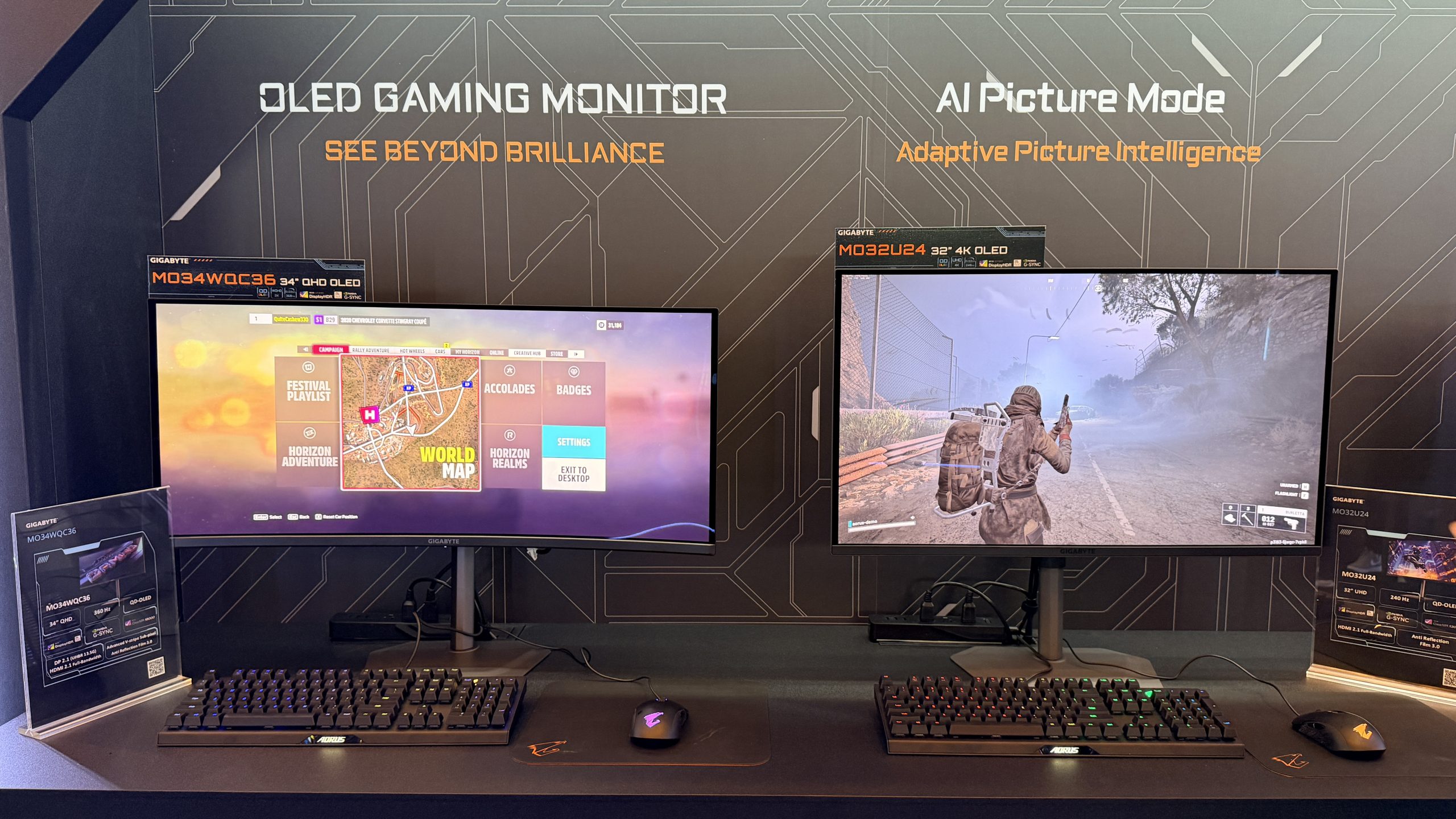
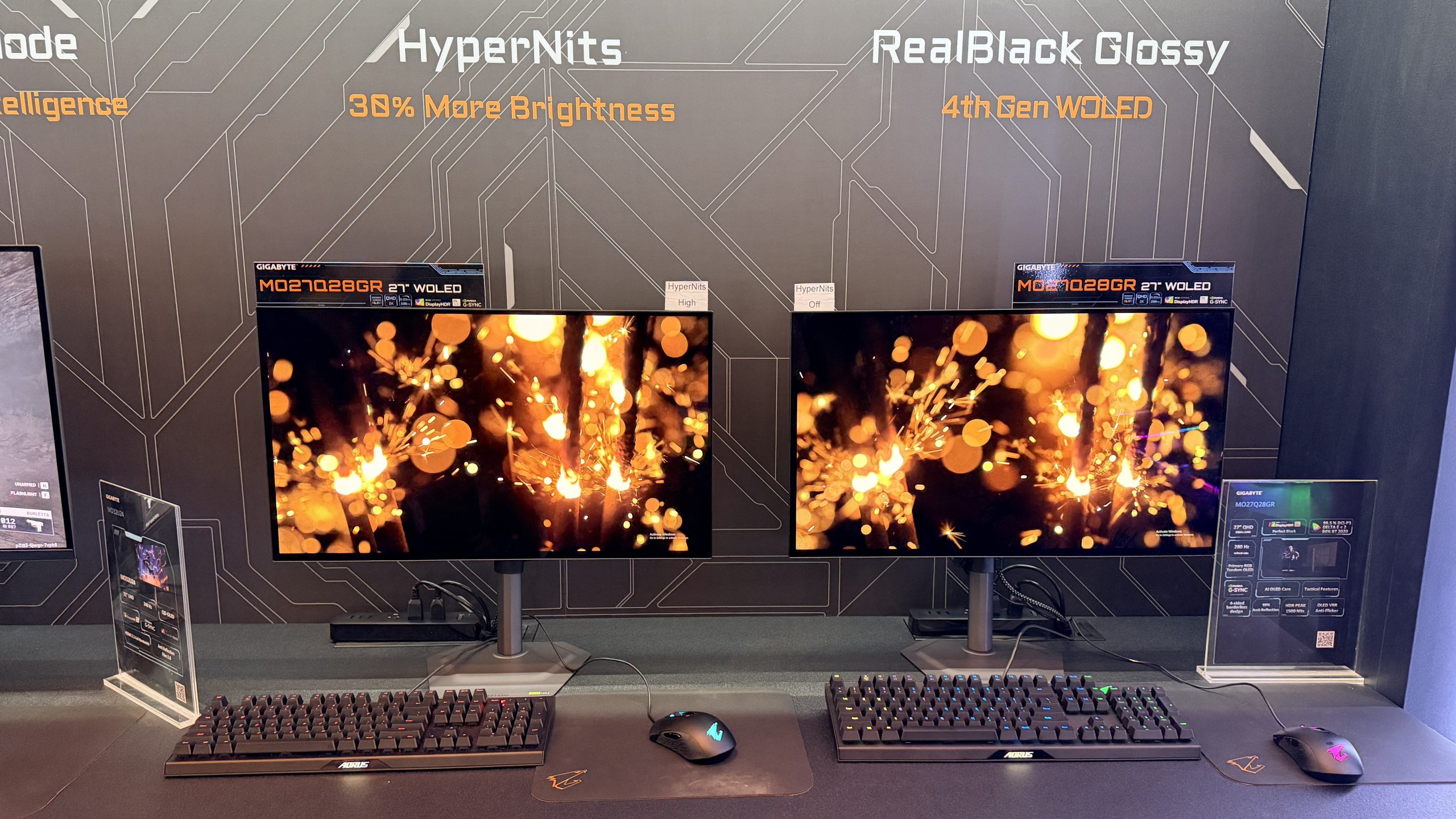
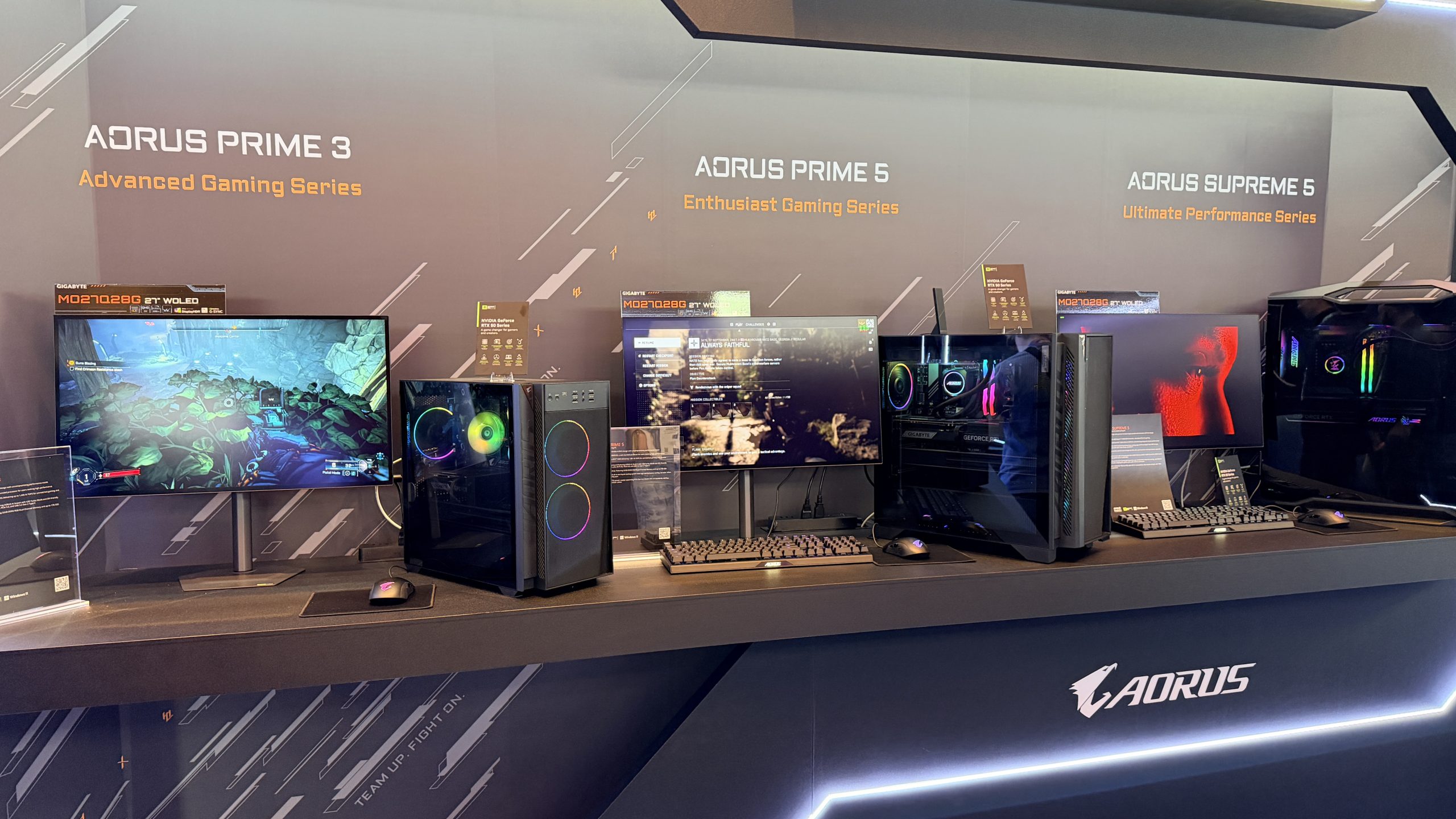
At CES this week, Gigabyte has introduced four new OLED gaming monitors to its line-up, focusing heavily on picture-quality tuning for HDR and SDR content. The key new feature is HyperNits, which aims to address issues with HDR modes appearing dim by boosting the brightness curve without blowing out highlights.
For HDR, GIGABYTE is introducing a set of tuned HDR Picture Modes including HDR Movie, HDR Game and HDR Vivid, alongside a new feature called HyperNits. Many OLED panels appear dim in HDR peak‑brightness modes due to APL constraints, and HyperNits aims to counter this by reshaping the EOTF curve to boost brightness by up to 30% without blowing out highlights. Users can select HyperNits High for maximum output or HyperNits Medium for a milder 20% lift.
SDR content is handled by a new AI Picture Mode trained on a large dataset to automatically adjust settings based on activity. It can reduce brightness and blue light for work, increase contrast and adjust gamma for movies, or activate AI Black Equalizer for improved visibility in FPS titles. Adjustments are applied dynamically in real time.
These new displays will also come with a new set of Gigabyte's ‘Tactical Features'. Tactical Switch 2.0 enables one‑click switching between resolutions and aspect ratios such as 4:3 or 5:4, while Ultra Clear is designed to improve motion clarity and reduce blur in fast‑moving content.
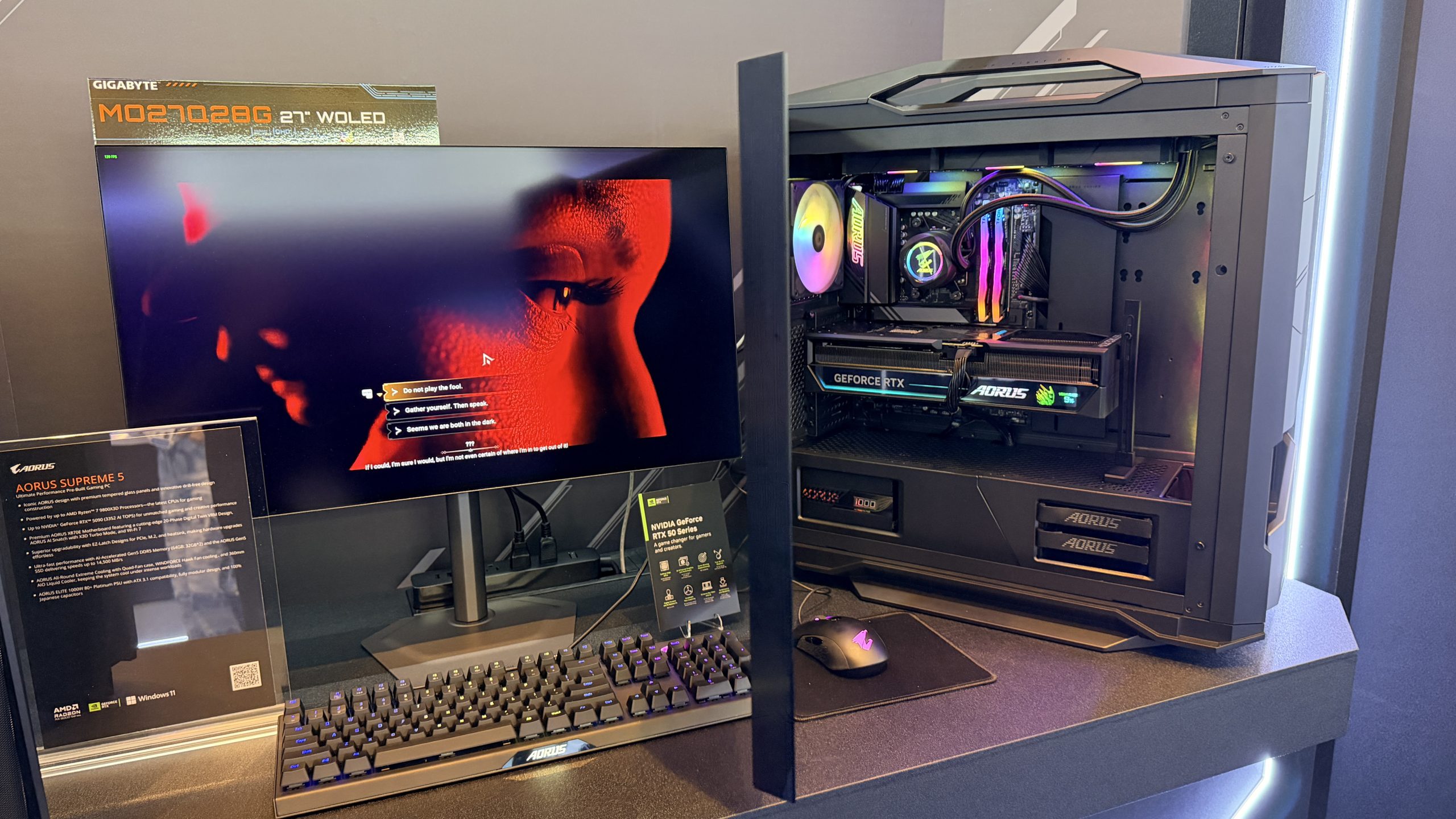
The CES lineup includes the ultra‑wide QD‑OLED MO34WQC36 and the 4K QD‑OLED MO32U24, both featuring the new ObsidianShield film and DisplayHDR True Black 500 certification. ObsidianShield is said to improve perceived black levels by up to 40% and increases surface hardness from 2H to 3H for better scratch resistance. The MO34WQC36 also adopts a new V‑stripe sub‑pixel structure for improved text clarity. Rounding out the range is the MO27Q28GR, which uses RealBlack Glossy 4th‑gen WOLED technology and carries UL certification for bright‑room black performance.
KitGuru Says: Are you thinking of making the jump to a new-gen OLED display this year?
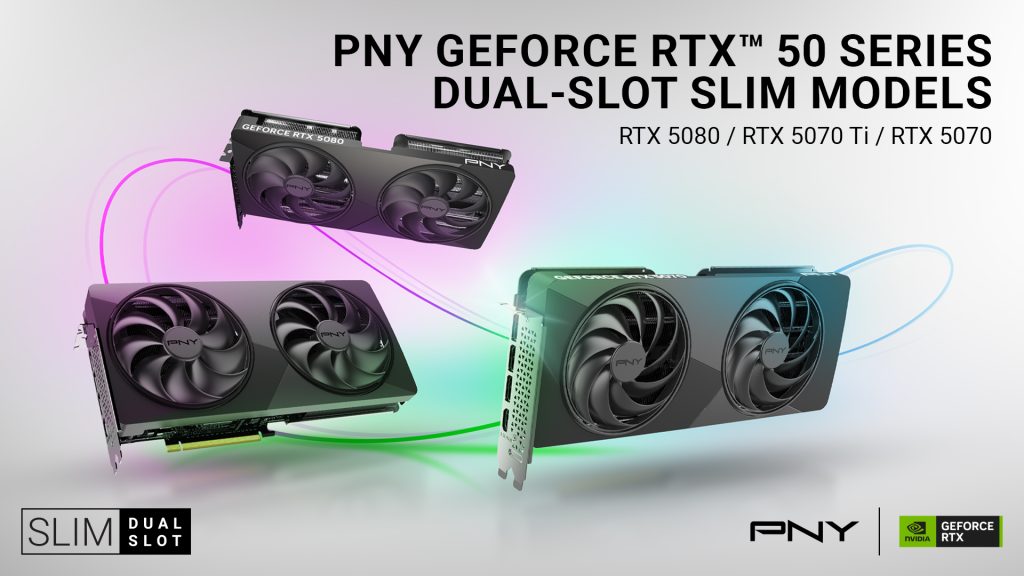
PNY has officially entered the 2026 Small Form Factor (SFF) market at CES 2026, unveiling a trio of Blackwell-based graphics cards designed to fit where most modern flagships cannot. The new GeForce RTX 5080, RTX 5070 Ti and RTX 5070 Slim models all adhere to a strict dual-slot, 40mm-thick design, making them suitable for SFF builds. By leveraging a redesigned thermal solution that utilises a vapour chamber and an aluminium backplate, PNY aims to provide the full performance of Nvidia's reference specifications without the massive physical footprint
The flagship of this compact series is the PNY GeForce RTX 5080 16GB Slim. PNY is shipping both standard and factory-overclocked versions, with the OC model boosting up to 2730MHz. Cooling a 360W TDP dual-slot card measuring 300mm in length and 40mm in thickness is no small feat, which is why PNY has equipped the 5080 with dual 120mm fans. These fans are designed to move more air at lower RPMs, theoretically keeping the noise floor manageable even during heavy 4K gaming loads
Sitting just below the flagship, the RTX 5070 Ti Slim is arguably the most interesting entry for SFF builders, as Nvidia isn't producing a Founders Edition for this SKU. PNY's version has a 300W TDP and fits into a slightly shorter 290mm chassis. Further down the stack, the RTX 5070 Slim is even smaller, measuring 128mm wide and featuring a pair of 100mm fans. All three models use a PCIe 5.0 interface and offer modern display connectivity, including three DisplayPort 2.1b outputs and a single HDMI 2.1b port.
Software control is handled by PNY's VelocityX suite, which allows for real-time telemetry monitoring, custom fan curves and manual OC. While the cards lack the ARGB lighting found on the more mainstream Epic-X series, the clean, industrial aesthetic is clearly aimed at users who prefer performance over flair. PNY expects these units to hit retail shelves in February 2026.
KitGuru says: PNY is filling a gap in the market here, particularly with the dual-slot RTX 5070 Ti. For those building in restrictive spaces, these Slim models might be one of the few ways to get a high-end RTX 50 card on their systems.
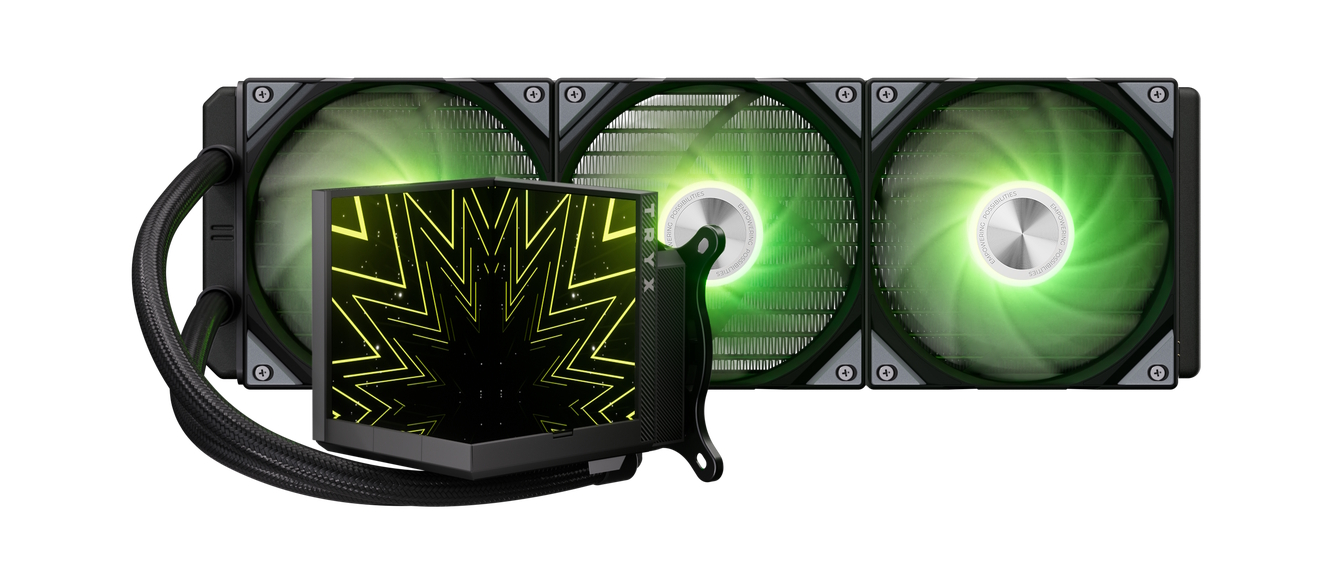
Following the launch of its Panorama series last year, Tryx has made a mark on the PC hardware market. At CES 2026, the brand is expanding its lineup to new segments with a trio of products that push the limits of how much screen real estate you can realistically fit inside a chassis. Headlining the launch is the Stage 360 AIO, a liquid cooler that ditches the single-panel approach for a unique “spliced” dual-display setup. Alongside the AIO comes a “lifestyle” chassis with a cross-flow fan design and the company’s first high-end CPU cooler, the Turris 620.
The Stage 360 liquid cooler offers an upgrade over typical LCD-on-pump systems. Rather than a single large screen, Tryx has integrated two 4.0-inch IPS displays onto an aluminium pump base, “spliced” together to create a continuous visual stage. With a pixel density of 254 PPI and a 720×720 resolution per panel, the visual fidelity is high enough to display detailed animations or even support small physical figurines placed on the base. Configuration is handled through the company’s Kanali software. Under the hood, the unit relies on 8th-gen Asetek technology and triple Rota SL ARGB fans to handle a rated TDP of 280W.
Moving to the chassis, the Flova F50 mid-tower was designed to blend a PC case with home aesthetics. The case features ventilated fabric-finished panels available in black, white or pink. However, the real innovation is the proprietary Tryx Cross-Flow (TCF) fan. Unlike traditional axial fans that push air in a straight line, the TCF is a side-mounted drum-style fan that creates a 90-degree airflow channel. This uniform wall of air is intended to eliminate dead spots over the motherboard and GPU while operating at an ultra-quiet 20 dBA. The case is also modern in its compatibility, offering full support for back-connect motherboards like Asus BTF and MSI Project Zero.
For those who prefer air cooling but still want the “screen-on-everything” aesthetic, the Turris 620 aims to deliver. This dual-tower heatsink features a massive 5.0-inch ultra-wide HD IPS display that is magnetically mounted to the top. The cooler uses a six-heatpipe configuration and a nickel-plated micro-convex base, and it can tame CPUs up to 280W. Installation is simplified through a rail system for the Rota fans, allowing them to be snapped into place without the usual struggle of wire clips.
The Stage 360 is expected to hit European shelves in February 2026 for £199.99/€229.99. The Flova F50 will arrive around the same time, starting at £129.99/€144.99, while the Turris 620 is slated for a March release with pricing to be confirmed closer to launch.
KitGuru says: The engineering behind the Flova F50's cross-flow fan is legitimately interesting. If that TCF fan can actually deliver on its promise of silent, uniform cooling, Tryx might have more than just coolers with big displays on its hands.
 Connexion