The humble Netflix cast button has just become an unfortunate victim of what long-time subscribers are calling a tone-deaf decision. Netflix has quietly stripped the ability to send content from a mobile device to most modern televisions and streaming players, forcing millions of subscribers back to the remote control and their TV’s native
The Sun fired a staggering X1.9-class solar flare at the turn of the month, triggering a sudden, widespread radio blackout across Australia and large parts of southeast Asia and it seems like another more active one is coming next.
Recorded by NASA’s Solar Dynamics Observatory (SDO) and peaking late on November 30 at 9:49 p.m. ET, the violent
Psst, hey you there, the one with the Switch 2 console in your shopping cart who's getting ready to hit the checkout button. STOP WHAT YOU'RE DOING! Sorry, we didn't mean to yell, but you're about to make a $50 mistake. How so? If you know where to look, you can score the Switch 2 + Mario Kart World bundle for the same price, and who doesn't
Samsung's Galaxy Z TriFold is finally official. Built upon Samsung's decade-long investment in foldables, the TriFold is being hailed by the company as the "shape of what's next in mobile innovation," but will shoppers care?
Whether it becomes a market success or not, you can't deny the engineering behind this premium inward-folding design.
Geekom may be best known for its lineup of mini PCs, but it's looking to make a splash in the laptop market with what it claims is the world's first all-metal ultralight model, the GeekBook X14 Pro. From our vantage point, it's basically a Windows version of Apple's newest MacBook Air, though there are key differences, not the least of which
It took a minute or three (or four or five) but we can finally call Intel's modern foray into discrete GPUs a comeback! Well, sort of—NVIDIA and AMD (in that order) still dominate the discrete graphics card landscape, but according to the latest audit by Jon Peddie Research, Intel has carved itself out a whopping 1% share of the overall add-in
Looking for a comfort-focused chair with materials so good you might just fall in love with them? That’s exactly what the Arozzi Vernazza XL Supersoft promises. This gaming chair aims to deliver a completely new level of softness and everyday comfort — and it does so at a surprisingly reasonable price. The question is: what’s the catch?
While the Nintendo Switch 2 has so far been somewhat light on content when it comes to exclusive first-party titles, The sequel system does have plenty of projects in the pipeline, with the recently-released Kirby Air Riders seemingly being a core Switch 2 release for 2025. Unfortunately, the Sakurai-developed racer is off to a slow start, launching at number 20 on the European sales charts.
Compiled by GSD and reported by TheGameBusiness, the latest weekly video game sales charts (as of the 23rd of November) for the European region have now been released, revealing some interesting omissions.
Despite being one of Nintendo’s most marketed games so far for the Switch 2 (with multiple in-depth Direct streams), the recently-released Kirby Air Riders failed to crack the top 10 during its week of release – landing at the number 20 spot for unit sales.
Of course, as with pretty much all 3rd-party charts, Nintendo games do not include digital sales. That said, Nintendo systems are by far the most physical-media aligned at this point, and so accounting for cartridge sales is unlikely to make too much of an impact on the rankings.
All in all, it appears as though Kibry Air Riders has had a rather soft launch, at least in Europe. That said, Kirby as a franchise in general has never been one of Nintendo’s best-selling, and so it will be interesting to see what the future of Air Riders and Kirby looks like on the Switch 2.
KitGuru says: Did you pick up Kirby Air Riders? If not, why not? Was it a mistake for Nintendo to release two racers in a single year? Let us know down below.
Each month, Sony typically offers a selection of three titles as part of the company’s core PlayStation Plus Essential subscription tier. In the spirit of the impending new year, December’s line-up includes 5 games in total – all of which are available to claim now.
From now until the 5th of January 2026, all those with a PlayStation Plus subscription of any kind will be able to get their hands on 5 quite different experiences:
LEGO Horizon Adventures [PS5]
Neon White [PS5 | PS4]
The Outlast Trials [PS5 | PS4]
Killing Floor III [PS5]
Synduality Echo of Ada [PS5]
While PlayStation Plus’ offerings can vary quite drastically in quality from month-to-month, December’s line-up includes both quality and quantity.
LEGO Horizon Adventures offers a fun and visually pleasing co-op experience which arrives just in time for the holiday season. Though far from the most mind-blowing experience, the game can make for a good time, especially in multiplayer.
Neon White meanwhile is a fast-paced first-person puzzle shooter (similar to the likes of Ghostrunner) in which you must complete challenge levels as quickly and efficiently as possible, all the while picking up various ability cards to aid with the challenges.
Killing Floor III is the long-awaited sequel to the much-loved zombie slaying horde shooter. Though the 3rd entry has failed to meet fan expectations due to deviating from the formula, the team at Tripwire have been and continue to improve the overall experience through updates. Still, as a ‘free’ offering, Killing Floor III is worth giving a go.
In case you missed it, Sony announced back in January that 2025 would be the final year in which PS4 games are being given away through PS Plus. While we may still get cross-generations titles (such as Neon White or The Outlast Trials), expect the type of offerings being shared to change slightly from next month.
KitGuru says: What do you think of December’s offerings? How was PS Plus in 2025 overall? Let us know down below.
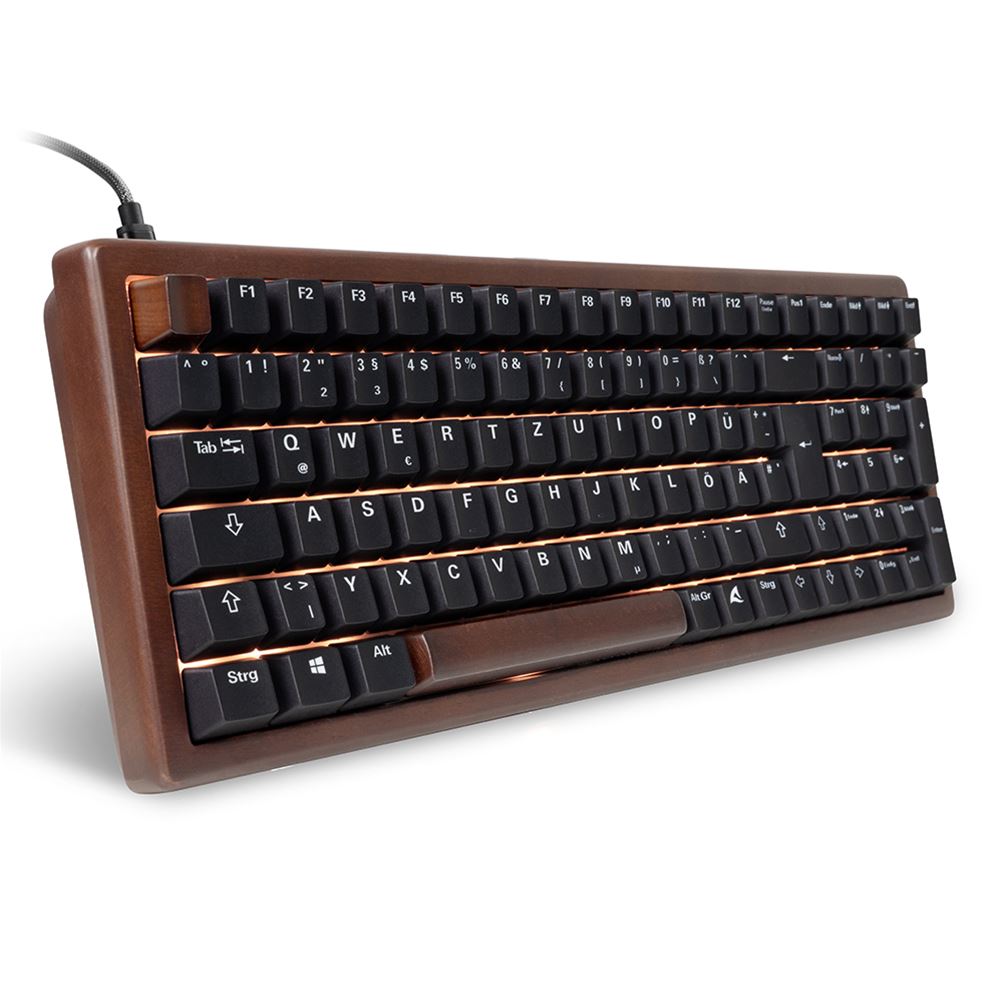
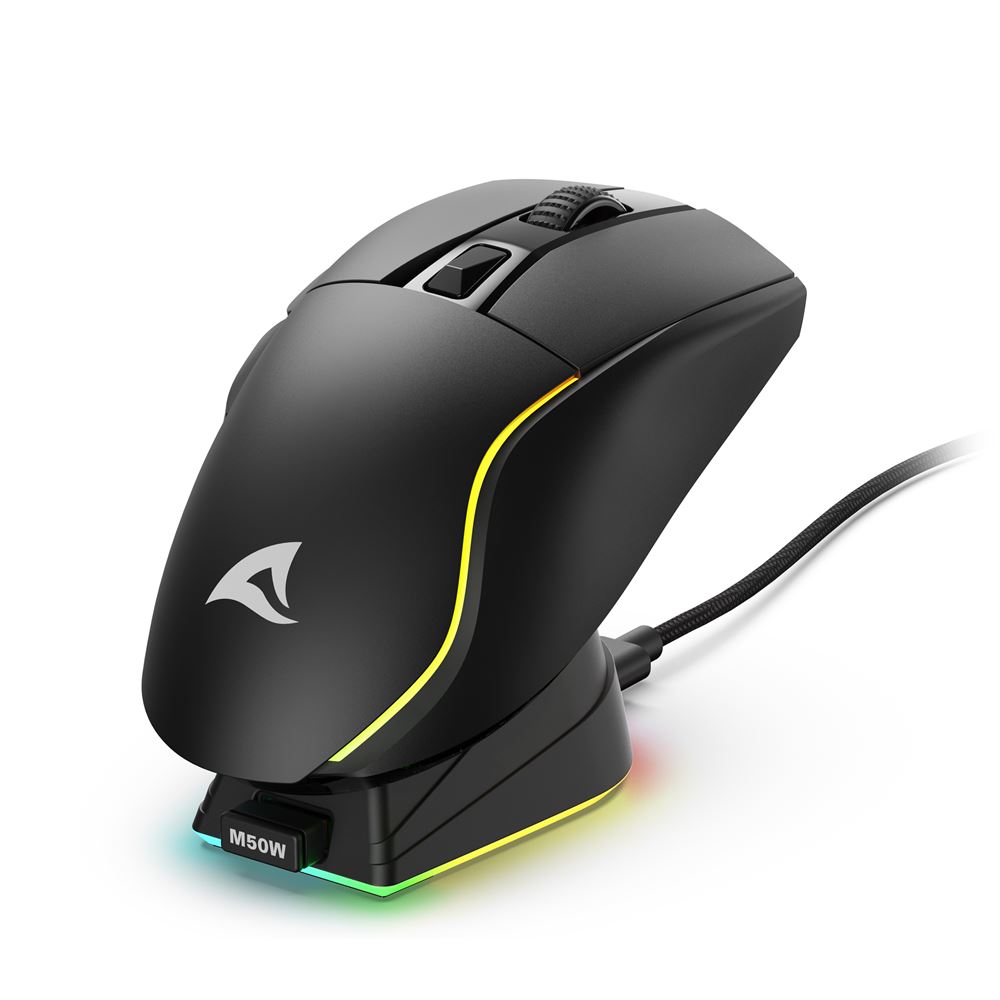
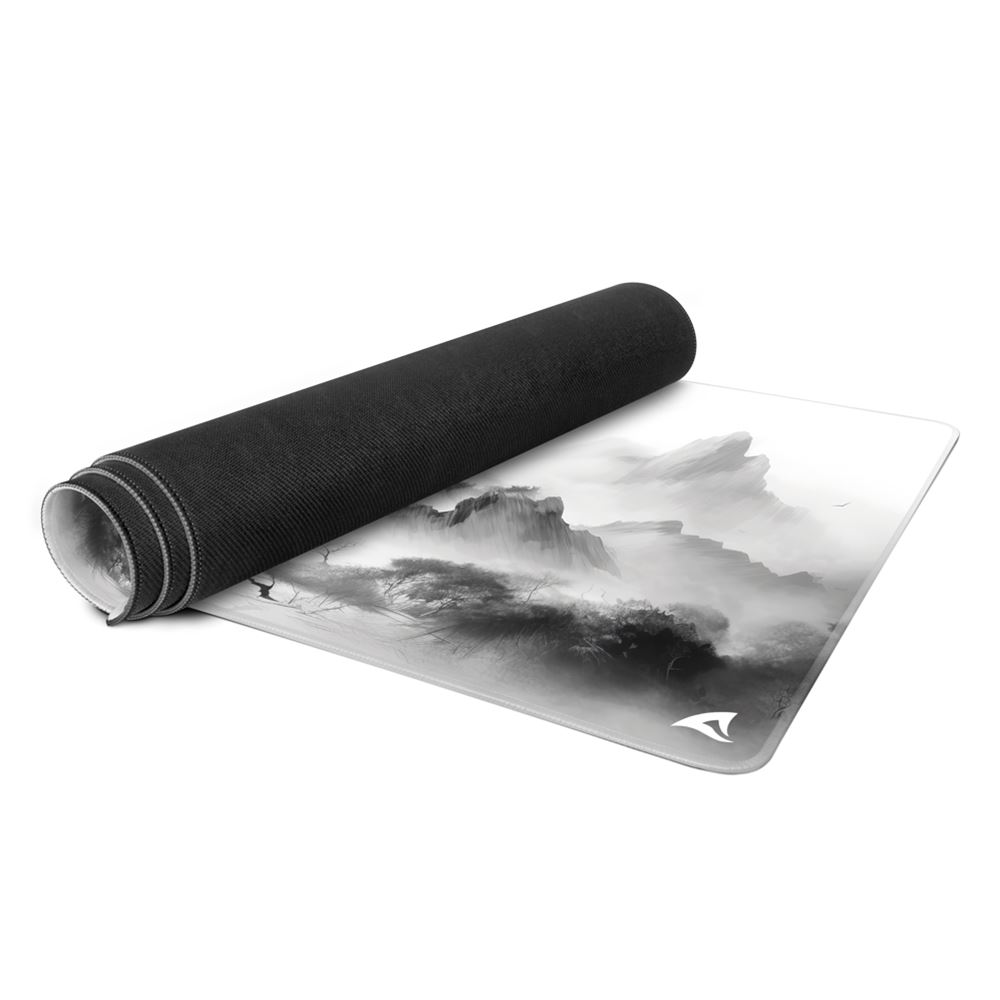
For Day 2 of the KitGuru Advent Calendar, we have teamed up with Sharkoon to give TWO lucky winners a peripheral upgrade. The winners for this one will each get a high-end SGK50 S2 Wood mechanical keyboard, alongside an SGM50W RGB gaming mouse and an extra-large SGP35 desk mat to go with it.
We reviewed the SGK50 Wood keyboard earlier this year and came away impressed by its design, build quality and typing experience, making it an excellent companion to any gaming set up. For our prizes today, we are also pairing the keyboard with Sharkoon's SGM50W wireless gaming mouse, which also has RGB accents for some extra visual flair, and each winner will also get an SGP35 D5 mouse mat, which should be big enough to cover your desk, giving you ample room for both your keyboard and mouse.
How to Enter:
To enter this giveaway, all you have to do is head over to our competition announcement post on Facebook, HERE. In the comments, leave an answer to the following question – What was your first ‘gaming' keyboard?
This competition is open in the UK and EU.
The winner will be picked randomly shortly after 11AM GMT December 3rd, and a new competition will be announced for Day 3. The chosen winner has 48 hours to respond, if we do not hear from them, a new winner will be picked.
Terms and Conditions: This competition is open in the UK and EU, starting at 11AM GMT on December 2nd and ending at 10:59AM GMT on December 3rd. Due to the busy Christmas season, prize deliveries could take longer than usual, and some prizes may not ship until January. In compliance with GDPR, we will not collect or store any personal information as part of this competition. Once the winner has been contacted and their prize received, personal details will be deleted from our email servers. Your details will not be shared, we respect your privacy.
KitGuru Says: Good luck to all who enter, we'll be back tomorrow morning to announce a winner and turn the calendar over to Day 3!
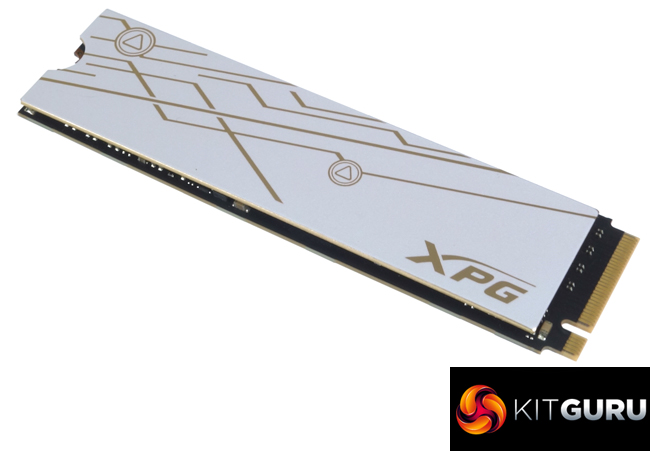
The latest Gen 5 SSD from ADATA sits under the company's XPG gaming brand. The XPG Mars 980 Blade is ADATA's second generation of Gen 5 drives, offering speeds of up to 14,000MB/s for reads and 13,000MB/s for writes. We review the 2TB model priced at just under £200 here in the UK.
ADATA's latest family of Gen 5 drives, the XPG Mars 980, is available in two versions: the PRO with active cooling and the passively cooled Blade and in three capacities: 1TB, 2TB and a flagship 4TB drive. The drive ADATA supplied for review is a 2TB Blade model.
For the XPG Mars 980 Blade, ADATA are using a Silicon Motion SM2508 controller teamed up with 232-layer NAND, and the drive uses a 2GB LPDDR4 DRAM IC.
The 2TB drive is rated as up to 14,000MB/s for Sequential reads, and incidentally, all three drives in the range get this rating. The 2TB and 4TB drives get a Sequential write rating of 13,000MB/s, while the 1TB drive gets 10,000MB/s.
The 2TB drive gets the fastest 4K read rating of the range of up to 2,000,000 IOPS. The 1TB entry model gets up to 1,600,000 IOPS, and the 4TB, 1,950,000 IOPS. 4K writes are rated as up to 1,650,000 IOPS for all three drives.
The 2TB XPG Mars 980 Blade endurance is rated as up to 1,480TBW, and ADATA backs the drive with a five-year limited warranty.
Physical Specifications:
Usable Capacities: 2TB.
NAND Components: 232-layer 3D TLC NAND.
NAND Controller: Silicon Motion SM2508.
Cache: 2GB LPDDR4-2666MHz.
Interface: PCIe Gen 5 x4, NVMe 2.0.
Form Factor: M.2, 2280.
Dimensions: 80 x 22 x 4.5mm (with heatsink), 80 x 22 x 3.2mm (without).
FluxPose wants to be the new 6DoF VR body tracking system of choice, and its Kickstarter campaign has already raised over $2 million.
With Valve itself abandoning its "Lighthouse" SteamVR Tracking system in favor of inside-out computer vision in Steam Frame, the future of VR body tracking is in flux (no pun intended). Computer vision has made setting up VR fast, easy, and portable, all at a lower cost, but cameras on a headset have only a partial view of your body.
Further, like all optical systems, Lighthouse tracking is subject to occlusion. With the standard two base stations, there will be angles at which your tracked objects are blocked. To mitigate this, some enthusiasts add a third or even fourth base station. Lighthouse is also heavily affected by any reflective surfaces in the room, especially mirrors, which cause tracking issues.
0:00
/3:05
FluxPose in VRChat.
Over the weekend, Spanish startup FluxPose launched a Kickstarter campaign for what it calls "the first affordable, truly portable, occlusion-free tracking solution with absolute positioning".
FluxPose uses electromagnetic tracking, with trackers that sense the magnetic field generated by a base station, and thus is not subject to occlusion at all.
We've seen electromagnetic tracking systems in VR before. Razer Hydra for example, early 6DoF VR controllers often used with the Oculus developer kit headsets, with their small tracking volume and 4-foot cable between each controller and the base station. And in 2013, the company that built the tech behind Hydra launched a Kickstarter for a tracking system called STEM, with many of the same core promises as FluxPose. But in 2018 STEM was canceled, with backers refunded.
0:00
/0:41
Through-the-lens demo of FluxPose.
A key reason that STEM failed, why Razer Hydra had such a short tether, and the core difference of FluxPose, comes down to the nature of magnetic fields and where you put the base station. With Hydra and STEM it sat on your desk, and because magnetic fields decay with the cube of the distance, beyond a few feet they would deliver jittery and inaccurate poses.
With FluxPose, the base station (which it calls the beacon) is attached to your hip. This effectively creates a portable occlusion-free tracking sphere around your body, with a radius of just over 5 feet, that, according to the startup, can support an "unlimited" number of trackers within it. It's a clever solution to the electromagnetic distance problem, and the beacon also acts as a hip tracker.
As with every VR tracking system, FluxPose also heavily relies on feeding the data from the IMU on the trackers, the tiny chip which contains the accelerometer and gyroscope, into a sensor fusion model.
FluxPose claims a real-use accuracy of less than 5mm, compared to the less than 2mm of SteamVR Lighthouse, with an update rate of between 50Hz and 300Hz depending on the power mode.
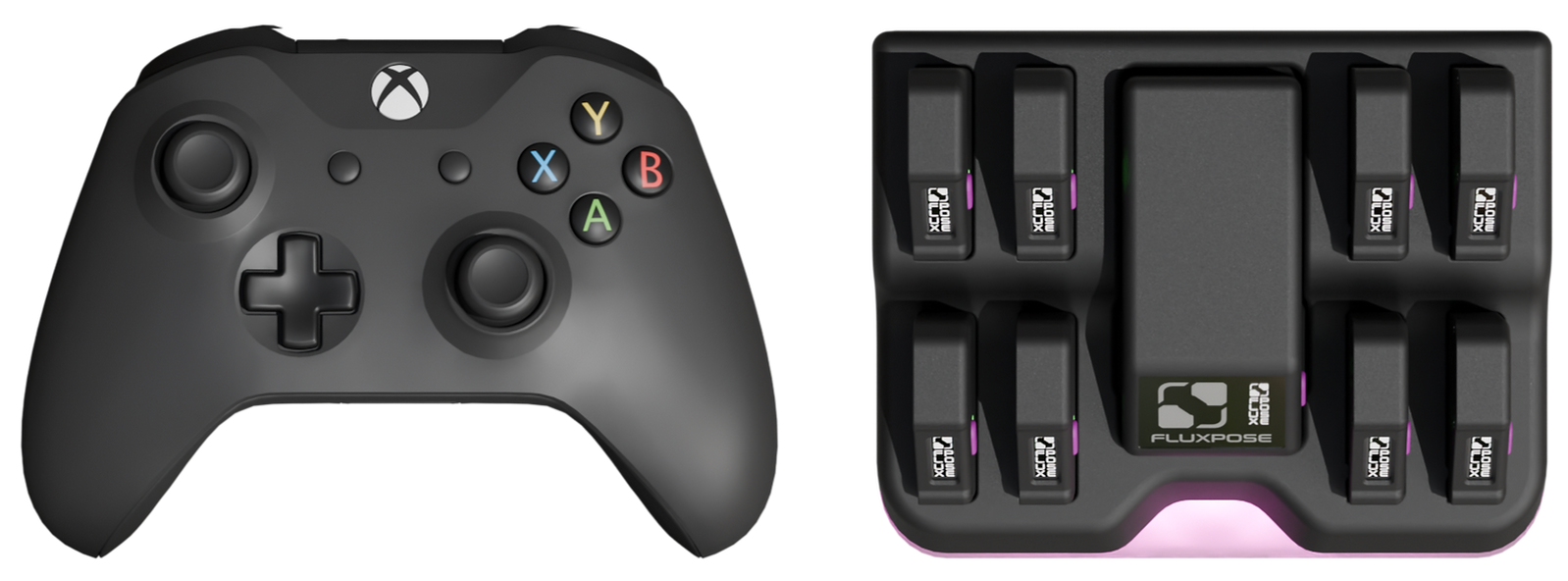
FluxPose size comparison with an Xbox controller. The trackers are tiny.
On the Normal power mode, the beacon's battery should last around 12 hours. There's also a Low power mode for "standing, sitting or laying" which should last 24 hours, and a Performance mode for tracking controllers or gloves, in which the beacon should last 6 hours.
The trackers themselves weigh just 15 grams and last for 24 hours, FluxPose claims. That's just one-fifth of the weight of a HTC Vive Tracker. And remarkably, despite that low weight, FluxPose trackers have a tiny monochrome OLED screen for displaying status, as well as a haptic feedback actuator.
FluxPose mounts for Quest 3, Quest Pro, and Pico 4.
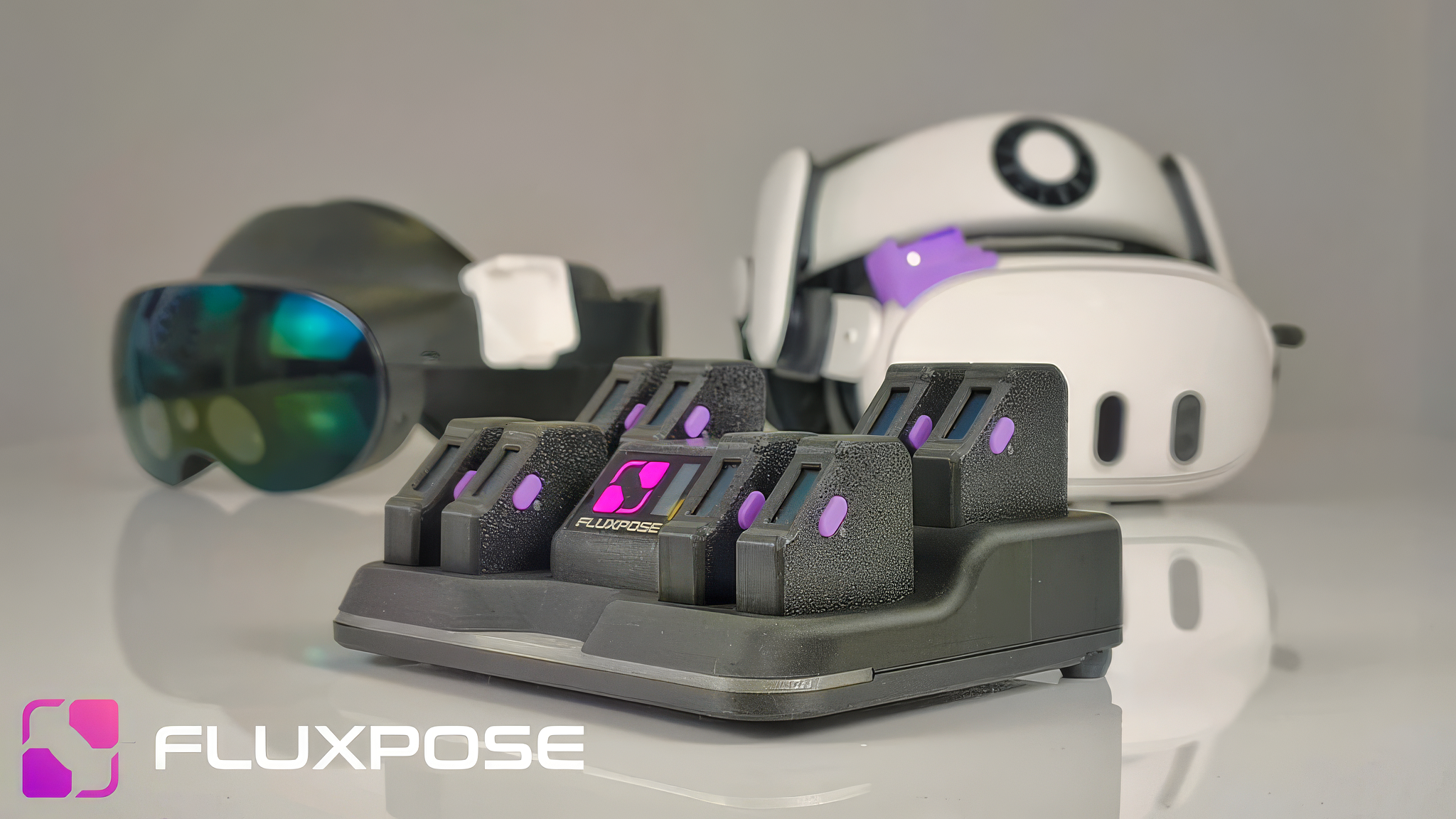
You attach one of the trackers to your headset, with a custom adapter mount, while the others strap to the parts of your body you want to track. Mounts are available for Quest 2 and newer, Pico 4 and 4 Ultra, Samsung Galaxy XR, Valve Index, and both Bigscreen Beyond generations. FluxPose says it will have a mount for Steam Frame too.
Because of the headset-attached reference tracker, FluxPose claims its tracking system doesn't require any calibration, and "never" drifts. The tradeoff is adding some weight to your headset.
Both the beacon and trackers charge on the included dock, which also acts as the data dongle, delivering the tracking poses to SteamVR on your PC via USB-C. From a PC's USB port it should recharge everything within 3 hours, while on a PD charger this can drop to 1.5 hours.
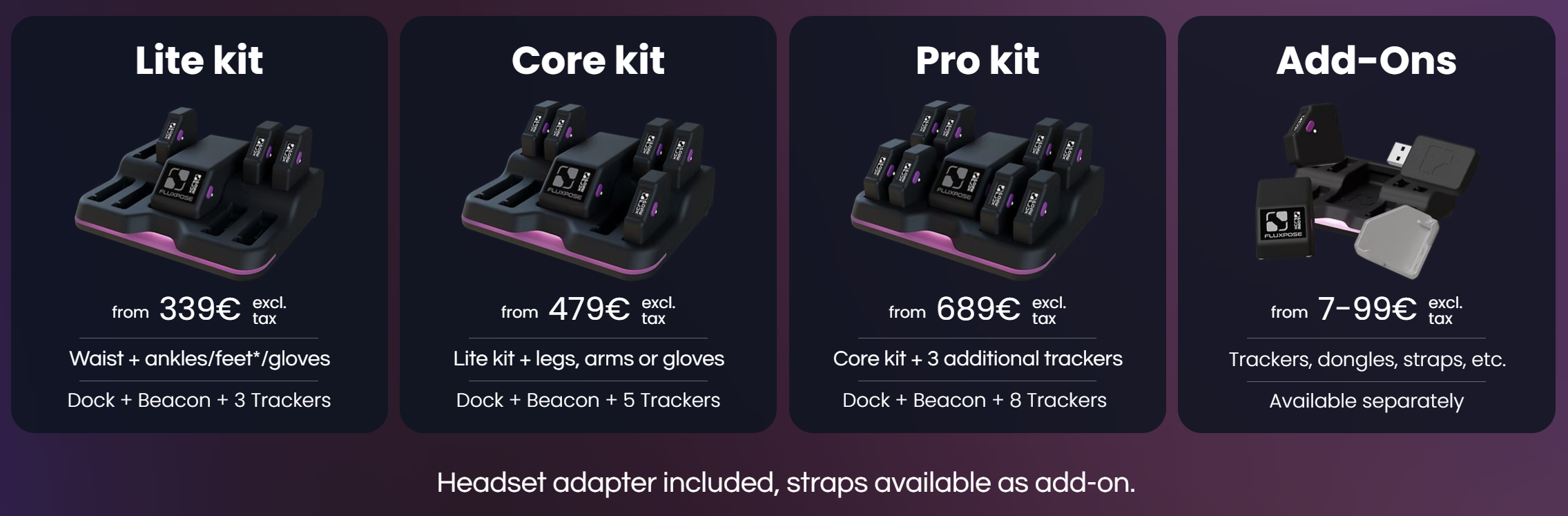
On Kickstarter, you can pledge for three kits: Lite, Core, and Pro. Lite is priced at €339 before tax and comes with 3 trackers, Core at €479 with 5 trackers, and Pro at €689 with 8 trackers. Additional addons like straps are available separately.
FluxPose says it has already built 300 devices for early testers, and launched the Kickstarter to advance to scale production. It intends to start shipping the first "early bird" units in August 2026, and for most backers to receive their units in October. After the Kickstarter, prices will increase.
As with all crowdfunding campaigns, we must warn you that a Kickstarter pledge is not a preorder. There is no guarantee you will receive anything at all, and the company has no legal obligation to provide you with a refund if it doesn't deliver.
Microsoft's big pitch for the future of Windows is that it's turning into an "agentic OS, " or a system where autonomous AI helpers don't just answer questions, but instead actually do things for you. They'll organize files, wrangle tasks, juggle apps, and basically act like little digital interns living inside Windows 11. Except now, Microsoft
The Beelink EQi13 Pro offers quick everyday performance in a clean and compact aluminum chassis. Its built-in power supply helps cut down on desk clutter, though the interior layout makes upgrades tricky. The Intel UHD iGPU model isn't meant for gaming, but if you want a quiet, capable Mini-PC for work, streaming, and general use, it delivers.
If you're dying for any new details at all on Rockstar's next Grand Theft Auto game, well, good news—we have some. It might not be the earth-shaking revelation that you're probably hoping for, but we can say beyond a shadow of a doubt that the leak is the real deal, this time around.
Here's the deal: veteran character animator Benjamin
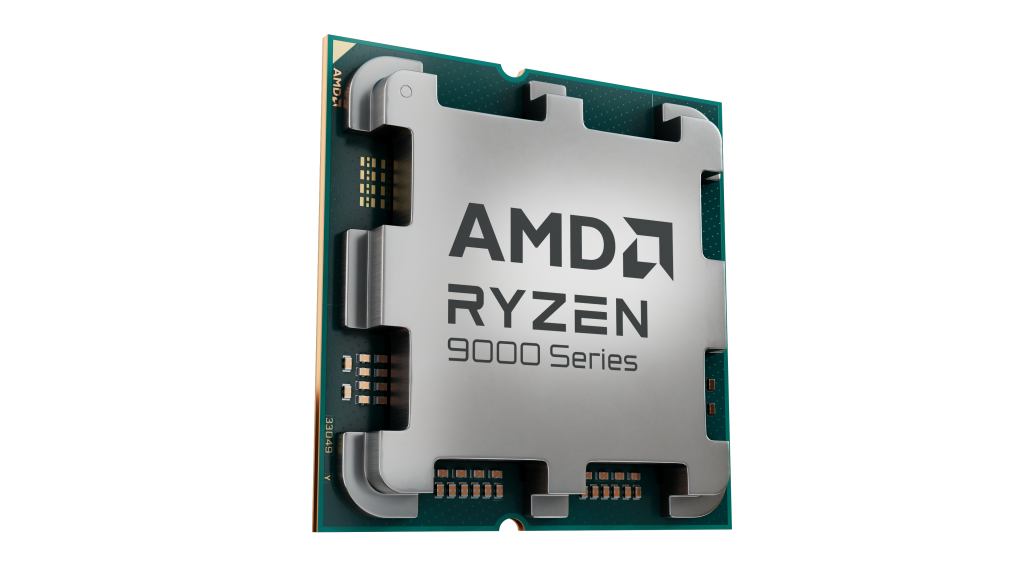
AMD has inadvertently confirmed the existence of a new high-end gaming processor, the Ryzen 7 9850X3D, after the unannounced chip appeared on the company's own support website. The listing, which was spotted before being pulled, suggests that an official reveal could be imminent.
The mention on AMD's website spotted by @Olrak29_ (via VideoCardz) corroborates reports that AMD is preparing a higher-binned version of its popular 8-core, 16-thread X3D CPU. According to the latest rumours, the Ryzen 7 9850X3D will feature a 120W TDP and a maximum boost clock of 5.6GHz, a 400MHz increase over the existing Ryzen 7 9800X3D that tops out at 5.2GHz. If that's the case, AMD has probably managed to squeeze out higher frequencies through better silicon binning rather than simply increasing power limits.
Like its sibling, the 9850X3D is built on the Zen 5 architecture and uses AMD's 2nd Gen 3D V-Cache technology. This places the 64MB cache slice underneath the processor cores rather than on top. As such, the new chip is expected to retain the same 96MB of L3 cache as the 9800X3D.
For gamers, this processor would position itself as a premium alternative in the AM5 lineup, offering higher out-of-the-box frequencies for titles that benefit from raw clock speed alongside the massive cache buffer. With the 9800X3D already dominating gaming benchmarks, the 9850X3D aims to further cement AMD's lead over Intel's current offerings.
AMD hasn't formally announced this CPU yet, but with CES 2026 right around the corner, there's a good chance we'll see it being unveiled soon.
KitGuru says: How much would you be willing to pay for a higher-clocked Ryzen 7 9800X3D?
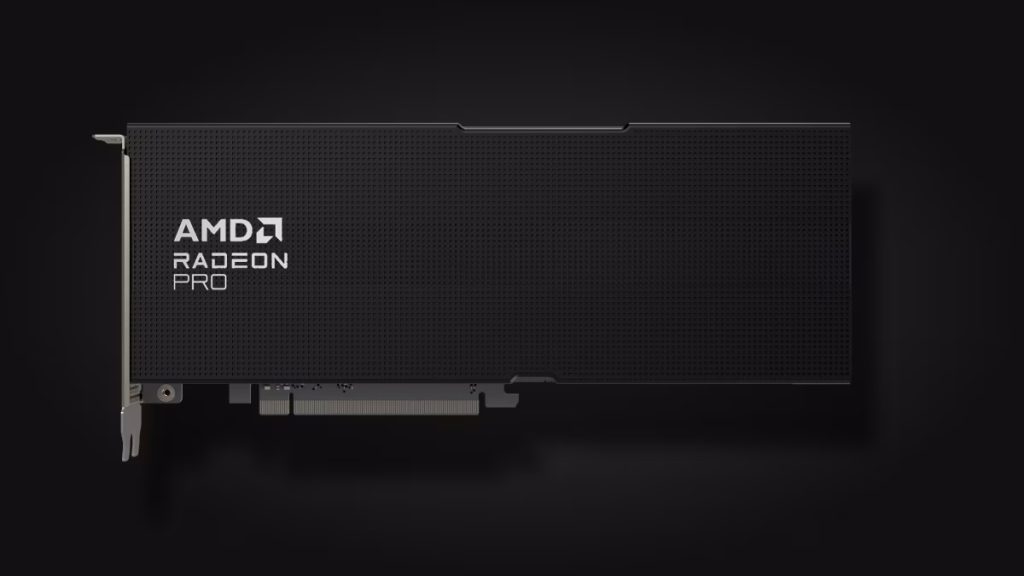
AMD has quietly expanded its professional graphics portfolio with the listing of a new workstation card and the appearance of two additional AI-focused SKUs in its driver stack. The company has officially listed the Radeon Pro W7900D on its website, while references to the AI Pro R9600D and AI Pro R9700S have surfaced in the latest Linux driver compatibility lists.
As spotted by VideoCardz, the Radeon Pro W7900D appears to be a region-specific variant of the existing flagship W7900, designed specifically to comply with US export restrictions on high-performance AI hardware to China. Like the original model, it is built on the RDNA 3 architecture using the Navi 31 GPU. It retains the same core configuration, featuring 6,144 stream processors across 96 compute units, and is paired with a massive 48GB of GDDR6 memory on a 384-bit bus, delivering 864GB/s of bandwidth.
The biggest difference between this and the W7900 lies in the operating frequencies and total compute performance. To meet the export compliance threshold, AMD has reduced the boost clock to 2,156MHz, down from the 2,500MHz seen on the standard W7900. This adjustment brings the peak FP32 compute performance down to 54 TFLOPS, compared to the original's 61.4 TFLOPS.
Moreover, AMD's Linux drivers have unveiled two new entries in the “AI Pro” series. The Radeon AI Pro R9700S is named as you would expect from a mobile GPU (“S” at the end), but it's unclear if that's the case. Still, given its naming, it's expected to share the same RDNA 4 mobile architecture as the AI Pro R9700, featuring a Navi 48 GPU and 32GB of VRAM.
The Radeon AI Pro R9600D is equally mysterious, as no standard “R9600” currently exists in the global lineup. The naming suggests something like a Navi 44 GPU. While official specifications remain under wraps, the “D” suffix again points toward a specific regional or efficiency-focused variant.
KitGuru says: AMD's expanding Radeon AI Pro lineup suggests the company is investing hard in the segment, which makes sense, as the company now has a big deal in place with OpenAI.
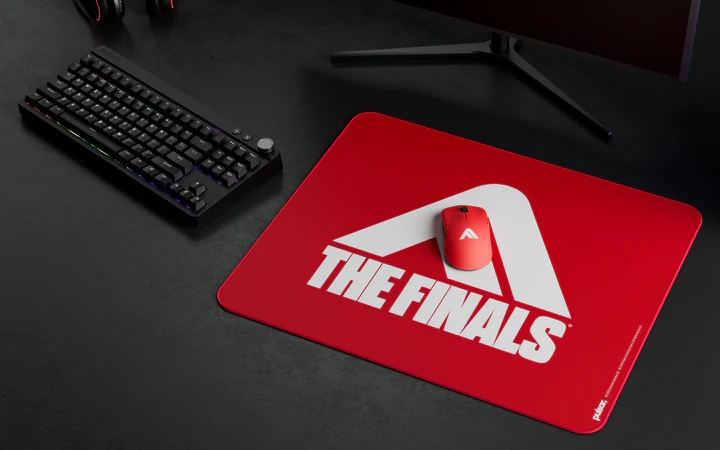
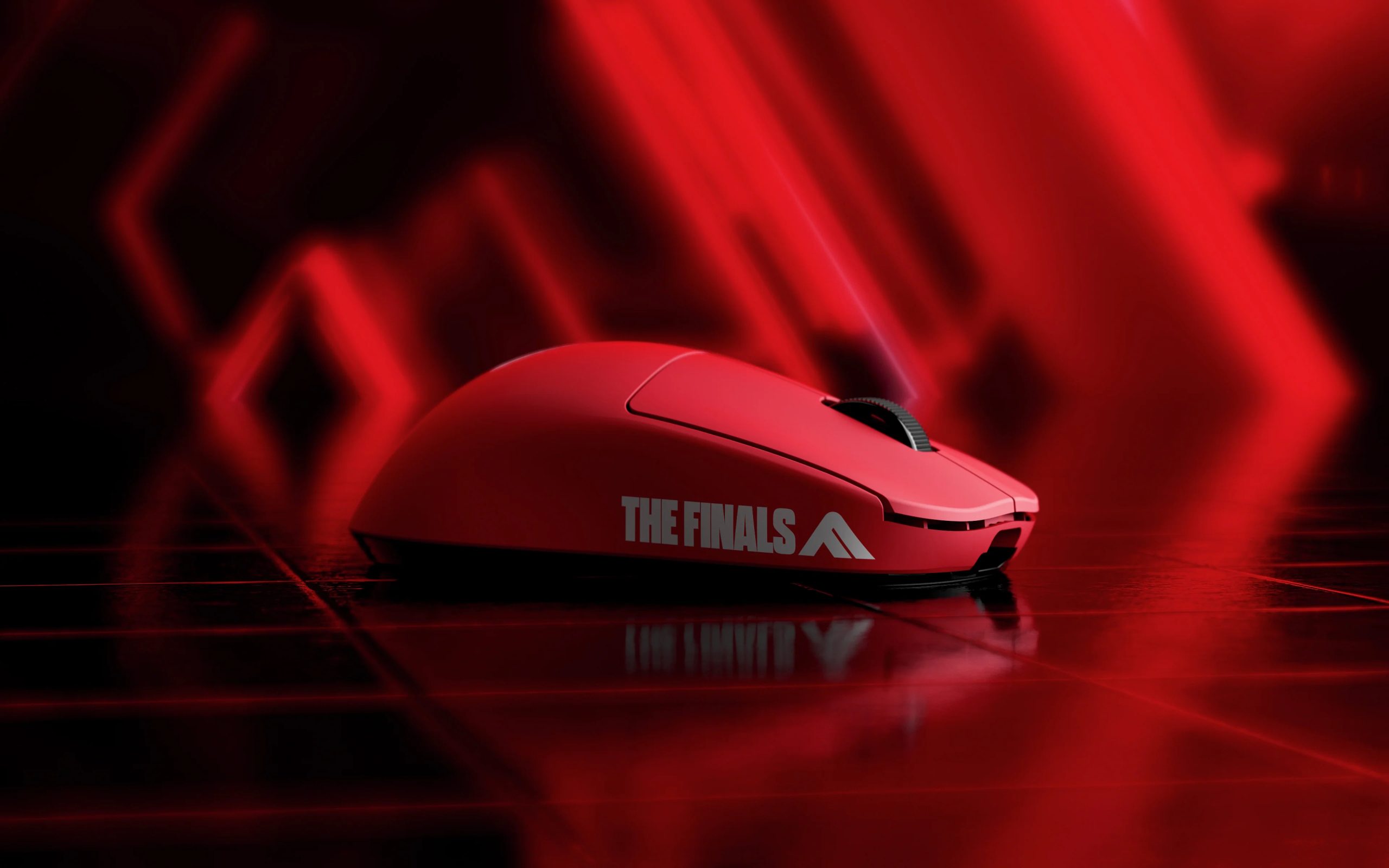
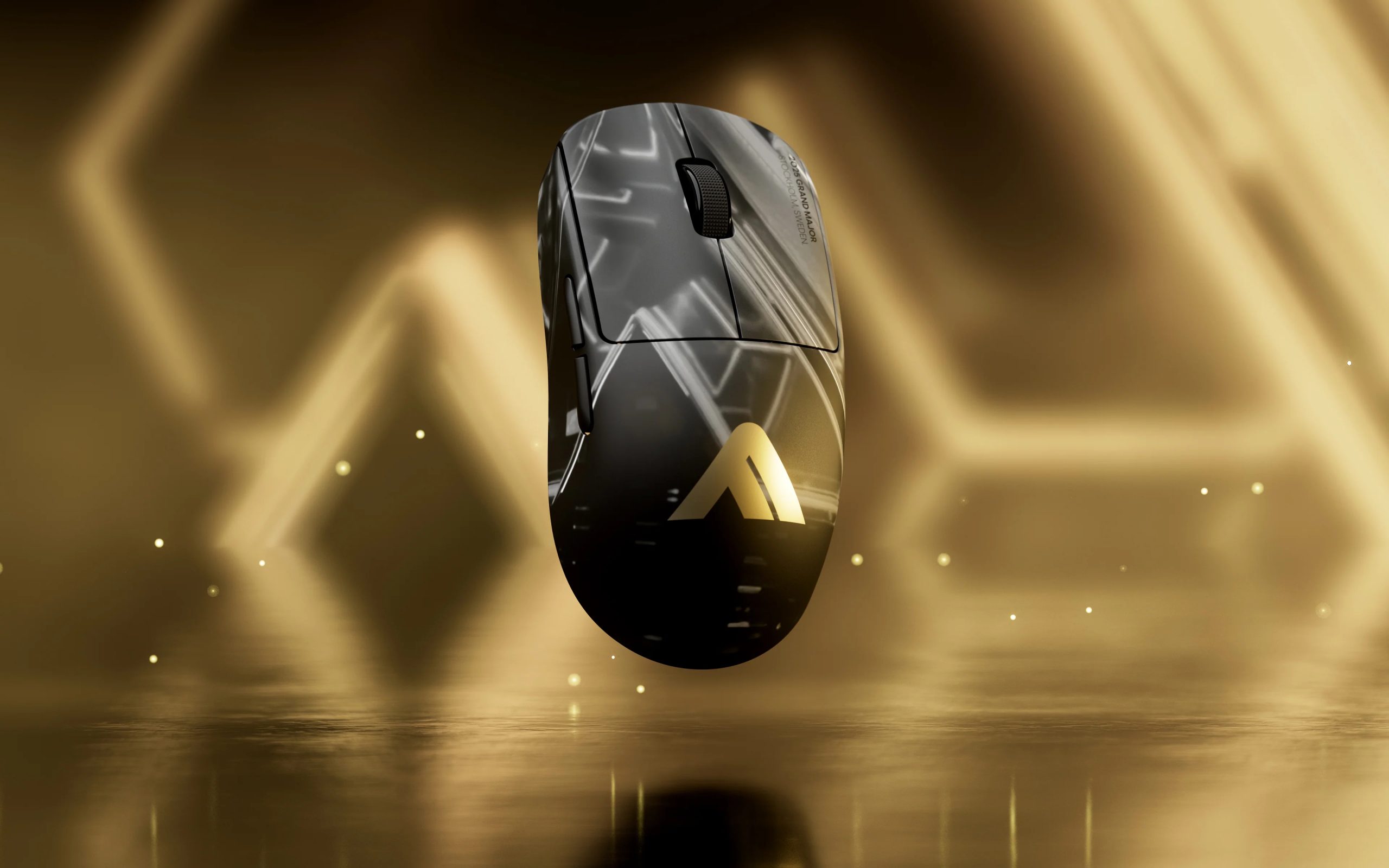
Pulsar has announced a collaboration with Embark Studios to produce a new line of peripherals themed around the competitive shooter The Finals. The launch is timed to coincide with the game's Grand Major tournament at DreamHack Stockholm.
The collection is headlined by two variants of the company's flagship lightweight mouse. The Pulsar X2 CrazyLight – The Finals Edition features the game's distinct branding and comes bundled with a digital redemption code for the ‘Arena Crimson AKM' in-game skin. A second variant, the Pulsar X2 CrazyLight – Grand Major Edition, will also be available, granting owners the ‘Arena Royale AKM' skin. Note that both models are medium-sized.
Alongside the mice, Pulsar is releasing themed mousepads. The Pulsar Superglide3 Glass mousepad – The Finals Edition offers a fast, hard surface and includes a code for the ‘Arena Crimson Sword' skin. For those who prefer cloth pads, the Pulsar Gaming XL Mousepad – The Finals Edition is available and comes with the ‘Arena Crimson Frag Grenade' skin.
All of Pulsar's new gear is available on the company's official website and on the Embark official merchandise shop. The mice cost $139.95/€159.90, the glass mousepad costs $99.95/€109.90, and the standard gaming mousepad costs $24.95/€29.90.
KitGuru says: Are you a fan of The Finals? Interested in any of Pulsar's new themed gear?
Final Fury gives the VR arcade fighter new attacks, more moves, and ranked events in today's Tides of Vygor update.
Following May's early access launch, Kluge Interactive (Synth Riders) is now releasing what it calls the “biggest update yet” for Final Fury. The Tides of Vygor update now allows you to use dive kicks and uppercuts, alongside a “full set of Vygor-powered special attacks” that the studio states will open up new defensive and combo options.
Tides of Vygor also introduces 'Ranked Events,' a series of weekend tournaments that deliver new cosmetics and avatar rewards for competitors. Bonus prizes will also be awarded to top performers. Kluge states December's lineup includes the titular festival and a festive-themed showdown, Festive Fury, to mark the year's end.
We enjoyed Final Fury in our early access hands-on in May. Though we considered the launch content to be rather slim, we believed it offered “a strong foundation that is approachable to newcomers while having the same kind of mechanical depth that will appeal to traditional fighting game players.”
Final Fury is out now in early access on Steam and the Meta Quest platform.
This console generation has been a tough one for gamers, as both Sony and Microsoft have had to increase prices on hardware. Thankfully, Best Buy has some solid deals during its Cyber Monday event that makes jumping into the PlayStation 5 ecosystem more affordable. Check out the deals below.
PlayStation 5 Pro ($649.99 – 13% off)
The PS5
December is preparing to set the stage for one last supermoon and another meteor shower that will test the patience of stargazers. Get ready for the second closest full cold moon in a few days and the Geminids shower on the night of December 13-14.
The grand curtain call of 2025's lunar cycle ends with the full cold moon on December 4 (Thursday),
Remember the 'Dude, you're getting a Dell!' pitch guy from commercials of yesteryear? If he were still making advertisements for Dell today, he'd have to slightly alter his pitch to say, 'Dude, you're getting an Alienware!' because there are some seriously good bargains available for Cyber Monday, and they include discounts on both desktop
Computing giant NVIDIA and electronic design automation (EDA) leader Synopsys have forged a multiyear partnership that includes a substantial $2 billion equity investment, in a move to infuse accelerated computing and artificial intelligence into the engineering and chip design process.
This major collaboration, announced today, aims to
Retailers have pivoted from promoting Black Friday bargains to shouting about Cyber Monday deals, and while a lot of the discounts are the same, that's not necessarily the case across the board. For example, among the many Apple products that are on sale right now is the newest-generation MacBook Air (2025 model) for a new low price.
Apple
 Connexion
 The humble Netflix cast button has just become an unfortunate victim of what long-time subscribers are calling a tone-deaf decision. Netflix has quietly stripped the ability to send content from a mobile device to most modern televisions and streaming players, forcing millions of subscribers back to the remote control and their TV’s native