↩ Accueil

Vue lecture

Apple will need to walk a tightrope if it keeps pushing subscriptions

The list of Apple subscription services keeps growing. iCloud, Apple Music, Apple TV, Apple Arcade, Apple Fitness+, Apple News+, MLS Season Pass, Apple One … The company of course also takes a cut of subscriptions sold through the App Store, Apple Books, and Apple Podcasts. Then there are the hardware-related subscriptions, AppleCare+ and the iPhone Upgrade Program.

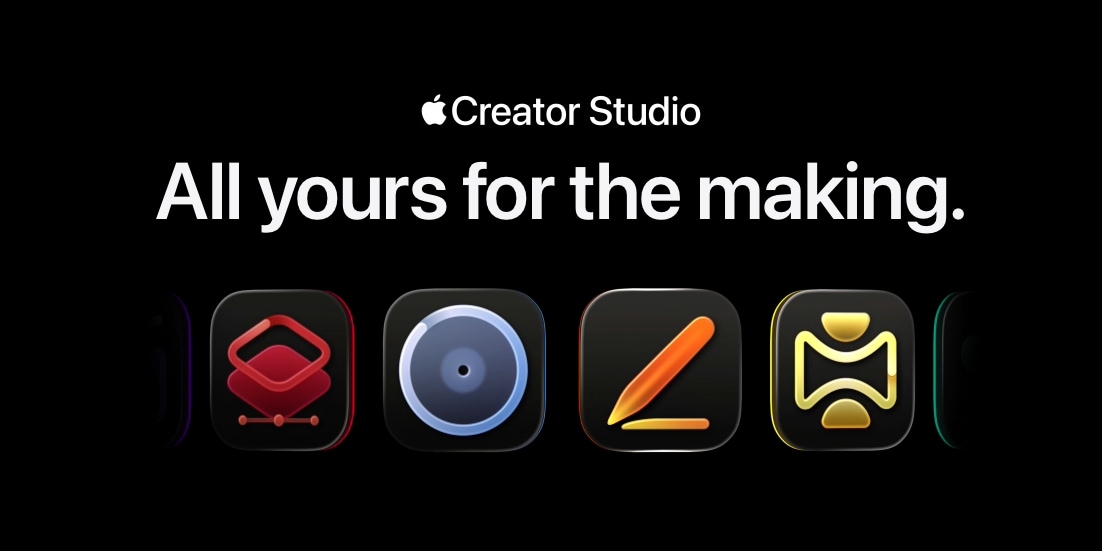
Most recently, we’ve had the launch of Apple Creator Studio, and a new report says that we can expect to see even more subscriptions to come …

more…
  •  

Get $99 Off iPad Mini 7 on Amazon, Starting at $399.99

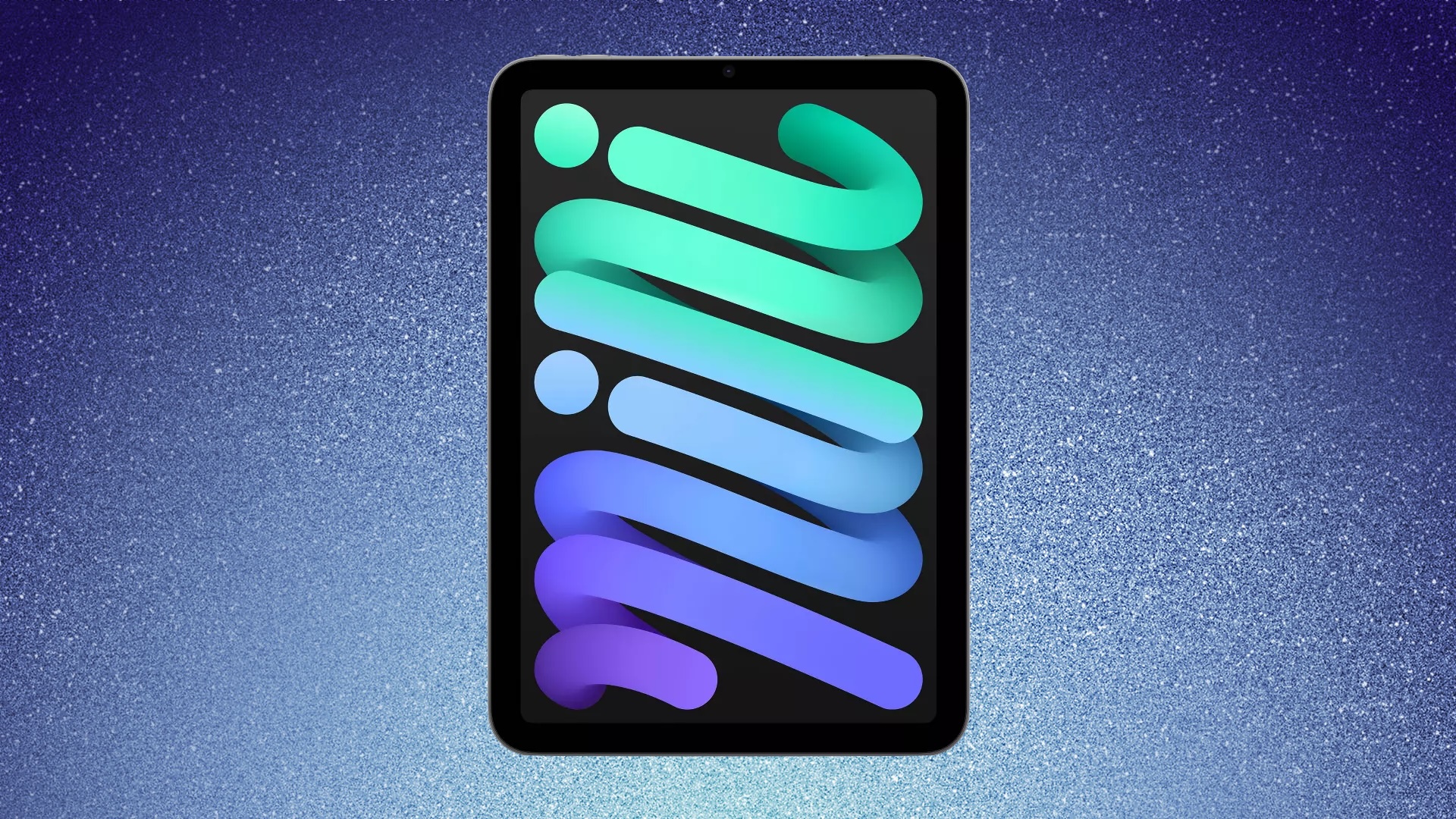
Amazon today has brought back a few $99 discounts on the iPad mini 7, starting at $399.99 for the 128GB Wi-Fi tablet, down from $499.00. This is only the second time in 2026 that we've seen prices this low on the iPad mini 7 on Amazon.

Note: MacRumors is an affiliate partner with Amazon. When you click a link and make a purchase, we may receive a small payment, which helps us keep the site running.

Additionally, you can get the 256GB Wi-Fi iPad mini 7 for $499.99 and the 512GB Wi-Fi iPad mini 7 for $699.99, both $100 discounts and available in multiple colors. These sales are all solid second-best prices on the iPad mini 7.


Additionally, you can pair a new iPad mini with the Apple Pencil Pro for $94.99 on sale right now on Amazon, down from $129.00. If you're shopping for a cellular model of the iPad mini, only Best Buy has $100 discounts on these models at this time.


If you're on the hunt for more discounts, be sure to visit our Apple Deals roundup where we recap the best Apple-related bargains of the past week.


Deals Newsletter


Interested in hearing more about the best deals you can find in 2026? Sign up for our Deals Newsletter and we'll keep you updated so you don't miss the biggest deals of the season!


Related Roundup: Apple Deals

This article, "Get $99 Off iPad Mini 7 on Amazon, Starting at $399.99" first appeared on MacRumors.com

Discuss this article in our forums

  •  

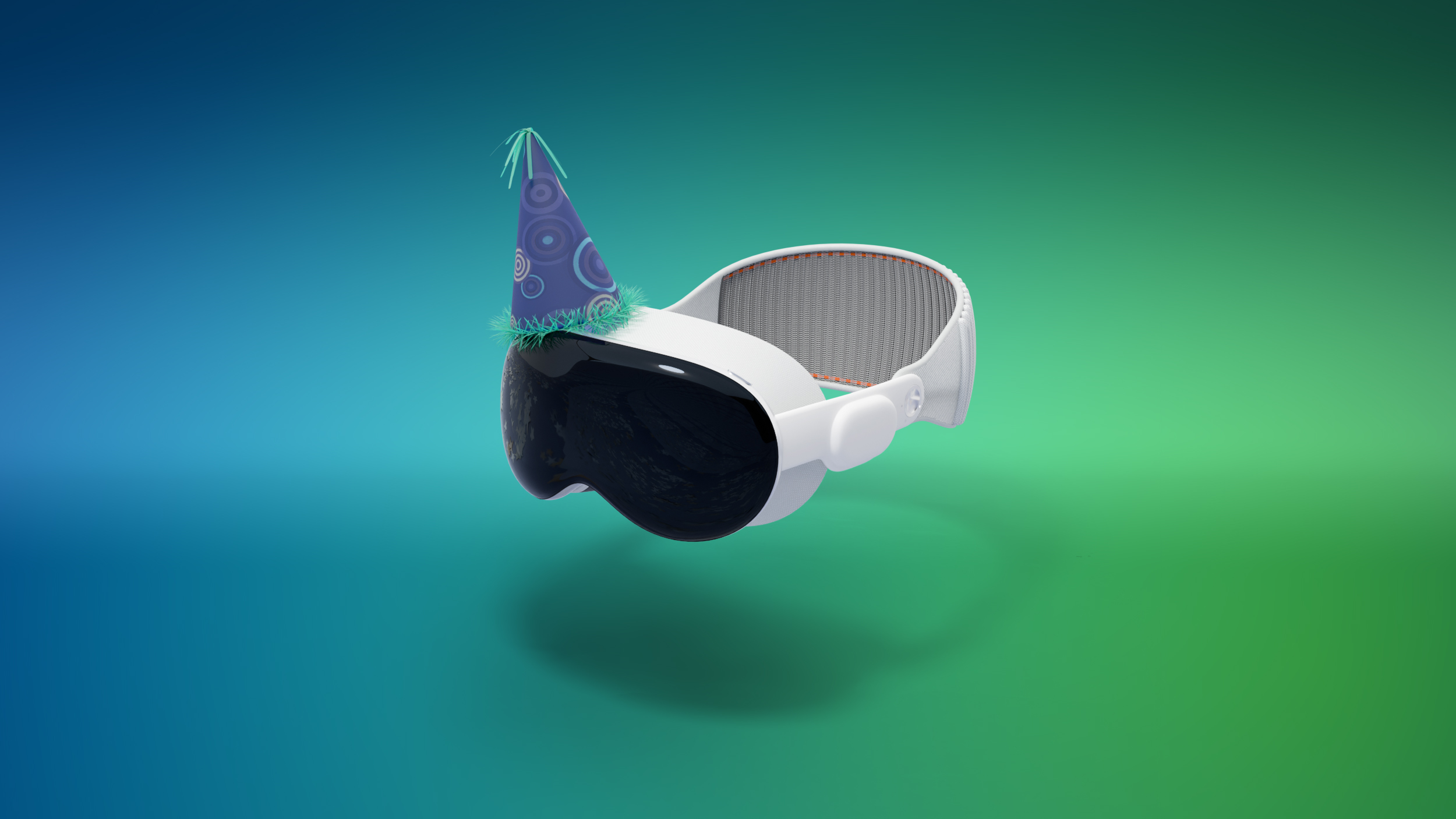
Apple Vision Pro Launched Two Years Ago Today

Apple's original Vision Pro spatial computing headset launched two years ago today.

Apple's work on a head-mounted device was the subject of rumors for many years before the Vision Pro's announcement. By the early 2020s, those reports had converged around the idea that Apple was preparing a high-end mixed-reality headset positioned as a new form of general-purpose computer.

Apple finally revealed the Apple Vision Pro in June 2023 during its annual Worldwide Developers Conference (WWDC), marking the company's first major new hardware platform announcement since the Apple Watch. In its initial announcement, Apple described Vision Pro as its first "spatial computer," introducing visionOS, a new operating system designed around three-dimensional app windows controlled by eye tracking, hand gestures, and voice input. The device combined dual micro-OLED displays with a total of roughly 23 million pixels, advanced sensor arrays, and custom silicon, including the M2 chip and a dedicated R1 chip for real-time sensor processing. Apple also announced a starting price of $3,499 in the United States and said the product would launch in early 2024.

The Vision Pro launched in the United States on February 2, 2024. Initial reviews broadly praised the visual quality, eye- and hand-tracking accuracy, and technical ambition of the product, while also noting its high price, physical weight, limited battery life, and a comparatively small library of software designed specifically for spatial computing. Following the launch, Apple gradually expanded Vision Pro availability to additional countries and continued to update visionOS with new features in 2024 and 2025.

The headset was never expected to be mass-market from day one, according to Apple. Even so, enthusiasm reportedly cooled far faster than anticipated. The latest report on the matter was published earlier this month by the Financial Times, claiming that the Vision Pro is still failing to catch on.

Roughly a year and a half after the initial release, Apple introduced an updated Vision Pro model featuring the M5 chip, representing the first hardware revision of the device. The M5 chip enabled 10% more rendered pixels, a refresh rate of up to 120Hz, better responsiveness, and up to an extra hour of battery life. Apple also introduced a counterweighted Dual Knit Band designed to improve comfort.

Reports suggest that there are now no Apple Vision headsets in active development, with the company's focus pivoting decisively to smart glasses. Soon after launch, Apple was believed to have shifted focus to a lower-cost "Vision Air," designed to bring spatial computing to a wider audience through a lighter and cheaper headset, while also planning a redesigned Vision Pro 2 for later in the decade.

By mid-2024, that plan appeared to change and the company's once-ambitious multi-year roadmap for the Vision Pro is said to have unraveled. A report from The Information said Apple had suspended development of the redesigned Vision Pro, redirecting resources toward the cheaper model, which itself later slipped amid cost and design challenges.

Supply-chain reports suggested Apple was winding down production of the first-generation Vision Pro due to weak demand and excess inventory, with the company pivoting to a chip refresh to use up stockpiled components. A year later, Bloomberg reported that Apple also paused work on the lower-cost headset, shifting its focus toward smart glasses, potentially leaving no next-generation headset hardware in active development.
Related Roundup: Apple Vision Pro
Buyer's Guide: Vision Pro (Buy Now)
Related Forum: Apple Vision Pro

This article, "Apple Vision Pro Launched Two Years Ago Today" first appeared on MacRumors.com

Discuss this article in our forums

  •  

Tim Cook didn’t rule out price rises for Apple products, and here’s why

Apple CEO Tim Cook declined to comment on repeated questions during Thursday’s earnings call about how the company would respond to rising memory costs.

The decision on whether to absorb rising costs or pass them on to customers in the form of higher prices is not going to be an easy one, and a look at the numbers makes it clear why Cook was unwilling to rule out the latter possibility …

more…
  •  

Apple's Smart Glasses Plans Already Triggering Industry Changes

Apple's rumored plan to enter the smart glasses market by late 2026 is already reshaping the global AR optics supply chain, according to DigiTimes.


According to the paywalled report, demand for smart glasses from the likes of Meta is rising steadily, but the industry now expects Apple's equivalent product to act as the primary catalyst for large-scale commercialization. Multiple suppliers across Taiwan's optical sector have apparently increased capital expenditure to expand capacity and shift research priorities toward AR technologies, citing Apple's expected requirements.

For example, Kinko Optical has positioned itself as a key supplier by opening a new AR, VR, and MR research center, backed by an investment of about $5.6 million. Kinko is currently the only Taiwanese company developing both nanoimprint optical waveguides and optical engines at the same time, technologies that are essential to modern AR glasses designs. Joint development projects with clients are expected to begin in 2026, aligning with the rumored launch timelines of major new products from brands like Apple.

Other Taiwanese suppliers are moving in the same direction. Asia Optical is accelerating development of AR, VR, and metalens products and has partnered with Singapore-based MetaOptics to co-develop metalens technology. JMO Corp. has already entered AR glasses supply chains, while Aiimax Innovation has completed metalens samples now undergoing brand certification.

Samsung has already announced plans to launch AR glasses in 2026, while Apple is expected to introduce its first smart glasses by the end of the year. Apple's entry is expected to increase volumes, stabilize supply chains, and lower component costs, prompting Taiwanese suppliers to position themselves more aggressively as the market for smart glasses expands.
This article, "Apple's Smart Glasses Plans Already Triggering Industry Changes" first appeared on MacRumors.com

Discuss this article in our forums

  •  

New Mac configurator may point to separate CPU and GPU options

Apple last week changed the way you buy a Mac online, removing the previous lineup of customizable pre-configured options and instead putting you straight into configuring your spec from scratch.

While at first glance this seems a somewhat strange thing to do, arguably making it a little more complicated for a non-tech buyer to choose their Mac, the change could provide support for a theory that Apple will allow you to separate CPU and GPU options when buying an M5 Pro or Max Mac …

more…
  •  

Apple May Break a 10-Year Chip Strategy

TSMC has been the exclusive supplier of Apple's systems-on-a-chip since 2016, but that 10-year streak could be nearing its end.


According to The Wall Street Journal, Apple is exploring whether some of its lower-end processors could be manufactured by a company other than TSMC.

"Now that TSMC is doing more business with Nvidia and other AI companies, people with knowledge of the chip supply chain said Apple was exploring whether some lower-end processors could be made by someone other than TSMC," the report said.

The report did not mention any candidates, but previous rumors have indicated that Intel could begin supplying some lower-end Apple processors in 2027 or 2028.

A few months ago, GF Securities analyst Jeff Pu said that he expected Intel to reach a chip supply deal with Apple for at least some non-pro iPhone models starting in 2028. Based on that timeframe, Intel could supply Apple with at least a portion of A21 or A22 chips for future iPhone models, if the companies agree to a partnership.

Apple's return to Intel might also involve some Mac and iPad chips. Last year, Tianfeng Securities analyst Ming-Chi Kuo said he expected Intel to begin shipping Apple's lowest-end M-series chip for select Mac and iPad models as early as mid-2027. For this, Kuo said Apple planned to utilize Intel's 18A process. He did not mention the iPhone.

There is no indication that Intel would play a role in designing the iPhone chips, with its involvement expected to be strictly limited to fabrication. That would differ from the era of Intel Macs, which used Intel-designed processors with x86 architecture. Apple began transitioning away from Intel processors in Macs in 2020.

Intel would help Apple diversify its supply chain, which could come at a pivotal time, as Nvidia has reportedly surpassed Apple as TSMC's largest customer amid rising competition for NAND memory and RAM chip supply for AI servers.

TSMC is not the only chip supplier seeing increased demand amid the AI server boom, as Samsung and SK Hynix have both gained enough leverage to demand Apple pay more for RAM chips, according to The Wall Street Journal's supply chain sources.

On an earnings call last week, Apple CEO Tim Cook said that rising memory chip prices had a "minimal impact" on Apple's gross margin last quarter, but he does expect a "bit more of an impact" on the company's gross margin in the current quarter. He said Apple "will look at a range of options to deal with that" as necessary.

Kuo does not expect price increases for the iPhone 18 lineup.

Apple reported record-breaking revenue of $143.8 billion last quarter, up 16% year-over-year, and it is predicting similar 13% to 16% year-over-year growth and gross margin of 48% to 49% in the current quarter, so the company is still reporting impressive earnings results despite concerns surrounding memory chip prices.

An earlier version of this article stated that TSMC had been the exclusive supplier of Apple's systems-on-a-chip since 2014, but this was an error. In 2015, Apple sourced A9 chips from both TSMC and Samsung. The article has been revised.
This article, "Apple May Break a 10-Year Chip Strategy" first appeared on MacRumors.com

Discuss this article in our forums

  •  

Expect more upsells and subscription bundles from Apple, Creator Studio was just the start

In the future, Apple users should expect more paid upgrades and subscription bundles just like what the company launched with Apple Creator Studio last month. As said by Mark Gurman in this week’s Power On newsletter, “I believe Apple is looking at all areas of its software and services” for further services monetization opportunities.

Obviously, the appeal of more subscription bundles depends on the particulars. For instance, Apple One has been very popular and seems relatively consumer friendly. But, while Creator Studio is a reasonable deal for hardcore users of Final Cut and Logic Pro, it also introduced exclusive paid features and upsell banners into Apple’s previously free-with-no-asterisks iWork suite of Pages, Keynote and Numbers.

more…
  •  

Apple's CarPlay Ultra to Expand to These Vehicle Brands Later This Year

Last year, Apple launched CarPlay Ultra, the long-awaited next-generation version of its CarPlay software system for vehicles. Nearly nine months later, CarPlay Ultra is still limited to Aston Martin's latest luxury vehicles, but that should change fairly soon.


In May 2025, Apple said many other vehicle brands planned to offer CarPlay Ultra, including Hyundai, Kia, and Genesis. At the time, it said CarPlay Ultra would begin expanding to more vehicles around the world "in the next 12 months."

In his Power On newsletter today, Bloomberg's Mark Gurman said he was told that CarPlay Ultra will come to at least one major new Hyundai or Kia vehicle model "in the second half of this year." It is unclear if he is referring to Hyundai's upcoming IONIQ 3, as previously reported, or if it will be a different model.

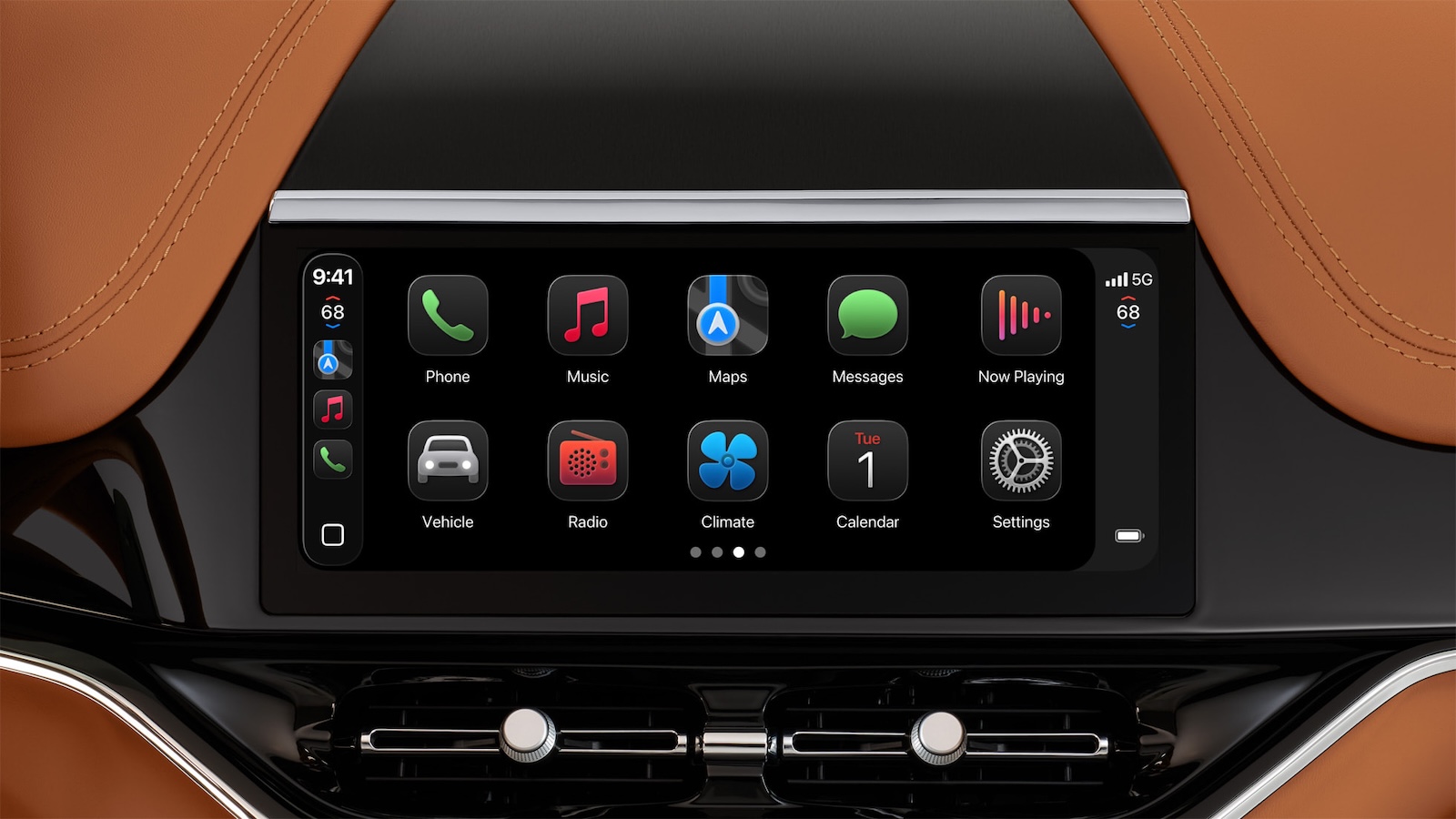
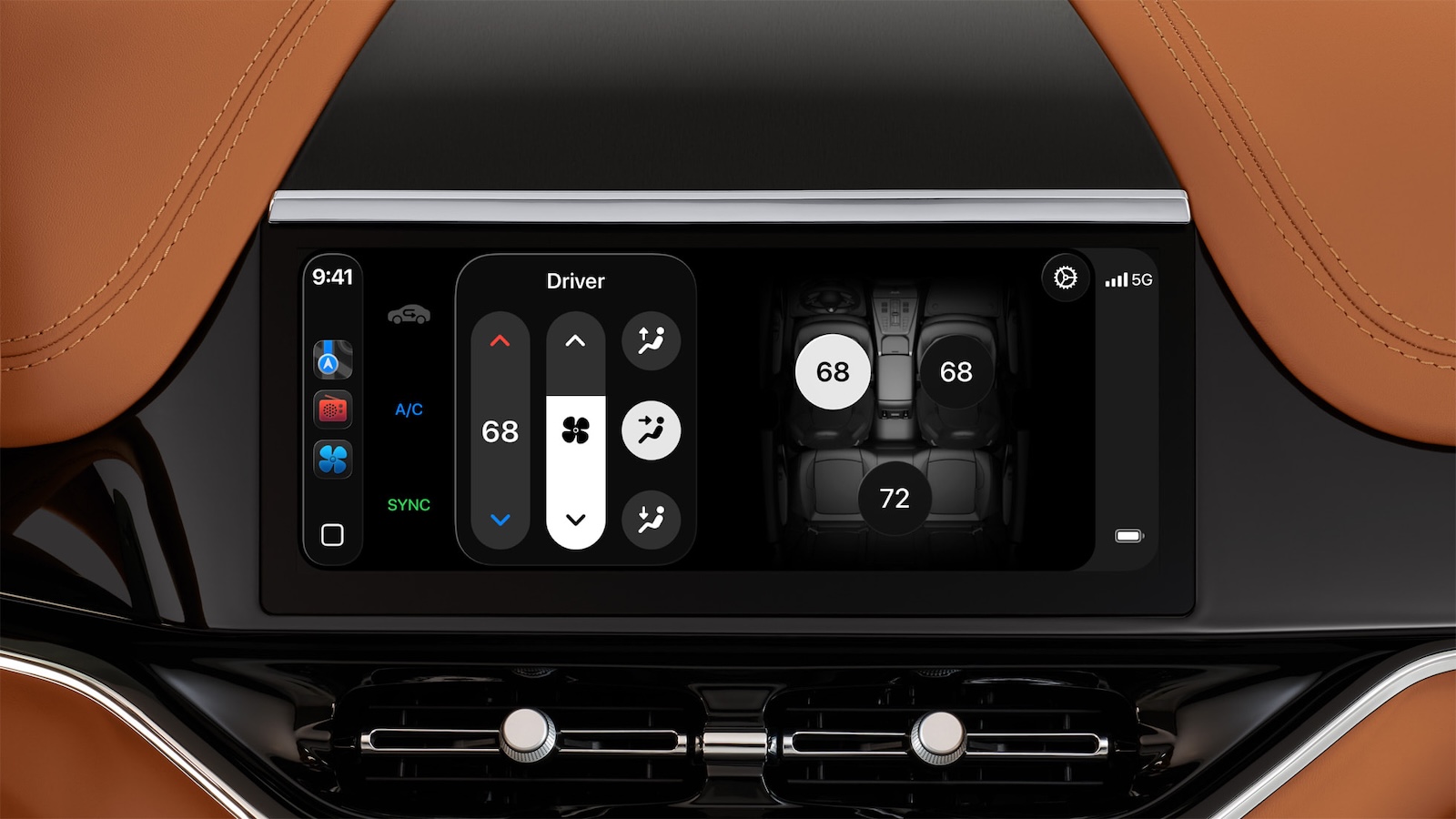
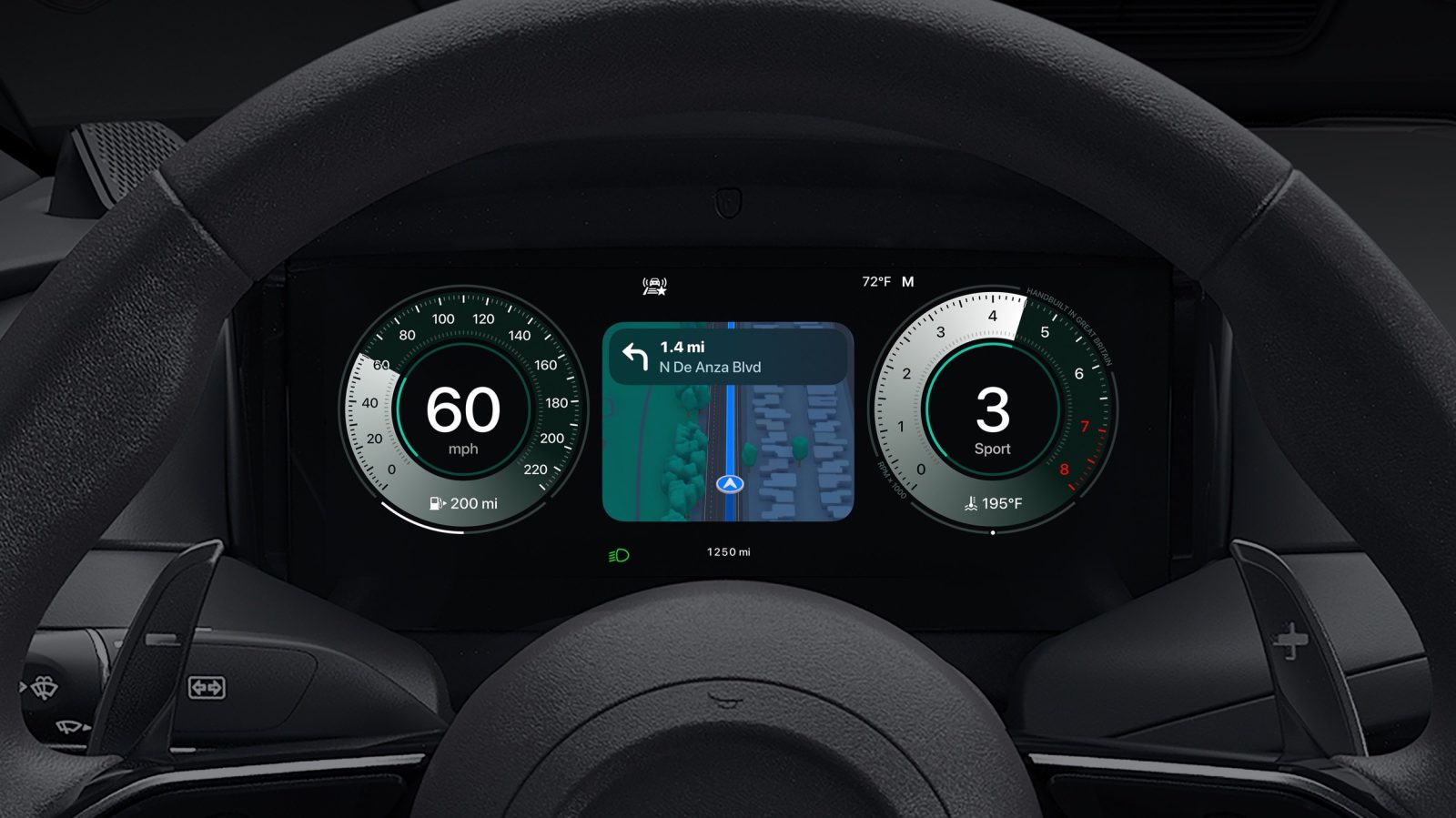
CarPlay Ultra features deeper integration with a vehicle's instrument cluster and systems, built-in apps for radio and climate controls, rear-view camera feed support, and more. The connected iPhone provides app-related data, while the vehicle provides information like the current speed, fuel level, tire pressure, engine temperature, and more.


The interface is tailored to each vehicle model and automaker's identity, and drivers can choose from various preset design options.

BMW, Ford, and Rivian are among the brands that have publicly downplayed CarPlay Ultra, while General Motors controversially ditched the regular version of CarPlay in its new electric vehicles, so it is likely to pass on CarPlay Ultra too. That means vehicles from brands like Chevrolet, Cadillac, and GMC are likely out of the running.

It is improbable that Tesla would offer CarPlay Ultra either, but it is reportedly working on offering the regular version of CarPlay in a major pivot.

Related Roundup: CarPlay

This article, "Apple's CarPlay Ultra to Expand to These Vehicle Brands Later This Year" first appeared on MacRumors.com

Discuss this article in our forums

  •  

Apple's Foldable iPhone Rumored to Feature Unrivaled Battery Life

Apple's first foldable could feature the biggest ever iPhone battery and eclipse rival devices, according to a known leaker.


In a new post, the Weibo user known as "Fixed Focus Digital" says that the foldable's battery could be over 5,500 mAh in size, which would make it the largest capacity of any current or previous ‌iPhone‌. The iPhone 17 Pro Max has the biggest ‌iPhone‌ battery to date at 5,088 mAh.

Competing foldables already on the market feature a noticeably smaller battery than the rumored size. The Google Pixel 10 Pro Fold has a battery capacity of 5,015 mAh, while the Samsung Galaxy Z Fold 7 has a 4,400 mAh battery. As a result, any foldable smartphone from Apple with a battery over 5,500 mAh in size would be class-leading.

Last year, the leaker known as "yeux1122" said that Apple was testing a battery for the device in the 5,400–5,800 mAh range, citing supply chain sources. A March report from the same Korean account claimed that Apple has placed a heavy focus on improving power efficiency while slimming down key components of its foldable ‌iPhone‌, with battery life said to be a key priority for the company. Separately, Apple analyst Ming-Chi Kuo said the device will use high-density cells to deliver superior battery life.

Apple's first foldable ‌iPhone‌ is rumored to feature a 7.8-inch crease-free inner display, a 5.5-inch cover display, Touch ID, two rear cameras, the A20 chip, and the "C2" modem. It is expected to launch alongside the iPhone 18 Pro and ‌iPhone 18‌ Pro Max later this year.
This article, "Apple's Foldable iPhone Rumored to Feature Unrivaled Battery Life" first appeared on MacRumors.com

Discuss this article in our forums

  •  

Apple is Exploring an 'iPhone Flip'

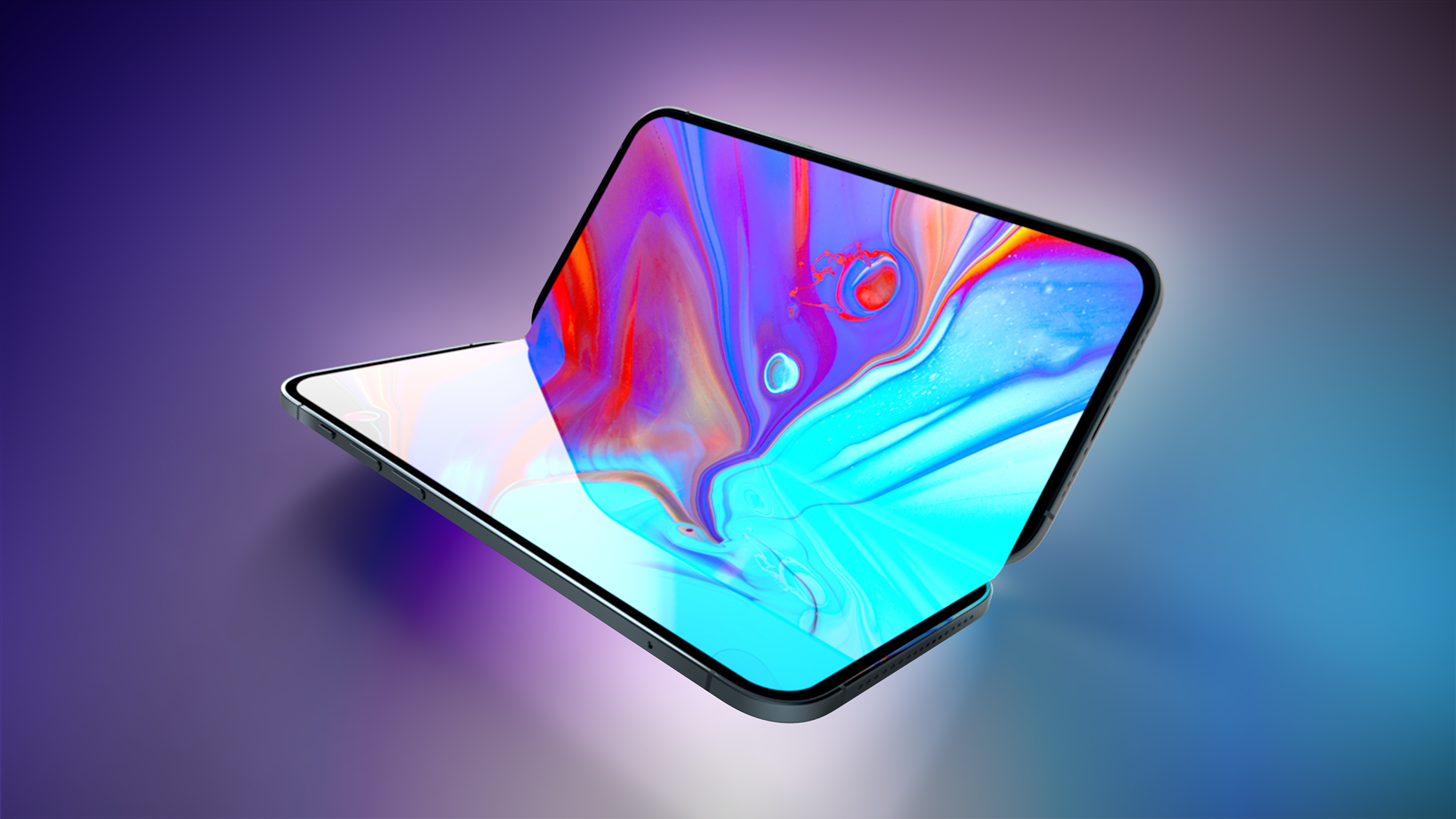
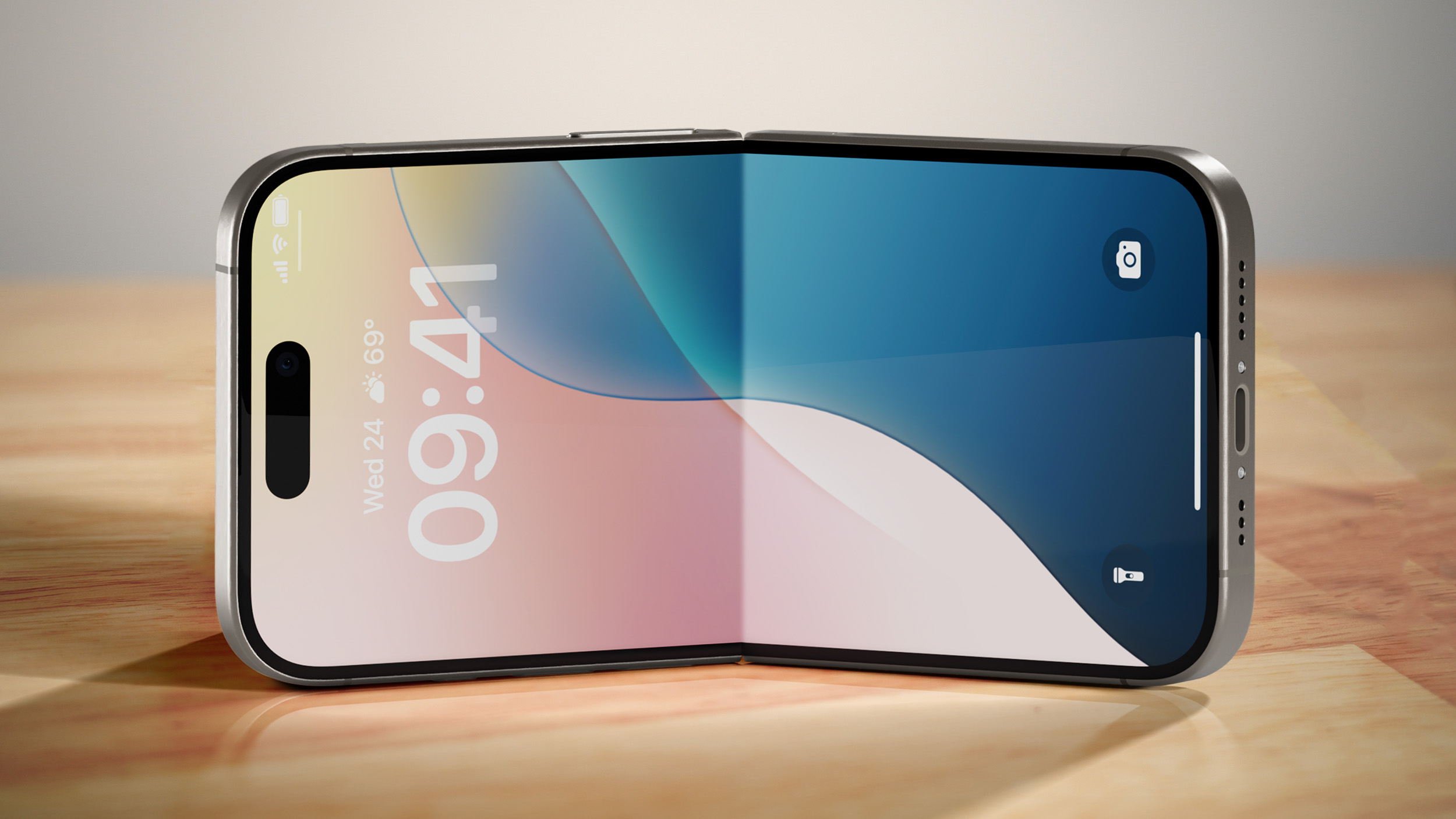
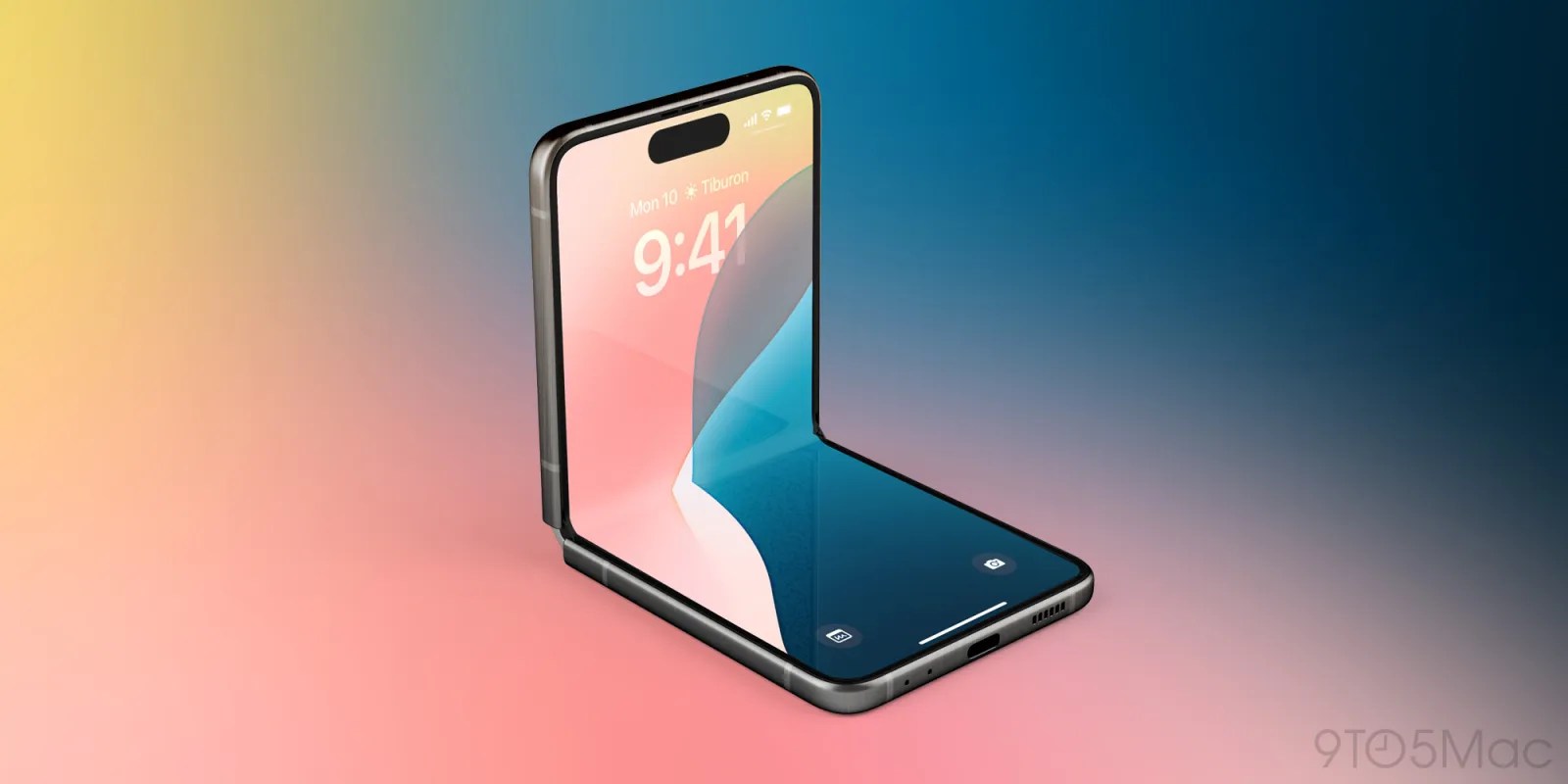
Apple is "exploring" the idea of a foldable iPhone with a "square, clamshell-style" design, according to Bloomberg's Mark Gurman.


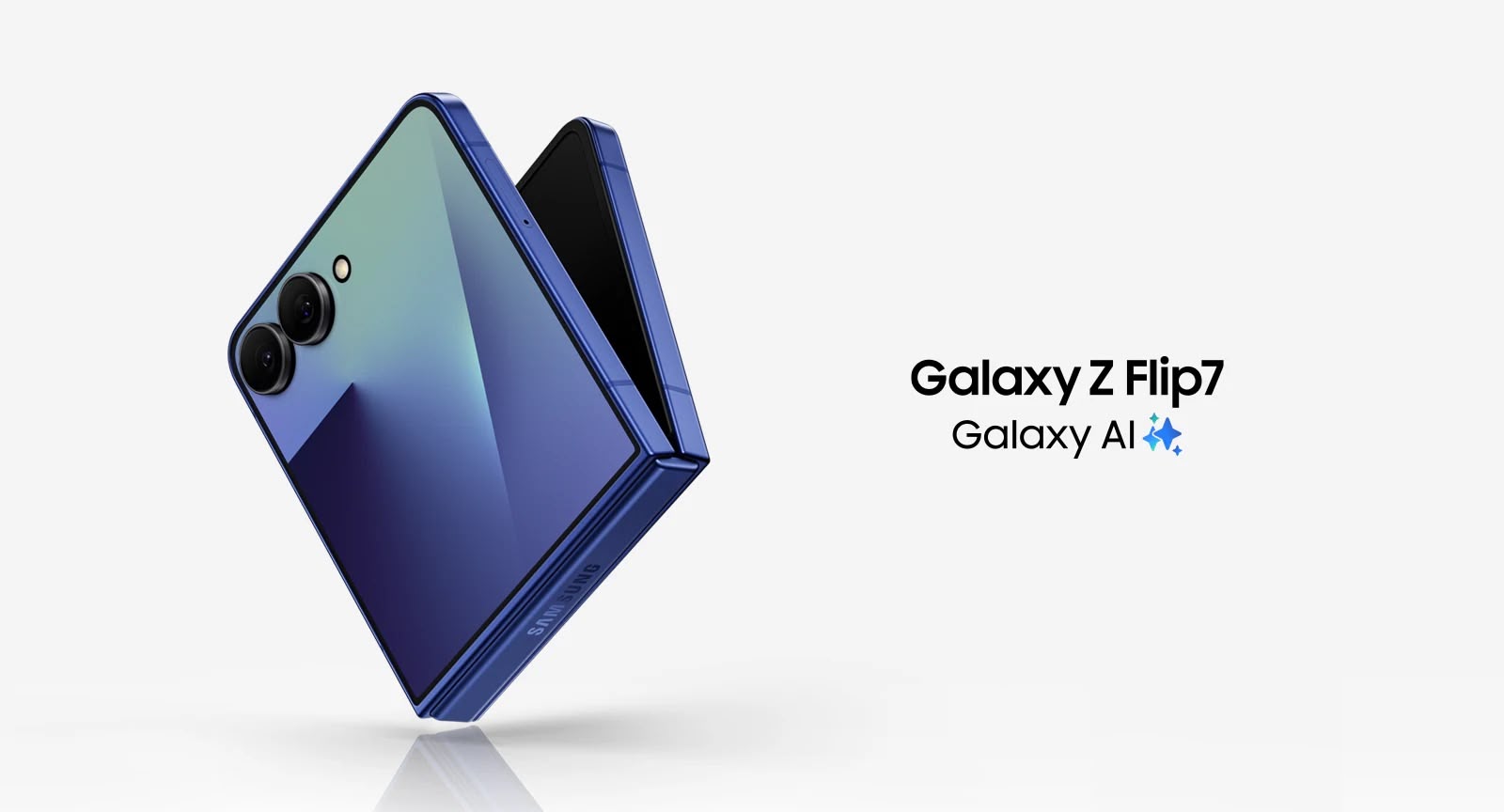
A so-called "iPhone Flip" — unlikely to be the real name — would compete with devices such as Samsung's Galaxy Z Flip 7 and the modern-day Motorola Razr.

The clamshell iPhone would be released at some point after Apple's first foldable iPhone, which is expected to launch in September this year.


The first foldable iPhone is expected to open up like a book, similar to Samsung's Galaxy Z Fold 7. This design will provide users with a large 7.7-inch inner display for watching videos and gaming, and there will likely be multitasking functionality. A clamshell iPhone, on the other hand, would be more about portability and pocketability.

"Apple is betting that its first foldable iPhone will be successful enough to generate real demand for the category and that customers will want additional shapes and sizes, much as they have with traditional slab-style iPhones," said Gurman. Nevertheless, he said a clamshell iPhone is "far from guaranteed to reach the market."


This article, "Apple is Exploring an 'iPhone Flip'" first appeared on MacRumors.com

Discuss this article in our forums

  •  

CarPlay Ultra coming to at least one new car later this year, per report

Apple officially launched CarPlay Ultra last year, but only for Aston Martin vehicles. It’s the next-generation version of CarPlay that the company first teased at WWDC 2022 with a revamped design and deeper integration with the car itself.

Today, a new report from Bloomberg reveals that CarPlay Ultra will come to at least one major new car later this year …

more…
  •  

Apple Watch Series 11 Hits $299 Low Price on Amazon, Get $100 Off Nearly Every Aluminum Model

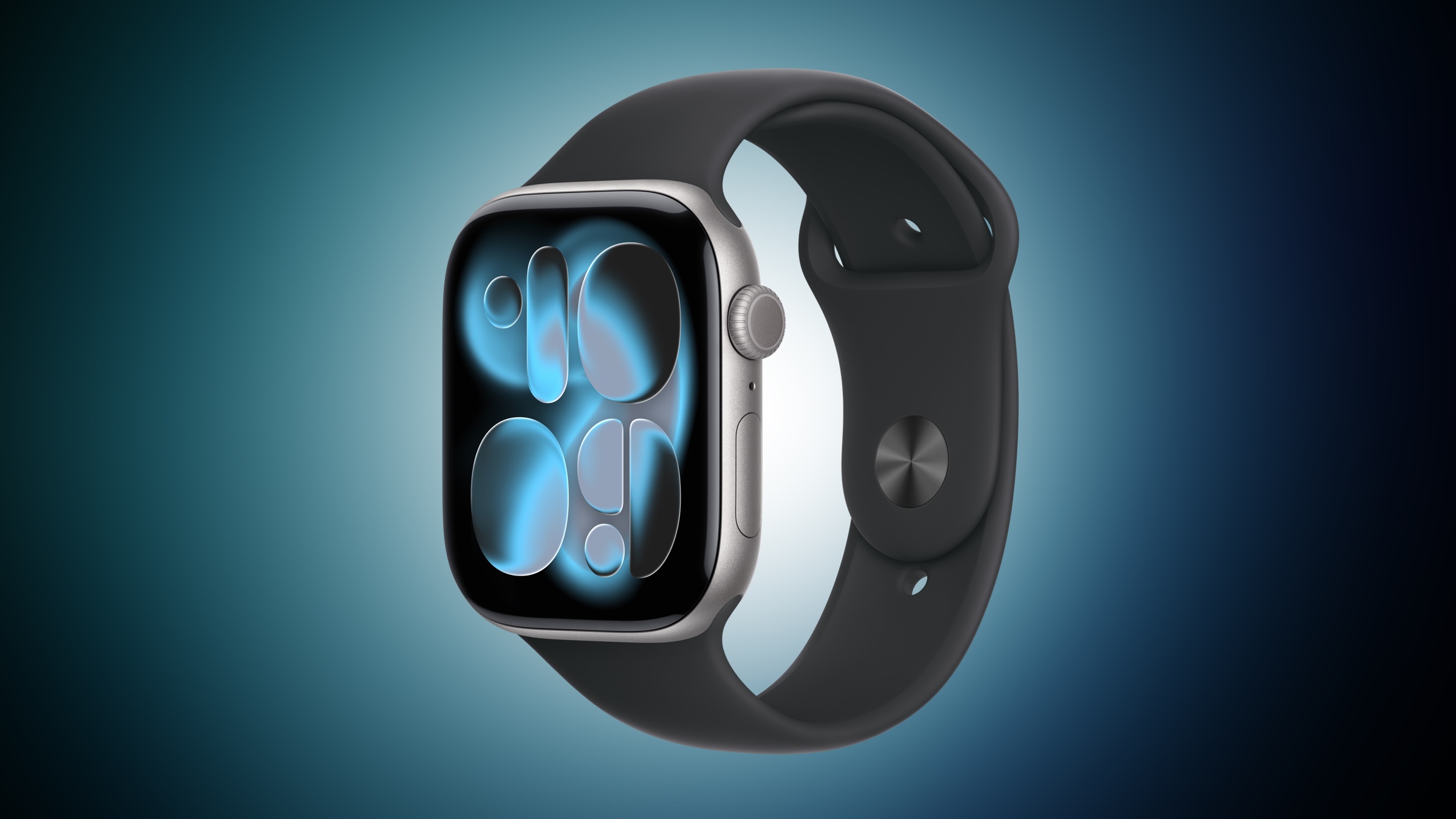
Amazon this weekend has all-time low prices on the Apple Watch Series 11, with $100 discounts across numerous models of the smartwatch. This is only the second time so far in 2026 that we've tracked $100 markdowns on the Series 11, and nearly every aluminum model is on sale right now.

Note: MacRumors is an affiliate partner with Amazon. When you click a link and make a purchase, we may receive a small payment, which helps us keep the site running.


You can get the 42mm GPS Apple Watch Series 11 for $299.00, down from $399.00, and the 46mm GPS model for $329.00, down from $429.00. On Amazon, you'll find four of the 42mm GPS models on sale at this all-time low price, and four of the 46mm GPS models on sale as well.


If you're shopping for cellular models, you can find record low prices on multiple models this week on Amazon. The 42mm cellular Apple Watch Series 11 has hit $399.00, down from $499.00, and the 46mm cellular model has hit $429.00, down from $529.00.


Head to our full Deals Roundup to get caught up with all of the latest deals and discounts that we've been tracking over the past week.


Deals Newsletter


Interested in hearing more about the best deals you can find in 2026? Sign up for our Deals Newsletter and we'll keep you updated so you don't miss the biggest deals of the season!


Related Roundup: Apple Deals

This article, "Apple Watch Series 11 Hits $299 Low Price on Amazon, Get $100 Off Nearly Every Aluminum Model" first appeared on MacRumors.com

Discuss this article in our forums

  •  

New MacBook Pros Reportedly Launching Alongside macOS 26.3

Apple is planning to launch new MacBook Pro models with M5 Pro and M5 Max chips alongside macOS 26.3, according to Bloomberg's Mark Gurman.


"Apple's faster MacBook Pros are planned for the macOS 26.3 release cycle," wrote Gurman, in his Power On newsletter today.

"I'm told the new models — code-named J714 and J716 — are slated for the macOS 26.3 software cycle, which runs from February through March," he explained.

macOS 26.3 remains in beta testing, but the update should be coming soon, with a wide release expected in February. Gurman was careful to also mention March, but this seems rather unlikely, unless the macOS 26.3 beta testing cycle drags on longer than expected, or the new MacBook Pro models are tied to macOS 26.3.1 or later.

As of now, we expect the macOS 26.3 Release Candidate to be seeded in the first half of February, so a new MacBook Pro announcement could be just around the corner.

In October, AppleInsider's Marko Zivkovic was first to report that MacBook Pro models with M5 Pro and M5 Max chips were "expected to ship with macOS 26.3," so this rumor has now been shared by multiple sources.

Beyond the M5 Pro and M5 Max chips, no major changes are expected for these models.

In late 2026 or in 2027, the MacBook Pro is expected to receive a major redesign, with rumored features including an OLED display with touch capabilities, M6 Pro and M6 Max chips, a thinner design, and built-in cellular connectivity.

Related Roundups: MacBook Pro, macOS Tahoe
Buyer's Guide: MacBook Pro (Caution)
Related Forums: MacBook Pro, macOS Tahoe

This article, "New MacBook Pros Reportedly Launching Alongside macOS 26.3" first appeared on MacRumors.com

Discuss this article in our forums

  •  

Security Bite: X going open-source is bad news for anonymous alt accounts

9to5Mac Security Bite is exclusively brought to you by Mosyle, the only Apple Unified Platform. Making Apple devices work-ready and enterprise-safe is all we do. Our unique integrated approach to management and security combines state-of-the-art Apple-specific security solutions for fully automated Hardening & Compliance, Next Generation EDR, AI-powered Zero Trust, and exclusive Privilege Management with the most powerful and modern Apple MDM on the market. The result is a totally automated Apple Unified Platform currently trusted by over 45,000 organizations to make millions of Apple devices work-ready with no effort and at an affordable cost. Request your EXTENDED TRIAL today and understand why Mosyle is everything you need to work with Apple.


Amid the heap of an EU fine levied on X earlier this month, Elon Musk announced that the platform’s entire recommendation algorithm would go open source. Seemingly to help cool the regulatory waters by providing greater transparency into how the social media giant organizes users’ timelines.

Usually, IT professionals would see news around something going open source, smile, and move on with their lives. But last week, I came across an interesting thread on none other than X that explains how this move can actually expose anonymous alt accounts through “behavioral fingerprints”…for better or worse.

more…
  •  

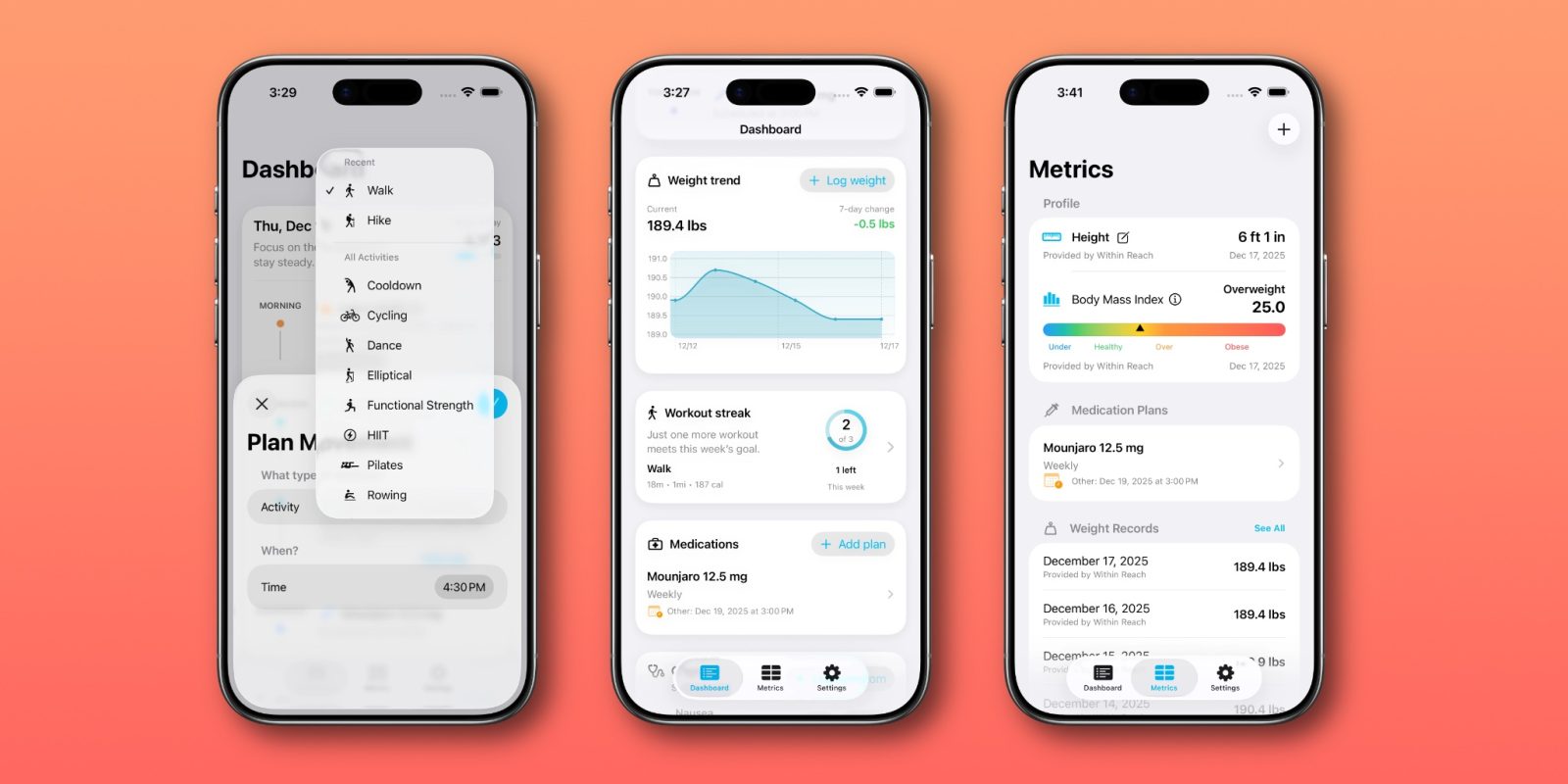
Indie App Spotlight: ‘Within Reach’ helps you track your weight loss journey

Welcome to Indie App Spotlight. This is a weekly 9to5Mac series where we showcase the latest apps in the indie app world. If you’re a developer and would like your app featured, get in contact.


Obesity remains a rampant concern in America, with 2 in 5 adults struggling with obesity. GLP-1 medications have become popular in recent years to help people manage their weight – and Within Reach is a companion app to help you track everything related to the journey.

more…
  •  

Apple Changes How You Order a Mac

Apple recently updated its online store with a new ordering process for Macs, including the MacBook Air, MacBook Pro, iMac, Mac mini, Mac Studio, and Mac Pro.


There used to be a handful of standard configurations available for each Mac, but now you must configure a Mac entirely from scratch on a feature-by-feature basis. In other words, ordering a new Mac now works much like ordering an iPad.

This change was spotted by Macworld and the French blog Consomac, among others.


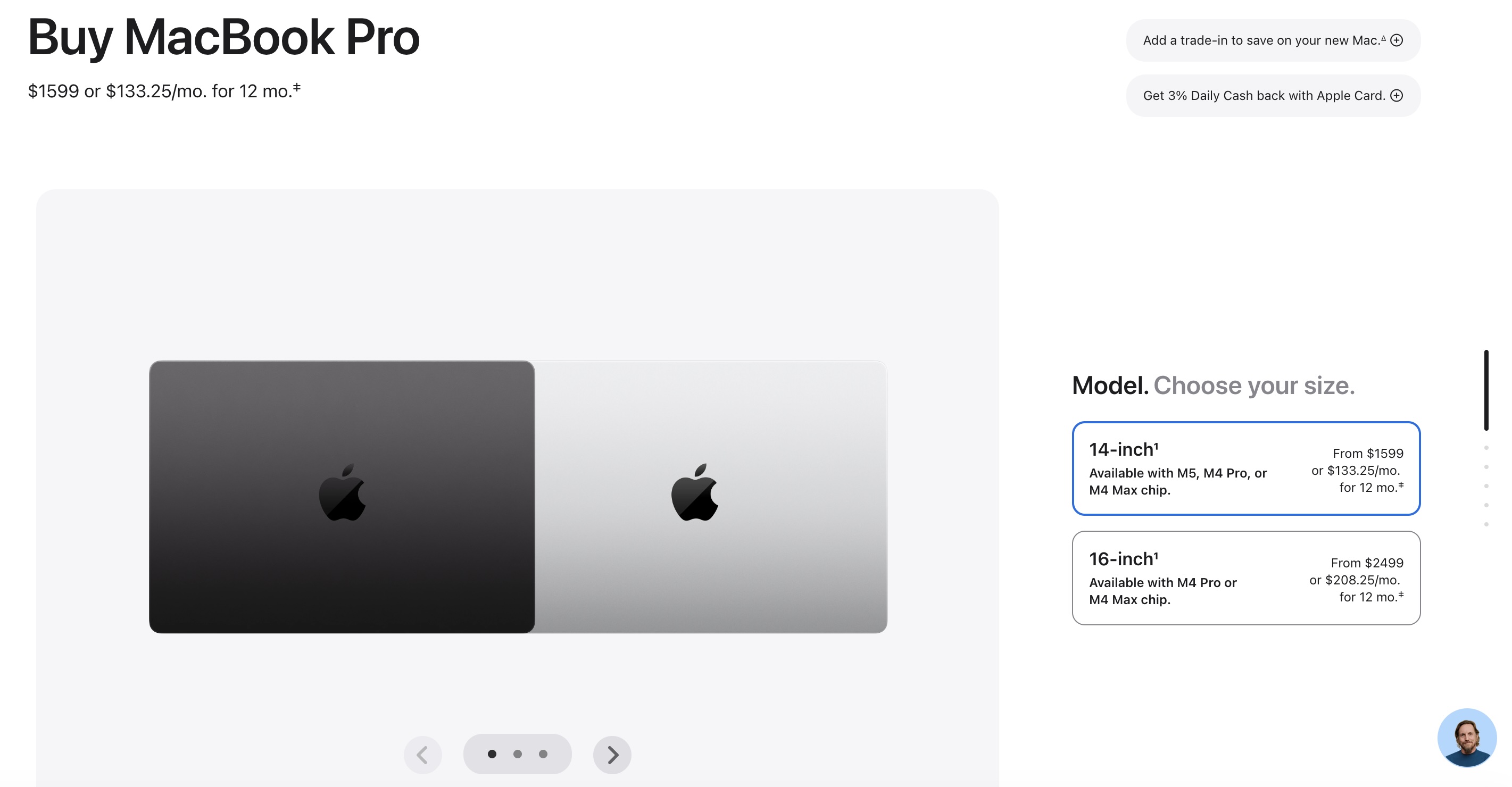
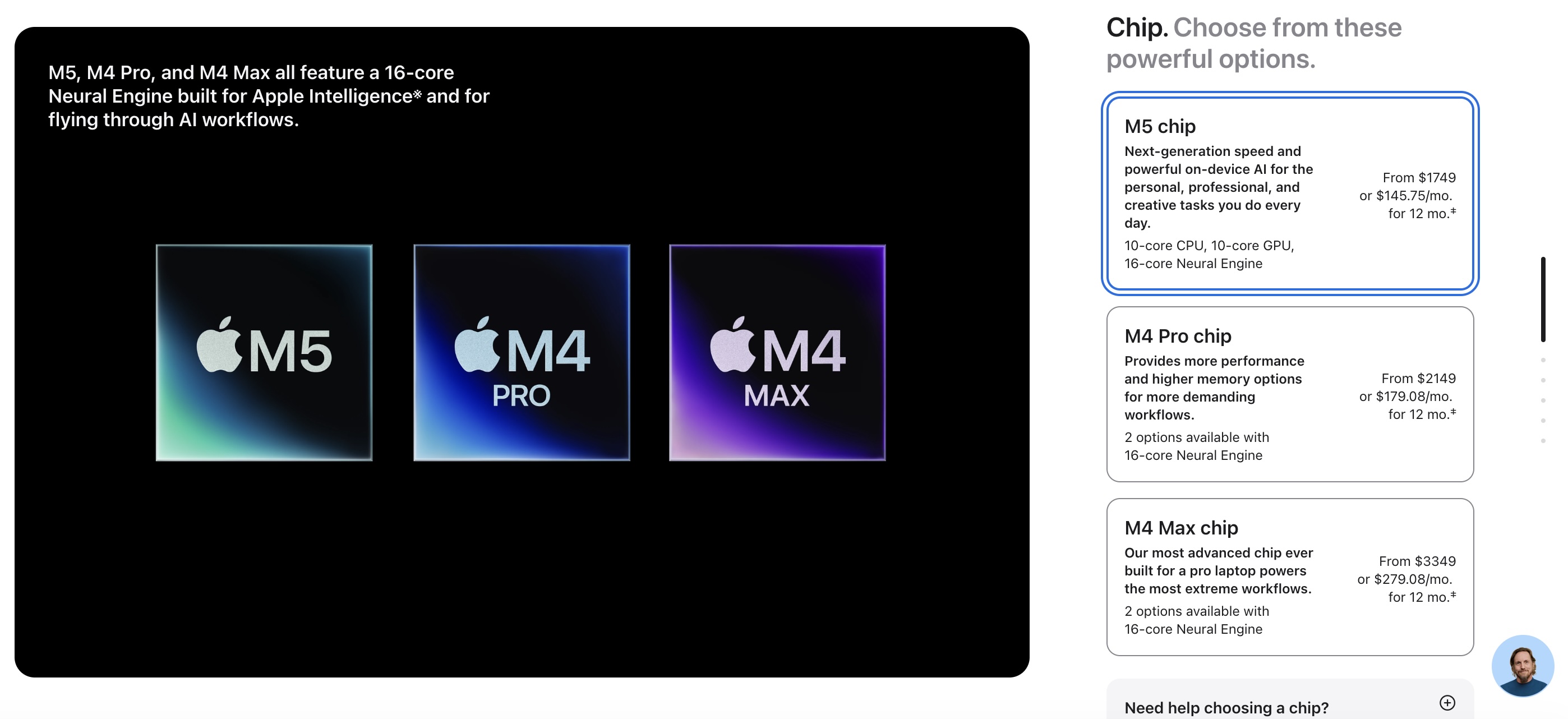
On the MacBook Pro ordering page, for example, you start by choosing a 14-inch or 16-inch display and a color. Next, you have the option to upgrade to a nano-texture display. Then, you choose from the list of M-series chips and core counts that are available for the MacBook Pro size that you selected. Finally, you can customize the amount of RAM and SSD storage, choose a power adapter, and choose a keyboard language.


Before, there were some preconfigured models available, and you could proceed to upgrade certain specs after selecting one. Now, it is entirely à la carte.

Unfortunately, the MacBook Pro still cannot be configured with an M5 Pro or M5 Max chip, as the wait continues for new models. Hopefully that changes soon!
This article, "Apple Changes How You Order a Mac" first appeared on MacRumors.com

Discuss this article in our forums

  •  

Apple revamps how you buy a Mac online

Apple has updated its website with changes to the checkout flow when buying a new Mac. Previously, the Apple Online Store would show you a range of preconfigured options with specific processors, RAM, and storage configurations, before letting you dive into the granular configurator.

With this week’s revamp, however, this process has been overhauled…

more…
  •  
❌