Sponsored by Stuff: Stuff helps you get everything out of your head and into a simple, elegant system—closing open loops and reducing mental stress. Use code 9TO5 at checkout for 50% off your first year.
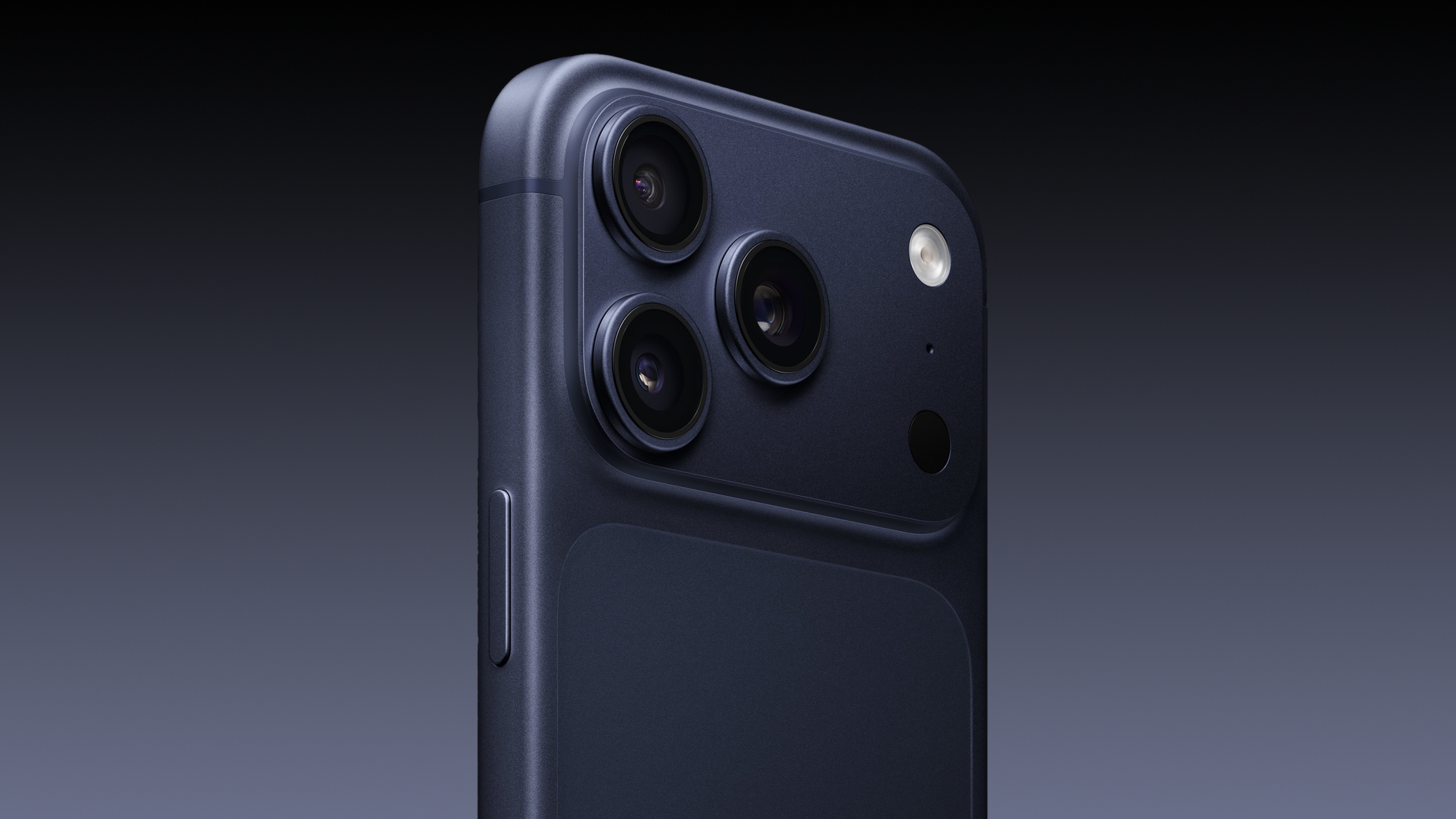
I recently pulled the trigger on a new iPhone 17 Pro and upgraded from my iPhone 15 Pro. I spent a lot of time debating between the Pro Max and the smaller screen for extra battery life, but I ultimately decided to stick with the smaller screen for portability.
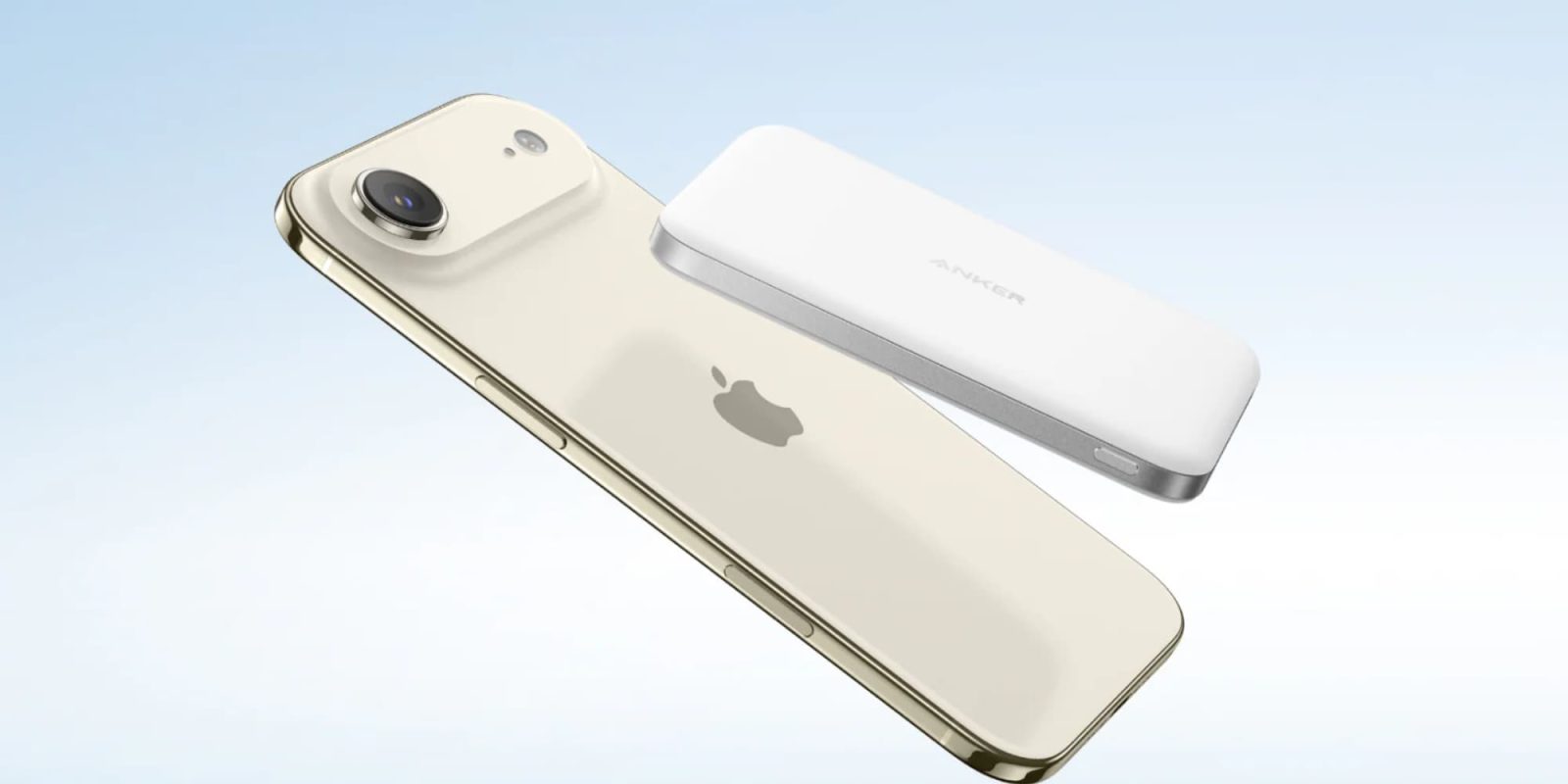
Personally, I’d love to buy an iPhone 17 mini, but nevertheless. The Max is just too big for my front pocket, and I prefer being able to use the phone with one hand. However, sticking with the smaller battery forced me to rethink my EDC kit. Since I wasn’t going to have the massive cell of the Pro Max, I needed a reliable way to top up during heavy usage days without carrying a massive MagSafe battery in my pocket. I wanted a battery that was slim enough to disappear until I needed it. That search led me to the Anker Nano Power Bank, and I used it heavily at Universal Studios this past weekend.
While the iPhone 18 Pro and Pro Max are still around eight months away, multiple sources have already commented on how much RAM the devices will have.
In a blog post last year, Apple supply chain analyst Ming-Chi Kuo said that he expected all of the new iPhone models released later this year to be equipped with 12GB of RAM. That would include the iPhone 18 Pro, iPhone 18 Pro Max, and iPhone Fold, and it would match the 12GB of RAM included in the iPhone 17 Pro models.
In a research note last week, obtained by MacRumors, analyst Jeff Pu agreed that the iPhone 18 Pro models and iPhone Fold will have 12GB of LPDDR5 RAM.
Here is how much RAM is expected in the next iPhones:
iPhone 18: 12GB
iPhone 18 Pro: 12GB
iPhone 18 Pro Max: 12GB
iPhone Fold: 12GB
Apple is expected to release the iPhone 18 Pro and iPhone 18 Pro Max in September, but the standard iPhone 18 is not expected to be announced until around March 2027, as Apple is reportedly shifting to a new two-phase launch strategy.
For the iPhone 18 Pro's A20 Pro chip, RAM will reportedly be integrated directly onto the chip's wafer with the CPU, GPU, and Neural Engine, rather than being adjacent to the chip and connected with a silicon interposer. This could boost the RAM's performance and efficiency, especially for Apple Intelligence tasks.
Anyone who has ever owned a conventional robocleaner with mopping function will know that it takes multiple passes to get a completely clean home. That’s due to a number of factors, including the fact that the mop itself gets dirty during a full-home cycle.
The Roborock Qrevo Curv 2 Flow is different, however. It has five features designed to ensure a complete clean in a single pass, starting with a real-time self-cleaning mop …
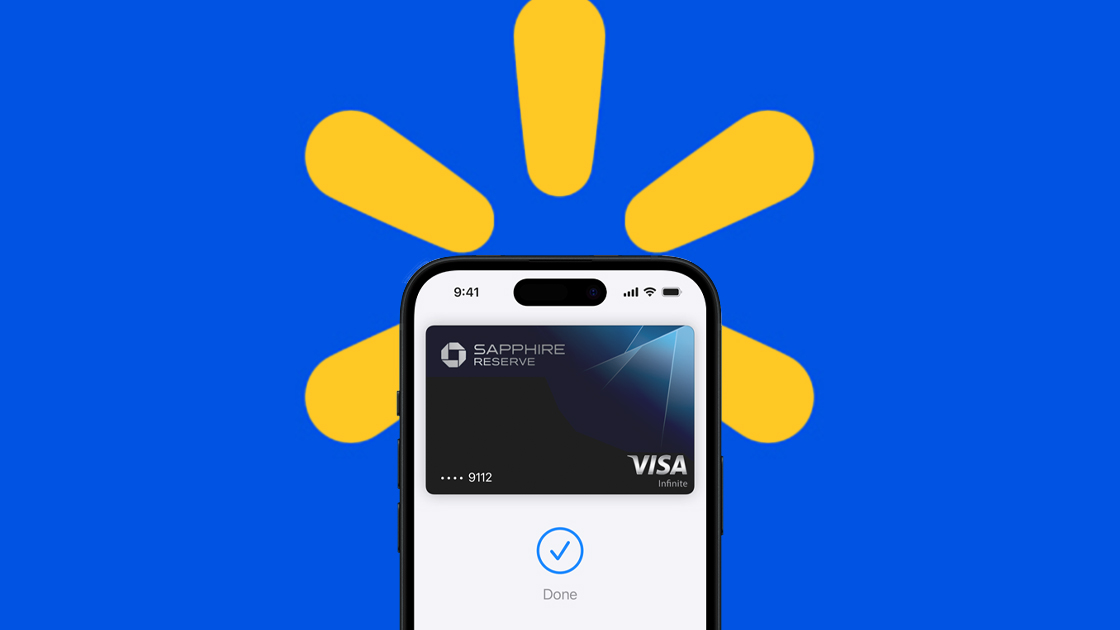
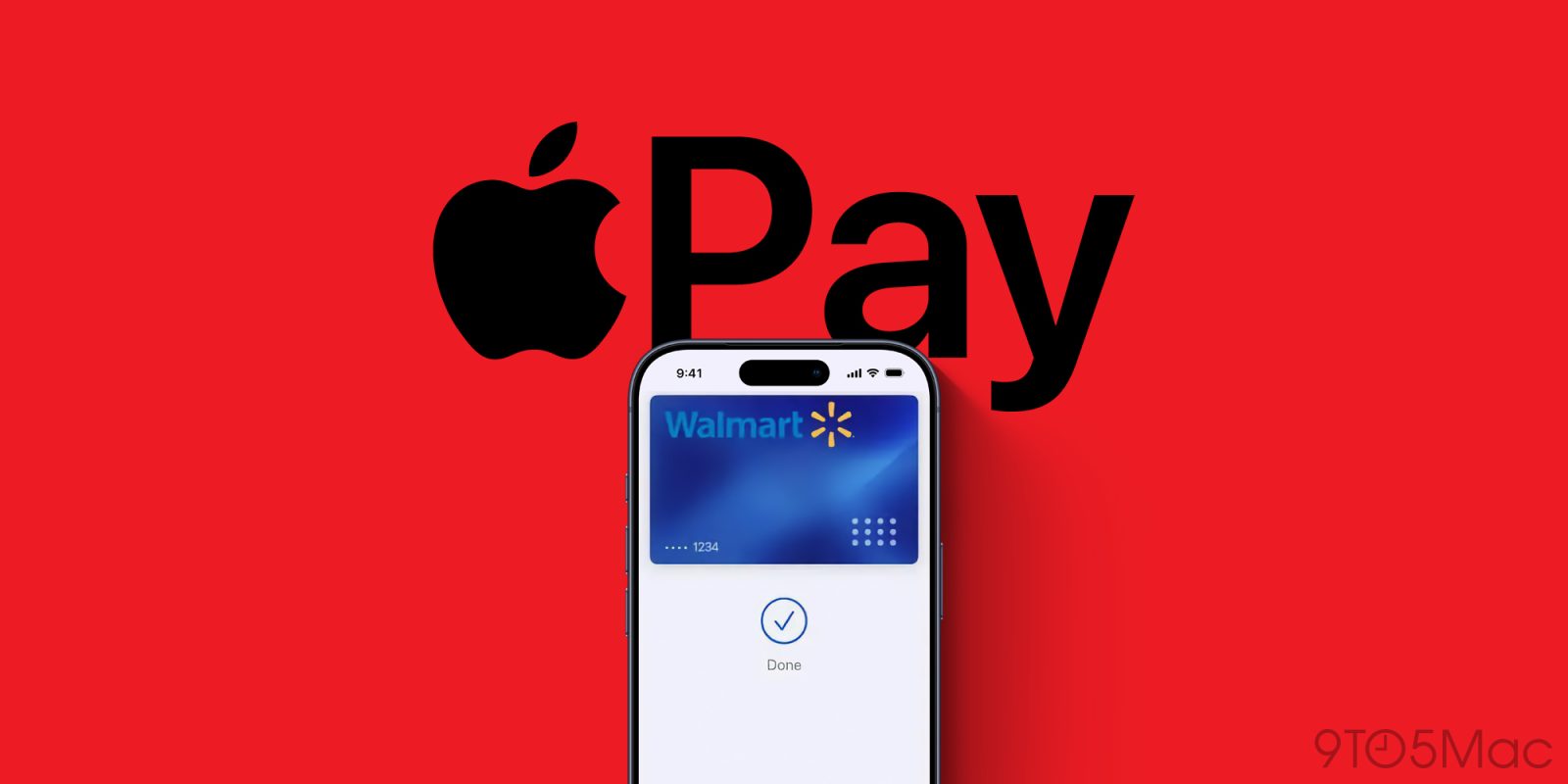
As noted by 9to5Mac over the weekend, Walmart still does not accept contactless payment options like Apple Pay at its more than 4,500 stores across the U.S., and there is no indication that will be changing any time soon.
It is not just Apple Pay that is affected. Walmart also does not allow customers to use Google Pay or Samsung Pay, and you cannot tap a credit or debit card either. In other words, the NFC functionality on the payment terminals is turned off.
It is far from the first time that we have reported on this topic, but Walmart has still not changed course, despite endless customer complaints.
To use Walmart Pay, customers must add a payment card to the Walmart app, and then scan a QR code displayed at the checkout to complete payment. This system allows Walmart to track a customer's purchase history and learn their habits, which is likely the biggest underlying reason that the retailer does not accept Apple Pay.
Scan & Go allows Walmart+ members to save time by scanning barcodes on items while they shop, rather than having to scan all of the items at a self-checkout register later. This can save you time, but Apple Pay is still not accepted.
Apple Pay has a lot of privacy protections, including hiding actual credit card numbers, and this would make it harder for Walmart to track customers.
Apple Pay launched more than 10 years ago, and it was accepted at more than 90 percent of U.S. retailers as of 2022, according to Apple. Some other major Apple Pay holdouts in the U.S. have reversed course and started accepting it over the past few years, including The Home Depot, Lowe's, Kroger, and Texas grocery store chain H-E-B, leaving Walmart as one of the country's only major retailers that does not accept Apple Pay.
Interestingly enough, Walmart has accepted Apple Pay in Canada since 2020, but apparently it is not willing to offer that luxury in America for now.
9to5Mac Security Bite is exclusively brought to you by Mosyle, the only Apple Unified Platform.Making Apple devices work-ready and enterprise-safe is all we do. Our unique integrated approach to management and security combines state-of-the-art Apple-specific security solutions for fully automated Hardening & Compliance, Next Generation EDR, AI-powered Zero Trust, and exclusive Privilege Management with the most powerful and modern Apple MDM on the market. The result is a totally automated Apple Unified Platform currently trusted by over 45,000 organizations to make millions of Apple devices work-ready with no effort and at an affordable cost. Request your EXTENDED TRIAL today and understand why Mosyle is everything you need to work with Apple.
Talk of the largest grocer in the world not supporting Apple Pay or any Tap to Pay solution for that matter is making the rounds on social media again, as 9to5Macnoted yesterday. It is worth mentioning that there are real security benefits behind this technology. While the vast majority of users choose tapping for payment because it is quick and easy, there is a lot happening behind the scenes to keep your information private.
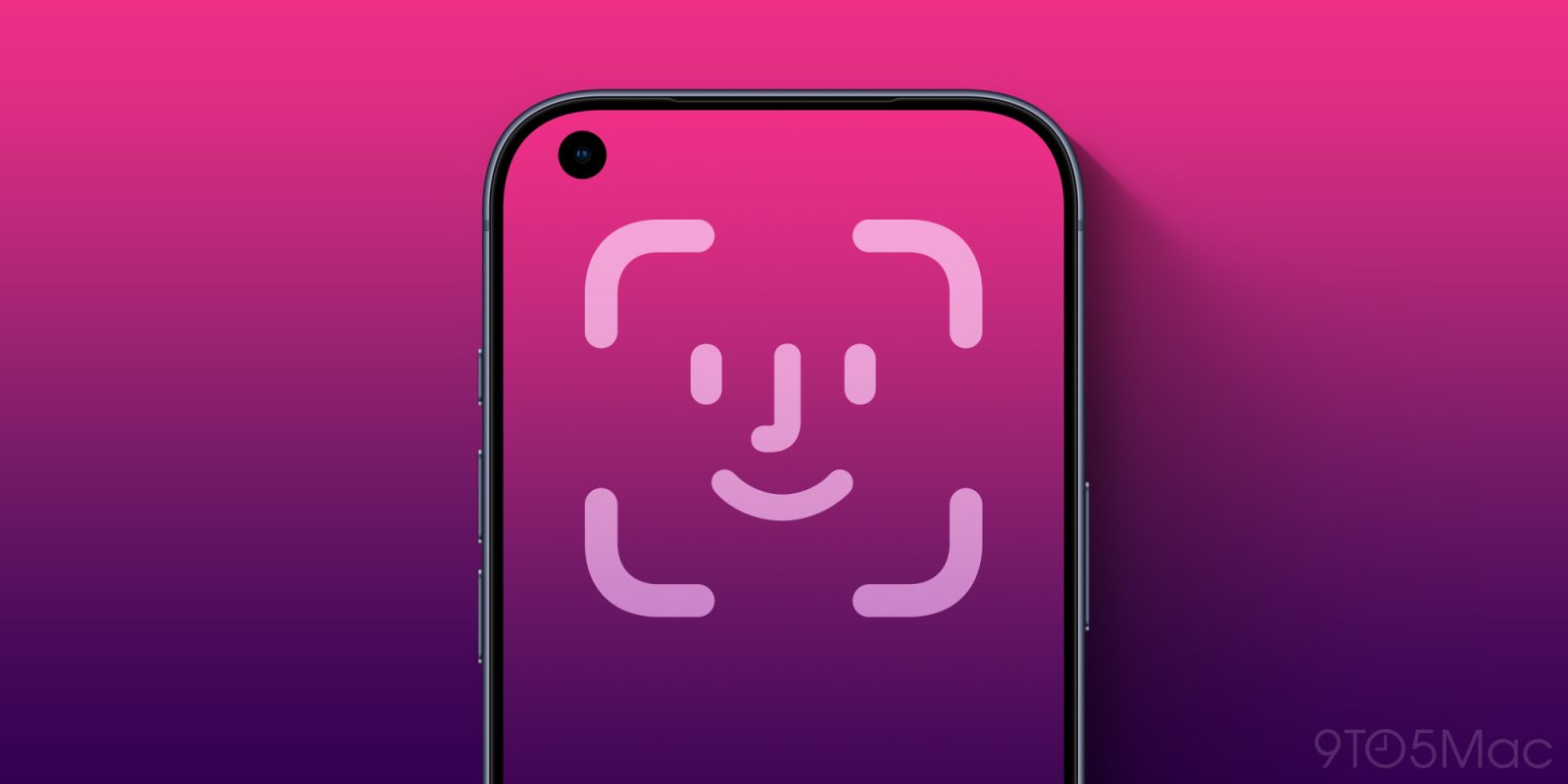
While most sources in the Apple rumor scene agree that the iPhone 18 Pro and iPhone 18 Pro Max will feature under-screen Face ID, there continues to be conflicting rumors about how that change might impact the Dynamic Island.
In a post on social media platform X today, the account "ShrimpApplePro" claimed that the Dynamic Island will be "shorter" on the iPhone 18 Pro models, as a result of some Face ID components moving under the screen. Only the front camera and Face ID's infrared camera will remain visible on the devices, they said.
"ShrimpApplePro" has accurately leaked some details about devices like the iPhone 15 Pro and Apple Watch Series 9 in the past, but they are not always correct. Early rumors should always be treated with some skepticism.
Last month, The Information said that the front camera would be moved to the top-left corner of the screen on the iPhone 18 Pro models. The report explicitly said this change would help to eliminate the pill-shaped cutout in the screen, but "ShrimpApplePro" evidently believes that the Dynamic Island will live on in a smaller way.
While the exact implementation remains to be seen, the good news is that it really does sound like under-screen Face ID is finally happening this year.
South Korean publication ETNews today reported (via "Jukan") that the iPhone 18 Pro models will use under-screen infrared technology from Samsung, which would pave the way for under-screen Face ID. The report also said the devices will use so-called LTPO+ display technology, which would likely be more power efficient than the current LTPO technology in the iPhone 17 series. This upgrade should contribute to longer battery life.
Apple is expected to unveil the iPhone 18 Pro models in September, and hopefully the Face ID and Dynamic Island rumors are more clear by then.
Update: "ShrimpApplePro" has since deleted their post.
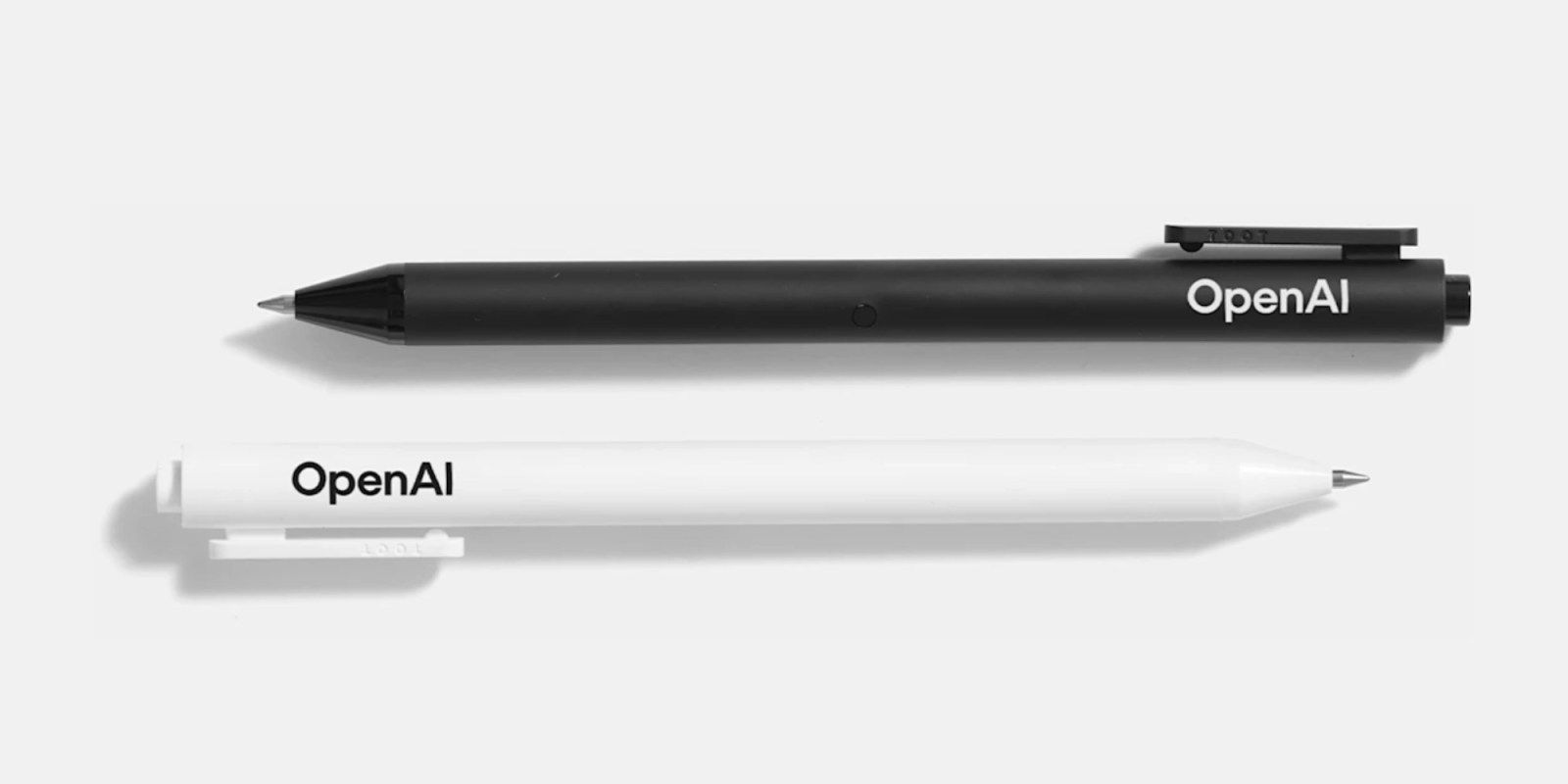
2026 may turn out to be the year of OpenAI’s first hardware product, according to the company’s policy chief. Meanwhile, Jony Ive’s ‘io’ team at OpenAI has made a notable Apple veteran hire.
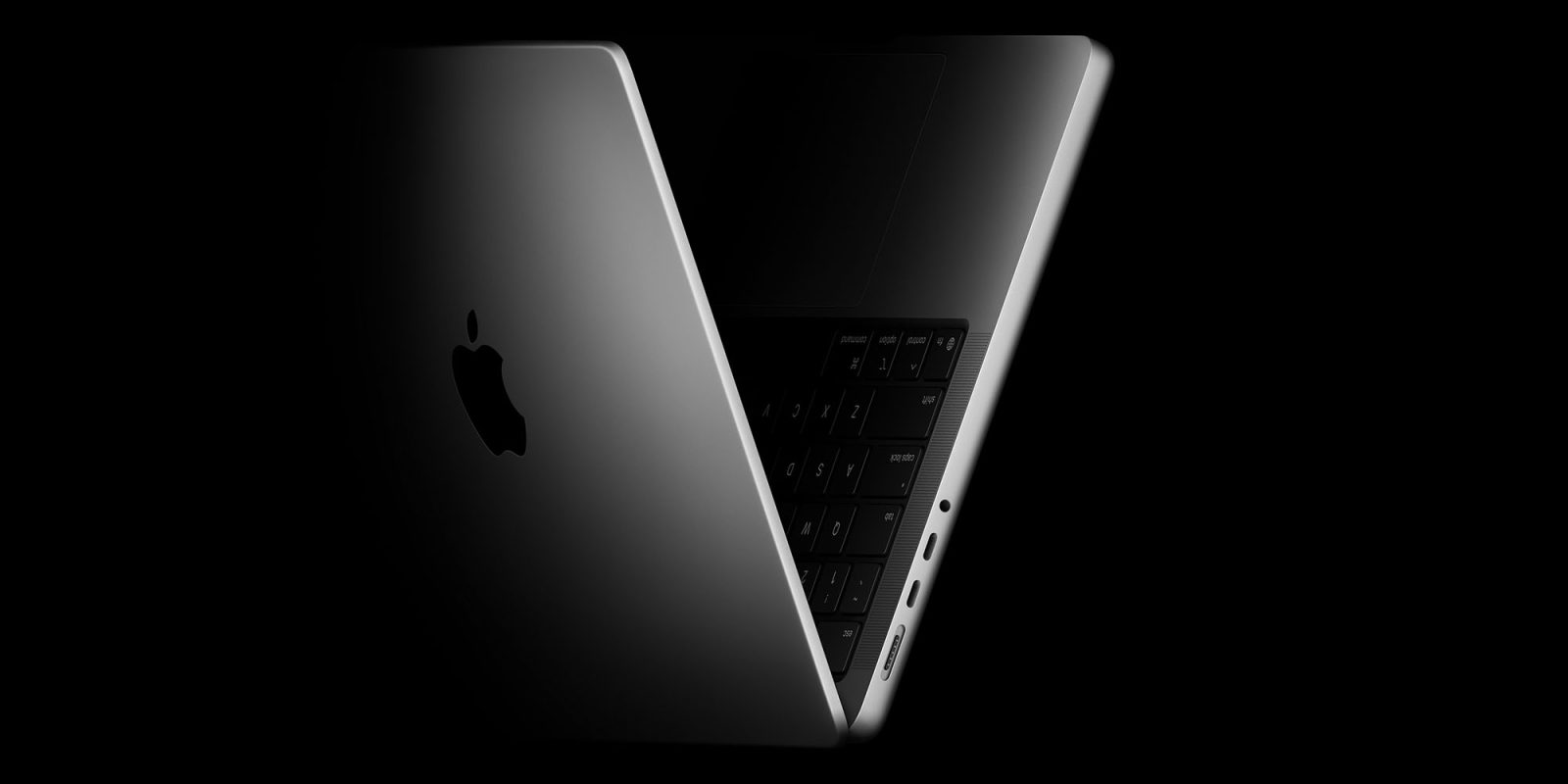
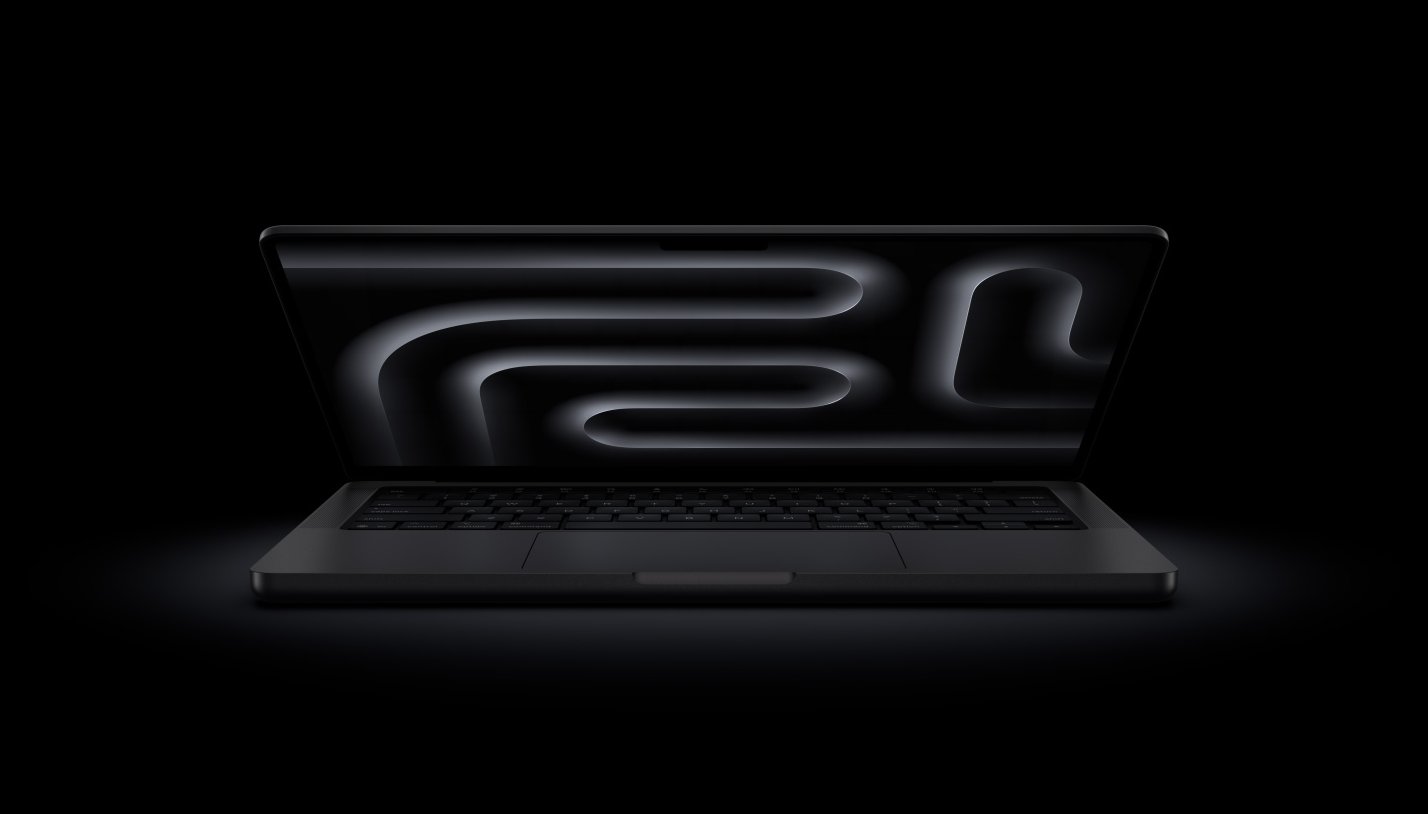
Apple released the new M5 MacBook Pro last October, but we’re still waiting on the more powerful M5 Pro and M5 Max variants of that machine. Here’s when to expect that update to be released …
Apple has updated its homepage to honor Dr. Martin Luther King Jr. today. The page highlights some of King's most impactful quotes, and invites people to explore his legacy further through the Apple Books and Apple Podcasts apps.
Apple shows photos of Dr. King visiting a church in Miami, Florida, holding a news conference in Birmingham, Alabama, and speaking to a crowd in Jackson, Mississippi.
Apple has ran a full-page Dr. Martin Luther King Jr. homepage tribute for more than a decade.
"We honor Dr. King and reflect upon his life and legacy," says Apple.
Today we honor Dr. Martin Luther King Jr.’s legacy of service, his commitment to justice, and his belief that every one of us has the power to make a difference, because as he reminded us, “everybody can be great, because everybody can serve.” pic.twitter.com/DzF70FIGg9
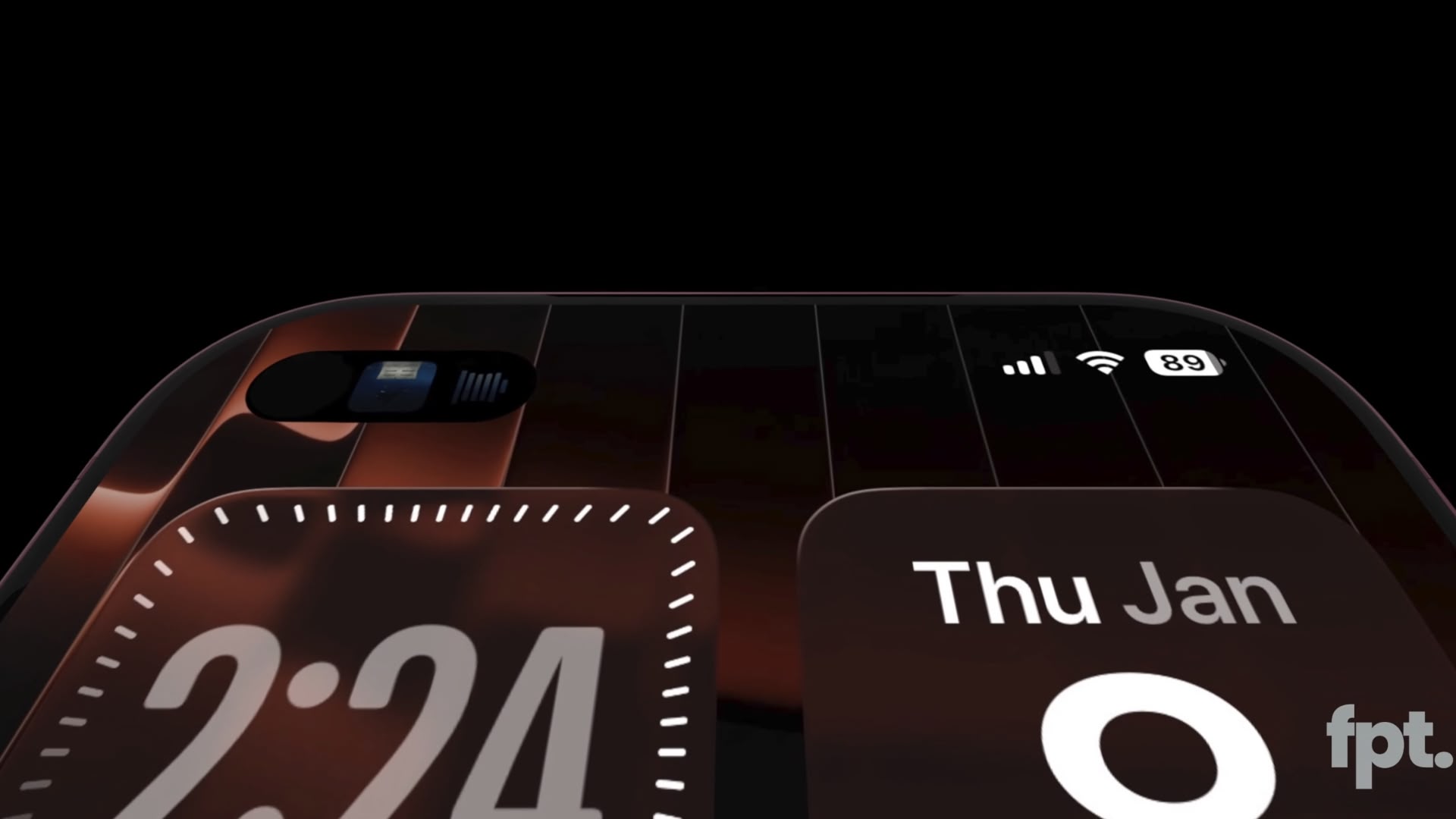
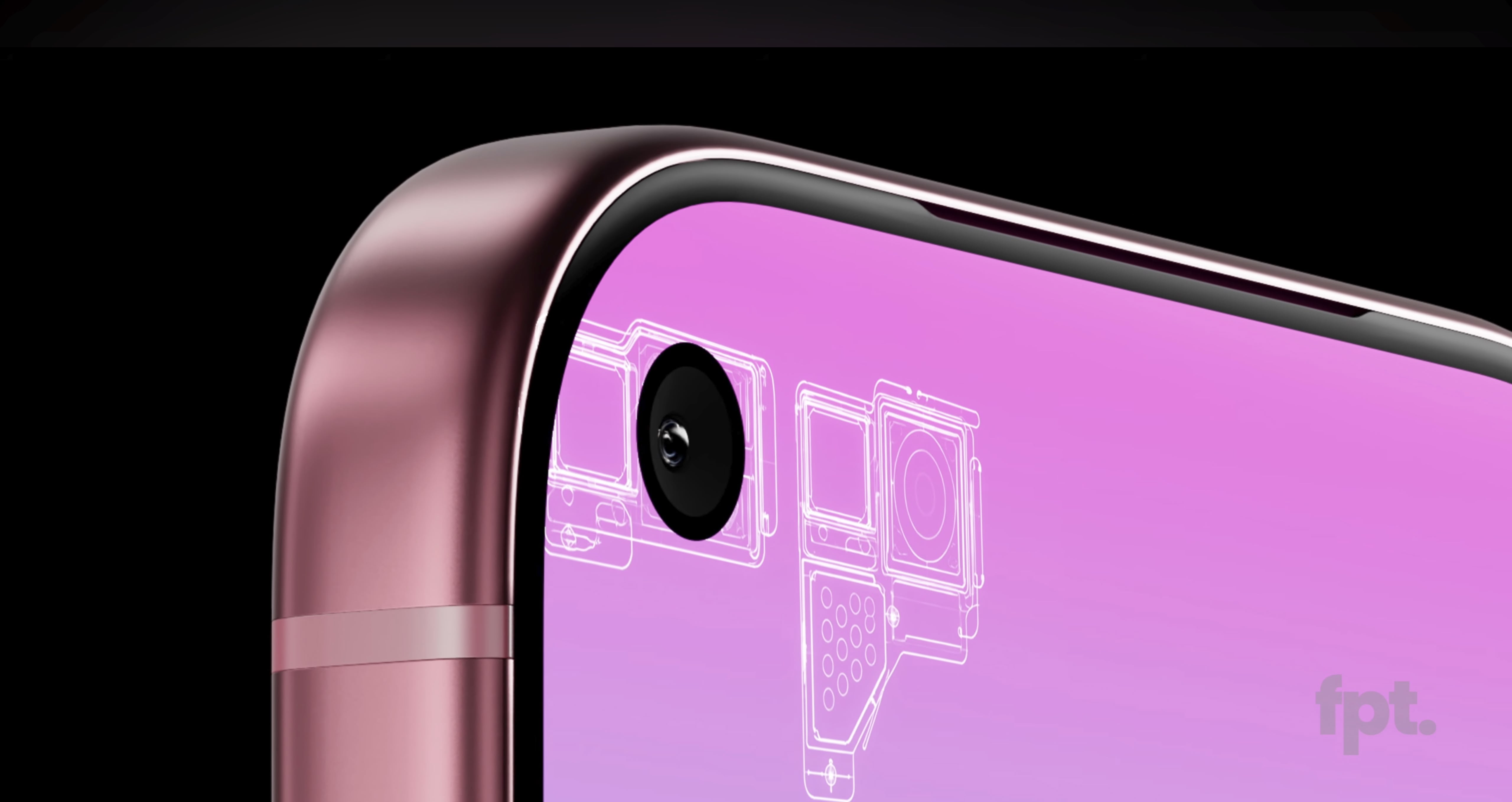
One of the biggest visual changes we’re expecting with this year’s iPhone 18 Pro is a punch-hole selfie camera, with the Face ID module invisibly embedded into the display.
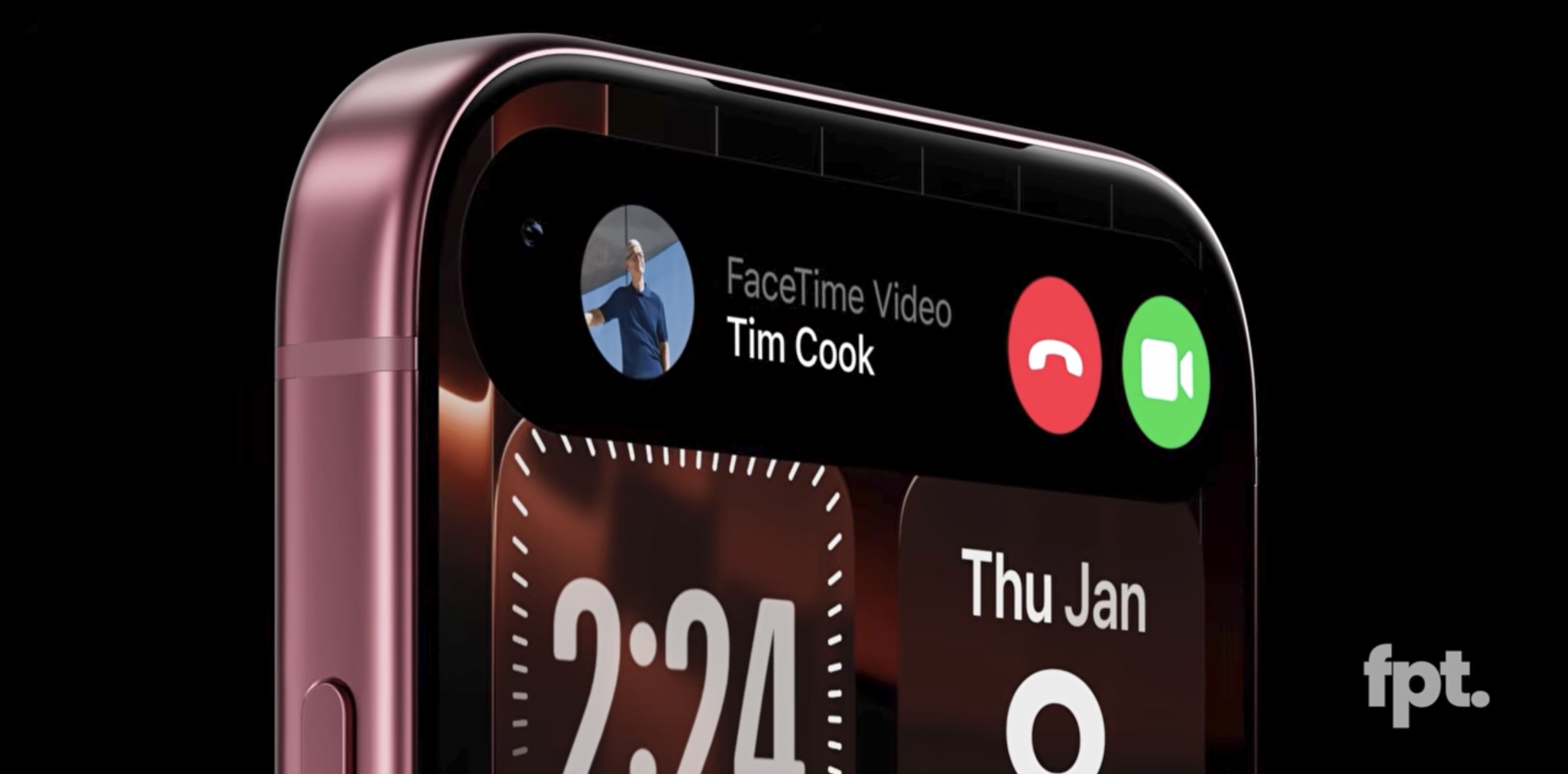
Until recently, we’d been expecting this to be centered in the same way as the current camera and Face ID module. However, one report has suggested that the punch-hole selfie camera would instead be relocated to the top-left corner, where the clock currently lives. If so, logically the Dynamic Island would move with it, and this is shown in a new video render …
Chrome for iOS will soon feature an option for iPhone users to import their Safari data into Google's mobile browser, avoiding the need to perform the transfer on desktop.
Starting in Chrome 145, currently in beta, the new feature will guide users through the process of importing bookmarks, browsing history, and passwords from Safari, since Chrome cannot transfer the data directly because of Apple's privacy rules.
The process involves manually exporting Safari browsing data to a zip file downloaded to the user's iPhone, and then selecting the file in Chrome for import using the new option.
Chrome's interface displays a breakdown of what will be imported, before doing so on the user's confirmation, then the browser offers to delete the zip file as a privacy measure.
The feature is currently appearing in the latest version of Chrome 145 in TestFlight, so it should begin to roll out with the next stable release.
(Via MacObserver.)
Meta's Threads has now reportedly surpassed its rival X (formerly Twitter) in daily mobile usage globally.
Market intelligence firm Similarweb (via TechCrunch) reports that Threads recorded 141.5 million daily active users across iOS and Android worldwide as of January 7, 2026, compared with 125 million daily active mobile users for X.
The data indicates that Threads crossed ahead of X on mobile sometime between late October and early November 2025, following a prolonged period of steady growth rather than a sudden spike. While X continues to attract more mobile users than Threads in the United States, Similarweb estimates that X's U.S. daily active mobile user base has declined significantly, falling to roughly half of what it was a year earlier, as Threads continues to gain ground.
Despite Threads' gains on mobile, Similarweb's data shows that X maintains a decisive lead when web usage is included. As of January 13, 2026, X was attracting an estimated 145.4 million daily web visitors, compared with approximately 8.5 million daily web visitors for Threads. When mobile and web audiences are combined, X is estimated to exceed 270 million daily users, while Threads totals roughly 150 million daily users across platforms.
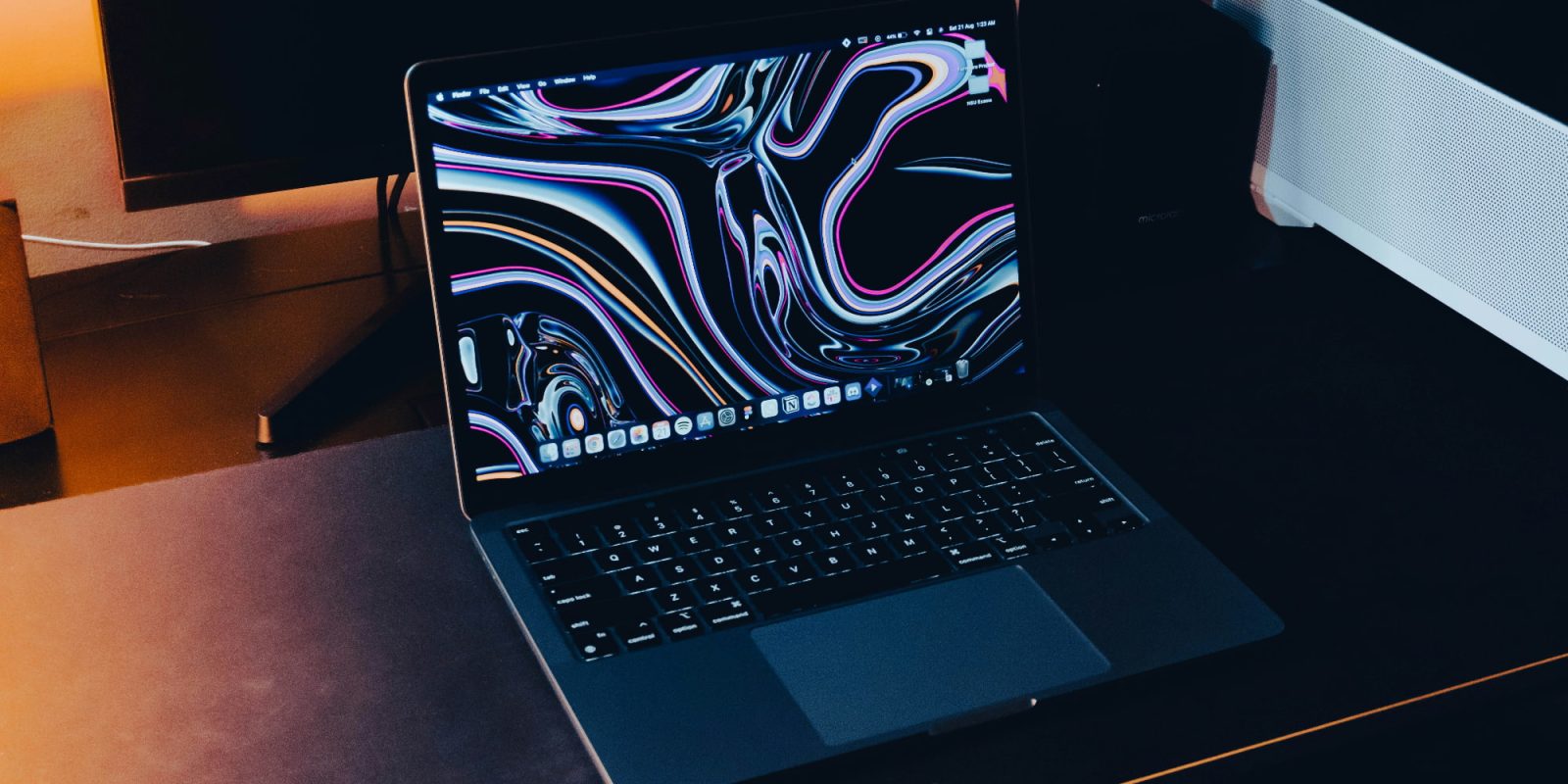
We’re likely less than two weeks away from the launch of the M5 Pro and M5 Max MacBook Pro models. Performance estimates based on extrapolating from the difference between the base M4 and the more powerful variants suggests that the M5 Max MacBook Pro could deliver “astounding” Geekbench scores.
The analysis suggests that the M5 Max chip may be the first Apple GPU ever to break 250,000 on the Geekbench 6 compute test …
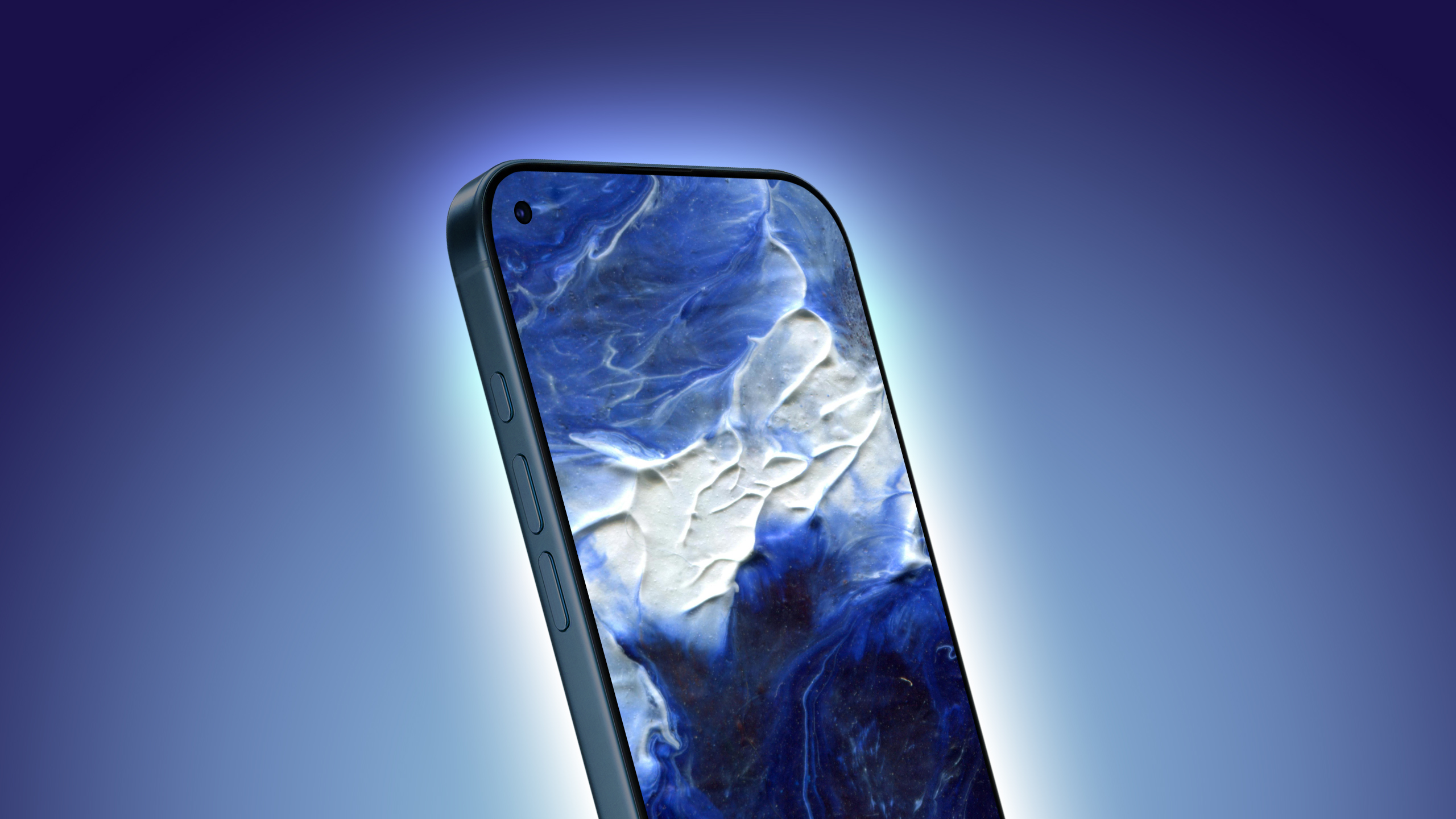
Apple's iPhone 18 Pro models will have a front camera cutout in the top-left corner of the screen alongside a new under-display Face ID system, which will see the Dynamic Island software feature relocated to the same corner. That's according to the latest YouTube video from Front Page Tech's Jon Prosser.
Introduced on the iPhone 14 Pro, the Dynamic Island is the pill-shaped interactive area centered at the top of the screen that expands and contracts to display ongoing activities, while effectively hiding the front camera and Face ID sensor cutouts.
Prosser claims that Apple's new under-screen Face ID system will sit next to a top-left camera cutout, meaning the Dynamic Island no longer needs to be centered at the top. Instead, he claims it will likewise shift to the top left – where the time is shown on current iPhones – and periodically fly out from the corner to encompass the upper portion of the screen, allowing it to functionally remain the same.
There are several rumors suggesting the iPhone 18 Pro and iPhone 18 Pro Max will include under-display Face ID, with the TrueDepth camera hardware located under the display. However, reports regarding where it will be located under the screen and what this means for the Dynamic Island have not completely lined up.
The Information's Wayne Ma recently reported that Apple's adoption of under-screen Face ID for iPhone 18 Pro models will "eliminate the unsightly black oval that has appeared at the top of iPhone displays since 2022," with just a pinhole cutout for the selfie camera located at the upper left of the display.
Elsewhere, former display analyst Ross Young believes under-display Face ID is possible for the iPhone 18 Pro, but says a smaller Dynamic Island will still be present. Bloomberg's Mark Gurman has echoed this view, reporting that the new models could feature a slimmed-down Dynamic Island rather than removing it entirely. Meanwhile, Chinese leaker Instant Digital has claimed that there will be a smaller Dynamic Island, but no under-display Face ID or under-display camera this year.
It's unclear whether Prosser's claim about the Dynamic Island is based on new information or a reasoned extrapolation from previous rumors. If it's the latter, one could argue another possibility is that reports of a camera cutout in the top-left corner of the display are based on leaked components that actually relate to an under-display Face ID system which has been relocated outside the Dynamic Island, allowing the latter to remain centered but reduced in size.
We should know for sure in September, when Apple is expected to unveil its new iPhone 18 Pro models alongside a rumored foldable iPhone, as part of a new split-launch cycle that will see the regular iPhone 18 and iPhone 18e launch in the spring next year.
Note: Apple in July sued Prosser and associate Michael Ramacciotti, alleging they obtained and leaked trade-secret information about unreleased iOS software by accessing a former Apple engineer's development device. After Prosser missed the initial deadline to respond, Apple sought and was granted a default judgment, seeking damages and an injunction to stop further leaks. Prosser later stated he has been engaging with Apple about the case, suggesting the dispute is still active rather than abandoned, but it has not stopped him from making videos about Apple rumors.
A new market intelligence report suggests that Threads is now more popular than X on iPhone and Android, although X still has a strong overall lead when web usage is taken into account.
Separately, the controversy over Grok generating non-consensual explicit images – including CSAM – has intensified, as xAI is now being sued by the mother of one of Elon Musk’s children …
With iPhone Air, Apple reintroduced the MagSafe battery pack. It’s $99, and optimized specifically for iPhone Air. It’s rather slim, though it’s rather weak in capacity – making Qi2 alternatives all the more interesting. We’ll be delving into the top options on the market, just in case you want a MagSafe battery for your iPhone without spending $99, or aren’t buying the iPhone Air.
MacBook Pro availability is tightening on Apple's online store, with select configurations facing up to a two-month delivery timeframe in the United States.
A few 14-inch and 16-inch MacBook Pro configurations with an M4 Pro chip are not facing any shipping delay, but estimated delivery dates for many configurations with an M4 Max chip range from February 6 to February 24 or even later. At the extreme end, all built-to-order 14-inch MacBook Pro configurations with a 16-core M4 Max chip and 128GB of RAM are estimated to be delivered as late as March 17 on Apple's online store.
The entry-level 14-inch MacBook Pro was updated with an M5 chip in October, but the wait continues for MacBook Pro models with M5 Pro and M5 Max chips. There were already some signs that might point towards Apple announcing those models as early as this week, and perhaps the extended delivery timeframes further hint at an imminent refresh. However, ongoing RAM supply constraints could also be contributing to the shipping delays.
iOS 27 is still many months away, but there are already plenty of rumors about new features that will be included in the software update.
The first beta of iOS 27 will be released during WWDC 2026 in June, and the update should be released to all users with a compatible iPhone in September.
Bloomberg's Mark Gurman said that iOS 27 will be similar to Mac OS X Snow Leopard, in the sense that Apple is apparently focused on improving "quality and underlying performance." However, there will still be some new features, with many of them expected to fall under the Apple Intelligence umbrella.
Below, we have recapped eight rumored iOS 27 features in bold text:
At WWDC25, Apple introduced a few new capabilities to the Photos app for iOS 26. Most notably, it reintroduces a tab bar layout after last year’s controversial single-page redesign. It also allows you to create spatial scenes from existing photos.
On top of those headlining features, there’s another underlying feature in the Photos app for iOS 26 that a lot of users might appreciate, and thats event details. Let’s explain.
 Connexion