↩ Accueil

Vue lecture

10 Mac Apps Worth Trying in 2026

2026 is almost upon us, and a new year is a good time to try out some new apps. We've rounded up 10 excellent Mac apps that are worth checking out.


  1. Alt-Tab (Free) - Alt-Tab brings a Windows-style alt + tab thumbnail preview option to the Mac. You can see a full window preview of open apps and app windows.

  2. One Thing (Free) - One Thing is a super simple menu bar app that helps you remember the one main thing that you need to accomplish. Whatever you type in will show up in your menu bar so it's front and center. Text and colors are customizable, and you can use emoji.

  3. Launchy (Free, $6.99 Pro upgrade) - Launchy is a customizable app launcher and switcher with a radial menu interface that you can use to launch and switch between your seven favorite apps.

  4. Folder Preview ($2.99) - Folder Preview lets you see what's inside a folder or a zip file by pressing the spacebar in Finder.

  5. Command X ($4) - Command X brings the Windows cut and paste workflow to Mac. You can use Command X and Command V keyboard shortcuts to cut and paste folders in the Finder app.

  6. ImageOptim (Free) - ImageOptim uses quality preserving compression to reduce image file size, plus it removes private EXIF metadata, thumbnails, comments, color profiles, and other image cruft.

  7. Monocle ($9) - Monocle blurs your background apps and brings the main app you're using to the forefront, so you can better focus on what you're doing. Monocle says it's noise canceling for your screen.

  8. Dockdoor (Free) - Dockdoor adds live window previews to the dock, and enables option + tab window switching. Hovering over an icon on your Mac's dock will show a preview of the app and all windows from it.

  9. Substage ($3.99/month) - Substage adds an AI-based natural language text bar to the Finder app so you can control your Mac with simple written commands instead of tricky command lines. It supports converting, organizing, and managing files and images. It can also answer questions about files, do calculations, and manage settings on your Mac.

  10. Bauhaus Clock ($19) - Bauhaus Clock adds an elegant clock screensaver to your Mac. It's design-forward, with careful attention to detail and a sharp look that makes the Mac a focal point in the room when it's idle. The look is customizable with different colors and day and night settings.


Have a favorite Mac app we didn't mention? Let us know about it in the comments below.
This article, "10 Mac Apps Worth Trying in 2026" first appeared on MacRumors.com

Discuss this article in our forums

  •  

Apple CEO Tim Cook Buys $3 Million of Nike Shares

Apple CEO Tim Cook disclosed a roughly $3 million open-market purchase of Nike shares this week (via Reuters).


According to a regulatory filing published yesterday, Cook purchased 50,000 Class B shares of Nike on December 22 at an average price of $58.97 per share, for a total investment of approximately $2.95 million. The filing shows that Cook now holds about 105,000 Nike shares, a position valued at nearly $6 million.

Nike shares rose following the disclosure, gaining between about 2% and 5% in premarket and early regular-session activity, after the stock had fallen sharply in the days following the company's most recent earnings report, which highlighted ongoing challenges in its business, particularly in China. Nike is currently in the early stages of a turnaround effort under CEO Elliott Hill, who returned to the company last year after retiring.

Cook has served on Nike's board of directors since 2005 and is its lead independent director, a role he assumed in 2016 after Nike co-founder Phil Knight stepped down as chairman. In addition to his position at Apple, Cook also chairs Nike's compensation committee, placing him in a central governance role at the apparel maker. The December 22 transaction represents Cook's largest open-market purchase of Nike shares in years and comes at a time when the company is under pressure from investors following a prolonged decline in its stock price.
This article, "Apple CEO Tim Cook Buys $3 Million of Nike Shares" first appeared on MacRumors.com

Discuss this article in our forums

  •  

Apple Plans to Expand iPhone Driver's Licenses to These 7 U.S. States

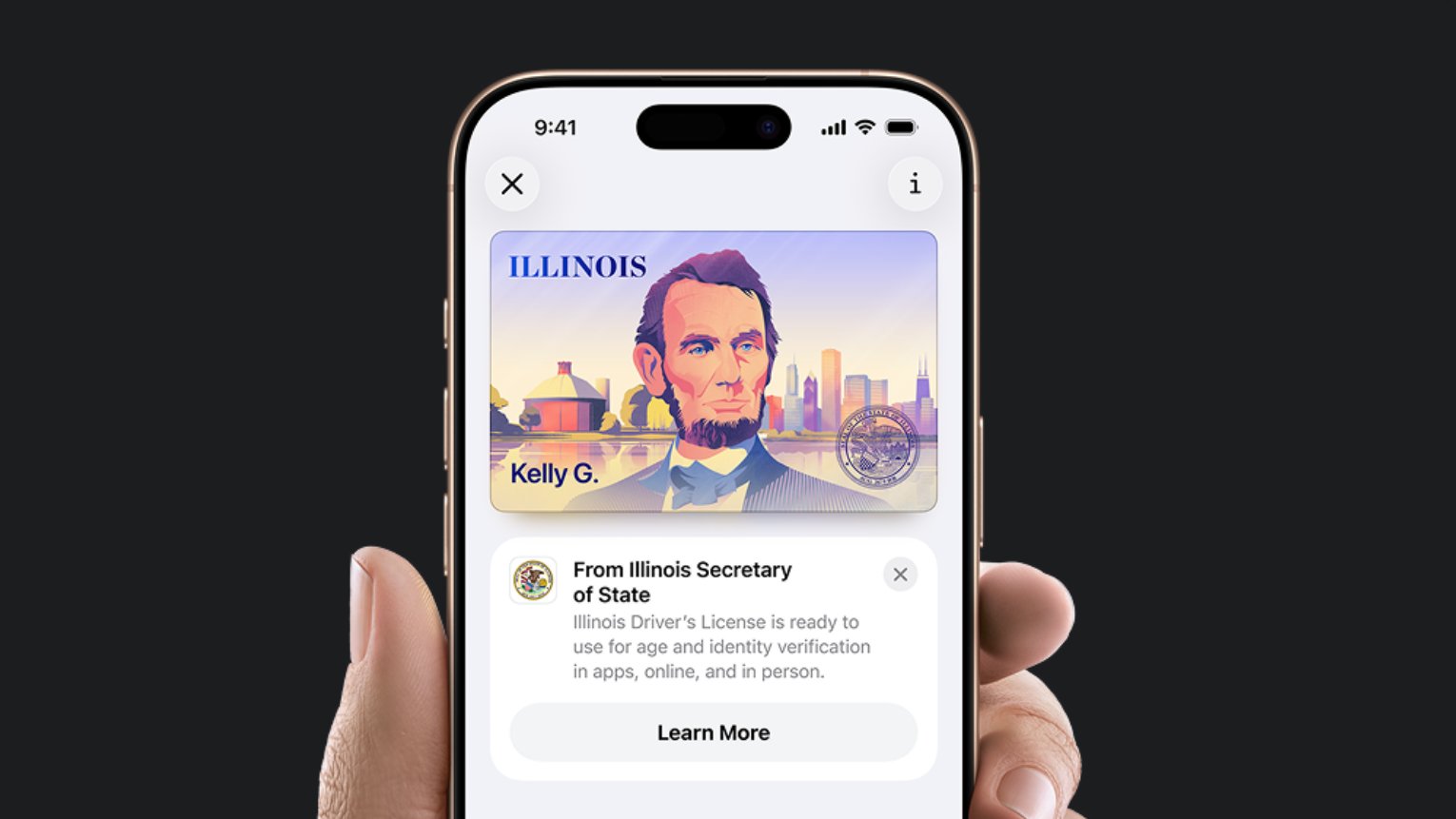
In select U.S. states, residents can add their driver's license or state ID to the Apple Wallet app on the iPhone and Apple Watch, and then use it to display proof of identity or age at select airports and businesses, and in select apps.


The feature is currently available in 13 U.S. states and Puerto Rico, and it is expected to launch in at least seven more in the future.

To set up the feature, open the Wallet app and tap on the plus sign in the top-right corner. Next, select Driver's License and ID Cards and follow the steps.

Supported States


The following 13 states offer driver's licenses in the Wallet app:The feature is also available in Puerto Rico.

Future States


Apple and local DMV offices have announced that the following U.S. states have signed on to adopt the feature, but no timeframes were disclosed:
  • Connecticut

  • Kentucky

  • Mississippi

  • Oklahoma

  • Utah

  • Arkansas

  • Virginia

Participating Airports


Apple Wallet IDs are accepted at TSA checkpoints in more than 250 airports in the U.S., for domestic travel. Given that Apple Wallet IDs are not accepted by law enforcement, and lack many other use cases, carrying a physical ID is still necessary.

Here are just some of the airports that offer the feature — there are hundreds of others:
  • Baltimore/Washington International Thurgood Marshall Airport (BWI)

  • Ronald Reagan Washington National Airport (DCA)

  • Washington Dulles International Airport (IAD)

  • Phoenix Sky Harbor International Airport (PHX)

  • Denver International Airport (DEN)

  • Hartsfield–Jackson Atlanta International Airport (ATL)

  • Cincinnati/Northern Kentucky Airport (CVG)

  • John Glenn Columbus International Airport (CMH)

  • San Francisco International Airport (SFO)

  • San Jose Mineta International Airport (SJC)

  • Los Angeles International (LAX)

  • Daniel K. Inouye International Airport (HNL)

  • Des Moines International Airport (DSM)

  • Eastern Iowa Airport (CID)

  • Albuquerque International Sunport (ABQ)

  • Lea County Regional Airport (HOB)

  • Luis Munoz Marin International Airport (SJU)

  • Billings Logan International Airport (BIL)

  • Bozeman Yellowstone International Airport (BZN)

  • Great Falls International Airport (GTF)

  • Missoula International Airport (MSO)

  • Chicago O'Hare International Airport (ORD)

  • Chicago Midway International Airport (MDW)

  • St. Louis Lambert International Airport (STL)

  • Richmond International Airport (RIC)

  • Norfolk International Airport (ORF)

  • Roanoke-Blacksburg Regional Airport (ROA)

  • Newport News-Williamsburg International Airport (PHF)
Travelers should refer to TSA signage to confirm availability of the feature.

Digital Passport


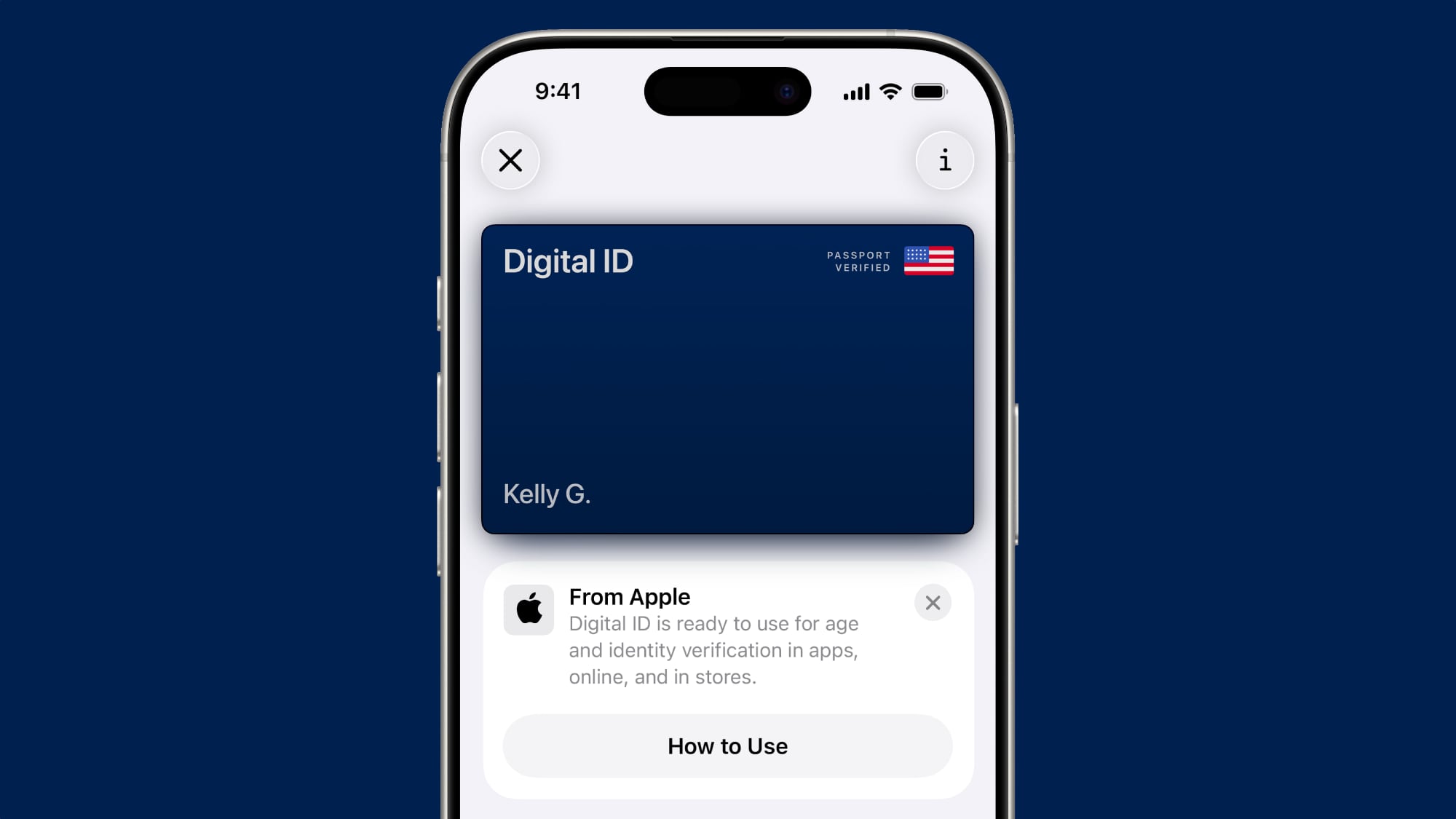
If you live in a state that does not yet offer Apple Wallet IDs, you can now create a Digital ID based on your U.S. passport, and present it at the same participating TSA checkpoints, for age and identity verification purposes during domestic travel. It is not a replacement for a physical passport, and it cannot be used for international travel.
This article, "Apple Plans to Expand iPhone Driver's Licenses to These 7 U.S. States" first appeared on MacRumors.com

Discuss this article in our forums

  •  

Apple to Introduce New App Store Fee Structure in Brazil Following Antitrust Settlement

Brazilian regulators have approved a settlement that will require Apple to change how the App Store operates on iPhone in the country, including allowing alternative app stores, expanded payment options, and a defined new fee structure.


In a press release, Brazil's Administrative Council of Economic Defense (CADE), said its court has approved a Term of Commitment to Cease proposed by Apple to resolve an investigation into the company's ‌App Store‌ rules on iOS. The case began in 2022 and examined whether Apple's restrictions on app distribution and payments limited competition in Brazil.

CADE said the investigation focused on Apple's prohibition of third-party app stores on iOS, the requirement that developers use Apple's in-app purchase system for digital goods and subscriptions, and restrictions that prevented developers from informing users about alternative payment options.

Under the settlement, Apple will be required to allow developers in Brazil to link to external payment options and promote offers that take place outside their apps. Developers will also be permitted to offer third-party payment methods within their apps alongside Apple's own in-app purchase system, with CADE requiring that these options be presented next to Apple's payment option.

Apple will also have to allow third-party app stores in Brazil. CADE specified that Apple may still display warnings or informational messages to users, but those messages must be neutral, objective, and limited in scope, and must not introduce extra steps or barriers that make alternative options harder to use.

According to Brazilian technology site Tecnoblog, which said it obtained the details directly from CADE, purchases made through the ‌App Store‌ will remain subject to a 10% or 25% commission under standard terms. Developers who use Apple's payment system would also pay a 5% transaction fee.

If an app directs users to pay outside the app using only static text, with no clickable link or button, Apple will not charge a fee. If the app includes a clickable button or link that sends users to an external website for payment, Apple will charge a 15% fee. Third-party app stores will be subject to a 5% Core Technology Commission.

CADE said Apple will have up to 105 days to implement the required changes once the new rules become binding.
This article, "Apple to Introduce New App Store Fee Structure in Brazil Following Antitrust Settlement" first appeared on MacRumors.com

Discuss this article in our forums

  •  

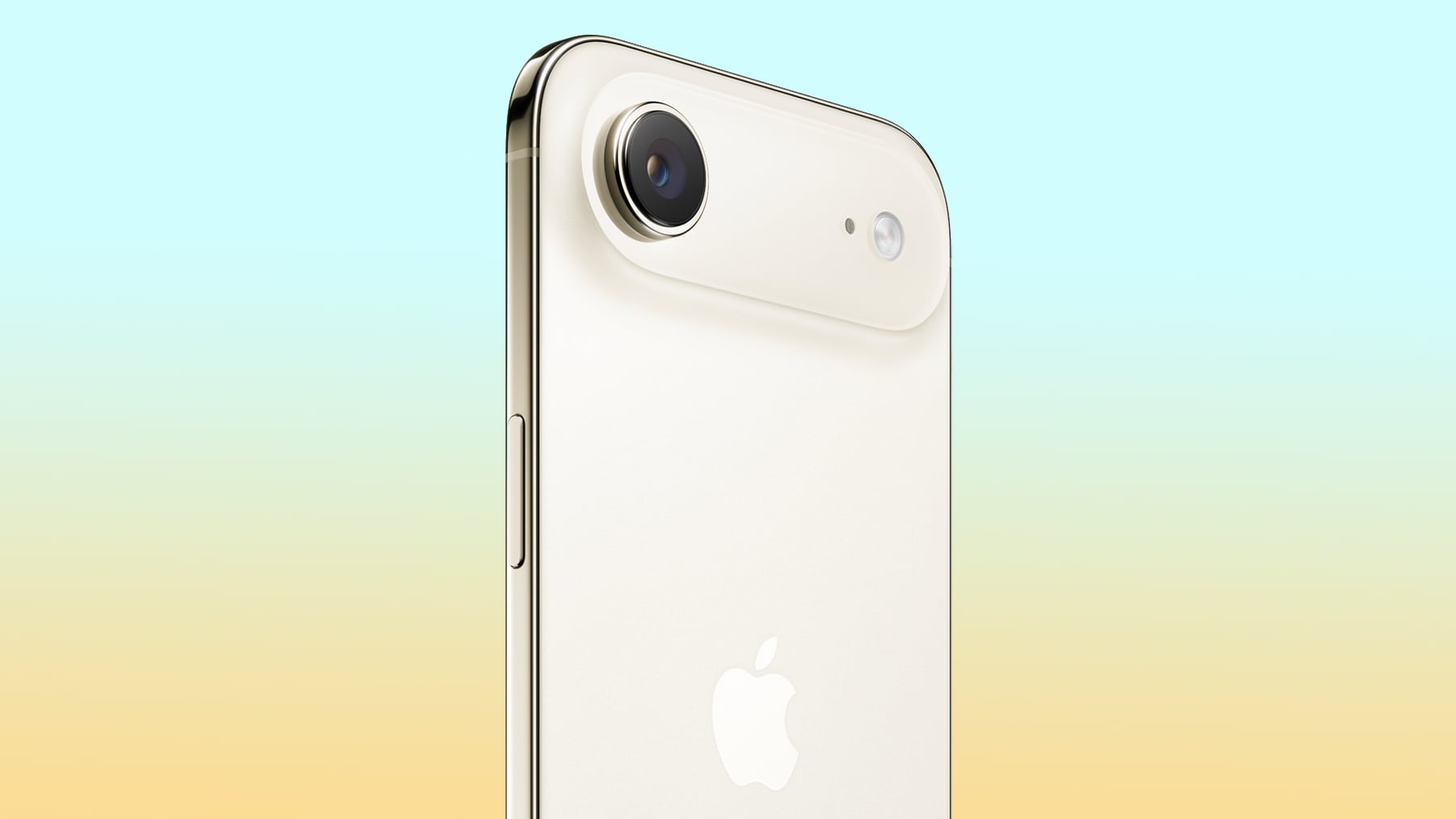
iPhone Air 2 Could Still Launch Next Year

Apple's next-generation iPhone Air could still launch in the fall of 2026, according to the Weibo leaker known as "Fixed Focus Digital."


The leaker claims to have been told by sources that the second-generation ‌iPhone Air‌ will launch in the fall. Meanwhile, the iPhone 17e is said to already be in mass production ahead of unveiling at a spring product launch event.

The rumor comes in contrast to an array of corroborated reports that the second-generation ‌iPhone Air‌ has been delayed until March 2027, where it is expected to launch alongside the standard iPhone 18 and a lower-end ‌iPhone‌ 18e. The second-generation ‌iPhone Air‌ was originally rumored to launch alongside the ‌iPhone 18‌ Pro, ‌iPhone 18‌ Pro Max, and foldable ‌iPhone‌ in the fall of 2026, but poor sales of the debut model apparently led Apple to delay the launch.

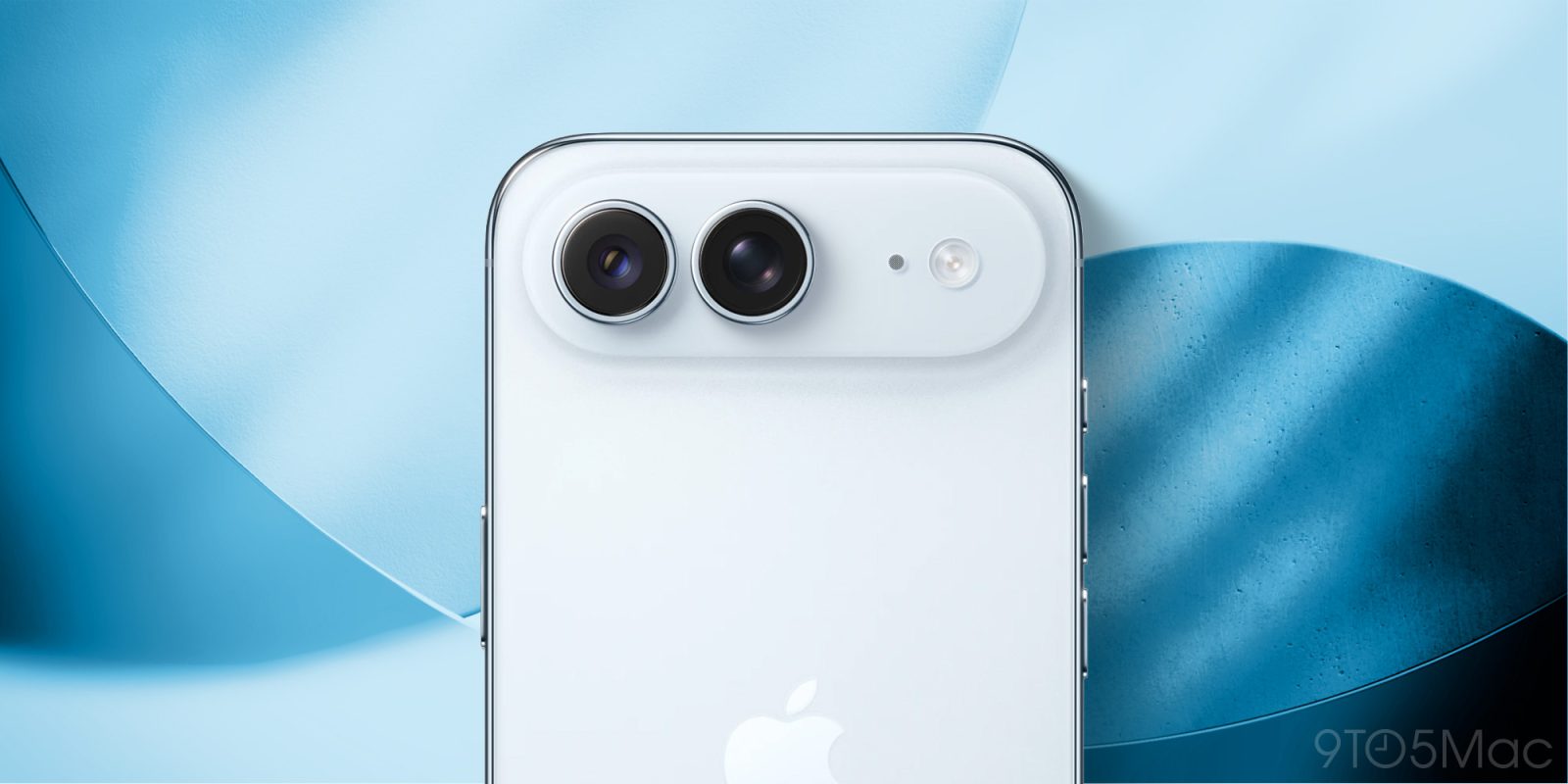
The second-generation ‌iPhone Air‌ is rumored to address complaints about the device by adding a second rear camera and lowering its price. A lighter weight, vapor chamber cooling, and a larger battery capacity are also among the rumored new features.

It is still possible that a new ‌iPhone Air‌ could launch in the fall of next year, especially if Apple has expedited development of new features, since this was the original scheduled launch time frame. Nevertheless, it would be surprising if the multitude of rumors indicating a delayed launch were mistaken.
Related Roundup: iPhone Air
Buyer's Guide: iPhone Air (Buy Now)

This article, "iPhone Air 2 Could Still Launch Next Year" first appeared on MacRumors.com

Discuss this article in our forums

  •  

Apple Discontinued These 25 Products This Year

With the end of 2025 near, the time has come to look back at the devices and accessories that Apple discontinued throughout the year.
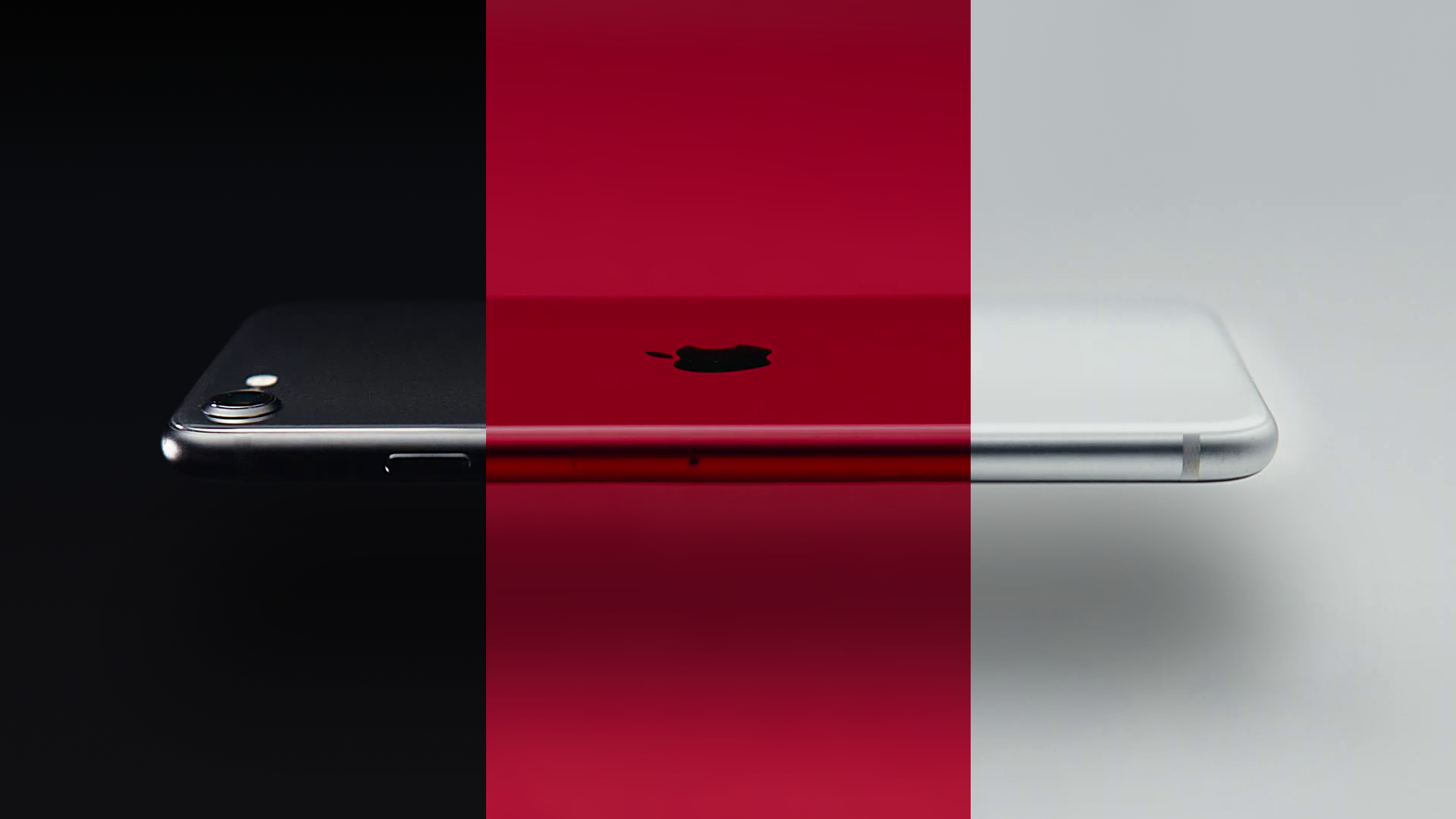

Most of the products that were discontinued this year were simply replaced by a new model with an updated chip. However, the iPhone SE line was entirely discontinued when the iPhone 16e launched, and the iPhone Plus line is being phased out.

Below, we have listed 25 products that were discontinued by Apple this year.

iPhones


Apple discontinued the third-generation iPhone SE in February, after introducing the iPhone 16e. As a result, Apple no longer sells any iPhone models with a Home button, Touch ID, LCD screen, a sub-6-inch screen size, or Lightning.

The original iPhone SE was released in March 2016. That model's design was largely based on the iPhone 5s, with key specs including a 4-inch display, a Touch ID home button, and an aluminum and glass frame with chamfered edges. However, the device was powered by a newer A9 chip from the iPhone 6s and iPhone 6s Plus.

Apple went on to release two more iPhone SE models in 2020 and 2022, respectively, with those devices having a similar design as the iPhone 8.

Meanwhile, the iPhone Plus has effectively been replaced by the ultra-thin iPhone Air in Apple's smartphone lineup. Both the iPhone 14 Plus and iPhone 15 Plus were discontinued this year, and it is only a matter of time before the iPhone 16 Plus is axed too. Apple is not expected to release another Plus model in the foreseeable future.

Here are all of the iPhone models that were discontinued this year:
  • iPhone 16 Pro Max (succeeded by iPhone 17 Pro Max)

  • iPhone 16 Pro (succeeded by iPhone 17 Pro)

  • iPhone 15 Plus

  • iPhone 15

  • iPhone 14 Plus

  • iPhone 14

  • iPhone SE (succeeded by iPhone 16e)

iPads



It was a spec-bump year for the iPad lineup, with the iPad Pro, iPad Air, and entry-level iPad all receiving faster chips, but no major design changes.

Here are all of the iPad models that were discontinued this year:

  • iPad Pro with M4 chip (updated with M5 chip)

  • iPad Air with M2 chip (updated with M3 chip)

  • iPad 10 (updated with A16 chip)

Apple Watches
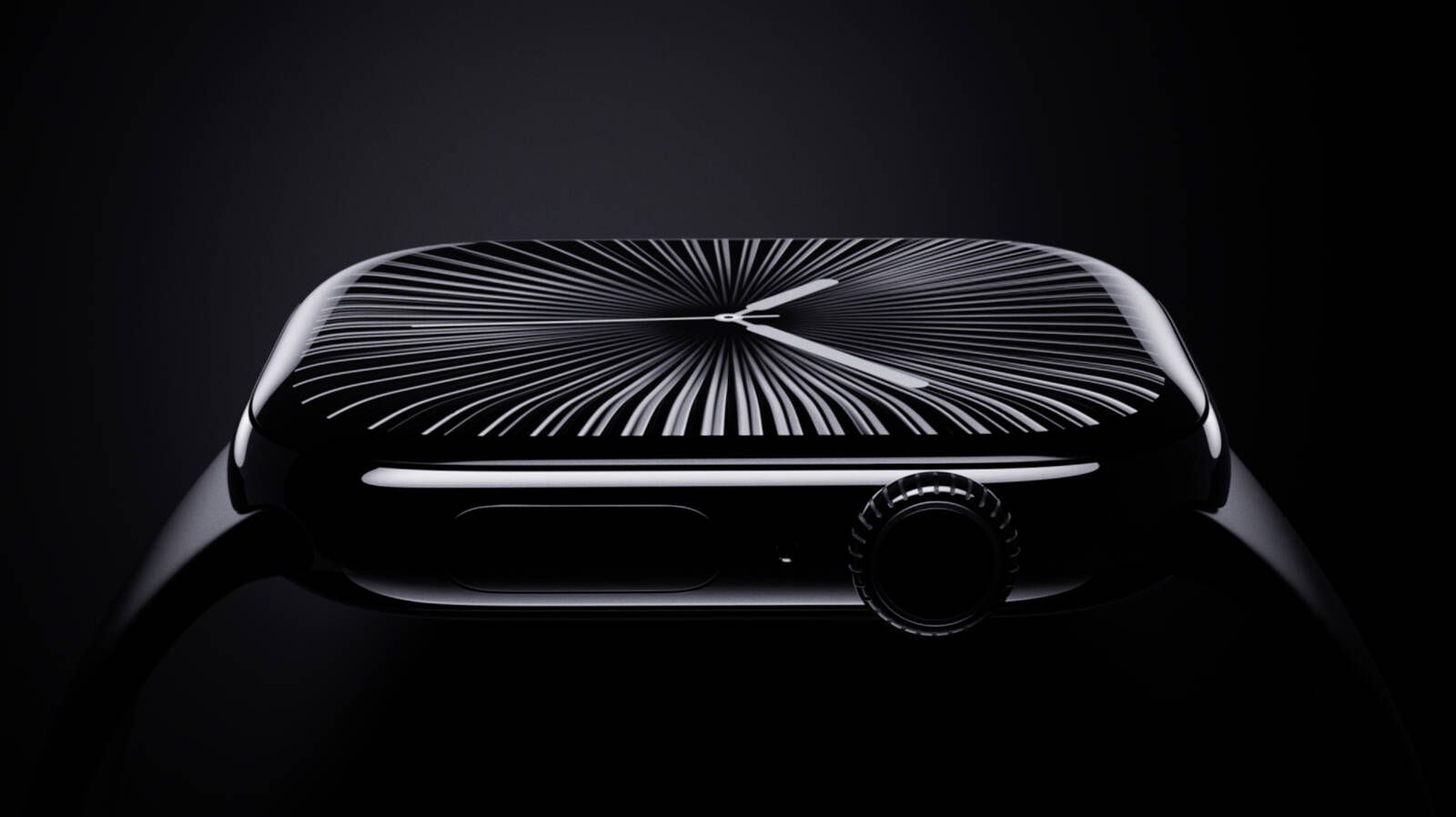


Apple Watch Series 11 is a very minor upgrade over the now-discontinued Series 10, but the Apple Watch Ultra 3 and Apple Watch SE 3 offer some more meaningful changes. None of the latest Apple Watch models received a new chip, though.

Here are all of the Apple Watch models that were discontinued this year:

  • Apple Watch Ultra 2 (succeeded by Apple Watch Ultra 3)

  • Apple Watch Series 10 (succeeded by Apple Watch Series 11)

  • Apple Watch SE 2 (succeeded by Apple Watch SE 3)

Macs
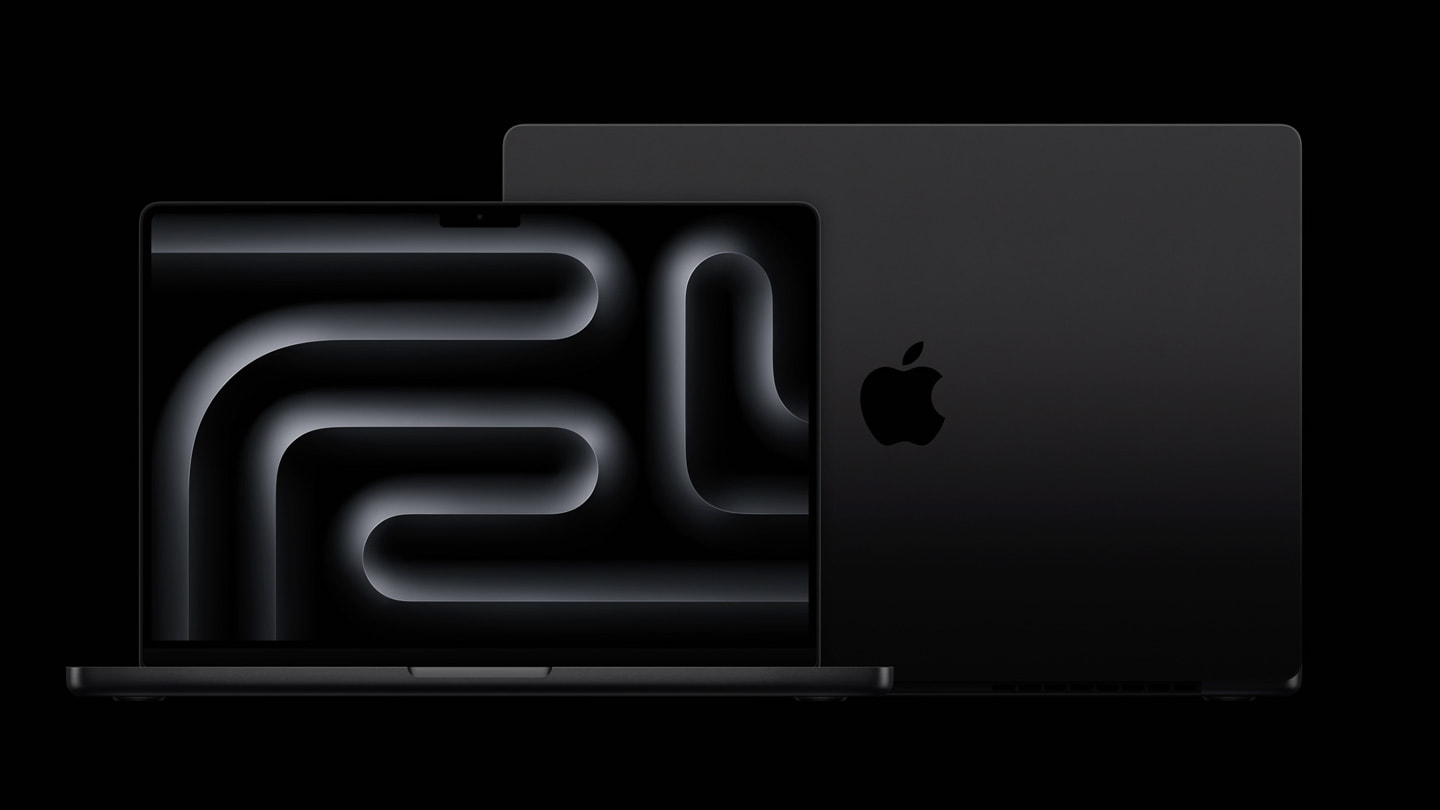


Here are all of the Mac models that were discontinued this year:

  • Mac Studio with M2 Max and M2 Ultra chips (updated with M4 Max and M3 Ultra chips)

  • 14-inch MacBook Pro with M4 chip (updated with M5 chip)

  • 13-inch and 15-inch MacBook Air with M3 chip (updated with M4 chip)

  • 13-inch MacBook Air with M2 chip

Other
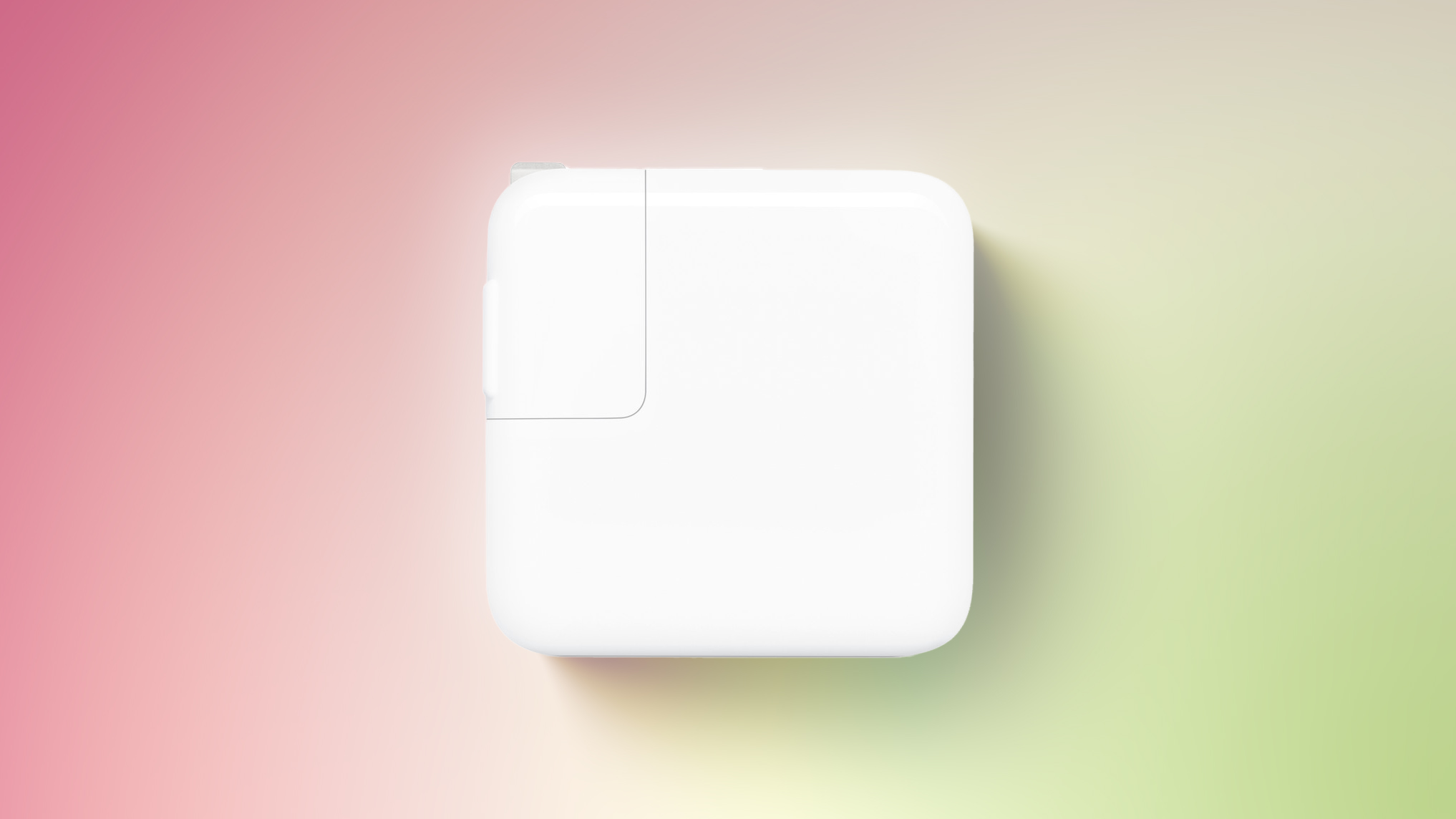


Here are other Apple products and accessories that were discontinued this year:* In the U.S., U.K., Canada, Japan, and select other countries only.

Did we miss anything? Let us know in the comments section.
This article, "Apple Discontinued These 25 Products This Year" first appeared on MacRumors.com

Discuss this article in our forums

  •  

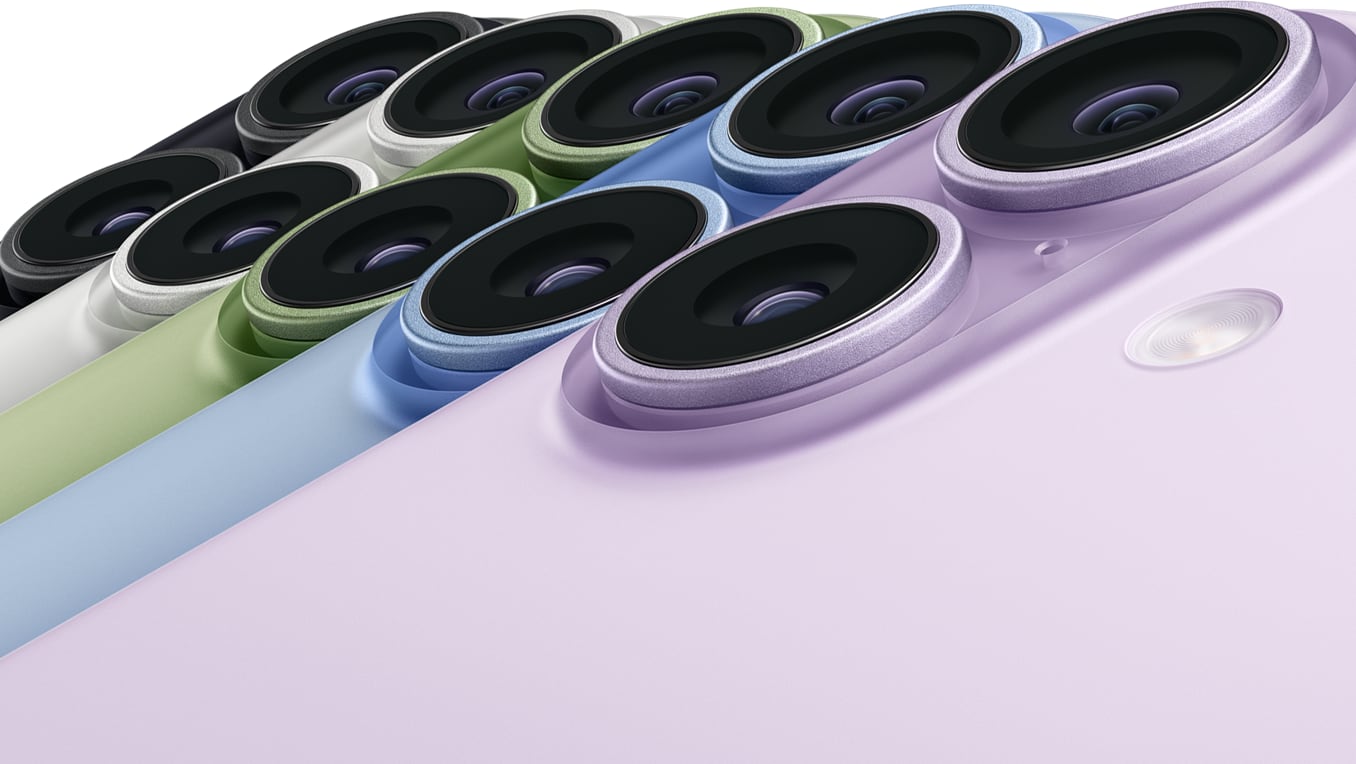
Advanced iPhone 18 Camera Sensor to Be Made in Texas

Samsung is preparing to supply Apple with advanced image sensors for the iPhone in Austin, Texas, according to The Elec.


The sensors will reportedly be made by Samsung at its existing facility in Austin. The company is expected to install production equipment for the project in the near future and has posted job listings for mechanical and electrical technicians, engineers, and managers to work on set up.

Samsung is expected to make the ‌iPhone‌'s image sensor with a three-stack design, which enables higher pixel density and improved low-light performance by vertically stacking multiple sensor layers. Stacked sensor architecture also allows for faster readout speeds, reduced power consumption, and higher dynamic range. This manufacturing process has not previously been deployed at a commercial scale.

Earlier this month, Samsung notified the city of council of Austin of its intention to spend $19 billion on its Austin facility. The new image sensor production line is expected to begin operation in March at the earliest.

The new sensor is believed to be destined for the iPhone 18, which is expected to launch in the first half of 2027. Apple reportedly reached a deal with Samsung in August for supply of the component.

This will be the first time Apple will move away from Sony as the sole supplier for ‌‌iPhone‌‌ image sensors and make the component in the United States. Today, Sony is the sole supplier of ‌‌iPhone‌‌ image sensors; they are produced in Japan and delivered via TSMC.
Related Roundup: iPhone 18
Related Forum: iPhone

This article, "Advanced iPhone 18 Camera Sensor to Be Made in Texas" first appeared on MacRumors.com

Discuss this article in our forums

  •  

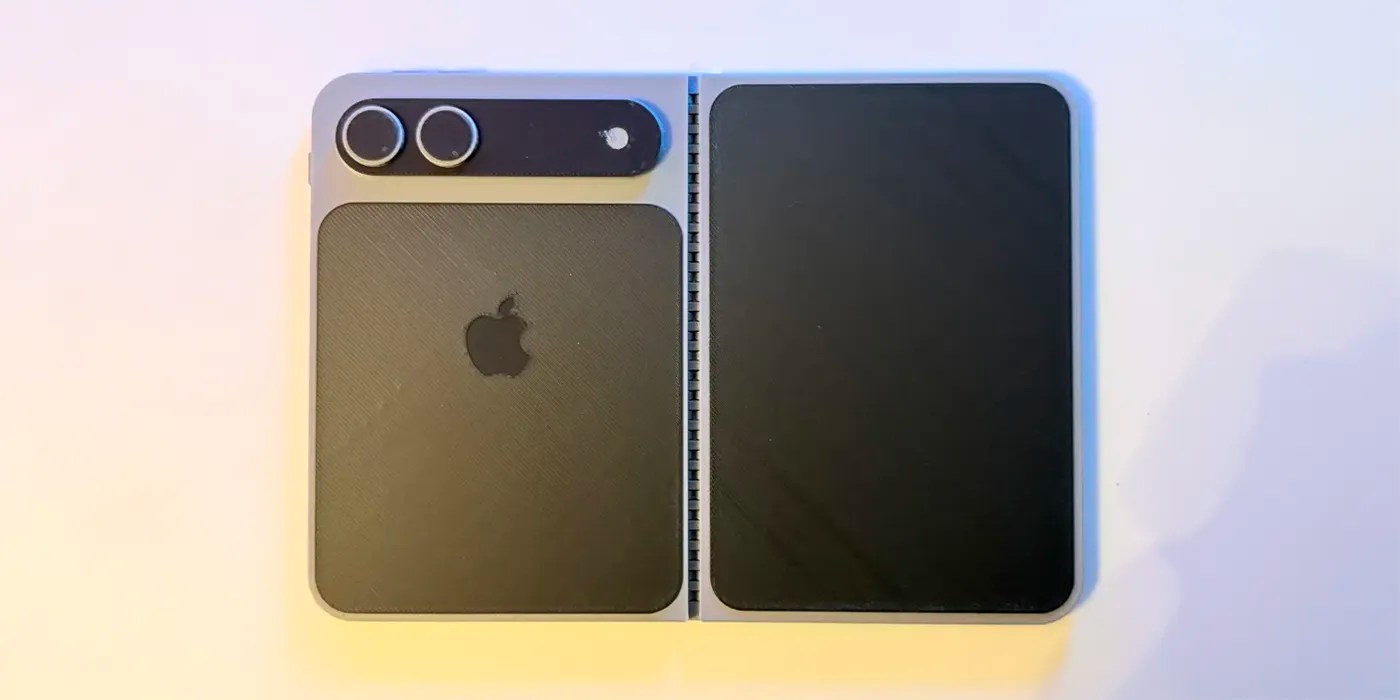
You can 3D print a mockup of the iPhone Fold, with an asterisk

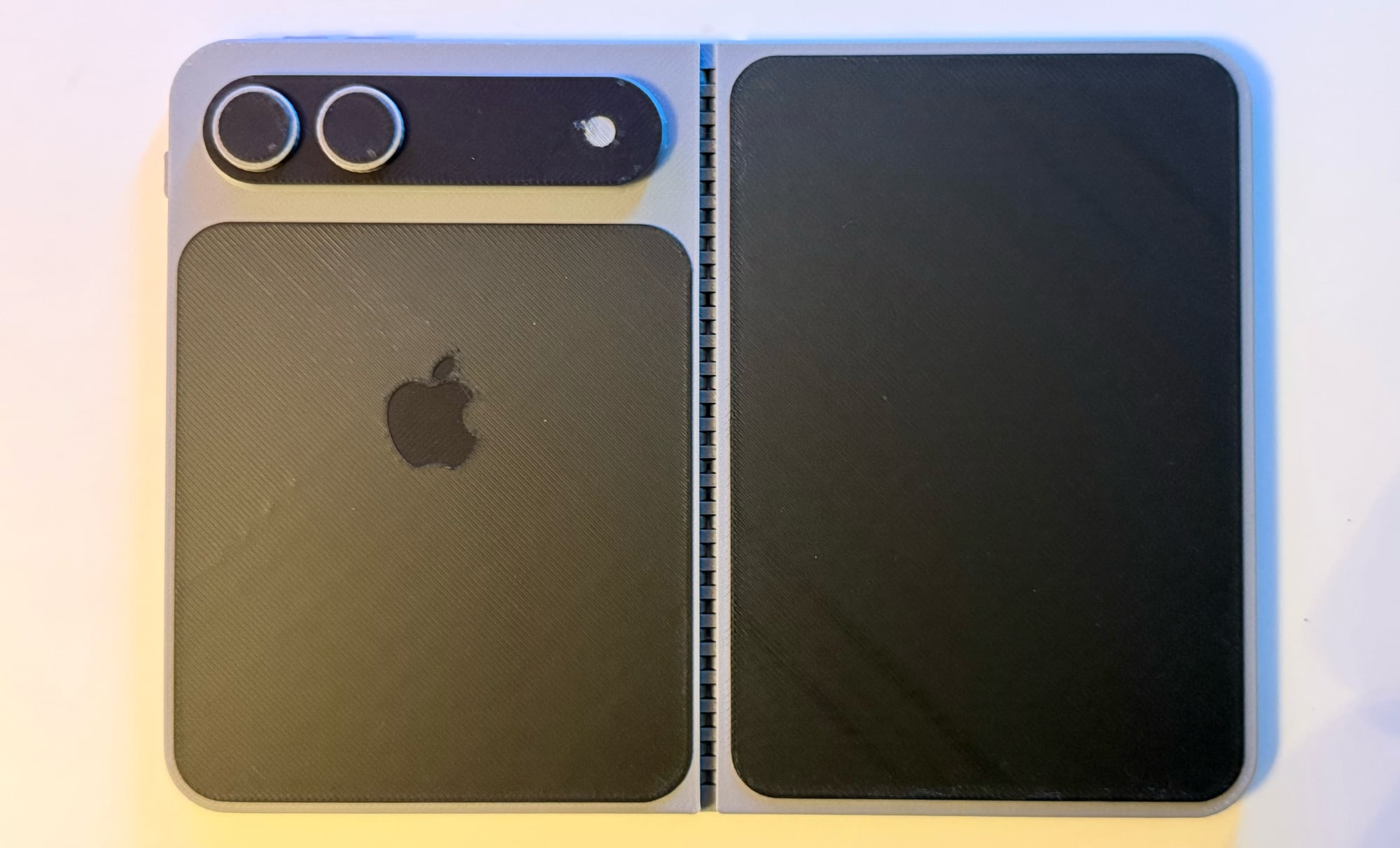
Photos and video footage of a simple printed mock-up of an iPhone Fold gave us a decent sense of how the device might look if the most recent rumour about the aspect ratios is accurate. While the exterior display shape would be a radical departure, more 9to5Mac readers liked it than disliked it.

If you want to get an even better sense of how the device might feel, and have access to a 3D printer, you can create a physical mock-up using files provided online …

more…
  •  

Texas judge blocks state’s App Store age verification law [U: Apple Developer]

Update, 8:27 p.m. ET: In a post on its Developer blog, Apple has confirmed that it will “pause previously announced implementation plans and monitor the ongoing legal process”. See the full post below.

The decision comes just a few days before the Texas App Store Accountability Act (SB 2420) was set to take effect. Here are the details.

more…
  •  

Have a 3D Printer? You Can Make Your Own iPhone Fold Dummy

Apple is working on a foldable iPhone that's set to come out in September 2026, and rumors suggest that it will have a display that's around 5.4 inches when closed and 7.6 inches when open. Exact measurements vary based on rumors, but one 3D designer has created a mockup based on what we've heard so far.


On MakerWorld, a user named Subsy has uploaded a 1:1 ‌iPhone‌ Fold replica (via Macworld), which can be 3D printed to give you a rough idea of the size of the upcoming foldable ‌iPhone‌.

Subsy claims that the model is "based on recently leaked CAD drawings of the ‌iPhone‌ Fold," but there haven't been actual CAD leaks to our knowledge. There were reports of CAD drawings earlier this month, but it turns out those drawings were concept drawings and renders created by MacRumors reader iZac back in May.

iZac designed a mockup with a 5.5-inch display when the device is closed, and 7.76 inches when open. That's in line with the multiple rumors that we've heard, but so far, we don't have exact dimensions.

While you can now print a 3D mockup of iZac's concept, the design isn't based on an actual CAD render. It's likely somewhat similar to what the ‌iPhone‌ Fold will look like in terms of size, but Apple's design for the cameras and the hinge will probably differ quite a bit.

If you have a 3D printer, it's a useful way to get something that's close to the size of the ‌iPhone‌ Fold so you can see how it compares to your existing ‌iPhone‌. We'll likely see more accurate CAD renders and dummy models starting to surface in the first months of 2026.
This article, "Have a 3D Printer? You Can Make Your Own iPhone Fold Dummy" first appeared on MacRumors.com

Discuss this article in our forums

  •  

Texas App Store Age Verification Law Blocked by Federal Judge

A Texas federal judge today blocked an App Store age verification law that was set to go into effect on January 1, 2026, which means Apple may not have to support the changes after all.


The Texas ‌App Store‌ Accountability Act (SB2420) requires Apple and other app marketplaces to confirm user age when a person creates an Apple Account. Apple Accounts for users under 18 would need to join a Family Sharing group, with new controls available for parents and restrictions for minors.

In a preliminary injunction that delays the implementation of the act, Judge Robert Pitman said that it violates the First Amendment and is "more likely than not unconstitutional."
The Act is akin to a law that would require every bookstore to verify the age of every customer at the door and, for minors, require parental consent before the child or teen could enter and again when they try to purchase a book. As set out below, the Court finds a likelihood that, when considered on the merits, SB 2420 violates the First Amendment.

The injunction was in response to a motion filed by the Computer and Communications Industry Association (CCIA), a group that includes Apple and Google. Today's decision is a win for Apple, as Apple has been fighting against age assurance requirements in Texas and other states. Apple says that the Texas law impacts user privacy.
While we share the goal of strengthening kids' online safety, we are concerned that SB2420 impacts the privacy of users by requiring the collection of sensitive, personally identifiable information to download any app, even if a user simply wants to check the weather or sports scores.

The court will move on to determining whether the law is facially invalid, which would mean that it is unconstitutional and will be entirely thrown out.
Tag: Texas

This article, "Texas App Store Age Verification Law Blocked by Federal Judge" first appeared on MacRumors.com

Discuss this article in our forums

  •  

Samsung Developing 'Wide Fold' With iPhone Fold-Like Design Ahead of Apple's 2026 Launch

Samsung is working on a new foldable smartphone that's wider and shorter than the models that it's released before, according to Korean news site ETNews. The "Wide Fold" will compete with Apple's iPhone Fold that's set to launch in September 2026.


Samsung's existing Galaxy Z Fold7 display is 6.5 inches when closed, and 8 inches when open, with a 21:9 aspect ratio when folded and a 20:18 aspect ratio when open. Samsung has used a similar size for its prior Z Fold devices.

Rumors suggest the ‌iPhone‌ Fold's display will measure in at 5.3 to 5.5 inches when closed, and 7.5 to 7.8 inches when open (rumors vary). It's squatter and wider than Samsung's taller, narrower design, with a 4:3 aspect ratio when open.

Samsung's "Wide Fold" will coincidentally feature a 7.6-inch display when open, and a 5.4-inch display when closed. It's also expected to have a 4:3 aspect ratio, making it noticeably different than prior models because of the more square shape.

The wider 4:3 aspect ratio is expected to be more comfortable to hold than a taller device, similar to a notebook.

ETNews says that Samsung plans to release its wider foldable device in the fall of 2026, which is also when the ‌iPhone‌ Fold will be coming out. The wide fold will join the next-generation Galaxy Fold for a total of two "Fold" devices, plus there will be a flip device.
This article, "Samsung Developing 'Wide Fold' With iPhone Fold-Like Design Ahead of Apple's 2026 Launch" first appeared on MacRumors.com

Discuss this article in our forums

  •