If you’ve noticed odd screen flickering since installing macOS Tahoe, you’re not alone. A growing number of users are reporting brief but distracting display flickers, particularly when using Apple’s Studio Display.
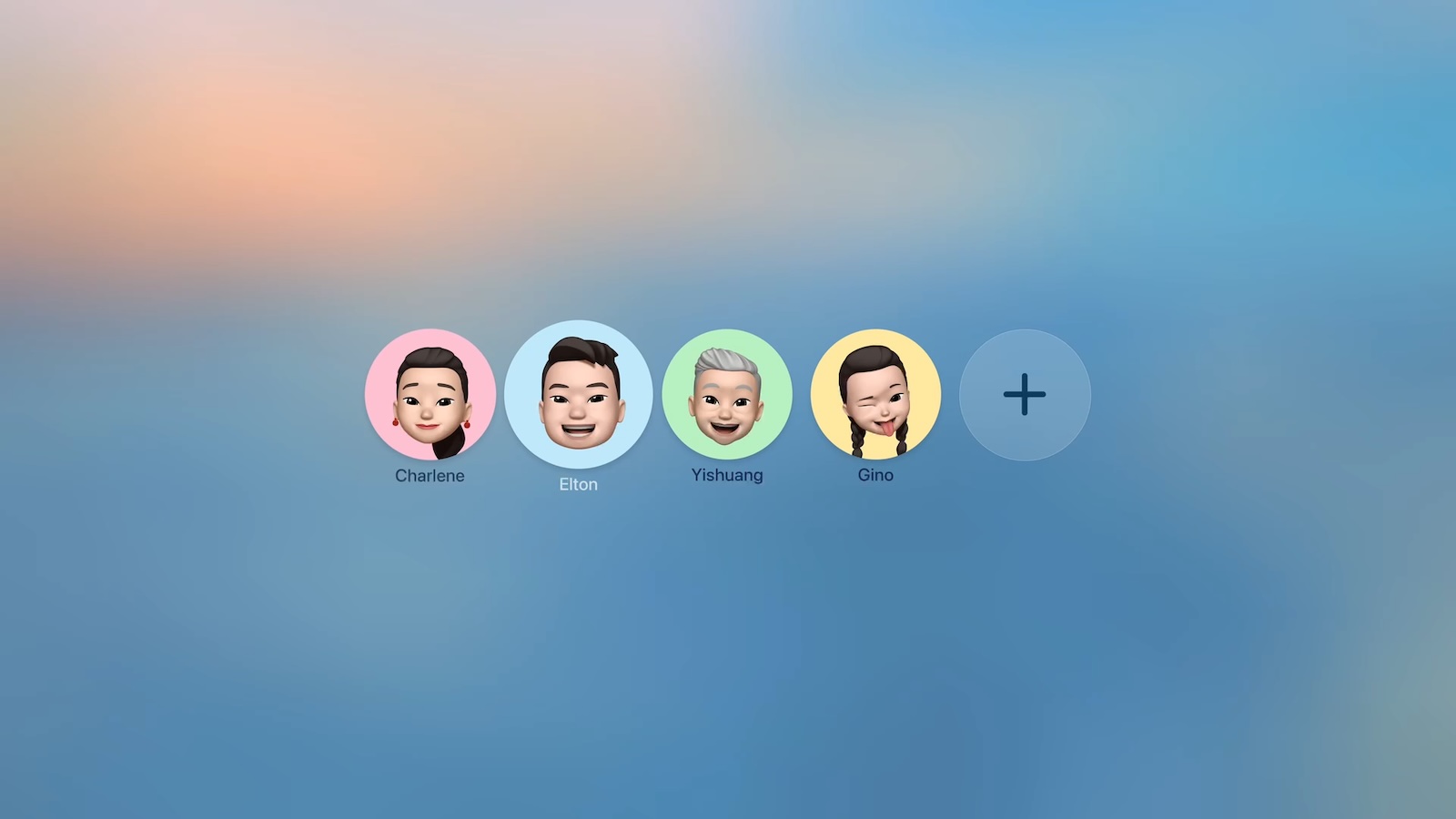
Starting with tvOS 26.2, Apple TVs began displaying a user profile selection screen every time you wake the device from sleep. The feature helps households with multiple users maintain separate viewing histories and recommendations, but it can feel like an unnecessary step if you're the sole user.
Fortunately, Apple lets you disable this prompt entirely. Here's how to turn off the user profiles screen and go straight to your Home screen.
Disable the User Profile Selection Screen
Open Settings on your Apple TV.
Select Profiles and Accounts.
Toggle off Choose Profile on Wake.
With this setting disabled, your Apple TV will skip the profile selection screen and take you directly to the Home Screen when you wake it.
What Happens When You Disable Profile Switching
Turning off the profile switcher doesn't delete your user profiles or their associated watch history and recommendations. It simply removes the prompt that appears each time you turn on your TV or Apple TV.
If you share your Apple TV with others and want to switch profiles manually, you can still access profile options by going to Settings ➝ Users and Accounts and selecting a different user profile from there.
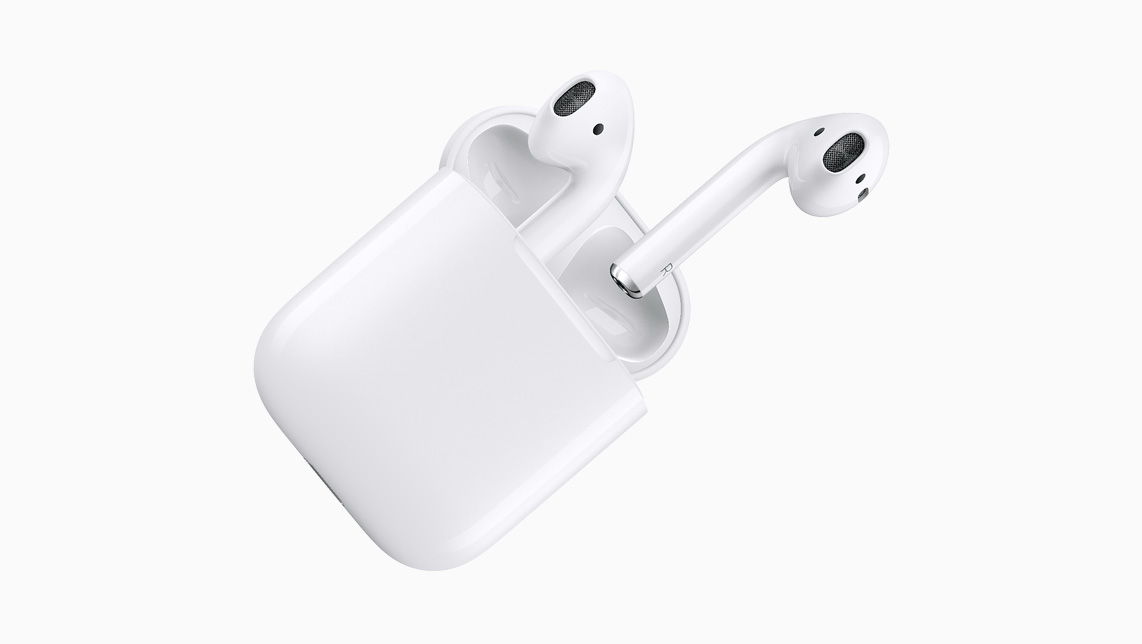
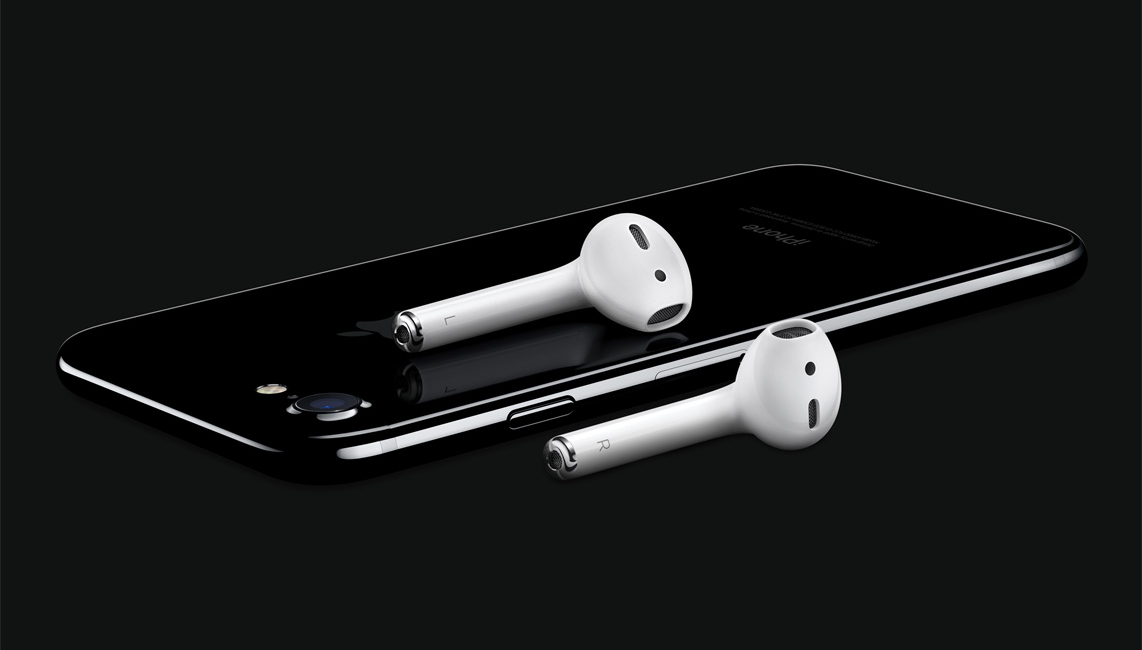
Today marks nine years since Apple launched the original AirPods. Unveiled in September 2016 alongside the iPhone 7, the wireless headphones became available on December 19, 2016, following a slight delay.
At the time, wireless headphones were already on the market but had not yet reached true mass popularity. AirPods helped redefine the category through their convenience and seamless integration with Apple devices. Apple's Phil Schiller at the time:
AirPods are the first headphones to deliver a breakthrough wireless audio experience, and with the new Apple W1 chip they deliver innovative features including high quality sound, great battery life and automatic setup. AirPods are simple and magical to use, with no switches or buttons, automatically connecting to all your Apple devices simply and seamlessly, and letting you access Siri with just a double tap. We can't wait for users to try them with iPhone 7 and Apple Watch Series 2.
Priced at $159, the first-generation AirPods introduced key features such as one-tap pairing with Apple devices and in-ear detection for automatic play-pause functionality. Powered by Apple's custom W1 chip, they delivered enhanced audio quality compared to wired EarPods and set a new standard for battery life in a compact, completely wireless design.
AirPods were initially met with skepticism following their unveiling, with much of the reaction focused on their unconventional stem-based design and the removal of the headphone jack on the iPhone 7. The earbuds were widely mocked online and compared to wired EarPods with the cables cut off, while some critics questioned their practicality and battery life. However, early reviews and real-world use quickly shifted perceptions, as the convenience of automatic pairing, reliable wireless performance, and all-day battery life made AirPods increasingly popular among iPhone users.
AirPods quickly grew into one of Apple's most successful accessories, helping to normalize truly wireless earbuds and accelerating the decline of the traditional headphone jack across the industry. While Apple does not disclose sales figures, analysts estimate that tens of millions of units are sold each year, making AirPods the best-selling wireless earbuds globally and a major contributor to Apple's wearables revenue.
Since their debut, AirPods have evolved with the release of second-, third-, and fourth-generation models in March 2019, October 2021, and September 2024. These updates brought improvements such as better audio quality, longer battery life, hands-free "Hey Siri" functionality, a wireless charging case, and, most recently, active noise cancellation. A fifth-generation is believed to be in the works. The product line has also expanded with the premium AirPods Pro, featuring an in-ear design and active noise cancellation, in October 2019, and the over-ear AirPods Max in December 2020.
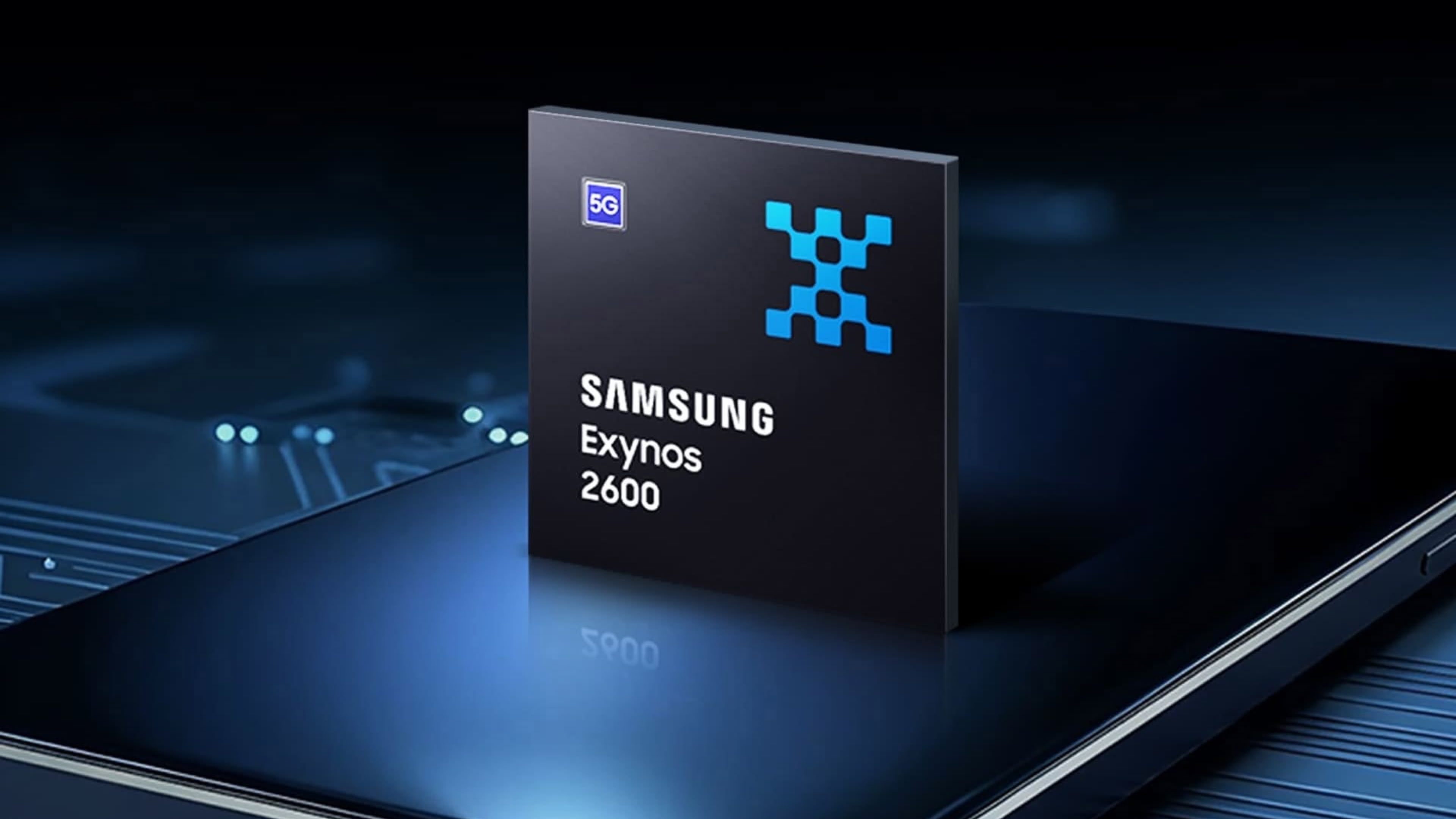
Samsung has officially unveiled the Exynos 2600, the world's first 2 nanometer mobile system-on-a-chip (SoC), built on the company's Gate-All-Around (GAA) process. The 10-core ARM-based design aims to deliver improved performance and efficiency for flagship devices like the upcoming Galaxy S26 series.
The chip uses Arm's latest cores and supports new instructions for improved CPU speed and on-device AI, with Samsung claiming up to a 39 percent boost in CPU performance and 113 percent faster NPU performance, enabling larger and more efficient AI workloads. Its GPU is based on the latest Xclipse design, which Samsung says doubles previous graphics performance and boosts ray tracing by up to 50 percent.
Earlier Exynos processors earned a poor reputation for running hot and throttling performance, particularly when compared with competing chips from Apple. To address those shortcomings, Samsung has introduced a new thermal approach called Heat Path Block (HPB). The technique uses a High-k EMC material to improve heat dissipation, enabling the Exynos 2600 to maintain higher performance levels for longer periods, even under sustained heavy workloads, claims Samsung.
Apple is widely expected to adopt the 2nm process node for several devices in 2026, albeit using TSMC's 2nm (N2) process. Apple has reportedly secured a significant portion of TSMC's initial N2 production capacity, with the A20 and A20 Pro chips for the iPhone 18 lineup expected to be the first Apple silicon built on this node. The N2-based processors would succeed Apple's A17 Pro through A19 Pro chips, fabricated using TSMC's series of 3nm processes.
Compared to current 3nm chips, TSMC's 2nm process promises up to 15 percent higher performance at the same power level, or 25 to 30 percent lower power consumption at the same performance level. The process also achieves approximately 15 percent higher transistor density, allowing more functionality to be packed into the same physical space.
Apple's first 2nm chips are likely to debut in iPhone 18 Pro models and Apple's first foldable iPhone, all of which are expected to launch in late 2026. Beyond iPhones, Apple's M6 series for future Macs could also use TSMC's 2nm process, although we haven't heard any specific rumors that this will be the case.
Following U.S. District Judge Yvonne Gonzalez Rogers’ reversal of her own certification of a class action suit accusing Apple of monopolizing the iPhone app market, the case was put back in play today. Here are the details.
TikTok has agreed to sell its U.S. operations to an investment group that includes Oracle, Silver Lake, and UAE-based company MGX, reports Axios. The "TikTok USDS Joint Venture LLC" that includes the three companies will own 45 percent of TikTok, while ByteDance will keep close to 20 percent. Existing investors will continue to hold the remaining shares.
The U.S. group will handle U.S. data protection and content moderation, while also maintaining algorithm security. It has been tasked with retraining the content recommendation algorithm on U.S. user data to "ensure the content feed is free from outside manipulation." Oracle will be in charge of auditing and validating compliance with National Security Terms.
The agreement states that the USDS Joint Venture will "operate as an independent entity" that has authority over U.S. data protection, while TikTok's global U.S. entities will manage global product interoperability along with e-commerce, advertising, and marketing.
With the sale, TikTok will be able to continue operating in the United States while complying with the 2024 Protecting Americans From Foreign Adversary Controlled Applications Act. The act required TikTok parent company ByteDance to sell TikTok's U.S. operations to a non-Chinese company or be banned from operating in the United States.
TikTok was briefly banned in January, but Donald Trump signed an executive order granting an extension that brought it back. The ban has been extended multiple times since then to provide additional time for a deal to be established. The agreement is set to go into effect on January 22.
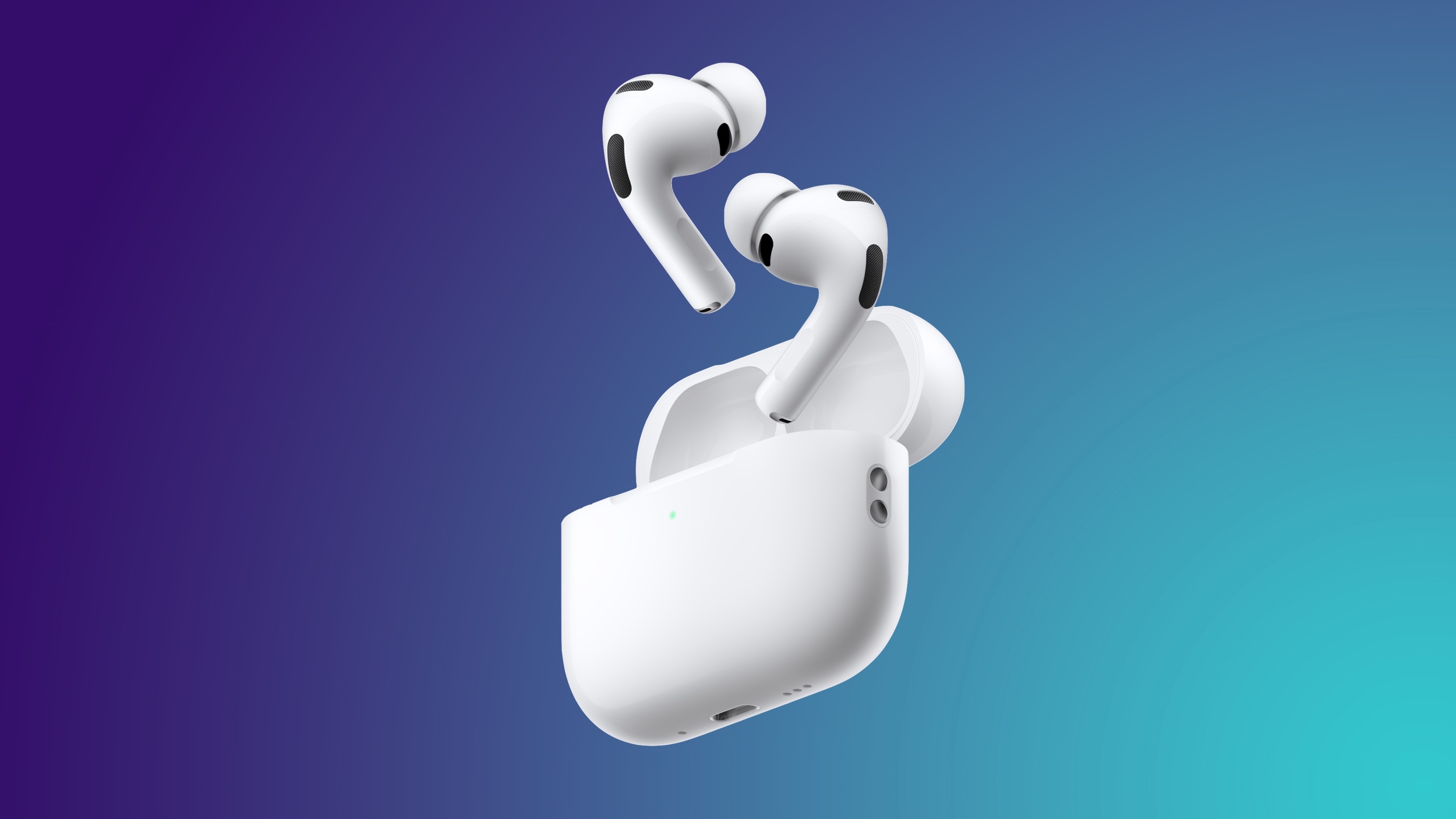
Since the AirPods Pro 3 launched, there have been complaints from users who have noticed a static-like sound or a crackling issue when using the earbuds, particularly when Active Noise Cancellation is on but no media is playing. Users have also run into strange high-pitched whistling sounds that happen intermittently.
Feedback from users who have installed the firmware updates indicate that the noise issues have not been addressed. Affected users are hearing static noises with Active Noise Cancellation on, sometimes with media playing and sometimes without. There have also been reports of problems with latency and sound syncing when watching videos.
Some AirPods Pro 3 users have had their AirPods replaced by Apple, but replacement earbuds have had the same issue, so it's not clear if there is a hardware fix for the problem.
9to5Mac Security Bite is exclusively brought to you by Mosyle, the only Apple Unified Platform.Making Apple devices work-ready and enterprise-safe is all we do. Our unique integrated approach to management and security combines state-of-the-art Apple-specific security solutions for fully automated Hardening & Compliance, Next Generation EDR, AI-powered Zero Trust, and exclusive Privilege Management with the most powerful and modern Apple MDM on the market. The result is a totally automated Apple Unified Platform currently trusted by over 45,000 organizations to make millions of Apple devices work-ready with no effort and at an affordable cost. Request your EXTENDED TRIAL today and understand why Mosyle is everything you need to work with Apple.
The Mac’s built-in green LED privacy indicator—paired with those displayed on-screen in macOS—do a solid job of alerting users in real time when the webcam or microphone is active. When you’re actively working on your Mac, they’re hard to miss. But that protection assumes you’re actually there to see the privacy indicators light up.
What happens when you’re away from your Mac and malware triggers the camera or microphone to quietly record or eavesdrop—without you being there to notice the green light? How would you ever know?
Epic Games is not going to bring Fortnite to iOS in Japan as promised because of the fees imposed by Apple's new App Store rules, Epic Games CEO Tim Sweeney said on social media. Sweeney complained that Apple did not comply with Japan's Mobile Software Competition Act "honestly" and instead "launched another travesty of obstruction and lawbreaking in gross disrespect to the government and people of Japan."
Back in 2024 when the MSCA passed, Sweeney said that Epic would launch Fortnite in Japan in late 2025. He made the announcement before he was aware of how Apple planned to comply with the MSCA.
Sweeney accused Apple of charging "competition-crushing" junk fees, including a five percent fee on revenue from apps distributed through alternate app marketplaces. Epic Games would need to pay Apple a five percent fee on all revenue generated via game purchases made through an Epic Games Store in Japan, or 15 percent on digital purchases through a web link if the Fortnite app were to be distributed through the App Store.
Obviously, real competition won't happen, and consumers won't benefit, when Apple abuses its position between users and competitors to obstruct honest dealing between them. This is another sad day in the history of relationships between platform makers, developers, and consumers, and we will be raising our complaints with the Japanese Fair Trade Commission.
Sweeney said that Epic Games plans to raise complaints with the Japanese Fair Trade Commission.
Apple says that it worked with Japanese regulators when establishing its new rules to comply with the MSCA, so it is not clear if Epic Games will be able to persuade Japan to implement more stringent restrictions.
Japan's rules allow Apple to be compensated for its intellectual property, and Japan's interoperability rules allow Apple to refuse requests in situations where privacy and security would be compromised. Along with allowing for alternative app marketplaces, the MSCA adds support for alternate payment methods and allows Japanese users to set new functionality for the iPhone's Side Button.
Epic Games was able to bring the Epic Games Store to the European Union, but Apple does have a 0.50 euro Core Technology Fee for marketplaces there, too. The Core Technology Fee will transition to a five percent Core Technology Commission for all developers in the EU starting on January 1, 2026, so the fees will be very similar to the Japan fees.
Apple Maps no longer offers a Flyover feature that provides users with automated tours of notable landmarks in major cities. The Flyover option appears to have been nixed around when iOS 26 launched, but its removal went largely unnoticed.
Flyover city tours were introduced in 2014 with iOS 8 and OS X Yosemite, using Flyover imagery to generate an aerial tour. Most cities with Flyover imagery supported the tour feature, but it may not have been used often since Apple was able to quietly discontinue it.
Flyover imagery has not been removed and over 350 cities continue to have 3D Flyover imagery that highlights landmarks, parks, important buildings, and more with a bird's-eye view.
Apple uses imagery collected with small military-grade planes that created detailed maps of buildings from above for Flyover. The feature is not available in some areas due to privacy and security concerns.
Flyover city tours used to be accessible by tapping on the Flyover icon when searching for a city, but that option has now been removed.
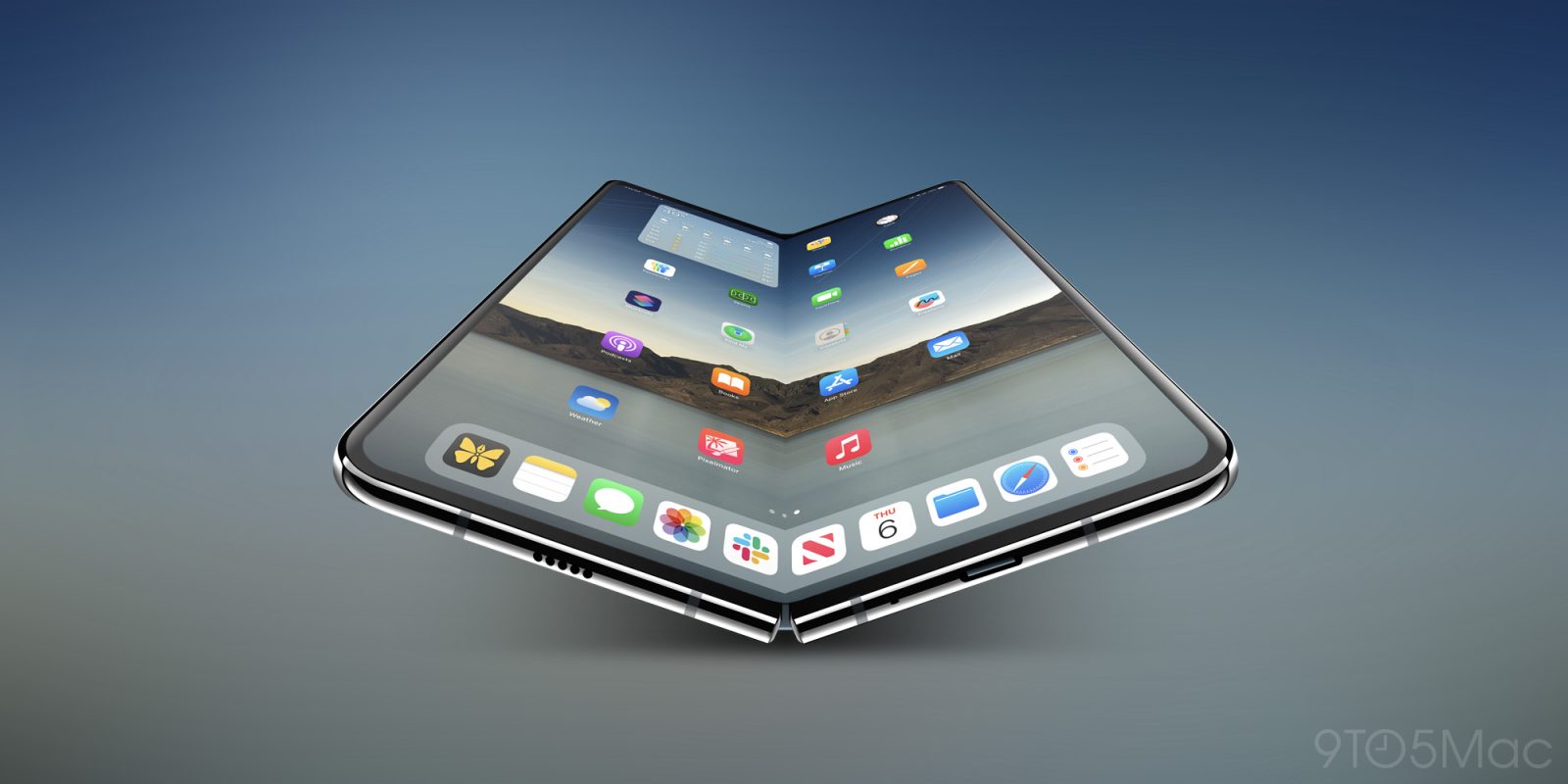
Analyst Ming-Chi Kuo recently made a rare appearance on the MacroMicro podcast, where he shared some new information regarding the iPhone Fold’s production timeline. Here are the details.
One of my favorite Apple Watch features introduced this year is Sleep Score. Sleep is a crucial part of life, and this feature gives you a look at three different facets of it: duration, bedtime, and interruptions.
OpenAI is on a streak when it comes to releasing user experience improvements to ChatGPT. The latest update will make finding important conversations much easier.
Building on a previous model called UniGen, a team of Apple researchers is showcasing UniGen 1.5, a system that can handle image understanding, generation, and editing within a single model. Here are the details.
macOS Tahoe introduced a bug that causes a Studio Display connected to a Mac to flicker every so often, and subsequent updates only seem to have made the issue worse.
Mac users with the Studio Display have been complaining about intermittent flickering since the update launched in September. There are also complaints from users who have other kinds of displays, so it might be a bug that is affecting more than one type of external monitor.
We have experienced this issue with a MacBook Pro running macOS Tahoe connected to a Studio Display, and the macOS Tahoe 26.1 and macOS Tahoe 26.2 updates haven't improved the situation at all. In fact, the flickering seems to be getting worse in recent days.
Flickering happens most often when switching between apps that feature stark white backgrounds, or scrolling through webpages on light backgrounds. Any app can cause the flickering, and sometimes it just seems to be random. When flickering occurs, it's typically a brief flicker, but the display can also flicker several times in a row for a few seconds at a time. Switching from dark content to light content can almost always trigger a flicker on affected machines.
It's not clear what is causing the issue, but given that multiple Studio Display owners are experiencing it, it's likely some kind of software issue that could be addressed with new Studio Display firmware rather than a hardware problem.
Apple has added new provisions to multiple sections of its Developer Program License Agreement, including Japan-specific terms, following yesterday’s announcement of changes to the App Store. Here’s what’s new.
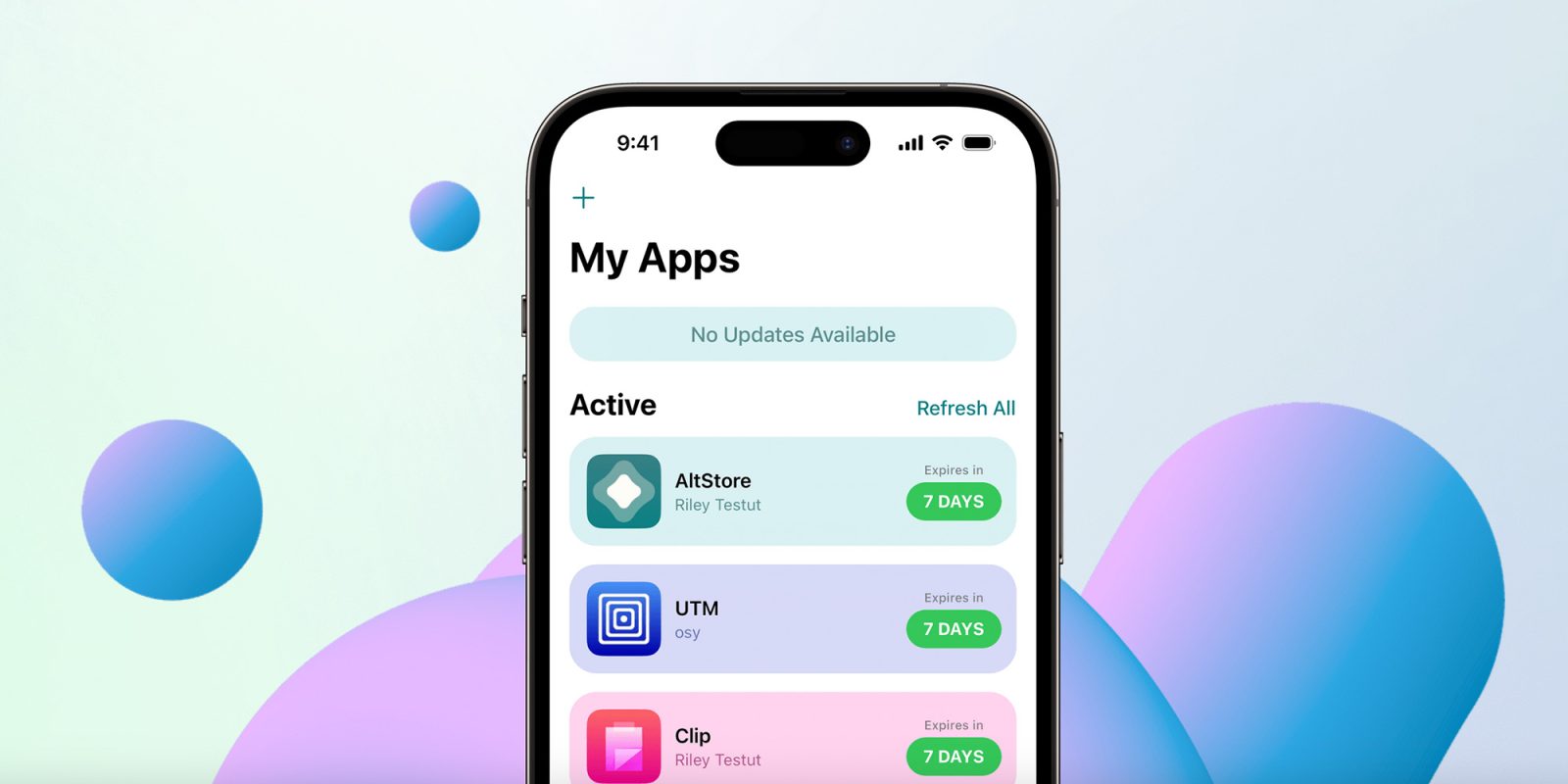
iPhone users in Japan can download the alternative app marketplace from the AltStore website, and then use the AltStore to download apps without having to go through Apple's App Store. Prospective AltStore users need to be physically located in Japan, and have a Japanese App Store account. Devices also need to be running iOS 26.2 or later.
AltStore developer Riley Testut said that Apple did not provide a heads up about the App Store rule changes that went into effect yesterday, but the marketplace was able to launch within a few hours because it has been live in the European Union for months now.
To celebrate AltStore PAL's launch in Japan, users can get a month of free Patreon access with patron-exclusive features. AltStore is free to download, but the AltStore Patreon provides access to beta updates for the popular Delta game emulator.
Along with Delta, AltStore PAL offers several other apps created by independent developers, some of which have functionality that's not allowed in the standard App Store. Apps distributed through AltStore PAL are able to monetize through Patreon subscriptions.
Apple is allowing alternative app marketplaces to meet the requirements of the Mobile Software Competition Act (MSCA) that went into effect on December 18. Marketplace apps are required to pay Apple a five percent Core Technology Commission.
Alternative app marketplaces require authorization from Apple to operate, and are able to distribute apps that have also been notarized by Apple. The notarization process checks for basic functionality and ensures that apps do not include malware, but marketplace apps are not subject to the same content requirements, and Apple has little content oversight.
Amazon today has dropped the price of the new M5 MacBook Pro to $1,349.99, down from $1,599.00. This is the 10-Core model with 16GB RAM and 512GB SSD, and it's a match of the all-time low price on the M5 MacBook Pro.
Note: MacRumors is an affiliate partner with some of these vendors. When you click a link and make a purchase, we may receive a small payment, which helps us keep the site running.
Additionally, the 16GB/1TB M5 MacBook Pro has hit $1,549.99 on Amazon, which is another $249 discount on the notebook. Both models have estimated delivery dates that are after Christmas, but if you've been waiting for a return of the best prices we've ever seen on these models, now's definitely a good time to buy.
This version of the MacBook Pro just launched in October and it comes with the newest M5 chip, which offers up to 15% faster CPU performance and up to 45% faster graphics when compared to the M4 chip. If you're on the hunt for more discounts, be sure to visit our Apple Deals roundup where we recap the best Apple-related bargains of the past week.
Deals Newsletter
Interested in hearing more about the best deals you can find this holiday season? Sign up for our Deals Newsletter and we'll keep you updated so you don't miss the biggest deals of the season!
 Connexion











 Note: MacRumors is an affiliate partner with some of these vendors. When you click a link and make a purchase, we may receive a small payment, which helps us keep the site running.