↩ Accueil

Vue lecture

Apple to Allow Alternative App Stores and More on iOS in Brazil by April

Due to regulatory action, Apple has agreed to allow alternative app stores, third-party payment systems for in-app purchases, and in-app links to external offers on iOS in Brazil, according to legal news website MLex and Brazilian blog Tecnoblog.


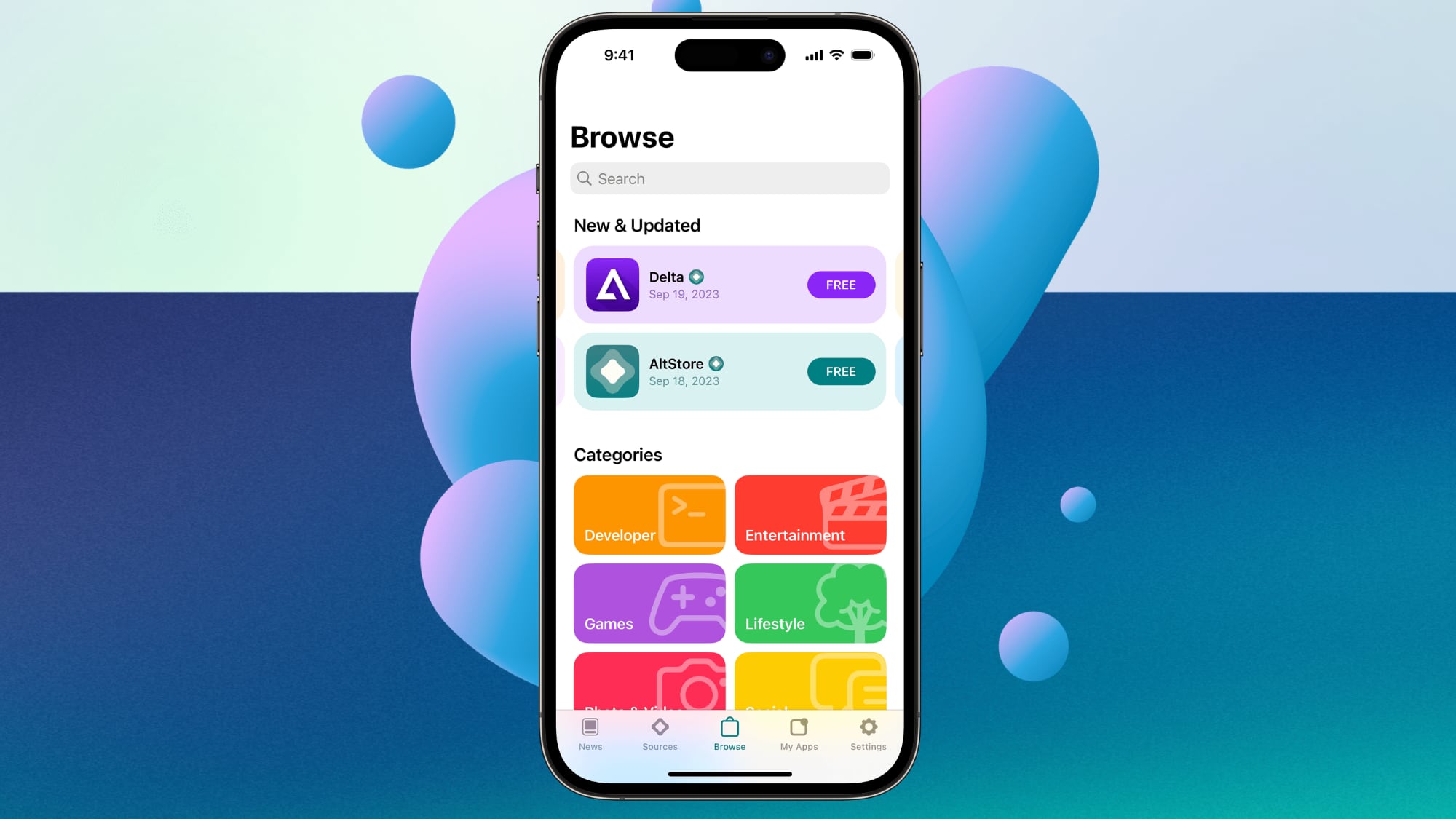
This means that iPhone users in Brazil would gain access to options beyond Apple's App Store, such as the AltStore from Riley Testut and Shane Gill.

The changes must be implemented within 105 days, so Apple has until early April to roll them out. That timeframe might align with the release of iOS 26.4.

Apple has already allowed alternative app stores and/or third-party payment systems on iOS in the EU, Japan, and South Korea, and it will likely be forced to do so in the UK and Australia too, due to similar regulations across those regions.

AltStore

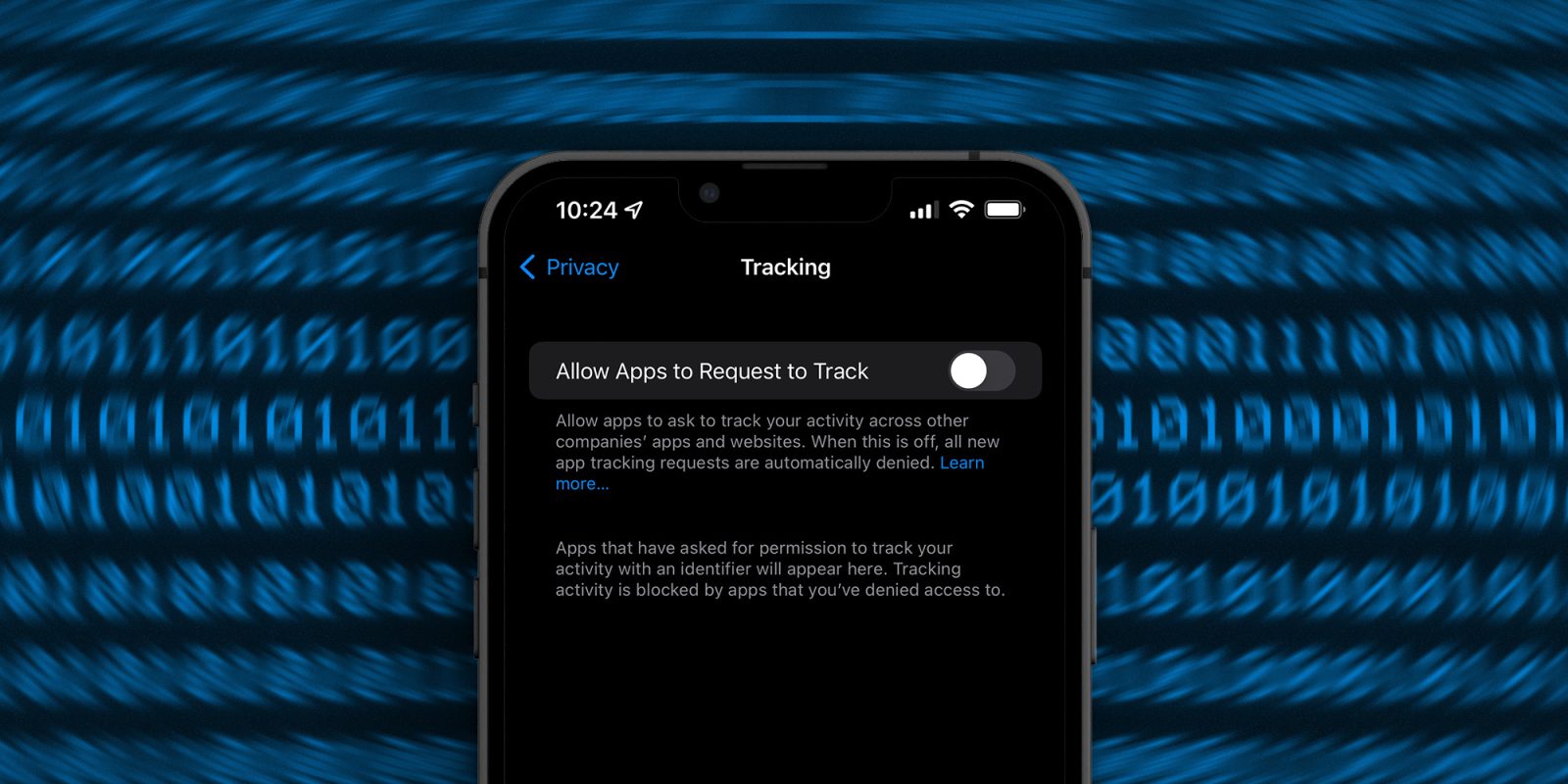
Apple has opposed alternative app stores due to privacy and security concerns.

"If you prefer using apps that have met all of Apple's App Review Guidelines, including Apple's standards for privacy, security, and quality, you can use the App Store," says Apple, in a support document about alternative app distribution.
Related Roundups: iOS 26, iPadOS 26
Related Forum: iOS 26

This article, "Apple to Allow Alternative App Stores and More on iOS in Brazil by April" first appeared on MacRumors.com

Discuss this article in our forums

  •  

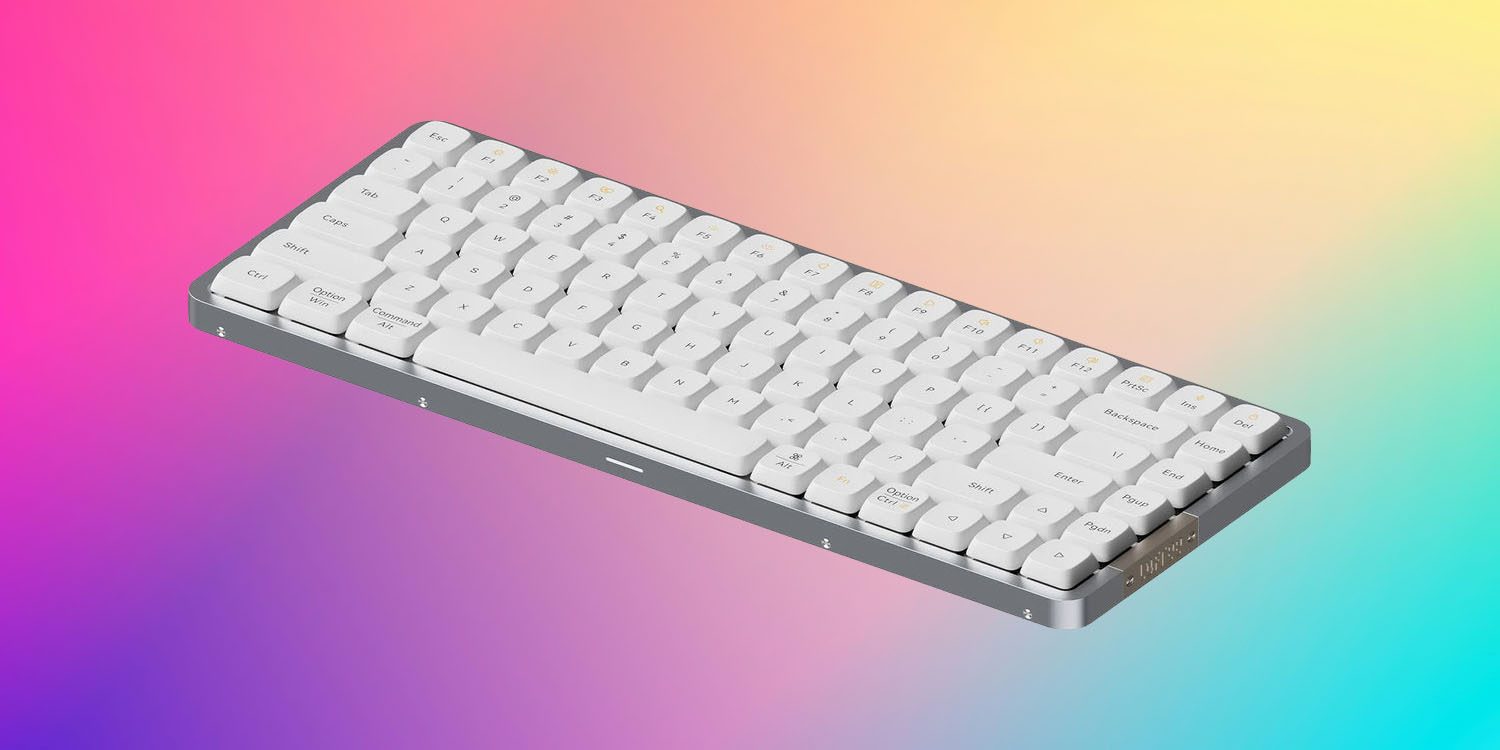
The Lowfree Flow84 is the mechanical keyboard Apple would make today [U: New model]

The Lowfree Flow84 is the latest episode in my on-again, off-again love affair with mechanical keyboards. I describe it as the mechanical keyboard Apple would make for a mix of good and bad reasons, but we’ll get to that! Update: There is a new version with touch sliders for volume and brightness – see the Pricing & conclusions section at the end.

It’s one of a relatively new breed of low-profile mechanical keyboards, something that would have seemed a contradiction in terms just a few years earlier …

more…
  •  

Apple 2025 Review of the Year

Benjamin and Chance reflect on another year in Apple news. We cover all the big headlines from across the months, including the fallout of the Siri delays, the early iOS 26 redesign leaks, and the launch of all the new 2025 hardware like the iPhone 17 series.

And in Happy Hour Plus, the pair check in on who won their annual prediction picks. Subscribe at 9to5mac.com/join.

more…
  •  

Why Apple's Foldable iPhone May Be Smaller Than Expected

Apple's first foldable iPhone, rumored for release next year, may turn out to be smaller than most people imagine, if a recent report is anything to go by. According to The Information, the outer display on the book-style device will measure just 5.3 inches – that's smaller than the 5.4-inch screen on the ‌iPhone‌ mini, a line Apple discontinued in 2022 due to poor sales. The report has led some people to wonder why Apple would settle on such a compact form factor.


Using The Information's reported dimensions, content creator Ben Gaskin has shared some images and video of a printed version of the device (embedded below) that help envision what it could look and feel like in the hand. They also hint at Apple's design strategy, suggesting it is related to an unavoidable trade-off between the outer and inner displays of a book-style foldable.

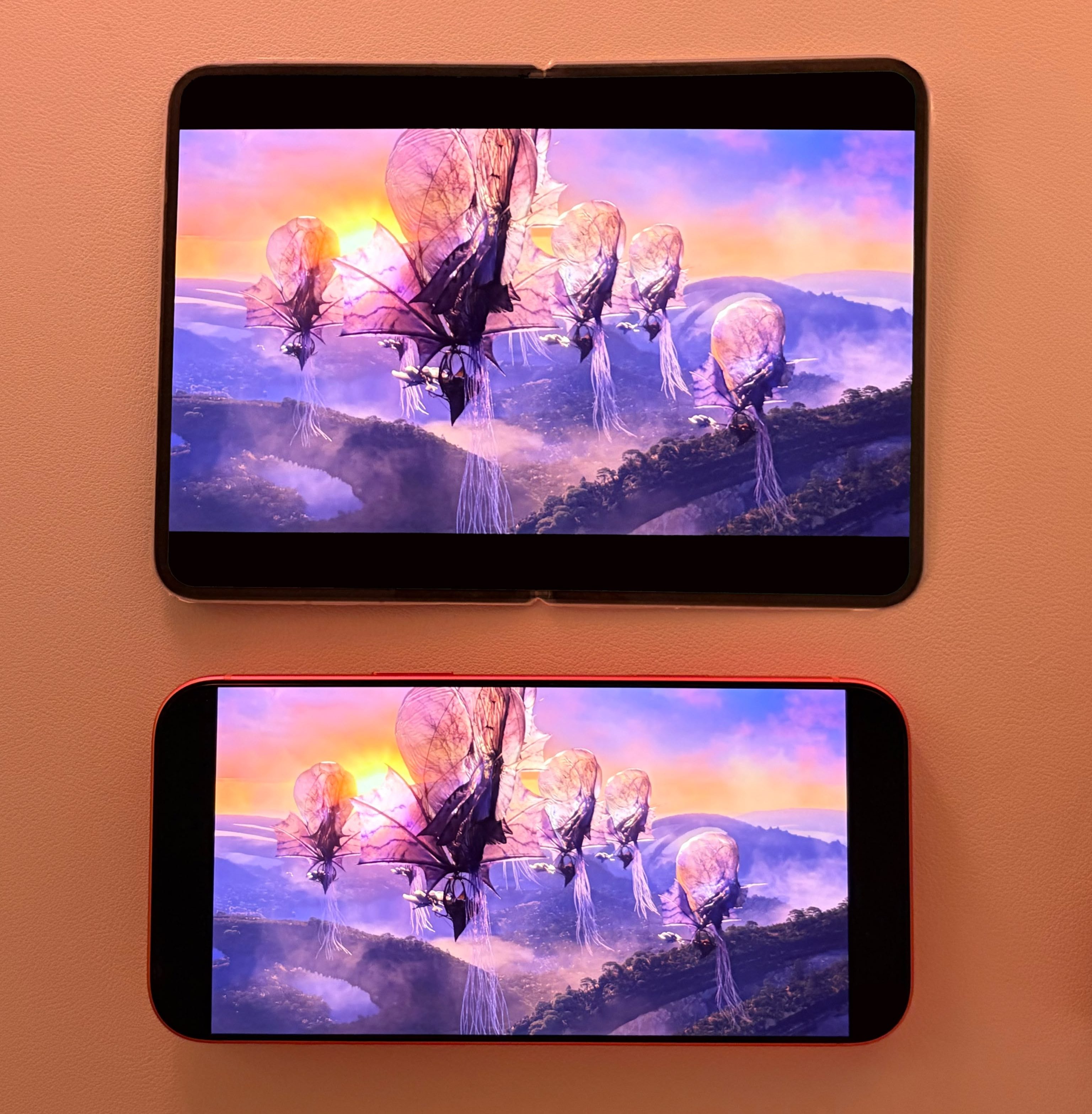
A taller, phone-like outer screen generally leads to a more square inner panel once unfolded, which can be awkward for many types of content, like videos and two open windows in Split View. Conversely, a more rectangular inner display that better supports multi-window use inevitably forces the outer display to become wider or smaller, making it less comfortable to hold and less conventional in use.

Printed a passport-style foldable phone to see how comfortable this form factor is in real life.

5.3-inch cover display
7.7-inch main display pic.twitter.com/5ae58Bc2Cq

— Ben Geskin (@BenGeskin) December 18, 2025

Reports suggesting Apple has opted for a roughly 4:3 aspect ratio on the inner display strongly suggest Apple is favoring the latter approach. A 4:3 inner display would allow Apple to more easily transfer established multitasking features from iPadOS into a foldable form. Here the unfolded state becomes the main mode of use, prioritizing a lightweight, ultra-portable iPad experience over a stretched-out smartphone.

That said, the ‌iPhone‌ Fold in its closed state is likely to feel more like a smaller everyday phone than other foldables on the market. Compare the rumored 5.3-inch outer screen size with the Samsung Galaxy Z Fold 7, which has a 6.5-inch front display, or the Google Pixel Pro Fold, whose cover screen comes in at 6.3 inches. Indeed, the ‌iPhone‌ Fold's front display would be smaller than almost all current major foldables, suggesting Apple is deliberately diverging from the "outer screen as primary phone" philosophy.

When choosing size, Apple will of course have a very deliberate product strategy in mind. While Samsung and Google largely treat the cover display on their foldables as a full-time smartphone screen, Apple may see the device's folded state as a secondary experience, suited to notifications, quick replies, and other glanceable interactions, while reserving the main experience for when the device is unfolded.

Comparison with the iPhone 17 Pro Max pic.twitter.com/MpJ80AwHXw

— Ben Geskin (@BenGeskin) December 18, 2025

However, software too has its limits. If users expect to browse, type extensively, or use third-party apps in the folded state, no amount of interface refinement will fully overcome a physically smaller canvas. That's what makes the comparison to the ‌iPhone‌ mini so notable – especially for a device expected to command a price premium of anywhere between $2,000 and $2,500, which would make it Apple's most expensive ever iPhone.

Ultimately, the rumored dimensions suggest Apple is betting on the value of the unfolded experience rather than the comfort of the folded one. The company seems willing to accept a smaller, less conventional outer display if it ensures the inner display can shine at the system and app level. If users come to think of the device not as a larger iPhone, but as an iPad that happens to fold into a pocket, the design trade-offs start to look far more intentional, and far more Apple-like.

16:9 video playback on 7.7-inch display vs. 6.9-inch iPhone 17 Pro Max display (image credit: @BenGeskin).

What do you think of the alleged dimensions of Apple's rumored foldable iPhone? Let us know in the comments. The "iPhone Fold," which some are calling it, is expected to launch alongside the iPhone 18 Pro models in September 2026.
This article, "Why Apple's Foldable iPhone May Be Smaller Than Expected" first appeared on MacRumors.com

Discuss this article in our forums

  •  

Pirate group says it has scraped almost the whole of Spotify

Pirate site Anna’s Archive, which describes itself as “the largest truly open library in human history,” says that it has scraped 99.6% of all the music people listen to from Spotify.

It says the total data downloaded is a little under 300TB in size and that it will be making this available for torrenting …

more…
  •  

Apple @ Work Podcast: Inside the 2026 Mac Admin Survey and what it means for Apple IT

Apple @ Work is exclusively brought to you by Mosyle, the only Apple Unified Platform. Mosyle is the only solution that integrates in a single professional-grade platform all the solutions necessary to seamlessly and automatically deploy, manage & protect Apple devices at work. Over 45,000 organizations trust Mosyle to make millions of Apple devices work-ready with no effort and at an affordable cost. Request your EXTENDED TRIAL today and understand why Mosyle is everything you need to work with Apple.

In this episode of Apple @ Work, Alexander Tatarchuk joins the show to talk about MacPaw’s Mac Admins Survey 2026.

more…
  •  

Track a Flight on Your iPhone

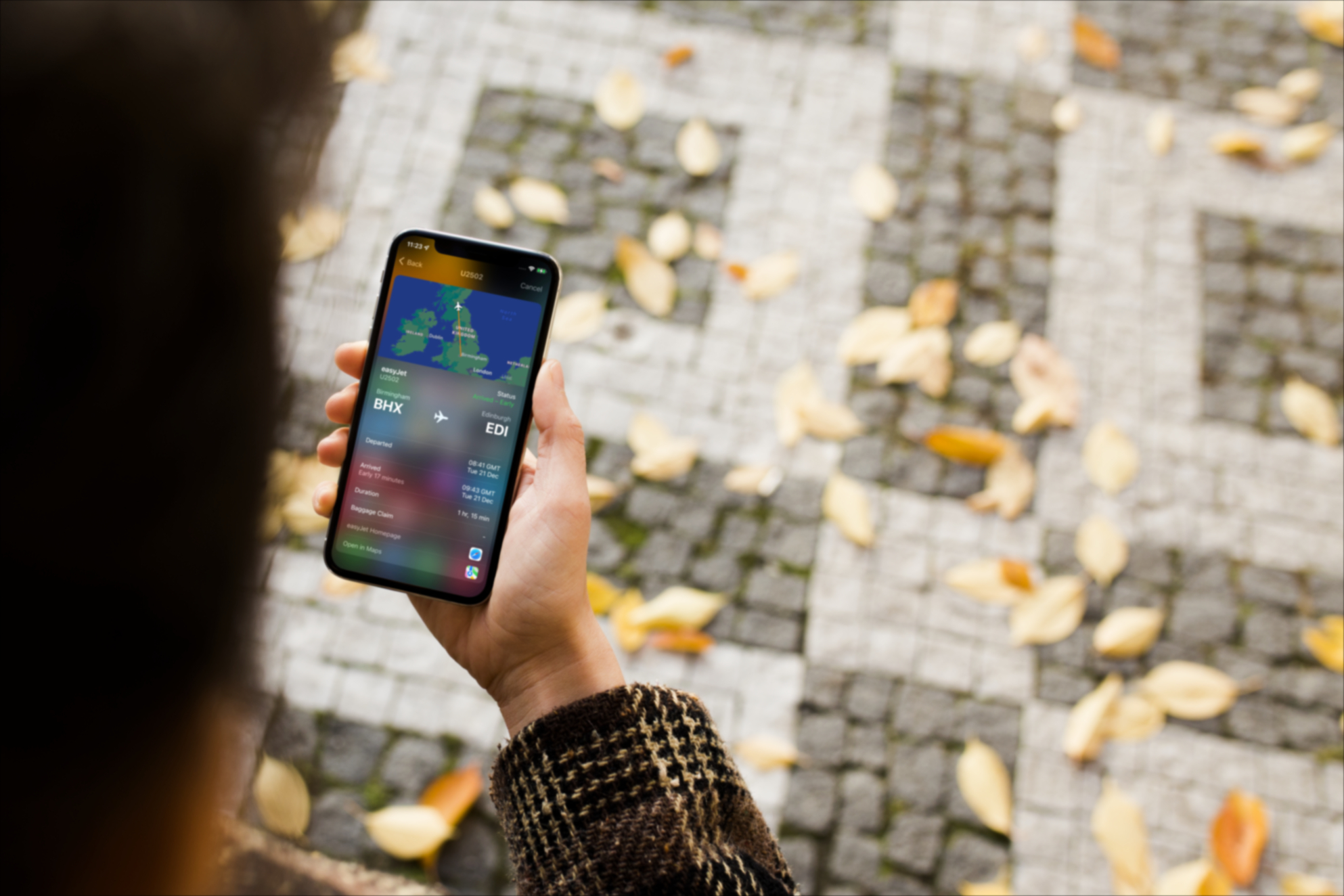
Flight tracker apps are a popular way to keep tabs on planes in the sky, because when you're preparing to fly or when someone you know is on board a flight, you can use them to check that things are still on schedule. But if you have an iPhone, you don't need to download and install a third-party app to track a flight – it's a handy built-in feature of the operating system.


The ability to track flights in iOS is thanks to the data detectors that Apple has integrated into the system for quite a few years now. Data detectors recognize things like times, dates and addresses, and in the right context, turns these into tappable links. Here's how it works.

Track Flights in Messages


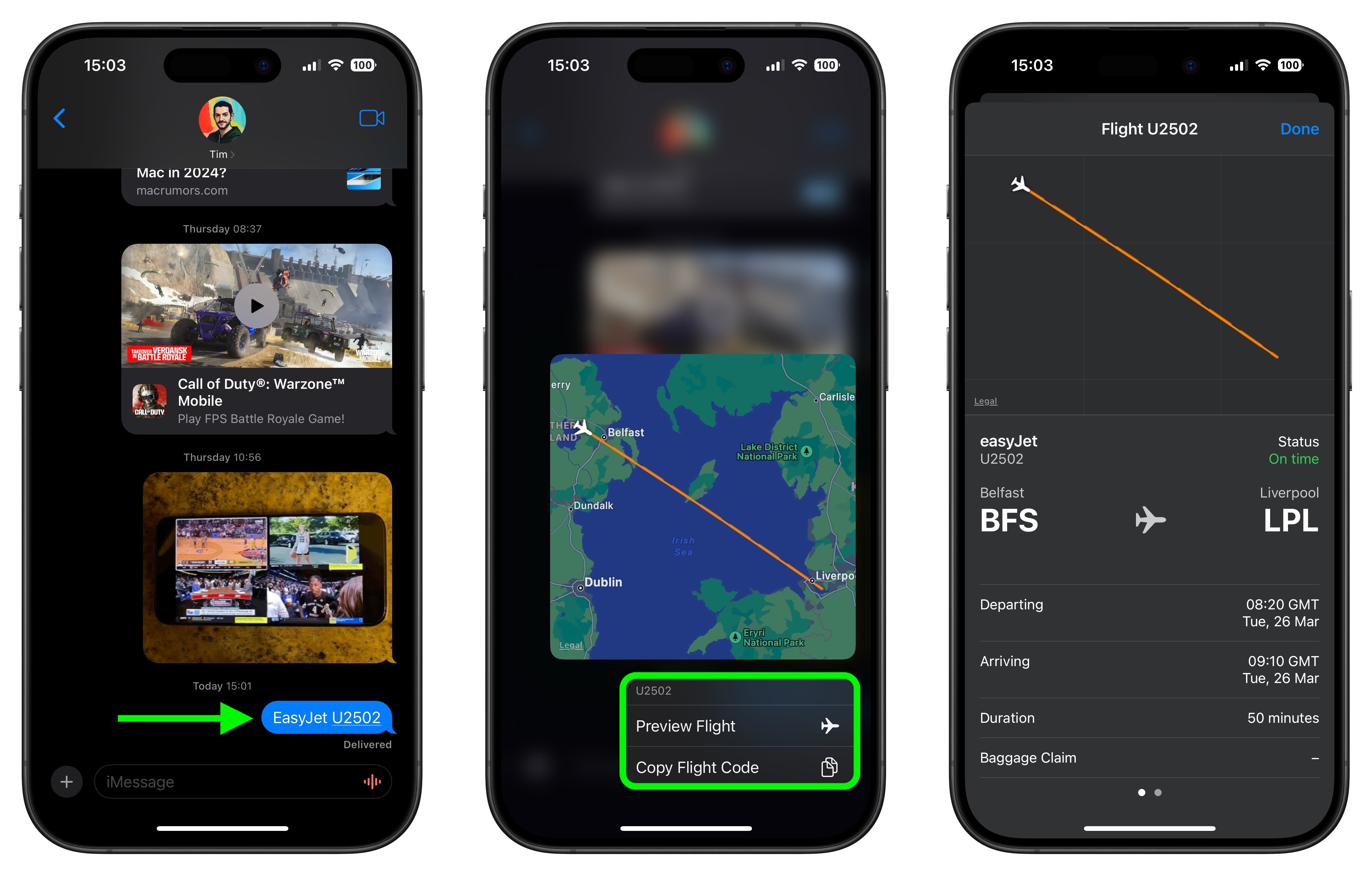
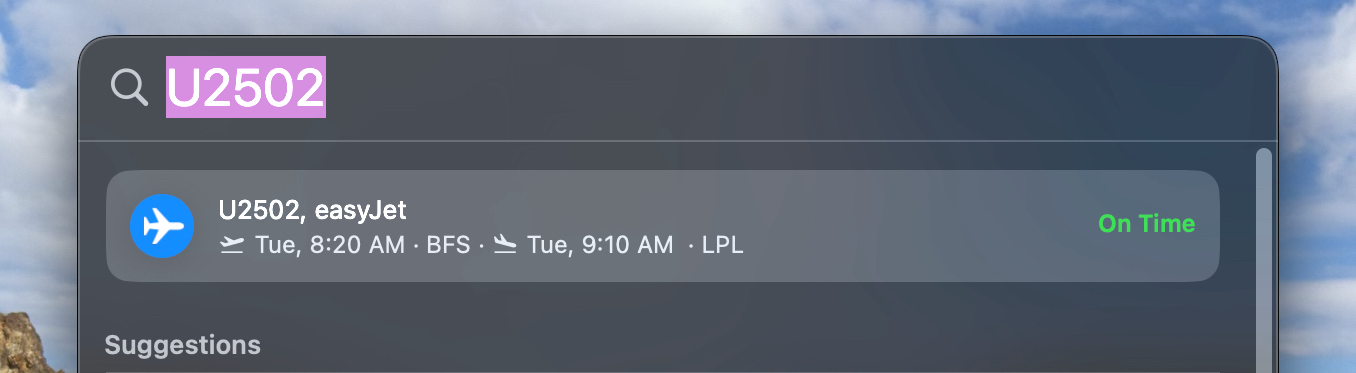
If someone sends you a flight number (U2502, say) in Messages, you can press and hold the underlined number to get a real-time view of the flight's progress plotted on a map.

messages
You also get the option to learn more by tapping Preview Flight, which will give you information like departure and arrival times, delays, and for some airports, baggage claim details. You'll find links to the airline website and Apple Maps at the bottom of the information card.

To increase the chances that iOS detects the flight number, it's best to include the full airline name along with the number (EasyJet U2502, for example).

Track Flights in Spotlight Search


On iPhone and iPad, you can also track flights in Search.

search
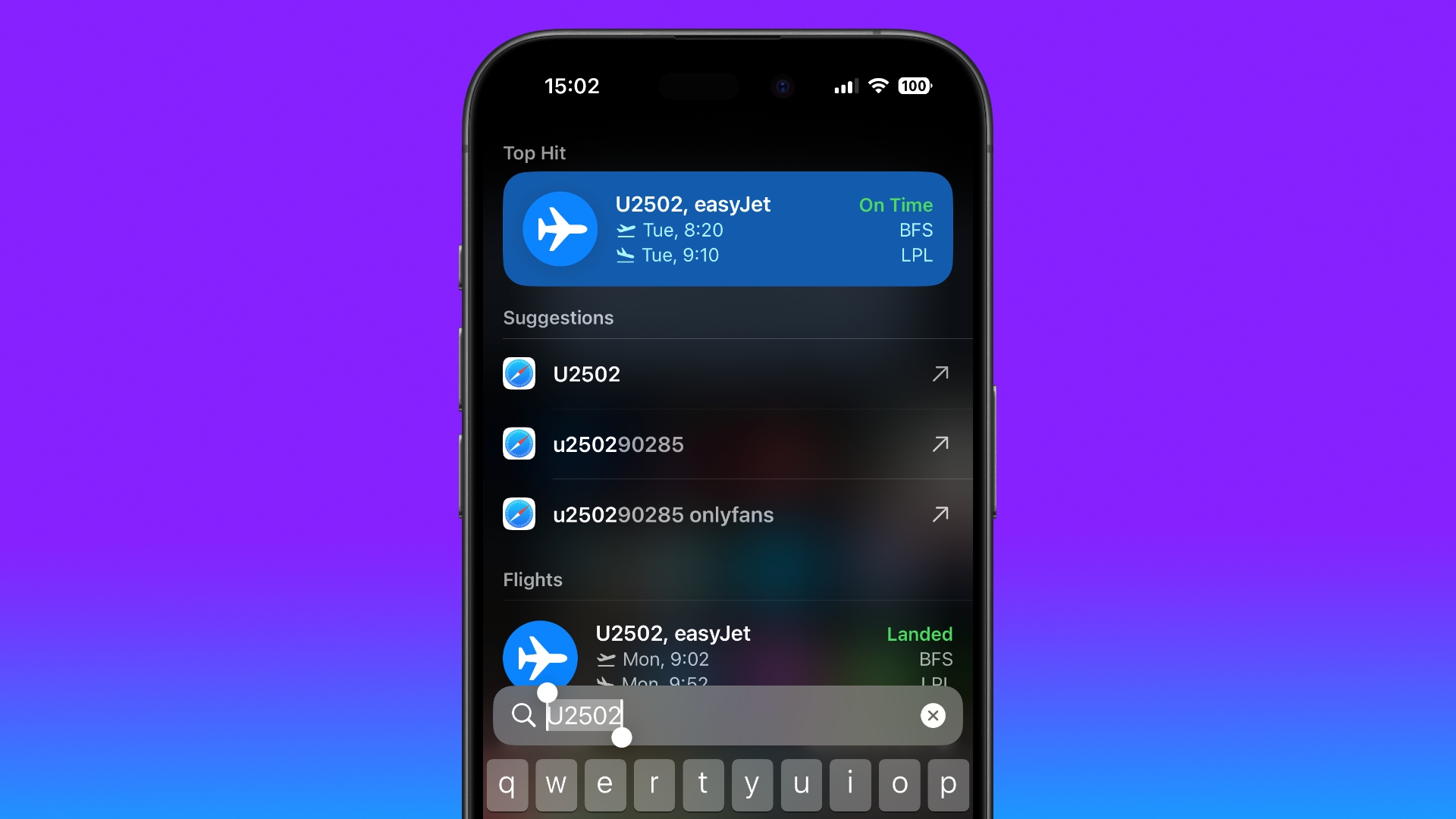
Swipe down from the middle of the Home screen and simply input the flight number into the search field to get departure and arrival information. Tap the information card to get the additional details mentioned above.

Tracking Flights on a Mac


spotlight
Apple has included the same data detectors into macOS, meaning you can track flights on your Mac, too. Simply invoke Spotlight with the Command-Spacebar key combination and type the flight number into the input field.

spotlight
Select the flight data in the results, and you'll see the same information card that appears in iOS, complete with the flight's live trajectory shown on a map and other details.
This article, "Track a Flight on Your iPhone" first appeared on MacRumors.com

Discuss this article in our forums

  •  

ChatGPT Now Has a 2025 Year-End Summary Feature Like Spotify Wrapped

OpenAI added a year-end summary feature to ChatGPT, allowing users to get a personalized overview of their 2025 ChatGPT usage. The summary is similar to year-end wrap-ups from companies like Spotify, Apple Music, YouTube, and other services.


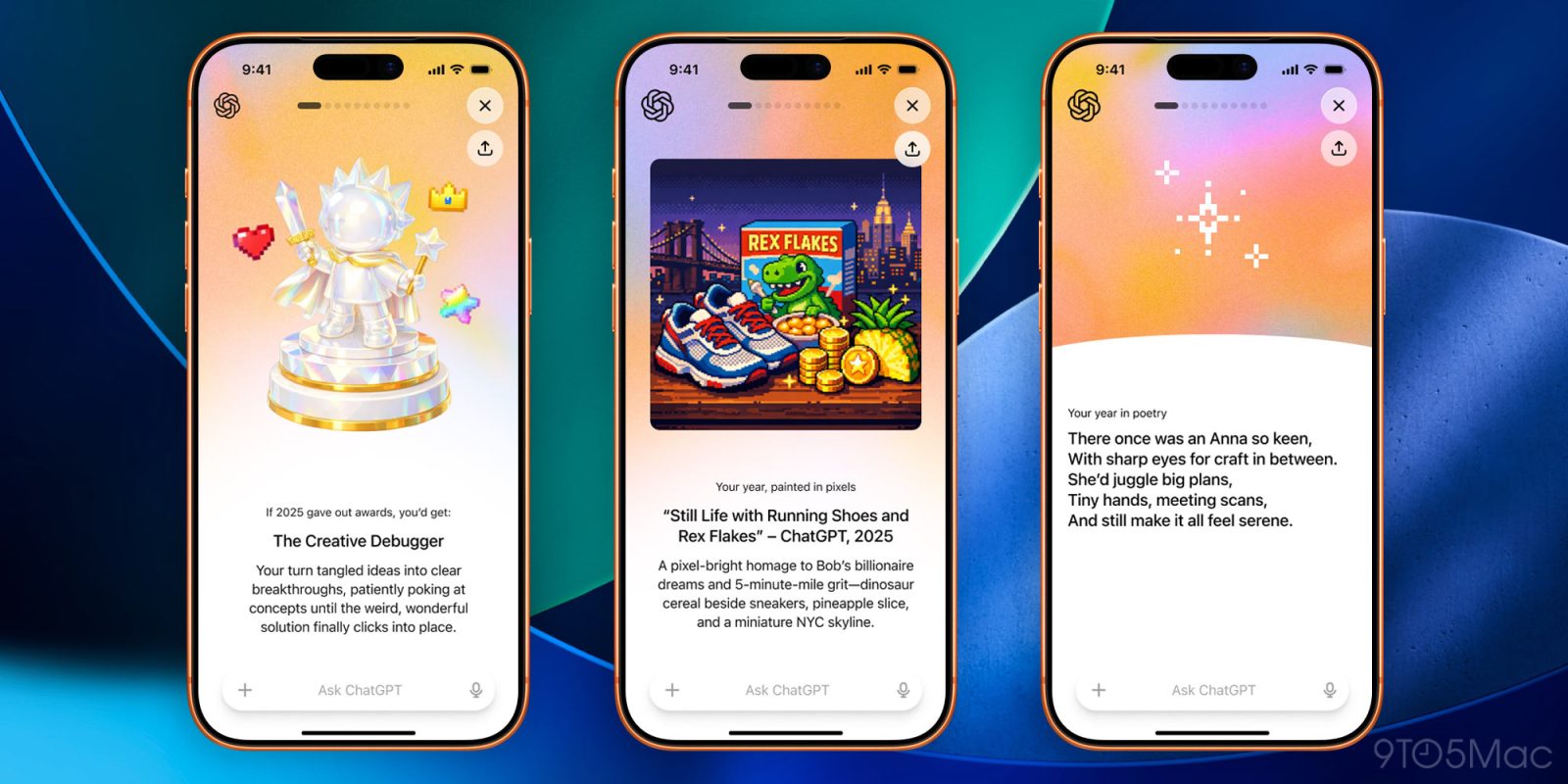
ChatGPT offers up an overview of themes discussed and chat stats, such as busiest chatting day, number of overall chats, messages sent, and more. ChatGPT provides each user with a chat style based on writing or speaking habits, along with an "archetype" based on what ChatGPT is used for.

The year-end update also provides a poem, a personalized pixel painting, a 2025 "award," and predictions for 2026.

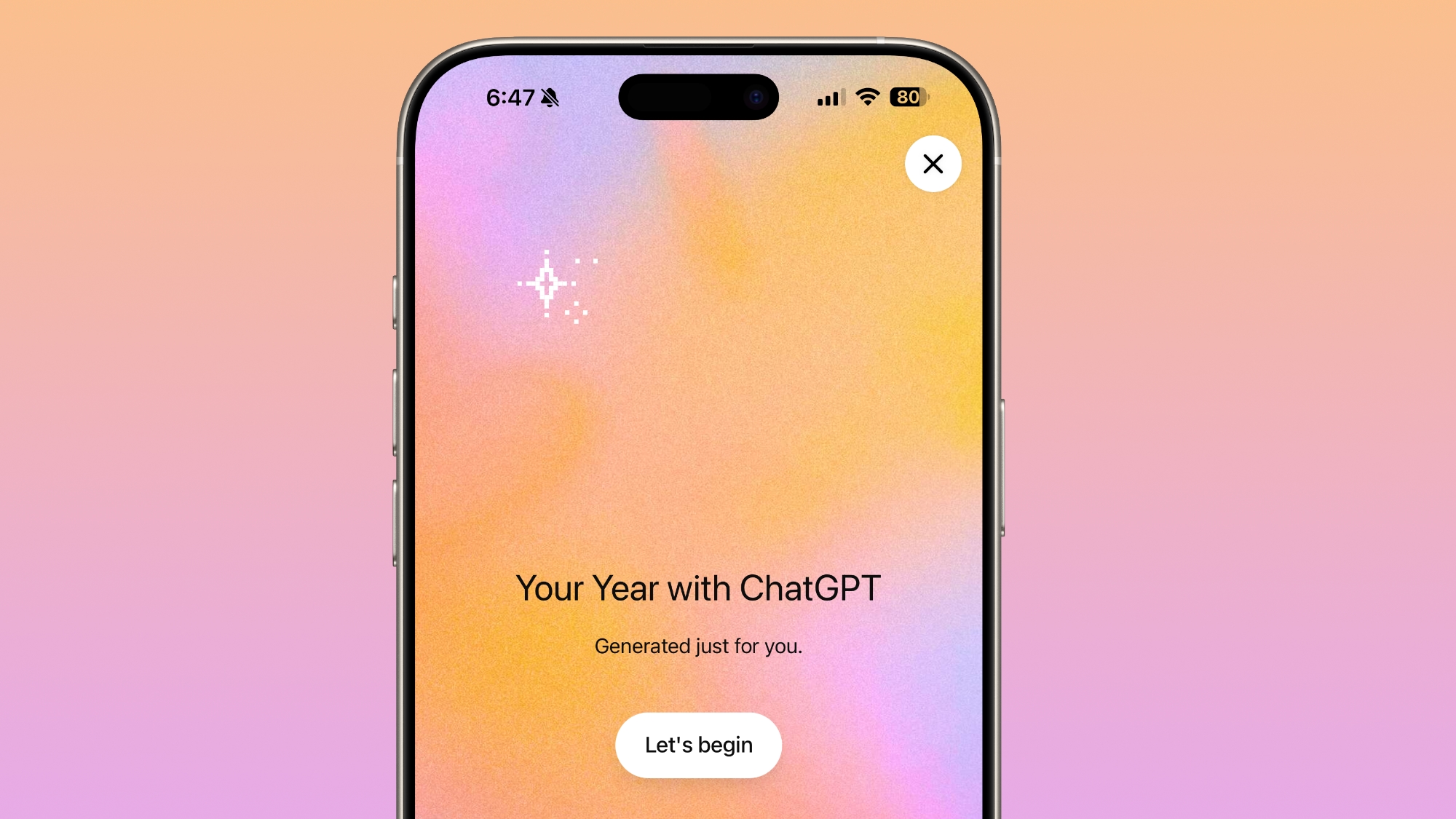
ChatGPT users can get their year-end summary by asking ChatGPT to "Show me my year with ChatGPT" in the ChatGPT app or on the web. Summaries are available for Free, Pro, and Plus users who have chat history and memory enabled for ChatGPT.

Countries where the feature is available include the United States, UK, Canada, New Zealand, and Australia.
This article, "ChatGPT Now Has a 2025 Year-End Summary Feature Like Spotify Wrapped" first appeared on MacRumors.com

Discuss this article in our forums

  •  

iOS 26.3 Brings AirPods-Like Pairing to Third-Party Devices in EU Under DMA

The European Commission today praised the interoperability changes that Apple is introducing in iOS 26.3, once again crediting the Digital Markets Act (DMA) with bringing "new opportunities" to European users and developers.


The Digital Markets Act requires Apple to provide third-party accessories with the same capabilities and access to device features that Apple's own products get. In iOS 26.3, EU wearable device makers can now test proximity pairing and improved notifications.

Here are the new capabilities that Apple is adding:

  • Proximity pairing - Devices like earbuds will be able to pair with an iOS device in an AirPods-like way by bringing the accessory close to an iPhone or iPad to initiate a simple, one-tap pairing process. Pairing third-party devices will no longer require multiple steps.

  • Notifications - Third-party accessories like smart watches will be able to receive notifications from the ‌iPhone‌. Users will be able to view and react to incoming notifications, which is functionality normally limited to the Apple Watch. Notifications can only be forwarded to one connected device at a time, and turning on notifications for a third-party device disables notifications to an Apple Watch.


The European Commission says that developers can test third-party TVs, smart watches, and headphones with the new features in iOS 26.3, with the functionality to be "fully available in Europe" in 2026.

iOS 26.3 offers "another step towards a more inter-connected digital ecosystem to the benefit of all EU citizens," according to the European Commission. iOS 26.3 is expected to launch at the end of January.

The changes to proximity pairing and notifications are only available for device makers and ‌iPhone‌ and ‌iPad‌ users in the European Union.
This article, "iOS 26.3 Brings AirPods-Like Pairing to Third-Party Devices in EU Under DMA" first appeared on MacRumors.com

Discuss this article in our forums

  •  

Apple Offers Free Two-Hour Delivery for Last-Minute Holiday Shopping

Apple has started offering free two-hour delivery on eligible, in-stock products for those who still need to do some last-minute gift shopping. The two-hour delivery upgrade is available through December 24 in most metro areas of the U.S. and Canada. Three-hour delivery is also available in Australia.


Two-hour delivery is provided through courier companies that Apple partners with, like Uber Eats or Postmates, and it typically costs $9. Items are delivered from a local Apple retail store, so whatever you're ordering needs to be in stock at a nearby location.

The offer is available for in-stock purchases of iPhone, iPad, Mac, Apple Watch, AirPods, Apple TV, and Beats headphones. It is not available for custom Macs or engraved orders, nor is it applicable to accessories. Some accessories and products are also still available for December 24th delivery with express shipping.

Apple is still providing an extended return policy, so items purchased now can be returned through January 6, 2026.
This article, "Apple Offers Free Two-Hour Delivery for Last-Minute Holiday Shopping" first appeared on MacRumors.com

Discuss this article in our forums

  •  

Where's the New Apple TV?

Apple hasn't updated the Apple TV 4K since 2022, and 2025 was supposed to be the year that we got a refresh. There were rumors suggesting Apple would release the new ‌Apple TV‌ before the end of 2025, but it looks like that's not going to happen now.


Bloomberg's Mark Gurman said several times across 2024 and 2025 that Apple would update both the HomePod mini and the ‌Apple TV‌ 4K toward the end of the year, and we also heard the same information from other sources. No announcement happened in September alongside the iPhone launch, and when Apple updated the Vision Pro, iPad Pro, and MacBook Pro in October, there was no sign of the ‌Apple TV‌.

It's not clear what happened, but it's possible Apple decided to hold all home-related product announcements until spring 2026, when the smarter, more capable version of Siri will be ready in iOS 26.4.

That's right around the time when Apple is rumored to be launching its new home hub device, so we could see the ‌Apple TV‌, home hub, and ‌HomePod mini‌ sometime in late March or April.

Rumored Features


The ‌Apple TV‌ isn't going to get a major design overhaul, but there are some useful updates in store. It's long overdue for a new chip, and Apple's newer chip options will bring gaming improvements.

A-Series Chip


The next-generation ‌Apple TV‌ is expected to get an updated A-series chip, and Apple backend code we found suggests that it'll use the A17 Pro. The A17 Pro is the chip that Apple first used in the ‌iPhone‌ 15 Pro models, and it would bring Apple Intelligence support to the ‌Apple TV‌ for the first time. The A17 Pro is built on 3-nanometer technology and it would also bring support for console-quality games thanks to much improved CPU and GPU performance. It'll be a significant improvement over the current A15 Bionic chip.

N1 Chip


Apple debuted its custom N1 networking chip in the iPhone 17 models, and rumors suggest that the N1 will also be used in the upcoming ‌Apple TV‌. It adds support for Wi-Fi 7, which is not a current ‌Apple TV‌ feature. With Wi-Fi 7 support, the ‌Apple TV‌ will be able to connect to Wi-Fi networks that support the faster and less crowded 6GHz band. Users can expect faster Wi-Fi speeds and lower latency.

New Siri Features


With a faster chip that supports ‌Apple Intelligence‌, the next-generation ‌Apple TV‌ will support the LLM version of ‌Siri‌ coming in 2026. ‌Siri‌ will be more like Claude or ChatGPT, which could lead to better ‌Apple TV‌ recommendations, the option to use voice commands to do more than before, better support for questions about actors and music in movies and shows, and much more.

Pricing


There's a possibility that Apple will cut costs for the next ‌Apple TV‌, and Apple analyst Ming-Chi Kuo has suggested that Apple is targeting a price point around $100. With the A17 Pro chip and the N1 chip, Apple might not be able to hit that price with the flagship model, but there could be a lower-end entry-level option that's more affordable. Pricing right now starts at $129.

New Launch Date


In early November, Gurman said that an ‌Apple TV‌ and ‌HomePod mini‌ "shouldn't be too far off" based on dwindling supplies of the devices at Apple retail stores. At the time, he said a post-2025 debut was a possibility, but he confirmed the products are ready to go and could launch at any time.

The ‌HomePod mini‌ and ‌Apple TV‌ will "help showcase the new ‌Siri‌ and ‌Apple Intelligence‌ features" that Apple has coming, which makes the spring timing sound even more likely.
Related Roundup: Apple TV
Buyer's Guide: Apple TV (Don't Buy)

This article, "Where's the New Apple TV?" first appeared on MacRumors.com

Discuss this article in our forums

  •  

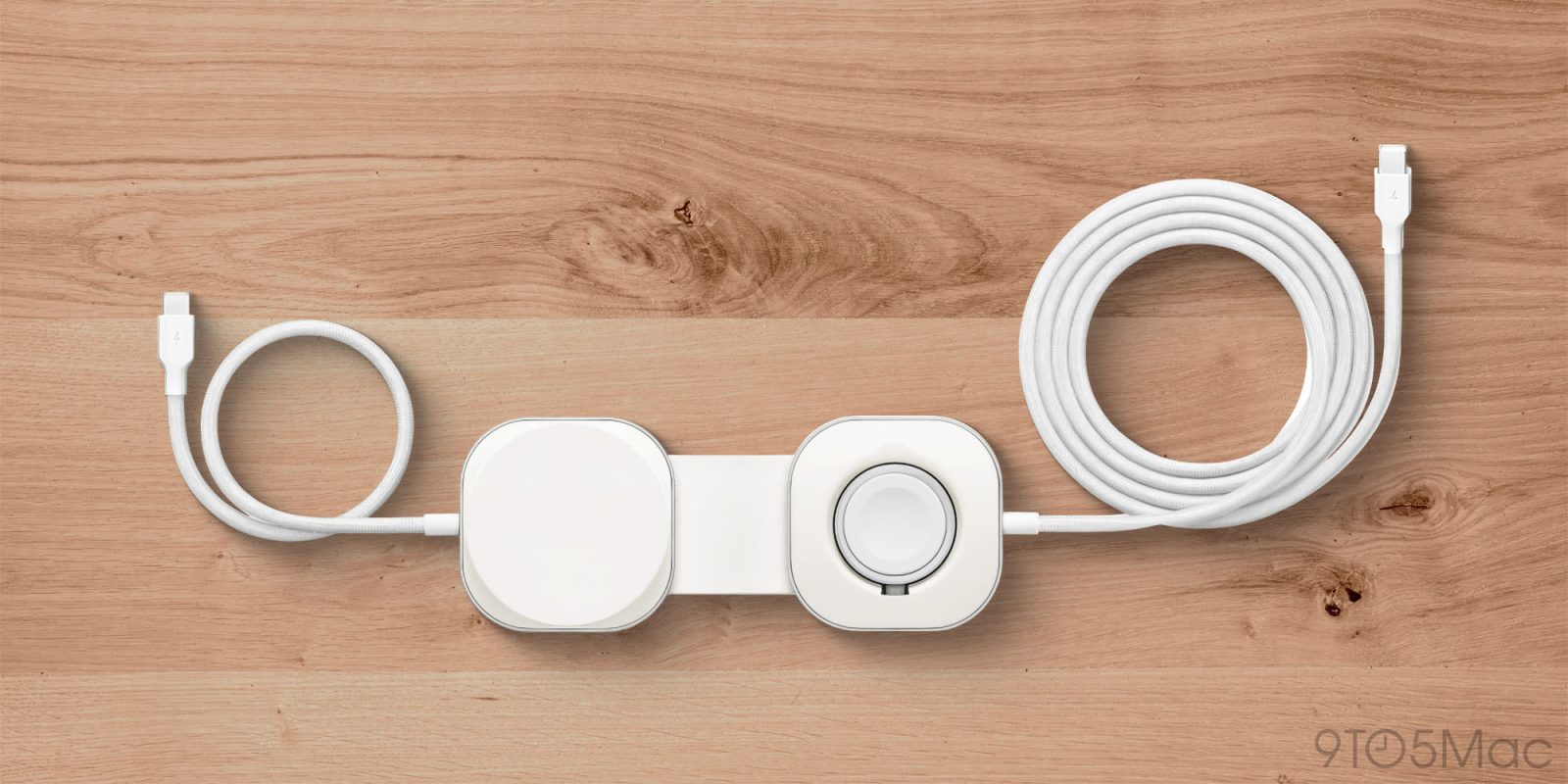
MagSafe Monday: The Zens USB-C Pro 3 cable charges your MacBook and your entire Apple setup at the same time

When you travel with a Mac, an iPhone, AirPods, and an Apple Watch, the charger pile starts to get out of hand fast. Most multi-device chargers focus on the iPhone side of the equation, leaving the Mac out entirely. That means you still need to pack a laptop brick, a MagSafe stand, a separate Apple Watch charger, and a cable for your AirPods, in addition to whatever other accessories you may use.

more…
  •