↩ Accueil

Vue normale

Noctua updates roadmap, Pulsar Feinman mouse & Seasonic Prime PX PSU pushed back

12 janvier 2026 à 13:30

Noctua has opened the new year by updating its public product roadmap. As some might've guessed, the January 2026 schedule is defined primarily by shifting deadlines. While the list of upcoming hardware remains identical to the last version published, Noctua has moved the majority of its near-term releases further back into the year.

The first quarter of 2026 was initially slated to be a busy period for the brand, but the updated roadmap (via Hardware&Co) sees two out of three major launches slip. The Antec Flux Pro Noctua Edition chassis remains the sole survivor of the Q1 window, standing as the only product currently on track for an immediate release. Meanwhile, the Pulsar Feinman Noctua Edition gaming mouse and the much-requested NF-A12x25 G2 chromax.black fans have both been pushed into Q2. Also in Q2, there's the company's first AIO liquid coolers.

Moving on to Q3, we have the Seasonic Prime PX Noctua Edition PSU, which has been a staple of Noctua's trade show booths for over a year. The PSU is joined by the 140 mm desk fan and the dedicated USB fan controller, both originally slated for Q2.

This latest update is perhaps most significant for what it doesn't include. No new product entries have been added to the roadmap, suggesting Noctua is currently prioritising the completion of its existing projects over new experimental designs.

KitGuru says: For those waiting on the Seasonic collaboration or the all-in-one liquid coolers, it seems you'll have to wait a bit longer. If these new targets hold, the Prime PX PSU series will finally arrive more than twelve months after its initial public presentation, continuing Noctua's reputation for prioritising “quality optimisation” over strict adherence to a calendar.

The post Noctua updates roadmap, Pulsar Feinman mouse & Seasonic Prime PX PSU pushed back first appeared on KitGuru.
Nvidia RTX 60 series: ‘Rubin’ expected to release in 2H 2027

12 janvier 2026 à 13:00

With CES 2026 now firmly in the rearview mirror and no new desktop GPUs to show for it, the hardware community has started to wonder when we'll get new GPUs. The RTX 50 Super refresh is nowhere to be seen, so all eyes are now on the GeForce RTX 60 series, which is rumoured to adopt the “Rubin” architecture currently dominating Nvidia's enterprise roadmap. However, according to the latest leaks, gamers should settle in for a long wait, as the next generation isn't expected to break cover until the second half of 2027.

The “Rubin” name is already official in the data centre space, where Nvidia has discussed the Rubin CPX platform (GR) as the successor to Blackwell. While Nvidia has not confirmed that this branding will extend to the GeForce gaming lineup, historical patterns suggest a consumer adaptation is highly likely. The latest technical breadcrumbs come from kopite7kimi, who has shared the silicon that will power the RTX 60 series. According to the leaker, the consumer Rubin cards would follow a “GR20x” naming convention, with the GR202 likely being the flagship consumer GPU.

The leaker also pointed out the expected release date for the new series, claiming it would only be available in the second half of 2027. This aligns with AMD's rumoured RDNA 5 timeline, setting the stage for a massive showdown next year.

This release date and the absence of the RTX 50 Super series make us believe that the current RTX 50 series lineup will be the best you can get for some time. If the RTX 60 series is still nearly two years away, Nvidia likely feels the current Blackwell stack has enough longevity to maintain market dominance, especially given the lack of competition in the high-end segment. Rather than incremental hardware refreshes, the next 18 months will likely be defined by software progress, of which we've already seen a bit with the release of DLSS 4.5.

Discuss on our Facebook page HERE.

KitGuru says: If Rubin is indeed a late-2027 product, the RTX 5090 is set to become the longest-reigning flagship in Nvidia's modern history. For those who bought into Blackwell early, your investment looks safer than ever, but those waiting for a “mid-cycle” deal may want to temper expectations.

The post Nvidia RTX 60 series: ‘Rubin’ expected to release in 2H 2027 first appeared on KitGuru.

Towerborne ditches free-to-play for 1.0 launch coming this February

12 janvier 2026 à 12:30

Stoic, the developer behind The Banner Saga, has officially announced that its side-scrolling action RPG Towerborne will exit Early Access on February 26th. However, the 1.0 release arrives with a massive change: the game is completely abandoning its original free-to-play, always-online model in favour of a “buy once, own forever” approach. In a surprising move for an Xbox-published title, Stoic also confirmed that Towerborne will land on PlayStation 5 on day one.

The shift to a premium model is a direct response to community feedback during the game's stint in Xbox Game Preview. By moving to a paid structure, Stoic has been able to gut the “live service grind” and re-engineer the game to support full offline play. The 1.0 update will retail for $24.99 for the Standard Edition and $29.99 for the Deluxe Edition. For those already playing in Early Access, the transition is seamless: your account will automatically upgrade to the Standard Edition for free, and all existing Founders Pack rewards will remain exclusive to your account.

In addition to the transition to the business model, the 1.0 release will also introduce a significant content drop that completes Belfry's narrative arc. That includes a complete campaign culminating in a previously locked final showdown, as well as two new bosses, additional lieutenants, and a “Brutal” difficulty tier. The world is also expanding, now featuring a new coastal biome alongside a reimagined Forge system that allows for stat re-rolling and advanced gear modification. Lastly, all microtransactions have been removed, as every cosmetic in the game, including those previously in the premium shop, is now earnable through the game.

Existing players who accumulated “Belfry Bucks” (the old premium currency) will see their balances converted into Stepstones on launch day. This exclusive transfer currency can be redeemed for high-level crafting materials and “Big Bags of Writs” to jumpstart progression in the 1.0 economy. While character progression carries over, Stoic is encouraging veterans to start a fresh save to experience the reworked narrative flow from the beginning.

The experience is rounded out by a orchestral score from Grammy-nominated composer Austin Wintory. Towerborne will be available on Xbox Series X|S, PC (Steam and Windows Store), and PlayStation 5 on February 26th. The game is also available on Xbox Game Pass (Premium and Ultimate).

Discuss on our Facebook page HERE.

KitGuru says: Stoic is making an incredibly pro-consumer move here. In an industry currently struggling with “live service fatigue”, pivoting a game from an always-online F2P model to a premium offline-capable title is a breath of fresh air.

The post Towerborne ditches free-to-play for 1.0 launch coming this February first appeared on KitGuru.

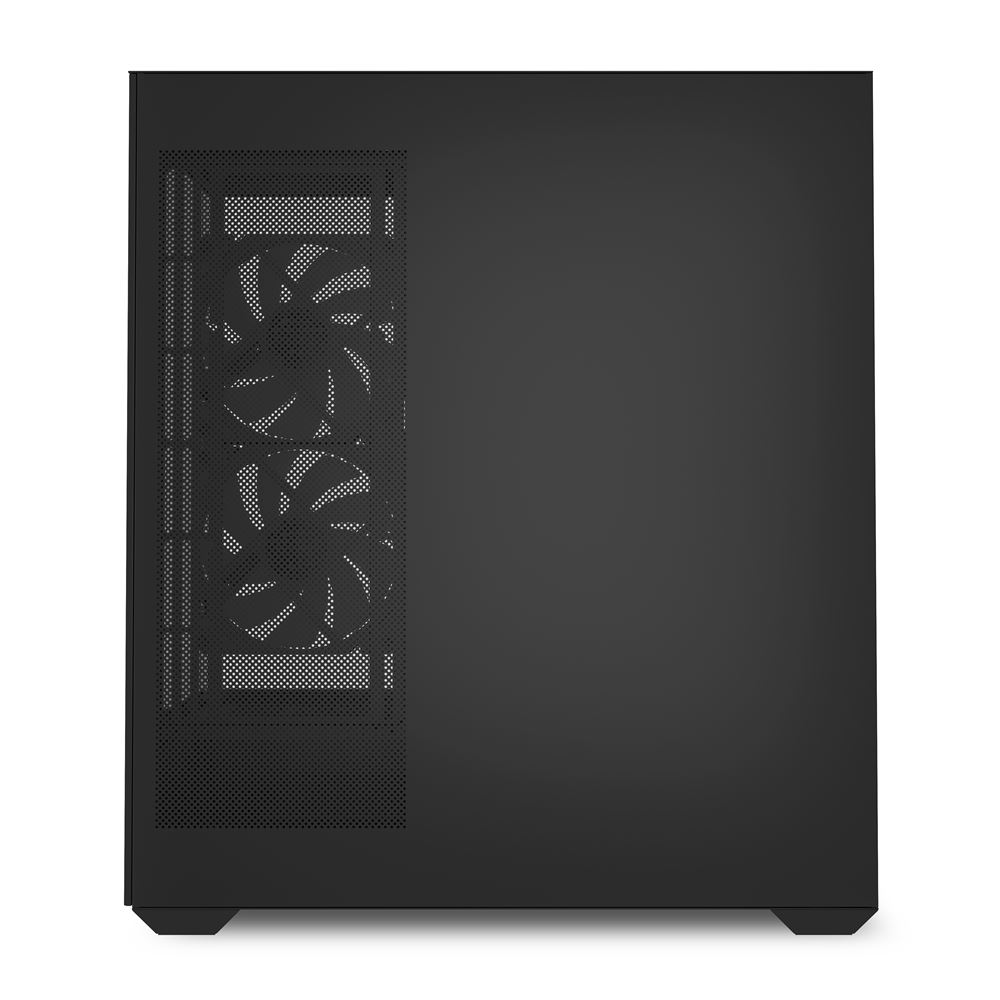
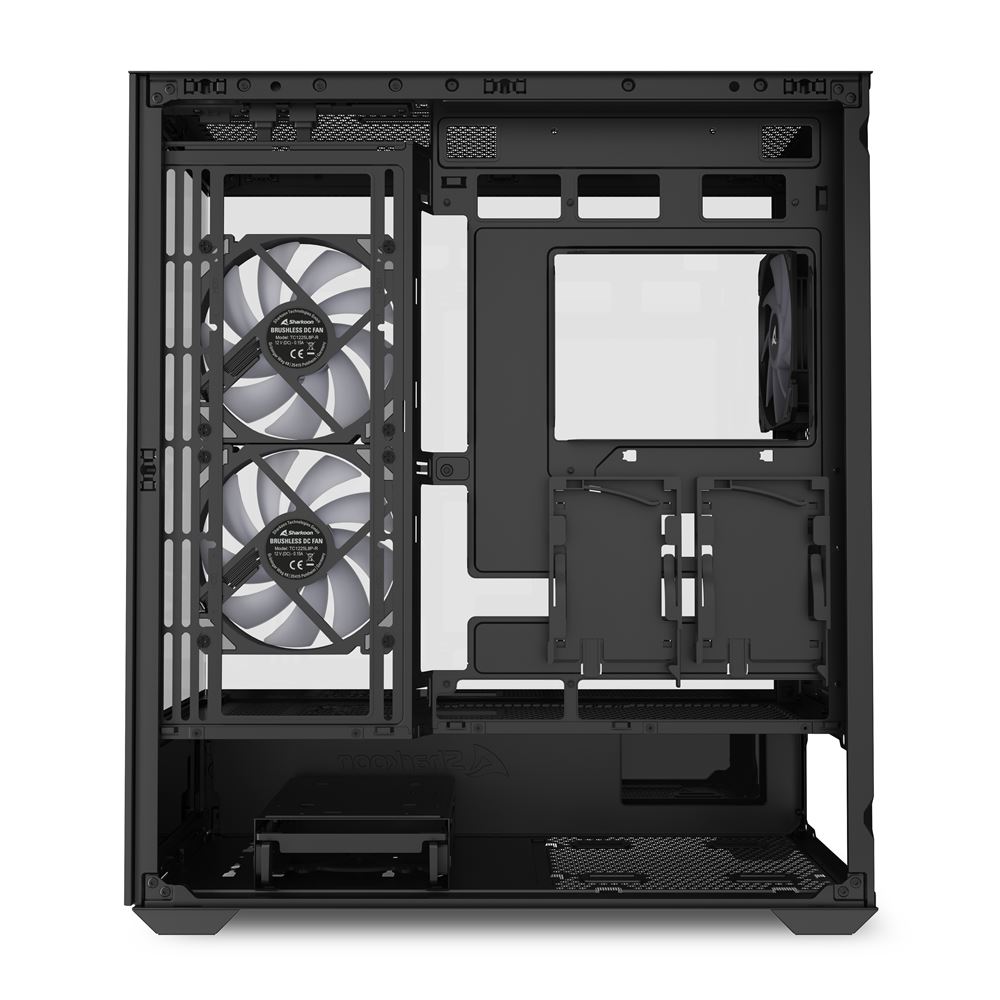
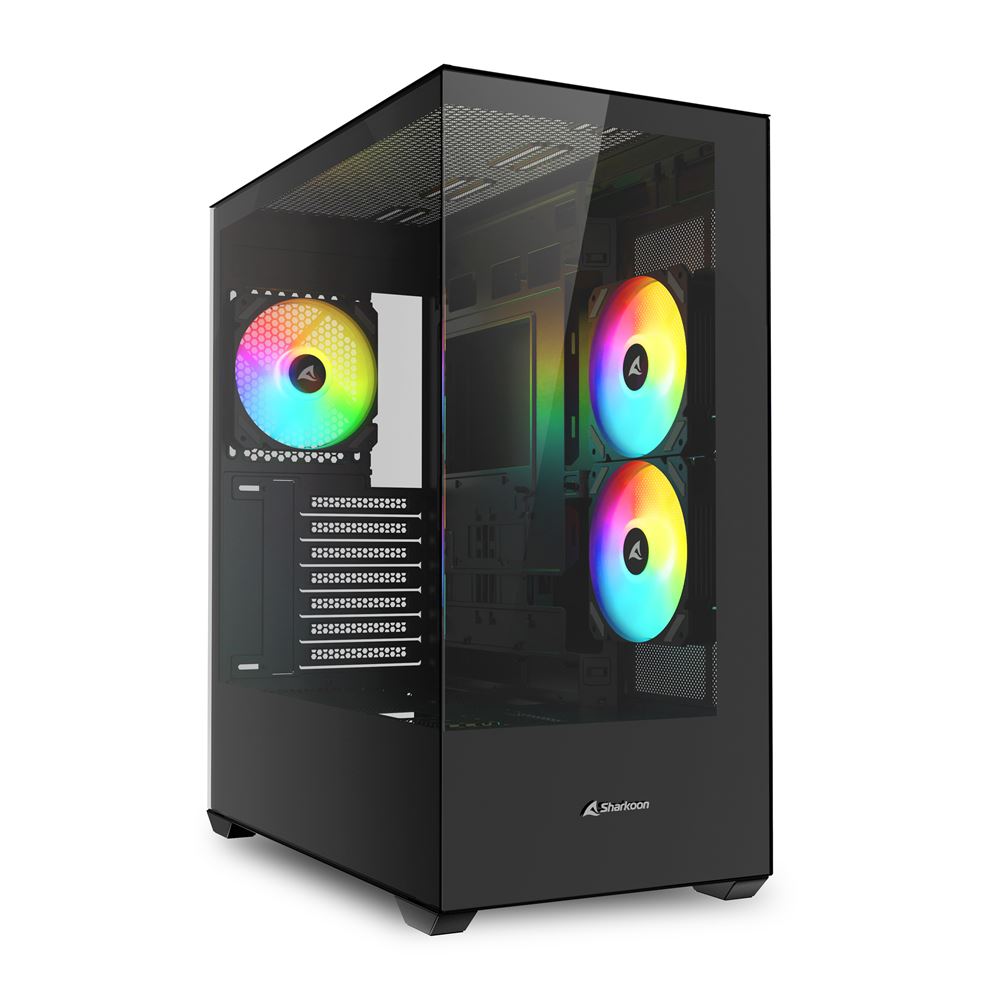
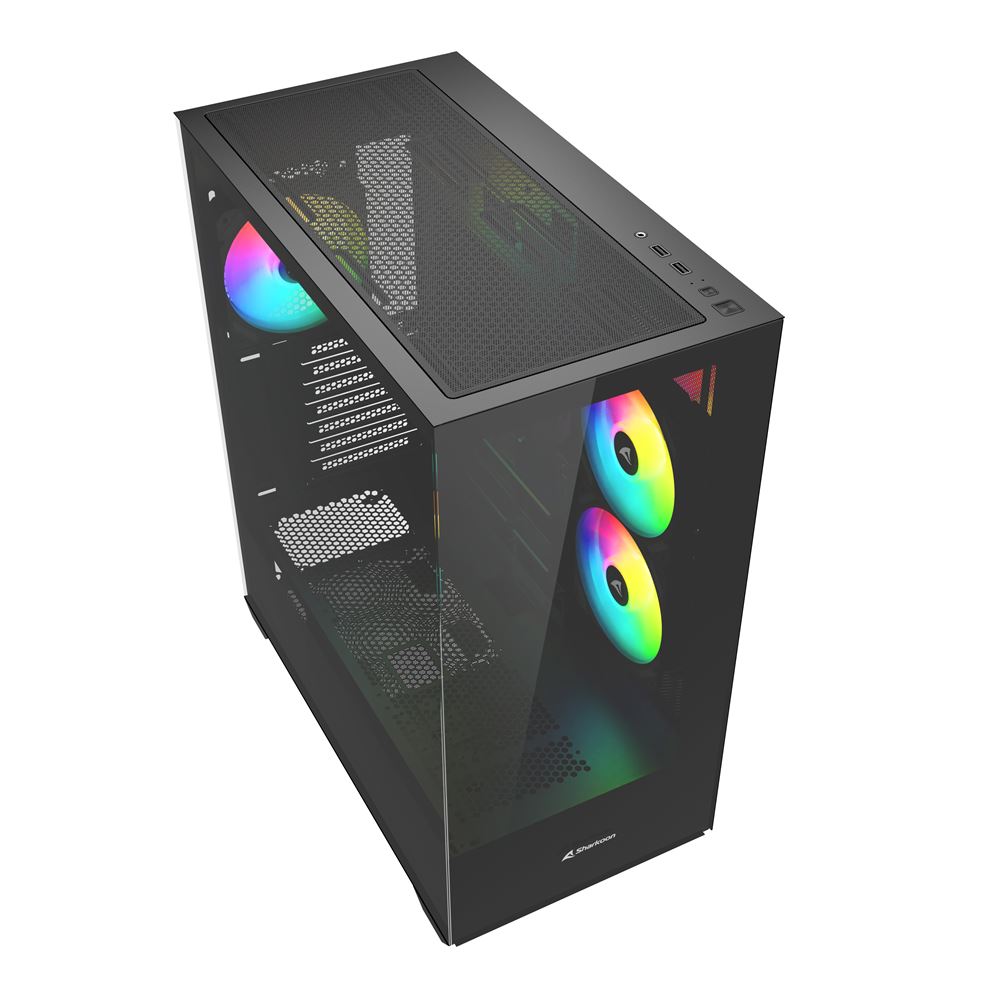
Sharkoon debuts SK6 ARGB with pillarless fish tank design and BTF support

12 janvier 2026 à 11:30

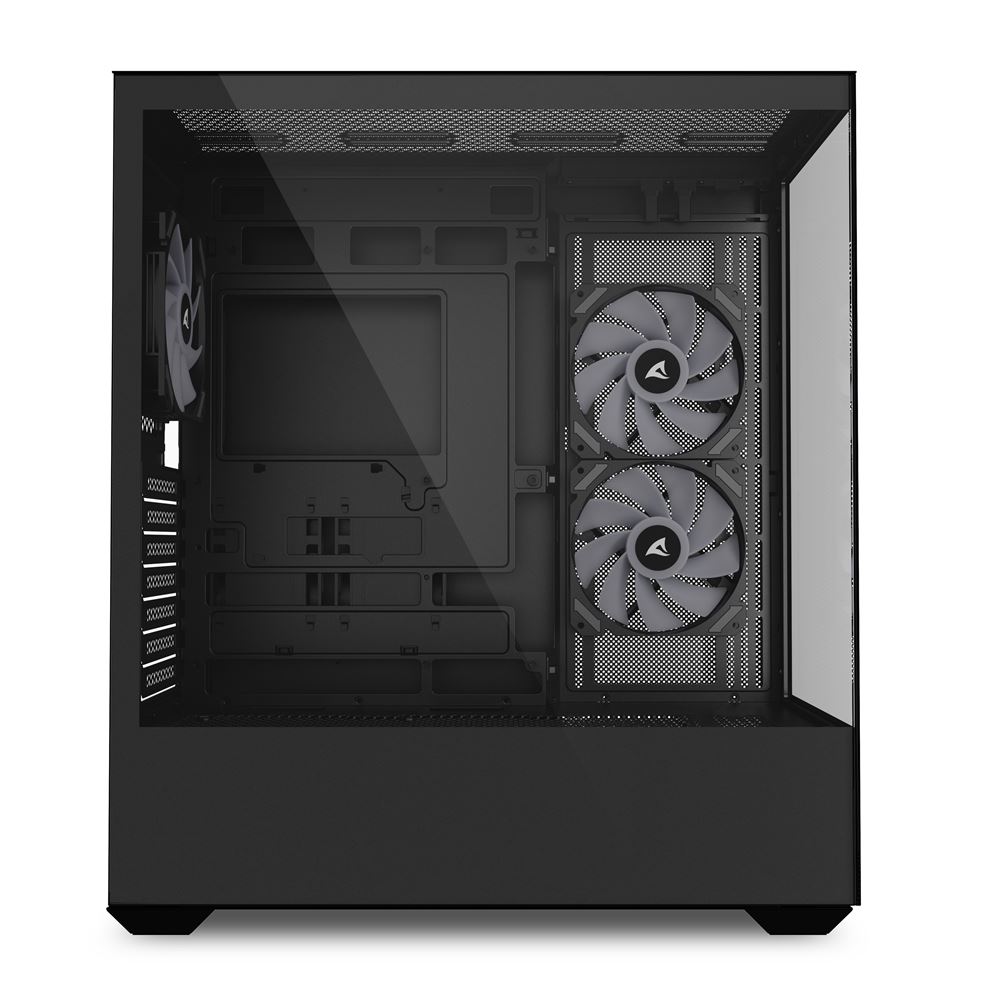
Sharkoon has launched the SK6 ARGB, a mid-tower chassis that aims to bring the “fish tank” aesthetic to a more accessible price point. While the dual-panel tempered glass design is clearly the focus, Sharkoon has engineered the internal layout to support the rising trend of back-connect (BTF) motherboards, positioning the SK6 as a budget-friendly foundation for ultra-clean builds.

The aesthetic appeal of the SK6 ARGB centres on its uninterrupted tempered glass front and side panels, providing an unobstructed view of the internal components. To maintain this look without suffocating the hardware, Sharkoon has opted for a side-panel intake strategy rather than a traditional mesh front. Out of the box, the case includes three pre-installed 120mm ARGB PWM fans. Two of these are “reverse-blade” models mounted on the side tray.

The interior can accommodate up to 9 fans. For those leaning into liquid cooling, the SK6 ARGB provides a primary 360 mm radiator mount at the top and a secondary 280 mm position on the side, allowing for dual-radiator setups typically reserved for much larger chassis. This flexibility is complemented by a main chamber that can house graphics cards up to 410 mm in length and CPU air coolers up to 170 mm tall. High-capacity power supplies are also supported, with a length limit of 235 mm.

As vendors like Asus and MSI move power and data connectors to the rear of the PCB, case manufacturers have had to adapt their tray designs to include the necessary cutouts. The SK6 ARGB is fully compatible with these standards, enabling a build that is virtually devoid of visible cabling. Storage options are equally practical, with the drive cage supporting two 3.5-inch HDDs or four 2.5-inch SSDs. The I/O panel is side-mounted and features dual USB-A ports and an audio jack. The Sharkoon SK6 ARGB is entering the market priced at €59.90.

Discuss on our Facebook page HERE.

KitGuru says: Considering its relatively low price, we wouldn't expect touches like reverse-blade fans to maintain a clean intake look. Still, Sharkoon now offers an interesting option in the entry-level segment for those who want to show off their systems and maintain a clean build.

The post Sharkoon debuts SK6 ARGB with pillarless fish tank design and BTF support first appeared on KitGuru.

Nvidia’s RTX 50 Super series could be indefinitely postponed

12 janvier 2026 à 10:30

Following the conclusion of CES 2026 without a single discrete GPU announcement, industry sources have confirmed that Nvidia has indefinitely postponed, and potentially cancelled, the GeForce RTX 50 Super series. Originally intended to bridge the VRAM gaps in the Blackwell lineup, the refresh has been sidelined by AI dominance, a global memory crisis, and AMD's lack of competitive pressure.

According to the Board Channels forum (via VideoCardz), this delay in the RTX 50 Super series can be attributed to three key reasons. The first is that the surge in demand for compute GPUs has forced Nvidia to “cut corners” on consumer allocation. As production lines shift to the Vera Rubin NVL72 and H200 systems, the silicon intended for mid-cycle gaming refreshes is being diverted to more lucrative markets.

Moreover, there's also the ongoing GDDR7 shortage, as a severe DRAM supply crunch currently affects the industry. Costs for GDDR7 have skyrocketed, and the 3 GB modules required for the rumoured 24 GB and 32 GB 50 Series Super variants are in critically short supply. As such, releasing these cards now would force an MSRP so high that they would be DOA for most gamers.

Perhaps the most pragmatic reason is that AMD has also pushed its next-generation RDNA 5 architecture to 2027. With the Radeon RX 9070 XT unable to challenge the RTX 5080 or 5090, Nvidia sees no strategic necessity to refresh its stack. Even Intel's rumoured B770 was a no-show at CES, leaving the current RTX 50 series to almost dominate by default.

Discuss on our Facebook page HERE.

KitGuru says: With the Super cards on ice and memory prices still climbing, the RTX 50 series you see on shelves today might be the only high-end options we get for the next 18 months.

The post Nvidia’s RTX 50 Super series could be indefinitely postponed first appeared on KitGuru.
❌