↩ Accueil

Vue normale

CES 2026: PNY targets SFF enthusiasts with dual-slot GeForce RTX 5080 and 5070 Slim

8 janvier 2026 à 18:00

PNY has officially entered the 2026 Small Form Factor (SFF) market at CES 2026, unveiling a trio of Blackwell-based graphics cards designed to fit where most modern flagships cannot. The new GeForce RTX 5080, RTX 5070 Ti and RTX 5070 Slim models all adhere to a strict dual-slot, 40mm-thick design, making them suitable for SFF builds. By leveraging a redesigned thermal solution that utilises a vapour chamber and an aluminium backplate, PNY aims to provide the full performance of Nvidia's reference specifications without the massive physical footprint

The flagship of this compact series is the PNY GeForce RTX 5080 16GB Slim. PNY is shipping both standard and factory-overclocked versions, with the OC model boosting up to 2730MHz. Cooling a 360W TDP dual-slot card measuring 300mm in length and 40mm in thickness is no small feat, which is why PNY has equipped the 5080 with dual 120mm fans. These fans are designed to move more air at lower RPMs, theoretically keeping the noise floor manageable even during heavy 4K gaming loads

Sitting just below the flagship, the RTX 5070 Ti Slim is arguably the most interesting entry for SFF builders, as Nvidia isn't producing a Founders Edition for this SKU. PNY's version has a 300W TDP and fits into a slightly shorter 290mm chassis. Further down the stack, the RTX 5070 Slim is even smaller, measuring 128mm wide and featuring a pair of 100mm fans. All three models use a PCIe 5.0 interface and offer modern display connectivity, including three DisplayPort 2.1b outputs and a single HDMI 2.1b port.

Software control is handled by PNY's VelocityX suite, which allows for real-time telemetry monitoring, custom fan curves and manual OC. While the cards lack the ARGB lighting found on the more mainstream Epic-X series, the clean, industrial aesthetic is clearly aimed at users who prefer performance over flair. PNY expects these units to hit retail shelves in February 2026.

KitGuru says: PNY is filling a gap in the market here, particularly with the dual-slot RTX 5070 Ti. For those building in restrictive spaces, these Slim models might be one of the few ways to get a high-end RTX 50 card on their systems.

The post CES 2026: PNY targets SFF enthusiasts with dual-slot GeForce RTX 5080 and 5070 Slim first appeared on KitGuru.


CES 2026: Tryx expands its lineup with new cooling solutions and cases

8 janvier 2026 à 17:30

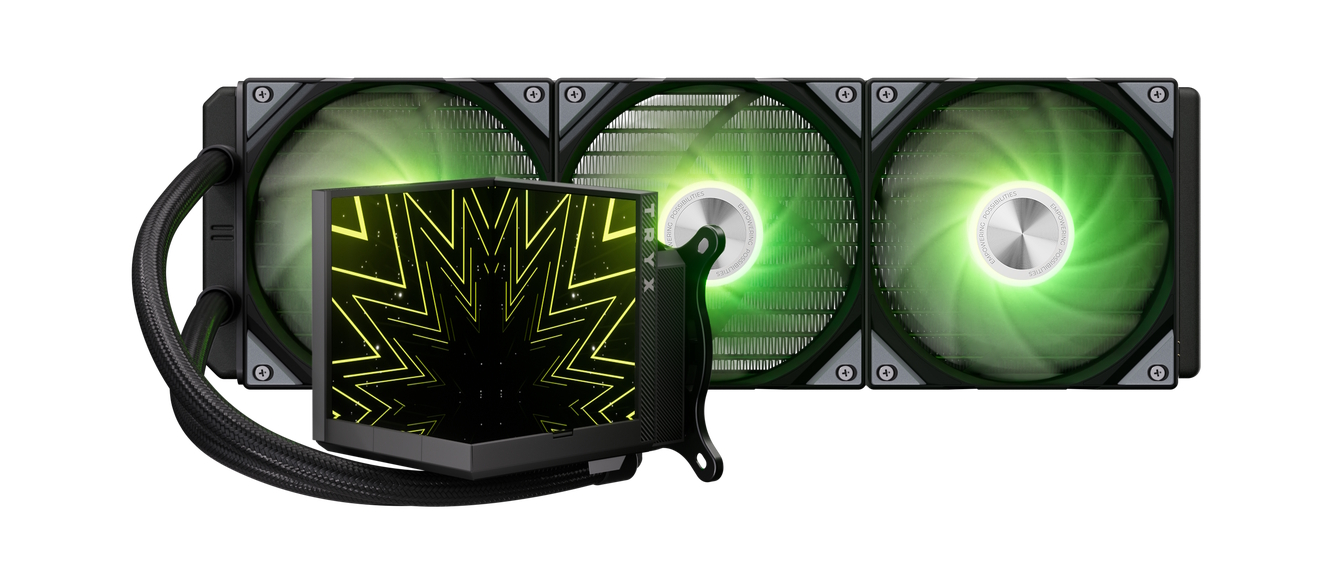
Following the launch of its Panorama series last year, Tryx has made a mark on the PC hardware market. At CES 2026, the brand is expanding its lineup to new segments with a trio of products that push the limits of how much screen real estate you can realistically fit inside a chassis. Headlining the launch is the Stage 360 AIO, a liquid cooler that ditches the single-panel approach for a unique “spliced” dual-display setup. Alongside the AIO comes a “lifestyle” chassis with a cross-flow fan design and the company’s first high-end CPU cooler, the Turris 620.

The Stage 360 liquid cooler offers an upgrade over typical LCD-on-pump systems. Rather than a single large screen, Tryx has integrated two 4.0-inch IPS displays onto an aluminium pump base, “spliced” together to create a continuous visual stage. With a pixel density of 254 PPI and a 720×720 resolution per panel, the visual fidelity is high enough to display detailed animations or even support small physical figurines placed on the base. Configuration is handled through the company’s Kanali software. Under the hood, the unit relies on 8th-gen Asetek technology and triple Rota SL ARGB fans to handle a rated TDP of 280W.

Moving to the chassis, the Flova F50 mid-tower was designed to blend a PC case with home aesthetics. The case features ventilated fabric-finished panels available in black, white or pink. However, the real innovation is the proprietary Tryx Cross-Flow (TCF) fan. Unlike traditional axial fans that push air in a straight line, the TCF is a side-mounted drum-style fan that creates a 90-degree airflow channel. This uniform wall of air is intended to eliminate dead spots over the motherboard and GPU while operating at an ultra-quiet 20 dBA. The case is also modern in its compatibility, offering full support for back-connect motherboards like Asus BTF and MSI Project Zero.

For those who prefer air cooling but still want the “screen-on-everything” aesthetic, the Turris 620 aims to deliver. This dual-tower heatsink features a massive 5.0-inch ultra-wide HD IPS display that is magnetically mounted to the top. The cooler uses a six-heatpipe configuration and a nickel-plated micro-convex base, and it can tame CPUs up to 280W. Installation is simplified through a rail system for the Rota fans, allowing them to be snapped into place without the usual struggle of wire clips.

The Stage 360 is expected to hit European shelves in February 2026 for £199.99/€229.99. The Flova F50 will arrive around the same time, starting at £129.99/€144.99, while the Turris 620 is slated for a March release with pricing to be confirmed closer to launch.

KitGuru says: The engineering behind the Flova F50's cross-flow fan is legitimately interesting. If that TCF fan can actually deliver on its promise of silent, uniform cooling, Tryx might have more than just coolers with big displays on its hands.

The post CES 2026: Tryx expands its lineup with new cooling solutions and cases first appeared on KitGuru.

CES 2026: MSI introduces the MPG 272QRF X36, its first Nvidia G-Sync Pulsar monitor

8 janvier 2026 à 16:30

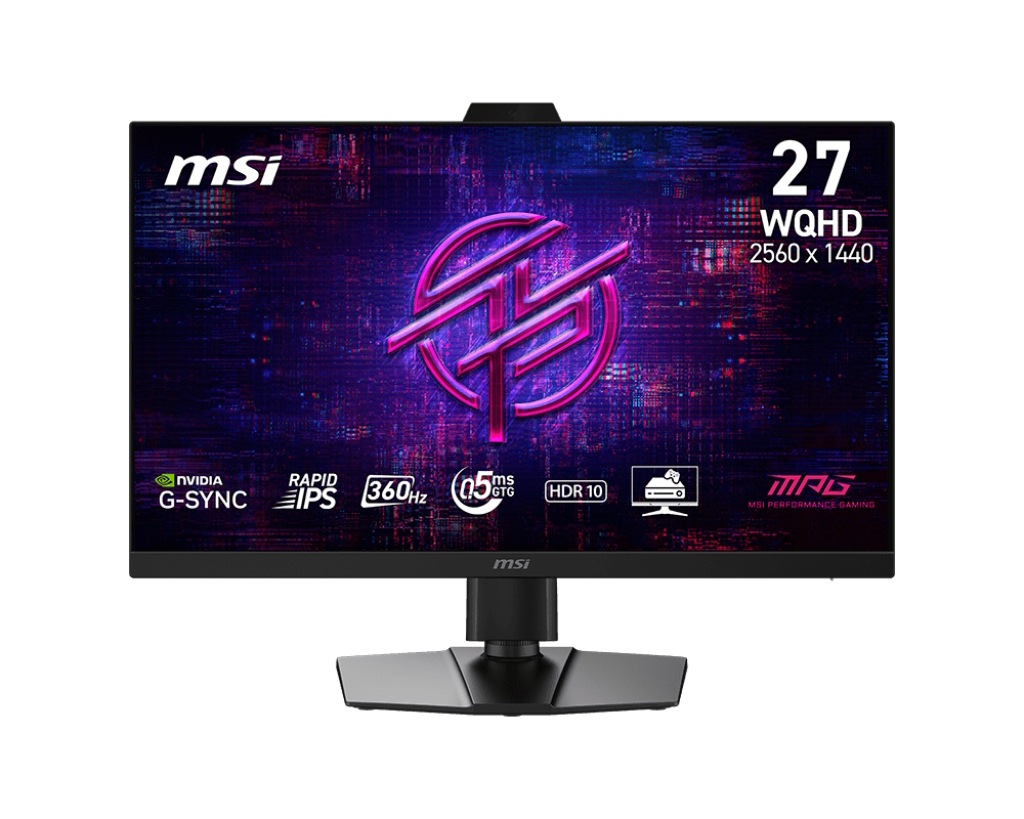
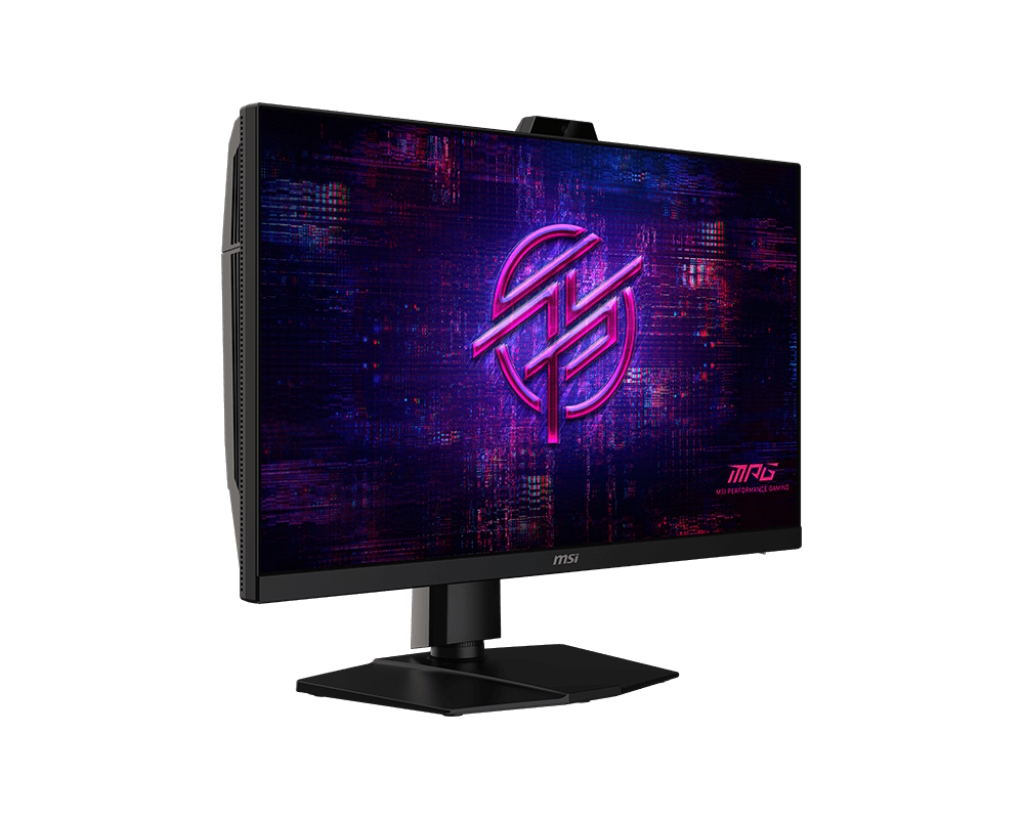
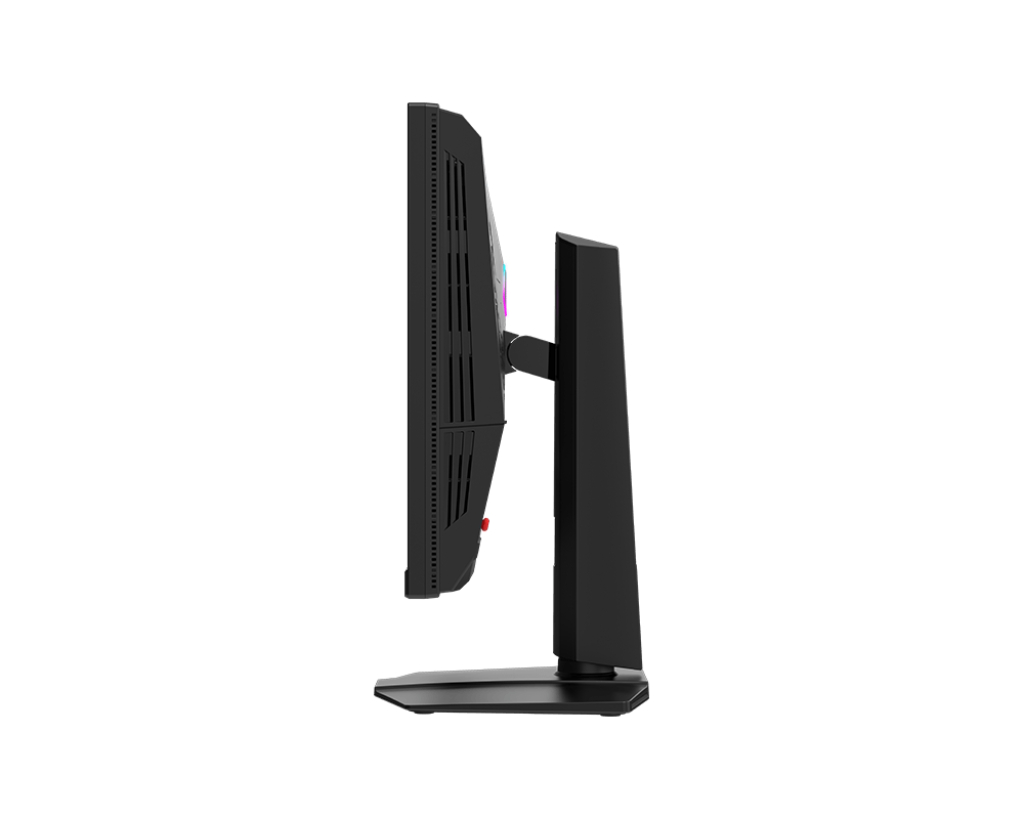
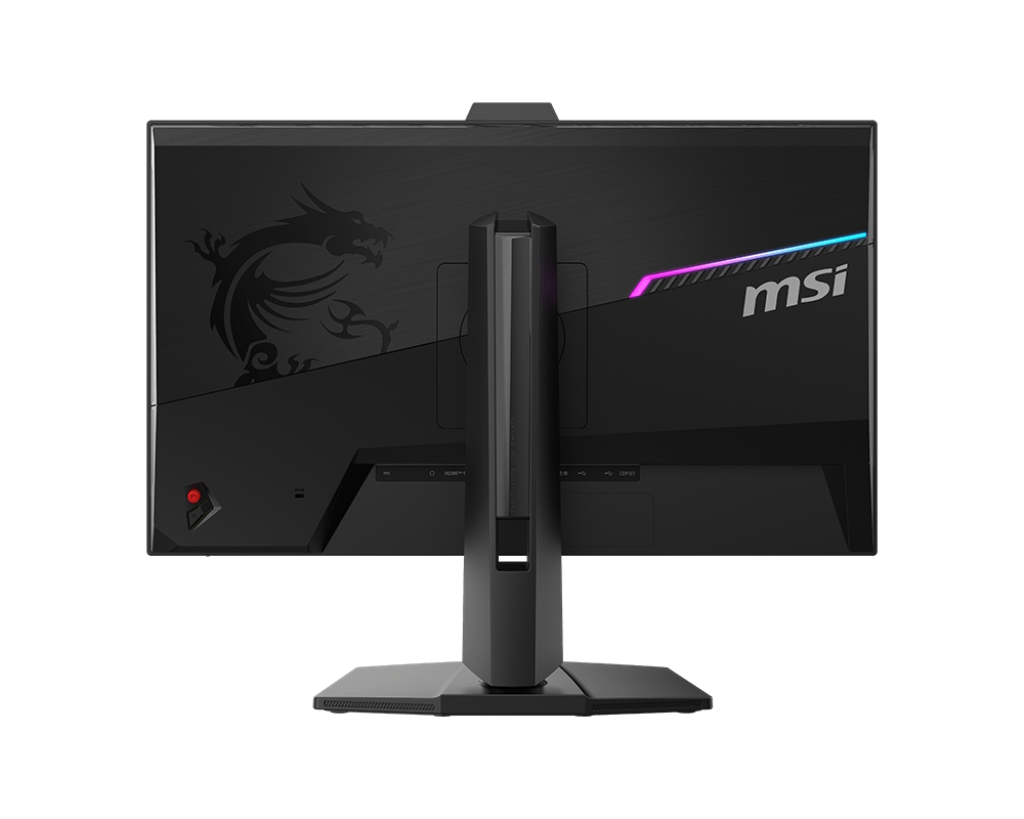
MSI has officially launched the MPG 272QRF X36, a monitor developed in close partnership with Nvidia to spearhead the arrival of G‑Sync Pulsar technology. Aimed at the competitive gaming market, this 27‑inch Rapid IPS display pairs a native WQHD (2560 x 1440) resolution with a 360Hz refresh rate. While high‑refresh displays are increasingly common in the competitive scene, the MPG 272QRF X36 distinguishes itself by finally unifying variable refresh rate (VRR) and backlight strobing without the traditional compromises of flickering or screen tearing

Nvidia’s G‑Sync Pulsar technology is what makes this possible. Historically, gamers had to choose between the stutter‑free experience of G‑Sync and the superior motion clarity of backlight strobing (ULMB). Pulsar eliminates this by using variable‑frequency backlight strobing to synchronise with the GPU’s fluctuating frame rate. By dividing the backlight into multiple horizontal sections and utilising a “rolling scan” technique, the monitor pulses the backlight for only 25% of each frame duration. This ensures pixels have time to stabilise before they are illuminated, resulting in what Nvidia claims is a fourfold improvement in motion clarity (240 FPS has the motion clarity of 960Hz).

Beyond raw speed, the MPG 272QRF X36 integrates several quality‑of‑life features for varying environments. The G‑Sync Ambient Adaptive system utilises an on‑board light sensor to monitor the user’s surroundings, automatically adjusting brightness and colour temperature to maintain optimal contrast while reducing eye strain. Competitive players who still prefer lower resolutions for performance reasons will also find value in the 25″ Mode simulation. This feature provides pixel‑perfect scaling for resolutions such as 1920 x 1080 and 1280 x 960, allowing players to use a smaller windowed area with reduced interpolation artefacts or blur.

The monitor uses a Rapid IPS panel with 10‑bit colour support (8‑bit + FRC) and a peak brightness rating of 500 nits. Connectivity includes dual HDMI 2.1 ports and a DisplayPort 1.4a input. The display also supports user‑updatable firmware directly from Nvidia, allowing the G‑Sync module to receive performance optimisations post‑purchase. The MPG 272QRF X36 is priced at $649.99.

KitGuru says: Nvidia's G-Sync Pulsar is very promising. However, considering you're getting a 27-inch IPS panel when you could get a 27/32-inch 4K OLED monitor for the same price, potential buyers will have to evaluate if they really value motion clarity that much.

The post CES 2026: MSI introduces the MPG 272QRF X36, its first Nvidia G-Sync Pulsar monitor first appeared on KitGuru.
❌