↩ Accueil

Vue normale

CES 2026: Corsair unveils new peripherals for the enthusiast segment

7 janvier 2026 à 18:00

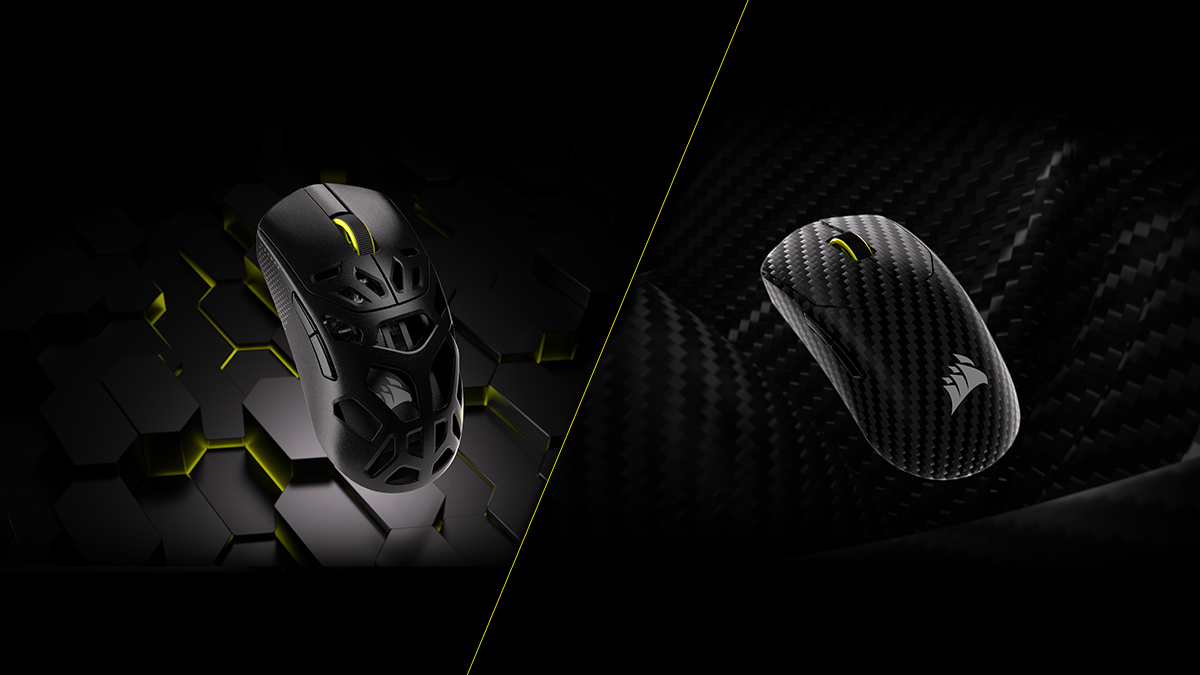
Corsair has arrived at CES 2026 with a clear focus on the upper echelons of competitive play, unveiling a refreshed peripheral lineup that prioritises new materials and rapid‑response Hall Effect technology. For mice, Corsair is introducing two iterations of the Sabre V2 Pro wireless mouse: one built from carbon fibre and the other from magnesium alloy. As for keyboards, the company has revealed the Makr Pro 75, an enthusiast‑grade mechanical keyboard that brings magnetic switch functionality to the Makr platform.

The new Sabre V2 Pro Wireless variants use high‑rigidity shells while keeping weight to a minimum. The Sabre V2 Pro CF utilises a 55g carbon fibre unibody, while the Sabre V2 Pro MG features a 56g magnesium alloy chassis. Both models retain the 8000Hz hyper‑polling capability and the 33,000 DPI Marksman S optical sensor found in the ultralight model. These material‑focused versions instead aim to eliminate micro‑flex during high‑intensity sessions. Battery life is rated at up to 120 hours at a 1000Hz polling rate, dropping to around 21 hours at 8000Hz.
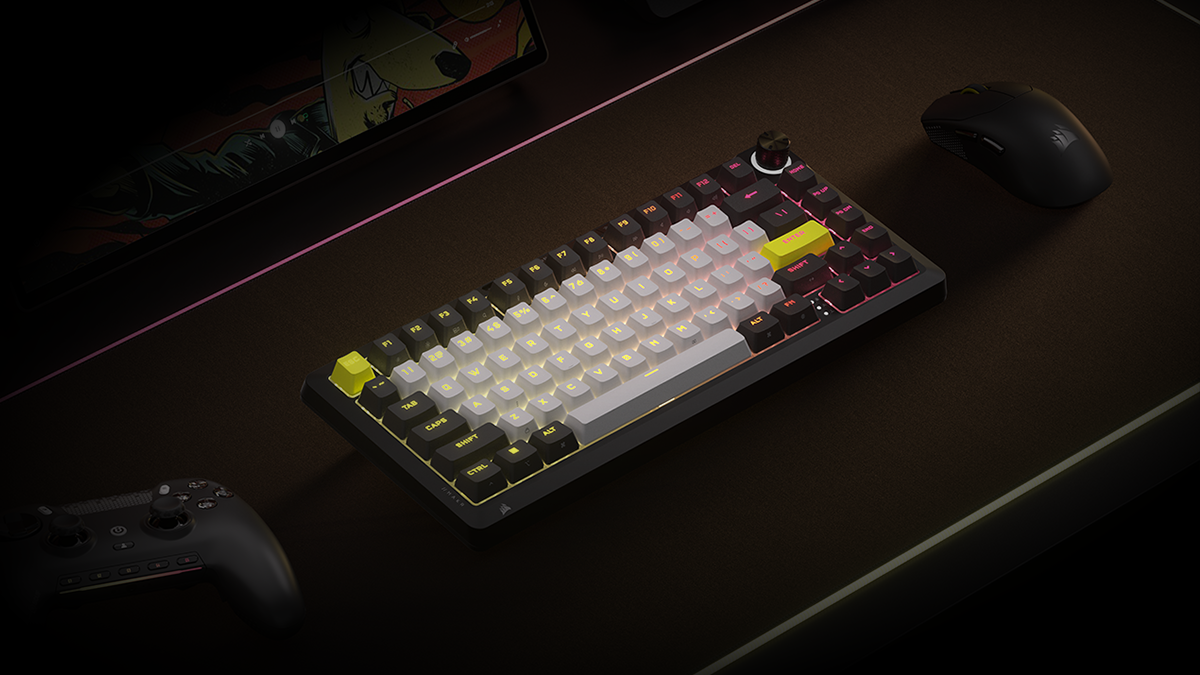
The Makr Pro 75 serves as the spiritual successor to the original Makr 75. Unlike its predecessor, which focused heavily on the barebones experience, the Pro 75 arrives as a fully assembled unit featuring MGX Hyperdrive magnetic switches. These Hall Effect switches enable performance features such as Rapid Trigger and FlashTap SOCD, allowing near‑instantaneous counter‑strafing and movement resets. The keyboard maintains its enthusiast roots with an aluminium frame, an FR4 switch plate, and eight layers of internal sound damping. Modularity remains a key selling point, with support for secondary modules such as an LCD or a wireless add‑on.

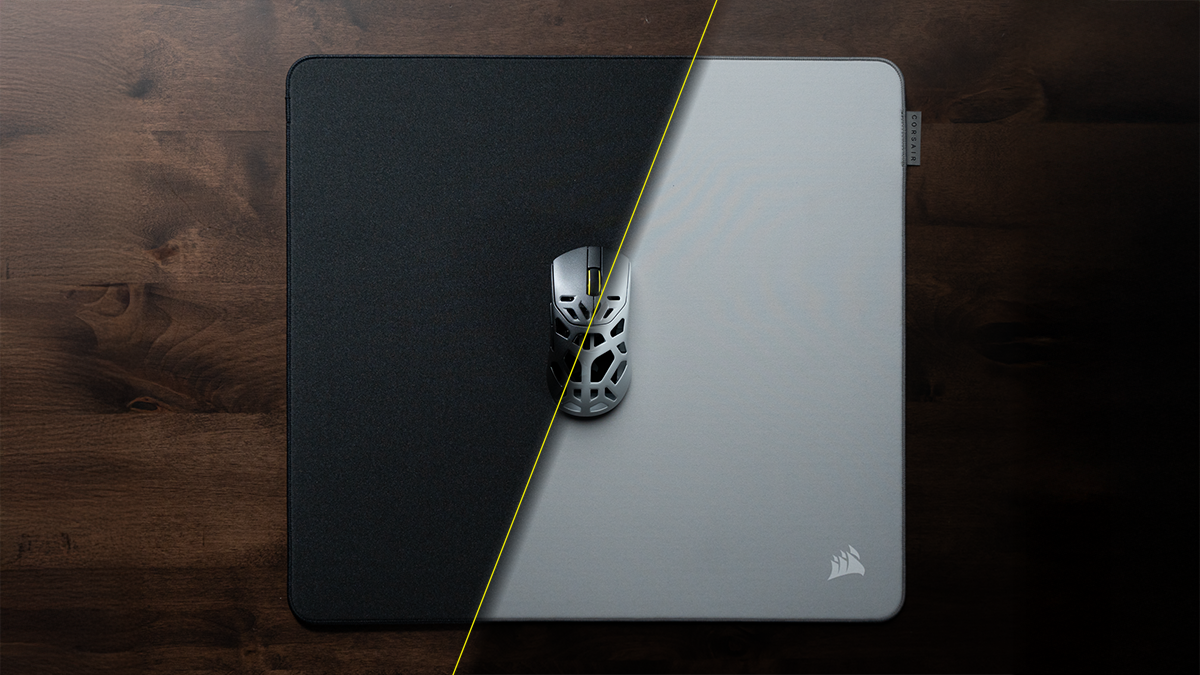
To complement the new hardware, Corsair also debuted the MM Pro Control Large esports‑tuned cloth mousepad. Designed for high‑precision tracking, the pad features a 4mm‑thick cushioned surface and a hex‑patterned polyurethane base to ensure stability during rapid flicks. The sloped edges are intended to provide more consistent stopping power, helping players who struggle with overtravel on standard cloth surfaces.

All these peripherals are now on sale, with the Sabre V2 Pro CF priced at £159.99 and the MG at £119.99. The new Makr Pro 75 is £219.99, and the MM Pro Control Large is £49.99.

KitGuru says: While a 56g magnesium mouse might seem counterintuitive compared to the 36g plastic original, the added structural rigidity and premium feel could be a major draw for players who find ultralight plastic a bit too “toy‑like”

The post CES 2026: Corsair unveils new peripherals for the enthusiast segment first appeared on KitGuru.

CES 2026: Razer goes all-in on AI with Project Ava and Snapdragon-powered wearables

7 janvier 2026 à 17:30

Razer is using its CES 2026 campaign to showcase its “AI Gaming Ecosystem”, moving beyond traditional peripherals and into autonomous digital companions and enterprise‑grade AI workstations. The lineup is headlined by Project Ava, a physical evolution of Razer’s earlier AI coaching software, and Project Motoko, an AI‑integrated headset positioned as an alternative to smart glasses for the AI‑driven generation.

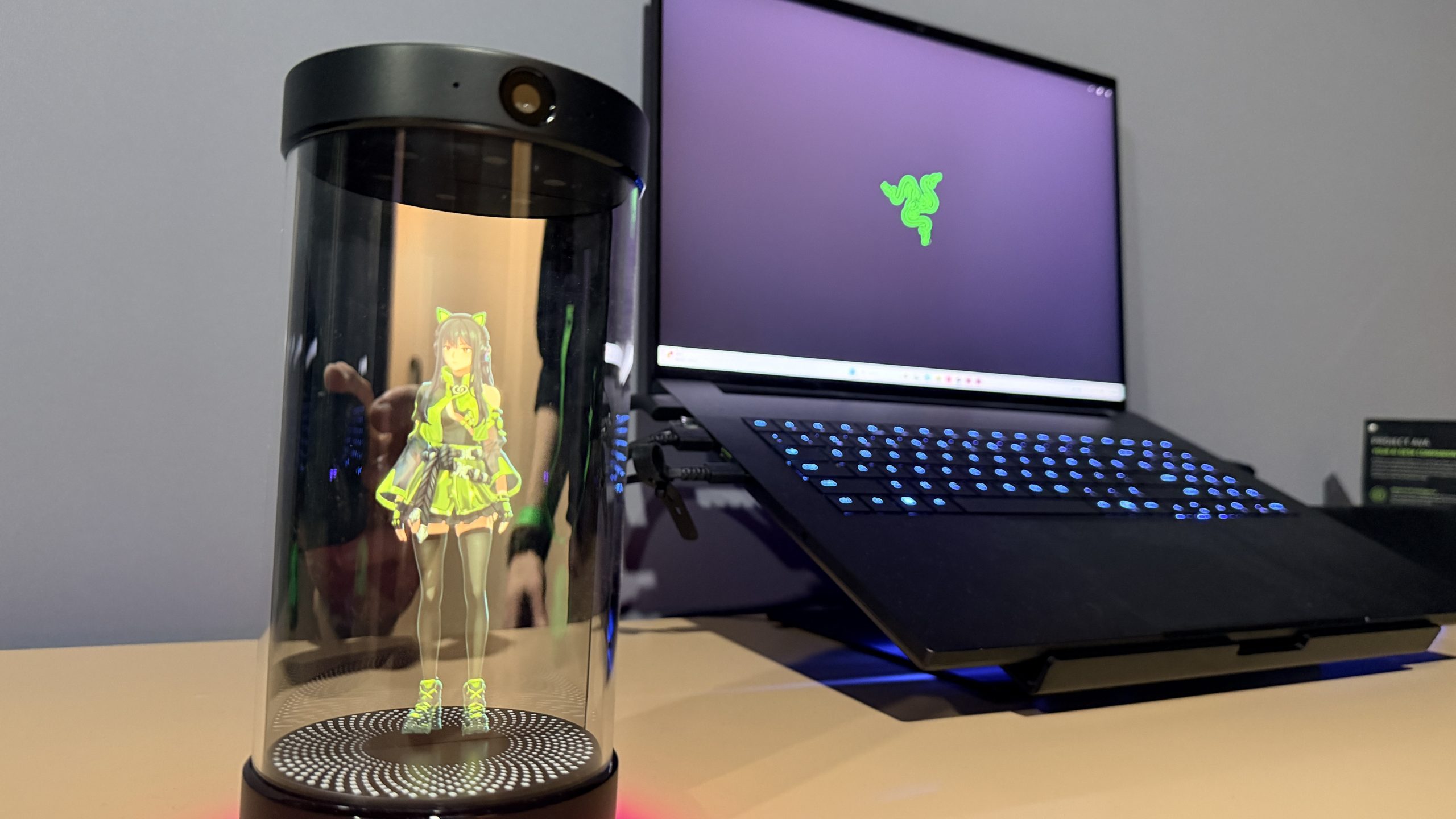
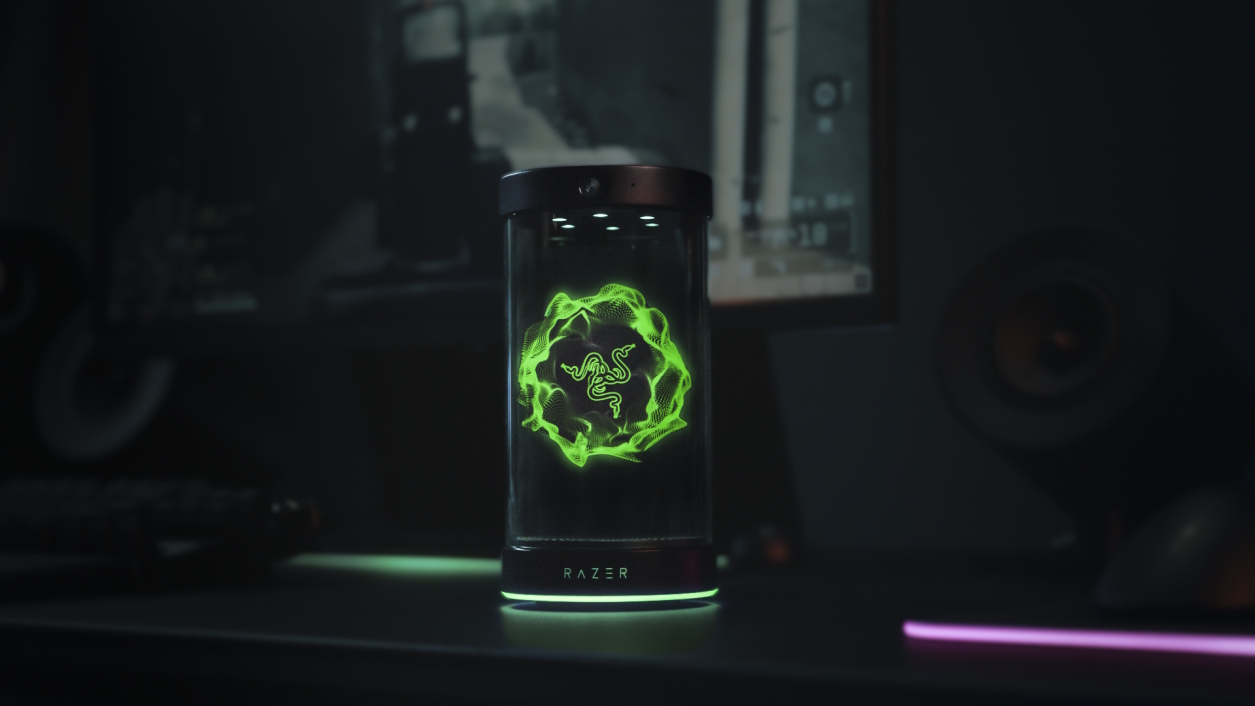
Starting with Project Ava, this cylindrical desktop device houses a 5.5‑inch animated avatar inside a transparent shell. Evolving from an abstract esports coach into a full “digital partner”, Ava uses a top‑mounted camera and PC Vision Mode to monitor gameplay or productivity in real time. Whether offering weapon loadout recommendations in shooters or managing your calendar while you work, Ava is designed as a persona‑driven assistant that sits beside your monitor rather than appearing as an on‑screen overlay. Razer has already opened reservations in the US, featuring the default character “Kira”, with support for custom avatars planned for the future.

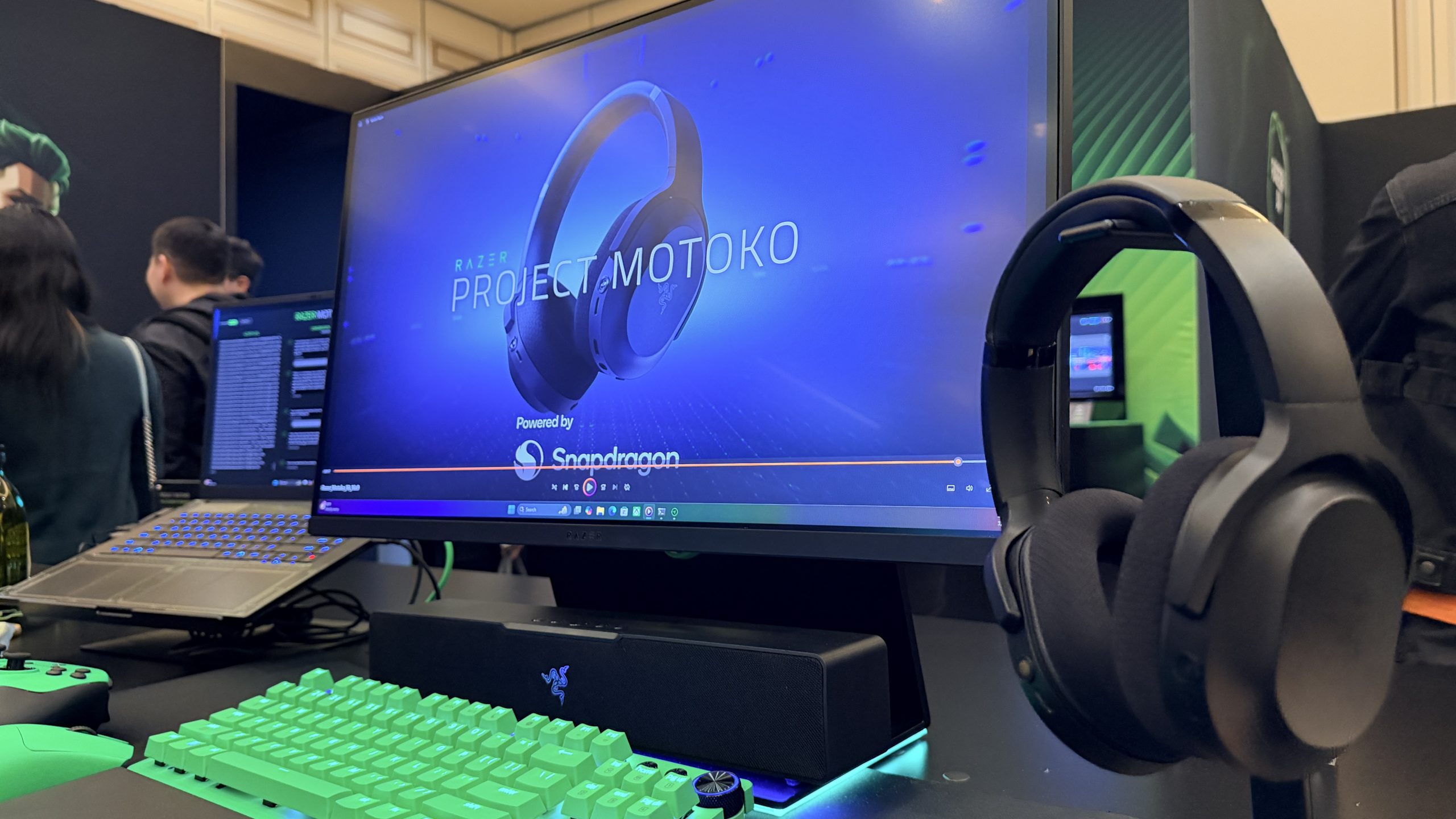
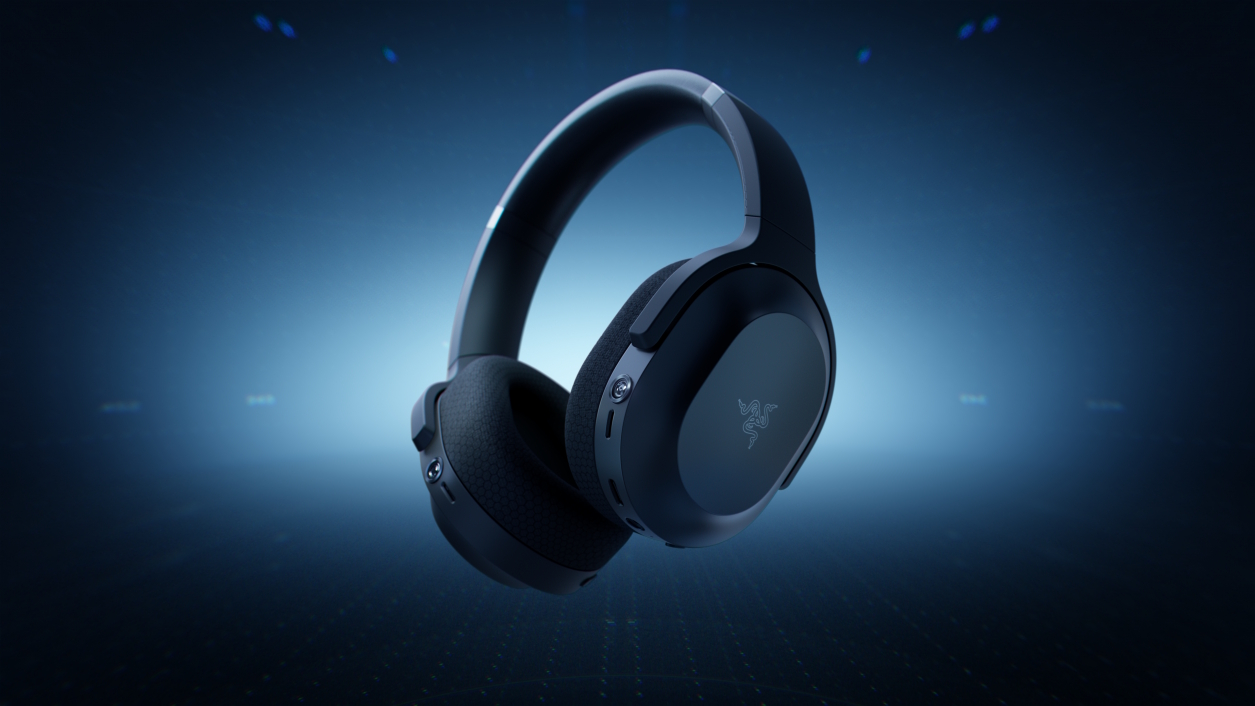
For users on the move, Project Motoko introduces an AI‑powered wireless headset built on Qualcomm Snapdragon silicon. Unlike current smart glasses, Motoko relies on high‑fidelity audio feedback and dual first‑person cameras to deliver visual and environmental awareness. It supports translation, object recognition, and real‑time guidance, all while offering up to 40 hours of battery life. Razer is keeping the platform engine‑agnostic, enabling it to run local or cloud‑based models from OpenAI, Google, or even Tenstorrent’s mobile accelerators.

Razer is also making a pivot into the enterprise and research sectors with a dedicated suite of AI development tools:

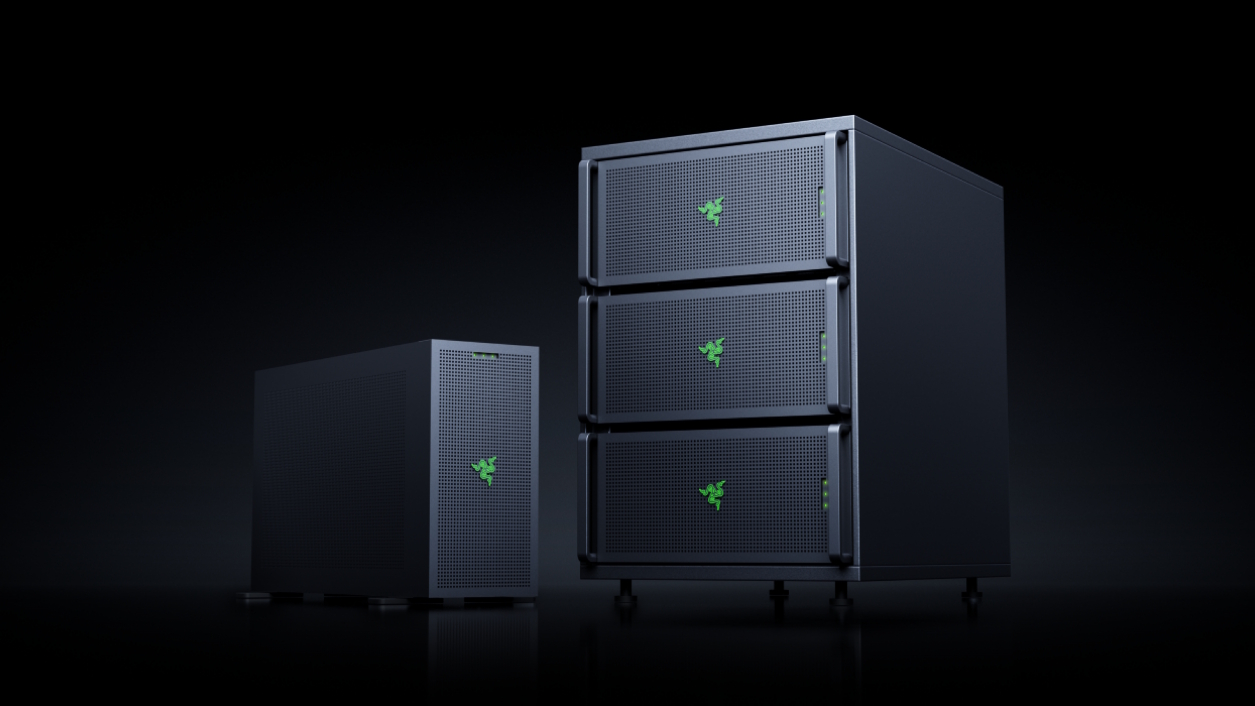
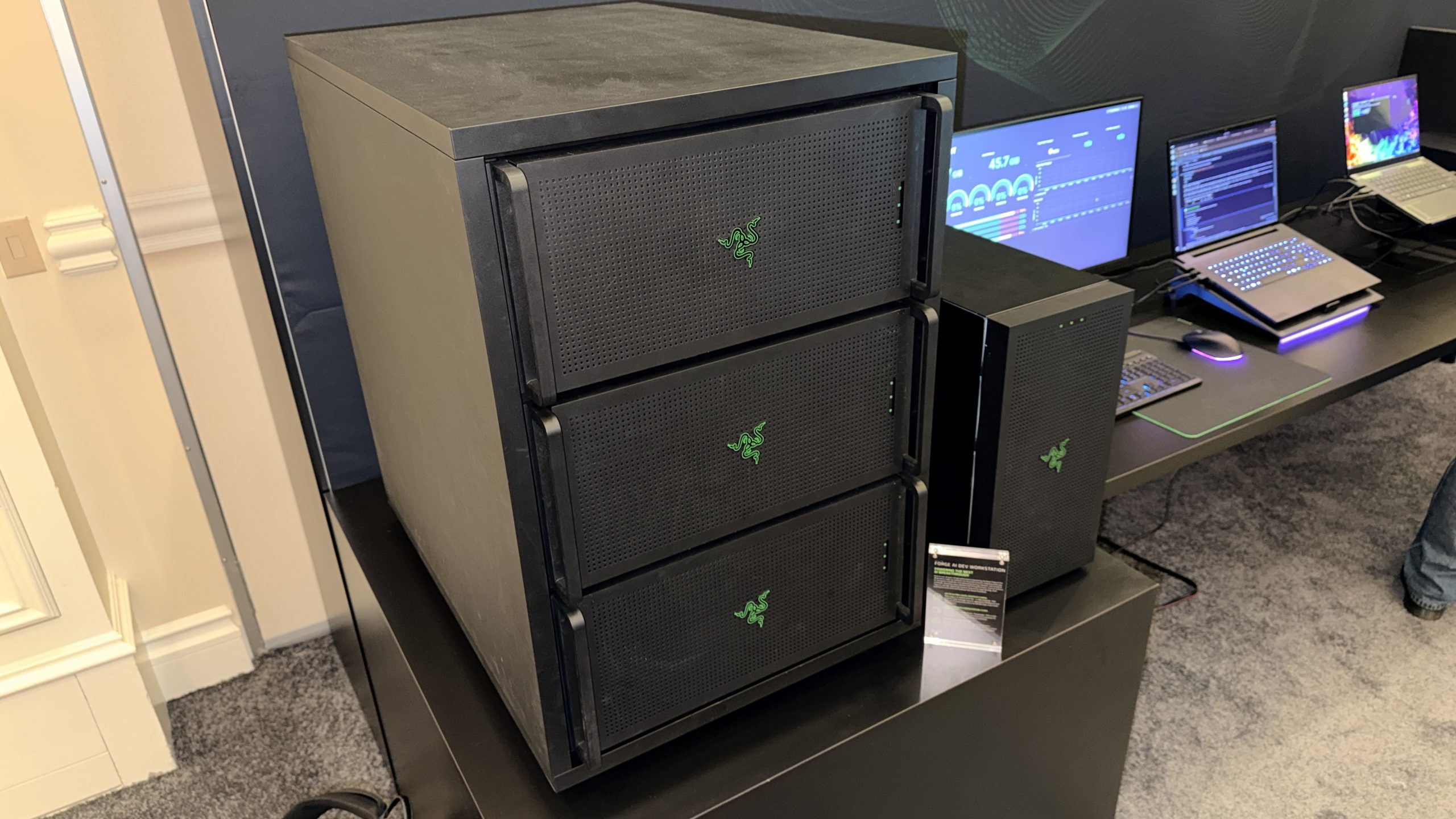
  • Razer Forge AI Dev Workstation: A localised powerhouse built for training Large Language Models (LLMs) and running complex simulations. It supports multiple professional GPUs (including the Nvidia RTX Pro 6000 Blackwell series) and workstation-class CPUs from the AMD Threadripper Pro or Intel Xeon W lines.
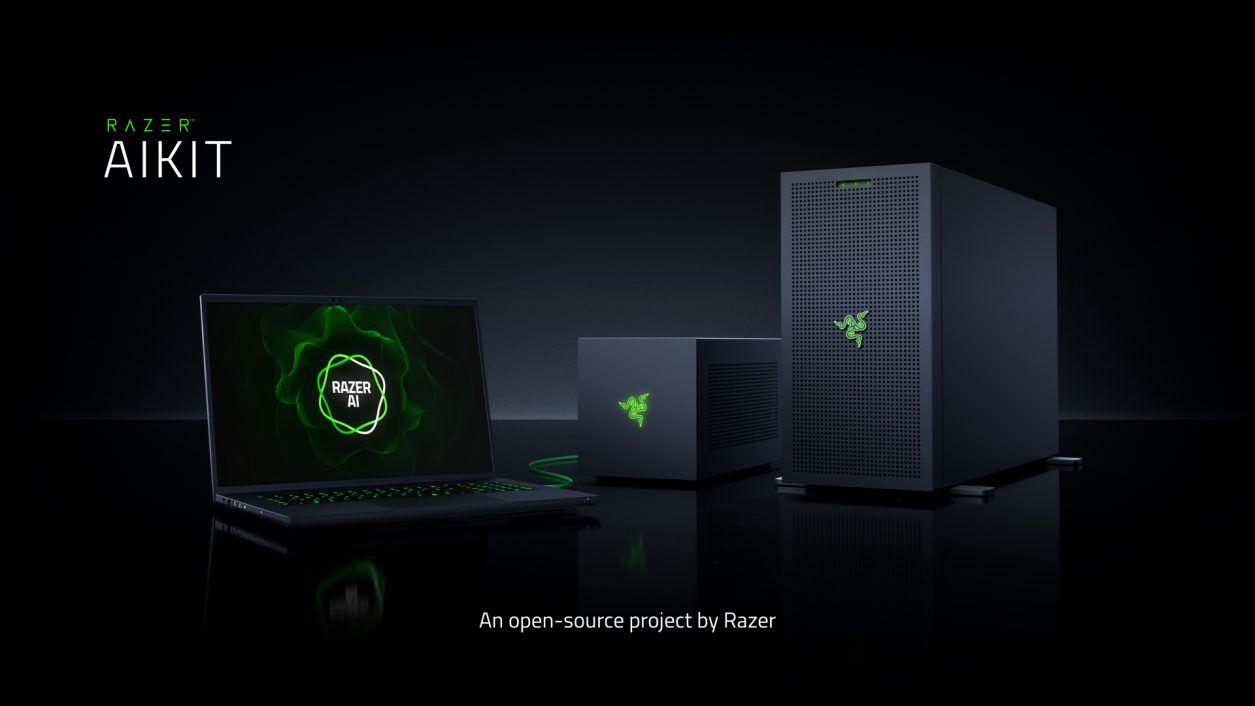
  • Razer AIKit: An open-source, local-first workflow tool available on GitHub. It allows researchers to fine-tune models on local hardware with cloud-comparable performance, featuring automatic GPU discovery and cluster formation.
  • Tenstorrent Partnership: In collaboration with Jim Keller's Tenstorrent, Razer is launching a compact AI accelerator that connects via Thunderbolt 5. Using “Wormhole” technology, these modular units can be daisy-chained to provide desktop-class generative AI performance to laptops and handheld PCs.

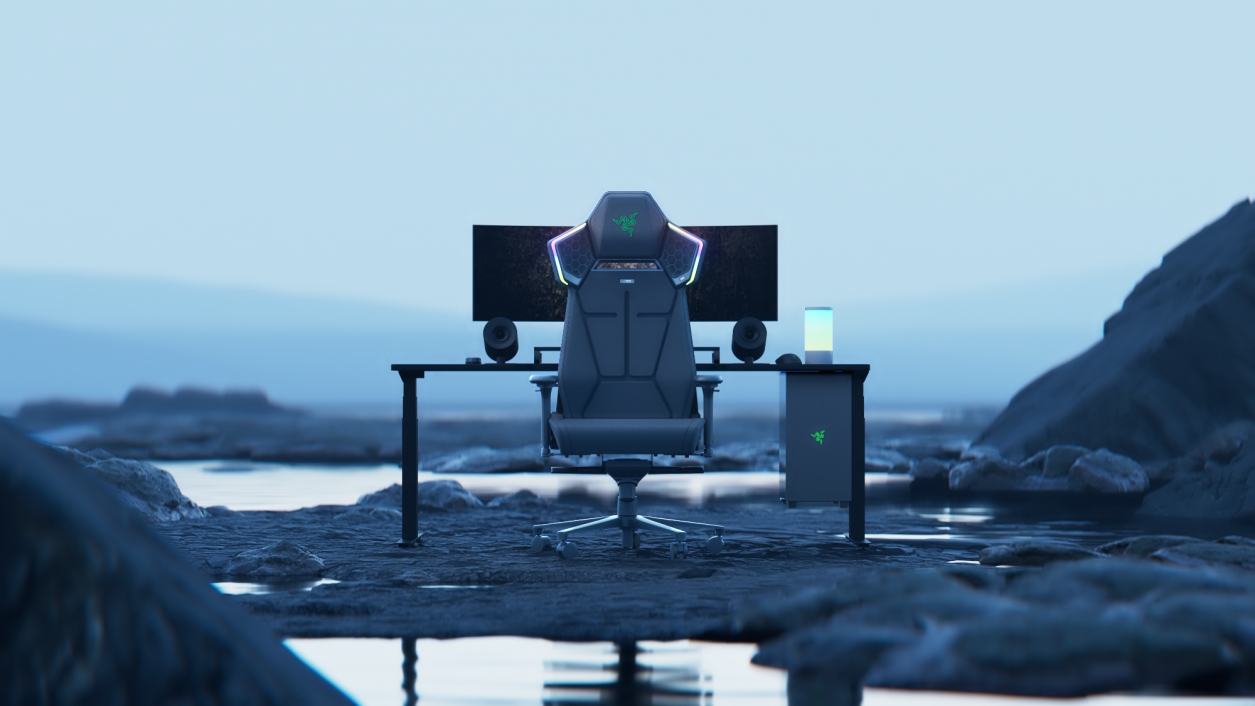
Razer’s gaming chair lineup has also been refreshed with the Razer Iskur V2 NewGen. While maintaining the price point of its predecessor, the NewGen model introduces Razer’s Gen‑2 EPU Leather with “CoolTouch” technology and a more breathable dual‑density foam cushion. For those seeking something beyond a standard office chair, Project Madison is a concept seat that integrates Sensa HD Haptics directly into the frame, vibrating in sync with game events or THX Spatial Audio for a multisensory experience.

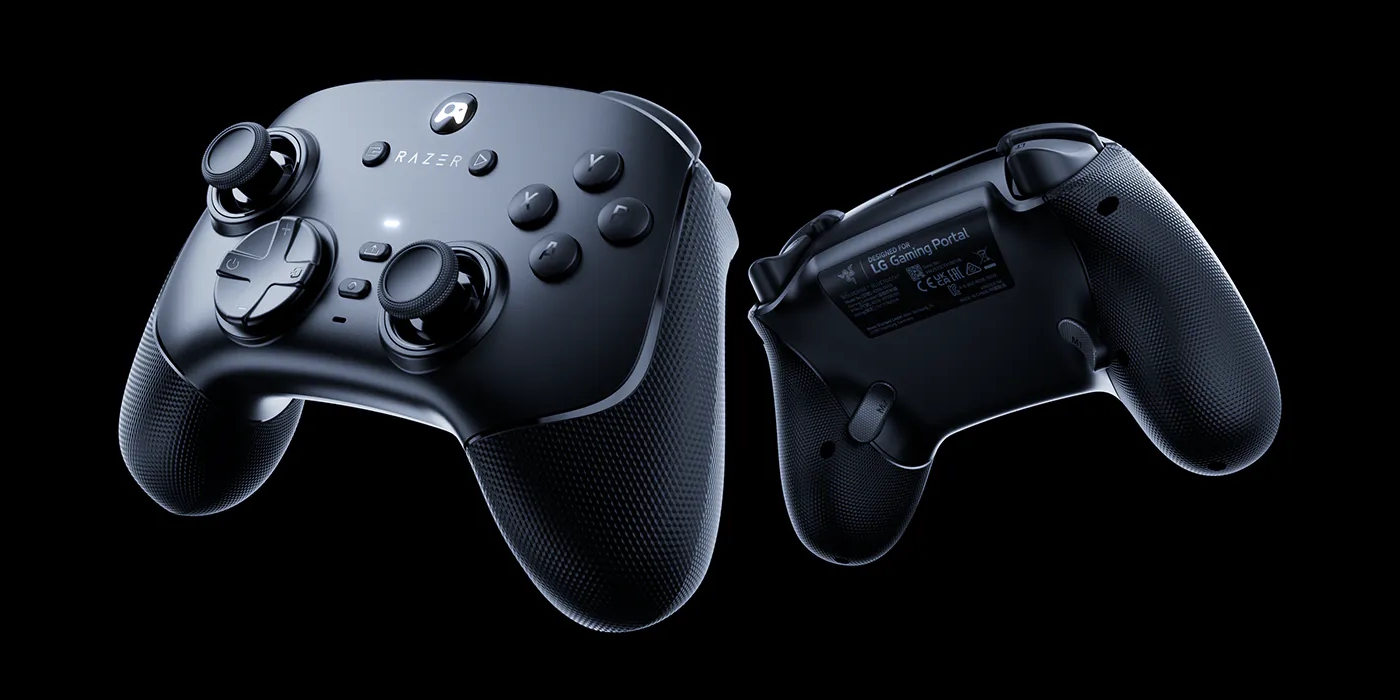
Lastly, the new Razer Wolverine V3 Bluetooth arrives as the “world’s fastest” wireless controller optimised for cloud gaming. Developed in partnership with LG, it features ultra‑low‑latency Bluetooth and integrated TV controls, allowing users to navigate LG’s gaming portals and cloud services without a separate remote.

KitGuru says: With this announcement, it's safe to say that Razer is no longer just a gaming brand. It's positioning itself as a hardware provider for the AI era. While Project Ava is probably the most interesting product for its core audience, the Forge workstation and the Tenstorrent accelerator suggest Razer is serious about capturing the professional AI market as well.

The post CES 2026: Razer goes all-in on AI with Project Ava and Snapdragon-powered wearables first appeared on KitGuru.
CES 2026: Intel launches 18A ‘Panther Lake’ Core Ultra 3 CPUs

7 janvier 2026 à 12:07

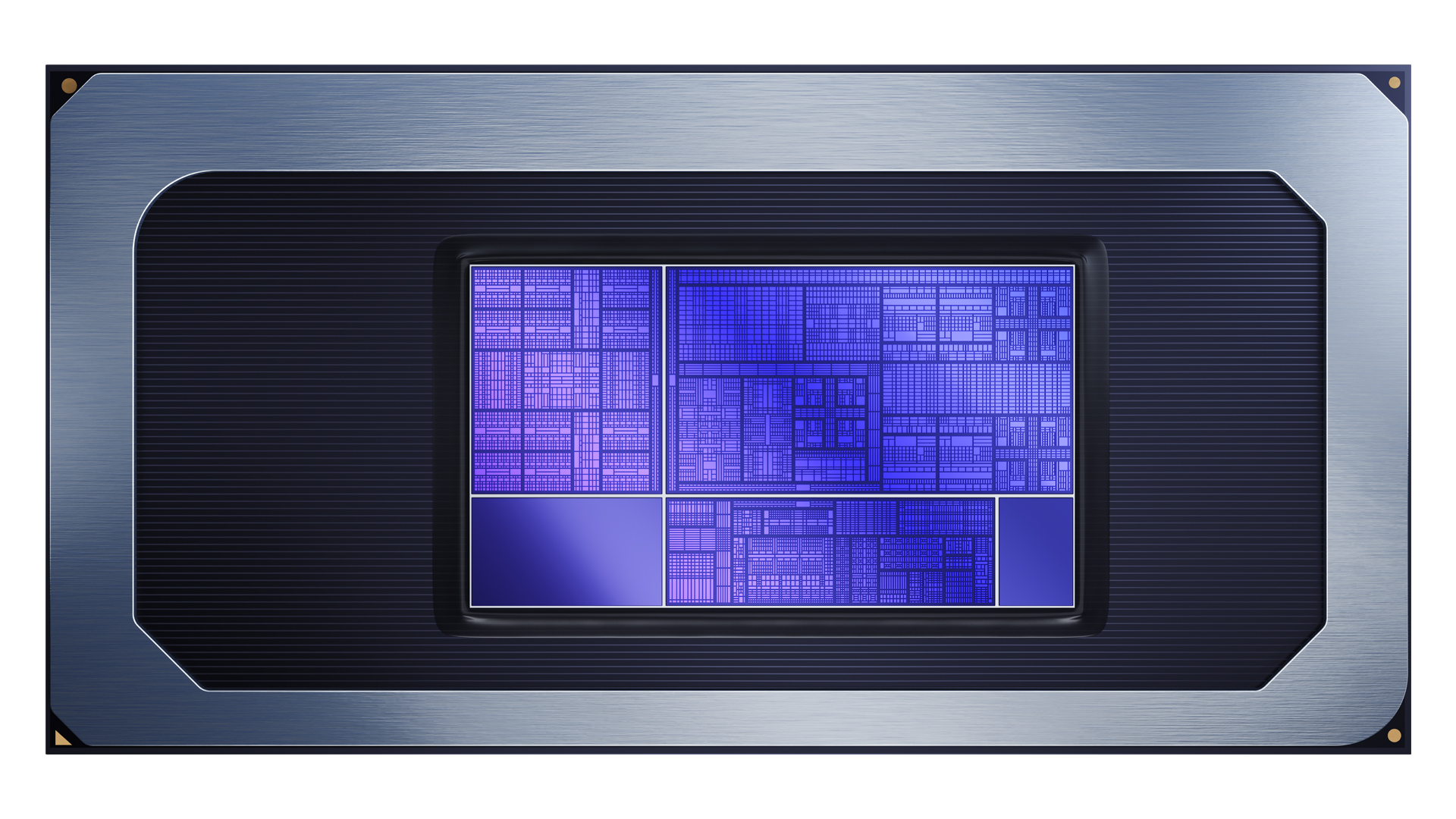
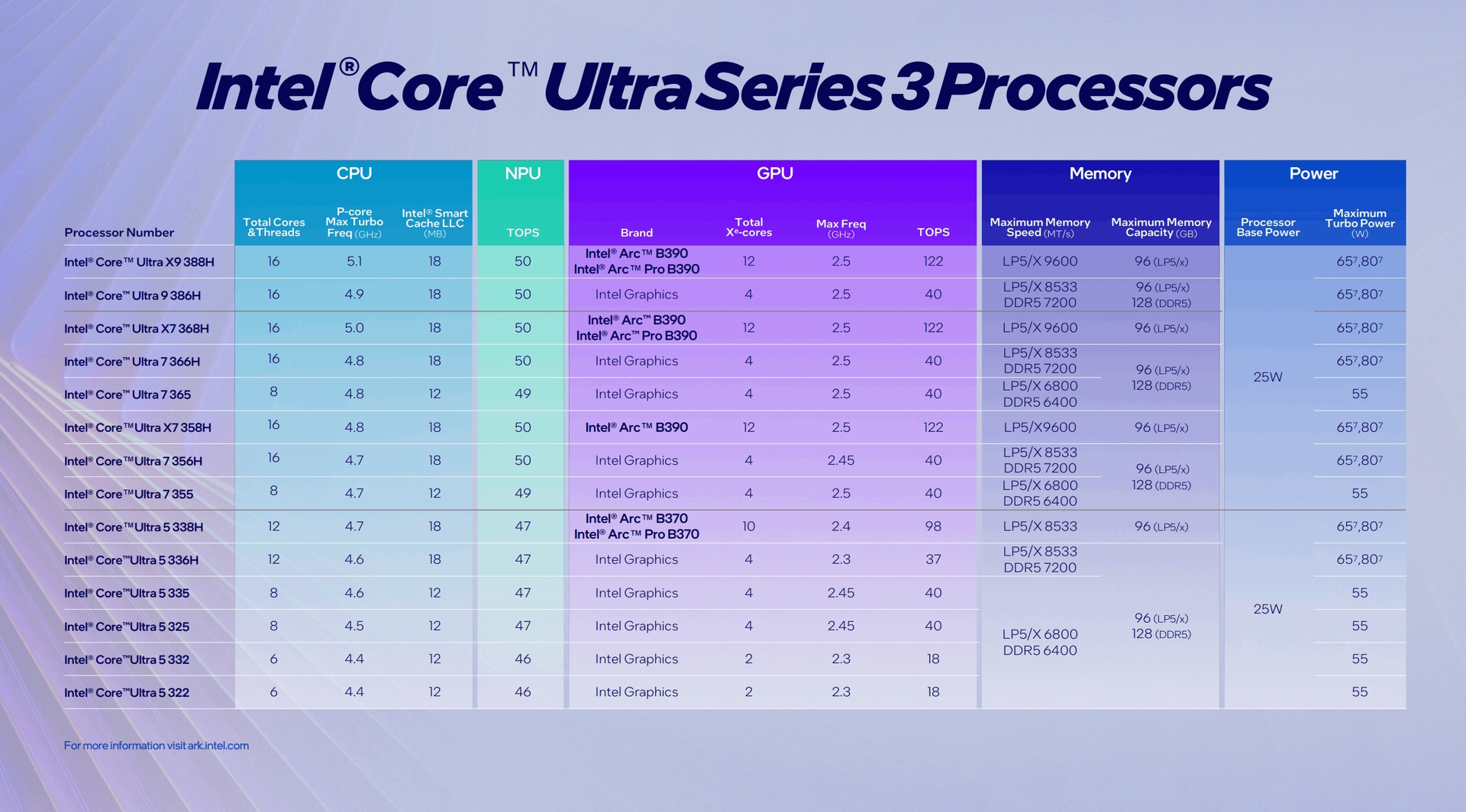
Intel has officially launched its third-generation Core Ultra mobile processors at CES 2026, marking the long-awaited debut of its Intel 18A process technology. Also known as Panther Lake, the Core Ultra Series 3 is the first compute platform designed and manufactured entirely in the US using 18A silicon. With a focus on mobile efficiency and integrated graphics, Intel is claiming a 76% uplift in gaming performance and a 60% improvement in multithreaded performance over the previous generation.

The Core Ultra Series 3 lineup introduces a new naming convention. The flagship Intel Core Ultra X9 388H and Ultra X7 models feature a dedicated “X” prefix, denoting the inclusion of the new Arc B‑series integrated GPU. Built on the Xe3 architecture (derived from the upcoming Battlemage desktop series), the top-tier B390 iGPU includes 12 Xe-cores and is reportedly capable of matching the performance of a discrete Nvidia RTX 4050 laptop GPU. To further boost frame rates, these integrated graphics support XeSS 3, which incorporates AI-driven multi-frame generation similar to DLSS 4.

Architecturally, Panther Lake features a multi-tile design. The compute tile, built on the 18A node, introduces a new core configuration with up to four Cougar Cove P-cores, eight Darkmont E-cores, and four low-power Darkmont E-cores. Despite a lower P-core count than the previous generation, Intel claims that architectural refinements and the die shrink deliver a 60% improvement in multithreaded performance at 25W. The NPU has also been upgraded to the NPU 5 architecture, delivering 50 standalone TOPS for local AI tasks and meeting the requirements of Microsoft’s latest Copilot+ PC standards.

For the first time, these processors are certified for 24/7 reliability across a temperature range from -40°C to 100°C. In robotics and video analytics workloads, Intel says the integrated AI acceleration offers a significant total cost of ownership (TCO) advantage, delivering up to 4.5× higher throughput on vision language models (VLMs) compared to traditional CPU-plus-discrete-GPU configurations. Intel also claims these chips can offer up to 27 hours of battery life.

Laptops powered by the Intel Core Ultra Series 3 are available for pre-order now. Global retail availability is scheduled for January 27th, 2026, with more than 200 designs from partners including MSI, Lenovo, and ASUS expected to reach the market in the first half of the year.

KitGuru says: Intel's 18A node is finally here, and on paper, Panther Lake looks very competitive. It will be interesting to put these chips to the test in the months ahead. 

The post CES 2026: Intel launches 18A ‘Panther Lake’ Core Ultra 3 CPUs first appeared on KitGuru.
CES 2026: Cooler Master launches new cases, PSUs and cooling solutions

6 janvier 2026 à 12:00

Cooler Master is using CES 2026 to show the new entries to its enthusiast stack, bringing back some of its most iconic sub‑brands. The manufacturer's showcase in Las Vegas this week focuses on the “FreeForm 2.0” design philosophy, a modular approach that spans everything from the massive new Cosmos Alpha flagship to PSUs equipped with proactive GPU protection.

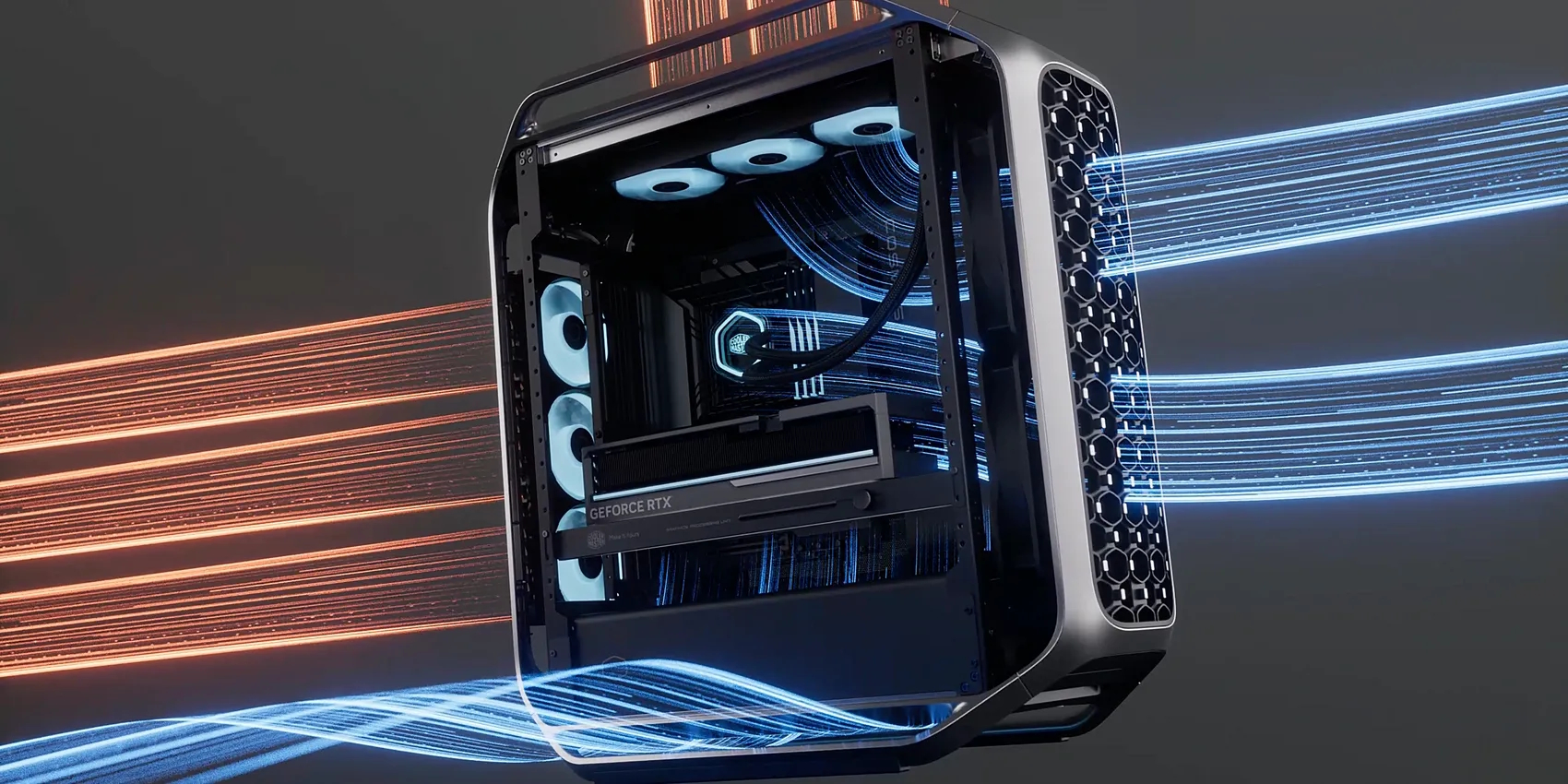
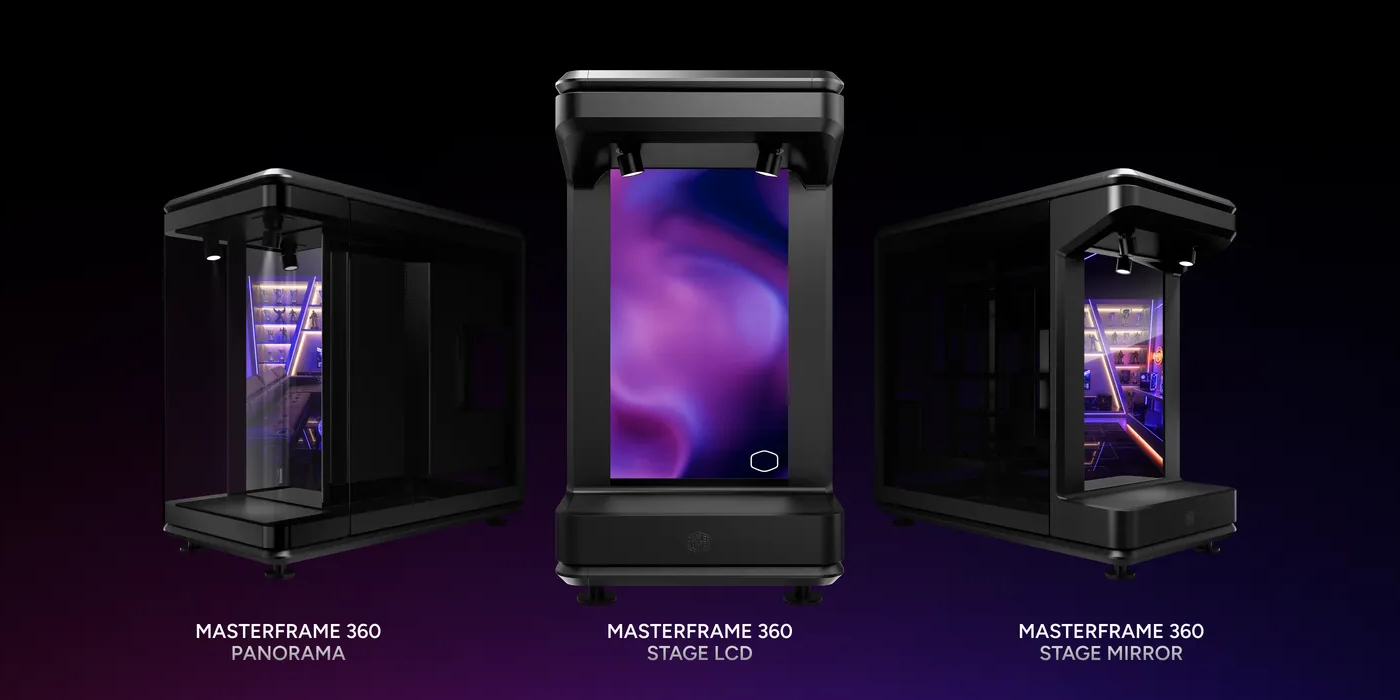
The centrepiece of the case lineup is the Cosmos Alpha, a full‑tower that serves as the spiritual successor to the C700 series. This new revision emphasises internal modularity through a sliding motherboard tray, allowing builders to shift the system’s position to prioritise either radiator clearance or increase the size of the cable‑management chamber. The chassis arrives with two extra‑thick 200x38mm fans pre‑installed and supports up to 420mm radiators. Alongside the flagship, the MasterFrame 360 series offers an open‑frame showcase designed for collectors. Available in Panorama, Stage Mirror, and Stage LCD variants, the latter includes a 15.6‑inch 1080p display at the front for personalised animations or telemetry.

For cooling, we have the return of the V8 series with the V8 ACE. This high‑end air cooler uses Cooler Master’s 3DHP technology, which integrates a 3D vapour chamber directly with the heat‑pipe structure to eliminate traditional thermal bottlenecks at the CPU contact point. On the liquid‑cooling side, the Core Nex Digital 240 and Core Nex LCD 360 make their debut, featuring a refined dual‑chamber pump design. Alongside these AIOs, Cooler Master is introducing the MasterFan A series, which features an aluminium construction, and the MasterFan M ARGB series, offering a more balanced approach to durability, acoustics, and visuals.

Perhaps the most practical advancement for modern builders is found in the MWE Gold V4 PSU series. These units introduce GPU Shield, a hardware‑level protection system integrated into the 12V‑2×6 power delivery standard. Unlike traditional passive cables, GPU Shield actively monitors the connection for abnormal thermal or electrical conditions, providing real‑time alerts and intervening before a “melting” scenario can occur.

To round out the ecosystem, Cooler Master also unveiled the Master Meter, a standalone digital tachometer, and the Master Vision 12.3‑inch external display for dedicated system monitoring.

Discuss on our Facebook page, HERE.

KitGuru says: Interested in any of Cooler Master's new PC parts?

The post CES 2026: Cooler Master launches new cases, PSUs and cooling solutions first appeared on KitGuru.

CES 2026: Gigabyte refreshes 800-series motherboard lineup with four new models

6 janvier 2026 à 11:15

Gigabyte has used CES 2026 to showcase a specialised lineup of motherboards designed to squeeze every last frame out of AMD's Ryzen 9000 Series X3D processors. Leading the charge is the X870E Aorus Xtreme X3D AI Top, a flagship board focused on high‑frequency memory stability and aggressive thermal management for the latest 3D V‑Cache silicon.

The new X870E Aorus Xtreme X3D AI Top is Gigabyte's first AMD 800‑series motherboard to officially support DDR5‑9000+ memory speeds. Achieving these frequencies on the AM5 platform requires specific conditions, so Gigabyte has implemented “AI‑Trace” technology to optimise PCB routing and a 24+2+2‑phase VRM to ensure power delivery remains ripple‑free under load. To prevent thermal throttling during high‑speed memory operation, the board includes the DDR Wind Blade Xtreme solution, which allegedly reduces module temperatures by up to 9°C.

Complementing the memory cooling is a suite of thermal “Xtreme” features. The CPU Thermal Matrix is designed to more efficiently pull heat away from the socket area, dropping VRM and DDR temperatures by a claimed 8.5°C. For storage enthusiasts, the M.2 Thermal Guard Xtreme provides a large surface area for primary Gen5 SSDs, which the company states can lower drive temperatures by up to 22°C.

On the software side, Gigabyte is debuting X3D Turbo Mode 2.0. While the initial version of Turbo Mode was a simple BIOS toggle to park a CCD or disable Simultaneous Multithreading (SMT), the 2.0 revision uses an AI‑trained model to adapt these parameters in real time. By disabling SMT and focusing resources on the primary CCD during gaming, Gigabyte claims up to 25% performance gains in specific CPU‑bound scenarios. Unlike a static overclock, this mode is designed to be a “one‑click” optimisation that balances hardware power without requiring manual voltage tuning.

Beyond raw performance, Gigabyte is also catering to aesthetic and “clean build” trends. The X870E Aero X3D Wood breaks from the traditional gamer aesthetic by incorporating genuine wood‑grain textures and leather accents on the heatsinks. Meanwhile, the Project Stealth initiative is expanding with the X870 and B850 Aorus Stealth models. These boards utilise a reverse‑connector layout, moving all power and data headers to the back of the PCB to allow for a virtually cable‑free interior when paired with a compatible chassis.

Discuss on our Facebook page, HERE.

KitGuru says: While DDR5-9000 is an impressive claim for the AM5 platform, it's the combination of the AI-driven Turbo Mode 2.0 and the proactive “Wind Blade” cooling that makes the new Aorus Xtreme motherboard a true high-end product.

The post CES 2026: Gigabyte refreshes 800-series motherboard lineup with four new models first appeared on KitGuru.

CES 2026: Thermaltake unveils new Retro series cases, coolers and peripherals

6 janvier 2026 à 10:30

Thermaltake is bringing the 90s back with a new range of ‘Retro’ series hardware at CES 2026. There are two new retro‑inspired PC cases, but with all the conveniences of modern designs, including the option to add a digital display exactly where you’d expect a disc drive to sit. To complement the cases, Thermaltake also has retro‑style peripherals and liquid coolers in the lineup.

Thermaltake introduced two cases designed to accommodate different build scales while maintaining that classic workstation vibe. The Retro 260 TG channels the look of a classic desktop into a modern mATX form factor. Despite its nostalgic exterior, the internals are entirely up to date, including support for hidden‑connector motherboards that route cable management behind the tray. Cooling is surprisingly robust for a compact unit, with space for up to nine 120mm fans and a 280mm top‑mounted radiator. It also fully supports Thermaltake’s 6‑inch LCD screen kit.

For those requiring more internal volume, the Retro 360 TG mid‑tower scales up the design, drawing inspiration from early‑90s workstations. This larger chassis supports ATX hidden‑connector motherboards and offers significant airflow potential, accommodating up to twelve 120mm fans. Water‑cooling support is also strong, with room for 360mm radiators on both the top and the side. Like its smaller sibling, the 360 TG includes high‑speed I/O, featuring USB 3.2 Gen 2 Type‑C and dual USB 3.0 ports.

Also part of the series is the Retro Ultra ARGB Sync AIO liquid cooler, available in 240mm and 360mm variants. It bridges the gap between old and new with a unique pump‑head design: a 3.6‑inch TFT LCD styled to resemble a miniature vintage CRT monitor. Using the TT RGB PLUS 3.0 software, users can display animations, screensavers, or real‑time temperature readings. Technically, the cooler is more than just a visual gimmick, as it uses Thermaltake’s new single‑frame fan design, which simplifies cable management and provides consistent static pressure across the radiator. Maintenance is also improved via a new four‑screw fan‑removal system, making dust cleaning or fan swaps much faster than with traditional mounting methods.

Discuss on our Facebook page, HERE.

KitGuru says: Do you like the new trend of reviving the retro look of 80s and 90s PCs? Are you planning on getting some of these for a future build or upgrade?

The post CES 2026: Thermaltake unveils new Retro series cases, coolers and peripherals first appeared on KitGuru.
❌