Longtemps considérés comme des maquettes de communication inspirées de la science-fiction, les avions du projet militaire chinois Nantianmen ont été remis en avant le 9 janvier 2026 par la CCTV, qui les a présentés comme potentiellement réalisables.
Over the past decade Josef Fares has made a name for himself in the video games industry not only due to his unique personality, but thanks to the creator’s constant push towards innovating in the co-op space, with each successive project receiving higher praise than the last. While Fares and Hazelight Studios’ latest release Split Fiction continues to find a growing audience, the team’s previous project – It Takes Two – is nearing another massive sales milestone.
In an interview conducted by Christopher Dring of TheGameBusiness, Hazelight Studios CEO Josef Fares spoke on a wide range of topics including 2025’s GOTY winner Clair Obscur: Expedition 33; the state of the industry, generative AI and more.
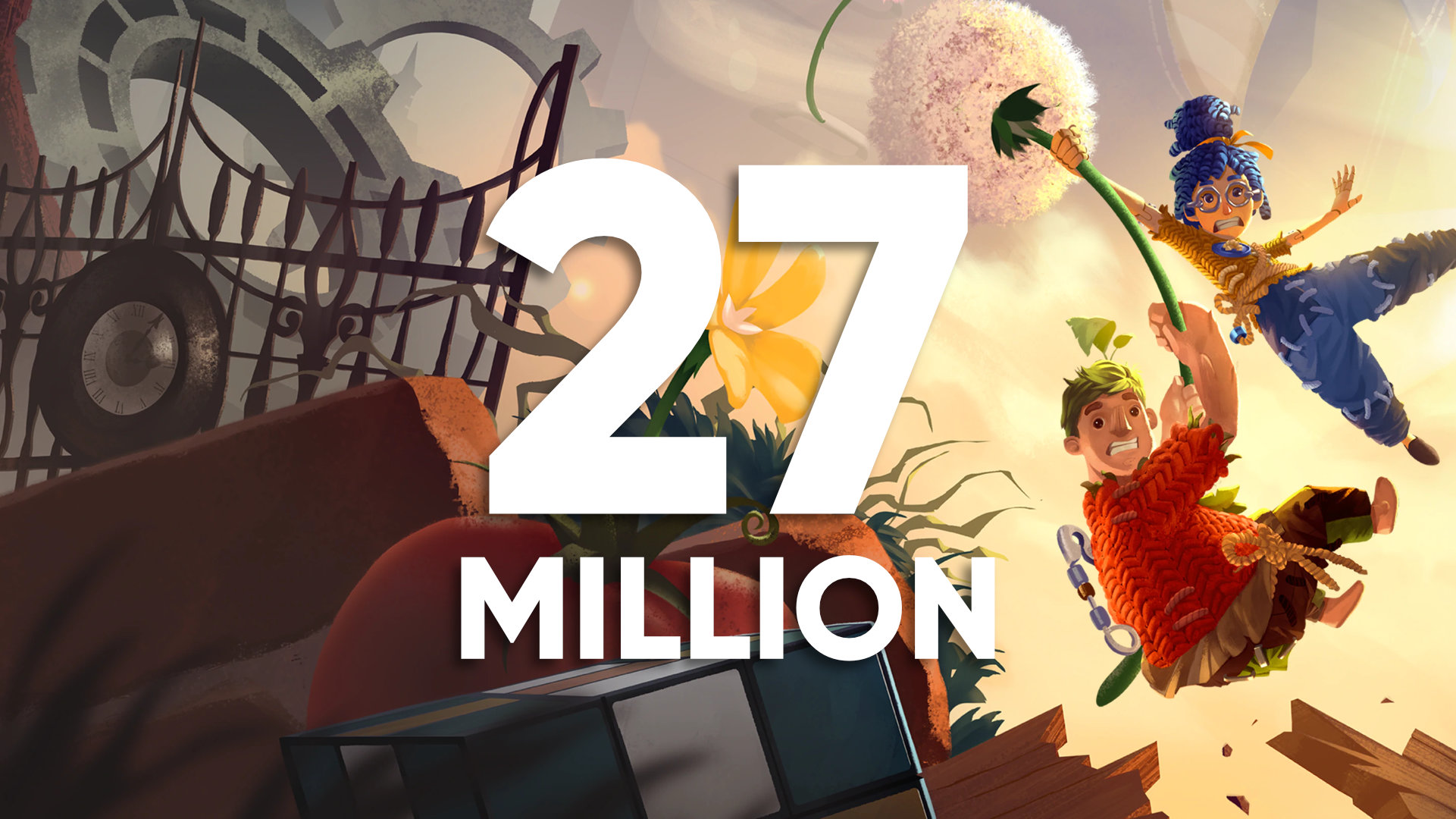
In discussing Hazelight’s last game prior to Split Fiction – It Takes Two – Fares revealed that the 2021 game of the year winner is continuing to sell millions of copies, confirming that the co-op title is now closing in on hitting 27 million copies sold.
While an incredible achievement in its own right, as with many of Hazelight’s games, It Takes Two included a friends pass allowing you to play through the whole game online with a friend without them needing to own a copy. This means that at this point over 50 million people have experienced the game.
Considering the fact that the game is set to receive an adaptation of some kind at some point (though we have heard little from the project since its initial announcement), It Takes Two will likely continue to sell well for many more years.
KitGuru says: What did you think of It Takes Two? How does it compare to the rest of Josef Fares’ output? Will Split Fiction manage to reach similar heights? Let us know down below.
The Lincoln in the Bardo author is back with another metaphysical tale. He discusses Buddhism, partisan politics and the terrifying flight that changed his life
Like his first novel, Lincoln in the Bardo, which won the Booker prize in 2017, George Saunders’s new novel is a ghost story. In Vigil, an oil tycoon who spent a lifetime covering up the scientific evidence for climate change is visited on his deathbed by a host of spirits, who force him to grapple with his legacy. What draws Saunders to ghost stories? “If I had us talking here in a story and I allowed a ghost in from the 1940s, I might be more interested in it. It might be because they are in fact here,” he says, gesturing to the hotel lobby around us. “Or even if it’s not ghosts, we both have memories of people we love who have passed. They are here, in a neurologically very active way.” A ghost story can feel more “truthful”, he adds: “If you were really trying to tell the truth about this moment, would you so confidently narrow it to just today?”
Ghosts also invite us to confront our mortality and, in so doing, force a new perspective on life: what remains once you strip away the meaningless, day-to-day distractions in which we tend to lose ourselves? “Death, to me, has always been a hot topic,” Saunders says. “It’s so unbelievable that it will happen to us, too. And I suppose as you get older it becomes more …” he puts on a goofy voice: “interesting”. He is 67, grizzled and avuncular, surprisingly softly spoken for a writer who talks so loudly – and with such freewheeling, wisecracking energy – on the page. He says death is close to becoming a “preoccupation” for him and he worries that he is not prepared for it.
 Connexion