↩ Accueil

Vue normale

PlayStation 5 Pro PSSR 2.0 is reportedly launching in Q1 2026

15 janvier 2026 à 12:30

The PlayStation 5 Pro arrived in November 2024 with the promise of being the definitive way to play console games, but its first year has been somewhat muted. While it is technically the most powerful console on the market, some still feel that its specialised hardware remains underutilised. A particular sticking point has been the initial iteration of PSSR (PlayStation Spectral Super Resolution), which, in many titles, has been prone to visual glitches and shimmering rather than providing a consistent “next-gen” leap in image clarity.

That narrative may be about to change. According to @Gust_FAN (via PC Guide), a reliable Japanese insider with a proven track record for accurately leaking the PS5 Slim and the Hyperpop collection, the PS5 Pro is scheduled to receive a major system overhaul this quarter. This update would include “PSSR 2.0”, which has been reportedly designed to fix existing image quality issues while also improving performance across the board.

PS5 CFO

Supposedly, PSSR 2.0 will have features similar to AMD's FSR 4, which makes a lot of sense considering the strategic partnership in place between AMD and Sony. This shift in upscaling logic aims to deliver a “double win” of higher image fidelity and improved frame rates. For some, the most exciting prospect is probably the push to 120 FPS, as titles that currently sit in the 70–80 FPS range on the Pro are expected to receive a boost to hit that mark.

The update also appears to focus heavily on legacy content. The leak suggests that PSSR 2.0 will provide a high-resolution boost for “traditional low-resolution games”, implying that backwards-compatible titles and classic games available through PlayStation Plus could see a visual upgrade at the system level. If successful, this feature could make the more expensive PlayStation Plus tiers slightly more attractive.

To ensure developers can make the most of this transition, Sony is reportedly preparing a suite of new debugging tools too. These resources are intended to help studios iron out issues and ensure that PSSR 2.0 doesn't have the artifacting problems of its predecessor.

Discuss on our Facebook page HERE.

KitGuru says: The first year of the PS5 Pro has felt lacklustre for many. PSSR 1.0 was bold, but the visual “ghosting” did it no favours. If PSSR 2.0 can truly deliver FSR 4-level quality and a system-wide boost in resolution for classic games, the Pro might finally have the software backbone to justify its price tag.

The post PlayStation 5 Pro PSSR 2.0 is reportedly launching in Q1 2026 first appeared on KitGuru.
Cybenetics’ prototype ‘anti-melt’ cable offers proactive GPU protection

15 janvier 2026 à 11:30

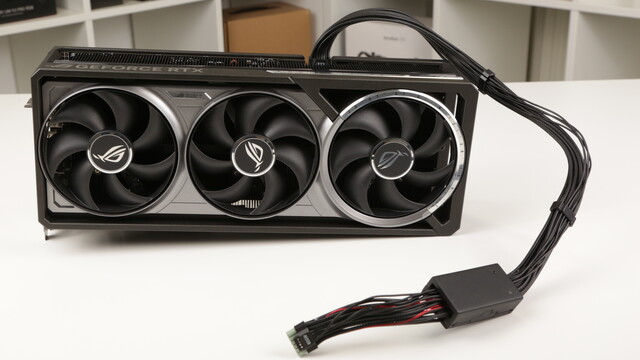
Cybenetics Labs has unveiled a prototype ‘anti-melt' cable designed to address the infamous reliability issues of the 12VHPWR/12V-2×6 standard. This integrates proactive monitoring directly into the cable itself, aiming to provide a fail-safe for enthusiasts who want to avoid any potential melting or burning risk associated with flagship cards like the RTX 5090.

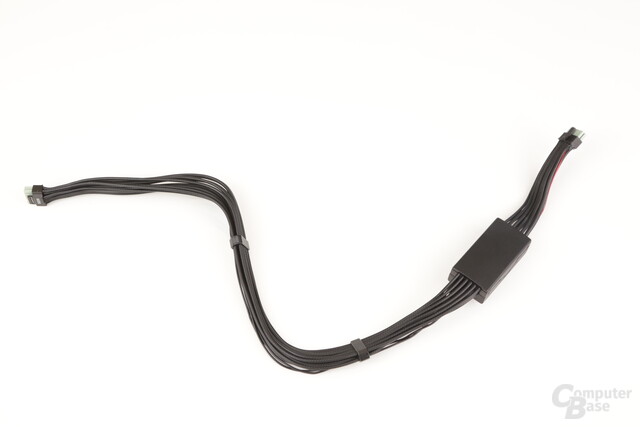
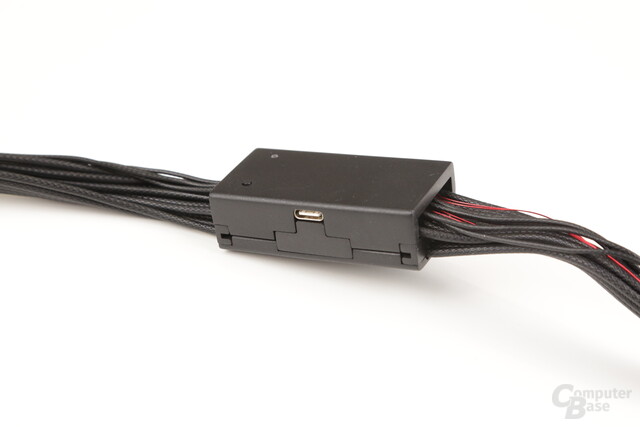
According to ComputerBase, the prototype is a native 12V-2×6-to-12V-2×6 cable with a small, low-profile inline box. This box contains the monitoring electronics and a status LED, avoiding the added bulk of screens or fans that can cause compatibility issues with large air coolers or tight cases. Because it is a flexible cable, it fits almost all Founders Edition and custom AIB layouts without obstructing the shroud or requiring awkward mounting angles.

Image credit: ComputerBase

Technically, the cable operates as an active circuit breaker. It monitors current and temperatures at both the GPU and PSU ends. While it features a USB-C port, this is strictly for data logging and configuration. The safety features, including a high-pitched buzzer and an emergency power-cut function, are fully autonomous. Once thresholds are configured via the software, the USB can be disconnected, and the cable will maintain its protection profile independently.

The cable is designed to distinguish between harmless transient spikes and dangerous sustained thermal runaway. Moreover, it allows users to configure thresholds for settings such as “Over Current Trigger” (default 8-12 A) and “Over Temperature Trigger” (default 80-95°C). The cable also has a dual-stage warning that, when a limit is breached, activates the buzzer for 10 seconds (default but configurable). If the condition persists, the cable cuts power to the GPU. Lastly, when connected via USB, the software provides updates every 100 ms, allowing users to export thermal and current data to Excel for long-term stability testing.

Although it looks useful, actual availability is currently uncertain. Cybenetics has not yet secured a mass-market distribution partner. It has been stated that there is a desire to sell the cable “close to cost” to improve the safety of the PC ecosystem rather than for profit. Currently, the cable also requires a native 12V-2×6 output on the PSU side, though a dual 8-pin version for older power supplies could be technically feasible if the project reaches production.

Discuss on our Facebook page HERE.

KitGuru says: It is a sad indictment of modern hardware standards that we need a “smart cable” just to ensure our flagship graphics card doesn't catch fire. However, the Cybenetics solution is arguably the most elegant we've seen so far. We hope a production partner steps up soon.

The post Cybenetics’ prototype ‘anti-melt’ cable offers proactive GPU protection first appeared on KitGuru.

Thermalright unveils Frost Tower 140 with asymmetrical fan config

15 janvier 2026 à 10:12

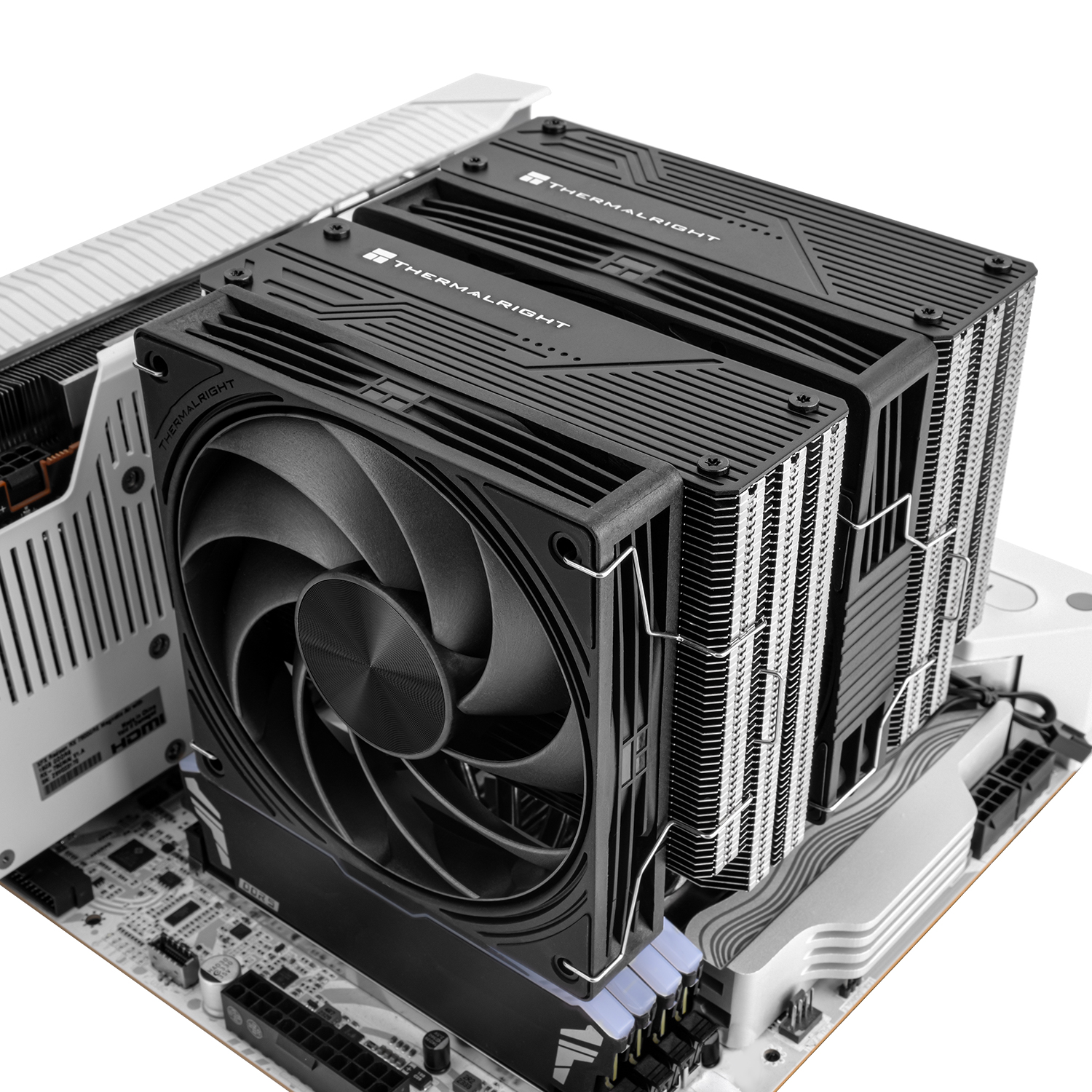
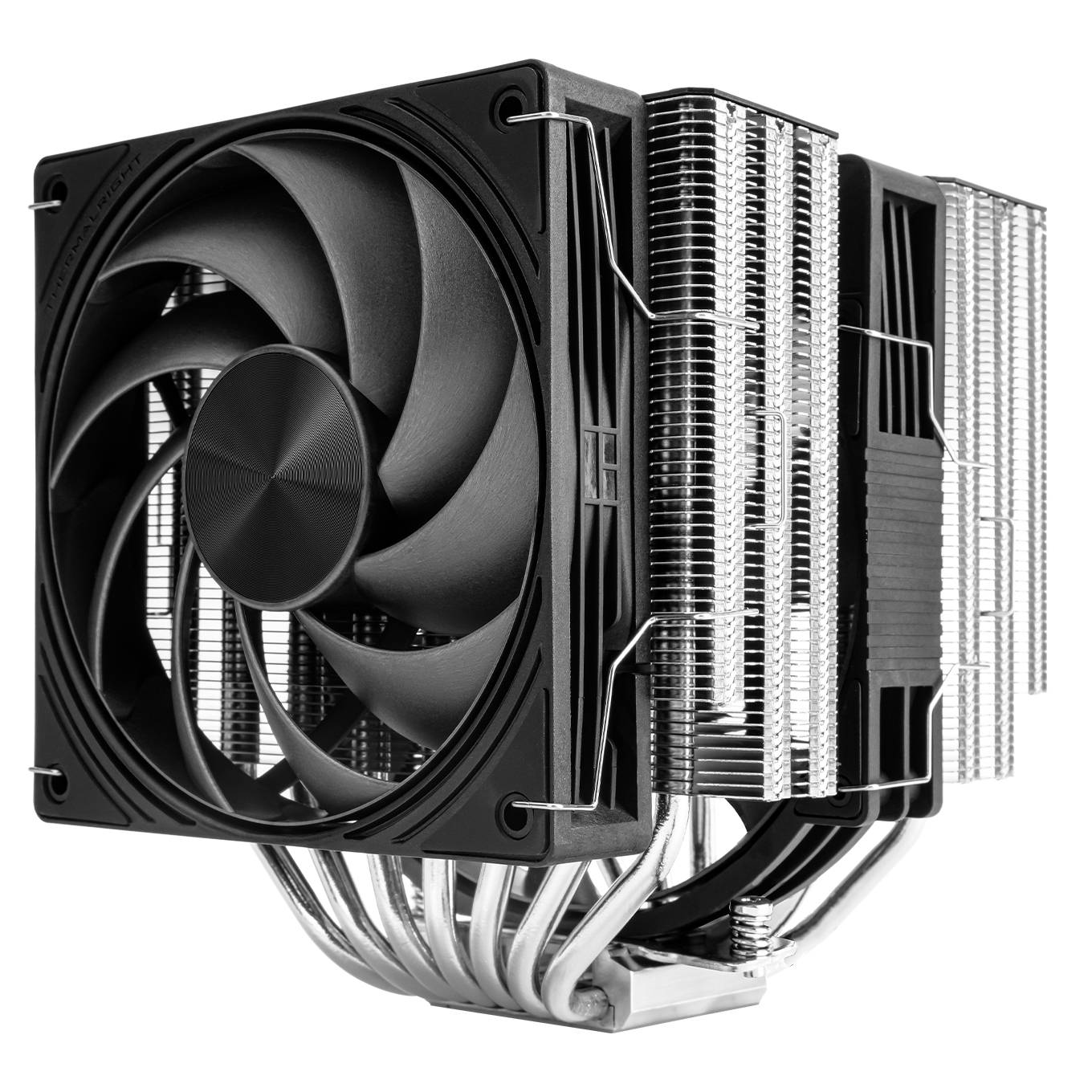
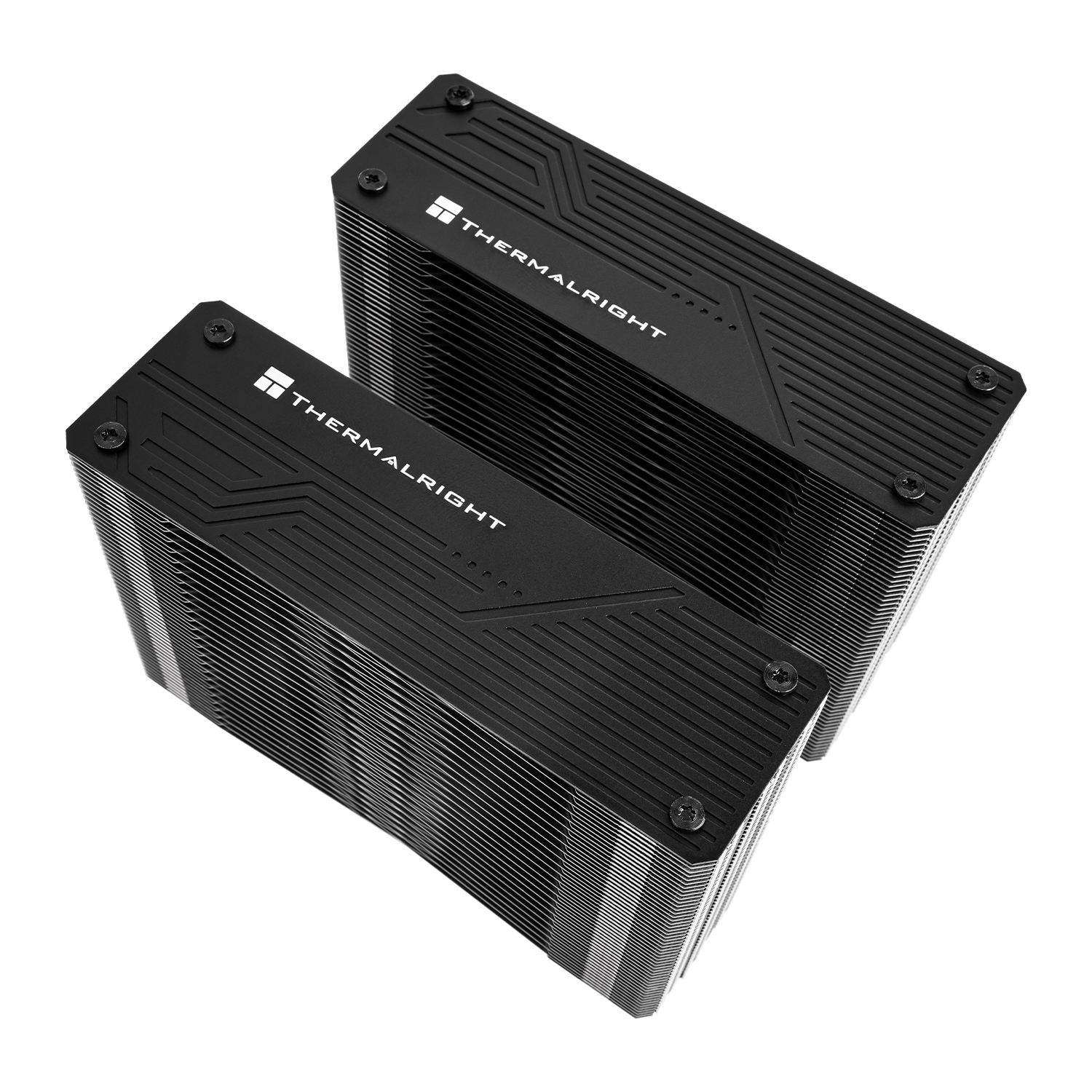
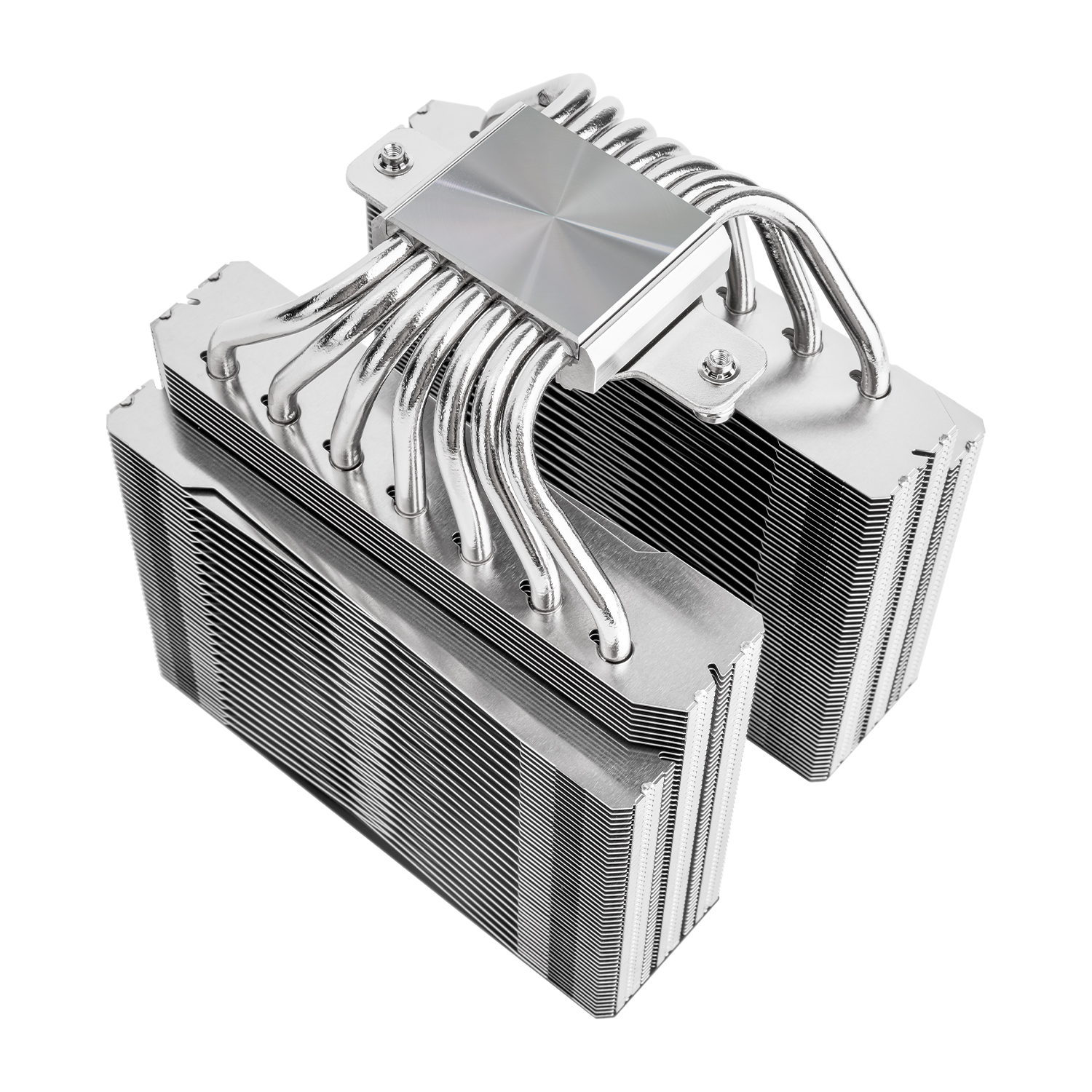
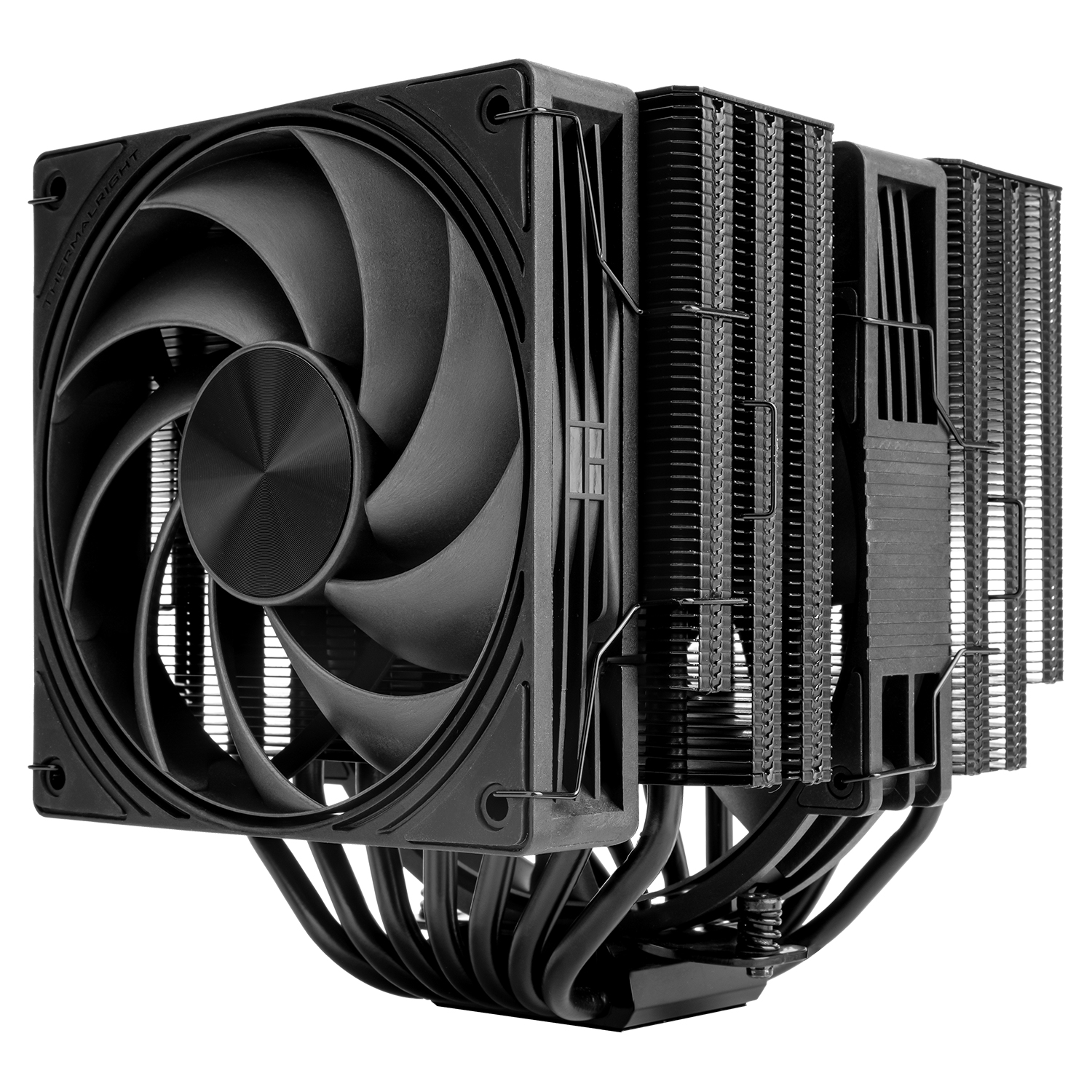
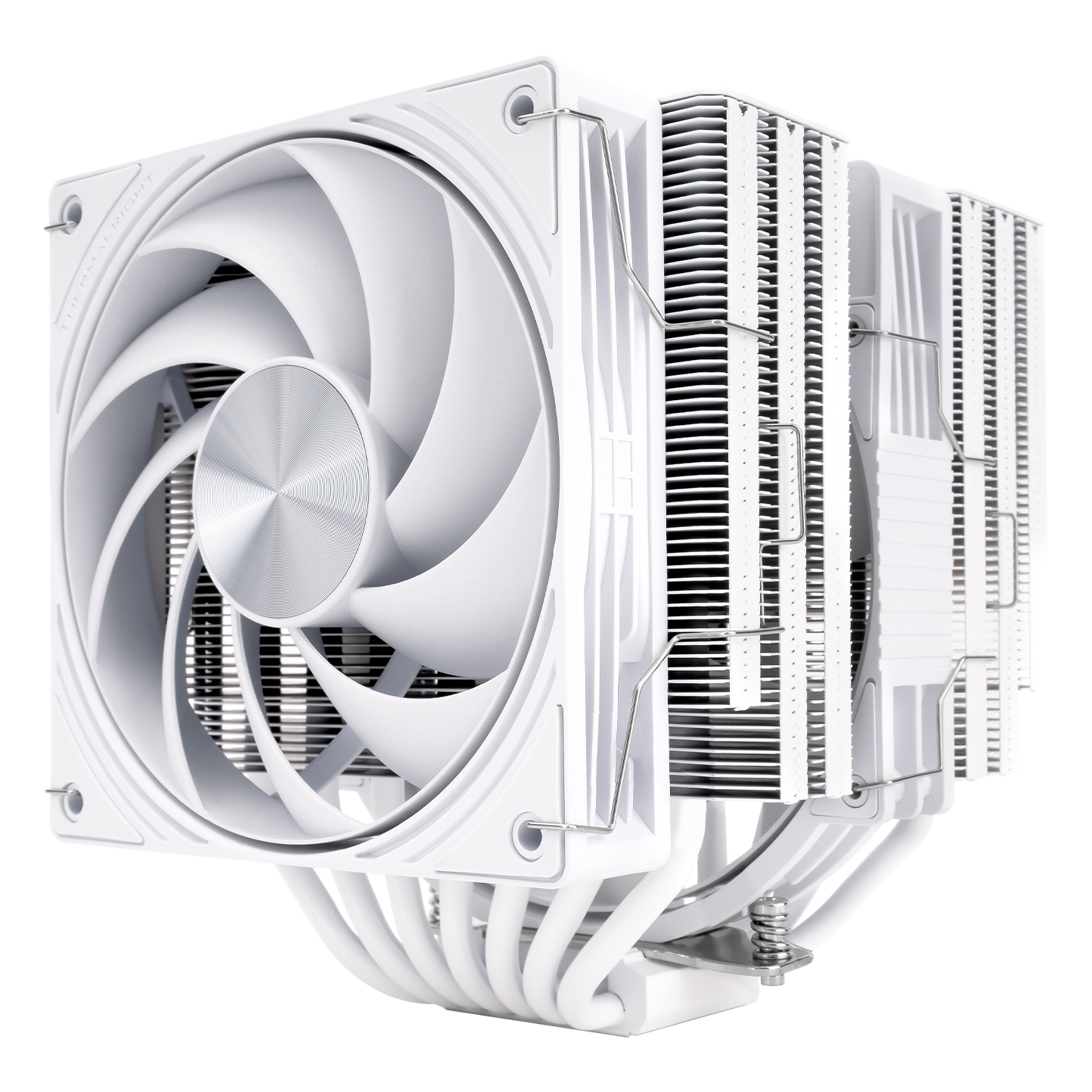
Thermalright has kicked off 2026 by introducing the new Frost Tower 140. The newly unveiled CPU cooler is a dual-stack giant designed to match the thermal dissipation of entry-level AIOs, featuring a unique asymmetrical fan configuration and a seven-heatpipe array to tame the latest high-TDP chips from Intel and AMD.

Standing 158 mm tall, the Frost Tower 140 (via Vortez) is one of the largest air coolers in Thermalright's current lineup. The cooler utilises 7x 6-mm-thick heatpipes branching out from a nickel-plated copper base. The cooling performance is driven by a specialised “push-pull” fan duo, with a TL-N12W-R9 (120 mm) fan at the front and a TL-N14DW-R7 (140 mm) fan at the centre. This smaller intake fan ensures better RAM clearance while spinning at up to 2,400 RPM and providing up to a claimed 85.35 CFM with a 2.95 mmH₂O static pressure. As for the 140 mm fan at the centre, it reportedly pushes up to 120 CFM at 1,850 RPM with a static pressure of 2.40 mmH₂O.

According to Thermalright, both fans are built for the long haul, featuring dual ball bearings and impellers made from Liquid Crystal Polymer (LCP). Thermalright has also integrated silicone mounts and noise-dampening rings to keep the acoustics of such high-RPM fans in check.

The Frost Tower 140 is launching in three distinct aesthetics: standard, all-black, and all-white, with the latter two featuring colour-matched fins and heatpipes. Installation is handled by the SS2 all-metal mounting system, ensuring a secure fit across AM5, AM4, and LGA1851/1700 sockets.

Discuss on our Facebook page HERE.

KitGuru says: Although pricing isn't known, Thermalright has historically underpriced the competition. With the Frost Tower 140, this trend will likely continue, even tho it uses LCP fans and a seven-heatpipe configuration.

The post Thermalright unveils Frost Tower 140 with asymmetrical fan config first appeared on KitGuru.
❌