↩ Accueil

Vue normale

Epomaker unveils Carbonis gaming mouse, made with solid carbon fibre

30 janvier 2026 à 18:00

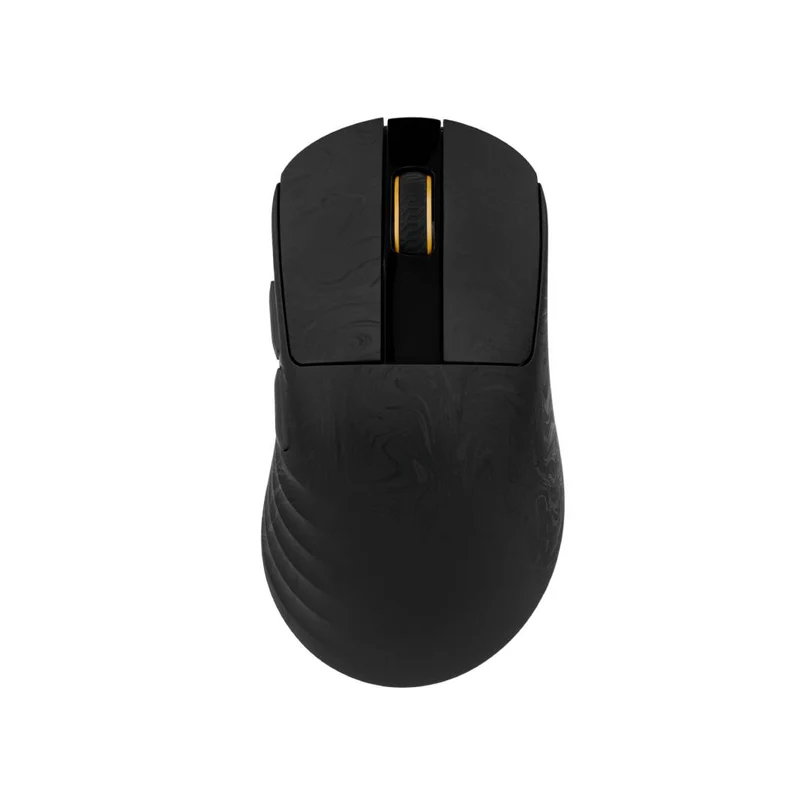
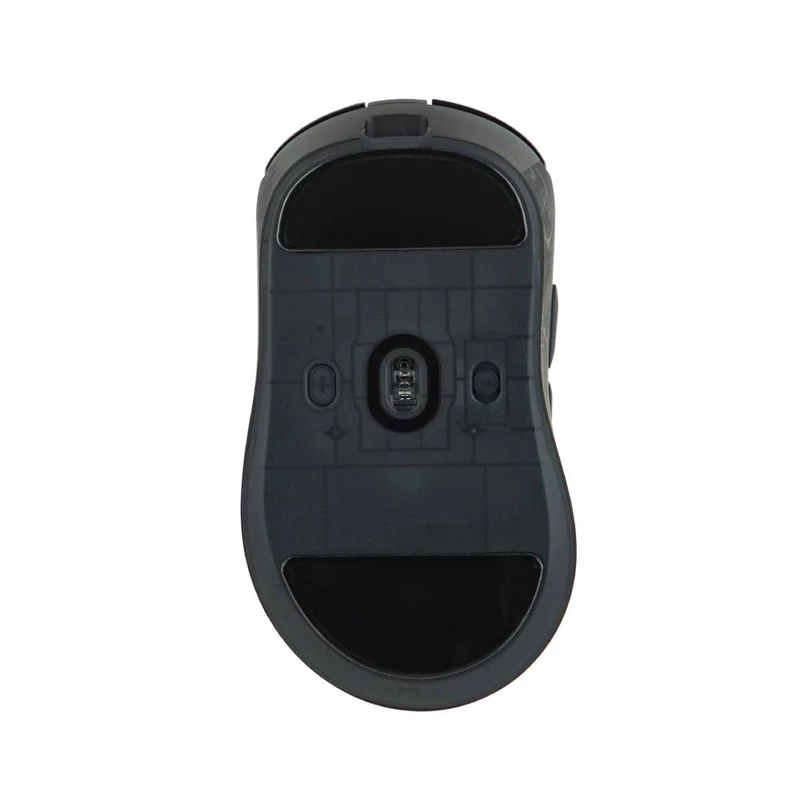
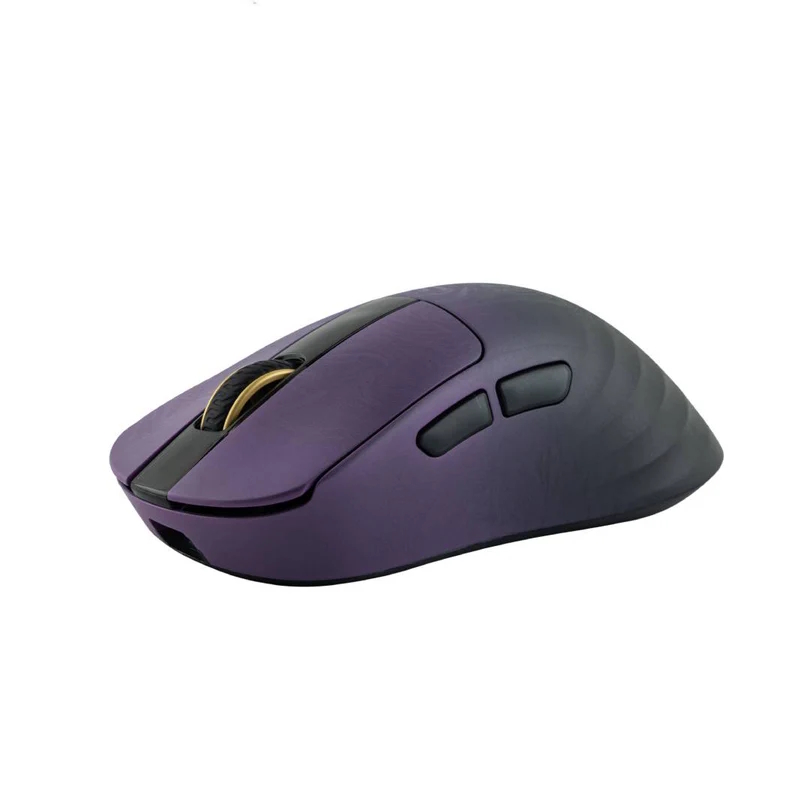
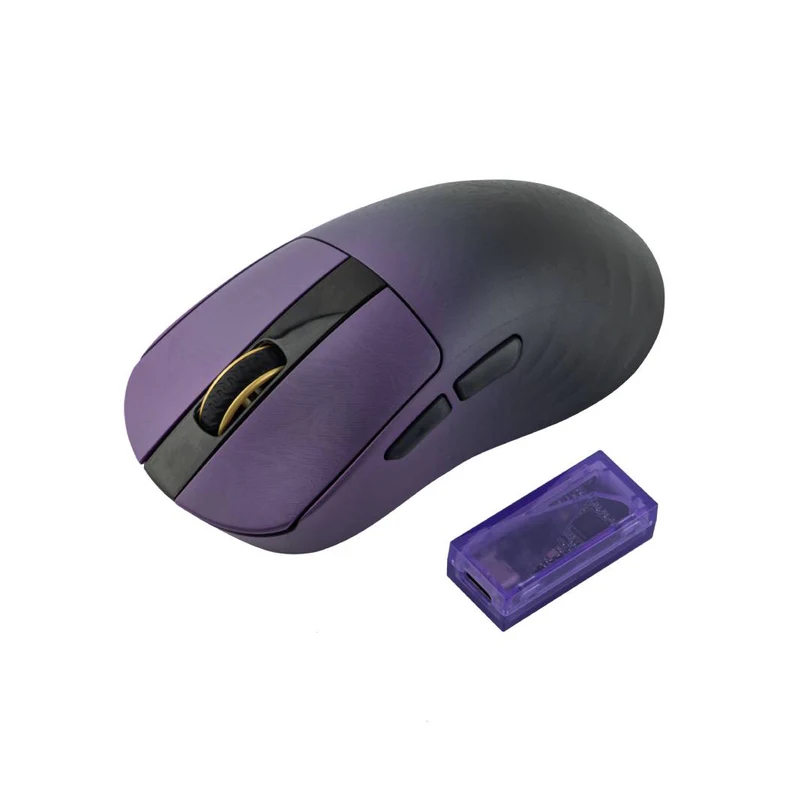
Epomaker is expanding its carbon mouse lineup with the Carbonis, a solid-shell, ergonomic carbon fibre gaming mouse. While its predecessor, the CarbonX, utilised a lattice-style honeycomb frame to save weight, the Carbonis adopts a solid right-handed ergo shape reminiscent of the Razer DeathAdder V4 Pro.

Using carbon fibre, Epomaker aims to deliver a structurally rigid frame that remains lightweight. Under the shell, the Carbonis (via TechPowerUP) is equipped with the flagship PixArt PAW 3950 sensor and the Nordic N54L MCU. This combination supports a native 8000 Hz (8K) polling rate for minimal input latency. Another standout feature is the integrated smart LCD screen on the top of the mouse, which provides real-time feedback on DPI settings, battery life, and current polling rates.

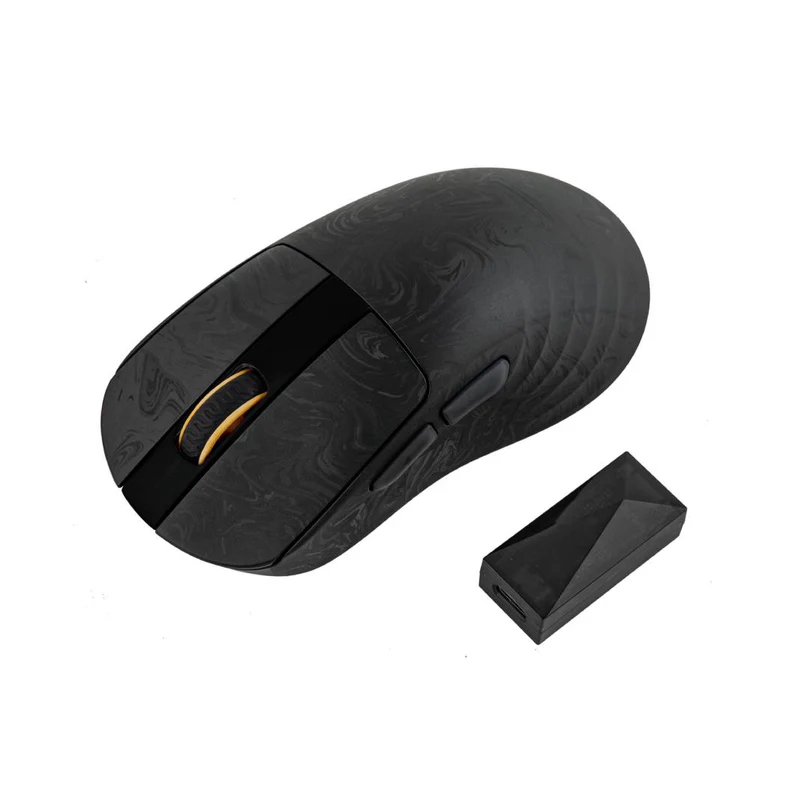
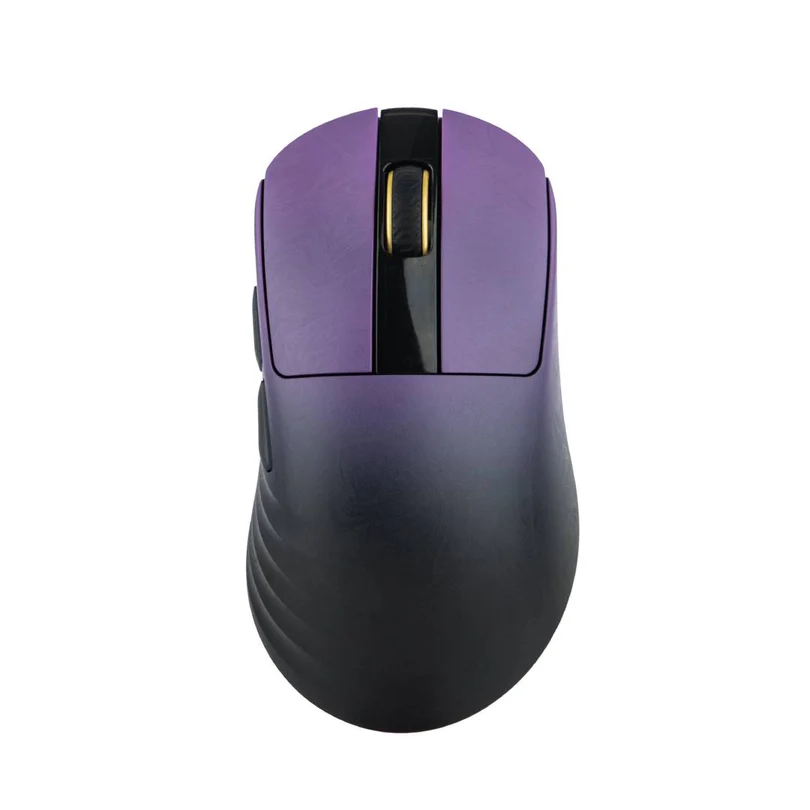
The device uses an online, web-based driver, allowing users to customise settings via a browser without the need for traditional software installations. As for aesthetics, the mouse will be available in two models: a black forged carbon pattern with a matching dongle, and a purple gradient with a transparent purple dongle.

The Carbonis is currently in its final pre-launch phase. Epomaker is offering a $1 early-bird reservation that entitles buyers to a $15 discount when the mouse officially goes on sale later this month. Pricing is yet to be defined.

KitGuru says: Carbon fibre is becoming quite common for enthusiast mice. Most of them are quite pricey, but from what we know about Epomaker, this one will likely be cheaper than its rivals. 

The post Epomaker unveils Carbonis gaming mouse, made with solid carbon fibre first appeared on KitGuru.

Open Gaming Collective (OGC) formed to unify Linux gaming

30 janvier 2026 à 15:00

A number of major Linux gaming projects are joining forces to form the Open Gaming Collective. The goal here is to reduce duplicated work across several crucial projects and centralise development efforts for critical components like kernel patches, input frameworks and display compositors. 

The OGC's technical strategy (via GamingOnLinux) centres on an “upstream-first approach”. Rather than maintaining permanent forks or bespoke patches, the group intends to submit all improvements and hardware fixes directly to the source projects (such as the mainline Linux kernel or Mesa). Early deliverables include a shared, gaming-optimised OGC Kernel and a specialised fork of gamescope designed to expand hardware support across a wider range of handhelds and desktop GPUs.

Bazzite, one of the founding members, has already outlined immediate changes resulting from joining the collective. The distribution will phase out its custom Handheld Daemon (HHD) in favour of InputPlumber, a unified input remapper already utilised by SteamOS, ChimeraOS, and Nobara. Additionally, Bazzite will integrate features like RGB and fan control directly into the Steam UI where possible, further bridging the gap between custom Linux distros and the native Steam Deck experience.

Besides Bazzite, other companies and partners include Nobara, ChimeraOS, Playtron, Fyra Labs, PikaOS, ShadowBlip, and Asus Linux.

KitGuru says: The formation of the OGC is an important step for the Linux gaming community. Standardising the kernel and input layers could finally bring the “it just works” stability of SteamOS to the broader Linux desktop world.

The post Open Gaming Collective (OGC) formed to unify Linux gaming first appeared on KitGuru.

Fanatec and Elgato introduces official Stream Deck plugin for racing sims

30 janvier 2026 à 14:00

Fanatec has officially released its first-party Stream Deck plugin. Available for free on the Elgato Marketplace, the plugin transforms the Stream Deck into a real-time telemetry display and hardware tuning hub for racing sims.

This collaboration marks one of the first major synergy projects since Fanatec's integration into the Corsair family, leveraging Elgato's software expertise to enhance the racing experience. The plugin supports the entire Stream Deck lineup, with optimised, pre-configured profiles specifically for the Stream Deck XL and the dial-equipped Stream Deck +.

For the first time, racers can use the Stream Deck as a digital “dashboard” to monitor critical race data, including tyre temperatures, fuel levels, track position, and flag warnings. Beyond telemetry, the most powerful feature is direct access to the Fanatec Tuning Menu, which lets drivers use Stream Deck buttons or dials to adjust force feedback strength, brake sensitivity, and other hardware parameters on the fly.

KitGuru says: Are you interested in sim racing setups? If you had or have one, would something like Elgato's Stream Deck with this new plugin be something you would consider adding?

The post Fanatec and Elgato introduces official Stream Deck plugin for racing sims first appeared on KitGuru.

Google bug report leaks “Aluminium OS” for desktops

29 janvier 2026 à 14:30

Google's dream of Android for desktop is not dead yet. Recently, Aluminium OS (ALOS) leaked through a bug report on Google's Issue Tracker. This new feature appears to be a built-in Samsung DeX-style visualisation for Android 16.

The leak, which surfaced through screen recordings from an HP Elite Dragonfly Chromebook (via 9to5Google), shows a hybrid UI that blends the simplicity of Android with the heavy-duty multitasking capabilities of a desktop OS. The “Aluminium OS” interface features a recognisable Android taskbar at the bottom and a status bar at the top, complete with mobile-like WiFi and battery indicators. However, the functionality is purely desktop, supporting windowed applications, split-screen multitasking, and a Chrome browser with desktop extensions. You can see ALOS in action in the video uploaded by Android Authority.

This development suggests that Google may be looking to bridge the gap between Android and ChromeOS, potentially allowing future Android tablets and high-end phones to function as full-scale workstations when docked.

Discuss on our Facebook page, HERE.

KitGuru says: Would you like to see Google offering Aluminium OS as standard for all Android-based devices? Would such a feature make you more inclined to choose Android over iOS?

The post Google bug report leaks “Aluminium OS” for desktops first appeared on KitGuru.

Job listing suggests GOG Galaxy may soon introduce first-party support for Linux

29 janvier 2026 à 14:00

Following a leadership shift involving one of its original co-founders, GOG is now apparently expanding its technical reach by developing a native Linux version of GOG Galaxy.

The move was revealed through a job posting (via The Bryant Review) for a Senior C++ Software Engineer, specifically tasked with building the application's architecture with Linux compatibility as a core priority “from day one”. This marks a major pivot for the platform, which has historically relied on community-driven or third-party tools, such as the Heroic Games Launcher, to serve Linux users.

The initiative aims to bring native high-value features such as cloud saves, automatic updates, and cross-platform library management (including Epic, Xbox, and Steam) to the Linux ecosystem.

While GOG has always been praised for its DRM-free standalone installers, the lack of a dedicated Linux client has been a significant point of friction for Steam Deck and Linux desktop users who want a unified experience. By designing for a “wide array of hardware” and prioritising long-term platform development, GOG signals that its Linux support will be a pillar of its commitment to preserving retro games.

Discuss on our Facebook page, HERE.

KitGuru says: Do you own a Linux system where you would like to install the GOG Galaxy app?

The post Job listing suggests GOG Galaxy may soon introduce first-party support for Linux first appeared on KitGuru.

Cooler Master unveils massive 2×2 grid AIO concept for high-end workstations

29 janvier 2026 à 10:00

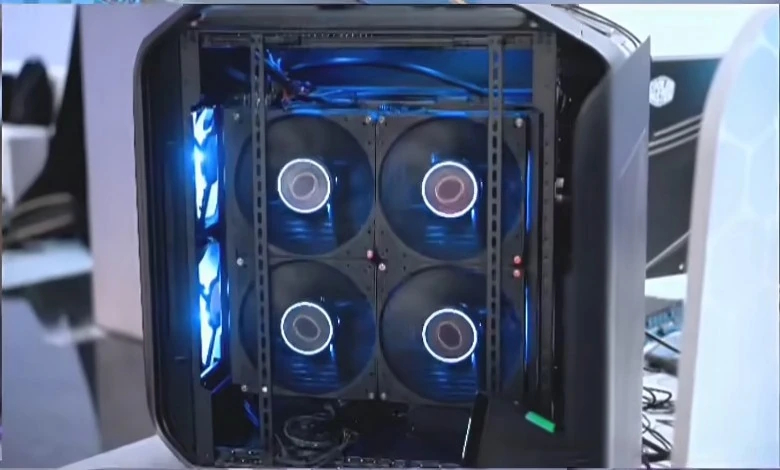
Cooler Master has showcased a new AIO liquid cooling concept at a recent event in Huizhou, China, breaking away from the traditional linear fan arrangement. Instead of the standard three-fan row, this massive workstation-oriented cooler features four 180mm fans arranged in a 2×2 square grid. This creates a radiator footprint of approximately 360 x 360mm, making it compatible with the manufacturer's recently announced Cosmos case.

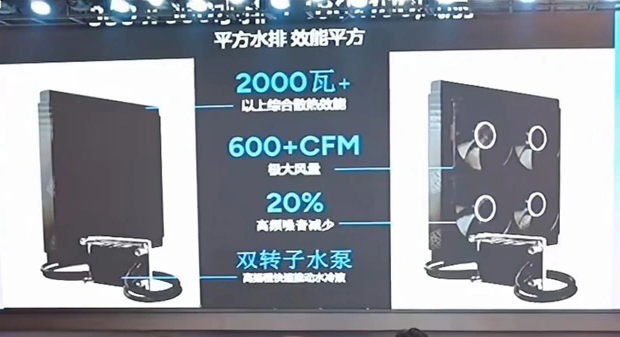
According to ITHome (via VideoCardz), this AIO uses a dual-rotor pump and specialised “180×30” fans that reportedly reduce high-frequency noise by 20%. Most impressively, Cooler Master claims the whole cooling system can dissipate over 2000W of heat, positioning it as a specialised tool for extreme workstation builds rather than standard consumer PCs. The square shape presents unique mounting challenges, meaning this likely won't fit in your average mid-tower without some serious modifications.

While this remains a concept for now, the company confirmed that other AIO models shown at the event will hit the market in March, followed by the B360 TV, a CPU cooler featuring a 7-inch 16:9 display, in April 2026.

Discuss on our Facebook page, HERE.

KitGuru says: As expected from a 360 x 360 AIO cooler, it offers a massive amount of surface area to cool high-TDP CPUs. As far as we know, there isn't any commercially available CPU with a rated 2000W TDP that the cooler is ready for. Still, if it ever comes, Cooler Master is already prepared.

The post Cooler Master unveils massive 2×2 grid AIO concept for high-end workstations first appeared on KitGuru.

Razer introduces Synapse Web beta to customise peripherals via browser

28 janvier 2026 à 17:30

Razer has launched the beta version of Razer Synapse Web, a lightweight web application that lets users customise their Razer peripherals in Chromium-based browsers like Chrome, Edge, and Opera. This new platform eliminates the need for full software installation, making it a handy tool for esports tournaments, LAN environments, or shared systems where administrative locks prevent traditional software setup.

The web app focuses on speed and essential features. Users can adjust Chroma RGB Quick Effects, refine key settings, and manage onboard profiles directly within the browser interface. At launch, only the Razer Huntsman V3 Pro line will be supported, but we can expect more peripherals in the future.

While Synapse 4 remains the primary hub for deep integration and multi-device synchronisation, Synapse Web serves as a high-performance alternative for rapid adjustments in competitive scenarios. This “web-native” approach ensures that a gamer's specific performance tuning is always just a URL away, regardless of the PC they are using.

Discuss on our Facebook page, HERE.

KitGuru says: For any user who jumps from system to system, being able to tweak their peripherals on the go is quite handy. However, most users will probably be glad that with Synapse Web, they won't need to install any software to customise their peripherals.

The post Razer introduces Synapse Web beta to customise peripherals via browser first appeared on KitGuru.

Intel rolls out XeSS 3 with Multi-Frame Generation in new drivers

28 janvier 2026 à 14:30

Intel has officially entered the next era of AI upscaling with the release of XeSS 3, featuring Multi-Frame Generation (MFG) technology. Integrated into the latest graphics driver (versions 32.0.101.8425 and 32.0.101.8362), XeSS 3 supports 2x, 3x, and 4x frame multiplication, similar to Nvidia's DLSS 4. One of the most significant advantages of this rollout is backward compatibility. Users can enable Frame Generation in any XeSS 2 supported game through the Intel Graphics control panel. 

The driver update also marks the launch of Intel's new integrated graphics solutions, the Arc B390 and B370, which power the Core Ultra 3 (Panther Lake) mobile CPU family. XeSS 3 is designed to run on any Arc hardware equipped with XMX units, covering the original A-series, the new B-series discrete cards, and integrated solutions across the Meteor Lake, Lunar Lake, and Arrow Lake families. Early hands-on testing suggests that while image quality is high with minimal artefacts, users may experience higher input lag in fast-paced titles, a common hurdle for frame generation technologies that Intel is working to mitigate.

Beyond the new features, the driver also introduces critical stability fixes, including a resolution for crashes in the Pragmata demo and a fix for incorrect Variable Refresh Rate (VRR) reporting in the display settings. Moreover, Intel has acknowledged several known issues under investigation, including application crashes in games such as Star Citizen, The Finals, and Mount & Blade II: Bannerlord. Users experiencing these issues are encouraged to report them through the Intel Arc Control feedback tool. The full patch notes can be found below:

Highlights:

  • Launch driver for Intel Core Ultra Series 3 with built-in Intel Arc B390, B370 GPUs (Codename Panther Lake).
    • Intel XeSS 3 Support: Introducing Multi-Frame Generation
      • XeSS Multi-Frame Generation builds upon XeSS Frame Generation by inserting up to 3 generated frames between two rendered frames, going from a 1:1 ratio to 3:1 for an ultra-smooth gameplay experience.

Fixed Issues:

  • Intel Arc B-Series Graphics Products
    • PRAGMATA SKETCHBOOK Demo (DX12) may experience an application crash while launching the game.
  • Intel Core Ultra Series 2 with built-in Intel Arc GPUs
    • PRAGMATA SKETCHBOOK Demo (DX12) may experience an application crash while launching the game.
  • Intel Graphics Software Fixed Issues
    • Variable Refresh Rate range in Display page may show incorrect values.

Known Issues:

  • Intel Core Ultra Series 3 with built-in Intel Arc GPUs
    • Ghost of Tsushima (DX12) may exhibit color corruption on terrains during gameplay.
    • The Finals (DX12) may experience an intermittent application crash.
    • No Man's Sky (Vulkan) may exhibit corruptions on certain terrains during gameplay.
    • Star Citizen (Vulkan) may experience an application crash on game launch.
    • Mount & Blade II: Bannerlord (DX11) may experience an application crash during game launch.
  • Intel Arc B-Series Graphics Products
    • Call of Duty: Black Ops 6 (DX12) may exhibit intermittent corruptions on certain water surfaces during gameplay.
    • Star Citizen (Vulkan) may experience an application crash on game launch.
    • PugetBench for DaVinci Resolve Studio may experience an intermittent application crash while running the benchmark.
    • Recommendation: change the timeout slider to 1500 seconds or higher in PugetBench benchmark settings to wait for each test to complete.
  • Intel Arc A-Series Graphics Products
    • PugetBench for DaVinci Resolve Studio may experience an intermittent application crash while running the benchmark.
    • Recommendation: change the timeout slider to 1500 seconds or higher in PugetBench benchmark settings to wait for each test to complete.
  • Intel Core Ultra Series 1 with built-in Intel Arc GPUs
    • Battlefield 6 (DX12) may exhibit intermittent corruptions on certain maps during gameplay.
    • Intel Core Ultra Series 2 with built-in Intel Arc GPUs
    • Call of Duty: Black Ops 6 (DX12) may exhibit intermittent corruptions on certain water surfaces during gameplay.
    • Battlefield 6 (DX12) may exhibit intermittent corruptions on certain maps during gameplay on some notebooks with Intel Core Ultra Series 2 with built-in Intel Arc GPUs.
    • No Man's Sky (Vulkan) may exhibit corruptions on certain terrains during gameplay.
    • Topaz Video AI may experience visual artifacts when using certain AI models.
  • Intel Graphics Software Known Issues
    • When using the Settings > Preferences > Reset all settings option in Windows 10, the application may experience an intermittent crash. Settings can be reset from individual pages without issue.
    • Intel Graphics Software may sometimes experience a single application crash on the first re-arrange of metrics within the Select metrics window. Subsequent usage will not be affected by this crash again.
    • Combined Display may intermittently not function as expected while combining displays or resetting settings.

Discuss on our Facebook page, HERE.

KitGuru says: Intel may have taken a while to launch its own MFG tech, but now that it's finally here, gamers playing games on Arc graphics can easily get an FPS boost in a bunch of games.

The post Intel rolls out XeSS 3 with Multi-Frame Generation in new drivers first appeared on KitGuru.

Xbox overhauls cloud gaming interface with refreshed design

28 janvier 2026 à 14:00

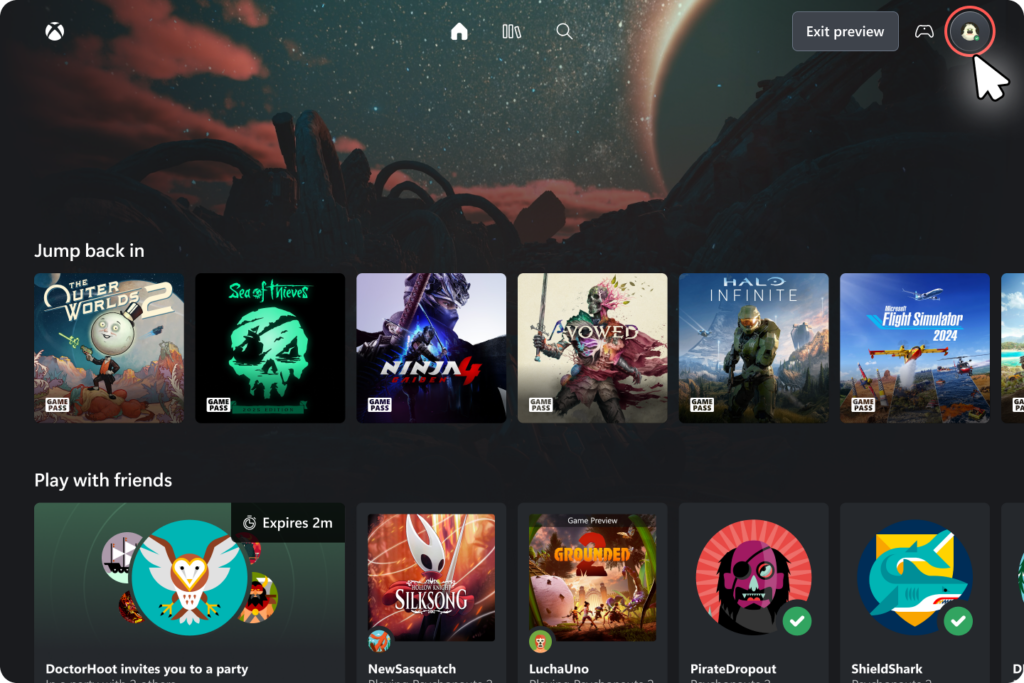
Microsoft has begun testing a refreshed web experience for Xbox Cloud Gaming, designed to streamline navigation and look closer to the Xbox console dashboard. Xbox Cloud Gaming users can already opt in to the new interface, although there could be lingering issues in the early build. 

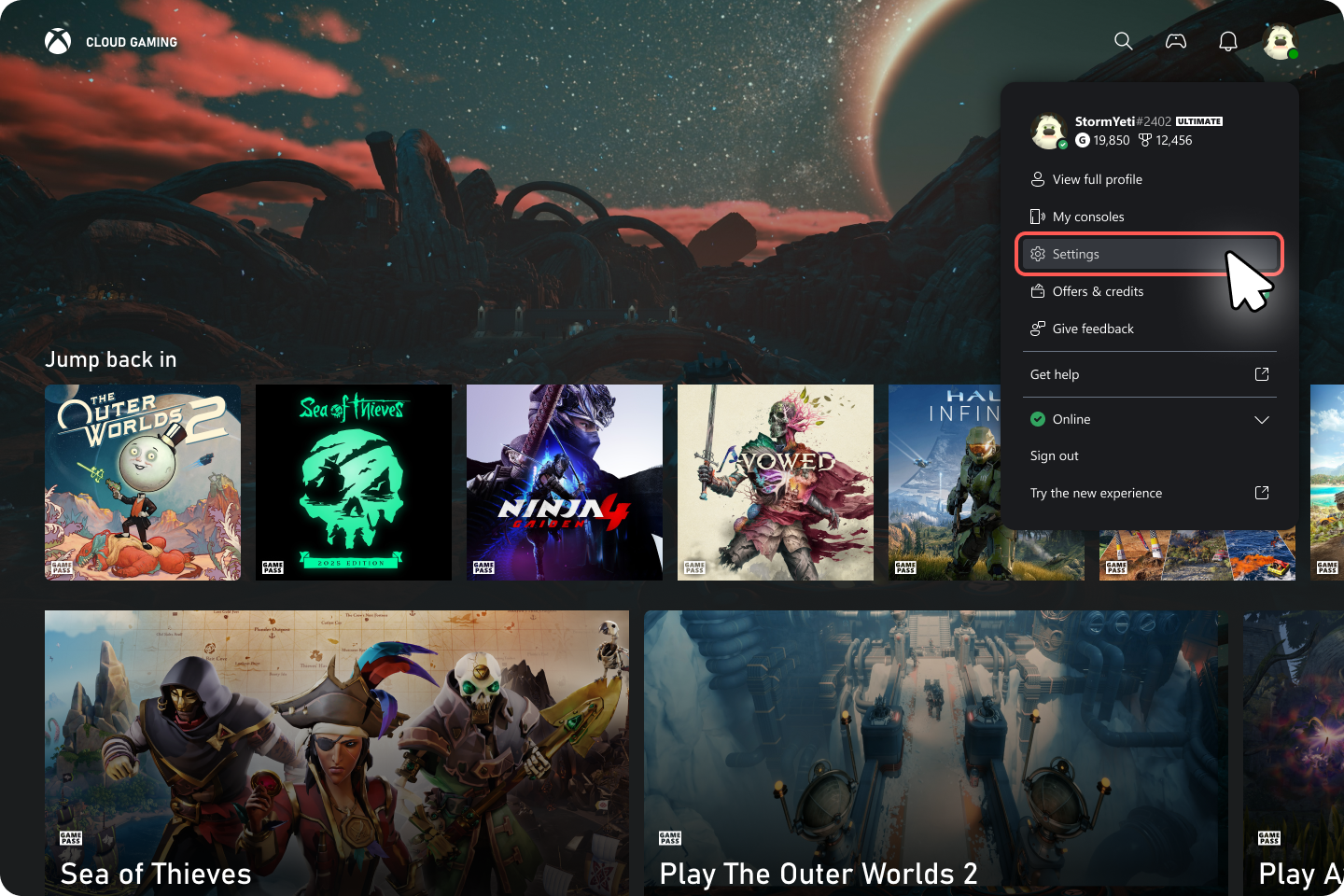
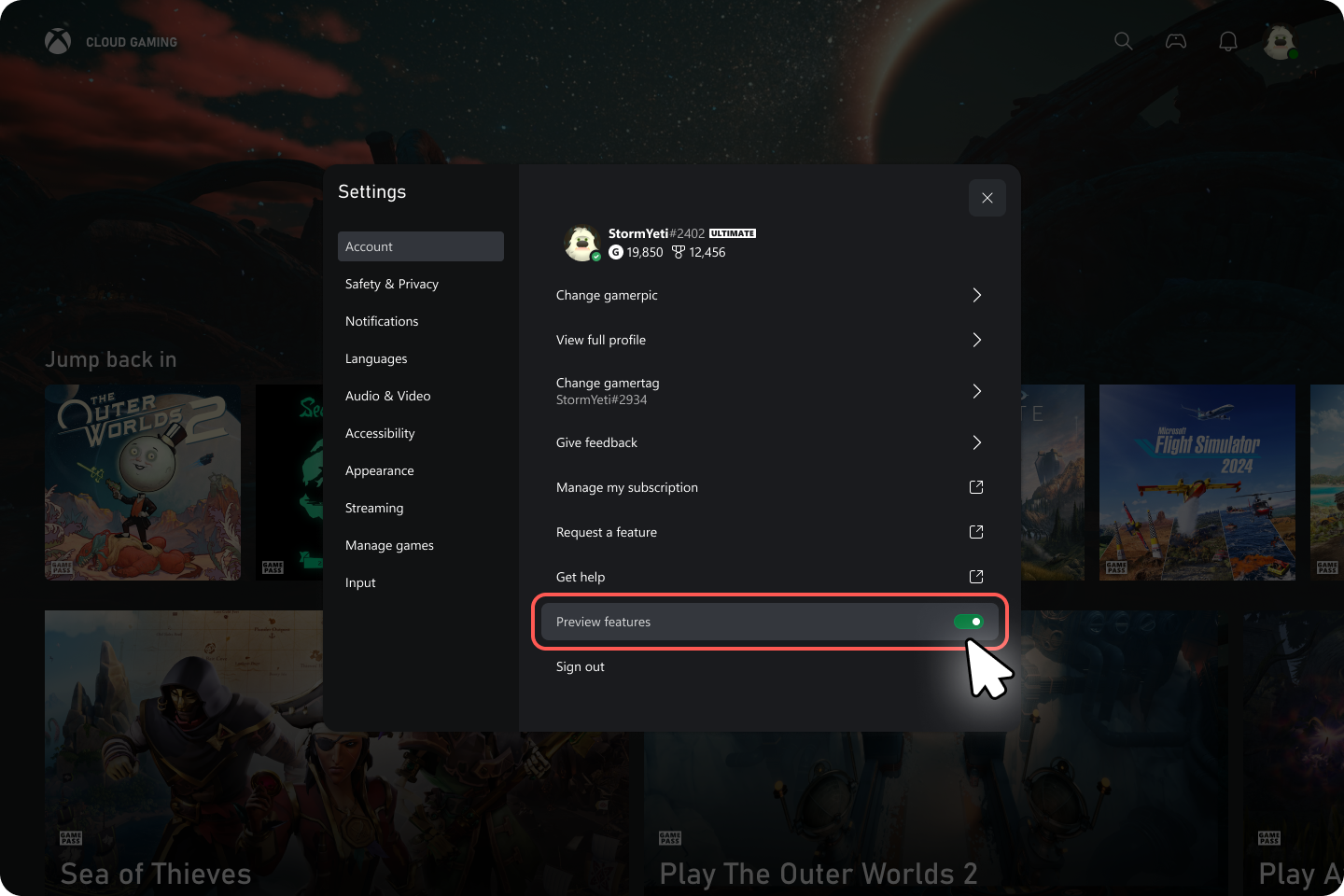
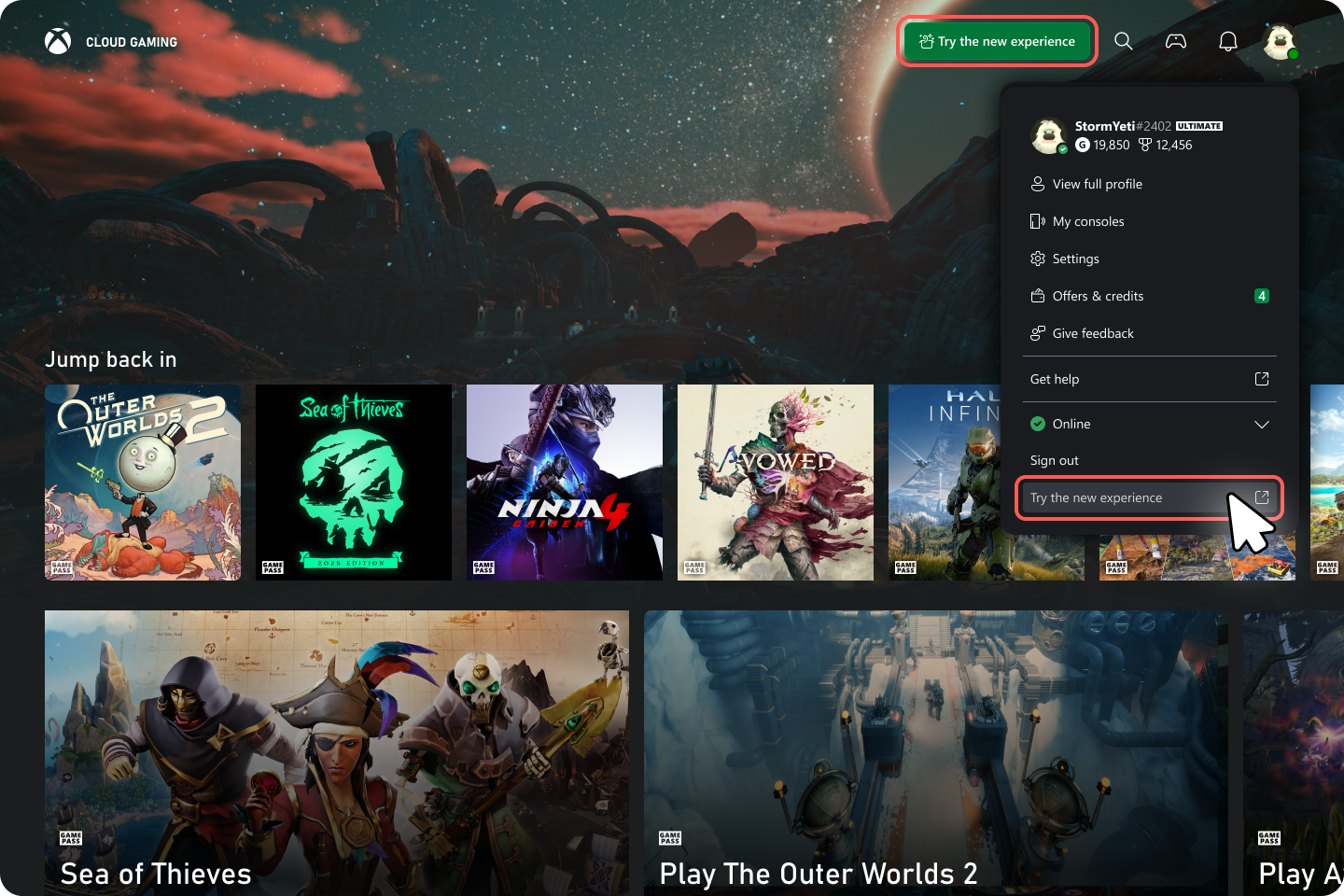
Players can access the preview by visiting xbox.com/play in a compatible browser, signing in, and enabling the “Preview Features” toggle in the settings menu. Once enabled, users can either follow the on-screen prompts or navigate directly to the new site (it may take up to 10 minutes for the prompts and links to appear).

Microsoft notes that, as this is a foundation-building phase, some features may behave differently or be temporarily unavailable as they iterate based on feedback. Users are encouraged to report bugs via the profile menu or the Xbox Web Guide to help refine the platform during the testing period.

Discuss on our Facebook page, HERE.

KitGuru says: Do you use Xbox Cloud Gaming? Have you already tried the new interface? Do you prefer the new UI over the old one?

The post Xbox overhauls cloud gaming interface with refreshed design first appeared on KitGuru.

Intel is reportedly working on Arc Pro B70 and B65 GPUs

27 janvier 2026 à 18:00

Intel's “Battlemage” generation might expand soon, though the supposed new graphics cards are primarily for professional users. New reports suggest that Intel is about to launch the Arc Pro B70 and Arc Pro B65, targeting a Q1 2026 release. Both cards are claimed to be powered by the BMG-G31 GPU and feature a massive 32GB of GDDR6 memory.

As reported by VideoCardz, while the memory remains identical across both SKUs, the differentiation lies in the core counts. The Arc Pro B70 utilises the full die with 32 Xe2 cores (4096 FP32 cores), while the Arc Pro B65 is a cut-down variant featuring 20 Xe2 cores (2560 FP32 cores), matching the previous-gen B60 in core count but benefiting from the newer architecture.

Below you can find a table with the detailed rumoured specs for these two GPUs:

Arc Pro B70 Arc Pro B65
GPU Architecture Xe2-HPG (Battlemage) Xe2-HPG (Battlemage)
GPU Die BMG-G31 BMG-G31
Xe-Cores 32 20
FP32 Cores 4096 2560
VRAM Capacity 32 GB GDDR6 32 GB GDDR6
Memory Bus 256-bit 256-bit
Target Launch Q1 2026 Q1 2026

The situation for gamers remains much more uncertain. While board partners have the BMG-G31 chips for testing, they are currently restricted to the Pro form factors. Rumours suggest that Intel has placed the consumer gaming variant on hold, possibly due to volatility in the memory market.

Discuss on our Facebook page, HERE.

KitGuru says: Do you think Intel should launch an Arc B7x0 GPU for the mainstream market?

The post Intel is reportedly working on Arc Pro B70 and B65 GPUs first appeared on KitGuru.

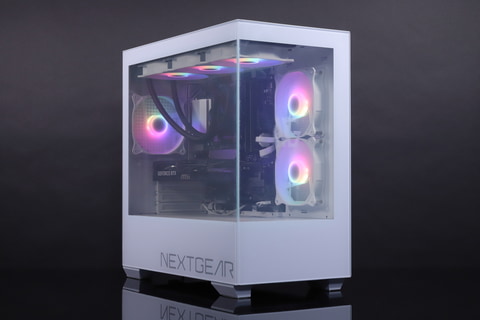
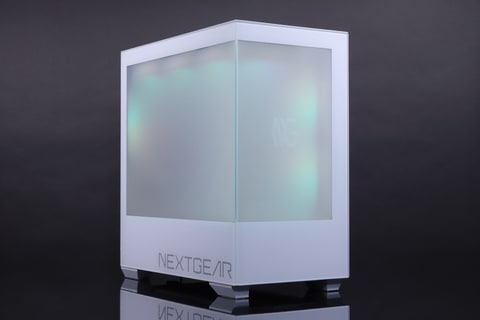
Mouse Computer unveils Nextgear desktop PC with dynamic dimming glass case

27 janvier 2026 à 13:30

Mouse Computer, a Japanese PC manufacturer, has introduced a unique addition to its NextGear EG-series of gaming desktops. Centred around a unique “Clear Shift” case, featuring dynamic dimming technology on its front and left-side glass panels.

According to PC Watch (via VideoCardz), a single button press on the top I/O panel can transition the glass from a completely transparent “clear mode” to a smoked “stealth mode” that effectively hides the internal components.

The stealth mode serves as a “hide your PC” feature for users who keep their towers on their desks. It allows a build to look like a plain black tower or to eliminate RGB light pollution during nighttime sessions. The switchable glass requires power to function, but when the PC is turned off, the panels automatically default to the opaque stealth mode. To complete the transformation, the case also features a separate LED button to toggle the ARGB fan effects, allowing the system to go from a vibrant showroom display to a muted aesthetic in seconds.

In terms of hardware, the NextGear EG-A7G60 configuration reviewed by PC Watch features an AMD Ryzen 7 5700X paired with an Nvidia GeForce RTX 5060. The system includes 16GB of DDR4-3200 memory and a 1TB NVMe SSD. While these specs target the mid-range market, the premium pricing (starting at over £1050) is probably due to the Clear Shift technology. The lineup is currently a Mouse Computer direct shop exclusive in Japan.

Discuss on our Facebook page, HERE.

KitGuru says: What do you think of the ‘Clear Shift' case? Would you like to see one of these outside of Japan? 

The post Mouse Computer unveils Nextgear desktop PC with dynamic dimming glass case first appeared on KitGuru.

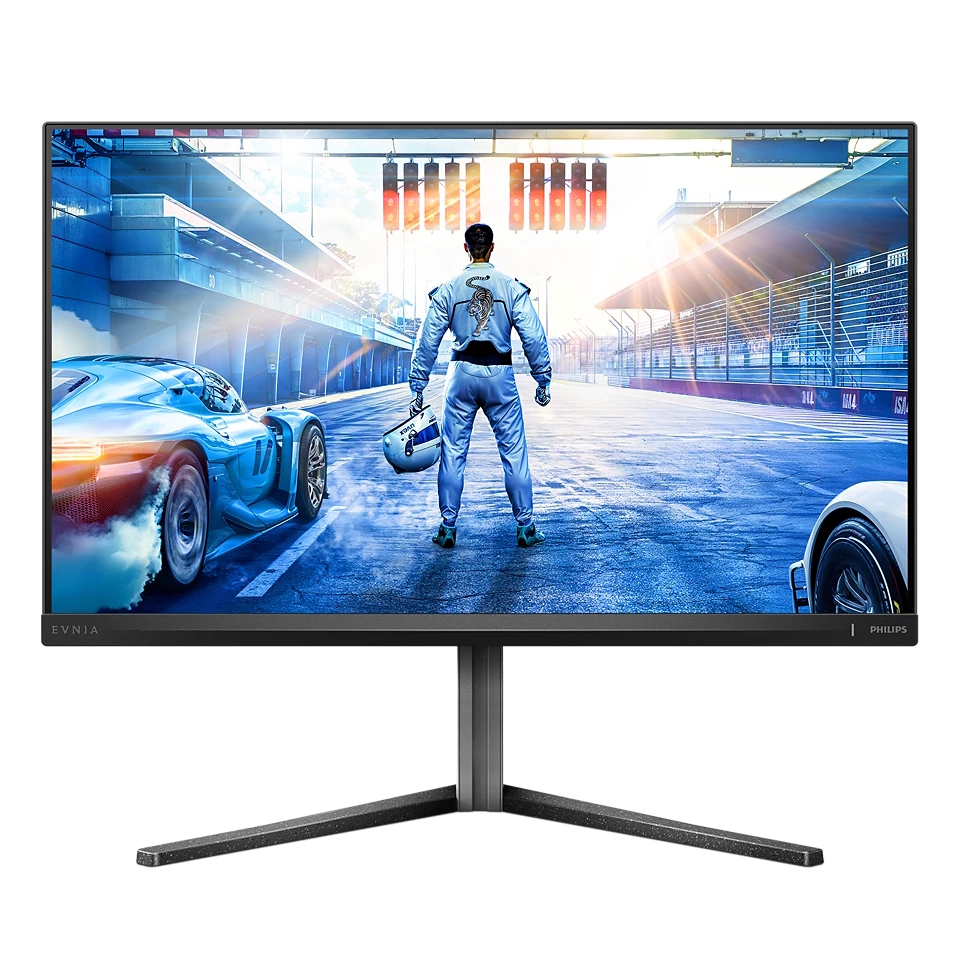
Philips details Evnia 27M2N5500XD with 540Hz and 1000Hz modes

27 janvier 2026 à 11:00

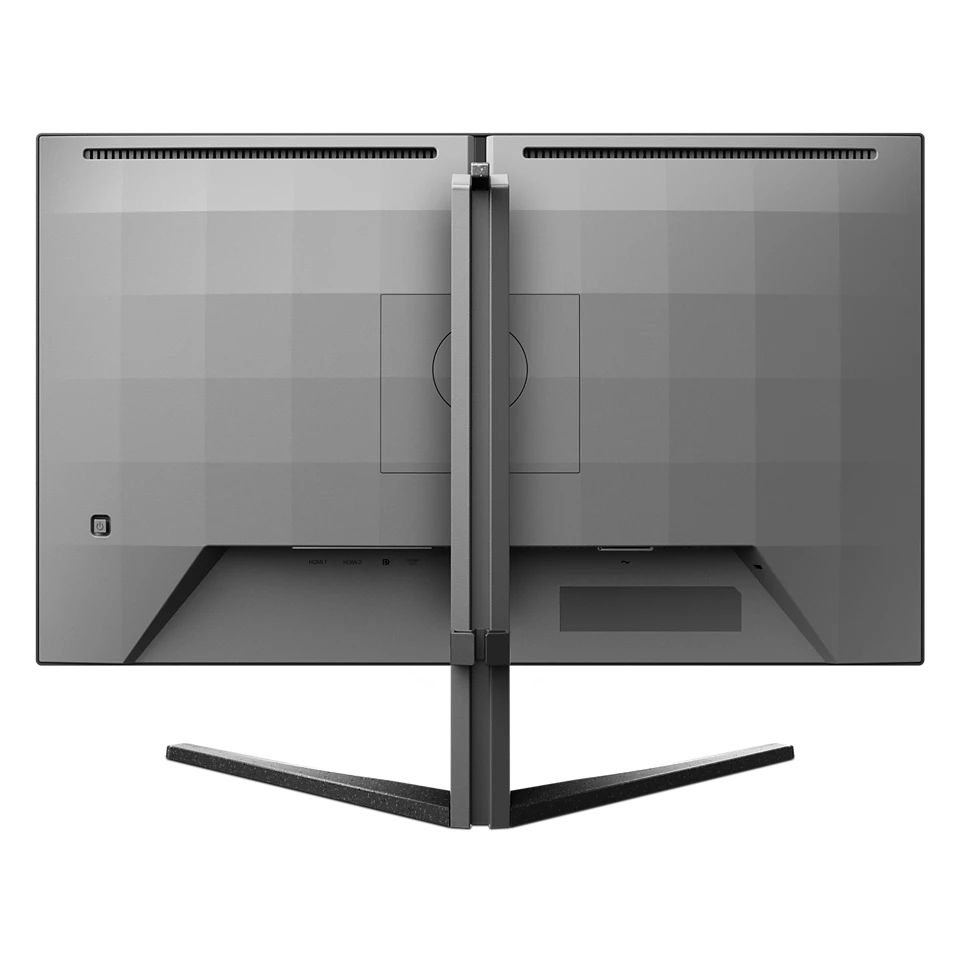
Philips has officially launched the product page for the Evnia 27M2N5500XD, a new monitor that pushes the boundaries of competitive gaming displays. With its dual-mode capability, it runs natively at WQHD (1440p) with a 540Hz refresh rate, but can be toggled to 720p / 1000Hz

According to its spec sheet (via Prad), the display is built on a 27-inch Fast IPS panel with a 1ms G2G response time and a 2000:1 contrast ratio, which is notably higher than that of standard IPS panels. It features 10-bit colour depth (8-bit + FRC) and covers 100% of the sRGB and 96% of the DCI-P3 colour spaces. With a Delta-E < 1, the monitor promises professional-grade colour accuracy right out of the box. For HDR content, it carries the DisplayHDR 400 certification and reaches a peak brightness of 500 nits.

In addition to a low-blue-light mode and flicker-free technology, the monitor also packs gaming-oriented features such as Smart Crosshair, SmartContrast, ShadowBoost, and a built-in zooming tool. It also supports the Evnia Precision Center app, which allows users to customise some of the monitor settings via software.

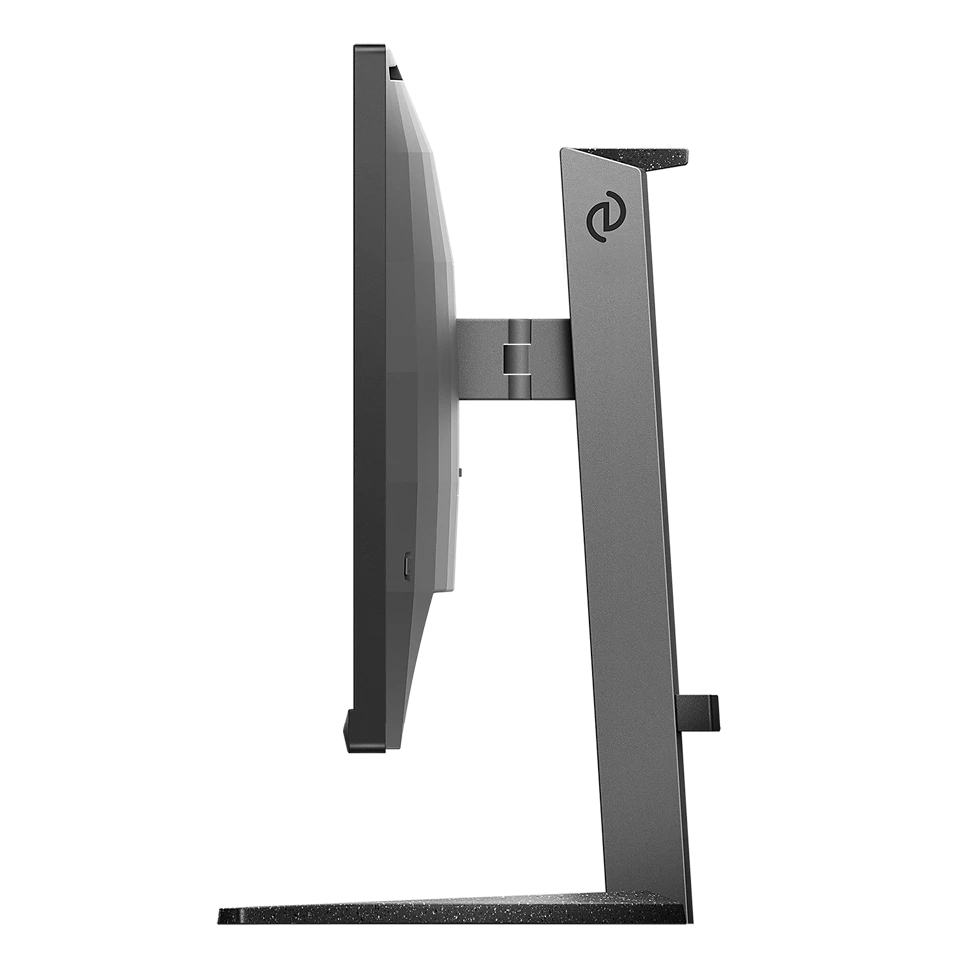
Connectivity is quite decent, featuring an audio-out jack, two HDMI 2.1 ports and a DisplayPort 2.1 port, offering enough bandwidth for such high refresh rates. Philips has also included Smart MBR Sync, a feature that allows gamers to use motion blur reduction simultaneously with FreeSync anti-tearing technology. The monitor is rounded out with full ergonomic support, including height, tilt, swivel, and pivot adjustments.

Discuss on our Facebook page, HERE.

KitGuru says: Would you be willing to jump onto a 1000Hz monitor even if it means reducing the resolution to 720p?

The post Philips details Evnia 27M2N5500XD with 540Hz and 1000Hz modes first appeared on KitGuru.

Gigabyte GO27Q24G WOLED monitor launches with MLA+ technology and RealBlack Glossy coating

26 janvier 2026 à 18:00

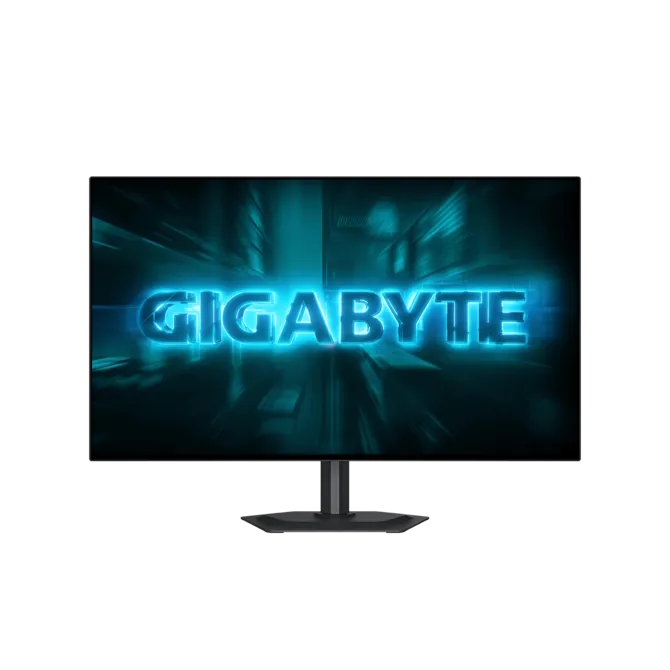
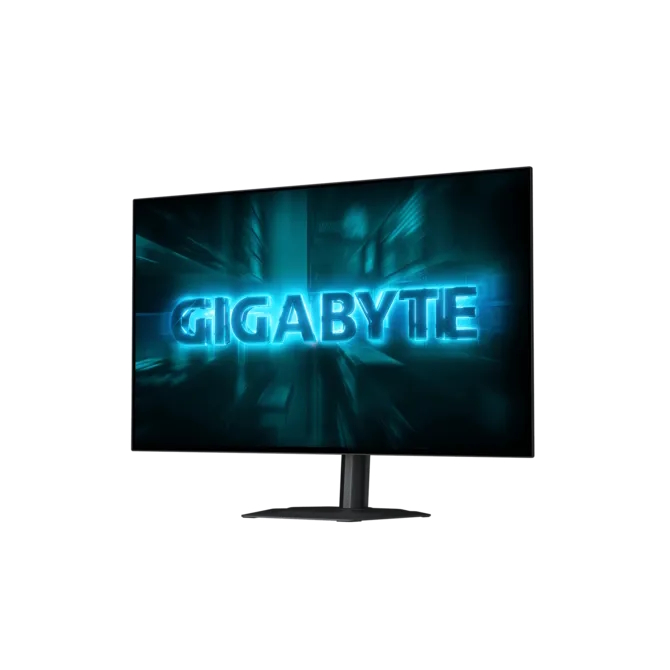
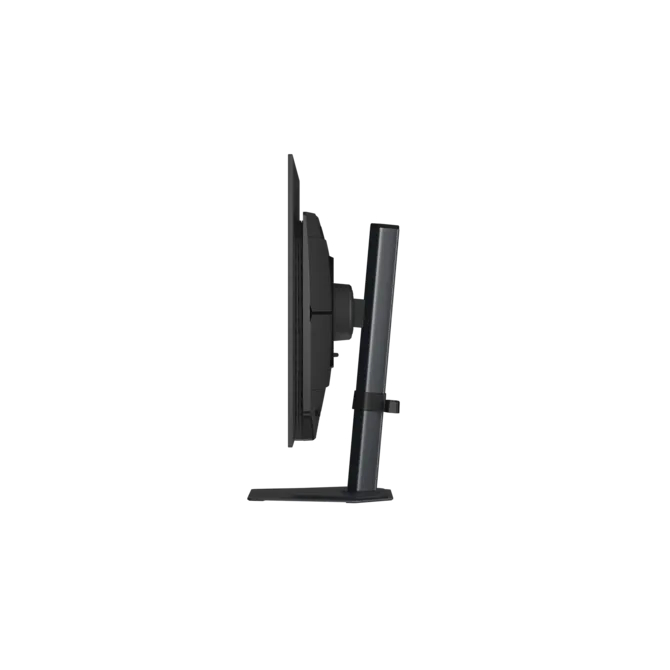
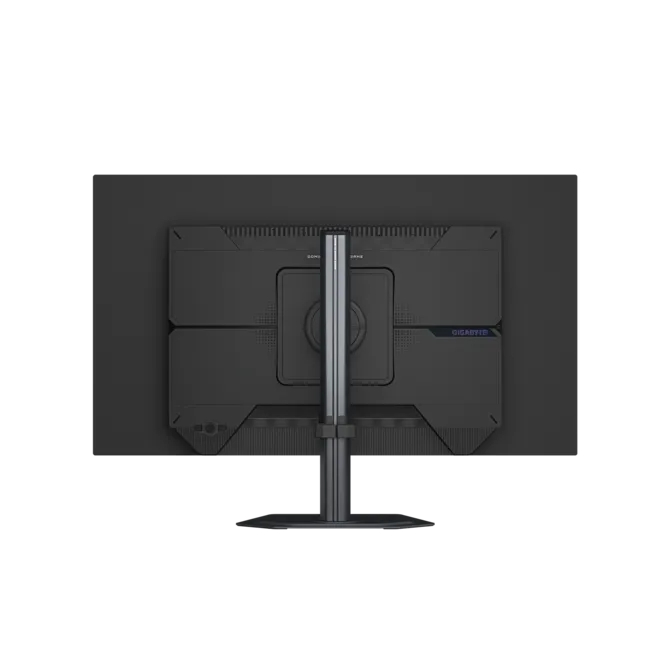
Gigabyte has officially unveiled the GO27Q24G, a 27-inch OLED gaming monitor that marks the latest addition to its OLED gaming lineup. Using the latest MLA+ technology from LG Display, this monitor is specifically engineered to solve the “brightness problem” often associated with standard WOLED panels. 

On the performance front, the GO27Q24G (via DisplaySpecifications) features a 240Hz refresh rate and a near-instant 0.03ms GtG response time. Its VESA ClearMR 13000 certification places it in the top echelon of motion clarity, ensuring that fast-paced action remains sharp and ghost-free. Additionally, it covers 99% of the DCI-P3 colour space with 10-bit depth, making it as capable for content creation as it is for competitive gaming. Modern connectivity is fully accounted for with dual HDMI 2.1 ports, DisplayPort 1.4, and a USB-C port for versatile setups.

By incorporating HyperNits technology, the GO27Q24G can achieve an impressive HDR peak brightness of 1300 nits on small highlights, a 30% increase over previous WOLED implementations. The end result should be punchier HDR performance.

A major differentiator for this model is the RealBlack Glossy surface treatment. Unlike traditional matte coatings that can sometimes make blacks appear slightly grey in well-lit rooms, this zero-haze optical layer preserves shadow detail and depth even under ambient light. To ensure this doesn't turn the screen into a mirror, an advanced anti-reflective coating is applied to suppress glare.

Discuss on our Facebook page, HERE.

KitGuru says: Combining a 27-inch QHD form factor, a glossy coating, and the brightness boost of MLA+/HyperNits, the new GO27Q24G might be the monitor you've been waiting for.

The post Gigabyte GO27Q24G WOLED monitor launches with MLA+ technology and RealBlack Glossy coating first appeared on KitGuru.

Control Resonant might launch as early as Q2 2026

26 janvier 2026 à 17:30

Remedy Entertainment has confirmed the release timeline for Control Resonant, the highly anticipated sequel to its 2019 hit. According to a late-2025 investor report, the game is now slated for launch at the end of Q2 2026, trimming down the vague 2026 release window revealed when the game was announced.

According to Inderes (via GamingBolt), Remedy described the title as a “critical release” for the studio's future, expressing high confidence that it will drive both commercial success and shareholder value over the coming year.

The sequel shifts the perspective to Dylan Faden, Jesse's brother, who navigates an open-ended Manhattan consumed by a paranormal crisis. Remedy claims this is their most expansive project to date, moving away from the “Oldest House” setting into a large-scale urban environment. While the studio's sales estimates remain conservative, with about 1.8 million units in its launch year, the massive 20-million-strong player base of the original Control (boosted by Game Pass and PlayStation Plus) suggests the sales number has the potential to be much higher.

In addition to the Control news, Remedy provided a brief update on the Max Payne 1 and 2 remakes. While a late 2026 release is still technically possible, the studio now expects royalty payments in 2027, suggesting the launch might lean toward next year. Control Resonant is confirmed for a simultaneous launch on Xbox Series X|S, PlayStation 5, and PC.

Discuss on our Facebook page, HERE.

KitGuru says: Are you interested in Control Resonant? What about the Max Payne remakes?

The post Control Resonant might launch as early as Q2 2026 first appeared on KitGuru.
❌