↩ Accueil

Vue normale

Reçu — 31 décembre 2025 1.3 🖥️ Tech. English

Thermalright unveils Levita Vision AIO with massive 6.67-inch AMOLED screen

31 décembre 2025 à 18:29

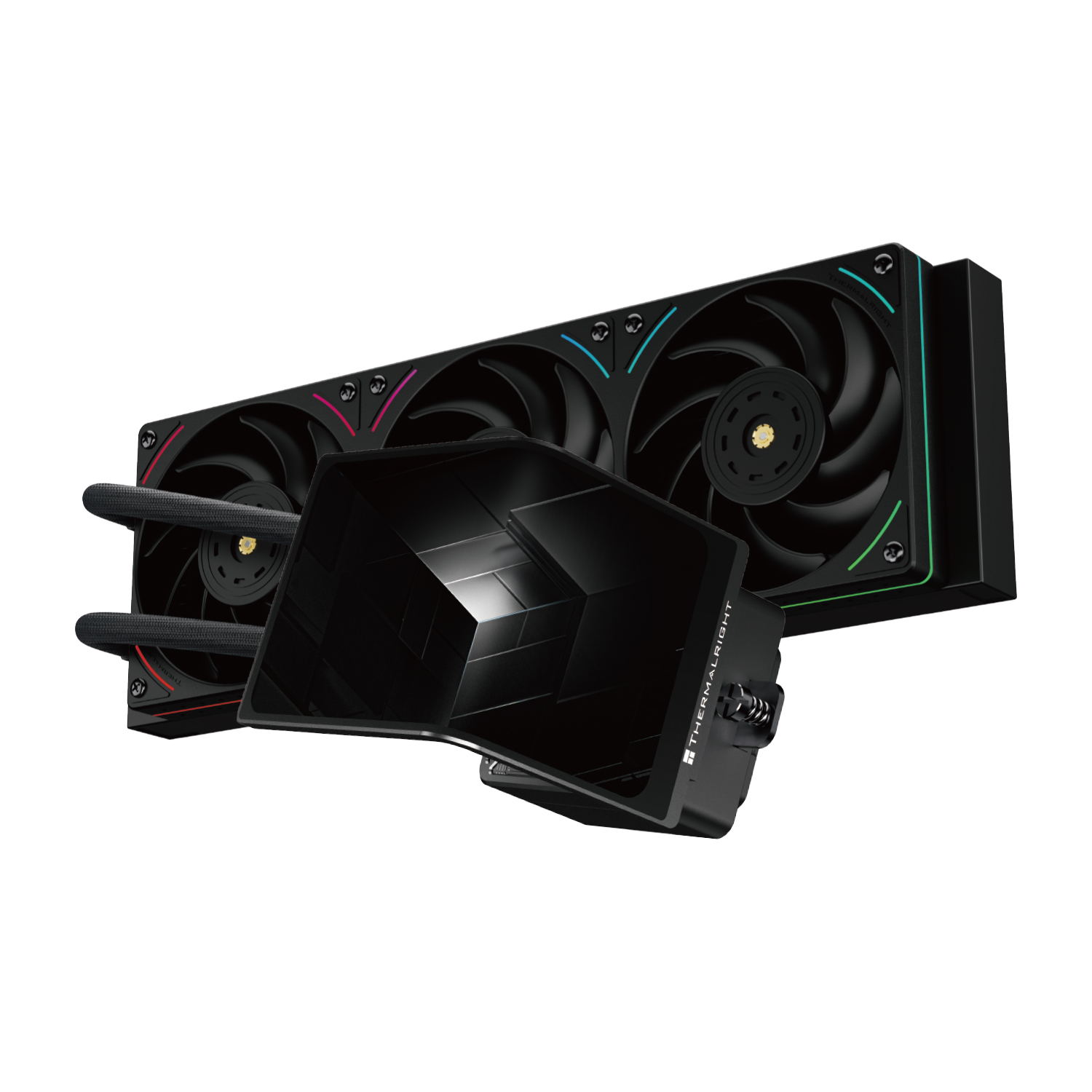
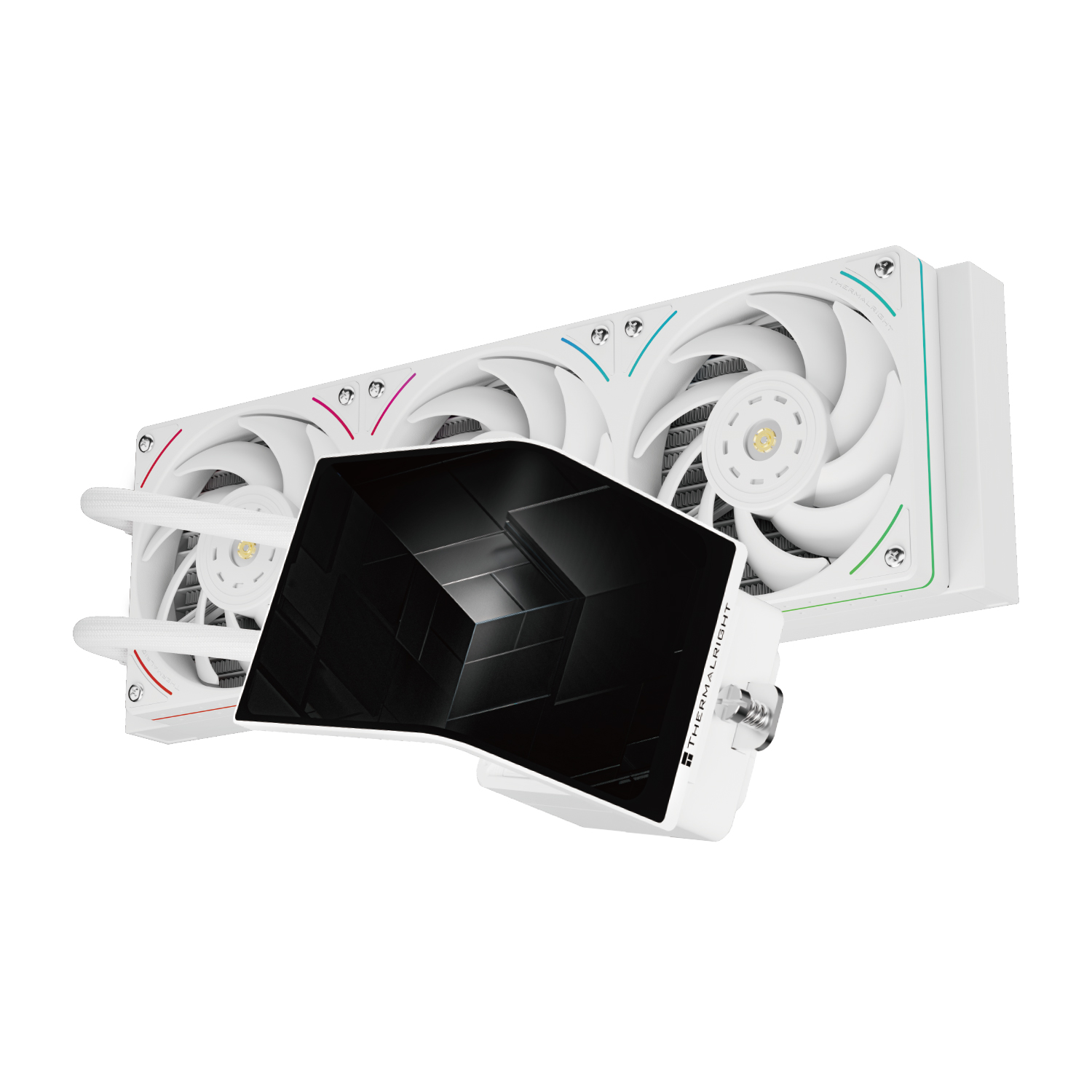
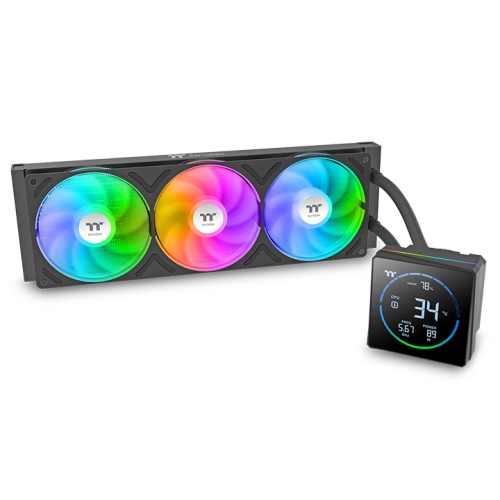
Thermalright continues its relentless pace of launches with the unveiling of the Levita Vision AIO series, a liquid cooling lineup that seemingly wants to turn your CPU socket into a tablet.

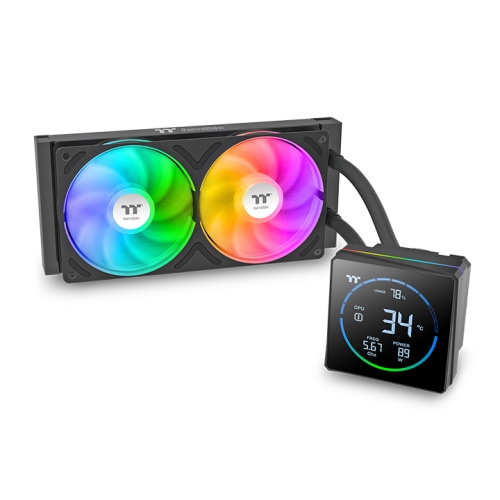
Looking at the new Levita Vision AIO series, what stands out the most is undoubtedly the massive 6.67-inch curved AMOLED display mounted atop the water block, boasting a 2400 x 1080 resolution. While we have seen plenty of LCD-equipped coolers recently, Thermalright is pushing the boundary by offering a screen size and clarity that outclass most of the premium competition. This display is magnetically attached for ease of installation and can be fully customised with real-time monitoring data, custom images, or video playback via the company's dedicated software.
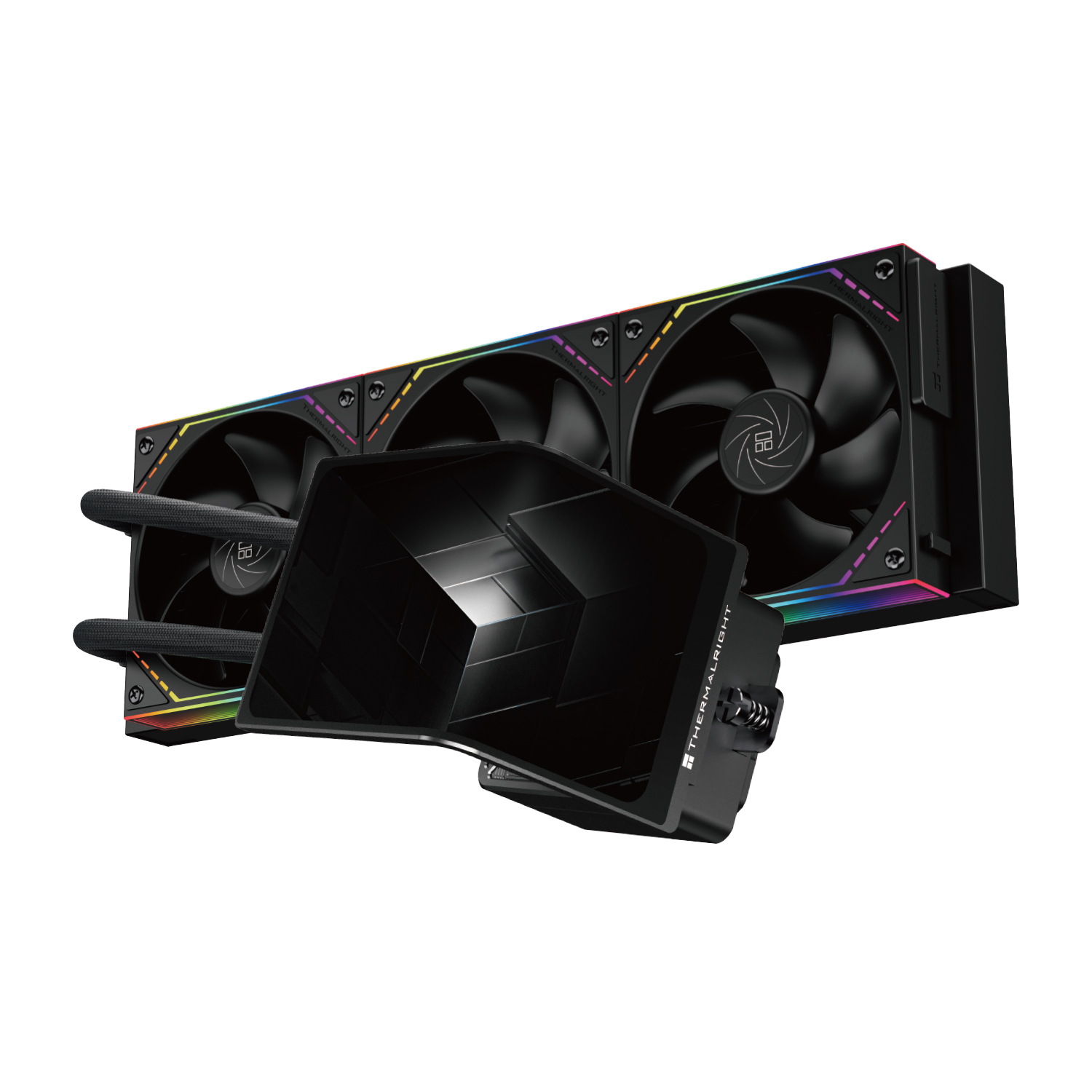
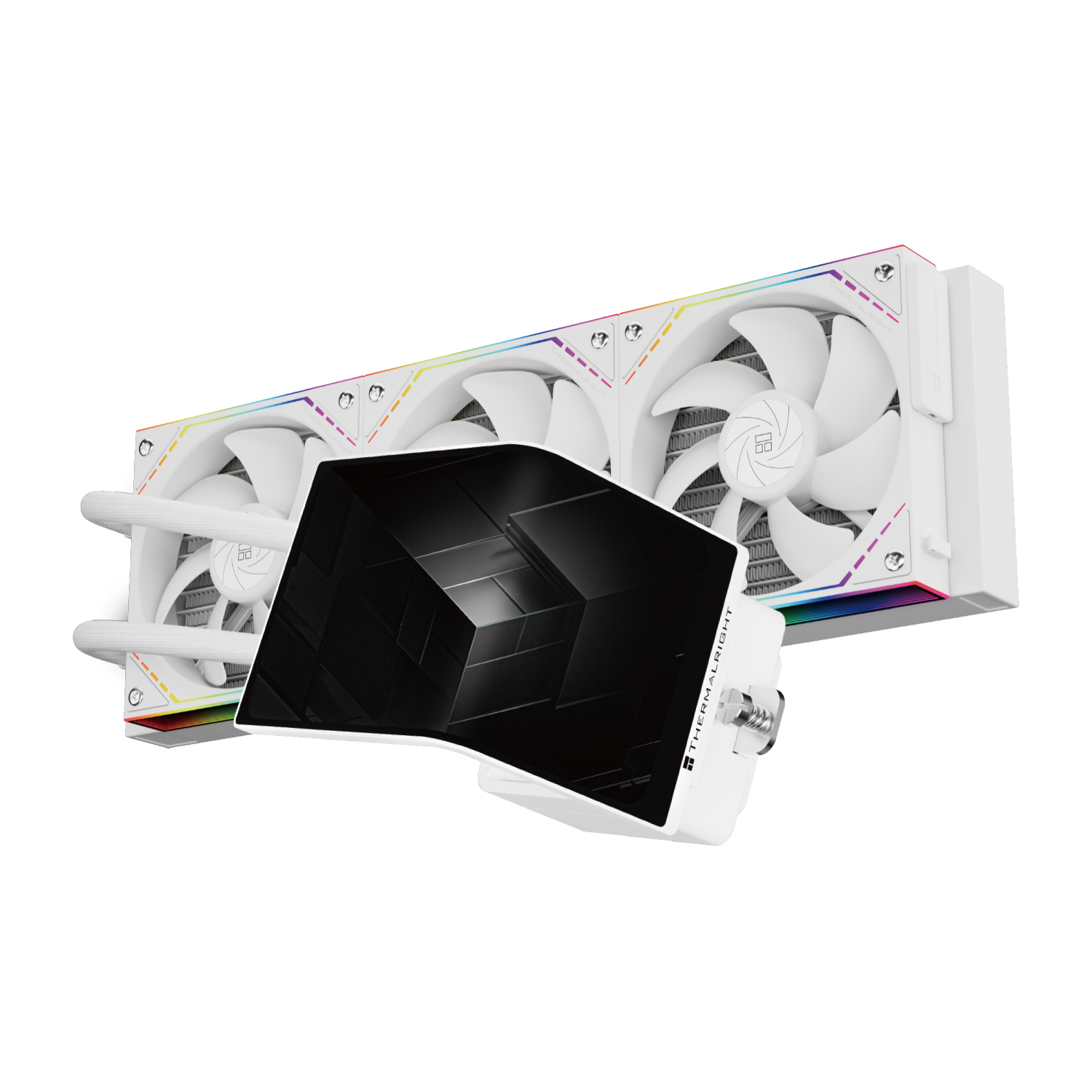
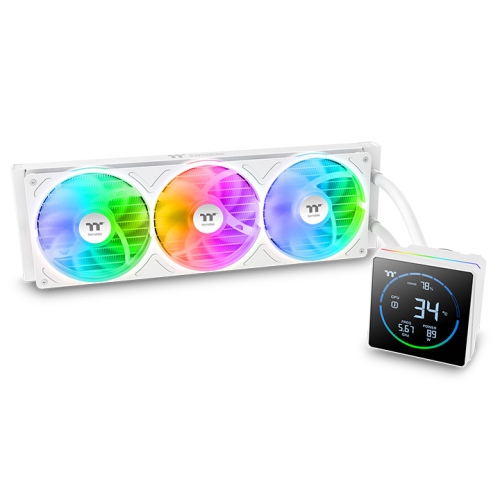
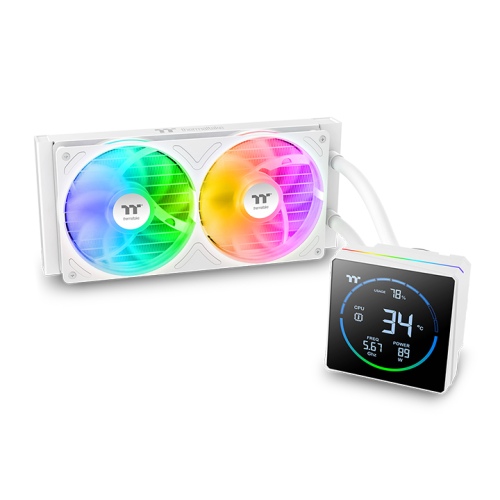
Builders should take note of the physical presence this unit requires, as the inclusion of such a display results in a water block height of 113.9 mm. This makes it one of the tallest blocks on the market, which will certainly present compatibility challenges for those trying to squeeze it into compact SFF chassis or cases with limited top-mount clearance. Under the hood, the cooling is driven by a high-efficiency pump rated at 3000 RPM. Available in black and white, the series is launching in two distinct variants: the Levita Vision UB and the Levita Vision Classic.

The primary difference between these models lies in the fan configuration. The UB variant uses the TL-UB36, a single-frame 360mm fan unit designed to minimise cable clutter and simplify the mounting process. These fans operate at up to 2150 RPM, delivering 69.0 CFM of airflow and 2.87 mmH2O of static pressure at a rated noise level of 27.0 dBA. For those who prefer traditional individual fans, the standard version uses the TL-M12Q, which spins at 2000 RPM, with a rated noise of 28.2 dBA and a static pressure of 2.21 mmH2O. Compatibility is extensive, covering everything from Intel LGA 115x and 20xx sockets to LGA 1851 and AMD's AM5 platforms.

KitGuru says: Thermalright is making a serious play for the high-end market while likely maintaining its reputation for aggressive pricing. The 6.67-inch AMOLED screen is quite impressive, though you will need a fairly spacious case to accommodate it.

The post Thermalright unveils Levita Vision AIO with massive 6.67-inch AMOLED screen first appeared on KitGuru.
Sony quietly refreshes PlayStation 5 Pro with more efficient ‘CFI-7100’ revision

31 décembre 2025 à 18:00

Sony has begun rolling out a new hardware revision for the PlayStation 5 Pro, moving from the launch-day CFI-7000 series to the new CFI-7100B01 chassis. While the external aesthetics remain identical to the original Pro model, there are some internal changes to improve power efficiency, thermal management, and acoustic profile. This refresh follows Sony's long-standing tradition of iterating on hardware to reduce manufacturing costs and improve long-term reliability without altering the baseline performance metrics.

The most important change in the CFI-7100B01 revision (via Guru3D) lies in a new stepping for the AMD-designed APU. By refining the silicon, Sony has shaved approximately 4% off the total system power draw during intensive gaming. While a 4% reduction might sound marginal, the lower power consumption directly translates into less heat. To complement this, the internal cooling solution has been redesigned with a more efficient heatsink and a revised fan curve. These modifications result in a measurable 2dB drop in fan noise.

PS5 CFO

Perhaps the most important improvement for the end-user comes packaged with the console rather than inside it. The revised DualSense V2 (CFI-ZCT2W) controller, now shipping with these new bundles, features a revamped internal circuit board and an optimised battery configuration. Early teardowns and user reports suggest a roughly 50% increase in battery life, pushing the controller's runtime closer to 12–15 hours. This improvement is achieved partly through hardware optimisation and the removal of the secondary noise-cancelling microphone, a trade-off that most gamers will likely find acceptable in exchange for significantly fewer trips to the charging cable.

Despite these internal advancements and the inclusion of the revised controller, Sony is maintaining the console's price tag. For those looking to identify the new version in the wild, the model number CFI-7100 on the packaging is the key indicator of the refreshed internal hardware.

KitGuru says: While existing PS5 Pro owners certainly don't need to rush out for an upgrade, the combination of a quieter fan and a DualSense that actually lasts through a long Sunday session makes the CFI-7100 the best version of the console for new adopters.

The post Sony quietly refreshes PlayStation 5 Pro with more efficient ‘CFI-7100’ revision first appeared on KitGuru.

Thermaltake brings back square CPU blocks with new TH V3 AIO liquid cooler

31 décembre 2025 à 17:00

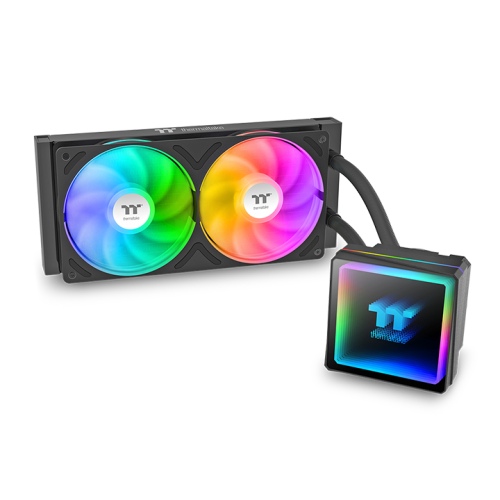
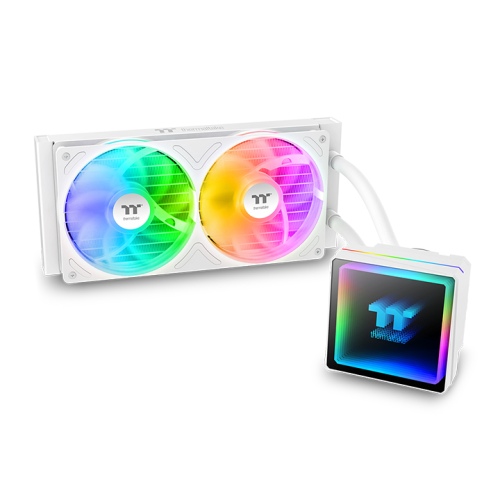
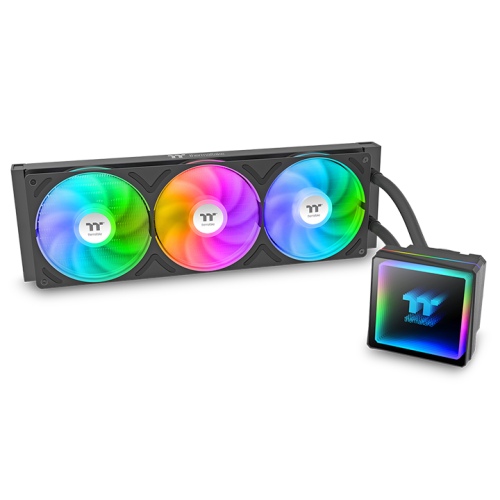
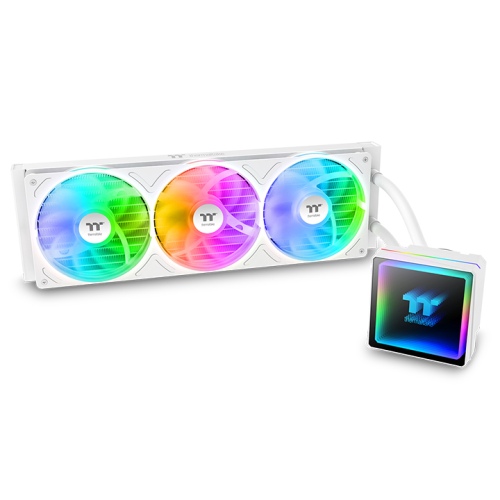
Thermaltake is updating its mainstream TH series with the new redesigned V3 family. The most immediate change is a departure from the circular “porthole” aesthetic of the previous generation in favour of a cleaner, more industrial square pump head. The series continues the trend of offering two distinct versions: one featuring an LCD segment for real-time monitoring and another utilising an infinity mirror.

The “Ultra” equivalent in this new lineup is the TH-S V3 ARGB Sync, which features a 3.95-inch LCD that displays data such as CPU temperature, clock speed, and power consumption. It is powered by the new TT Segment Code software, which allows for quick setup without the heavy resource overhead of more complex suites. For those who prefer a non-display aesthetic, the standard TH V3 utilises a multi-layered infinity mirror with a central TT logo.

A nice touch added to the new V3 family is the magnetic detachable top cover. This allows users to physically rotate the pump cap to ensure the display or logo is oriented correctly, regardless of which way the tubes are facing. Thermaltake is also leaning heavily into cable management with the TH V3, shipping both the 240 mm and 360 mm models with fans integrated into a single-frame unit. While it mimics the look of separate 120 mm fans, it is a single structural piece that significantly reduces the number of PWM and ARGB cables required.

These fans seem quite capable, reaching speeds of 2500 RPM and pushing a massive 85.29 CFM of airflow with 3.86 mmH2O of static pressure. At full power, the fans are rated at 37.8 dBA.

KitGuru says: Do you think it was a good idea to switch from individual fans to a single-frame set in the new V3 series?

The post Thermaltake brings back square CPU blocks with new TH V3 AIO liquid cooler first appeared on KitGuru.
Reçu — 30 décembre 2025 1.3 🖥️ Tech. English

CD Projekt co-founder acquires GOG

30 décembre 2025 à 17:57

In a move that marks the end of an era for the CD Projekt Group, the company has officially offloaded its digital distribution platform, GOG.com. The buyer is Michał Kiciński, a co-founder and major stakeholder in CD Projekt, who has purchased 100% of the storefront's shares for 90.7 million Polish Zloty (approximately £19 million).

Launched in 2008 as “Good Old Games”, GOG was initially envisioned as a DRM-free sanctuary for classic PC titles and as a direct alternative to Steam. Over the last few years, it has evolved into a major player in the preservation space, though its financial footprint has remained a fraction of its competitors'. In a blog post, the two parties explain that the decision to divest GOG follows a broader strategic shift at CD Projekt, as the Polish company seeks to funnel its resources almost entirely into game development.

Despite the change in ownership, the transition appears to be a “returning to its roots” moment rather than a corporate restructuring. Kiciński, who helped build the platform's original philosophy, has confirmed that GOG will remain a staunchly independent entity. The platform's core tenets, which include DRM-free installers, the optional GOG Galaxy client, and the recently expanded Game Preservation Program, are set to remain the central pillars of the business.

For the average gamer, very little is expected to change at the checkout. An ongoing distribution agreement ensures that titles like The Witcher 3: Wild Hunt and Cyberpunk 2077 will remain available on the platform without DRM. Furthermore, future releases from CD Projekt Red are still slated to land on the storefront, albeit under the same independent publishing terms offered to other developers. This move may actually benefit GOG's relations with third-party publishers, as it removes the perceived “conflict of interest” of being owned by a rival game studio.

KitGuru says: This is likely the best possible outcome for GOG fans. By moving into the private hands of its original co-founder, the platform is shielded from the pressure of CD Projekt's public shareholders, who might have prioritised higher margins over the “DRM-free” mission. As long as Kiciński is willing to tolerate the thin profits for the sake of preservation, GOG remains the most ethical corner of the digital game market.

The post CD Projekt co-founder acquires GOG first appeared on KitGuru.

Rumour claims new Witcher 3 DLC is coming next year

30 décembre 2025 à 17:00

A new report outlining the projected timeline for CD Projekt's future releases has been published with some surprises. The most unexpected claim in the analysis is the upcoming launch of a third, paid expansion for The Witcher 3: Wild Hunt, which the analyst believes will launch in May 2026 to act as a narrative and commercial bridge to the next mainline entry.

This supposed DLC is expected to carry a $30/£25 price tag and could shift as many as 11 million copies in its first year. Mateusz Chrzanowski from Noble Securities (via Strefa Inwestorow) suggests that the revenue from this project would effectively bankroll the massive marketing campaign required for the launch of The Witcher 4, which he now forecasts for a Q4 2027 release.

The financial scale of these upcoming projects is enormous. The analyst estimates that the production budget for Polaris alone will reach approximately 1.4 billion PLN (about £290 million), with a similar amount for global marketing. Moreover, the analyst notes that CD Projekt management intends to release the new trilogy within a six-year window.

Beyond the fantasy realm of the Continent, the timeline for the Cyberpunk 2077 sequel, codenamed Orion, has also been clarified in the report. Fans of Night City will reportedly need to remain patient, as Chrzanowski predicts the sequel will not arrive until Q4 2030, neatly aligning with the tenth anniversary of the original game's launch. The extended development cycle is attributed to the studio's desire to bake multiplayer functionality into the experience from day one. This added complexity has pushed the projected budget for Orion to 1.5 billion PLN (about £310 million).

Meanwhile, other projects have seen a series of reshuffles, with the remake of the original Witcher and the experimental Project Sirius both being pushed back to 2028, as resources are reportedly being diverted to ensure the flagship Polaris title hits its 2027 deadline.

KitGuru says: The idea of a paid expansion for an eleven-year-old game sounds like a stretch, but the logic of a “narrative bridge” to fund the Polaris marketing is hard to ignore from a business perspective.

The post Rumour claims new Witcher 3 DLC is coming next year first appeared on KitGuru.

Maxon launches Cinebench 2026 with Blackwell support and new SMT testing

30 décembre 2025 à 16:30

Maxon has officially released Cinebench 2026, the latest version of its cross-platform benchmarking suite. Building on the foundation of Cinebench 2024, the new iteration transitions to the latest Redshift rendering engine, offering a more accurate reflection of modern 3D production workloads while adding day-one support for next-generation hardware from Nvidia, AMD, and Apple.

The most significant update in this release is the expansion of hardware compatibility. Cinebench 2026 is fully optimised for Nvidia's Blackwell (RTX 50-series) and AMD's Radeon 9000-series GPUs. It also supports data centre hardware, including Nvidia Hopper and Blackwell enterprise chips. On mobile and Mac, the benchmark now natively supports Apple's M4 and M5 silicon.

Cinebench 2026 also introduces a more granular approach to CPU evaluation. For the first time, Maxon has included a dedicated SMT (Simultaneous Multithreading) performance test. This allows users to benchmark a single physical core with and without its virtual threads active, providing a direct “MP Ratio” for single-core efficiency. This feature will be handy for comparing architectures, such as Intel's E-cores, with traditional high-performance cores.

As with previous major version jumps, Maxon warns that Cinebench 2026 scores are not comparable to Cinebench 2024. The update utilises a newer version of the Redshift engine and updated compilers (Clang 19), which fundamentally change how the scene is rendered. To ensure stability during testing, the benchmark retains its 10-minute minimum runtime by default, though an “Advanced Benchmark” mode remains available for those who wish to perform longer thermal stress tests.

System requirements have also seen a slight bump. To run the GPU benchmark, Windows users will need a card with at least 8 GB of VRAM, while Mac users on Apple Silicon will require at least 16 GB of unified memory for GPU acceleration. The benchmark is available for free from the official Maxon website for Windows and macOS.

KitGuru says: The addition of an SMT test is a nice touch, especially as we see more “hybrid” CPU architectures hitting the market.

The post Maxon launches Cinebench 2026 with Blackwell support and new SMT testing first appeared on KitGuru.
❌