In a development that's no doubt going to send analysts and fans into a frenzy, Sony today announced that it's ceding majority control of its iconic Bravia TV and home entertainment business to Chinese electronics giant TCL. Under a new strategic partnership, the two companies will establish a joint venture where TCL holds a 51% controlling
Qualcomm continues to crank out new versions of its Snapdragon X silicon for PCs, and in doing so, there are opportunities to score enticing deals on last-gen releases. Now is one of those times. The caveat is that you're not getting the latest and greatest silicon, but if you're willing to go a generation back, you can save a wad a cash on
Samsung has just released a pricing guide for its upcoming Galaxy Book 6 series and it shows Panther Lake-powered models hitting shelves with a price premium that's nearly 20% higher than its Lunar Lake predecessors. Can we thank the RAM-pocalypse for this?
The sticker shock comes directly from Samsung’s official countdown page (for South
The MSI RTX 5070 Ti Ventus PZ moves the 16-pin power connector to the back of the card, where it's neatly hidden under a magnetically attached metal cover. The card's thermal performance is noticeably improved compared to the original Ventus as well, achieving much better noise levels.
We're big fans of the Mac mini lineup around these parts (dating back to the M1 Mac mini we reviewed in 2020), particularly as Apple's in-house M-series silicon has come into its own. The latest version of the Mac mini sports a choice between the M4 or M4 Pro, both of which are powerful and efficient, making the tiny Mac a viable workhorse
Thin is in when it comes to smartphone design, or so that's been the recent trend with devices like Apple's iPhone 17 Air and Samsung's Galaxy S25 Edge. Does the same slim design philosophy translate to gaming phones, though? It does as far as Redmagic is concerned, which has launched its Redmagic 11 Air gaming handset in China.
While not
Ever since it first went live, Microsoft’s xCloud game streaming service has slowly but surely been expanded outwards with support for additional games, platforms and other ways to access the service. Following a recent pop-up which seems to suggest that Microsoft is working on an ad-supported tier for the service, insiders have now offered additional context.
2025 was a pretty big year for xCloud rumours, with Microsoft reportedly developing “next generation” Xbox cloud servers with a focus on “lower lag, improved bitrates, and higher resolution options” – alongside later leaks which claimed that the service would receive an overhaul in the future with 4 tiers in total.
Though Microsoft themselves have yet to unveil this overhaul, it seems the announcement might be imminent, with some Xbox Cloud Gaming users (as reported by Windows Central) noticing a pop-up with the message “1 hour of ad supported play time per session.”
According to known Xbox insider Jez Corden, Microsoft is indeed working on an ad-supported tier of sorts for xCloud, with the leaker stating: “seeking clarification about this message, it was confirmed to me that the ads will appear separately on Xbox Cloud Gaming, for those who have purchased Xbox games digitally, but don't have Xbox Game Pass.”
Outside of this however, it appears as though there may also be a session-based version of xCloud which this premature message was hinting at, with Corden adding: “Microsoft has hundreds of games available to buy via Xbox Cloud Gaming, but as of writing, you need at least one tier of Xbox Game Pass to access them. This session-based ad-supported access tier will change that.”
Given the timing of this message, it is highly likely that we will hear more officially on Microsoft’s xCloud plans during the upcoming Xbox Developer Direct showcase – which is set to go live on the 22nd of January. The console maker did state previously that the showcase will focus on 3 titles in particular, but Microsoft does typically like to throw in something about xCloud / Game Pass, and so it’s possible we will learn more officially then.
KitGuru says: Have you used xCloud at all? How does it compare to other game streaming services? Let us know down below.
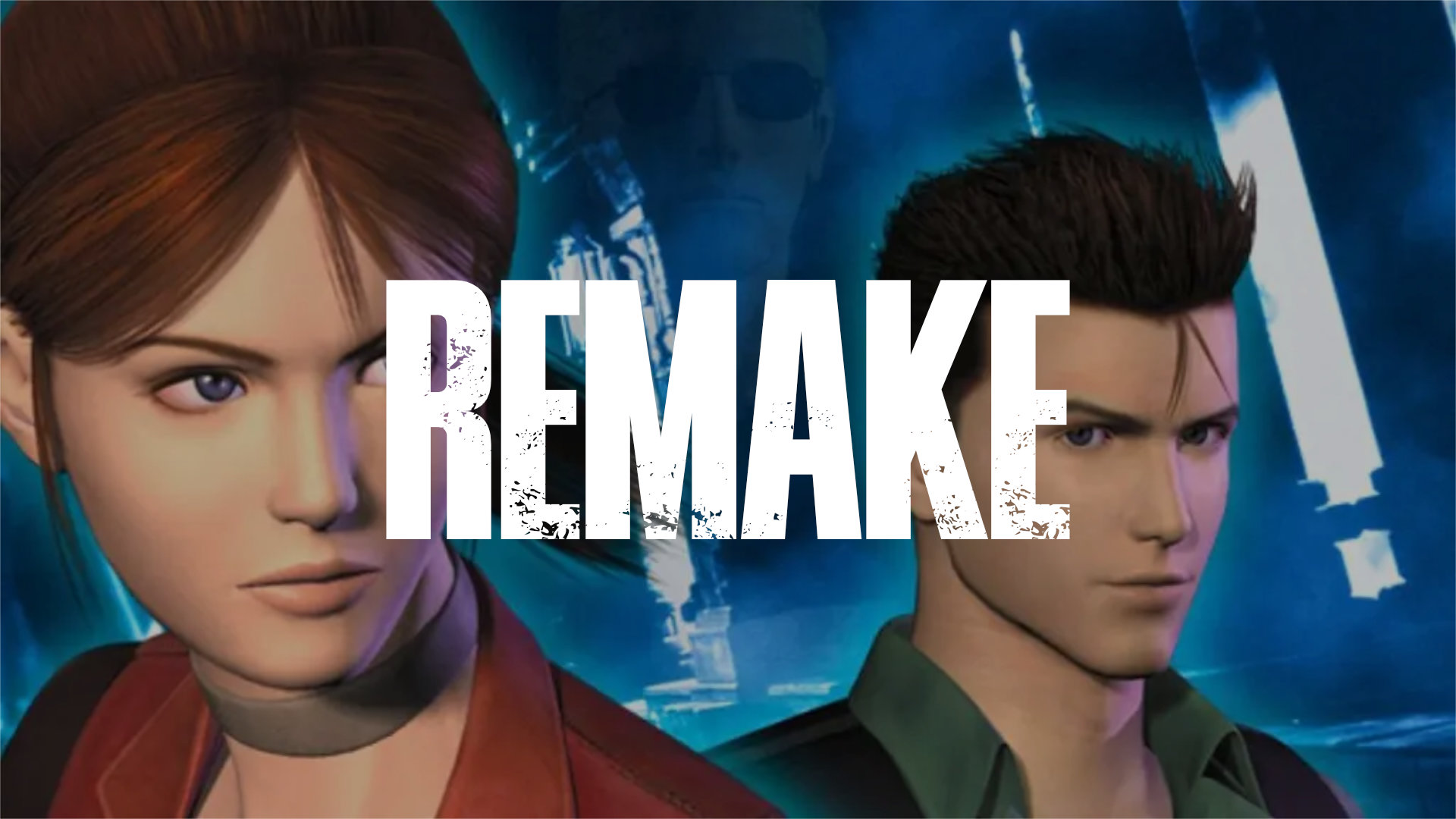
Capcom has long been a fan of remaking its classic titles, with the Resident Evil series in particular seeing various remakes/re-imaginings over the years. With RE4 being the latest entry in the series to receive the remake treatment, many fans have wondered which entry is next-in-line. According to a known Capcom insider, a remake for Resident Evil Code Veronica is currently in the works – with plans to officially announce it “later this year.”
Taking to Twitter, known Capcom leaker DuskGolem commented on recent rumours suggesting that following RE4, Resident Evil 5 will be next in line to be remade, writing:
“No, there is NOT a Resident Evil 5 Remake that's going to be announced this year. Instead, later this year a RE Remake that starts with ‘(C)’ & ends ‘(ode Veronica)’ is going to be announced, I promise you.”
As mentioned, DuskGolem has accurately leaked plenty of Capcom games in the past – especially Resident Evil – and so it is safe to assume that this is the publisher’s current plan.
Of course, things could change, but with Code Veronica being a PS2 generation title and RE5 originally releasing on the PS3 / Xbox 360, one would clearly benefit more from a remake when compared to the other.
That said, all eyes right now are on the upcoming Resident Evil Requiem, and so don’t expect to hear from this remake officially until RE9 is released at the very least.
KitGuru says: What are your thoughts on all the Resident Evil Remakes? Which entry would you like to see next? Should they re-remake the first RE game? Let us know your thoughts down below.
Razer has officially unveiled the Blackpink x Razer collection, a collaboration that brings the aesthetic of the global K-pop sensation to a full suite of gaming peripherals and lifestyle accessories. Inspired by the group's “Deadline” World Tour, the collection features a bold pink-and-black colour scheme designed to appeal to both competitive gamers and the group's fanbase.
The collection includes several of Razer's most popular entry-level and mid-range peripherals with custom artwork and lighting. The lineup is led by the Razer Enki X gaming chair, which offers ergonomic support wrapped in signature tour-themed upholstery. There's also a Razer Ornata V3 tenkeyless keyboard variant featuring low-profile mecha-membrane switches and pink RGB zones. Additionally, the collection also includes a Razer DeathAdder Essential mouse and the Gigantus V2 Medium mouse mat, both with unique collaborative branding. These items are designed to meet Razer's gaming standards while serving as a statement of style for those who want their setups to reflect their passion for music and pop culture.
Fans will get their first look at the hardware during the collection's global debut on January 21, 2026, at a dedicated pop-up store in Hong Kong. This showcase will feature immersive displays inspired by the World Tour, along with photo zones, so visitors can experience the “Play in Pink” vision firsthand. Following this exclusive event, the whole collection is scheduled for worldwide availability in the second quarter of 2026 through Razer's official online store and global retailers.
Bungie has officially announced that extraction shooter Marathon will launch on March 5th. The game is set for a simultaneous release on Steam, PlayStation 5, and Xbox Series X|S, featuring full cross-play and cross-save support across all platforms.
Accompanying the release date news is a fresh gameplay trailer narrated by Gantry, an agent for the anti-establishment MIDA faction. This latest look at Tau Ceti IV showcases the extraction shooter's stylised, high-contrast world. It introduces players to the “Runner” shells they will inhabit as they scavenge the lost colony for survival.
The narrative of Marathon is deeply intertwined with its faction system, featuring six competing organisations. Players progress by completing contracts for these groups, which slowly reveal the identities, motivations, and rivalries that led to the colony's mysterious collapse. Storytelling is also handled through a “Codex” system, where players unlock audio logs, cryptic graffiti, and recovered text data found during their runs. This discoverable narrative allows players to piece together the history of Tau Ceti IV.
Pre-orders are now live, with the Standard Edition priced at £34.99/$39.99/€39.99 and the Deluxe Edition at £49.99/$59.99/€59.99. Those who purchase early will receive the Zero Step cosmetic bundle, which includes a tactical sidearm style, weapon charm and unique profile backgrounds. Additionally, pre-ordering unlocks a suite of themed rewards for Destiny 2, including a Ghost shell, ship, and Sparrow inspired by the UESC Marathon. The Deluxe Edition adds further value with a Premium Rewards Pass voucher, 200 Silk tokens, and the Midnight Decay cosmetic pack for weapons and Runner shells. Beyond the digital versions, a limited Collector's Edition is available through the Bungie Store, featuring a one-sixth scale Thief Runner shell statue with LED lights and various physical collectables.
If you're interested in playing Marathon on a PC, the system requirements can be found below:
Bungie also took this opportunity to reveal a star-studded English voice cast, including industry veterans such as Neil Newbon, Jennifer English, Ben Starr, and Roger Clark. A special Marathon-themed DualSense controller and Pulse Elite headset are also scheduled to launch alongside the game in March, rounding out the massive marketing push for Bungie's first non-Destiny project in over a decade.
KitGuru says: Are you picking up Marathon as soon as it launches, or will you be waiting for reviewers and other users to try it first before you decide?
THQ Nordic and developer DigixArt have officially announced a delay for their upcoming sci-fi narrative adventure, Tides of Tomorrow. Originally set to make its debut on February 24th, the game is now scheduled to launch on April 22nd. The development team explained that the decision to push the release came after analysing feedback from the public playable demo and an ongoing closed beta.
According to the publisher, this extra time is essential for the studio to appropriately respond to player input and implement necessary technical and mechanical improvements to ensure the final product delivers the experience fans expect from the creators of Road 96.
For those who haven't been following the project, Tides of Tomorrow is an ambitious first-person adventure set on the flooded ocean planet of Elynd. The world is dying from a mysterious disease called Plastemia, which slowly turns living beings into plastic, and players take on the role of a Tidewalker tasked with finding a cure. The game's primary innovation is its “asynchronous narrative multiplayer” system, in which others' actions directly shape your story. At the start of a journey, you choose to follow a friend, a stranger, or even a favourite streamer, and their past decisions create “echoes” in your world. If the person you follow was hostile to a particular floating community, you might find that settlement abandoned or guarded when you arrive, forcing you to deal with the consequences of a journey you didn't even take.
The gameplay involves navigating open waters in a boat, exploring floating settlements, and managing resources. While the experience is primarily solo, the constant presence of other players' “visions” is designed to create a sense of community. NPCs react to you based on their memories of the player you are following, creating a unique branching narrative where no two playthroughs are the same. DigixArt noted that the complexity of this collaborative storytelling system makes the additional development time particularly important to ensure that these interconnected choices feel impactful to the player. Tides of Tomorrow will be available on PlayStation 5, Xbox Series X|S, and PC via Steam.
KitGuru says: While a delay is never ideal for those eager to play a game, taking two months to polish the game based on user feedback is a smart move. Better late and good than quick and rushed.
Billed as a large-scale VR sci-fi action game inspired by Starship Troopers, a title called Hivefall is available in Early Access through the Patreon of Memoreum’s director.
Access is granted via a Patreon page and SideQuest from Wim Buytaert, the director of Memoreum. Hivefall is the latest creation from the director focused around the concept of base defense. Each mission lets players prepare before a massive assault of alien bugs tears down their walls, culminating in a bombastic final wave with large bosses.
This early build is specifically made with the Quest 3 in mind, with a downloadable file sent to paying subscribers on Google Drive and installable by sideloading through the SideQuest app. The developer mentioned that the sci-fi action shooter is “inspired by everything I always wanted from Starship Troopers in VR.”
As the commander of an Earth-based military corporation, your terraforming efforts to colonize new planets end up waking up an alien organism hellbent on infecting other solar systems. The current build provides access to the first three missions of Hivefall and a fully functional progression tier system with skins. The solo developer aims to update the project every month with new content.
0:00
/0:57
The first level of Hivefall, set on a colorful purple planet riddled with bugs.
After spending some time with this early build and going through the hassle of setting up SideQuest and uploading the files needed to work correctly, we’ll be curious to see how many people are willing to go through the sideloading process. Hivefall’s dev is basically investigating that very prospect with his offering. Distributing work in VR via Patreon is not unheard of, with Davigo's flat PC vs. VR game running a campaign. I can confirm the game runs in an early alpha state on Quest 3, but a considerable number of the planned pieces are still works in progress or missing. The bugs are still looking pretty pixelated to my eyes in the first build distributed for the game.
“This project may realistically be my final venture in the VR industry if it does not become financially sustainable. That said, VR remains my true passion and the space where I most want to create and innovate,” the developer wrote over email. “This project represents not only a game, but years of experience, dedication, and belief in immersive technology.”
Last year’s survival horror Memoreum from the dev received praise for its ambitious goals while falling short of expectations in other areas, as we said in our review, “there's going to be someone out there who will love Memoreum, even with its rough spots, and they'll have a sizable experience to dig into.”
Regular episodic campaigns and the possibility of an online co-op mode may be in the cards for the game depending on the support it receives.
Hivefall is available now for Quest 3 via Patreon.
Palmer Luckey thinks Meta closing its VR game studios is "a good thing for the long-term health of the industry", and that the narrative of it "abandoning" VR is "obviously false".
If you somehow missed it: last week Meta shut down three of its acquired studios – Twisted Pixel Games (Deadpool VR), Sanzaru Games (Asgard's Wrath), and Armature Studio (Resident Evil 4 VR) – and conducted significant layoffs at a fourth: Camouflaj (Batman: Arkham Shadow).
The closures are part of Meta's wider strategy of, in its own words, "shifting some of our investment from Metaverse toward AI glasses and Wearables", and the layoffs have affected around 10% of Meta's Reality Labs division, around 1500 people.
This strategy shift has led some in the industry to speculate that Meta is abandoning VR entirely. But Oculus founder Palmer Luckey doesn't agree.
In a post on X, Luckey argued that last week's events were "not a disaster", pointing out that Meta still employs more people working on VR than any other company "by about an order of magnitude".
Further, Luckey explains that "crowding out the rest of the entire ecosystem" by forcing third-party developers to compete with blockbusters like Batman and Deadpool games that cost more to make than they would ever return "doesn't make sense", suggesting that the end of this strategy will be "a good thing for the long-term health of the industry".
He further notes that while some of these titles are received well, others fail, revealing that Rock Band VR, a 2017 Oculus Rift exclusive, sold just 700 copies.
Here's Palmer Luckey's full statement:
"I have an opinion on the Meta layoffs that is contrary with most of the VR industry and much of the media, but strongly held.
This is not a disaster. They still employ the largest team working on VR by about an order of magnitude. Nobody else is even close. The "Meta is abandoning VR" narrative is obviously false, 10% layoffs is basically six months of normal churn concentrated into 60 days, strictly numbers wise.
The majority of the 1,500 jobs cut in Reality Labs (out of 15,000) were roles working on first-party content, internally developed games that competed directly with third party developers. I think this is a good decision, and I thought the same back when I was still at Oculus.
Change always sucks because people lose their jobs in the process, but in a world of limited resources, Meta heavily subsidizing their own (with money, marketing, placement, etc) at the expense of core technical progress and platform stability doesn't make sense. Crowding out the rest of the entire ecosystem, even less so. Every developer big and small, even the hyper-efficient ones, have had an extremely hard time competing with games developed by Meta-owned teams with budgets and teams that spend vastly in excess of earning potential. People will point out that these teams did an awesome job and got awesome reviews from critics and customers alike - yes, and fucked up though it is, that makes the problem even worse!
Some people will say "they should have just funded those developers as external studios rather than acquiring them, then!". Yes, I agree, but hindsight is 20/20. Do you think Oculus expected to only sell 700 copies of Rock Band VR after spending eight figures to make sure it was ready and awesome for Rift CV1 launch, to the point of bundling the guitar adapter with every single headset? Of course not, but sometimes you learn what the world actually wants from you the hard way.
TL;DR, I feel really bad for the people impacted, but this is a good thing thing for the long-term health of the industry, especially the ongoing incentives.
After being fired from Oculus by Facebook in 2017, Luckey founded Anduril, a defense firm that makes and sells drones, loitering munitions, interceptors, cruise missiles, sentry towers, and even unmanned submarines, as well as a software system that integrates them and other assets into a unified view of the battlespace. It was most recently valued at over $30 billion.
In 2024, Meta CTO Andrew Bosworth publicly apologized to Luckey, an apology which he also publicly accepted. And last year, Anduril and Meta announced a partnership to build XR products for US and allied militaries, starting with the EagleEye AR/VR helmet.
"The people acting like I am some stooge who will obviously agree with everything Meta does need to read a history book or something, jfc
Oculus had a strong internal mandate to NOT be Nintendo and instead build things that build the ecosystem. Returning to that is good."
In response to the idea that he was "stooge who will obviously agree with everything Meta does", Luckey suggests those under that belief read a history book.
When it rains it pours, and Ubisoft, one of the world’s largest video game publishers, is currently enduring a deluge. The company’s latest releases, which include its long running Assassin’s Creed franchise and tie-ins with popular IP such as Star Wars, have failed to make the splash it hoped for. Now, Ubisoft is facing a legal battle with
Over on Overclock.net, user OC_Beer posted what appear to be the first leaked overclocking results for AMD's upcoming Ryzen 7 9850X3D. The chip isn't even on shelves yet, as AMD only announced it at CES 2026 less than two weeks ago, but if these images are real, someone out there is already pushing it past its limits—5748 MHz on all eight
Fans of the infamous "trash can" Mac Pro from 2013 may remember its unconventional triangular cooler design. Well, that innovative design was the inspiration for the chassis of a new composite console mod dubbed "Ningtendo PXBOX 5", which combines a Nintendo Switch 2 (and its dock) with a PlayStation 5 and Xbox Series X into one machine. Each
PlayStation 3 emulator RPCS3 is one of the scene's crown jewels, and the development team achieved several milestones in 2025, including 70.55% game compatibility, major performance improvements (including better utilization of AVX-512 than most modern games) and even improved steering wheel support. Improvements to the community-run PSN replacement
This past Saturday, Microsoft released an out-of-band Windows to address two serious bugs that it introduced itself with its January 2026 security updates, affecting a wide range of Windows 10, Windows 11, and Windows Server systems. The emergency patch fixes connection and authentication failures in remote access tools, including Remote Desktop
The Ace Combat series is easily the most well known in the combat flight sim genre, with the franchise stretching all the way back to 1995. The latest entry, Ace Combat 7: Skies Unknown launched back in 2019 has continued to see consistent sales. Following the official and long-awaited announcement of Ace Combat 8: Wings of Theve, the team have revealed that Skies Unknown has now exceeded 7 million copies sold.
Late last year, in the lead up to the game’s 7th anniversary, Team Aces revealed that 2019’s Ace combat 7 was closing in on 7 million copies sold.
Cut to a month later and the latest entry has now officially hit the 7 million mark in alignment with the game’s 7th birthday – with the team taking to Twitter to say:
“#ACECOMBAT7 SKIES UNKNOWN has now been available for seven years and has surpassed 7 million copies sold worldwide. We are deeply grateful that so many players have continued flying with us for so long. We look forward to meeting you again in the next skies.”
With its successor set to launch some time this year, it will be interesting to see how many copies Skies Unknown will have sold when all is said and done.
KitGuru says: Are you a fan of the Ace Combat series? Have you been satisfied with Skies Unknown or have you been itching for a new entry? Let us know down below.
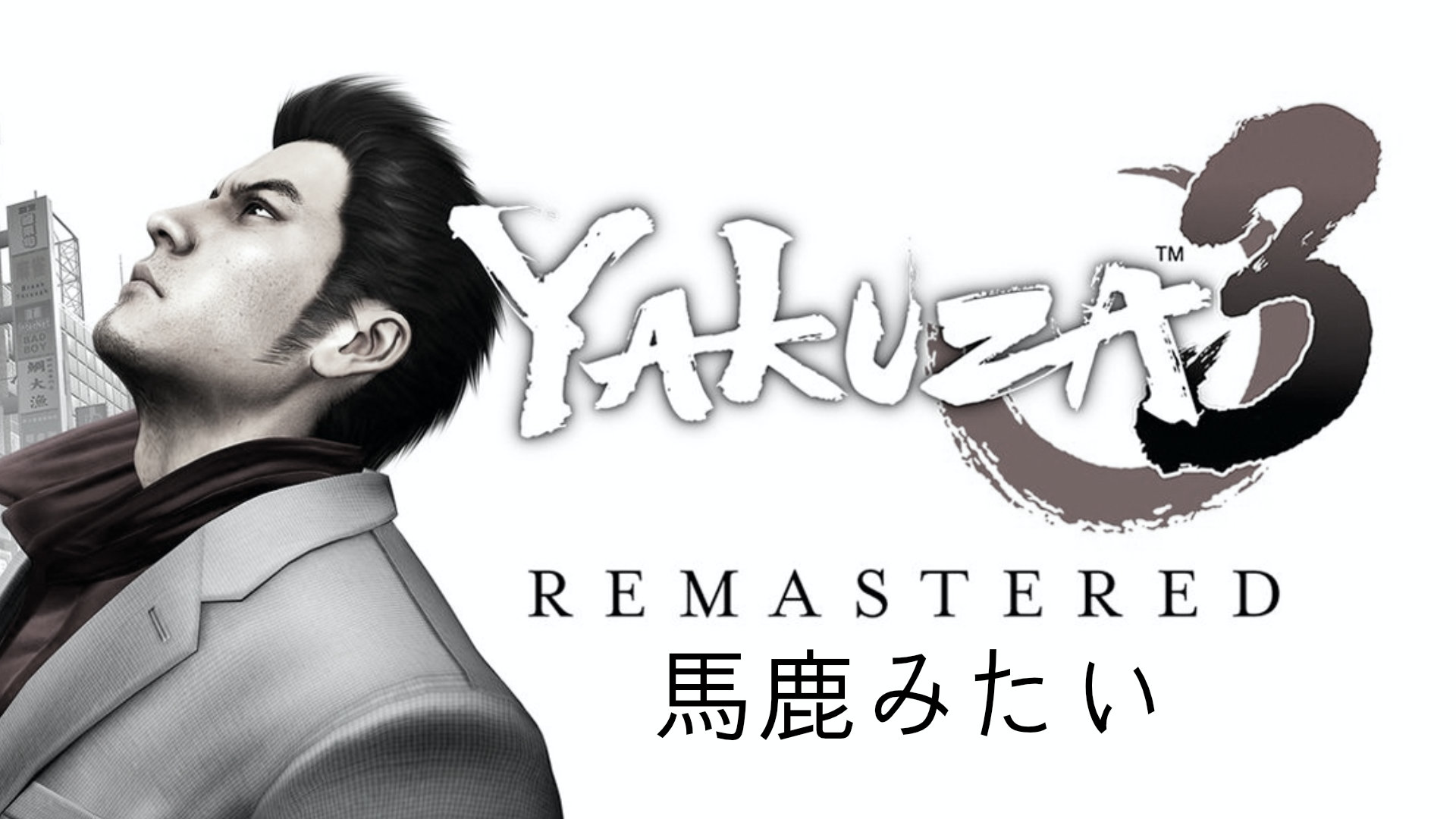
While SEGA is generally loved by many in today’s day and age, the game publisher is not free from controversy, with game preservation being a particular issue at SEGA – especially when it comes to older titles which have since been re-released. Ahead of the official arrival of Yakuza 3 Kiwami in February, SEGA have confirmed that the original Yakuza 3 Remastered will soon no longer be purchasable standalone.
Ahead of the launch of Yakuza 3 Kiwami and Dark Ties, the team at RGG studio took to Twitter to announce that the arrival of the remake will coincide with the near-complete-removal of 2021’s more rudimentary remaster, writing:
“Those who already own ‘Yakuza 3 Remastered’ will still be able to continue playing it. For those new to the series who wish to experience the original version, it will be available with purchase of the ‘Yakuza Complete Series’ bundle.”
While worded somewhat awkwardly, in essence, the original Yakuza 3 Remaster will no longer be purchasable following the arrival of Kiwami, with the only way to obtain it being through the Yakuza Complete Series package which includes 7 titles (currently costing a total of over £100.)
This isn’t the first time that SEGA has done something like this, with the release of Sonic x Shadow Generations coinciding with a similar soft-delisting of the original game – also only being purchasable through a bundle.
While a close experience to their original counterparts, the Kiwami remakes are very much their own thing, and so it is disappointing to once again see SEGA making the original experience harder to obtain in favour of the remake. Hopefully they reverse course at some point.
Supernatural continues to rank at or near number one on the Meta Quest charts in the wake of Meta’s decision to pause content updates and lay off much of the team behind one of VR’s most effective fitness apps.
Many in the VR fitness community have been looking into their options.
Supernatural has always been positioned as a premium experience. Access as of this writing is subscription-only, with users paying either $9.99 per month or $99 per year. That recurring revenue, combined with strong engagement and brand recognition, made Supernatural feel like a rare success story in consumer VR fitness.
Meta says the existing library, which spans thousands of workouts, will stay accessible. Current subscribers can continue paying for full access and new users are still able to sign up. In the short term, that keeps Supernatural viable, especially for users already invested in its structure and coaching. What happens to the mainstream music used in the project if licenses expire?
What makes Supernatural’s situation so disruptive is not just the pause in new content, but the loss of certainty. VR fitness depends on habit, trust, and long-term commitment. When a chart-topping, subscription-only app can be upended overnight, the entire health journey some people are may see potential disruption down the line.
In that context, ownership models, studio independence, and transparency do actually matter to many more than production value alone. At a moment when VR fitness is proving its ability to retain paying users and drive real behavior change, Meta appears to be stepping back from one of its strongest examples.
For users navigating this moment, the good news is that the ecosystem is deeper than it once was. The harder question is which platforms feel stable enough to earn long-term trust.
I've tried a number of VR fitness options besides Supernatural to check out what the latest options offer.
FunFitLand
Photo: FunFitLand
I have spent a meaningful amount of time inside FunFitLand, starting back in its early alpha period. Early on, it leaned heavily on Supernatural’s blueprint, with real coaches in 3D as well as beautiful real-world and imaginary scenes for workouts. Over time, it moved past that influence and developed its own identity.
That evolution is most visible in the community and coaching. The tone is supportive and motivational without feeling performative. Coaches have sharpened their virtual instruction skills, with clearer cues, tighter pacing, and better movement guidance. On the workout side, the platform has expanded its movement set with additions like side steps and hammer strikes, giving sessions more physical range.
DanceFit has since evolved into GrooveFit, favoring looser, more expressive routines. The addition of FlowFit has been especially meaningful. It introduces a meditative, tai chi-inspired experience focused on balance, breath, and intentional movement. It reinforces the idea that VR fitness does not need to be all intensity to be effective.
FunFitLand also improved its music selection. The library now spans a wider range of genres, including cinematic tracks and some heavy metal. That added variety helps reduce repetition and gives different workout modes a clearer identity.
FunFitLand mirrors Supernatural’s pricing structure, offering both monthly and annual subscriptions. At the time of writing, a first-year annual discount of $69.99 appears to still be available for new subscribers, undercutting Supernatural’s standard annual fee. The app, which also supports hand tracking, has also launched on Apple Vision Pro, signaling ambition at a time when others are pulling back.
FitXR
Photo: FitXR
FitXR began life as BoxVR in 2017 and has since grown into one of the most feature-rich VR fitness platforms available. It operates on a subscription model priced at $12.99 per month or $108.99 per year.
The platform, which also supports hand tracking, currently offers seven workout types: Box, Combat, HIIT, Sculpt, Dance, Zumba, and the newer mixed-reality SLAM mode. Workouts span multiple intensity levels and are supported by a progression and rewards system designed to encourage consistency. Regular content updates and monthly themed challenges keep the experience from feeling static.
FitXR uses recognizable fitness personalities as coaches, though in some modes, particularly Sculpt, Dance and Zumba, those coaches appear as stylized cartoon avatars. Choreography across disciplines is strong, and the workouts are fully capable of delivering a serious sweat.
Where FitXR falls slightly behind Supernatural and FunFitLand is in environmental range and polish. There are fewer workout environments, and those that do exist are not as breathtakingly beautiful - think functional rather than awe-inspiring. Hit feedback in the boxing and combat modes also lacks the satisfying auditory impact found in FunFitLand, which remains best in class in this area. Even so, FitXR’s breadth, progression systems, and consistent update cadence make it a strong long-term subscription for users who value variety and structure.
FitXR is also expanding beyond Meta’s ecosystem. The app is now available on Samsung’s Galaxy XR headset, running Android XR, marking an early move to support next-generation mixed reality hardware outside the Quest platform.
Les Mills XR Bodycombat
Photo: Les Mills XR Bodycombat
Les Mills XR Bodycombat takes a fundamentally different approach. It is sold as a one-time purchase priced at $29.99, with optional DLC packs typically around $9.99. For users wary of subscriptions, that alone makes it appealing.
The workouts are demanding and efficient. Sessions are designed to escalate intensity quickly, and it does not take long to work up a sweat. Real-life Les Mills coaches Dan Cohen and Rachael Newsham appear briefly at the start of sessions as holograms, then transition to voice-only guidance for the remainder of the workout.
The workouts share a familiar structure, and for people who train often, that repetition becomes noticeable over time. Even so, the effectiveness is hard to argue with. The sessions move quickly, the combinations stay demanding, and by the end you feel the work you put in. This is not a gentle program, and that intensity is what many users seek.
PowerBeats VR
Photo: PowerBeatsVR
PowerBeats VR has been a fixture in VR fitness since launching on SteamVR in 2019 and arriving on Meta Quest in 2021. On Quest, it retails for $22.99, with DLC packs typically priced between $2.99 and $5.99.
Its defining feature is customizability. PowerBeats VR allows users to upload their own music and fully customize workouts, sidestepping licensing concerns entirely. That level of control is uncommon and will appeal to users with established playlists or specific training goals.
The experience itself is less refined than many competitors. Visuals are straightforward, presentation is functional, and there is less emphasis on coaching personality or community. Even so, it remains enjoyable and effective at getting users moving when workouts are tuned to personal preferences.
The one-time purchase model combined with deep customization makes PowerBeats VR compelling for a specific audience. It does not sit in my personal top tier, but it fills a niche for many users.
XR Workout
Photo: XR Workout
XR Workout takes a different approach from most VR fitness platforms by prioritizing open movement and functional, full-body training over scripted classes and cinematic presentation. The app is free to download and use, with the free tier limited to eight minutes per day, with a starter membership promising multiplayer. A paid Pro membership unlocks the full feature set, including extended workout time, expanded modes and deeper customization tools.
One of its defining characteristics is controller-free movement through hand tracking, allowing users to exercise without holding controllers for extended sessions. Workouts rely heavily on bodyweight movements such as squats, jumps, running in place, and target-based striking that engages both upper and lower body at the same time. The result feels closer to an open training circuit than a guided class.
XR Workout also supports mixed reality, blending the user’s physical space into the workout environment so surroundings remain visible during sessions. Multiplayer workouts, playlist selection, and the ability to build or customize routines give the app a level of flexibility that most top platforms do not attempt.
XR Workout feels very different from most VR fitness apps. There is little hand-holding, and very little emphasis on presentation. You load in, start moving, and manage your own pace. If you are looking for coaching, structure, or personality, it will likely feel bare. If you are comfortable setting your own rhythm and just want a space to move hard for a few minutes, it does exactly that.
Starwave
Photo: Starewave
Starwave sits closer to the dance rhythm game end of the VR fitness spectrum, but it overlaps in interesting ways with Supernatural’s Flow workouts. Movement is driven by techno and electronic tracks, with players slashing incoming notes using glowing, cosmic batons. The emphasis is on rhythm, timing, and continuous motion rather than precision or scoring.
There are no coaches, no guided programs, and no overt fitness framing. You load in, follow the beat, and keep moving. In practice, the experience can feel meditative in the same way Flow sessions do, especially during longer play sessions where movement becomes more fluid and less deliberate.
I have found Starwave to be an enjoyable and consistent addition to my weekly fitness rotation. It is not a replacement for structured workouts, but it works well as a lighter, movement-focused session that still gets the heart rate up.
Starwave is a one-time purchase, priced at $19.99 on the Meta Quest store (on sale as of this writing). Additional content is offered through an optional DLC pack at $4.99. There is no subscription model.
Other Fitness Experiences
The platforms I picked here represent what I would consider the top tier VR fitness experiences available in VR headsets right now. They combine polish, consistency, ongoing development, and enough depth to support long-term use. There are plenty of other VR fitness apps on the Quest platform, but many are less refined or narrower in scope, but they are still fun and fully capable of working up a sweat. For users experimenting with VR fitness for the first time, those options can still be worthwhile.
I certainly haven't covered everything, so please share your favorite ways to get fit in VR in the comments below too. If you're the developer behind an app building something new in this space, you can also email UploadVR via tips@uploadVR.com.
The current hardware landscape is a tough one for gamers, as even more price increases are likely to come this year. This challenging environment has meant that cloud gaming services have become a more enticing option, and it looks as if Microsoft is going to attempt to tap into this market by opening up its Xbox Cloud Gaming service to more
Life can be wildly unfair and at times immensely sad, but in a gracious act of kindness, Take-Two Interactive may be putting pieces in motion to allow a terminally ill gamer stricken with cancer to playtest Grand Theft Auto VI long before it comes out. While nothing has been confirmed, the latest update to a now-deleted LinkedIn post on behalf
Early this morning, the internet was shocked to learn of an explosion within the Rockstar North building in Edinburgh, Scotland. Rockstar North is best known as the developer of Grand Theft Auto VI and the wider Grand Theft Auto series back to Grand Theft Auto III, with some forays into other Rockstar properties like L.A. Noire, Max Payne
 Connexion
 In a development that's no doubt going to send analysts and fans into a frenzy, Sony today announced that it's ceding majority control of its iconic Bravia TV and home entertainment business to Chinese electronics giant TCL. Under a new strategic partnership, the two companies will establish a joint venture where TCL holds a 51% controlling