↩ Accueil

Vue normale

Reçu hier — 7 janvier 2026 1.3 🖥️ Tech. English

Intel And Samsung Team Up On SmartPower HDR To Slash Battery Hit On OLED Laptops

7 janvier 2026 à 21:05
Intel And Samsung Team Up On SmartPower HDR To Slash Battery Hit On OLED Laptops OLED screens that deliver vibrant HDR are becoming more common in laptops, with a strong contingent of entries at CES 2026 from Dell’s Alienware lineup, Lenovo’s newest ThinkPads and HP’s latest OMEN models. It’s a meaningful development that users can easily appreciate thanks to rich colors and unbeatable contrast, but an OLED, and particularly

Semiconductor Shock: MLC NAND Enters Freefall As Major Suppliers Pull Out

7 janvier 2026 à 20:40
Semiconductor Shock: MLC NAND Enters Freefall As Major Suppliers Pull Out Moving into 2026, industry experts anticipate that MLC NAND flash capacity will decrease by 41.7%, thanks to Samsung ending its own MLC shipments in June of this year and other manufacturers including SK Hynix and Micron also limiting MLC production. As demand increases and supply decreases, prices on MLC NAND devices have risen along with

Intel Panther Lake Gaming Benchmarks Revealed With Tom “TAP” Petersen

7 janvier 2026 à 19:30
Intel Panther Lake Gaming Benchmarks Revealed With Tom “TAP” Petersen In case you missed the memo, Intel has officially launched its Core Ultra Series 3 processors, codenamed Panther Lake. These chips are a significant step forward for the brand, with new architectures on every single major IP block: new P-cores, new E-cores, new Xe3 GPU cores, and a new NPU design. We've already written at length about that,

CES 2026: MSI unveils new laptop line-up with Intel Core Ultra 3 CPUs

7 janvier 2026 à 19:27

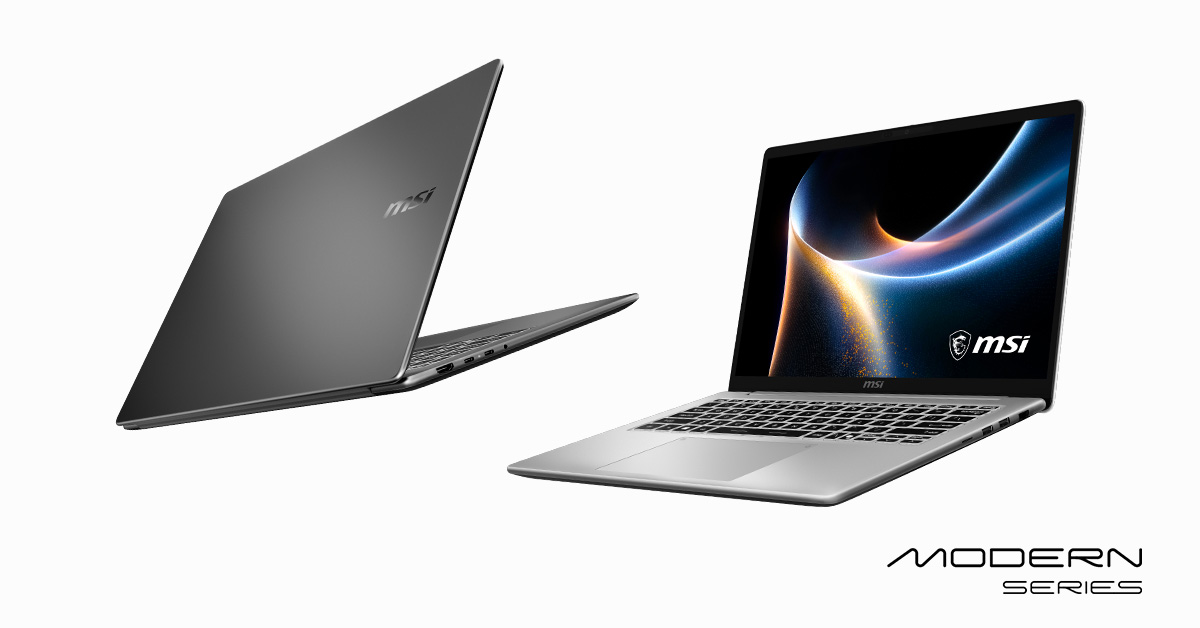
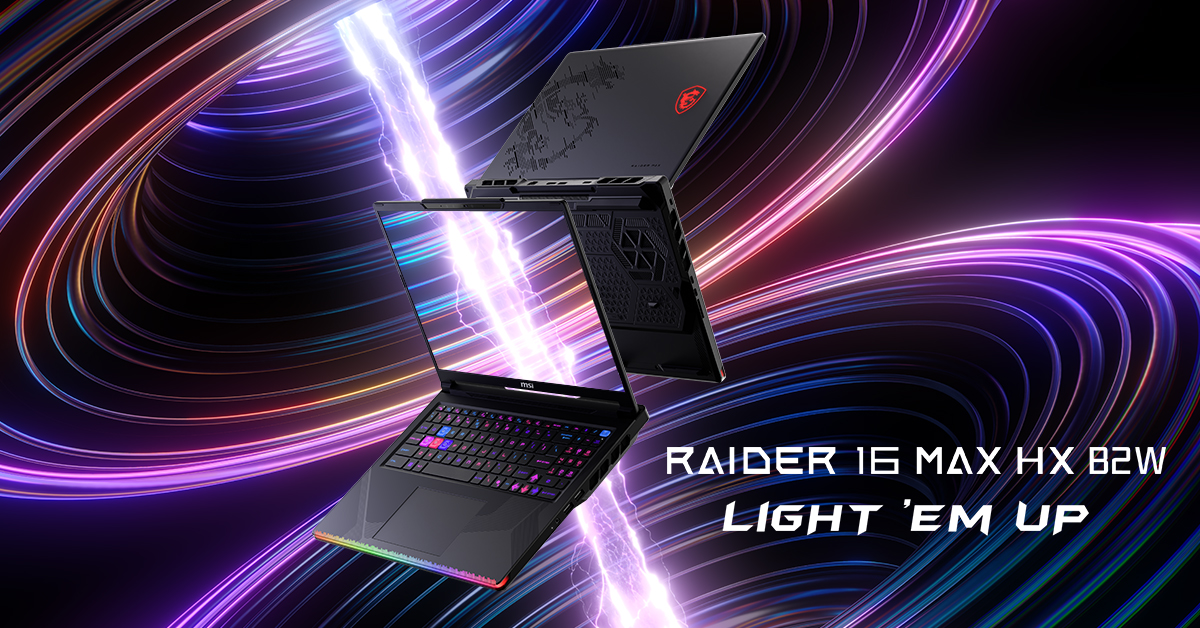
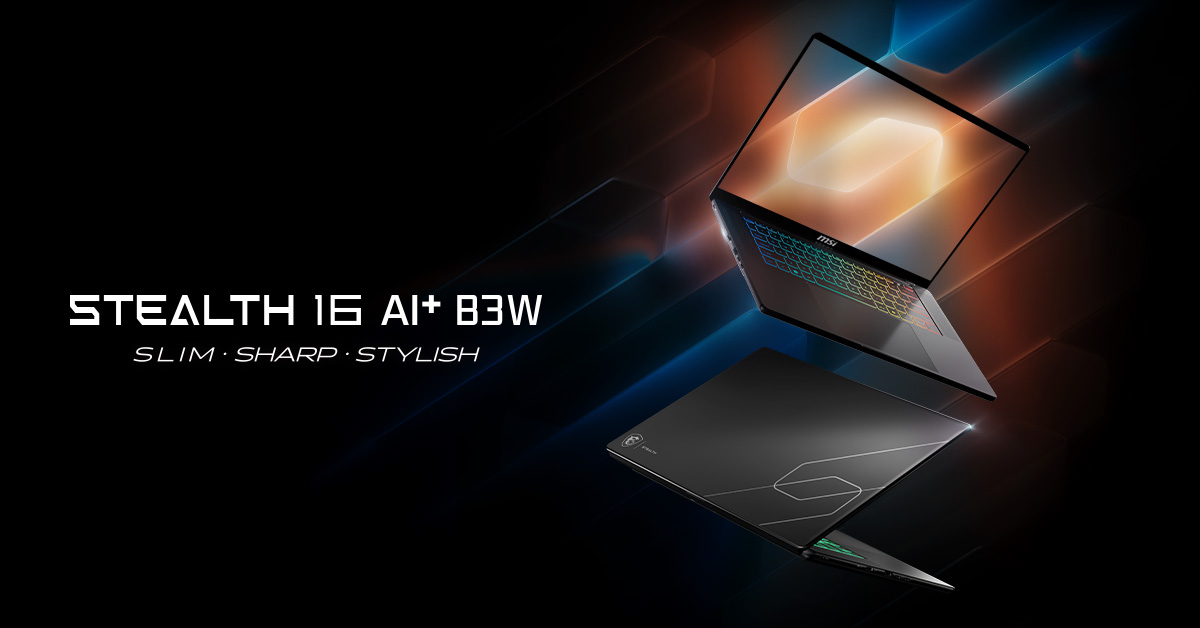
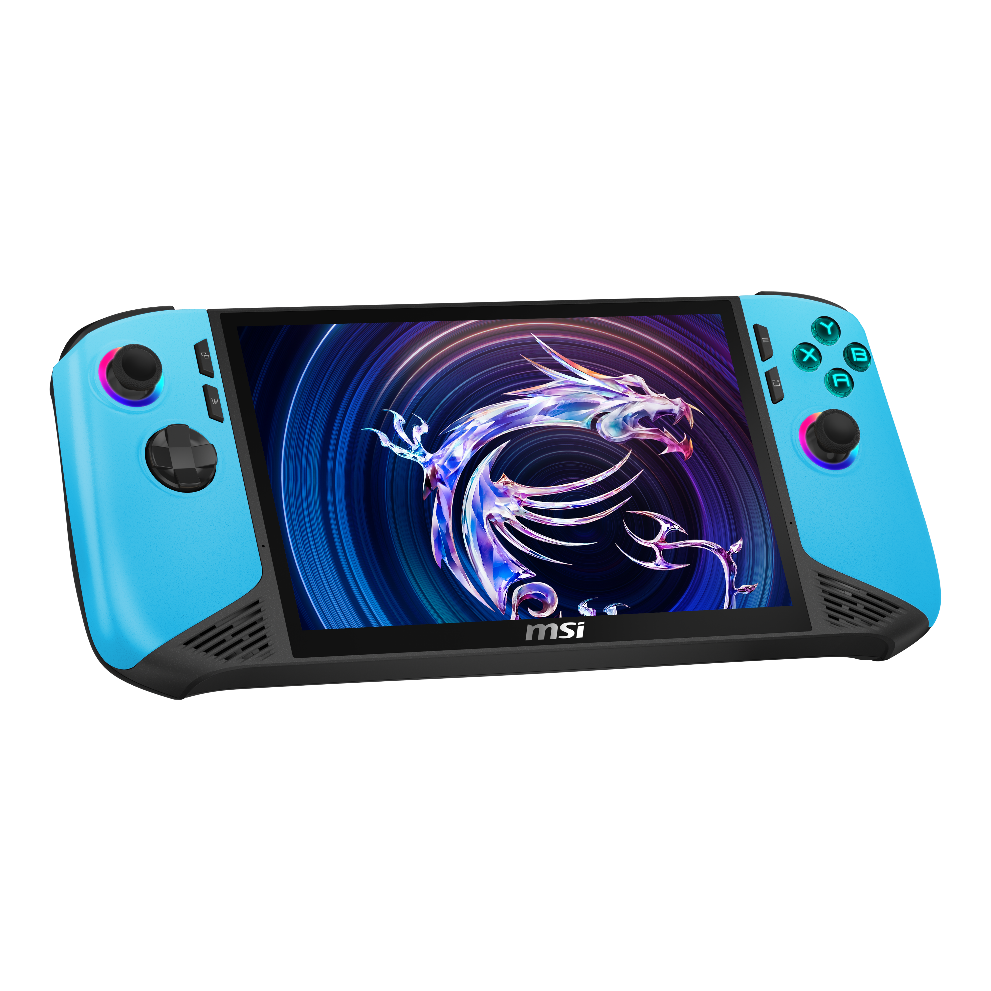
We've already covered a number of MSI launches at CES this week. In this article, our attention turns towards new laptops, including new models powered by Intel's new Core Ultra 3 processors, along with Nvidia RTX graphics.

MSI has overhauled its laptop lineup for CES 2026, introducing redesigned business systems, refreshed gaming hardware, and a new colour variant of its Claw handheld. The announcement is led by a major update to the Prestige series, which now adopts a smoother, more rounded design and a full‑aluminium chassis aimed at professionals who want lighter hardware without compromising performance.

The Prestige 14 drops to 1.32kg, while the Prestige 16 comes in at 1.59kg, both powered by Intel’s new Core Ultra Series 3 processors and paired with Intel Arc B390 graphics. MSI claims the 81Wh battery can deliver more than 30 hours of video playback, and the updated cooling system uses a vapor chamber, dual fans, and an Intra Flow design to keep noise below 30dBA.

The Prestige 14 and 16 Flip extend the same hardware into a 2‑in‑1 form factor with touchscreens and stylus support. MSI includes its new Nano Pen, which docks into the chassis for charging and can deliver 45 minutes of use from a 15‑second top‑up. As part of a collaboration with Microsoft, the pen also supports a Copilot press‑to‑talk shortcut for voice input. The Flip models add a larger touchpad with custom gesture zones, enterprise‑grade security features, and an optional 2.8K 120Hz OLED display with DisplayHDR True Black 1000 certification.

For users who prioritise portability, the Prestige 13 AI+ has been updated and now weighs just 899g, making it the lightest 13‑inch magnesium‑aluminium laptop available. It also moves to Intel’s latest processors and retains the same security and connectivity features as the larger Prestige models.

MSI’s mainstream Modern 14S and 16S laptops have also been refreshed with more metal in the chassis and a cleaner design. Both models use Intel Core Ultra Series 3 processors and include dual memory slots for easier upgrades. Connectivity covers USB‑A, USB‑C with charging and display support, HDMI, LAN, and a microSD reader. Despite the added metal, the Modern 14S remains portable at 1.3kg and as thin as 11.1mm in its OLED configuration.

On the gaming side, MSI is pushing performance with the new Raider 16 Max HX, which the company says is the first laptop capable of delivering 300W of total system power. It can allocate up to 175W to an RTX 5090 or 5080 GPU while feeding 125W to an Intel Core Ultra 200HX processor. Cooling is handled by a redesigned Cooler Boost Trinity system with three fans, six heat pipes, five exhaust vents, and phase‑change thermal compound. The laptop also includes a quick‑access bottom panel for easier upgrades and a 2.5K 240Hz OLED display.

The Stealth 16 AI+ has been updated with a thinner, lighter chassis while offering higher GPU power limits and improved cooling. It includes a 90Wh battery, dual upgradeable slots, and a full aluminium build under 2kg. The Crosshair 16 Max HX and Crosshair 16 HX round out the gaming lineup with up to 200W system power, optional QHD+ 165Hz OLED displays, and a revised port layout.

MSI also introduced a Glacier Blue edition of its Claw 8 AI+ handheld, offering the same Intel Core Ultra 200V hardware and Arc Xe2 graphics in a new finish.

KitGuru Says: Are you thinking of going with an MSI laptop this year? 

The post CES 2026: MSI unveils new laptop line-up with Intel Core Ultra 3 CPUs first appeared on KitGuru.

CES 2026: Phanteks shows off open-air chassis prototype – the Exo 626

7 janvier 2026 à 19:06

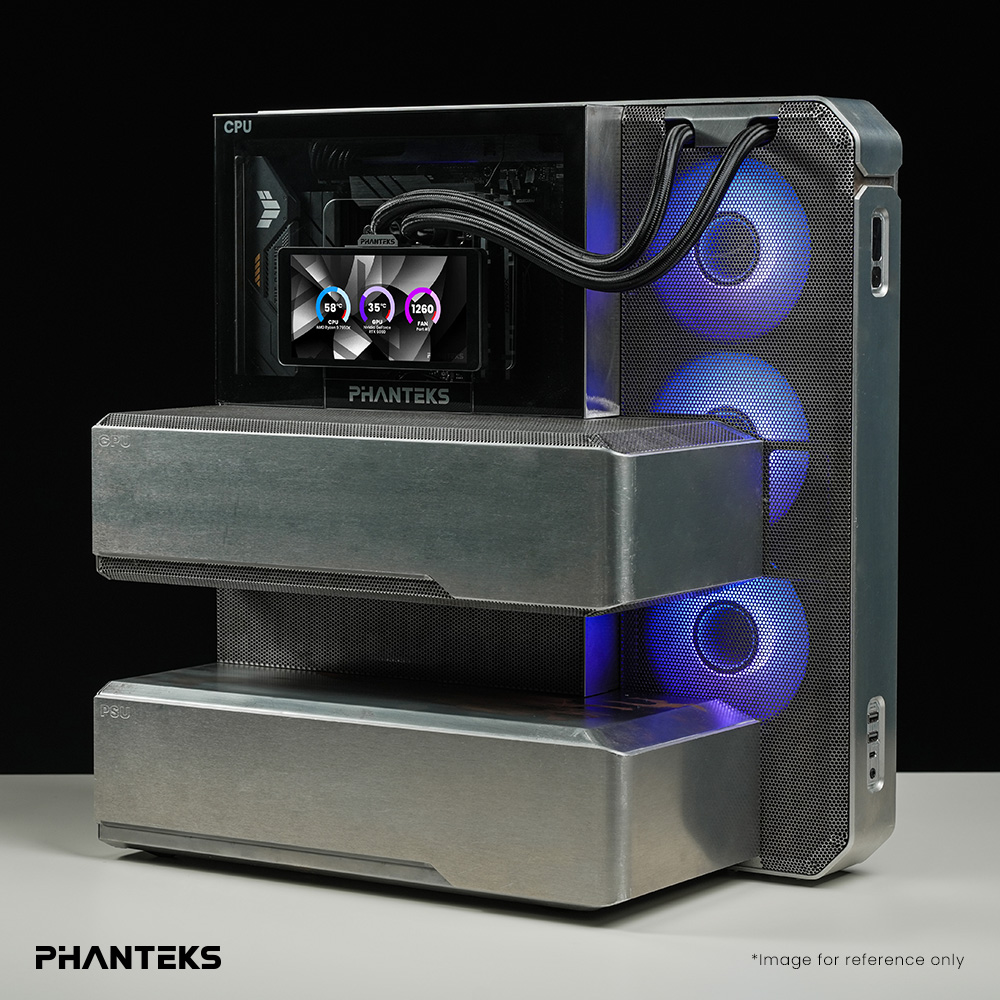
While CES is often used as a platform to launch new products definitely coming to market, it is also occasionally used to showcase prototype products that are not yet ready. This year, Phanteks is showing off a new concept device of its own – the Exo 626. 

The Exo 626 is an open-air chassis, a first for the company. It is inspired by exoskeletal design, as the name implies, and provides a compartmentalised layout for your components:

As you can see in the image, the motherboard and AIO cooler are visible, but the GPU, power supply and most cables are locked away in their own enclosures. The AIO radiator also sits to the side in its own compartment, with a mesh panel providing holes for airflow.

Phanteks says this is a concept at the moment, but more details on the Exo 626 will be shared at a later stage. Perhaps it will make a second appearance later this year at Computex.

KitGuru Says: What do you think of this concept from Phanteks? Do you think future PCs should move towards a compartmentalised layout? 

The post CES 2026: Phanteks shows off open-air chassis prototype – the Exo 626 first appeared on KitGuru.

CES 2026: Sandisk launches new Optimus series SSDs, replacing WD Blue and WD_Black

7 janvier 2026 à 18:49

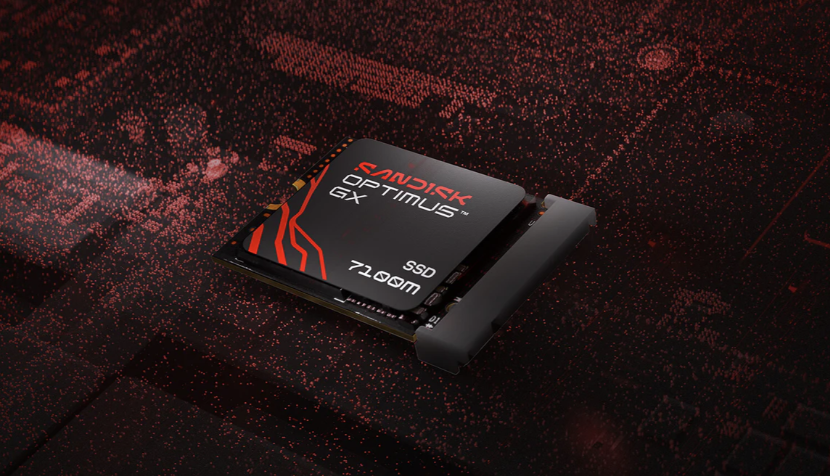
At CES this week, Sandisk is announcing a big rebranding of its internal SSD line-up. The WD Blue and WD Black ranges are being replaced. Moving forward, Sandisk will launch Sandisk Optimus, Optimus GX and Optimus Pro SSDs. The first set of drives are also ready to hit the market in the coming weeks.

Sandisk says the Optimus branding is intended to simplify the lineup and give customers a clearer sense of performance tiers as the company expands its storage offerings for gamers, creators, and professionals. “The SANDISK Optimus brand redefines what performance means for consumer needs,” said Heidi Arkinstall, VP of Global Consumer Brand and Digital Marketing, adding that the change is designed to make it easier for buyers to identify the right drive.

The base Sandisk Optimus line targets creators looking for faster everyday performance and replaces the WD Blue range, including the WD Blue SN5100 NVMe SSD. The Optimus GX tier is aimed at gaming systems, offering higher speeds, larger capacities, and improved efficiency – taking over from the WD_BLACK SN7100. At the top end, the Optimus GX Pro line becomes the flagship, positioned for AI PCs, workstations, and high‑end gaming rigs. It replaces the WD_BLACK SN8100 and incorporates higher capacities and Sandisk’s latest storage technologies.

Unfortunately, we don't have pricing details yet for these drives, but they should be similarly priced to previous WD Blue and WD_Black offerings.

KitGuru Says: How do you feel about WD Blue and Black being replaced? 

The post CES 2026: Sandisk launches new Optimus series SSDs, replacing WD Blue and WD_Black first appeared on KitGuru.

CES 2026: Corsair’s latest full-size keyboard replaces numpad with Elgato Stream Deck

7 janvier 2026 à 18:29

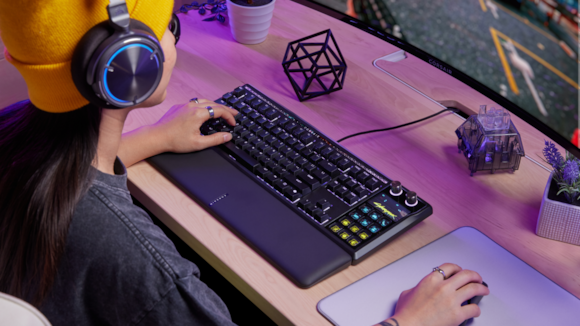
It has been years since Corsair acquired Elgato. During that time, Corsair and Elgato have operated independently, but this year, the two are joining forces on a new product for the first time. The new Corsair Galleon 100 SD is a new full-size keyboard from Corsair, but rather than having a numpad, the keyboard has been equipped with a 12-key Elgato Stream Deck.

The company says the device combines engineering from both Corsair and Elgato to meet long‑standing community requests for a single input solution that handles gameplay, apps, and device control. “The GALLEON 100 SD marks a new era of input that our community has been clamoring for,” said Tobias Brinkmann, VP and GM of Gaming Peripherals at Corsair. “This isn't just a better keyboard. It's a solution to the reality of modern gaming, where managing apps, info, and devices is just as critical as performance.”

The keyboard includes 12 LCD keys, two multifunction dials, and a 5‑inch colour display for real‑time system and game information. All controls are configured through the Stream Deck app, with support for folders, profile switching, and the full plugin ecosystem.

Corsair says the integration allows players to trigger abilities, macros, and complex sequences without menu diving, while also offering quick access to apps like Spotify, voice chat, and system monitoring. Dozens of game profiles and hundreds of plugins from the Elgato Marketplace are supported, just as they would be on a standalone Stream Deck.

Beyond the Stream Deck features, the Galleon 100 SD uses Corsair’s AXON engine with polling rates up to 8,000Hz, plus FlashTap SOCD handling for directional‑input control. The board ships with pre‑lubed MLX Pulse switches, gasket mounting, six layers of dampening, and an aluminium frame. A cushioned wrist rest, RGB light bar, and Web Hub customisation round out the design.

As you might expect, this keyboard won't come cheap, as you are effectively getting two products in one. The Galleon 100 SD is expected to become available at the end of January, priced at $349.99.

KitGuru Says: If I were to ever go back to a full-sized keyboard, it would be for something like this. Standard numpads are of little use to many gamers, but a host of Stream Deck keys would provide some really interesting functionality.

The post CES 2026: Corsair’s latest full-size keyboard replaces numpad with Elgato Stream Deck first appeared on KitGuru.

CES 2026: AOC launches its first Agon G-Sync Pulsar gaming monitor

7 janvier 2026 à 18:04

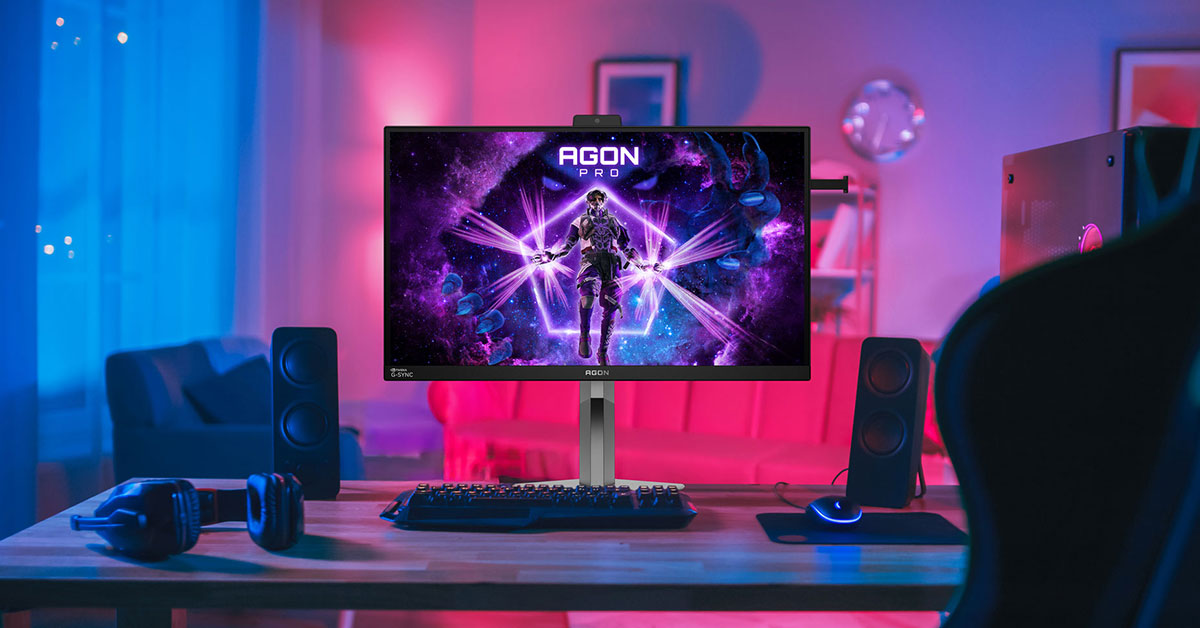
At CES this week, AOC is launching its latest Agon gaming monitor, the AGON PRO AG276QSG2. Developed in close collaboration with NVIDIA, this is one of the first G-Sync Pulsar displays hitting the market, enabling higher levels of motion clarity and responsiveness for competitive gaming.

G‑SYNC Pulsar is designed to deliver up to four times clearer motion by combining backlight strobing with G‑SYNC Variable Refresh Rate, eliminating the traditional trade‑off between motion clarity and stutter‑free gameplay. Fast‑moving targets appear sharper and easier to track, giving competitive players more consistent visual information during gameplay. The monitor also supports NVIDIA’s Ambient Adaptive Technology, using a built‑in sensor to automatically adjust brightness and colour temperature based on room lighting.

The AG276QSG2 is built around a 360Hz Fast IPS panel with 1ms GtG response time, ensuring rapid pixel transitions for esports titles. HDR support is included, with G‑SYNC HDR providing calibrated colour accuracy and automatic HDR brightness tuning across both Windows and supported games.

AGON by AOC has also focused on the physical design, offering a fully ergonomic stand, an aluminium‑accented esports aesthetic, and customisable Light FX illumination. A full suite of I/O connectivity ensures compatibility with multi‑platform setups.

The AGON PRO AG276QSG2 will be available starting in February with an MSRP of £559.

KitGuru Says: Are you thinking about making the jump to a G-Sync Pulsar monitor this year?

The post CES 2026: AOC launches its first Agon G-Sync Pulsar gaming monitor first appeared on KitGuru.

CES 2026: Corsair unveils new peripherals for the enthusiast segment

7 janvier 2026 à 18:00

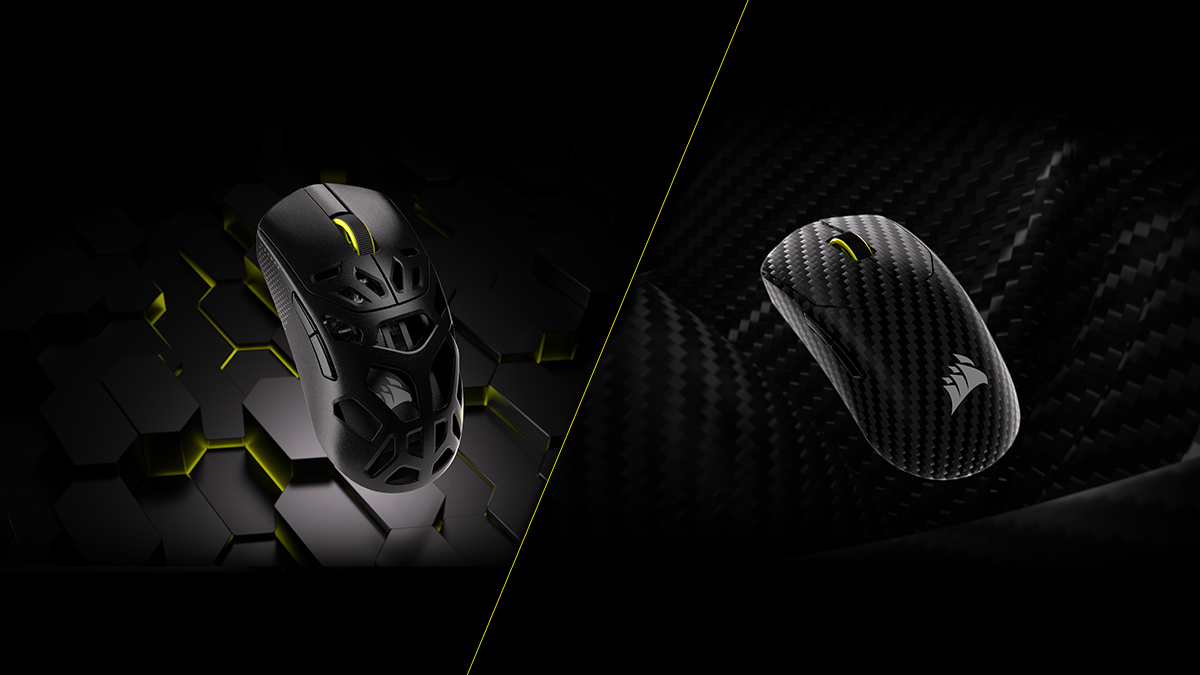
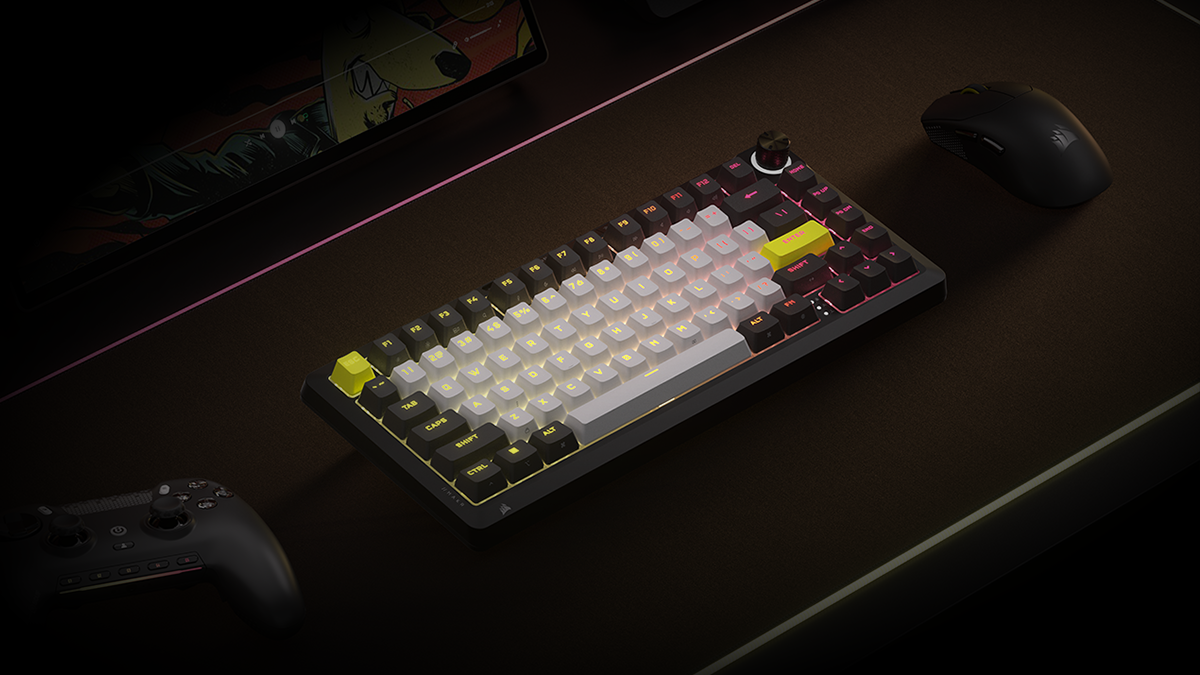
Corsair has arrived at CES 2026 with a clear focus on the upper echelons of competitive play, unveiling a refreshed peripheral lineup that prioritises new materials and rapid‑response Hall Effect technology. For mice, Corsair is introducing two iterations of the Sabre V2 Pro wireless mouse: one built from carbon fibre and the other from magnesium alloy. As for keyboards, the company has revealed the Makr Pro 75, an enthusiast‑grade mechanical keyboard that brings magnetic switch functionality to the Makr platform.

The new Sabre V2 Pro Wireless variants use high‑rigidity shells while keeping weight to a minimum. The Sabre V2 Pro CF utilises a 55g carbon fibre unibody, while the Sabre V2 Pro MG features a 56g magnesium alloy chassis. Both models retain the 8000Hz hyper‑polling capability and the 33,000 DPI Marksman S optical sensor found in the ultralight model. These material‑focused versions instead aim to eliminate micro‑flex during high‑intensity sessions. Battery life is rated at up to 120 hours at a 1000Hz polling rate, dropping to around 21 hours at 8000Hz.

The Makr Pro 75 serves as the spiritual successor to the original Makr 75. Unlike its predecessor, which focused heavily on the barebones experience, the Pro 75 arrives as a fully assembled unit featuring MGX Hyperdrive magnetic switches. These Hall Effect switches enable performance features such as Rapid Trigger and FlashTap SOCD, allowing near‑instantaneous counter‑strafing and movement resets. The keyboard maintains its enthusiast roots with an aluminium frame, an FR4 switch plate, and eight layers of internal sound damping. Modularity remains a key selling point, with support for secondary modules such as an LCD or a wireless add‑on.

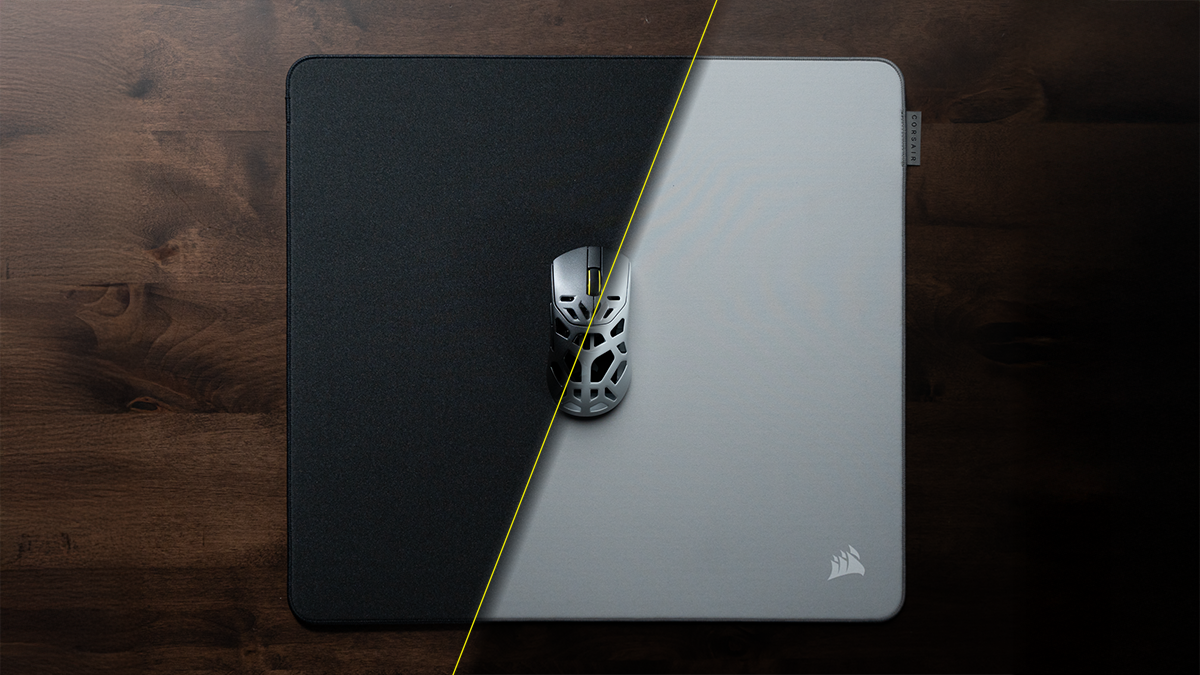
To complement the new hardware, Corsair also debuted the MM Pro Control Large esports‑tuned cloth mousepad. Designed for high‑precision tracking, the pad features a 4mm‑thick cushioned surface and a hex‑patterned polyurethane base to ensure stability during rapid flicks. The sloped edges are intended to provide more consistent stopping power, helping players who struggle with overtravel on standard cloth surfaces.

All these peripherals are now on sale, with the Sabre V2 Pro CF priced at £159.99 and the MG at £119.99. The new Makr Pro 75 is £219.99, and the MM Pro Control Large is £49.99.

KitGuru says: While a 56g magnesium mouse might seem counterintuitive compared to the 36g plastic original, the added structural rigidity and premium feel could be a major draw for players who find ultralight plastic a bit too “toy‑like”

The post CES 2026: Corsair unveils new peripherals for the enthusiast segment first appeared on KitGuru.

CES 2026: Razer goes all-in on AI with Project Ava and Snapdragon-powered wearables

7 janvier 2026 à 17:30

Razer is using its CES 2026 campaign to showcase its “AI Gaming Ecosystem”, moving beyond traditional peripherals and into autonomous digital companions and enterprise‑grade AI workstations. The lineup is headlined by Project Ava, a physical evolution of Razer’s earlier AI coaching software, and Project Motoko, an AI‑integrated headset positioned as an alternative to smart glasses for the AI‑driven generation.

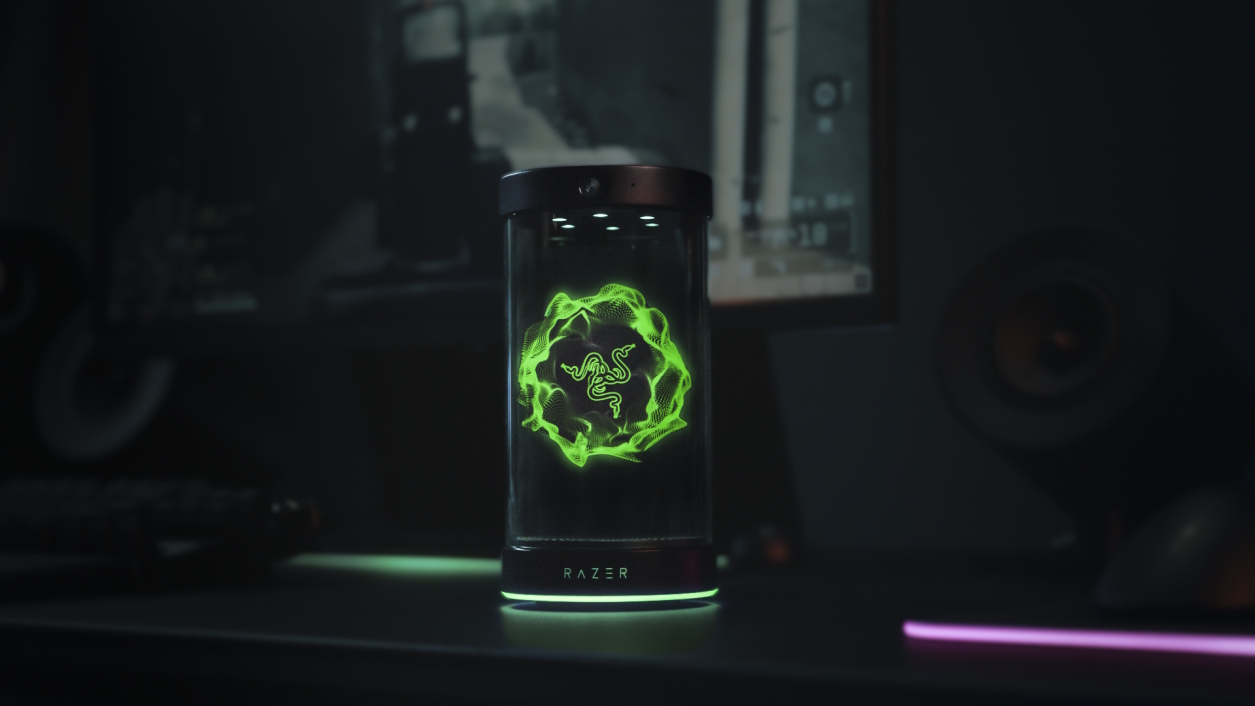
Starting with Project Ava, this cylindrical desktop device houses a 5.5‑inch animated avatar inside a transparent shell. Evolving from an abstract esports coach into a full “digital partner”, Ava uses a top‑mounted camera and PC Vision Mode to monitor gameplay or productivity in real time. Whether offering weapon loadout recommendations in shooters or managing your calendar while you work, Ava is designed as a persona‑driven assistant that sits beside your monitor rather than appearing as an on‑screen overlay. Razer has already opened reservations in the US, featuring the default character “Kira”, with support for custom avatars planned for the future.

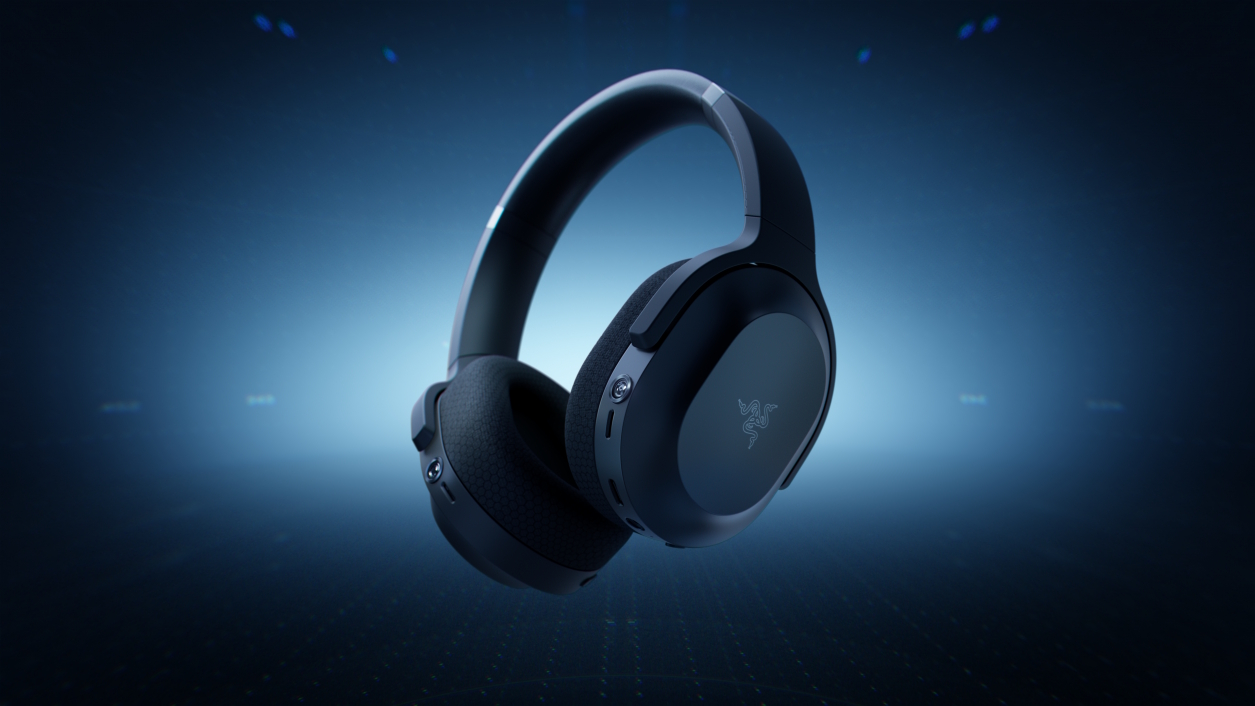
For users on the move, Project Motoko introduces an AI‑powered wireless headset built on Qualcomm Snapdragon silicon. Unlike current smart glasses, Motoko relies on high‑fidelity audio feedback and dual first‑person cameras to deliver visual and environmental awareness. It supports translation, object recognition, and real‑time guidance, all while offering up to 40 hours of battery life. Razer is keeping the platform engine‑agnostic, enabling it to run local or cloud‑based models from OpenAI, Google, or even Tenstorrent’s mobile accelerators.

Razer is also making a pivot into the enterprise and research sectors with a dedicated suite of AI development tools:

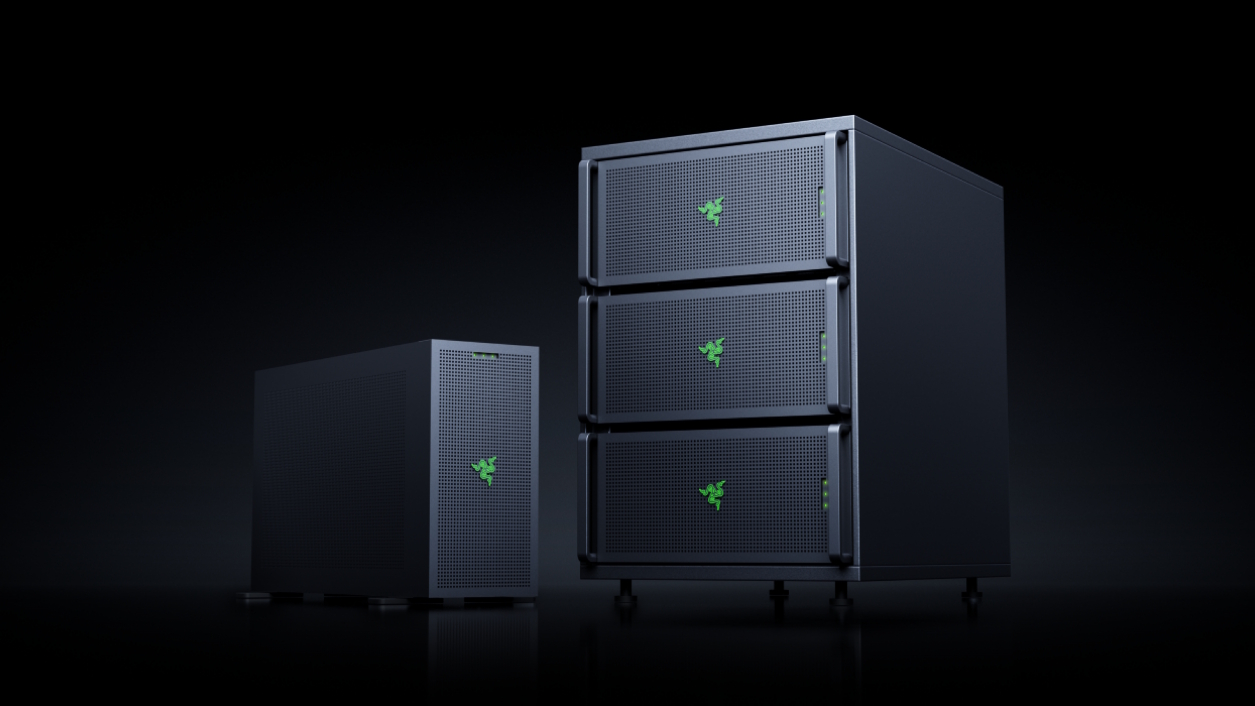
  • Razer Forge AI Dev Workstation: A localised powerhouse built for training Large Language Models (LLMs) and running complex simulations. It supports multiple professional GPUs (including the Nvidia RTX Pro 6000 Blackwell series) and workstation-class CPUs from the AMD Threadripper Pro or Intel Xeon W lines.
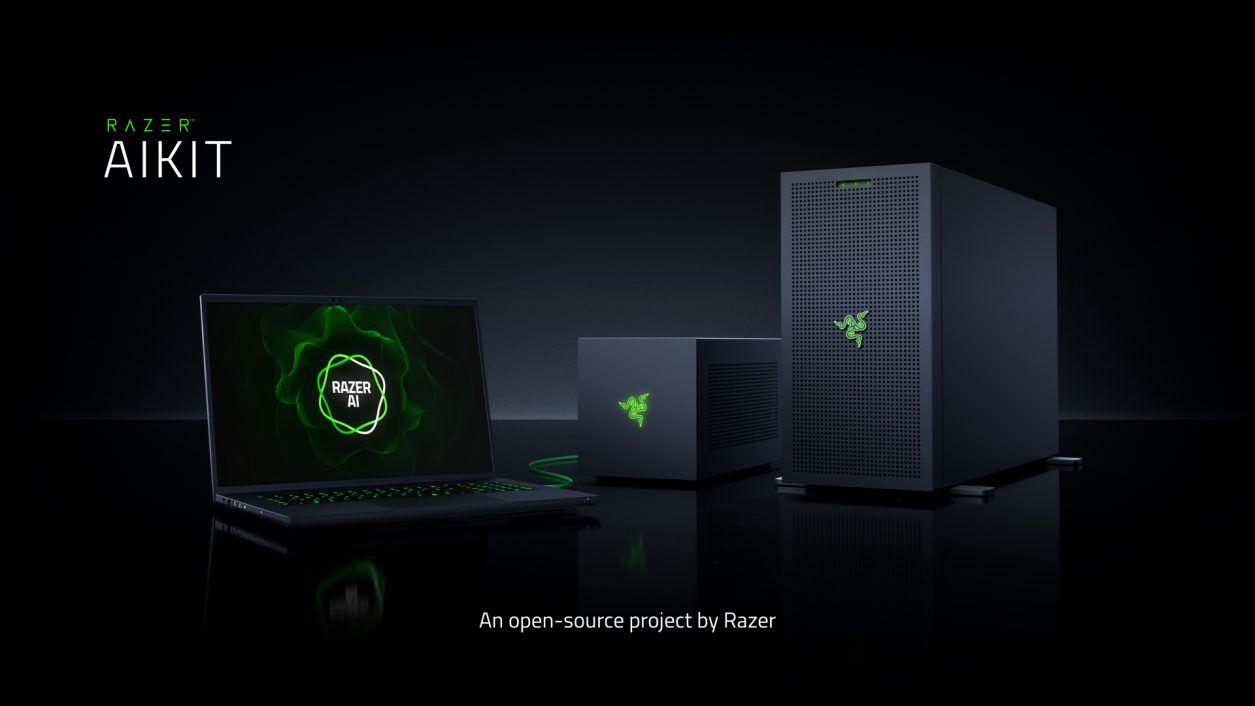
  • Razer AIKit: An open-source, local-first workflow tool available on GitHub. It allows researchers to fine-tune models on local hardware with cloud-comparable performance, featuring automatic GPU discovery and cluster formation.
  • Tenstorrent Partnership: In collaboration with Jim Keller's Tenstorrent, Razer is launching a compact AI accelerator that connects via Thunderbolt 5. Using “Wormhole” technology, these modular units can be daisy-chained to provide desktop-class generative AI performance to laptops and handheld PCs.

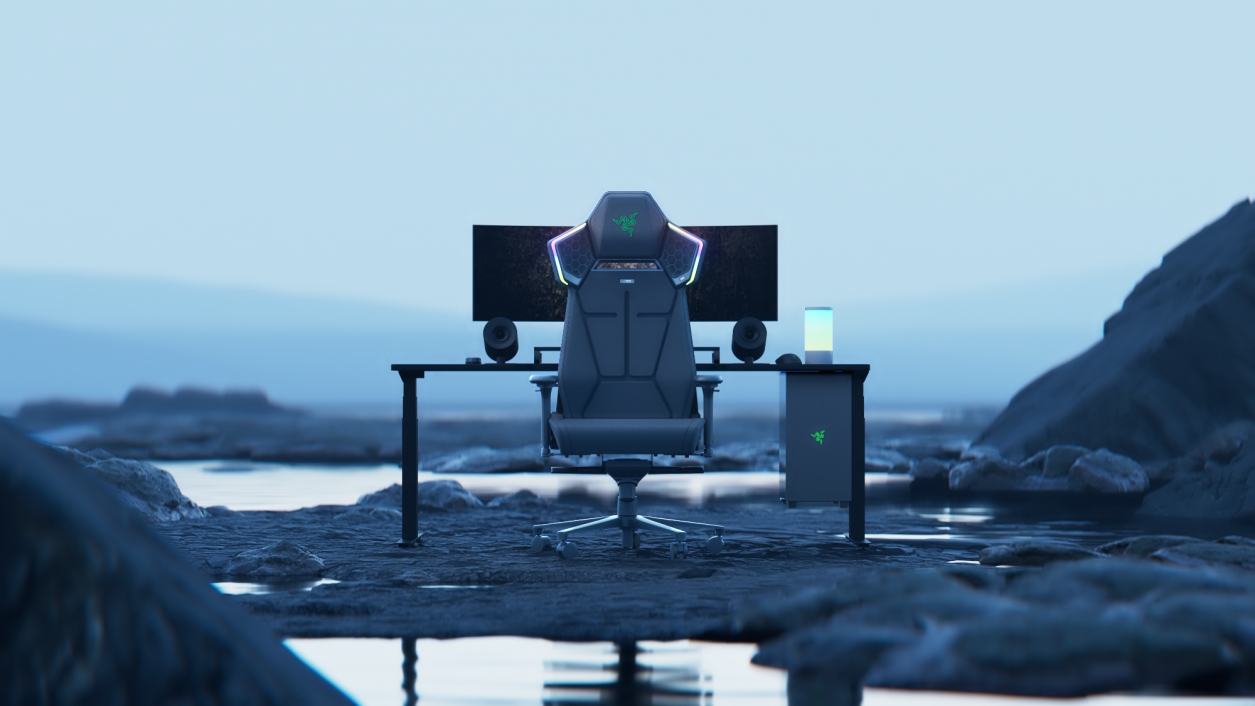
Razer’s gaming chair lineup has also been refreshed with the Razer Iskur V2 NewGen. While maintaining the price point of its predecessor, the NewGen model introduces Razer’s Gen‑2 EPU Leather with “CoolTouch” technology and a more breathable dual‑density foam cushion. For those seeking something beyond a standard office chair, Project Madison is a concept seat that integrates Sensa HD Haptics directly into the frame, vibrating in sync with game events or THX Spatial Audio for a multisensory experience.

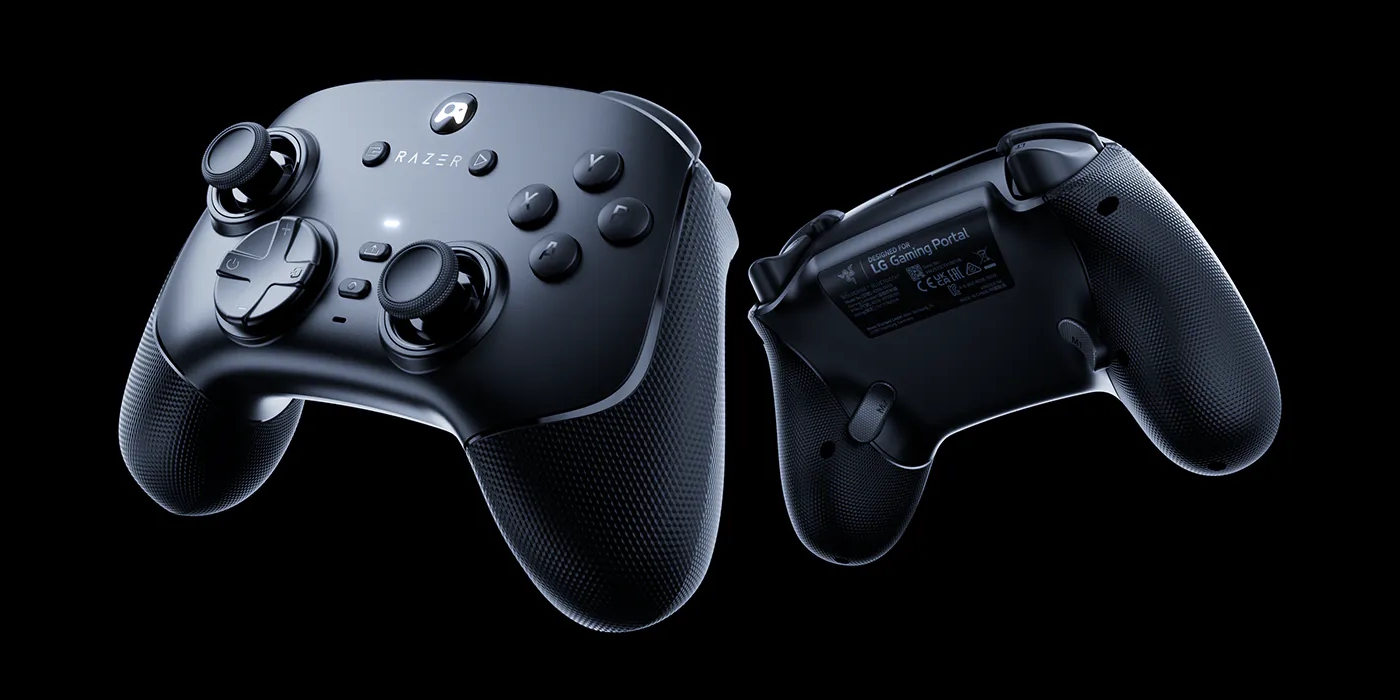
Lastly, the new Razer Wolverine V3 Bluetooth arrives as the “world’s fastest” wireless controller optimised for cloud gaming. Developed in partnership with LG, it features ultra‑low‑latency Bluetooth and integrated TV controls, allowing users to navigate LG’s gaming portals and cloud services without a separate remote.

KitGuru says: With this announcement, it's safe to say that Razer is no longer just a gaming brand. It's positioning itself as a hardware provider for the AI era. While Project Ava is probably the most interesting product for its core audience, the Forge workstation and the Tenstorrent accelerator suggest Razer is serious about capturing the professional AI market as well.

The post CES 2026: Razer goes all-in on AI with Project Ava and Snapdragon-powered wearables first appeared on KitGuru.

CES 2026: ASUS opens door for next-gen, high-performance systems

7 janvier 2026 à 16:36

During the European Hardware Association Tech Tour, KitGuru was invited to ASUS headquarters in Taipei for an early look at a wide range of hardware planned for 2026. Rather than focusing on individual launches, the briefings were structured around broader design themes – power delivery, thermal density, system integration and the growing need to treat modern PCs as complete platforms rather than collections of parts. 

What follows is an overview of how ASUS is approaching that challenge across its 2026 high-performance portfolio – starting with its new motherboards/platforms. 

ROG Crosshair X870E and the NEO Refresh
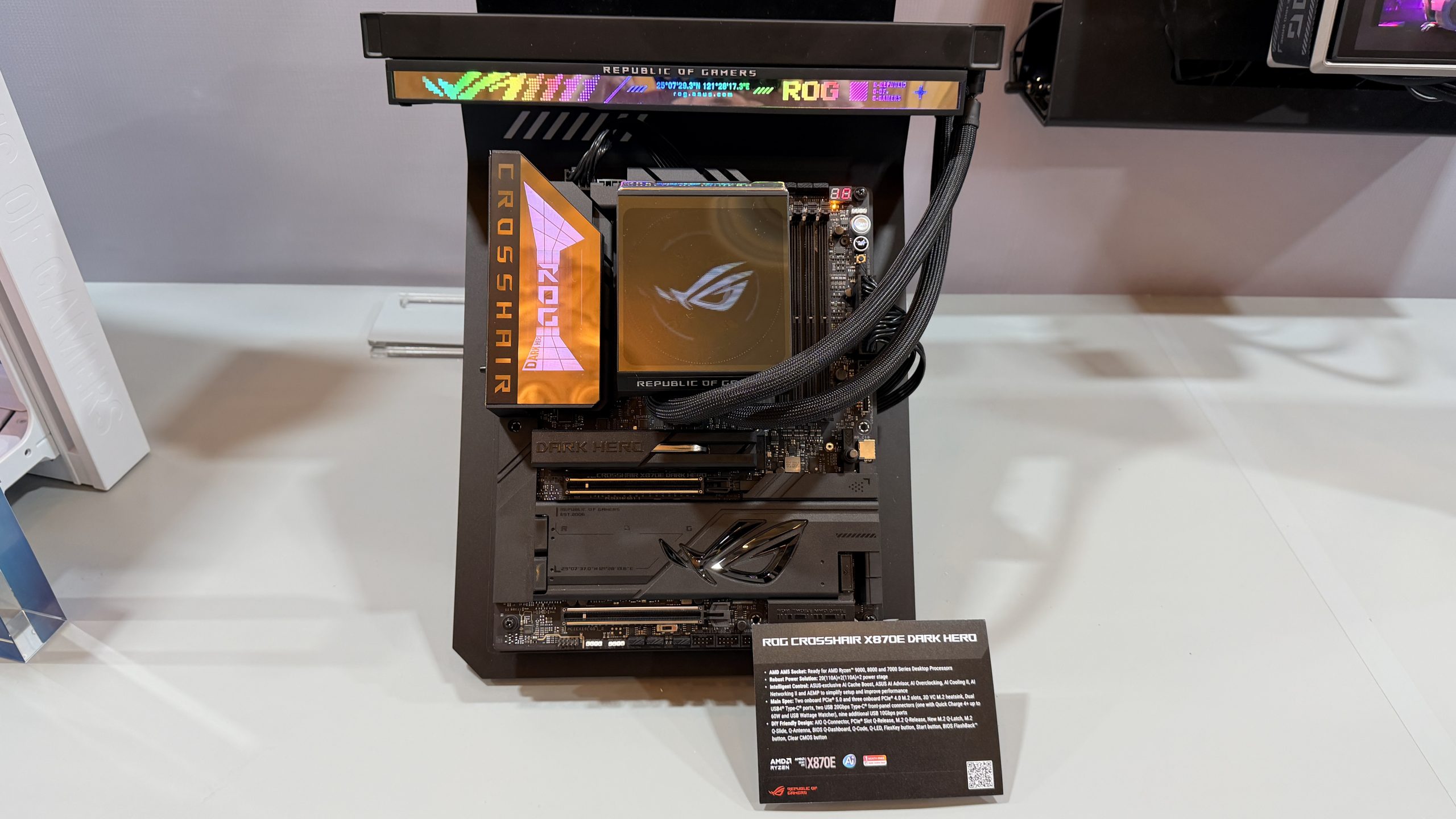
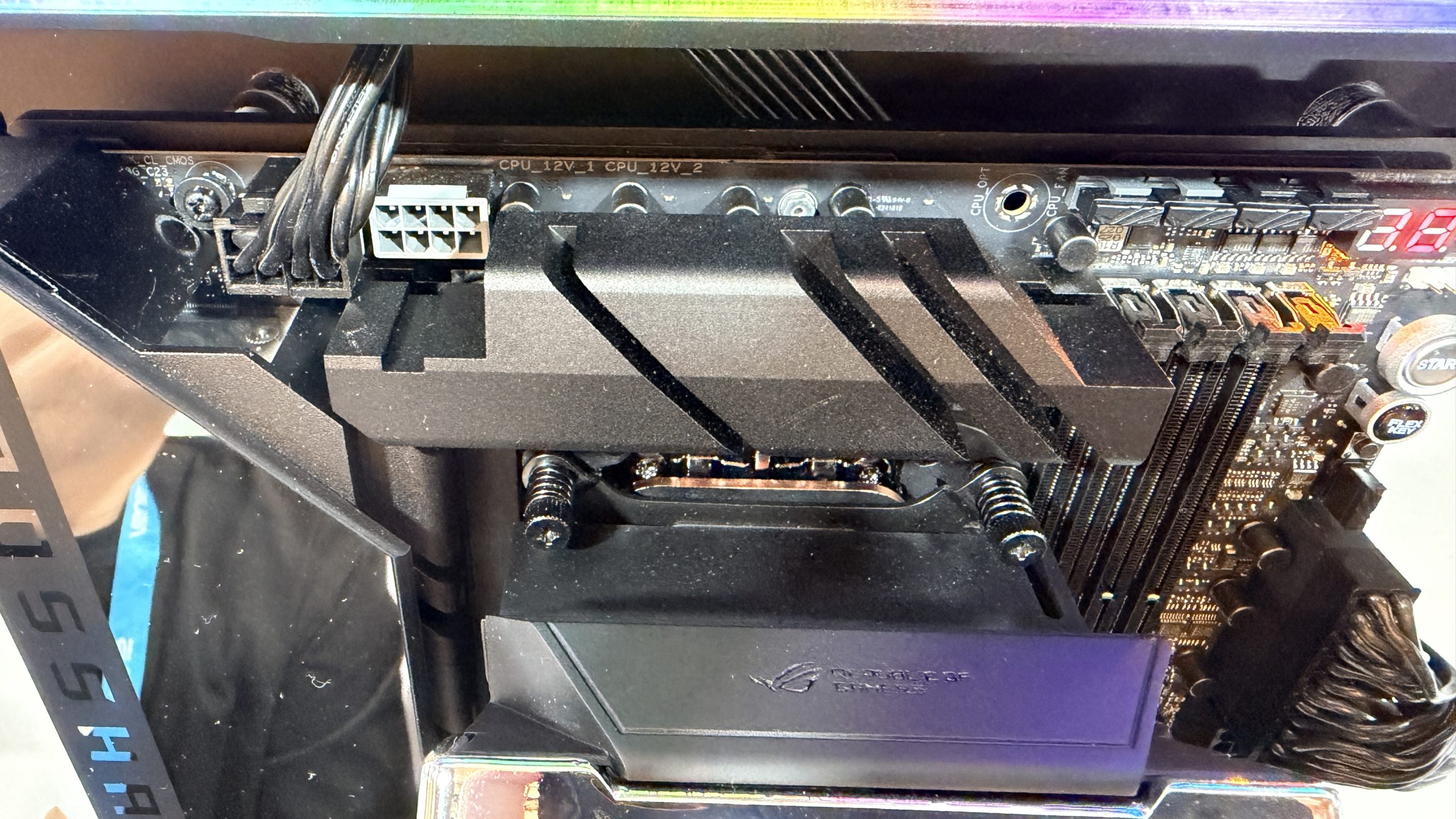
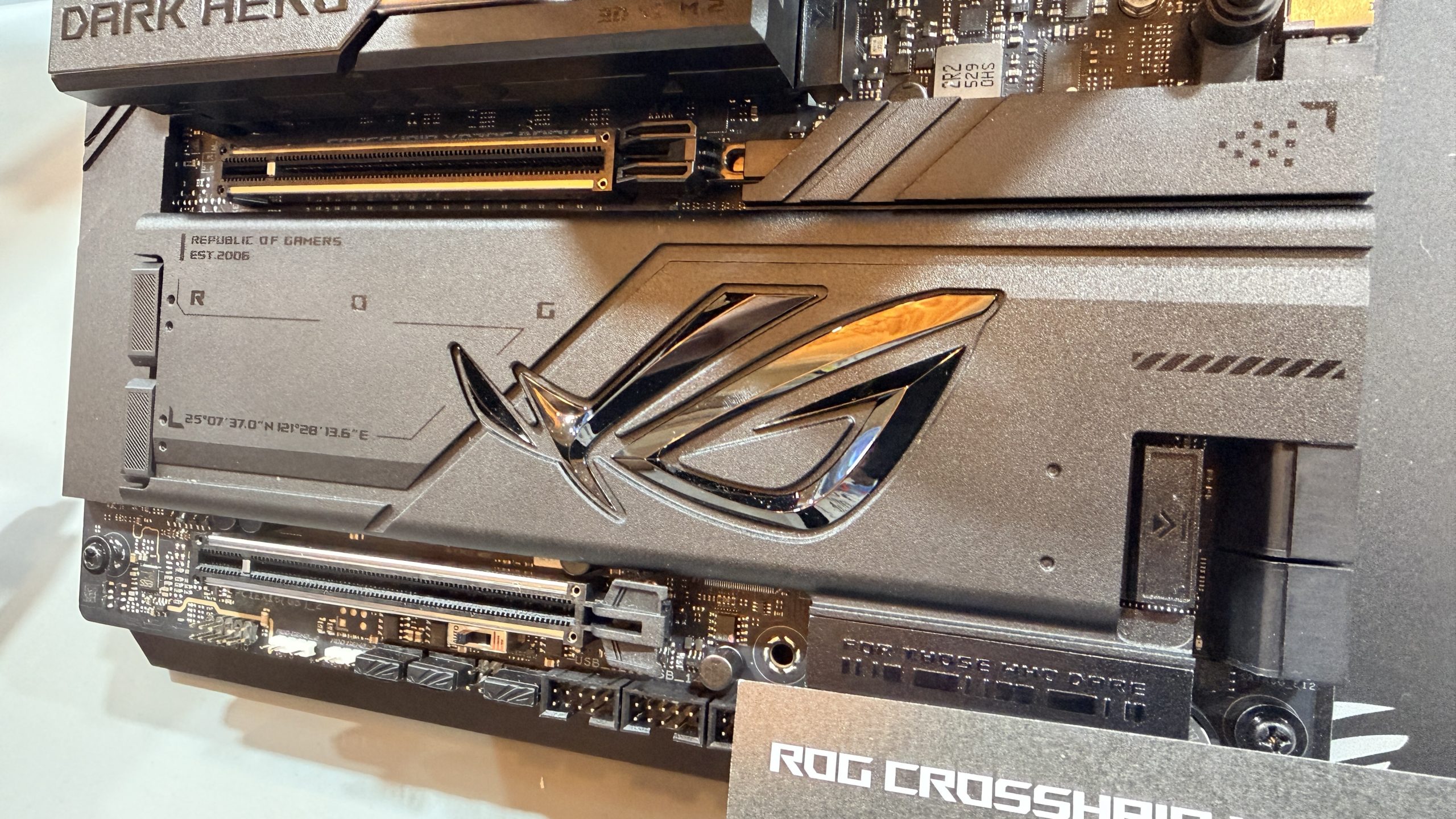
At the centre of ASUS' next-generation strategy sits the ROG Crosshair X870E platform, positioned as the flagship foundation for upcoming AMD systems. Two models lead that charge – the Crosshair X870E Glacial and Crosshair X870E Dark Hero – each targeting slightly different priorities while sharing the same underlying design intent. More will be announced about the NEO refresh closer to the launch in February 2026.

Power delivery and future-proofing
ASUS is explicit that these boards are designed with future AMD CPUs in mind, including processors that may, in theory, demand 200W or more of sustained power draw. While no such CPUs have been announced publicly (at the time of writing), this expectation aligns with broader industry conversations around rising power density and sustained boost behaviour. 

The Glacial model features a 24(110A)+2(110A)+2 power stage design, while the Dark Hero uses a 20(110A)+2(110A)+2 configuration, both employing ProCool II connectors, MicroFine alloy chokes and premium metallic capacitors. The intent here is not peak benchmarking, but long-term electrical stability under heavy, sustained loads.

Within the motherboard industry, there is also a growing belief that next-generation platforms could unlock 5–15% gaming performance gains, depending on workload and configuration. This is not positioned as a guarantee, but as a byproduct of improved signal integrity, memory routing and platform optimisation rather than dramatic architectural shifts. All of which could be pretty useful as we head into a year where gamers might need to step back slightly on graphics card and system memory options.

Connectivity and segmentation
Networking is another area where ASUS differentiates clearly between the two boards. The Glacial integrates dual Realtek 10Gb Ethernet, while the Dark Hero combines 10Gb and 5Gb Ethernet, with both boards featuring on-board WiFi 7 (802.11be) and ASUS' WiFi Q-Antenna system. 

Thermal engineering as a motherboard feature
Thermal design is treated as a first-class concern. Both boards use large, integrated heatsinks tied into the I/O shroud, linked by heatpipes and high-conductivity thermal pads. One PCIe 5.0 M.2 slot benefits from ASUS' 3D vapour chamber M.2 heatsink, explicitly designed to cope with the heat output of next-generation storage. With PCI-Express Gen 6 on the horizon, we will need to get used to active cooling for SSDs as being a standard topic of discussion. 

Memory cooling is also integrated into the control logic via ROG Memory Q-Fan, reinforcing the idea that modern motherboards are now active thermal managers rather than passive backplanes.

The NEO refresh
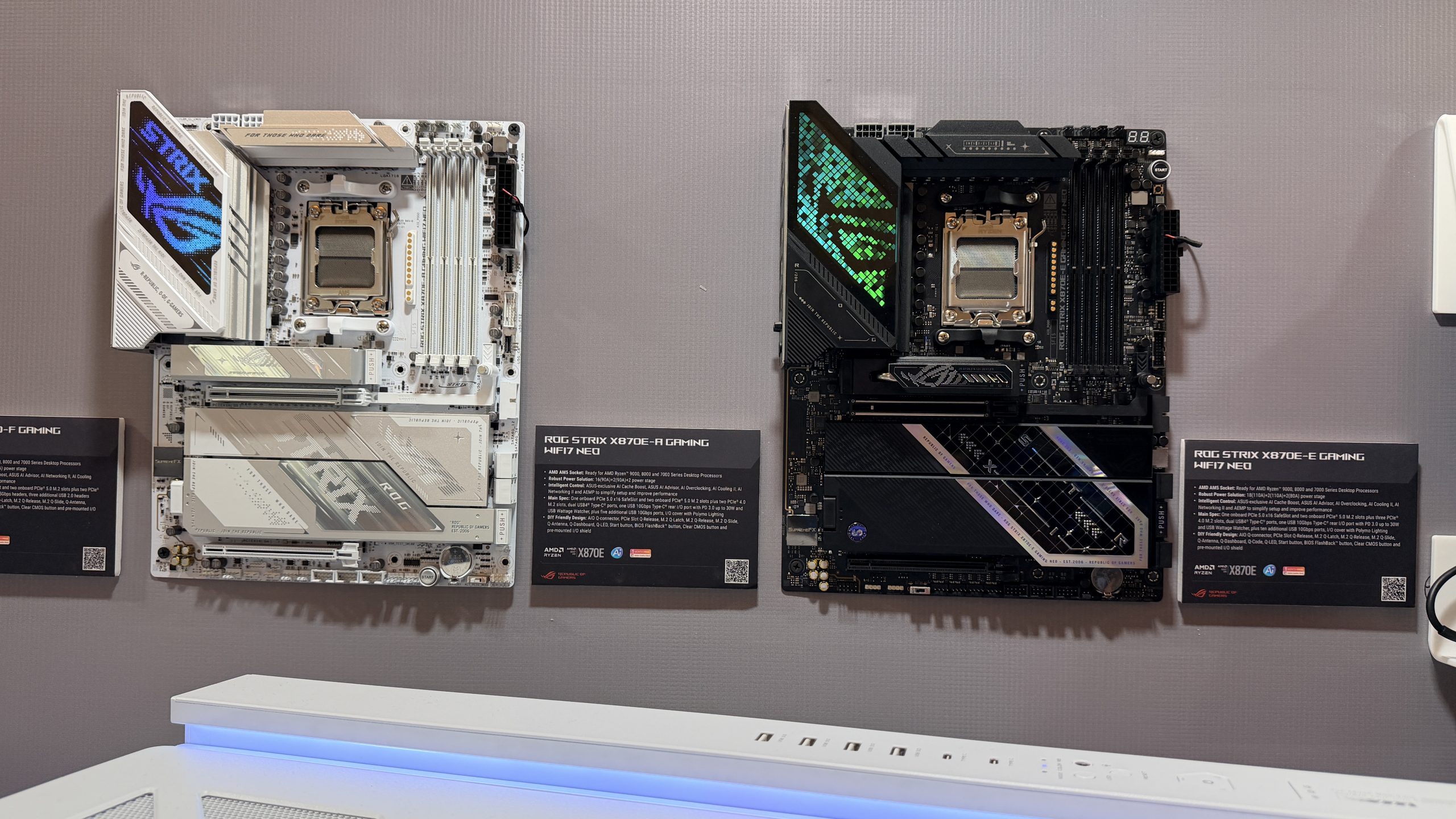
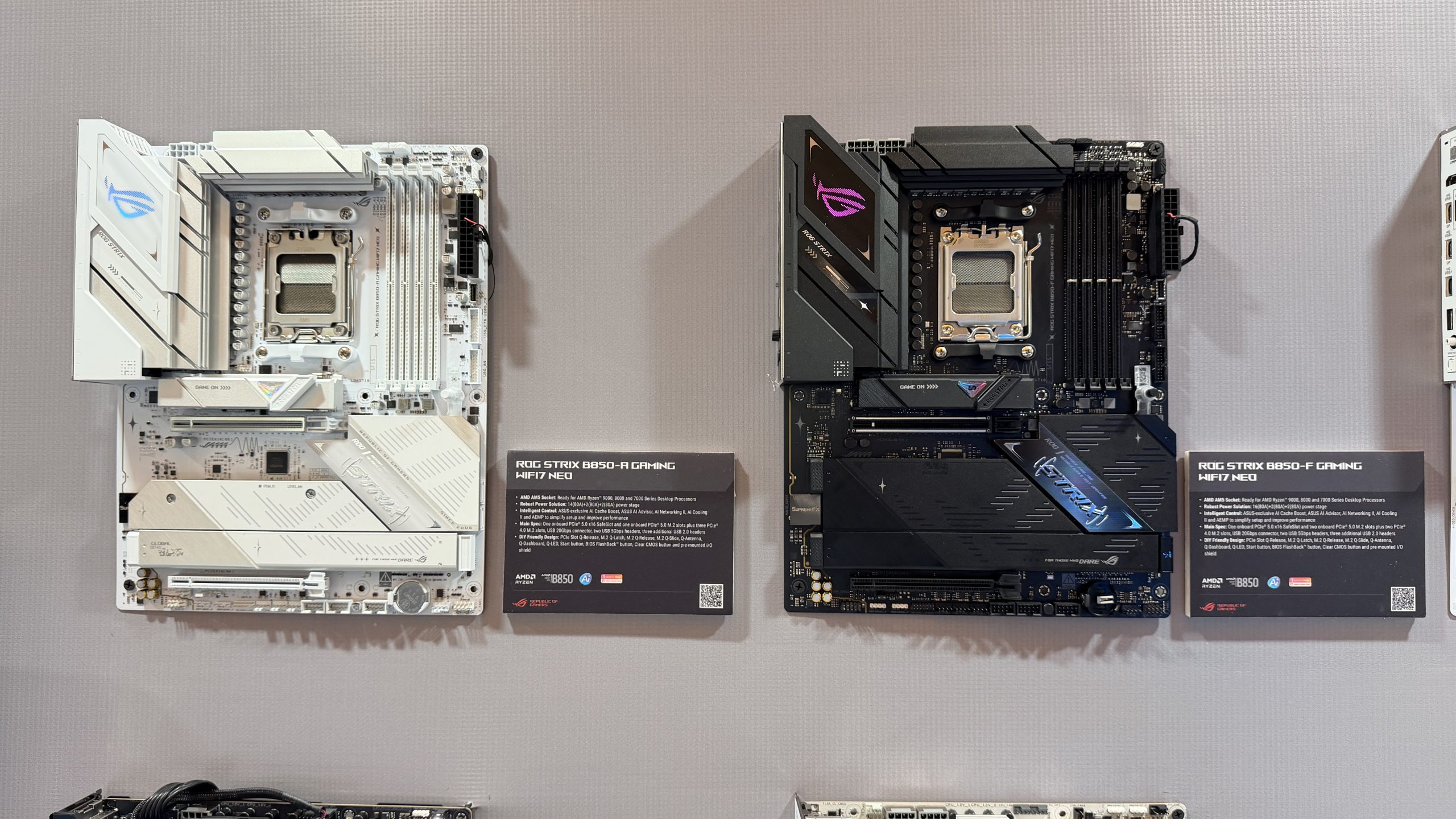
Sitting beneath the Crosshair flagships and more affordable for the masses, is the refreshed ROG Strix NEO series, covering X870E and B850 models. ASUS describes this as more than a cosmetic update. A redesigned memory routing architecture using via-in-pad routing and improved impedance continuity enables ASUS to quote much faster overclocked memory speeds. 

We were shown ‘ASUS internal figures’ – and KitGuru will look to validate them independently once hardware is available. The more important takeaway is that memory stability and compatibility appear to be the primary goal, rather than chasing record-setting frequencies. 

Additional platform changes include asynchronous clocking, expanded M.2 support while maintaining PCIe 5.0 x16 GPU bandwidth, and a renewed BIOS interface. ASUS has also introduced ASUS MB Manager, initially on the NEO series, to separate motherboard-level RGB and system control from the broader Armoury Crate ecosystem. 

ASUS ExpertCenter Pro ET900N G3
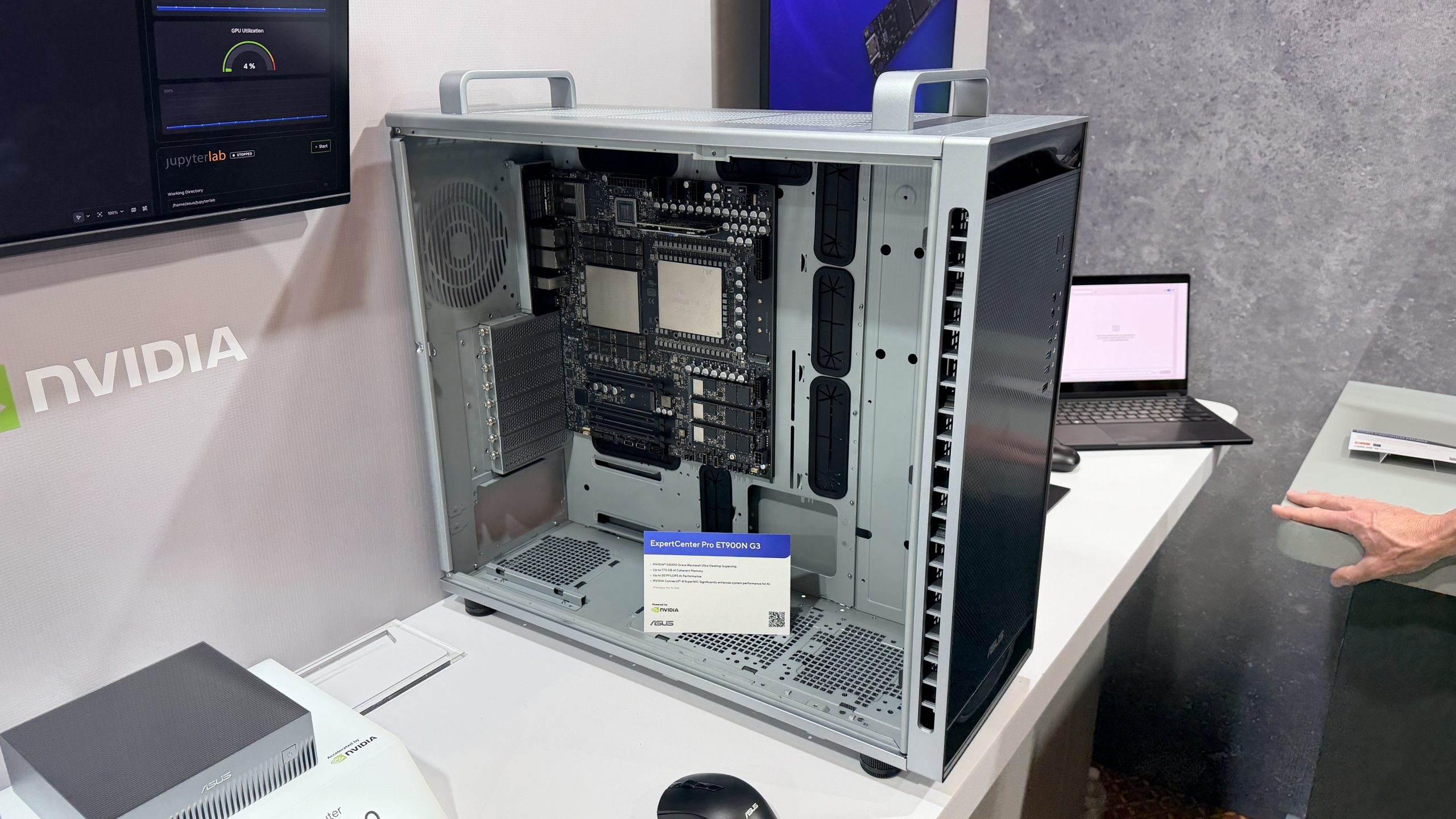
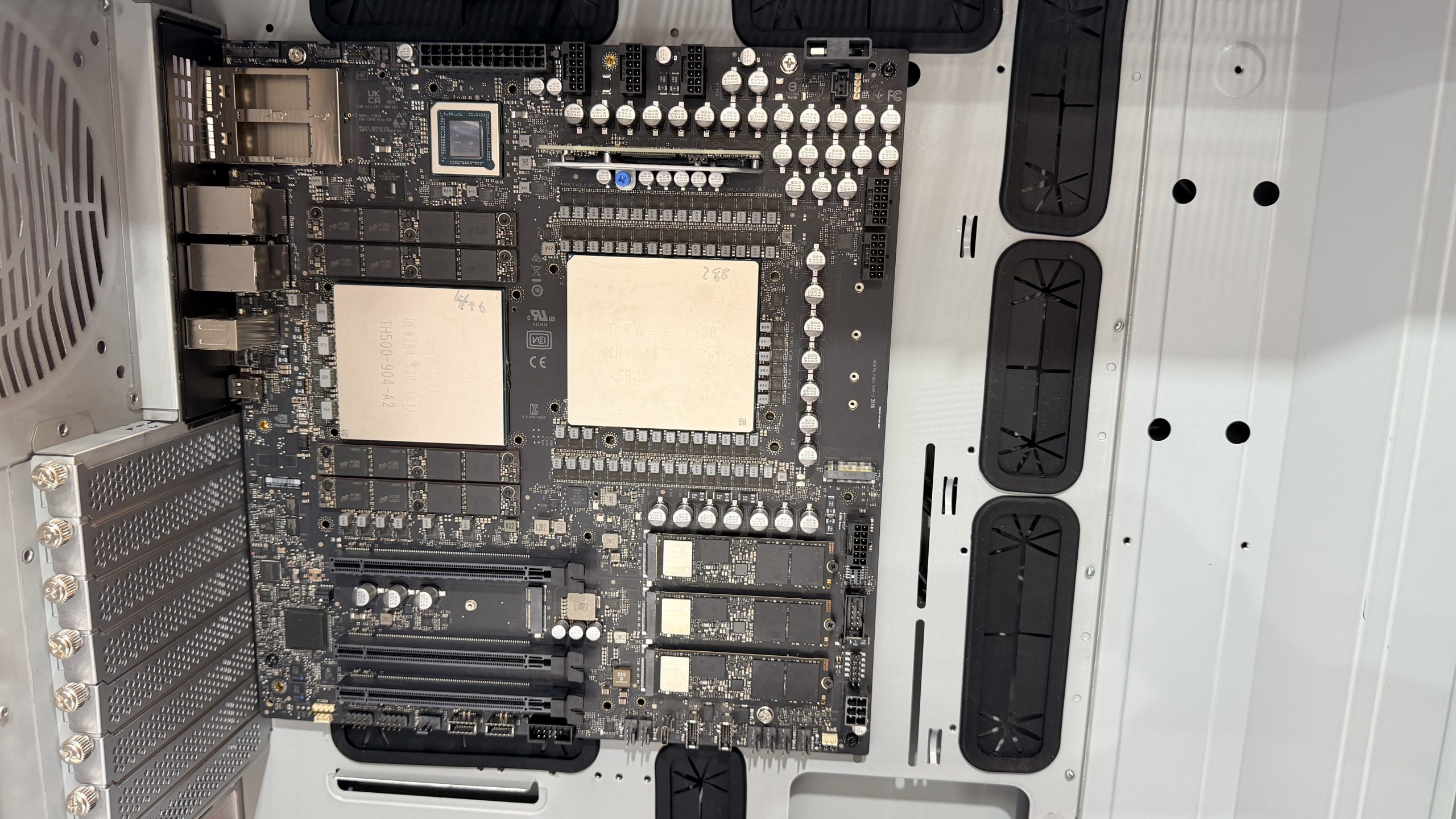
The most striking system shown during the tour was arguably the ASUS ExpertCenter Pro ET900N G3. This is a desktop form factor AI supercomputer built around NVIDIA Grace and Blackwell technologies. 

ASUS positions the ET900N G3 as a bridge between traditional workstations and rack-mounted server infrastructure. According to figures provided by ASUS, the system offers higher PFLOPS compute capability than a four-GPU NVIDIA HGX H200 SXM system, based on FP8 model performance comparisons. The figures shown are claims by ASUS. We expect that real-world performance will depend on workload and configuration. 

The rationale behind the creation of the ET900N G3 becomes clearer when viewed against industry pricing. HGX H200 SXM systems are widely understood to cost hundreds of thousands of dollars once GPUs, chassis, networking, power and cooling infrastructure are accounted for. By contrast, ET900N G3 is designed to deliver serious AI compute in environments that cannot justify data-centre-scale deployments. 

Features such as ConnectX-8 SuperNICs, QSFP 400G networking, and Multi-Instance GPU (MIG) support reinforce that this is not a consumer product, but a workstation-class tool aimed at research, enterprise AI, and edge compute scenarios. 

Thermal Solutions: ROG Ryuo and Strix LC IV 

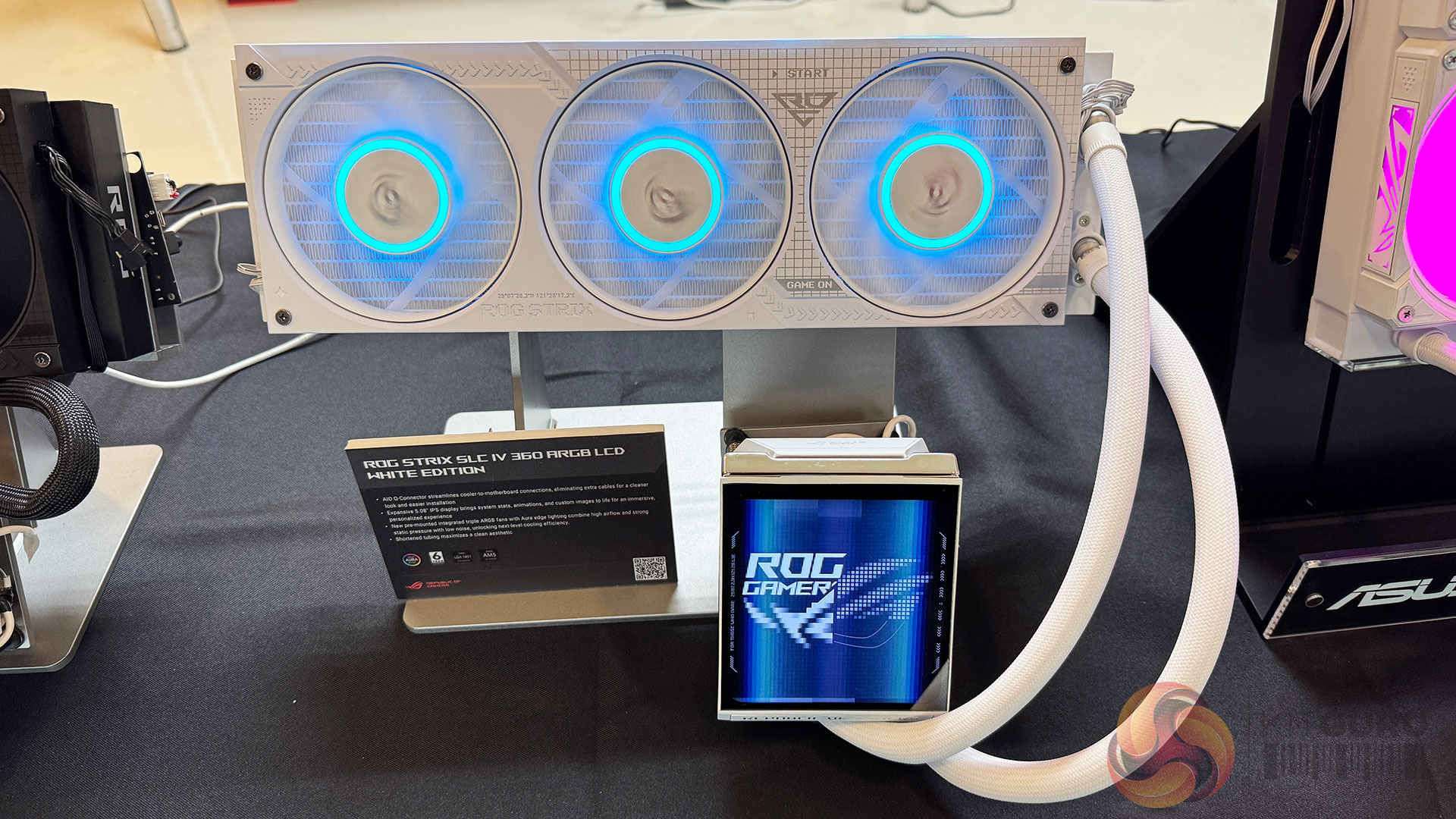
As CPU power draw begins to rise again, ASUS is also evolving its cooling ecosystem. The ROG Ryuo IV and introduces Asetek Emma Gen8 V2 pumps, with the Ryuo IV and ROG Strix SLC/LC IV AIO coolers benefiting from updated cold plates and an emphasis on installation simplicity. 

A notable design change is the AIO Q-Connector, which consolidates cabling between the cooler and compatible ASUS motherboards into a single connection. While this reduces cable clutter and simplifies builds, it also reinforces a clever ecosystem lock-in, which is a trade-off that ASUS appears willing to make in pursuit of cleaner system design. 

The integrated 5.08-inch IPS LCD, running at 720 × 720 and 60Hz, is positioned less as a novelty and more as a system monitoring surface, capable of displaying thermals, fan speeds and custom visuals. We did ask about future models with much higher refresh rates on bigger screens, but were told (with a smile) that 5” and 60Hz was probably all that was needed. 

Graphics: ASUS ProArt GeForce RTX 5090 32GB GDDR7 OC Edition 

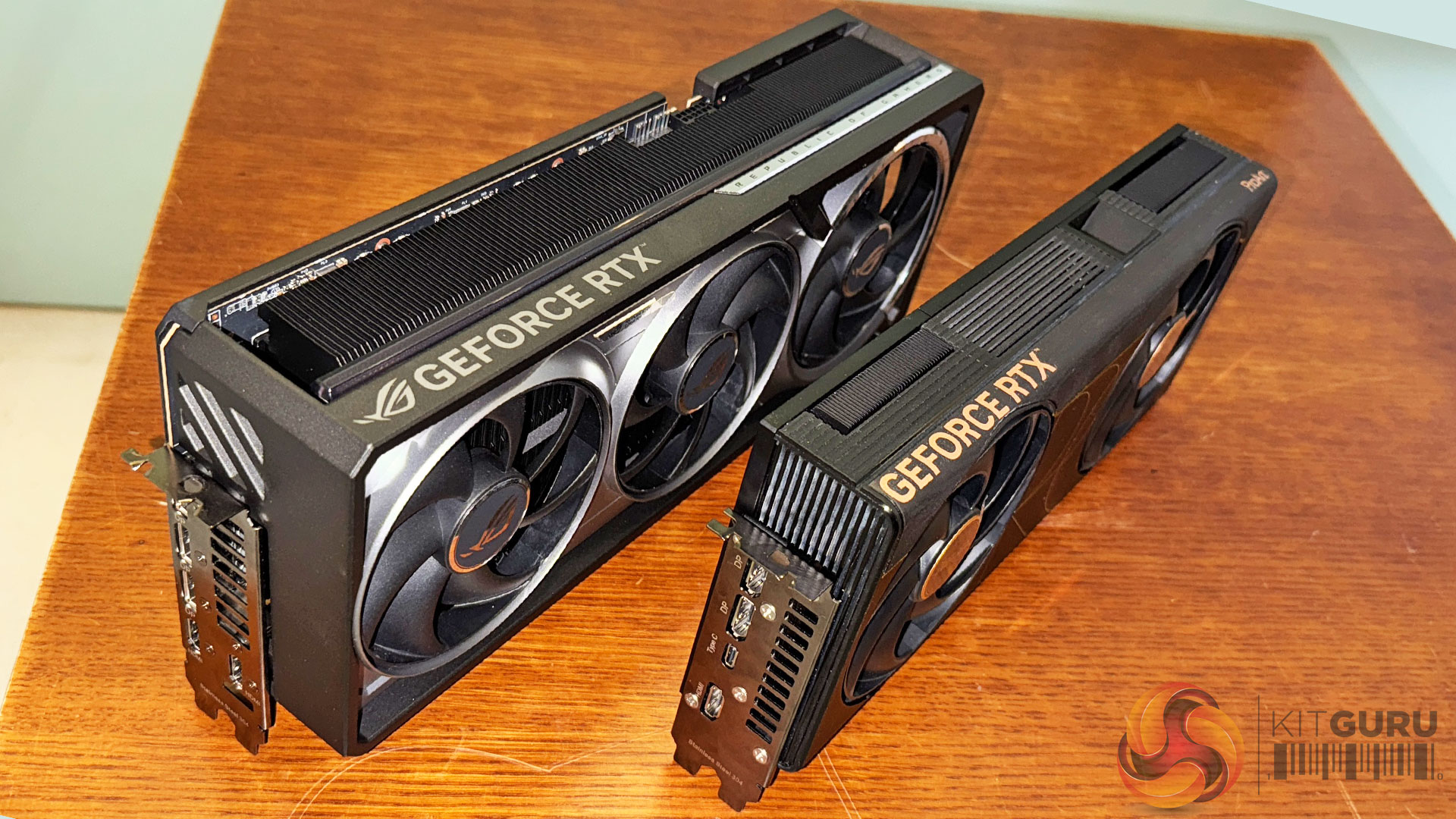
Last year, ASUS demonstrated the ROG Astral RTX 5090, a physically enormous statement GPU. The ProArt RTX 5090 shown this year, is effectively the counterpoint. All of the important hardware in a much smaller package. 

According to ASUS, the ProArt card occupies roughly a quarter of the volume of the largest Astral designs (see below), while remaining SFF-ready in a 2.5-slot form factor. This immediately broadens its appeal to professional workstations, compact builds and creator systems – where physical space and airflow matter as much as raw performance. 

Cooling is handled via liquid metal on the GPU die, a vapour chamber, dual Axial-tech fans and a double-vented backplate designed to actively exhaust heat rather than trap it within the chassis. ASUS also highlights USB-C output support and ProArt-specific software tuning for professional workflows. 

ASUS claims performance parity with flagship RTX 5090 silicon while maintaining acoustics and thermals suitable for sustained workloads. As always, KitGuru will be looking to validate those claims through independent testing.  

Chassis and Airflow: ROG Cronox and Eurux GR120 

The final piece of the system puzzle is airflow and enclosure design, and this is where ASUS' BTF (Hidden Connector) strategy becomes most visible. 

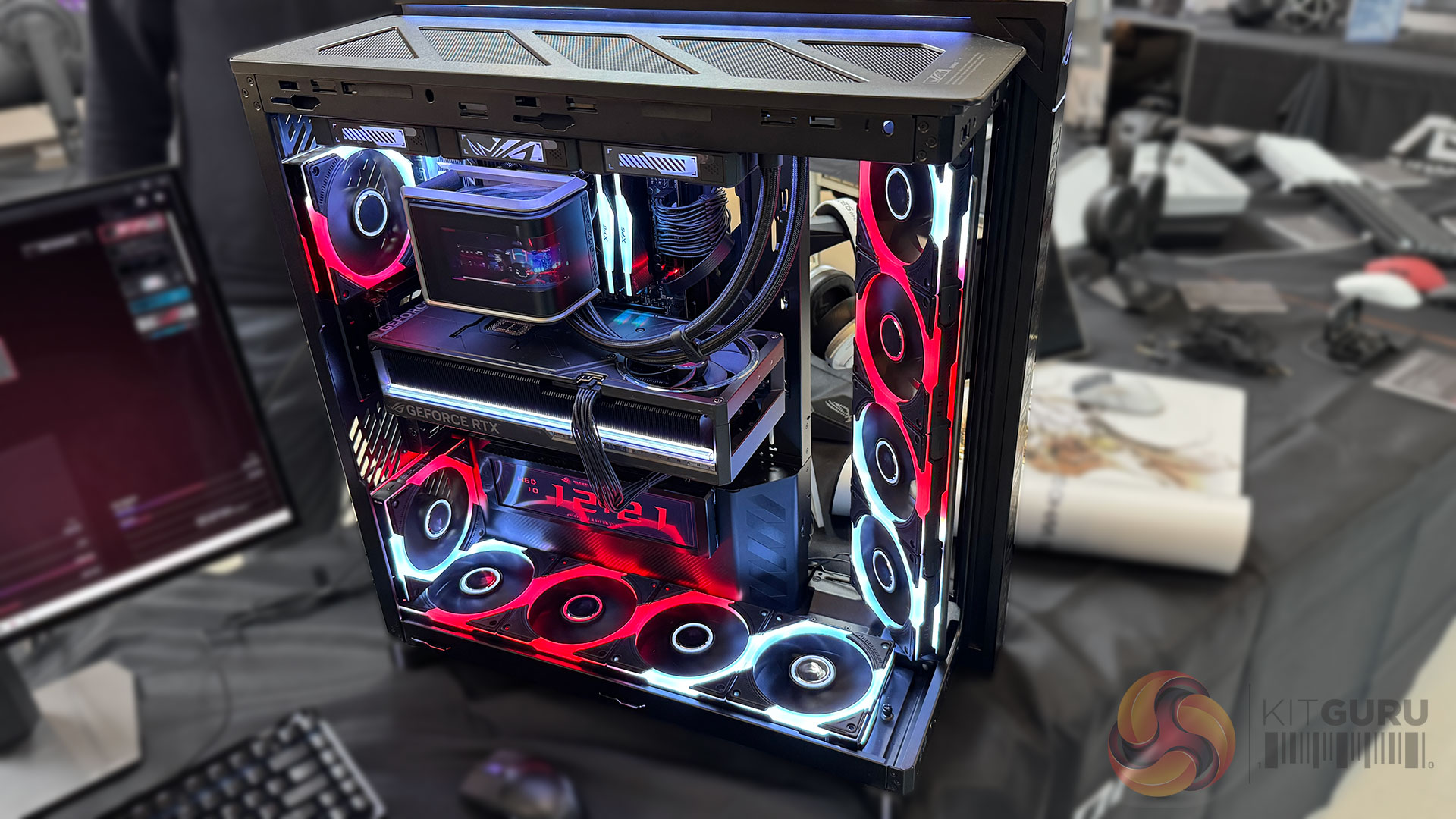
ROG Cronox PC Case
The ROG Cronox is a large, airflow-focused chassis that will be sold separately. It features an aluminium-trimmed structural frame, a tool-free curved glass side panel, and support for up to 14 × 120 mm fans. 

Cooling support includes dual 360mm radiators, GPUs up to 400mm in length, and CPU coolers up to 180mm tall. A patented rotatable side fan bracket allows airflow to be redirected at a 45-degree angle, prioritising either cooling efficiency or system visibility depending on the build. 

A built-in 9.2-inch LCD panel (1920 × 420, 400 nits, 60Hz) provides system monitoring and visual customisation, reinforcing the theme of integrated, system-level control rather than bolt-on accessories.

BTF integration
The chassis briefing delivered by ASUS, also revealed the Hero BTF version of the new X870E Crosshair motherboards and a ROG Astral GeForce RTX 5090 BTF Edition graphics card. While not every build will adopt BTF, it provides a clean link between motherboard design, GPU layout, and chassis airflow, reducing visible cables and improving internal airflow paths. 

ROG Eurux GR120 ARGB fan
Completing the airflow story is the ROG Eurux GR120 ARGB fan, featuring LCP fan blades, CNC-milled brass bearing shells, and ASUS-quoted performance figures of 91 CFM airflow, 4.6mmH₂O static pressure, and 33 dB(A) noise levels at up to 2600 RPM. 

Figures shows are ASUS claims but, on paper, they position the GR120 as a fan capable of handling dense radiator and chassis scenarios, particularly when paired with the Cronox case and BTF-style builds. It will be interesting to see if we can achieve the same cooling standards as ASUS claim with this kind of set-up. 

KitGuru Says: Taken individually, each of these products serves a specific audience. Viewed together, they form a coherent picture of where ASUS believes high-performance systems are heading: Higher sustained power, tighter thermal budgets, cleaner physical layouts and platforms engineered as complete ecosystems rather than collections of parts. Many of the figures quoted here come directly from ASUS briefings, and KitGuru will be looking to see how those claims translate into real-world performance once hardware becomes available. 

The post CES 2026: ASUS opens door for next-gen, high-performance systems first appeared on KitGuru.

Will California Become The First State To Ban AI Toys For Kids?

7 janvier 2026 à 17:59
Will California Become The First State To Ban AI Toys For Kids? A new wave of legislative scrutiny is hitting the toy box as California lawmakers weigh the potential psychological risks of artificial intelligence on the state’s youngest residents. Could we be seeing the country's first (short-term) ban on AI smart toys? Last week, San Diego State Senator Steve Padilla introduced a bill that would impose

Roborock Saros Rover Robot Vacuum With AI-Powered Legs Can Jump And Climb Stairs

7 janvier 2026 à 17:17
Roborock Saros Rover Robot Vacuum With AI-Powered Legs Can Jump And Climb Stairs The domestic cleaning battle between homeowner and multi-story house has finally reached a ceasefire, thanks to a vacuum cleaner that refuses to be grounded by physics or floor plans. All it took was a set of robotic legs with wheels. At the 2026 Consumer Electronics Show, Roborock unveiled the Saros Rover, a two-legged robotic vacuum.

Razer Forges Into AI Hardware Market With A Monster Workstation Packing Up To 4 GPUs
7 janvier 2026 à 17:12
Razer Forges Into AI Hardware Market With A Monster Workstation Packing Up To 4 GPUs If you had Razer entering the AI workstation market on your 2026 Bingo card, then you're off to a stellar start. Razer, best known for its gaming peripherals, announced the Forge AI Dev Workstation at CES, and it packs some serious horsepower to achieve the "next AI breakthrough," or so goes part the marketing pitch. Razer backs up its claim
ASUS ROG Strix B860-F Gaming Wi-Fi Review

7 janvier 2026 à 16:48
The ASUS ROG Strix B860-F Gaming Wi-Fi is a feature-packed, great-looking motherboard with excellent cooling, Thunderbolt 4, and Wi-Fi 7—but its value hinges entirely on price. In some regions it’s a compelling, well-rounded option; in others, it’s somewhat overpriced.

Motorola Razr Fold Debuts With Stylus Support To Challenge Samsung's Foldables

7 janvier 2026 à 16:28
Motorola Razr Fold Debuts With Stylus Support To Challenge Samsung's Foldables Almost coming out of left field, Motorola took the stage at CES this week to unveil a surprise expansion of its mobile lineup, headlined by its first-ever book-style foldable, the Motorola Razr Fold. The Razr Fold is quite the big deal, especially coming from a brand that has spent years focusing solely on vertical flip foldables. Moving

Lenovo Legion Go 2 To Get A SteamOS Upgrade To Take On Steam Deck

7 janvier 2026 à 16:24
Lenovo Legion Go 2 To Get A SteamOS Upgrade To Take On Steam Deck Gamers clamoring for a more powerful version of Lenovo's Legion Go handheld with SteamOS instead of Windows will get their wish in a few months. At CES, Lenovo announced it's planning to release a SteamOS edition of its second-generation Legion Go, which will ship with the same core hardware as its existing Windows variant. Why does this

January’s Humble Choice line-up includes Sonic Frontiers; Hunt Showdown and more

7 janvier 2026 à 16:00

2026 is officially here, and seeing as how it’s a new month, Humble has another set of games available to claim right now as part of its Humble Choice subscription service. Kicking off the year with a strong selection of titles, January’s line-up includes Sonic Frontiers; Hunt Showdown; the Tomb Raider Classic collection and more.

Available to add to your library from now, January 2026’s Humble Choice line-up is as follows:

  • Sonic Frontiers
  • Tomb Raider IV-VI Remastered
  • Hunt Showdown 1896
  • Etrian Odyssey II HD
  • Nice Day for Fishing
  • Metal Slug Tactics
  • Settlement Survival
  • Wizard of Legend 2

All in all this marks a pretty good month for Choice subscribers, with Sonic Frontiers offering a fun open zone to dash around and complete various platforming puzzles – all the while offering a set of more traditional boost-era stages as well.

Tomb Raider IV-VI Remaster is, as it says, a remaster of Lara Croft’s earlier outings. Released a little under a year ago, this package offers options for both classic and enhanced visuals thanks to the efforts of remaster specialists Aspyr.

Wizard of Legend 2 meanwhile is a fun single-player or co-op rogue-like offering a mix of dungeon crawling, fun and fast gameplay as well as a wide variety of upgrades. Though somewhat of a downgrade in art style compared to the first entry, Wizard of Legend 2 is still definitely worth checking out.

As always, a portion of your subscription will go towards charity, with this month supporting Gamers Outreach: “A nonprofit organization that exists to empower hospitalized families through video games.”

KitGuru says: What do you think of January’s offerings? Is this a solid start to 2026? Let us know your thoughts down below.

The post January’s Humble Choice line-up includes Sonic Frontiers; Hunt Showdown and more first appeared on KitGuru.

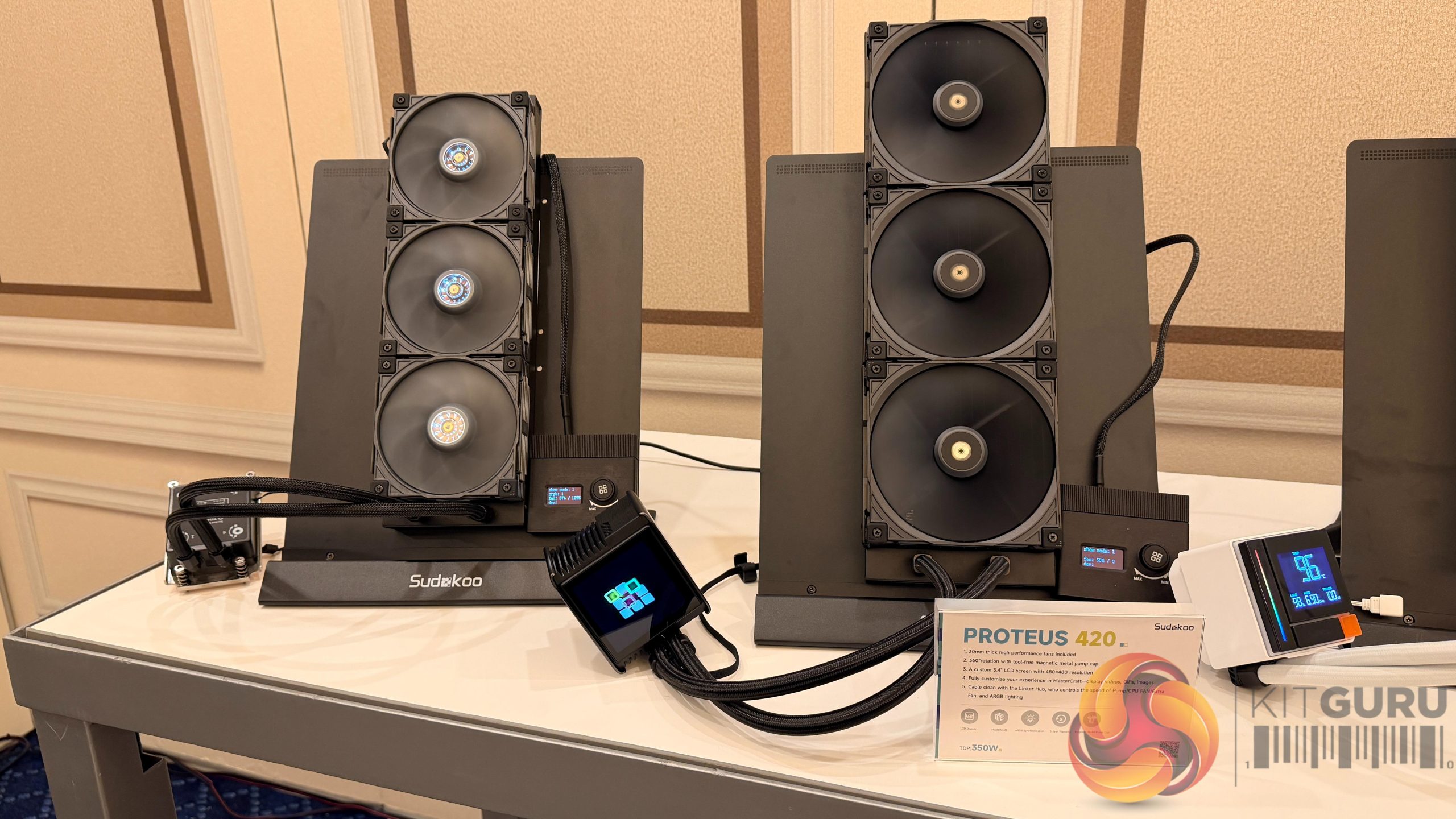
CES 2026: Sudokoo launches full line-up of CPU coolers

7 janvier 2026 à 15:21

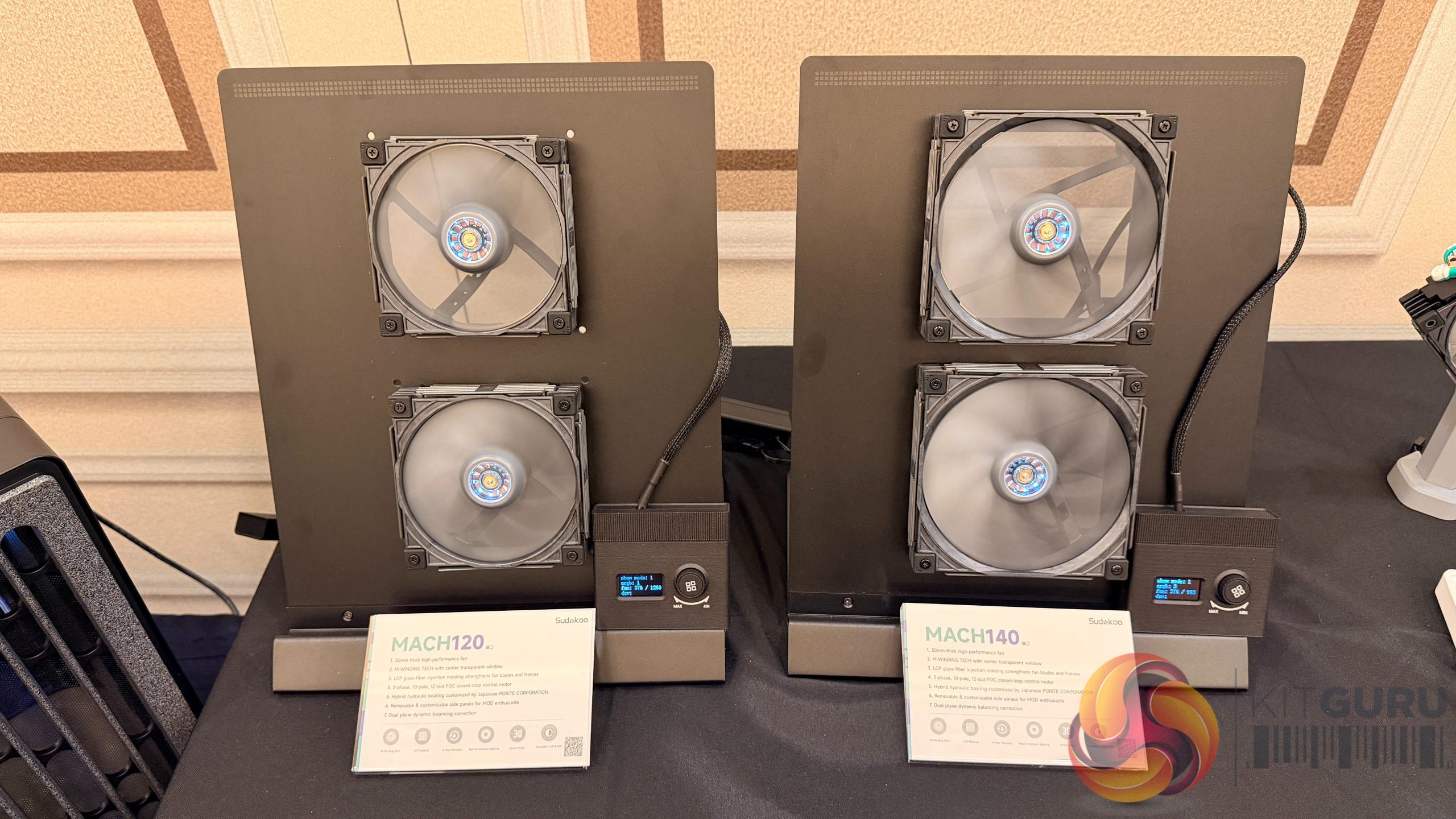
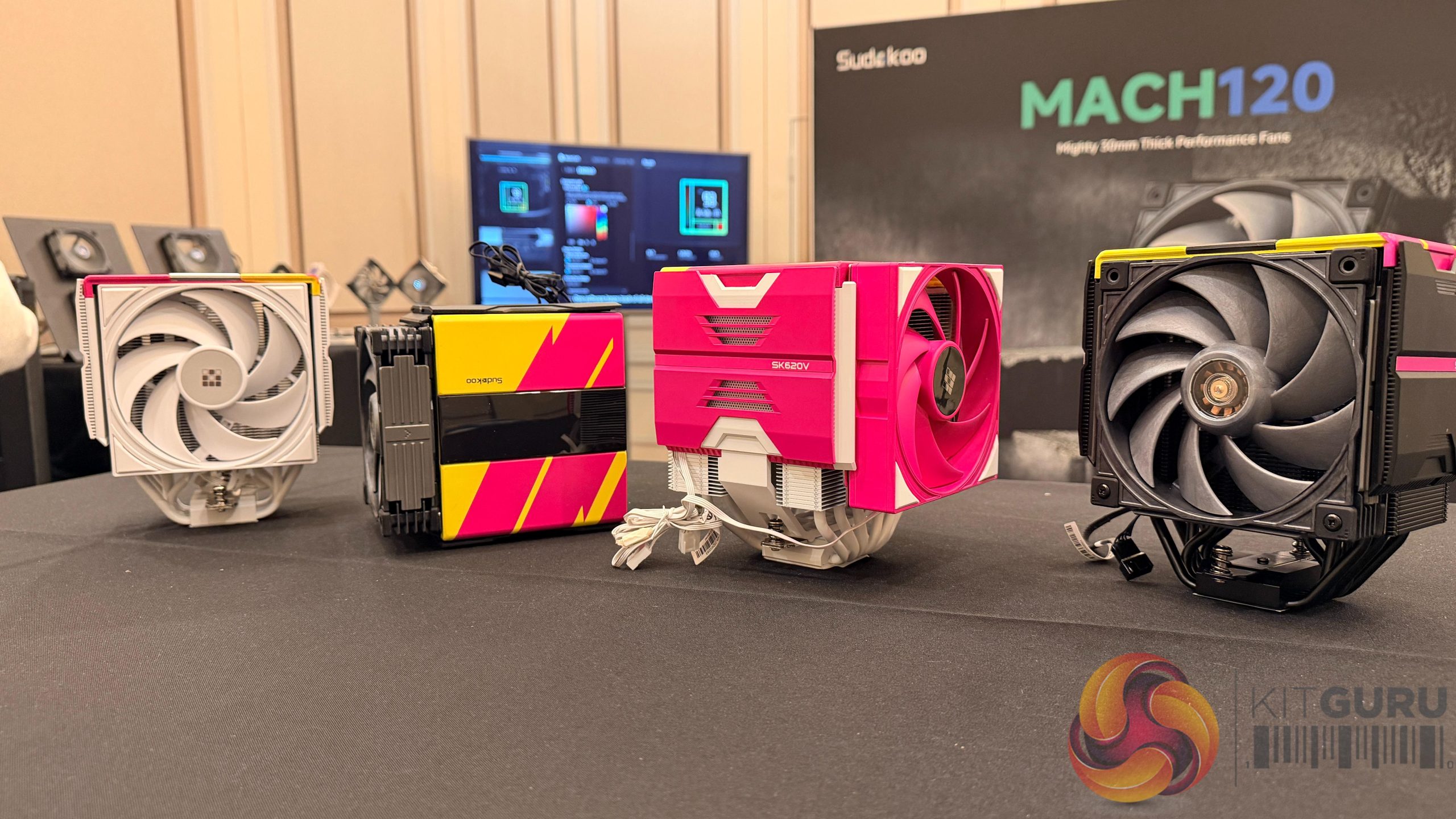
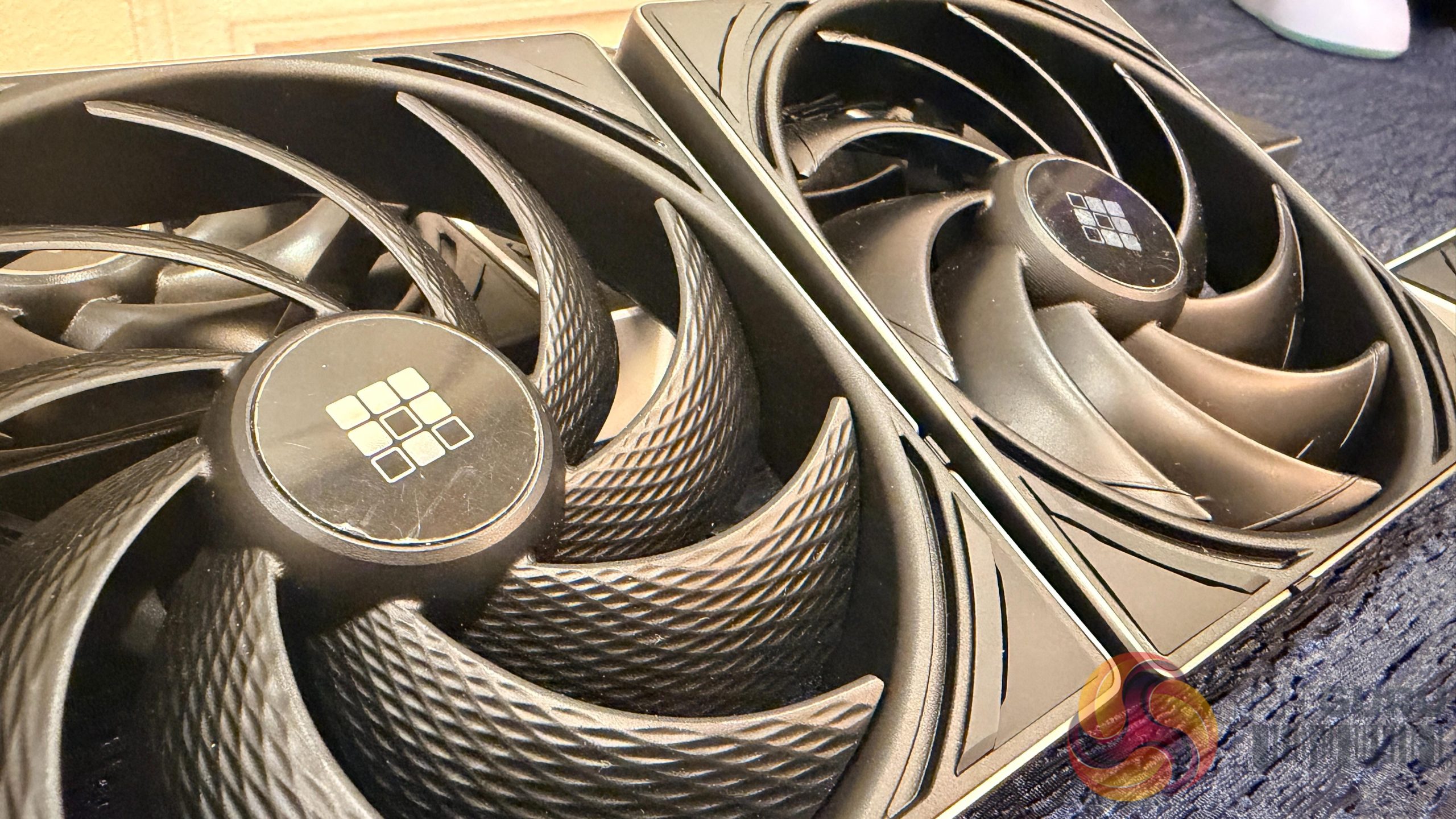
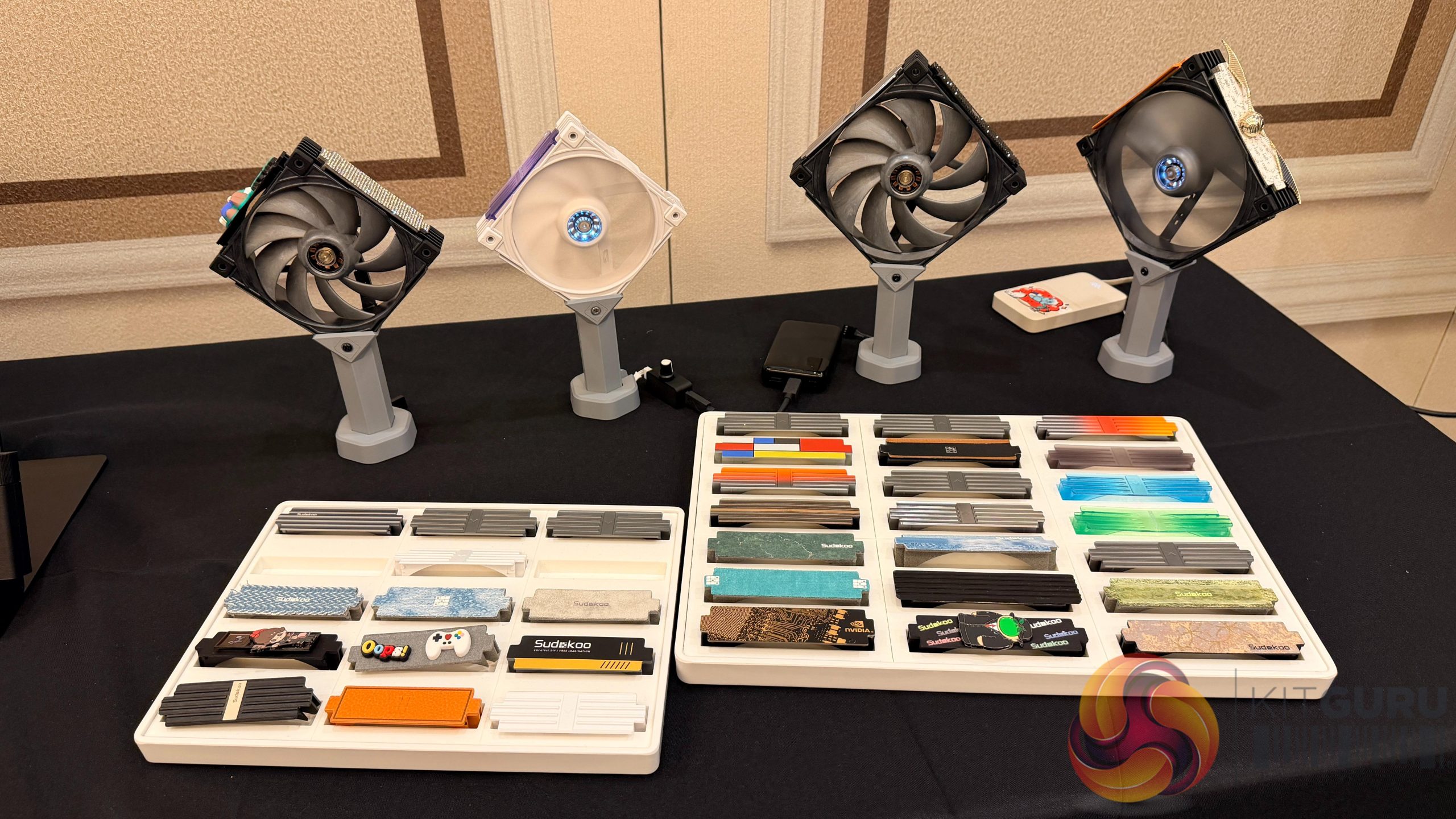
Sudokoo is making its first CES appearance this year, bringing along a host of new CPU coolers, covering both air and AIO units. We stopped by their booth to get a first-hand look at the new range.

Watch via YouTube below:

Timestamps:
00:00 SK700V Mach
00:55 SK600VC
01:18 ST720
01:45 Aetherflex 360
02:16 Energlo 360
03:06 Proteus 420
03:35 Workstation Liquid Cooler
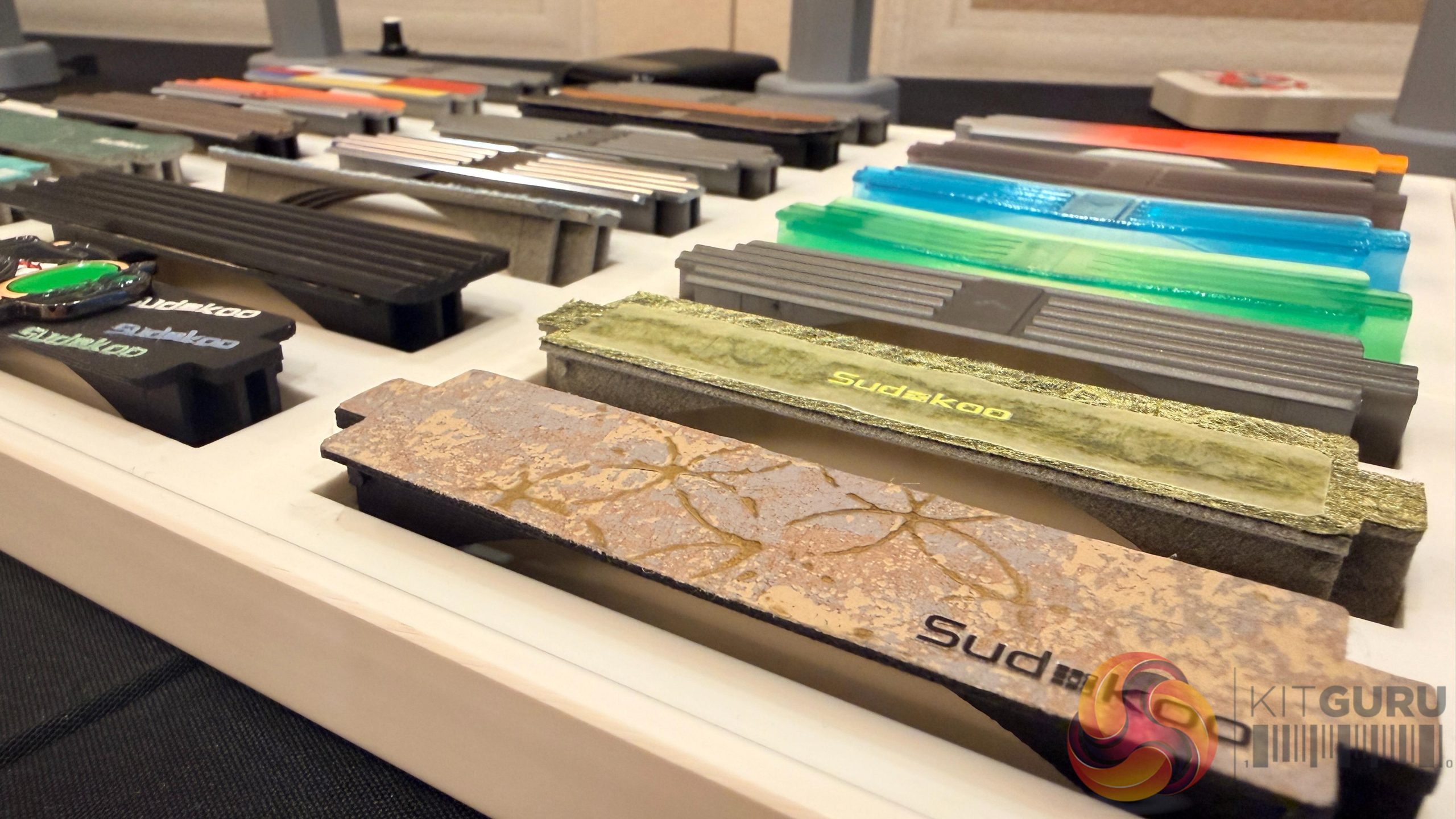
03:51 Fans and Custom options
04:35 Mach 120 and Mach 140 Fans
04:50 Proteus 360 Display
04:58 Modded Aircoolers – coming soon
05:27 Cross section of fans
05:41 Magnetic Astra Fans

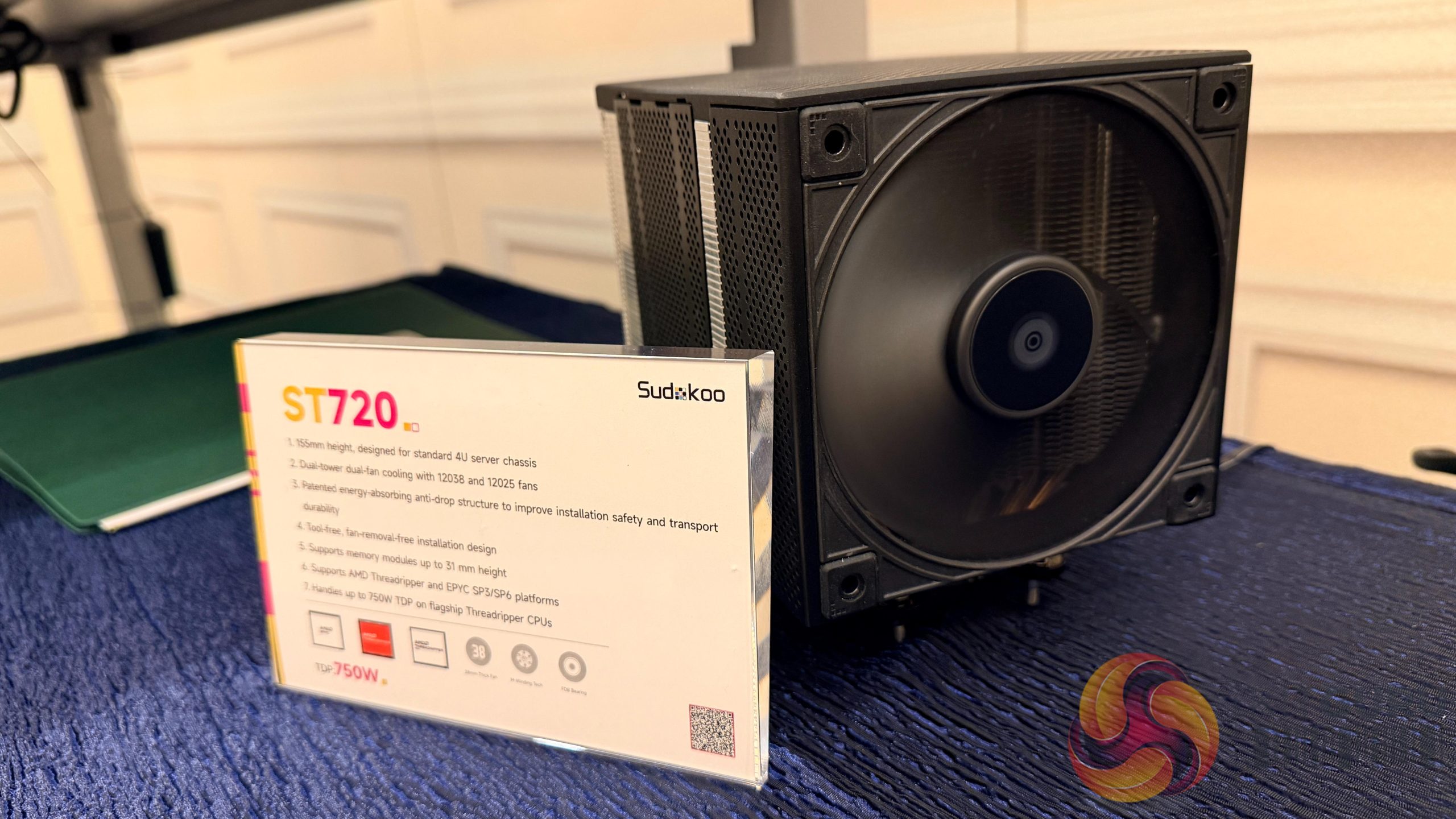
The flagship ST720 is positioned for workstation and server environments where thermal stability and compact dimensions are critical. The cooler supports up to 750W TDP on AMD’s top-end Threadripper processors and is fully compatible with Threadripper and EPYC SP3/SP6 platforms. With a 155mm height, it is sized for standard 4U chassis deployments.

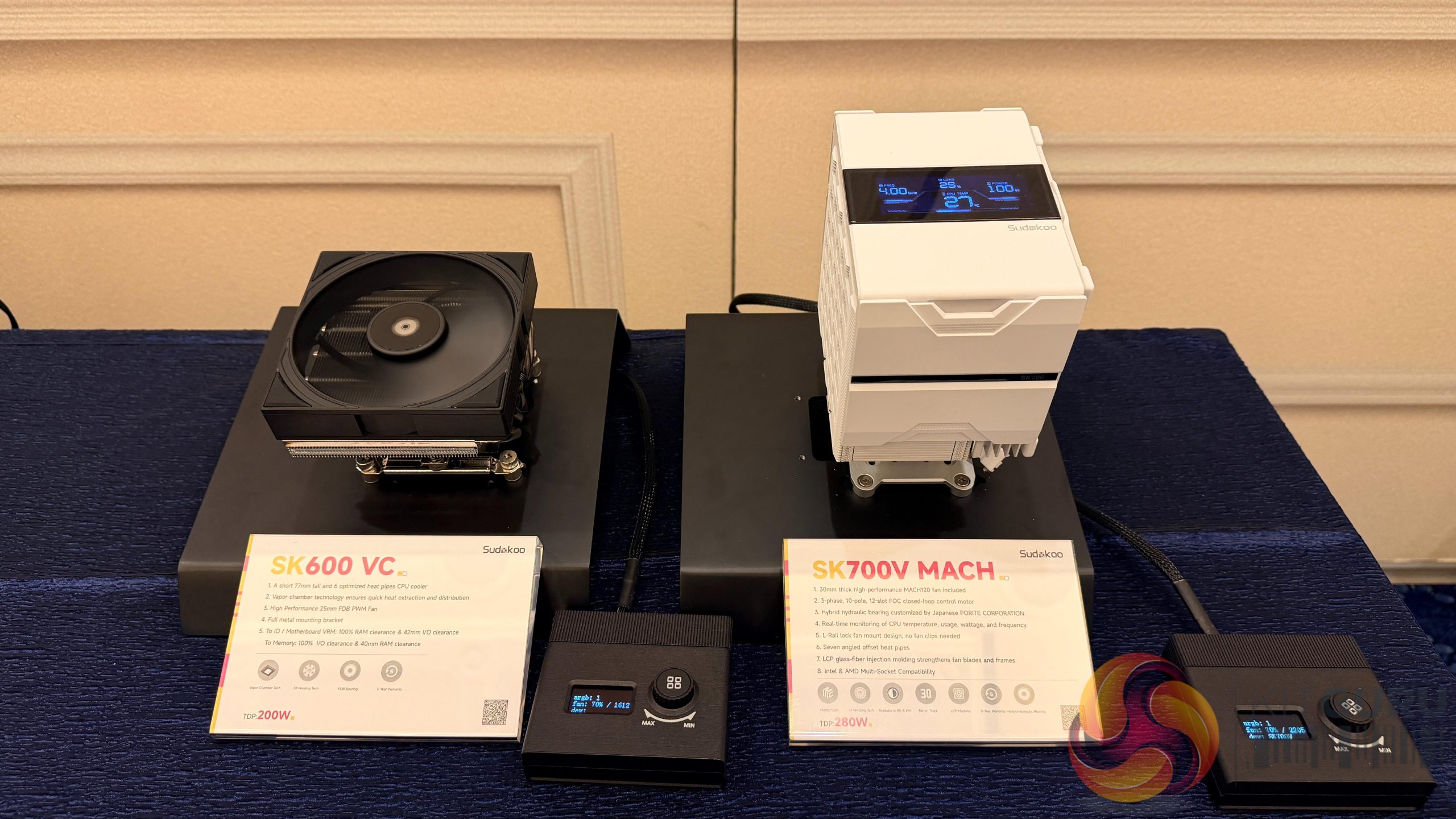
For small‑form‑factor builders, the SK600 VC introduces an ultra‑low‑profile design built around a vapor chamber cold plate and six heat pipes. The cooler stands 77mm tall and uses a 25mm FDB PWM fan, which should give you enough clearance for most RAM sticks on the market.

Enthusiast users are the target for the SK700V MACH, a revised version of the company’s high‑end air cooler. The MACH edition includes a 30mm‑thick MACH120 fan and adopts an L‑Rail lock mounting system intended to eliminate traditional fan clips and simplify installation. Intel and AMD multi‑socket support is included.

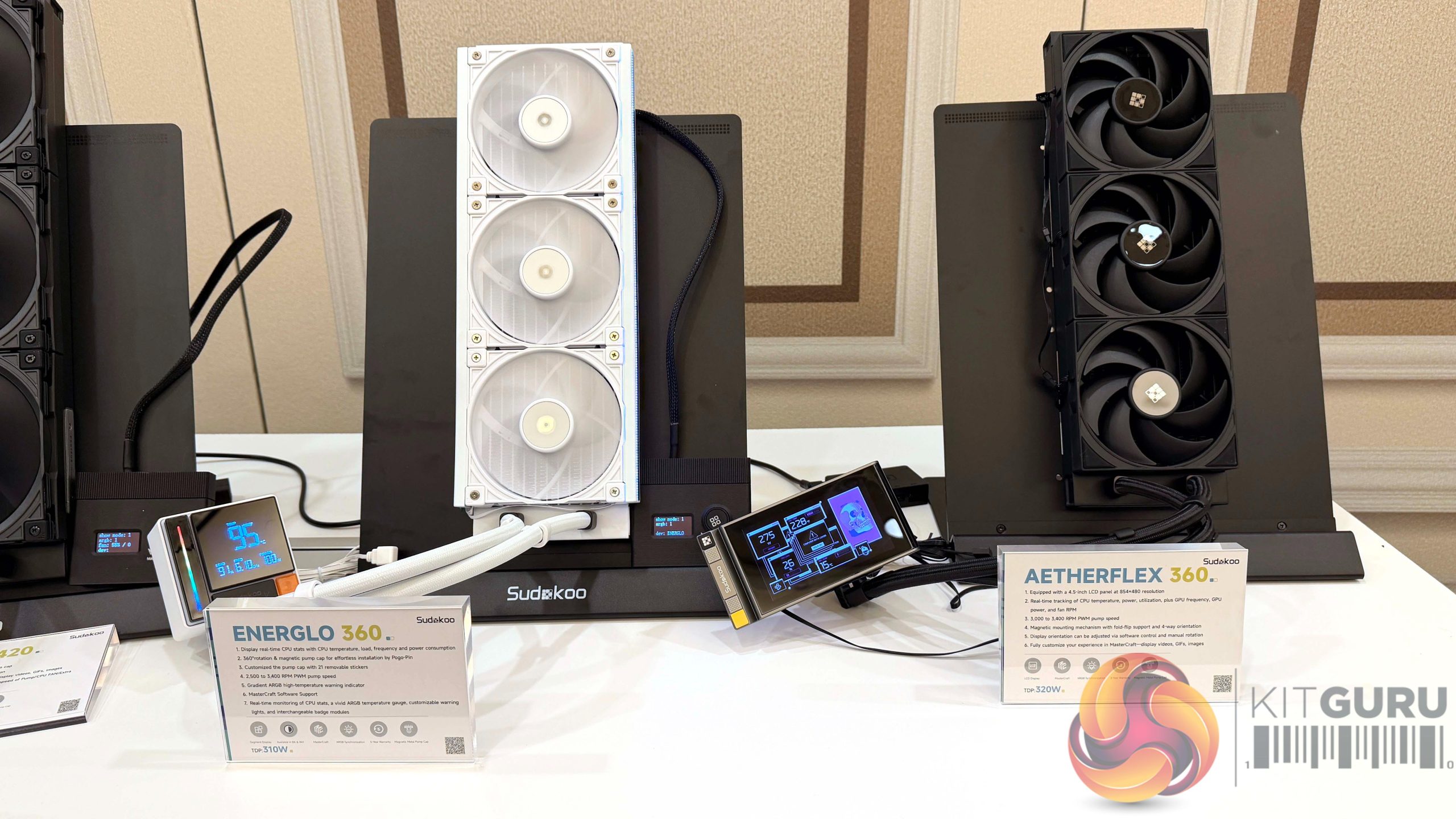
SUDOKOO is also entering the liquid cooling market with the AETHERFLEX 360, a 360mm AIO designed around real‑time system monitoring. The unit features a 4.5‑inch LCD display with an 854×480 resolution panel capable of showing CPU temperature, power and utilisation, along with GPU frequency, GPU power, and fan RPM. The cooler uses a magnetic mounting system with fold‑flip support for easier installation and adjustment.

KitGuru Says: Sudokoo has built out an impressive looking line-up of coolers. We'll look forward to seeing some of these units in action in the months ahead.

The post CES 2026: Sudokoo launches full line-up of CPU coolers first appeared on KitGuru.

January’s Xbox Game Pass line-up include Star Wars Outlaws; RE: Village and more

7 janvier 2026 à 15:00

Twice a month, Microsoft offers an update on their Xbox Game Pass library, announcing which titles will be arriving over the coming weeks and which will be departing. Microsoft has now officially unveiled the first drop of new titles joining Game Pass this January, including but not limited to Atomfall; Rematch; Star Wars Outlaws; Resident Evil Village and more.

Being released in a staggered form, Xbox Game Pass’ line-up for the first half of January 2026 is as follows:

Available now:

  • Brews & Bastards
  • Little Nightmares Enhanced Edition

Arriving on the 7th of January (to the mid-tier Game Pass Premium):

  • Atomfall
  • Lost in Random: The Eternal Die
  • Rematch
  • Warhammer 40,000: Space Marine – Master Crafted Edition 

Game Pass Village

Coming Soon:

  • Final Fantasy (8th Jan)
  • Star Wars Outlaws (13th Jan)
  • My Little Pony: A Zephyr Heights Mystery (15th Jan)
  • Resident Evil Village (20th Jan)
  • Mio: Memories in Orbit (20th Jan)

As mentioned, a number of titles are also set to depart from the service – with the following being removed on the 15th of January:

  • Flintlock The Siege of Dawn
  • Neon White
  • Road 96
  • The Ascent
  • The Grinch Christmas Adventures

Further details on the upcoming games can be found HERE, but all-in-all the first few weeks of January is looking pretty good for Xbox Game Pass – even if many of the biggest titles were already available on GP Ultimate.

KitGuru says: What do you think of January’s line-up so far? Is it worth the price hike? Let us know down below.

The post January’s Xbox Game Pass line-up include Star Wars Outlaws; RE: Village and more first appeared on KitGuru.

Riot Games officially announce console release date for 2XKO

7 janvier 2026 à 14:00

Right at the tail-end of last year, Riot Games seemingly accidentally leaked the official console release date for their new 2v2 fighter 2XKO. Though essentially already known, Riot have now republished the trailer officially confirming that 2XKO is launching on consoles in under two week’s time.

Making the announcement via an official console trailer, the team at Riot Games have once again (but properly this time) unveiled the console release date for 2XKO – with the free-to-play fighter arriving on the 20th of January alongside the game’s first Season.

As mentioned, 2XKO is a 2v2 fighter set in the world of League of Legends. Officially released back in September on PC, the game currently features a total of 11 playable characters, with more coming during the aforementioned Season 1.

As of now, the list of champions includes the following:

  • Ahri
  • Blitzcrank
  • Braum
  • Darius
  • Ekko
  • Illaoi
  • Jinx
  • Teemo
  • Vi
  • Warwick
  • Yasuo

Developing a fighting game is no easy task, and while early reactions to the PC version have been positive, we will have to wait and see what console players think of the game when it arrives in less than two weeks’ time.

KitGuru says: Are you looking forward to the console release? Have you tried it on PC yet? Which characters do you hope are added early on in its post-launch life? Let us know down below.

The post Riot Games officially announce console release date for 2XKO first appeared on KitGuru.

CES 2026: Intel launches 18A ‘Panther Lake’ Core Ultra 3 CPUs

7 janvier 2026 à 12:07

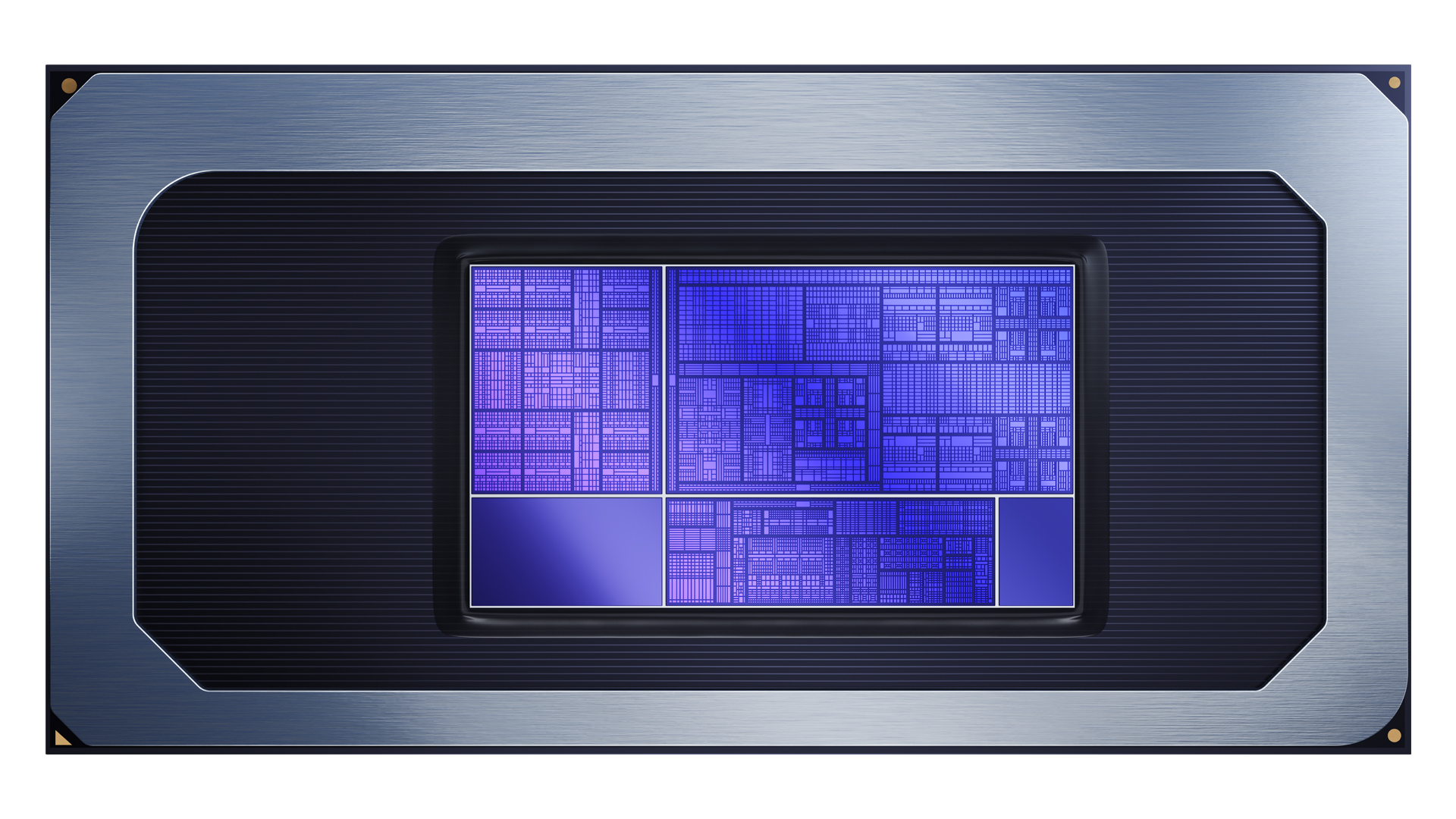
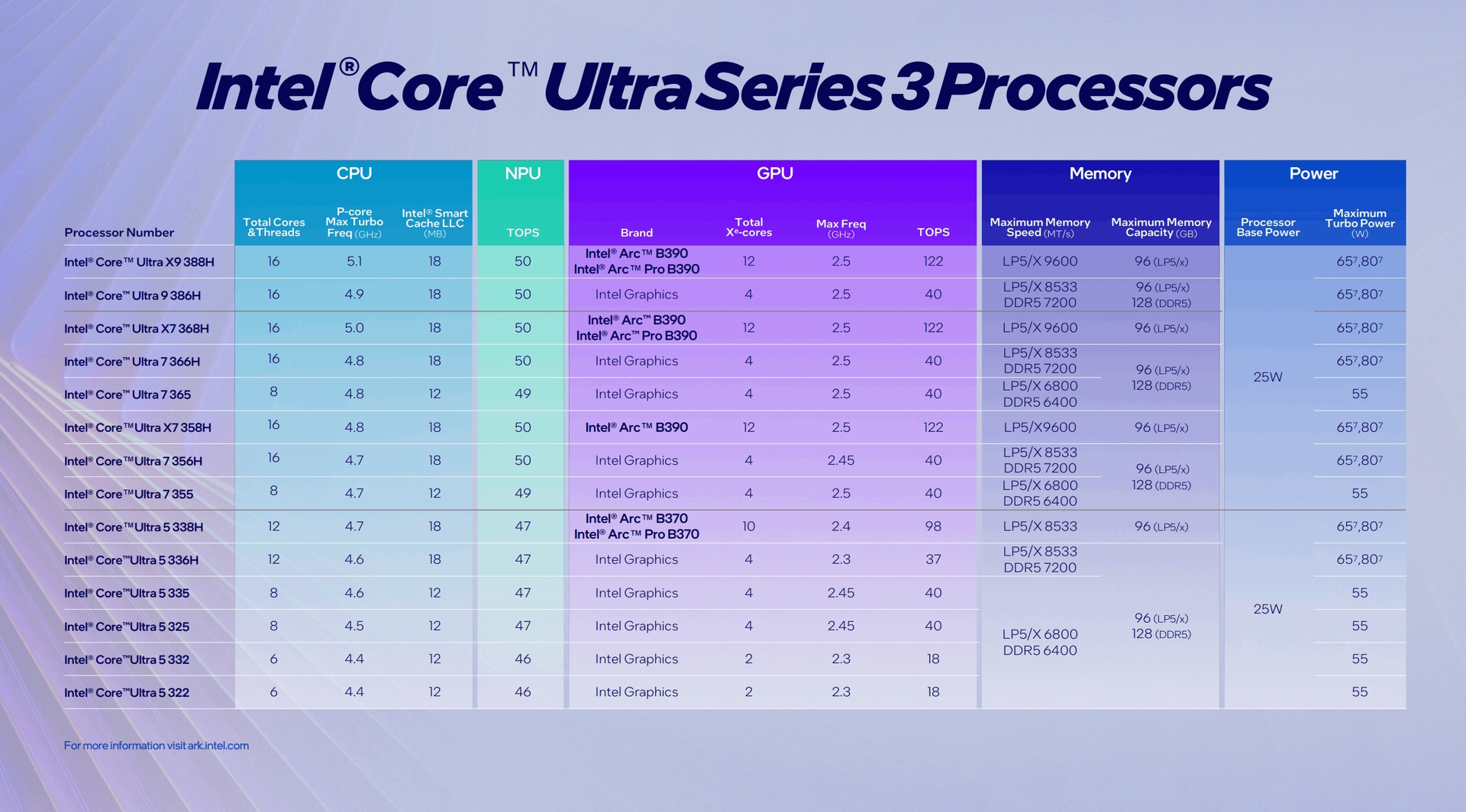
Intel has officially launched its third-generation Core Ultra mobile processors at CES 2026, marking the long-awaited debut of its Intel 18A process technology. Also known as Panther Lake, the Core Ultra Series 3 is the first compute platform designed and manufactured entirely in the US using 18A silicon. With a focus on mobile efficiency and integrated graphics, Intel is claiming a 76% uplift in gaming performance and a 60% improvement in multithreaded performance over the previous generation.

The Core Ultra Series 3 lineup introduces a new naming convention. The flagship Intel Core Ultra X9 388H and Ultra X7 models feature a dedicated “X” prefix, denoting the inclusion of the new Arc B‑series integrated GPU. Built on the Xe3 architecture (derived from the upcoming Battlemage desktop series), the top-tier B390 iGPU includes 12 Xe-cores and is reportedly capable of matching the performance of a discrete Nvidia RTX 4050 laptop GPU. To further boost frame rates, these integrated graphics support XeSS 3, which incorporates AI-driven multi-frame generation similar to DLSS 4.

Architecturally, Panther Lake features a multi-tile design. The compute tile, built on the 18A node, introduces a new core configuration with up to four Cougar Cove P-cores, eight Darkmont E-cores, and four low-power Darkmont E-cores. Despite a lower P-core count than the previous generation, Intel claims that architectural refinements and the die shrink deliver a 60% improvement in multithreaded performance at 25W. The NPU has also been upgraded to the NPU 5 architecture, delivering 50 standalone TOPS for local AI tasks and meeting the requirements of Microsoft’s latest Copilot+ PC standards.

For the first time, these processors are certified for 24/7 reliability across a temperature range from -40°C to 100°C. In robotics and video analytics workloads, Intel says the integrated AI acceleration offers a significant total cost of ownership (TCO) advantage, delivering up to 4.5× higher throughput on vision language models (VLMs) compared to traditional CPU-plus-discrete-GPU configurations. Intel also claims these chips can offer up to 27 hours of battery life.

Laptops powered by the Intel Core Ultra Series 3 are available for pre-order now. Global retail availability is scheduled for January 27th, 2026, with more than 200 designs from partners including MSI, Lenovo, and ASUS expected to reach the market in the first half of the year.

KitGuru says: Intel's 18A node is finally here, and on paper, Panther Lake looks very competitive. It will be interesting to put these chips to the test in the months ahead. 

The post CES 2026: Intel launches 18A ‘Panther Lake’ Core Ultra 3 CPUs first appeared on KitGuru.

CES 2026: Acer debuts 1000Hz monitor, new Predator laptops

7 janvier 2026 à 11:26

Today at CES, we stopped by to visit Acer to get a look at a wide range of both gaming and productivity-focused gear. This includes the new Predator XB273U F6, an ultra fast QHD gaming monitor that can hit a peak refresh rate of 1000Hz, as well as new laptops, projectors and more.

Watch via YouTube below:

Timestamps:
00:00 laptops, laptops and more laptops
00:20 Helios NEO 165 AI (INTEL)
00:38 Nitro V 165 AI (INTEL)
01:02 Nitro V 16 AI (AMD)
01:20 Predator XB273U F6
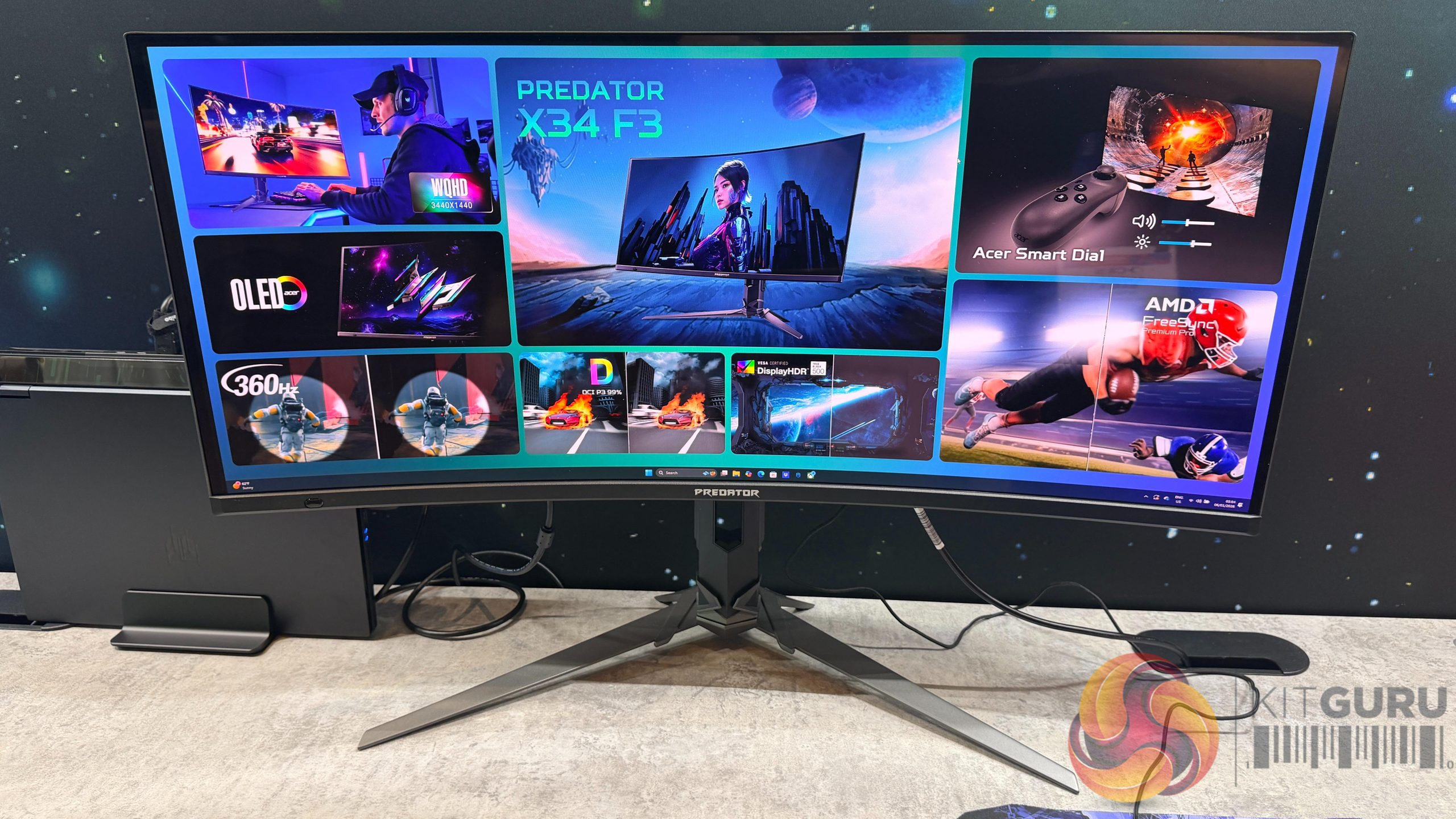
01:38 Predator X34 F3
01:50 Acer Nitro 30
02:03 Some more laptops
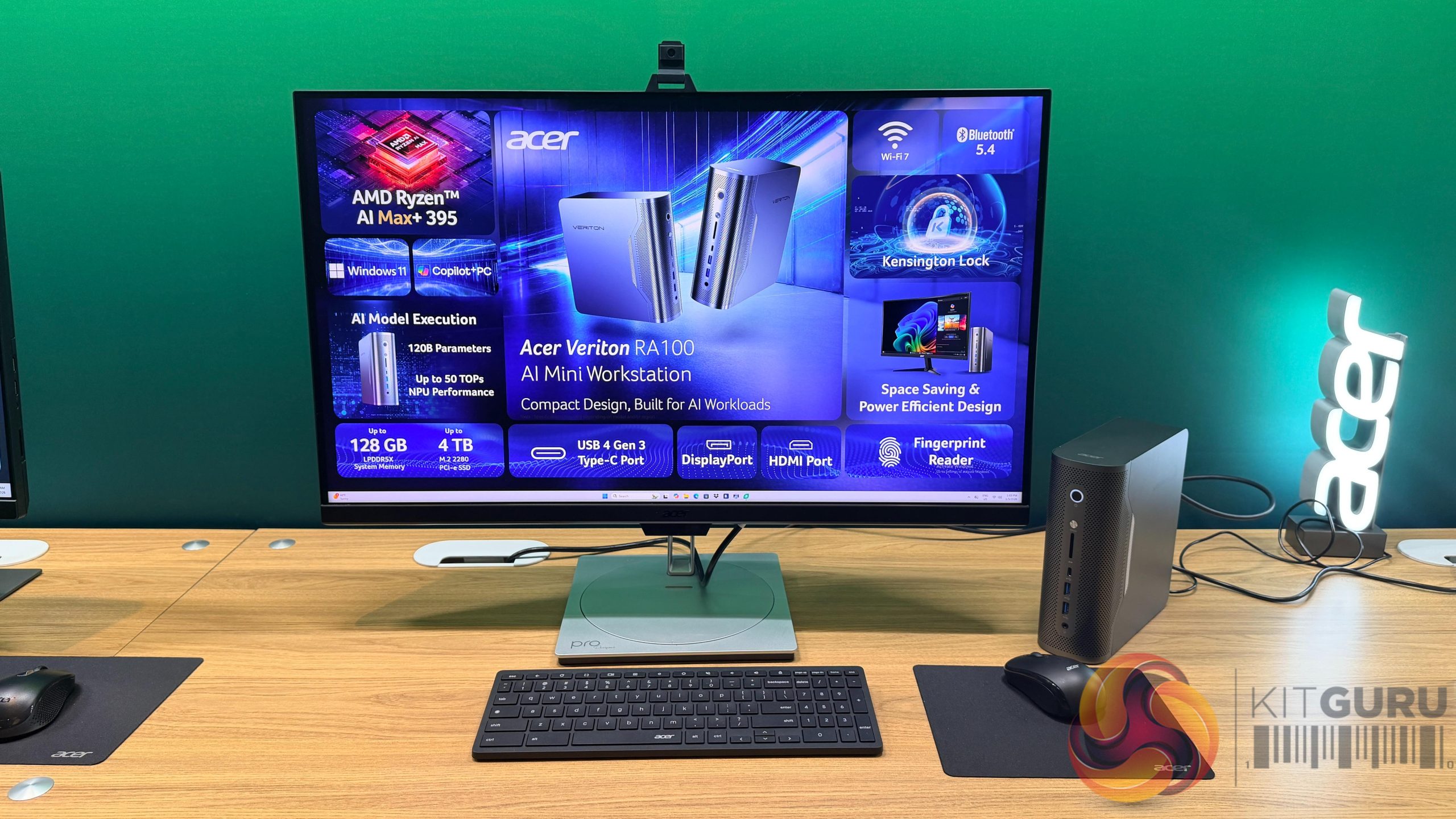
03:25 Veriton RA100 Ai Mini Workstation
03:44 ProDesigner PE320QX
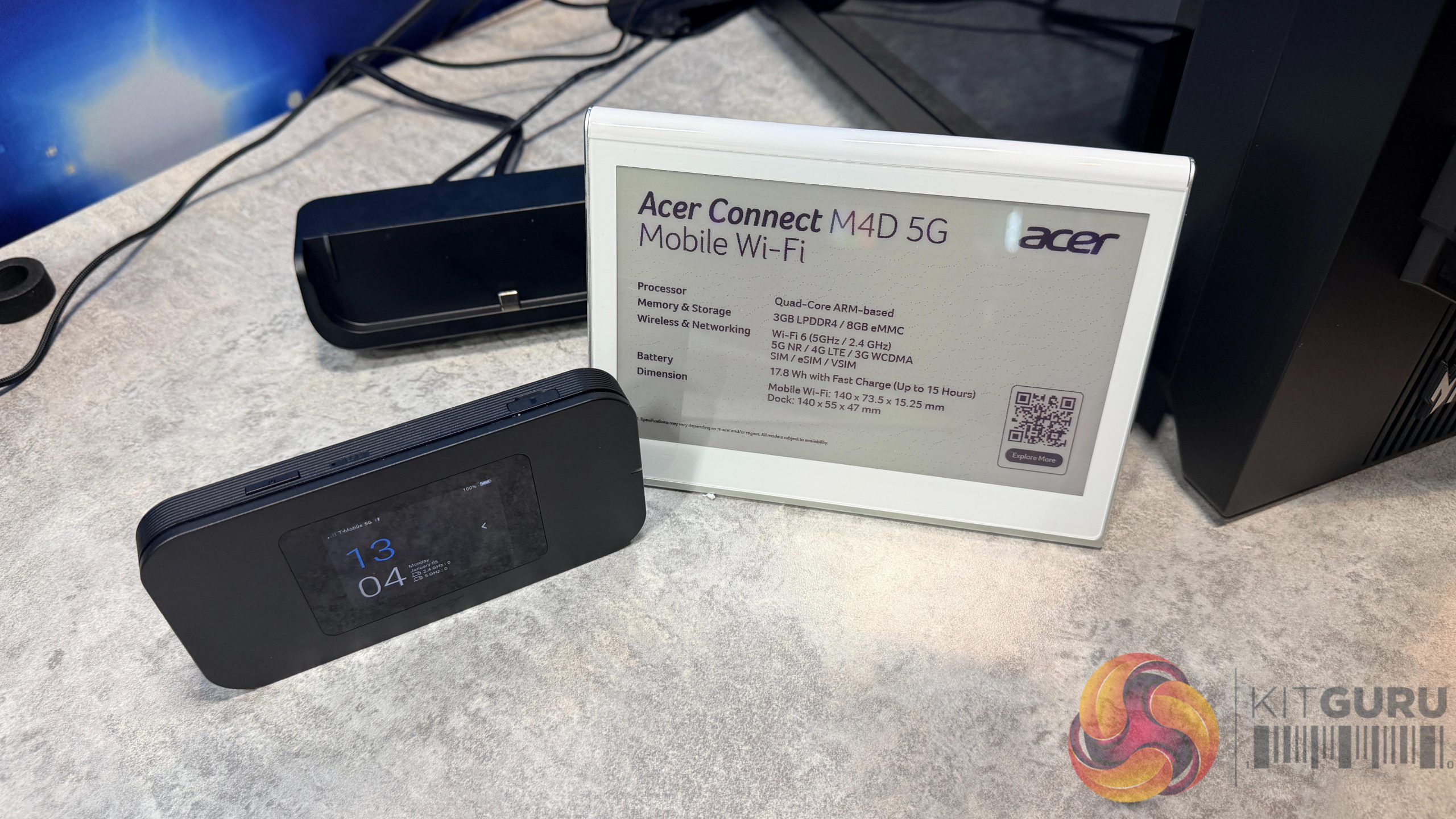
03:55 Connect M4D 5G Mobile WiFi
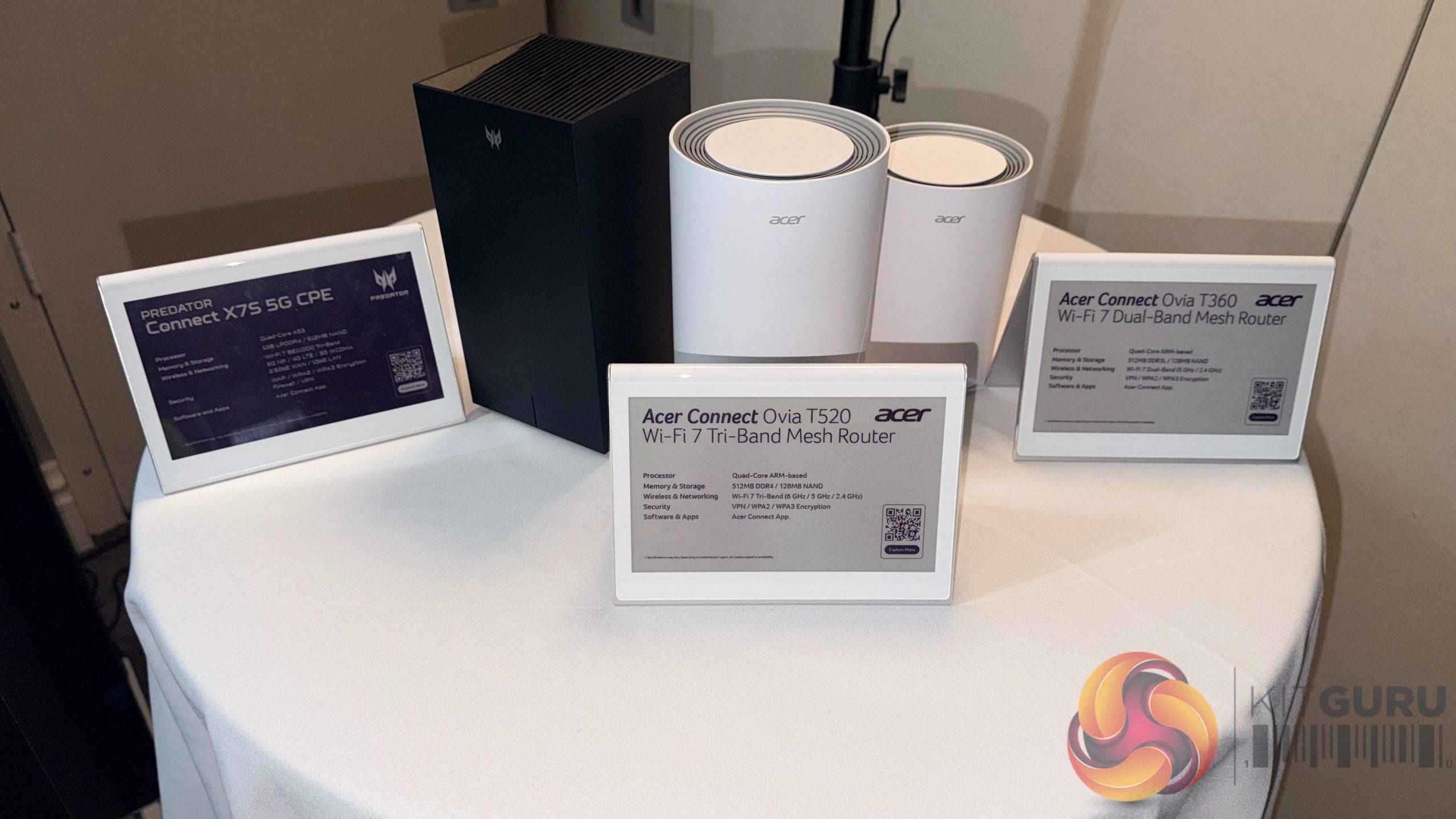
04:28 Connect X75 5G CPE and routers

Acer’s CES presence this year puts a strong emphasis on displays, starting with a trio of high‑refresh gaming monitors and a new 6K creator panel. The Predator XB273U F6 leads the group, a 27‑inch QHD IPS monitor that runs at 500Hz natively and can reach 1000Hz through its Dynamic Frequency and Resolution mode. It’s aimed squarely at competitive players, backed by AMD FreeSync Premium, factory‑calibrated color, and full ergonomic adjustment.

The curved Predator X34 F3 showcases Acer’s QD‑OLED implementation at 360Hz, delivering deep contrast, a 0.03ms response time, and FreeSync Premium Pro support. For users who split time between gaming and creative work, the Nitro XV270X P offers a 5K/165Hz mode alongside a 1440p/330Hz option. Acer is also showing the ProDesigner PE320QX, a 31.5‑inch 6K display with HDR600, wide‑gamut coverage, USB4 connectivity, and a Reflection‑Free coating designed for studio environments.

Another highlight of the display section is the Vero HL1820, a 4K RGB laser projector built around color accuracy and long‑term efficiency. It outputs 5500 lumens, covers 106% of BT.2020, supports 1080p/240Hz gaming, and uses a mercury‑free laser engine rated for up to 30,000 hours.

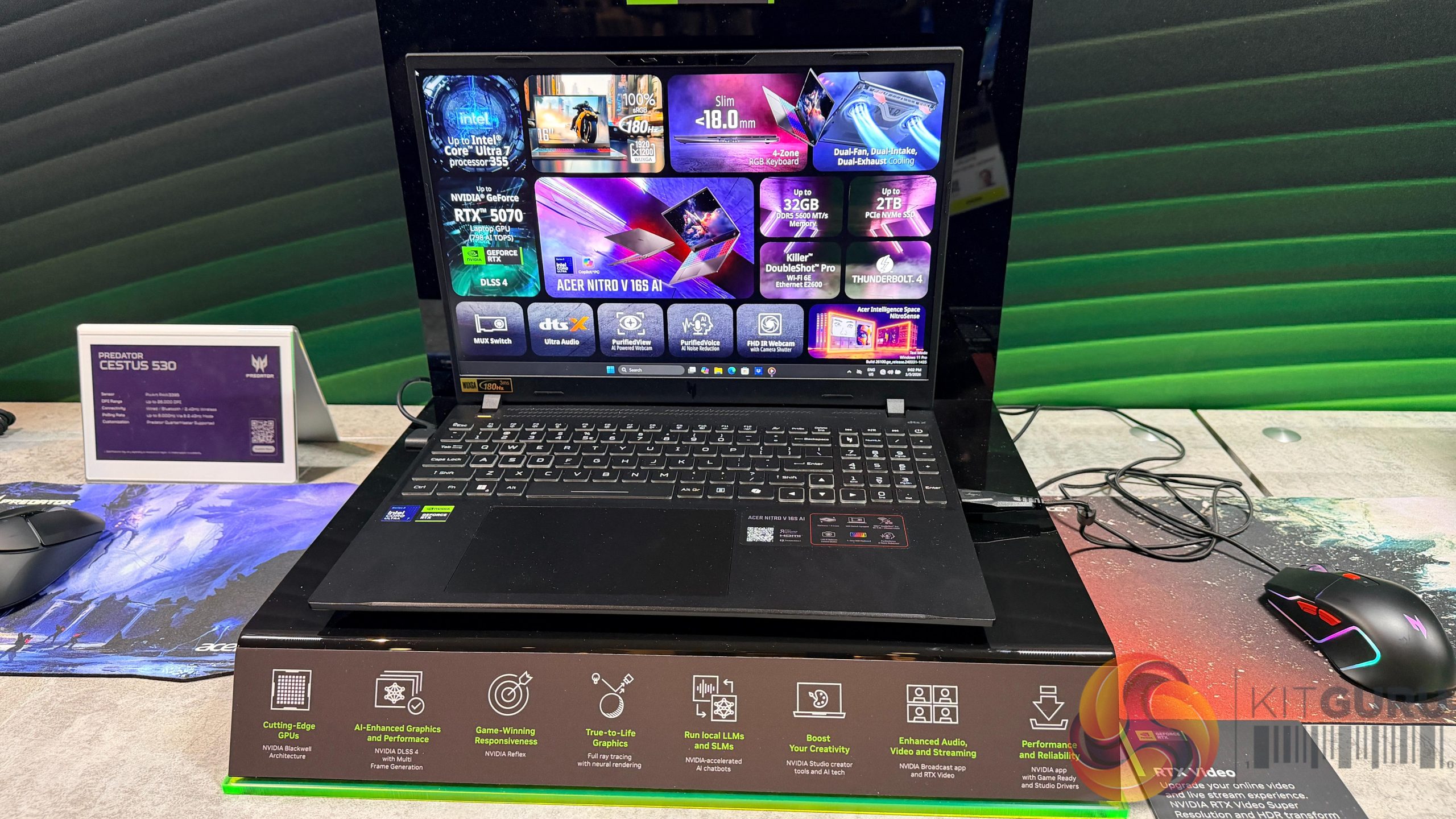
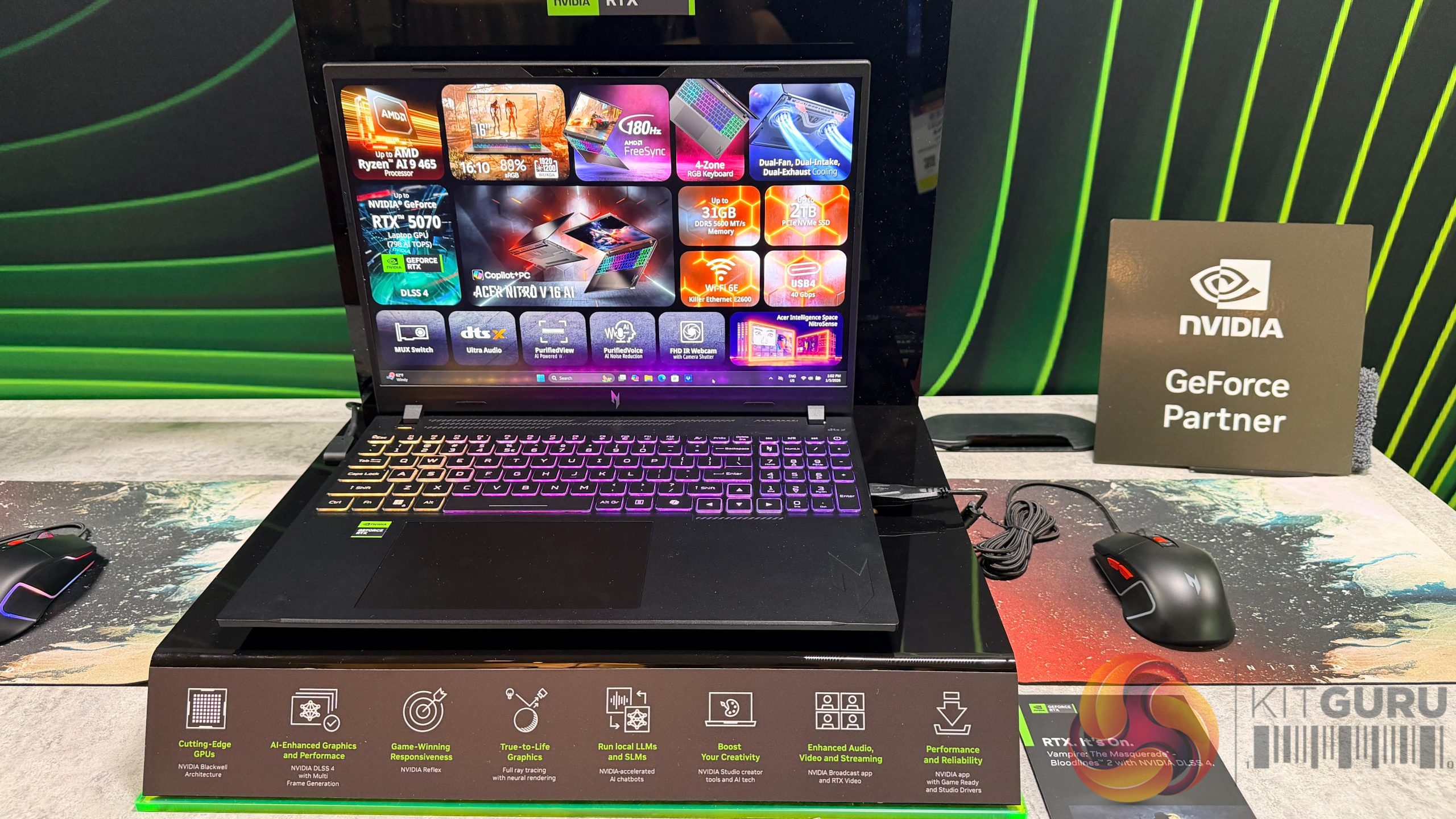
The company’s gaming laptop lineup is moving to Intel’s new Core Ultra Series 3 processors and NVIDIA’s GeForce RTX 50‑series GPUs. The Predator Helios Neo 16S AI sits at the top, pairing up to a Core Ultra 9 386H with an RTX 5070 Laptop GPU inside an 18.9mm metal chassis. The model on display features a 16‑inch WQXGA OLED panel, liquid metal cooling, and support for up to 64GB of DDR5 memory. The Nitro V 16 AI and Nitro V 16S AI serve as more accessible options, both offering up to a Core Ultra 7 355 and RTX 5070 Laptop GPU, with the 16S model slimming down to under 17.9mm. All three systems support Acer Intelligence Space and Copilot+ PC features on Windows 11, with on‑device NPUs accelerating tasks like Live Captions and image generation.

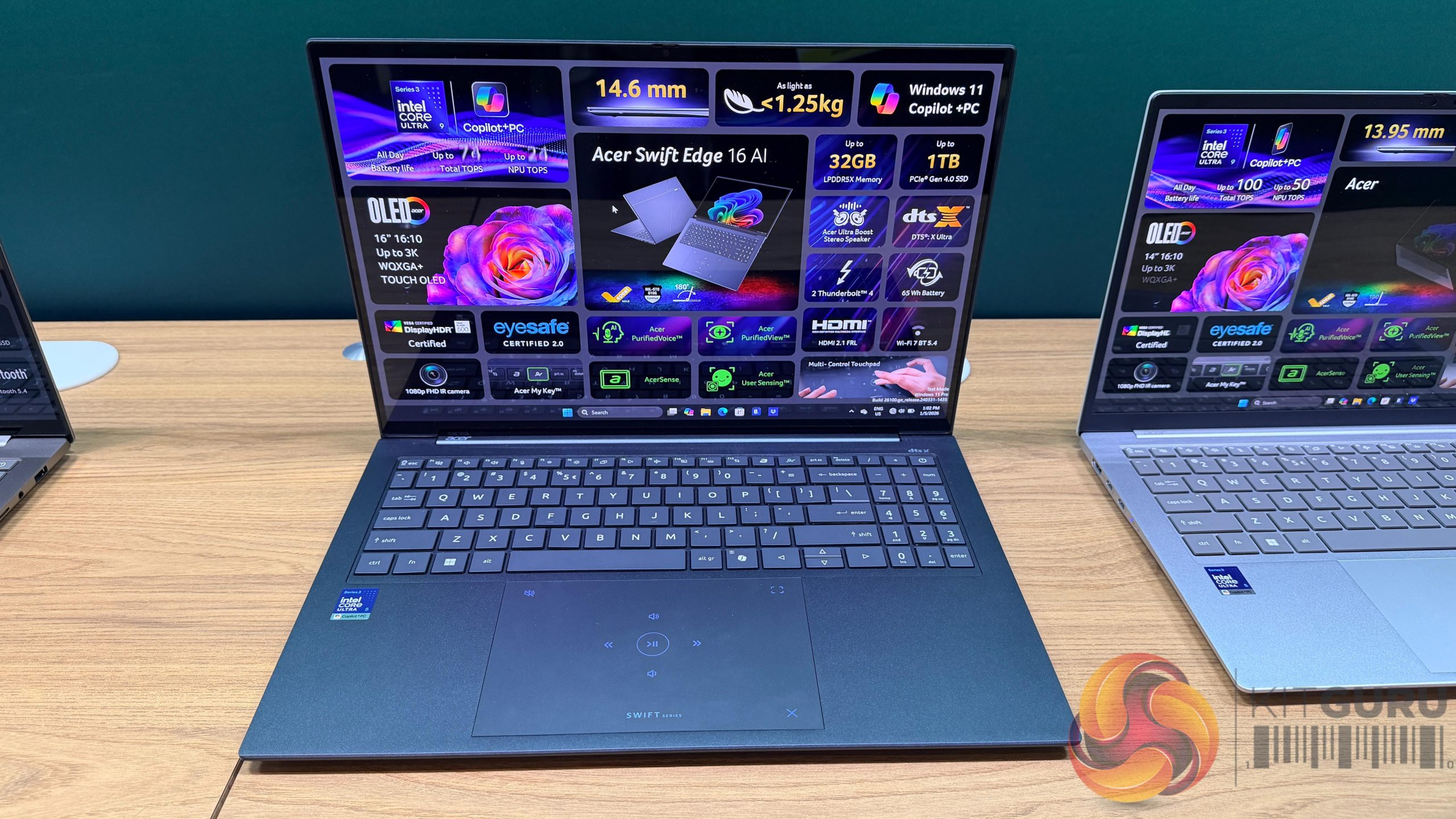
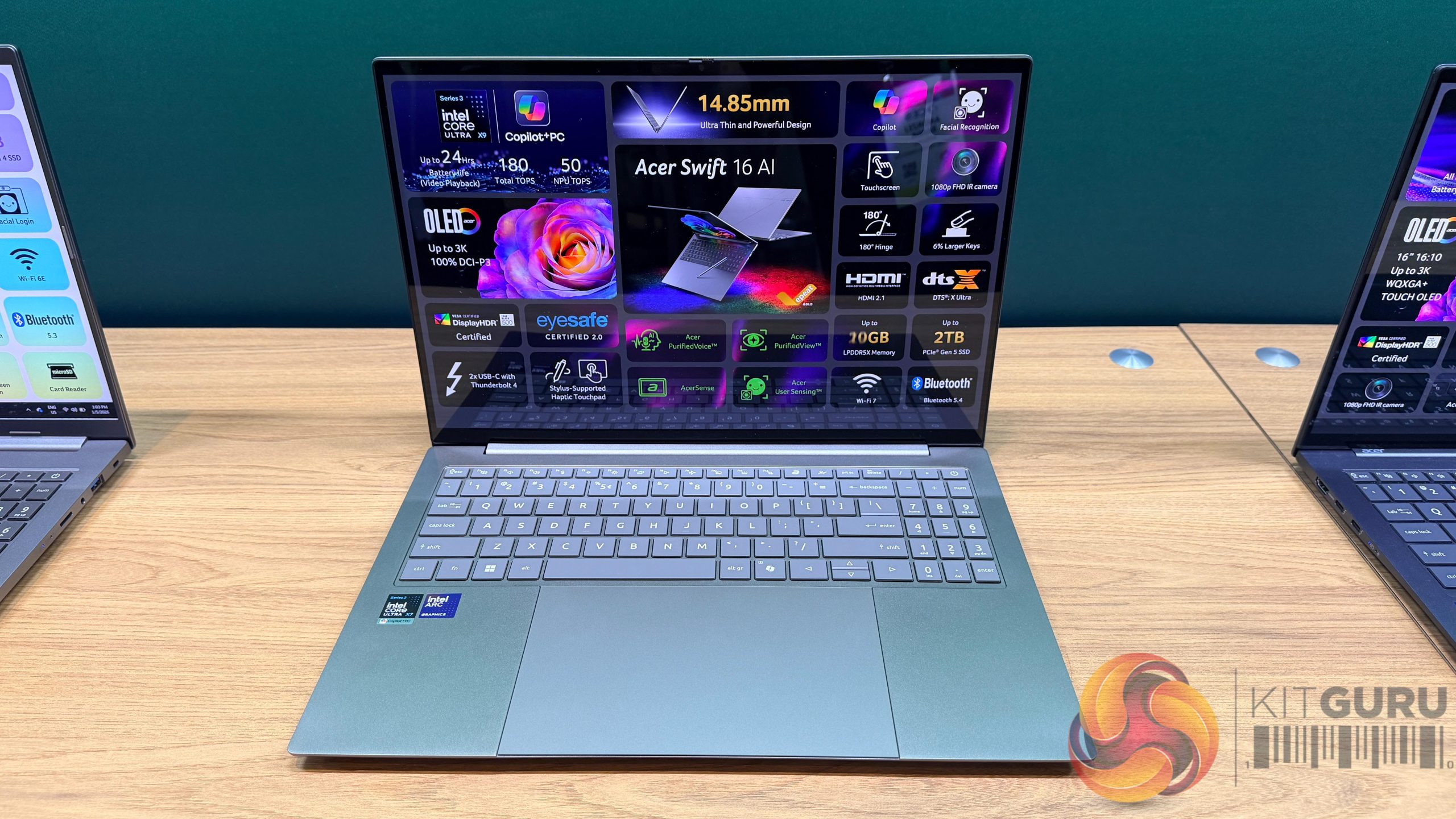
Acer’s broader AI‑focused notebook strategy is represented by the new Swift AI series. The Swift 16 AI is the flagship, built from aluminum and powered by up to an Intel Core Ultra X9 388H with integrated Arc B390 graphics. Acer is showcasing its unusually large haptic touchpad, which supports stylus input and is designed for direct interaction with AI‑driven creative tools. The laptop features a 16‑inch 3K OLED 120Hz touch display and DTS:X Ultra speakers.

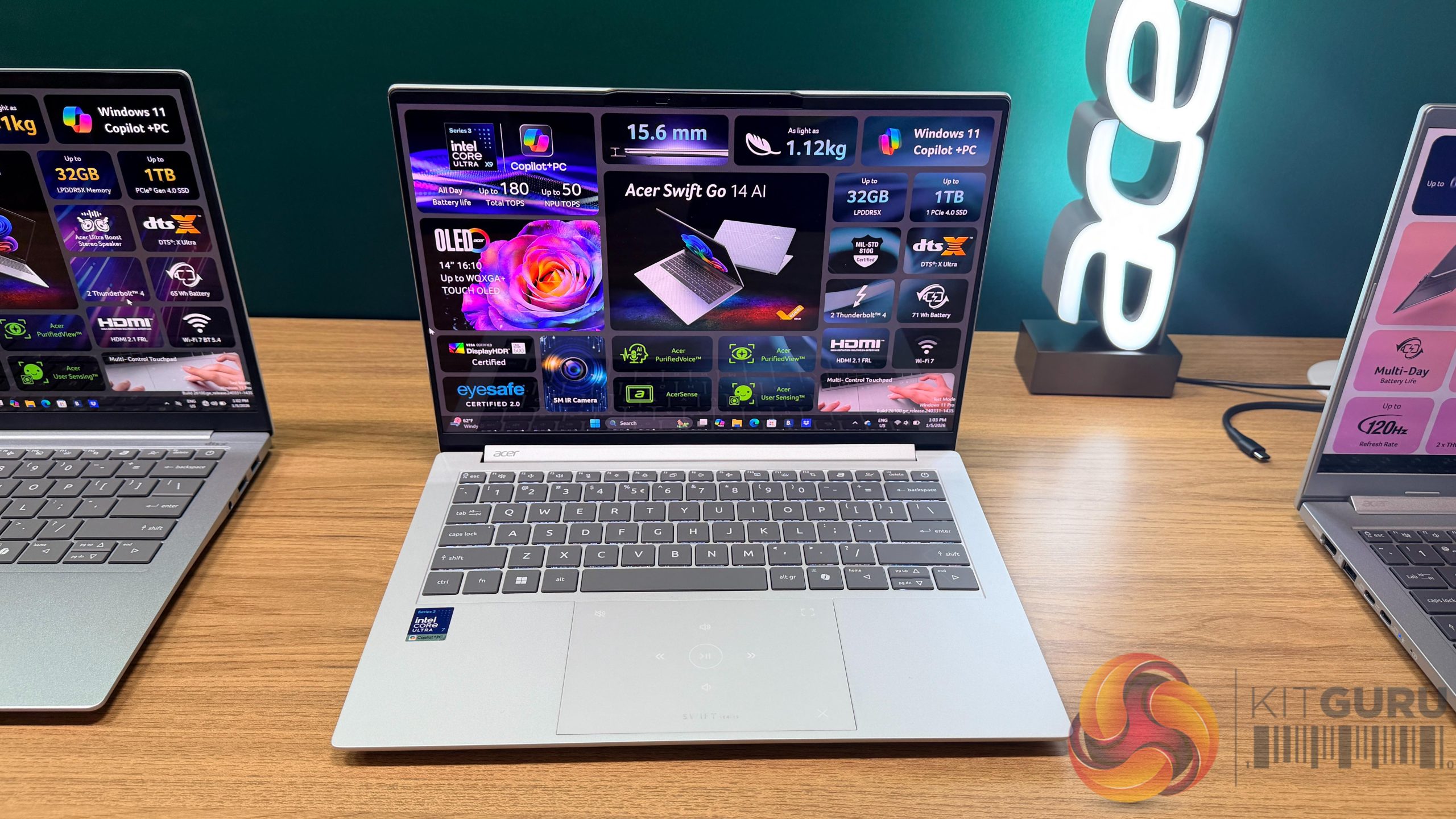
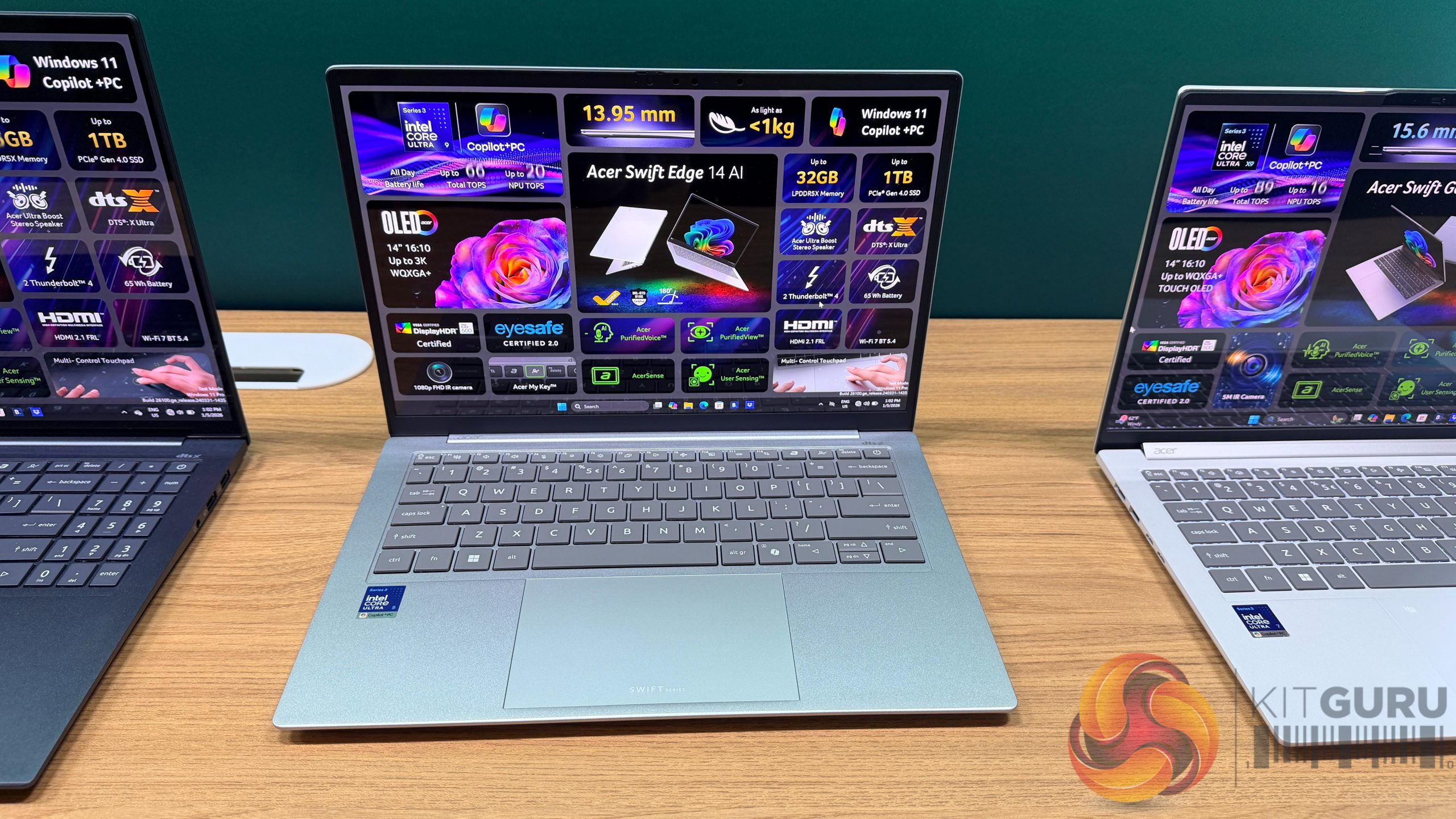
The Swift Edge 14 and 16 AI models emphasise portability, with the 14‑inch version weighing under 1kg while still offering up to a Core Ultra 9 386H, 3K OLED display options, Wi‑Fi 7, and MIL‑STD durability. The Swift Go 14 and 16 AI models round out the lineup with more mainstream pricing but similar hardware options, including OLED displays, 180‑degree hinges, and 5MP IR webcams.

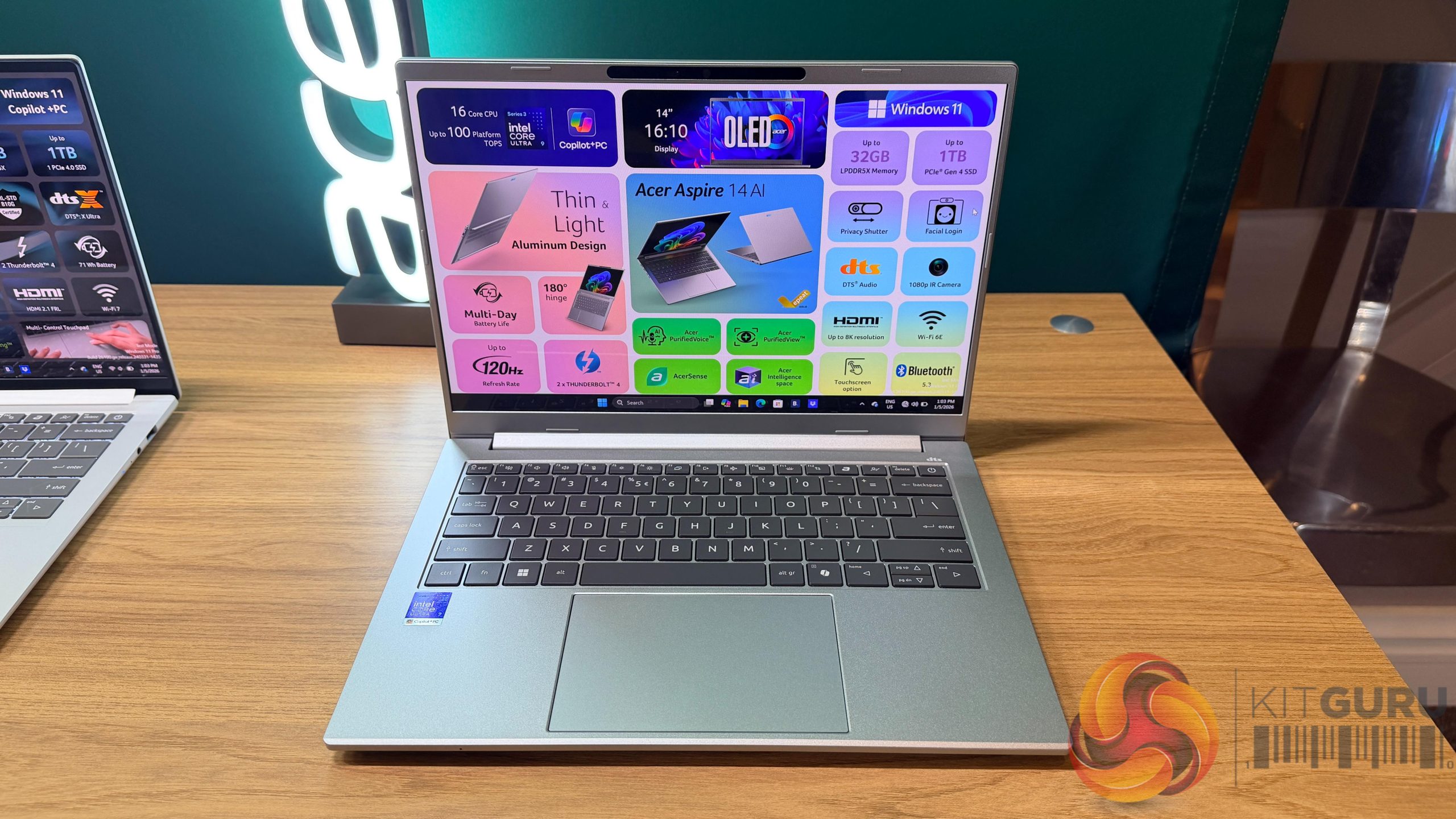
Acer is also updating its Aspire line for 2026 with the Aspire 14 AI and Aspire 16 AI. Both run up to a Core Ultra 9 386H, support up to 32GB of memory and 2TB of PCIe Gen 4 storage, and offer WUXGA displays up to 120Hz with optional OLED panels. The designs remain thin and light with 180‑degree hinges, large touchpads, and a full set of ports including Thunderbolt 4 and HDMI 2.1. Acer’s AI‑powered features like PurifiedVoice, PurifiedView, AcerSense, and the customisable My Key are included across the range.

Discuss on our Facebook page, HERE.

KitGuru Says: Acer had a lot of products launching at CES this week. We'll see all of these monitors and laptops rolling out to the retail market in the coming months.

The post CES 2026: Acer debuts 1000Hz monitor, new Predator laptops first appeared on KitGuru.

Corsair Fuses Stream Deck Into New Galleon 100 SD Mechanical Gaming Keyboard

7 janvier 2026 à 15:00
Corsair Fuses Stream Deck Into New Galleon 100 SD Mechanical Gaming Keyboard Why buy a mechanical gaming keyboard and Stream Deck separately when you can have them both in the same package? The easy answer is because an integrated all-in-one solution was never a solution...until now. Announced at CES 2026, Corsair's new Galleon SD 100 is a full-size mechanical deck for gamers with a built-in Stream Deck situated where
❌