Google DeepMind's Project Genie is a research prototype that allows users to "create, explore, and remix their own interactive worlds" based on text or image prompts. Regardless of what is used to generate the world, controls are limited to WASD, arrow keys, and the space bar, and the output will be capped to 720p resolution and 24 FPS, but
AMD’s next‑generation “Zen 6” microarchitecture may bring some notable changes, according to a new rumour shared by leaker HXL (via VideoCardz). The post claims AMD is considering increasing the core density of its standard CPU Complex Die (CCD) for the first time, moving from the long‑standing 8‑core layout to a 12‑core configuration. The same rumour also mentions a shift to TSMC’s latest process node and a larger L3 cache per CCD.
HXL claims that the new Zen 6 CCDs are full-performance cores designed to maintain high clock speeds, effectively giving the mainstream AM5 platform a 50% boost in multi-core processing power per chiplet. HXL also claims that the increased core count would be enabled by higher transistor density from TSMC’s rumoured N2 (2nm) process.
Cache capacity is also part of the rumour. The L3 cache per CCD is said to increase from 32MB to 48MB, and when paired with a stacked 96MB V‑Cache layer, a single Zen 6 CCD could reach 144MB of L3 cache. Under this scenario, a dual‑CCD, 24‑core CPU might offer up to 288MB of total L3 cache. None of these numbers have been verified by AMD.
KitGuru says: A move to a 12‑core CCD would be a major shift. If AMD were to release a single‑CCD, 12‑core X3D model, it could avoid the scheduling quirks seen on dual‑CCD parts like the 7950X3D while offering more cores than today’s 8‑core gaming‑focused chips. For now, though, all Zen 6 details should be treated as unconfirmed.
We review the Ryzen 7 9850X3D, alongside DDR4 and storage price analysis and head smacking moments. We also discuss GOG's Linux focus and Intel's latest financial results. Windows 11 woes, BitLocker Keys,…
A new rumour circulating on the Board Channels forum suggests Nvidia may be shifting its supply strategy for the GeForce RTX 50 series. According to the post, rising VRAM costs could be pushing the company to prioritise lower‑capacity models.
According to a Board Channels Forum user (via VideoCardz), 8GB versions of the RTX 5060, RTX 5060 Ti and the 12GB RTX 5070 may account for as much as 75% of total GPU shipments for the quarter. It is implied that this is due to price hikes around memory, brought about by booming AI data centre demand.
If accurate, Nvidia may be aiming to remain competitive with AMD's 16GB GPUs by maintaining a steady supply of RTX 5070 GPUs. While AMD has reportedly prioritised these 16GB cards due to their stronger market appeal, Nvidia's claimed focus on 8GB and 12GB variants suggests it is leaning into volume over VRAM capacity.
KitGuru says: Do you think the memory, SSD and GPU markets will bounce back for consumers this year?
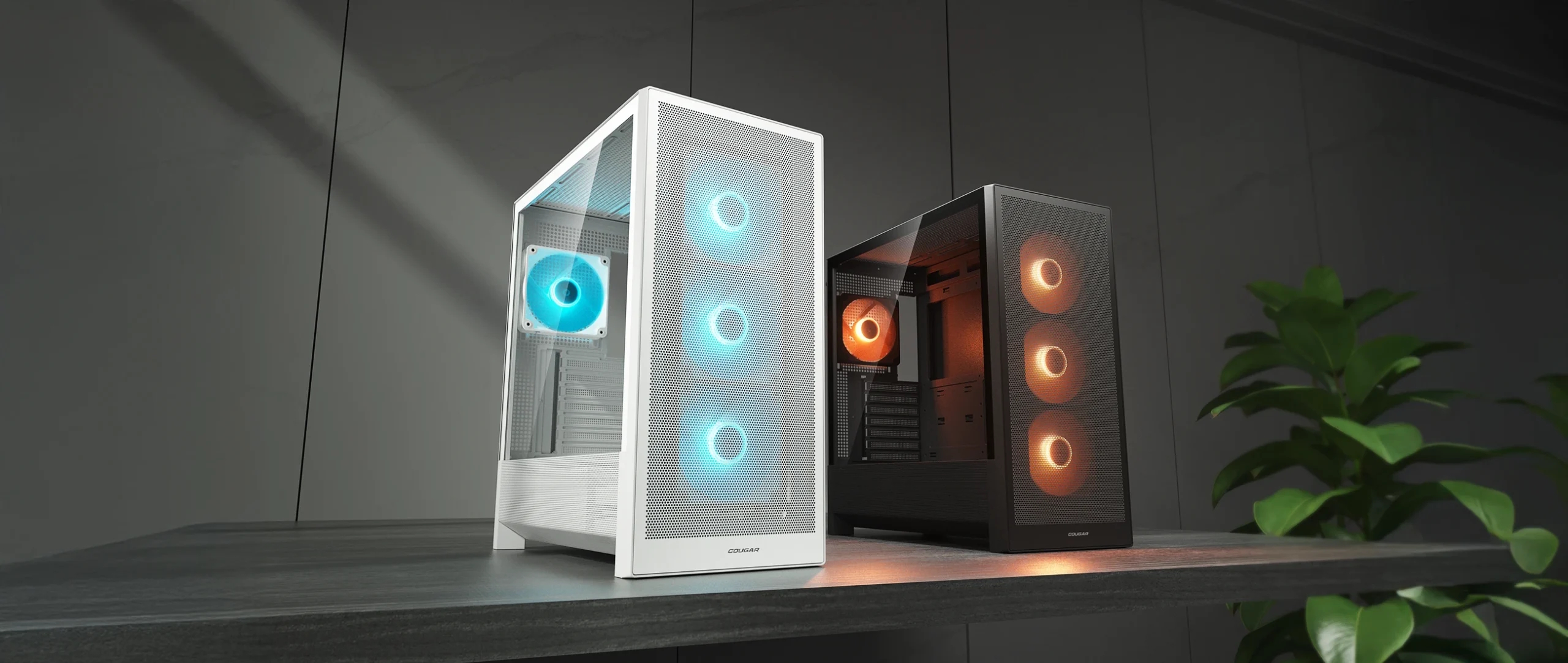
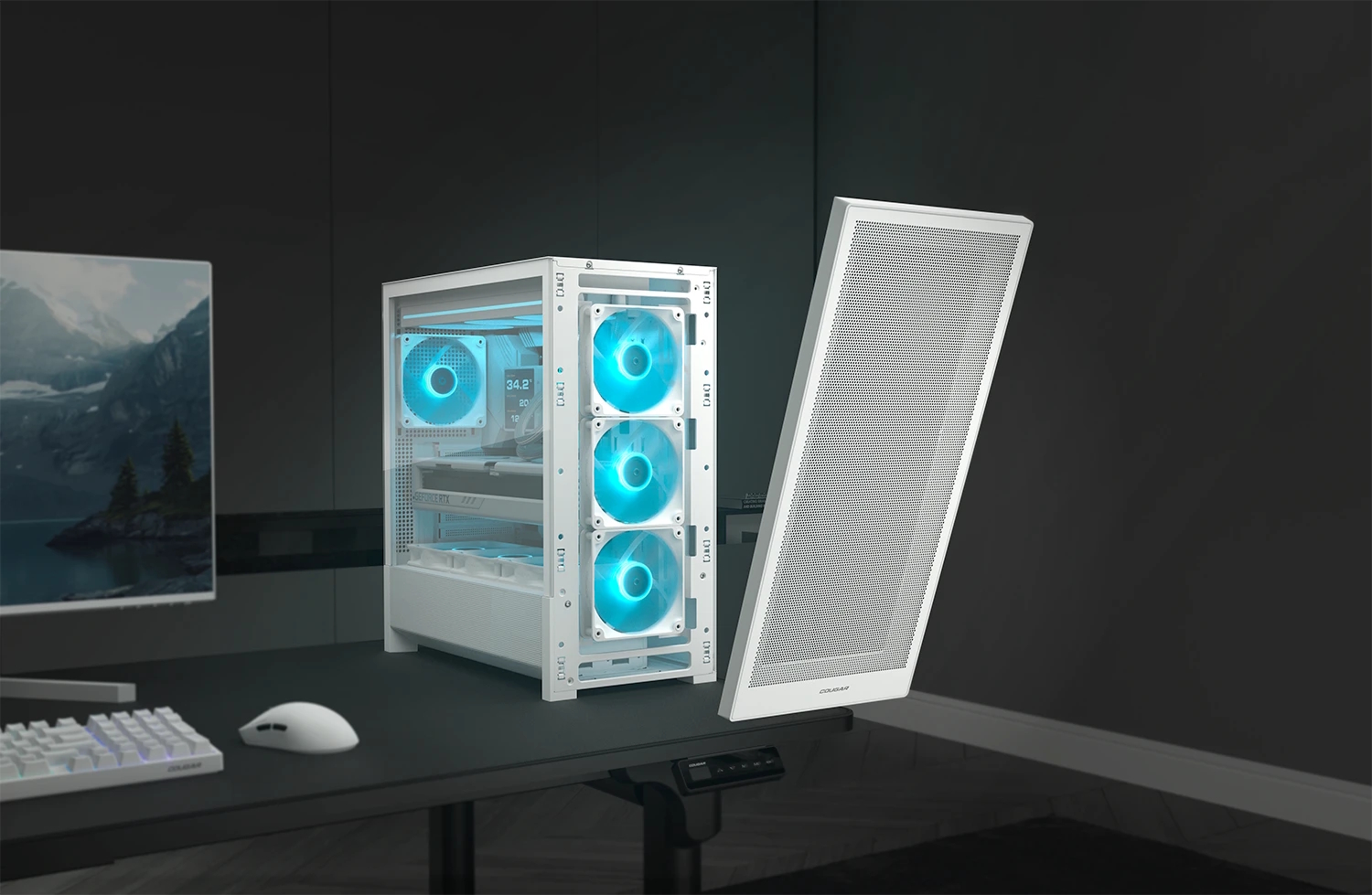
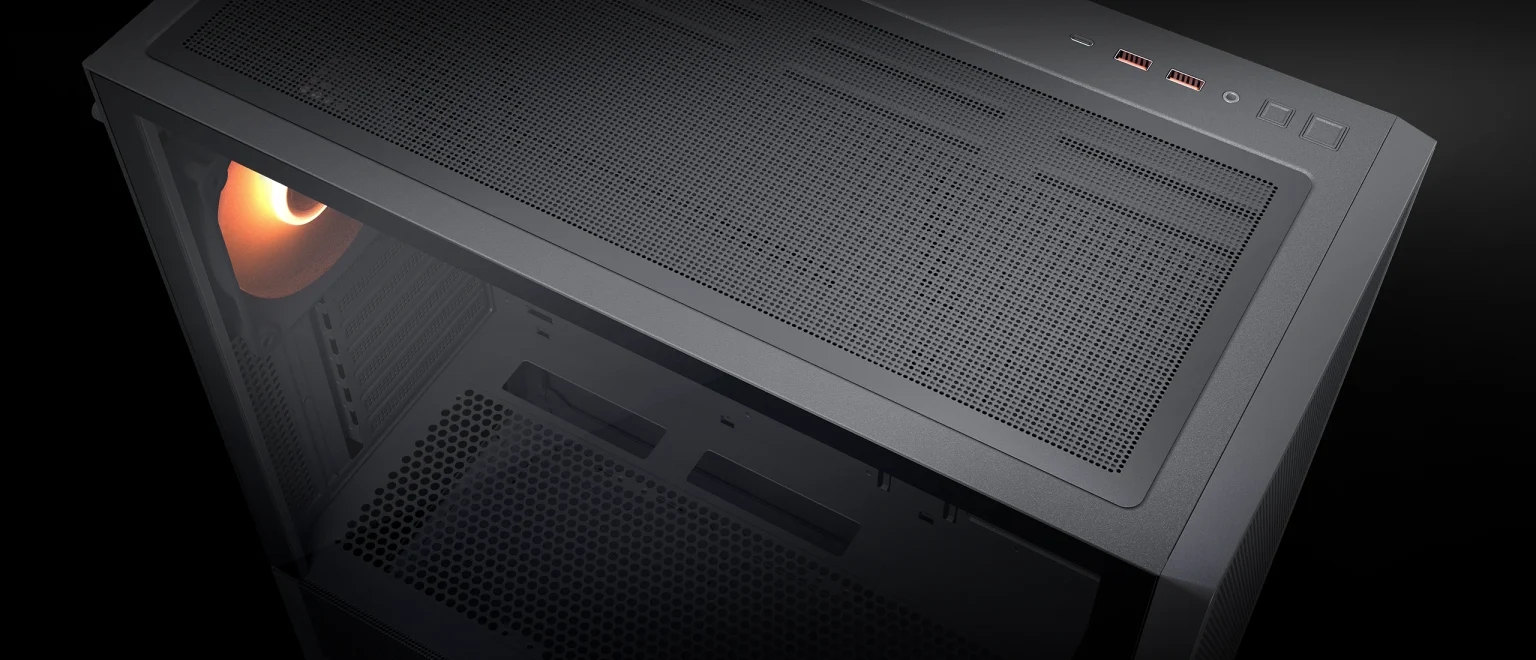
Cougar has officially unveiled the MX230 RGB, a mid-tower chassis that prioritises thermals over the “fish tank” aesthetic trend. The MX230 focuses on airflow, featuring a front mesh panel and an angled mesh bottom panel. This “airflow-first” philosophy aims to create a vertical thermal column that delivers fresh air directly to components, a departure from the side-heavy glass layouts that have dominated in recent years.
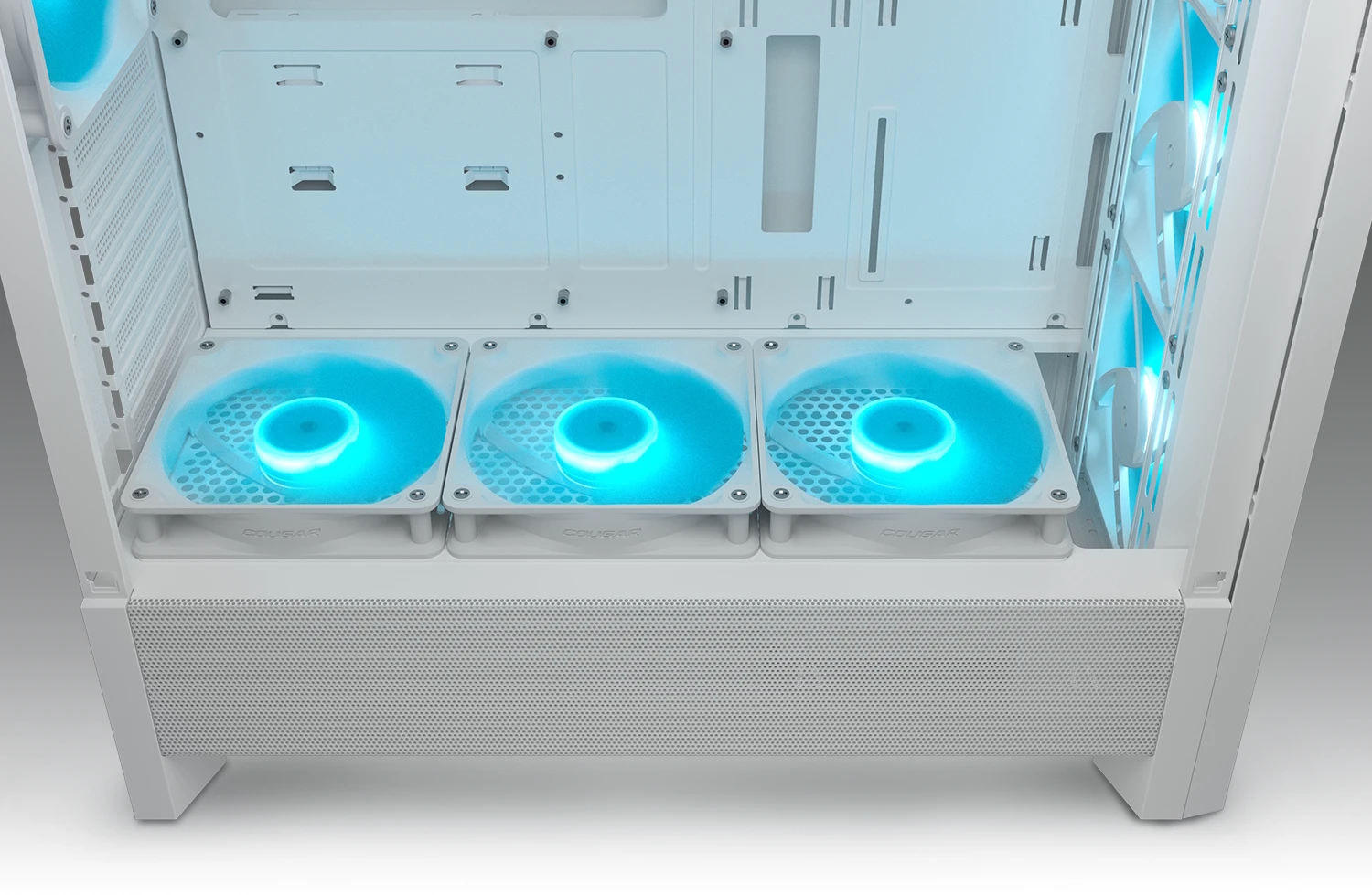
The MX230 RGB (via CowCotland) stands out with its triple-fan-capable PSU shroud, which can accommodate three 120 mm fans. This design is engineered to provide ample cabling clearance, ensuring that intake air is not choked by internal hardware. Out of the box, the MX230 is equipped with four 120 mm ARGB fans (three front, one rear), but it supports a maximum of 10 fans. For liquid cooling enthusiasts, the top panel supports radiators up to 360 mm.
Despite its compact dimensions (475 x 220 x 445 mm), the MX230 offers flagship-tier compatibility. It supports E-ATX motherboards, 170 mm tall CPU coolers, 200 mm long PSUs, and graphics cards up to 400 mm long. Additionally, the case supports 2 x 3.5″ HDDs or 1+1 2.5″ SSDs.
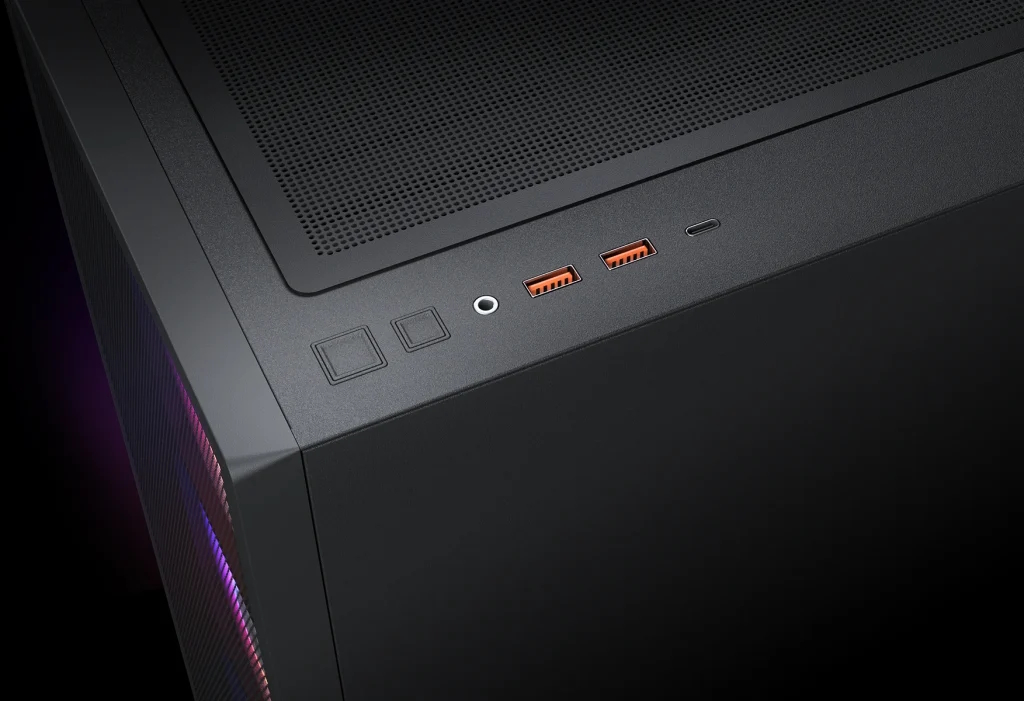
Builders will appreciate the tool-less maintenance offered by the snap-fit metal front panel and the high-speed connectivity of the front I/O, which includes a USB-C 3.2 Gen 2 (10Gbps) port. The case will be available in black and white.
KitGuru says: Although simple, the MX230 RGB looks quite nice and offers pretty much everything (and a bit more) the average PC gamer needs from a case.
Sony appears to be aggressively repositioning itself in the portable gaming market for 2026. According to recent leaks, the company is preparing a two-pronged approach: a near-term OLED refresh of the existing PlayStation Portal and a much more powerful gaming handheld powered by AMD's RDNA 5 graphics.
The report comes from Kepler_L2 (via r/GamingLeaksAndRumours), who states that the PlayStation Portal OLED is expected to launch in 2026. While internally similar to the current version, the move to an OLED panel addresses the primary criticism of the original's LCD screen, black levels and contrast. Following the recent software update that enabled cloud streaming for the Portal, the hardware refresh marks Sony's intent to turn the device into a more premium “cloud-first” companion.
However, the real excitement lies with Sony's upcoming handheld console, also referred to in previous reports as Project Canis. This long-rumoured device is expected to be a native powerhouse rather than a streaming peripheral. This console is expected to be powered by AMD's next-gen RDNA 5 (potentially branded as UDNA), LPDDR5X memory, and a low-power target (something like 15W TDP), optimising it for portable battery life.
As you may have heard, Sony has reportedly added a mandatory “low power mode” to PlayStation 5 development kits. This would allow developers to easily scale existing PS5 titles to run natively on the handheld's hardware. While the native handheld is likely to launch closer to the PlayStation 6, the OLED Portal refresh will act as a bridge, keeping Sony's foot in the door of the handheld market throughout 2026.
KitGuru says: Do you already have a Portal console? Would the upcoming OLED version convince you to buy one?
When you think NVIDIA, you think "GPUs." It's easy to forget that NVIDIA's been making system-on-a-chip products for nearly 20 years; the first Tegra SoC came out in early 2008. The company's chips haven't really found their way into mainstream laptops, but that's about to change with the release of the N1/N1X processors.
Speaking to Taiwanese
Google has a deeply-vested interest in cybersecurity and unparalleled resources to take down bad actors. The latest target on Google's kill list was a malicious proxy network called IPIDEA, and through coordinated efforts inside and outside of Google's umbrella, IPIDEA has been taken down. However, cybercriminals are a notoriously resourceful
Are you ready for some football?! The Super Bowl featuring New England Patriots (woohoo!) and Seattle Seahawks (boo!) is just a week away, and if you want to hear every bone-crunching hit, you'll want to ditch your TV's wimpy built-in speakers for a discrete audio setup. You don't have to break the bank, either, not when there are several
Philips Evnia is laying claim to what it says is the world's first dual-mode gaming monitor to hit a blistering-fast 1,000Hz refresh rate. While HKC may take umbrage with the claim, Philips Evnia's new flagship 27M2N5500XD is certainly in an elite class, one that will likely grow in number as time goes on but, for now, stands out from the
With Horizon OS v85 PTC, Quest 3 can turn any surface into a virtual keyboard, and Meta says you can remap the Quest 3S action button.
The Public Test Channel (PTC) is the beta release channel of Quest's Horizon OS. If you opt in, your headset receives a pre-release build of each upcoming version.
Note that there are often features in the eventual stable version not present in the PTC, and occasionally (but rarely) features or changes in the PTC don't make it to the stable version.
Here are 2 key features Meta is testing in Horizon OS v85 PTC:
Surface Keyboard
Text entry is a notorious challenge for XR devices when you're not carrying a connected Bluetooth keyboard.
Exclusively available as an experimental feature on Quest 3, and not the cheaper Quest 3S, Surface Keyboard adds a virtual keyboard on top of any surface, such as a table or desk.
To set it up, you place your hands flat on the table where you want the keyboard to be positioned, and a few seconds later it spawns. This is the height calibration step.
0:00
/1:05
UploadVR testing the Horizon OS v85 PTC Surface Keyboard.
Testing Surface Keyboard out for the first time, as you can see in the video below, I found it to be remarkably accurate. The ability to rest my hands makes it far preferable to a floating virtual keyboard, and I can type far faster already.
For me, and on the current build at least, it only shows up in the Horizon OS home space, passthrough or virtual. Meta has an API for developers to use the floating keyboard, and we'll keep an eye out for any signs of a similar API for Surface Keyboard when the feature launches to the stable channel.
Meta has been researching this technology for at least six years, and executives showed off a well-along prototype in 2023, with Mark Zuckerberg claiming he could reach 100 words per minute. However, that prototype required a tracking marker tag on the table, as could be seen in the clips Meta shared at the time. And the company didn't disclose the error rate of the prototype.
Then, in 2024, researchers from Meta and ETH Zurich said that they had solved the problem of turning any surface into a keyboard, without markers, by combining a neural network that predicts touch events with a language model.
Meta hasn't said whether this research is what led to the shipping feature, but it seems likely to at least be related.
You can find Surface Keyboard in the Advanced settings on Horizon OS v85 if you have a Quest 3.
It's unclear why the feature isn't (yet) available on Quest 3S.
Remap Quest 3S Action Button
While Quest 3S doesn't currently have the Surface Keyboard feature, it does get its own new exclusive feature in Horizon OS v85 PTC, according to Meta.
Quest 3S has an 'Action Button', which, since the headset launched, has served one function: toggling passthrough. Press it while in a VR game and the game will pause and you'll see the real world. It's essentially a "pause VR, I need to see my surroundings" button.
Now, with v85 PTC, Meta says that Quest 3S owners can remap the Action Button.
Our Quest 3S does not yet have v85 PTC, so we don't yet know what it can be remapped to. If you have a Quest 3S running Horizon OS v85 PTC and have this ability, please let us know in the comments below.
Navigator Set To Be Default & Horizon Feed Removed
If you missed it, earlier this week we reported Meta's announcement that "starting" in Horizon OS v85 stable, the new 'Navigator' UI will become the default, and, separately, the Horizon Feed will be removed.
The InWin Shift is completely open and a perfect home for components with an exhibitionist bent. It's also great for modders and those that test a variety of hardware and need easy…
The vast majority of IoT devices, from webcams to toasters get abandoned a few years after their release and often without any notification to the owners of the devices. This means that…
The history of computers is composed of an ever-growing number of consumer electronics devices, from game consoles to smartphones to music players, and the Computer History Museum's expansive catalog is now open for public viewing online for everyone to see via the just-launched "OpenCHM".
For those who can't make the trip to Mountain View,
The ink is barely dry on Apple’s deal with Google to utilize Gemini to train its own AI models, and today's announcement signals that the company is really ramping-up its AI ambitions. Apple just disclosed that it intends to acquire Q.ai for roughly $1.6 billion, which is a startup that specializes in implementing AI in applications that involve
An AI-powered toy company exposed more than 50,000 private chat logs between children and its products after leaving a web console almost completely unsecured. According to WIRED, anyone with a Gmail account could access transcripts of conversations kids had with Bondu's AI-enabled stuffed animals, along with names, birth dates, family details,
A federal investigation has been launched over a collision between a Waymo robotaxi and a young student in a Santa Monica, California school zone. The car reportedly exercised the right precautions while operating in the school zone, even if the onboard systems were blindsided by the child dashing from behind a nearby SUV.
The incident
D-Day VR Museum, as its name describes, is a virtual reality exhibition of one of the most pivotal moments in history, using every audiovisual tool to keep the education engaging. Read on for our full thoughts.
On June 6, 1944, the Allied Forces launched the largest amphibious assault in history, turning the tide on the beaches of Normandy, eventually winning the Second World War against the Axis powers. This defining moment came to be known as D-Day. Countless accounts of it have been recorded since, making it a key point in history where democracy prevailed. In the process, it has spawned books, movies, and now, a vivid virtual reality exhibition called D-Day VR Museum. Where this experience succeeds is in using every possible medium that a headset allows: from a traditional exhibit all the way to walking through recreated iconic locations and making the player relive the paratroopers' airborne landings.
The Facts
What is it?: An interactive VR museum about the D-Day invasion. Platforms: Steam Release Date: Out now Developer: Lichtblau IT Publisher: Diverently GmbH Price: $14.99
Beginning at a hall with four WWII uniforms and a desk, there are several options to approach: the options menu, the start of the tour, the five beaches invaded on D-Day, and an immersive view through the paratroopers’ lens. The first area is as you would expect in a real museum. Tanks, soldiers, jeeps, and propaganda from the 1940s all adorn the halls to better appreciate the historical stakes. An AI-voiced narration gives a detailed account of every aspect of the operation, including the background, leaders, and geopolitical situation. It only gets more complex from there.
3D-scanned models of real artifacts of the time can be physically held as the narrator explains what they were used for. Holding a Bombe machine, whose code Alan Turing deciphered to reveal strategic enemy communications, or a “Rupert,” which was a decoy parachuted alongside airborne soldiers, enhances the sense of presence of an otherwise normal museum visit. Hearing the stirring speech by Franklin D. Roosevelt on the evening of the decisive military operation while perusing through historical items gives a unique perspective of the era.
PC Specs Used
My gaming laptop uses an AMD Ryzen 7 250 w/ Radeon 780M Graphics Processor, 24 GB DDR5-5600MT/s SODIMM, and an Nvidia GeForce RTX 5060 8 GB GDDR7. This impressions piece was conducted using a Meta Quest 3 via the Steam Link app.
No performance issues were encountered during this playthrough. You can find the minimum and recommended specs on the Steam page to learn more.
What stands out the most about the D-Day VR Museum is, undoubtedly, its interactive element. Watching short video documentaries of the event certainly attunes you to the general feeling of extreme danger of the military campaign, with the entire Western ideology at risk. Visual aids like Google Street View-style 360 images of the current places where these critical events took place help understand the gravity of the situation. Most importantly, full-blown virtual recreations of places and moments hammer home the urgency each young serviceman went through. Being in the plane next to other fighters, listening to them pray, and finally throwing yourself to the uncertainty of what was on the ground is portrayed well here.
Comfort
D-Day VR Museum has the expected features of any virtual reality game. There is either smooth or snap turning and a vignette that can be turned off whose radius you can increase or reduce. The movement along the exhibit can be performed by manually moving the joystick to walk or by teleporting.
There are subtitles for every video documentary if needed, and the Nazi symbols can be removed.
0:00
/0:35
A gameplay video recorded by UploadVR of D-Day VR Museum. It's a scene of what the paratroopers went through.
D-Day VR Museum is a testament to what was at stake, what was lost, and what prevailed thanks to the tenacity of these unwavering soldiers. There is no better way to learn about the sacrifice the Greatest Generation made in order to achieve freedom from those who threatened it. As an interactive experience, it excels as a sobering reminder of this transcendental moment, putting players head-first into an equally entertaining and educational exhibition. As a history lesson, it delivers an emotionally charged remembrance that only VR can provide.
Dispatch, an episodic adventure game from an indie studio with a star-studded voice lineup including Aaron Paul, has earned critical acclaim since its release, but the recent arrival of a port to the Nintendo Switch and Switch 2 has caused some controversy, prompting responses from both Nintendo and AdHoc Studio.
Game censorship has picked
The new SilverStone MS12-40G is a compact and lightweight M.2 SSD enclosure featuring a 40 Gbps USB4 or Thunderbolt 4 interface with fan-based active cooling, letting you give an unused M.2 NVMe SSD a new lease of life as a formidable portable SSD.
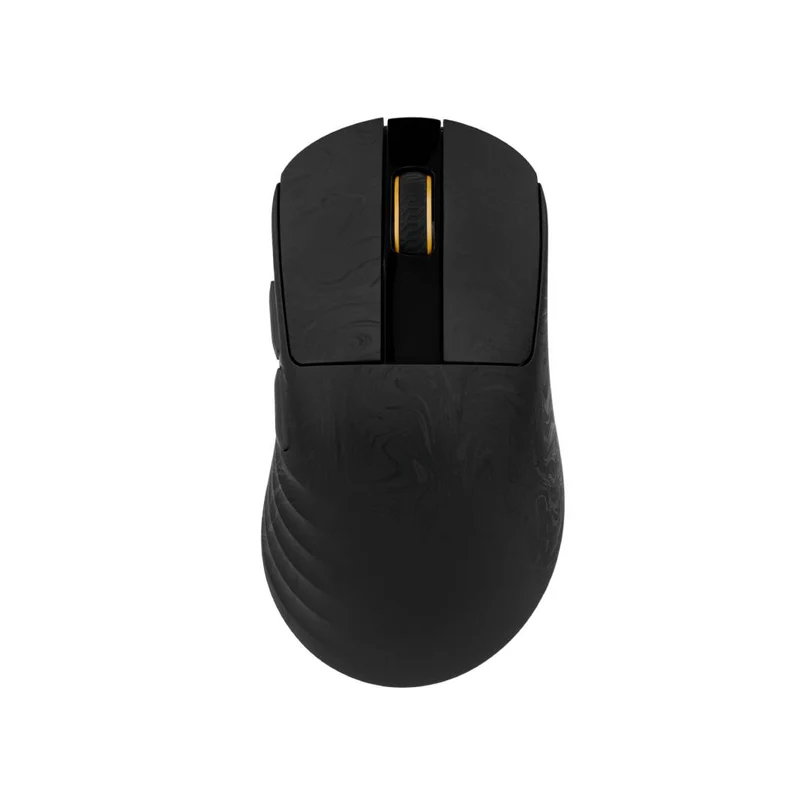
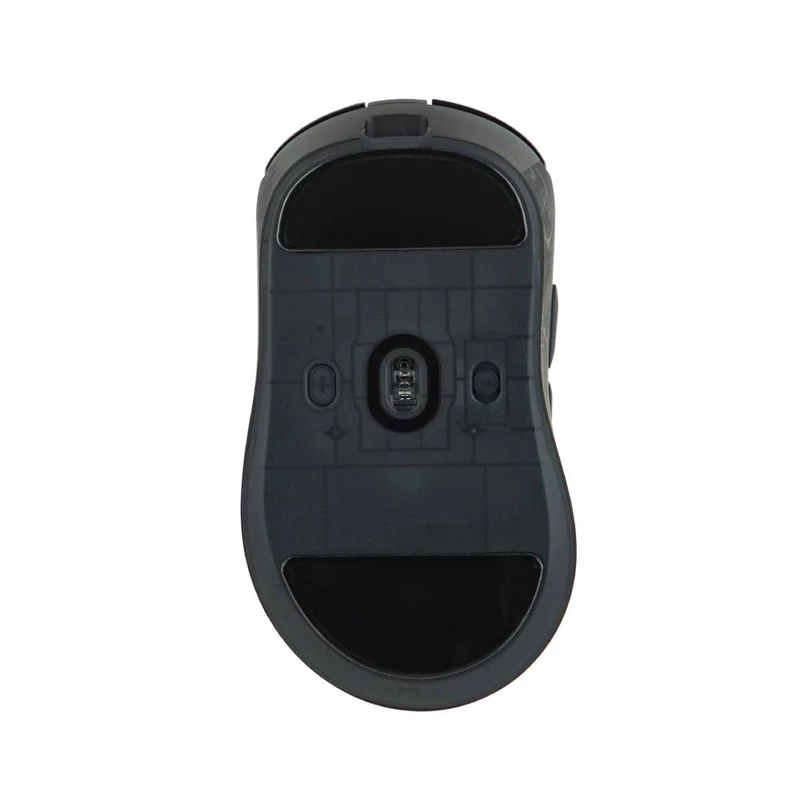
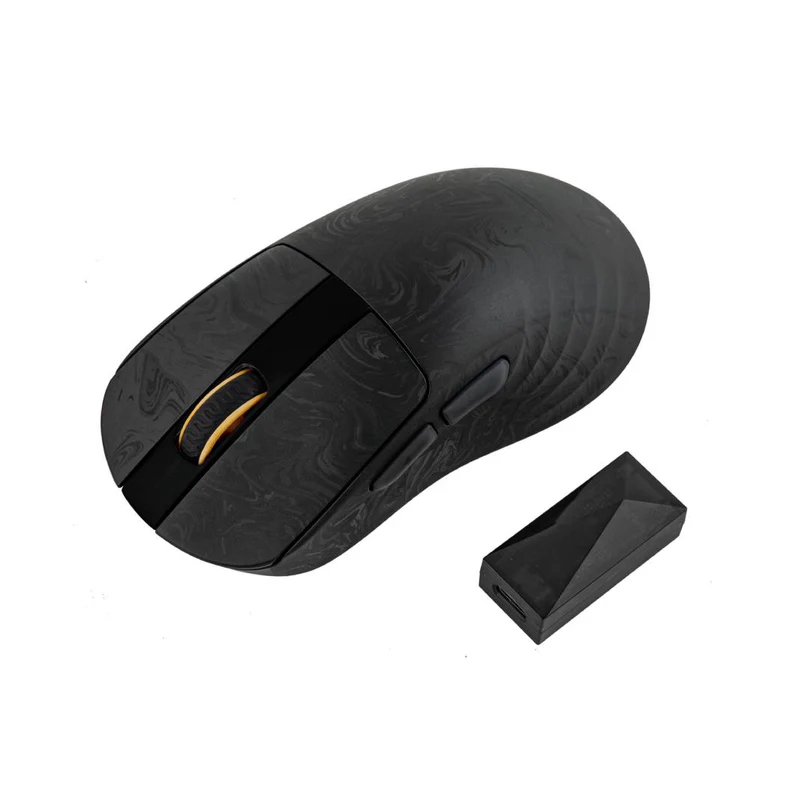
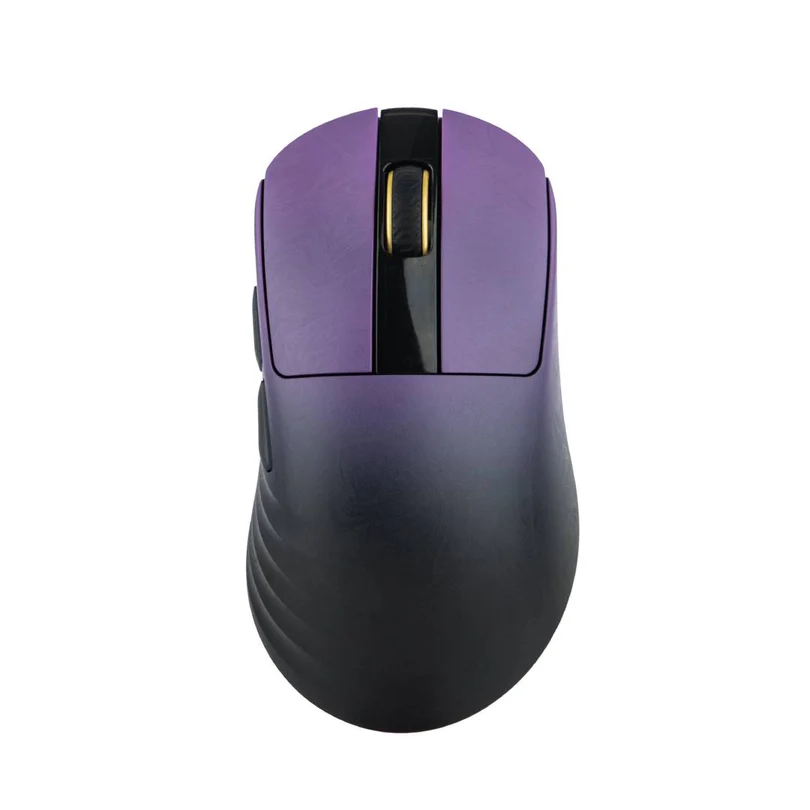
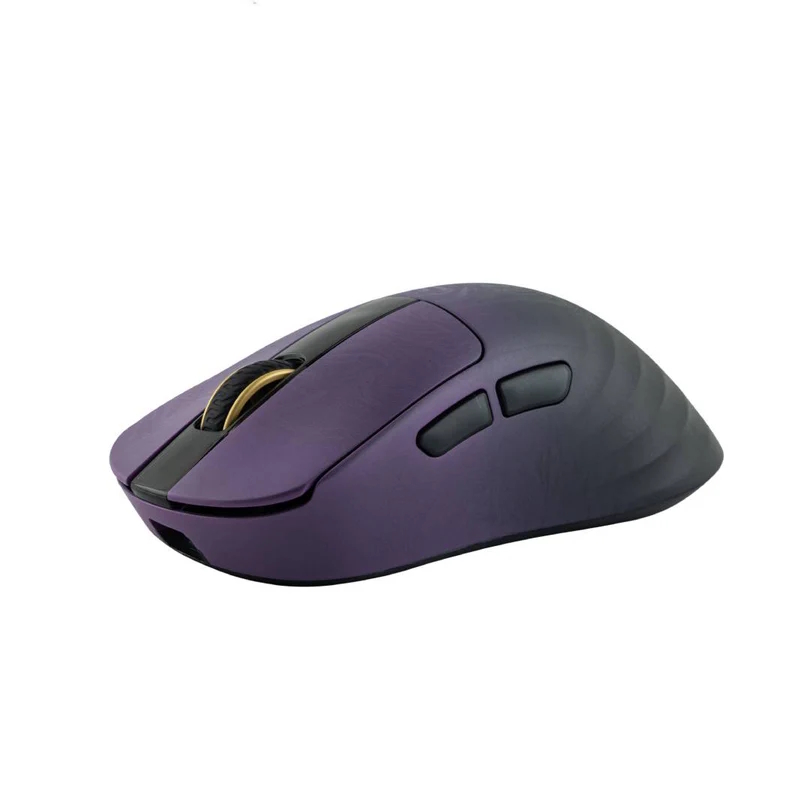
Epomaker is expanding its carbon mouse lineup with the Carbonis, a solid-shell, ergonomic carbon fibre gaming mouse. While its predecessor, the CarbonX, utilised a lattice-style honeycomb frame to save weight, the Carbonis adopts a solid right-handed ergo shape reminiscent of the Razer DeathAdder V4 Pro.
Using carbon fibre, Epomaker aims to deliver a structurally rigid frame that remains lightweight. Under the shell, the Carbonis (via TechPowerUP) is equipped with the flagship PixArt PAW 3950 sensor and the Nordic N54L MCU. This combination supports a native 8000 Hz (8K) polling rate for minimal input latency. Another standout feature is the integrated smart LCD screen on the top of the mouse, which provides real-time feedback on DPI settings, battery life, and current polling rates.
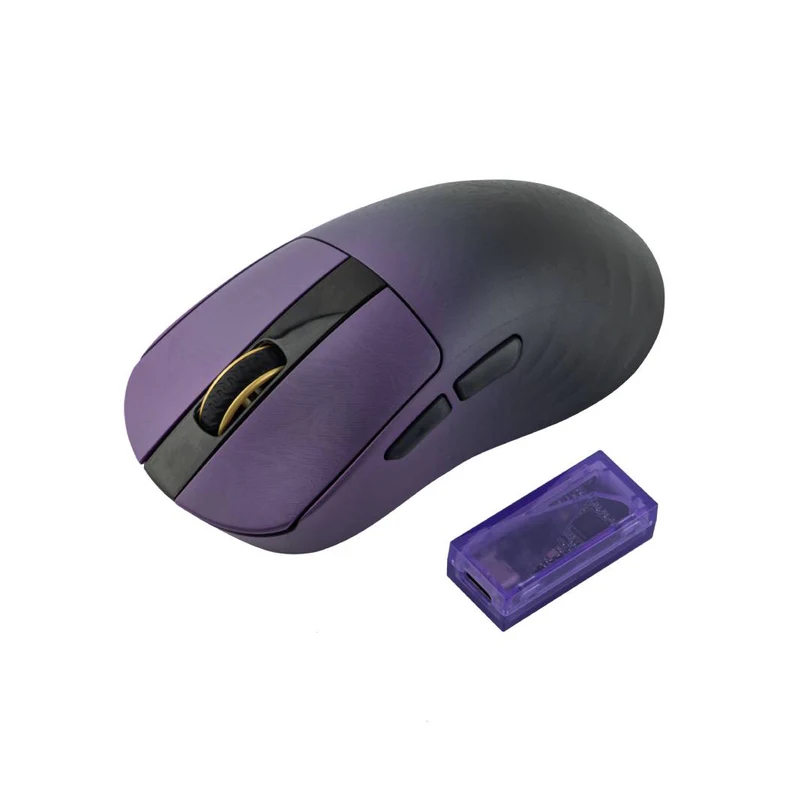
The device uses an online, web-based driver, allowing users to customise settings via a browser without the need for traditional software installations. As for aesthetics, the mouse will be available in two models: a black forged carbon pattern with a matching dongle, and a purple gradient with a transparent purple dongle.
The Carbonis is currently in its final pre-launch phase. Epomaker is offering a $1 early-bird reservation that entitles buyers to a $15 discount when the mouse officially goes on sale later this month. Pricing is yet to be defined.
KitGuru says: Carbon fibre is becoming quite common for enthusiast mice. Most of them are quite pricey, but from what we know about Epomaker, this one will likely be cheaper than its rivals.
Earlier this month, Ubisoft restructured its entire business and cancelled a number of projects, while also delaying others. Interestingly, Beyond Good and Evil was named as one of the main franchises to survive the restructuring and now, the sequel's director has confirmed that Ubisoft remains ‘committed' to the game.
Beyond Good and Evil 2 was announced all the way back in 2017 but the project has gone through many changes since then. At numerous points, fans have speculated that the project may have been cancelled but over the past year, numerous job listings have confirmed that the game is still in active development.
In a statement (via VGC), Beyond Good and Evil 2 director, Fawzi Mesmar said that Ubisoft “remain committed and focused” on delivering the long-awaited sequel. Mesmar also said that the game is “unaffected by the recent changes” at the publisher.
It is still unclear exactly when Beyond Good and Evil 2 will resurface, or when fans can expect to get their hands on it. If it ends up arriving in 2027, it will be the second 10-year project that Ubisoft has released in recent years, following Skull & Bones, which began development in 2013, but didn't release until 2024 due to numerous delays.
KitGuru Says: Beyond Good and Evil 2 is a bit of a headscratcher. It is a sequel to a cult classic game from the 2003, one that many had forgotten about until the sequel was announced in 2017. Ubisoft has much more popular classics under its wing that could do with a return to the spotlight, including the likes of Splinter Cell and Prince of Persia.
It would seem that the rumours of an incoming Nintendo Direct showcase are picking up steam. Multiple additional sources have since corroborated the claim that a new stream will be taking place in February.
Followed on from NatetheHate, GameXplain and VGC have also corroborated the claim that a Nintendo Direct will be happening next week. However, VGC adds that this is going to be a partner showcase, so don't expect any first-party Nintendo game announcements.
The stream is supposed to take place on Thursday, February 5th, focusing on new third-party games heading to the Switch and Switch 2 consoles. There are already some likely candidates in mind for the showcase.
Titles like Borderlands 4 and Elden Ring are still yet to receive official release dates for the Switch 2. Recent rumours also indicated that Final Fantasy 7 Rebirth is due to land on the Switch 2 later this year. There have also been rumblings around a Switch 2 upgrade for The Witcher 3, and Capcom also reportedly wants to bring Monster Hunter Wilds over to Nintendo's new system.
KitGuru Says: Fans of Nintendo's exclusive franchises will have to wait a while longer for news. In the meantime, there will be plenty of new ports on the way for the latest Switch console.
In just a matter of weeks, NVIDIA's original Shield TV console will turn 10 years old. What makes the milestone particularly remarkable is that even after a full decade of service, NVIDIA continues to dish out Android updates, and it has no plans of stopping. It's true that device makers have gotten better about longer term support for Android
 Connexion
 Google DeepMind's Project Genie is a research prototype that allows users to "create, explore, and remix their own interactive worlds" based on text or image prompts. Regardless of what is used to generate the world, controls are limited to WASD, arrow keys, and the space bar, and the output will be capped to 720p resolution and 24 FPS, but